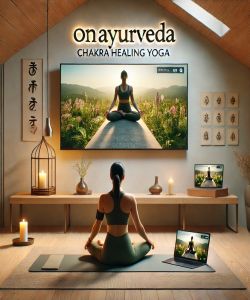
Overview of Chakra Healing Yoga
Chakra Healing Yoga represents a formidable and highly specialised discipline engineered to address the subtle energy systems of the human body. It is not merely a physical practice; it is a profound and systematic methodology for diagnosing, cleansing, and recalibrating the seven primary energy centres, or chakras, that are understood to govern an individual’s physiological, psychological, and spiritual well-being. This practice moves beyond the superficial mechanics of standard yoga asanas, demanding instead a rigorous integration of physical postures, controlled breathing techniques (pranayama), focused meditation, and sound vibration (mantra) to achieve its objectives. The core premise is unequivocal: energetic blockages or imbalances within these chakras are the root cause of physical ailment, emotional distress, and spiritual stagnation. Therefore, the discipline is inherently prescriptive, targeting specific energy centres with precision-engineered sequences and techniques designed to dismantle these obstructions and restore a harmonious flow of prana, or life force energy, throughout the entire being. It is an exacting and uncompromising path that requires unwavering commitment and mental fortitude from its practitioners. The ultimate aim is not transient relaxation but a fundamental and enduring realignment of one’s entire energetic architecture, leading to a state of optimised health, mental clarity, and heightened consciousness. This is not a passive pursuit; it is an active and assertive engagement with the deepest strata of human existence, demanding a level of self-awareness and discipline far beyond that of conventional wellness practices. The methodology is direct, its purpose is clear, and its execution must be flawless for the practitioner to unlock the profound transformative potential that lies dormant within the energetic body. It is a system built on ancient wisdom, yet its application is critically relevant to the complex maladies of the modern condition, offering a powerful framework for self-mastery and holistic integration.
What is Chakra Healing Yoga?
Chakra Healing Yoga is a highly specialised and integrative yogic discipline focused explicitly on the purification, balancing, and activation of the seven primary energy centres, known as chakras. These chakras are posited as vital vortices of subtle energy, or prana, aligned along the spinal column, each corresponding to specific physiological functions, emotional states, and levels of spiritual awareness. Unlike generalised yoga practices that may incidentally influence these centres, Chakra Healing Yoga employs a targeted and deliberate methodology. It is an exacting science that synchronises specific physical postures (asanas), controlled breathing patterns (pranayama), vibrational sound (mantras), hand gestures (mudras), and intensive meditation techniques to directly stimulate and regulate each individual chakra.
The fundamental principle of this discipline is that blockages, deficiencies, or excesses within the chakra system are the primary source of physical, mental, and emotional dysfunction. The practice is therefore diagnostic and prescriptive. It seeks to identify areas of energetic imbalance and apply precise yogic tools to rectify them. For example, a practitioner might use grounding postures like Tadasana (Mountain Pose) and deep, resonant chants to address an underactive Muladhara (Root Chakra), which governs stability and security. Conversely, heart-opening postures such as Ustrasana (Camel Pose) combined with specific pranayama would be deployed to unblock the Anahata (Heart Chakra), associated with compassion and emotional connection.
This practice demands an elevated level of introspection and awareness from the participant. It is not a mere physical exercise; it is an active and conscious engagement with one's own energetic anatomy. The objective is to systematically dismantle deep-seated energetic knots (granthis) and to facilitate the unimpeded flow of prana throughout the body’s intricate network of energy channels (nadis). The ultimate goal is the restoration of homeostatic balance across the entire energetic system, leading to profound improvements in physical health, emotional stability, mental acuity, and spiritual insight.
Who Needs Chakra Healing Yoga?
Individuals Experiencing Chronic Emotional Turmoil. Those perpetually afflicted by persistent anxiety, depression, anger, or pervasive apathy will find this discipline targets the energetic roots of such disturbances. It is for those who recognise that superficial remedies are insufficient and require a fundamental recalibration of their emotional and energetic core.
Persons Suffering from Persistent, Unexplained Physical Ailments. When conventional medicine fails to diagnose or effectively treat chronic conditions, particularly those linked to stress or psychosomatic factors, this practice offers a direct methodology for addressing the underlying energetic blockages that may be manifesting as physical disease.
Practitioners Seeking to Deepen Their Spiritual Practice. Individuals on a path of self-realisation who have reached a plateau in their spiritual or meditative development require this discipline. It provides the essential tools for clearing the energetic channels necessary for the awakening of higher consciousness and Kundalini energy.
Professionals Operating in High-Stress Environments. Executives, leaders, and any individuals subjected to relentless mental and emotional pressure must engage in this practice. It provides a robust framework for managing energetic depletion, enhancing resilience, and maintaining peak cognitive and emotional performance under duress.
Individuals Feeling Disconnected or Lacking Purpose. Those experiencing a profound sense of detachment from themselves, their community, or their life’s purpose will find this practice indispensable. It works systematically to realign the self with its core energetic truths, thereby restoring a sense of meaning, direction, and authenticity.
Creative Professionals Experiencing Blockages. Artists, writers, and innovators whose creative flow is obstructed must undertake this practice. By targeting the Sacral (Svadhisthana) and Throat (Vishuddha) chakras, it systematically dismantles the energetic impediments to inspiration, expression, and productivity.
Individuals Recovering from Trauma. This practice is a critical tool for those processing deep-seated trauma. It provides a safe and structured container for releasing stored energetic imprints of past events from the body and psyche, facilitating a complete and integrated healing process that is not achievable through cognitive therapy alone.
Origins and Evolution of Chakra Healing Yoga
The conceptual framework of Chakra Healing Yoga is deeply rooted in the ancient tantric traditions of India, with its foundational principles first articulated in sacred texts such as the Upanishads and, more explicitly, in later tantric scriptures like the Sat-Cakra-Nirupana and the Padaka-Pancaka. These texts, dating back centuries, provided the first systematic cartography of the subtle body, meticulously detailing the locations, attributes, and functions of the chakras, nadis (energy channels), and Kundalini Shakti (dormant spiritual energy). Early practices were not a distinct 'yoga style' as understood in the modern sense but were an integral part of a complex esoteric system of Tantra, accessible only to dedicated initiates under the strict guidance of a guru. The objective was unequivocal: spiritual liberation (moksha) through the systematic purification of the subtle body and the deliberate awakening of Kundalini, guiding it upwards through the central channel (Sushumna Nadi) to unite with pure consciousness at the crown.
The evolution of this esoteric knowledge into a more accessible practice began in the early 20th century, largely through the efforts of pioneering Indian yogis and scholars who sought to translate these profound concepts for a wider, and eventually a global, audience. Figures like Swami Sivananda and his disciples were instrumental in demystifying and systematising these teachings, integrating the theory of chakras with more widely practised Hatha yoga techniques. They codified specific asanas, pranayama, and meditations that corresponded to each chakra, thereby creating a practical methodology for individuals to work with their own energetic systems outside of a strictly monastic or esoteric context.
The latter half of the 20th century witnessed a significant Westernisation and popularisation of the concept, largely catalysed by the counter-culture movement and the burgeoning New Age spiritual marketplace. This period saw the proliferation of literature that simplified, and at times oversimplified, the complex philosophical underpinnings of the chakra system. Authors and teachers began to associate chakras with colours, gemstones, and psychological archetypes, making the system more relatable but also diluting its original tantric rigour. The contemporary form of Chakra Healing Yoga is a synthesis of these evolutionary stages. It retains the core elements of traditional Hatha and Tantra—asana, pranayama, mantra, and meditation—but frames them within a therapeutic and self-developmental context that is highly accessible. It has evolved from a secretive, liberation-focused discipline into a powerful, structured modality for holistic health and psychospiritual integration in the modern world.
Types of Chakra Healing Yoga
Hatha-Based Chakra Yoga. This is the most foundational and physically-oriented approach. It employs a systematic sequence of static physical postures (asanas) and breath control (pranayama) specifically chosen for their direct impact on a particular chakra. Each posture is held for an extended duration to stimulate blood flow, nerve plexuses, and endocrine glands associated with the targeted energy centre, thereby physically encouraging the release of energetic stagnation. The methodology is precise and anatomical in its focus.
Vinyasa-Based Chakra Flow. This type integrates the principles of chakra alignment into a dynamic, flowing sequence of postures. Transitions between asanas are synchronised with the breath, creating a continuous and vigorous practice. The sequences are intelligently designed to move energy up or down the spinal column, either to ground and stabilise or to elevate and expand consciousness, depending on the therapeutic intention for the session. It is an assertive and energising form of the practice.
Kundalini-Based Chakra Yoga. As taught by Yogi Bhajan, this is a highly prescriptive and potent form that utilises specific sets of exercises known as kriyas. Each kriya is a fixed combination of repetitive movements, powerful breathing techniques (like Breath of Fire), mantras, mudras (hand gestures), and bandhas (body locks). These kriyas are engineered with uncompromising precision to generate intense energetic pressure, purify the nadis, and stimulate the awakening of Kundalini energy at the base of the spine for its ascent through the chakras.
Mantra and Sound-Based Chakra Yoga (Nada Yoga). This modality focuses primarily on the use of sound vibration to resonate with and balance the chakras. Practitioners engage in the prolonged chanting of specific seed syllables (bija mantras), such as 'LAM' for the Root Chakra or 'RAM' for the Solar Plexus Chakra. The vibratory frequency of each mantra is believed to directly penetrate and recalibrate the subtle energy of its corresponding chakra, dissolving blockages through sonic resonance.
Restorative and Yin Chakra Yoga. This is a passive yet profound approach. It utilises long-held, deeply relaxing postures, often supported by props like bolsters and blankets. The objective is to release tension in the deep connective tissues (fascia) where stagnant energy and emotional trauma are stored. By holding poses for several minutes, the practitioner allows for a gentle but deep opening and cleansing of the energetic channels and chakras, promoting healing on a subtle, parasympathetic level.
Benefits of Chakra Healing Yoga
Enhanced Emotional Regulation. The practice systematically addresses the energetic roots of emotional volatility. By purifying and balancing the chakras, particularly the Sacral, Solar Plexus, and Heart centres, it dismantles ingrained patterns of anxiety, anger, and fear, cultivating a state of unwavering emotional equilibrium and resilience.
Increased Physical Vitality and Health. By clearing blockages in the energy centres that correspond to major nerve plexuses and endocrine glands, this discipline optimises physiological functioning. It directly improves glandular secretions, enhances organ function, and boosts the immune system, leading to a tangible increase in overall vitality and a reduction in chronic physical complaints.
Profound Mental Clarity and Focus. The discipline’s emphasis on concentration and meditation, particularly targeting the Third Eye and Crown chakras, systematically purges mental clutter. This results in a significant enhancement of cognitive functions, including improved concentration, sharper memory, and the capacity for decisive, lucid thought under pressure.
Heightened Self-Awareness and Intuition. Engaging directly with the subtle body cultivates a deep and authentic connection to one’s inner self. The practice sharpens intuitive faculties, governed by the Third Eye Chakra, allowing for greater insight into one’s own nature, motivations, and life path, free from the distortions of the ego.
Improved Interpersonal Relationships. Through the harmonisation of the Heart and Throat chakras, the ability to communicate authentically and connect with others from a place of compassion and truth is profoundly strengthened. It dissolves the energetic barriers to intimacy and understanding, fostering more meaningful and supportive relationships.
Unlocking of Creative Potential. The systematic cleansing of the Sacral Chakra, the seat of creativity and passion, liberates dormant creative energies. This facilitates a powerful surge in inspiration, innovation, and the confident expression of one’s unique talents and ideas.
Deeper Spiritual Connection. By purifying the entire energetic system and opening the upper chakras, the practice creates a direct and stable channel to higher consciousness. It moves beyond mere belief, fostering a direct, experiential connection to a sense of universal purpose and spiritual truth.
Stress Reduction and Systemic Relaxation. The integration of pranayama and restorative postures directly activates the parasympathetic nervous system, counteracting the debilitating effects of chronic stress. This induces a state of deep physiological and psychological relaxation, discharging accumulated tension from the body and mind.
Core Principles and Practices of Chakra Healing Yoga
Principle of Energetic Correspondence. The foundational principle is that each of the seven primary chakras corresponds directly to specific physical, emotional, mental, and spiritual strata of human existence. The practice is built upon a precise understanding of these correlations; for example, the Root Chakra (Muladhara) governs survival and grounding, while the Throat Chakra (Vishuddha) governs communication and self-expression. All techniques are applied based on this exacting map of the subtle body.
Identification and Diagnosis of Imbalance. A core practice involves rigorous self-assessment or guided diagnosis to identify which chakras are blocked, deficient (hypoactive), or excessive (hyperactive). This is not a vague or intuitive process but a systematic analysis of physical symptoms, emotional patterns, and behavioural tendencies to pinpoint the specific locus of energetic dysfunction.
Targeted Application of Asana (Postures). Physical postures are not chosen arbitrarily. Specific asanas are selected and executed with precision to stimulate the physical location of a target chakra. Grounding poses like Warrior stances affect the Root Chakra, hip-openers target the Sacral Chakra, and spinal twists stimulate the Solar Plexus. The posture is a physical key to an energetic lock.
Strategic Utilisation of Pranayama (Breath Control). Breath is the primary vehicle for directing prana (life force). Practices such as Nadi Shodhana (Alternate Nostril Breathing) are used to balance the entire system, while more forceful techniques like Kapalabhati or Bhastrika are deployed to energise and purify specific chakras, particularly the lower three. The breath is a tool for deliberate energetic manipulation.
Application of Bija Mantras (Seed Sounds). Each chakra possesses a unique vibrational frequency, which can be activated and harmonised through the chanting of its corresponding single-syllable Bija Mantra. The repetitive, resonant chanting of 'VAM' for the Sacral Chakra or 'HAM' for the Throat Chakra is a non-negotiable practice for vibrational recalibration at the deepest level.
Focused Meditation and Visualisation (Dhyana). A critical practice involves sustained, single-pointed meditation on the location, colour, element, and qualities of a specific chakra. This mental focus acts as a powerful conduit, directing conscious awareness and pranic energy to the targeted centre to dissolve blockages and amplify its function. Visualisation is not passive imagination; it is an act of creative will.
Integration through Savasana (Corpse Pose). Every active session must conclude with a period of complete stillness in Savasana. This is not mere rest; it is an essential phase for the assimilation and integration of the energetic shifts that have occurred. It allows the practitioner's entire system to absorb the recalibration and settle into a new, more harmonious homeostatic state.
Online Chakra Healing Yoga
Uncompromising Accessibility and Discipline. The online format dismantles all geographical and logistical barriers, making this potent practice accessible to any individual with the requisite commitment, regardless of their location. This accessibility, however, demands a higher degree of personal discipline. The practitioner must create a sanctified, distraction-free space and hold themselves accountable for consistent engagement without the external pressure of a physical studio environment.
Direct Access to Specialised Global Expertise. Digital platforms provide direct access to highly specialised instructors and lineage-holders from across the globe. A practitioner is no longer limited to the expertise available in their immediate vicinity but can seek out and train with an authentic master of this specific yogic science, ensuring the transmission of undiluted and powerful knowledge.
Enhanced Personalised Practice Environment. The practitioner has absolute control over their environment. They can manipulate lighting, sound, and temperature to create the optimal conditions for deep inner work. This eliminates the potential distractions and social pressures of a group class, facilitating a more profound and introspective journey into the subtle body.
Facilitation of Repetition and Mastery. Online courses offer the critical benefit of replayable content. The practitioner can review complex techniques, guided meditations, and philosophical lectures repeatedly until full comprehension and mastery are achieved. This capacity for meticulous revision is a significant advantage over the ephemeral nature of a single, in-person class, accelerating the learning curve for the serious student.
Cost and Time Efficiency. By eliminating the need for travel and the associated costs, the online modality presents a more efficient and sustainable model for long-term practice. The time saved can be reinvested directly into the practice itself, allowing for deeper and more frequent immersion in the discipline without the logistical burdens of attending a physical location.
Cultivation of Self-Reliance and Internalisation. The absence of a physically present teacher forces the practitioner to cultivate a heightened sense of internal awareness and self-reliance. They must learn to interpret their own energetic feedback and make subtle adjustments independently, fostering a deeper ownership of the practice and a more robust connection to their own inner guidance system. This is a crucial step towards genuine self-mastery.
Chakra Healing Yoga Techniques
Muladhara (Root Chakra) Activation.
Step 1: Assume Tadasana (Mountain Pose) with feet firmly planted, distributing weight evenly. Engage the leg muscles and lengthen the spine.
Step 2: Actively press the feet into the ground while visualising roots extending deep into the earth, establishing an unshakeable connection.
Step 3: Inhale deeply into the belly. On the exhalation, chant the bija mantra 'LAM' in a low, resonant tone, feeling the vibration at the base of the spine.
Step 4: Repeat the mantra chant for a designated number of repetitions, maintaining unwavering focus on the perineum, the physical location of the chakra.
Svadhisthana (Sacral Chakra) Cleansing.
Step 1: Sit in Baddha Konasana (Bound Angle Pose), bringing the soles of the feet together and allowing the knees to fall outwards.
Step 2: Inhale to lengthen the spine. On the exhale, gently fold forward, maintaining a straight back.
Step 3: Initiate a gentle, fluid rocking or pulsing motion in the hips, visualising stagnant energy breaking apart like crystallized honey.
Step 4: Incorporate the bija mantra 'VAM', chanting it with a smooth, fluid quality that mirrors the element of water. Focus intently on the sacral area, below the navel.
Manipura (Solar Plexus Chakra) Energising.
Step 1: Come into a seated position and prepare for Kapalabhati pranayama (Skull Shining Breath).
Step 2: Inhale passively and then begin a series of sharp, forceful exhalations by powerfully contracting the abdominal muscles, pulling the navel towards the spine.
Step 3: Maintain a steady, rapid rhythm. Visualise a brilliant, sun-like energy building at the solar plexus with each forceful exhalation.
Step 4: Conclude the round of breathing and hold the breath out briefly, engaging Mula Bandha (Root Lock) and Uddiyana Bandha (Abdominal Lock) to concentrate the generated heat and energy (tapas) in the Manipura region.
Anahata (Heart Chakra) Opening.
Step 1: Assume Ustrasana (Camel Pose) by kneeling and placing hands on the lower back for support.
Step 2: Inhale and actively lift the sternum towards the ceiling, arching the upper back. Allow the head to drop back only if the neck is comfortable.
Step 3: Breathe deeply and expansively into the chest, visualising the heart centre blooming open like a green lotus flower.
Step 4: While holding the posture, mentally or audibly chant the bija mantra 'YAM', focusing the vibration directly into the centre of the chest.
Chakra Healing Yoga for Adults
Chakra Healing Yoga for adults is a rigorous and sophisticated discipline demanding psychological maturity and a serious commitment to self-investigation. It is not a casual fitness regimen but a profound tool for dismantling the accumulated energetic and emotional baggage of adult life. The complexities of professional responsibilities, interpersonal relationships, and unresolved past traumas manifest as distinct and often stubborn blockages within the chakra system. This practice provides a direct, systematic methodology for confronting and resolving these imbalances. For the adult practitioner, targeting the Solar Plexus (Manipura) chakra becomes critical for reclaiming personal power and overcoming feelings of helplessness often engendered by demanding careers and societal pressures. Similarly, dedicated work on the Heart (Anahata) and Throat (Vishuddha) chakras is non-negotiable for healing relational wounds and cultivating the capacity for authentic communication, free from the defensive postures developed over years. The practice requires an adult capacity for introspection; it forces a confrontation with one's own shadow aspects, ingrained belief systems, and emotional triggers, which are energetically encoded in the chakras. It is a path of radical self-responsibility. The discipline does not offer placation; it offers transformation, which is often an uncomfortable and challenging process. It is perfectly suited for the adult who has moved beyond the search for external validation and is prepared to undertake the formidable inner work required to achieve genuine energetic sovereignty, emotional equilibrium, and a deep, abiding sense of purpose. This is a mature practice for those who understand that true well-being is not a passive state to be found, but a dynamic state of balance to be forged through unwavering effort and self-discipline. It is the definitive energetic maintenance system for a complex adult life.
Total Duration of Online Chakra Healing Yoga
The designated total duration for a standard, self-contained online Chakra Healing Yoga session is precisely 1 hr. This temporal framework is not arbitrary; it is a deliberately structured container designed for maximum efficacy and integration within a manageable timeframe. This 1 hr period is meticulously allocated to ensure that each critical component of the practice receives the necessary attention without inducing energetic or mental fatigue. The session will typically commence with a brief but focused period of grounding and intention setting, followed by a substantial segment dedicated to the targeted asana and pranayama sequences engineered to stimulate the chakra system. The central part of the 1 hr duration is reserved for the most intensive work, which may include dynamic movements, powerful breathwork, or the chanting of specific mantras. Following this peak, a phase of deep meditation and visualisation is undertaken to direct the awakened energy with precision. The final segment of the 1 hr is unconditionally reserved for Savasana, the corpse pose, which is an indispensable period of assimilation where the nervous system recalibrates and the subtle body integrates the profound energetic shifts that have occurred. To curtail or extend this 1 hr duration would be to compromise the integrity of the practice. It is a complete and robust energetic circuit, and its prescribed duration must be honoured with unwavering discipline to ensure the practitioner receives the full, transformative impact of the session. Anything less would be insufficient; anything more, without expert guidance, could be dysregulating. The 1 hr structure is a command of the discipline itself.
Things to Consider with Chakra Healing Yoga
Engaging with Chakra Healing Yoga demands a level of serious consideration far beyond that required for conventional exercise. It is imperative to recognise that this practice is not merely physical; it is a direct and potent intervention in one's psycho-energetic structure. Prospective practitioners must be prepared for the potential surfacing of suppressed emotions and unresolved psychological material. As energetic blockages are dismantled, the stored trauma or emotional charge they contain is released and must be consciously processed. This is not a side effect to be avoided but a core function of the healing process, and it requires a stable and resilient mental disposition. Furthermore, the selection of an instructor is of paramount importance. The guide must possess not only a deep theoretical understanding of the chakra system but also demonstrable integrity and extensive practical experience. An unqualified instructor can inadvertently cause energetic disruption or provide dangerously inaccurate guidance. The practitioner must also cultivate patience and discard any expectation of instantaneous results. The process of rebalancing the chakra system is a gradual and often non-linear journey. It requires unwavering consistency and a commitment to the discipline, even through periods of challenge or perceived stagnation. Finally, one must understand that this practice is an active path of self-responsibility. It is a tool for self-mastery, not a passive cure. The practitioner is wholly responsible for integrating the insights gained and for making the necessary life changes that the energetic shifts will inevitably demand. It is a powerful but demanding path that requires sober and deliberate commitment.
Effectiveness of Chakra Healing Yoga
The effectiveness of Chakra Healing Yoga is contingent upon the unwavering discipline of the practitioner and the precision of its application. When executed correctly, its efficacy is both profound and comprehensive. This is not a system based on ambiguous faith but on a direct, empirical engagement with the body's subtle energy systems. Its effectiveness stems from its systematic and multi-pronged approach, simultaneously addressing dysfunction at the physical, mental, and energetic levels. By using specific asanas, the practice directly stimulates the nerve plexuses and endocrine glands associated with each chakra, leading to demonstrable physiological changes, such as regulated hormone production and improved autonomic nervous system response. The strategic use of pranayama alters brainwave patterns and purges the system of energetic toxins, resulting in heightened mental clarity and emotional stability. The vibrational science of mantra provides a direct sonic tool for recalibrating the energetic frequency of each chakra, dissolving deep-seated blockages that are inaccessible through physical manipulation alone. Therefore, its effectiveness is not a matter of belief but of consequence. For the individual experiencing emotional turmoil, the practice is effective because it targets the energetic root of the imbalance, rather than merely managing its symptoms. For the person suffering from chronic fatigue, it is effective because it systematically unblocks and revitalises the energy centres responsible for vitality. The results are not hypothetical; they are tangible, experiential shifts in one's state of being. The discipline is a highly effective, time-honoured technology for holistic realignment, provided it is approached with the rigour and respect it commands.
Preferred Cautions During Chakra Healing Yoga
It is imperative that any individual undertaking Chakra Healing Yoga proceeds with rigorous caution and an acute awareness of the practice’s potency. This is not a benign activity; it is a direct manipulation of the subtle energetic and psychological structures of the self. A primary caution concerns the avoidance of over-stimulation. Aggressive or excessive work on a specific chakra, particularly without proper preparation and grounding, can lead to significant energetic and emotional imbalance. For instance, forcing the opening of the Third Eye Chakra (Ajna) without a stable Root Chakra (Muladhara) can result in spatial disorientation, anxiety, and psychological distress. Practitioners must resist the ego-driven impulse for rapid advancement and adhere strictly to a balanced and systematic progression. Furthermore, individuals with a history of severe mental health conditions, such as psychosis or bipolar disorder, must exercise extreme caution and should only engage in this practice under the direct supervision of both a highly experienced yoga therapist and a qualified mental health professional. The powerful energetic shifts can potentially exacerbate pre-existing conditions if not managed with expert clinical oversight. It is also crucial to differentiate between authentic energetic release and physical injury. The practitioner must maintain unwavering body awareness and never force a posture beyond their physical capacity in pursuit of an energetic sensation. The integrity of the physical body is paramount and must not be sacrificed. Finally, one must be critically discerning of instructors and teachings. The field is saturated with unqualified individuals; associating with one can lead to misdirection and potential energetic harm. A cautious, methodical, and informed approach is not optional; it is a mandatory prerequisite for safe and effective practice.
Chakra Healing Yoga Course Outline
Module 1: Foundational Principles and Energetic Anatomy.
Introduction to the concepts of Prana, Nadis, and the Sushumna.
Detailed cartography of the seven primary chakras: location, element, bija mantra, and psycho-spiritual function.
Principles of energetic diagnosis: identifying hypoactive, hyperactive, and balanced states.
Module 2: Muladhara Chakra (The Root).
Focus: Grounding, stability, and security.
Practice: Execution of grounding asanas (e.g., Tadasana, Virabhadrasana I/II).
Techniques: Mula Bandha engagement, 'LAM' mantra chanting, and earth-element meditations.
Module 3: Svadhisthana Chakra (The Sacral).
Focus: Emotional fluidity, creativity, and pleasure.
Practice: Hip-opening asanas (e.g., Baddha Konasana, Mandukasana).
Techniques: Fluid Vinyasa sequences, 'VAM' mantra chanting, and water-element visualisations.
Module 4: Manipura Chakra (The Solar Plexus).
Focus: Personal power, will, and metabolism.
Practice: Core-strengthening asanas (e.g., Navasana, Plank Pose) and spinal twists.
Techniques: Kapalabhati and Bhastrika pranayama, 'RAM' mantra chanting, and fire-element meditations.
Module 5: Anahata Chakra (The Heart).
Focus: Compassion, connection, and unconditional love.
Practice: Heart-opening backbends (e.g., Ustrasana, Bhujangasana).
Techniques: Pranayama for emotional balance, 'YAM' mantra chanting, and air-element meditations.
Module 6: Vishuddha Chakra (The Throat).
Focus: Authentic communication and self-expression.
Practice: Neck and shoulder-releasing asanas (e.g., Matsyasana, Halasana).
Techniques: Ujjayi pranayama, Jalandhara Bandha, and 'HAM' mantra chanting.
Module 7: Ajna and Sahasrara Chakras (The Third Eye and Crown).
Focus: Intuition, insight, and higher consciousness.
Practice: Meditative postures (e.g., Padmasana, Siddhasana) and forward folds.
Techniques: Trataka (candle gazing), Nadi Shodhana, 'OM' chanting, and silent meditation.
Module 8: Integration and Holistic Practice.
Designing and executing a full-spectrum chakra balancing sequence.
Principles of maintaining energetic hygiene in daily life.
Advanced techniques for systemic harmonisation and sustained practice.
Detailed Objectives with Timeline of Chakra Healing Yoga
Weeks 1-2: Establish Foundational Stability.
Objective: To build an unwavering energetic and physical foundation by concentrating exclusively on the Muladhara (Root) Chakra. The practitioner will achieve a tangible sense of being grounded, secure, and physically present.
Timeline: By the end of the second week, the practitioner must be able to hold grounding postures with stability, maintain focus during 'LAM' mantra repetition, and report a noticeable decrease in ambient anxiety.
Weeks 3-4: Cultivate Emotional Intelligence.
Objective: To unblock and balance the Svadhisthana (Sacral) Chakra, thereby liberating emotional expression and creative impulses. The goal is to move from emotional reactivity to conscious emotional response.
Timeline: By the end of the fourth week, the practitioner will demonstrate increased fluidity in hip-opening poses, sustain 'VAM' chanting, and articulate a greater awareness of their own emotional patterns.
Weeks 5-6: Forge Personal Power and Will.
Objective: To fully activate and harmonise the Manipura (Solar Plexus) Chakra, building core strength, self-discipline, and a commanding sense of personal agency.
Timeline: By the end of the sixth week, the practitioner must master core-engaging asanas and forceful pranayama techniques like Kapalabhati, reporting a significant increase in self-confidence and decisiveness.
Weeks 7-8: Open the Channels of Connection.
Objective: To purify and open the Anahata (Heart) and Vishuddha (Throat) Chakras. This phase focuses on developing the capacity for authentic communication and compassionate, non-attached connection with others.
Timeline: By the end of the eighth week, the practitioner will execute heart-opening backbends with ease and demonstrate proficiency in Ujjayi breath, reporting improved interpersonal dynamics.
Weeks 9-10: Sharpen Intuition and Insight.
Objective: To awaken the higher faculties of the Ajna (Third Eye) Chakra. The focus shifts from the physical and emotional to the development of mental clarity, intuition, and perceptive insight.
Timeline: By the end of the tenth week, the practitioner must be able to sustain prolonged periods of focused meditation (Trataka) and Nadi Shodhana, and begin to trust and act upon intuitive guidance.
Weeks 11-12: Integrate and Transcend.
Objective: To harmonise the entire chakra system, culminating in the opening of the Sahasrara (Crown) Chakra. The final objective is to experience a state of integrated consciousness and connection to a transpersonal dimension.
Timeline: By the end of the twelfth week, the practitioner will be able to design and execute their own full-spectrum chakra balancing practice and articulate an experiential understanding of interconnectedness.
Requirements for Taking Online Chakra Healing Yoga
Unwavering Personal Commitment. The foremost requirement is a non-negotiable commitment to consistent, disciplined practice. The online format demands a high degree of self-motivation; without it, all other requirements are nullified.
A Dedicated and Sanctified Practice Space. The participant must designate a specific, private physical space for their practice. This area must be kept clean, uncluttered, and free from all potential domestic and professional distractions for the full duration of each session.
Stable, High-Speed Internet Connection. A reliable and uninterrupted internet connection is an absolute technical prerequisite. Any latency, buffering, or disconnection severely compromises the integrity of the session, disrupts energetic focus, and breaks the instructional flow.
High-Quality Audio-Visual Equipment. A functional device (computer or tablet) with a clear screen and a high-quality camera and microphone is mandatory. The instructor must be able to see the practitioner’s alignment clearly to provide necessary corrections, and the practitioner must be able to hear instructions without distortion.
Essential Yoga Equipment. The practitioner must possess a non-slip yoga mat. Depending on the specific lineage or intensity of the course, additional props such as yoga blocks, a bolster, and a blanket may be required for support and modification. These are not optional accessories but essential tools.
Appropriate Attire. Participants must wear clothing that allows for a full and unrestricted range of motion. The attire should be modest and non-distracting, facilitating focus on the internal practice rather than external appearance.
A Mature and Receptive Mindset. The practitioner is required to approach the course with an attitude of serious inquiry, humility, and a willingness to receive instruction. Scepticism is permissible, but cynicism or resistance will create an insurmountable barrier to progress.
Physical Health Clearance. It is the participant's responsibility to ensure they are in a state of physical health suitable for a potentially strenuous practice. If pre-existing conditions or injuries are present, clearance from a medical professional must be sought prior to commencement.
Things to Keep in Mind Before Starting Online Chakra Healing Yoga
Before commencing an online Chakra Healing Yoga practice, it is imperative to conduct a rigorous self-assessment of one's intentions and capacity for self-discipline. The digital medium, while convenient, presents a unique set of challenges that can undermine the profound nature of this work if not proactively managed. One must understand that the screen is a portal, not a barrier, and the energy of the instructor and the group can be transmitted effectively, but only if the practitioner creates a powerful and sacred container on their end. This requires a solemn commitment to eliminate all digital and physical distractions; notifications must be silenced, doors closed, and household members informed not to interrupt. The absence of a teacher's physical presence to make hands-on adjustments demands that the practitioner cultivate an exceptionally high degree of proprioception and internal awareness. You are solely responsible for listening intently to verbal cues and for honouring the limits of your own body to prevent injury. Furthermore, prepare for an intense internal journey. The practice will inevitably stir the subconscious and may bring uncomfortable emotions to the surface. Without the immediate, physical support of a teacher and a community, you must have a pre-existing support system or the psychological fortitude to navigate these experiences independently. Finally, scrutinise the credentials and lineage of the online instructor with uncompromising diligence. The anonymity of the internet allows for a proliferation of unqualified guides. Your energetic well-being is at stake; therefore, a thorough investigation into the instructor's training, experience, and authenticity is not just advisable, it is a mandatory prerequisite.
Qualifications Required to Perform Chakra Healing Yoga
The qualifications required to perform and instruct Chakra Healing Yoga are stringent and extend far beyond a standard yoga teacher certification. A legitimate instructor must possess a deep, multi-layered expertise grounded in both extensive study and profound personal practice. This is not a discipline that can be competently taught after a brief training course. The foundational, non-negotiable qualification is a comprehensive and verifiable certification from a reputable school or lineage that specialises in this specific modality. This training must include:
Advanced Energetic Anatomy: A granular, scholarly understanding of the chakra system, nadis, koshas, and the flow of prana, derived from classical tantric and yogic texts.
Psycho-Spiritual Correlation: In-depth knowledge of the psychological, emotional, and spiritual functions and dysfunctions associated with each chakra.
Prescriptive Application: Mastery of prescribing specific asanas, pranayama, mantras, mudras, and meditation techniques to address diagnosed imbalances within a student's chakra system.
Beyond formal certification, a credible instructor must demonstrate a significant and sustained history of personal practice. They must have navigated their own journey of chakra healing and integration, as this experiential wisdom is what informs their ability to guide others through the often-challenging terrain of energetic release and transformation. An instructor who has not done their own intensive inner work is unqualified and potentially dangerous, regardless of their theoretical knowledge. Furthermore, a qualified professional will possess a strong grounding in trauma-informed teaching methodologies. They must understand how to create a safe container for students who may experience intense emotional or somatic releases during the practice. This includes the ability to recognise signs of dysregulation and guide a student back to a state of grounded stability. In essence, the required qualifications are a rigorous synthesis of scholarly knowledge, deep experiential mastery, and a mature, ethical capacity to hold space for profound human transformation.
Online Vs Offline/Onsite Chakra Healing Yoga
Online
The online delivery of Chakra Healing Yoga offers unparalleled accessibility and autonomy. Practitioners are liberated from geographical constraints, enabling them to connect with elite, specialised instructors from anywhere in the world. This format necessitates a high degree of self-discipline and personal responsibility, as the practitioner must create and maintain their own sacred space, free from external disruptions. The lack of physical presence from the instructor demands that the student cultivate an acute internal awareness, meticulously following verbal cues and self-regulating their practice to avoid injury. A significant advantage is the ability to revisit recorded sessions, allowing for the meticulous study and repetition of complex techniques, which accelerates mastery. The practice becomes deeply personal and introspective, stripping away the social dynamics and potential for comparison inherent in a group setting. It fosters self-reliance and a direct, unmediated relationship with one's own energetic system. However, it lacks the tangible energetic resonance and community feel of a shared physical space and removes the possibility of hands-on adjustments from the instructor.
Offline/Onsite
The offline, or onsite, experience provides a powerful and contained energetic environment. Practising within a dedicated studio or retreat centre, under the direct physical supervision of an instructor, offers a distinct level of support and safety. The instructor can provide immediate, hands-on physical adjustments, correcting misalignments and deepening postures in a way that is impossible remotely. The collective energy (satsang) of a group practising together can be profoundly amplifying, creating a palpable field of focused intention that can deepen individual experience and provide a strong sense of community and shared purpose. The practitioner is held accountable by the simple act of showing up at a specific time and place, which can be beneficial for those struggling with self-discipline. The direct, in-person transmission of knowledge from teacher to student (parampara) carries a unique potency. However, this modality is limited by geography, often more costly, and may introduce elements of social comparison or distraction that can detract from a purely internal focus. The choice between the two is a matter of weighing the need for autonomy and accessibility against the desire for direct physical guidance and community energy.
FAQs About Online Chakra Healing Yoga
Question 1. Is online Chakra Healing Yoga as effective as in-person practice?
Answer: Yes, its effectiveness is contingent on the practitioner's discipline. While it lacks hands-on adjustments, the focused, distraction-free environment one can create at home can facilitate deeper introspection, making it equally, if not more, potent for internal energetic work.
Question 2. What technology is essential for participation?
Answer: A stable, high-speed internet connection, a device with a clear screen and camera (laptop or tablet), and functional audio are non-negotiable.
Question 3. How do I know if an online instructor is qualified?
Answer: Scrutinise their credentials. Demand to see certifications from reputable schools specialising in this modality, inquire about their lineage, and assess their years of dedicated personal practice and teaching experience.
Question 4. Can a beginner safely start with an online course?
Answer: Yes, provided the course is explicitly designated for beginners and the instructor is skilled at providing clear, precise verbal cues for alignment and safety.
Question 5. How can the instructor correct my posture online?
Answer: Through direct visual observation via your camera and by providing explicit, detailed verbal instructions for you to self-correct. It requires your focused attention.
Question 6. What if I experience an intense emotional release during a session?
Answer: A competent instructor will provide guidance on how to remain grounded. It is your responsibility to ensure you have a stable mental state before practicing and a support system in place if needed.
Question 7. Do I need a lot of space to practice at home?
Answer: You require only enough space to lay your yoga mat flat with sufficient room to extend your arms and legs in all directions without obstruction.
Question 8. Can energetic healing truly occur through a screen?
Answer: Yes. Energy is not constrained by physical distance. The focused intention of the instructor and the practitioner creates a powerful energetic field that transcends the digital medium.
Question 9. Is it necessary to have my camera on during the class?
Answer: It is mandatory. The instructor cannot ensure your safety or provide any guidance without being able to see you.
Question 10. What props are absolutely necessary?
Answer: A non-slip yoga mat is the absolute minimum. Blocks and a bolster are highly recommended to support a safe and effective practice.
Question 11. How should I prepare my space before an online session?
Answer: Ensure the space is clean, quiet, and free of all distractions. Silence your phone, close the door, and set an intention for your practice.
Question 12. Can I eat before an online class?
Answer: It is strongly advised to practice on an empty stomach. Avoid heavy meals for at least two to three hours prior to the session.
Question 13. What is the main difference between this and a regular online yoga class?
Answer: Chakra Healing Yoga is highly specific, targeting the subtle energy body with prescribed sequences, mantras, and meditations, unlike a general fitness-focused yoga class.
Question 14. Will I feel the energy shifts immediately?
Answer: Sensations vary. Some individuals feel immediate and dramatic shifts, while for others, the effects are more subtle and accumulate over time with consistent practice.
Question 15. Is chanting mantra required?
Answer: Yes. Mantra is a core, non-negotiable technology in this discipline for vibrational tuning of the chakras.
Question 16. What if I lose my internet connection mid-class?
Answer: Rejoin as soon as you are able. Most instructors will provide a recording of the session for you to complete the practice later.
Question 17. How is privacy managed in an online group class?
Answer: You are only visible to the instructor and other participants. Reputable platforms use secure connections. Ensure you are comfortable with this level of visibility.
Conclusion About Chakra Healing Yoga
In conclusion, Chakra Healing Yoga stands as a formidable and exacting science of self-mastery, not a passive wellness trend. It is a rigorous, systematic discipline engineered for the deliberate purification and harmonisation of the human energetic system. Its principles are not based on suggestion or belief, but on a sophisticated and time-honoured understanding of the profound interconnectedness between the subtle body and one's physical, emotional, and psychological reality. The practice demands unwavering commitment, mental fortitude, and a radical degree of self-responsibility from its adherents. It is an assertive and direct methodology for dismantling the deep-seated energetic blockages that are the root cause of chronic dysfunction and spiritual stagnation. To engage with this work is to declare a clear intention to move beyond the superficial management of symptoms and to instead undertake a fundamental restructuring of one's entire being. The path is challenging and will invariably force a confrontation with one's own limitations and shadow aspects. However, for those with the discipline to persist, the rewards are not trivial. They include optimised physical health, unshakeable emotional equilibrium, profound mental clarity, and a direct, experiential connection to higher states of consciousness. Chakra Healing Yoga is, therefore, an ultimate tool for the serious practitioner committed to the arduous but invaluable work of forging a life of purpose, power, and holistic integration. It is a definitive path for those who are no longer willing to operate at a fraction of their true potential.