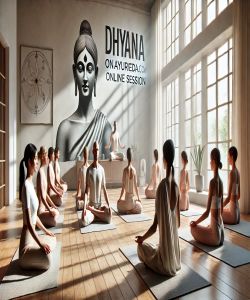
Overview of Dhyana Yoga
Dhyana Yoga is a powerful practice that focuses on meditation, self-awareness, and inner peace. Rooted in ancient Indian traditions, it is one of the key limbs of yoga as described in Patanjali’s Yoga Sutras. The word Dhyana means meditation, and Yoga refers to the union of mind, body, and soul. This practice helps individuals achieve a deep meditative state, allowing them to connect with their higher self and attain mental clarity.
Unlike physical forms of yoga that emphasize postures (asanas), Dhyana Yoga is centered around mindfulness and concentration techniques. It involves controlled breathing, deep focus, and the elimination of distractions to bring the mind into a peaceful state. Through regular practice, individuals can experience improved mental health, reduced stress, and enhanced emotional balance.
In today’s fast-paced world, stress and anxiety have become common issues. Dhyana Yoga offers a natural solution by helping practitioners develop a calm and focused mind. It is beneficial for people from all walks of life—whether they are students, working professionals, or retirees. Online platforms like www.onayurveda.com provide live group sessions, making it easier for people to learn and practice Dhyana Yoga from the comfort of their homes.
The structured 58-day online course is designed for beginners and experienced practitioners alike. It includes 25 live sessions, conducted three days a week (Monday, Wednesday, and Friday) with multiple time slots available. Each session lasts for one hour, ensuring that participants receive proper guidance and practice time. The course is affordable, with a total price of INR 4210 and a price per session of INR 168. With a maximum of 10 participants per slot, each session ensures personalized attention and an immersive learning experience.
Dhyana Yoga is more than just meditation; it is a path to self-discovery and emotional well-being. Whether you are looking to manage stress, improve concentration, or cultivate inner peace, this practice can be a transformative journey.
What is Dhyana Yoga?
Dhyana Yoga is the practice of deep meditation that helps individuals achieve mental clarity, emotional balance, and spiritual growth. It is one of the eight limbs of yoga as described in the ancient text, Patanjali’s Yoga Sutras. The word Dhyana means “meditation” or “profound contemplation,” and Yoga refers to the union of mind, body, and soul. Together, Dhyana Yoga involves focusing the mind on a single point, thought, or mantra, leading to a state of deep inner peace and awareness.
Unlike other forms of yoga that emphasize physical postures (asanas), Dhyana Yoga is purely a mental and spiritual practice. It involves various meditation techniques such as breath awareness, visualization, and mantra chanting. The goal is to transcend distractions, quiet the mind, and achieve a state of complete mindfulness. Over time, practitioners develop greater self-awareness, emotional stability, and a sense of deep inner calm.
Modern lifestyles are filled with stress, anxiety, and distractions. Dhyana Yoga provides a natural solution by helping individuals reconnect with their inner self. It is suitable for everyone—whether you are a beginner or an advanced practitioner. The practice can be done anywhere, and with the rise of online platforms like www.onayurveda.com, learning Dhyana Yoga has become more accessible.
The structured online course at www.onayurveda.com spans 58 days, with 25 live sessions held on Monday, Wednesday, and Friday. Each session lasts one hour, allowing participants to gradually deepen their practice. Multiple time slots are available, ensuring flexibility for different schedules. The course is affordably priced at INR 4210, with a price per session of INR 168. Limited to 10 participants per slot, these live group sessions offer personalized guidance from experienced instructors.
By practicing Dhyana Yoga regularly, individuals can experience reduced stress, improved focus, and greater emotional well-being. Whether you seek relaxation, self-awareness, or spiritual growth, Dhyana Yoga can be a life-changing practice.
Who Needs Dhyana Yoga?
Dhyana Yoga is beneficial for anyone looking to achieve mental clarity, emotional stability, and inner peace. In today’s fast-paced world, where stress, anxiety, and distractions are common, this meditative practice offers a way to calm the mind and improve overall well-being. Whether you are a student, a working professional, a homemaker, or a senior citizen, Dhyana Yoga can help you lead a more balanced and fulfilling life.
People struggling with stress and anxiety can greatly benefit from Dhyana Yoga. By practicing mindfulness and meditation techniques, individuals learn to manage negative thoughts, reduce emotional turmoil, and cultivate a sense of calmness. It is particularly helpful for those dealing with high-pressure jobs, academic stress, or personal challenges.
Individuals with sleep disorders or lack of focus can also find relief through Dhyana Yoga. Regular practice enhances concentration, improves cognitive function, and promotes deep relaxation, leading to better sleep patterns and mental alertness. This makes it an ideal practice for students preparing for exams, professionals handling multiple responsibilities, and anyone experiencing restlessness.
For those seeking spiritual growth and self-awareness, Dhyana Yoga provides a pathway to deeper self-discovery. Through meditation, individuals connect with their inner selves, enhance their intuition, and develop a greater understanding of life. Many spiritual seekers and practitioners use Dhyana Yoga to elevate their consciousness and cultivate inner wisdom.
With the increasing popularity of online yoga sessions, learning Dhyana Yoga has become more accessible. www.onayurveda.com offers a 58-day structured course, with 25 live sessions conducted three times a week (Monday, Wednesday, and Friday). Each session lasts one hour, and multiple time slots are available to accommodate different schedules. The course is affordably priced at INR 4210, with a per-session cost of INR 168. Limited to 10 participants per slot, the sessions provide a focused and interactive learning experience.
Dhyana Yoga is suitable for beginners and experienced practitioners alike. Whether you are looking to reduce stress, enhance concentration, or embark on a spiritual journey, this practice can bring transformative changes to your life.
Origins and Evolution of Dhyana Yoga
Dhyana Yoga has its roots in ancient Indian philosophy and is one of the eight limbs of yoga outlined in Patanjali’s Yoga Sutras. The practice of Dhyana, or meditation, has been an integral part of spiritual traditions for thousands of years, influencing not only Hinduism but also Buddhism and Jainism. It is believed that sages and yogis in ancient India developed Dhyana Yoga as a method to attain self-realization and enlightenment by focusing the mind and transcending worldly distractions.
The concept of meditation was first recorded in the Vedas, the oldest scriptures of Hindu philosophy. Later, the Upanishads expanded on the idea of Dhyana as a means to attain ultimate truth and self-awareness. The Bhagavad Gita, a sacred Hindu text, also emphasizes the importance of Dhyana Yoga as a path to spiritual liberation, stating that meditation leads to a deeper understanding of the self and the universe.
Buddhism further refined the practice of Dhyana, with Gautama Buddha incorporating it into his teachings on mindfulness and inner peace. Over time, Dhyana spread beyond India, influencing Zen meditation in Japan, Chan Buddhism in China, and other spiritual traditions across Asia. Despite its evolution, the core principles of Dhyana Yoga have remained unchanged—training the mind to achieve stillness and heightened awareness.
In modern times, Dhyana Yoga has gained global recognition for its mental and emotional health benefits. Scientific studies now support the effectiveness of meditation in reducing stress, improving focus, and enhancing emotional well-being. With the advent of online learning, platforms like www.onayurveda.com make it easier for people worldwide to practice Dhyana Yoga from the comfort of their homes.
The structured 58-day online course at www.onayurveda.com includes 25 live sessions, held three times a week (Monday, Wednesday, and Friday). Each session lasts one hour, offering step-by-step guidance to help participants deepen their meditation practice. The course is priced at INR 4210, with a per-session cost of INR 168, and each session is limited to 10 participants for a more personalized experience.
Dhyana Yoga continues to be a transformative practice, allowing individuals to cultivate inner peace, mindfulness, and spiritual growth while adapting to the needs of the modern world.
Types of Dhyana Yoga
Dhyana Yoga encompasses various meditation techniques that cater to different individuals based on their goals, experience levels, and spiritual inclinations. Over time, different forms of meditation have evolved within the Dhyana Yoga tradition, each offering unique benefits. Some of the most widely practiced types of Dhyana Yoga include:
1. Mantra Dhyana Yoga – This involves chanting or silently repeating a specific mantra (sacred word or phrase) to enhance concentration and enter a deep meditative state. The repetition of mantras like Om or So Hum helps quiet the mind and bring inner peace.
2. Breath Awareness Meditation (Pranayama Dhyana Yoga) – Focused on observing the breath, this practice enhances mindfulness and calms the nervous system. It is a powerful technique for stress reduction and improving mental clarity.
3. Guided Meditation (Yoga Nidra) – In this form, a teacher or recorded instructions guide the practitioner through visualization and relaxation exercises. It is ideal for beginners and those looking for deep relaxation.
4. Vipassana Meditation – An ancient Buddhist practice, Vipassana means "insight meditation." It involves observing thoughts and bodily sensations without judgment, leading to heightened self-awareness and emotional stability.
5. Chakra Meditation – This focuses on balancing the body’s energy centers (chakras). Each chakra is associated with different emotions and mental states, and meditation helps unblock and harmonize these energy points.
6. Trataka (Gazing Meditation) – Involves fixing the gaze on a single object, such as a candle flame or a dot, to improve concentration and mental discipline. This practice is beneficial for enhancing focus and reducing distractions.
7. Zen Meditation (Zazen) – A practice rooted in Buddhist traditions, Zen meditation focuses on sitting in stillness and observing thoughts without attachment. It promotes deep mindfulness and inner awareness.
With the increasing accessibility of online yoga sessions, individuals can now learn and practice different types of Dhyana Yoga from the comfort of their homes. www.onayurveda.com offers a 58-day structured course featuring 25 live sessions held three times a week (Monday, Wednesday, and Friday). Each session lasts one hour, providing step-by-step guidance for both beginners and experienced practitioners. The course is priced at INR 4210, with a per-session cost of INR 168, and each session is limited to 10 participants for personalized attention.
Whether you are looking to develop mindfulness, manage stress, or embark on a deeper spiritual journey, exploring the different types of Dhyana Yoga can help you find the practice that best suits your needs.
Benefits of Dhyana Yoga
Dhyana Yoga offers numerous physical, mental, and spiritual benefits, making it an essential practice for overall well-being. Rooted in ancient yogic traditions, this meditative discipline helps individuals cultivate mindfulness, reduce stress, and enhance self-awareness. Whether practiced by beginners or experienced meditators, Dhyana Yoga provides profound positive effects that improve daily life.
1. Reduces Stress and Anxiety – One of the most significant benefits of Dhyana Yoga is its ability to calm the mind. By focusing on breath and awareness, practitioners can reduce cortisol levels (the stress hormone) and promote relaxation, helping to combat anxiety and emotional imbalances.
2. Enhances Mental Clarity and Focus – Regular meditation improves cognitive function, memory retention, and concentration. It is particularly beneficial for students, professionals, and individuals looking to enhance their productivity.
3. Improves Emotional Well-being – Dhyana Yoga helps in managing negative emotions such as anger, frustration, and sadness. It fosters a sense of inner peace and emotional stability, leading to better relationships and social interactions.
4. Promotes Better Sleep – By calming the nervous system and reducing mental chatter, Dhyana Yoga helps improve sleep quality. It is especially beneficial for those who struggle with insomnia or restless nights.
5. Boosts Self-awareness and Spiritual Growth – Meditation allows individuals to connect with their inner selves, fostering greater self-understanding and emotional intelligence. For those on a spiritual path, Dhyana Yoga provides deeper insight into consciousness and personal growth.
6. Strengthens the Immune System – Scientific studies suggest that meditation enhances immune function by reducing stress-related inflammation and promoting overall health. Regular practice can contribute to better resistance against illnesses.
7. Enhances Patience and Mindfulness – Practicing Dhyana Yoga regularly cultivates patience, mindfulness, and a sense of gratitude. It helps individuals stay present in the moment, leading to a more fulfilling and balanced life.
With the growing popularity of online yoga sessions, practicing Dhyana Yoga has never been easier. www.onayurveda.com offers a 58-day structured online course, featuring 25 live sessions conducted three times a week (Monday, Wednesday, and Friday). Each session lasts one hour, allowing participants to fully immerse in the practice. The course is priced at INR 4210, with a per-session cost of INR 168. Sessions are limited to 10 participants per slot, ensuring a focused and personalized learning experience.
Dhyana Yoga is a powerful tool for transforming the mind and body. Whether you seek mental clarity, emotional balance, or spiritual enlightenment, this practice can help you lead a healthier, more mindful life.
Core Principles and Practices of Dhyana Yoga
Dhyana Yoga is based on a set of core principles and practices that guide individuals toward deep meditation, inner peace, and self-awareness. These principles help practitioners cultivate mindfulness, discipline, and a focused mind, which are essential for achieving a higher state of consciousness. Unlike physical yoga practices that emphasize movement, Dhyana Yoga is centered around mental stillness and awareness.
1. Concentration (Dharana) – The foundation of Dhyana Yoga lies in Dharana, which means focusing the mind on a single object, breath, mantra, or thought. By training the mind to remain steady, practitioners can develop deep concentration and eliminate distractions.
2. Mindfulness and Awareness – Being fully present in the moment is a key principle of Dhyana Yoga. This practice helps individuals observe their thoughts without judgment, leading to greater self-understanding and emotional balance.
3. Breath Control (Pranayama) – Conscious breathing techniques are often incorporated into Dhyana Yoga to enhance mental clarity and relaxation. Slow, deep breathing helps calm the nervous system and improves focus.
4. Non-Attachment (Vairagya) – Dhyana Yoga teaches practitioners to detach from worldly distractions and negative emotions. By letting go of unnecessary stress and worries, individuals can achieve a state of inner peace.
5. Discipline and Regular Practice – Meditation requires consistency. Regular practice, even for a few minutes each day, helps strengthen the mind and develop a habit of mindfulness in everyday life.
6. Silence and Stillness – True meditation is achieved in silence and stillness. Practicing Dhyana Yoga encourages individuals to withdraw from external noise and tune into their inner selves.
7. Self-Realization and Spiritual Growth – The ultimate goal of Dhyana Yoga is to connect with one’s higher self. Through deep meditation, practitioners gain insight into their true nature and experience spiritual awakening.
With the rise of online meditation courses, learning Dhyana Yoga has become more convenient. www.onayurveda.com offers a 58-day structured online course, including 25 live sessions held on Monday, Wednesday, and Friday. Each session lasts one hour, ensuring enough time for guided meditation and practice. The course is priced at INR 4210, with a per-session cost of INR 168. Limited to 10 participants per slot, these live sessions offer a personalized and interactive learning experience.
By following the core principles of Dhyana Yoga, individuals can cultivate a peaceful mind, enhance focus, and develop a deeper connection with themselves. This practice serves as a powerful tool for mental, emotional, and spiritual well-being.
Online Dhyana Yoga
With the growing demand for accessible meditation practices, online Dhyana Yoga has emerged as a convenient way for individuals to learn and practice deep meditation from the comfort of their homes. Whether you are a beginner or an experienced meditator, online platforms provide structured guidance, live sessions, and flexibility to integrate meditation into your daily routine.
One of the biggest advantages of online Dhyana Yoga is flexibility in scheduling. Unlike traditional in-person sessions, online classes allow participants to choose from multiple time slots that suit their daily routine. This makes it easier for working professionals, students, and homemakers to incorporate meditation into their lives without disrupting their schedules.
Another benefit is access to expert guidance from experienced yoga instructors. Online platforms provide live sessions where participants can receive real-time feedback, ask questions, and improve their meditation techniques under professional supervision. Unlike pre-recorded sessions, live classes offer interactive learning, ensuring a more personalized experience.
Additionally, online Dhyana Yoga eliminates the need for travel and location constraints. People from different cities or even countries can now join meditation sessions without the hassle of commuting. This makes meditation more accessible to individuals who may not have access to nearby yoga studios or wellness centers.
At www.onayurveda.com, a 58-day structured online Dhyana Yoga course is available, featuring 25 live sessions conducted three times a week (Monday, Wednesday, and Friday). Each session lasts one hour, offering guided meditation, breathing exercises, and mindfulness techniques. The course is priced at INR 4210, with a per-session cost of INR 168. To ensure a focused learning experience, each session is limited to 10 participants per slot.
Whether you are looking to relieve stress, improve focus, or deepen your spiritual journey, online Dhyana Yoga provides an accessible and effective way to experience the profound benefits of meditation.
Dhyana Yoga Techniques
Dhyana Yoga incorporates various meditation techniques that help individuals cultivate mindfulness, focus, and inner peace. These techniques vary in approach, allowing practitioners to choose methods that best suit their personal preferences and experience levels. Whether focusing on breath control, visualization, or mantra chanting, each technique in Dhyana Yoga aims to bring mental clarity and deep relaxation.
1. Breath Awareness Meditation – This technique involves focusing on the natural rhythm of the breath. By observing each inhale and exhale without altering the pattern, practitioners develop mindfulness and reduce mental distractions.
2. Mantra Meditation – Involves repeating a specific word or phrase (such as Om or So Hum) either silently or aloud. The vibrations of the mantra help deepen concentration and create a sense of tranquility.
3. Visualization Meditation – Practitioners use mental imagery to create a peaceful inner state. This could involve picturing a serene landscape, imagining light surrounding the body, or visualizing a spiritual guide.
4. Trataka (Gazing Meditation) – This technique requires fixing the gaze on a single object, such as a candle flame, a dot, or an image of a deity. It helps improve focus and enhances concentration.
5. Body Scan Meditation – In this method, practitioners mentally scan their body from head to toe, observing sensations and releasing tension. This technique is highly effective for relaxation and stress relief.
6. Chakra Meditation – Focuses on activating and balancing the body's energy centers (chakras). Practitioners visualize each chakra as a spinning wheel of energy and meditate on its corresponding color and function.
7. Loving-Kindness Meditation (Metta Bhavana) – This technique cultivates compassion and positive emotions by directing loving thoughts towards oneself and others. It is beneficial for emotional healing and developing a positive mindset.
With the increasing accessibility of online meditation classes, learning Dhyana Yoga techniques has become easier. www.onayurveda.com offers a 58-day structured online course, featuring 25 live sessions held on Monday, Wednesday, and Friday. Each session lasts one hour, ensuring in-depth guidance on different meditation techniques. The course is priced at INR 4210, with a per-session cost of INR 168. Limited to 10 participants per slot, these sessions provide a personalized and interactive experience.
By practicing these Dhyana Yoga techniques regularly, individuals can experience improved mental clarity, reduced stress, and a deeper connection with their inner selves.
Dhyana Yoga for Adults
Dhyana Yoga is particularly beneficial for adults, as it helps manage stress, improve focus, and enhance overall well-being. In today’s fast-paced world, adults often face challenges such as work pressure, financial responsibilities, and personal struggles. Practicing Dhyana Yoga regularly allows individuals to develop mental clarity, emotional balance, and a deeper sense of inner peace.
One of the key benefits of Dhyana Yoga for adults is stress reduction. Long working hours, deadlines, and personal commitments often lead to anxiety and burnout. Meditation techniques such as breath awareness and mantra chanting help calm the nervous system, lower cortisol levels, and promote relaxation.
Another advantage is enhanced concentration and productivity. Many adults struggle with distractions and lack of focus, affecting their work performance. Dhyana Yoga trains the mind to stay present, improving cognitive function and decision-making abilities. Regular practice can significantly boost efficiency in both personal and professional life.
For adults experiencing sleep disorders or insomnia, Dhyana Yoga offers a natural solution. Meditation before bedtime helps quiet the mind, release tension, and create a peaceful state that promotes deep and restful sleep.
Additionally, Dhyana Yoga fosters emotional stability by helping individuals manage negative emotions such as anger, frustration, and sadness. Through mindfulness and self-awareness, adults can develop better emotional resilience, leading to healthier relationships and a more balanced life.
With the increasing demand for online meditation sessions, learning Dhyana Yoga has become more accessible. www.onayurveda.com offers a 58-day structured online course, featuring 25 live sessions conducted three times a week (Monday, Wednesday, and Friday). Each session lasts one hour, ensuring proper guidance and practice. The course is priced at INR 4210, with a per-session cost of INR 168. Limited to 10 participants per slot, these live sessions offer a focused and personalized experience.
For adults seeking mental clarity, emotional well-being, and stress relief, Dhyana Yoga serves as an effective and transformative practice that can be easily incorporated into daily life.
Things to Consider With Dhyana Yoga
Before starting Dhyana Yoga, there are several important factors to keep in mind to ensure a successful and fulfilling meditation practice. Whether you are a beginner or an experienced meditator, understanding these key considerations will help you maximize the benefits of Dhyana Yoga and avoid common challenges.
1. Consistency is Key – Meditation is most effective when practiced regularly. Setting aside a fixed time each day helps develop discipline and allows the mind to adjust to the routine. Even 15-30 minutes of daily practice can bring noticeable changes in mental clarity and emotional balance.
2. Find a Quiet Space – A peaceful and distraction-free environment is essential for deep meditation. Choose a comfortable space where you won’t be disturbed, and try to meditate in the same place daily to create a sense of familiarity and focus.
3. Maintain Proper Posture – While Dhyana Yoga does not require complex physical postures, sitting comfortably with a straight spine helps in maintaining alertness and preventing discomfort. You can sit on the floor, on a yoga cushion, or in a chair, as long as your posture supports steady breathing and relaxation.
4. Be Patient and Avoid Expectations – Meditation is a gradual process, and its benefits take time to manifest. Some days may feel more peaceful than others, but the key is to remain consistent without expecting immediate results.
5. Focus on the Breath – If your mind wanders during meditation, gently bring your focus back to your breath. Breath awareness is a fundamental technique that helps anchor the mind and deepen concentration.
6. Avoid Meditation on a Full Stomach – It is best to meditate on an empty or light stomach to prevent drowsiness and discomfort. Early morning or before bedtime are ideal times for practice.
7. Choose a Suitable Meditation Technique – Different techniques, such as mantra chanting, breath awareness, or visualization, work for different individuals. Experimenting with various methods can help you find the one that resonates best with you.
8. Use Guided Sessions for Support – Beginners may find it helpful to join live guided meditation sessions to receive proper instruction and feedback. Having a teacher’s guidance can make the practice more structured and effective.
Preferred Cautions During Dhyana Yoga
While Dhyana Yoga is a safe and beneficial practice, there are certain precautions to keep in mind to ensure a smooth and effective meditation experience. Understanding these cautions can help practitioners avoid discomfort, maintain focus, and get the most out of their meditation sessions.
1. Avoid Meditation Immediately After Meals – Meditating on a full stomach can cause drowsiness and discomfort. It is best to practice Dhyana Yoga either on an empty stomach or at least 1-2 hours after eating.
2. Choose a Comfortable Posture – Sitting in an uncomfortable position for extended periods can cause body strain. If sitting cross-legged is difficult, a meditation cushion or chair with back support can help maintain posture. The spine should be upright but relaxed.
3. Start with Short Sessions – Beginners should avoid long meditation sessions initially. Starting with 10-15 minutes and gradually increasing duration helps build consistency and prevents frustration.
4. Avoid Excessive Expectations – Meditation is a process that requires patience. Expecting immediate results or deep experiences can lead to disappointment. Instead, focus on the practice itself without attachment to outcomes.
5. Be Mindful of Breathing Techniques – While breath control (Pranayama) is beneficial, forcing or holding the breath unnaturally can cause dizziness or discomfort. Breathing should always be slow, natural, and comfortable.
6. Meditate in a Quiet Environment – External noise and distractions can make it difficult to focus. Choosing a quiet space or using noise-canceling headphones can improve the meditation experience.
7. Avoid Meditation When Feeling Extremely Tired – If you are too exhausted, meditation might lead to unintended sleep instead of mindfulness. In such cases, practicing light stretching or deep breathing before meditation can help.
8. Consult a Professional If You Have Mental Health Concerns – While Dhyana Yoga helps reduce stress and anxiety, individuals with serious mental health conditions should consult a professional before beginning any meditation practice. Guided sessions with a trained instructor can be beneficial.
To ensure safe and effective meditation, www.onayurveda.com offers a 58-day structured online course, including 25 live sessions held on Monday, Wednesday, and Friday. Each session lasts one hour, allowing participants to receive expert guidance on proper meditation techniques and precautions. The course is priced at INR 4210, with a per-session cost of INR 168. Each session is limited to 10 participants per slot, ensuring personalized instruction.
By following these cautions, individuals can make their Dhyana Yoga practice more comfortable, effective, and beneficial for long-term mental and emotional well-being.
Dhyana Yoga Course Outline
The Dhyana Yoga course is structured to provide a deep understanding of meditation techniques, mindfulness practices, and breath control. Designed for beginners and experienced practitioners alike, this course gradually guides participants toward achieving inner peace, mental clarity, and emotional stability.
Course Highlights:
- Duration: 58 days
- Total Sessions: 25 live classes
- Schedule: Monday, Wednesday, and Friday
- Session Length: 1 hour per session
- Time Slots: 6:00–7:00 AM, 8:00–9:00 AM, 5:00–6:00 PM, 7:00–8:00 PM
- Participants Per Slot: 10 (Limited for personalized attention)
- Course Fee: INR 4210 (INR 168 per session)
What You Will Learn:
- Introduction to Dhyana Yoga and its significance
- Breath awareness and pranayama techniques to enhance concentration
- Guided meditation sessions to improve focus and mindfulness
- Mantra meditation for deep relaxation and inner balance
- Visualization techniques to create a peaceful mental state
- Mindfulness exercises for stress reduction and emotional well-being
- Self-awareness and self-reflection practices
- How to build a consistent meditation routine for lifelong benefits
Detailed Objectives with Timeline of Dhyana Yoga
The Dhyana Yoga course is carefully structured to help participants progress gradually, ensuring they develop a strong foundation in meditation and mindfulness. Over the course of 58 days, the 25 live sessions focus on building concentration, relaxation, and self-awareness. Below is an overview of the key objectives and their timeline.
Week 1–2: Foundations of Dhyana Yoga
- Understanding the principles of Dhyana Yoga and its significance
- Introduction to breath awareness (Pranayama) for mental clarity
- Practicing basic guided meditation for relaxation
- Developing a consistent meditation habit
Week 3–4: Deepening the Practice
- Exploring mantra meditation for enhanced concentration
- Learning visualization techniques for inner peace
- Introduction to mindfulness exercises to stay present in daily life
- Managing distractions and improving focus
Week 5–6: Emotional and Mental Balance
- Using meditation for stress relief and emotional stability
- Practicing body scan meditation to release tension
- Developing self-awareness and inner observation
- Understanding the effects of meditation on mental and physical health
Week 7–8: Mastering Meditation Techniques
- Exploring advanced breath control techniques for deep meditation
- Learning Chakra meditation for energy balance
- Enhancing meditation sessions with longer duration and deeper focus
- Overcoming common meditation challenges
Final Weeks: Integration into Daily Life
- Building a personalized meditation routine
- Practicing meditation without guidance to develop independence
- Understanding the long-term benefits of Dhyana Yoga
- Live Q&A sessions to address doubts and refine techniques
Requirements for Taking Online Dhyana Yoga
Before enrolling in an online Dhyana Yoga course, it is essential to ensure that you meet the basic requirements for an effective and smooth learning experience. Since meditation is a deeply personal and introspective practice, having the right environment and mindset will enhance the benefits of Dhyana Yoga.
1. A Quiet and Peaceful Space
Meditation requires a distraction-free environment. Choose a calm and quiet space where you won’t be disturbed. A dedicated meditation corner with minimal noise and comfortable seating is ideal for deep focus.
2. Stable Internet Connection and Device
Since the course is conducted online via live sessions, a stable internet connection is necessary to avoid disruptions. You can join the sessions using a laptop, tablet, or smartphone with a working camera and microphone for interaction.
3. Comfortable Seating Arrangement
You don’t need a yoga mat or a special cushion, but sitting comfortably is crucial. Whether on a chair, cushion, or floor mat, ensure that your posture supports a straight spine for proper breath control and concentration.
4. Headphones or Earphones (Optional)
To improve focus and block out external distractions, using noise-canceling headphones or earphones can be helpful, especially in noisy surroundings.
5. Basic Knowledge of Meditation (Not Mandatory)
The course is designed for beginners and advanced practitioners, so no prior experience is required. However, having a basic understanding of meditation can help you adapt to the techniques more quickly.
6. Commitment to Regular Practice
Dhyana Yoga is most effective when practiced consistently. The course follows a structured schedule of three sessions per week (Monday, Wednesday, and Friday) for one hour per session. Participants are encouraged to practice meditation daily to maximize benefits.
7. Comfortable Clothing
Loose, breathable clothing is recommended for ease of movement and relaxation. Avoid tight or uncomfortable attire that may distract you during meditation.
8. Open-Mindedness and Patience
Meditation is a gradual process that requires patience. Having an open mind and realistic expectations will help you stay motivated and committed to the practice.
At www.onayurveda.com, the 58-day structured online course includes 25 live sessions, each lasting one hour. The course is priced at INR 4210, with a per-session cost of INR 168. With only 10 participants per slot, the sessions offer personalized attention and expert guidance.
By meeting these requirements, participants can fully engage in Dhyana Yoga and experience its profound mental, emotional, and spiritual benefits.
Things to Keep in Mind Before Starting Online Dhyana Yoga
Before beginning your online Dhyana Yoga journey, there are a few important factors to consider. Meditation is a transformative practice that requires patience, consistency, and the right mindset. By keeping these points in mind, you can create an environment that enhances focus and maximizes the benefits of the practice.
1. Set Clear Intentions
Before starting the course, define your purpose. Whether you want to reduce stress, improve concentration, enhance emotional well-being, or embark on a spiritual journey, having a clear goal will help you stay motivated.
2. Choose a Suitable Time for Practice
Dhyana Yoga is most effective when practiced at a consistent time each day. Early morning and before bedtime are ideal times, as the mind is naturally calmer during these periods. However, choose a time that fits your schedule and allows for uninterrupted practice.
3. Create a Distraction-Free Environment
Find a quiet space where you can meditate without interruptions. Turn off notifications, inform family members about your session, and create a peaceful setting with dim lighting, incense, or soothing background music if needed.
4. Avoid Heavy Meals Before Meditation
Meditating on a full stomach can lead to drowsiness and discomfort. It’s best to practice at least one to two hours after eating or on an empty stomach for better focus and alertness.
5. Start with an Open and Patient Mindset
Meditation is a gradual process. Some days may feel more peaceful than others, and it’s natural for thoughts to wander. Instead of forcing stillness, gently bring your focus back to your breath or mantra whenever distractions arise.
6. Use Comfortable Seating
There is no strict posture requirement in Dhyana Yoga, but it’s essential to sit comfortably. You can sit cross-legged on the floor, on a meditation cushion, or on a chair with your spine straight. Avoid slouching, as it may cause discomfort during long sessions.
7. Be Prepared for Mental Resistance
Initially, you may find it difficult to focus or experience restlessness. This is completely normal. With time and regular practice, your mind will adapt, and meditation will become easier.
8. Stay Hydrated but Avoid Excess Water Before Sessions
Drinking a glass of water before meditation is fine, but consuming large amounts may lead to discomfort or frequent interruptions.
9. Participate Actively in Live Sessions
Since this is an online course, active participation is key. Engage in discussions, ask questions, and seek guidance from instructors whenever needed.
10. Commit to Regular Practice
The online Dhyana Yoga course at www.onayurveda.com consists of 25 live sessions over 58 days, held three times a week (Monday, Wednesday, and Friday). Each session lasts one hour. For best results, it is recommended to practice daily, even outside of the scheduled sessions.
Average Pricing Per Session for Online and Onsite Dhyana Yoga
The cost of Dhyana Yoga sessions varies depending on whether you choose online or onsite (in-person) classes. Several factors, such as instructor experience, location, session duration, and class size, influence pricing. Understanding the pricing structure can help you choose the best option that fits your budget and learning preferences.
1. Online Dhyana Yoga Pricing
Online meditation classes have become increasingly popular due to their accessibility and affordability. The average price for an online Dhyana Yoga session typically ranges from INR 150 to INR 500 per session, depending on the instructor and platform.
At www.onayurveda.com, the online Dhyana Yoga course is structured as follows:
- Total Course Duration: 58 days
- Total Sessions: 25 live sessions
- Days: Monday, Wednesday, and Friday
- Session Length: 1 hour per session
- Course Price: INR 4210
- Price Per Session: INR 168
- Participants Per Slot: 10 (small group for personalized attention)
Online classes are cost-effective since they eliminate expenses related to travel, venue rental, and logistics. Additionally, participants get access to expert instructors from anywhere in the world.
2. Onsite (In-Person) Dhyana Yoga Pricing
Onsite Dhyana Yoga classes, conducted in yoga studios, wellness centers, or retreat spaces, generally cost more than online sessions due to overhead expenses. The average price for in-person meditation sessions can range from INR 300 to INR 1500 per session, depending on the following factors:
- Location – Urban centers typically have higher pricing than rural areas.
- Instructor Expertise – Highly experienced or certified meditation instructors may charge more.
- Class Size – Private one-on-one sessions tend to be more expensive than group classes.
- Retreat Programs – Intensive meditation retreats or specialized workshops can cost anywhere between INR 5000 to INR 50,000 for multiple days.
3. Online vs. Onsite: Which One Should You Choose?
Both online and onsite Dhyana Yoga sessions have their advantages:
- Online Classes offer affordability, convenience, and flexible scheduling, making them ideal for busy individuals.
- Onsite Classes provide a more immersive experience with in-person guidance, suitable for those who prefer physical presence and group energy.
Qualifications Required to Perform Dhyana Yoga
Dhyana Yoga is a meditation-based practice that does not require any formal qualifications to begin. Unlike other forms of yoga that emphasize physical flexibility and strength, Dhyana Yoga primarily focuses on the mind, breath, and awareness. However, for those looking to teach or guide others in Dhyana Yoga, specific training and expertise are necessary.
1. Qualifications for Practicing Dhyana Yoga
Anyone can practice Dhyana Yoga regardless of age, background, or experience. The only essential requirements are:
- An open mind and willingness to learn – Meditation requires patience and consistency.
- Basic discipline for regular practice – Meditation is most effective when practiced daily.
- A quiet and comfortable environment – Having a distraction-free space enhances concentration.
- Commitment to mindfulness and self-awareness – The ability to observe thoughts without judgment is a key element of meditation.
Since www.onayurveda.com offers a structured 58-day online course with 25 live sessions, beginners can learn the techniques under expert guidance without needing any prior experience.
2. Qualifications for Teaching Dhyana Yoga
If you wish to become a certified Dhyana Yoga instructor, formal training and certification are recommended. The most recognized qualifications include:
A. Yoga Teacher Training Certification
- 200-Hour or 300-Hour Yoga Teacher Training (YTT) – Many institutions offer yoga certification programs that include Dhyana Yoga as a core component.
- Specialized Meditation Teacher Training – Some programs focus exclusively on meditation techniques, breathwork, and mindfulness practices.
B. Knowledge of Yogic Philosophy
- Understanding Patanjali’s Yoga Sutras and the Eight Limbs of Yoga, where Dhyana (meditation) is an essential limb.
- Study of Upanishads, Bhagavad Gita, and Buddhist meditation practices to deepen knowledge.
C. Experience in Practicing Meditation
- Most teaching programs require instructors to have several years of personal meditation practice before guiding others.
- Real-world experience helps instructors provide better guidance, address common challenges, and support students effectively.
D. Additional Certifications (Optional)
- Mindfulness-Based Stress Reduction (MBSR) – A widely recognized program for teaching meditation and mindfulness.
- Yoga Alliance or Other International Certifications – Helps gain credibility as a certified meditation instructor.
3. Where to Start Your Dhyana Yoga Journey?
For those new to meditation, the online Dhyana Yoga course at www.onayurveda.com is an excellent way to begin. The course includes:
- 25 live sessions over 58 days (Monday, Wednesday, and Friday)
- One-hour guided meditation per session
- Personalized attention (10 participants per slot)
- Affordable pricing: INR 4210 (INR 168 per session)
Online vs. Offline/Onsite Dhyana Yoga
Choosing between online and offline (onsite) Dhyana Yoga depends on individual preferences, lifestyle, and learning style. Both formats have their advantages, and understanding the differences can help you decide which is the best fit for your meditation practice.
1. Convenience and Accessibility
2. Instructor Interaction and Guidance
- Online Sessions: Live online classes, such as those offered at www.onayurveda.com, allow real-time interaction with instructors. However, personal corrections and physical guidance are limited.
- Offline Sessions: In-person sessions provide face-to-face interaction, allowing instructors to observe posture, breathing patterns, and mental engagement closely.
3. Cost-Effectiveness
- Online Dhyana Yoga: Generally more affordable since there are no travel expenses, venue costs, or additional charges.
- Offline Dhyana Yoga: Higher costs due to studio rental, travel, and sometimes additional facility charges. Private onsite sessions or retreats can be significantly more expensive.
4. Flexibility in Scheduling
- Online Classes: Offer multiple time slots, allowing participants to fit meditation into their schedule. At www.onayurveda.com, sessions are held three times a week (Monday, Wednesday, and Friday) with flexible timing options.
- Offline Classes: Typically follow a fixed schedule, requiring participants to adjust their routine accordingly.
5. Learning Experience and Group Energy
- Online Learning: While effective, online meditation lacks the collective energy and group synergy of in-person sessions. However, live group sessions still foster a sense of community.
- Offline Learning: Practicing in a physical group setting can enhance focus and create a more immersive experience.
6. Suitability for Beginners vs. Advanced Practitioners
7. Which One Should You Choose?
If you are looking for flexibility, affordability, and guided learning from home, then online Dhyana Yoga is the better option. If you prefer face-to-face interaction, a dedicated group setting, and hands-on guidance, then offline classes may be more suitable.
At www.onayurveda.com, the 58-day online Dhyana Yoga course offers:
- 25 live sessions over 8 weeks (Monday, Wednesday, and Friday)
- One-hour sessions per day
- Small group sizes (10 participants per slot)
- Affordable pricing: INR 4210 (INR 168 per session)
FAQs About Online Dhyana Yoga
Here are some frequently asked questions (FAQs) about online Dhyana Yoga, helping you understand how it works and what to expect from the practice.
Q1. What is Dhyana Yoga?
A: Dhyana Yoga is the practice of deep meditation and mindfulness, aimed at achieving inner peace, mental clarity, and emotional balance. It is one of the eight limbs of yoga as described in Patanjali’s Yoga Sutras.
Q2. How does an online Dhyana Yoga course work?
A: Online Dhyana Yoga classes are conducted live via video conferencing platforms. At www.onayurveda.com, participants join a structured 58-day course with 25 live sessions held three times a week (Monday, Wednesday, and Friday). Each session lasts one hour and includes guided meditation, breathwork, and mindfulness techniques.
Q3. Is online meditation as effective as in-person classes?
A: Yes, online meditation is highly effective, especially when guided by experienced instructors. Live sessions ensure real-time interaction, personalized attention, and flexibility to practice from anywhere. The key to success is consistent practice and commitment.
Q4. Do I need prior experience to join the course?
A: No, the course is designed for both beginners and experienced practitioners. Instructors provide step-by-step guidance to help you build a strong meditation practice.
Q5. What are the benefits of Dhyana Yoga?
A: Regular practice helps with:
- Reducing stress and anxiety
- Improving focus and concentration
- Enhancing emotional stability
- Promoting better sleep
- Boosting self-awareness and mindfulness
Q6. What equipment do I need for online classes?
A: You only need:
- A stable internet connection
- A laptop, tablet, or smartphone
- A quiet space with minimal distractions
- A comfortable meditation cushion or chair
Q7. What is the cost of the online Dhyana Yoga course?
A: The full 58-day course at www.onayurveda.com costs INR 4210, with 25 live sessions priced at INR 168 per session. Each session is one hour long and limited to 10 participants per slot for personalized guidance.
Q8. Can I choose my preferred time slot?
A: Yes, multiple time slots are available:
- 6:00–7:00 AM
- 8:00–9:00 AM
- 5:00–6:00 PM
- 7:00–8:00 PM
Participants can select a slot that fits their schedule.
Q9. Will I receive a certificate after completing the course?
A: Some online courses offer certificates, but it depends on the platform. Check with www.onayurveda.com for details on certification options.
Q10. How long does it take to see the benefits of Dhyana Yoga?
A: Benefits vary from person to person. Some notice reduced stress and improved focus within a few weeks, while others experience deeper emotional and spiritual growth over time. Consistency is the key to progress.
Q11. Can I interact with the instructor during the session?
A: Yes, live sessions allow real-time interaction. You can ask questions and receive personalized guidance during the session.
Q12. What if I miss a session?
A: Some platforms provide recordings or rescheduling options. Check with www.onayurveda.com to see if there is an option to rejoin missed sessions.
Q13. Is Dhyana Yoga suitable for all age groups?
A: Yes, Dhyana Yoga is suitable for adults of all ages. However, individuals with specific health conditions should consult a professional before starting meditation.
Q14. How do I register for the course?
A: You can sign up for the 58-day online Dhyana Yoga course at www.onayurveda.com. Simply select your preferred time slot and complete the registration process.
Conclusion About Dhyana Yoga
Dhyana Yoga is a powerful practice that enables individuals to cultivate mental clarity, emotional balance, and spiritual awareness. As one of the eight limbs of yoga, it focuses on deep meditation and mindfulness, guiding practitioners toward inner peace and self-realization. Unlike physical yoga practices, Dhyana Yoga is centered on the mind, breath, and awareness, making it accessible to people of all ages and backgrounds.
In today's fast-paced world, stress, anxiety, and distractions have become common challenges. Dhyana Yoga offers a natural and effective solution by helping individuals develop focus, patience, and emotional stability. Scientific research supports its numerous benefits, including reduced stress, improved sleep, enhanced concentration, and increased self-awareness.
With advancements in technology, learning Dhyana Yoga online has become more accessible than ever. Platforms like www.onayurveda.com offer structured online courses, providing live expert guidance, interactive sessions, and flexible scheduling. The 58-day Dhyana Yoga course includes 25 live sessions (held three times a week), each lasting one hour, with small group sizes (10 participants per slot) to ensure personalized attention. The course is priced at INR 4210, with a per-session cost of INR 168.
Whether you are a beginner seeking stress relief or an experienced practitioner aiming for spiritual growth, Dhyana Yoga can be a life-changing practice. By committing to regular meditation, you can enhance your mental well-being, develop mindfulness, and experience lasting inner harmony.
To begin your Dhyana Yoga journey, visit www.onayurveda.com and enroll in the 58-day structured online course today. Transform your mind, body, and soul through the timeless wisdom of meditation.