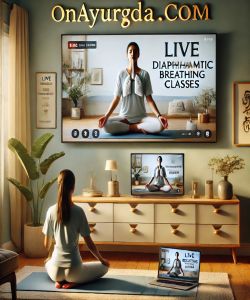
1. Overview of Diaphragmatic Breathing Classes
Diaphragmatic breathing classes represent a rigorous, structured discipline dedicated to the mastery of the body's primary respiratory muscle, the diaphragm. These instructional programmes are fundamentally concerned with transitioning the involuntary, often shallow, act of breathing into a conscious, controlled, and deeply physiological process. The core objective is to re-establish the biomechanically correct pattern of respiration, which is foundational to human health, autonomic nervous system regulation, and peak performance. This is not a passive relaxation exercise; it is an active training system that demands precision, consistency, and a comprehensive understanding of the anatomical and neurological mechanisms at play. Participants are guided through systematic protocols designed to isolate and strengthen diaphragmatic function, distinguishing it from the inefficient and stress-inducing patterns of apical (chest) breathing. The curriculum extends beyond mere physical mechanics, delving into the profound impact of controlled breathing on hormonal balance, cognitive function, and emotional resilience. By establishing command over the breath, an individual gains a powerful, non-pharmacological tool for managing physiological arousal, mitigating the corrosive effects of chronic stress, and optimising physical and mental output. Consequently, these classes are positioned as an essential component of any serious wellness, performance, or therapeutic regimen, providing a non-negotiable skill set for anyone committed to achieving a state of robust, self-regulated health and operational excellence in demanding environments. It is a fundamental return to a primal human function, re-engineered through modern pedagogical methods for contemporary challenges.
2. What are Diaphragmatic Breathing Classes?
Diaphragmatic breathing classes are formal, educational programmes engineered to teach the correct and optimal use of the diaphragm for respiration. They are distinct from casual mindfulness or relaxation sessions in their systematic and anatomically precise approach. The purpose of these classes is to correct dysfunctional breathing patterns, such as chronic chest or paradoxical breathing, and instil the natural, efficient method of deep abdominal breathing as the default mode. The instruction provided is multifaceted and rigorously structured.
A core component is theoretical education. Participants receive explicit instruction on the anatomy and physiology of the respiratory system, understanding the diaphragm's role as a powerful muscle that separates the thoracic and abdominal cavities. They learn how its contraction and relaxation drive efficient air exchange, massage internal organs, and stimulate the vagus nerve, which is a primary conduit of the parasympathetic (rest-and-digest) nervous system.
A second critical element is guided, practical application. Under the direct supervision of a qualified instructor, individuals engage in specific exercises designed to isolate and activate the diaphragm. This involves tactile feedback, such as placing hands on the abdomen to feel its rise and fall, and guided visualisations to create a strong mind-muscle connection. The aim is to build muscular awareness and strength in the diaphragm itself.
Furthermore, these classes incorporate progressive overload and variation. Techniques are not static; they evolve in complexity and duration as the participant gains proficiency. This may include learning to control the pace, rhythm, and depth of the breath, as well as integrating the practice into various body postures and eventually into daily activities and high-stress situations. In essence, these classes are a form of neuromuscular re-education, fundamentally retraining the body's most vital autonomic function for enhanced physiological and psychological regulation.
3. Who Needs Diaphragmatic Breathing Classes?
- High-Stress Professionals and Executives. Individuals operating in high-pressure corporate, financial, or leadership environments who are subject to chronic stress. The practice provides a direct mechanism to down-regulate the sympathetic nervous system, reduce cortisol levels, and enhance cognitive functions such as focus, clarity, and decision-making under duress. It is a strategic tool for maintaining composure and performance.
- Athletes and Physical Performers. Elite and amateur athletes across all disciplines require optimal respiratory efficiency for endurance, stamina, and recovery. Correct diaphragmatic breathing enhances oxygen uptake, delays the onset of fatigue, improves core stability by modulating intra-abdominal pressure, and accelerates post-exertion recovery by shifting the body into a parasympathetic state.
- Individuals with Anxiety and Panic Disorders. Those experiencing generalised anxiety, panic attacks, or post-traumatic stress benefit unequivocally. Dysfunctional breathing is both a symptom and a trigger for anxiety. Mastering diaphragmatic breathing provides a potent, real-time intervention to interrupt the feedback loop of panic and restore a sense of physiological control.
- Public Speakers, Singers, and Wind Instrument Musicians. Performers whose craft is contingent on vocal power, control, and breath support find these classes indispensable. A strong, controlled diaphragm is the engine behind vocal projection, tone stability, and the ability to sustain long phrases, preventing vocal strain and enhancing artistic expression.
- Individuals with Certain Respiratory Conditions. Under medical guidance, patients with conditions such as Chronic Obstructive Pulmonary Disease (COPD) or asthma can use these techniques to improve breathing efficiency, strengthen respiratory muscles, reduce the sensation of dyspnoea (shortness of breath), and enhance their overall quality of life.
- Persons Seeking Enhanced Focus and Mindfulness. Anyone aiming to improve concentration, deepen meditative states, or cultivate a greater sense of mind-body connection. The breath is a primary anchor for attention, and its deliberate control is a foundational skill in most contemplative and performance psychology disciplines.
4. Origins and Evolution of Diaphragmatic Breathing Classes
The conscious control of breath as a means to influence one's physiological and psychological state is not a modern invention; its roots are ancient and deep, embedded in Eastern contemplative traditions. The principles underlying diaphragmatic breathing can be traced back thousands of years to yogic practices in the Indian subcontinent. Within the system of Yoga, pranayama (the regulation of life force through breath) is a central pillar. Ancient texts like the Yoga Sutras of Patanjali and the Hatha Yoga Pradipika meticulously detail various breathing techniques designed to purify the body, calm the mind, and prepare the practitioner for deeper states of meditation. These systems possessed an intuitive, experiential understanding of how slow, deep, abdominal breathing could induce profound states of tranquillity and focus.
Similarly, in ancient China, practices such as Qigong and Tai Chi placed enormous emphasis on diaphragmatic breathing, referred to as "abdominal" or "embryonic" breathing. It was considered the cornerstone of cultivating and circulating Qi (vital energy) throughout the body. The objective was to promote health, longevity, and martial power by synchronising breath with slow, deliberate movements, thereby harmonising the body's internal energy systems. These traditions formed the philosophical and practical bedrock, viewing breath as the critical link between the physical body and the subtle mind.
The evolution into the modern, secular format of "diaphragmatic breathing classes" occurred primarily in the 20th century, driven by the convergence of Western science and these Eastern practices. As scientific inquiry delved into the autonomic nervous system, the physiological mechanisms behind these ancient techniques became clear. Researchers identified the role of the diaphragm in stimulating the vagus nerve and activating the parasympathetic response, providing empirical validation for what had been known anecdotally for millennia. This scientific underpinning stripped the practices of their esoteric context, reframing them as evidence-based biomedical and psychophysiological interventions. Consequently, structured classes were developed to deliver this knowledge in a systematic, accessible, and clinical format, targeting specific outcomes like stress reduction, athletic performance, and therapeutic support, far removed from their original spiritual goals.
5. Types of Diaphragmatic Breathing Classes
- Clinical and Therapeutic Classes. These are highly structured programmes often delivered in a healthcare or therapeutic setting, designed to address specific medical or psychological conditions. They focus on the rehabilitative aspects of breathing, targeting patients with respiratory ailments like COPD, individuals recovering from surgery, or those with diagnosed anxiety, panic, or trauma-related disorders. Instruction is precise, progress is closely monitored, and the techniques are integrated into a broader treatment plan under a clinician’s supervision. The primary goal is functional restoration and symptom management.
- Performance Enhancement Classes. This type of class is engineered for athletes, public speakers, musicians, and other performers who rely on optimal respiratory function for their discipline. The curriculum emphasises breath control for power, endurance, and stamina. Techniques focus on maximising oxygen uptake, managing exertion, maintaining core stability through intra-abdominal pressure, and using the breath to control performance anxiety and maintain focus under pressure. The context is one of optimisation and achieving peak output.
- Stress Management and Corporate Wellness Classes. Tailored for the general population and corporate environments, these classes present diaphragmatic breathing as a pragmatic tool for managing the physiological impact of chronic stress. The language is secular and results-oriented, focusing on benefits such as improved concentration, emotional regulation, and resilience. The techniques are simplified for easy integration into a busy daily routine, often framed as a high-return-on-investment skill for personal and professional effectiveness.
- Contemplative and Mindfulness-Based Classes. Whilst drawing from the same physiological principles, these classes retain a closer link to their contemplative origins in Yoga or meditation. The focus is less on a specific outcome and more on using the diaphragmatic breath as an anchor for present-moment awareness. The objective is to cultivate mindfulness, deepen self-awareness, and explore the subtle interplay between breath, body, and mind, often as part of a broader mindfulness or meditation programme.
- Foundation and Introductory Workshops. These are typically shorter, single-session classes or brief courses designed to introduce the fundamental principles and basic techniques of diaphragmatic breathing. They serve as an entry point, providing participants with the core knowledge of anatomy and the basic "belly breathing" exercise. The aim is to provide a solid foundation from which an individual can either continue with self-practice or enrol in a more specialised, advanced class.
6. Benefits of Diaphragmatic Breathing Classes
- Direct Regulation of the Autonomic Nervous System. Engages the parasympathetic nervous system via vagus nerve stimulation, actively counteracting the chronic fight-or-flight response of the sympathetic system. This results in a measurable reduction in physiological stress markers.
- Reduction in Stress Hormone Levels. Consistent practice leads to decreased production and circulation of cortisol and adrenaline. This mitigates the long-term, corrosive effects of these hormones on cardiovascular, immune, and metabolic health.
- Improved Respiratory Efficiency and Capacity. Strengthens the diaphragm muscle, leading to a greater tidal volume—the amount of air inhaled and exhaled during a normal breath. This enhances oxygen saturation in the blood and improves the expulsion of carbon dioxide, boosting overall cellular function.
- Enhanced Cardiovascular Function. The rhythmic movement of the diaphragm massages the heart and improves venous return, the rate of blood flow back to the heart. Slow, deep breathing can also contribute to lower blood pressure and a reduced resting heart rate over time.
- Augmented Core Stability and Posture. Correct diaphragmatic engagement is intrinsically linked to the function of the deep core musculature, including the transverse abdominis and pelvic floor. This synergy enhances spinal stability and can improve overall posture.
- Improved Cognitive Performance and Focus. By calming the nervous system and increasing oxygenation to the brain, diaphragmatic breathing sharpens concentration, enhances mental clarity, and supports executive functions such as problem-solving and decision-making.
- Effective Management of Anxiety and Mood. Provides a powerful, real-time tool to interrupt the physiological cycle of anxiety and panic. It promotes emotional regulation by creating a buffer between an external stimulus and an automatic, reactive emotional response.
- Pain Perception Modulation. Deep, controlled breathing can influence the body's perception of pain. It serves as a potent attentional distraction and can trigger the release of endogenous opioids (endorphins), the body’s natural painkillers.
- Enhanced Digestive Function. The massaging action of the diaphragm on the abdominal viscera, including the stomach, liver, and intestines, can improve peristalsis and support healthier digestive processes.
7. Core Principles and Practices of Diaphragmatic Breathing Classes
- Anatomical Literacy. It is a non-negotiable principle that participants first understand the mechanical structure of respiration. This involves clear education on the diaphragm as the primary, dome-shaped muscle of inhalation, its points of attachment, and its distinction from the secondary, accessory muscles of the chest, neck, and shoulders. Understanding why chest breathing is inefficient and stressful is foundational.
- Diaphragmatic Isolation and Activation. The initial practice is focused exclusively on learning to consciously engage the diaphragm while keeping the accessory muscles of the upper chest and neck passive. This is typically achieved through supine exercises where tactile feedback (hands on the abdomen) provides direct, unambiguous confirmation of correct muscular engagement—the abdomen must rise on inhalation and fall on exhalation.
- Conscious Control of Respiratory Rhythm. Once activation is achieved, the focus shifts to manipulating the breath's cadence. Participants learn to smooth out the transition between inhale and exhale, eliminating jerky movements or pauses. The core practice often involves establishing a rhythm where the exhalation is deliberately prolonged, a key technique for maximising parasympathetic nervous system activation.
- Nasal Breathing Supremacy. Instruction mandates breathing through the nose whenever possible. Nasal breathing warms, humidifies, and filters incoming air. More importantly, it increases air resistance, which promotes slower breathing and enhances the engagement of the diaphragm, whilst also facilitating the production and uptake of nitric oxide, a potent vasodilator and bronchodilator.
- Mind-Muscle Connection and Proprioception. A central tenet is the cultivation of heightened internal awareness, or proprioception, of the respiratory muscles. This is not a mindless physical exercise. It demands focused attention to develop a sensitive and immediate connection between mental intention and the physical response of the diaphragm.
- Progressive Integration into Daily Life. The ultimate objective is to transition this conscious practice from a formal exercise into a default, background pattern of breathing. The principles are systematically applied to different postures (sitting, standing), activities (walking), and eventually high-stress situations, making resilient, efficient breathing an automatic, unconscious competence.
- Absence of Strain. A critical principle is that correct diaphragmatic breathing must be effortless and free from strain. Any sense of forcing the breath, tensing the abdomen, or feeling light-headed is an indicator of incorrect technique, which must be immediately identified and rectified by the instructor. The goal is relaxed control, not rigid force.
8. Online Diaphragmatic Breathing Classes
- Unparalleled Accessibility and Convenience. The online format removes all geographical and logistical barriers to entry. Participants can access expert instruction from any location with an internet connection, eliminating the need for travel and associated time commitments. This allows individuals in remote areas or with demanding schedules to engage in structured training that would otherwise be inaccessible.
- Creation of a Controlled, Private Learning Environment. Learning a new somatic skill can be intimidating in a group setting. The online modality permits individuals to practise in the privacy and comfort of their own home. This sense of security can reduce self-consciousness and performance anxiety, fostering a more receptive and focused state for learning the subtle mechanics of breath control.
- Flexibility in Scheduling and Pacing. Online classes frequently offer a combination of live sessions and pre-recorded materials. This hybrid model provides the structure of a real-time class with the flexibility to review content at one’s own pace. Participants can revisit specific exercises or theoretical explanations as needed, reinforcing their understanding and tailoring the learning experience to their individual rate of progress.
- Cost-Effectiveness. By eliminating the overheads associated with a physical venue, online classes can often be delivered at a more accessible price point. This democratises access to high-quality instruction, making the discipline available to a broader demographic.
- Reinforcement of Self-Reliance and Internal Awareness. Without the immediate physical presence of an instructor to provide constant tactile correction, the online participant is compelled to develop a higher degree of self-awareness and proprioception. They must learn to rely on their own internal sensory feedback to gauge the correctness of their technique, a skill which is fundamental to the long-term, independent mastery of the practice.
- Access to a Wider Range of Specialised Instructors. The digital marketplace removes geographical limitations for both student and teacher. Participants are no longer restricted to local instructors but can seek out and learn from leading specialists in clinical, performance, or contemplative breathing from anywhere in the world, ensuring they receive instruction best suited to their specific goals.
9. Diaphragmatic Breathing Classes Techniques
Step One: Foundational Posture and Assessment. Assume a supine position on a firm, flat surface with knees bent and feet flat on the floor. This posture neutralises the spine and relaxes the abdominal wall, making diaphragmatic movement easier to detect. Place one hand on the upper chest and the other on the abdomen, just below the rib cage. Breathe normally for several cycles to establish a baseline, observing which hand moves more. The objective is to identify the current, habitual breathing pattern.
Step Two: Isolation of the Diaphragm. Exhale fully through the mouth, gently contracting the abdominal muscles to expel all air. Close the mouth and begin to inhale slowly and deliberately through the nose. The explicit instruction is to direct the incoming air downwards, as if inflating a balloon in the stomach. The hand on the abdomen should rise significantly, while the hand on the chest must remain as still as possible. This step requires intense focus to isolate the diaphragm and prevent the accessory muscles from engaging.
Step Three: Controlled and Elongated Exhalation. Once the abdomen is fully expanded at the peak of the inhalation, pause briefly. Then, begin to exhale slowly through pursed lips, as if steadily blowing out a candle. The hand on the abdomen should fall gently and completely as the abdominal muscles engage slightly to assist in expelling the air. The exhalation must be longer than the inhalation, typically aiming for a count of four on the inhale and a count of six or eight on the exhale. This prolonged exhalation is critical for activating the parasympathetic response.
Step Four: Establishing a Consistent Rhythm. Repeat steps two and three for a sustained period, maintaining a smooth, continuous, and silent rhythm. There should be no jerking, gasping, or strain. The entire process must feel calm and controlled. The focus is on quality over quantity, ensuring each breath is a perfect execution of the technique. The goal is to establish a consistent cadence that feels sustainable and relaxing.
Step Five: Transition to Upright Postures. Once mastery is achieved in the supine position, the technique must be transferred to a seated posture, and subsequently to standing. This increases the difficulty as gravity and postural muscles come into play. The practitioner must maintain the same abdominal movement and chest stillness, proving that the new motor pattern is becoming ingrained and independent of a supported posture.
10. Diaphragmatic Breathing Classes for Adults
The application of diaphragmatic breathing classes for the adult population is a matter of profound strategic importance, addressing the accumulated physiological and psychological burdens of modern life. For adults, dysfunctional breathing patterns are not a recent development but are often deeply entrenched habits, solidified over years of chronic stress, sedentary work, and postural neglect. These classes, therefore, function as a form of essential somatic re-education, a deliberate and systematic process of unlearning inefficient motor patterns and reinstating a foundational biological function. The curriculum must be robust, acknowledging that it is correcting long-standing neuromuscular dysfunction. It focuses on providing adults with a tangible, self-administered tool to actively manage the autonomic nervous system, a capability that is critical for navigating the demands of careers, relationships, and personal health. Unlike younger learners, adults often bring a greater sense of urgency and a clearer understanding of the consequences of unmanaged stress, such as hypertension, insomnia, and anxiety. Instruction for adults is therefore framed in pragmatic, results-oriented terms, emphasising the direct link between breath control and measurable improvements in cognitive function, emotional stability, and physical vitality. The practice is presented not as a mere relaxation technique, but as a high-performance skill—a non-negotiable component of a proactive health and wellness strategy. It empowers the individual to move from a state of passive reaction to their internal environment to one of active, conscious regulation, fostering a sense of agency and control over their own well-being that is indispensable in adult life.
11. Total Duration of Online Diaphragmatic Breathing Classes
The standard and optimal total duration for a single, live online diaphragmatic breathing class is rigorously structured to be 1 hr. This specific timeframe is not arbitrary; it is a deliberately engineered duration designed to maximise pedagogical effectiveness, participant engagement, and physiological adaptation without inducing fatigue or cognitive overload. The 1 hr session is strategically partitioned to ensure a comprehensive learning experience. It typically commences with a brief introductory phase, wherein the instructor outlines the session's objectives and presents a concise theoretical concept, ensuring the intellectual framework for the practical exercises is firmly established. The core of the session, a substantial period of guided practice, follows this. This is where the techniques are demonstrated, practised under supervision, and refined with real-time feedback. This practical component is long enough to allow for deep immersion and neuromuscular patterning but short enough to maintain peak focus. The final portion of the 1 hr is dedicated to integration and conclusion. This may involve a question-and-answer segment, a discussion of how to apply the techniques in daily life, and a gentle transition back to a normal state of alertness. A duration shorter than 1 hr would compromise the depth of practice, whilst a longer session risks diminishing returns as participant concentration wanes. Therefore, the 1 hr structure represents the professional standard, balancing sufficient time for robust instruction and practice with the practicalities of maintaining attention and energy within a digital learning environment, making it the most efficient and effective temporal container for this specific discipline.
12. Things to Consider with Diaphragmatic Breathing Classes
Before committing to a programme of diaphragmatic breathing classes, several critical factors demand rigorous consideration to ensure both safety and efficacy. Foremost is the imperative to assess the instructor's qualifications and expertise. The practice, while seemingly simple, involves potent physiological mechanisms, and incorrect guidance can lead to adverse effects such as hyperventilation, dizziness, or increased anxiety. A credible instructor must possess a demonstrable and thorough understanding of respiratory anatomy, physiology, and neurology, not merely a superficial familiarity with the exercises. Secondly, one must evaluate the class structure and curriculum. A legitimate programme will be systematic and progressive, beginning with foundational principles and gradually advancing in complexity. It should offer clear educational components alongside practical application, rather than consisting solely of uncontextualised guided exercises. The individual's own health status is another non-negotiable consideration. Those with pre-existing medical conditions—particularly cardiovascular diseases, severe respiratory ailments like advanced COPD, or significant psychological disorders—must consult with their medical practitioner prior to enrolment. The techniques may need to be modified or may be contraindicated in certain cases. Furthermore, one must set realistic expectations. Mastery of diaphragmatic breathing is a skill acquired through consistent, deliberate practice over time; it is not an instantaneous remedy. A commitment to regular, independent practice outside of class time is fundamental to achieving meaningful and lasting results. Finally, the learning environment, whether online or in-person, must be one that feels safe, supportive, and conducive to focused, internal work, as this is essential for developing the required mind-body connection.
13. Effectiveness of Diaphragmatic Breathing Classes
The effectiveness of diaphragmatic breathing classes is unequivocal and substantiated by a robust body of scientific evidence and extensive clinical application. These programmes are highly effective because they target a fundamental physiological control system: the autonomic nervous system. By training an individual to consciously control the diaphragm, the classes provide a direct and reliable method for stimulating the vagus nerve. This activation is the primary trigger for the parasympathetic nervous system, the body’s intrinsic "rest-and-digest" mechanism. The result is a cascade of measurable physiological changes that directly counteract the deleterious effects of stress. The effectiveness is seen in the consistent reduction of heart rate, blood pressure, and the stress hormone cortisol. For individuals with anxiety, the practice is effective in interrupting the feedback loop of panic by overriding the shallow, rapid breathing that characterises an anxious state, thereby restoring a sense of control. In athletic contexts, its effectiveness is demonstrated through improved respiratory efficiency, leading to enhanced stamina and faster recovery. The power of these classes lies in their capacity to transform an involuntary, often dysfunctional, bodily process into a potent, self-regulated tool for managing one's internal state. This is not a placebo effect; it is a direct consequence of biomechanical and neurological re-patterning. The effectiveness is, however, contingent on the quality of instruction and the diligence of the practitioner. When these conditions are met, diaphragmatic breathing classes provide a foundational and profoundly effective intervention for enhancing health, performance, and psychological well-being.
14. Preferred Cautions During Diaphragmatic Breathing Classes
It is imperative that all participants adhere to a strict set of cautions during diaphragmatic breathing classes to ensure safety and prevent adverse reactions. The primary directive is to cease practice immediately if any significant dizziness, light-headedness, or tingling in the extremities occurs. These are potential symptoms of mild hyperventilation, resulting from exhaling too much carbon dioxide, and indicate that the technique is being performed too forcefully or rapidly. The correct response is to pause and return to normal, gentle breathing until the sensation subsides. Under no circumstances should the breath be forced. The practice must always be characterised by a sense of ease and relaxed control; any strain, tension in the abdomen or chest, or a feeling of being 'out of breath' is a clear signal of incorrect and potentially harmful technique. Individuals with a history of trauma, severe anxiety, or panic disorder must proceed with extreme caution, as deep breathing can sometimes paradoxically trigger feelings of unease or dissociation. It is essential for these individuals to work with an instructor who is trauma-informed and to progress at a very slow, self-regulated pace. Furthermore, the practice should not be performed immediately after a large meal, as the movement of the diaphragm can cause physical discomfort. Participants with any underlying health conditions, especially respiratory or cardiovascular issues, must have explicit clearance from their medical doctor before commencing and must inform their instructor of their condition. These cautions are not suggestions; they are non-negotiable protocols to guarantee a safe and productive learning experience.
15. Diaphragmatic Breathing Classes Course Outline
- 1: Foundational Principles and Anatomy.
- Session 1.1: Introduction to the Autonomic Nervous System (Sympathetic vs. Parasympathetic).
- Session 1.2: Detailed Anatomy of Respiration: The Diaphragm, Lungs, and Accessory Muscles.
- Session 1.3: The Biomechanics of Dysfunctional (Chest) Breathing vs. Optimal (Diaphragmatic) Breathing.
- Session 1.4: The Role of the Vagus Nerve and Nitric Oxide in Nasal Breathing.
- 2: Core Technique Acquisition.
- Session 2.1: Supine Diaphragmatic Activation: Tactile Feedback and Muscle Isolation.
- Session 2.2: Establishing Rhythmic Control: The Prolonged Exhalation.
- Session 2.3: Introduction to Cadence and Pacing (e.g., Box Breathing, 4-7-8 Technique).
- Session 2.4: Troubleshooting Common Faults: Chest Rising, Abdominal Tension, and Dizziness.
- 3: Deepening the Practice and Postural Integration.
- Session 3.1: Transitioning the Technique to a Seated Position: Maintaining Form without Support.
- Session 3.2: Practice in a Standing Posture: Integrating Breath with Full-Body Awareness.
- Session 3.3: Introduction to Breath Holds (Apnoea) for Enhanced CO2 Tolerance.
- Session 3.4: Dynamic Integration: Coordinating Diaphragmatic Breathing with Simple Movements (e.g., Walking).
- 4: Application and Lifestyle Integration.
- Session 4.1: Strategic Application for Stress Reduction: Using Breath as a Real-Time De-escalation Tool.
- Session 4.2: Application for Performance: Enhancing Focus and Stamina Before and During Demanding Tasks.
- Session 4.3: Application for Sleep Hygiene: Using Breathing Techniques to Prepare for Restful Sleep.
- Session 4.4: Developing a Sustainable Personal Practice: Creating a Daily Routine and Long-Term Plan.
16. Detailed Objectives with Timeline of Diaphragmatic Breathing Classes
Week 1: Establishment of Foundational Knowledge and Basic Activation.
Objective: The participant will be able to verbally articulate the difference between diaphragmatic and chest breathing and identify the primary muscles involved. By the end of the week, the participant must demonstrate the ability to achieve consistent abdominal rise and fall during inhalation and exhalation in a supine position for at least two continuous minutes, with minimal chest movement.
Week 2: Mastery of Rhythmic Control and Extended Exhalation.
Objective: The participant will consistently demonstrate a controlled breathing rhythm with an exhalation that is at least 1.5 times the length of the inhalation. By week's end, they must be able to sustain a specified cadence (e.g., 4-second inhale, 6-second exhale) for five continuous minutes in a supine position without experiencing dizziness or strain.
Week 3: Postural Transition and Consistency.
Objective: The participant will successfully transfer the correct diaphragmatic breathing technique from a supine to a seated position. By the end of the week, they must demonstrate proficient practice while seated upright in a chair for ten minutes, maintaining core technique integrity without tactile self-cuing.
Week 4: Integration into Movement and Automaticity.
Objective: The participant will begin to integrate conscious diaphragmatic breathing into dynamic activity. The goal is to maintain a relaxed, diaphragmatic breathing pattern while walking at a slow, steady pace for five minutes. The focus is on making the practice less of a static exercise and more of a mobile, background skill.
Weeks 5-6: Application for Stress Modulation.
Objective: The participant will learn to deploy diaphragmatic breathing as a rapid intervention tool. By the end of this period, they must be able to identify a moment of rising stress and, within 60 seconds, initiate a controlled breathing cycle to tangibly reduce their physiological arousal, reporting a subjective decrease in stress.
Weeks 7-8: Consolidation and Independent Practice.
Objective: The participant will develop and adhere to a self-directed daily practice routine. By the end of the course, they must demonstrate the ability to perform all learned techniques without guidance and articulate a clear plan for how they will continue to use and develop the skill independently, solidifying it as a lifelong competence.
17. Requirements for Taking Online Diaphragmatic Breathing Classes
- A Stable, High-Speed Internet Connection. This is a non-negotiable prerequisite. A reliable connection is essential to ensure uninterrupted audio and video streaming for both the participant and the instructor. Lag, freezing, or dropped calls will severely compromise the quality of instruction and feedback.
- A Functional Computing Device with Camera and Microphone. Participants must possess a laptop, tablet, or desktop computer equipped with a high-quality, functioning webcam and microphone. The instructor must be able to clearly see the participant's torso to assess breathing mechanics and hear them clearly for verbal feedback and questions. A smartphone is generally considered suboptimal due to its smaller screen and instability.
- A Private, Quiet, and Uncluttered Physical Space. The participant must have access to a dedicated space where they will not be interrupted for the full duration of the class. This area must be quiet to allow for focus and large enough to accommodate the required movements, including lying down flat on the floor.
- Appropriate Attire. Clothing must be comfortable and non-restrictive. Loose-fitting or stretchable garments are required to allow for full, unimpeded movement of the abdomen and rib cage. Restrictive clothing, such as tight jeans or belts, will physically inhibit correct diaphragmatic function and must be avoided.
- A Yoga Mat or Comfortable Floor Surface. Since many foundational exercises are performed in a supine position, a comfortable yet firm surface is required. A yoga mat, carpeted floor, or a firm blanket is necessary to provide support and comfort during floor-based practice.
- Commitment to Punctuality and Full Engagement. Participants are required to log in to the virtual classroom several minutes prior to the scheduled start time to resolve any technical issues. Full, undivided attention is mandatory. Engaging in other activities, such as checking emails or mobile phones, during the class is strictly prohibited and undermines the entire learning process.
- Personal Accountability for Practice. The online format necessitates a high degree of self-discipline. Participants are required to take personal responsibility for implementing feedback and engaging in consistent practice between scheduled sessions, as the instructor cannot provide physical, hands-on corrections.
18. Things to Keep in Mind Before Starting Online Diaphragmatic Breathing Classes
Before commencing an online diaphragmatic breathing programme, it is imperative to conduct a thorough self-assessment of one's readiness and to establish a robust framework for success. The digital medium, while convenient, introduces a unique set of challenges that demand proactive management. One must first critically evaluate their capacity for self-directed learning and discipline. Without the physical presence of an instructor and the structured energy of an in-person group, the onus of motivation, focus, and consistent practice falls squarely upon the individual. It is essential to create a sacrosanct physical and temporal space for the practice, free from the pervasive distractions of the domestic or work environment. This means communicating boundaries to others and disabling all digital notifications for the duration of the class. Furthermore, one must accept the limitations of online instruction regarding physical feedback. The participant must cultivate a heightened state of proprioception—an internal felt sense—to self-correct their technique, as the instructor can only provide visual and verbal guidance. It is also vital to perform due diligence on the technological requirements, ensuring one's equipment and internet connectivity are not merely adequate but optimal, to prevent technical glitches from disrupting the learning flow. Finally, a prospective participant must approach the course with a mindset of active partnership rather than passive consumption. One must be prepared to ask clarifying questions, articulate their experiences clearly, and take full ownership of integrating the practice into their daily life beyond the scheduled sessions. Success in this modality is determined less by the instructor's teaching and more by the participant's rigorous commitment.
19. Qualifications Required to Perform Diaphragmatic Breathing Classes
The delivery of professional diaphragmatic breathing instruction is a significant responsibility that demands a specific and robust set of qualifications. It is wholly insufficient for an instructor to be merely an enthusiastic practitioner; they must possess a formal, evidence-based understanding of the systems they seek to influence. The foundational requirement is a comprehensive and verifiable knowledge of human anatomy and physiology, with a specialised focus on the respiratory, nervous, and musculoskeletal systems. This is not optional; it is the absolute bedrock of safe and effective teaching. Without this, an instructor is incapable of explaining the core mechanics, troubleshooting common faults, or modifying techniques for individual needs and contraindications. Beyond this, a credible instructor should hold certifications from recognised and reputable organisations that specialise in breathwork or mind-body disciplines.
Specific qualifications include:
- Formal Certification in Breathwork: Credentials from established bodies (e.g., Buteyko Clinic International, Oxygen Advantage®, Wim Hof Method, or other scientifically grounded breathwork schools) that require rigorous training, practical examination, and continuing education.
- Relevant Healthcare or Somatic Credentials: A background as a physiotherapist, respiratory therapist, clinical psychologist, certified yoga therapist (e.g., C-IAYT), or Pilates instructor often provides the necessary anatomical and clinical foundation.
- Demonstrable Teaching Experience: A verifiable track record of successfully teaching individuals and groups is crucial. This includes the pedagogical skill to communicate complex concepts clearly, create a safe learning environment, and adapt instruction to different learning styles.
- Trauma-Informed Training: Given the powerful effect of breath on the nervous system and emotional state, training in trauma-informed practice is increasingly considered an ethical necessity, ensuring the instructor can safely manage any unexpected emotional releases or adverse reactions from participants.
An instructor's qualification is ultimately defined by this synthesis of scientific knowledge, certified pedagogical skill, and professional experience.
20. Online Vs Offline/Onsite Diaphragmatic Breathing Classes
Online
The primary advantage of online diaphragmatic breathing classes lies in their absolute accessibility and convenience. They eradicate geographical barriers, allowing participants to access elite instruction from anywhere in the world, and eliminate the time and cost associated with travel. This modality fosters a private, self-contained learning environment, which can be highly beneficial for individuals who feel self-conscious or require a controlled, familiar setting to focus on subtle internal sensations. The availability of recorded sessions offers a significant pedagogical benefit, permitting students to review complex instructions and practise at their own pace, reinforcing learning through repetition. However, the online format is not without its distinct limitations. The most critical drawback is the absence of direct, tactile feedback. An instructor cannot physically place a hand on a student's abdomen or chest to guide or correct movement, making it more challenging to address subtle but significant errors in technique. This places a greater burden of proprioceptive awareness on the student. Furthermore, the digital medium can feel isolating for some, lacking the communal energy and shared experience of a group setting, and is entirely dependent on the reliability of technology.
Offline/Onsite
Offline, or onsite, classes provide an immersive and high-fidelity learning experience that is difficult to replicate digitally. The instructor’s physical presence is the paramount advantage. It allows for immediate, precise, and hands-on corrections, which can accelerate the learning curve and prevent the entrenchment of incorrect motor patterns. This direct interaction builds a stronger instructor-student rapport and allows the instructor to read subtle non-verbal cues more accurately. The group dynamic of an onsite class creates a shared field of focus and collective energy that can be highly motivating and supportive. The dedicated physical space, free from home-based distractions, enforces a clear boundary between daily life and practice, enhancing concentration. The disadvantages, however, are logistical. Onsite classes are constrained by geography, limiting choice of instructors to those who are local. They require a fixed time commitment, including travel, making them less flexible for those with demanding schedules. The public group setting may also be a source of anxiety or distraction for some beginners, and the cost may be higher due to the overheads associated with a physical venue.
21. FAQs About Online Diaphragmatic Breathing Classes
Question 1. What is the fundamental goal of these classes? Answer: The goal is to retrain your body to use the diaphragm as the primary muscle of respiration, correcting inefficient chest breathing to improve physiological and psychological health.
Question 2. Do I need any prior experience? Answer: No. Professional classes are structured to accommodate absolute beginners and guide them systematically.
Question 3. What technology is essential? Answer: A computer or tablet with a stable internet connection, a working webcam, and a microphone are non-negotiable requirements.
Question 4. Is it as effective as an in-person class? Answer: It can be highly effective, provided the participant is disciplined and self-aware. However, it lacks the benefit of hands-on correction from the instructor.
Question 5. What if I feel dizzy during practice? Answer: Stop immediately and breathe normally. Dizziness is usually a sign of over-breathing. You must inform your instructor.
Question 6. How will the instructor correct my technique online? Answer: Through precise verbal cues and visual demonstration. They will observe your torso's movement via webcam to provide feedback.
Question 7. What should I wear? Answer: Loose, comfortable, non-restrictive clothing that allows your abdomen to expand freely.
Question 8. Can I take the class if I have a medical condition? Answer: You must obtain clearance from your medical doctor before enrolling, especially for respiratory, cardiovascular, or severe anxiety conditions.
Question 9. How long until I see results? Answer: Some benefits like relaxation can be immediate. Lasting changes to your default breathing pattern require consistent daily practice over several weeks.
Question 10. Will I need to practise between classes? Answer: Yes. Daily practice is mandatory for progress. The class provides instruction; the results come from your consistent effort.
Question 11. Can I eat before a class? Answer: It is strongly advised to avoid large meals for at least two hours before a session.
Question 12. Is this the same as meditation? Answer: No. It is a physiological training technique, though it is often used as a foundation for meditation.
Question 13. What if my camera is off? Answer: Your camera must be on. The instructor cannot teach or ensure your safety without being able to see you.
Question 14. Are recorded sessions available? Answer: Many online programmes offer recordings, which is a key benefit for reviewing techniques.
Question 15. Why is nasal breathing emphasised? Answer: It filters and warms the air, increases oxygen uptake, and promotes slower, more controlled diaphragmatic breathing.
Question 16. What is the single biggest challenge of online classes? Answer: Maintaining discipline and focus amidst home distractions.
22. Conclusion About Diaphragmatic Breathing Classes
In conclusion, diaphragmatic breathing classes constitute a foundational and indispensable discipline for any individual committed to achieving mastery over their own physiology and psychology. They are not a passive indulgence but a rigorous form of neuromuscular re-education that reinstates the body's most efficient and natural pattern of respiration. By systematically moving the locus of breathing from the inefficient accessory muscles of the chest to the powerful, primary muscle of the diaphragm, these programmes provide a direct and potent lever for regulating the autonomic nervous system. This capability is fundamental to mitigating the pervasive impact of chronic stress, enhancing cognitive function, and building a robust foundation for physical performance and emotional resilience. The principles taught are universal, grounded in hard anatomical and neurological science, and their effective application yields unequivocal benefits across therapeutic, performance, and general wellness contexts. The choice between online and offline modalities is a matter of weighing convenience against the fidelity of instruction, but the core objective remains unchanged: to transform the unconscious, often dysfunctional, act of breathing into a conscious, controlled, and life-enhancing skill. Therefore, engaging in this training is not merely a healthful activity; it is a strategic investment in one's own operational capacity and long-term well-being, providing a non-negotiable tool for navigating the pressures of contemporary existence with command and composure.