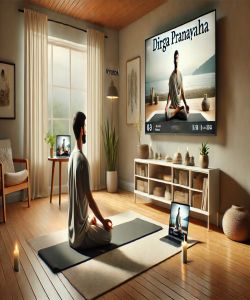
Overview of Dirga Pranayama
Dirga Pranayama is also known as three part breath or complete yogic breathing. It is a powerful yet gentle breathing technique used in yoga and meditation practices. Dirga means long and deep and pranayama refers to breath control. This technique involves consciously filling the lungs in three parts. The first part is the lower belly or abdomen. The second part is the lower chest or diaphragm area. The third part is the upper chest or clavicular region. The goal of Dirga Pranayama is to promote full lung expansion and create a sense of calmness and awareness in the body and mind.
Dirga Pranayama helps to increase oxygen intake and improve lung capacity. It also helps in reducing stress and anxiety. This breathing exercise is often used at the beginning of yoga classes to help practitioners settle their minds and prepare their bodies for deeper practices. The slow and controlled breathing process helps in grounding the mind and bringing attention to the present moment. It can also help to release tension from the body.
This breathing technique is suitable for beginners as well as experienced yoga practitioners. The practice can be done while sitting comfortably or lying down. The main focus is on breathing slowly and deeply while directing the breath into the three parts of the lungs. Regular practice of Dirga Pranayama can improve overall respiratory health and bring mental clarity. It is also believed to balance the nervous system and improve focus. Many people use Dirga Pranayama to find relaxation and ease in their daily lives. It is an excellent tool for managing daily stress and improving emotional well being. Practicing Dirga Pranayama for a few minutes each day can lead to better sleep and increased energy levels.
What are Dirga Pranayama
Dirga Pranayama is a traditional yogic breathing practice that involves deep and conscious breathing in three distinct stages. The word Dirga means long and deep and pranayama refers to the art of breath control. This practice is also known as the three part breath and it helps to bring awareness to the breath and body. Dirga Pranayama focuses on filling the lungs completely by first breathing into the abdomen then into the rib cage and finally into the upper chest. This slow and mindful breathing process allows for maximum oxygen intake and helps to clear the mind.
The first step of Dirga Pranayama is to breathe deeply into the lower belly feeling it expand outward. The second step is to continue breathing into the lower chest allowing the rib cage to expand. The third step is to fill the upper chest lifting the collarbones slightly. After completing the inhalation the exhalation is done slowly in reverse order releasing air from the upper chest then the rib cage and finally the belly. This method allows for a full and complete breath cycle which can help to calm the nervous system and increase awareness.
Dirga Pranayama is often practiced to reduce stress and anxiety. It brings focus and helps people become more present in the moment. It can also be beneficial for improving concentration and emotional balance. This breathing exercise is simple yet very effective and can be practiced by anyone regardless of age or fitness level. It can be done sitting in a comfortable position or lying down. Practicing Dirga Pranayama regularly helps in promoting better respiratory function and can also support heart health. It is an excellent way to improve overall well being and create a peaceful state of mind.
Who Needs Dirga Pranayama
Dirga Pranayama is beneficial for anyone who wants to improve their mental clarity and physical health. It is especially useful for people dealing with stress and anxiety. The practice of slow deep breathing helps to calm the mind and relax the body. Those who feel overwhelmed by daily responsibilities can use Dirga Pranayama to regain a sense of balance and peace. It is also helpful for people who struggle with sleep issues. Practicing this breathing exercise before bedtime can promote better relaxation and improve the quality of sleep.
Students and professionals who need to improve focus and concentration can benefit from Dirga Pranayama. The practice enhances mental clarity and helps in staying attentive. It is also helpful for people involved in physically demanding work or sports. Deep breathing techniques improve lung capacity and endurance which can enhance physical performance. Individuals with mild respiratory issues may also find relief through this practice as it promotes better breathing and increases oxygen supply to the body.
Dirga Pranayama is ideal for elderly individuals who want to maintain respiratory health and keep their minds sharp. It is a gentle practice that does not require any strenuous effort and can easily be incorporated into daily routines. Pregnant women can practice Dirga Pranayama under guidance to relax and manage stress during pregnancy. Those suffering from high blood pressure or heart issues can also practice this technique with the approval of their healthcare provider as it helps in lowering stress levels.
In short anyone who desires a more peaceful mind and healthier body can include Dirga Pranayama in their lifestyle. It is a simple yet powerful tool for enhancing overall health and emotional well being. Regular practice can lead to long term benefits and create a sense of calm and stability in everyday life.
Origins and Evolution of Dirga Pranayama
Dirga Pranayama is an ancient yogic breathing technique that holds a significant place in the practice of yoga and mindfulness. The origins of Dirga Pranayama can be traced back to the early teachings of yoga as described in the ancient Indian scriptures. These scriptures, including the Vedas and Upanishads, highlight the importance of conscious breathing in achieving mental clarity and spiritual well-being. The word Dirga means long and deep while Pranayama refers to the regulation of breath. Together they emphasize slow deep breathing that brings awareness to each inhale and exhale.
In early times yogis practiced this technique to purify their minds and prepare their bodies for meditation. This form of breathing was considered essential for achieving harmony between the mind body and spirit. The breath was not just seen as a physical act but as a powerful tool that connected the inner self with the cosmic energy. Over centuries the knowledge of Dirga Pranayama was passed down through generations and gradually integrated into various yoga traditions.
As yoga spread across different parts of the world the practice of Dirga Pranayama also evolved. Modern yoga instructors refined and adapted this ancient technique to suit contemporary lifestyles. Today Dirga Pranayama is taught in yoga studios wellness centers and even hospitals as part of stress management and healing programs. Scientific studies have also supported its benefits highlighting how controlled breathing can reduce anxiety improve lung capacity and promote relaxation.
The evolution of Dirga Pranayama has made it accessible to people of all ages and health conditions. While its core principles remain rooted in ancient wisdom modern practices have introduced guided variations making it easier for beginners to learn. Despite its evolution the essence of Dirga Pranayama remains unchanged emphasizing the power of conscious breath in bringing peace balance and vitality into everyday life.
Types of Dirga Pranayama
Dirga Pranayama involves slow deep breathing in three parts filling the belly the ribcage and the upper chest. While the basic structure remains the same this technique can be practiced in various forms each with unique methods and benefits. Understanding these types can help practitioners choose the right form according to their needs.
The first type is the basic three part breath. This involves lying down or sitting comfortably and breathing into three distinct areas. The practitioner starts by inhaling into the belly feeling it expand then into the ribcage and finally into the upper chest. Exhaling follows the reverse order from the chest to the ribcage and then to the belly. This type is ideal for beginners and helps in calming the mind and relieving stress.
The second type is guided Dirga Pranayama. This involves practicing the three part breath with the help of an instructor or audio guide. The guidance helps practitioners focus better and maintain the correct breathing rhythm. This type is beneficial for those who find it difficult to concentrate or are new to meditation practices.
The third type includes Dirga Pranayama with visualization. In this form practitioners visualize energy moving through the body with each breath. This type not only deepens relaxation but also enhances mental focus and positivity. It is often recommended for those looking to connect more deeply with their inner self.
Another type is dynamic Dirga Pranayama which includes light movements or stretches along with breathing. This combination makes the practice more engaging and is excellent for warming up before yoga asanas. It also helps in releasing muscle tension.
The last type involves rhythmic Dirga Pranayama where the practitioner follows a specific breathing count like inhaling for four counts holding for four counts and exhaling for six counts. This regulated pattern improves lung capacity and strengthens focus. Each type of Dirga Pranayama offers unique advantages making it a versatile practice suitable for different goals and health conditions.
Benefits of Dirga Pranayama
Dirga Pranayama is a simple yet powerful breathing practice that offers numerous physical mental and emotional benefits. Practicing this deep and mindful breathing technique regularly can transform the overall health and well-being of an individual.
One of the primary benefits of Dirga Pranayama is stress reduction. By focusing on slow deep breaths the body naturally shifts from a state of stress to relaxation. This helps lower cortisol levels and calms the nervous system. People who regularly practice this breathing technique often experience improved mood and reduced anxiety.
Another major benefit is improved lung function. Dirga Pranayama strengthens the diaphragm and increases lung capacity. It helps in better oxygen exchange which can be particularly helpful for individuals with respiratory issues. Improved breathing efficiency can enhance stamina and physical performance.
Dirga Pranayama also aids in better digestion. Slow deep breathing stimulates the vagus nerve which supports digestive functions. This can lead to reduced bloating and improved metabolism. Additionally it helps in detoxifying the body by promoting better circulation and lymphatic drainage.
Mental clarity and focus are other notable benefits. By practicing conscious breathing the mind becomes more alert and less distracted. It sharpens concentration and enhances memory making it an excellent practice for students and professionals.
Another important benefit is emotional balance. Dirga Pranayama helps regulate mood swings and promotes emotional stability. It encourages mindfulness allowing practitioners to respond to situations calmly instead of reacting impulsively.
Practicing this breathing technique can also improve sleep quality. Deep breathing before bedtime helps relax the body and mind leading to faster sleep onset and better sleep cycles.
Overall Dirga Pranayama is an effective tool for enhancing overall health. From reducing stress and improving lung function to boosting focus and emotional well-being it supports a balanced and harmonious life. Regular practice can make a significant difference in physical health mental clarity and emotional strength.
Core Principles and Practices of Dirga Pranayama
Dirga Pranayama is a powerful yogic breathing technique that promotes deep relaxation and mental clarity. Often called the three part breath it focuses on filling the lungs fully and evenly by breathing into the abdomen then the rib cage and finally the upper chest. This ancient technique is rooted in mindfulness and control of the breath which helps to enhance both physical and mental well being.
The core principles of Dirga Pranayama revolve around awareness depth and balance. First awareness is essential. Practitioners are encouraged to observe their breath patterns and become conscious of each inhale and exhale. The second principle is depth. Unlike shallow breathing Dirga Pranayama requires slow deep and complete inhalation and exhalation to maximize oxygen intake and eliminate toxins. The third principle is balance. It is important to maintain equal lengths of inhalation and exhalation to create a steady rhythm that calms the nervous system.
The practice of Dirga Pranayama begins by sitting or lying comfortably with the spine straight and the body relaxed. Start by placing one hand on the abdomen and one on the chest to feel the breath movements. Slowly inhale allowing the abdomen to expand then fill the rib cage and finally the upper chest. Exhale in reverse order starting from the upper chest the ribs and finally the abdomen. This three part breathing cycle should be done with patience and mindfulness.
Regular practice of Dirga Pranayama reduces stress lowers blood pressure and improves focus. It also enhances lung capacity and supports emotional balance. Practicing daily for five to ten minutes can bring lasting benefits and create a sense of peace and relaxation that stays with you throughout the day.
Online Dirga Pranayama
Online Dirga Pranayama sessions are becoming increasingly popular as people seek convenience and accessibility in their wellness routines. Through virtual classes guided by experienced yoga instructors individuals can learn the correct techniques and enjoy the benefits of deep breathing from the comfort of their own home.
These online classes typically begin with an introduction to the basics of Dirga Pranayama explaining the importance of deep slow and conscious breathing. Instructors often guide students to sit comfortably with a straight spine and closed eyes fostering concentration and inner calm. Step by step the instructor teaches the three part breathing method where the practitioner breathes into the abdomen rib cage and upper chest sequentially and exhales in the reverse order.
One major advantage of online Dirga Pranayama is flexibility. Sessions are available in both live and recorded formats allowing students to practice according to their schedules. Beginners can pause and replay lessons to ensure they understand each step while advanced practitioners can refine their techniques through consistent practice.
Online platforms often include additional resources such as tutorials breathing exercises and tips on posture and mindfulness. Interactive sessions also offer opportunities to ask questions and receive personalized guidance. Another benefit is the comfort of practicing in a familiar environment which can help individuals feel more relaxed and focused.
Practicing Dirga Pranayama online can enhance lung function reduce anxiety and improve mental clarity. It is a valuable tool for those who work long hours or live in stressful environments. By dedicating just ten minutes daily to online Dirga Pranayama individuals can experience lasting health benefits emotional balance and a deeper connection between body and mind.
Dirga Pranayama Techniques
Dirga Pranayama techniques involve a systematic approach to breathing that enhances physical health and mental well being. Also known as the three part breath this practice helps expand lung capacity reduce stress and improve overall energy levels. Understanding the correct techniques is essential to gain maximum benefits from this ancient yogic practice.
The first technique involves diaphragmatic breathing. Sit comfortably or lie on your back placing one hand on your belly. Inhale deeply allowing the abdomen to rise as the diaphragm moves downward. Exhale slowly feeling the abdomen contract. This step helps to develop awareness of abdominal breathing and is the foundation of Dirga Pranayama.
The second technique is rib cage breathing. After mastering abdominal breathing focus on expanding the rib cage. Place your hands on the sides of your rib cage and inhale to expand the ribs outward. Exhale and feel the ribs contract. This technique strengthens the intercostal muscles and promotes greater lung capacity.
The third technique focuses on clavicular or chest breathing. Place one hand on the upper chest and inhale deeply lifting the chest and collarbones. Exhale slowly and feel the chest fall. This part of the technique targets the upper lungs and completes the three part breathing cycle.
Once comfortable with each part combine them. Inhale slowly filling the abdomen the ribs and the chest in that order. Exhale in reverse emptying the chest then the ribs and finally the abdomen. This rhythmic flow of breath calms the nervous system and improves mental clarity.
Consistent practice of these techniques helps relieve anxiety enhances focus and balances emotions. Even five to ten minutes of practice daily can lead to noticeable improvements in respiratory health mental focus and emotional well being.
Dirga Pranayama for Adults
Dirga Pranayama is a deeply calming and revitalizing breathing practice that is also known as the three part breath. It is especially beneficial for adults who experience stress anxiety or fatigue in their daily lives. The technique involves consciously breathing into three parts of the body starting from the lower abdomen moving up to the rib cage and then finally to the upper chest. This mindful breathing practice helps increase lung capacity improves focus and promotes mental clarity.
Adults often lead busy lives filled with constant responsibilities. Dirga Pranayama can be an excellent way to bring stillness and mindfulness into their routine. Practicing this pranayama regularly helps in managing stress levels by stimulating the parasympathetic nervous system. Adults can practice it either early in the morning to begin the day with peace or before bedtime to promote relaxation and restful sleep.
The practice of Dirga Pranayama for adults also has physiological benefits. It can improve oxygenation in the blood regulate blood pressure and enhance digestion. Additionally it helps in releasing tension stored in the body. Adults who sit for long hours at work or face postural issues can also find relief through regular practice.
To perform Dirga Pranayama sit comfortably in a cross legged position or on a chair with your back straight. Close your eyes and begin by inhaling deeply into the belly expanding it fully then into the rib cage and lastly into the upper chest. Exhale slowly in reverse order releasing air from the chest ribs and belly. Repeat this process for at least five to ten minutes daily.
For adults seeking mental and emotional balance Dirga Pranayama is a simple yet effective practice that can be easily integrated into daily life. Over time it enhances awareness and helps individuals stay centered and grounded.
Total Duration of Online Dirga Pranayama
The total duration of online Dirga Pranayama sessions can vary depending on the course structure and the level of the practitioner. Generally beginners are advised to start with short sessions lasting between fifteen to twenty minutes. This allows enough time to learn the correct technique practice under guidance and experience the calming effects of this pranayama.
As learners become more familiar with the process intermediate sessions can range from thirty to forty five minutes. These sessions usually include guided instructions relaxation exercises and progressive breathing techniques to deepen the practice. Advanced practitioners may participate in one hour sessions that incorporate longer holds and meditation along with Dirga Pranayama.
Many online platforms offer structured courses that are divided into daily or weekly lessons. Some courses are designed for seven days or fourteen days focusing on gradual improvement and consistent practice. Others may offer month long courses with varying durations and intensities depending on the student’s comfort and progression.
It is essential for beginners to not rush through the sessions. Spending at least fifteen minutes daily can bring noticeable benefits over time. More advanced practitioners can gradually increase their duration according to their comfort and ability to maintain focus without strain. Consistency is the key.
Online sessions also provide flexibility. Learners can practice at their own pace and repeat sessions if required. Some platforms also offer recorded sessions that can be accessed anytime allowing practitioners to build a routine that suits their schedule.
In conclusion the total duration of online Dirga Pranayama depends on individual goals and current experience. Whether it is a short fifteen minute session or an hour long practice the emphasis should be on mindful breathing relaxation and steady improvement.
Things to Consider With Dirga Pranayama
While Dirga Pranayama is a simple and safe breathing exercise there are a few important things to consider to ensure maximum benefit and safety.
Firstly practice on an empty stomach. It is best to perform Dirga Pranayama either in the morning before breakfast or at least three hours after a meal. Practicing on a full stomach can cause discomfort and hinder the breathing process.
Secondly maintain a comfortable posture. Whether sitting on the floor or a chair keep the spine straight and shoulders relaxed. Comfort is essential as it allows smooth and deep breathing without any strain.
Third avoid forcing the breath. The practice should be gentle and smooth. Forcing the breath can lead to dizziness or discomfort. Always follow a natural rhythm and gradually increase the depth of breathing as your body adapts.
Fourth choose a quiet and clean space. A calm environment helps you focus better on your breath and inner sensations. Distractions can disrupt concentration and reduce the effectiveness of the practice.
Fifth stay aware of your physical condition. People with respiratory issues high blood pressure or any medical concerns should consult a healthcare professional or yoga instructor before starting. If you experience discomfort or lightheadedness stop immediately and rest.
Sixth consistency is important. Regular daily practice brings the most benefits. However overexertion should be avoided. Start slowly and gradually increase both duration and depth of practice.
Lastly combine Dirga Pranayama with mindfulness. Paying attention to the breath and bodily sensations during practice enhances relaxation and mental clarity. Do not rush the process. The goal is to cultivate patience calmness and awareness.
By considering these points practitioners can safely enjoy the full benefits of Dirga Pranayama and make it a positive addition to their daily routine.
Effectiveness of Dirga Pranayama
Dirga Pranayama is also known as the three-part breath and is one of the most calming and grounding breathing exercises in yoga practice. It involves consciously breathing deeply into three parts of the body which are the abdomen, the rib cage, and the chest. This slow and mindful practice has a wide range of effectiveness and benefits that contribute to both physical and mental health.
One of the primary benefits of Dirga Pranayama is that it helps to reduce stress and anxiety. When performed regularly, it activates the parasympathetic nervous system, which induces a state of relaxation and calm. The deep breathing technique encourages the body to release tension and promotes mental clarity. It also helps in balancing emotional health and reducing symptoms of anxiety and mild depression.
In addition to mental relaxation, Dirga Pranayama enhances lung capacity and strengthens respiratory functions. People who practice it daily notice an improvement in their breathing patterns. It is beneficial for those suffering from asthma and other respiratory issues as it teaches controlled breathing and expands lung function.
The practice also supports better digestion. By breathing deeply into the abdomen, it gently massages the internal organs and stimulates the digestive system. It can help alleviate minor digestive problems like bloating or constipation.
Dirga Pranayama can also improve concentration and focus. As this breathing technique requires mindfulness, it teaches practitioners to stay present in the moment. This mental exercise can improve cognitive functions and help with memory retention.
Overall, the effectiveness of Dirga Pranayama is seen in its ability to calm the mind, improve bodily functions, strengthen the respiratory system, and enhance overall wellness. Practicing it for even ten to fifteen minutes a day can lead to noticeable improvements in mental clarity, relaxation, and energy levels.
Preferred Cautions During Dirga Pranayama
While Dirga Pranayama is a safe and beneficial breathing exercise for most people, certain precautions should be taken to ensure it is practiced correctly and safely. Being mindful of these cautions can help avoid discomfort and maximize benefits.
Firstly, Dirga Pranayama should always be practiced on an empty stomach or at least three hours after a meal. Practicing on a full stomach can cause discomfort and may lead to nausea.
It is also advised to perform Dirga Pranayama in a clean and well-ventilated space. Fresh air is essential as this breathing exercise requires deep inhalation and exhalation. Practicing in a polluted or congested environment can hinder the practice and reduce its effectiveness.
Individuals who have respiratory issues or heart conditions should consult a healthcare provider before starting Dirga Pranayama. While the practice strengthens the respiratory system, people with serious conditions should practice it only under supervision.
Another important caution is to avoid straining during the practice. Deep breathing should feel natural and comfortable. Overextending the breath or forcing deep inhalation can lead to dizziness or breathlessness. If at any point discomfort is experienced, it is essential to stop and return to normal breathing.
Pregnant women should practice Dirga Pranayama only after consulting with a qualified yoga instructor. The practice needs to be adjusted according to each stage of pregnancy to ensure both the mother and baby remain safe and comfortable.
People suffering from high blood pressure should avoid holding their breath during this practice. Instead, they should focus on slow and continuous breathing.
Finally, it is important to approach Dirga Pranayama with patience. Beginners should start slowly and increase the duration gradually. Trying to practice for long periods without proper experience can lead to fatigue. By following these cautions, Dirga Pranayama can be a safe and beneficial practice for everyone.
Dirga Pranayama Course Outline
A structured course for Dirga Pranayama helps individuals learn the technique in a step-by-step manner while ensuring safe and effective practice. The following is a suggested course outline designed for beginners and intermediate practitioners.
The course begins with an introduction to the practice of pranayama. In this stage, students learn the basics of breathing techniques and understand the philosophy behind controlled breathing.
The second stage includes awareness exercises. Students are guided to focus on natural breathing patterns and understand how their body responds to breath. This stage also involves posture training to ensure correct sitting positions for effective practice.
The next phase is learning the three-part breath in detail. Students are taught to breathe into the abdomen first, then the rib cage, and finally the chest. They are guided through slow practice sessions to become familiar with each stage.
The following stage introduces guided practice sessions. This includes deep breathing exercises with verbal cues from the instructor to help students remain mindful and focused. Sessions gradually increase in duration to build stamina.
The course then introduces breath retention for those who are ready. Students are taught gentle breath-holding techniques and how to release breath slowly without strain. This stage is optional and only recommended for those who feel comfortable.
The course also covers common mistakes and corrections. Instructors help students identify errors in posture or breath control and offer practical tips for improvement.
The final stage of the course includes practical application and daily practice routines. Students are given guidelines to integrate Dirga Pranayama into their daily lives and make it a regular habit.
In addition to practical exercises, the course often includes relaxation and meditation techniques to enhance the calming effect of pranayama. The course concludes with a review session and recommendations for self-practice.
This comprehensive course outline ensures that learners can practice Dirga Pranayama with confidence and enjoy its full range of benefits.
Detailed Objectives with TimeLine of Dirga Pranayama
Dirga Pranayama also known as three part breath is a breathing exercise that focuses on mindful and deep breathing to bring calmness and balance to the body and mind. The primary objective of Dirga Pranayama is to help individuals connect with their breath by making them conscious of the way they inhale and exhale. In the first stage which lasts for the initial one week the practitioner focuses on abdominal breathing. The second objective that follows during the next one to two weeks is to combine abdominal and thoracic breathing. The practitioner learns to expand the ribcage and chest while inhaling after filling the abdomen. In the third stage which extends from the third week to the fourth week the objective is to involve clavicular breathing along with the abdominal and thoracic parts completing the three part breath process.
The timeline of Dirga Pranayama practice involves gradual learning and mastery. In the first week the objective is to develop awareness of the breath focusing only on the abdomen. In the next week the practitioner should be able to smoothly include chest breathing. By the third and fourth weeks the goal is to perform a complete three part breath with ease. After one month the practitioner should aim to practice Dirga Pranayama daily for at least fifteen minutes with complete concentration. Long term objectives beyond one month include reducing stress levels increasing lung capacity improving mental clarity and fostering emotional balance. Within three to six months regular practice will result in better control over the breath and improved energy levels. The ultimate objective over the long term is to achieve calmness peace and a better connection with the self through mindful breathing and presence.
Requirements for taking Online Dirga Pranayama
To take online Dirga Pranayama classes certain basic requirements should be fulfilled to ensure that you can practice effectively and safely. First and foremost you need a quiet and clean space where you can sit or lie down comfortably without distractions. It should be a well ventilated room with fresh air flow as proper breathing requires fresh air. You will need a yoga mat or a firm surface to sit on so that your body posture remains correct during the practice.
A stable internet connection is one of the most important requirements because online classes need uninterrupted connectivity. You will also need a laptop smartphone or tablet with a good camera and microphone so that you can see and hear the instructor clearly and they can guide you by observing your practice. Comfortable clothing is required so that you can breathe deeply without feeling restricted. Having a water bottle nearby is recommended to stay hydrated.
Another requirement is mental readiness. It is important to have a clear mind and willingness to focus on your breath without distractions. Time commitment is also essential. You need to be consistent and punctual for every class. It is recommended to have a notebook or digital device for taking notes during the session to record important instructions. You must also inform your instructor about any health conditions beforehand so they can modify the practice accordingly. Patience and regular practice are also key requirements to benefit fully from online Dirga Pranayama classes.
Things to Keep in Mind Before Starting Online Dirga Pranayama
Before starting online Dirga Pranayama practice there are several important things to keep in mind. First you should always consult your doctor if you have any respiratory heart or serious health conditions. It is important to confirm that you are fit to perform breathing exercises. Make sure to find a qualified instructor with proper certifications and good reviews. The credibility of the instructor matters for safe practice and effective learning.
Always select a comfortable and peaceful environment where you will not be disturbed during the class. Prepare your space in advance with a yoga mat or cushion and ensure that you have good lighting and ventilation. Wear loose and comfortable clothing to allow unrestricted breathing. Avoid eating heavy meals at least two hours before the practice. A light stomach helps in better and more comfortable breathing. Keep a water bottle handy to stay hydrated.
Mentally prepare yourself by setting intentions before every session. Have patience and be ready to learn gradually. It is important to avoid forcing your breath or overstraining your body. Focus on following the instructor's guidance carefully. Start slow and increase the practice time as advised. Make sure your internet connection is stable and your camera and audio are working properly to communicate well with your instructor. Listen to your body during the practice and stop immediately if you feel dizzy or uncomfortable. Also stay consistent with the sessions and practice regularly to gain the maximum benefits from online Dirga Pranayama.
Qualifications Required to Perform Dirga Pranayama
There are no formal academic qualifications required to perform Dirga Pranayama. However certain personal qualities and basic readiness are essential for practicing this breathing exercise effectively. Anyone who wishes to perform Dirga Pranayama should have a basic understanding of their own body and breathing patterns. The individual should be in general good health without severe respiratory or heart conditions unless advised and supervised by a medical professional and an experienced instructor.
The practitioner should have the ability to sit or lie down in a comfortable position for at least fifteen to twenty minutes without discomfort. The willingness to learn and practice regularly is an important qualification. Mental stability and patience are key because Dirga Pranayama is a slow and mindful practice. It is also essential to have a basic knowledge of yoga and breathing techniques although this can be learned through proper guidance.
For those who wish to teach Dirga Pranayama professional qualifications such as a certified yoga instructor certification from a recognized institution are recommended. The instructor should have completed proper training in pranayama and should have practical experience. For practitioners personal discipline focus and consistency are more important than academic qualifications. Anyone from beginners to advanced yoga practitioners can perform Dirga Pranayama with proper guidance and a sincere approach.
Average Pricing Per Session for Online Dirga Pranayama
When looking for an online Dirga Pranayama course that offers both convenience and structured learning, Onayurveda provides an excellent option. The sessions are conducted in a well-planned manner to ensure participants gain the most benefits from the practice of Dirga Pranayama. Each session is thoughtfully designed to cater to both beginners and those looking to deepen their breathing techniques.
The Dirga Pranayama program at Onayurveda falls under the sub-category of Dirga Pranayama and is conducted through live group sessions. This structured program is spread across a total duration of 60 days. Out of these 60 days, participants will attend 35 live sessions. These sessions are thoughtfully scheduled on specific days of the week, namely Tuesday, Sunday, Thursday, and Saturday.
The session timings are also flexible, offering four different slots to accommodate different routines and time zones. The available time slots are from 6 AM to 7 AM, 8 AM to 9 AM, 5 PM to 6 PM, and 7 PM to 8 PM. Each session lasts for one hour, ensuring that participants can fully immerse themselves in the practice without feeling rushed. The schedule is designed for consistency, with four sessions per week over a two-month period.
There are a total of 40 slots available for this course, with each slot accommodating 10 people. This ensures personal attention from the instructor and effective guidance throughout the sessions. All 40 slots are currently available for enrollment.
The total price for this 60-day Dirga Pranayama course is INR 4430. This pricing structure is affordable and provides great value for the comprehensive training offered. When calculated per session, the price comes down to INR 127 per session. This cost is very reasonable, especially when considering the expert guidance, live interactions, and detailed practice provided in each session.
Onayurveda’s Dirga Pranayama sessions are ideal for those looking to improve their breathing techniques, reduce stress, and enhance their overall well-being. The well-structured schedule, reasonable pricing, and accessible time slots make this program a great option for anyone looking to include pranayama in their daily routine.
Online Vs Offline Onsite Dirga Pranayama
Dirga Pranayama also known as three part breath is a powerful breathing technique that helps improve focus calmness and overall well being. The practice of Dirga Pranayama can be learned and practiced both online and offline. Each method has its advantages and considerations depending on individual preferences and lifestyle.
Online Dirga Pranayama offers flexibility and convenience. It allows individuals to learn and practice from the comfort of their homes. With access to recorded sessions and live virtual classes people can choose the time and pace that suits them. Online platforms also provide a wide range of experienced instructors from around the world. It is especially beneficial for those living in remote areas where physical yoga studios may not be accessible. However the main challenge with online learning is the lack of direct personal guidance. Instructors may not be able to correct postures and breathing techniques in real time which can affect the effectiveness of the practice.
On the other hand offline or onsite Dirga Pranayama sessions provide a more immersive and interactive experience. In a physical setting instructors can closely observe participants and offer personalized corrections. The energy of practicing with a group can enhance motivation and focus. Offline sessions often foster a sense of community and connection with fellow practitioners. The main limitation is the need to travel to a specific location and adhere to a fixed schedule which may not suit everyone’s busy lifestyle.
Ultimately the choice between online and offline Dirga Pranayama depends on individual needs and circumstances. Both methods can be highly effective when practiced with dedication and consistency.
FAQs about Online Dirga Pranayama
Q What is online Dirga Pranayama
A Online Dirga Pranayama is the practice of three part breathing exercises through virtual platforms allowing individuals to learn and practice from anywhere.
Q Is online Dirga Pranayama effective
A Yes it can be effective if the practitioner follows the instructions carefully and practices regularly with focus and discipline.
Q Can beginners learn Dirga Pranayama online
A Absolutely many online platforms offer beginner friendly courses with step by step guidance making it easy to learn and practice.
Q What are the advantages of online Dirga Pranayama
A The main advantages are flexibility access to experienced instructors cost effectiveness and the ability to practice at your convenience.
Q Are there any disadvantages of online Dirga Pranayama
A The major disadvantage is the lack of personal correction from instructors which may lead to improper techniques if not practiced mindfully.
Q Do I need any special equipment for online Dirga Pranayama
A No special equipment is needed just a comfortable space and a stable internet connection.
Q How do I choose the right online class for Dirga Pranayama
A Look for qualified instructors read reviews and select classes that match your skill level and schedule.
Q Can online Dirga Pranayama help with stress relief
A Yes regular practice of Dirga Pranayama online can significantly help reduce stress and improve mental clarity.
Q Is certification available for online Dirga Pranayama courses
A Some platforms offer certification upon course completion especially for those interested in teaching.
Conclusion about Dirga Pranayama
Dirga Pranayama is a profound breathing technique that can transform both physical and mental health. Whether practiced online or offline it holds the potential to bring calmness focus and balance into daily life. Regular practice can improve lung capacity enhance concentration and reduce stress. It helps in clearing the mind and energizing the body. The flexibility of online learning makes it accessible to everyone while offline practice offers direct guidance and group energy. Practitioners should choose the mode of learning that best fits their schedule and preferences. The key to mastering Dirga Pranayama lies in consistency mindfulness and dedication. Regardless of the learning method chosen those who incorporate this practice into their daily routine will experience greater peace clarity and overall well being.