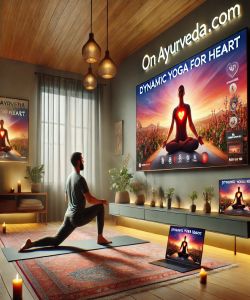
Overview of Dynamic Yoga for Heart
Dynamic Yoga for Heart is a rigorous and highly specialised modality engineered to enhance and sustain cardiovascular function through a disciplined synthesis of vigorous physical postures, controlled respiratory techniques, and focused meditative states. This practice is not a gentle or restorative enterprise; it is a demanding system designed to challenge the body's circulatory and respiratory systems in a controlled, progressive manner, thereby fortifying the cardiac muscle, improving vascular elasticity, and regulating autonomic nervous system responses. It systematically integrates the core tenets of Vinyasa-style yoga—the seamless transition between asanas synchronised with the breath—with a modern, evidence-informed understanding of cardiac physiology. The fundamental objective is to cultivate cardiovascular resilience, moving beyond mere stress reduction to actively condition the heart and its supporting structures. Practitioners are guided through sequences that intelligently elevate and subsequently lower the heart rate, training the body to recover more efficiently from physical exertion and emotional stress. This methodical approach fosters enhanced baroreflex sensitivity, promotes optimal blood pressure levels, and improves heart rate variability, a key indicator of cardiac health and adaptability. The discipline demands unwavering mental focus and physical commitment, positioning itself as a proactive, non-pharmacological strategy for the long-term management and optimisation of cardiovascular wellbeing. It is an assertive practice for individuals who are prepared to engage in a challenging physical and mental regimen to take command of their cardiac health, transforming the body into a more efficient and resilient organism. The methodology is precise, its application is deliberate, and its outcomes are geared towards profound physiological and psychological fortitude, establishing a new paradigm in preventative and supportive cardiac care.
What is Dynamic Yoga for Heart?
Dynamic Yoga for Heart is a specific, targeted application of yogic principles, meticulously structured to elicit a direct and positive physiological response from the cardiovascular system. It is fundamentally distinct from general yoga practices through its explicit focus on cardiac conditioning. The 'dynamic' component refers to the continuous, flowing movement characteristic of Vinyasa or Ashtanga yoga, where postures (asanas) are linked together in a fluid sequence. This continuous motion is rigorously synchronised with the breath (pranayama), a core principle that distinguishes it from conventional exercise. This synchronicity is not incidental; it is the central mechanism through which the practice modulates the autonomic nervous system, shifting the body from a state of stress (sympathetic dominance) to one of rest and recovery (parasympathetic dominance), even amidst physical exertion. The practice deliberately manipulates intensity to train the heart. Sequences are designed to create a controlled cardiovascular demand, elevating the heart rate into a beneficial training zone, which is then followed by postures and breathing techniques that actively facilitate a rapid and efficient recovery. This process effectively trains the heart to be more resilient and adaptable.
Key elements that define this modality include:
Vinyasa Krama: The intelligent sequencing of postures. Poses are not chosen at random but are arranged in a specific order to create a wave-like effect on circulation and heart rate, ensuring a safe yet challenging physiological arc throughout the session.
Targeted Pranayama: Emphasis is placed on specific breathing techniques, such as Ujjayi Pranayama (the Victorious Breath), which generates internal heat, improves oxygenation, and has a measurable calming effect on the nervous system, thereby helping to regulate blood pressure.
Focus on Heart-Opening Asanas: While a full-body practice, there is a pronounced emphasis on postures that expand the chest cavity, such as backbends and shoulder-opening poses. This is believed to improve thoracic mobility, enhance lung capacity, and stimulate the cardiac plexus, an important network of nerves situated near the heart.
In essence, Dynamic Yoga for Heart is a potent fusion of movement and breath, a disciplined physical regimen with a clear therapeutic and preventative objective: the optimisation of cardiovascular health.
Who Needs Dynamic Yoga for Heart?
Individuals Proactively Managing Cardiovascular Risk Factors. This includes persons with a familial predisposition to heart conditions, or those seeking to mitigate risks associated with a sedentary lifestyle. The practice serves as a formidable preventative strategy, directly addressing the physiological precursors to cardiovascular decline through controlled physical stress and nervous system regulation. It is for those who choose to take command of their health trajectory before a diagnosis necessitates intervention.
Professionals in High-Stress Environments. Executives, emergency service workers, and other individuals subjected to chronic occupational stress require a robust mechanism for managing its physiological impact. This modality directly counteracts the deleterious effects of sustained cortisol and adrenaline release by training the parasympathetic nervous system, thereby regulating blood pressure, improving heart rate variability, and mitigating the long-term cardiac strain induced by a high-pressure career.
Athletes and Physically Active Individuals. Those seeking to optimise cardiovascular performance, endurance, and recovery will find this practice exceptionally beneficial. It enhances respiratory efficiency, improves circulation, and cultivates a profound mind-body connection that translates to greater control and stamina in their primary sport or activity. It serves as a sophisticated form of cross-training that conditions the heart and lungs in a uniquely holistic manner.
Individuals in Post-Cardiac Event Rehabilitation. Under strict medical guidance, certain patients recovering from cardiac events may be directed towards this practice. Its focus on gentle, progressive conditioning and profound stress reduction can be an integral component of a comprehensive recovery programme, helping to restore confidence in the body’s capabilities whilst systematically rebuilding cardiac strength and resilience in a safe, controlled framework.
Adults Experiencing Age-Related Decline in Cardiac Efficiency. As the body ages, cardiovascular function can naturally diminish. This practice offers a potent method to counteract this decline, promoting vascular health, maintaining cardiac muscle tone, and enhancing overall vitality. It is for the mature adult who refuses to accept a passive decline and instead actively engages in disciplines that preserve and enhance physiological function.
Persons Managing Mild to Moderate Hypertension or Stress-Induced Arrhythmias. For individuals whose conditions are exacerbated by stress and autonomic dysregulation, this discipline provides a non-pharmacological tool to regain control. The emphasis on breathwork and mindful movement directly targets the nervous system imbalances that often underpin these conditions, offering a pathway to greater stability and regulation.
Origins and Evolution of Dynamic Yoga for Heart
The conceptual foundations of Dynamic Yoga for Heart are deeply rooted in classical Hatha yoga traditions, yet its modern form is a sophisticated synthesis of ancient wisdom and contemporary physiological science. The original yogic texts, such as the Hatha Yoga Pradipika, detailed asanas (postures) and pranayama (breath control) as methods to influence the flow of 'prana', or life force energy. Central to this was the idea that by controlling the breath, one could regulate the body's vital systems, including the functions of the heart and circulatory network. This ancient understanding of the intimate connection between breath, mind, and physiological state provides the philosophical bedrock of the practice.
The evolution towards a 'dynamic' form of yoga gained significant momentum in the early 20th century with the work of pioneers like Tirumalai Krishnamacharya, often called the father of modern yoga. He revived and adapted ancient practices, tailoring them to the needs of his students. His teachings gave rise to two particularly influential and vigorous styles: Ashtanga Vinyasa Yoga, systematised by his student K. Pattabhi Jois, and the more fluid, creative style developed by another student, B.K.S. Iyengar, who emphasised precise alignment. Ashtanga, in particular, with its unyielding, breath-synchronised sequences, demonstrated the profound cardiovascular conditioning potential of a flowing yoga practice. This established the methodological template for physically demanding, breath-led yoga that could be adapted for specific therapeutic goals.
The final and most crucial stage in the evolution of Dynamic Yoga for Heart has occurred more recently. It represents a deliberate move away from a purely spiritual or general fitness application towards a targeted, evidence-informed clinical modality. This modern iteration involves the collaboration of senior yoga instructors with cardiologists, physiologists, and other medical professionals. They have systematically analysed traditional Vinyasa sequences, modifying them to create optimal cardiovascular responses. Poses that might excessively strain the heart are adapted, whilst the pacing and intensity of the flow are meticulously calibrated to elevate and then reduce heart rate in a controlled, therapeutic manner. Specific breathing techniques known to directly influence the vagus nerve and promote parasympathetic tone are heavily emphasised. This evolution marks the transformation of a traditional art into a specialised discipline, where ancient techniques are rigorously applied to meet a contemporary and critical health objective: the direct and measurable enhancement of cardiac function and resilience.
Types of Dynamic Yoga for Heart
Cardio-Vinyasa Flow. This type represents the most direct application of dynamic principles for cardiovascular conditioning. It is characterised by continuous, fluid sequences of postures where each movement is synchronised with an inhalation or an exhalation. The pace is deliberately maintained at a level that elevates the heart rate into a moderate-intensity aerobic zone. The focus is on building endurance and improving circulatory efficiency through sustained movement, with sequences often including repetitive flows like Sun Salutations (Surya Namaskar) and standing posture series. The primary objective is to train the heart as a muscle, enhancing its pumping capacity and stamina.
Power Yoga for Cardiac Strength. This is a more physically demanding variant that incorporates longer holds in challenging postures, such as warrior poses, planks, and arm balances, within a dynamic flow. While still a Vinyasa-based practice, the emphasis shifts from pure flow to building muscular strength, which in turn supports cardiovascular health. A stronger musculoskeletal system reduces the overall load on the heart during daily activities. This type is designed to build cardiac and systemic strength, challenging the heart to work efficiently under load and thereby improving its overall tonicity.
Rhythmic Breath-Flow Integration. This form places the most profound emphasis on the intricate synchronisation of breath and movement, using specific pranayama techniques to govern the pace and intensity of the practice. The core technique is often Ujjayi Pranayama, which creates a consistent, audible breath that guides the flow and has a direct regulatory effect on the autonomic nervous system. The sequences are designed to create a rhythmic, almost hypnotic state, which powerfully downregulates the body's stress response. The primary goal is the enhancement of heart rate variability (HRV) and the optimisation of the mind-heart connection.
Interval-Based Dynamic Flow. Borrowing principles from modern interval training, this type structures the yoga session into distinct phases of high-intensity flow followed by periods of active recovery in restorative postures. For instance, a vigorous, fast-paced sequence might be followed by a longer hold in a supported pose combined with deep, diaphragmatic breathing. This method explicitly trains the heart's ability to recover quickly from exertion, a key marker of cardiovascular fitness and resilience. It directly targets the body's baroreflex sensitivity and improves its capacity to efficiently transition between states of high and low demand.
Benefits of Dynamic Yoga for Heart
Enhanced Myocardial Efficiency. Systematically strengthens the cardiac muscle, improving its contractility and enabling it to pump blood more effectively with each beat. This leads to a lower resting heart rate and improved stroke volume, markers of a highly efficient cardiovascular system.
Improved Vascular Health and Elasticity. The dynamic flow of postures promotes circulation and stimulates the endothelium, the inner lining of the blood vessels. This enhances the production of nitric oxide, a vasodilator that helps to improve arterial flexibility and prevent stiffness, thereby supporting healthy blood pressure regulation.
Regulation of the Autonomic Nervous System. The rigorous synchronisation of breath with movement, particularly the emphasis on controlled exhalation, powerfully stimulates the vagus nerve. This shifts the autonomic balance towards the parasympathetic (rest-and-digest) system, mitigating the chronic stress response that is a major contributor to heart disease.
Optimisation of Heart Rate Variability (HRV). By training the body to move between states of exertion and relaxation, the practice improves HRV. A higher HRV is a robust indicator of cardiovascular adaptability and resilience, signifying a heart that can appropriately respond to a wide range of physiological and environmental demands.
Reduction in Systemic Inflammation. The combination of moderate-intensity physical activity and stress-reducing breathwork has been shown to lower levels of C-reactive protein and other key inflammatory markers in the bloodstream. Chronic inflammation is a known driver of atherosclerosis and other cardiovascular pathologies.
Improved Respiratory Function and Capacity. The focus on deep, controlled breathing (pranayama) strengthens the diaphragm and intercostal muscles, leading to more efficient gas exchange and increased vital lung capacity. Enhanced respiratory function directly reduces the workload on the heart, as the body can oxygenate blood more effectively.
Effective Blood Pressure Management. Through its multi-faceted action on vascular health, nervous system regulation, and stress reduction, the practice provides a potent, non-pharmacological tool for lowering and managing elevated blood pressure levels in individuals with hypertension.
Enhanced Proprioception and Balance. The inclusion of challenging standing and balancing postures improves the body's awareness in space. This enhanced neuromuscular control reduces the risk of falls and injuries, which can be particularly catastrophic for individuals with underlying cardiovascular conditions.
Core Principles and Practices of Dynamic Yoga for Heart
Ujjayi Pranayama Dominance. The foundational practice is the mastery and continuous application of Ujjayi breath, also known as the "Victorious Breath." This technique involves a slight constriction at the back of the throat, creating an audible, ocean-like sound. It serves multiple, non-negotiable functions: it regulates the pace of the practice, generates internal heat to prepare the body for movement, focuses the mind, and, most critically, stimulates the vagus nerve, which directly helps to regulate heart rate and blood pressure. This breath is not optional; it is the engine of the entire practice.
Vinyasa Krama: The Logic of Sequencing. Every session is built upon the principle of Vinyasa Krama, meaning an intelligently and progressively structured sequence of postures. The practice is not a random collection of movements but a deliberate arc that begins with a warm-up, builds to a peak of cardiovascular challenge, and then methodically de-escalates into a cool-down and final relaxation. This structure ensures the heart is safely and effectively conditioned, not shocked or overstrained.
Bandha Engagement: Core Energetic Locks. The active engagement of the Mula Bandha (root lock) and Uddiyana Bandha (abdominal lock) is a core practice. These are not merely physical contractions but subtle energetic engagements that provide profound core stability, protect the lumbar spine during dynamic movement, and are believed to help control and direct the flow of energy and blood throughout the body. Their engagement creates a light, stable foundation from which all movement originates.
Drishti: The Focused Gaze. For each posture, a specific point of focus (Drishti) is prescribed. This is a technique for cultivating concentration and drawing the practitioner's awareness inward. By steadying the gaze, the mind becomes steady, preventing mental distraction and ensuring that the practice remains a moving meditation. This unwavering focus is essential for monitoring the body’s internal state and maintaining the crucial mind-body connection required for cardiac regulation.
Stirtha and Sukha: Steadiness and Ease. This dual principle, articulated in the Yoga Sutras, is central to the practice. Every posture, no matter how challenging, must be approached with a combination of steadfast effort (Sthira) and a quality of ease or comfort (Sukha), managed through the breath. This balance prevents over-exertion and injury, teaching the practitioner to find calm and stability even in the midst of intense physical demand—a direct parallel to managing life's stressors without triggering a harmful physiological response.
Online Dynamic Yoga for Heart
Unparalleled Accessibility and Consistency. The primary online benefit is the removal of geographical and logistical barriers to specialised instruction. Participants can access expert-led sessions from any location, eliminating travel time and costs. This facilitates unwavering consistency, a non-negotiable component for achieving tangible cardiovascular benefits. The ability to practise daily or several times a week, as dictated by a structured programme, is significantly enhanced.
Creation of a Controlled, Personalised Environment. Practising from one's own space allows for complete control over environmental factors such as temperature, lighting, and ambient noise, which can significantly influence the body's stress response. This controlled sanctuary minimises external distractions, enabling a deeper state of focus and introspection that is critical for the meditative and breath-focused aspects of the discipline.
Fostering of Self-Reliance and Internal Awareness. Without the immediate physical presence of an instructor for adjustments, the online practitioner is compelled to cultivate a heightened sense of internal awareness (interoception). They must learn to listen intently to their body's signals—heart rate, breath depth, muscle fatigue—and self-regulate their effort accordingly. This develops profound bodily intelligence and self-reliance, which are essential skills for long-term health management.
Access to a Curated Library of Resources. Reputable online platforms provide a repository of recorded sessions, tutorials on specific techniques (pranayama, individual asanas), and supplementary educational materials. This allows practitioners to revisit challenging concepts at their own pace, repeat specific sessions to master them, and deepen their understanding of the physiological principles behind the practice, which is often not feasible in a time-limited studio class.
Anonymity and Reduced Performance Anxiety. For individuals who may be self-conscious about their physical ability, new to yoga, or managing a health condition, the online format offers a degree of anonymity. This can reduce the performance anxiety that sometimes arises in a group setting, allowing the practitioner to focus entirely on their personal experience and progress without fear of judgement or comparison, leading to a more authentic and effective practice.
Structured Progression and Data-Informed Practice. Many online programmes are structured as progressive courses, guiding participants from foundational skills to advanced sequences in a logical, step-by-step manner. Furthermore, the integration with wearable technology allows practitioners to monitor metrics like heart rate and HRV during sessions, providing tangible data to track their progress and validate the effectiveness of the practice over time.
Dynamic Yoga for Heart Techniques
The following sequence is a foundational Cardio-Vinyasa flow designed to systematically elevate and regulate the heart rate. Each step must be executed with strict adherence to the Ujjayi breath.
Initiation: Tadasana (Mountain Pose) with Diaphragmatic Breathing. Begin standing with feet together, spine erect. Close the eyes and establish a deep, rhythmic Ujjayi breath. Focus on the expansion and contraction of the diaphragm for ten full breath cycles. This initial phase calms the nervous system and sets the respiratory rhythm for the entire practice.
Warm-Up: Half Sun Salutations (Ardha Surya Namaskar). Inhale, raise the arms overhead (Urdhva Hastasana). Exhale, fold forward with a flat back (Ardha Uttanasana). Inhale, lift the chest to a flat back position. Exhale, fold forward again (Uttanasana). Inhale, rise back to Urdhva Hastasana. Exhale, return arms to the sides. Repeat this fluid sequence eight times, ensuring each movement precisely matches one phase of the breath.
Cardio Elevation: Full Sun Salutation A (Surya Namaskar A). From Tadasana, execute a full Sun Salutation. Inhale to Urdhva Hastasana. Exhale to Uttanasana. Inhale to Ardha Uttanasana. Exhale, step or jump back to Plank Pose, then lower into Chaturanga Dandasana (four-limbed staff pose). Inhale to Upward-Facing Dog (Urdhva Mukha Svanasana), opening the chest. Exhale back to Downward-Facing Dog (Adho Mukha Svanasana). Hold for five Ujjayi breaths. At the end of the fifth exhalation, step or jump feet to hands. Inhale to Ardha Uttanasana. Exhale to Uttanasana. Inhale, rise to Urdhva Hastasana. Exhale to Tadasana. Repeat the entire sequence five times without pause. This phase is designed to significantly raise the heart rate.
Peak Phase: Warrior Sequence (Virabhadrasana Series). From Downward-Facing Dog, step the right foot forward into Warrior I (Virabhadrasana I) on an inhalation. Exhale, open the hips to Warrior II (Virabhadrasana II). Inhale, reverse the warrior (Viparita Virabhadrasana). Exhale, transition through a vinyasa (Plank, Chaturanga, Upward-Facing Dog, Downward-Facing Dog). Repeat immediately on the left side. Complete this entire right-left sequence three times. This maintains cardiovascular demand while building strength and stability.
De-escalation and Regulation: Seated Forward Folds. Transition to a seated position. Perform Paschimottanasana (Seated Forward Bend). Hold the posture for ten deep Ujjayi breaths, focusing on lengthening the exhalations. This actively signals the parasympathetic nervous system to initiate recovery, consciously lowering the heart rate.
Final Relaxation: Savasana (Corpse Pose). Lie flat on the back, releasing all control over the body and breath. Remain in complete stillness for a minimum of five minutes to allow the nervous system to fully integrate the effects of the practice and the heart rate to return to its resting state. This final step is mandatory for achieving the full regulatory benefits.
Dynamic Yoga for Heart for Adults
Dynamic Yoga for Heart is an exceptionally pertinent modality for the adult population, addressing the specific physiological and psychological challenges that manifest during adulthood and into later life. As the body matures, there is a natural tendency towards decreased cardiovascular efficiency, arterial stiffening, and a diminished capacity for stress regulation. This practice serves as a direct and potent countermeasure. It is not merely exercise; it is a systematic re-education of the body's most critical systems. For the adult managing the relentless pressures of a career, family, and financial obligations, the discipline offers a formidable tool for mitigating the corrosive effects of chronic stress. The intense focus required to synchronise breath with complex movements forces a mental hiatus from external worries, whilst the physiological impact of vagal nerve stimulation through controlled breathing actively downregulates the production of stress hormones like cortisol, which are known contributors to hypertension and heart disease. Furthermore, the practice addresses the gradual decline in muscle mass and bone density (sarcopenia and osteopenia) that begins in middle adulthood. The weight-bearing nature of the postures, from planks to warrior poses, builds and maintains muscular strength and bone integrity, creating a stronger, more resilient physical frame that reduces the overall burden on the heart. It improves balance and proprioception, critical factors in preventing falls and maintaining independence in later years. For adults seeking to preserve vitality and proactively manage their long-term health, this discipline provides a comprehensive and intelligent strategy. It moves beyond passive health management, empowering the individual to actively cultivate cardiac resilience, mental clarity, and physical fortitude through disciplined, mindful effort.
Total Duration of Online Dynamic Yoga for Heart
The standard and optimal duration for a single, complete session of Online Dynamic Yoga for Heart is unequivocally established at 1 hr. This timeframe is not an arbitrary allocation but a meticulously calculated duration required to accommodate the essential physiological and neurological phases of the practice, ensuring both safety and maximum efficacy. Within this 1 hr structure, the session is intelligently partitioned. The initial phase is dedicated to centering and a thorough warm-up, gradually preparing the joints, muscles, and cardiovascular system for the more demanding work to follow. This is a non-negotiable component that prevents injury and ensures the body is receptive. The central, most substantial portion of the hour is devoted to the peak dynamic sequences, where the heart rate is intentionally elevated and sustained within a therapeutic zone. This is the core conditioning phase, where the primary benefits of improved cardiac output and endurance are forged. A duration of less than 1 hr would fail to provide sufficient time in this state to elicit meaningful physiological adaptation. The final, and equally critical, segment of the session is allocated to a comprehensive cool-down, including counter-poses, deep stretching, and, most importantly, Savasana (final relaxation). This de-escalation phase is where the crucial work of nervous system regulation occurs, training the heart to recover efficiently and allowing the body to absorb the benefits of the practice. To curtail this period would be to negate a significant portion of the modality's purpose. Therefore, the 1 hr duration is the absolute standard, representing the minimum time required to execute the practice completely and responsibly.
Things to Consider with Dynamic Yoga for Heart
Engaging in Dynamic Yoga for Heart demands a sober and realistic assessment of one's physical condition and commitment levels. It is imperative that prospective practitioners, particularly those with pre-existing cardiovascular concerns, seek formal medical clearance before commencing. This is not a gentle, restorative practice; it is a vigorous discipline designed to place the cardiovascular system under controlled stress. Self-assessment is insufficient; a professional medical opinion is mandatory to ensure the practice is appropriate and safe. One must also consider the inherent demand for consistency. The physiological adaptations that lead to improved heart health are not achieved through sporadic or infrequent practice. Tangible results necessitate a disciplined schedule, requiring a significant commitment of time and energy. Individuals must honestly evaluate their capacity to integrate this level of dedication into their lives. Furthermore, the practice demands a high degree of bodily awareness and the willingness to respect personal limitations. The temptation to push beyond one's capacity in pursuit of a challenging posture can lead to injury or excessive cardiovascular strain. An essential consideration is the cultivation of a non-competitive mindset, focusing on internal progress rather than external form. The practitioner must be prepared to modify postures, to rest when necessary, and to prioritise safety over ambition. Finally, one must understand that this is a holistic discipline. The benefits are intrinsically linked to the integration of movement, breath, and mental focus. A purely physical, exercise-oriented approach will fail to unlock the profound nervous system-regulating effects that are central to the practice's efficacy for heart health.
Effectiveness of Dynamic Yoga for Heart
The effectiveness of Dynamic Yoga for Heart as a modality for enhancing cardiovascular health is both profound and multi-faceted. Its efficacy is not derived from a single mechanism but from a powerful synergy of physiological and neurological actions that collectively fortify the entire cardiovascular system. On a purely physical level, the practice functions as a highly efficient form of interval training, systematically challenging the heart muscle to improve its pumping efficiency (stroke volume) and endurance. This conditioning leads to a lower resting heart rate and improved cardiac output, which are robust markers of a healthy heart. Concurrently, the continuous, flowing movements enhance blood circulation and promote vascular elasticity, directly contributing to the regulation of blood pressure and reducing the arterial stiffness associated with cardiovascular disease. However, the physical component is only part of its power. The unyielding emphasis on synchronising movement with controlled, diaphragmatic breathing is what elevates this discipline beyond mere exercise. This technique directly stimulates the vagus nerve, the primary conduit of the parasympathetic nervous system. This activation powerfully counteracts the body's chronic stress response, lowering circulating levels of cortisol and adrenaline, reducing systemic inflammation, and significantly improving heart rate variability (HRV). A high HRV is one of the most reliable indicators of a resilient and adaptable cardiovascular system. The practice is therefore unequivocally effective, addressing both the mechanical function of the heart and the critical neurological pathways that govern its behaviour, resulting in a comprehensive and robust improvement in overall cardiac wellness.
Preferred Cautions During Dynamic Yoga for Heart
Absolute vigilance and uncompromising self-regulation are mandatory throughout every session of Dynamic Yoga for Heart. This is a demanding physical discipline, and any disregard for bodily signals will be met with consequences. The primary caution is the absolute prohibition of pushing through sharp, sudden, or radiating pain, particularly in the chest, neck, jaw, or left arm. These are unequivocal stop signals requiring immediate cessation of all activity. Practitioners must learn to differentiate between the acceptable discomfort of muscle exertion and the warning signs of genuine distress. Overheating and dehydration present significant risks; the practice generates substantial internal heat, and adequate hydration before and after, but not during, the session is critical to maintain blood volume and prevent undue cardiac strain. Individuals with diagnosed hypertension must exercise extreme caution with inversions, such as headstands or prolonged downward-facing dog poses, and must ensure the breath is never held, as this can cause a rapid and dangerous spike in blood pressure. The ego must be completely subjugated to physiological wisdom. There is no place for competition or for forcing the body into a posture for which it is not prepared. Any dizziness, light-headedness, or shortness of breath that cannot be regulated by slowing down and deepening the breath is a non-negotiable directive to cease movement and rest. Finally, engaging in this practice without prior medical clearance, especially if there is any history of heart disease, arrhythmia, or other cardiovascular conditions, is an act of profound irresponsibility. This is not a panacea; it is a powerful tool that must be wielded with intelligence, respect, and an unyielding commitment to safety.
Dynamic Yoga for Heart Course Outline
Module 1: Foundational Principles and Breath Mastery.
Introduction to the physiology of the cardiovascular system.
The role of the autonomic nervous system in heart health.
Masterclass in Ujjayi Pranayama: technique, rhythm, and application.
Introduction to the core energetic locks: Mula and Uddiyana Bandha.
Basic seated and standing postures with a focus on alignment.
Module 2: Introduction to Vinyasa and Sun Salutations.
The principle of Vinyasa: linking breath with movement.
Detailed breakdown of Surya Namaskar A (Sun Salutation A).
Detailed breakdown of Surya Namaskar B (Sun Salutation B).
Practising smooth transitions between postures.
Pacing and stamina development in foundational flows.
Module 3: Standing Sequences for Strength and Stability.
Mastery of the Warrior series (Virabhadrasana I, II, III).
Triangle Pose (Trikonasana) and its variations.
Extended Side Angle Pose (Utthita Parsvakonasana).
Balancing postures: Tree Pose (Vrksasana) and Eagle Pose (Garudasana).
Integrating standing sequences into a continuous Vinyasa flow.
Module 4: Heart-Opening and Thoracic Expansion.
Anatomy of the thoracic spine and shoulder girdle.
Safe and effective back-bending techniques.
Postures: Cobra (Bhujangasana), Upward-Facing Dog (Urdhva Mukha Svanasana), Camel (Ustrasana), and Bridge (Setu Bandhasana).
The link between chest opening, lung capacity, and cardiac function.
Module 5: De-escalation, Recovery, and Nervous System Regulation.
The physiology of the cool-down phase.
Seated forward folds for parasympathetic stimulation.
Gentle twisting postures for spinal health and detoxification.
Introduction to restorative postures with props.
The science and mandatory practice of Savasana (Corpse Pose).
Module 6: Integration and Advanced Application.
Constructing and leading a full, balanced 60-minute sequence.
Introduction to interval-based flows: alternating intensity.
Techniques for modifying the practice for individual needs.
Developing a sustainable, long-term personal practice.
Review of all core principles and final assessment.
Detailed Objectives with Timeline of Dynamic Yoga for Heart
Weeks 1-2: Foundational Competency.
Objective: To establish and maintain consistent Ujjayi Pranayama throughout a 30-minute, slow-paced sequence without losing rhythm.
Objective: To demonstrate correct physical alignment in the core postures of Sun Salutation A (Plank, Chaturanga, Upward-Facing Dog, Downward-Facing Dog).
Objective: To identify and consciously engage Mula and Uddiyana Bandhas during transitional movements.
Weeks 3-4: Endurance and Flow Consolidation.
Objective: To execute five consecutive rounds of Sun Salutation A followed by three rounds of Sun Salutation B without stopping, maintaining breath-movement synchronisation.
Objective: To hold foundational standing postures (Warrior I and II) for five full breath cycles on each side while maintaining postural integrity and a steady Drishti.
Weeks 5-6: Building Cardiac and Muscular Strength.
Objective: To fluidly transition through a peak standing sequence involving Warrior, Triangle, and Extended Side Angle poses without loss of balance or breath control.
Objective: To demonstrate proficiency in introductory heart-opening postures such as Bridge Pose, achieving correct spinal articulation and engagement of the posterior chain.
Weeks 7-8: Mastering Regulation and Recovery.
Objective: To demonstrate the ability to consciously lower the heart rate after a vigorous sequence using extended exhalations in a seated forward fold, tracking a noticeable change in perceived exertion.
Objective: To maintain absolute physical and mental stillness for a minimum of seven minutes in Savasana, achieving a state of deep relaxation.
Weeks 9-10: Developing Proprioceptive Control.
Objective: To hold a challenging balancing posture, such as Tree Pose (Vrksasana), for ten complete breath cycles on each leg without wavering.
Objective: To begin incorporating more complex transitions, such as moving from a lunge into a balancing pose, with control and precision.
Weeks 11-12: Synthesis and Autonomy.
Objective: To independently perform a full 60-minute, self-guided practice that follows the correct physiological arc of warm-up, peak exertion, and cool-down.
Objective: To articulate an understanding of how to modify the practice (e.g., reduce pace, use props) to accommodate daily fluctuations in energy levels and physical capacity, demonstrating true practice ownership.
Requirements for Taking Online Dynamic Yoga for Heart
Medical Clearance: A non-negotiable prerequisite. Participants must obtain explicit approval from a qualified medical professional, preferably a general practitioner or cardiologist, confirming their suitability for vigorous physical activity.
Uninterrupted High-Speed Internet Connection: The online format is entirely dependent on a stable and robust internet connection. Any lag, buffering, or disconnection compromises the continuity of the instruction and the integrity of the practice flow.
Adequate and Safe Practice Space: A dedicated area with a minimum of two metres by three metres of clear, unobstructed space is required. The flooring must be level and non-slip. The area must be free from hazards, furniture with sharp corners, and other potential dangers.
Appropriate Technical Hardware: A device with a screen large enough to clearly view the instructor's demonstrations is essential. A laptop, tablet, or smart television is suitable; a smartphone is inadequate. The device must have a functional camera and microphone for sessions that include interactive feedback.
Essential Yoga Equipment: A high-quality, non-slip yoga mat is mandatory. Additional props, such as two yoga blocks and a sturdy strap, are also required to facilitate proper alignment and provide necessary support for modifications.
Commitment to Uninterrupted Time: Participants must be able to dedicate the full, scheduled session time without interruption. This requires arranging one's environment and obligations to ensure the practice space becomes a sanctuary, free from intrusions from family members, pets, or work-related notifications.
Sufficient Physical Baseline: While designed for a range of abilities, a basic level of physical fitness is assumed. Participants should be able to stand, kneel, and move from a standing to a floor-based position without significant difficulty or pain.
Profound Self-Responsibility: The participant must possess the maturity and self-awareness to monitor their own physical limits. In the absence of an in-person instructor, the onus of safety, including when to rest, modify, or stop, rests entirely with the individual. This is a critical psychological requirement.
Things to Keep in Mind Before Starting Online Dynamic Yoga for Heart
Before embarking on an online Dynamic Yoga for Heart programme, it is crucial to adopt a mindset of disciplined autonomy and realistic expectation. The virtual environment necessitates a higher degree of self-motivation and personal accountability than a traditional studio setting. You are solely responsible for creating and maintaining a sacred space for your practice, one that is free from the distractions and interruptions of your domestic or work life. This is not a passive activity to be observed; it demands your full, undivided attention. It is imperative to understand that the instructor's guidance, however expert, is filtered through a screen. They cannot provide the hands-on adjustments or perceive the subtle physiological cues that are apparent in person. Therefore, you must commit to becoming a diligent student of your own body, learning to interpret its signals of fatigue, strain, and capacity with unwavering honesty. Do not expect immediate, dramatic results. The profound cardiovascular benefits of this practice are cumulative, built upon a foundation of consistent and patient effort over time. You must be prepared for a journey of incremental progress, where plateaus and challenges are an integral part of the process. Finally, ensure you have conducted thorough due diligence on the qualifications and specialisation of the online instructor or platform. Verify that their expertise is specifically in yoga for cardiac health, not just in general dynamic yoga. Your commitment to the practice must be matched by a commitment to ensuring the instruction you receive is safe, credible, and appropriately targeted to your health objectives.
Qualifications Required to Perform Dynamic Yoga for Heart
The performance and instruction of Dynamic Yoga for Heart demand a level of qualification that significantly exceeds the standard certification for a general yoga teacher. A credible instructor in this specialised field must possess a robust and verifiable portfolio of training and experience that blends deep yogic knowledge with a firm grasp of cardiovascular science. The absolute minimum foundation is an advanced certification from a reputable yoga school (e.g., RYT-500 or equivalent), which ensures a comprehensive understanding of asana, pranayama, anatomy, and philosophy. However, this alone is insufficient. The critical differentiator is specialised, post-graduate training.
An instructor must have completed dedicated, certified courses in areas such as:
Yoga for Cardiac Health / Yoga Therapy for Cardiovascular Conditions: This is the most crucial qualification. Such programmes provide specific protocols, contraindications, and modifications for clients with hypertension, arrhythmia, and post-cardiac event recovery needs. They teach instructors how to structure classes that safely challenge yet support the cardiovascular system.
Advanced Functional Anatomy and Physiology: A profound, practical understanding of the cardiorespiratory system, the autonomic nervous system, and the biomechanics of movement is non-negotiable. The instructor must be able to articulate precisely how a specific posture or breathing technique impacts heart rate, blood pressure, and vagal tone.
Pranayama and Breathwork Facilitation: Given the centrality of breath to this modality, advanced training in various pranayama techniques is essential. The instructor must understand the distinct physiological effects of different breathing patterns and be able to teach them safely and effectively.
Furthermore, substantial teaching experience is required. A qualified professional will have spent considerable time applying these principles in a practical setting, honing their ability to observe students, offer clear instructions, and adapt the practice to individual needs. They should be able to communicate complex physiological concepts in a clear, accessible manner, empowering their students with knowledge. In essence, the qualification is not a single certificate but a synthesis of advanced yoga education, specialised clinical training, and demonstrable practical expertise.
Online Vs Offline/Onsite Dynamic Yoga for Heart
Online
The online delivery of Dynamic Yoga for Heart offers a paradigm of supreme convenience and personal autonomy. It dismantles all geographical and logistical barriers, providing access to highly specialised instructors irrespective of the practitioner's location. This format fosters profound self-discipline and interoception, as the individual is compelled to become the primary guardian of their own practice, learning to interpret their body’s signals without the immediate intervention of a teacher. The practitioner has absolute control over their environment, creating a sanctuary free from the potential distractions or social pressures of a public class. This can lead to a deeper, more meditative experience. Furthermore, online platforms often provide a vast library of pre-recorded content, allowing for repetition and study at one's own pace. However, the online model's greatest strength is also its most significant weakness: the absence of physical presence. The instructor cannot provide tactile feedback or make subtle alignment corrections, which increases the risk of reinforcing improper form. The sense of community and shared energy is also diminished, which can impact motivation for some individuals. The onus of safety and responsible practice rests almost entirely upon the practitioner.
Offline/Onsite
The offline, or onsite, experience in a studio provides an environment of direct, expert supervision and communal energy. The instructor's physical presence allows for immediate, hands-on adjustments, ensuring that postures are performed with optimal alignment and safety. This direct feedback loop is invaluable for refining technique and preventing injury. The instructor can observe a student's breath, energy levels, and even subtle changes in facial expression, tailoring guidance in real-time. The group setting fosters a sense of community (sangha) and shared purpose, which can be a powerful motivator, encouraging consistency and effort. The studio provides a dedicated space, mentally and physically separate from the responsibilities of home or work, which can make it easier to commit fully to the practice. The primary drawbacks of the offline model are its rigidity and logistical demands. Classes are fixed to a specific schedule and location, requiring travel and adherence to a timetable that may not suit all lifestyles. The cost is typically higher, and class sizes can sometimes limit the amount of individual attention each student receives. The practitioner must also adapt to the studio's environment, which may not always be perfectly aligned with their personal preferences.
FAQs About Online Dynamic Yoga for Heart
Question 1. Is this practice safe for someone with a heart condition?
Answer: It is only safe after you have received explicit, written clearance from your cardiologist or medical doctor. This is a non-negotiable first step.
Question 2. Do I need to be an experienced yoga practitioner?
Answer: No, but a baseline level of physical fitness is required. Reputable online courses will have introductory modules for beginners, but you must be able to move between standing and floor positions without assistance.
Question 3. What technology do I absolutely need?
Answer: A stable, high-speed internet connection and a device with a screen large enough to see the instructor clearly, such as a laptop or tablet. A smartphone is not adequate.
Question 4. Is an online class as effective as an in-person one?
Answer: It can be highly effective if you are self-disciplined and committed. The physiological principles remain the same. However, you miss out on hands-on adjustments.
Question 5. How often should I practise?
Answer: For tangible cardiovascular benefits, a minimum of three dedicated one-hour sessions per week is the standard recommendation. Consistency is more important than intensity.
Question 6. Can this practice lower my blood pressure?
Answer: It is designed to support healthy blood pressure regulation through its effects on the nervous system and vascular health, but it is not a replacement for prescribed medication or medical advice.
Question 7. What if I feel dizzy or unwell during a session?
Answer: Stop immediately. Rest in a comfortable position. If the feeling persists, terminate the session and consult a medical professional. Never push through dizziness.
Question 8. Will I lose weight with this practice?
Answer: While weight loss can be a secondary outcome due to the physical exertion, the primary goal is cardiovascular conditioning, not weight management.
Question 9. What is the most important part of the practice?
Answer: The synchronisation of movement with the Ujjayi breath. The breath is the engine and the regulatory mechanism of the entire practice.
Question 10. Can I practise if I am just feeling tired?
Answer: You must learn to distinguish between general fatigue and genuine exhaustion or illness. A gentle practice may be beneficial for fatigue, but vigorous practice should be avoided if you are unwell.
Question 11. What if I cannot do a specific pose?
Answer: A good online programme will offer modifications and alternatives for every challenging posture. Your responsibility is to use them and not force your body.
Question 12. Is it normal to feel my heart beating fast?
Answer: Yes, the practice is designed to elevate your heart rate during the dynamic phases. The key is that it should feel like a controlled effort, and your heart rate should recover during the cool-down phases.
Question 13. Do I need special yoga clothing?
Answer: You need comfortable, non-restrictive clothing that allows for a full range of movement.
Question 14. Can I eat before a class?
Answer: It is strongly advised to practise on an empty stomach. Avoid heavy meals for at least two to three hours before a session.
Question 15. What is 'Ujjayi' breath?
Answer: It is a breathing technique involving a slight constriction of the throat, creating an audible, ocean-like sound. It is a core technique taught in any credible course.
Question 16. How do I stay motivated when practising alone?
Answer: By scheduling your sessions as non-negotiable appointments and by tracking your progress, noticing the improvements in your stamina, strength, and overall sense of wellbeing.
Conclusion About Dynamic Yoga for Heart
In conclusion, Dynamic Yoga for Heart stands as a formidable and sophisticated discipline, meticulously engineered for the proactive management and enhancement of cardiovascular health. It is a robust system that transcends the conventional boundaries of both general yoga and standard fitness regimens, offering a potent synthesis of vigorous physical conditioning and profound neurological regulation. The practice's unyielding focus on the synchronisation of dynamic movement with controlled breath is not a stylistic choice but its core therapeutic mechanism, directly influencing heart rate variability, blood pressure, and the body's systemic stress response. This is not a passive or gentle modality; it demands commitment, discipline, and a high degree of self-awareness from its practitioners. It challenges the body in order to strengthen it, placing the individual in a position of empowered self-care. By systematically training the heart muscle, improving vascular function, and mastering the body's autonomic responses, this practice provides a comprehensive, non-pharmacological strategy for building a resilient and efficient cardiovascular system. It is an intelligent and assertive approach for any individual who is serious about investing in their long-term health, offering a clear and effective pathway to cultivating not just a stronger heart, but a more integrated and resilient state of being. The principles are sound, the methodology is precise, and its potential impact on cardiac wellness is unequivocal.