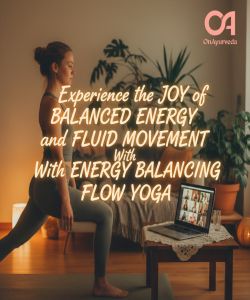
Overview of Energy Balancing Flow Yoga
Energy Balancing Flow Yoga represents a formidable and uncompromising synthesis of dynamic physical discipline and esoteric energetic science. It is not merely a sequence of postures but a rigorous methodology designed to systematically harmonise the body's subtle energy systems. This practice is predicated on the seamless integration of Vinyasa, the principle of synchronising fluid movement with conscious, controlled respiration, and a profound understanding of the body's energetic matrix, including the chakras, nadis, and the flow of prana. The practitioner is not engaged in simple exercise; they are undertaking a deliberate and powerful recalibration of their entire being, from the gross physiological level to the most subtle layers of consciousness. The objective is absolute equilibrium—a state where physical vitality, mental clarity, and energetic resonance are brought into a state of powerful, unwavering alignment. This discipline demands total commitment, moving beyond the superficial aesthetics of modern yoga to engage with the foundational principles of energetic anatomy and somatic intelligence. It is a robust and sophisticated practice for those who seek not temporary relief, but a fundamental and lasting transformation of their internal state, achieved through disciplined effort and unwavering focus on the intricate interplay between breath, body, and vital life force.
What are Energy Balancing Flow Yoga?
Energy Balancing Flow Yoga is a sophisticated yogic discipline engineered to address and rectify imbalances within the body’s subtle energetic framework. At its core, it is a dynamic form of Vinyasa yoga where each posture (asana) is meticulously linked to the rhythm of the breath (pranayama), creating a continuous, fluid sequence. However, its defining characteristic lies in its explicit intention: every movement, every breath, and every point of focus is strategically designed to influence the flow of prana, or life force energy, through the body’s network of energy channels (nadis) and centres (chakras). Unlike conventional yoga classes that may focus primarily on physical alignment and flexibility, this practice operates on a dual plane. It simultaneously conditions the physical body—building strength, stamina, and suppleness—whilst systematically cleansing, activating, and harmonising the energetic body. Practitioners are guided to cultivate a heightened internal awareness, directing their intention and breath to specific areas to dissolve energetic blockages, release stagnant emotional patterns, and restore a state of vibrant, unimpeded energy flow. This is achieved through specific sequences (kriyas), breath-retention techniques (kumbhaka), and energetic locks (bandhas) that are seamlessly integrated into the flow. It is, therefore, an advanced and purposeful practice that utilises the physical form as a direct conduit to manipulate and master the body’s underlying energetic architecture, demanding a level of focus and internal discipline that transcends a purely physical workout.
Who Needs Energy Balancing Flow Yoga?
Individuals Experiencing Energetic Stagnation: Those who report feelings of lethargy, mental fog, creative blockages, or a persistent lack of vitality. The practice is engineered to break through these internal impediments, dissolving blockages and re-establishing a vigorous and unimpeded flow of prana throughout the system.
Professionals in High-Stress Environments: Executives, entrepreneurs, and individuals in high-pressure roles who are subjected to chronic stress and mental exhaustion. This discipline provides a formidable tool for discharging accumulated tension and recalibrating the nervous system, fostering resilience and mental clarity under duress.
Practitioners Seeking to Deepen Their Yogic Practice: Yogis who have mastered the physical dimension of asana and now seek to engage with the more subtle and profound aspects of the tradition. This practice serves as a direct gateway to understanding and manipulating the energetic body.
Athletes and Physical Performers: Individuals who require peak physical and mental integration. The practice enhances somatic awareness, improves respiratory efficiency, and cultivates a powerful mind-body connection that is essential for superior performance and injury prevention.
Those Navigating Emotional or Psychological Dysregulation: Individuals dealing with emotional turbulence, anxiety, or a disconnected sense of self. The deliberate harmonisation of the body’s energy centres provides a stable foundation from which to achieve greater emotional equilibrium and psychological stability.
Individuals on a Path of Spiritual or Personal Development: Those committed to self-exploration and transformation. By purifying the energetic channels, the practice prepares the body and mind for deeper states of meditation, heightened intuition, and a more profound connection to consciousness itself.
Origins and Evolution of Energy Balancing Flow Yoga
The conceptual framework of Energy Balancing Flow Yoga is not a modern invention but a powerful synthesis of ancient wisdom and contemporary application. Its origins are deeply rooted in the classical traditions of Hatha and Tantra yoga, which have, for millennia, meticulously documented the body’s subtle energetic anatomy. Ancient texts such as the Hatha Yoga Pradipika and the Shiva Samhita provide the foundational principles, articulating the concepts of prana (vital life force), nadis (a vast network of seventy-two thousand energy channels), and chakras (primary psycho-energetic centres). These texts prescribed specific practices, including asana, pranayama, and bandhas, not for mere physical fitness, but for the explicit purpose of purifying these channels and awakening latent spiritual potential. This ancient science forms the unwavering bedrock of the discipline.
The "Flow" component of the practice draws its direct lineage from the Vinyasa system popularised in the early twentieth century by the revered master T. Krishnamacharya and his distinguished students. Vinyasa introduced the revolutionary principle of synchronising breath with a continuous and dynamic sequence of movements, transforming the static practice of asana into a fluid, moving meditation. This innovation brought a new level of vigour and internal heat (tapas) to the practice, creating a powerful mechanism for physical purification and mental concentration. It established the methodology for linking postures in a graceful, intelligent, and uninterrupted stream, a critical element for generating and directing a sustained energetic current.
The final evolution into what is now termed Energy Balancing Flow Yoga occurred as modern practitioners began to systematically reintegrate the explicit energetic intentions of a classical Hatha and Tantra with the dynamic methodology of Vinyasa. This was not a dilution of principles but a deliberate and sophisticated fusion. Contemporary masters recognised that the modern practitioner, often beset by unique environmental and psychological stressors, required a practice that was both physically robust and energetically precise. They began designing Vinyasa sequences with an uncompromising focus on the energetic effects, choreographing movements to stimulate specific meridians, activate dormant chakras, and facilitate the balanced distribution of prana. This evolution represents a return to the original purpose of yoga: the mastery of one’s own life force.
Types of Energy Balancing Flow Yoga
Pranic Amplification Flow: This type is characterised by its uncompromising focus on maximising the generation and circulation of prana. It utilises vigorous Vinyasa sequences, powerful breathwork such as Bhastrika (Bellows Breath) integrated into movement, and strategic use of bandhas (energetic locks) to build and contain a potent charge of vital energy. The primary objective is to energise the entire system, combat lethargy, and enhance overall vitality.
Chakra Realignment Vinyasa: This is a highly targeted practice where each segment of the flow is meticulously designed to stimulate, cleanse, and balance one of the seven primary chakras. Sequences are constructed around specific asanas known to resonate with each energy centre, from grounding standing poses for the Muladhara (Root) chakra to expansive heart-openers for the Anahata (Heart) chakra. The intention is to systematically address imbalances in the psycho-energetic system.
Nadi Shodhana Kriya Flow: This practice concentrates on the purification of the nadis, the subtle energy channels. It integrates the principles of Nadi Shodhana (Alternate Nostril Breathing) directly into the physical flow, often using asymmetrical postures and cross-body movements to stimulate the Ida (lunar) and Pingala (solar) channels. The aim is to restore a harmonious balance between the body’s masculine and feminine energies, leading to profound mental clarity and stability.
Elemental Harmonisation Practice: Rooted in the principle that the human body is a microcosm of the universe, this type of flow works to balance the five great elements (Pancha Maha Bhutas): Earth, Water, Fire, Air, and Ether. Sequences are themed around the qualities of each element—for instance, stable and grounding poses for Earth, or fluid and dynamic movements for Water—to rectify elemental deficiencies or excesses within the practitioner’s constitution.
Benefits of Energy Balancing Flow Yoga
Rectification of Energetic Imbalances: Systematically identifies and dissolves blockages within the nadis and chakras, restoring the unimpeded and harmonious circulation of prana throughout the entire being.
Enhanced Physiological Function: The dynamic nature of the practice stimulates the circulatory, respiratory, and endocrine systems, promoting detoxification and optimising the body’s homeostatic mechanisms for superior physical health.
Cultivation of Profound Mental Clarity: By calming the fluctuations of the mind and purifying the energetic channels connected to mental processes, the practice engenders a state of sharp, unwavering focus and heightened cognitive function.
Increased Emotional Resilience: The practice directly addresses the energetic roots of emotional turbulence, discharging stagnant emotional patterns and fostering a stable, centred, and resilient emotional state, even under duress.
Augmented Vitality and Stamina: Through the deliberate generation and circulation of life force energy, practitioners experience a significant and sustainable increase in physical energy, vitality, and endurance, combating fatigue and lethargy.
Development of Somatic Intelligence: Fosters a deep and intuitive connection between mind and body, enhancing proprioception, coordination, and the body’s innate capacity for self-regulation and healing.
Preparation for Deeper Meditative States: By purifying the physical and energetic bodies and steadying the mind, this practice serves as an essential preparatory discipline for individuals seeking to access profound states of meditation and heightened consciousness.
Strengthened Nervous System: The controlled interplay of dynamic movement and conscious breathing directly tones and balances the autonomic nervous system, shifting the body from a state of stress (sympathetic) to one of restoration (parasympathetic).
Core Principles and Practices of Energy Balancing Flow Yoga
Unyielding Breath-Movement Synchronisation (Vinyasa): The foundational principle is the absolute and non-negotiable linkage of every single movement to an inhalation or an exhalation. The breath is not an accompaniment to the movement; it is the engine that initiates, sustains, and completes it. This creates a unified field of action and awareness, transforming the practice into a seamless, flowing meditation.
Deliberate Energetic Intention (Sankalpa): Every practice is undertaken with a clear and focused intention to influence the subtle body. The practitioner is not merely executing postures but is actively directing prana and consciousness to specific chakras, nadis, or areas of energetic stagnation. This mental focus is as critical as the physical alignment.
Application of Energetic Locks (Bandhas): The systematic engagement of Mula Bandha (Root Lock), Uddiyana Bandha (Abdominal Lock), and Jalandhara Bandha (Throat Lock) is integral. These locks are not simple muscular contractions; they are sophisticated techniques used to contain, concentrate, and direct the flow of prana upward through the central energy channel (Sushumna Nadi).
Precise Gaze and Focus (Drishti): The practitioner maintains a specific point of visual focus during each asana. This technique is mandatory for concentrating the mind, withdrawing the senses from external distractions, and intensifying the internal energetic experience. It is a tool for unwavering mental discipline.
Cultivation of Internal Heat (Tapas): The vigorous and continuous nature of the flow, combined with powerful pranayama, is designed to generate intense internal heat. This tapas is a purifying fire that burns through physical toxins, mental impurities, and deep-seated energetic blockages (samskaras).
Intelligent and Purposeful Sequencing (Krama): Postures are not arranged arbitrarily. They are placed in a specific, intelligent sequence designed to prepare the body for more challenging asanas and to create a specific energetic effect. The sequence itself is a kriya—a completed action designed to produce a predictable energetic outcome.
Mastery of Conscious Respiration (Pranayama): Beyond simple breath synchronisation, the practice incorporates advanced pranayama techniques, such as Ujjayi breathing, to control the flow of energy. The breath is a precise tool used to regulate the nervous system and manipulate the subtle body with absolute control.
Online Energy Balancing Flow Yoga
Unparalleled Accessibility and Consistency: The online modality removes all geographical and logistical barriers to consistent practice. It grants practitioners access to specialised instruction regardless of their physical location, enabling the establishment of an unwavering and disciplined daily routine, which is paramount for tangible energetic progress. This accessibility fosters a level of regularity that is often unachievable with studio-based attendance alone.
Cultivation of Absolute Self-Discipline: Practising in a solitary environment necessitates a higher degree of internal motivation, self-reliance, and personal accountability. The practitioner must become their own primary motivator, a process that forges immense mental and spiritual fortitude. This environment strips away the external validation of a group setting, forcing a deeper and more honest internal investigation.
Creation of a Personalised, Sanctified Space: The practitioner has complete control over their environment, allowing them to create a space that is energetically pure and free from external distractions. This sanctum can be tailored with specific lighting, sound, and scent to enhance the energetic resonance of the practice, creating an intensely personal and potent ritualistic setting.
Deepened Internal Focus (Pratyahara): The absence of other practitioners and external studio stimuli forces a profound inward turn of the senses. This environment is highly conducive to the yogic principle of Pratyahara (sense withdrawal), enabling a more concentrated and introspective practice where the subtle movements of prana can be perceived with far greater clarity.
Freedom for Uninhibited Exploration: The privacy of an online session allows the practitioner to explore movements and breathwork without self-consciousness or comparison. This fosters an environment of authentic self-discovery, where one can fully surrender to the practice and confront personal limitations without external judgment, accelerating personal breakthroughs.
Energy Balancing Flow Yoga Techniques
Establish the Foundation: Conscious Breath (Ujjayi Pranayama): Before any movement, establish the victorious breath. Gently constrict the back of the throat to create an audible, ocean-like sound with both the inhalation and exhalation. This breath must be maintained with unwavering consistency throughout the entire practice. It is the primary tool for generating internal heat and controlling the flow of prana.
Initiate Movement from the Energetic Core (Bandha Engagement): Actively engage Mula Bandha (Root Lock) by lifting the perineum and Uddiyana Bandha (Abdominal Lock) by drawing the lower abdomen in and up towards the spine. All movements must originate from this stabilised and energised core, ensuring that the practice is powered from the body’s central energy reservoir.
Link Breath to a Foundational Flow (Surya Namaskar): Execute a series of Sun Salutations. Each movement must correspond precisely to one breath: inhale to extend, exhale to fold or contract. This initial sequence is not a warm-up; it is the critical phase of uniting body, breath, and mind into a single, cohesive unit of action. The focus is on the flawless synchronisation.
Integrate Targeted Asana Sequencing: Move into sequences specifically designed to address an energetic objective. For example, for grounding, flow through a series of standing poses like Virabhadrasana I and II, maintaining a fixed gaze (Drishti) and driving energy down through the feet. For heart-opening, transition through Ustrasana (Camel Pose) and Bhujangasana (Cobra Pose), consciously directing breath into the Anahata chakra.
Introduce Energetic Intensification: At the peak of the practice, incorporate breath retention (Kumbhaka) at the top of an inhalation during a powerful pose. Hold the breath and the bandhas to build a potent energetic charge. This must be executed with control and precision, not strain.
Execute a Counter-Balancing Cool Down: Transition into a sequence of counter-postures and deep stretches, such as Paschimottanasana (Seated Forward Bend) and gentle spinal twists. The pace must slow deliberately, allowing the energised system to begin integrating and consolidating the pranic shifts that have occurred.
Conclude with Absorption and Stillness (Savasana): Lie in Corpse Pose in absolute stillness. This is the most crucial step. Release control of the breath and all muscular effort. This is not rest; it is a state of active, conscious absorption, allowing the harmonised energy to permeate every cell of the body without interference.
Energy Balancing Flow Yoga for Adults
Energy Balancing Flow Yoga for adults is a rigorous and sophisticated discipline designed for the mature practitioner who seeks more than mere physical exertion. It is a direct and uncompromising path towards self-mastery, demanding a level of mental focus and emotional maturity that is typically cultivated through life experience. The practice acknowledges that the adult body and mind are often repositories of accumulated stress, ingrained patterns, and subtle energetic blockages. Therefore, the sequences are intelligently structured not only to build physical strength and flexibility but to systematically dismantle these deep-seated impediments. The emphasis is placed firmly on internal awareness over external performance, encouraging the practitioner to develop a profound somatic intelligence and to listen to the body's intrinsic wisdom. It requires adults to take full responsibility for their internal state, using the integrated tools of asana, pranayama, and focused intention to actively recalibrate their own nervous and energetic systems. This is not a passive practice; it is an active engagement in self-regulation and personal transformation, providing a powerful methodology for navigating the complexities and pressures of adult life with enhanced resilience, clarity, and unwavering inner equilibrium. It demands discipline, consistency, and a sincere commitment to internal work.
Total Duration of Online Energy Balancing Flow Yoga
The standard duration for a complete and effective online session of Energy Balancing Flow Yoga is uncompromisingly fixed at 1 hr. This timeframe is not arbitrary; it is a precisely engineered duration designed to facilitate a full energetic cycle without causing undue exhaustion or systemic overload. Within this 1 hr structure, the practice is meticulously segmented to ensure a comprehensive and balanced experience. It commences with a preparatory phase of grounding and breathwork, followed by a dynamic and heat-building Vinyasa sequence that constitutes the core of the practice. This central phase is where the primary work of dissolving energetic blockages and realigning the chakras occurs. Following this peak, a significant portion of time is dedicated to a counter-balancing cool-down period, incorporating deep stretches and restorative postures that allow the nervous system to integrate the powerful energetic shifts. The session culminates in a mandatory period of Savasana, or deep relaxation, which is critical for the absorption and consolidation of prana throughout the body’s subtle channels. Any deviation from this 1 hr structure would compromise the integrity and holistic efficacy of the practice, rendering it incomplete. It is a demanding, all-encompassing hour of disciplined effort and conscious surrender.
Things to Consider with Energy Balancing Flow Yoga
Before embarking upon the practice of Energy Balancing Flow Yoga, it is imperative to conduct a rigorous self-assessment. This is not a casual fitness regime; it is a potent discipline that actively manipulates the body's psycho-energetic systems, and as such, it demands respect and preparedness. The practitioner must consider their current physical condition with uncompromising honesty, acknowledging any pre-existing injuries or limitations that could be exacerbated by a dynamic flow practice. Beyond the physical, one must evaluate their mental and emotional readiness. The practice is designed to dislodge and release stagnant energy, which can manifest as a temporary intensification of emotional or psychological states. A robust level of mental resilience and a stable support system are therefore not advisable, but essential. Furthermore, one must be prepared to commit to consistency. Sporadic engagement will yield negligible results and may even create further energetic disruption. Tangible and lasting benefits are predicated on regular, disciplined practice. The intention behind undertaking this work must also be scrutinised; if the goal is purely aesthetic or competitive, the practitioner will miss the profound transformative potential of the discipline and may risk injury by pushing the physical form beyond its intelligent limits. This is a path of internal alchemy, not external performance.
Effectiveness of Energy Balancing Flow Yoga
The effectiveness of Energy Balancing Flow Yoga is both profound and unequivocal, provided the practitioner engages with uncompromising discipline and correct intention. Its efficacy is rooted in its holistic and systematic approach, addressing the human being not as a collection of separate parts, but as an integrated system of physical, mental, and energetic layers. On a physiological level, the dynamic Vinyasa component is supremely effective at enhancing cardiovascular health, improving muscular tone and flexibility, and stimulating the body's detoxification processes. However, its true potency lies in its direct and measurable impact on the autonomic nervous system and the body's subtle energy channels. Through the precise synchronisation of breath and movement, the application of bandhas, and focused intention, the practice systematically purges the nadis of energetic debris and rectifies imbalances within the chakras. This process leads to a quantifiable reduction in stress markers, a significant enhancement in mental clarity and focus, and a marked increase in emotional stability and resilience. The effectiveness is not a matter of belief but of direct, repeatable experience. When performed correctly and consistently, the practice delivers a fundamental and lasting recalibration of one's entire state of being, fostering a powerful sense of vitality, equilibrium, and grounded presence.
Preferred Cautions During Energy Balancing Flow Yoga
It is imperative that the practitioner approaches Energy Balancing Flow Yoga with heightened awareness and unwavering respect for the body's intrinsic limitations. This is a potent practice, and recklessness will be met with consequence. The ego must be resolutely set aside; there is no place for competition or striving for an idealised physical form. Pushing into any posture that elicits sharp or electrical pain is strictly forbidden and indicates a transgression of the body’s safe operational boundaries. Particular caution must be exercised with vulnerable areas such as the knees, lower back, and cervical spine, ensuring meticulous alignment in all transitions. Dehydration is a significant risk due to the internal heat generated and must be countered with adequate hydration before and after, but not during, the core practice. Most critically, practitioners must be prepared for the potential release of intense emotions or forgotten memories as energetic blockages are dislodged. This is a normal part of the purification process, but it demands a stable and grounded mindset. Should dizziness or significant disorientation occur, the practitioner must immediately cease the dynamic flow and assume a resting posture. To ignore these foundational cautions is to engage in a fool's errand, risking physical injury and energetic disruption rather than achieving the intended state of harmonised power.
Energy Balancing Flow Yoga Course Outline
Module 1: Foundational Principles and Energetic Anatomy
Core Concepts: The Science of Prana, Nadis, and Chakras.
Practice: Mastering Ujjayi Pranayama and the application of Mula and Uddiyana Bandhas in static postures.
Theory: The philosophical underpinning of Vinyasa and the inviolable link between breath and movement.
Module 2: The Grounding Circuit — Activating the Lower Chakras
Focus: Muladhara (Root) and Svadhisthana (Sacral) Chakras.
Practice: Dynamic sequences of standing postures, hip-openers, and forward folds designed to cultivate stability, security, and emotional fluidity.
Technique: Introduction to Drishti (gaze point) for enhanced concentration.
Module 3: The Power Core — Igniting the Solar Plexus
Focus: Manipura (Solar Plexus) Chakra.
Practice: Vigorous Vinyasa flows incorporating core-strengthening postures, twists, and the integration of Kapalabhati pranayama to build internal fire (tapas).
Technique: Deepening the application of Uddiyana Bandha in dynamic transitions.
Module 4: The Heart and Throat — The Path of Expression
Focus: Anahata (Heart) and Vishuddha (Throat) Chakras.
Practice: Sequences centred on heart-opening backbends, shoulder-openers, and postures that free the neck and throat.
Technique: Integrating breath retention (Kumbhaka) to amplify the energetic effect in peak poses.
Module 5: The Higher Centres — Cultivating Intuition and Awareness
Focus: Ajna (Third Eye) and Sahasrara (Crown) Chakras.
Practice: Flows designed to prepare the body for meditation, incorporating balancing poses, inversions, and extended seated meditation.
Technique: Introduction to Jalandhara Bandha and the concept of Maha Bandha.
Module 6: Integration and Synthesis — The Complete Flow
Focus: Harmonising the entire energetic system.
Practice: Full-spectrum master flows that intelligently sequence through all chakra systems, culminating in extended Savasana for deep energetic absorption.
Theory: Principles of intelligent sequencing (Krama) for personal practice development.
Detailed Objectives with Timeline of Energy Balancing Flow Yoga
Weeks 1-2: Foundational Mastery. The primary objective is to establish an unshakeable foundation in Ujjayi Pranayama and the basic engagement of Mula and Uddiyana Bandhas. The practitioner will achieve flawless breath-movement synchronisation within the Surya Namaskar A and B sequences. Success is defined by the ability to maintain consistent breath and core engagement without cognitive strain for a continuous period.
Weeks 3-4: Embodiment of Stability and Flow. The objective shifts to applying foundational skills to standing posture sequences. The practitioner will demonstrate stable alignment and fluid transitions between warrior poses, triangle, and extended side angle. The goal is to feel and direct the flow of grounding energy through the lower body, achieving a tangible sense of connection to the earth.
Weeks 5-6: Cultivation of Internal Fire (Tapas). The objective is to safely generate and sustain internal heat through dynamic core work and twisting sequences. The practitioner will master the integration of more powerful pranayama, like Kapalabhati, within the flow and will demonstrate control over Uddiyana Bandha during challenging transitions. A noticeable increase in stamina and digestive fire is the expected outcome.
Weeks 7-8: Unlocking the Heart Centre. The practitioner will work towards safely accessing deeper backbends, such as Ustrasana and Urdhva Dhanurasana (preparations). The objective is not depth but the conscious direction of prana into the Anahata chakra, fostering a felt sense of expansion across the chest and releasing emotional tension stored in the thoracic region.
Weeks 9-10: Development of Balance and Intuition. The focus moves to balancing postures and preparations for inversions. The objective is to cultivate unwavering mental focus (Drishti) and to begin sensitising the Ajna chakra. The practitioner will achieve sustained holds in balancing poses and will be introduced to the energetic principles of going upside down.
Weeks 11-12: Synthesis and Autonomy. The final objective is the integration of all learned components into a cohesive, self-directed practice. The practitioner will be able to intelligently sequence a personal flow that addresses their specific energetic needs, demonstrating a comprehensive understanding of how to move energy through their system from root to crown and back again.
Requirements for Taking Online Energy Balancing Flow Yoga
Unwavering Personal Commitment: An absolute and non-negotiable commitment to consistent, disciplined practice. The online format demands a high degree of self-motivation that cannot be substituted.
A Sanctified and Uninterrupted Space: A dedicated physical area, free from all domestic and professional intrusions. This space must be large enough to allow for a full range of movement without restriction. It is not a workout area; it is a sacred space for practice.
High-Fidelity Technical Equipment: A reliable, high-speed internet connection is mandatory to ensure uninterrupted streaming. A high-resolution camera and clear audio system are also required so that the instructor can provide precise, if remote, alignment cues and corrections.
Essential Yoga Equipment: A high-quality, non-slip yoga mat is the minimum requirement. Additional equipment such as yoga blocks, a strap, and a bolster are not optional but are considered essential tools for ensuring proper alignment and supporting the body correctly.
Bodily and Energetic Self-Awareness: A pre-existing capacity for introspection and the ability to honestly assess one’s own physical and energetic state. The practitioner must be able to distinguish between productive intensity and injurious pain.
Complete Personal Accountability: The practitioner must accept full responsibility for their own safety and practice. In the absence of direct physical adjustments from an instructor, the onus is entirely on the individual to listen to their body and practise with intelligence and restraint.
Things to Keep in Mind Before Starting Online Energy Balancing Flow Yoga
Before commencing this demanding discipline in an online format, it is critical to understand that you are entering into a solitary and deeply personal undertaking. The convenience of the digital platform is counterbalanced by an immense requirement for self-discipline and personal accountability. You must be prepared to be your own primary motivator, as the communal energy and external validation of a physical studio are entirely absent. It is imperative to establish a dedicated, almost sacred, space for your practice—an area that is immaculately clean, quiet, and free from any potential interruption. This space becomes your container for the potent energetic work you are about to perform. Furthermore, you must approach the technology with pragmatism, ensuring your internet connection and viewing equipment are robust and reliable to prevent the frustration of technical failures disrupting your flow. Critically, you must cultivate an unwavering inner teacher. Without an instructor physically present to provide hands-on adjustments, the responsibility for safe alignment and for honouring your body's limits falls squarely upon you. This requires a level of brutal honesty and a willingness to prioritise somatic feedback over ego-driven ambition. This is not a fitness class; it is a profound journey inward that demands your full, undivided, and disciplined presence.
Qualifications Required to Perform Energy Balancing Flow Yoga
The qualifications required to competently and safely instruct Energy Balancing Flow Yoga extend substantially beyond standard yoga teacher certifications. While a foundational qualification is a mandatory prerequisite, it is grossly insufficient on its own. The instructor must possess a deeply integrated understanding of both gross and subtle anatomy, demonstrated through advanced training and extensive personal practice. The essential qualifications include:
Advanced Vinyasa Teacher Training: A certification of at least 500 hours from a reputable school, with a specific and rigorous focus on intelligent sequencing (Vinyasa Krama), biomechanics, and the philosophical underpinnings of the Vinyasa system.
Specialised Training in Energetic Anatomy: Verifiable, in-depth study of the subtle body, including the chakra system, the nadis, the vayus (winds of prana), and the koshas (energetic sheaths). This cannot be a superficial weekend workshop; it must be a dedicated course of study, often rooted in Tantric or classical Hatha yoga traditions.
Proficiency in Advanced Pranayama: The instructor must be a master of various pranayama techniques beyond Ujjayi, including Nadi Shodhana, Kapalabhati, and Bhastrika, and must understand their precise energetic effects and contraindications.
A Long-Standing, Demonstrable Personal Practice: This is the most critical and non-negotiable qualification. The instructor cannot teach what they have not embodied. They must have years of dedicated personal practice, having navigated their own energetic system with the tools they intend to teach. This experiential wisdom is paramount.
An instructor who merely parrots anatomical cues without a profound, lived understanding of pranic flow is not only unqualified but potentially dangerous, as they are guiding others in the manipulation of powerful internal energies without the requisite insight or experience.
Online Vs Offline/Onsite Energy Balancing Flow Yoga
Online
The online modality for Energy Balancing Flow Yoga is a crucible for self-discipline and internal focus. It strips away all external dependencies, placing the full weight of responsibility upon the practitioner. The primary advantage is the cultivation of unwavering self-reliance; one must generate their own motivation and hold themselves accountable for consistency and integrity in practice. This format is superior for developing Pratyahara (sense withdrawal), as the solitary environment minimises external distractions, forcing the awareness to turn inward towards the subtle sensations of pranic flow. It offers unparalleled flexibility and accessibility, allowing for the creation of a deeply personalised and energetically controlled practice space. However, its significant limitation is the absence of physical adjustments. The practitioner must rely entirely on verbal cues and their own highly developed somatic intelligence to ensure safe alignment, a demand that may be too great for absolute beginners or those with a history of injury. The energy of the practice is entirely self-generated, lacking the amplification that can occur in a group setting.
Offline/Onsite
The offline, or onsite, practice provides an environment of direct transmission and communal energy. The most significant advantage is the presence of a qualified instructor who can provide precise, hands-on adjustments, correcting misalignments that a practitioner may be unaware of. This direct physical feedback can accelerate learning and is a critical safety feature. The shared space creates a powerful energetic field (sangha), where the collective focus and intention of the group can amplify the experience for each individual, making it easier to sustain effort and drop into deeper states of concentration. The instructor can also respond dynamically to the energy of the room, tailoring the practice in real-time. The primary disadvantages are logistical constraints, a lack of privacy, and the potential for distraction or comparison with other practitioners, which can pull the focus away from the essential internal experience. The reliance on an external guide can, for some, hinder the development of true self-reliance and internal authority.
FAQs About Online Energy Balancing Flow Yoga
Question 1. Is this practice suitable for complete beginners to yoga?
Answer: No. This is a demanding discipline. A foundational understanding of basic yoga postures and alignment, gained from at least several months of consistent Hatha or Vinyasa practice, is a mandatory prerequisite.
Question 2. What technical equipment is absolutely essential?
Answer: A stable, high-speed internet connection, a device with a large and clear screen, and a quality webcam. Audio must be clear. Non-negotiable.
Question 3. How is this different from a standard online Vinyasa class?
Answer: The difference lies in the explicit and unwavering intention. Every sequence is engineered not just for physical effect, but to produce a specific, predictable outcome within the body's subtle energy system.
Question 4. Can I practise if I am not flexible?
Answer: Flexibility is a result of the practice, not a prerequisite. However, you must practise with intelligence and use props like blocks and straps to support your body in proper alignment. Ego-driven stretching is forbidden.
Question 5. What if I have a pre-existing injury?
Answer: You must consult with a medical professional before starting. You are required to inform the instructor of the injury and must take full personal responsibility for modifying postures to ensure your safety.
Question 6. How much space do I need?
Answer: You require sufficient space to extend your arms and legs fully in all directions from a central point on your mat without encountering any physical obstruction.
Question 7. Is it possible to receive alignment corrections online?
Answer: Yes, through clear verbal cues and visual demonstration. However, this requires you to have a well-positioned camera and to possess a high degree of somatic awareness to translate verbal instruction into physical action.
Question 8. Will this practice help with anxiety?
Answer: The practice is highly effective at regulating the nervous system and calming the mind, which can significantly reduce anxiety. However, it is a discipline, not a clinical treatment.
Question 9. What should I do if I feel dizzy during the practice?
Answer: Cease all movement immediately. Come to a stable seated or lying position, such as Child's Pose, and focus on slow, steady breathing until the sensation subsides completely.
Question 10. Must I use a yoga mat?
Answer: Yes. A non-slip yoga mat is mandatory for safety and stability. Practising on a bare floor or a towel is unacceptable.
Question 11. Can I eat before the class?
Answer: It is strictly advised to practise on an empty stomach. A heavy meal should be avoided for at least three to four hours prior to the session.
Question 12. What are chakras and nadis?
Answer: Chakras are major psycho-energetic centres in the subtle body. Nadis are the network of channels through which prana, or life force energy, flows. This is the foundational anatomy of the practice.
Question 13. Will I lose weight with this practice?
Answer: While fat loss may be a secondary outcome due to the physical rigour, the primary objective is energetic balance, not weight management. Pursuing it for aesthetic reasons alone is a misuse of the discipline.
Question 14. What is Ujjayi breath?
Answer: It is a pranayama technique involving a slight constriction of the throat, creating an audible breath. It is the core breathing method used to generate heat and focus the mind during the flow.
Question 15. How often should I practise to see results?
Answer: Consistency is paramount. A minimum of three dedicated sessions per week is required to achieve tangible energetic and physical shifts.
Question 16. What if I feel emotional during or after the practice?
Answer: This is a common and expected part of the process, as the practice releases stored energetic and emotional blockages. Remain a neutral observer of the emotion and allow it to pass.
Conclusion About Energy Balancing Flow Yoga
In conclusion, Energy Balancing Flow Yoga stands as a formidable and highly effective discipline for the serious practitioner committed to profound self-transformation. It is an uncompromising synthesis of rigorous physical exertion and esoteric energetic science, demanding far more than simple physical attendance. The practice requires unwavering mental focus, deep somatic intelligence, and a resolute commitment to consistency. Its purpose is not superficial fitness or aesthetic achievement but the fundamental recalibration of the practitioner’s entire being. By systematically purifying the body’s energy channels and harmonising its primary energetic centres, it provides a direct and potent methodology for achieving a state of superior physical vitality, unwavering mental clarity, and profound emotional equilibrium. It is a robust tool for dissolving the deep-seated energetic blockages that underpin much of modern malaise, from chronic stress to pervasive lethargy. While demanding, the rewards are commensurate with the effort invested, offering a clear and direct path to mastering one’s own internal state and unlocking a more powerful and resilient existence. It is, ultimately, a practice of radical self-reliance and a testament to the intricate, powerful connection between body, breath, and consciousness