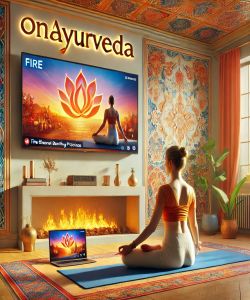
Overview of Fire Element Breathing Practices
Fire Element Breathing Practices represent a formidable and highly disciplined system of psychophysiological regulation, designed explicitly to cultivate and command the body's innate energetic and metabolic resources. This is not a passive modality intended for mere relaxation; it is an active, assertive engagement with the autonomic nervous system to produce specific, measurable outcomes. At its core, this discipline harnesses the power of controlled, forceful respiration to stoke the internal 'agni' or fire—a concept referring to the body's digestive, metabolic, and transformative energies. Practitioners are trained to manipulate breath patterns, rhythm, and intensity to generate internal heat, enhance circulatory efficiency, and purify the physiological systems from the cellular level upwards. The overarching purpose is to move the practitioner from a state of lethargy or stagnation towards one of high-energy output, mental clarity, and unwavering focus. It is a rigorous methodology for building resilience, sharpening cognitive function, and developing a commanding personal presence. This is achieved by systematically challenging the body's homeostatic boundaries in a controlled environment, thereby forcing adaptation and growth. The practice demands precision, discipline, and an uncompromising commitment to mastery. It functions as a powerful tool for individuals seeking to deliberately upregulate their physical and mental state, breaking through plateaus of performance and achieving a state of dynamic equilibrium. The techniques are direct, potent, and geared towards tangible transformation, making them an indispensable component of any serious regimen for personal optimisation and peak performance. It is the conscious and deliberate control of the body’s most vital function—respiration—for the explicit purpose of mastering one's internal state and external expression of power.
What are Fire Element Breathing Practices?
Fire Element Breathing Practices constitute a specific and advanced category of breathwork, or pranayama, fundamentally engineered to stimulate the sympathetic nervous system and increase the body's metabolic and energetic output. Unlike calming or balancing breathing techniques that engage the parasympathetic response, these practices are intentionally activating, dynamic, and vigorous. The 'Fire Element' is a direct reference to the transformative, energetic, and purifying qualities symbolically associated with fire, which are mirrored in the physiological effects of the techniques. They are, in essence, a form of somatic engineering designed to generate internal heat, accelerate circulation, and invigorate the entire organism. This is not a metaphorical process; the forceful and rapid respiratory cycles physically increase oxygen intake, enhance carbon dioxide expulsion, and stimulate the diaphragm and abdominal core, which in turn massages internal organs and boosts digestive efficiency.
The core mechanisms of these practices can be delineated as follows:
Sympathetic Activation: They deliberately trigger a controlled 'fight or flight' response, priming the body for action, heightening alertness, and sharpening focus. This controlled stress inoculation builds systemic resilience over time.
Metabolic Upregulation: The vigorous respiratory movements and increased oxygenation directly stoke the metabolic rate, creating a thermogenic effect that generates tangible body heat and enhances cellular energy production.
Physiological Purification: The rapid exchange of gases and the forceful diaphragmatic action are believed to support the detoxification of the body, expelling stagnant air from the lungs and stimulating the lymphatic system to clear metabolic waste products more efficiently.
Mental Fortification: The intensity of the practice demands absolute concentration and mental fortitude. Sustaining the powerful rhythms requires a disciplined mind, and in doing so, it trains the practitioner to maintain focus and composure under self-imposed physiological stress.
In summary, Fire Element Breathing Practices are a suite of powerful, physically demanding techniques used to build energy, enhance vitality, and cultivate a state of peak mental and physical readiness. They are a tool for deliberate state management, not for passive relaxation.
Who Needs Fire Element Breathing Practices?
Individuals experiencing persistent states of lethargy, physical sluggishness, or chronic fatigue who require a robust method to naturally and sustainably elevate their baseline energy levels and restore vitality.
Athletes and physical performers seeking to enhance their respiratory capacity, improve cardiovascular efficiency, and gain a competitive edge by optimising their physiological readiness and mental focus before training or competition.
Professionals in high-stakes environments who must maintain peak cognitive function, unwavering concentration, and decisive mental clarity under significant pressure, using the practice to sharpen their focus and build mental resilience.
Individuals engaged in demanding intellectual or creative work who face mental blocks or stagnation and need a powerful technique to clear cognitive fog, stimulate creativity, and drive focused productivity.
Practitioners of meditation or other contemplative disciplines who find themselves struggling with drowsiness or a scattered mind and require an active method to energise the body and unify their concentration before sitting for practice.
Individuals seeking to actively regulate their metabolism and support digestive health, employing the internal heat and visceral massage generated by the techniques to enhance the body’s natural digestive fire (agni).
Those living in cold climates or who naturally have a cold constitution and wish to learn a method for generating internal body heat, thereby improving comfort and resilience to environmental cold.
Individuals working to overcome a mindset of passivity or hesitation, using the assertive and powerful nature of the practice to cultivate a corresponding psychological state of confidence, dynamism, and personal authority.
Anyone committed to a holistic personal development regimen who understands the critical link between breath, energy, and mental state, and who seeks a direct, powerful tool for managing and mastering their internal world.
Experienced breathwork practitioners who have mastered foundational techniques and are prepared to advance to more vigorous, challenging, and transformative respiratory disciplines under the guidance of a qualified instructor.
Origins and Evolution of Fire Element Breathing Practices
The origins of Fire Element Breathing Practices are deeply embedded in the ancient yogic traditions of India, where the science of breath control, or Pranayama, was systematically codified. Foundational texts such as the Hatha Yoga Pradipika and the Gheranda Samhita describe specific techniques explicitly designed to generate 'tapas'—a form of spiritual heat associated with purification, discipline, and the burning away of impurities. Techniques like Kapalabhati (Skull Shining Breath) and Bhastrika (Bellows Breath) were not merely physical exercises; they were integral components of a sophisticated system aimed at mastering the body’s vital energy, or 'prana'. In this original context, the 'fire' was both literal, in the sense of tangible body heat, and metaphorical, representing the fire of consciousness that burns through ignorance and illusion. The practices were guarded knowledge, transmitted directly from guru to disciple, and undertaken with immense discipline as part of a larger spiritual quest.
Further evolution can be traced to the esoteric practices of Tibetan Buddhism, particularly the 'g-tummo' or Tummo breathing techniques. Made famous by practitioners like Milarepa, Tummo is a formidable practice of inner fire generation used by yogis to survive and meditate in the extreme cold of the Himalayas. This tradition refined the principles of forceful breathing and combined them with specific visualisations and muscular contractions (bandhas) to generate intense internal heat, demonstrating a profound and practical mastery over the body's autonomic functions. Here, the purpose was explicitly survival and the deepening of meditative states, proving that the human mind could command the body’s most fundamental physiological processes.
In the modern era, the evolution of these practices has been one of secularisation and application in new contexts. As knowledge from the East became more accessible, these powerful techniques were stripped of some of their esoteric baggage and adapted for the worlds of performance enhancement, biohacking, and therapeutic wellness. Contemporary pioneers have integrated the core mechanics of these ancient fire breaths into structured systems aimed at stress reduction, athletic performance, and mental optimisation. The focus has shifted from spiritual liberation to measurable physiological and psychological benefits, such as improved respiratory function, enhanced focus, and increased resilience to stress. While the context has changed, the core principles remain immutable: the deliberate use of vigorous, controlled respiration to stoke the body’s internal fire, unlocking latent energy, purifying the system, and forging a disciplined, powerful mind.
Types of Fire Element Breathing Practices
Kapalabhati (Skull Shining Breath): This is a powerful shatkarma, or yogic cleansing technique, that is often classified as a pranayama. It consists of a series of forceful, rapid, and active exhalations through the nostrils, driven by a sharp contraction of the lower abdomen. The inhalation is passive, automatic, and reflexive, occurring as the abdomen relaxes. The primary focus is on purifying the frontal region of the brain and the respiratory tract. It is not a complete breath cycle in the traditional sense but a rapid, staccato expulsion of air designed to invigorate the system, clear the sinuses, and energise the mind with extreme prejudice.
Bhastrika (Bellows Breath): Unlike Kapalabhati, Bhastrika involves a forceful and active inhalation followed by an equally forceful and active exhalation, with both phases driven by the powerful movement of the diaphragm, akin to the pumping of a blacksmith’s bellows. The pace can be varied from slow and deep to extremely rapid, but the defining characteristic is the equal emphasis on both inhale and exhale. This technique profoundly increases the exchange of oxygen and carbon dioxide, generating significant internal heat and substantially elevating the body’s energy levels. It is a formidable tool for breaking through lethargy and preparing the body for intense physical or mental activity.
Surya Bhedana (Sun-Piercing Breath): This is a right-nostril-dominant breathing technique. The practice involves exclusively inhaling through the right nostril (Pingala nadi, associated with the sun and active, heating energy) and exhaling through the left nostril (Ida nadi, associated with the moon and cooling energy). By systematically activating the 'solar' channel, this practice is designed to stimulate the sympathetic nervous system, increase body heat, and enhance vitality and alertness. It is a more controlled and subtle fire-breathing practice, used to energise the system without the vigorous pumping action of Bhastrika.
Agni Sara Kriya (Fire Womb Activation): While not exclusively a breathing technique, it is intrinsically linked to breath control and the generation of internal fire. It is performed by exhaling completely and, while holding the breath out, vigorously snapping the abdomen in and out. This action powerfully stokes the 'jatharagni' or digestive fire, located in the solar plexus region. It is a potent practice for toning the abdominal organs, improving metabolic function, and awakening the energetic centre of the body.
Benefits of Fire Element Breathing Practices
Significant Upregulation of Metabolic Rate: Engages physiological mechanisms that generate internal heat (thermogenesis), directly stimulating and accelerating the body's baseline metabolic processes.
Enhanced Respiratory System Efficacy: Systematically strengthens the diaphragm and intercostal muscles, increases vital lung capacity, and ensures a more complete expulsion of stale, residual air from the lungs.
Profound Invigoration of the Nervous System: Directly stimulates the sympathetic nervous system, leading to heightened states of alertness, improved reaction times, and a decisive shift away from mental and physical lethargy.
Increased Mental Clarity and Cognitive Focus: The powerful rush of oxygenated blood to the brain, combined with the discipline required, works to dispel cognitive fog, sharpen concentration, and support sustained mental effort.
Systematic Purification of the Body: Promotes the efficient elimination of metabolic waste products and toxins through enhanced circulatory and lymphatic function, driven by vigorous diaphragmatic movement and increased gas exchange.
Cultivation of Psychological Resilience and Fortitude: The practice demands and builds mental toughness. Regularly engaging with self-induced physiological stress in a controlled manner trains the mind to remain stable and focused under pressure.
Improved Digestive Function: The physical action of the techniques massages the abdominal organs, stimulating peristalsis and enhancing the 'digestive fire' (agni), leading to more efficient digestion and nutrient assimilation.
Development of a Commanding Energetic Presence: Consistent practice cultivates a tangible state of high vitality and dynamism, which translates into increased confidence, assertiveness, and personal power in daily interactions.
Regulation of Bodily Temperature: Provides a practical and potent method for generating internal body heat, offering a functional tool for individuals in cold environments or for those with naturally poor circulation.
Preparation for Peak Performance States: Serves as a formidable preparatory tool for athletes, public speakers, or anyone requiring immediate access to a state of high energy, focus, and readiness for demanding tasks.
Core Principles and Practices of Fire Element Breathing Practices
Postural Integrity is Non-Negotiable: The practitioner must maintain a steadfast, erect spine at all times. This is most effectively achieved in a stable, seated position, such as Sukhasana (Easy Pose) or Vajrasana (Thunderbolt Pose). A slumped posture constricts the diaphragm and abdominal cavity, fundamentally compromising the mechanics of the breath and rendering the practice ineffective and potentially harmful. The spine must function as an unimpeded conduit for energy.
Abdominal and Diaphragmatic Primacy: These practices are not shallow chest breaths. The engine of every technique is the diaphragm and the core abdominal musculature. Forceful exhalations are driven by a sharp, deliberate contraction of the abdomen, while forceful inhalations are powered by the expansion of the same region. Mastery of this core engagement is the absolute foundation of all fire element techniques.
Exhalation is the Active, Purifying Force: In many key techniques, such as Kapalabhati, the primary emphasis is on a powerful, staccato exhalation. This act of expulsion is considered the purifying agent, forcefully ejecting not only carbon dioxide and stale air but also energetic and mental stagnation. The inhalation is often a passive, reflexive response.
Rhythm and Cadence Must Be Mastered: The practitioner must cultivate an unwavering, consistent rhythm. Whether the pace is slow and powerful or rapid and sharp, it must be sustained without faltering. This rhythmic consistency is what drives the physiological and energetic effects. The ability to maintain and modulate this rhythm is a key indicator of proficiency.
Practice on an Empty Stomach is Mandatory: Engaging in these vigorous techniques after eating is contraindicated. The intense abdominal contractions will interfere with digestion and cause significant discomfort. A minimum of three to four hours must have elapsed after a substantial meal. The practice demands an empty vessel for maximum efficacy and safety.
Progressive and Systematic Application: A practitioner does not begin with the most intense variations. The training must be progressive, starting with shorter rounds and a slower pace. The body and nervous system must be allowed to adapt to the powerful stimulus. Attempting to force progress prematurely leads to burnout or adverse effects like dizziness.
Mindful Awareness and Controlled Cessation: The practitioner must remain acutely aware of the body’s signals throughout the practice. Any sign of significant dizziness, faintness, or pain is an immediate signal to cease the technique. The practice must be concluded with a period of quiet observation, allowing the nervous system to integrate the powerful energetic charge and return to a state of dynamic equilibrium.
Online Fire Element Breathing Practices
Unparalleled Accessibility to Specialised Instruction: The online format dismantles geographical barriers, providing direct access to elite, highly qualified instructors who would otherwise be unreachable. This ensures that the practitioner learns these potent and nuanced techniques from an authoritative source, rather than from unverified or substandard local options. This is a critical factor for a discipline where precise instruction is paramount for safety and efficacy.
The Power of a Controlled, Private Environment: Practising in one’s own space eliminates the distractions and social pressures of a group class. This fosters a deeper level of introspection and concentration, allowing the practitioner to focus exclusively on the mechanics of the breath and the internal sensations it generates. This undistracted environment is essential for mastering the subtleties of advanced respiratory control.
Systematic, Repeatable Learning Modules: Online courses are structured into logical, digestible modules that can be reviewed repeatedly. This capacity for repetition is crucial for mastering the precise physical actions and rhythms of fire breathing. If a particular technique is challenging, the practitioner can revisit the instructional material as many times as necessary until complete comprehension and correct execution are achieved, a luxury not afforded by a single, in-person session.
Flexible Scheduling for Disciplined Integration: The online model offers the ultimate flexibility, allowing the practitioner to integrate this demanding practice into their schedule with military precision. There is no need to conform to a rigid studio timetable. This autonomy empowers the individual to practice at the optimal time for their own energy cycles and lifestyle, fostering the consistency that is absolutely essential for achieving tangible results.
Cost and Time Efficiency: By eliminating the need for travel, the online format presents a significantly more efficient use of two critical resources: time and money. The time spent commuting to and from a physical location is reclaimed and can be dedicated to the practice itself or other productive pursuits. This streamlined approach makes a consistent, high-level practice more sustainable in the long term.
Direct Yet Unintrusive Instructor Feedback: Modern online platforms facilitate highly effective feedback mechanisms. Through live video sessions, instructors can observe posture and technique, offering precise, verbal corrections in real time. This provides the necessary guidance without the potential discomfort or distraction of physical adjustments, maintaining a professional and focused learning dynamic.
Fire Element Breathing Practices Techniques
Technique: Bhastrika (Bellows Breath) - Foundational Execution
The following steps must be executed with precision and power. Assume a stable, seated position with an erect spine. Rest the hands on the knees, palms facing down.
Initial Posture and Preparation: Ensure your spine is fully elongated from the base to the crown of thehead. Relax the shoulders down and away from the ears. Gently close the eyes and bring your full, unwavering attention to the abdominal region and the nostrils. Take one or two deep, preparatory breaths to centre yourself.
The Forceful Exhalation: Begin the first cycle by executing a powerful and audible exhalation through both nostrils. This exhalation is not passive; it is driven by a sharp, forceful contraction of your abdominal muscles, pulling them inwards towards the spine. The action should feel decisive and complete, as if you are attempting to empty the lungs in a single, explosive burst.
The Forceful Inhalation: Immediately following the exhalation, execute an equally powerful and audible inhalation, also through both nostrils. This is driven by the rapid expansion of the abdomen and the downward movement of the diaphragm. The action should be just as vigorous as the exhalation. You are actively pulling air into the body, not simply allowing it to enter.
Establish the Rhythmic Cycle: Continue this pattern of forceful, symmetrical inhalations and exhalations without any pause between them. The movement should be continuous and rhythmic, mimicking the action of a blacksmith’s bellows. The abdomen expands on the inhale and contracts on the exhale. The chest and shoulders should remain relatively still; the power originates from the diaphragm.
Conducting a Full Round: A standard beginner’s round consists of 20-30 such cycles. Maintain a consistent, powerful rhythm throughout. The pace should be brisk but controlled—approximately one full cycle (inhale and exhale) per second. Do not sacrifice force for speed.
Completion and Integration: After the final exhalation of the round, take a deep, slow inhalation to fill the lungs completely. Retain the breath for a comfortable duration without any strain. Then, exhale slowly and completely. Remain seated in stillness for a minute, observing the physiological and energetic sensations—the heat, the tingling, the heightened alertness—allowing the system to integrate the effects of the practice.
Fire Element Breathing Practices for Adults
The application of Fire Element Breathing Practices for adults is a strategic imperative for navigating the unique physiological and psychological challenges of modern life. For the adult contending with the metabolic slowdown and sedentary stasis often imposed by professional responsibilities, these techniques serve as a powerful biological reset. They directly combat the lethargy that accumulates from hours of inactivity, forcefully re-engaging the body's core systems, stoking the metabolic furnace, and enhancing circulatory efficiency. This is not a gentle suggestion to the body; it is a commanding intervention designed to counteract the entropic pull of a static lifestyle. Furthermore, the adult mind is perpetually besieged by a high volume of complex information, stress, and decision fatigue. Fire Element Breathing cuts through this cognitive clutter with surgical precision. The intense focus required for the practice, combined with the powerful surge of oxygenated blood to the brain, acts as a potent clarifying agent. It dispels mental fog, sharpens executive function, and builds an unshakeable core of mental stability. This cultivated resilience is indispensable for high-pressure careers and the management of personal responsibilities. The practice also instils a profound sense of self-mastery and personal agency. In a world of external demands, this discipline is an act of taking absolute command over one's internal state—of energy, focus, and emotional tenor. For the adult, it is far more than a wellness exercise; it is a sophisticated tool for performance optimisation, stress inoculation, and the deliberate cultivation of the dynamism required to lead a productive and impactful life.
Total Duration of Online Fire Element Breathing Practices
The total duration of a complete and effective online session of Fire Element Breathing Practices is precisely calibrated to be 1 hr. This timeframe is not arbitrary; it is a structured and non-negotiable requirement for ensuring that all critical phases of the practice are executed with the necessary depth and rigour for maximum benefit and safety. The session is meticulously partitioned to facilitate a progressive journey into the practice’s intensity and a controlled return to equilibrium. An initial phase is dedicated to essential preparation, including postural alignment, foundational breathing to centre the mind, and specific warm-up exercises to ready the respiratory muscles and diaphragm for the demanding work ahead. The central, most substantial portion of the 1 hr is dedicated to the core fire breathing techniques themselves. This allows for multiple rounds of practices like Kapalabhati or Bhastrika, with adequate recovery and integration periods between each set. This main phase is where the transformative physiological and energetic effects are generated. Critically, the final segment of the session is reserved for cooling down and deep integration. This may involve counterbalancing, calming pranayama techniques, followed by a period of silent meditation or deep relaxation. This concluding phase is absolutely essential; it allows the nervous system to down-regulate smoothly from a state of high activation, ensuring that the potent energy cultivated during the practice is assimilated constructively throughout the body, rather than leaving the practitioner in a state of agitation. Bypassing any of these stages by shortening the 1 hr duration would compromise the integrity, effectiveness, and safety of the entire discipline.
Things to Consider with Fire Element Breathing Practices
Engaging with Fire Element Breathing Practices demands a level of sober consideration and self-awareness that is both rigorous and non-negotiable. This is not a casual modality to be approached with trivial intent. Firstly, the practitioner must conduct an honest and thorough assessment of their current physical condition. These techniques are contraindicated for individuals with specific health issues, including but not limited to uncontrolled high blood pressure, heart conditions, epilepsy, vertigo, recent abdominal surgery, or pregnancy. To ignore these contraindications is to act with gross negligence towards one's own wellbeing. Secondly, the necessity of qualified instruction cannot be overstated. Attempting to learn these powerful techniques from inadequate sources like short, decontextualised online videos is a recipe for incorrect execution and potential harm. Proper guidance ensures mastery of the subtle yet critical mechanics of the breath, posture, and pressure regulation. Furthermore, one must be prepared for the intensity of the experience. These practices induce powerful physiological and energetic shifts, which can include sensations of heat, tingling, light-headedness, and emotional release. The practitioner must cultivate the mental fortitude to remain present and composed amidst these strong sensations, discerning between productive intensity and a genuine warning signal to cease. The principle of progressive overload must be respected at all times; the ambition to advance must be tempered by the wisdom of patience, gradually increasing the duration and intensity of the practice as the body adapts. Finally, the environment for practice must be secure and supportive, free from interruptions, to allow for the deep focus that these techniques command.
Effectiveness of Fire Element Breathing Practices
The effectiveness of Fire Element Breathing Practices is both profound and unequivocal, provided they are executed with disciplined consistency and technical precision. Their efficacy is not a matter of subjective belief but is rooted in their direct and commanding influence over the body's autonomic nervous system and core physiological processes. When performed correctly, these techniques reliably induce a state of sympathetic nervous system activation, resulting in a measurable increase in heart rate, blood pressure, and metabolic activity. This creates an immediate and tangible surge in physical energy and mental alertness, effectively dispelling lethargy and cognitive fog. The sustained, vigorous action of the diaphragm acts as a powerful pump for the circulatory and lymphatic systems, enhancing oxygen delivery to every cell and accelerating the removal of metabolic waste. This systematic purification contributes to a state of heightened vitality and clarity. On a psychological level, the effectiveness is demonstrated through the cultivation of immense focus and mental fortitude. The discipline required to maintain the powerful, rhythmic breathing in the face of intense physical sensations forges a resilient and unwavering mind. Practitioners consistently report a marked increase in their capacity to handle stress, a sharpened cognitive edge, and a greater sense of personal agency and dynamism. The results are not passive or accidental; they are the direct and predictable consequence of a deliberate, potent, and systematically applied physiological intervention. The practice is effective because it is a direct mechanism for state control, empowering the individual to consciously engineer their desired physical and mental condition.
Preferred Cautions During Fire Element Breathing Practices
The execution of Fire Element Breathing Practices demands an uncompromising adherence to a strict set of cautions, as the potency of these techniques necessitates a correspondingly high degree of vigilance. It is absolutely imperative that these practices are never performed on a full or even partially full stomach. A minimum of three, and preferably four, hours should separate the practice from any significant meal, as the forceful abdominal contractions can severely disrupt digestion and cause nausea or cramping. The practitioner must remain acutely sensitive to the body's signals; any onset of significant dizziness, headache, nausea, or a feeling of being about to faint is a non-negotiable command to cease the practice immediately and rest. Pushing through these warning signs is reckless and counterproductive. Individuals with pre-existing medical conditions, particularly cardiovascular issues like hypertension, cardiac arrhythmias, or a history of stroke, as well as those with epilepsy, glaucoma, or hernias, must abstain from these practices entirely unless they have received explicit clearance from a qualified medical professional who understands the nature of the techniques. Furthermore, these practices must be avoided during pregnancy and menstruation. The intensity should always be scaled appropriately; a beginner must never attempt the duration or pace of an advanced practitioner. The guiding principle must be one of controlled, progressive challenge, not of brute force. Finally, always conclude a session of intense fire breathing with a period of calming, integrative practice to ensure the nervous system is guided back to a state of balanced equilibrium, preventing residual agitation or overstimulation.
Fire Element Breathing Practices Course Outline
Module 1: Foundational Principles and Safety Protocols
Unit 1.1: Introduction to the Fire Element: Theory and Energetics.
Unit 1.2: The Indispensable Role of Posture: Establishing the Seated Foundation.
Unit 1.3: Anatomy of Respiration: Mastering Diaphragmatic Control.
Unit 1.4: Non-Negotiable Contraindications and Safety Mandates.
Module 2: Core Technique I - Kapalabhati (Skull Shining Breath)
Unit 2.1: Mechanics of the Forceful Exhalation and Passive Inhalation.
Unit 2.2: Establishing Rhythm, Pace, and Round Structure.
Unit 2.3: Guided Practice: Foundational Rounds of Kapalabhati.
Unit 2.4: Common Errors and Their Precise Correction.
Module 3: Core Technique II - Bhastrika (Bellows Breath)
Unit 3.1: Mechanics of the Symmetrical Forceful Inhale and Exhale.
Unit 3.2: Differentiating Bhastrika from Kapalabhati: Power and Application.
Unit 3.3: Guided Practice: Foundational Rounds of Bhastrika.
Unit 3.4: Introduction to Pace Variation and Intensity Modulation.
Module 4: Integration and Advanced Application
Unit 4.1: The Art of Breath Retention (Kumbhaka) Post-Practice.
Unit 4.2: Sequencing Practices: Combining Kapalabhati and Bhastrika.
Unit 4.3: Introduction to Subtle Practices: Surya Bhedana (Sun-Piercing Breath).
Unit 4.4: The Cool-Down Imperative: Counterbalancing with Calming Pranayama.
Module 5: Cultivating a Sustained Personal Practice
Unit 5.1: Designing a Personalised Daily Regimen.
Unit 5.2: Tracking Progress and Adapting the Practice Over Time.
Unit 5.3: Integrating Fire Element Breathing for Peak Performance.
Unit 5.4: Final Assessment and Advanced Practice Directives.
Detailed Objectives with Timeline of Fire Element Breathing Practices
Phase I: Foundational Mastery (Initial Quarter of the Course)
Objective 1: To establish and consistently maintain a stable, erect spinal posture for the full duration of a practice session without physical strain.
Objective 2: To demonstrate complete isolation and control of the diaphragmatic and abdominal muscles, distinct from the chest and shoulders, during basic breathing exercises.
Objective 3: To execute 3 controlled rounds of 30 cycles of Kapalabhati with a consistent rhythm and correct abdominal action, demonstrating comprehension of the active exhale/passive inhale mechanic.
Objective 4: To articulate all primary safety protocols and contraindications, proving a thorough understanding of the risks and necessary precautions.
Phase II: Technique Deepening (Midpoint of the Course)
Objective 5: To execute 3 controlled rounds of 30 cycles of Bhastrika, demonstrating symmetrical power in both the inhalation and the exhalation.
Objective 6: To sustain a continuous, unbroken rhythm in both Kapalabhati and Bhastrika for progressively longer rounds, building respiratory endurance.
Objective 7: To introduce and comfortably hold a brief, post-practice breath retention (Antara Kumbhaka) without facial tension or physical struggle.
Objective 8: To subjectively report a tangible increase in baseline energy levels and mental clarity immediately following the practice sessions.
Phase III: Integration and Refinement (Final Quarter of the Course)
Objective 9: To skillfully modulate the pace and intensity of Bhastrika, moving between slower, more powerful cycles and faster, more invigorating ones as directed.
Objective 10: To correctly perform Surya Bhedana Pranayama, demonstrating proper hand positioning (Vishnu Mudra) and the exclusive use of the right nostril for inhalation.
Objective 11: To independently sequence a complete personal practice session, including appropriate warm-up, core fire techniques, and mandatory cool-down breaths.
Objective 12: Upon completion, to demonstrate the ability to use the techniques strategically to shift one’s energetic and mental state from lethargic to alert in a controlled, predictable manner.
Requirements for Taking Online Fire Element Breathing Practices
Unwavering Personal Commitment: The foremost requirement is a serious and disciplined mindset. The participant must be prepared to engage with a demanding practice that requires consistency, focus, and a willingness to operate outside of their comfort zone. This is not a passive course.
Stable and High-Speed Internet Connection: A reliable, uninterrupted internet service is non-negotiable. Any latency, freezing, or disconnection compromises the integrity of the instruction and the safety of the practitioner, who may miss crucial real-time guidance or corrections.
Functional Audio-Visual Hardware: The participant must possess a computing device (laptop, desktop, or tablet) with a high-quality, fully functional webcam and microphone. The instructor must be able to clearly see the practitioner’s posture and abdominal movements and hear their breath to provide accurate feedback.
A Private and Uninterrupted Practice Space: The practitioner must secure a dedicated space for the duration of each session where they will not be disturbed by other people, pets, or background noise. This sanctuary is essential for the deep concentration that these potent techniques demand.
Appropriate Attire and Seating: Clothing must be comfortable and non-restrictive, allowing for full, unimpeded movement of the diaphragm and abdomen. The practitioner must also have a suitable cushion or bench that allows them to sit with an erect spine for the entire session without discomfort.
Full Disclosure of Health Status: The participant has an absolute responsibility to truthfully and comprehensively disclose any and all relevant pre-existing medical conditions as outlined in the course prerequisites. Withholding such information constitutes a severe breach of safety protocol.
Technical Proficiency: A basic level of competence in operating the required video conferencing software (e.g., Zoom) is necessary to ensure that sessions can commence on time and without technical disruption.
An Empty Stomach: It is a mandatory requirement that the practitioner has not consumed a significant meal for at least three to four hours prior to any online session.
Things to Keep in Mind Before Starting Online Fire Element Breathing Practices
Before embarking on an online course in Fire Element Breathing Practices, it is critical to recalibrate one's expectations and adopt a mindset of rigorous discipline. Understand unequivocally that this is not a passive relaxation technique; it is an active, demanding, and potent discipline for physiological and psychological upregulation. You must be prepared to engage with intensity and to diligently follow precise, structured instructions without deviation. The autonomy of the online format is a double-edged sword: it offers flexibility, but it demands a higher degree of personal accountability. There will be no one physically present to correct your posture or enforce your consistency; that responsibility falls entirely upon you. It is therefore essential to vet your chosen instructor with extreme prejudice. Scrutinise their credentials, experience, and lineage to ensure you are learning from a legitimate authority, as the power of these techniques makes correct instruction a matter of safety, not just preference. Prepare your physical space to be a sanctuary, free from any potential distractions, as your full concentration will be required. Finally, approach the practice with respect for its power. Begin with humility, adhere strictly to the safety guidelines provided, and commit to a gradual, patient progression. The transformative results promised by this discipline are not given freely; they are earned through unwavering consistency, precision, and a disciplined mind. This is a path of self-mastery, and it must be walked with intention from the very first step.
Qualifications Required to Perform Fire Element Breathing Practices
The authority to guide others through the formidable terrain of Fire Element Breathing Practices is not conferred lightly and must be supported by a robust and verifiable set of qualifications. It is wholly insufficient for an instructor to possess mere personal experience with the techniques; they must have undergone extensive, formal training from a recognised and credible lineage or institution. The primary qualification is an advanced certification in Pranayama or a specialised breathwork modality that explicitly covers heating and activating techniques. This certification must be from an organisation with a clearly defined curriculum, rigorous examination standards, and a code of ethical conduct.
Within this framework, several specific competencies are mandatory:
Expertise in Respiratory Anatomy and Physiology: The instructor must possess a deep, technical understanding of the mechanics of respiration, including the function of the diaphragm, intercostal muscles, and the autonomic nervous system. They must be able to explain precisely how these techniques create their physiological effects and identify incorrect muscular engagement.
Comprehensive Knowledge of Contraindications: A qualified instructor must demonstrate an encyclopaedic knowledge of all medical and conditional contraindications. They must be capable of screening potential students effectively and be resolute in refusing instruction to individuals for whom the practice would be unsafe.
Verifiable Teaching Experience: There is no substitute for significant, hands-on experience in teaching these specific techniques. A credible instructor will have a substantial track record of safely and effectively guiding students, supported by testimonials or professional references.
Proficiency in Emergency Response: While adverse events are rare with proper screening, the instructor must be trained to recognise the signs of a negative reaction (e.g., hyperventilation, fainting) and know precisely how to guide the student back to a state of calm and stability.
Ultimately, the performance of these practices on others is a position of immense trust and responsibility. It demands a professional who is not only a skilled practitioner but also a knowledgeable, cautious, and ethical teacher, dedicated above all to the safety and genuine progress of their students.
Online Vs Offline/Onsite Fire Element Breathing Practices
Online
The online modality for Fire Element Breathing Practices prioritises accessibility, autonomy, and a focused, internalised experience. Its primary advantage lies in its complete disregard for geographical constraints, granting practitioners access to elite-level instructors from anywhere in the world. This democratisation of specialised knowledge is a significant asset. The online format enforces a high degree of self-reliance and discipline, compelling the practitioner to take full ownership of their practice environment and consistency. Learning occurs in the privacy of one’s own space, which can minimise distractions and self-consciousness, allowing for a deeper immersion into the internal sensations of the practice. Furthermore, the ability to record and replay sessions provides an invaluable tool for reviewing nuanced instructions and refining one’s technique through repetition. The online environment is an efficient, targeted delivery system for the core knowledge and guided execution of the practice, ideal for the self-motivated individual who values flexibility and focused, personal work.
Offline/Onsite
The offline, or onsite, experience offers a different but equally valid set of advantages centred on direct human interaction and environmental influence. The most significant benefit is the immediacy and precision of feedback. A present instructor can provide hands-on adjustments to posture and can observe the subtle, physical cues of correct or incorrect technique in a way that is difficult to replicate through a screen. This direct oversight can accelerate the learning curve and enhance safety. Moreover, the collective energy of a group practising together can be a powerful motivator. The shared rhythm and focused intent of a class can create a palpable energetic field that supports and deepens individual effort. The onsite format also provides a dedicated, purpose-built environment, free from the potential domestic distractions of practising at home. It represents a more traditional and somatic approach, where the physical presence of the teacher and the community of fellow practitioners play an integral role in the learning process.
FAQs About Online Fire Element Breathing Practices
Question 1. Is learning these powerful techniques online safe?
Answer: Yes, it is safe under two absolute conditions: that you learn from a highly qualified and experienced instructor, and that you fully disclose your health status and adhere strictly to all safety protocols and contraindications provided.
Question 2. What technology do I need?
Answer: You require a stable, high-speed internet connection and a device with a quality webcam and microphone so the instructor can see and hear you clearly.
Question 3. Can I really learn the technique properly without hands-on correction?
Answer: Yes. A skilled online instructor can effectively guide you through verbal cues and visual demonstration. They can observe your posture and key movements via webcam to provide precise, real-time corrections.
Question 4. What if I feel dizzy during the practice?
Answer: This is a critical safety point. If you feel any significant dizziness, you must stop the technique immediately, breathe normally, and rest. You must signal your instructor right away if in a live session.
Question 5. How soon will I feel the effects?
Answer: The immediate effects, such as a surge in energy and alertness, are typically felt from the very first session. Long-term benefits depend on the consistency of your practice.
Question 6. Do I need any prior experience in breathwork or yoga?
Answer: While not always mandatory, some foundational experience is often recommended. Check the specific prerequisites of the course you intend to take.
Question 7. How is an online class structured?
Answer: A typical class includes a preparatory phase, detailed instruction and practice of the core techniques, and a mandatory cool-down and integration phase.
Question 8. Can I practice every day?
Answer: This depends on the intensity of your practice and your individual constitution. Your instructor will provide specific guidance on frequency.
Question 9. Is this a form of meditation?
Answer: It is a preparatory practice for meditation. It energises and focuses the mind, creating an ideal state for subsequent seated meditation, but it is not meditation itself.
Question 10. Will this practice help with weight loss?
Answer: While it significantly upregulates metabolism and can support a comprehensive weight management strategy, it is not a standalone solution for weight loss.
Question 11. What is the main difference between Kapalabhati and Bhastrika?
Answer: In Kapalabhati, the exhalation is active and forceful while the inhalation is passive. In Bhastrika, both the inhalation and the exhalation are equally active and forceful.
Question 12. Why must I practice on an empty stomach?
Answer: The vigorous abdominal movements will interfere with the digestive process and can cause severe discomfort, nausea, or cramping if you have recently eaten.
Question 13. Who should absolutely avoid these practices?
Answer: Individuals with uncontrolled high blood pressure, heart conditions, epilepsy, vertigo, recent surgery, or who are pregnant must avoid these techniques.
Question 14. Can this practice make me feel anxious?
Answer: As it stimulates the sympathetic nervous system, it can feel activating. This is why a proper cool-down is essential to rebalance the system and prevent agitation.
Question 15. Can I do this practice in the evening?
Answer: It is generally not recommended, as its energising effects can interfere with sleep. It is best performed in the morning or early afternoon.
Question 16. What if my internet connection drops during a live class?
Answer: You should stop the practice immediately and safely, then attempt to reconnect. A professional instructor will have a protocol for this eventuality.
Question 17. Are recorded courses as good as live online classes?
Answer: Recorded courses offer flexibility, but they lack the real-time feedback and safety oversight of a live class, which is highly recommended, especially for beginners.
Conclusion About Fire Element Breathing Practices
In conclusion, Fire Element Breathing Practices represent a formidable, non-negotiable discipline for any individual serious about achieving mastery over their internal state. This is not a passive pursuit of relaxation but an assertive, strategic engagement with the body's core physiological systems to produce deliberate and powerful outcomes. By harnessing the primal force of the breath, the practitioner learns to command their own energetic and metabolic furnaces, systematically transforming lethargy into dynamism, cognitive fog into piercing clarity, and passivity into a commanding presence. The discipline demands respect, precision, and an unwavering commitment, and it rewards this commitment with a profound increase in vitality, resilience, and personal agency. It stands as a testament to the principle that the most potent tools for transformation are not external, but are found within the very fabric of our being, waiting to be activated by conscious will. To engage in this practice is to take deliberate control of one's own life force, stoking the internal fire that purifies, energises, and ultimately empowers. It is a direct and uncompromising path to cultivating a state of peak performance, making it an indispensable asset for the modern world.