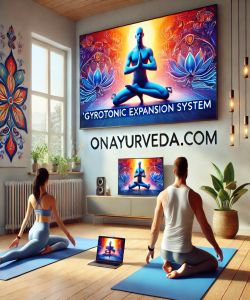
Overview of Gyrotonic Expansion System
The Gyrotonic Expansion System represents a sophisticated and holistic paradigm of human movement, meticulously engineered to work the body as an integrated, cohesive unit. It fundamentally diverges from conventional exercise methodologies, which frequently rely on linear, isolated movements and muscular contraction. Instead, this system is predicated on the principles of three-dimensional, spherical motion, incorporating spiralling and circular patterns that mirror the body’s natural articulation. Through a unique repertoire of fluid, continuous, and non-jarring exercises, it simultaneously stretches and strengthens the entire musculoskeletal framework. At its core is an unwavering focus on the health and mobility of the spine, which is guided through its full range of motion—arching, curling, side-bending, and spiralling—to decompress vertebrae and stimulate the central nervous system. This process is synergistically linked with corresponding breathing patterns, designed to enhance aerobic capacity, energise the body, and cultivate a state of focused presence. The system utilises specially designed equipment that provides support and consistent, smooth resistance, guiding the practitioner through complex movements that would otherwise be unattainable. The objective is not merely to build brute strength or flexibility, but to cultivate a superior level of functional power, coordination, and body awareness. It is a rigorous discipline that re-educates the body’s neuromuscular pathways, corrects postural imbalances, and fosters an unparalleled sense of integrated strength and vitality. The Gyrotonic Expansion System is, therefore, not simply a workout; it is a profound system of physical and energetic conditioning that promotes a balanced, resilient, and intelligently mobile body, capable of moving with grace, power, and efficiency. It is an assertive approach to achieving peak physical potential through intelligent, integrative movement.
What is Gyrotonic Expansion System?
The Gyrotonic Expansion System is a highly refined exercise modality built upon the principles of continuous, flowing, and three-dimensional movement. It is a unique system that simultaneously stretches and strengthens the body, with a specific emphasis on increasing the functional capacity of the musculoskeletal system in a holistic and integrated manner. The name itself is derived from the Greek words ‘Gyro,’ meaning spiral or circle, and ‘Tonic,’ which means to tone or invigorate, perfectly encapsulating its core philosophy. Unlike traditional exercise systems that often focus on linear movements or static postures, the Gyrotonic method guides the body through spherical and spiralling motion pathways, promoting joint articulation and decompression, particularly within the spine. This system is executed using specialised, handcrafted equipment, most notably the Pulley Tower Combination Unit, which is engineered to provide smooth, uniform resistance and support, enabling movements that are impossible to replicate with other forms of exercise equipment. The essence of the practice lies in its ability to cultivate an equilibrium between strength and flexibility, creating a physique that is powerful yet supple.
The core characteristics of the system are as follows:
Holistic Integration: It treats the body as a single, interconnected unit, where no part works in isolation. Every movement is a full-body event, initiated from the core and radiating outwards.
Three-Dimensionality: The system is defined by its circular, spiralling, and undulating movements, which move the body through all possible planes of motion, enhancing coordination and stimulating the nervous system.
Breath and Movement Synchronisation: Each movement is intrinsically linked to a specific breathing pattern. This synergy enhances stamina, oxygenates the blood, and focuses the mind, transforming the physical exercise into a meditative practice.
Joint Decompression: The exercises are designed to create space and mobility within the joints, rather than compressing them. This makes the system exceptionally beneficial for joint health and rehabilitation.
Who Needs Gyrotonic Expansion System?
Elite Athletes and Professional Dancers: Individuals operating at the peak of physical performance require a conditioning system that enhances functional strength, refines neuromuscular coordination, and increases range of motion without creating restrictive muscular bulk. This system provides a competitive edge by improving agility, power, and injury resilience.
Individuals in Post-Rehabilitation: Those recovering from injury, surgery, or chronic conditions necessitate a safe, low-impact method to restore strength, mobility, and function. The system’s focus on joint decompression and gentle, supportive movement makes it an ideal modality for rebuilding the body correctly.
Sedentary Professionals and Office Workers: This demographic frequently suffers from postural degradation, chronic back pain, and joint stiffness resulting from prolonged periods of sitting. The system directly counteracts these effects by re-aligning the spine, opening the shoulders and hips, and re-educating the body’s movement patterns.
Ageing Adults: To combat the natural decline in mobility, balance, and strength associated with ageing, a system that maintains joint health and functional capacity is essential. The Gyrotonic method provides a safe and effective means to preserve vitality, improve balance to prevent falls, and alleviate the symptoms of arthritis and stiffness.
Performing Artists and Musicians: Professionals whose craft demands exceptional postural control, breath support, and fine motor skills find this system invaluable. It enhances body awareness and physical endurance, enabling them to meet the rigorous demands of their profession with greater ease and reduced risk of repetitive strain injuries.
Pre- and Post-Natal Women: This system offers a superb method for maintaining core strength and flexibility during pregnancy and for effectively rehabilitating the abdominal and pelvic floor muscles postpartum. The exercises can be modified to safely accommodate the body’s changes throughout this period.
Individuals Seeking a Mind-Body Discipline: Those looking for more than a purely physical workout will find the system’s emphasis on breath, rhythm, and flow to be a powerful tool for reducing stress, increasing mental focus, and cultivating a profound connection between mind and body.
Origins and Evolution of Gyrotonic Expansion System
The Gyrotonic Expansion System is the brainchild of Juliu Horvath, a Romanian-born Hungarian whose personal journey of physical trauma and self-healing provided the crucible for its creation. A professional dancer with the Romanian State Opera and later a principal with the Houston Ballet, Horvath’s promising career was abruptly halted by a ruptured Achilles tendon and subsequent spinal injuries. Faced with debilitating chronic pain, he retreated into intensive self-study, exploring yoga, meditation, and energetics in a quest to rehabilitate his own body. This period of deep introspection and physical exploration on the island of St. Thomas in the 1970s laid the foundational principles of his new methodology.
Initially, Horvath codified his findings into a system he called "Yoga for Dancers," which focused on fluid, dance-like movements synchronised with breath. This mat-and-stool-based work was the precursor to what is now known as the Gyrokinesis method. He refined these sequences, discovering that spiralling and circular motions were far more effective at healing and strengthening the body than the linear, static postures of traditional yoga. The system was designed to work the entire body as an integrated unit, opening energy pathways and stimulating the nervous system while articulating the spine and joints. Upon returning to New York in the 1980s, he began teaching his unique method to dancers, who found it profoundly effective for both injury prevention and performance enhancement.
Recognising the limitations of purely mat-based work for some individuals and desiring to provide greater support and resistance, Horvath began to invent the equipment that would define the Gyrotonic method. He engineered a series of sophisticated, hand-crafted machines, most notably the Pulley Tower, that could guide the body through the complex, three-dimensional movements he had envisioned. This equipment was revolutionary, offering smooth, constant resistance that supported the body while challenging it, allowing for a deeper and more precise execution of the exercises. The evolution from the equipment-free Gyrokinesis method to the apparatus-based Gyrotonic system marked a pivotal expansion of his work, making its benefits accessible to a much broader population, from elite athletes to rehabilitation patients. Horvath has since continued to refine the system, developing additional specialised equipment and establishing a rigorous, worldwide teacher training programme to ensure the integrity and quality of his revolutionary approach to movement.
Types of Gyrotonic Expansion System
The Gyrotonic Expansion System is not a monolithic entity but comprises several distinct modalities and pieces of specialised equipment, each designed to address specific aspects of physical conditioning. A clear understanding of these types is essential.
Gyrotonic Level 1 Method: This is the foundational curriculum of the equipment-based work. It is performed on the Pulley Tower Combination Unit, the central piece of Gyrotonic apparatus. This programme systematically introduces the core principles of the system, including the fundamental spinal motions, upper and lower body strengthening series, and the coordination of breath with movement. Mastery of the Level 1 work is the prerequisite for all further exploration within the system.
Gyrokinesis Method: This is the original modality from which the entire system evolved. It is performed without equipment, utilising only a stool and a mat. The Gyrokinesis method is a group class format that gently works the entire body, opening energy pathways, stimulating the nervous system, increasing range of motion, and creating functional strength through rhythmic, flowing movement sequences. It serves as the bedrock of the Gyrotonic philosophy.
Specialised Equipment Programmes: Beyond the Pulley Tower, Juliu Horvath has developed a suite of specialised equipment to challenge the body in unique ways.
The Jumping-Stretching Board: A versatile machine that facilitates full-body, functional movements in a variety of positions, from horizontal to vertical. It is used to develop coordination, strength, and flexibility simultaneously.
The Archway: A tall, ladder-like apparatus that allows the user to perform a wide range of exercises in a weight-bearing context, focusing on spinal articulation, strength, and stability while suspended.
The Leg Extension Unit: This machine is specifically designed to challenge and strengthen the lower body from the core outwards, promoting hip and knee joint health through precise, controlled, and multi-directional movement patterns.
The Gyrotoner: An apparatus that facilitates complex, spiralling movements of the arms, shoulders, and upper back, promoting fine motor control and articulation in the upper limbs and shoulder girdle.
Therapeutic and Specialised Applications: These are tailored programmes that adapt the core principles of the system for specific populations or goals. They include courses for pre- and post-natal women, golfers, and therapeutic applications designed to address specific injuries or pathologies such as scoliosis or pelvic girdle dysfunction.
Benefits of Gyrotonic Expansion System
Enhanced Spinal Articulation and Health: Systematically mobilises the spine through its full, natural range of motion—flexion, extension, lateral bending, and rotation—creating space between the vertebrae, decompressing the spinal column, and improving the health of the intervertebral discs.
Increased Functional, Integrated Strength: Develops strength throughout the entire body as a cohesive unit, rather than in isolated muscle groups. This results in lean, powerful musculature and superior core stability that translates directly into more efficient daily movement and athletic performance.
Improved Joint Mobility and Stability: The circular, non-jarring movements lubricate and strengthen all major joints, including the shoulders, hips, knees, and ankles. It increases their range of motion while simultaneously enhancing their stability and resilience against injury.
Superior Neuromuscular Coordination: The complex, three-dimensional movement patterns challenge and refine the connection between the nervous system and the muscular system, leading to enhanced body awareness, balance, agility, and grace.
Correction of Postural Imbalances: Directly addresses and corrects long-standing postural issues caused by sedentary lifestyles, repetitive movements, or past injuries. It re-aligns the skeletal system and re-educates the muscles to support a healthy, upright posture.
Stimulation of Bodily Systems: The combination of continuous movement and integrated breathing patterns invigorates and stimulates the circulatory, lymphatic, and digestive systems, promoting detoxification, improved organ function, and overall systemic health.
Injury Prevention and Rehabilitation: By creating a balanced physique where strength is matched by flexibility, and by eliminating compensatory movement patterns, the system significantly reduces the risk of future injuries. It also provides a safe and highly effective modality for recovering from existing physical trauma.
Enhanced Energetic Vitality and Stress Reduction: The rhythmic, flowing nature of the practice, combined with specific breathing techniques, calms the nervous system, reduces stress levels, and cultivates a sense of renewed energy and mental clarity.
Core Principles and Practices of Gyrotonic Expansion System
Stabilisation through Contrast: This is a foundational principle where stability is not achieved through rigid muscular holding, but through the dynamic opposition of forces. The practitioner is instructed to reach outwards from their centre in opposing directions simultaneously. This creates a sense of length and space in the body, particularly in the joints, allowing for powerful, free movement from a stable core.
Intention: Every movement within the system is initiated with a clear and focused purpose. The mind directs the body’s action, and this mental clarity translates into more precise, efficient, and integrated physical execution. Intention is the energetic blueprint that guides the physical form, ensuring that movement is never mindless or mechanical.
Spinal Articulation: The health and mobility of the spine are paramount. The system is built around four primary spinal motions: the forward ‘curl’ (flexion), the backward ‘arch’ (extension), the sideways ‘side-arch’ (lateral flexion), and the rotational ‘spiral’. These are practised in a sequential, wave-like manner, moving vertebra by vertebra to maximise flexibility, decompress the discs, and stimulate the central nervous system.
Spherical and Spiralling Movement: The system eschews the limitations of linear, two-dimensional exercise. All movements are three-dimensional, following circular and spiralling pathways that mirror the body’s natural design. This approach engages the body in a more complete and functional way, enhancing coordination and working the connective tissue matrix.
Decompression of Joints: A central practice is the creation of space within the articular capsules of the joints. Through the principles of stabilisation through contrast and continuous, gentle traction provided by the equipment, the joints are mobilised without compression, which is crucial for long-term joint health and rehabilitation.
Coordination of Movement and Breath: Breathing is not an afterthought but an integral component of every exercise. Specific breathing patterns are synchronised with the movements; typically, inhalation accompanies expansive, opening motions, while exhalation accompanies contracting, closing motions. This rhythmic breathing oxygenates the body, energises the nervous system, and facilitates deeper, more fluid movement.
Rhythm and Flow: Exercises are not performed as a series of disconnected repetitions. Instead, they are linked together in smooth, continuous, and rhythmic sequences. This uninterrupted flow creates a dance-like quality that challenges cardiovascular endurance, enhances stamina, and promotes a meditative state of focused concentration.
Online Gyrotonic Expansion System
Primary Modality and Adaptation: Online sessions predominantly utilise the Gyrokinesis method, which is the equipment-free foundation of the entire system. As clients typically do not have access to the specialised Gyrotonic apparatus at home, certified instructors adapt the rich repertoire of Gyrokinesis exercises, performed on a stool and a mat, for the virtual environment. This ensures the core principles of the system remain intact.
Unparalleled Accessibility and Convenience: The online format removes all geographical barriers, allowing individuals to access expert instruction from certified trainers anywhere in the world. It eliminates travel time and associated costs, offering a highly efficient and convenient solution for maintaining a consistent practice, particularly for those with demanding schedules or who live far from a licensed studio.
Real-Time, Personalised Instruction: In a private online session, the client receives the undivided attention of the instructor via a live video link. This one-to-one format allows for precise verbal cueing, visual demonstration, and real-time correction of form and technique. The instructor can tailor the session specifically to the client’s needs, physical condition, and goals on that particular day.
Cultivation of Self-Awareness: The absence of the instructor's hands-on guidance necessitates that the client develops a heightened sense of internal body awareness. They must learn to interpret verbal cues and apply them to their own body with greater precision and focus, which is a valuable skill that deepens their personal practice and empowers them to take greater ownership of their movement.
Technical and Environmental Prerequisites: Successful online engagement is contingent upon specific, non-negotiable requirements. This includes a stable, high-speed internet connection to prevent lag, a high-quality webcam positioned to give the instructor a full view of the client's body, and a safe, uncluttered space that allows for full range of motion without impediment.
Continuity and Consistency: The online platform is an indispensable tool for ensuring the continuity of a client's training programme. It allows practitioners to continue their sessions seamlessly while travelling for business or leisure, or during periods when they are unable to attend a studio in person, thus preventing any disruption to their progress and physical well-being.
Gyrotonic Expansion System Techniques
The execution of any technique within the Gyrotonic Expansion System follows a precise, multi-layered process. The fundamental Arch and Curl sequence on a stool serves as a perfect illustration of this methodological rigour.
Step 1: Establishing the Foundation. The practitioner begins by sitting tall on the front edge of a stool, with the feet planted firmly on the floor and the knees aligned with the hips. The hands are placed on the knees. This initial posture is not passive; it involves actively elongating the spine upwards from a stable pelvic base, engaging the principle of ‘stabilisation through contrast’ by simultaneously grounding down through the sit bones and reaching up through the crown of the head.
Step 2: The Inhalation and Arch. The movement is initiated with a specific breath. On a deep inhalation, the practitioner begins to articulate the spine into an arch (extension). This is not a simple backward lean. It starts with a forward tilting of the pelvis, followed by the sequential arching of the lumbar, thoracic, and finally the cervical spine, with the head being the last to follow. The chest opens, and the gaze is directed slightly upwards. The intention is to create a smooth, continuous curve from the tailbone to the skull.
Step 3: The Exhalation and Curl. The transition to the curl (flexion) is synchronised with the exhalation. The movement again initiates from the pelvis, which now tucks under. This action then ripples sequentially up the spine as the practitioner rounds forward. The lumbar spine flexes, the thoracic spine rounds, the shoulders protract slightly, and the chin drops towards the chest. The goal is to create a C-shaped curve, hollowing out the abdomen and maintaining length even in flexion.
Step 4: The Central Axis Spiral. From a neutral spine, a spiral is introduced. Keeping the pelvis fixed, the practitioner initiates a rotation from the base of the spine. On an inhalation, the rotation travels sequentially up through each vertebra, as if wringing out the spinal column. The head and eyes follow last. The exhalation guides the controlled unwinding back to the centre.
Step 5: Integration and Flow. These individual techniques are not practised as isolated movements. They are woven together into a continuous, rhythmic, and flowing sequence. The practitioner transitions seamlessly from arch to curl, from side-arch to spiral, creating a wavelike, three-dimensional dance of the spine, all driven by the engine of the breath.
Gyrotonic Expansion System for Adults
The Gyrotonic Expansion System is an exceptionally potent and intelligent modality for the adult population, addressing with precision the physical challenges that frequently arise in adulthood. For the sedentary professional, it serves as a powerful antidote to the postural decay, chronic back pain, and joint stiffness endemic to a desk-bound existence. Its relentless focus on spinal articulation and decompression directly counteracts the compressive forces of prolonged sitting, restoring mobility and alleviating discomfort. For the active adult or former athlete, it provides a sophisticated method of maintaining functional strength and flexibility, preventing the insidious creep of age-related stiffness and reducing the risk of injury by correcting long-standing compensatory movement patterns. The system’s low-impact, non-jarring nature makes it a superior choice for adults concerned with joint preservation, as it strengthens the muscles supporting the joints without subjecting them to harmful compressive loads. It builds a unique quality of integrated, usable strength, rather than the isolated, often restrictive, bulk associated with conventional weight training. Furthermore, it significantly enhances balance, proprioception, and coordination, critical attributes for maintaining an active and independent lifestyle and for preventing falls in later years. Beyond the purely physical, the system’s emphasis on the synchronisation of breath and movement provides a profound tool for stress management, promoting a state of focused calm and mental clarity that is invaluable in navigating the pressures of adult life. It is not merely an exercise system, but a comprehensive practice for cultivating a resilient, pain-free, and vital body throughout the entire span of adulthood.
Total Duration of Online Gyrotonic Expansion System
The industry standard and professionally mandated duration for a private online Gyrotonic Expansion System session is unequivocally 1 hr. This specific timeframe is not an arbitrary measure but a meticulously calculated duration required to ensure the integrity, safety, and comprehensive nature of the practice. The 1 hr session is deliberately structured to encompass all essential phases of the methodology. It commences with an initial period of centering and breathwork, allowing the practitioner to transition from their daily activities and establish the crucial mind-body connection. This is followed by a thorough warm-up sequence, focusing on systematically mobilising the spine and major joints through the foundational Gyrokinesis movements. The central, most substantial portion of the 1 hr is dedicated to the main body of work, where the instructor guides the client through more complex, challenging sequences tailored to their specific needs and goals. This period is crucial for building strength, stamina, and deep neuromuscular patterning. Finally, the session concludes with a dedicated cool-down phase, designed to integrate the work performed, regulate the nervous system, and restore the body to a state of calm equilibrium. To curtail the session to less than 1 hr would necessitate compromising one or more of these vital components, thereby diminishing the therapeutic and conditioning benefits and potentially increasing the risk of improper execution. Conversely, extending significantly beyond this time can lead to physical fatigue and a loss of mental focus, rendering the practice less effective. Therefore, the 1 hr duration represents the optimal timeframe to deliver a complete, effective, and holistic session that respects the depth and sophistication of the Gyrotonic methodology.
Things to Consider with Gyrotonic Expansion System
Engaging with the Gyrotonic Expansion System requires careful and informed consideration of several critical factors to ensure both safety and efficacy. Foremost among these is the absolute necessity of sourcing instruction exclusively from a fully certified and licensed trainer. The system’s movements are highly nuanced and three-dimensional, and improper technique, learned from unqualified individuals or online videos, not only negates the benefits but poses a significant risk of injury. Verification of an instructor’s credentials is a non-negotiable first step. Secondly, prospective clients must undertake a frank and thorough assessment of their own physical condition and history. It is imperative to communicate any pre-existing injuries, chronic conditions, or physical limitations to the instructor before commencing practice. This allows the trainer to make appropriate modifications and tailor the session to the individual’s specific needs, creating a safe and productive environment. One must also consider the fundamental distinction between the equipment-based Gyrotonic method and the mat-based Gyrokinesis work. The former offers greater support and resistance, which may be more suitable for rehabilitation or specific strength goals, but requires access to a fully equipped studio. The latter is more accessible but demands a higher degree of body control and awareness. Finally, a realistic understanding of commitment is essential. The Gyrotonic system is not a superficial, quick-fix workout; it is a deep process of neuromuscular re-education. Tangible and lasting results are the product of consistent, dedicated practice over time. This is a discipline that rewards commitment with profound and transformative changes to one’s physical being.
Effectiveness of Gyrotonic Expansion System
The effectiveness of the Gyrotonic Expansion System is not a matter of subjective opinion but a demonstrable outcome rooted in its sophisticated understanding of human biomechanics and physiology. Its profound efficacy is derived from its unique, holistic approach, which treats the body as an integrated system rather than a collection of disparate parts. By employing three-dimensional, spiralling movements, it directly engages the body’s fascial network and trains muscles in complex, functional patterns that are impossible to replicate with linear, isolation-based exercises. This results in a superior form of usable, intelligent strength that enhances performance in any athletic or daily activity. The system’s unwavering focus on spinal articulation is central to its effectiveness; by mobilising each vertebra, it decompresses the spine, improves nerve flow, and corrects the deep-seated postural imbalances that are the source of much chronic pain. This intelligent approach to spinal health yields transformative results where other modalities fail. Furthermore, the mandatory synchronisation of specific breathing patterns with every movement dramatically increases the system’s effectiveness. This practice not only enhances cardiovascular stamina and floods the body with oxygen but also calms the nervous system and sharpens mental focus, creating a powerful synergy between physical and neurological conditioning. For those in rehabilitation, its effectiveness is proven in its ability to facilitate recovery by creating movement without harmful compression. For athletes, it is effective in building resilient power and preventing injury. For the general user, it is unequivocally effective in creating a stronger, more flexible, and pain-free body.
Preferred Cautions During Gyrotonic Expansion System
Strict adherence to a set of uncompromising cautions is mandatory for any individual undertaking the Gyrotonic Expansion System. The primary directive is to operate well within the body’s current capacity and to never force movement. The fluid, supported nature of the exercises can create a deceptive sense of ease, tempting practitioners to push beyond a safe range of motion, which is a direct path to straining ligaments or muscles. It is absolutely imperative to maintain constant and clear verbal communication with the certified instructor, immediately reporting any sensation of sharp, pinching, or otherwise abnormal pain. The practitioner must learn to differentiate between the productive discomfort of muscular engagement and the warning signal of potential tissue damage. Self-correction without expert guidance is strictly forbidden; the complexity of the three-dimensional movements requires a trained eye to ensure proper alignment and prevent the reinforcement of dysfunctional patterns. Individuals with known medical conditions, particularly spinal issues such as disc herniation, stenosis, or osteoporosis, as well as those who are post-surgical, must obtain explicit medical clearance before beginning. Furthermore, they must ensure their instructor is not only aware of their condition but also possesses the requisite advanced training to handle such cases. The system is powerful, and that power must be respected. Ignoring these cautions is an act of gross negligence that compromises safety and undermines the very principles of intelligent movement upon which the entire system is built. These are not suggestions; they are operational requirements.
Gyrotonic Expansion System Course Outline
A foundational Gyrotonic Expansion System course is structured to ensure a systematic and safe progression into the methodology. The outline is as follows:
Module One: Introduction to Core Principles and Foundational Breathing.
Theoretical instruction on the core concepts: Stabilisation through Contrast, Intention, and Decompression.
Practical application of corresponding breathing patterns. Mastery of the rhythmic inhalation and exhalation synchronised with simple preparatory movements to awaken the nervous system and establish the mind-body connection.
Module Two: Foundational Spinal Motions – The Arch and Curl.
Detailed, step-by-step instruction in the fundamental flexion (curl) and extension (arch) of the spine.
Initial practice is conducted on the Gyrokinesis stool to establish pure movement, followed by translation of the same principles to the Pulley Tower handles, introducing light, supportive resistance.
Module Three: Introduction to Three-Dimensional Movement – The Spiral and Side-Arch.
Systematic breakdown of lateral spinal flexion (side-arch) and spinal rotation (spiral).
Emphasis on initiating movement from the core, maintaining verticality and length, and ensuring sequential articulation of the vertebrae. Practice integrates these new planes of motion with the established arch and curl.
Module Four: Upper Body Series.
Application of the foundational principles to the upper body, utilising the Pulley Tower handles.
Focus on mobilising the shoulder girdle, articulating the arms from the back, and integrating upper body movements seamlessly with spinal motions. This module develops strength and coordination in the back, shoulders, and arms.
Module Five: Lower Body Series.
Instruction in the foundational legwork, utilising the Pulley Tower straps and pulleys.
Focus on articulating the hip, knee, and ankle joints. The series includes the hamstring series and exercises to develop strength and mobility in the hips and pelvis, all while maintaining core stability.
Module Six: Full Body Integration and Programme Flow.
The capstone module, where all previously learned components are synthesized into continuous, flowing exercise sequences.
Emphasis is placed on mastering smooth transitions between exercises, building cardiovascular endurance, and embodying the rhythmic, dance-like quality that defines the Gyrotonic experience.
Detailed Objectives with Timeline of Gyrotonic Expansion System
A structured timeline of objectives governs the progression of a practitioner within the Gyrotonic Expansion System, ensuring a logical and safe development of skill and physical capacity.
Initial Phase (Sessions 1-5): Foundational Competence.
Objective: To achieve a proficient understanding and execution of the basic principles. This includes mastering the synchronisation of breath with movement and demonstrating correct form in the fundamental spinal motions: arch, curl, and spiral. The primary goal is neuromuscular education, not physical exertion.
Timeline: Within the first five sessions, the client must be able to perform these core movements with consistent, correct technique under the instructor’s guidance.
Developmental Phase (Sessions 6-20): System Integration.
Objective: To integrate the foundational spinal work with the upper and lower body series on the Pulley Tower. The client will develop increased core strength, coordination, and stamina. A noticeable improvement in posture and body awareness in daily life is a key objective of this phase.
Timeline: By the 20th session, the client should demonstrate the ability to flow through basic, full-body sequences with minimal prompting, maintaining breath and form.
Consolidation Phase (Sessions 21-40): Refinement and Increased Complexity.
Objective: To refine the quality of movement, achieving greater fluidity, precision, and depth. The client will be introduced to more complex and challenging exercise families and variations, requiring a higher level of strength, flexibility, and concentration. The objective is to move from conscious execution to a more intuitive embodiment of the work.
Timeline: By the 40th session, the practitioner should exhibit a deep understanding of the system, capable of performing intermediate-level programmes with a high degree of technical proficiency and artistic expression.
Advanced Phase (Session 41 onwards): Mastery and Specialisation.
Objective: To master the advanced Level 1 repertoire and begin exploration of the specialised equipment (e.g., Jumping-Stretching Board, Archway). The objectives shift towards athletic-level conditioning, achieving peak performance, and applying the system to highly specific personal or professional goals.
Timeline: This is an ongoing phase of continuous learning and physical mastery, where the practitioner fully owns the work and can use it as a sophisticated tool for lifelong physical maintenance and enhancement.
Requirements for Taking Online Gyrotonic Expansion System
Participation in online Gyrotonic Expansion System sessions is contingent upon the strict fulfilment of several non-negotiable requirements to ensure safety, quality, and effectiveness.
Engagement of a Certified Instructor: The absolute, paramount requirement is that the session is conducted by an instructor holding a current, valid certification in the Gyrokinesis or Gyrotonic method. The client bears the responsibility to verify these credentials. Uncertified instruction is unacceptable and dangerous.
Robust Technological Infrastructure: A stable, high-speed broadband internet connection is mandatory. Any latency, freezing, or disconnection compromises the instructor’s ability to provide real-time feedback and correction. A modern computing device (laptop or tablet) with a high-resolution webcam and a clear, functional microphone is also essential.
Optimal Camera Placement and Visibility: The practitioner must position their camera to provide the instructor with a clear, unobstructed, full-body view at all times. The instructor must be able to see the entire body from head to toe to accurately assess alignment and execution throughout the range of motion.
Sufficient and Safe Physical Space: A clear, dedicated workout area is required. This space must be large enough to allow for full extension of the limbs in all directions—upwards, sideways, forwards, and backwards—without any risk of impact with furniture, walls, or other hazards. A minimum clear area of 2x3 metres is the standard recommendation.
Mandatory Foundational Equipment: For online sessions, which are primarily Gyrokinesis-based, specific equipment is required. This includes a stable, armless, and backless stool that allows the feet to be flat on the floor with the knees at a 90-degree angle, and a standard exercise or yoga mat for floor-based sequences.
Full Disclosure of Physical Condition: Before the first session, the client must provide the instructor with a comprehensive and honest account of their physical history. This includes all current and past injuries, surgeries, chronic conditions (e.g., osteoporosis, scoliosis), and any other medical limitations.
Conducive and Undistracted Environment: The session must take place in a quiet, private setting. Distractions from other people, pets, telephones, or ambient noise severely detract from the focus required for a safe and productive practice. This level of concentration is not optional.
Things to Keep in Mind Before Starting Online Gyrotonic Expansion System
Before commencing an online Gyrotonic Expansion System programme, it is imperative to adopt a mindset of heightened personal responsibility and to understand the inherent distinctions of the virtual format. One must accept that while online instruction is highly effective, it cannot perfectly replicate the in-person studio experience. The most significant difference is the absence of tactile cueing—the instructor's ability to use hands-on guidance to make subtle, precise adjustments to alignment and muscular engagement. Consequently, the onus is on the practitioner to cultivate a superior level of internal body awareness and to become an exceptionally attentive listener. You must be prepared to translate complex verbal cues into physical action without direct physical correction. This demands immense focus and a willingness to work with subtlety. Furthermore, the entire responsibility for creating a safe and appropriate workout environment rests solely with the individual. This includes ensuring the stability of the stool, the adequacy of the space, and the reliability of the technology. Clear, concise, and immediate communication with the instructor is not just helpful; it is a critical safety requirement. Any sensation of confusion or discomfort must be voiced instantly. Progress may be paced differently, as the instructor will necessarily be more cautious without the ability to provide physical support. Therefore, one must approach online sessions with discipline, patience, and the understanding that they are an active partner in, not a passive recipient of, the instruction.
Qualifications Required to Perform Gyrotonic Expansion System
The authority to teach the Gyrotonic Expansion System is not informally acquired; it is earned through a rigorous, multi-stage, and internationally standardised certification process mandated by Gyrotonic Sales Corp HQ. This strict protocol ensures a high standard of quality, safety, and depth of understanding among all certified instructors. Anyone purporting to teach this method without these specific qualifications is operating outside the established professional standards and should be avoided. The non-negotiable pathway to becoming a certified instructor involves the following distinct stages:
Gyrotonic Pre-Training Course: This is the entry-level requirement. Prospective trainers must complete a multi-day course with a certified Gyrotonic Master Trainer. The objective of this course is for the student to physically embody the foundational Level 1 exercises and gain a deep, personal understanding of the movement principles.
Gyrotonic Foundation Teacher Training Course: Upon successful completion of the pre-training, the student is eligible to attend this intensive course, also led by a Master Trainer. This is the core pedagogical component, where the student learns the hands-on techniques, verbal cueing, and theoretical underpinnings required to safely and effectively teach the Level 1 curriculum to a client.
Supervised Apprentice Hours: After completing the Foundation Course, the individual enters an apprenticeship period. During this time, they must complete a required number of teaching hours under the supervision of a Master Trainer. This practical phase is critical for honing teaching skills, gaining experience with different body types, and refining the art of hands-on guidance.
Final Certification: Once the apprentice hours are complete, the apprentice must attend a final certification course. In this final step, a Master Trainer formally assesses their teaching ability and technical proficiency. Upon successful evaluation, they are granted the title of Certified Gyrotonic Trainer.
Continued certification is contingent upon fulfilling ongoing education requirements every two years, ensuring that all trainers remain current with the evolving methodology.
Online Vs Offline/Onsite Gyrotonic Expansion System
A clear distinction must be drawn between the online and offline delivery of the Gyrotonic Expansion System, as each offers a fundamentally different experience with distinct advantages and limitations.
Online
The online modality is, by necessity, focused almost exclusively on the Gyrokinesis method—the equipment-free foundation of the system. Its principal advantage is one of unparalleled convenience and accessibility, removing all geographical and logistical barriers to consistent practice. It allows clients to connect with expert instructors globally, maintaining their training regimen while travelling or from the comfort of a private residence. This format demands a higher level of self-discipline, body awareness, and concentration from the practitioner, as instruction is delivered solely through verbal and visual cues. The critical element of tactile feedback is absent, meaning the instructor cannot physically guide or correct the client’s movements. The effectiveness of an online session is therefore heavily contingent on the quality of the technology, the clarity of communication, and the client's ability to internalise and apply complex instructions. It is an excellent tool for maintaining continuity and for deep-diving into the foundational mat and stool work, but it does not represent the full scope of the system.
Offline/Onsite
The offline, or in-studio, experience constitutes the complete and intended expression of the Gyrotonic Expansion System. Its definitive advantage is the access it provides to the full suite of specialised Gyrotonic equipment, particularly the Pulley Tower. This apparatus offers support, guidance, and uniform resistance that enables a depth and dimension of movement wholly unattainable in an online setting. The most crucial benefit of onsite instruction is the instructor's use of skilled, hands-on cueing. This tactile guidance provides immediate, precise feedback that can correct subtle misalignments, deepen muscular engagement, and guide the client into a more effective range of motion far more efficiently than verbal instruction alone. The controlled, professional studio environment also ensures an optimal setting for safety and focus, free from the distractions and potential hazards of a home space. While it demands physical presence and is therefore geographically constrained, the offline modality offers the most nuanced, comprehensive, and ultimately transformative experience of the Gyrotonic method.
FAQs About Online Gyrotonic Expansion System
Question 1. Do I need any prior experience to start online sessions?
Answer: No. A certified instructor can teach the foundational Gyrokinesis work to absolute beginners.
Question 2. What equipment is essential for an online session?
Answer: A stable, backless stool of the correct height and a standard exercise mat are the mandatory requirements.
Question 3. Is the online format as effective as an in-person session?
Answer: It is highly effective for learning the Gyrokinesis method but cannot replicate the benefits of the specialised equipment or the hands-on guidance of an in-person Gyrotonic session.
Question 4. How can the instructor correct my form without touching me?
Answer: Instructors use precise verbal cues, visual demonstrations, and imagery to guide your movements and correct your alignment.
Question 5. Can I do online sessions if I have an injury?
Answer: Yes, provided you have medical clearance and have fully disclosed the nature of your injury to a qualified instructor who can provide appropriate modifications.
Question 6. What is the difference between online Gyrotonic and Gyrokinesis?
Answer: Online sessions are almost always the Gyrokinesis method, as they do not use the large equipment associated with the Gyrotonic method.
Question 7. How should I set up my camera?
Answer: Your camera must be positioned to show your entire body, from head to toe, throughout the session.
Question 8. What attire is appropriate?
Answer: Wear comfortable, form-fitting athletic clothing that allows for a full range of movement and enables the instructor to see your body’s alignment clearly.
Question 9. Are there online group classes available?
Answer: Yes, many certified instructors offer group Gyrokinesis classes online in addition to private sessions.
Question 10. How do I find a certified online instructor?
Answer: The official Gyrotonic website maintains a searchable database of all certified instructors worldwide.
Question 11. Is it suitable for older adults?
Answer: Absolutely. The low-impact, adaptable nature of the Gyrokinesis method makes it an excellent choice for maintaining mobility and strength in older adults.
Question 12. What happens if I lose my internet connection?
Answer: You should have a pre-agreed protocol with your instructor, which typically involves attempting to reconnect or rescheduling the session.
Question 13. Is it a cardiovascular workout?
Answer: When performed at a continuous, flowing pace, it can be quite cardiovascularly demanding, raising the heart rate and improving stamina.
Question 14. Can it help with my chronic back pain?
Answer: Many people find significant relief from back pain due to the system’s focus on spinal decompression and core strengthening, but you must consult your doctor first.
Question 15. How is it different from online Pilates or yoga?
Answer: The primary difference is its emphasis on three-dimensional, circular, and spiralling movements, as opposed to the more linear movements of Pilates or the static postures of yoga.
Question 16. What is the standard session length?
Answer: The standard duration for a private online session is 1 hr.
Question 17. Can I record the session for later use?
Answer: This is subject to the individual instructor's policy; you must obtain their explicit permission beforehand due to intellectual property rights.
Conclusion About Gyrotonic Expansion System
In conclusion, the Gyrotonic Expansion System stands as a uniquely sophisticated and uncompromisingly intelligent methodology for human movement and physical conditioning. It decisively moves beyond the restrictive, linear paradigms of conventional exercise, offering instead a holistic system predicated on the three-dimensional, spiralling motions that are inherent to the body's natural design. Its core tenets—spinal articulation, joint decompression, integrated strength, and the synchronisation of breath with movement—are not merely theoretical concepts but rigorously applied principles that yield definitive and transformative results. Whether experienced through the supportive, resistance-based work of the specialised Gyrotonic equipment or the foundational, self-guided flow of the Gyrokinesis method, the system offers a profound re-education of the body's neuromuscular pathways. It does not simply build muscle; it cultivates an intelligent, resilient, and gracefully powerful physique, capable of both immense strength and subtle articulation. It is a demanding discipline that requires focus, commitment, and precision, but the rewards are unparalleled: the correction of deep-seated postural faults, the alleviation of chronic pain, the enhancement of athletic performance, and the cultivation of a state of integrated physical and energetic vitality. The Gyrotonic Expansion System is, therefore, not a fleeting fitness trend but a substantive and enduring contribution to the science of movement, offering a potent pathway to achieving one's ultimate physical potential.