1. Overview of Handstand Yoga
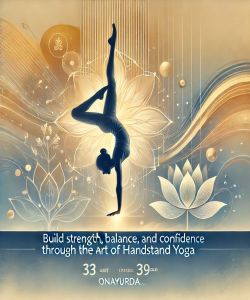
Handstand Yoga represents a specialised and formidable discipline within the broader spectrum of modern yogic practice, focusing intently on the mastery of the inverted posture known as Adho Mukha Vrksasana (Handstand) and its myriad variations. It is not merely the pursuit of a singular acrobatic feat; rather, it is a comprehensive system of physical conditioning and mental fortitude. This practice demands an uncompromising commitment to developing superior upper body strength, exceptional core stability, and a highly refined sense of proprioception and balance. Practitioners engage in a rigorous regimen of preparatory drills, strength-building exercises, and alignment-focused techniques designed to deconstruct the complexities of balancing on one’s hands. The discipline transcends physical exertion, compelling the individual to confront and systematically dismantle psychological barriers, most notably the fear of falling and the challenge of maintaining composure whilst inverted. It is a path of incremental progress, where discipline, consistency, and an analytical approach to one’s own biomechanics are paramount. The practice integrates principles of focused breath control (pranayama) and unwavering concentration (dharana) to unify the body and mind in a state of dynamic equilibrium. Consequently, Handstand Yoga is not an introductory pursuit but a demanding specialisation for dedicated practitioners who seek to explore the upper echelons of physical control, mental resilience, and the profound physiological and psychological shifts that accompany viewing the world from an inverted perspective. It is, in essence, a rigorous study in self-mastery, executed through the challenging yet rewarding medium of balancing on one’s hands with integrity, precision, and unwavering focus.
2. What is Handstand Yoga?
Handstand Yoga is a highly focused and physically demanding branch of yoga that prioritises the training for, and perfection of, the handstand (Adho Mukha Vrksasana). This discipline must be understood not as a casual inclusion of an inversion in a standard yoga sequence, but as a structured methodology dedicated entirely to achieving and sustaining this challenging asana with correct alignment and control. It is a synthesis of traditional yoga principles with modern calisthenics, gymnastics, and biomechanical knowledge. The practice is built upon a foundation of systematic progression, where practitioners work diligently to cultivate the requisite attributes for safe and effective inversion.
Key components of this discipline include:
- Targeted Strength Conditioning: A significant portion of the practice involves specific exercises to fortify the shoulders, arms, wrists, and upper back. This is not generalised strength training; it is a precise regimen targeting the exact muscle groups responsible for supporting the body’s entire weight, including the serratus anterior, deltoids, and rotator cuff muscles.
- Core Stabilisation Drills: Handstand Yoga places immense emphasis on developing a rigid and powerful core. A stable handstand is impossible without the ability to maintain a straight, controlled line from the hands to the feet, a feat managed entirely by the engagement of the deep abdominal and spinal muscles.
- Alignment and Proprioception Training: Practitioners learn to develop an acute awareness of their body’s position in space. Drills are employed to teach the subtle yet critical adjustments required to maintain balance, focusing on stacking joints—wrists, elbows, shoulders, and hips—in a vertical line to create an efficient and stable structure.
- Mental Fortitude Development: A core element is the psychological conditioning required to overcome the innate fear of inversion and potential falls. The practice cultivates focus, patience, and resilience, teaching the mind to remain calm and analytical under physical stress.
3. Who Needs Handstand Yoga?
-
Advanced Yoga Practitioners Seeking Specialisation: Individuals who have established a consistent and proficient yoga practice and now seek to deepen their understanding of inversions. For them, Handstand Yoga offers a structured pathway to master a peak posture that demands a higher level of strength, balance, and mental discipline than is typically cultivated in general Vinyasa or Hatha classes. It provides the technical detail and progressive overload necessary to move beyond preliminary inversion attempts.
-
Athletes and Cross-Training Enthusiasts: Sportspeople from disciplines such as rock climbing, martial arts, gymnastics, and calisthenics will find this practice directly transferable. It develops exceptional relative body strength, superior shoulder stability, and enhanced proprioceptive awareness. The discipline offers a unique method for building integrated, functional strength and control that complements and enhances performance in their primary sport.
-
Individuals Focused on Bodyweight Strength Mastery: Those committed to calisthenics or bodyweight training will find Handstand Yoga an indispensable tool. It represents a pinnacle of bodyweight control, requiring the harmonious integration of strength, balance, and mobility. The systematic progressions provide a clear, technical framework for achieving one of the most respected skills in bodyweight fitness.
-
Practitioners Aiming to Overcome Physical and Mental Plateaus: For those feeling stagnant in their physical practice, Handstand Yoga presents a formidable challenge that forces adaptation and growth. It demands a new level of physical output and, more importantly, requires confronting and overcoming significant mental barriers, such as fear and self-doubt. This process can catalyse profound breakthroughs in both physical capacity and personal resilience.
-
Movement Professionals and Instructors: Yoga teachers, personal trainers, and movement coaches who wish to expand their pedagogical toolkit require this specialisation. A deep, practical understanding of handstand biomechanics and training methodologies enables them to guide their own students safely and effectively, providing nuanced cues and progressions that are absent from generic training programmes.
4. Origins and Evolution of Handstand Yoga
The genesis of Handstand Yoga is not found in a single ancient text or lineage but is a distinctly modern synthesis, born from the confluence of traditional yogic principles and contemporary movement sciences. Whilst inversions like Sirsasana (Headstand) have ancient roots in Hatha Yoga, the handstand, or Adho Mukha Vrksasana, was historically less of a central, sustained posture and more of a transitional or dynamic element. Its elevation to a central discipline is a recent phenomenon, driven by the cross-pollination of yoga with other physical cultures.
In the early 20th century, the revival of physical culture in India, influenced by Western gymnastics and bodybuilding, saw figures like Krishnamacharya incorporate more dynamic and strength-based movements into their teachings. This laid the groundwork for physically demanding styles like Ashtanga Vinyasa Yoga, where handstands began to appear more frequently, particularly as a method for jumping through and back in the sequences. This marked the initial shift from purely static postures to more athletic expressions within yoga, yet the handstand was still not a discipline in its own right.
The true evolution into "Handstand Yoga" as a specific practice occurred in the late 20th and early 21st centuries. This was propelled by the global rise of yoga’s popularity and the increasing desire among seasoned practitioners for new challenges. Influential teachers, many with backgrounds in gymnastics, circus arts, or other advanced movement disciplines, began to deconstruct the handstand. They applied rigorous biomechanical principles and progressive training methodologies, creating structured systems for learning the skill safely and efficiently. They isolated the requisite components—wrist conditioning, shoulder strength, core stability, and alignment—and developed specific drills to cultivate them.
This modern iteration moves beyond simply "doing a handstand in yoga" to an entire practice about the handstand. It borrows heavily from gymnastic conditioning for its strength-building protocols whilst retaining the yogic emphasis on breath, mindfulness, and the integration of mind and body. The rise of social media further catalysed its evolution, creating a global community of practitioners sharing techniques and progress, solidifying Handstand Yoga as a recognised and respected specialisation for those seeking the upper limits of physical and mental control.
5. Types of Handstand Yoga
-
Alignment-Based Handstand Practice: This type is meticulously focused on achieving a perfectly straight, stacked handstand. The primary objective is biomechanical efficiency and structural integrity. Practitioners work extensively with wall drills, proprioceptive exercises, and subtle muscle activations to align the wrists, elbows, shoulders, hips, and ankles in a single vertical plane. The emphasis is on control, stability, and endurance in this ideal form, viewing it as the fundamental building block from which all other variations should stem. It is a highly technical and disciplined approach, prioritising form over flair.
-
Flow-Based Handstand Integration (Vinyasa Inversion): In this modality, the handstand is not the sole focus but is woven into dynamic Vinyasa sequences. The emphasis is on the transitions into and out of the handstand, such as pressing into the handstand from Bakasana (Crow Pose) or floating back from a handstand to Chaturanga Dandasana. This type develops fluid strength and control, demanding that the practitioner maintain breath and poise throughout complex movements. It is less about holding a static position and more about mastering the dynamic control required to move gracefully while inverted.
-
Acrobatic and Shape-Making Handstand Yoga: This form draws significant inspiration from gymnastics and circus arts. Once a stable straight handstand is established, the focus shifts to creating various shapes and positions whilst inverted. This includes tucks, straddles, splits (Hanumanasana in handstand), and one-arm variations. This type demands an exceptional level of strength, balance, and mobility, pushing the boundaries of physical expression. The practice is creative and highly advanced, focusing on the artistic and athletic potential of the inverted body.
-
Strength and Conditioning for Handstand (Handstand Calisthenics): This is the most fitness-centric approach, concentrating purely on building the raw physical capacity for the handstand. The practice is composed almost entirely of targeted drills and conditioning exercises. This includes handstand push-ups, timed holds against a wall, negative repetitions, and accessory work for the core, shoulders, and wrists. While alignment is still important, the primary goal is the development of brute strength and muscular endurance, treating the handstand as a peak skill in bodyweight training.
6. Benefits of Handstand Yoga
-
Superior Upper Body and Core Strength: The practice systematically develops exceptional isometric and dynamic strength in the shoulders, arms, chest, and upper back. It is an uncompromising form of weight-bearing exercise for the upper kinetic chain. Simultaneously, it demands constant, deep engagement of the entire core musculature to maintain stability and alignment, cultivating a level of core rigidity rarely achieved through other disciplines.
-
Enhanced Proprioception and Balance: Balancing on the hands requires the nervous system to develop a highly refined sense of the body's position in space. This practice dramatically improves proprioception, training the mind and body to make instantaneous micro-adjustments to maintain equilibrium. This heightened body awareness is transferable to all other physical activities.
-
Increased Bone Density: As a significant weight-bearing activity for the upper body, regular handstand practice places beneficial stress on the bones of the wrists, arms, and shoulders. This stimulus signals the body to increase bone mineral density in these areas, contributing to long-term skeletal health and resilience against osteoporotic conditions.
-
Improved Circulation and Lymphatic Drainage: Inverting the body reverses the normal effects of gravity on the circulatory and lymphatic systems. It encourages venous return from the lower extremities, can help to decongest internal organs, and stimulates the flow of lymph, a critical component of the immune system. This process aids in detoxification and cellular nourishment.
-
Cultivation of Mental Fortitude and Focus: The handstand demands absolute presence and unwavering concentration. The practitioner must learn to manage fear, frustration, and distraction. This process builds immense mental resilience, patience, and the ability to remain calm and focused under significant physical and psychological pressure. This mental discipline extends far beyond the yoga mat.
-
Stimulation of the Endocrine System: Inversions are believed to stimulate the endocrine glands located in the head, including the pituitary and pineal glands. These glands are crucial for regulating hormones that affect metabolism, growth, and mood. The increased blood flow to the brain during inversion is thought to optimise their function.
7. Core Principles and Practices of Handstand Yoga
-
Unyielding Structural Alignment: The foremost principle is the establishment and maintenance of a vertically stacked skeletal structure. This involves aligning the knuckles, wrists, elbows, shoulders, and hips in a precise vertical line over the base of support. This biomechanically efficient alignment minimises muscular strain and maximises stability. Practice is therefore dominated by drills that teach the body to find and hold this line, often utilising a wall as a tactile guide.
-
Systematic Strength Progression: Mastery is not attempted; it is earned through a structured and progressive conditioning programme. The practice is built on a foundation of targeted strength development for the wrists, shoulders, and core. This includes preparatory poses, specific calisthenic drills like hollow body holds and plank variations, and gradual load-bearing exercises to ensure the musculoskeletal system is robust enough to handle the demands of inversion without injury.
-
Active Shoulder and Scapular Control: The practitioner must learn to actively push the ground away, creating elevation and stability through the shoulder girdle. This involves protraction and elevation of the scapulae, primarily engaging the serratus anterior muscles. Passive "dumping" into the shoulder joints is strictly prohibited. The shoulders are trained not merely to bear weight but to be an active, dynamic platform for balance.
-
Integrated Core Tension: The core is not treated as a separate entity but as the central transmitter of force and stability for the entire body. The principle of a "hollow body" or maintaining a posterior pelvic tilt is fundamental. This creates a rigid, unified structure from hands to feet, preventing the "banana back" (lumbar hyperextension) which compromises both stability and safety.
-
Refined Proprioceptive Feedback and Micro-Correction: The practice cultivates an acute sensitivity to the body’s position in space. The hands and wrists become the primary source of sensory feedback. Practitioners must learn to interpret this feedback and make constant, subtle adjustments—micro-corrections—with their fingers, hands, and shoulders to maintain equilibrium. This is the essence of active balancing.
-
Breath as a Stabilising Anchor: Breath control (Pranayama) is not an afterthought but a central practice. A calm, steady, and controlled breath is essential for maintaining mental composure and physical stability. Erratic breathing patterns create tension and disrupt balance. The breath is utilised as an anchor to the present moment, allowing for focused and sustained effort.
8. Online Handstand Yoga
-
Structured, Progressive Curricula: Online platforms provide meticulously designed programmes that guide practitioners from absolute beginner to advanced levels. Unlike a drop-in class, these courses offer a logical and systematic progression of drills, conditioning, and theory. This structure is imperative for a high-skill discipline like Handstand Yoga, ensuring that foundational strength and alignment are established before more complex manoeuvres are attempted, thereby maximising safety and efficacy.
-
Access to Elite, Specialised Instruction: The online format transcends geographical limitations, granting individuals access to world-class handstand specialists and coaches who would otherwise be unreachable. This allows practitioners to learn from experts with deep pedagogical knowledge in biomechanics, gymnastics, and yoga, ensuring the instruction received is of the highest calibre, precise, and technically sound.
-
Repeatable and On-Demand Learning: A critical benefit is the ability to review and repeat instructional content as many times as necessary. A subtle alignment cue or a complex drill can be watched, paused, and re-watched until it is fully understood and integrated. This capacity for repetition is fundamental to motor learning and is a significant advantage over the ephemeral nature of an in-person class, accelerating the learning curve.
-
Fostering Autonomy and Self-Awareness: Training online necessitates that the practitioner becomes a more astute observer of their own body. Without the constant presence of a teacher for physical adjustments, the individual must develop heightened proprioception and an analytical eye, often aided by self-recording and review. This process cultivates a deeper, more internalised understanding of the practice and fosters greater self-reliance and body intelligence.
-
Consistent and Flexible Practice Schedule: Online Handstand Yoga removes the constraints of studio timetables and commutes. It empowers the practitioner to maintain a consistent training schedule, which is the absolute cornerstone of progress in this demanding discipline. The flexibility to train at any time allows for the integration of this rigorous practice into any lifestyle, ensuring that the necessary frequency of training can be met without compromise.
9. Handstand Yoga Techniques
-
Wrist Conditioning and Preparation: Begin every session with a non-negotiable warm-up for the wrists. Place hands on the floor on all fours. Gently rock forward and back, side to side, to load the wrists from multiple angles. Perform wrist push-ups by lifting the palms off the floor, pressing into the fingers. Turn the hands so fingers point towards the knees and gently lean back to stretch the extensors. This is a critical, foundational step to prevent injury.
-
Core Activation and Hollow Body Position: Lie on your back. Press the lower back firmly into the floor, eliminating any arch. Extend your arms overhead and legs straight out, hovering them just above the floor. This is the hollow body hold. The objective is to maintain this C-shape curvature and deep core engagement. This position is the blueprint for the straight handstand line and must be mastered on the floor before being attempted vertically.
-
Shoulder Strengthening and Scapular Protraction: Assume a high plank position. Actively push the ground away, rounding the upper back slightly. This is scapular protraction, engaging the serratus anterior muscles. This "active shoulder" is essential for stability. Practise this in plank and in downward-facing dog. Progress to wall-facing handstand holds, focusing entirely on pushing the floor away and maintaining this active shoulder engagement for increasing durations.
-
Wall-Assisted Alignment Drills: Use the wall as a training tool. Start by facing the wall and walking the feet up to a handstand position. Hold this position, focusing on the hollow body shape and active shoulders. A more advanced drill is the stomach-to-wall handstand. Place hands a short distance from the wall and walk feet up, so the front of the body faces the wall. This more accurately mimics a freestanding handstand and allows for precise alignment practice. Walk hands closer to the wall over time to become more vertical.
-
Balance and Entry Training: Once foundational strength and alignment are secure, begin balance training away from the wall. Practise kicking up with control, aiming to "stack" the hips over the shoulders and hands, rather than throwing the legs. Use a spotter or practise on a soft surface. Focus on small, controlled entries. Another key technique is the tuck-up or straddle-press entry, which requires more strength but offers significantly more control than kicking. The goal is to find the point of equilibrium, even for a fleeting moment, and gradually extend the duration.
10. Handstand Yoga for Adults
Handstand Yoga for adults is a rigorous and highly structured discipline that demands a mature approach to physical training, far removed from youthful, haphazard attempts at gymnastics. For the adult practitioner, the journey is one of systematic deconstruction and intelligent progression, acknowledging that the body may possess pre-existing limitations, ingrained movement patterns, and a reduced capacity for rapid recovery compared to a younger individual. The practice therefore places an uncompromising emphasis on preparatory conditioning. This involves meticulous and consistent work on wrist mobility and strength, shoulder girdle stabilisation, and deep core integration. Adults must approach the handstand not as a singular goal to be rushed, but as the outcome of a patient and methodical process. Progress is measured not in seconds held, but in the quality of alignment, the control of the entry and exit, and the resilience built against injury. The mental aspect is equally, if not more, critical for adults. It requires confronting ingrained fears, managing the frustration of slow progress, and cultivating a disciplined mindset that values consistency over intensity. The adult learner must be their own best project manager, analytically assessing weaknesses, celebrating incremental gains, and strictly adhering to the principles of safe, progressive overload. It is a testament to the fact that peak physical skills are not the exclusive domain of the young, but are available to any adult willing to apply intelligence, discipline, and unwavering perseverance to their training. It is a powerful path to reclaiming physical autonomy and proving that strength and control can be cultivated at any stage of life.
11. Total Duration of Online Handstand Yoga
The standard total duration of a dedicated online Handstand Yoga session is rigorously structured around a 1 hr timeframe. This specific duration is not arbitrary but is a carefully considered construct designed to maximise training effectiveness whilst mitigating the risks of fatigue and injury, which are particularly acute in such a demanding discipline. A session shorter than this period is fundamentally insufficient to accommodate all the requisite components for safe and productive practice. The initial phase of the hour is invariably dedicated to a thorough warm-up, with a critical focus on mobilising and preparing the wrists, elbows, and shoulder girdles for the intense load-bearing to follow. Subsequently, a significant portion of the session is allocated to activation drills and targeted strength conditioning for the core and upper body. This preparatory work is non-negotiable. The central part of the 1 hr block is then devoted to specific skill work, which may include wall drills, balance training, or entry and exit techniques, depending on the practitioner's level. The final segment of the session is reserved for a structured cool-down, incorporating counter-stretches for the wrists and shoulders to promote recovery and maintain long-term joint health. Attempting to compress this comprehensive, safety-critical sequence into a shorter period would necessitate compromising on one or more of these essential elements, thereby exposing the practitioner to an unacceptable level of risk. Conversely, extending much beyond this duration for a single skill session can lead to neuromuscular fatigue, degradation of form, and a heightened probability of overuse injuries. Thus, the 1 hr session represents a professional standard, providing an optimal framework for sustained, long-term progress in the mastery of Handstand Yoga.
12. Things to Consider with Handstand Yoga
Embarking upon the discipline of Handstand Yoga requires a sober and pragmatic assessment of its inherent demands and potential risks. It is imperative to understand that this is not a general fitness pursuit but a high-skill specialisation that mandates a level of commitment and physical preparedness far exceeding that of a standard yoga practice. Prospective practitioners must first conduct an honest evaluation of their current physical condition, particularly concerning the health of their wrists, elbows, and shoulders. Pre-existing injuries or chronic instability in these joints are contraindications that must be professionally addressed before training commences. Furthermore, one must consider the significant time investment required. Meaningful progress is not achieved through sporadic effort; it is the result of consistent, structured, and frequent practice. This discipline demands a place of priority in one's training schedule. The psychological component cannot be understated. The practitioner must be prepared to confront fear, manage profound frustration during plateaus, and cultivate immense patience. The path is rarely linear and requires a resilient and analytical mindset. Finally, the importance of expert guidance is paramount. Attempting to learn from unqualified sources or through sheer trial and error is a direct route to injury and ingrained bad habits. It is crucial to seek out a reputable instructor with a deep understanding of biomechanics and progressive pedagogy, ensuring that the journey is undertaken with maximal safety and efficiency. This discipline rewards diligence but severely punishes haste and ignorance.
13. Effectiveness of Handstand Yoga
The effectiveness of Handstand Yoga as a modality for developing advanced physical and mental attributes is unequivocal, provided the practitioner engages with uncompromising discipline and correct methodology. Its efficacy lies in its highly specific and targeted approach to strength and control. As a tool for building upper body and core strength, it is exceptionally potent, forcing the entire upper kinetic chain and trunk musculature to work synergistically to support the body's full weight. This integrated, functional strength is profoundly different from the isolated muscle development of traditional weight training. The practice is supremely effective at enhancing proprioception and balance, rewiring the nervous system to process spatial information from a completely new orientation, a skill that has positive carryover to all other movement domains. Furthermore, its effectiveness in forging mental fortitude is a core outcome. The constant confrontation with fear, the demand for absolute focus, and the necessity of patience in the face of slow progress cultivate a level of mental resilience and concentration that is difficult to replicate. The discipline's effectiveness is, however, entirely contingent on the quality of the practice. Pursued with a focus on progressive overload, meticulous alignment, and consistent effort, Handstand Yoga is a powerful and transformative discipline. Conversely, when approached with impatience, ego, or a disregard for foundational principles, its effectiveness diminishes rapidly, replaced by a high risk of chronic injury and entrenched dysfunctional movement patterns. Therefore, its potent effectiveness is directly proportional to the intelligence and diligence of its application.
14. Preferred Cautions During Handstand Yoga
Engaging in Handstand Yoga demands an unwavering and pre-emptive adherence to a strict set of cautions to mitigate the inherent and significant risks. It is imperative that the practitioner never bypasses a thorough and specific warm-up, with an uncompromising focus on the wrists, elbows, and shoulder girdle. To treat these preparatory movements as optional is to invite acute injury. The training environment must be clear of all obstacles; attempting inversions in a cluttered space is an act of profound negligence. One must develop an intelligent exit strategy before beginning any freestanding attempt. Knowing how to safely cartwheel or roll out of a fall is not an advanced skill but a prerequisite for moving away from the wall. The principle of progressive overload must be respected without exception. Attempting skills and hold-durations that are far beyond one's current capacity is a direct path to joint and soft tissue damage. Listen to the body’s feedback with analytical precision; sharp pain is a definitive signal to cease the activity immediately, not to push through it. Particular caution must be exercised to avoid hyperextension of the lower back (the "banana back"), as this places undue stress on the lumbar spine and destabilises the entire posture. Wrist health is paramount; if any persistent pain develops, all weight-bearing must be suspended until the issue is professionally diagnosed and resolved. Finally, psychological pressure and ego must be aggressively managed. Frustration can lead to reckless attempts, and the desire to achieve a posture for external validation is the most dangerous mindset a practitioner can adopt. Safety must always supersede ambition.
15. Handstand Yoga Course Outline
-
Module 1: Foundational Conditioning and Alignment Principles
- Unit 1.1: Wrist and Forearm Integrity: Comprehensive mobility, flexibility, and strengthening protocols.
- Unit 1.2: Shoulder Girdle Stabilisation: Scapular protraction/retraction drills, serratus anterior activation, and rotator cuff health.
- Unit 1.3: Core Integration: Mastery of the hollow body position and posterior pelvic tilt.
- Unit 1.4: The Principle of Stacking: Theoretical and practical understanding of joint alignment for biomechanical efficiency.
-
Module 2: Wall-Assisted Drills and Endurance Building
- Unit 2.1: Chest-to-Wall Handstand: Introduction to inversion, focusing on establishing a vertical line.
- Unit 2.2: Stomach-to-Wall Handstand: Developing hold endurance and refining alignment.
- Unit 2.3: Wall Walks and Shoulder Taps: Building dynamic stability and strength whilst inverted.
- Unit 2.4: Timed Holds and Repetition Protocols: Structured programming for progressive overload.
-
Module 3: Balance Theory and Freestanding Techniques
- Unit 3.1: The Mechanics of Balance: Understanding the centre of mass and base of support.
- Unit 3.2: Controlled Entry Techniques: Drills for tuck-ups, straddle-ups, and controlled kick-ups.
- Unit 3.3: The Art of Micro-Correction: Utilising hands, fingers, and shoulders to maintain equilibrium.
- Unit 3.4: Safe Exit Strategies: Mastering the cartwheel bailout and other controlled descents.
-
Module 4: Refining the Freestanding Hold and Introduction to Variations
- Unit 4.1: Extending Freestanding Duration: Techniques for sustained holds and conserving energy.
- Unit 4.2: Gaze (Drishti) and Breath Control: Integrating yogic principles for enhanced focus and stability.
- Unit 4.3: Introduction to Shape Transitions: Foundational drills for tuck, straddle, and split leg shapes.
- Unit 4.4: Programming for Long-Term Progress: Principles of designing a personal, sustainable practice.
16. Detailed Objectives with Timeline of Handstand Yoga
-
Phase 1: Foundation (First 4–8 Weeks)
- Objective: To establish the requisite physical integrity and theoretical understanding for safe inversion. By the end of this phase, the practitioner shall be able to hold a 60-second stomach-to-wall handstand with demonstrable correct alignment (hollow body, active shoulders) and perform 15 consecutive wrist push-ups without pain. The primary goal is injury prevention and structural preparation, not freestanding balance.
-
Phase 2: Endurance and Control (Weeks 9–16)
- Objective: To build significant strength-endurance and dynamic control in the inverted position. The practitioner shall aim to complete multiple sets of inverted shoulder taps against the wall and confidently perform controlled negative handstands (lowering down as slowly as possible). The objective is to develop the strength to manage the body’s weight with precision, moving beyond static holds to dynamic stability.
-
Phase 3: Balance Acquisition (Weeks 17–24)
- Objective: To achieve consistent, albeit brief, freestanding handstand holds. The focus shifts from the wall to open space. The practitioner will master controlled entry techniques, such as the straddle jump or tuck hop, aiming for consistent 3- to 5-second freestanding holds. The primary timeline goal is the repeatable achievement of balance, however fleeting, and mastery of a safe exit strategy.
-
Phase 4: Consolidation and Refinement (Weeks 25 onwards)
- Objective: To consolidate the freestanding handstand and begin exploring variations. The practitioner will work to increase the duration of their freestanding hold towards the 30-second mark, focusing on refining alignment and minimising micro-corrections. Introduction to basic leg shape changes (e.g., moving from straight to tuck) will begin. The timeline becomes more individualised, with the objective being consistent, controlled holds and the beginning of more advanced inverted expression.
17. Requirements for Taking Online Handstand Yoga
-
Unobstructed and Safe Training Space: A non-negotiable requirement is access to a dedicated area with a solid, flat floor and sufficient vertical clearance. Crucially, this space must include a sturdy, clear wall with no pictures, shelves, or other obstructions. The immediate training vicinity must be free of furniture, sharp corners, or any other hazards to allow for a safe bailout if balance is lost.
-
Reliable High-Speed Internet and Adequate Technology: The participant must possess a stable internet connection capable of streaming high-definition video without interruption. A device with a large enough screen (e.g., a laptop or tablet, not a small smartphone) is required to clearly see the instructor's demonstrations and alignment cues. The device must also have a functional camera for potential form checks.
-
Prerequisite Physical Condition: Participants must be free from any current or chronic injuries to the wrists, elbows, shoulders, neck, or spine. A baseline level of physical fitness is assumed, including the ability to hold a 60-second high plank with correct form. This is not a programme for absolute beginners to fitness; it is a specialisation for those already possessing foundational strength.
-
Essential Equipment: A non-slip yoga mat is mandatory. While not strictly required initially, the use of yoga blocks can be highly beneficial for certain drills. Access to a smartphone or other device for self-recording is strongly recommended, as video feedback is one of the most powerful tools for self-correction in an online environment.
-
A Mindset of Discipline and Autonomy: The practitioner must be self-motivated and capable of adhering to a structured programme without direct, in-person supervision. A high degree of personal responsibility for safety, honest self-assessment of one's capabilities, and the patience to work through progressions meticulously are essential character requirements for success and injury prevention in this online format.
18. Things to Keep in Mind Before Starting Online Handstand Yoga
Before commencing an online Handstand Yoga programme, it is imperative to adopt a mindset of stringent self-governance and realistic expectation. The online format, while offering unparalleled access and flexibility, places the onus of safety and honest progression squarely on the individual. You are solely responsible for your training environment; it must be cleared of all potential hazards, and the wall space you use must be structurally sound. Understand that the instructor can guide you visually and verbally, but they cannot provide the tactile feedback or immediate physical intervention of an in-person class. Therefore, you must cultivate an exceptionally high degree of body awareness and be brutally honest in your self-assessment. The temptation to skip foundational conditioning and rush towards freestanding attempts is a significant pitfall that must be actively resisted. Progress will be incremental and non-linear; you must be mentally prepared for plateaus and periods of perceived regression without becoming discouraged. The discipline demands consistency, and the online format requires you to be your own taskmaster, scheduling and adhering to your practice with unwavering commitment. Self-recording your attempts for review is not an optional extra but a critical component of the learning process, allowing you to analyse your own form with an objective eye. Finally, acknowledge that this is a long-term endeavour. Mastery is not achieved in weeks or months. You must commit to the process, respect the progressions, and prioritise safe, intelligent training over the pursuit of rapid, ego-driven results.
19. Qualifications Required to Perform Handstand Yoga
The performance of Handstand Yoga, particularly in an instructional capacity, demands a specific and robust set of qualifications that extend far beyond personal proficiency in the skill itself. A credible instructor must possess a deep and formalised understanding of human anatomy, physiology, and biomechanics. This foundational knowledge is non-negotiable, as it underpins the ability to teach safely and effectively, modify exercises for different bodies, and recognise potential contraindications. Furthermore, a qualified individual will typically hold advanced certifications from reputable yoga or fitness organisations. While a standard 200-hour yoga teacher training (RYT-200) might provide a basic framework, it is fundamentally insufficient for this specialisation. The requisite qualifications involve more advanced training, such as:
- An RYT-500 or equivalent advanced yoga teaching certification: This indicates a deeper and more extensive study of asana, pedagogy, and yogic theory.
- Specialised certifications in inversions, gymnastics, or calisthenics: These programmes provide the technical, pedagogical, and safety-oriented knowledge specific to high-level bodyweight skills.
- Extensive, demonstrable personal experience: The instructor must have a long-standing personal practice, not just with the handstand itself but with the years of preparatory work and conditioning. This lived experience informs their teaching with a nuance that theoretical knowledge alone cannot provide.
Ultimately, qualification is a synthesis of formal education in movement science, advanced, specific pedagogical training, and a deep, long-term personal immersion in the discipline. The ability to simply hold a handstand is merely a prerequisite; the ability to deconstruct it, teach it progressively, and keep students safe is what constitutes a true qualification.
20. Online Vs Offline/Onsite Handstand Yoga
Online
The online modality for Handstand Yoga instruction is defined by its autonomy, accessibility, and focus on structured, repeatable content. Its primary strength lies in providing access to elite-level coaching irrespective of a practitioner's geographical location. Participants can engage with meticulously designed, progressive curricula, allowing them to learn at their own pace and revisit complex technical details as often as required. This format fosters a high degree of self-reliance and proprioceptive awareness, as the individual must learn to interpret verbal cues and analyse their own form, often through self-recording, without direct physical adjustments. The flexibility of scheduling allows for greater consistency in practice, which is a critical factor for progress. However, its principal limitation is the absence of hands-on-spotting and immediate, tactile feedback. The onus of safety falls almost entirely on the practitioner, and the potential for misinterpreting a cue or developing subtle misalignments is higher. The sense of community, whilst present through digital forums, lacks the energy and direct camaraderie of a shared physical space.
Offline/Onsite
Offline, or onsite, Handstand Yoga is characterised by direct, in-person instruction and a communal training environment. Its most significant advantage is the immediate, hands-on feedback a qualified instructor can provide. This includes physical spotting for safety during balance attempts, tactile cues to correct alignment, and personalised adjustments based on the instructor's direct observation of the practitioner’s body. This can significantly accelerate learning and enhance safety, particularly in the early stages. The shared energy of a group class can provide motivation and encouragement, fostering a strong sense of community and shared purpose. The primary drawbacks are logistical and financial. Onsite classes are bound by a fixed schedule and location, which may not suit everyone. Access to truly specialised, high-calibre handstand coaches is limited by geography, and the cost per session is typically higher than online alternatives. Moreover, the pace of a group class may not be perfectly aligned with an individual's specific rate of progression.
21. FAQs About Online Handstand Yoga
Question 1. Is online Handstand Yoga safe for a complete beginner?
Answer: It is safe provided the beginner possesses a baseline of fitness, is free from contraindicative injuries, and commits to following a structured, progressive programme from a reputable source without skipping foundational steps.
Question 2. What is the most critical piece of equipment I need?
Answer: A non-slip yoga mat and access to a clear, sturdy wall are the most critical requirements.
Question 3. How do I know if my alignment is correct without a teacher present?
Answer: Self-recording your practice sessions with a phone or camera is an essential tool. Reviewing the footage allows you to compare your form directly against the instructor's demonstrations.
Question 4. Can I learn to handstand without any prior yoga experience?
Answer: Yes, but you must have a solid foundation of physical strength, particularly in your upper body and core. The programme will teach the specific techniques, but it will not build foundational fitness from scratch.
Question 5. How long will it take to hold a freestanding handstand?
Answer: There is no standard timeline. Progress is highly individual and depends on your starting strength, consistency, and quality of practice. It can take anywhere from several months to over a year.
Question 6. What if I am afraid of falling?
Answer: A professional online course will dedicate significant time to teaching you how to fall safely, typically by learning to cartwheel out. Mastering a safe exit is a primary objective.
Question 7. Are live online classes better than pre-recorded courses?
Answer: Both have merits. Pre-recorded courses offer flexibility and repeatability. Live classes offer real-time feedback and a sense of community. A combination is often ideal.
Question 8. How often should I practise?
Answer: Consistency is key. A dedicated practice of 3-5 times per week is generally recommended for steady progress.
Question 9. My wrists hurt. What should I do?
Answer: Cease all weight-bearing practice immediately. Focus on the specific wrist conditioning and stretching protocols provided in your course. If pain persists, consult a medical professional.
Question 10. Do I need a lot of space?
Answer: You need enough space to extend your body fully on the floor, plus a clear wall section and room to safely fall to the side without hitting any objects.
Question 11. Is there a risk of injury?
Answer: Yes, as with any advanced physical discipline. The risk is mitigated by following a structured programme, prioritising conditioning, and never progressing before you are ready.
Question 12. Can I do this if I am older?
Answer: Yes, provided you are in good health and approach the practice with patience and a focus on meticulous preparation.
Question 13. What is a "hollow body"?
Answer: It is a core tenet of handstand alignment, involving a posterior pelvic tilt and engagement of the abdominals to create a strong, unified line and prevent arching in the lower back.
Question 14. Will this discipline help with my other physical activities?
Answer: Absolutely. The development of integrated strength, core stability, and proprioception has a direct and positive carryover to virtually all sports and movement practices.
Question 15. Do I need to be flexible to do Handstand Yoga?
Answer: Extreme flexibility is not required, but good shoulder and wrist mobility is essential for proper alignment and injury prevention.
Question 16. What is the single most common mistake beginners make?
Answer: Rushing the process and neglecting the foundational strength and conditioning work in an eagerness to get away from the wall.
22. Conclusion About Handstand Yoga
In conclusion, Handstand Yoga stands as a formidable and highly specialised discipline that commands respect, diligence, and an intellectual approach to physical practice. It is fundamentally an education in self-mastery, where the physical goal of achieving a perfectly controlled handstand serves as the crucible for forging unparalleled mental and physical attributes. The practice deconstructs a complex skill into its constituent parts—strength, alignment, balance, and focus—and demands that the practitioner rebuild it within their own body through systematic, patient, and consistent effort. It is not a casual pursuit but a rigorous path that requires the practitioner to become a student of their own biomechanics and a master of their own psychology. The benefits, which include superior functional strength, refined proprioceptive control, and immense mental fortitude, are profound and directly proportional to the integrity with which the practice is undertaken. While the risks are tangible, they are effectively mitigated by an unwavering commitment to the core principles of progressive overload and meticulous preparation. Ultimately, Handstand Yoga is more than an inversion; it is a powerful statement of physical potential and a testament to what can be achieved when the body and mind are unified with singular, unwavering purpose. It represents a peak expression of human movement, accessible not through innate talent, but through the uncompromising application of discipline