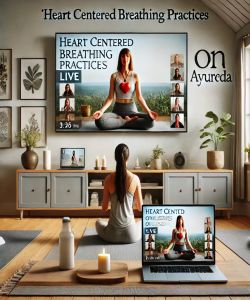
1. Overview of Heart Centered Breathing Practices
Heart Centered Breathing represents a formidable and scientifically validated methodology for achieving superior levels of physiological and psychological self-regulation. It is a discipline grounded in the intentional modulation of the autonomic nervous system through the precise and conscious control of respiration, synchronised with a focused awareness on the heart. This is not a passive or esoteric exercise; it is an active intervention designed to shift the body’s fundamental operating state from one of chaos and stress to one of high-efficiency coherence. The core mechanism involves leveraging the intimate, bidirectional neural communication between the heart and the brain. By imposing a smooth, rhythmic breathing pattern, an individual directly influences their heart rate variability (HRV), transforming erratic, incoherent rhythms into a harmonious, sine-wave-like pattern. This state, termed physiological coherence, is the gold standard of autonomic efficiency. It optimises the synergistic activity of the sympathetic and parasympathetic nervous systems, fostering an internal environment conducive to enhanced mental clarity, emotional stability, and heightened cognitive function. The practice transcends mere relaxation; it is a robust form of internal state management that builds resilience, enabling practitioners to navigate high-pressure environments with greater composure and effectiveness. It serves as a foundational skill for peak performance, emotional intelligence, and sustained well-being, providing a powerful, non-pharmacological tool for mitigating the corrosive effects of chronic stress. Its application is universal, relevant to any individual or organisation committed to mastering the internal landscape to achieve external success. The consistent application of these practices results in a durable recalibration of the individual’s baseline stress response, cultivating a state of calm alertness and profound internal balance that permeates every facet of personal and professional life. It is, in essence, the deliberate engineering of a superior state of being.
2. What are Heart Centered Breathing Practices?
Heart Centered Breathing Practices are a sophisticated class of psychophysiological self-regulation techniques designed to purposefully align cardiac, respiratory, and neurological systems. Their fundamental objective is to induce a state of 'physiological coherence', a scientifically measurable condition characterised by a specific, orderly pattern in heart rate variability (HRV). Unlike generic deep breathing or relaxation exercises that primarily aim to increase parasympathetic activity (the 'rest and digest' system), these practices seek to create a dynamic and harmonious balance between the parasympathetic and sympathetic ('fight or flight') branches of the autonomic nervous system. This results in a state of synchronised, efficient function that is qualitatively distinct from simple relaxation. The operational premise is the direct influence of respiration on the heart's rhythm. By adopting a controlled, smooth, and evenly paced breathing cycle, the practitioner actively smoothes out the chaotic, jagged patterns typical of a stressed state and encourages a coherent, sine-wave-like rhythm in the heart rate.
The defining characteristics of these practices are as follows:
- Heart Focus: The practice mandates a deliberate shift in attention to the physical area of the heart. This attentional focus is not metaphorical; it engages neural pathways that enhance the connection between brain and heart, amplifying the regulatory effect of the breath.
- Rhythmic Pacing: A specific, consistent breathing rhythm is employed. The pace is intentionally slower and more regular than ordinary breathing, which directly facilitates the entrainment of the heart's rhythm into a coherent pattern.
- Positive Emotional Generation: Practitioners are guided to actively self-generate a positive or renewing emotion, such as appreciation, care, or compassion. This cognitive-emotional component is critical, as it reinforces the coherent physiological state and signals to the brain's limbic system to sustain this new, orderly pattern.
In essence, Heart Centered Breathing is not merely about breathing. It is a tripartite system integrating attention, respiration, and emotion to re-pattern the body’s core operating rhythms for optimal performance and resilience.
3. Who Needs Heart Centered Breathing Practices?
- High-Stakes Professionals and Executives: Individuals operating in environments defined by immense pressure, critical decision-making, and relentless demand require these practices. This includes senior leaders, surgeons, legal professionals, and financial traders. The practices provide an immediate tool to mitigate acute stress, prevent cognitive degradation under pressure, and maintain the executive function necessary for strategic thinking and clear judgement. They are essential for preventing burnout and sustaining long-term career performance.
- Military Personnel and First Responders: Police officers, firefighters, paramedics, and soldiers face situations of extreme, often life-threatening, stress. These practices are a non-negotiable requirement for building the psychological armour needed to regulate fear and anxiety in the field. They enhance situational awareness, improve reaction times by preventing cognitive tunnelling, and crucially, facilitate a more rapid return to physiological baseline after a critical incident, mitigating the cumulative impact of trauma.
- Individuals Managing Chronic Stress and Anxiety: Those contending with persistent feelings of overwhelm, generalised anxiety, or the physiological symptoms of chronic stress will find these practices indispensable. They offer a direct, tangible method to interrupt the vicious cycle of the stress response, reducing circulating cortisol and adrenaline, and re-establishing a sense of internal control and emotional stability without sole reliance on external interventions.
- Competitive Athletes and Performers: For any individual whose success depends on peak physical and mental performance, these practices are a critical component of their training regimen. They are utilised to optimise recovery, manage performance anxiety, improve focus during competition, and achieve the state of 'flow' where mind and body are perfectly synchronised. This is about gaining a decisive competitive edge through superior internal state management.
- Educators and Healthcare Professionals: These professions are characterised by high levels of emotional labour and a significant risk of compassion fatigue. The practices equip them with the resilience to manage challenging interpersonal dynamics, maintain empathy without becoming emotionally depleted, and sustain the energy and mental clarity required to serve their students and patients effectively over the long term.
4. Origins and Evolution of Heart Centered Breathing Practices
The conceptual underpinnings of Heart Centered Breathing Practices are rooted in ancient wisdom traditions that have long recognised the profound link between breath, mind, and emotion. For millennia, yogic pranayama, Buddhist anapanasati, and various contemplative disciplines across cultures have employed structured breathing as a central pillar for altering consciousness, cultivating inner peace, and achieving spiritual insight. These traditions intuitively understood that by controlling the breath—the most accessible of the body’s autonomic functions—one could exert influence over the more elusive realms of thought and feeling. They established the foundational, albeit non-scientific, principle that respiration was a gateway to self-mastery.
The modern, scientific formalisation of these practices, however, is a product of the late twentieth century. The evolution from esoteric art to evidence-based science was catalysed by advancements in psychophysiology and biomedical engineering. The ability to monitor physiological processes in real-time, particularly heart rate variability (HRV), was a watershed moment. Researchers began to quantify the precise impact of different emotional and cognitive states on the heart’s rhythmic patterns. This revealed that the erratic, disordered HRV patterns associated with stress and negative emotions could be intentionally transformed into smooth, highly ordered, sine-wave-like patterns through specific techniques. This orderly state was termed 'coherence'.
Institutions dedicated to this research systematically deconstructed the mechanisms, moving beyond the simple observation of the breath-heart link to create specific, repeatable protocols. They integrated the ancient focus on breath with a modern understanding of the heart's role as a complex information-processing centre that communicates extensively with the brain. The critical innovation was the addition of a third element: the active generation of positive emotions. It was discovered that combining rhythmic breathing with a focus on feelings like appreciation or compassion dramatically amplified and sustained the coherent state. This tripartite model—heart focus, rhythmic breathing, and positive emotion—became the hallmark of modern Heart Centered Breathing. From its origins in niche research laboratories, the practice has evolved into a globally recognised and validated tool, implemented in clinical, corporate, military, and educational settings for stress reduction, performance enhancement, and resilience building.
5. Types of Heart Centered Breathing Practices
The discipline of Heart Centered Breathing encompasses several distinct techniques, each engineered for specific applications and outcomes. A clear understanding of these types is imperative for their correct and effective implementation.
- Foundational Coherence Technique: This is the cornerstone practice, designed to establish and sustain a baseline state of physiological coherence. It involves directing one’s focus to the area of the heart and initiating a balanced breathing rhythm, typically with an inhalation for a specific count and an exhalation for the same count. The objective is to create a smooth, continuous loop of breath that directly entrains the heart's rhythm into a coherent, sine-wave pattern. This practice is utilised for general stress reduction, emotional regulation, and as a preparatory exercise for more advanced techniques. It is the fundamental skill upon which all other practices are built.
- Quick Coherence® Technique: This is an abbreviated, rapid-deployment version of the foundational practice, engineered for real-time state management. It is designed to be used 'in the moment' to preempt or interrupt a stress response before it escalates. The technique involves the same core components—heart focus and rhythmic breathing—but is executed for a much shorter duration, often for a minute or less. Its purpose is to swiftly shift one's physiological and emotional state, for instance, before a challenging meeting, during a difficult conversation, or immediately following a stressful event. It is a tactical tool for immediate state control.
- Heart Lock-In® Technique: This is an advanced practice designed for creating a deeper and more sustained state of coherence. It builds upon the foundational technique by adding a crucial step: the active and prolonged focus on a positive, renewing emotion. After establishing heart-focused breathing, the practitioner deliberately recalls and re-experiences a feeling of appreciation, care, or compassion, 'locking in' this positive emotional state. This process is maintained for an extended period. The aim is not just to achieve coherence, but to anchor it deeply, leading to a more significant and lasting reset of the autonomic nervous system's baseline and a profound shift in one’s emotional landscape.
6. Benefits of Heart Centered Breathing Practices
- Enhanced Autonomic Nervous System Regulation: The primary benefit is the direct and measurable optimisation of autonomic function. The practice harmonises the activity of the sympathetic (fight-or-flight) and parasympathetic (rest-and-digest) systems, shifting the body from a state of chaotic opposition to one of synergistic coherence. This leads to a more efficient and resilient physiological operating system.
- Measurable Reduction in Stress Hormones: Consistent practice has been unequivocally shown to lower levels of cortisol, the body’s principal stress hormone. By interrupting the physiological stress cascade at its source, the practice mitigates the corrosive long-term effects of chronic stress, including inflammation, immune suppression, and metabolic dysregulation.
- Improved Cardiovascular Function: The establishment of coherent heart rhythms improves cardiovascular efficiency. This can contribute to the regulation of blood pressure, improved baroreflex sensitivity (the body’s internal blood pressure regulation mechanism), and overall enhanced cardiac health. It is a direct form of exercise for the cardiovascular regulatory system.
- Superior Emotional Self-Regulation: By creating a direct link between conscious intention and physiological state, the practice provides a powerful tool for emotional management. It increases the practitioner’s capacity to interrupt negative emotional spirals, such as anger or anxiety, and intentionally cultivate more resourceful states like calm and composure. This builds emotional intelligence and resilience.
- Augmented Cognitive Performance: The state of coherence is strongly associated with enhanced cognitive function. Practitioners report and studies confirm improvements in focus, memory, problem-solving ability, and decision-making clarity. This is because a coherent physiological state supports optimal functioning of the brain’s prefrontal cortex, the seat of executive function.
- Increased Resilience and Faster Stress Recovery: Regular engagement with these practices fundamentally recalibrates an individual’s stress-response baseline. This results in a diminished reaction to external stressors and, critically, a much faster physiological and psychological recovery time after a stressful event has occurred. The individual becomes less reactive and more resilient.
7. Core Principles and Practices of Heart Centered Breathing Practices
- The Principle of Intentional Heart Focus: This is the non-negotiable starting point. The practitioner must consciously and deliberately shift their attention away from external distractions or internal mental chatter and place it squarely on the physical area of the heart. This is not a passive or metaphorical act; it is an active neurological directive. This focus engages specific afferent neural pathways that communicate from the heart to the brain, signalling a change in operational command and preparing the system for regulation.
- The Principle of Rhythmic Respiratory Entrainment: The breath is the primary tool for control. A specific, smooth, and evenly paced breathing rhythm must be adopted and maintained. The objective is to eliminate the erratic, shallow, or staccato breathing patterns characteristic of stress. By imposing a consistent rhythm, the practitioner directly influences the heart's own rhythm through a process called respiratory sinus arrhythmia, actively guiding it towards a state of coherence. The practice is to breathe more smoothly and deeply than usual, creating a balanced cycle of inhalation and exhalation.
- The Principle of Positive Emotional Association: Physiological coherence is significantly amplified and stabilised by the active generation of a positive, renewing emotion. This goes beyond mere positive thinking. The practice involves genuinely attempting to re-experience a feeling of appreciation, compassion, or care. This emotional component sends a powerful signal to the brain's limbic system, reinforcing the coherent state and anchoring the new, orderly pattern across the entire psychophysiological system. It turns a mechanical exercise into a transformative experience.
- The Principle of Sustained Coherence and Application: Achieving a momentary state of coherence is only the first step. The core practice is to learn to sustain this state for progressively longer periods. Furthermore, the ultimate goal is to apply this skill in real-world situations. This requires consistent daily practice to build the 'muscle' of self-regulation, enabling the practitioner to deploy the technique effectively under pressure, thereby transforming it from a mere exercise into a fully integrated life skill.
8. Online Heart Centered Breathing Practices
- Unrivalled Accessibility and Geographic Independence: The online modality decisively removes all geographical barriers to entry. It grants individuals access to elite-level instruction and expert facilitation regardless of their physical location. This democratises access to specialised training that was previously confined to specific metropolitan areas or exclusive wellness centres, making it available to a global audience.
- Structured and Self-Paced Learning Environments: High-quality online platforms provide a meticulously structured curriculum. s can be revisited, and core concepts reviewed at the practitioner’s own pace, which is a significant advantage for mastering the nuances of the techniques. This contrasts with the fixed, one-time delivery of an in-person session, allowing for a deeper and more personalised learning journey.
- Enhanced Discretion and Psychological Safety: Practising from a private, controlled environment can be highly conducive to the deep inner work required. For many, the absence of perceived social judgement or the self-consciousness of a group setting fosters a greater sense of psychological safety. This allows for more authentic engagement with the emotional components of the practice, which is critical for success.
- Seamless Integration of Biofeedback Technology: The digital nature of online practice allows for the effortless integration of modern biofeedback tools. Smartphone applications and wearable sensors can provide real-time, data-driven feedback on heart rate variability (HRV) and coherence levels. This transforms a subjective experience into an objective, measurable skill, allowing practitioners to see tangible proof of their progress and refine their technique with scientific precision.
- Logistical Efficiency and Reduced Commitment Overhead: Online delivery eliminates the time and resource expenditure associated with travel, parking, and scheduling around a fixed physical location. This logistical efficiency lowers the barrier to consistent practice, making it far easier to integrate this powerful discipline into a demanding professional or personal schedule. The reduction in friction is a key driver of long-term adherence and, consequently, long-term results.
9. Heart Centered Breathing Practices Techniques
A foundational technique for establishing physiological coherence must be executed with precision and intent. The following steps provide a clear, actionable protocol.
- Step One: Postural and Environmental Preparation. Assume a dignified and stable posture. Sit upright in a chair with both feet flat on the floor, relaxing the shoulders and allowing the spine to be erect but not rigid. Your hands can rest comfortably on your lap. Ensure your chosen environment is quiet and free from imminent interruption. This initial step is not trivial; it signals to the body and mind that a deliberate and focused activity is about to commence.
- Step Two: Initiate Heart Focus. Close your eyes or maintain a soft, unfocused gaze downwards. Deliberately shift your full attention to the area in the centre of your chest, the physical location of your heart. It can be helpful to place a hand over your heart to anchor your focus. Imagine your breath flowing in and out directly through this area. This act of focused attention is a critical neurological directive that begins the process of heart-brain communication.
- Step Three: Commence Rhythmic Breathing. Begin to breathe in a rhythm that is slower and deeper than your usual pattern. A scientifically validated starting point is to inhale smoothly for a count of five and exhale smoothly for a count of five. The key is not the exact number but the creation of a balanced, even, and continuous cycle. Avoid jerky transitions or holding the breath. The aim is a fluid, sine-wave-like respiratory pattern that feels comfortable and sustainable.
- Step Four: Activate a Positive Emotional State. While maintaining the heart focus and the rhythmic breathing, make a sincere attempt to generate a renewing feeling. Recall a time you felt genuine appreciation for someone or something, a deep sense of care, or the positive feeling associated with a beloved pet or a beautiful place in nature. Do not simply think about the feeling; try to re-experience it in your body. Let this positive emotion radiate from your heart area throughout your body with each breath.
- Step Five: Sustain the Coherent State. Continue this integrated process of heart focus, rhythmic breathing, and positive emotional activation for a designated period, starting with five to ten minutes. If your mind wanders, gently and firmly guide your attention back to the heart and the breath. The objective is to build the capacity to sustain this coherent state, strengthening the neural pathways that support it.
10. Heart Centered Breathing Practices for Adults
For the adult navigating the complexities of modern life, Heart Centered Breathing Practices are not a peripheral wellness activity but a core competency for survival and success. The adult landscape is uniquely defined by a confluence of persistent, high-stakes stressors: career pressures, financial obligations, relational complexities, and the relentless pace of a technologically saturated world. These are not acute, transient threats but chronic conditions that steadily erode physiological and psychological reserves, leading to burnout, cognitive fatigue, and diminished quality of life. These practices offer a direct, potent, and non-pharmacological antidote. They equip the adult with a sophisticated internal control panel to manage this relentless pressure. By learning to intentionally shift from a state of stress-induced incoherence to one of high-functioning coherence, an individual can make clearer decisions under pressure, maintain emotional equanimity during challenging negotiations or personal conflicts, and preserve the cognitive bandwidth necessary for complex problem-solving and strategic planning. This is the essence of mature self-regulation. Furthermore, the practice fosters a heightened level of emotional intelligence, improving interpersonal dynamics in both professional and personal spheres. It enhances the ability to communicate with composure and empathy, even in difficult circumstances. For adults, this is not about finding a momentary escape; it is about fundamentally upgrading their internal operating system to build durable resilience, sustain peak performance over the long term, and cultivate a profound sense of agency over their own well-being in a world that constantly seeks to undermine it.
11. Total Duration of Online Heart Centered Breathing Practices
The established standard for a single, focused session of online instruction and guided practice in Heart Centered Breathing is 1 hr. This duration is not arbitrary; it is a purposefully structured timeframe designed to maximise efficacy and ensure a comprehensive learning experience. Within this 1 hr block, sufficient time is allocated for a number of critical components. It allows for an initial settling-in period, where the facilitator can set the context and objectives for the session. A substantial portion is then dedicated to the core activity: the direct, guided practice of the breathing techniques themselves. This is followed by an essential integration phase, allowing the practitioner to consciously notice the shifts in their physiological and psychological state. Crucially, the 1 hr format also provides an opportunity for a debrief, clarification of technique, and a structured question-and-answer period, which is indispensable for refining the skill and addressing individual challenges. While shorter, self-directed practices are a vital part of daily maintenance, the 1 hr instructional session serves as the foundational unit for initial learning, skill development, and expert refinement. It must be understood, however, that the true 'total duration' of the practice extends far beyond these scheduled sessions. The ultimate goal is the seamless integration of these self-regulation skills into the fabric of daily life, but the 1 hr online session remains the pivotal and highly effective container for focused, expert-led training and development. This formal session provides the structure and discipline necessary to build a robust and lasting capability.
12. Things to Consider with Heart Centered Breathing Practices
Engaging with Heart Centered Breathing Practices requires a mature and informed approach, as it is a potent discipline with significant physiological and psychological effects. It is imperative to consider that consistency is unequivocally more valuable than intensity. Sporadic, lengthy sessions will yield far less benefit than short, dedicated daily practice. The objective is to re-pattern the nervous system's baseline, a goal that can only be achieved through regular, repeated application, thereby creating and reinforcing new neural pathways. Furthermore, one must manage expectations with stark realism. This is not a panacea or an instantaneous remedy for deep-seated issues. It is a skill, and like any skill, it requires diligent practice to develop mastery. Initial attempts may feel mechanical or unproductive; this is a normal part of the learning process. The benefits are cumulative and accrue over time with persistent effort. The choice of environment is also a critical consideration. While the techniques can eventually be deployed in any setting, initial learning must occur in a quiet, private space, free from distractions, to allow for the necessary focused attention. Finally, practitioners must be prepared to encounter their own internal state with greater clarity. The practice can heighten awareness of underlying stress or emotional turmoil that was previously ignored. This is not a negative outcome but an essential first step towards conscious regulation. One must approach this self-awareness without judgement, viewing it as valuable data to be worked with, rather than a problem to be suppressed.
13. Effectiveness of Heart Centered Breathing Practices
The effectiveness of Heart Centered Breathing Practices is not a matter of subjective opinion or anecdotal evidence; it is firmly established through a substantial and growing body of rigorous psychophysiological research. These techniques have been demonstrated to exert a direct, powerful, and measurable influence on the body’s core regulatory systems. The primary outcome metric is a significant improvement in the quality of Heart Rate Variability (HRV), shifting the pattern from an erratic, incoherent state to a smooth, harmonious, and highly efficient sine-wave pattern. This state of physiological coherence is the hallmark of their effectiveness and the foundation from which all other benefits cascade. Scientific instrumentation has unequivocally documented that dedicated practice leads to a more balanced autonomic nervous system, a reduction in circulating levels of the stress hormone cortisol, and favourable modulation of blood pressure. These are not trivial changes; they represent a fundamental reset of the body’s stress response at a physiological level. This proven physiological impact translates directly into tangible psychological and cognitive enhancements. The documented effectiveness extends to a marked improvement in emotional self-regulation, a significant reduction in symptoms of anxiety and depression, and an increase in cognitive functions such as focus, memory, and decision-making clarity. The evidence is clear and compelling: when practised correctly and consistently, these techniques are a formidablely effective, non-invasive intervention for building resilience, enhancing performance, and improving overall health and well-being. Their efficacy is grounded in the fundamental principles of human physiology and neuroscience.
14. Preferred Cautions During Heart Centered Breathing Practices
While Heart Centered Breathing Practices are broadly safe and beneficial, they are a powerful intervention and must be approached with informed caution and profound respect for their potency. It is imperative that these techniques are not viewed as a substitute for professional medical or psychological treatment. Individuals with a history of severe psychiatric conditions, such as major depressive disorder, severe anxiety disorders, or psychosis, or those with complex trauma, must consult with their qualified healthcare provider before commencing these practices. The deep introspective state can sometimes intensify underlying issues if not managed within a proper therapeutic framework. Furthermore, practitioners must be cautioned against improper breathing technique, specifically the risk of hyperventilation from breathing too rapidly or forcefully. This can lead to light-headedness, dizziness, or tingling sensations. The objective is smooth, calm, and rhythmic breathing, not maximal air intake. If any of these symptoms occur, the individual must immediately cease the practice and return to normal breathing. It is also critical to understand that this is not a competitive sport; pushing oneself into discomfort or strain is counterproductive and violates the core principles of the practice. The aim is balance and coherence, not effort and struggle. Finally, these practices must be understood as a tool for self-regulation, not a panacea for all life's problems. A robust sense of realism is required, acknowledging that while they provide a powerful means of managing one's internal state, they do not eliminate external stressors, which must still be addressed through practical means.
15. Heart Centered Breathing Practices Course Outline
- One: Foundational Principles of Psychophysiology and Stress. This establishes the essential scientific bedrock. It provides a detailed, no-nonsense overview of the autonomic nervous system, the physiological cascade of the stress response, and the critical role of cortisol. It introduces the concept of Heart Rate Variability (HRV) as a primary biomarker of nervous system function and resilience, ensuring all participants share a common, accurate vocabulary and understanding of the systems they seek to influence.
- Two: The Science and Anatomy of Coherence. Here, the focus shifts from the problem of stress to the solution of coherence. The provides a precise definition of physiological coherence, differentiating it from mere relaxation. It explores the intricate neural communication pathways between the heart and the brain, explaining how the heart functions as more than a pump, acting as a key information processing centre. The measurable benefits of a coherent state on cognitive, emotional, and physical systems are detailed.
- Three: Core Technique I – The Quick Coherence® Method. This is the first practical, hands-on . Participants are meticulously guided through the steps of the Quick Coherence technique, a rapid state-shifting tool for real-time application. Emphasis is placed on correct execution of heart focus, rhythmic breathing, and immediate application in simulated high-pressure scenarios. The objective is mastery of this foundational tool for in-the-moment stress interruption.
- Four: Core Technique II – The Heart Lock-In® Method. This introduces a more advanced and sustained practice. Participants learn the Heart Lock-In technique, which builds on the foundational skill by incorporating the active generation and maintenance of positive emotional states. This focuses on deepening the coherent state for more profound and lasting physiological and psychological resets.
- Five: Strategic Application and Emotional Landscaping. This moves from technique to strategy. Participants learn to proactively identify personal stress triggers and develop plans to apply the coherence techniques preemptively. It covers methods for dissolving recurring negative emotional patterns and consciously cultivating a more resilient and positive emotional baseline through consistent practice.
- Six: Integration, Mastery, and Long-Term Resilience. The final focuses on the seamless integration of these practices into daily personal and professional life. It provides strategies for building a sustainable, long-term practice, tracking progress, and using coherence as a platform for enhanced creativity, intuition, and peak performance. The goal is to transition the practitioner from consciously 'doing' the techniques to 'being' a more coherent and resilient individual.
16. Detailed Objectives with Timeline of Heart Centered Breathing Practices
- By the Conclusion of Week One: Participants will demonstrate a comprehensive intellectual grasp of the core scientific principles. They must be able to articulate the function of the autonomic nervous system, define Heart Rate Variability (HRV) and physiological coherence, and explain the mechanism of the stress response. Furthermore, they will have achieved initial proficiency in the Foundational Coherence Technique, able to sustain five minutes of guided heart-focused, rhythmic breathing.
- By the Conclusion of Week Two: Participants will have mastered the Quick Coherence® Technique as a reliable, real-time intervention tool. The objective is for each individual to be capable of self-initiating a noticeable physiological state shift within one minute, verified by either subjective report or, where available, biofeedback. They will have started a daily practice log to track application and outcomes.
- Within the First Month: Participants will demonstrate the ability to utilise the techniques to proactively manage a known personal stressor. They will be required to identify a recurring stressful situation (e.g., a difficult meeting, public speaking) and apply the techniques before, during, and after the event. The objective is to move from reactive practice to proactive and strategic application, with documented reports of improved composure and effectiveness.
- By the End of the Second Month: Participants will have achieved proficiency in the more advanced Heart Lock-In® Technique. They must be able to sustain a deep, emotionally-activated coherent state for a minimum of ten to fifteen minutes continuously during dedicated practice sessions. The objective is to build the capacity for a more profound reset of the physiological baseline and to begin anchoring this more positive state as a new normal.
- Within Three to Six Months: The ultimate objective is full integration. The practitioner will no longer view the techniques as a separate exercise but as an integrated life skill. They will demonstrate an automatic deployment of coherence techniques in response to stress with minimal conscious effort. The long-term goal is a measurable and sustained improvement in their baseline HRV, emotional stability, and cognitive function, reflecting a fundamental and durable increase in overall resilience.
17. Requirements for Taking Online Heart Centered Breathing Practices
- Unyielding Personal Commitment: The foremost requirement is a serious and unwavering commitment to the process. The participant must understand that this is an active training discipline, not a passive form of entertainment or a quick fix. This necessitates a commitment to consistent daily practice outside of guided sessions and a genuine willingness to engage in focused self-regulation.
- Stable and Uninterrupted Technological Access: The participant is solely responsible for ensuring they possess the requisite technology. This includes a reliable, high-speed internet connection to prevent disruptive lag or disconnection during live sessions. A functional computing device (laptop, desktop, or tablet) equipped with a working webcam and microphone is mandatory for effective two-way communication and instruction.
- A Secured and Private Environment: Practice must be conducted in a physical space that guarantees privacy and is free from any and all interruptions. This is a non-negotiable requirement. The presence of other people, background noise, or potential for disruption severely undermines the ability to achieve the focused internal state necessary for the practice to be effective. The participant must secure this environment for the full duration of every session.
- Cognitive and Emotional Readiness: The participant must possess the cognitive capacity to understand and follow multi-step instructions and the emotional maturity to engage in self-reflection without excessive self-judgement. An attitude of curiosity, patience, and self-discipline is essential. This is not suitable for individuals currently in a state of acute crisis without the concurrent support of a qualified clinical professional.
- Punctuality and Full Engagement: Participants are required to be punctual for every online session, having already tested their equipment and prepared their environment. During the session, they must remain fully present and engaged, with other applications and devices switched off to eliminate digital distractions. Partial attention will yield partial, if any, results.
18. Things to Keep in Mind Before Starting Online Heart Centered Breathing Practices
Before embarking upon an online course in Heart Centered Breathing, it is imperative to adopt the correct mindset and understand the nature of the undertaking. This is not a passive webinar where information is simply consumed; it is an active, participatory skill-development programme that demands rigorous self-discipline and sustained personal effort. You must disabuse yourself of any notion that benefits will accrue automatically through mere attendance. The results you achieve will be in direct proportion to the quality and consistency of your personal practice. It is essential to approach this training with the same gravity and preparation you would for an in-person commitment. This means deliberately scheduling practice time in your calendar and honouring those appointments with yourself as you would a critical business meeting. You must also be prepared to be a patient and persistent student of your own nervous system. Progress is rarely linear; there will be sessions that feel profound and others that feel mechanical or frustrating. This is a normal part of the process of re-patterning lifelong physiological habits. A crucial prerequisite is the willingness to observe your internal state—your thoughts, emotions, and physical sensations—with a neutral, non-judgmental awareness. The objective is to regulate, not to suppress or criticise. Finally, understand that the online facilitator is a guide, not a magician. They will provide the map, the tools, and the expert instruction, but only you can walk the path. Your success is ultimately your own responsibility.
19. Qualifications Required to Perform Heart Centered Breathing Practices
The facilitation of Heart Centered Breathing Practices is a professional responsibility that demands far more than a casual interest or personal proficiency. To guide others in this potent form of psychophysiological regulation, a facilitator must possess a robust and verifiable set of qualifications. It is wholly insufficient for an individual to simply have read a book or attended a workshop; they must have undergone rigorous, structured training and assessment from a credible, internationally recognised institution that specialises in this specific modality. The qualifications are multifaceted and non-negotiable:
- Formal Certification: The primary qualification is a formal certification issued by a governing body with a clear, standardised curriculum. This certification process must include comprehensive education in the underlying science, supervised practical training, and a formal examination of both theoretical knowledge and practical teaching ability.
- Deep Foundational Knowledge: A qualified facilitator must demonstrate a profound understanding of human physiology and psychology, specifically relating to the autonomic nervous system, the cardiovascular system, neurocardiology, and the psychophysiology of stress, emotion, and coherence.
- Demonstrable Personal Mastery: One cannot effectively teach what one does not embody. A facilitator must have a deep and sustained personal practice and be able to demonstrate a high level of personal coherence. They must be a living example of the principles they espouse, capable of maintaining their own regulation while guiding others.
- Adherence to a Professional Code of Conduct: The facilitator must be bound by a strict ethical code that governs scope of practice, confidentiality, and professional integrity. They must clearly understand the boundaries of their role and be capable of recognising when a client requires referral to a licensed medical or mental health professional.
Without these qualifications, an individual is not a facilitator but an amateur, and their guidance carries a significant risk of being ineffective, at best, and potentially harmful, at worst.
20. Online Vs Offline/Onsite Heart Centered Breathing Practices
A comparative analysis of the online and offline modalities for learning Heart Centered Breathing Practices reveals distinct advantages and limitations inherent to each format. The choice between them is a strategic decision based on individual needs, resources, and learning preferences.
Online
The principal advantage of the online format is its unparalleled accessibility and logistical efficiency. It eliminates all geographical constraints, granting access to world-class instruction to anyone with a stable internet connection, regardless of their physical location. This modality offers superior flexibility, allowing individuals to integrate training into demanding schedules without the overhead of travel time and associated costs. For many, the privacy and comfort of their own environment fosters a greater sense of psychological safety, which can be highly conducive to the introspective and emotional components of the practice. Furthermore, the digital platform allows for the seamless integration of biofeedback technology, where apps and sensors provide objective, real-time data on coherence levels, accelerating skill acquisition through precise, measurable feedback. However, this format is entirely dependent on the quality of technology and requires a high degree of self-discipline from the participant to create a distraction-free environment and remain fully engaged without direct physical supervision.
Offline/Onsite
The defining strength of the offline, in-person format is the immediacy and nuance of human interaction. The facilitator can provide direct, subtle feedback based on physical observation—correcting posture, noticing subtle signs of distress or disengagement, and tailoring instruction in real-time in a way that is difficult to replicate through a screen. The dynamic of a group setting can also be a powerful motivator, creating a shared energy and a sense of community and collective purpose that many find supportive and amplifying. An onsite session inherently removes the participant from their usual environment and its associated distractions, creating a dedicated, immersive container for learning. The primary limitations are logistical. Onsite training is geographically restricted, often more expensive due to venue and travel costs, and offers less scheduling flexibility. It may also be less comfortable for highly private individuals who prefer not to practise in a group setting.
21. FAQs About Online Heart Centered Breathing Practices
Question 1. Is this a form of meditation? Answer: No. While it shares a focus on internal states, it is an active self-regulation technique based on psychophysiology, designed to create a specific, measurable state of 'coherence', which is distinct from the goals of many traditional meditation practices.
Question 2. Is this practice based on science? Answer: Yes, unequivocally. It is grounded in decades of research in neurocardiology and psychophysiology, with its effects on Heart Rate Variability (HRV), the autonomic nervous system, and stress hormones being scientifically validated and measurable.
Question 3. How is this different from just deep breathing? Answer: Deep breathing primarily engages the parasympathetic nervous system for relaxation. Heart Centered Breathing seeks to create a harmonious balance between the sympathetic and parasympathetic systems, combined with heart focus and positive emotion, to achieve the high-performance state of coherence.
Question 4. Do I need any prior experience? Answer: No. The techniques are designed to be learned by absolute beginners, provided they bring commitment and a willingness to practise.
Question 5. How quickly will I see results? Answer: Many individuals feel a state shift during their very first session. However, lasting, durable benefits are cumulative and depend entirely on the consistency of your practice.
Question 6. Is it safe? Answer: For the general population, it is extremely safe. Individuals with severe medical or psychological conditions must consult their clinician before starting.
Question 7. Can it really help with anxiety? Answer: Yes. It directly addresses the physiological underpinnings of anxiety by giving you a tool to regulate your heart's rhythm and calm your nervous system in real-time.
Question 8. What if I am not an emotional person? Answer: The emotional component is a skill to be learned. The practice involves generating renewing feelings like appreciation or care, which are accessible to everyone, rather than intense, dramatic emotions.
Question 9. Do I need special equipment for the online course? Answer: A computer or tablet with a stable internet connection, webcam, and microphone is required. Biofeedback sensors are beneficial but not mandatory for learning.
Question 10. Can I do this if my mind is always busy? Answer: Yes. The practice is specifically designed to help focus a busy mind. The goal is not to stop thoughts, but to anchor your attention on the heart and breath.
Question 11. Is this a spiritual or religious practice? Answer: No. It is a science-based technique for physiological self-regulation and is not affiliated with any religion or belief system.
Question 12. How long should I practise each day? Answer: Consistency is key. Starting with five to ten minutes, two to three times per day, is more effective than one long, infrequent session.
Question 13. Will this lower my blood pressure? Answer: Many studies show that consistent practice can contribute to the regulation of blood pressure, as it improves the function of the cardiovascular regulatory system.
Question 14. Can I use this to improve my sleep? Answer: Yes. Practising before bed can help calm the nervous system, making it easier to fall asleep and improving sleep quality.
Question 15. What if I feel light-headed? Answer: You are likely breathing too forcefully. Return to normal breathing immediately. The goal is smooth, easy, rhythmic breathing, not hyperventilation.
Question 16. Is an online course as good as an in-person one? Answer: They offer different advantages. Online provides accessibility and convenience, while in-person offers direct group energy. Both are highly effective.
22. Conclusion About Heart Centered Breathing Practices
In conclusion, Heart Centered Breathing Practices represent a paradigm shift from being a passive victim of circumstance to an active architect of one’s internal state. This is not a soft wellness trend but a robust, evidence-based discipline of high-performance self-regulation, grounded in the unassailable principles of human psychophysiology. The techniques provide a direct and potent method for seizing conscious control of the autonomic nervous system, transforming the chaotic internal monologue of stress into a harmonious and powerful state of physiological coherence. In a world defined by unprecedented levels of volatility, uncertainty, and pressure, the ability to self-regulate is no longer a luxury; it is a fundamental prerequisite for professional relevance, personal well-being, and sustained success. The mastery of these practices equips an individual with a formidable internal toolkit to mitigate the corrosive effects of chronic stress, enhance cognitive function under pressure, and cultivate profound emotional resilience. It is the deliberate cultivation of a superior operating state, available to anyone with the discipline to practise. Therefore, Heart Centered Breathing should not be viewed as a mere technique to be occasionally applied, but rather as a foundational life skill to be integrated, a personal technology for engineering a more coherent, resilient, and effective self. It is, in the final analysis, the very essence of practical, applied intelligence