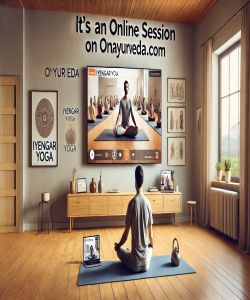
Overview of Iyengar Yoga
Iyengar Yoga is a specialized form of Hatha Yoga that emphasizes precision, alignment, and the use of props such as belts, blocks, and blankets to help practitioners achieve correct posture. Developed by B.K.S. Iyengar, this practice is known for its structured approach, making it accessible to individuals of all ages and physical abilities. Unlike other yoga styles that focus on flowing movements, Iyengar Yoga prioritizes holding poses for extended periods, allowing the body to fully experience the benefits of each asana.
One of the key principles of Iyengar Yoga is alignment, which helps prevent injuries and promotes better posture. The use of props ensures that students can perform even complex poses with support, making it an ideal practice for beginners, elderly individuals, and those recovering from injuries. This method also incorporates breath control (pranayama), enhancing focus and relaxation. The structured sequencing of Iyengar Yoga allows practitioners to build strength, flexibility, and endurance gradually.
Beyond its physical benefits, Iyengar Yoga is deeply rooted in mindfulness and discipline. Holding poses with focused awareness improves concentration, reduces stress, and fosters a deeper connection between mind and body. Due to its therapeutic nature, Iyengar Yoga is often recommended for individuals dealing with chronic pain, joint issues, and stress-related conditions.
With its systematic approach and adaptability, Iyengar Yoga remains one of the most respected yoga styles worldwide. Whether practiced for physical health, mental clarity, or rehabilitation, it offers a holistic path to overall well-being.
What is Iyengar Yoga?
Iyengar Yoga is a specialized form of yoga that focuses on precision, alignment, and the use of props such as blocks, belts, and blankets to help practitioners achieve the correct posture. Developed by B.K.S. Iyengar, this style of yoga is known for its therapeutic benefits and its ability to accommodate people of all ages and abilities. Unlike other yoga styles that emphasize flow and movement, Iyengar Yoga prioritizes holding postures for extended periods, allowing the body to fully absorb the benefits of each pose. This method improves flexibility, strength, and balance while also enhancing concentration and breath control. Another key aspect of Iyengar Yoga is its structured sequencing, which ensures that poses are performed in a logical order to maximize their physical and mental benefits. By focusing on alignment, Iyengar Yoga helps prevent injuries and promotes overall well-being. It is especially effective for individuals dealing with physical limitations or recovering from injuries, as props provide the necessary support to perform asanas safely. Regular practice of Iyengar Yoga can lead to improved posture, reduced stress, and enhanced body awareness, making it a valuable practice for holistic health.
Who Needs Iyengar Yoga?
Iyengar Yoga is suitable for a wide range of individuals, from beginners to advanced practitioners. It is particularly beneficial for those who struggle with flexibility or have physical limitations, as the use of props makes it accessible to everyone. People recovering from injuries or dealing with chronic pain, such as back pain or joint issues, can greatly benefit from Iyengar Yoga’s therapeutic approach. Additionally, individuals who experience stress, anxiety, or poor posture due to sedentary lifestyles can find relief through this practice. Athletes and fitness enthusiasts looking to improve their balance, coordination, and muscle strength can also incorporate Iyengar Yoga into their routine. Furthermore, older adults who need a gentle yet effective form of exercise will find this practice beneficial for maintaining mobility and preventing age-related stiffness. Those seeking a yoga style that emphasizes mindfulness and body awareness will appreciate Iyengar Yoga’s focus on detail and precision. Because of its structured and methodical approach, it is an ideal choice for individuals who prefer a disciplined practice that gradually builds strength, flexibility, and mental clarity.
Origins and Evolution of Iyengar Yoga
Iyengar Yoga was developed by B.K.S. Iyengar in the mid-20th century as a refined and detailed approach to traditional Hatha Yoga. Rooted in ancient yogic principles, this practice evolved as Iyengar sought to make yoga more accessible and beneficial for people of all body types and abilities. He introduced the use of props to help students achieve correct alignment and prevent injuries, revolutionizing the way yoga was practiced. Over the years, Iyengar Yoga gained worldwide recognition for its therapeutic benefits and structured methodology. As yoga spread to the West, this style became particularly popular among those seeking a precise and systematic approach to asana practice. Iyengar’s teachings emphasized the importance of discipline, patience, and mindful awareness, encouraging practitioners to develop a deep connection with their bodies. Today, Iyengar Yoga continues to evolve, with certified instructors following strict training guidelines to maintain the integrity of the practice. Its influence can be seen in various modern yoga styles that incorporate alignment-based techniques. With its strong foundation in traditional yoga philosophy and modern adaptability, Iyengar Yoga remains a highly respected and widely practiced form of yoga worldwide.
Types of Iyengar Yoga
Iyengar Yoga, founded by B.K.S. Iyengar, is a specialized form of yoga that focuses on precision, alignment, and the use of props to make poses accessible to all practitioners. While Iyengar Yoga is a distinct style, it can be adapted into different types based on individual needs and experience levels. One popular type is Restorative Iyengar Yoga, which emphasizes relaxation and gentle stretching using props such as bolsters and blankets. This form is ideal for stress relief and recovery from physical strain. Therapeutic Iyengar Yoga is another category that is specifically designed for individuals dealing with injuries, chronic pain, or medical conditions. The careful use of props ensures safety and allows practitioners to hold poses without discomfort. Beginner Iyengar Yoga introduces foundational poses with a focus on correct alignment and gradual progress, making it accessible for those new to yoga. Advanced Iyengar Yoga, on the other hand, challenges experienced practitioners with complex postures and longer holding times to build endurance and strength. Another variation is Iyengar Yoga for Seniors, which modifies poses to accommodate age-related mobility concerns, promoting flexibility and balance. Some instructors also offer Iyengar Yoga for Athletes, which focuses on improving core strength, flexibility, and injury prevention. Each type of Iyengar Yoga follows the fundamental principles of precision, controlled breathing, and mindful awareness, making it a versatile and structured practice that can be customized for different individuals. Whether seeking therapeutic benefits, strength-building, or relaxation, Iyengar Yoga offers something for everyone.
Benefits of Iyengar Yoga
Iyengar Yoga is known for its numerous benefits, helping practitioners improve both physical and mental well-being. One of the most significant advantages is enhanced posture and alignment. This style of yoga ensures that each movement is performed correctly, which helps reduce strain on the muscles and joints. Regular practice strengthens the spine and improves overall body alignment, preventing common issues like back pain and poor posture. Another major benefit is increased flexibility and strength. Since Iyengar Yoga involves holding poses for an extended period, it gradually stretches and strengthens muscles, improving overall mobility. The controlled and precise movements also make this yoga style excellent for injury prevention and rehabilitation. Many people use Iyengar Yoga as a therapeutic practice, especially for conditions such as arthritis, migraines, and joint pain. The use of props like blocks, straps, and bolsters allows individuals to perform postures safely and effectively, even if they have physical limitations. Additionally, Iyengar Yoga is highly effective in reducing stress and anxiety. The focus on breath control and mindfulness helps calm the nervous system, promoting relaxation and emotional balance. Another key benefit is better circulation and respiratory function. Breathing techniques incorporated into the practice improve lung capacity and oxygen flow throughout the body, enhancing overall health. Practicing Iyengar Yoga regularly can also lead to improved balance and coordination, which is particularly beneficial for older adults. Whether seeking physical healing, stress relief, or a structured fitness routine, Iyengar Yoga offers a holistic approach to health and well-being.
Core Principles and Practices of Iyengar Yoga
Iyengar Yoga is based on several fundamental principles that make it unique and highly effective. One of the core principles is precision and alignment, ensuring that every posture is performed correctly to maximize benefits and prevent injury. Practitioners are encouraged to pay close attention to their body positioning in each pose, making small adjustments to achieve perfect alignment. Another key aspect is sequencing, where poses are arranged in a structured order to enhance their effectiveness. This careful sequencing allows the body to progress gradually while minimizing strain. Timing is another crucial principle in Iyengar Yoga—poses are held for longer durations to build strength, flexibility, and endurance. This practice not only deepens muscle engagement but also promotes mental focus. A distinctive feature of Iyengar Yoga is the use of props, such as blocks, straps, and chairs, to support the body and make postures accessible to all practitioners, regardless of flexibility or physical condition. The practice also emphasizes breath awareness and control (Pranayama), which helps calm the nervous system and improve overall respiratory function. Mindfulness and concentration play an important role in Iyengar Yoga, as practitioners are encouraged to be fully present in each movement. This heightened awareness leads to improved mental clarity and stress reduction. The structured and methodical approach of Iyengar Yoga ensures a safe and effective practice, making it suitable for individuals of all ages and experience levels. By following these core principles, practitioners can develop a deeper understanding of their body and achieve long-term health benefits.
Online Iyengar Yoga
With the rise of virtual fitness, Online Iyengar Yoga has become a convenient and accessible option for individuals looking to practice from home. Many online platforms offer classes led by certified Iyengar instructors, ensuring that students receive proper guidance and instruction. One of the biggest advantages of online Iyengar Yoga is flexibility in scheduling. Whether you are a beginner or an advanced practitioner, you can choose classes that fit your routine. Many platforms also offer recorded sessions, allowing students to practice at their own pace. Another significant benefit is access to experienced teachers from around the world, eliminating geographical barriers and providing quality instruction no matter where you are located. Online Iyengar Yoga classes cater to different skill levels, from beginner-friendly sessions focusing on foundational postures to advanced training that includes complex poses and breathwork techniques. Many classes emphasize the use of props, which can be adapted for home practice using household items like pillows, belts, and chairs. Additionally, online Iyengar Yoga often includes personalized feedback through one-on-one sessions or small group classes, helping students refine their alignment and technique. The accessibility of virtual classes makes it easier for individuals with busy schedules, mobility issues, or those living in remote areas to experience the benefits of Iyengar Yoga. Whether you are looking to improve flexibility, manage stress, or develop a consistent yoga practice, online Iyengar Yoga offers a practical and effective way to incorporate yoga into daily life.
Iyengar Yoga Techniques
Iyengar Yoga is known for its structured techniques that help practitioners develop strength, flexibility, and mindfulness. One of the fundamental techniques is static holding, where poses are held for an extended duration to build endurance and improve alignment. This method enhances muscle engagement and allows for deeper stretching. Another essential technique is the use of props, including blocks, straps, bolsters, and blankets. These props assist in achieving proper alignment and make poses accessible to all practitioners, regardless of experience or physical limitations. Progressive sequencing is another key technique in Iyengar Yoga, where poses are arranged in a structured order to ensure a smooth transition and minimize strain. The practice also incorporates breath control (Pranayama), which enhances lung capacity and promotes relaxation. Micro-adjustments play an important role in Iyengar Yoga, as slight modifications in posture help refine alignment and maximize the effectiveness of each pose. Wall-supported postures are often used for stability, especially for beginners or individuals with balance issues. Another widely used technique is therapeutic modifications, where poses are adjusted to accommodate injuries or specific health conditions. Unlike fast-paced yoga styles, Iyengar Yoga encourages mindful movement, focusing on precision rather than speed. These techniques collectively create a well-rounded yoga practice that improves physical health while promoting mental clarity and relaxation.
Iyengar Yoga for Adults
Iyengar Yoga is an excellent practice for adults of all ages, offering numerous physical and mental health benefits. One of its key advantages is improved posture and spinal alignment, which helps relieve back pain and joint stiffness caused by prolonged sitting or poor posture. The practice also enhances strength and flexibility, as holding poses for extended durations builds muscular endurance while increasing mobility. Stress relief and relaxation are other significant benefits, as the focus on breath control and mindfulness helps reduce anxiety and promote emotional balance. Many adults turn to Iyengar Yoga for pain management, especially for conditions such as arthritis, migraines, and lower back pain. The use of props makes the practice accessible for those recovering from injuries or dealing with mobility challenges. Another important benefit is better balance and coordination, which is particularly useful for preventing falls as we age. Unlike high-intensity workouts, Iyengar Yoga is low-impact yet highly effective, making it suitable for individuals with varying fitness levels. Many adults also practice Iyengar Yoga to improve focus and mental clarity, as the emphasis on precision enhances concentration. Additionally, regular practice supports better circulation and respiratory health, contributing to overall well-being. Whether you are looking to relieve stress, build strength, or improve flexibility, Iyengar Yoga offers a structured and therapeutic approach to maintaining a healthy lifestyle.
Total Duration of Online Iyengar Yoga (1Hr per day)
Iyengar Yoga is a practice that requires patience, consistency, and discipline. The total duration of an online Iyengar Yoga course depends on the level of training, individual goals, and the instructor’s curriculum. Most online courses are structured in a way that allows students to practice for one hour per day, making it easier to integrate into a busy schedule. Unlike other yoga styles, Iyengar Yoga emphasizes precise alignment and controlled movements, which means that even a short daily session can yield significant benefits over time.
If you commit to one hour per day, the effectiveness of the practice builds gradually. Beginners often start with fundamental asanas that focus on improving flexibility, posture, and balance. As the course progresses, practitioners develop strength and endurance, while also deepening their awareness of breath control and body mechanics. The structured approach of Iyengar Yoga ensures that even an online format provides the necessary guidance for steady improvement.
Online Iyengar Yoga programs often span several months, depending on the depth of learning. Some foundational courses last around three to four months, while advanced courses may extend to six months or more. Since Iyengar Yoga is about refinement rather than speed, the duration is not just about completing a program but about mastering techniques effectively. By dedicating one hour per day, practitioners can gradually enhance their physical and mental well-being, making it a sustainable practice for long-term health and mindfulness.
Things to Consider With Iyengar Yoga
Iyengar Yoga is a distinctive practice that focuses on precision, alignment, and the use of props to aid in achieving the perfect posture. While it is suitable for practitioners of all levels, there are several important things to consider before starting. One key aspect is the importance of patience—unlike fast-paced yoga styles, Iyengar Yoga requires attention to detail and slow, deliberate movements. This approach helps in preventing injuries and ensuring long-term progress.
Another important factor is the use of props such as blocks, straps, and bolsters. These props are integral to the practice and assist practitioners in achieving correct alignment, especially beginners or individuals with limited flexibility. Since Iyengar Yoga is highly structured, it is essential to follow instructions carefully to maximize its benefits. Additionally, focusing on breath control (pranayama) is crucial, as it helps in maintaining stability and deepening the experience of each pose.
Consistency is another major consideration. Unlike other forms of yoga that may yield quick physical results, Iyengar Yoga is about gradual improvement. Practicing regularly, even if it is just for an hour a day, ensures steady progress in strength, flexibility, and mental clarity. It is also vital to listen to your body and avoid pushing beyond your limits. While the practice is designed to be therapeutic, incorrect execution of poses can lead to discomfort or strain.
Overall, approaching Iyengar Yoga with dedication, mindfulness, and a willingness to learn will ensure a rewarding and transformative experience.
Effectiveness of Iyengar Yoga
Iyengar Yoga is renowned for its effectiveness in improving physical, mental, and emotional well-being. Unlike many other yoga styles that focus on flow and speed, Iyengar Yoga prioritizes precision, posture, and alignment, making it one of the most structured and beneficial yoga practices. One of its key strengths lies in its ability to address specific health concerns, including back pain, joint stiffness, and muscular imbalances. The use of props such as blocks and straps ensures that individuals of all flexibility levels can practice safely and effectively.
From a physical standpoint, Iyengar Yoga enhances flexibility, strength, and posture. Each pose is held for an extended period, allowing muscles to stretch deeply and develop endurance. The slow and controlled movements also activate stabilizing muscles, reducing the risk of injuries. Unlike high-intensity workouts, Iyengar Yoga builds strength in a way that is sustainable and gentle on the joints.
Mentally, the focus on breath control and precision fosters mindfulness and reduces stress. Many practitioners experience a sense of calmness and mental clarity after consistent practice. The meditative nature of holding poses with awareness helps in reducing anxiety, improving concentration, and enhancing overall emotional balance.
Iyengar Yoga is also highly effective for therapeutic purposes. Many individuals recovering from injuries or dealing with chronic pain find relief through this method. By correcting posture and alignment, the practice gradually eliminates strain on the body, leading to long-term benefits. Overall, Iyengar Yoga is a powerful and sustainable practice that enhances both physical health and mental well-being.
Preferred Cautions During Iyengar Yoga
While Iyengar Yoga is known for its precision and therapeutic benefits, certain precautions should be taken to ensure safety and effectiveness. One of the most important aspects is maintaining proper alignment. Since Iyengar Yoga emphasizes detail, incorrect posture can lead to unnecessary strain on muscles and joints. It is essential to follow the instructor’s guidance carefully and make use of props to maintain proper form.
Individuals with pre-existing medical conditions, such as back issues, joint problems, or hypertension, should consult a healthcare professional before starting. While Iyengar Yoga can be adapted for therapeutic purposes, some poses may need modifications to prevent discomfort or injury. Pregnant women should also seek guidance from a qualified instructor, as certain postures may not be suitable during pregnancy.
Another key caution is avoiding overstretching. Since Iyengar Yoga involves holding poses for extended durations, it is easy to push beyond one’s limits. Practitioners should listen to their bodies and gradually build flexibility rather than forcing a stretch. Additionally, breath control should be practiced properly—holding the breath unnecessarily can cause tension rather than relaxation.
It is also essential to practice on a stable, non-slip surface. Proper support and balance are crucial, especially when using props. Rushing through postures or skipping warm-ups can increase the risk of injury, so taking time to ease into each session is important. By following these precautions, practitioners can ensure a safe and rewarding experience with Iyengar Yoga.
Iyengar Yoga Course Outline
An Iyengar Yoga course is structured to gradually introduce students to the principles of alignment, precision, and mindful movement. The course typically begins with an introduction to foundational asanas, focusing on standing, sitting, and basic supine poses. These help in building awareness of posture, flexibility, and breath control. Over time, the practice deepens with more complex postures, including backbends, inversions, and restorative poses.
Breath control, or pranayama, is also integrated into the course. Initially, practitioners learn to observe their breath while holding poses, later progressing to specific breathing techniques that enhance relaxation and focus. The structured approach ensures that even online learners can develop a solid understanding of each posture before moving on to advanced variations.
Props such as blocks, straps, and bolsters are introduced gradually to assist in alignment and deepen stretches. The course also incorporates sequences designed to target specific areas, such as spine health, hip mobility, and shoulder strength. Restorative yoga sessions are included to promote relaxation and recovery.
Throughout the course, students are encouraged to develop body awareness and patience. Regular practice leads to improved strength, flexibility, and mental clarity. The structured nature of an Iyengar Yoga course ensures that each session builds upon the previous one, allowing for a steady and meaningful progression in the practice.
Detailed Objectives with Timeline of Iyengar Yoga
The objectives of an Iyengar Yoga program are structured to ensure steady progress in flexibility, strength, posture, and mindfulness. The timeline follows a logical progression, allowing practitioners to gradually build their skills while deepening their awareness of movement and breath.
Initially, the focus is on foundational postures. Practitioners start with standing poses, which help in developing balance, strength, and stability. As they gain confidence, they move on to seated postures that enhance flexibility and spinal alignment. Throughout this phase, the use of props is introduced to support proper alignment and prevent strain.
The next phase incorporates more advanced poses, including forward bends, gentle backbends, and shoulder-opening exercises. At this stage, breath control (pranayama) is emphasized to synchronize movement with breathing, leading to greater relaxation and focus. Holding postures for longer durations becomes a key practice, allowing muscles to stretch deeply and build endurance.
As the practice evolves, students work on inversions and restorative postures. Inversions, such as headstands and shoulder stands, are introduced with caution and modifications if necessary. Restorative yoga sessions are included to help release tension and promote overall well-being.
By the end of the structured timeline, practitioners experience noticeable improvements in flexibility, strength, and mental clarity. The step-by-step approach ensures that progress is gradual and sustainable, making Iyengar Yoga a valuable long-term practice for overall health.
Requirements for Taking Online Iyengar Yoga
Iyengar Yoga is a practice that emphasizes precision, alignment, and the use of props to make yoga accessible to everyone. If you’re considering taking online Iyengar Yoga classes, there are a few essential requirements to keep in mind. First, a stable internet connection is crucial to ensure uninterrupted streaming and clear communication with your instructor. Since Iyengar Yoga focuses on detailed posture corrections, a high-quality camera is also recommended so that your instructor can see you clearly and provide necessary adjustments.
A dedicated yoga space is another important factor. It doesn’t need to be large, but it should be free from distractions, with enough room to move freely. A non-slippery yoga mat is essential to prevent injuries, along with the standard Iyengar Yoga props such as yoga blocks, straps, bolsters, and a sturdy wall or chair for support. If you are new to yoga, having these props can make the learning process smoother and help you achieve the correct postures without strain.
A strong sense of discipline and commitment is also necessary. Unlike in-person classes where the instructor can physically correct your posture, online classes require you to be more attentive and self-aware. It is beneficial to have some prior experience in yoga, but beginners can also start with foundational Iyengar Yoga sessions. Lastly, choosing a certified Iyengar Yoga instructor is vital to ensure you receive authentic and structured guidance. By fulfilling these requirements, you can effectively practice Iyengar Yoga online and experience its numerous benefits.
Things to Keep in Mind Before Starting Online Iyengar Yoga
Before starting online Iyengar Yoga, there are several important aspects to consider to make the most out of your practice. One of the key factors is selecting the right instructor. Iyengar Yoga is highly structured, and it is crucial to learn from a certified teacher who understands the method deeply. Research their credentials, read reviews, and if possible, attend a trial session before committing to a full course.
Your practice environment also plays a significant role. Ensure that your space is quiet, well-lit, and free from distractions. Using a yoga mat with good grip and having the necessary props such as blocks, straps, and bolsters can enhance your experience. Since online classes lack physical adjustments, having a mirror in your practice space can help you monitor your alignment and posture.
Setting realistic expectations is another key factor. Unlike other yoga styles, Iyengar Yoga requires patience and attention to detail. It is not about quick movements but about precision and holding postures correctly. Beginners may find it challenging at first, but consistent practice will lead to noticeable improvements.
Additionally, consider your health conditions before starting. If you have any existing injuries or medical issues, inform your instructor beforehand so they can provide modifications. Maintaining regularity is also important. Try to schedule your sessions at a fixed time to build consistency and create a disciplined routine.
Lastly, be prepared for self-discipline. Online yoga requires a strong commitment, as you won’t have the same accountability as an in-person class. However, with dedication and the right mindset, you can gain the full benefits of Iyengar Yoga even from the comfort of your home.
Average Pricing Per Session for Online and Onsite Iyengar Yoga
Total Duration: 58 Days
Total Sessions: 35 Days
Days: Sun, Sat, Tue, Thu
Timing Slots: 6:00-7:00 AM,8:00-9:00 AM,5:00-6:00 PM,7:00-8:00 PM
Sessions Duration: 1 Hour
Schedule Per Week: 4 Days
Total Slots: 40 (Person Per Slot : 10)
Available Slots: 40
Total Price: INR 4390
Price Per Session: INR 125
Qualifications Required to Perform Iyengar Yoga
Iyengar Yoga is a precise and structured form of yoga that requires dedication, but it does not have strict qualifications for practitioners. Anyone can start practicing, regardless of their experience level. However, to perform Iyengar Yoga effectively, certain physical and mental qualities are beneficial.
A basic understanding of yoga can be helpful, but beginners can start with introductory Iyengar Yoga classes. The main requirement is a willingness to learn and the patience to focus on details, as Iyengar Yoga emphasizes proper alignment and controlled movements rather than fast-paced flows.
Physically, you don’t need to be highly flexible or strong before starting, as the use of props helps make poses accessible for all body types. However, individuals with serious medical conditions or injuries should consult a healthcare professional before beginning Iyengar Yoga. Informing your instructor about any limitations is also essential so they can provide modifications.
Mental focus is another crucial aspect. Iyengar Yoga requires concentration and self-awareness to perform each pose correctly. Unlike some other yoga styles that emphasize flow and relaxation, Iyengar Yoga is methodical and disciplined.
For those who wish to become Iyengar Yoga instructors, formal training is required. This involves several years of practice, completion of a certified training program, and passing rigorous assessments. However, for general practitioners, the main requirement is commitment and a willingness to follow the structured approach of this yoga discipline.
Online Vs Offline/Onsite Iyengar Yoga
Practicing Iyengar Yoga can be done online or in-person, and each mode has its own benefits and challenges. Online Iyengar Yoga offers flexibility, allowing you to practice from anywhere with a reliable internet connection. It is generally more affordable, and you can choose from a wide range of instructors worldwide. However, online classes require self-discipline and may lack hands-on adjustments, which can be important for correcting alignment.
Onsite Iyengar Yoga provides direct guidance from instructors, ensuring that postures are performed correctly. Being in a dedicated yoga space with an instructor’s physical presence can be motivating. However, in-person classes tend to be more expensive, and travel time can be a factor.
Both options have their advantages, and the best choice depends on individual preferences, lifestyle, and budget. Some students prefer a hybrid approach, combining online sessions for flexibility with occasional onsite classes for hands-on corrections.
FAQs about Online Iyengar Yoga
Online Iyengar Yoga has gained popularity due to its accessibility and convenience. However, many beginners and practitioners have common questions before starting their online sessions. Below are some frequently asked questions about online Iyengar Yoga.
1. Can beginners practice Iyengar Yoga online?
Yes, beginners can practice Iyengar Yoga online, but it is recommended to start with a certified instructor who provides clear guidance. Since Iyengar Yoga focuses on precise alignment and the use of props, beginners should follow detailed instructions carefully and use a mirror or camera to monitor their posture.
2. What equipment is needed for online Iyengar Yoga?
The essential equipment includes a yoga mat, blocks, straps, bolsters, and a sturdy chair or wall support. These props help in maintaining correct alignment and making postures more accessible. A high-quality webcam and stable internet connection are also beneficial for clear communication with the instructor.
3. How long are online Iyengar Yoga sessions?
Online Iyengar Yoga sessions typically range from 45 minutes to 90 minutes. The duration depends on the level of the class, whether it is a beginner, intermediate, or advanced session. Some online platforms also offer recorded classes that allow practitioners to follow at their own pace.
4. How often should I practice Iyengar Yoga online?
For best results, practicing Iyengar Yoga at least three to four times a week is recommended. Regular practice improves flexibility, strength, and overall well-being. However, even practicing twice a week can provide benefits if done consistently.
5. What if I have an injury or medical condition?
If you have an injury or medical condition, consult your doctor before starting. Inform your instructor so they can provide modifications or alternative postures to ensure a safe practice. Iyengar Yoga is known for its therapeutic benefits, but it should be practiced with caution if you have health concerns.
6. Are online classes as effective as onsite classes?
Online classes can be effective if you follow instructions carefully and remain committed. While online sessions lack hands-on adjustments, they provide flexibility and allow you to learn from experienced instructors worldwide. Some students prefer a combination of online and onsite sessions for a balanced approach.
7. How do I choose the right online Iyengar Yoga instructor?
Look for a certified Iyengar Yoga instructor with experience in teaching online. Check their credentials, read reviews, and attend a trial session if available. Choosing an instructor who provides clear explanations and corrections is important for learning effectively.
8. Can I get certified in Iyengar Yoga through online courses?
Iyengar Yoga certification requires rigorous training and assessments, which are usually conducted in-person. While you can take theoretical and preparatory lessons online, the official certification process involves in-person evaluations under senior Iyengar Yoga teachers.
9. Is online Iyengar Yoga suitable for seniors?
Yes, online Iyengar Yoga can be adapted for seniors by using props and modifications. Many online classes cater specifically to older adults, focusing on gentle movements and alignment-based poses that enhance mobility and reduce joint pain.
10. What are the benefits of online Iyengar Yoga?
Online Iyengar Yoga offers flexibility, affordability, and access to experienced instructors worldwide. It helps improve posture, increase strength, enhance concentration, and provide therapeutic benefits for various health conditions. Regular practice can lead to significant improvements in overall well-being.
These FAQs provide clarity on various aspects of online Iyengar Yoga, making it easier for practitioners to make an informed decision before starting their practice.
Conclusion about Iyengar Yoga
Iyengar Yoga is a unique and highly effective form of yoga that emphasizes precision, alignment, and the use of props to make yoga accessible for everyone. Whether practiced online or in-person, it offers numerous benefits, including improved posture, increased strength, better flexibility, and mental clarity. Unlike other yoga styles that focus on fluid movements, Iyengar Yoga is methodical and detailed, making it an excellent choice for those who prefer a structured approach to their practice.
Online Iyengar Yoga has made it possible for practitioners to learn from experienced instructors worldwide without geographical limitations. While it requires self-discipline and commitment, it provides flexibility, affordability, and convenience. On the other hand, onsite Iyengar Yoga classes offer hands-on adjustments and direct interaction with instructors, which can be beneficial for learning proper alignment.
Regardless of the mode of learning, Iyengar Yoga is suitable for people of all ages and fitness levels. With consistent practice, it can lead to enhanced physical and mental well-being, making it a valuable addition to any lifestyle. Whether you are a beginner or an advanced practitioner, Iyengar Yoga provides a structured and effective way to achieve balance and harmony in both body and mind.