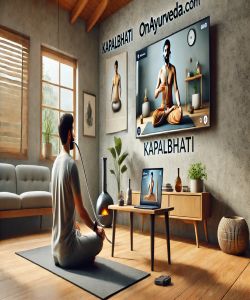
Overview of Kapalbhati
Kapalbhati is a popular breathing technique in yoga that focuses on cleansing and energizing the body. The name Kapalbhati comes from two Sanskrit words Kapal which means forehead or skull and Bhati which means shining or illuminating. It is often referred to as the practice that brings a natural glow to the face and enhances mental clarity. This ancient technique is part of pranayama the larger yogic practice of breath control. It is widely believed to improve physical health detoxify the body and enhance mental focus.
The practice of Kapalbhati involves short forceful exhalations followed by passive inhalations. The abdominal muscles contract powerfully to push air out of the lungs while the inhalation happens naturally without any conscious effort. This rhythmic breathing helps in improving lung capacity stimulating digestive organs and boosting metabolism. It is often recommended for people who wish to manage stress improve concentration and increase overall energy levels.
Regular practice of Kapalbhati is said to help in clearing out toxins from the body. It stimulates the internal organs particularly the liver pancreas and digestive tract. Many practitioners believe it aids in weight loss by burning calories and reducing belly fat. In addition to physical benefits Kapalbhati is also associated with mental calmness and emotional stability. It helps to relieve anxiety improves mood and enhances selfawareness.
However it is important to practice Kapalbhati with caution and under proper guidance especially for beginners. People with high blood pressure heart disease or respiratory conditions should consult a healthcare provider before starting this practice. When done correctly Kapalbhati can be a powerful tool for achieving both physical health and mental peace. It is best practiced early in the morning on an empty stomach in a quiet and calm environment. Over time consistent practice can lead to noticeable improvements in vitality focus and overall wellbeing.
What are Kapalbhati
Kapalbhati are special yogic breathing exercises known for their cleansing and energizing properties. The word Kapalbhati is derived from Sanskrit where Kapal means forehead or skull and Bhati means shining or glowing. The practice involves quick powerful exhalations and passive gentle inhalations. This process helps to purify the respiratory system increase oxygen supply and rejuvenate the mind and body. Kapalbhati are often described as breathing techniques that clear the mind sharpen concentration and bring a sense of lightness and energy.
Kapalbhati are not just simple breathing exercises they are a form of detoxification that removes impurities from the body. The repetitive exhalation process works like an internal cleansing system for the lungs and digestive organs. This practice can also stimulate the pancreas and liver making it beneficial for people with diabetes and digestive problems. Kapalbhati are also associated with balancing the nervous system and improving emotional stability.
Practicing Kapalbhati daily can have several benefits. It strengthens the lungs and improves lung capacity. It helps to reduce stress and anxiety by calming the nervous system and enhancing mental focus. It is also believed to help with weight management by stimulating metabolism and aiding digestion. Many practitioners find that regular practice of Kapalbhati increases energy levels throughout the day and helps maintain a positive mood.
However Kapalbhati are not recommended for everyone. People with high blood pressure heart conditions hernia or respiratory disorders should avoid this practice or perform it only under expert supervision. Pregnant women are also advised to refrain from practicing Kapalbhati. It is essential to learn the correct technique to avoid strain or discomfort.
In summary Kapalbhati are powerful breathing exercises in yoga that can bring a sense of clarity balance and vitality when practiced consistently and carefully. They cleanse the body improve focus and contribute to both physical and emotional wellbeing making them an important part of many yoga routines.
Who Needs Kapalbhati
Kapalbhati is a powerful breathing exercise that is part of the ancient practice of yoga. It is often recommended for people who are looking to improve their physical health as well as mental clarity. Many people wonder if they need to practice Kapalbhati and who exactly can benefit from it. The simple answer is that almost everyone can benefit from Kapalbhati as long as they practice it safely and according to their individual capacity.
First and foremost Kapalbhati is helpful for those who struggle with digestive issues. This breathing technique stimulates the abdominal organs and helps improve digestion. People who experience bloating constipation or sluggish digestion may find regular practice of Kapalbhati to be helpful in restoring balance.
Secondly Kapalbhati is beneficial for people dealing with stress anxiety and mental fatigue. This breathing practice helps clear the mind remove mental fog and enhance concentration. Students professionals and anyone dealing with high pressure situations can use Kapalbhati as a tool to stay focused and calm.
Those who are trying to lose weight can also benefit from Kapalbhati. The intense exhalation process in this practice increases metabolic activity and helps burn calories. It can be an effective part of a weight loss routine when combined with a healthy diet and regular physical exercise.
Kapalbhati is also good for people who have respiratory issues like mild asthma or nasal congestion. The practice helps to clear the respiratory tract and improve lung function. However anyone with serious respiratory or heart conditions should consult a healthcare professional before starting.
People who are looking for spiritual growth or meditation support will also find Kapalbhati valuable. It helps clear the mind and prepare the body and mind for deeper meditation practices.
However Kapalbhati is not for everyone. Pregnant women people with severe heart issues high blood pressure or recent surgeries should avoid this practice. In conclusion Kapalbhati can be useful for a wide range of people including those seeking better digestion mental clarity weight loss respiratory health and spiritual development as long as they practice with care and under guidance.
Origins and Evolution of Kapalbhati
Kapalbhati is an ancient yogic breathing practice that has its roots in the rich traditions of India. The term comes from the Sanskrit words kapala meaning skull and bhati meaning shining or illuminating. The practice is designed to cleanse the frontal region of the brain and bring clarity to both the mind and body.
The origins of Kapalbhati can be traced back to ancient yogic texts. It is described in the Hatha Yoga Pradipika a classical text on yoga written by Swami Swatmarama in the fifteenth century. In this text Kapalbhati is listed as one of the six purification techniques known as shatkarmas. The purpose of these practices was to cleanse the body and mind to prepare them for higher levels of yoga and meditation. Kapalbhati was initially considered more than just a breathing exercise. It was a process for detoxifying the body and clearing mental clutter.
Over time the practice of Kapalbhati evolved and became more structured. Traditionally it was practiced under the strict supervision of a guru who would guide students on the correct technique and duration. The emphasis was on strong forceful exhalations through the nose while keeping inhalation passive. The breathing pattern was meant to energize the mind and body.
As yoga gained popularity worldwide Kapalbhati became known not only as a cleansing technique but also as a therapeutic practice. Modern practitioners have adapted it for various purposes such as improving digestion boosting metabolism and reducing stress. Scientists and health experts have also studied Kapalbhati and found that it can help regulate the nervous system enhance lung function and improve mental health.
The evolution of Kapalbhati continues as yoga teachers around the world incorporate it into daily wellness routines. Today people practice it for physical mental and spiritual benefits. Though its ancient roots remain the same the ways in which it is taught and practiced have adapted to meet the needs of modern life. The timeless nature of Kapalbhati shows how a simple breathing technique can evolve and stay relevant across centuries.
Types of Kapalbhati
Kapalbhati is a powerful yogic breathing technique that is part of pranayama practice. It helps detoxify the body and energize the mind. While most people think of Kapalbhati as a single practice, there are actually different types of Kapalbhati that focus on various aspects of health and well-being. Each type has its unique approach and benefits but all share the core foundation of controlled exhalation and passive inhalation.
The first type of Kapalbhati is Vatakrama Kapalbhati. In this type, the emphasis is placed on forceful exhalation and automatic inhalation. The practitioner expels air from the lungs by contracting the abdominal muscles and then allows air to fill the lungs passively. This process repeats in a rhythmic pattern. Vatakrama Kapalbhati is known for cleansing the respiratory system and improving oxygen flow throughout the body.
The second type of Kapalbhati is Vyutkrama Kapalbhati. This practice involves sniffing water through the nostrils and then expelling it through the mouth. It may sound unusual but it is an excellent technique to clean the nasal passages and improve respiratory health. Vyutkrama Kapalbhati is also beneficial in removing excess mucus and helping those who suffer from frequent sinus issues.
The third type is Sheetkrama Kapalbhati. In this variation water is taken into the mouth and expelled through the nose. This type of Kapalbhati is less common but provides benefits for cooling the system and clearing the nasal passages. It can help reduce internal heat and promote a sense of calmness.
All three types of Kapalbhati have distinct methods but share the goal of purification. These practices strengthen the respiratory system improve mental clarity and rejuvenate energy levels. Whether practiced individually or as part of a yoga routine they offer a natural way to cleanse the body and refresh the mind. Beginners should start slowly and consult a qualified instructor to ensure they practice these techniques safely and effectively.
Benefits of Kapalbhati
Kapalbhati is a simple yet powerful yogic breathing exercise that has numerous health benefits for both the body and the mind. Practicing Kapalbhati regularly can lead to improvements in physical health mental clarity and emotional stability. This breathing technique is based on forceful exhalation and passive inhalation and it stimulates various systems of the body leading to overall wellness.
One of the primary benefits of Kapalbhati is detoxification. The forceful exhalation process helps to remove toxins from the body through the breath. This cleansing action improves blood circulation and helps in flushing out impurities from the body. As a result the skin also starts to glow and the body feels lighter and more energetic.
Kapalbhati is also highly beneficial for respiratory health. It strengthens the lungs clears the nasal passages and improves oxygen intake. People who practice Kapalbhati regularly often experience relief from respiratory problems like asthma and sinus congestion. The technique also helps in preventing colds and other respiratory infections by keeping the airways clean.
Another major benefit of Kapalbhati is weight management. Regular practice stimulates the abdominal muscles improves digestion and helps in reducing belly fat. It activates the digestive organs increases metabolism and supports better absorption of nutrients. For those looking to lose weight or maintain a healthy digestive system Kapalbhati is a natural and effective solution.
Kapalbhati is also known for improving concentration and mental clarity. The practice stimulates the brain and enhances focus. It reduces mental stress calms the nervous system and helps in balancing emotions. Many practitioners report feeling more peaceful and emotionally stable after consistent practice.
In addition Kapalbhati boosts energy levels and vitality. It rejuvenates the body by increasing oxygen supply and refreshing the mind. Regular practice can help individuals feel more active positive and ready to face daily challenges with enthusiasm.
Overall Kapalbhati is a holistic practice that supports physical mental and emotional health. When practiced correctly and regularly it becomes a powerful tool for personal transformation and well-being.
Core Principles and Practices of Kapalbhati
Kapalbhati is a powerful yogic breathing technique that is part of the ancient practice of pranayama. It is known for cleansing the mind and body and improving overall well being. The term Kapalbhati comes from two Sanskrit words Kapal meaning skull and Bhati meaning shining or illuminating. It is said to bring clarity and brightness to both the mind and face.
The core principle of Kapalbhati lies in its focus on forceful exhalation and passive inhalation. Unlike regular breathing where both inhalation and exhalation are even and smooth Kapalbhati emphasizes short and sharp exhalations. The abdominal muscles contract powerfully during exhalation pushing air out and allowing the lungs to naturally draw in fresh air during the passive inhalation that follows. This continuous process helps remove toxins from the body and purifies the respiratory system.
Kapalbhati is not just a breathing exercise but also a cleansing process. It helps detoxify the body by expelling carbon dioxide and other impurities. This practice is believed to stimulate the internal organs including the liver pancreas and digestive system improving their functions. Additionally it enhances blood circulation energizes the body and sharpens concentration.
Practicing Kapalbhati requires focus and discipline. One should sit in a comfortable crosslegged posture keeping the spine straight and eyes gently closed. The breathing should be rhythmic and steady with attention directed towards each exhale. Beginners are advised to start slow with around thirty exhalations per round gradually increasing to more repetitions as stamina improves.
It is important to practice Kapalbhati on an empty stomach preferably early in the morning. People with certain medical conditions such as high blood pressure heart disease or hernia should consult a doctor before practicing.
Consistency patience and mindfulness are key principles of Kapalbhati. With regular practice it can become a transformative tool to balance the body and mind increase vitality and bring inner peace.
Online Kapalbhati
The world of yoga has evolved and adapted to the digital age making practices like Kapalbhati accessible to anyone with an internet connection. Online Kapalbhati has become popular among people who wish to learn and practice this breathing technique from the comfort of their homes. Whether you are a beginner or someone looking to refine your practice online Kapalbhati offers flexibility and convenience without compromising the authenticity of the tradition.
Learning Kapalbhati online begins with finding a reliable source. There are many platforms offering video tutorials guided sessions and live classes conducted by experienced yoga instructors. These classes provide detailed demonstrations stepbystep guidance and explanations of the benefits and precautions. Many online resources also offer beginner friendly content allowing people to gradually build confidence and improve their technique.
One of the biggest advantages of practicing Kapalbhati online is the ability to learn at your own pace. Recorded sessions can be replayed paused and practiced multiple times until one feels comfortable with the technique. Live online classes also create a community feel where learners from different parts of the world come together sharing their progress and experiences.
Online Kapalbhati is not only about convenience but also about consistency. Regular reminders from apps virtual challenges and progress tracking features can motivate practitioners to stay committed. Many platforms offer programs that last for weeks guiding users through various stages from basic breathwork to more advanced levels.
While practicing online it is important to ensure a quiet and peaceful environment. Having a dedicated space for practice can help maintain focus. It is also crucial to follow the instructions carefully and avoid rushing. Listening to your body and gradually increasing the duration and intensity of practice is advised.
Online Kapalbhati is an excellent option for busy individuals who may not have the time to attend physical classes. With the right guidance and regular practice it can be as effective and beneficial as learning in person promoting physical health mental clarity and emotional balance.
Kapalbhati Techniques
Kapalbhati is a popular breathing practice in yoga that helps cleanse the mind and body. The word Kapalbhati comes from the Sanskrit words Kapal meaning skull and Bhati meaning shining or illuminating. This technique focuses on forceful exhalation and passive inhalation which works to detoxify the body and energize the mind. While it looks simple from the outside mastering Kapalbhati techniques requires practice and understanding.
To begin with the Kapalbhati technique sit comfortably on the floor with your spine straight and shoulders relaxed. Close your eyes and place your hands on your knees with palms facing upwards. Begin by taking a deep breath in through your nose and then exhale forcefully by contracting your abdominal muscles. The inhale should happen naturally without effort. The focus should always be on exhalation. Repeat this rhythmic process slowly at first and gradually increase the speed as you become more comfortable.
One important aspect of Kapalbhati techniques is to ensure that the breath is coming from the diaphragm and not just shallow breathing from the chest. Your stomach should contract inward as you exhale. Beginners should start with thirty strokes in one round and can slowly build up to three rounds of fifty to one hundred strokes each.
While practicing Kapalbhati make sure you are not straining your body. If you feel dizzy or tired take a break and resume after a while. It is also crucial to practice on an empty stomach either early in the morning or at least three hours after a meal.
There are different variations of Kapalbhati techniques such as slow medium and fast-paced breathing. The choice depends on your comfort level and experience. Some people also use short pauses between sets to regain rhythm. Always listen to your body and never force the breath. With consistent practice Kapalbhati can enhance lung capacity strengthen abdominal muscles improve digestion and bring mental clarity.
Kapalbhati for Adults
Kapalbhati is highly beneficial for adults who often face stress anxiety and lifestyle-related health issues. It is a simple yet powerful yogic breathing exercise that helps in detoxifying the system and recharging both body and mind. As adults juggle various responsibilities from work to family health often takes a backseat. Regular practice of Kapalbhati can bring balance and improve overall wellness.
For adults practicing Kapalbhati is recommended in a calm environment early in the morning. Begin by sitting in a comfortable posture like Sukhasana or Padmasana. Keep the spine erect close your eyes and place your hands on your knees. Inhale gently and then forcefully exhale through your nose while contracting the abdominal muscles. Do not put pressure on inhalation as it happens naturally. This rapid breathing pattern helps in flushing out toxins from the body.
Adults should start slowly especially if they are beginners or have health concerns. Thirty strokes in one round are a good start and with regular practice this can be increased to three rounds of fifty to one hundred strokes. It is essential to pay attention to the body signals. If there is any discomfort like dizziness or excessive strain it is wise to pause and rest.
Kapalbhati for adults not only strengthens the respiratory system but also aids digestion and boosts metabolism. It can help manage weight as it stimulates the digestive organs and burns fat around the abdominal area. Adults who experience stress and mental fatigue will notice improved focus and emotional stability after a few weeks of consistent practice.
It is important for adults with medical conditions such as heart disease high blood pressure or hernia to consult a doctor before beginning Kapalbhati. Pregnant women and individuals with recent surgeries should also avoid this practice. Adults can also benefit from combining Kapalbhati with other gentle yoga practices and a balanced diet. Over time they will experience improved energy levels sharper concentration and a more positive outlook on life.
Total Duration of Online Kapalbhati
When practicing online Kapalbhati, the total duration depends on several factors, including your experience level, physical condition, and comfort. For beginners, it is recommended to start slowly and gradually increase the time. In most online classes or video sessions, instructors guide participants to begin with just five minutes. This shorter duration allows your body and mind to adjust to the breathing rhythm without causing discomfort or strain.
As you progress and feel more comfortable, you can extend your Kapalbhati practice to ten minutes per session. It is important to follow instructions and listen to your body while doing this. Over time, experienced practitioners often reach a practice time of fifteen to twenty minutes. However, it is not necessary for everyone to push to that length. Quality matters more than quantity, and maintaining proper form and breathing technique is the key to gaining the benefits of this breathing exercise.
For individuals with certain health conditions or respiratory issues, shorter durations are advised. Always consult with a certified yoga instructor or a healthcare professional before increasing the duration. During online Kapalbhati sessions, breaks are often included. These breaks help to normalize breathing and ensure that the practice remains gentle and effective.
Consistency is another important factor. Instead of aiming for long hours on a single day, practicing for ten to fifteen minutes every day brings more long-term benefits. Online platforms make it convenient to fit this into your daily routine. But one should never overdo it, as forcing extended durations can cause dizziness, headaches, or fatigue.
In conclusion, the total duration of online Kapalbhati depends on your personal comfort and experience level. Start with five minutes, slowly progress to ten or fifteen minutes, and always prioritize proper breathing and comfort over long sessions. Daily short and mindful practice will lead to better results than infrequent long sessions.
Things to Consider With Kapalbhati
When practicing Kapalbhati, there are several important things to consider to ensure safety and effectiveness. First and foremost, always practice on an empty stomach. The best time is early in the morning or at least three hours after a meal. Practicing with a full stomach can cause discomfort or nausea.
Posture is another key factor. Sit comfortably with a straight spine. Keep your shoulders relaxed and focus on the abdominal movements during exhalation. Do not strain your body or push beyond what feels natural. Kapalbhati involves active exhalation and passive inhalation, so pay attention to each breath. If you feel tired or lightheaded, take a break.
Breathing pace also matters. Beginners should start with a slow and steady pace. Forcing rapid breaths can lead to hyperventilation or dizziness. As you gain experience, the speed can be gradually increased, but only under proper guidance.
Health conditions are another important aspect. People with high blood pressure, heart problems, hernia, or recent surgeries should avoid practicing Kapalbhati without medical advice. Pregnant women are also advised not to practice this breathing exercise.
Another consideration is the mental state. Kapalbhati should be done with focus and calmness. Do not practice when you are feeling extremely anxious or stressed. This practice is meant to bring mental clarity and calmness, but only if done with proper attention and control.
Hydration is important but avoid drinking water immediately before practice. After completing your session, wait a few minutes before drinking water to allow your breathing and body to settle.
Finally, always learn from a certified instructor, especially if you are a beginner. Following random videos without proper guidance can lead to incorrect breathing techniques and possible health issues. In summary, consider your posture, breath control, health conditions, and mental state, and always practice slowly and mindfully for the best results.
Effectiveness of Kapalbhati
Kapalbhati is a powerful breathing exercise that has been practiced in yoga for centuries. It is known for its ability to purify the body and mind while also improving overall health. This breathing technique involves short, forceful exhalations and passive inhalations. It is simple in practice but incredibly effective in terms of benefits.
One of the key effects of Kapalbhati is its ability to detoxify the body. By focusing on forceful exhalation, this practice helps expel toxins from the lungs and digestive system. Many people who regularly practice Kapalbhati report feeling lighter and more energetic. The process stimulates the abdominal organs, including the liver, pancreas, and digestive tract, which can improve digestion and metabolism.
Another important benefit of Kapalbhati is weight management. Regular practice can aid in burning belly fat because it stimulates the abdominal muscles and improves circulation in that area. People who struggle with weight issues often find that adding Kapalbhati to their daily routine makes a noticeable difference over time.
Mental clarity and emotional stability are also significant outcomes of this practice. The rhythmic breathing pattern calms the nervous system and helps reduce stress and anxiety. It is often recommended for people dealing with mental fatigue or those who feel overwhelmed by daily responsibilities. Practicing Kapalbhati early in the morning can help set a positive tone for the rest of the day.
Additionally, this breathing exercise improves lung capacity and strengthens the respiratory system. It can be very helpful for individuals with mild respiratory issues. Regular practice keeps the airways clear and enhances oxygen supply to the body.
In conclusion, Kapalbhati is not just a breathing exercise but a holistic tool for better health. It benefits physical systems like digestion and circulation, helps manage weight, supports mental health, and strengthens the respiratory system. Anyone seeking a simple yet effective method to enhance their well being should consider adding Kapalbhati to their daily routine.
Preferred Cautions During Kapalbhati
While Kapalbhati is highly effective, it is important to be cautious and mindful during practice. Not everyone can perform this breathing exercise in the same way, and certain precautions help avoid harm and maximize benefits.
First, individuals with high blood pressure should consult a doctor before practicing Kapalbhati. The forceful exhalations can increase blood pressure, and if someone already has hypertension, this could lead to health complications. Similarly, those with heart conditions should avoid doing Kapalbhati without professional guidance.
Pregnant women are advised not to practice Kapalbhati. The forceful abdominal contractions can put unnecessary pressure on the uterus and affect the pregnancy. Women who are menstruating should also avoid Kapalbhati or at least reduce the intensity, as it can cause discomfort.
Another important caution is related to posture. Practicing Kapalbhati in the wrong posture can lead to back pain or strain. Always sit with the spine straight and shoulders relaxed. The neck should not be stiff, and the body should remain calm and composed throughout the practice.
Timing and environment are also essential factors. Kapalbhati should be practiced on an empty stomach, preferably early in the morning or at least three hours after a meal. Doing this exercise in a clean and quiet environment enhances focus and effectiveness.
It is also important to avoid overdoing it. Beginners should start with a low number of repetitions and slowly build up. Pushing the body too hard can result in dizziness, headaches, or breathlessness. Always listen to the body and stop if there is any discomfort.
Those with respiratory issues like asthma should be especially careful. While mild conditions can improve with practice, severe cases might worsen if done without caution. It is better to practice under the supervision of an experienced instructor in such situations.
Finally, never force the breath or strain the body. Kapalbhati should feel energizing and light. If it causes stress or discomfort, the technique needs adjustment. Maintaining awareness and practicing mindfully ensures that Kapalbhati remains a safe and beneficial part of the daily routine.
Kapalbhati Course Outline
Kapalbhati is one of the most effective breathing exercises in yoga and is considered a type of pranayama that helps cleanse the mind and body. To master this technique safely and effectively it is important to follow a structured course outline that gradually builds understanding and practice. This course is divided into progressive stages that focus on preparation warm up techniques correct posture breath control and the eventual mastery of the Kapalbhati process
The first part of the course begins with a detailed introduction to the fundamentals of pranayama and its significance. This helps students understand the philosophy and health benefits behind Kapalbhati. The course then moves on to warm up breathing exercises and light stretching to prepare the body and mind for more focused practice
The next stage of the course focuses on posture alignment and body positioning. Students learn how to sit in comfortable positions such as Sukhasana Padmasana or Vajrasana with the spine straight and hands resting on the knees in Gyan mudra. Correct posture is emphasized throughout the course because it ensures maximum benefit from the exercise and avoids strain
Following this the course introduces breath control and technique. The focus is on active exhalation and passive inhalation. Students are taught to gently contract their abdominal muscles while exhaling forcefully and then allow the body to naturally inhale without effort. Repetitions begin with a small count such as fifteen to twenty strokes and gradually increase as students build stamina and control
As students advance they are guided into longer practice sessions and higher repetition counts. They also learn variations and tips to enhance their experience. The final phase includes guidance on common mistakes and how to avoid them as well as understanding contraindications for those with certain health conditions. The course concludes with relaxation techniques and instructions on how to integrate Kapalbhati into a daily wellness routine
Detailed Objectives with TimeLine of Kapalbhati
The practice of Kapalbhati requires a structured plan with clear objectives and a realistic timeline to achieve safe and effective results. In the first week the main objective is to build awareness. Students learn the basic theory of pranayama and the science behind Kapalbhati. They also learn about its benefits which include detoxifying the body improving digestion enhancing lung capacity and calming the mind. During this week students practice simple breathing exercises and short sessions of Kapalbhati with no more than twenty strokes per round
By the second week the objective shifts towards establishing correct posture and breath rhythm. Students are guided to focus on proper seating positions and begin to increase repetitions from twenty to thirty strokes per round. Special emphasis is placed on maintaining focus and avoiding tension in the body. At this stage students also learn the importance of mental relaxation and breath observation during and after practice
In the third and fourth weeks the objective is to increase stamina and develop deeper control. Repetitions rise to forty and then fifty strokes per round. The timeline allows students to take gradual steps without overexertion. They also start practicing multiple rounds with short breaks in between. Mental discipline and concentration are further enhanced as part of the training. This period also includes corrections and personalized feedback if students are part of a guided program
From the fifth week onwards the focus moves toward mastery. The objective is to maintain regular daily practice with sixty to eighty strokes per round. Students also learn how to incorporate Kapalbhati into their overall wellness routine and understand how it complements meditation and other pranayama practices. The timeline by this point emphasizes consistency and self awareness. Advanced variations are introduced only for those who have developed adequate strength and control
The final objective is long term maintenance. After around eight weeks students are expected to have developed the ability to perform Kapalbhati with confidence and precision. The goal is to continue this practice independently while being mindful of the body’s signals and limitations. The timeline allows for continuous improvement with recommendations for ongoing learning and adaptation to individual needs
Requirements for taking Online Kapalbhati
Kapalbhati is a powerful breathing exercise that can help improve mental clarity and boost overall health. When considering taking online Kapalbhati sessions, there are a few important requirements you need to meet to make sure you gain the most benefit from the practice. First and foremost, you need a quiet and clean space where you can sit comfortably without distractions. This can be a corner of your home where you feel at peace. Your surroundings should promote focus and calmness.
The second requirement is having a stable internet connection and a device such as a laptop, tablet, or smartphone. Since the sessions will be online, you need to ensure that your video and audio quality are good enough to follow the instructor’s guidance clearly.
Another important requirement is comfortable clothing. Make sure you wear loose, breathable clothes that do not restrict your movements or breathing. You may also need a yoga mat or a soft cloth to sit on. It is best to sit on the floor in a cross-legged position or on a chair if sitting on the floor is not comfortable for you.
A key mental requirement is an open and positive mindset. You need to approach the practice with patience and willingness to learn. Kapalbhati may feel intense in the beginning, but consistent practice will make it easier.
Additionally, it is important to have a light stomach before doing Kapalbhati. Practicing on a full stomach is not advised. Wait at least two to three hours after a meal.
Before starting, make sure you are in good health. People with high blood pressure, heart issues, or any chronic health conditions should consult a doctor before beginning online Kapalbhati sessions. Pregnant women are also advised to avoid this practice.
Finally, self discipline is one of the most important requirements. Set a fixed time for practice and be consistent. Regular practice under proper guidance will help you experience the real benefits of online Kapalbhati.
Things to Keep in Mind Before Starting Online Kapalbhati
Starting online Kapalbhati sessions can be exciting and rewarding, but there are several things you should keep in mind before you begin. First, make sure you understand what Kapalbhati is and what it does for your body and mind. It is a breathing exercise that focuses on active exhalation and passive inhalation. Knowing this will help you approach the practice with more awareness.
One of the most important things to keep in mind is your health condition. If you have high blood pressure, heart disease, hernia, or any other chronic health issue, you should consult your doctor before starting Kapalbhati. Pregnant women and individuals with recent surgeries are also advised not to practice Kapalbhati.
You also need to remember that Kapalbhati should not be done on a full stomach. It is best to wait two to three hours after eating. Practicing on an empty stomach in the morning is considered ideal.
Choose a calm and quiet place for your online sessions. Distractions can interfere with your focus. Make sure your device is fully charged or plugged in, and that your internet connection is stable. A clear audio and video setup will help you follow the instructor properly.
Always sit in a comfortable position, preferably cross legged on the floor with a straight spine. If sitting on the floor is uncomfortable, a firm chair can be used. Wear loose and breathable clothes to avoid any restrictions on your breathing.
Another important thing to keep in mind is to start slow. Do not push yourself in the beginning. Start with short sessions and gradually increase the duration as your body adapts. Be patient with yourself.
Stay hydrated but avoid drinking water right before the session. After finishing your practice, sit quietly for a few minutes before getting back to your routine.
Finally, commit to regular practice. Consistency will bring results. Keep in mind that mental calmness and positivity are key. Approach each session with focus and a relaxed attitude. With time, online Kapalbhati can become a powerful tool for your physical and mental well being.
Average Pricing Per Session for Online Kapalbhati
When looking for the average pricing per session for online Kapalbhati classes, it is important to consider the duration of the course, the number of sessions offered, and the credibility of the platform. At Onayurveda, the Kapalbhati course is structured to offer convenience and flexibility while maintaining consistency and quality in practice. This online Kapalbhati program is designed as live group sessions, allowing participants to practice with guidance from experienced instructors.
The total duration of the course spans 58 days, within which 25 sessions are conducted. The sessions are scheduled three times a week on Monday, Wednesday, and Friday. Each session lasts for one hour. To accommodate varying schedules and preferences, there are four available timing slots. These slots are 6 to 7 in the morning, 8 to 9 in the morning, 5 to 6 in the evening, and 7 to 8 in the evening. This flexibility allows participants to choose a slot that best fits their daily routine.
There are a total of 40 slots available for participants, and each slot can accommodate 10 people. This ensures that each participant receives adequate attention and guidance from the instructor. The total price for the entire course is four thousand rupees. When broken down, the price per session comes to one hundred and sixty rupees. This pricing structure offers excellent value considering the live guidance, structured schedule, and personalized attention.
In conclusion, the average pricing per session for the online Kapalbhati program at Onayurveda is one hundred and sixty rupees. Participants gain access to a comprehensive and well-structured program that fits into their schedule while offering high-quality instruction. With flexible timings and a focus on small group sessions, the program is both affordable and effective for anyone looking to improve their health through consistent practice.
Qualifications Required to Perform Kapalbhati
Kapalbhati is a powerful yogic breathing technique that helps cleanse the respiratory system, improve digestion, and enhance mental clarity. Although it is considered safe and beneficial for most individuals, there are certain qualifications and conditions that one should meet before practicing Kapalbhati to ensure safety and effectiveness.
First and foremost, anyone wishing to perform Kapalbhati should have basic physical fitness and no severe respiratory or heart-related conditions. People with asthma, chronic bronchitis, hypertension, or heart disease should consult a healthcare professional before starting this practice. Similarly, individuals who have undergone recent surgeries or are recovering from serious illnesses should avoid Kapalbhati until they are fully healed and cleared by a medical expert.
Additionally, it is important for practitioners to have a calm and stable mindset. Kapalbhati involves forceful exhalations, and performing it under stress or anxiety can increase tension rather than promote relaxation. Mental preparedness and the ability to focus are key qualities for safe practice.
Pregnant women are advised not to perform Kapalbhati as the intense abdominal movements can create pressure and discomfort. Those with hernia or stomach ulcers should also avoid this technique.
Beginners are encouraged to learn Kapalbhati under the guidance of a certified yoga instructor. A formal qualification or certification is not required to start practicing as an individual, but learning from a trained professional ensures that the technique is done correctly and safely. This helps avoid unnecessary strain or injury and allows the practitioner to gain the maximum benefits.
In summary, the main qualifications required to perform Kapalbhati include good general health, absence of serious medical conditions, mental focus, and the willingness to learn from a qualified instructor. Anyone meeting these criteria can safely incorporate Kapalbhati into their routine and enjoy its numerous physical and mental benefits.
Online Vs Offline Onsite Kapalbhati
Kapalbhati is a popular breathing exercise that has been practiced in yoga for centuries. It is known for detoxifying the body and energizing the mind. With the growth of technology and online learning platforms, many people now face the question of whether to practice Kapalbhati online or in an offline onsite setting. Both methods have their own advantages and can suit different individuals based on their lifestyle and preferences.
Online Kapalbhati allows you to learn and practice from the comfort of your home. You can access classes anytime and anywhere with just an internet connection. This flexibility is very convenient for people with busy schedules or those who live far from yoga centers. Online classes often provide recorded sessions which you can replay and practice at your own pace. Another benefit is the availability of various instructors from around the world so you can choose the one whose style matches your needs. However online practice also comes with challenges. Without in person guidance mistakes can go unnoticed and there is less personal attention. Some people may struggle with maintaining discipline and regularity without the structured environment of a physical class.
On the other hand offline onsite Kapalbhati sessions have the advantage of direct supervision. An instructor can correct your posture and breathing techniques in real time which reduces the chances of errors and injuries. The group energy in a class can be very motivating and help you remain consistent in your practice. Personal interaction with the teacher and fellow students creates a supportive community. However onsite classes require traveling to the location and following fixed schedules. This might not be suitable for everyone especially those with time constraints or mobility issues.
In conclusion both online and offline Kapalbhati have their strengths. Online classes offer flexibility and variety while offline classes provide personal attention and structure. The right choice depends on your personal needs learning style and daily routine.
FAQs about Online Kapalbhati
What is online Kapalbhati
Online Kapalbhati refers to learning and practicing the Kapalbhati breathing technique through virtual classes or videos. It allows people to join from anywhere in the world using digital platforms.
Is online Kapalbhati safe
Yes online Kapalbhati can be safe if you follow clear instructions from a certified instructor. Beginners should start slowly and avoid pushing themselves too hard.
Can beginners learn Kapalbhati online
Absolutely beginners can learn Kapalbhati online. Many courses and videos are designed specifically for beginners. It is important to choose a reputable source and progress at a comfortable pace.
How often should I practice Kapalbhati online
Most instructors recommend practicing Kapalbhati daily for five to ten minutes. Beginners can start with two to three minutes and gradually increase the duration as they become more comfortable.
Do I need any special equipment for online Kapalbhati
No special equipment is required. All you need is a quiet space a comfortable mat or cushion and an internet connection if you are following a live or recorded session.
Can online Kapalbhati be as effective as offline practice
Yes online Kapalbhati can be equally effective if you follow proper instructions and maintain regular practice. Self discipline and consistency are key to gaining benefits.
What are the common mistakes to avoid during online Kapalbhati
Common mistakes include holding your breath too long using excessive force and not maintaining proper posture. Always breathe from the abdomen and keep your spine straight.
Are there any health restrictions for online Kapalbhati
People with heart issues high blood pressure or pregnancy should consult a doctor before starting Kapalbhati. Always listen to your body and stop if you feel discomfort.
How can I stay motivated for regular online Kapalbhati
Set a fixed time each day for practice and join an online community or group. Tracking your progress and feeling the positive changes in your body can also keep you motivated.
Where can I find good online Kapalbhati classes
You can find quality online Kapalbhati classes on popular yoga websites YouTube and mobile apps. Make sure the instructor is certified and has good reviews.
Conclusion about Kapalbhati
Kapalbhati is one of the most powerful and transformative breathing techniques within the ancient practice of yoga. While it may appear simple on the surface, its long term benefits can be truly life changing. Through consistent practice, Kapalbhati helps detoxify the body by improving respiratory function and increasing oxygen supply. The cleansing process that occurs through this pranayama technique can help release toxins not only from the physical body but also from the mind, allowing practitioners to experience a sense of clarity and balance.
One of the most well known benefits of Kapalbhati is its ability to improve digestion. Many individuals who struggle with digestive discomfort have found relief by incorporating this breathing practice into their daily routine. The rhythmic contractions of the abdomen stimulate digestive organs and promote healthy metabolism. This natural boost to the digestive system often reduces bloating and discomfort and supports better absorption of nutrients.
Another significant advantage of Kapalbhati is its impact on mental health. The practice of this controlled breathing helps to calm the mind and reduce anxiety. It creates a sense of peace and focus that can help individuals cope better with stress and daily challenges. Practicing Kapalbhati in the early morning hours can set the tone for a productive and balanced day ahead.
Kapalbhati also plays a role in weight management. The rapid abdominal movements activate core muscles and help tone the abdominal area. Though it is not a substitute for physical exercise and a healthy diet, Kapalbhati can support weight loss efforts when combined with other healthy habits. In particular, those aiming to reduce belly fat often find that Kapalbhati supports their goals by improving metabolism and burning excess calories.
The practice of Kapalbhati also has a direct connection with spiritual growth. It is said that the process clears the mind and allows practitioners to become more aware of their thoughts and emotions. As the breath becomes steady and controlled, so does the mind. This connection between breath and mental clarity has been emphasized by yogis and spiritual teachers for centuries. The name Kapalbhati itself can be translated as shining skull which refers to the brightness and clarity that comes to the mind and face after regular practice.
It is also important to note that Kapalbhati supports respiratory health. In an age where pollution and stress affect our lungs and breathing capacity, this pranayama can help strengthen lung power and improve oxygen intake. People suffering from mild respiratory issues often report improvements in breathing and energy levels. However, individuals with severe respiratory conditions should consult with a medical professional before starting any form of pranayama.
Despite its many benefits, Kapalbhati should be practiced with awareness and proper guidance. Beginners may start with short durations and gradually increase the practice as their comfort and lung capacity improve. It is best to perform Kapalbhati on an empty stomach and in a peaceful environment free of distractions. During the practice, the focus should be on exhalation rather than inhalation. The exhalation is forceful and active while the inhalation is passive and natural.
There are certain situations where Kapalbhati should be avoided. Pregnant women and individuals with heart problems, high blood pressure, hernia, or severe respiratory issues should refrain from practicing without expert guidance. Overexertion and excessive force should also be avoided as they can cause dizziness or discomfort. Like all yoga techniques, Kapalbhati should be approached with patience and respect for one’s own body.
In conclusion, Kapalbhati is a highly effective and time tested yogic practice that can bring numerous benefits to the body and mind. It detoxifies the body, improves digestion, reduces stress, supports weight management, and enhances mental clarity. Moreover, it strengthens the respiratory system and fosters spiritual growth. The simplicity of this technique makes it accessible to almost everyone, while its depth makes it a lifelong practice of exploration and discovery. Practiced regularly and mindfully, Kapalbhati can transform not only your health but also your overall approach to life. It is a tool for self purification that promotes inner balance, peace, and strength. By incorporating Kapalbhati into your daily routine, you can experience a greater sense of well being and vitality that extends far beyond the physical body and into every aspect of your existence.