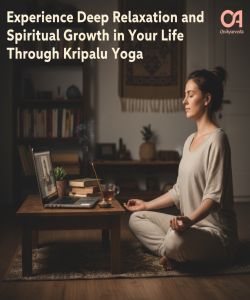
Overview of Kripalu Yoga
Kripalu Yoga represents a rigorous and introspective system of Hatha yoga, distinguished by its uncompromising emphasis on self-inquiry, compassionate awareness, and the cultivation of prana, or life-force energy. It is not merely a practice of physical postures but a comprehensive methodology for psychological and energetic transformation. The core of the Kripalu approach is the development of "witness consciousness," a state of non-judgemental observation that allows the practitioner to explore their internal landscape—physical sensations, thoughts, and emotions—with clarity and detachment. This discipline mandates a shift from a performance-oriented mindset, common in many physical disciplines, to one of profound internal listening. Practitioners are systematically guided through three distinct stages: an initial focus on precise physical alignment and breath control, a second stage of holding postures to deepen internal awareness, and a final, advanced stage known as "Meditation in Motion," where the body moves spontaneously, guided by the innate flow of prana. This structured progression ensures that the practice is both safe and deeply transformative. Kripalu Yoga demands that individuals take ultimate responsibility for their own experience, using the physical practice as a direct conduit to understanding the self. It is a path of self-discovery that uses the body as its primary instrument, compelling practitioners to move beyond mechanical execution and engage in a dynamic, conscious relationship with their own inner wisdom. The entire framework is built upon the principle that the body is an infallible source of truth, and that by learning to heed its signals, one can achieve profound integration of mind, body, and spirit. It is, therefore, a demanding yet profoundly rewarding discipline for those committed to authentic self-exploration.
What is Kripalu Yoga?
Kripalu Yoga is a conscious and systematic approach to Hatha yoga that prioritises psychological and spiritual growth alongside physical well-being. Its fundamental premise is that the yoga mat is a laboratory for life, where individuals can rigorously investigate their internal states and patterns through the practice of postures (asanas), breathwork (pranayama), and meditation. Unlike yoga styles that fixate exclusively on achieving perfect external form, Kripalu Yoga compels the practitioner to turn their attention inward, using the physical sensations of a posture as a gateway to deeper self-awareness. The methodology is often described as "meditation in motion," as it cultivates a continuous state of mindful observation throughout the practice.
At its core, Kripalu Yoga is built upon the following pillars:
Witness Consciousness: The practice rigorously trains the mind to become a neutral observer of its own activity. This involves noticing thoughts, emotions, and physical sensations as they arise and pass, without attachment or judgement. This detachment is considered essential for breaking free from conditioned, reactive behaviours.
Compassionate Self-Inquiry: Practitioners are instructed to approach their limitations and challenges on the mat not with criticism, but with a spirit of compassionate curiosity. The question "What am I feeling, and what does this sensation have to teach me?" is central to the Kripalu experience.
Listening to the Body’s Wisdom: Kripalu Yoga operates on the unequivocal principle that the body possesses an innate intelligence. The practice is designed to quiet the ego-driven mind, allowing the practitioner to hear and respond to the subtle yet clear guidance of their own physical and energetic systems.
Prana Cultivation: Every aspect of the practice—from the coordination of breath with movement to the sustained holding of postures—is designed to awaken and circulate prana (life-force energy). This energetic awakening is believed to be the catalyst for profound healing and transformation on all levels of being.
Who Needs Kripalu Yoga?
Individuals experiencing significant psychological or occupational stress who require a systematic methodology for cultivating resilience and emotional regulation. The practice’s emphasis on "witness consciousness" provides a direct and effective tool for detaching from overwhelming thought patterns and managing autonomic nervous system responses.
Practitioners of other yoga forms who seek to move beyond a purely physical or performance-based approach. Kripalu offers a structured pathway to deepen one’s practice by integrating profound self-inquiry and meditative awareness into the execution of asanas.
Persons confronting personal or professional burnout. The core principle of compassionate self-acceptance directly counters the relentless striving and self-criticism that fuel exhaustion, offering a restorative discipline focused on honouring personal limits and replenishing energetic resources.
Individuals engaged in therapeutic or counselling processes who require a somatic component to support their psychological work. Kripalu provides a safe and structured environment to explore and process emotions held within the body, facilitating a more holistic integration of psychological insights.
Those seeking to establish or deepen a meditation practice but find purely sedentary methods challenging. Kripalu’s "meditation in motion" serves as an accessible gateway, training the mind in focused awareness through the tangible anchor of physical sensation and breath.
Professionals in high-stakes fields, such as medicine, law, or emergency services, who must maintain clarity and composure under pressure. The discipline fosters a state of calm alertness and provides practical techniques for grounding and centering oneself amidst external chaos.
Anyone committed to authentic self-discovery and personal growth. Kripalu is not a casual fitness regimen but a demanding discipline of self-study (svadhyaya), designed for those who are prepared to rigorously and honestly examine their inner world to foster lasting transformation.
Origins and Evolution of Kripalu Yoga
The genesis of Kripalu Yoga can be traced directly to the teachings of Swami Kripalvananda, a revered yoga master from Gujarat, India, affectionately known as Bapuji. His life was dedicated to the intensive and reclusive practice of advanced yogic disciplines, through which he attained profound states of consciousness. Swami Kripalvananda’s practice was not one of invention but of deep immersion into the classical traditions of Kundalini and Hatha yoga, focusing on the awakening of prana and the subsequent purification of the mind and body. His personal practice was characterised by prolonged periods of meditation and spontaneous bodily movements, or kriyas, which arose as a direct result of the unimpeded flow of awakened life-force energy. He did not initially intend to create a "style" of yoga; rather, his teachings emerged organically from his own direct, lived experience of these powerful yogic states.
The transmission of this lineage to the West was primarily orchestrated by Amrit Desai, one of Swami Kripalvananda’s closest disciples. In the 1960s, Desai moved to the United States and began sharing the teachings he had received. Recognising the need to adapt these profound but esoteric practices for a Western audience, Desai systematised them into a more accessible, stage-based methodology. This adaptation was crucial; it translated the highly advanced and often solitary practice of his guru into a teachable format that could safely guide students through the progressive stages of self-awareness. It was through this process that the name "Kripalu Yoga" was formally established, in honour of Swami Kripalvananda.
The evolution continued with the founding of the Kripalu Center for Yoga & Health in Massachusetts, which became the epicentre for the training of Kripalu teachers and the further refinement of its curriculum. Over the decades, the practice has continued to evolve, integrating contemporary insights from psychology and somatic therapies while remaining firmly anchored in its core principles of witness consciousness and compassionate self-inquiry. The emphasis has shifted slightly from the pursuit of specific yogic states to the practical application of yogic principles in daily life, ensuring its relevance and efficacy for modern practitioners. Kripalu has thus transformed from the personal practice of a single master into a comprehensive and globally recognised system for holistic health and personal transformation.
Types of Kripalu Yoga
While Kripalu Yoga is a single, integrated system, its application is differentiated into distinct stages and class styles to accommodate the practitioner's level of experience and intention. These are not separate "types" in the sense of different lineages, but rather methodical progressions within the Kripalu framework.
Stage One: Willful Practice. This is the foundational level, where the primary focus is on learning the mechanics of the practice with conscious effort and precision. Instruction is explicit and detailed, concentrating on proper physical alignment in postures (asanas) and the fundamentals of coordinated breath (pranayama). The objective is to build a solid and safe physical practice, developing bodily awareness and concentration. Practitioners consciously choose to enter, hold, and release postures, establishing the discipline and understanding necessary for deeper exploration.
Stage Two: Willful Surrender. After mastering the fundamentals of Stage One, the practitioner progresses to a more introspective phase. In this stage, postures are held for significantly longer durations. The focus shifts from the external mechanics of the pose to the internal landscape of sensation, thought, and emotion. The practitioner is guided to maintain the posture while simultaneously surrendering the struggle, allowing them to observe their internal reactions with "witness consciousness." This stage requires a high degree of mental fortitude, as it involves confronting and staying present with physical and psychological discomfort.
Stage Three: Meditation in Motion. This is the most advanced and subtle stage of Kripalu practice, which cannot be forced but must arise spontaneously. Having cultivated a deep connection to prana through the first two stages, the practitioner allows the body's innate energetic intelligence to guide movement. The practice becomes a spontaneous, intuitive flow, where postures and transitions emerge not from conscious command but from the internal impulse of life-force energy. This is the culmination of the Kripalu path, where the distinction between practitioner and practice dissolves into a unified, meditative experience. Class formats such as "Gentle," "Moderate," and "Vigorous" also exist, but these refer to the physical intensity and pacing of a session, not a fundamental change in the three-stage methodology which underpins them all.
Benefits of Kripalu Yoga
Enhanced Somatic Intelligence: Develops a profound and nuanced awareness of the body’s internal signals, fostering the ability to respond to physical needs with precision and prevent injury or strain.
Systematic Stress Reduction: Implements a direct methodology for down-regulating the sympathetic nervous system through conscious breathwork and the cultivation of "witness consciousness," leading to a measurable decrease in physiological stress markers.
Improved Emotional Regulation: Provides a structured framework for observing emotional states without reactive engagement, thereby increasing the capacity to manage and process emotions constructively rather than suppressing them.
Increased Mental Focus and Clarity: The sustained practice of single-pointed attention on breath and sensation rigorously trains the mind, enhancing concentration and reducing mental clutter in all areas of life.
Cultivation of Self-Compassion: Mandates a non-judgemental and curious approach to one's own physical and mental limitations, systematically dismantling patterns of harsh self-criticism and fostering genuine self-acceptance.
Release of Chronic Physical Tension: Through the sustained holding of postures and deep internal listening, the practice facilitates the release of deeply held patterns of muscular tension, particularly in areas like the back, neck, and hips.
Authentic Mind-Body Integration: Moves beyond the superficial concept of a "mind-body connection" to achieve a functional integration where mental states and physical sensations are understood as a unified, interactive system.
Increased Energetic Vitality: The core focus on awakening and circulating prana (life-force energy) directly addresses feelings of lethargy and fatigue, leading to a tangible increase in overall vitality and resilience.
Fosters Genuine Self-Reliance: By teaching individuals to trust their own internal wisdom and experience, the practice reduces dependency on external validation and empowers them to become the ultimate authority on their own well-being.
Core Principles and Practices of Kripalu Yoga
Svadhyaya (Self-Study): The entire practice is framed as a rigorous act of self-inquiry. Every posture, breath, and sensation is treated as an opportunity to learn about one's own physical, mental, and emotional patterns. This is not passive observation but an active, disciplined investigation of the self.
Bhavana (Intention/Feeling): Practitioners are instructed to infuse their practice with a clear and conscious intention. This principle asserts that the quality of one's inner state is as critical as the physical execution of a posture. The practice is performed with a specific feeling or attitude, such as compassion or curiosity, which transforms it from a mechanical act into a profound experience.
Pranayama (Breath Control): Breath is the central tool in Kripalu Yoga, used to anchor the mind, regulate the nervous system, and awaken prana. The practice mandates a constant, conscious connection to the breath, synchronising it with movement (vinyasa) and using it as a guide to determine the appropriate depth and duration in a posture.
Witness Consciousness (Sakshi Bhava): This is the foundational mental discipline of Kripalu. It is the practice of cultivating a neutral, non-judgemental observer perspective on all internal and external experiences. This practice is imperative for breaking conditioned reactions and achieving emotional equanimity.
Honouring the Body’s Wisdom: This principle demands absolute respect for the body's limits and signals. Practitioners are taught to listen for and heed the messages of pain, fatigue, or ease, and to modify or exit a posture accordingly. This directly opposes the ego-driven impulse to push beyond safe boundaries.
"Press-Pause" Moments: A unique practice within Kripalu where, during a class, the instructor will direct students to pause between postures. This moment is used to consciously notice the after-effects of the pose—the shifts in energy, sensation, and thought—thereby deepening the integration of the experience.
Meditation in Motion: This is the ultimate aim of the practice, where the disciplines of self-study, breath control, and witness consciousness culminate. It is a state where the practice becomes a seamless, intuitive flow, guided by the body's innate intelligence rather than the conscious will, achieving a profound unification of mind, body, and energy.
Online Kripalu Yoga Benefits
Uncompromising Accessibility: The online modality removes all geographical and logistical barriers to entry. It provides direct access to high-calibre instruction for individuals in remote locations or those with demanding schedules, ensuring that the integrity of the practice is not compromised by physical proximity.
Cultivation of Extreme Self-Reliance: In the absence of an instructor for physical adjustments, the online practitioner is compelled to develop a heightened sense of somatic awareness and self-responsibility. This environment fosters a deeper and more immediate reliance on one's own internal wisdom, which is a core objective of the Kripalu methodology.
A Secure, Private Environment for Self-Inquiry: The solitude of a home practice space eliminates the potential for social comparison and performance anxiety that can arise in a group setting. This creates an uninhibited container for authentic self-exploration, allowing for emotional release and genuine vulnerability without external scrutiny.
Mastery of Personal Discipline: Engaging consistently with online Kripalu Yoga demands a superior level of personal discipline and commitment. The practitioner must take full ownership of their schedule, environment, and motivation, thereby forging a resilience and internal drive that transcends the yoga mat and applies to all areas of life.
Precision in Listening: Without the distraction of other students or the expectation of external correction, the practitioner can direct their full attention inward. This focused environment sharpens the ability to discern the subtle cues of the body and the nuanced flow of prana, accelerating the development of inner listening skills.
Integration into Daily Life: Practicing within one's own living space facilitates a seamless transition from formal practice to daily activities. The principles of mindfulness and compassionate awareness cultivated on the mat are more readily integrated into the immediate environment, breaking down the artificial separation between "yoga time" and "real life."
Kripalu Yoga Techniques
Centering and Arrival: Begin the practice in a stable, seated position. The spine must be erect. Close the eyes and deliberately shift attention from external distractions to the internal landscape. Methodically scan the body for areas of tension and consciously observe the natural rhythm of the breath without alteration. Formulate a clear bhavana (intention) for the practice.
Pranayama Initiation: Engage in a foundational breath technique, such as Ujjayi (Victorious Breath) or Dirgha (Three-Part Breath). The objective is to establish a deep, consistent, and audible breath pattern that will serve as the unwavering anchor for the mind and the guide for all subsequent movement.
Systematic Warm-Up (Pratapana): Execute a deliberate sequence of gentle, dynamic movements synchronised precisely with the established breath pattern. Focus on mobilising the major joints of the body—neck, shoulders, spine, hips, and knees. Each movement must be initiated by the breath, ensuring the body is methodically prepared for more demanding postures.
Asana Exploration (Stage One and Two Application): Move into a sequence of classical Hatha yoga postures. Initially, focus on the principles of Stage One: meticulous alignment, grounding through the foundation of the pose, and maintaining the rhythmic flow of breath. Transition into Stage Two by selecting specific postures to hold for an extended duration, deliberately shifting focus from physical action to internal observation of sensations and mental activity.
Integration and Rebound ("Press-Pause"): After a particularly strong posture or a short sequence, come to a neutral standing or seated position. Remain in stillness for several breaths. This is a non-negotiable step. Use this "press-pause" moment to rigorously observe the immediate energetic and physical after-effects of the preceding asana, allowing the experience to fully integrate.
Savasana (Corpse Pose) and Final Integration: Conclude the practice by lying in Savasana. The body must be completely passive and symmetrical. Systematically release any residual muscular tension. Allow the breath to return to its natural, unforced rhythm. The mind remains in a state of "witness consciousness," observing without attachment as the benefits of the practice are absorbed by the entire system.
Kripalu Yoga for Adults
Kripalu Yoga presents a uniquely effective and mature discipline for adults navigating the complex demands of contemporary life. Its methodology is systematically designed to address the specific physiological and psychological challenges that accumulate with age and responsibility, such as chronic stress, physical inflexibility born from sedentary work, and the mental fatigue of perpetual decision-making. The practice’s uncompromising insistence on listening to the body’s wisdom provides a powerful antidote to the societal pressure to constantly push beyond reasonable limits, a habit that frequently leads to injury or burnout in adulthood. For adults, the focus shifts from achieving acrobatic postures to cultivating a sustainable and intelligent relationship with their own bodies. It provides a structured container to process life experiences, as the sustained holding of postures in Stage Two often brings stored emotional tension to the surface, allowing for its safe observation and release. Furthermore, the cultivation of "witness consciousness" is a critical skill for adults, offering a practical tool for navigating interpersonal conflicts and professional pressures with greater equanimity and less reactivity. It is a non-competitive, internally-referenced discipline that honours the individual’s unique life history and physical reality, making it an exceptionally potent and relevant practice for any adult committed to genuine well-being, mental clarity, and profound self-understanding. It is not an escape, but a direct means of engaging with and mastering the realities of adult life.
Total Duration of Online Kripalu Yoga
The standard, non-negotiable duration for a comprehensive online Kripalu Yoga session is unequivocally established at 1 hr. This timeframe is not an arbitrary allocation but a methodically structured container designed to facilitate the full arc of the Kripalu experience with integrity and efficacy. A session of this length is precisely calibrated to allow for a complete and unhurried progression through all essential phases of the practice. It provides the necessary time for an initial period of centering and intention setting, allowing the practitioner to transition fully from external concerns to internal focus. It accommodates a thorough warm-up sequence to prepare the joints and muscles, followed by the core asana practice, which includes both dynamic movement and the sustained holding of postures critical for deep internal inquiry. Crucially, the 1 hr duration ensures that there is sufficient time for a concluding period of deep relaxation in Savasana, which is imperative for integrating the physiological and energetic shifts that have occurred. To curtail this duration would be to compromise the pedagogical soundness of the practice, truncating vital components and preventing the practitioner from accessing the deeper, transformative benefits. The 1 hr structure is a deliberate framework that respects the practitioner's time while demanding the commitment required for meaningful results in a digital environment.
Things to Consider with Kripalu Yoga
Engaging with Kripalu Yoga requires a significant shift in perspective, moving away from conventional fitness paradigms towards a discipline of profound self-inquiry. It is imperative to understand that this practice is not a competitive sport; progress is measured not by external flexibility or the ability to perform complex postures, but by the internal cultivation of awareness, compassion, and mental stillness. Prospective practitioners must be prepared to confront their own internal landscape, including uncomfortable physical sensations and challenging emotional states, as the methodology is explicitly designed to bring such patterns to the surface for conscious examination. This is not a passive or purely relaxing activity; it demands active mental engagement and a willingness to remain present with whatever arises. Furthermore, the emphasis on the body’s wisdom requires a radical commitment to self-honesty, compelling the individual to honour their genuine limits rather than succumbing to ego-driven ambition. One must accept that the most advanced practice may involve choosing a modification or resting, an action that requires more strength of character than forcing a posture. The Kripalu path is a slow, deep, and sometimes subtle process. It does not offer instant gratification but instead builds a resilient and deeply integrated foundation for long-term well-being, which necessitates patience, consistency, and a sincere commitment to the work of self-discovery.
Effectiveness of Kripalu Yoga
The effectiveness of Kripalu Yoga is unequivocal, though its metrics for success diverge sharply from those of conventional exercise. Its efficacy lies in its systematic and direct impact on the autonomic nervous system and the practitioner's capacity for metacognition, or "witness consciousness." By mandating a constant connection to conscious, diaphragmatic breathing, the practice directly stimulates the vagus nerve, inducing a parasympathetic (rest-and-digest) response that powerfully counteracts the physiological effects of chronic stress. This is not a theoretical benefit but a demonstrable physiological shift. The discipline's core technique of holding postures while observing internal sensations without judgement systematically rewires neural pathways, diminishing reactive, habitual thought patterns and fostering emotional equanimity. Its effectiveness is therefore most accurately measured by qualitative improvements in daily life: a heightened ability to remain calm under pressure, a reduction in anxiety, improved sleep quality, and an enhanced capacity for focused, non-distracted attention. The physical benefits, such as increased flexibility and strength, are secondary outcomes of a practice whose primary and most potent effect is the cultivation of a robust, resilient, and deeply integrated mind-body system. The practice is effective precisely because it addresses the root causes of mental and physical distress—dysregulated nervous systems and unexamined mental habits—rather than merely treating the symptoms.
Preferred Cautions During Kripalu Yoga
It is imperative that the practice of Kripalu Yoga be undertaken with uncompromising attention to specific cautions to ensure both safety and the integrity of the discipline. The foremost directive is the absolute prohibition of a competitive mindset. Any attempt to force the body into a preconceived shape or to compete with one's own past performance, or with others, fundamentally violates the core principle of honouring the body's wisdom and will inevitably lead to injury. Practitioners must rigorously monitor for the ego's impulse to push beyond authentic physical limits. Pain is a non-negotiable signal to cease or modify a posture, not a barrier to be aggressively overcome. Furthermore, while emotional release can be a therapeutic component of the practice, individuals with a history of significant trauma must proceed with extreme caution and preferably under the guidance of an instructor who is also trauma-informed. The practice is potent and can bring deeply held material to the surface; it is not a substitute for professional psychotherapy. Finally, practitioners must remain vigilant against spiritual bypassing—the misuse of yogic concepts like "detachment" or "witnessing" to avoid confronting and processing genuine life challenges. The objective is to engage with reality with greater clarity and resilience, not to foster a state of detached indifference. Strict adherence to these cautions is not optional but essential for a mature and beneficial practice.
Kripalu Yoga Course Outline
Module 1: Foundational Principles and Centering
Introduction to the Kripalu lineage and the Three-Stage methodology.
Core concepts: Witness Consciousness, Compassionate Inquiry, and Bhavana.
Techniques for establishing a stable, aligned seat for meditation and breathwork.
Practice: Guided centering and intention-setting.
Module 2: The Primacy of Breath (Pranayama)
Detailed instruction in Dirgha (Three-Part Breath) and Ujjayi (Victorious Breath).
The mechanics of the diaphragm and its role in regulating the nervous system.
The principle of coordinating breath with movement (Vinyasa).
Practice: Breath-centric warm-ups and simple flowing sequences.
Module 3: Stage One - Willful Practice and Asana Mechanics
Systematic breakdown of foundational standing, seated, and reclining postures.
Emphasis on precise alignment, grounding, and muscular engagement.
Introduction to the use of props for support and safety.
Practice: A structured class focusing on the deliberate execution of asanas.
Module 4: Stage Two - Willful Surrender and Internal Inquiry
The theory and practice of extending the duration of posture holds.
Techniques for maintaining mental focus during physical challenge.
Guided self-inquiry: exploring sensations, emotions, and thoughts within the posture.
Practice: A slower-paced class with extended holds and integrated "press-pause" moments.
Module 5: The Energetic Body and Prana
Introduction to the concepts of prana, chakras, and nadis.
Understanding how asana and pranayama influence the flow of energy.
Exploring the subtle after-effects (rebound) of postures.
Practice: A sequence designed to cultivate a tangible awareness of energetic flow.
Module 6: Integration and Meditation in Motion
Guidance on transitioning from externally-cued to internally-cued practice.
Introduction to the principles of Stage Three, fostering intuitive movement.
The role of Savasana in deep integration and restoration.
Practice: A culminating session integrating all learned elements, concluding with extended Savasana and meditation.
Detailed Objectives with Timeline of Kripalu Yoga
Weeks 1-2: Establish Foundational Discipline. The primary objective is to master the fundamental mechanics of Kripalu practice. This includes consistently establishing a stable meditation seat, executing Dirgha and Ujjayi pranayama with precision, and understanding the core alignment principles of foundational asanas. The timeline mandates daily practice of breathwork and the successful execution of a basic, breath-synchronised warm-up sequence.
Weeks 3-4: Deepen Somatic Awareness (Stage One Mastery). The objective shifts to refining the quality of attention during asana practice. The practitioner must demonstrate the ability to maintain an unwavering focus on physical alignment and the flow of breath throughout a full Stage One class. The timeline requires moving beyond mechanical execution to a felt sense of grounding and stability in all standing postures.
Weeks 5-6: Cultivate Witness Consciousness (Introduction to Stage Two). The objective is to introduce and sustain the practice of "witness consciousness" during extended posture holds. The practitioner will learn to remain present with and non-judgementally observe moderate physical discomfort and emergent thought patterns. The timeline demands the ability to hold at least three core postures for a designated extended period without mental disengagement.
Weeks 7-8: Integrate Emotional and Energetic Awareness. The primary objective is to develop the capacity to identify and track subtle shifts in energy (prana) and emotional states during and after asanas. This involves disciplined use of the "press-pause" technique for internal observation. The timeline requires the practitioner to be able to articulate the specific energetic or emotional effects of different categories of poses (e.g., backbends vs. forward folds).
Weeks 9-10: Develop Self-Regulatory Skills. The objective is to begin applying the principles of Kripalu as a tool for self-regulation. The practitioner must demonstrate the ability to consciously select specific breathing techniques or postures to shift their mental and physiological state. The timeline mandates the creation and execution of a short, self-directed practice designed to address a specific need, such as stress reduction or energy cultivation.
Weeks 11-12: Foster Autonomy and Introduction to Flow (Stage Three Readiness). The final objective is to solidify an autonomous and internally-guided practice. The practitioner should be able to move through sequences with minimal external instruction, relying on their own bodily wisdom. The timeline culminates in the ability to experience moments of spontaneous, intuitive movement, indicating a readiness to explore the principles of Stage Three.
Requirements for Taking Online Kripalu Yoga
An Unobstructed, Dedicated Practice Space: A private, quiet area free from all domestic and professional interruptions is non-negotiable. The space must be large enough to accommodate the full range of movement without physical impediment.
Stable, High-Speed Internet Connectivity: Uninterrupted, high-bandwidth internet is essential for maintaining a seamless connection to the live or recorded instruction. Technical failures are the practitioner’s responsibility to mitigate.
A High-Quality Audio-Visual Device: A device with a large, clear screen (laptop or larger is preferred over a phone) and functional audio is required. The practitioner must be able to see and hear the instructor with perfect clarity at all times.
Essential Yoga Equipment: A non-slip yoga mat is mandatory. Access to standard yoga props, including two blocks, a firm blanket, and a strap, is also required to ensure safety and facilitate correct alignment in modifications.
A Commitment to Punctuality and Full Presence: For live sessions, practitioners must be present and ready in their designated space before the class begins. During the session, all other digital devices, notifications, and potential distractions must be silenced and put away.
Physical Pre-Clearance: Individuals with pre-existing injuries, chronic health conditions, or who are pregnant must secure explicit clearance from a qualified medical professional before commencing the practice.
A High Degree of Self-Discipline and Personal Responsibility: The practitioner must possess the internal motivation to engage fully without direct external supervision. This includes the maturity to work within one's own physical limits and to take complete ownership of one's safety and experience.
Things to Keep in Mind Before Starting Online Kripalu Yoga
Before commencing an online Kripalu Yoga practice, it is imperative to conduct a rigorous self-assessment of your personal discipline and your capacity for self-regulation. The online format, by its very nature, removes the external accountability and direct physical correction provided by an in-person instructor. You are solely responsible for creating a sanctified practice space, free from the pervasive distractions of your domestic or work environment. This requires a level of commitment that far exceeds merely showing up. You must be prepared to cultivate a heightened state of somatic intelligence, learning to interpret your body's signals of strain or fatigue without the safety net of a teacher's immediate feedback. This demands unwavering self-honesty and the maturity to prioritise safety over ego-driven goals. Furthermore, understand that the profound internal work of Kripalu can be psychologically demanding. You must ensure you have adequate personal support systems in place, as the practice can bring latent emotional material to the surface. The convenience of the online modality must not be mistaken for a reduction in the rigour or depth of the practice; if anything, it demands a greater degree of internal fortitude, presence, and unwavering personal responsibility to engage with the discipline’s full transformative potential.
Qualifications Required to Perform Kripalu Yoga
The authority to teach and guide others in Kripalu Yoga is not casually granted; it is earned through a rigorous, standardised, and comprehensive training and certification process sanctioned exclusively by the Kripalu School of Yoga. A qualified instructor is, without exception, a certified Kripalu Yoga Teacher who has successfully completed, at minimum, a 200-hour foundational training program. This intensive program is not merely a technical course in posture instruction; it is a deep immersion into the core principles and practices of the Kripalu methodology. The curriculum mandates a thorough grounding in:
Asana, Pranayama, and Meditation: Detailed instruction in the execution, alignment, and energetic effects of core yoga postures and breathing techniques, specifically through the Kripalu lens.
The Three Stages of Kripalu Yoga: A complete understanding of the theory and application of Willful Practice, Willful Surrender, and Meditation in Motion, and the ability to guide students through them.
Anatomy and Physiology: A functional understanding of the human musculoskeletal and nervous systems to ensure safe and effective instruction.
Yogic Philosophy and Ethics: A deep study of classical yogic texts and the ethical principles that govern the teacher-student relationship.
Teaching Methodology: Practical training in class sequencing, verbal cueing, and creating a safe, non-judgemental learning environment.
Advanced qualifications, such as the 300-hour and 500-hour certifications, represent further specialised training in areas like advanced asana, therapeutic applications of yoga, and deeper philosophical study. Therefore, the sole valid qualification is a formal certificate issued by the Kripalu School of Yoga, often registered with a governing body like Yoga Alliance, which serves as a public testament to the instructor’s adherence to this exacting standard of professional training.
Online Vs Offline/Onsite Kripalu Yoga
Online
The online modality for Kripalu Yoga demands an exceptional degree of self-discipline and internal motivation from the practitioner. Its primary advantage is its unparalleled accessibility, removing all geographical and scheduling constraints. However, this convenience comes at the cost of direct physical oversight. The practitioner is solely responsible for interpreting verbal cues and cultivating a profound level of somatic awareness to ensure safe alignment, as hands-on adjustments from an instructor are impossible. This environment forces the development of extreme self-reliance and deepens the practice of internal listening, which are core tenets of the Kripalu method. The privacy of a home setting can also foster a less inhibited space for emotional exploration and self-inquiry, free from the perceived judgement or distraction of a group class. The online experience is thus an intensive training ground for self-mastery, best suited for those who are already highly disciplined or are committed to developing that quality.
Offline/Onsite
In stark contrast, the offline or onsite experience provides a structured and contained environment that is highly conducive to learning, particularly for beginners. The most significant benefit is the immediate presence of a qualified instructor who can provide precise, real-time feedback, including verbal clarification and crucial hands-on adjustments to correct misalignment and prevent injury. This direct guidance can accelerate a student's understanding of the physical practice. Furthermore, the collective energy of a group practicing together—the concept of sangha or community—can provide a powerful, supportive, and motivating force. The studio environment, free from the distractions of home, allows for a more complete mental and physical immersion in the practice. While it demands physical presence and adherence to a fixed schedule, the offline setting offers a level of direct support, safety, and communal connection that the online modality cannot replicate.
FAQs About Online Kripalu Yoga
Question 1. Is online Kripalu Yoga suitable for absolute beginners?
Answer: Yes, provided the class is explicitly designated for beginners and the individual possesses the self-discipline to follow instructions with precision and honour their physical limits without direct supervision.
Question 2. What technology is essential for the practice?
Answer: A reliable internet connection, a device with a clear screen and audio, and a functioning camera (if you wish for instructor feedback) are non-negotiable.
Question 3. Will I receive personal feedback from the instructor?
Answer: This depends on the format. In smaller, live-streamed classes, instructors may offer verbal feedback if they can see you clearly. In pre-recorded classes, no personal feedback is possible.
Question 4. What equipment must I have at home?
Answer: A non-slip yoga mat is mandatory. Two yoga blocks, a strap, and a firm blanket are highly recommended for safety and proper modifications.
Question 5. How is online Kripalu different from other online yoga classes?
Answer: The primary distinction is its emphasis on internal inquiry, "witness consciousness," and compassionate self-observation, rather than purely physical performance.
Question 6. Can I practise if I have an injury?
Answer: You must obtain explicit clearance from a medical professional first. You are solely responsible for modifying the practice to accommodate your injury.
Question 7. How do I create a suitable practice space?
Answer: Select a quiet, private area, free of clutter and all distractions, with enough room to move freely. Ensure it is a space where you will not be interrupted.
Question 8. Is the online practice as effective as the in-person version?
Answer: It can be, but its effectiveness depends entirely on your level of commitment, focus, and self-discipline. It requires greater self-reliance.
Question 9. What if I feel strong emotions during the practice?
Answer: This is a normal part of the Kripalu process. The instruction is to observe the emotion with compassionate, non-judgemental awareness, just as you would a physical sensation.
Question 10. How long is a typical online session?
Answer: The standard duration is one hour to accommodate all phases of the practice.
Question 11. Can I ask questions during a live online class?
Answer: Most platforms have a chat function for questions, which are typically addressed by the instructor at an appropriate time, usually before or after the practice itself.
Question 12. Do I need to have my camera on?
Answer: While often not mandatory, keeping your camera on allows the instructor to provide potential feedback and fosters a sense of community. It is highly encouraged.
Question 13. What is "witness consciousness"?
Answer: It is the core mental skill of observing your thoughts, feelings, and sensations from a neutral, detached perspective, without getting entangled in them.
Question 14. Is there a lot of chanting or spiritual dogma involved?
Answer: Kripalu is rooted in yogic philosophy, but the focus is on direct experience rather than dogma. Chanting is minimal or non-existent in most general classes.
Question 15. How often should I practise online?
Answer: Consistency is more important than duration. A committed practice of two to three times per week will yield significant results.
Question 16. What if I lose my internet connection during a live class?
Answer: You should attempt to rejoin as quickly as possible. Many instructors provide a recording of the live session to registered participants for this reason.
Question 17. Is Kripalu Yoga a cardiovascular workout?
Answer: While a vigorous Kripalu class can be physically demanding, its primary objective is not cardiovascular fitness but mindful integration and nervous system regulation.
Conclusion About Kripalu Yoga
In conclusion, Kripalu Yoga stands as a formidable and deeply intelligent system for personal transformation, demanding far more from the practitioner than mere physical exertion. It is a rigorous discipline of the self, which methodically dismantles the ego's attachment to performance and replaces it with a profound capacity for internal listening and compassionate self-regulation. Its three-stage progression provides a logical and safe pathway from conscious physical control to a state of intuitive, spontaneous expression, making it a uniquely complete methodology. The unwavering focus on "witness consciousness" is not a passive philosophy but an active, trainable skill that equips individuals with the mental resilience to navigate the complexities of life with greater clarity and equanimity. Whether practiced in the supportive container of a studio or through the self-reliant crucible of an online platform, the core demand remains the same: a non-negotiable commitment to honesty, presence, and the courageous exploration of one's inner world. Kripalu is not an escape from reality; it is a direct, potent, and effective means of mastering it. For those willing to engage with its depth and rigour, the practice offers not just flexibility of the body, but a fundamental and lasting resilience of the human spirit.