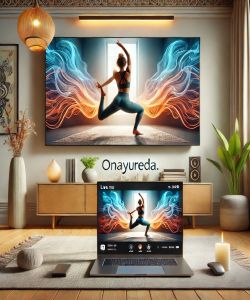
1. Overview of Kundalini Flow Yoga
Kundalini Flow Yoga represents a formidable and highly specialised synthesis of two profound yogic traditions, engineered for the explicit purpose of accelerating personal and spiritual transformation. It is not a gentle or passive discipline; rather, it is a rigorous methodology that merges the potent, energy-centric techniques of Kundalini Yoga with the dynamic, breath-synchronised movement of Vinyasa Flow. The fundamental objective is to systematically awaken the dormant Kundalini energy, conceptualised as a divine feminine power coiled at the base of the spine, and guide its ascent through the primary energy channels, or nadis, to culminate in an elevated state of consciousness at the crown chakra. This practice fundamentally rejects stasis, demanding unwavering commitment to a structured yet fluid sequence of postures (asanas), specific breathing patterns (pranayama), hand gestures (mudras), bodily locks (bandhas), and vocal vibrations (mantras). Each session is a meticulously constructed kriya—a complete, prescribed action—designed to produce a definite and predictable outcome on the practitioner's physical, glandular, nervous, and energetic systems. Far from being a mere physical exercise, Kundalini Flow Yoga is an exacting science of energy and consciousness, demanding discipline, resilience, and a resolute intention to confront and transcend psychological and energetic blockages. It is a direct and powerful path for individuals who are prepared to engage in deep, transformative work and are unwilling to settle for superficial results. This integration creates an experience that is at once physically demanding, mentally clarifying, and spiritually expansive, establishing it as a preeminent practice for the serious modern yogi seeking tangible and profound change.
2. What are Kundalini Flow Yoga?
Kundalini Flow Yoga is a powerful and intentional hybrid yogic discipline, which must be understood not as a singular, monolithic practice but as an integrated system of techniques. It strategically combines the core components of traditional Kundalini Yoga as taught by its modern proponents with the fluid, sequential nature of Vinyasa Yoga. The primary aim is to systematically stimulate and manage the latent spiritual energy known as Kundalini. This is achieved through a distinct and structured methodology.
The practice is defined by its core elements:
- Kriya: Each class is structured around a specific kriya, which is a prescribed sequence of postures, breathwork, and sound designed to achieve a specific, predetermined outcome. Unlike a spontaneous Vinyasa sequence, a kriya is a fixed set of actions intended to generate a precise energetic and physiological effect.
- Asana in Flow: While the kriya provides the blueprint, the transitions between postures are executed with the fluidity and breath-synchronisation characteristic of Vinyasa. This "flow" element prevents energetic stagnation and cultivates a state of moving meditation, demanding constant presence and physical control.
- Pranayama: Advanced and specific breathing techniques are not merely ancillary but are central to the practice. Techniques such as Breath of Fire (Agni Pran) are employed rigorously to build heat, purify the bloodstream, and energise the nervous system, directly impacting the movement of prana (life force energy) and the awakening of Kundalini.
- Mantra and Sound: The use of mantra (sacred sound currents) is non-negotiable. Chanting is utilised at the beginning and end of a session to tune the practitioner's consciousness and during exercises to focus the mind, vibrate the endocrine glands, and direct energy with pinpoint accuracy.
- Meditation and Relaxation: Every session concludes with a period of deep relaxation, allowing the body and psyche to integrate the powerful energetic shifts that have occurred. This is followed by a specific meditation to seal the practice and elevate consciousness, consolidating the work done.
3. Who Needs Kundalini Flow Yoga?
- Individuals seeking a robust and accelerated path to spiritual development, who are prepared for intense energetic and psychological experiences and demand a practice with tangible, transformative outcomes.
- Practitioners of other yoga styles, such as Hatha or Vinyasa, who have reached a plateau and require a more potent and direct methodology for breaking through energetic blockages and deepening their meditative states.
- Those experiencing creative or personal stagnation. The practice is specifically engineered to dismantle subconscious patterns and unlock latent creative potential, making it essential for artists, leaders, and innovators.
- Individuals contending with high levels of stress, anxiety, or nervous system dysregulation. The rigorous combination of dynamic movement and targeted pranayama provides a powerful tool for recalibrating the nervous and glandular systems.
- Persons seeking to cultivate immense mental fortitude, resilience, and unwavering focus. The discipline required to hold challenging postures while maintaining specific breathing patterns forges a mind that is sharp, resilient, and unshakeable.
- Healers, therapists, and coaches who must maintain a high level of energetic clarity and vitality to be effective in their professional roles. This practice serves as a potent form of self-maintenance and energetic fortification.
- Anyone committed to achieving a state of holistic integration, where physical vitality, mental clarity, and spiritual awareness are not treated as separate pursuits but as a unified state of being, forged through disciplined and direct action.
- Those who are disillusioned with superficial wellness trends and demand a practice with authentic lineage, profound depth, and a clear, structured framework for achieving higher states of human potential.
4. Origins and Evolution of Kundalini Flow Yoga
The origins of Kundalini Flow Yoga are not found in a single ancient text but represent a modern, sophisticated evolution of established yogic sciences. Its foundational principles are deeply rooted in the ancient traditions of Tantra and Kundalini Yoga, practices historically shrouded in secrecy and passed down directly through a guru-disciple lineage. These esoteric systems focused explicitly on the manipulation of prana and the deliberate awakening of the Kundalini Shakti, utilising a formidable arsenal of techniques including kriya, pranayama, mantra, and meditation to purify the body's energy channels and activate higher centres of consciousness. For centuries, this knowledge remained the preserve of a select few, deemed too powerful for the uninitiated.
The first major evolutionary step occurred in the latter half of the twentieth century, when a specific, codified form of Kundalini Yoga was introduced to a wider, global audience. This version systematised the ancient teachings into a more accessible, though still highly rigorous, format. It emphasised the 'householder' path, asserting that profound spiritual transformation was achievable without renouncing worldly life. The focus remained squarely on the kriyas—fixed, prescriptive sets of exercises designed for specific effects, from strengthening the nervous system to expanding the aura. This marked a significant shift from esoteric secrecy to structured, public instruction, yet the practice often retained a certain rigidity in its execution.
The most recent and defining evolution is the synthesis with Vinyasa Flow. As yoga's popularity surged, practitioners familiar with the dynamic, breath-led sequencing of Vinyasa sought to integrate its fluid grace with the raw power of Kundalini techniques. This fusion gave birth to Kundalini Flow Yoga. It retains the potent, results-driven kriyas and mantras of its Kundalini parentage but embeds them within a seamless, flowing sequence. This modern adaptation makes the practice more physically intuitive for those accustomed to flow-based styles, while simultaneously intensifying the experience by ensuring that prana is kept in constant, dynamic motion. It is a direct response to a modern demand for a practice that is both spiritually profound and physically engaging, marking a pragmatic and powerful evolution of an ancient science.
5. Types of Kundalini Flow Yoga
While Kundalini Flow Yoga is a specific hybrid, its application can be modified to emphasise certain outcomes, leading to distinct stylistic focuses rather than entirely separate 'types'. The core methodology remains, but the intent and structure of the class are adjusted.
- Classic Energetic Flow: This is the foundational form of the practice. It adheres strictly to a traditional Kundalini kriya for its central theme and objective, such as a kriya for the heart centre or for pituitary gland stimulation. The 'flow' component is used to seamlessly link the postures within the kriya and to provide a dynamic warm-up and cool-down. The primary focus is uncompromisingly energetic and spiritual, with the physical challenge serving the goal of moving Kundalini energy.
- Power Flow Kundalini: This variation places a greater emphasis on physical intensity and endurance. The Vinyasa flow elements are more pronounced, featuring more challenging transitions, longer holds, and a faster pace. The Kundalini components, such as Breath of Fire and specific kriyas, are integrated to supercharge the physical practice, creating a deeply purifying and strength-building experience. This type is for those who demand a rigorous physical workout alongside profound energetic work.
- Restorative Kundalini Flow: This is a more subtle and introspective application. It uses a gentle, slow-paced Vinyasa flow to move between postures drawn from restorative and Kundalini traditions. The kriyas selected are typically those focused on calming the nervous system, healing the adrenal glands, and promoting deep relaxation. The use of mantra and pranayama is softer and more meditative. The objective is profound systemic rejuvenation and stress elimination, not high-intensity energetic arousal.
- Chakra-Focused Flow: In this specialised practice, the entire session—from the initial mantra to the final meditation—is meticulously designed to target a specific chakra. The Vinyasa flow sequences are crafted to open the physical area of the body corresponding to the chosen chakra, while the selected Kundalini kriya, pranayama, and mantra are all aligned with activating and balancing that precise energy centre. It is a highly targeted and methodical approach to energetic anatomy.
6. Benefits of Kundalini Flow Yoga
- Systematic Strengthening of the Nervous System: The specific kriyas and pranayama techniques, particularly Breath of Fire, are engineered to challenge and fortify the nervous system, increasing resilience to stress and external pressures.
- Balancing of the Endocrine System: The practice directly stimulates and massages the glands through postures, breath, and sound vibration (mantra), promoting optimal hormonal balance and revitalising the body's core regulatory functions.
- Accelerated Energetic and Psychological Clearing: It provides a direct and potent method for confronting and releasing deep-seated subconscious blocks, emotional traumas, and limiting belief systems that impede personal growth.
- Cultivation of Supreme Mental Clarity and Focus: The requirement to maintain complex coordination between breath, posture, and mantra forces the mind into a state of single-pointed concentration, sharpening intuition and intellectual capacity.
- Dramatically Increased Physical Vitality and Stamina: The dynamic fusion of sustained postures and fluid movement builds exceptional core strength, enhances flexibility, and boosts cardiovascular health and overall life force.
- Expansion of Spiritual Awareness: The primary objective is the awakening of Kundalini energy, which leads to heightened states of consciousness, a deeper connection to the Self, and an expanded perception of reality.
- Development of Emotional Sovereignty: By purifying the energetic body and strengthening the nervous system, practitioners gain the capacity to observe and process emotions without being overwhelmed, leading to greater emotional stability and command.
- Unlocking of Creative Potential: The practice is renowned for its ability to dismantle creative blocks and open new channels of inspiration and expression by activating the second and fifth chakras, the centres of creativity and authentic voice.
7. Core Principles and Practices of Kundalini Flow Yoga
- Primacy of the Kriya: The kriya is the unassailable core of the practice. It is a complete, prescribed sequence of exercises, breathwork, and mantra that must be performed exactly as taught. Each kriya is a precise technology with a specific, non-negotiable objective. Adherence to its structure is not optional; it is the fundamental principle ensuring predictable and powerful results.
- The Golden Chain (Adi Mantra): Every session must commence with the chanting of the Adi Mantra ("Ong Namo Guru Dev Namo"). This act is not ceremonial but functional. It tunes the individual consciousness into the universal creative consciousness and connects the practitioner to the lineage of masters, establishing a protective energetic field for the work ahead.
- Breath as the Engine of Transformation (Pranayama): Breath is never passive. It is the primary tool for directing prana (life force). Specific, often vigorous, breathing techniques like Breath of Fire and segmented breathing are integral to every kriya. They are the engine that purifies the blood, energises the system, and propels the Kundalini energy upward.
- Application of Body Locks (Bandhas): The use of bandhas, or body locks (e.g., Mula Bandha, Uddiyana Bandha), is essential. These are not mere physical contractions but sophisticated techniques for containing, concentrating, and directing the flow of pranic and apanic energy within the body, preventing its dissipation and amplifying its impact.
- Synchronised Movement and Breath (Vinyasa): The "flow" component demands the meticulous synchronisation of movement with breath. Each transition between postures is a conscious, breath-led action. This transforms the practice into a moving meditation, ensuring constant energetic engagement and preventing the mind from wandering.
- The Power of Sound Current (Naad Yoga): Mantra is a non-negotiable pillar. The science of Naad, or sound yoga, is employed to use specific sound currents to vibrate and alter consciousness. Mantras are used to focus the mind, stimulate the glandular system, and direct energy with unwavering precision.
- Deep Relaxation and Integration: Following the intense work of a kriya, a period of mandatory deep relaxation in Savasana (corpse pose) is critical. This is not rest but a vital phase where the body's systems integrate the profound energetic and physiological shifts that have occurred. Skipping this step nullifies much of the practice's benefits.
- Meditative Seal: The practice concludes with a specific meditation. This final step serves to elevate the consciousness to a new level of stability and seal the energetic work of the session, consolidating the gains and preparing the practitioner to carry the elevated state into daily life.
8. Online Kundalini Flow Yoga
- Uncompromising Accessibility to Potent Practice: The online format dismantles geographical barriers, providing direct access to highly specialised instruction that may be unavailable locally. It allows dedicated individuals to engage with this powerful technology regardless of their physical location, demanding only discipline and a stable internet connection.
- Creation of a Sovereign Practice Space: Practising online necessitates the creation of a personal, sacred space. This act of preparing one’s own environment fosters a deeper sense of ownership and responsibility for one's practice. The practitioner is not a passive recipient in a studio but the active custodian of their transformational environment.
- Enhanced Focus and Internalisation: The absence of physical classmates and external studio distractions forces a practitioner's awareness inward. This heightened introspection can accelerate the internalisation of the teachings and foster a more profound connection to the energetic and meditative aspects of the practice, free from social comparison or distraction.
- Cultivation of Unwavering Self-Discipline: Without the external pressure of a group setting, the onus of commitment falls squarely on the individual. Showing up for an online session requires a superior level of self-motivation and discipline, forging a resilient and self-reliant character that is central to the yogic path.
- Absolute Consistency and Regularity: The convenience of the online format removes common obstacles to regular practice, such as travel time and scheduling conflicts. This allows for unwavering consistency, which is the paramount factor in achieving the cumulative benefits and profound transformations that Kundalini Flow Yoga promises.
- Access to a Global Community of Serious Practitioners: Reputable online platforms connect individuals not just to an instructor, but to a global community of like-minded and dedicated practitioners. This creates a powerful collective energy field and a network of support that transcends physical boundaries, united by a shared commitment to rigorous self-development.
9. Kundalini Flow Yoga Techniques
The execution of a Kundalini Flow Yoga session follows a rigorous and non-negotiable sequence of techniques. Each step is a deliberate action designed to build upon the last, creating a powerful energetic arc.
- Tuning In (Adi Mantra): Begin in a seated, cross-legged position with a straight spine. Bring the palms together at the heart centre in prayer pose. Close the eyes and focus at the brow point. Inhale deeply and chant the Adi Mantra, "Ong Namo Guru Dev Namo," three to five times. This is a mandatory step to centre the self and connect to the lineage of the teachings.
- Warm-Up (Pranayama and Spinal Flexion): Initiate a brief but potent warm-up. This typically involves several minutes of Breath of Fire (rapid, forceful diaphragmatic breathing) to energise the system. Follow this with spinal flexes (cat-cow movements) synchronised with the breath to awaken the spinal column and encourage the flow of cerebrospinal fluid and prana.
- Executing the Kriya: Commence the main body of the practice—the kriya. Each kriya is a specific, unalterable sequence of asanas. Follow the instructor's directions with absolute precision regarding the posture, the duration of the hold, the specified pranayama, and any associated mantra or focus point.
- Flowing Transitions: Between the distinct postures of the kriya, employ Vinyasa flow principles. Use the breath to initiate movement, transitioning smoothly and consciously from one asana to the next. For example, moving from Cobra Pose to Downward-Facing Dog will be a controlled, breath-synchronised action, maintaining the meditative and energetic momentum.
- Application of Bandhas: At specified points during postures or breath holds, engage the body locks. Contract the root lock (Mula Bandha) and, if instructed, the diaphragm lock (Uddiyana Bandha). This is a critical technique to contain and direct the generated energy upwards along the spine, preventing its dissipation.
- Deep Relaxation (Savasana): Upon completion of the kriya, immediately lie flat on the back in Savasana. The body must remain completely still, allowing the powerful energies and physiological changes generated during the practice to fully integrate into the system. This phase is not optional; it is a vital part of the technique.
- Meditation: Following relaxation, return to a seated position. Engage in the specific meditation prescribed for the class, which may involve a particular mudra (hand gesture), mantra, and drishti (gaze point). This seals the benefits of the practice and elevates the consciousness to a stable, heightened state.
- Closing the Practice: Conclude the session by chanting a closing mantra, typically "Sat Nam," several times. This affirms one's true identity and grounds the expanded awareness back into the physical body, completing the energetic circuit.
10. Kundalini Flow Yoga for Adults
Kundalini Flow Yoga is an exceptionally potent discipline for adults, as it directly addresses the complex challenges and profound opportunities inherent in mature life. It is not a practice for the dabbler but for the individual who has moved beyond superficial goals and seeks substantive tools for managing the pressures of career, family, and personal responsibility. The adult practitioner often carries an accumulation of stress, calcified mental patterns, and energetic blockages from years of life experience. This practice provides a direct, systematic methodology for dismantling these structures. The rigorous application of kriya and pranayama works to purge the system of ingrained stress, recalibrate the nervous and endocrine systems worn down by modern life's demands, and restore a level of vitality that may have been dormant for years. Furthermore, the "flow" aspect ensures the practice remains accessible and engaging for the adult body, promoting joint health, flexibility, and core strength, which are critical for long-term physical autonomy. The unwavering focus required serves as a powerful antidote to the fractured attention endemic to adult life, forging a mind that is sharp, decisive, and resilient. It is a pragmatic and powerful tool for the adult who understands that true success and well-being are an inside job, requiring disciplined action to cultivate inner authority, emotional sovereignty, and an enduring sense of purpose. For adults prepared to engage in this level of work, the rewards are not trivial; they are foundational shifts in health, consciousness, and overall life quality.
11. Total Duration of Online Kundalini Flow Yoga
The standard and optimised duration for a complete online Kundalini Flow Yoga session is meticulously structured to be 1 hr. This timeframe is not arbitrary; it is a deliberately engineered container designed for maximum efficacy and integration within the context of a demanding adult life. A session of 1 hr provides the necessary and non-negotiable time to move through all the critical phases of the practice without compromise. This includes the initial tuning-in with the Adi Mantra, a sufficient warm-up to prepare the body and awaken the energy channels, and the central, rigorous work of the main kriya, which is the heart of the transformation. Following this peak effort, the 1 hr structure allocates essential time for a period of deep relaxation in Savasana, a phase that is absolutely critical for the practitioner’s nervous system to absorb and integrate the powerful energetic shifts. To curtail this phase is to sabotage the work. Finally, the session culminates in a specific meditation and a formal closing. Attempting to condense this potent science into a shorter duration would necessitate cutting corners, diminishing the practice's integrity and severely compromising its transformative power. Conversely, extending it unnecessarily can lead to energetic exhaustion for those not yet conditioned. Therefore, the 1 hr duration represents a perfect balance—a robust, complete, and powerful yogic experience delivered with the precision and efficiency that a serious online practice demands.
12. Things to Consider with Kundalini Flow Yoga
Before embarking upon the practice of Kundalini Flow Yoga, it is imperative to approach it with the gravity and respect it commands. This is not a casual fitness regimen but a powerful technology for altering consciousness, and it must be considered with disciplined foresight. The primary consideration is readiness for intense and often unpredictable experiences. The practice is designed to systematically bring subconscious material—deep-seated emotions, memories, and energetic patterns—to the surface to be processed and released. The practitioner must be prepared to face this internal landscape with courage and non-judgment. Furthermore, the physical intensity should not be underestimated. While the "flow" element adds fluidity, the sustained postures, repetitive motions, and vigorous breathwork can be extremely demanding. A baseline level of physical health is a prerequisite, and any significant medical conditions must be professionally evaluated in the context of this specific practice. The choice of instructor is of paramount importance. One must seek a qualified, experienced teacher who demonstrates a deep understanding of the energetic subtleties and safety parameters of Kundalini Yoga. A teacher's energetic integrity and groundedness are critical in holding a safe and effective space, especially in an online environment. Finally, one must consider the commitment required. Sporadic engagement will yield minimal results and may even be destabilising. This practice demands consistency and discipline to safely build the nervous system's capacity to handle the increased energetic charge. It is a path for the resolute, not the curious dilettante.
13. Effectiveness of Kundalini Flow Yoga
The effectiveness of Kundalini Flow Yoga is direct, potent, and empirically verifiable by the dedicated practitioner. Its efficacy is not a matter of belief but a result of its systematic and scientific application of yogic principles to the human system. The practice is engineered for results, targeting the nervous and endocrine systems with a precision that yields tangible shifts in physical health, mental clarity, and emotional resilience. The kriyas are not random assortments of postures; they are time-tested, specific formulas designed to produce predictable outcomes, from strengthening the magnetic field to balancing the chakras. When practised with consistency and precision, individuals report a marked increase in vitality, a significant reduction in stress and anxiety, and a fortified ability to remain centred amidst external pressures. The fusion with Vinyasa flow enhances this effectiveness by ensuring the body remains supple and strong, preventing the energetic stagnation that can occur in more static practices. The most profound measure of its effectiveness, however, lies in its stated primary objective: the awakening of a higher potential. Serious practitioners consistently attest to a fundamental shift in their state of being—an expansion of awareness, a heightening of intuition, and the cultivation of an unshakeable inner authority. This is not a subtle, long-term aspiration but an active, ongoing process of transformation that begins from the very first sessions. The effectiveness of Kundalini Flow Yoga is therefore a function of the practitioner's own discipline; for those who commit fully, it is an unequivocally powerful and life-altering technology.
14. Preferred Cautions During Kundalini Flow Yoga
Engaging in Kundalini Flow Yoga demands an unwavering commitment to personal responsibility and adherence to strict safety parameters. This is a high-voltage practice, and carelessness will not be tolerated by your own system. The primary caution is to absolutely refuse the impulse to push beyond your authentic capacity, especially concerning breathwork. Techniques like Breath of Fire must be moderated; if dizziness or excessive disorientation occurs, you must cease immediately and revert to normal breathing. Do not mistake ego for endurance. It is imperative to honour any pre-existing physical limitations, particularly concerning the spine, neck, and joints. Modify postures as required, using props to support your structure. Never force a posture. The integrity of the spine is paramount at all times. For pregnant practitioners, this practice must be substantially modified under the guidance of a specifically qualified instructor; many standard kriyas and pranayamas, especially those involving intense abdominal work or breath retention, are strictly contraindicated. Furthermore, one must be cautious of the psychological and emotional intensity. The practice will dredge the subconscious. It is crucial to have adequate support systems in place and to practise grounding techniques to remain stable during periods of intense emotional release. Finally, in an online setting, the absence of a physically present teacher demands heightened self-awareness. You alone are responsible for monitoring your state. Listen to your body’s intelligence with uncompromising attention; it is your most reliable guide and guardian.
15. Kundalini Flow Yoga Course Outline
A foundational course in Online Kundalini Flow Yoga must be structured to build capacity and understanding systematically. The outline is progressive, ensuring safety and efficacy.
1: Foundational Principles and Energetic Anatomy
Introduction to the core concepts: Kundalini, Prana, Chakras, Nadis.
Mastery of the foundational techniques: Seated posture, Ujjayi Pranayama (Victorious Breath), and the correct execution of Breath of Fire.
Instruction and practice of the Adi Mantra for tuning in and the Sat Nam mantra for closing.
Introduction to the concept of Bandhas (Body Locks).
2: Mastering the Flow and Sun Salutations
Detailed breakdown of Surya Namaskar (Sun Salutation) as a core Vinyasa component.
Focus on seamless, breath-synchronised transitions between postures.
Integration of basic pranayama within the flow to build heat and focus.
Practice of a simple, introductory kriya focused on spinal flexibility and energy.
3: Kriyas for the Lower Body and Foundational Chakras
Focus on kriyas designed to strengthen the legs, hips, and lower spine.
Targeted work on the first three chakras (Root, Sacral, Solar Plexus) for grounding, creativity, and personal power.
Introduction and application of Mula Bandha (Root Lock) within the practice.
4: Kriyas for the Heart and Upper Body
Focus on kriyas designed to open the heart centre, strengthen the arms, and improve posture.
Targeted work on the fourth chakra (Heart) for compassion and connection.
Integration of heart-opening mantras and meditations.
Introduction of more dynamic flow sequences linking upper and lower body movements.
5: Kriyas for Higher Consciousness
Focus on kriyas for the throat, third eye, and crown chakras.
Practice of techniques to stimulate the pituitary and pineal glands.
Advanced pranayama and introduction to meditation with specific mudras.
Integration of complex mantras to elevate consciousness.
6: Synthesis and Self-Practice
Guidance on how to structure a personal daily practice (sadhana).
Practice of a full-length, complex Kundalini Flow Yoga session integrating all learned components.
Deep dive into the importance of Savasana (deep relaxation) for integration.
Final Q&A and guidance for continuing the journey.
16. Detailed Objectives with Timeline of Kundalini Flow Yoga
The objectives of a structured Kundalini Flow Yoga programme are achieved progressively, demanding consistent practice over a specified timeline.
- Weeks 1-4: Foundational Embodiment and System Stabilisation
- Objective: To establish a consistent daily practice (sadhana) and master the core mechanics.
- Actions: Learn and correctly execute fundamental techniques including the tuning-in mantra, Breath of Fire, and basic spinal series. Develop the capacity to synchronise breath with movement in simple Vinyasa flows.
- Outcome: The practitioner will have stabilised their nervous system to handle introductory energetic work and built the discipline for a regular practice.
- Weeks 5-8: Purification and Energetic Activation
- Objective: To begin the systematic purification of the body's energy channels (nadis) and activate the lower energy centres.
- Actions: Engage with specific kriyas targeting the digestive and elimination systems, as well as the first three chakras. Introduce and consistently apply Mula Bandha (Root Lock).
- Outcome: Practitioner will experience increased physical vitality, improved digestion, and a tangible sense of grounding and personal power.
- Weeks 9-12: Expansion of the Heart and Radiance
- Objective: To open the heart centre, cultivate compassion, and strengthen the magnetic field (aura).
- Actions: Practise kriyas that focus on the chest, arms, and thoracic spine. Integrate heart-opening mantras and meditations. The Vinyasa flow elements become more dynamic and expressive.
- Outcome: A measurable shift towards emotional balance, a greater capacity for connection, and a palpable sense of radiance and presence.
- Weeks 13-16: Development of Intuition and Higher Consciousness
- Objective: To stimulate the higher endocrine glands and awaken the intuitive faculties of the upper chakras.
- Actions: Engage with advanced kriyas and meditations involving specific mudras, pranayamas, and focus points (drishti) targeting the throat, third eye, and crown centres.
- Outcome: The practitioner will experience heightened intuition, greater clarity of thought and communication, and initial access to sustained meditative states.
17. Requirements for Taking Online Kundalini Flow Yoga
Participation in online Kundalini Flow Yoga is contingent upon meeting a set of non-negotiable requirements. These are not suggestions but prerequisites for a safe, effective, and respectful practice.
- Unwavering Personal Accountability: The practitioner must possess a high degree of self-discipline and motivation. The online format demands that you are solely responsible for showing up, engaging fully, and managing your own practice space and physical limits without direct external supervision.
- A Dedicated and Uncluttered Practice Space: You must secure a private, quiet space where you will not be interrupted for the entire duration of the session. The space must be clean, clear of clutter, and large enough to accommodate the full range of movement, including lying down with arms and legs extended.
- Stable and Reliable Technology: A consistent, high-speed internet connection is mandatory. You must have a device (laptop, tablet) with a functional camera and microphone. The camera must be positioned so the instructor can see your entire body for postural guidance and safety checks.
- Essential Yoga Equipment: A high-quality yoga mat is fundamental. Additional required items include a firm cushion or yoga block for seated postures to maintain a straight spine, and a blanket for warmth during the final relaxation (Savasana).
- Appropriate Attire: Wear comfortable, non-restrictive clothing that allows for a full range of motion. It is traditionally recommended to wear light-coloured, natural fabrics to support the expansion of the aura, though this is a secondary requirement to function and comfort.
- Commitment to Non-Disturbance: All notifications on your device must be silenced. Phones, alarms, and any other potential sources of interruption must be deactivated for the duration of the class. Your focus must be absolute.
- Physical and Mental Readiness: A baseline of good health is required. You must truthfully disclose any significant health conditions or injuries to the instructor beforehand. A mindset of respect, openness, and willingness to follow precise instructions is essential.
18. Things to Keep in Mind Before Starting Online Kundalini Flow Yoga
Before commencing an online Kundalini Flow Yoga practice, it is imperative to adopt a mindset of rigorous self-assessment and preparation. This is not a discipline to be entered into lightly. You must fundamentally understand that you are not simply signing up for an exercise class; you are committing to a powerful technology of self-transformation that will demand your full participation and respect. The online environment amplifies the need for self-sovereignty. There will be no instructor to physically adjust your posture or moderate your breathing. The responsibility for your safety and the integrity of your practice rests squarely upon your shoulders. You must therefore cultivate a state of hyper-awareness, learning to listen to the subtle and overt signals of your body with unwavering attention. Assess your motivations honestly: if you are seeking a gentle stretch or a purely social experience, this is the wrong path. This practice is for those who are prepared for intense physical, emotional, and energetic work. Be prepared for the experience to be confronting. It is designed to excavate and release latent energies and subconscious patterns, which can be an uncomfortable, albeit necessary, process. Ensure your life has the stability to support such deep work. Finally, vet your instructor with extreme diligence. Seek out a teacher with demonstrable lineage, extensive experience, and the gravitas to hold a powerful and secure energetic container, even through a digital medium. Your commitment must be matched by their competence.
19. Qualifications Required to Perform Kundalini Flow Yoga
To perform, or more accurately, to teach Kundalini Flow Yoga with integrity and authority, a specific and robust set of qualifications is non-negotiable. This is not a field for the self-proclaimed or casually trained. The foundational requirement is a formal certification from a recognised and reputable yoga training organisation. This certification must meet stringent standards, typically involving a minimum number of hours of intensive training that covers not only the physical postures but also the deep theoretical and practical aspects of the discipline.
Within this formal training, the following core competencies must be demonstrated:
- Mastery of Kriya and Asana: The instructor must possess an in-depth, experiential knowledge of a wide range of Kundalini kriyas and their specific effects. They must be able to perform and teach the postures with precise alignment and articulate the energetic purpose of each component.
- Expertise in Pranayama: A profound understanding and personal mastery of Kundalini pranayamas, especially Breath of Fire, is critical. The teacher must be able to teach these potent techniques safely and effectively, understanding all contraindications.
- Knowledge of Yogic Philosophy and Energetic Anatomy: Qualification requires a solid grounding in the philosophical underpinnings of yoga, including the concepts of chakras, nadis, prana, and the Ten Bodies. They must be able to explain these concepts with clarity and authority.
- Proficiency in Mantra and Naad Yoga: The instructor must be skilled in the science of Naad Yoga, correctly pronouncing and leading the mantras that are integral to the practice.
- Holding a Safe and Sacred Space: Beyond technical skill, a qualified teacher must have the maturity and energetic stability to create and hold a secure container for students' transformative experiences. This includes understanding group dynamics and ethical responsibilities.
For the hybrid of Kundalini Flow Yoga, an additional qualification or extensive, verifiable experience in Vinyasa or another flow-based yoga style is imperative. This ensures the instructor can intelligently and safely sequence the movements and transitions, blending the two disciplines without compromising the integrity of either.
20. Online Vs Offline/Onsite Kundalini Flow Yoga
Online
The online modality for Kundalini Flow Yoga offers a unique paradigm of practice defined by autonomy and accessibility. Its primary advantage is the dissolution of geographical constraints, granting practitioners access to elite instructors and specialised teachings irrespective of their physical location. This format demands and cultivates a superior level of personal discipline and self-responsibility, as the individual must create their own sacred space and remain focused without the external container of a studio. The practice becomes deeply internalised, free from the potential distractions or social dynamics of a group setting. This can accelerate the inward journey and foster a potent, self-reliant practice. However, it places the onus of safety squarely on the practitioner, who must possess the self-awareness to moderate intensity and honour their body's limits without direct physical intervention from an instructor. The energy of the group is transmitted digitally, which, while powerful, is a different sensory experience from being in a shared physical space. Online practice is for the self-motivated individual who prioritises convenience, consistency, and a deeply personal, introspective journey.
Offline/Onsite
The offline, or onsite, experience of Kundalini Flow Yoga provides a powerful and traditional container for transformation. The most significant distinction is the palpable presence of a collective energy field, or sangha, created by a group breathing and moving together in a shared physical space. This group resonance can amplify the individual's experience and provide a profound sense of connection and support. The instructor's physical presence allows for immediate, hands-on adjustments and personalised verbal cues, offering a layer of safety and refinement that is difficult to replicate online. The dedicated studio environment is professionally curated to be a sanctuary, free from the domestic distractions that can interfere with an online practice. This modality is ideal for beginners who benefit from direct supervision and for any practitioner who thrives on the tangible energy and community of a live group setting. The trade-off lies in the logistical demands of travel, fixed schedules, and potentially limited access to specialised teachers depending on one's locality. Onsite practice is for the individual who values direct human connection, hands-on guidance, and the immersive power of a shared energetic field.
21. FAQs About Online Kundalini Flow Yoga
Question 1. Is online Kundalini Flow Yoga as effective as in-person? Answer: Yes, for the disciplined individual. Its effectiveness depends entirely on your commitment and focus.
Question 2. What technology do I absolutely need? Answer: A stable internet connection, a device with a clear camera and microphone, and nothing less.
Question 3. I am a complete beginner. Is this suitable for me? Answer: Potentially, if you are disciplined and choose a course specifically designed for beginners. Honesty about your fitness level is critical.
Question 4. How do I ensure I am practising safely without a teacher present? Answer: You must cultivate extreme self-awareness. Never push into pain, and listen to your body's signals without exception.
Question 5. What if I feel dizzy during Breath of Fire? Answer: Stop immediately. Revert to long, deep breathing. Do not resume until you feel completely stable.
Question 6. Is the energetic connection with the group lost online? Answer: No. It is different. A powerful energetic field can be established digitally through shared intention and focus.
Question 7. Must I have my camera on? Answer: Yes. It is a non-negotiable requirement for your safety and for the integrity of the class.
Question 8. What is a 'kriya'? Answer: A specific, prescribed sequence of posture, breath, and sound that is designed to produce a predictable outcome.
Question 9. Why is the chanting necessary? Answer: It is not singing; it is a technology. The mantras tune your consciousness and vibrate your glandular system.
Question 10. Can I practise if I am pregnant? Answer: Only with extreme modifications and under the guidance of a teacher specifically qualified in prenatal yoga. Many techniques are contraindicated.
Question 11. What should I do if I experience intense emotions during class? Answer: Continue to breathe deeply and observe the emotion without judgment. This is a normal part of the clearing process.
Question 12. How much space do I need? Answer: Enough to lie down flat with your arms and legs fully extended in all directions without touching anything.
Question 13. Do I need special clothing? Answer: Wear comfortable, non-restrictive clothing. Light colours are traditionally recommended but not mandatory.
Question 14. Can I eat before class? Answer: It is strongly advised to practise on an empty stomach. Allow at least two to three hours after a main meal.
Question 15. What if I miss a live online class? Answer: Many courses offer recordings. However, the energy of a live, collective practice is superior.
Question 16. Is this practice related to any religion? Answer: No. It is a yogic technology for self-awareness, not a religious doctrine.
Question 17. How is this different from regular Vinyasa Flow? Answer: It incorporates fixed kriyas, specific pranayama, mantra, and meditation, making the focus explicitly energetic and spiritual.
22. Conclusion About Kundalini Flow Yoga
In conclusion, Kundalini Flow Yoga stands as a formidable and uncompromising discipline, engineered for the serious individual committed to profound and accelerated self-transformation. It is not a passive pursuit of relaxation but an active, rigorous engagement with the deepest strata of one's being. By masterfully synthesising the potent, results-driven technology of Kundalini kriyas with the dynamic, breath-led grace of Vinyasa, it creates a holistic and exceptionally powerful practice. This fusion ensures that the physical body is strengthened and purified while the subtle energetic systems are systematically awakened and refined. The path demands unwavering discipline, mental fortitude, and a willingness to confront and transcend one's limitations. It is a science of angles and triangles, of breath and sound, all meticulously designed to awaken the dormant evolutionary energy within. The rewards of this demanding work are not superficial; they are fundamental shifts in vitality, consciousness, and personal authority. For those who are prepared to meet its challenges with integrity and commitment, Kundalini Flow Yoga offers a direct, potent, and remarkably effective pathway to unlocking one's highest human potential and achieving a state of integrated, sovereign, and radiant existence. It is, quite simply, a technology for forging a new self.