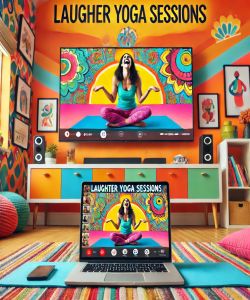
Overview of Laughter Yoga Sessions
Laughter Yoga is a rigorous and structured wellness modality, engineered to leverage the profound physiological and psychological benefits of prolonged, voluntary laughter. It is fundamentally an exercise regimen, not a form of entertainment or comedy, that operates on the scientifically validated principle that the human body cannot differentiate between simulated and genuine laughter. Consequently, participants derive the same substantial health advantages irrespective of the laughter’s origin. A typical session synthesises a series of dynamic laughter exercises with deep, yogic breathing techniques, a discipline known as Pranayama. This powerful combination is designed to enhance the supply of oxygen to the brain and body, stimulating a state of heightened well-being and invigorating energy. The practice is conducted in a group setting, where direct eye contact and the cultivation of childlike playfulness are employed to transform the initially simulated laughter into spontaneous and contagious mirth. This social dynamic is a critical catalyst, fostering a powerful collective energy that breaks down individual inhibitions and amplifies the experience for all involved. The core tenet is 'motion creates emotion'; by engaging in the physical act of laughter, participants can directly and positively influence their emotional state. Laughter Yoga is therefore not contingent on possessing a sense of humour or being in a happy mood; it is a physical practice that produces a happy and healthy state of being. It stands as a potent, accessible, and efficient tool for proactive stress management, emotional regulation, and the enhancement of social connectivity, offering a robust framework for improving overall quality of life through a disciplined and purposeful application of laughter as a form of bodily exercise.
What is Laughter Yoga Sessions?
Laughter Yoga is a unique and systematic exercise routine developed on the premise that intentional laughter provides the same physiological and psychological benefits as spontaneous laughter. It is a proprietary wellness concept that functions independently of humour, jokes, or comedy, enabling any individual to laugh without relying on external stimuli. The practice is a carefully orchestrated synthesis of unconditional laughter exercises and deep yogic breathing (Pranayama), which work in tandem to increase net oxygen supply to the body and brain, leading to tangible feelings of health, energy, and vitality.
The methodology is grounded in a simple yet profound scientific observation: the body does not distinguish between laughter that is voluntarily simulated and laughter that is a genuine response to humour. A Laughter Yoga session is designed to harness this principle within a structured group environment. Key components include:
Group Dynamics: Sessions are conducted with multiple participants to leverage the contagious nature of laughter. The power of suggestion and social connection within the group helps to facilitate and sustain the laughter, making it a shared and amplified experience.
Childlike Playfulness: Participants are actively encouraged to shed inhibitions and engage in playful activities. This approach helps to lower the psychological barriers that often prevent adults from laughing freely and deeply, fostering a safe and non-judgemental environment.
Eye Contact: Maintaining eye contact with others in the group is a core technique used to deepen the experience and transform simulated laughter into genuine, hearty laughter. It builds a strong sense of connection and shared vulnerability, which is crucial for the process.
Breathing Exercises: Interspersed between laughter exercises are deep, diaphragmatic breathing techniques. This practice calms the nervous system, enhances blood flow, and ensures the body is optimally prepared to receive the full benefits of the laughter, creating a balanced state of stimulation and relaxation.
In essence, Laughter Yoga is not a philosophy but a physical application designed to induce positive biochemical changes within the body, thereby serving as a powerful modality for stress reduction, mood enhancement, and improved social well-being.
Who Needs Laughter Yoga Sessions?
Corporate Professionals and Business Leaders: Individuals operating within high-pressure corporate environments who are subject to chronic stress, decision fatigue, and the risk of burnout. Laughter Yoga provides a powerful, efficient mechanism for stress dissipation, fostering mental clarity, enhancing creativity, and building resilient, cohesive teams through a shared, positive experience.
Healthcare and Frontline Workers: Professionals such as doctors, nurses, paramedics, and carers who face significant emotional and physical strain. These sessions offer a vital outlet for processing occupational stress, preventing compassion fatigue, and replenishing the emotional reserves necessary to provide effective patient care.
Educational Professionals and Students: Teachers, lecturers, and students at all academic levels who contend with performance pressure, examination anxiety, and social challenges. The practice improves focus, reduces anxiety, boosts confidence, and creates a more positive and supportive learning environment.
Senior Citizens and Residents in Care Facilities: The elderly population, who may experience social isolation, depression, or physical ailments that limit mobility. Laughter Yoga is a safe, low-impact exercise that enhances mood, strengthens immune function, increases oxygenation, and provides a crucial source of social connection and joy.
Individuals Managing Mental Health Conditions: Persons dealing with conditions such as anxiety, depression, and post-traumatic stress disorder, under the guidance of their healthcare provider. The practice offers a non-pharmacological, complementary tool for mood regulation through the release of endorphins and reduction of cortisol levels.
Actors, Artists, and Creative Professionals: Individuals in creative fields who seek to overcome creative blocks and performance anxiety. The sessions help to dismantle inhibitions, foster spontaneity, and unlock a state of playful creativity essential for artistic expression.
Caregivers for Family Members: Individuals providing long-term care for relatives with chronic illness or disability, who often neglect their own well-being. These sessions provide a necessary respite and an effective tool for managing the immense emotional and physical toll of their responsibilities.
Athletes and Sports Teams: Competitors looking to improve performance through enhanced respiratory function, stress management, and team bonding. Laughter Yoga builds mental resilience and promotes a positive, unified team spirit that is critical for success in competitive sports.
Origins and Evolution of Laughter Yoga Sessions
The inception of Laughter Yoga can be precisely traced to March 1995 in Mumbai, India. It was conceptualised and initiated by Dr. Madan Kataria, a general practitioner who was researching the profound health benefits of laughter for an article he was writing. Intrigued by scientific literature affirming laughter's positive impact on human physiology and psychology, he resolved to put these findings into practical application. He began by forming a small ‘Laughter Club’ in a local park, starting with just five individuals. Initially, the sessions revolved around the sharing of jokes and anecdotes to induce laughter. However, this method quickly proved unsustainable; the supply of high-quality jokes was finite, and some were inevitably perceived as inappropriate or offensive, creating division rather than unity within the group.
This fundamental challenge prompted a critical evolution in the methodology. Dr. Kataria, in collaboration with his wife Madhuri Kataria, a practitioner of Hatha Yoga, hypothesised that the body could benefit from the physical act of laughing, regardless of whether it was triggered by humour. Drawing on the principle of 'acting as if', they proposed that simulated, unconditional laughter could yield the same health outcomes as genuine laughter. This paradigm shift was revolutionary. They integrated deep breathing exercises derived from traditional yoga (Pranayama) with structured, playful laughter exercises that encouraged eye contact and group interaction. This fusion of yogic breathing with intentional laughter became the definitive framework of Laughter Yoga, liberating the practice from its dependency on cognitive humour.
The new format proved exceptionally effective. The concept of laughter as a form of exercise, rather than an emotional response, was universally accessible and culturally neutral. This allowed Laughter Yoga to transcend geographical and linguistic barriers, leading to its rapid global proliferation. From that initial club in Mumbai, the movement has expanded into a worldwide phenomenon, with thousands of social Laughter Clubs and professional applications in corporations, schools, healthcare facilities, and community centres. The evolution from a joke-based social gathering to a disciplined, scientifically grounded wellness practice underscores its robustness and adaptability as a powerful tool for global health and well-being.
Types of Laughter Yoga Sessions
Social Laughter Clubs: This is the foundational and most common format of Laughter Yoga. These are community-based, non-commercial groups that meet regularly in public spaces such as parks, community halls, or online platforms. The primary objective is to promote general well-being, social connection, and sustained health benefits through consistent practice. Sessions are typically led by a Certified Laughter Yoga Leader and are open to all members of the public, fostering a diverse and supportive environment.
Corporate Laughter Yoga (Laughter for Business): These are bespoke sessions specifically designed and delivered for the corporate sector. The focus is tailored to address workplace-specific challenges such as stress management, team building, leadership development, and fostering innovation. The exercises are framed to enhance communication, break down hierarchical barriers, and boost morale and productivity within an organisational context.
Laughter Yoga for Seniors: This is a modified version of the practice adapted to meet the physical and emotional needs of the elderly. The exercises are often gentler and can be performed seated. The sessions place a strong emphasis on combating social isolation, improving respiratory function, managing age-related depression, and providing a safe, joyful form of low-impact physical activity.
Laughter Yoga in Schools and Universities: These sessions are tailored for students and educators within an academic setting. For younger children, the focus is on playful engagement, emotional expression, and developing social skills. For older students and university attendees, the practice is positioned as a powerful tool for managing examination stress, improving concentration, and building resilience against academic pressures.
Laughter Yoga for Special Needs Groups: These are highly specialised and adaptive sessions for individuals with physical or cognitive challenges, or those in clinical settings such as hospitals and therapy centres. The practitioner must possess additional training to modify exercises appropriately, ensuring safety and inclusivity. The objective is therapeutic, aiming to improve mood, reduce pain perception, and enhance the overall quality of life for participants.
One-on-One Laughter Coaching: This is a personalised format where a Laughter Yoga professional works directly with a single client. It is an intensive and focused application of the principles, often used for individuals who are uncomfortable in group settings, or for targeted coaching on specific personal development goals, such as building confidence or overcoming deep-seated inhibitions.
Benefits of Laughter Yoga Sessions
Profound Stress Reduction: Directly combats the physiological impact of stress by significantly lowering levels of cortisol, the body’s primary stress hormone. The practice simultaneously elevates mood by stimulating the release of endorphins, creating a powerful and immediate sense of relaxation and well-being.
Strengthened Immune System: Engages the body in a way that increases the production and activity of vital immune cells, including T-cells and Natural Killer cells. Regular practice fortifies the body’s defence mechanisms against pathogens, contributing to improved overall health and resilience against illness.
Enhanced Cardiovascular Health: Provides a robust form of internal aerobic exercise. Hearty laughter increases heart rate, improves blood circulation, and enhances blood vessel function. This process effectively oxygenates the entire body, akin to a moderate cardiovascular workout, thereby supporting long-term heart health.
Improved Respiratory Function: The deep, diaphragmatic breathing inherent in Laughter Yoga exercises strengthens the respiratory muscles and increases lung capacity. It facilitates a more complete exchange of air, expelling stale residual air and enriching the blood with a fresh supply of oxygen.
Natural Pain Relief: The release of endorphins triggered by sustained laughter acts as a natural analgesic. This biochemical response can temporarily increase pain tolerance and alleviate discomfort from chronic conditions such as arthritis and muscular spasms.
Elevated Mood and Positive Outlook: The practice serves as a powerful antidote to negative emotional states like anxiety and depression. By physically inducing laughter, it generates a positive feedback loop that helps to shift perspective, foster optimism, and cultivate a more resilient and cheerful disposition.
Enhanced Social Connection: As a group activity, it effectively dismantles social barriers and fosters a strong sense of community and belonging. The shared experience of laughter creates powerful bonds between participants, improving social skills and mitigating feelings of isolation and loneliness.
Increased Self-Confidence and Creativity: By encouraging participants to step outside their comfort zones in a supportive environment, Laughter Yoga helps to build confidence and reduce self-consciousness. The playful and uninhibited state it fosters can also unlock creative thinking and problem-solving abilities.
Core Principles and Practices of Laughter Yoga Sessions
Motion Creates Emotion: This is the foundational principle upon which the entire practice is built. Laughter Yoga operates on the tenet that one can cultivate a positive emotional state by first initiating the corresponding physical action. Participants do not wait to feel happy in order to laugh; they initiate the physical act of laughing to generate a state of happiness and joy.
Laughter is an Exercise: The practice reframes laughter not as a spontaneous emotional reaction but as a deliberate and structured physical exercise. This approach makes its benefits accessible to everyone, at any time, without reliance on external stimuli such as humour or comedy. It is a discipline to be practised for physiological and psychological gain.
The Body Cannot Differentiate: Scientific evidence supports the principle that the human body does not distinguish between voluntarily simulated laughter and genuine, spontaneous laughter. Both forms of laughter trigger the same cascade of beneficial biochemical changes, including the release of endorphins and the reduction of stress hormones.
Cultivation of Childlike Playfulness: A core practice involves encouraging participants to shed adult inhibitions and reconnect with their innate sense of play. This is achieved through playful exercises, nonsensical language, and movements that foster a non-judgemental and creative atmosphere, which is essential for transforming simulated laughter into authentic mirth.
The Importance of Group Dynamics: Laughter Yoga is predominantly a group activity designed to leverage the contagious nature of laughter. The practice of maintaining direct eye contact between participants is a critical technique used to amplify the experience, build social bonds, and facilitate the transition from voluntary to involuntary laughter through shared energy.
Integration of Yogic Breathing (Pranayama): Sessions are methodically structured to intersperse dynamic laughter exercises with deep, diaphragmatic breathing. This practice ensures that the body is properly oxygenated, calms the nervous system after periods of stimulation, and grounds the participants, creating a balanced and holistic wellness experience.
Sustained and Hearty Laughter: To achieve significant physiological benefits, the laughter must be sustained for a prolonged period, typically for at least 10 to 15 minutes with intermittent breaks. The practice emphasises deep, diaphragmatic laughter that emanates from the belly, ensuring a full physical workout and maximum health impact.
Online Laughter Yoga Sessions
Unrivalled Accessibility and Convenience: Online sessions eradicate all geographical barriers, enabling individuals from any location worldwide to participate without the need for travel. This format provides unparalleled convenience, allowing participants to integrate a powerful wellness practice directly into their daily schedules from the comfort and privacy of their own homes or offices.
Psychological Safety and Reduced Inhibition: For individuals who may feel self-conscious or hesitant to laugh boisterously in a physical group setting, the online environment offers a degree of perceived anonymity and personal space. Being in a familiar environment can lower psychological barriers, encouraging fuller and more uninhibited participation.
Efficient and Scalable Delivery: The digital platform allows for immense scalability. A single certified leader can effectively facilitate a session for a large and geographically dispersed group, making it an exceptionally efficient delivery model for corporate wellness programmes, international teams, and widespread community organisations.
Consistent Practice and Routine Building: The ease of access to online sessions facilitates more consistent engagement. Participants are more likely to maintain a regular practice when logistical hurdles are removed, leading to the cumulative and long-term accrual of health benefits associated with Laughter Yoga.
Effective for a Distanced World: In an era where remote working and social distancing are prevalent, online Laughter Yoga serves as a vital tool for combating the effects of isolation. It actively fosters a sense of connection and shared experience among participants, building community and morale despite physical separation.
Focused and Controlled Environment: The online format, managed by a skilled facilitator, ensures a structured and distraction-free session. Participants can focus entirely on the exercises and the leader’s instructions without the peripheral distractions that can sometimes occur in a public or shared physical space.
Cost-Effectiveness: By eliminating costs associated with venue hire, travel, and other logistical overheads, online sessions represent a more economically viable option for both providers and participants, making the benefits of Laughter Yoga accessible to a broader audience.
Laughter Yoga Sessions Techniques
Structured Warm-Up and Chanting: The session commences with a rhythmic warm-up. This typically involves clapping in a specific 1-2, 1-2-3 rhythm whilst chanting “Ho-Ho, Ha-Ha-Ha.” This action is not arbitrary; it is designed to stimulate acupressure points in the palms, energise the body, and begin the process of synchronising the group’s energy.
Gibberish and Childlike Playfulness: The facilitator introduces the concept of Gibberish, a nonsensical language of sounds and gestures. Participants are guided to communicate using only these sounds. This technique is a powerful icebreaker that bypasses the logical, analytical mind, effectively silencing the inner critic and encouraging spontaneous, playful interaction.
Deep Breathing Exercises (Pranayama): Interspersed between the more dynamic laughter exercises are periods of deep, controlled breathing. Participants are instructed to inhale deeply through the nose, hold the breath for a moment to allow for full oxygen absorption, and then exhale slowly and completely. This practice calms the nervous system and replenishes oxygen levels.
Value-Based Laughter Exercises: The core of the session consists of a series of structured laughter exercises. These are often named and have a specific physical action associated with them. Examples include:
Greeting Laughter: Participants move around the space (or look at different individuals on screen) and greet each other with laughter instead of words, using various traditional greeting gestures like a handshake or a namaste.
Milkshake Laughter: Participants mime the action of pouring ingredients into two imaginary glasses, pouring them back and forth whilst chanting “Aae-Aae-Ooo,” and then drinking the ‘milkshake’ with a deep, hearty belly laugh.
Argument Laughter: Two participants engage in a mock argument, pointing fingers and using expressive gestures, but with laughter as their only form of communication. This exercise safely releases tension and frustration.
Laughter Meditation: Towards the end of the session, the structured exercises cease. Participants are encouraged to sit or lie down and allow laughter to flow freely and unconditionally, without any specific prompt. This phase often transitions from simulated laughter into genuine, deep, and sustained laughter, followed by a period of profound silence and relaxation.
Grounding and Relaxation: The session concludes with a guided relaxation or grounding exercise. This helps participants to integrate the experience, calm their bodies and minds, and transition smoothly back into their day, feeling both energised and profoundly relaxed.
Laughter Yoga Sessions for Adults
Laughter Yoga is a uniquely potent modality for the adult population, precisely because it directly confronts and dismantles the social conditioning and psychological burdens that accumulate throughout adult life. Adulthood is frequently characterised by escalating responsibilities, chronic stress, and a pervasive pressure to maintain a serious and composed demeanour, which collectively suppress the natural human capacity for playfulness and spontaneous joy. The structured exercises within a Laughter Yoga session provide a sanctioned and safe environment for adults to intentionally bypass their over-analytical intellect and engage in activities that are fundamentally non-cognitive. It is not about understanding a joke; it is about committing to a physical act. This process is liberating, offering a powerful release from the constant mental churn of work, finances, and personal obligations. Furthermore, the practice addresses the profound social inhibitions that govern most adult interactions. By engaging in synchronised, unconditional laughter with others, participants create a powerful, non-verbal bond that transcends typical social hierarchies and pretences. This fosters genuine connection, combats the growing epidemic of loneliness, and rebuilds the communal trust that is often eroded in a competitive society. It serves as a physiological reset, flushing the system of stress hormones like cortisol and flooding it with beneficial neurochemicals such as endorphins. For adults, Laughter Yoga is not a trivial pursuit; it is a disciplined and highly efficient re-calibration tool for the mind and body, restoring a vital sense of balance, resilience, and unadulterated well-being that is essential for navigating the complexities of modern life.
Total Duration of Online Laughter Yoga Sessions
The standard and professionally recommended total duration of an online Laughter Yoga session is precisely 1 hr. This timeframe is not arbitrary but is meticulously structured to ensure participants experience the full arc of the practice, from initial engagement to deep relaxation, thereby maximising the physiological and psychological benefits without inducing fatigue. A session of 1 hr is optimally divided into distinct, sequential phases, each with a specific purpose. The initial segment is dedicated to introductions, technical checks, and a structured warm-up, which is crucial for building rapport and preparing the body. The central and most substantial portion of the hour is devoted to the core laughter exercises, interspersed with deep yogic breathing. This is the primary ‘workout’ phase, where sustained, hearty laughter is generated to stimulate the release of endorphins and reduce stress hormones. Following this peak activity, a dedicated period is allocated for Laughter Meditation, a phase of free-flowing, unconditional laughter that transitions into a state of calm. The final segment of the 1 hr session is reserved for guided relaxation and grounding exercises. This cool-down period is essential for integrating the powerful energy generated during the session, allowing the nervous system to settle and ensuring that participants leave feeling both invigorated and profoundly centred. A duration shorter than one hour risks rushing these critical phases, diminishing the overall therapeutic impact, whilst a longer session can be physically and emotionally demanding in a virtual format. Therefore, the 1 hr duration is the industry standard for a complete, effective, and safely contained online Laughter Yoga experience.
Things to Consider with Laughter Yoga Sessions
Engaging in Laughter Yoga demands more than mere attendance; it necessitates a conscious and prepared approach to derive its substantial benefits. Primarily, one must consider the physical readiness of the body. Although generally a low-impact activity, the practice involves vigorous, diaphragmatic movements that can exert pressure on the abdominal and thoracic regions. Individuals with pre-existing medical conditions, particularly those related to cardiovascular health, hernias, recent surgery, or advanced pregnancy, are mandated to seek professional medical clearance prior to participation. Beyond physical health, a participant’s mindset is a critical factor. One must approach the session with an open and willing disposition, prepared to set aside cynicism and self-consciousness. The initial phases of simulated laughter can feel artificial or awkward; success hinges on the commitment to persevere through this initial resistance. The environment is another key consideration, especially for online sessions. A private, quiet space where one will not be interrupted is essential. This ensures the participant feels secure enough to laugh freely and loudly without fear of being overheard or judged, which is paramount for uninhibited engagement. Appropriate attire—loose, comfortable clothing that does not restrict movement or breathing—is also a practical necessity. Finally, one must manage expectations. Laughter Yoga is not a comedy performance designed to entertain; it is a participatory wellness exercise. The objective is not to be funny, but to laugh unconditionally. Understanding this distinction is fundamental to appreciating the practice’s purpose and unlocking its full therapeutic potential.
Effectiveness of Laughter Yoga Sessions
The effectiveness of Laughter Yoga is not a matter of anecdotal conjecture but is firmly rooted in established principles of psychoneuroimmunology and exercise physiology. Its potency lies in its ability to generate a host of beneficial biochemical and physiological changes within the body through the deliberate physical act of laughter. The core mechanism is the stimulation of the endocrine system to release endorphins, which are powerful neuropeptides that function as the body’s natural opiates, leading to an immediate elevation in mood and a significant reduction in the perception of pain. Concurrently, this process actively suppresses the production of stress hormones, most notably cortisol and epinephrine. Chronically elevated levels of these hormones are linked to a wide array of health problems, and their reduction through laughter provides a direct and tangible antidote to the ravages of chronic stress. Furthermore, the practice constitutes a formidable cardiovascular workout. The vigorous, diaphragmatic muscle contractions involved in hearty laughter increase heart rate, boost blood circulation, and enhance vascular function, effectively oxygenating the entire body. The deep breathing component strengthens the respiratory system, increasing lung capacity and efficiency. From a psychological standpoint, its effectiveness is amplified by its group-based format, which combats social isolation and fosters a powerful sense of connection and shared positive experience. The practice consistently demonstrates its ability to improve resilience, enhance emotional regulation, and cultivate a more optimistic outlook, making it a highly effective and efficient modality for holistic well-being.
Preferred Cautions During Laughter Yoga Sessions
Participation in Laughter Yoga, whilst broadly beneficial, is not universally advisable without due diligence and must be undertaken with a strict awareness of specific contraindications. It is imperative that individuals with certain medical conditions exercise extreme caution and, in all cases, secure explicit approval from a qualified medical professional before engaging in a session. The practice involves vigorous physical exertion, including forceful exhalation and increased intra-abdominal pressure, which can pose a significant risk to vulnerable individuals. Absolute contraindications include, but are not limited to: recent major surgery (particularly abdominal or thoracic), uncontrolled hypertension, advanced heart disease, epilepsy, severe hernias (inguinal, umbilical), and acute, debilitating back pain or conditions such as a slipped disc. Those with glaucoma must be cautious, as sustained laughter can temporarily increase intraocular pressure. Similarly, individuals with advanced haemorrhoids or those in the later stages of pregnancy should abstain from the practice. It is not the responsibility of the Laughter Yoga leader to diagnose or assess medical fitness; the onus rests entirely upon the participant to ensure they are physically sound. Any feelings of significant discomfort, dizziness, or pain during a session must be met with immediate cessation of the activity. A responsible approach is non-negotiable; treating Laughter Yoga as a strenuous physical exercise and adhering to these rigorous cautions is paramount to ensuring a safe and positive experience for all. Ignoring these warnings is an act of profound negligence.
Laughter Yoga Sessions Course Outline
Module 1: Foundational Principles and Introduction
Session 1.1: The History and Philosophy of Laughter Yoga. Understanding the origins with Dr. Madan Kataria and the core concept of unconditional laughter.
Session 1.2: The Science of Laughter. A detailed exploration of the physiological and psychological benefits, focusing on endorphin release, cortisol reduction, and immune system enhancement.
Session 1.3: Creating a Safe and Positive Environment. Establishing group norms, the importance of a non-judgemental attitude, and overcoming initial inhibitions.
Module 2: The Core Techniques of Laughter Yoga
Session 2.1: Mastering Yogic Breathing (Pranayama). Instruction on deep, diaphragmatic breathing techniques to maximise oxygenation and induce calm.
Session 2.2: Warm-Up and Gibberish. Practical application of clapping rhythms, chanting, and the use of Gibberish to bypass the analytical mind.
Session 2.3: Introduction to Basic Laughter Exercises. Step-by-step guidance on foundational exercises such as Greeting Laughter, Milkshake Laughter, and Lion Laughter.
Module 3: Deepening the Practice
Session 3.1: Advanced and Value-Based Laughter Exercises. Learning a broader repertoire of exercises designed to release specific emotions and reinforce positive values.
Session 3.2: The Role of Childlike Playfulness. Guided activities designed to break down adult conditioning and foster spontaneity and creativity.
Session 3.3: Laughter Meditation. A structured introduction to the practice of allowing laughter to flow freely, leading to a state of deep, meditative silence.
Module 4: Application and Integration
Session 4.1: Leading a Laughter Session. For those on a leadership track, this covers the structure and flow of facilitating a complete Laughter Yoga session for a group.
Session 4.2: Solo Laughter Practice. Techniques for practising Laughter Yoga alone to maintain benefits between group sessions.
Session 4.3: Integrating Laughter into Daily Life. Strategies for using the principles of Laughter Yoga to manage stress, improve relationships, and maintain a positive outlook in everyday situations.
Module 5: Grounding and Conclusion
Session 5.1: Guided Relaxation and Yoga Nidra. Techniques for deep physical and mental relaxation to conclude a practice session.
Session 5.2: Sharing and Reflection. A facilitated group discussion to process the experience and reinforce the sense of community.
Session 5.3: Final Review and Personal Action Plan. Consolidating learning and developing a personal plan for continued practice and well-being.
Detailed Objectives with Timeline of Laughter Yoga Sessions
Week 1: Foundational Acclimatisation and Physical Engagement.
Objective: By the end of the first week, participants will have overcome initial inhibitions and will be able to perform the basic warm-up clapping and chanting (“Ho-Ho, Ha-Ha-Ha”) with confidence. They will demonstrate a competent understanding and execution of deep diaphragmatic breathing techniques, distinguishing it from shallow chest breathing. Participants will have engaged in at least three foundational laughter exercises and will be able to articulate the core principle of 'motion creates emotion'.
Week 2: Deepening Engagement and Fostering Group Cohesion.
Objective: By the end of the second week, participants will expand their repertoire to include at least ten distinct laughter exercises, including value-based and interactive ones. They will demonstrate proficiency in maintaining eye contact to facilitate contagious laughter within the group. The ability to engage in Gibberish conversations to bypass the intellect will be established, and participants will report a noticeable reduction in self-consciousness during the sessions.
Week 3: Mastering Laughter Meditation and Emotional Release.
Objective: By the end of the third week, participants will successfully transition from structured laughter exercises into a state of sustained Laughter Meditation, allowing laughter to flow freely and unconditionally for a minimum of three to five minutes. They will be able to follow this period of intense activity with a period of meditative silence, demonstrating an ability to self-regulate their energy. Participants will be guided to recognise and process any emotional releases that may occur during the practice.
Week 4: Integration and Autonomous Practice.
Objective: By the end of the fourth week, participants will possess the skills and confidence to initiate short bursts of solo laughter as a stress-management tool in their daily lives. They will be able to articulate a clear understanding of how to apply the principles of Laughter Yoga to real-world challenges. Participants will have developed a personal action plan for continuing their practice independently or within a social club, ensuring the long-term integration of its benefits. They will also participate in a full, seamless session, including grounding and relaxation, with minimal prompting.
Requirements for Taking Online Laughter Yoga Sessions
A Stable and High-Speed Internet Connection: Non-negotiable. A weak or intermittent connection will severely disrupt the flow of the session, both for the individual and the group. A wired Ethernet connection is strongly preferred over Wi-Fi to ensure maximum stability.
A Functional Computing Device with a Webcam and Microphone: A laptop, desktop computer, or tablet is required. The device must be equipped with a high-quality, functioning webcam and microphone. The visual and auditory components are critical for group interaction and for the facilitator to provide effective guidance.
A Private and Unobstructed Physical Space: Participants must have access to a private room or area where they will not be disturbed for the entire duration of the session. The space must allow for free movement, including standing, stretching, and potentially lying down for relaxation, without risk of injury or obstruction.
Comfortable and Non-Restrictive Clothing: Attire should be loose-fitting and comfortable, similar to what one would wear for light exercise or yoga. Restrictive clothing, such as tight jeans or business attire, will inhibit deep breathing and free movement, thereby diminishing the effectiveness of the practice.
A Commitment to Full, Undistracted Participation: Participants are required to commit their full attention to the session. This means silencing all notifications, closing other applications on their device, and ensuring that pets, family members, or other potential distractions are managed for the duration of the session.
An Open Mindset and Willingness to Engage: This is a critical psychological requirement. Participants must be prepared to engage fully with the exercises, including the initial stages of simulated laughter which may feel unfamiliar. A disposition of willingness and a temporary suspension of cynicism are essential for success.
Access to Water: It is strongly advised to have a bottle or glass of water nearby. The practice can be physically exertive, and staying hydrated is important for comfort and well-being.
Things to Keep in Mind Before Starting Online Laughter Yoga Sessions
Before commencing an online Laughter Yoga session, it is imperative to adopt a mindset of disciplined commitment and to discard any preconceived notions of what the practice entails. You must fundamentally understand that this is not a passive form of entertainment; it is an active, participatory exercise regimen. You are not attending a comedy show. There will be no jokes, and the onus is not on the facilitator to make you laugh. The responsibility for generating the laughter, and thereby its benefits, rests entirely with you. Be prepared for an initial period of self-consciousness or even absurdity. The act of simulating laughter in front of a screen can feel profoundly unnatural at first. This is a predictable and normal barrier. Your objective is to push through this initial resistance with determination. The true value of the session is unlocked only through full and uninhibited engagement. Ensure your technological setup is flawless in advance; technical issues are a distraction that neither you nor the group can afford. You must also commit to respecting the sanctity of the shared virtual space by being fully present, with your camera on, and by creating an environment free from any external interruptions. This is a serious wellness discipline disguised in a cloak of playfulness. Approach it with the same focus you would bring to any other form of rigorous physical or mental training to ensure you extract its maximum, potent benefits.
Qualifications Required to Perform Laughter Yoga Sessions
The facilitation of Laughter Yoga sessions is a professional discipline that demands specific, certified training to ensure sessions are conducted safely, effectively, and ethically. It is wholly inappropriate for an untrained individual to lead a group, as they will lack the requisite knowledge of session structure, risk management, and group dynamics. The globally recognised standards for practitioners are set by Laughter Yoga International and similar accredited bodies, which offer a clear and structured training hierarchy. The primary qualifications are:
Certified Laughter Yoga Leader (CLYL): This is the foundational qualification. It is typically obtained through an intensive two-day training course conducted by a Certified Laughter Yoga Teacher. The curriculum provides a comprehensive understanding of the history, concept, and philosophy of Laughter Yoga. Trainees learn the core laughter and breathing exercises, facilitation skills, and the necessary cautions and contraindications. A CLYL is qualified to lead Laughter Yoga sessions for social clubs, corporate groups, schools, and other community settings. They are not, however, qualified to train other leaders.
Certified Laughter Yoga Teacher (CLYT): This is an advanced qualification for experienced Laughter Yoga Leaders who wish to train others. The training is more extensive and is conducted exclusively by Master Trainers who have been personally selected by the founder, Dr. Madan Kataria. A CLYT possesses a deeper understanding of the practice, marketing, and leadership skills. They are certified to conduct the two-day Certified Laughter Yoga Leader training courses and issue official certificates to their graduates, thereby expanding the global network of qualified practitioners.
Prospective participants must insist on verifying the credentials of any facilitator. A legitimate practitioner will be able to produce a valid certificate from a recognised training organisation and should be transparent about their level of qualification and experience.
Online Vs Offline/Onsite Laughter Yoga Sessions
Online
Online Laughter Yoga sessions are characterised by their unparalleled convenience and accessibility. They eliminate all geographical and logistical barriers, allowing individuals from any location to participate from the security and comfort of their personal environment. This format can be particularly advantageous for those who are new to the practice and may feel inhibited, as the perceived distance of the screen can provide a layer of psychological safety, encouraging more unreserved participation. Furthermore, online sessions are highly efficient, removing travel time and associated costs, making it easier to integrate the practice into a busy schedule consistently. The digital platform also offers immense scalability, enabling a single facilitator to reach a large, dispersed audience, which is ideal for international corporations or widespread community groups. However, the online format is entirely dependent on technology; a poor internet connection or hardware failure can completely derail the experience. It can also be more challenging to cultivate the deep, energetic group connection that is a hallmark of the practice, as the subtleties of physical presence and direct, unmediated eye contact are lost.
Offline/Onsite
Offline, or onsite, sessions provide an intensity and energetic resonance that is difficult to replicate in a virtual setting. The power of direct human connection is paramount. Being in the same physical space allows participants to feed off the collective energy of the group in a more palpable and immediate way. Direct, physical eye contact is far more potent than its digital equivalent, and the shared acoustics of a room filled with laughter create a powerful, immersive experience that accelerates the transition from simulated to genuine mirth. The absence of technological barriers ensures a smoother, more organic flow. The facilitator can also provide direct physical guidance or adjustments if needed and can better gauge the energy and needs of the group. However, offline sessions are inherently limited by geography, scheduling, and venue availability. They require participants to travel, which adds time and expense, and may not be feasible for individuals with mobility issues or those living in remote areas. The physical group setting can also be intimidating for some, potentially increasing initial self-consciousness.
FAQs About Online Laughter Yoga Sessions
Question 1. Do I need to be happy or have a sense of humour to join?
Answer: No. Laughter Yoga is an exercise. It operates on the principle that motion creates emotion. You engage in the physical act of laughing to generate a feeling of happiness, not the other way around.
Question 2. Is the laughter fake?
Answer: It begins as a simulated, voluntary exercise. However, through group dynamics, eye contact, and playful exercises, it soon transforms into genuine, contagious laughter. The body derives the same benefits regardless.
Question 3. What if I don't feel like laughing?
Answer: That is perfectly normal. The instruction is to "fake it until you make it." Commit to the physical actions, and the genuine feeling will follow. It is a discipline, not a mood-dependent activity.
Question 4. Is it a workout? Will I sweat?
Answer: Yes, it is a form of cardiovascular exercise. You will be engaging your diaphragm, abdominal muscles, and respiratory system. It is possible to feel warm and even sweat lightly.
Question 5. What technology do I need?
Answer: A stable internet connection and a device (computer or tablet) with a functioning webcam and microphone are essential.
Question 6. Do I have to keep my camera on?
Answer: Yes. Keeping your camera on is mandatory. Eye contact and visual cues are a critical part of the group dynamic and the effectiveness of the practice.
Question 7. Is it suitable for introverts?
Answer: Absolutely. The online format can provide a sense of safety, and the structured nature of the exercises removes the pressure of social conversation.
Question 8. How is an online session structured?
Answer: A typical session includes a warm-up, deep breathing exercises, a series of guided laughter exercises, Laughter Meditation, and a concluding relaxation period.
Question 9. Can I do it if I have a medical condition?
Answer: You must consult your medical doctor for clearance before participating, especially if you have heart conditions, hernias, recent surgery, or other serious health issues.
Question 10. Will I be laughing for the entire hour?
Answer: No. The session intersperses periods of laughter with deep breathing, gentle movement, and periods of rest and relaxation.
Question 11. What should I wear?
Answer: Loose, comfortable clothing that does not restrict your breathing or movement.
Question 12. Can my children or pets be in the room?
Answer: No. To maintain focus and ensure a safe, professional environment for all participants, you must be in a private, undisturbed space.
Question 13. Is there any talking involved?
Answer: There is minimal talking. The facilitator gives instructions, and there may be a brief sharing period. The core of the practice is non-verbal.
Question 14. What if I start to cry?
Answer: This is a known phenomenon called a cathartic release. It is a positive sign that you are releasing blocked emotions. It is safe and accepted within the session.
Question 15. Can I eat before a session?
Answer: It is best to avoid a heavy meal for at least 90 minutes before a session, as the practice involves vigorous abdominal movement.
Question 16. Is this a religious or spiritual practice?
Answer: No. Laughter Yoga is a non-religious, non-spiritual wellness exercise accessible to people of all backgrounds and belief systems.
Conclusion About Laughter Yoga Sessions
In conclusion, Laughter Yoga must be recognised not as a frivolous pastime but as a potent and disciplined wellness modality grounded in verifiable scientific principles. It stands as a robust refutation of the notion that joy is a purely reactive state, contingent upon external circumstances. Instead, it presents a proactive and systematic methodology for self-regulating one’s physiological and psychological well-being through the deliberate physical act of laughter. The practice systematically leverages the body's own neurochemical factory to produce a state of reduced stress, enhanced mood, and fortified health, making it an exceptionally efficient tool for navigating the pressures of contemporary existence. Its unique synthesis of yogic breathing with simulated laughter creates a holistic exercise that benefits the cardiovascular, respiratory, and immune systems simultaneously. Whether practised in a traditional group setting or via the accessible medium of an online platform, its core efficacy remains undiminished. It serves as a powerful reminder that some of the most profound tools for health and resilience are innate, requiring not complex equipment or doctrine, but merely guided, intentional practice. Laughter Yoga is, therefore, a serious and formidable strategy for building personal and collective resilience, fostering genuine human connection, and reclaiming a fundamental component of human health.