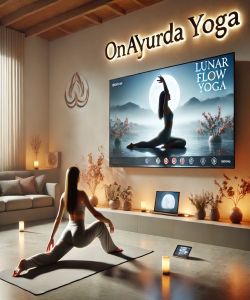
Overview of Lunar Flow Yoga
Lunar Flow Yoga constitutes a deliberate and sophisticated system of physical and mental discipline, meticulously designed to counteract the pervasive high-intensity, stimulation-saturated nature of modern existence. It stands in stark opposition to its solar, or "yang," counterparts, which prioritise heat, muscular exertion, and dynamic, linear progression. Instead, this practice is a profound exploration of the body's lunar, or "yin," capacities: receptivity, introspection, and deep, somatic restoration. The methodology is characterised by slow, fluid, and often circular movements that are intrinsically linked to conscious, diaphragmatic breathing. The core objective is not the attainment of complex acrobatic postures but the systematic down-regulation of the sympathetic nervous system—the body's "fight or flight" mechanism—and the corresponding activation of the parasympathetic nervous system, which governs rest, digestion, and cellular repair. Asanas within a Lunar Flow sequence predominantly focus on opening the hips, releasing the spine through lateral flexion and gentle torsion, and encouraging a state of profound surrender in forward folds. This is not a passive practice; it demands immense mental focus and a willingness to confront the internal landscape of sensation, emotion, and thought without distraction. It functions as a form of moving meditation, a strategic tool for discharging accumulated stress, cultivating emotional equilibrium, and re-establishing a foundational sense of grounding and stability. Within the broader lexicon of yoga, Lunar Flow is the essential counterbalance, providing the cooling, calming, and introspective work required for genuine, holistic well-being and preventing the physical and energetic burnout that can result from an exclusively solar-focused regimen. It is a mature, intelligent practice for individuals seeking not an escape, but a direct and effective means of managing and mastering their internal state.
What are Lunar Flow Yoga?
Lunar Flow Yoga is a specific yogic modality defined by its intention to cultivate cooling, calming, and introspective qualities, often referred to as "lunar" or "yin" energy within yogic philosophy. The term "flow" signifies that the postures (asanas) are linked together in a continuous, graceful sequence, guided and synchronised by the breath (pranayama). However, this flow is markedly different from the rapid, heat-generating pace of a typical Vinyasa or Power Yoga class. The tempo is deliberately slow, meditative, and mindful, encouraging a state of heightened interoception—the awareness of one's internal bodily sensations. The practice is structured to pacify rather than stimulate. It systematically works to soothe the nervous system and quiet the incessant chatter of the mind. The foundational sequence often employed is Chandra Namaskar, the Moon Salutation, which contrasts with the more familiar Surya Namaskar (Sun Salutation). Chandra Namaskar emphasises lateral (sideways) stretching, low lunges, and hip-opening movements, which are believed to stimulate the Ida Nadi, the energetic channel on the left side of the body associated with coolness and receptivity. Beyond the Moon Salutation, a typical Lunar Flow class incorporates a significant number of floor-based postures, including deep hip openers such as Baddha Konasana (Bound Angle Pose), forward folds like Paschimottanasana (Seated Forward Bend), and gentle spinal twists. The core physical objectives are to increase flexibility in the connective tissues, release deeply held tension in the pelvis and lower back, and promote a sense of profound physical and mental release. Philosophically, it is a practice of surrender and acceptance, encouraging practitioners to move with ease and grace rather than forceful effort. It is not merely a "gentle" yoga; it is a potent and targeted discipline for balancing energy, reducing stress, and fostering a deep, restorative connection with oneself.
Who Needs Lunar Flow Yoga?
Individuals Experiencing High Levels of Chronic Stress or Occupational Burnout. For those operating within high-pressure environments, the sympathetic nervous system is in a state of perpetual activation. Lunar Flow Yoga is not merely beneficial; it is a critical intervention. Its slow, methodical nature and emphasis on deep, diaphragmatic breathing directly counteracts the physiological stress response, down-regulating cortisol production and facilitating a necessary shift into the parasympathetic "rest and digest" state. This provides an essential tool for mitigating the debilitating effects of chronic stress, including adrenal fatigue and mental exhaustion.
Athletes and Practitioners of High-Intensity Physical Disciplines. Intense physical training, while beneficial, is a significant stressor on the body, leading to muscular tightness, fascial restriction, and systemic inflammation. Lunar Flow Yoga serves as a sophisticated form of active recovery. It specifically targets the hips, hamstrings, and spine—areas prone to overuse and stiffness. By focusing on sustained, gentle stretching and myofascial release, it enhances flexibility, improves joint mobility, and accelerates tissue repair, thereby preventing injury and complementing an aggressive training regimen with necessary restorative balance.
Persons Seeking to Cultivate Greater Emotional Regulation and Introspection. The fast-paced, externalised focus of modern life often leaves little room for processing internal experiences. Lunar Flow Yoga provides a structured, safe container for self-inquiry (Svadhyaya). The practice demands a turning inward of the senses, compelling practitioners to observe and sit with arising emotions and mental patterns without immediate reaction. This process builds emotional resilience and develops a greater capacity for self-regulation, making it an indispensable tool for anyone navigating emotional volatility or seeking deeper self-awareness.
Individuals with Predominantly Dynamic (Solar) Yoga Practices. A yoga practice that consists solely of powerful, heat-building styles like Ashtanga or Vinyasa can create a significant energetic imbalance. This can manifest as physical exhaustion, agitation, or even injury. Lunar Flow is the essential corrective. It provides the necessary cooling, grounding, and receptive counterpoint, ensuring the yogic path remains holistic and sustainable. It is a non-negotiable component for any serious practitioner wishing to balance the "ha" (solar) and "tha" (lunar) aspects of Hatha yoga.
Origins and Evolution of Lunar Flow Yoga
The conceptual origins of Lunar Flow Yoga are deeply embedded within the foundational principles of classical Hatha yoga, which is itself a discipline dedicated to the union of opposing forces. The very name "Hatha" is a composite of "ha," representing the sun, masculine energy, and the active, heating qualities, and "tha," representing the moon, feminine energy, and the cooling, receptive qualities. This intrinsic duality, symbolised by the energetic channels of Pingala (solar) and Ida (lunar), has always been central to yogic philosophy. For centuries, traditional yoga practices have inherently contained both solar and lunar elements, aiming to bring these forces into equilibrium. The asanas, pranayama, and meditative techniques were all designed to work on this subtle energetic anatomy. Therefore, the essence of a lunar practice is not a modern invention but a core component of the ancient system.
The formalisation of "Lunar Flow Yoga" as a distinct, named style is a more recent development, emerging primarily within the Western yoga landscape over the past few decades. This evolution was a direct and necessary response to the overwhelming commercialisation and popularisation of intensely physical, workout-oriented yoga styles. As Power Yoga, Vinyasa, and other dynamic forms came to dominate the market, a significant gap emerged. Discerning teachers and practitioners recognised that the critical lunar, or "tha," aspect of the practice was being neglected, leading to an unbalanced, and often injurious, approach. They began to consciously curate and sequence classes that explicitly focused on cultivating the cooling, calming, and introspective qualities inherent in the yogic tradition.
In its contemporary evolution, Lunar Flow Yoga has continued to refine its methodology, often integrating principles from complementary disciplines. It has drawn heavily from the deep, passive stretching techniques of Yin Yoga, the focus on prop-supported rest from Restorative Yoga, and the emphasis on internal sensation from somatic movement therapies. This synthesis has created a sophisticated, nuanced practice that is highly effective for managing the specific stressors of modern life. It is no longer simply the "other half" of Hatha yoga but has evolved into a comprehensive and standalone discipline, essential for providing the grounding, nourishment, and balance required for a truly holistic and sustainable yoga practice in the 21st century.
Types of Lunar Flow Yoga
While not formally categorised into branded systems, Lunar Flow Yoga manifests in several distinct methodological approaches, each with a specific emphasis and therapeutic intention. These types are defined by their unique integration of pace, posture, and philosophical focus.
Classical Chandra Namaskar Flow. This is the foundational form of the practice, structured entirely around the sequence of Chandra Namaskar (the Moon Salutation). The primary focus is on mastering the fluid, graceful transitions between postures within this set sequence. The flow is continuous but deliberately slow, with each movement meticulously synchronised with either an inhalation or an exhalation. This type is highly effective for cultivating coordination, releasing the side body through its emphasis on lateral flexion, and establishing a meditative rhythm that calms the nervous system. The sequence is often repeated multiple times to deepen the practitioner's internal focus and somatic awareness.
Restorative Lunar Flow. This approach significantly reduces the amount of active "flow" and places a greater emphasis on deep, passive release. It integrates the core principles of Lunar Yoga with techniques from Restorative Yoga, making extensive use of props such as bolsters, blankets, and blocks. Postures are held for much longer durations, allowing the body to be completely supported and encouraging a profound state of relaxation and surrender. The intention is less about stretching and more about creating the conditions for the nervous system to shift into a deep state of repair and rejuvenation.
Somatic-Infused Lunar Flow. This type blends the gentle, flowing movements of a lunar practice with the principles of somatic education. The focus is directed away from the external shape of the posture and towards the internal, felt sense of the movement. Practitioners are guided to explore micro-movements, release habitual tension patterns, and cultivate a highly refined sense of proprioception and interoception. This approach is exceptionally therapeutic, offering a powerful method for unwinding deep-seated physical and energetic blockages and re-educating the neuromuscular system.
Yin-Hybrid Lunar Flow. This modality creates a deliberate synthesis of a gentle, flowing lunar sequence with the static, long-held postures of Yin Yoga. A typical class might begin with a slow, fluid Chandra Namaskar to warm the body and focus the mind, before transitioning into a series of floor-based Yin postures held for several minutes each. This combination is particularly potent, using the "yang" nature of the flow to prepare the body and mind for the deep, "yin" work of stressing the connective tissues (ligaments, tendons, and fascia).
Benefits of Lunar Flow Yoga
Systematic Down-Regulation of the Autonomic Nervous System. The practice directly targets the body's stress response mechanism. Through slow, controlled movement and deep, diaphragmatic breathing, it actively stimulates the vagus nerve, which is the primary component of the parasympathetic nervous system. This induces the "relaxation response," effectively reducing heart rate, lowering blood pressure, and shifting the body out of a "fight or flight" state into one of "rest and digest," thereby mitigating the corrosive effects of chronic stress.
Profound Release of Myofascial Tension. Lunar Flow Yoga places a significant emphasis on postures that target the large muscle groups and dense connective tissues of the hips, pelvis, and lower back. The combination of gentle, fluid movement and sustained holds works to hydrate the fascia, release deep-seated muscular tension, and improve the overall pliability of the body's soft tissues. This leads to a marked increase in flexibility and a reduction in chronic pain and stiffness.
Enhanced Interoceptive and Proprioceptive Awareness. The deliberate slowness of the practice compels a practitioner to turn their attention inward, away from external distractions and toward the subtle sensations within the body. This systematic cultivation of internal awareness, or interoception, is a critical skill for self-regulation. It enhances proprioception (the sense of the body's position in space), improves neuromuscular coordination, and fosters a more intelligent and intuitive relationship with one's physical self.
Cultivation of Emotional and Mental Equilibrium. The introspective nature of the practice provides a structured environment for observing mental and emotional patterns without immediate judgement or reaction. By creating space between stimulus and response, practitioners develop greater equanimity. This methodical self-inquiry (Svadhyaya) builds emotional resilience, reduces reactivity, and fosters a state of mental clarity and calm that extends far beyond the confines of the yoga mat.
Improved Sleep Quality and Hormonal Balance. By effectively reducing the production of the stress hormone cortisol and promoting a state of deep relaxation before bedtime, a regular evening Lunar Flow practice can significantly improve sleep onset, duration, and quality. The calming effect on the endocrine system helps to regulate hormonal cycles and supports the body's natural rhythms of rest and activity, contributing to overall systemic health and well-being.
Core Principles and Practices of Lunar Flow Yoga
Primacy of 'Sthira Sukham Asanam'. This foundational sutra from Patanjali, meaning "the posture should be steady and comfortable," is the guiding principle. Unlike solar practices that may push the limits of strength and endurance, Lunar Flow demands that every posture and transition be approached with an attitude of stability and ease. The objective is to find the balance point where the body is actively engaged yet free from strain, allowing for deep release rather than forceful imposition. This principle strictly forbids aggression or ego-driven striving within the practice.
Breath as the Sovereign Guide. In Lunar Flow, the breath (pranayama) is not an accompaniment to the movement; it is the absolute initiator and guide of the movement. Every transition is meticulously synchronised with either an inhalation or an exhalation. The breath is typically a soft, audible Ujjayi, which acts as an anchor for the mind and a regulator for the nervous system. The length and quality of the breath dictate the pace of the flow, ensuring it remains slow, deliberate, and meditative.
Cultivation of Receptivity and Surrender. The practice is an exercise in embodying the lunar qualities of receptivity and non-resistance. This involves a conscious letting go of the desire to control, perfect, or achieve. Practitioners are guided to surrender to gravity, especially in forward folds and hip openers, allowing the body to release tension organically rather than forcing it. This principle extends to the mental and emotional realms, encouraging an acceptance of whatever sensations or feelings arise during the practice.
Emphasis on Fluidity and Non-Linear Movement. Lunar Flow prioritises graceful, fluid transitions over static, angular poses. The movements are often circular and spiralling, mimicking the natural rhythms of water and the cycles of the moon. This approach helps to release tension in a more holistic way, lubricating the joints and encouraging a sense of ease and freedom throughout the body. The foundational sequence, Chandra Namaskar, exemplifies this with its sweeping, crescent-shaped movements.
Direction of Energy Downward (Apana Vayu). The practice is intentionally designed to cultivate Apana Vayu, the yogic concept of downward-moving energy associated with grounding, elimination, and release. Poses such as deep squats (Malasana), forward folds, and seated postures are heavily featured to enhance this energetic quality. The intention is to draw energy away from the head and the over-active mind, anchoring it firmly in the lower body and the earth, fostering a profound sense of stability and calm.
Online Lunar Flow Yoga
Creation of a Secure and Personalised Sanctuary. The online modality offers the unparalleled advantage of practising within one's own controlled environment. For a discipline as introspective as Lunar Flow, this is not a minor convenience but a significant enhancement. The practitioner can meticulously regulate lighting, eliminate external noise, control the temperature, and use personal aromatherapy, creating a sanctuary that is perfectly conducive to deep relaxation and inward focus. This removes the potential for distraction or self-consciousness that can arise in a public studio, facilitating a more profound and uninhibited personal experience.
Unmatched Accessibility and Fostering of Discipline. Engaging with Lunar Flow Yoga online eradicates the logistical barriers of travel time, geographical location, and rigid studio schedules. This accessibility empowers the practitioner to establish a far more consistent and regular practice. The discipline is no longer contingent on external factors but becomes a matter of personal commitment. This imperative for self-discipline, inherent in the online format, reinforces the very principles of self-regulation and inner resolve that the practice itself seeks to cultivate.
Mitigation of Performance Pressure and Comparison. A public class setting, however well-intentioned, can inadvertently foster a subtle atmosphere of comparison and performance anxiety. The privacy of an online session entirely removes this detrimental element. Practitioners are free to explore their body's unique limitations and capabilities without external observation or judgement. This encourages a more authentic and honest practice, where the focus remains entirely on internal sensation and personal progress rather than achieving an idealised external form.
Economic Viability and Diversity of Instruction. Online platforms typically provide access to a vast array of highly qualified instructors from around the globe at a fraction of the cost of traditional studio memberships. This economic efficiency makes a high-quality, consistent practice accessible to a broader demographic. Furthermore, it allows the discerning practitioner to seek out and study with specialist teachers who may be geographically inaccessible, thereby enriching and deepening their understanding of the discipline in ways that a local studio might not be able to offer.
Empowerment Through Self-Reliance. The online format places the onus of responsibility squarely on the practitioner. Without the immediate presence of an instructor for physical adjustments, the individual must cultivate a heightened sense of self-awareness and body intelligence to ensure safe alignment. This fosters a powerful sense of ownership and autonomy over one's practice. It transforms the practitioner from a passive recipient of instruction into an active agent in their own well-being, a crucial step in the yogic path.
Lunar Flow Yoga Techniques
Establishment of a Grounded Intention (Sankalpa). The practice must commence not with physical movement, but with a period of absolute stillness. The practitioner assumes a comfortable seated position, such as Sukhasana (Easy Pose), with an erect spine. The initial technique is to consciously release the concerns of the day and bring awareness fully into the present moment. A specific, positive intention is then formulated in the present tense—for example, "I am calm and grounded." This Sankalpa serves as the guiding principle and anchor for the entire duration of the practice, infusing every movement and breath with purpose.
Initiation of Soft Ujjayi Pranayama. Before any significant physical asana, the breath must be regulated. The technique involves a gentle constriction at the back of the throat (the glottis) to create a soft, audible, oceanic sound on both the inhalation and exhalation. Unlike the powerful Ujjayi used in dynamic practices, the lunar version is smooth, quiet, and exceptionally long. The primary objective is to make the exhalation noticeably longer than the inhalation, which actively engages the parasympathetic nervous system and initiates a state of calm.
Execution of Chandra Namaskar (Moon Salutation). This is the core sequence. The technique involves a methodical, breath-synchronised progression through a series of postures that move laterally. Starting in Tadasana (Mountain Pose), one inhales to extend the arms up into a side bend (Indudalasana), exhales into Goddess Pose (Utkata Konasana), then moves through Triangle (Trikonasana), a side lunge (Skandasana), and a low lunge (Anjaneyasana), before repeating the sequence on the other side to return to the starting position. Each transition is fluid and deliberate, devoid of any jarring or hurried movements.
Integration of Deep, Floor-Based Asanas. Following the flowing salutations, the technique shifts to sustained holds in floor-based postures. The primary focus is on hip openers and forward folds. The technique for entering these postures is critical: movement is slow and initiated on an exhalation to encourage release. Postures like Janu Sirsasana (Head-to-Knee Forward Bend) or Baddha Konasana (Bound Angle Pose) are held for multiple, long breaths, using props like blocks or bolsters as necessary to ensure there is no muscular strain, only a deep, yielding stretch.
Concluding with Supported Savasana (Corpse Pose). The final technique is non-negotiable. The practitioner lies supine, but with deliberate support from props. A bolster is placed under the knees to release the lower back, and a blanket may be used for warmth. The body is made completely comfortable to facilitate absolute surrender. The technique is to remain perfectly still and consciously release control over the body and the breath, allowing the nervous system to fully absorb and integrate the effects of the preceding practice.
Lunar Flow Yoga for Adults
The application of Lunar Flow Yoga for the adult demographic is not merely appropriate; it is an essential and strategic discipline for navigating the unique physiological and psychological pressures of modern adult life. Adulthood is frequently characterised by a convergence of stressors: the relentless demands of a career, the responsibilities of family life, and the cumulative physical toll of both sedentary occupations and the ageing process itself. The predominant "solar" ethos of society—which prizes productivity, ambition, and constant activity—exacerbates this, leading to endemic rates of burnout, chronic anxiety, and systemic inflammation. Lunar Flow Yoga serves as a potent and direct antidote. Its methodology is engineered to dismantle the very foundations of this stress response. The slow, meditative movements and deep, controlled breathing provide a practical, repeatable mechanism for discharging accumulated nervous tension and shifting the body's biochemistry from a state of alarm to one of restoration. For adults contending with the physical realities of stiffness in the hips, shoulders, and spine from hours spent at a desk or in a vehicle, the practice offers targeted, therapeutic release, improving mobility and mitigating the risk of chronic pain. Psychologically, it provides a crucial sanctuary for introspection, a rare opportunity in a hyper-connected world to disconnect from external demands and reconnect with one's internal state. It is not an "easy" option but a mature and intelligent practice that demands focus and presence. It equips adults with the indispensable tools of self-regulation and resilience, enabling them to not just survive but to sustain their well-being and vitality over the long term. For the modern adult, engaging in Lunar Flow Yoga is a non-negotiable act of self-preservation and mastery.
Total Duration of Online Lunar Flow Yoga
The standard and optimal total duration for a comprehensive online Lunar Flow Yoga session is meticulously structured to be 1 hr. This timeframe is not arbitrary but is specifically designed to allow for the full physiological and psychological arc of the practice to unfold without being rushed, which would be antithetical to its core principles. Within this 1 hr container, a precise and logical progression is followed. The initial phase is dedicated to arrival and grounding, involving several minutes of quiet seated meditation and pranayama (breathwork) to transition the practitioner from the external world to an internal state of focus. This is followed by a period of gentle, warming movements designed to prepare the joints and muscles for deeper work. The central and most substantial portion of the hour is dedicated to the main Lunar Flow sequence itself, typically involving several rounds of Chandra Namaskar (Moon Salutation) interwoven with longer-held hip-opening and forward-folding postures. This main body of the practice is where the primary benefits of nervous system regulation and myofascial release are generated. A crucial subsequent phase is the cool-down, which involves passive, restorative postures, often supported by props, to guide the body into an even deeper state of relaxation. The final, non-negotiable segment of the 1 hr duration is reserved for Savasana (Corpse Pose), the state of complete rest that allows for the full integration of the practice's effects on a cellular and neurological level. Attempting to condense this therapeutic process into a shorter period would compromise its integrity and effectiveness, while extending it unnecessarily could lead to fatigue or a loss of mental focus for many practitioners. Thus, the 1 hr duration represents a complete and effective dosage.
Things to Consider with Lunar Flow Yoga
Engaging with Lunar Flow Yoga demands a level of maturity and discernment that transcends the mere physical execution of postures. A primary consideration is the absolute necessity of abandoning the competitive, goal-oriented mindset that plagues many other forms of physical activity, including more dynamic yoga styles. The objective here is not to achieve a deeper stretch or a more impressive shape, but to cultivate a state of receptive awareness. Pushing the body aggressively into deep hip openers or forward folds, driven by ego, is a direct route to significant injury, particularly to the sacroiliac joints or hamstring attachments. Practitioners must consider their own anatomical structure and pre-existing conditions with rigorous honesty, employing props not as a sign of weakness but as an intelligent tool for creating stability and ease. Furthermore, one must be prepared for the psychological and emotional material that can surface during such an introspective practice. The stillness and quiet focus can bring unresolved feelings or mental patterns to the forefront. It is crucial to approach this without judgement, understanding that it is part of the cleansing process, yet it is advisable to have support systems in place if the material proves overwhelming. Finally, consistency is paramount. The profound benefits of Lunar Flow Yoga are cumulative. Sporadic engagement will yield only fleeting moments of relaxation; it is the disciplined, regular practice that re-patterns the nervous system and creates lasting resilience. This is not a quick fix, but a long-term strategy for well-being that requires unwavering commitment.
Effectiveness of Lunar Flow Yoga
The effectiveness of Lunar Flow Yoga is profound and measurable, though its metrics are fundamentally different from those of conventional exercise. Its efficacy is not gauged by calories expended, heart rate elevation, or muscular hypertrophy, but by its direct and powerful impact on the autonomic nervous system and the endocrine system. The practice is a highly efficient modality for increasing vagal tone, the key indicator of the health of the parasympathetic nervous system. Through its synthesis of slow movement, deep diaphragmatic breathing, and mindful attention, it systematically shifts the body from a state of sympathetic dominance ("fight or flight") to one of parasympathetic dominance ("rest and digest"). This shift has tangible, systemic consequences: it lowers resting heart rate, reduces blood pressure, improves heart rate variability, and decreases circulating levels of the stress hormone cortisol. The effectiveness is further demonstrated in its capacity to alleviate the physical manifestations of chronic stress, such as muscular tension in the neck, shoulders, and lower back, and to improve digestive function. On a psychological level, its effectiveness lies in its ability to build interoceptive awareness—the skill of sensing the internal state of the body. This enhanced self-awareness is the foundation of emotional regulation, reducing reactivity and fostering a greater sense of inner calm and control. The ultimate measure of Lunar Flow Yoga's effectiveness is its capacity to build somatic resilience, equipping the practitioner with a robust, embodied tool to navigate life's stressors with greater equanimity and to sustain long-term physical and mental health.
Preferred Cautions During Lunar Flow Yoga
Engagement with Lunar Flow Yoga demands rigorous self-monitoring and an unwavering adherence to the principle of non-harm (ahimsa). This is not a practice to be approached with a reckless or competitive mindset. Individuals with pre-existing sacroiliac joint instability, significant hip pathologies such as labral tears, or acute lower back injuries must exercise extreme caution. Deep hip-opening postures and forward folds can easily exacerbate these conditions if entered into without precise alignment, adequate support from props, and a profound respect for the body's warning signals. Pain is not a sign of progress; it is an unequivocal command to desist. Pregnant practitioners must seek expert guidance, as many common postures, particularly deep twists and those involving abdominal compression, are contraindicated. Furthermore, the passive, long-held nature of some lunar-style stretches carries a risk of overstretching ligaments if the muscles are not appropriately engaged for stability or if the practitioner pushes into a range of motion driven by ego rather than somatic intelligence. The introspective nature of the practice also warrants a psychological caution: individuals with a history of significant trauma should ensure they are practising with a trauma-informed instructor, as the deep internal focus can sometimes trigger unresolved emotional responses. The practice environment itself is a factor; attempting deep stretches in a cold room significantly increases the risk of muscle or connective tissue strain. A warm, controlled environment is not a luxury but a prerequisite for a safe and effective practice. Ultimate caution lies in listening to the body’s innate wisdom above any external instruction.
Lunar Flow Yoga Course Outline
Module One: Philosophical Foundations and Energetic Anatomy. This inaugural module establishes the core theoretical framework. It provides a detailed exposition on the yogic concepts of duality: Ha/Tha (Sun/Moon) and Prana/Apana. A specific focus is placed on understanding the Ida Nadi (the lunar energy channel) and its relationship to the parasympathetic nervous system. The philosophical principles of surrender (Ishvara Pranidhana) and self-study (Svadhyaya) as they pertain to a lunar practice are thoroughly examined.
Module Two: The Art and Science of Chandra Namaskar. This module is a comprehensive, practical breakdown of the Moon Salutation. It deconstructs the sequence posture by posture, with meticulous attention to correct anatomical alignment, muscular engagement, and necessary modifications for different body types. The critical technique of synchronising each movement precisely with the breath (vinyasa) is taught and drilled until it becomes second nature.
Module Three: Masterclass on Lunar Asanas: Hips and Forward Folds. This section moves beyond the flow of the salutation to explore the key static postures of a lunar practice. It provides in-depth instruction on a range of seated and supine hip-opening asanas (e.g., Baddha Konasana, Gomukhasana) and forward folds (e.g., Paschimottanasana, Janu Sirsasana). Emphasis is placed on the safe execution of these postures and the intelligent use of props (blocks, bolsters, straps) to facilitate deep, safe release.
Module Four: Pranayama Techniques for Systemic Calming. This module focuses entirely on the science of breath control for nervous system regulation. Practitioners will master the techniques of a soft, lunar Ujjayi breath, Nadi Shodhana (Alternate Nostril Breathing), and Brahmari (Humming Bee Breath). The physiological mechanisms by which these techniques activate the relaxation response will be explained and experienced directly.
Module Five: Principles of Lunar Sequencing and Thematic Weaving. Here, practitioners learn the art of constructing a safe, intelligent, and coherent Lunar Flow sequence. Principles of warming up, building to a peak, and cooling down are covered within a lunar context. The module also explores how to weave philosophical themes or anatomical focuses into a class to create a more profound and integrated experience.
Module Six: Integration of Restorative and Yin Principles. The final module teaches how to seamlessly blend elements of Restorative and Yin Yoga into a Lunar Flow practice. Practitioners will learn how to effectively use props for fully supported, long-held restorative postures and understand the distinction between muscular stretching (yang) and stressing the connective tissues (yin), creating a truly holistic and therapeutic practice.
Detailed Objectives with Timeline of Lunar Flow Yoga
Weeks 1-2: Establishment of Foundational Breath and Movement Synchronicity. The primary objective within this initial fortnight is to achieve proficiency in the basic mechanics of Chandra Namaskar (Moon Salutation) and to establish an unbroken connection between breath and movement. By the end of this period, the practitioner will be able to execute the sequence with correct directional cues and maintain a consistent, soft Ujjayi breath throughout the flow. The focus is on coordination and rhythm, not depth or flexibility. Success is measured by the ability to move with the breath, not ahead of or behind it.
Weeks 3-4: Cultivation of Somatic Awareness and Proprioceptive Refinement. The objective shifts from gross motor patterns to subtle internal sensation. During this phase, the practitioner will learn to identify and differentiate between the sensations of muscular stretch, fascial tension, and joint compression. The timeline requires them to demonstrate the ability to intelligently modify postures using props (blocks, bolsters) to honour their unique anatomy and avoid pain. The goal is to move from mimicking external shapes to inhabiting the postures from within.
-Weeks 5-6: Deepening the Capacity for Surrender and Nervous System Regulation. The focus becomes primarily psycho-physiological. The objective is to consciously use the practice to down-regulate the nervous system. Practitioners will work with longer holds in hip-opening and forward-folding postures, with the specific aim of observing and relaxing into physical and mental resistance. By the end of this period, they will be able to identify the physiological shift from a state of stress to one of relaxation and will have developed a greater capacity to remain present with discomfort.
Weeks 7-8: Integration of Principles and Development of Practice Autonomy. The final objective is the synthesis of all preceding elements into a self-sufficient practice. The practitioner will be tasked with independently structuring and executing a short, balanced Lunar Flow sequence tailored to their own needs on a given day. This demonstrates an integrated understanding of sequencing, pacing, and self-modification. The timeline culminates in the practitioner possessing not just the ability to follow instruction, but the embodied intelligence to guide their own restorative practice effectively.
Requirements for Taking Online Lunar Flow Yoga
Non-Negotiable Digital Infrastructure. A robust, high-speed, and stable internet connection is the absolute foundation for any successful online engagement. Intermittent connectivity, buffering, or poor audio-visual quality will severely compromise the integrity of the practice and create frustration, which is antithetical to the practice’s purpose. A device with a screen of sufficient size to clearly observe the instructor’s demonstrations and audio capabilities that render instruction intelligible is mandatory.
A Sanctified and Uninterrupted Practice Space. The practitioner must designate a specific physical area that is exclusively used for their practice during the session. This space must be large enough to accommodate a yoga mat with at least a metre of clear space on all sides to allow for a full range of movement without impediment. It is an absolute requirement that this space be private, quiet, and entirely free from the potential for interruption by other household members, pets, or digital notifications.
Mandatory and Recommended Equipment. A high-quality, non-slip yoga mat is the minimum required equipment. However, for a serious and safe practice of Lunar Flow Yoga, the following are considered essential, not optional: two dense foam or cork yoga blocks, one firm rectangular yoga bolster, and at least one thick blanket. These props are not for beginners; they are indispensable tools for all levels to support the body, facilitate release, and prevent injury.
A Baseline of Physical Self-Awareness (Interoception). The online format lacks the safety net of in-person physical adjustments from an instructor. Therefore, the practitioner must possess a fundamental ability to listen to their body’s signals. They must be able to distinguish between the productive sensation of a deep stretch and the sharp, warning signal of potential strain or injury. A willingness to exercise restraint and prioritise safety over ambition is a critical prerequisite.
Unyielding Personal Discipline and Commitment. The convenience of practising at home must be met with a commensurate level of self-discipline. The practitioner is solely responsible for creating and honouring their practice schedule. This requires a commitment to show up consistently, to engage with the session fully without succumbing to distraction, and to complete the entire class, including the vital final relaxation in Savasana. The online format is for the self-motivated, not the passive consumer.
Things to Keep in Mind Before Starting Online Lunar Flow Yoga
Before commencing any online Lunar Flow Yoga programme, it is imperative to undertake a rigorous and critical self-assessment and logistical preparation. The autonomy afforded by the digital platform places an immense burden of responsibility upon the practitioner, a fact that must not be taken lightly. First, one must meticulously vet the credentials and lineage of the chosen instructor. Do not be swayed by social media presence; investigate their formal training, particularly inquiring about specialised certifications in restorative, yin, or trauma-informed yoga, which are highly relevant to this modality. Second, you must commit to establishing an inviolable ritual around your practice time. This is not an activity to be squeezed between other tasks. Schedule it in your calendar as a non-negotiable appointment, inform other members of your household that you are not to be disturbed, and disable all notifications on your electronic devices. The sanctity of your practice space and time is paramount. Third, you must be brutally honest about your physical limitations and pre-existing injuries. The instructor cannot see your body with the same clarity as in a studio; you are your own primary safety monitor. This demands that you abandon all ego and work well within your comfortable range of motion, using props generously and intelligently. Finally, understand that progress in this practice is subtle and internal. Resist the temptation to constantly switch between different instructors or platforms. Select a reputable guide and commit to their methodology for a sustained period to allow the profound, cumulative benefits to take root. Convenience must not be an excuse for a lack of diligence.
Qualifications Required to Perform Lunar Flow Yoga
The instruction of Lunar Flow Yoga is a specialised skill that demands qualifications significantly beyond those of a standard, entry-level yoga teacher. To guide practitioners safely and effectively through this deeply introspective and subtle practice, an instructor must possess a robust foundation in both the physical and psycho-energetic dimensions of yoga. A mere 200-hour certification is unequivocally insufficient. The minimum baseline for credibility is a combination of advanced training, specialised knowledge, and extensive personal experience. The following qualifications are non-negotiable for anyone claiming to teach this discipline with authority and integrity:
Advanced Foundational Certification: A minimum of a 500-hour level certification from a reputable and recognised yoga school is the absolute prerequisite. This ensures a comprehensive understanding of asana, pranayama, anatomy, and philosophy that a 200-hour course cannot provide.
Specialised Training in Complementary Modalities: Demonstrable, certified training in Yin Yoga and Restorative Yoga is essential. Lunar Flow draws heavily on the principles of these two disciplines—the long, passive holds of Yin and the prop-supported deep relaxation of Restorative. Without this specialised knowledge, an instructor cannot safely guide students in these subtle yet powerful techniques.
In-Depth Anatomical and Physiological Knowledge: A sophisticated understanding of functional anatomy, particularly concerning the hips, pelvis, and spine, is critical. Furthermore, the instructor must have a firm grasp of the autonomic nervous system, the vagus nerve, and the endocrine system, as the primary goal of the practice is to influence these systems directly.
Substantial and Sustained Personal Practice: An instructor cannot lead others where they have not journeyed themselves. A long-term, dedicated personal practice of Lunar Flow and other introspective styles is paramount. This embodied wisdom ensures that their guidance is authentic and grounded in direct experience, not just theoretical knowledge. A trauma-informed teaching certification is also highly recommended, given the emotionally releasing nature of the practice. These rigorous standards are the minimum guarantee of a safe and effective instructional environment.
Online Vs Offline/Onsite Lunar Flow Yoga
Online
The online modality for Lunar Flow Yoga offers a unique set of advantages rooted in privacy and personal control. The primary benefit is the creation of a personalised sanctuary, where the practitioner can meticulously manage the environment—lighting, sound, temperature—to be perfectly conducive to deep introspection, free from the social dynamics and potential distractions of a public studio. This can significantly deepen the meditative quality of the practice for many individuals. Accessibility is another key factor; online sessions eliminate geographical and scheduling constraints, fostering greater consistency. It also removes the element of performance anxiety or comparison, allowing for a more authentic and self-referential practice. However, the online format is not without its significant drawbacks. The most critical is the absence of direct, hands-on adjustments from a qualified instructor. This places the entire responsibility for safe alignment on the practitioner, increasing the risk of injury for those with less body awareness. Furthermore, the home environment is rife with potential distractions, demanding an exceptional level of self-discipline to remain focused and committed throughout the session.
Offline/Onsite
The traditional offline, or onsite, studio experience provides a powerful container for the practice that cannot be fully replicated digitally. The foremost advantage is the immediate presence of a qualified instructor who can provide precise verbal cues and, where appropriate, safe, hands-on assists to refine alignment and prevent injury. This is an invaluable safeguard, particularly for beginners or those working with physical limitations. The energy of a shared group practice (satsang) can also be profoundly supportive and uplifting, creating a collective focus that can enhance individual concentration. The studio itself is a dedicated space, free from the domestic and professional responsibilities that can intrude upon a home practice. The disadvantages, however, are practical. Onsite classes are bound by a fixed schedule and location, which can be inconvenient. They are typically more expensive than online alternatives. For some, the presence of others can also be a source of self-consciousness, potentially hindering the deep, introspective work that Lunar Flow demands. The choice between modalities thus depends on the individual's level of experience, self-discipline, and specific needs for either privacy or direct guidance.
FAQs About Online Lunar Flow Yoga
Question 1. Is Lunar Flow Yoga suitable for complete beginners?
Answer: Yes, its slow pace is accessible, but it is crucial to choose a beginner-focused class and to cultivate acute self-awareness due to the lack of hands-on correction.
Question 2. Do I need to be flexible to start?
Answer: No. Flexibility is a result of the practice, not a prerequisite. The practice is designed to meet your body where it is.
Question 3. How is it different from Yin Yoga?
Answer: Lunar Flow involves slow, fluid movement linking postures, whereas Yin Yoga consists of entirely static, long-held passive poses. Lunar Flow is a 'vinyasa' (flow), while Yin is not.
Question 4. Can I practise Lunar Flow if I have a hip or back injury?
Answer: You must consult your medical professional first. If cleared, you must inform your instructor and be prepared to modify postures extensively. Extreme caution is required.
Question 5. What equipment is absolutely essential?
Answer: A non-slip yoga mat is the bare minimum. Two blocks and a bolster are highly recommended for a safe and effective practice.
Question 6. Is this practice considered a workout?
Answer: No. Its purpose is not cardiovascular fitness or calorie expenditure but nervous system regulation and myofascial release.
Question 7. Can Lunar Flow help with anxiety?
Answer: Yes, it is highly effective for anxiety as it directly activates the body's relaxation response (parasympathetic nervous system).
Question 8. What time of day is best for this practice?
Answer: The evening is ideal as the calming effects can promote restful sleep. However, it can be practised any time you need to de-stress and ground yourself.
Question 9. Will I build strength with Lunar Flow Yoga?
Answer: While not its primary focus, it does build subtle strength and stability, particularly in the core and legs, through slow, controlled movements.
Question 10. What is Chandra Namaskar?
Answer: It is the Moon Salutation, a set sequence of postures that forms the foundation of most Lunar Flow classes, emphasising lateral bends and hip opening.
Question 11. Why is the breath so important?
Answer: The breath is the tool used to guide the pace of movement and, more importantly, to directly influence the state of the nervous system.
Question 12. Can I eat before an online class?
Answer: It is best to practise on a relatively empty stomach. Avoid a heavy meal for at least two hours prior.
Question 13. How do I stay focused at home?
Answer: Create a dedicated space, turn off all electronic devices, and communicate your need for uninterrupted time to others in your household. Discipline is key.
Question 14. Is it just for women?
Answer: Absolutely not. The "lunar" or "feminine" qualities refer to universal energies of receptivity and calmness that are essential for all genders to cultivate for balance.
Question 15. What if a posture is painful?
Answer: You must immediately and intelligently back out of the posture. Pain is a signal to stop, not to push harder.
Question 16. How often should I practise?
Answer: For tangible benefits, a consistent practice of two to three times per week is recommended.
Conclusion About Lunar Flow Yoga
In conclusion, Lunar Flow Yoga stands as a formidable and essential discipline, serving as a critical counterbalance to the relentless "solar" imperatives of modern society. It is not, and must not be mistaken for, a diluted or simplistic form of yoga. On the contrary, it represents a sophisticated and strategic application of yogic technology, precisely engineered to address the prevalent maladies of chronic stress, sensory overload, and profound disconnection from the self. Its deliberate slowness is not a lack of rigour but a direct method for cultivating deep somatic intelligence and rewiring the autonomic nervous system for resilience. The emphasis on receptivity, fluidity, and introspection provides a potent antidote to the pervasive cultural obsession with aggressive achievement and external validation. Through the methodical practice of linking calming breath with mindful movement, Lunar Flow Yoga offers a practical and repeatable pathway to genuine restoration, emotional equilibrium, and a grounded sense of presence. It is an act of radical self-preservation in a world that constantly demands our energy. Therefore, this practice should be regarded not as an occasional indulgence but as a non-negotiable component of any intelligent, long-term strategy for cultivating sustainable physical health, mental clarity, and profound, unwavering well-being. It is the vital work of returning to oneself.