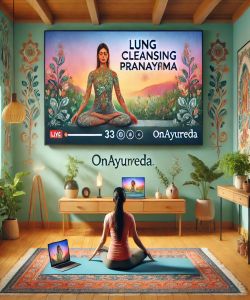
Overview of Lung Cleansing Pranayama
Lung Cleansing Pranayama constitutes a formidable and systematic discipline derived from ancient yogic sciences, engineered with the singular objective of purifying and strengthening the entire respiratory system. It is not merely a collection of breathing exercises; rather, it represents a sophisticated methodology for the deliberate regulation and expansion of prana, the vital life force, through meticulous control of the breath. This practice operates on the fundamental principle that the quality of our breath is inextricably linked to the quality of our physical and mental health. Through a series of powerful and precise techniques, practitioners engage in a rigorous process designed to expel residual, stale air from the lungs, clear accumulated toxins and blockages from the airways, and systematically enhance pulmonary capacity and efficiency. The discipline demands unwavering focus, correct physical posture, and a profound understanding of the mechanics of respiration, including inhalation (puraka), exhalation (rechaka), and breath retention (kumbhaka). Its application extends beyond mere physiological enhancement, serving as a powerful tool to calm the nervous system, sharpen mental acuity, and establish a state of profound internal equilibrium. The mastery of Lung Cleansing Pranayama is therefore positioned as an essential component of advanced yogic practice, providing the foundational stability required for deeper states of meditation and heightened self-awareness. It is an uncompromising approach to respiratory wellness, demanding discipline and precision whilst delivering transformative results for the dedicated practitioner. It is, in essence, the deliberate and forceful command of the body’s most vital function, re-establishing an optimal state of being through the purification of breath itself, thereby reinforcing the body's intrinsic vitality and resilience against external and internal stressors. This rigorous training fortifies the lungs, making them more robust and efficient in their primary function of life-sustaining gas exchange.
What is Lung Cleansing Pranayama?
Lung Cleansing Pranayama is a specific and highly structured branch of yoga dedicated to the purification and revitalisation of the respiratory system through controlled breathing techniques. The term itself is derived from Sanskrit: Prana translates to vital life force or energy, Ayama means to extend, regulate, or control, and the "Lung Cleansing" descriptor specifies its primary function, often referred to as Shodhana Kriya (cleansing action) in traditional texts. At its core, this discipline is a scientific method for manipulating the breath to achieve distinct physiological and psychological outcomes. It operates on the premise that inefficient breathing and the accumulation of environmental pollutants and internal metabolic waste can impair lung function and diminish overall vitality. The practice systematically addresses these issues.
The methodology involves a series of dynamic and static breathing patterns designed to achieve several key objectives:
Forced Expulsion: Techniques such as Kapalabhati (Skull-Shining Breath) use forceful, rapid exhalations to expel stale, carbon dioxide-rich air trapped in the lower lobes of the lungs. This action is akin to a vigorous internal cleanse, clearing mucus and other obstructions from the bronchial passages.
Enhanced Oxygenation: Practices like Bhastrika (Bellows Breath) involve rapid, deep inhalations and exhalations that dramatically increase oxygen intake, saturating the blood and energising every cell in the body. This process invigorates the system and sharpens metabolic function.
Neurological Regulation: Techniques like Nadi Shodhana (Alternate Nostril Breathing) are not forcefully cleansing but work on a subtler level to balance the flow of air and energy through the left and right nasal passages, which corresponds to calming the sympathetic and parasympathetic nervous systems. This brings about mental clarity and emotional stability.
Fundamentally, Lung Cleansing Pranayama is not passive breathing; it is the active and conscious command of the respiratory apparatus. It is a rigorous training regimen for the diaphragm and intercostal muscles, increasing their strength and endurance. This results in a greater vital capacity—the maximum amount of air a person can expel from the lungs after a maximum inhalation—and improved efficiency in gaseous exchange at the alveolar level. It is a proactive, powerful intervention for maintaining peak respiratory health.
Who Needs Lung Cleansing Pranayama?
Individuals residing in urban environments with high levels of air pollution, who are constantly exposed to atmospheric contaminants that compromise respiratory purity and long-term lung health.
Smokers, both current and former, who require a systematic method to assist in the expulsion of tar and other toxic residues, and to begin the arduous process of restoring pulmonary function.
Athletes and physical performers seeking to maximise their vital lung capacity, improve oxygen uptake efficiency, and gain a competitive edge through superior respiratory endurance and control.
Individuals suffering from chronic, non-acute respiratory conditions such as mild asthma or bronchitis, who, under strict medical guidance, can use these techniques to strengthen respiratory muscles and manage symptoms.
Professionals in high-stress occupations, who often exhibit shallow, inefficient breathing patterns. This practice is imperative for them to reset the nervous system, mitigate the physiological impact of stress, and enhance cognitive function.
Public speakers, singers, and wind instrument musicians whose professional success is directly dependent upon the strength, control, and capacity of their respiratory system.
Practitioners of meditation and advanced yoga, for whom purified and controlled breath is a non-negotiable prerequisite for achieving deeper states of concentration and spiritual insight.
Sedentary office workers who, due to prolonged sitting and poor posture, develop compromised breathing patterns and reduced lung capacity, necessitating a targeted intervention to counteract these effects.
Individuals experiencing persistent lethargy, mental fog, or low energy levels, as the practice directly boosts systemic oxygenation, leading to a marked increase in vitality and mental clarity.
Any adult individual committed to proactive health maintenance and disease prevention, who understands that optimal respiratory function is a cornerstone of overall physical and psychological well-being.
Persons recovering from respiratory illnesses (post-acute phase and with medical consent) to aid in rehabilitating lung tissue and regaining baseline respiratory strength and function.
Individuals with a history of recurring colds, coughs, and sinus issues, who can benefit from the cleansing action that helps clear the nasal and bronchial passages, thereby increasing resilience.
Origins and Evolution of Lung Cleansing Pranayama
The origins of Lung Cleansing Pranayama are deeply rooted in the ancient yogic traditions of India, with its foundational principles articulated in classical texts dating back millennia. The earliest conceptual frameworks can be traced to the Vedas and later, more explicitly, in the Upanishads, which discuss prana (vital life force) as a central element of existence. However, the systematic codification of pranayama techniques, including those focused on purification (shodhana), finds its most definitive expression in the seminal texts of Hatha Yoga, most notably the Hatha Yoga Pradipika compiled by Swami Svatmarama in the 15th century CE. This text meticulously details various pranayamas and positions them as the fourth limb of Patanjali's eight-limbed Ashtanga Yoga system, serving as a critical bridge between the physical postures (asana) and the higher states of concentration and meditation.
Within these classical scriptures, cleansing practices were not an optional extra but a fundamental prerequisite. The concept of nadi shodhana (purification of the energy channels) was central. It was understood that for prana to flow freely and for the mind to achieve stillness, the physical and energetic pathways, including the respiratory tract, had to be cleared of impurities (malas). Techniques like Kapalabhati and Bhastrika were prescribed as powerful kriyas (cleansing actions) designed to aggressively purify the body. Their primary purpose was to prepare the practitioner for the more subtle and advanced stages of breath retention (kumbhaka), which was considered the ultimate goal of pranayama, leading to heightened states of consciousness. The original context was therefore profoundly spiritual and preparatory in nature.
The evolution of these practices into the modern era has seen a significant shift in emphasis. Whilst traditionalists and serious yogis continue to pursue pranayama for its spiritual benefits, its application has broadened considerably. In the 20th and 21st centuries, influenced by the global spread of yoga and the rise of modern medical science, Lung Cleansing Pranayama has been increasingly recognised and adopted for its direct physiological and therapeutic benefits. Pioneers of modern yoga brought these techniques to a global audience, often framing them in terms of health, wellness, and stress management. Contemporary instruction, especially in online formats, now focuses heavily on the scientifically observable effects: improved vital capacity, enhanced gas exchange, strengthened respiratory musculature, and regulation of the autonomic nervous system. This evolution has transformed Lung Cleansing Pranayama from a purely esoteric practice into a widely accessible and powerful tool for maintaining respiratory hygiene and combating the stresses of modern life, though its profound spiritual underpinnings remain intact for those who choose to explore them.
Types of Lung Cleansing Pranayama
Kapalabhati (Skull-Shining Breath): This is not technically a pranayama but a shatkarma (one of the six yogic cleansing techniques), yet it is paramount for lung cleansing. It involves a series of forceful, rapid, and active exhalations, generated by sharp contractions of the abdominal muscles, followed by passive, automatic inhalations. The primary function is to vigorously expel stale air, mucus, and carbon dioxide from the lower lobes of the lungs and cleanse the frontal sinuses. Its name derives from the belief that its regular practice results in a clear, shining forehead, indicative of a purified and energised mind.
Bhastrika (Bellows Breath): This technique is a powerful and dynamic pranayama that mimics the action of a blacksmith's bellows. It involves forceful, deep, and rapid inhalations and exhalations of equal duration, driven by the vigorous movement of the diaphragm. Bhastrika dramatically increases oxygen levels in the blood, stimulates the metabolic rate, and generates internal heat, which helps to burn away impurities. It is a highly energising practice that cleanses the entire respiratory tract, from the nostrils to the alveoli, and invigorates both body and mind.
Nadi Shodhana (Alternate Nostril Breathing): While subtler than Kapalabhati or Bhastrika, Nadi Shodhana is a fundamental purification practice. It involves a controlled, rhythmic breathing pattern, inhaling through one nostril while closing the other, and then exhaling through the opposite nostril. This systematic process is designed to clear and balance the nadis, or energy channels, of the body, specifically the Ida (left) and Pingala (right) channels. Physiologically, it helps to balance the autonomic nervous system, reduce stress, and improve overall respiratory efficiency and control, ensuring the entire lung volume is utilised gently and effectively.
Ujjayi Pranayama (Victorious Breath): This technique involves a gentle constriction at the back of the throat (the glottis), creating a soft, audible hissing sound during both inhalation and exhalation. This slight resistance warms the air before it enters the lungs and allows for a much slower, deeper, and more controlled breath. The warming action helps to loosen phlegm, whilst the extended duration of the breath cycle ensures a more complete exchange of gases, pushing out stale air and maximising oxygen absorption. It is both a calming and cleansing practice.
Benefits of Lung Cleansing Pranayama
Enhanced Vital Capacity: Systematically increases the maximum volume of air the lungs can hold and expel, leading to superior respiratory function and stamina.
Strengthened Respiratory Musculature: Rigorously trains the diaphragm and intercostal muscles, enhancing their strength, endurance, and efficiency in driving the mechanics of breathing.
Improved Gaseous Exchange: Promotes more effective transfer of oxygen into the bloodstream and removal of carbon dioxide from it at the alveolar level, boosting overall cellular oxygenation.
Expulsion of Toxins and Pollutants: Forceful exhalation techniques actively dislodge and expel trapped pollutants, allergens, and mucus from the bronchial tubes and deeper lung tissues.
Stimulation of Ciliary Action: The dynamic airflow encourages the natural cleansing mechanism of the respiratory tract, where tiny hairs called cilia move to sweep out debris.
Regulation of the Autonomic Nervous System: Practices such as Nadi Shodhana directly influence the sympathetic and parasympathetic nervous systems, inducing a state of calm, reducing stress, and lowering elevated heart rate and blood pressure.
Increased Mental Clarity and Focus: By enhancing oxygen supply to the brain and calming the nervous system, these techniques directly combat mental fog, improve concentration, and heighten cognitive performance.
Boosted Energy and Vitality: The significant increase in systemic oxygenation and the removal of metabolic waste products results in a profound and sustained increase in physical energy and feelings of vitality.
Enhanced Resilience to Respiratory Ailments: Regular practice fortifies the entire respiratory system, making it more robust and less susceptible to common infections and irritants.
Preparation for Deeper Meditative States: A purified body and a calm, focused mind, achieved through pranayama, are essential prerequisites for successfully engaging in advanced meditation and achieving deeper states of consciousness.
Improved Posture and Core Stability: The emphasis on an upright spine and the active engagement of abdominal muscles during many of the techniques contribute to better posture and a stronger core.
Detoxification of Blood: By optimising the removal of gaseous waste products via the lungs, the practice lessens the detoxification load on other organs like the liver and kidneys.
Core Principles and Practices of Lung Cleansing Pranayama
Postural Integrity (Asana): The practitioner must assume and maintain a stable, comfortable, and erect seated posture, typically a cross-legged position like Sukhasana, Ardha Padmasana, or Padmasana. The spine, neck, and head must be perfectly aligned to allow for the unrestricted movement of the diaphragm and the free flow of prana. This non-negotiable principle ensures the abdominal cavity is open and the lungs can expand to their fullest capacity without physical impediment.
Diaphragmatic Dominance: All pranayama, especially for cleansing, must be initiated from the diaphragm, the primary muscle of respiration. The practice involves retraining the body to move beyond shallow, clavicular breathing and engage in deep, abdominal breathing. This ensures that the lower lobes of the lungs, where stale air tends to accumulate, are fully ventilated and cleansed.
Conscious Breath Awareness (Dharana): The practitioner’s attention must be unwaveringly fixed on the entire process of breathing. This includes the sensation of air at the nostrils, the temperature, the movement of the abdomen and chest, and the subtle sounds of the breath. This focused awareness transforms a mechanical action into a meditative and highly effective physiological process, preventing distraction and ensuring correct execution.
Systematic Progression (Vinyasa Krama): The practice must be approached in a logical, step-by-step manner. A novice must not attempt advanced, forceful techniques without first mastering foundational diaphragmatic breathing and gentler pranayamas. The intensity, duration, and number of rounds must be increased gradually and methodically over time to allow the respiratory and nervous systems to adapt safely.
The Primacy of Exhalation (Rechaka): In the context of cleansing, exhalation is prioritised. The yogic principle is that one must first empty the vessel completely before it can be filled with purity. Techniques like Kapalabhati are defined by their forceful, active exhalations, which are considered the primary mechanism for expelling toxins, stale air, and negative energy.
Controlled Retention (Kumbhaka): While not the primary focus of initial cleansing, the introduction of breath retention—both after inhalation (Antara Kumbhaka) and after exhalation (Bahya Kumbhaka)—is a key principle. It amplifies the effects of pranayama, allowing more time for gaseous exchange and building pressure that can help dislodge stubborn blockages. It must only be practised under expert guidance.
Regularity and Consistency (Abhyasa): Sporadic practice yields negligible results. To achieve genuine and lasting purification and strengthening of the respiratory system, the techniques must be practised with unwavering regularity, ideally daily, at the same time and in the same place, to condition the body and mind for optimal performance.
Online Lung Cleansing Pranayama
Unparalleled Accessibility: Online platforms eliminate all geographical barriers, providing individuals access to highly specialised instruction in Lung Cleansing Pranayama irrespective of their physical location. This democratises the availability of expert guidance, which might otherwise be confined to specific urban centres or yoga studios. Practitioners can engage with qualified instructors from anywhere in the world, ensuring access to authentic and rigorous training.
Structured and Progressive Learning Environment: A professionally designed online course provides a systematic and meticulously structured curriculum. Modules are arranged in a logical sequence, compelling the practitioner to master foundational techniques before advancing to more complex and forceful practices. This enforced, step-by-step progression is critical for safety and efficacy, preventing the common error of attempting advanced techniques prematurely.
On-Demand Repetition and Reinforcement: The digital format allows for infinite repetition of instructional content. Practitioners can review specific techniques, explanations of physiological principles, and guided practice sessions as many times as necessary to achieve complete understanding and correct execution. This facility for reinforcement is a significant advantage over single, in-person sessions where information may be forgotten.
Creation of a Personalised and Controlled Practice Space: Engaging in pranayama online necessitates that the practitioner creates their own dedicated space for practice. This act fosters self-discipline and ensures the environment is free from the distractions and potential social pressures of a group class. The space can be optimised for silence, comfort, and focus, which are paramount for the introspective nature of pranayama.
Flexible Scheduling and Personal Pacing: Online instruction offers absolute flexibility, allowing individuals to integrate this powerful practice into their lives without being constrained by fixed class schedules. Practitioners can engage with the material at their own pace, spending more time on challenging techniques and moving more quickly through those they grasp easily. This tailored approach respects individual learning curves and promotes deeper mastery.
Direct Access to a Wealth of Supplementary Resources: Digital platforms can host a comprehensive library of supporting materials far beyond what is feasible in a physical studio. This can include detailed anatomical diagrams, downloadable practice guides, video demonstrations from multiple angles, and links to authoritative texts, enriching the learning experience and providing a deeper theoretical understanding of the practice.
Lung Cleansing Pranayama Techniques
Preparation (Prarambhik Sthiti):
Assume a stable, seated posture with the spine, neck, and head held erect and in perfect alignment. A cross-legged position on the floor, such as Sukhasana or Padmasana, is mandated.
Place the hands on the knees in Jnana Mudra (thumb and index finger touching). Close the eyes and relax the entire body, especially the facial muscles and shoulders.
Establish a pattern of deep, diaphragmatic breathing for several cycles to centre the mind and prepare the respiratory system.
Technique Execution: Kapalabhati (Skull-Shining Breath):
Take a deep, preparatory inhalation through both nostrils, expanding the abdomen.
Initiate the first round by performing a sharp, forceful exhalation through both nostrils. This exhalation must be driven by a powerful and rapid contraction of the abdominal muscles, pulling them inwards towards the spine.
Immediately relax the abdominal muscles. The subsequent inhalation will occur passively and automatically, without any conscious effort. The focus remains exclusively on the active, forceful exhalation.
Continue this cycle of active, forceful exhalation and passive, effortless inhalation in a rapid, rhythmic succession. For a beginner, a pace of one stroke per second is appropriate.
Complete a single round of 20 to 30 such strokes.
Post-Technique Integration (Antar Mouna):
After the final forceful exhalation of the round, exhale completely, emptying the lungs.
Inhale deeply and slowly, then exhale completely again.
Hold the breath out (Bahya Kumbhaka) for a comfortable duration, without any strain, while engaging the root and abdominal locks (Mula and Uddiyana Bandha).
Release the locks, and then inhale slowly and deeply. Hold the breath in (Antara Kumbhaka) for a comfortable duration.
Exhale slowly and return to normal, diaphragmatic breathing. Remain still with eyes closed, observing the sensations of energy and stillness within the body and mind. This period of quiet observation is critical for integrating the effects of the practice.
Progression and Repetition:
This completes one full round. After the period of integration, begin the second round, following the exact same procedure.
A standard practice consists of a minimum of three rounds. Over time, as proficiency and capacity increase, the number of strokes per round and the total number of rounds can be systematically and gradually increased under the guidance of a qualified instructor.
Lung Cleansing Pranayama for Adults
Lung Cleansing Pranayama is an exceptionally potent discipline for the adult physiology, providing a direct and powerful antidote to the cumulative respiratory detriments of modern life. For adults, years of suboptimal breathing habits, often characterised by shallow, stress-induced chest breathing, combined with prolonged exposure to environmental pollutants and the gradual decline in pulmonary elasticity associated with ageing, necessitate a robust intervention. This practice serves as that intervention. It systematically forces the engagement of the diaphragm and the full expanse of the lungs, breaking the cycle of inefficient respiration. It rigorously works to expel the residual volume of stale air that accumulates in the lower lung lobes, which is a common issue in sedentary adults. This cleansing action is not merely beneficial; it is imperative for maintaining long-term respiratory health and mitigating the risk of chronic conditions. Furthermore, the adult nervous system is frequently in a state of hyper-arousal due to professional and personal stressors. Lung Cleansing Pranayama, particularly techniques like Nadi Shodhana, directly modulates the autonomic nervous system, down-regulating the sympathetic (fight-or-flight) response and activating the parasympathetic (rest-and-digest) response. This provides an immediate and tangible reduction in stress and anxiety, enhancing mental clarity and emotional resilience. It is a proactive strategy for managing the psychological burdens of adult responsibility. The practice also strengthens the core musculature through the forceful engagement of the abdomen, improving posture and providing support for the spine, counteracting the negative effects of prolonged sitting. For the mature individual, it is not simply an exercise but a fundamental tool for systemic purification, neurological regulation, and the deliberate cultivation of vitality, ensuring that the body and mind remain robust, efficient, and resilient against the challenges of a demanding life. It is a command over one's own vitality.
Total Duration of Online Lung Cleansing Pranayama
The mandated total duration for a comprehensive and effective online session of Lung Cleansing Pranayama is precisely 1 hr. This timeframe is not arbitrary; it is a structurally essential requirement designed to accommodate all critical phases of the practice without compromise. A session shorter than this duration would necessitate the abbreviation or complete omission of vital components, rendering the practice superficial and potentially unsafe. The 1 hr structure allows for a systematic and unhurried progression, beginning with an initial period of centering and preparatory breathing to calm the mind and ready the body. This is followed by the core segment dedicated to the rigorous application of specific cleansing techniques, such as multiple rounds of Kapalabhati and Bhastrika, which demand adequate time for both execution and the crucial integration periods between rounds. The final, and equally important, portion of the hour is reserved for calming, restorative pranayamas like Nadi Shodhana or Ujjayi, which serve to balance the nervous system after the intense stimulation of the cleansing practices. This concluding phase ensures the practitioner ends the session in a state of energized equilibrium rather than agitation. Rushing these stages is counterproductive. Therefore, the 1 hr duration must be regarded as the minimum standard for a single, complete, and authoritative online session, providing the necessary space to engage with the discipline’s full depth and power. It enforces a commitment that is fundamental to achieving the profound physiological and psychological benefits that the practice is designed to deliver. Any attempt to condense this into a shorter period would fundamentally disrespect the integrity of the yogic science.
Things to Consider with Lung Cleansing Pranayama
Engaging with the discipline of Lung Cleansing Pranayama demands a serious and informed approach, as its potency is matched by its potential for adverse effects if practised incorrectly. It is imperative to recognise that these are not benign breathing exercises but powerful techniques that profoundly influence the autonomic nervous system, cardiovascular function, and intracranial pressure. Consequently, a thorough understanding of contraindications is non-negotiable. Individuals with conditions such as uncontrolled high blood pressure, heart disease, epilepsy, vertigo, recent abdominal or thoracic surgery, or acute respiratory infections must abstain from forceful techniques like Kapalabhati and Bhastrika. Pregnant individuals are also strictly cautioned against these practices. The guidance of a genuinely qualified and experienced instructor is not a recommendation but a mandatory prerequisite, especially for novices. Self-instruction from unverified sources is a reckless endeavour that invites risk. The practitioner must cultivate an acute sensitivity to the body's signals; any experience of dizziness, nausea, sharp pain, or excessive agitation is an unequivocal command to cease the practice immediately and reassess. Furthermore, the environment for practice must be clean, well-ventilated, and free from distractions. The practice should be undertaken on an empty stomach, typically at least three to four hours after a meal. Progression must be patient and systematic, resisting the ego-driven temptation to advance to higher rounds or longer retentions before the body is adequately prepared. The power of these techniques lies in their precise and mindful application; any deviation into aggressive, strained, or competitive effort corrupts the practice and transforms a potent tool for healing into a potential instrument of harm.
Effectiveness of Lung Cleansing Pranayama
The effectiveness of Lung Cleansing Pranayama as a discipline for enhancing respiratory function and overall vitality is both profound and empirically verifiable through its physiological impact. Its efficacy is not a matter of subjective belief but is rooted in the direct and systematic manipulation of the body's respiratory mechanics. By enforcing deep, diaphragmatic breathing and employing forceful exhalation techniques, the practice ensures a more complete exchange of air than is achieved during normal, passive respiration. This action mechanically expels a greater volume of residual air—stale, carbon dioxide-laden air that remains in the lungs after a normal exhalation—and replaces it with fresh, oxygen-rich air. This immediately improves the efficiency of gas exchange across the alveolar-capillary membrane, leading to higher blood oxygen saturation levels. The results are tangible: increased energy, heightened mental clarity, and improved physical stamina. Furthermore, the regular and vigorous training of the diaphragm and intercostal muscles leads to their hypertrophy and strengthening, directly increasing the practitioner’s vital capacity and expiratory force. This fortified respiratory apparatus is more resilient and efficient. The cleansing action on the bronchial passages, stimulating ciliary movement and clearing mucus, is highly effective in maintaining clear airways and reducing susceptibility to respiratory irritants and pathogens. On a neurological level, its demonstrated ability to balance the autonomic nervous system by down-regulating sympathetic over-activity provides a powerful and effective antidote to chronic stress. The practice is, therefore, a highly effective, multi-faceted system that produces measurable and significant improvements in pulmonary, neurological, and systemic health when executed with precision and consistency.
Preferred Cautions During Lung Cleansing Pranayama
It is imperative that the practice of Lung Cleansing Pranayama be approached with uncompromising caution and a complete absence of cavalier experimentation. These techniques are powerful physiological interventions, not gentle exercises, and must be treated with the respect they command. The primary caution is the absolute prohibition of these practices for individuals with specific medical conditions. This includes, but is not limited to, uncontrolled hypertension, coronary artery disease, glaucoma, retinal problems, epilepsy, hernias, gastric ulcers, and recent abdominal or thoracic surgery. Any individual with such a diagnosis must not attempt forceful pranayamas. Pregnant women are unequivocally forbidden from practising techniques like Kapalabhati or Bhastrika due to the intense intra-abdominal pressure they generate. During the practice itself, any sensation of dizziness, light-headedness, shortness of breath, or pain is a strict signal to cease immediately. Pushing through discomfort is not a sign of strength but of foolishness and will lead to harm. Force must never be confused with strain; the movements, while powerful, should be controlled and originate from the correct musculature, not from a tensed face, neck, or shoulders. The practice must always be performed on an empty stomach to avoid placing undue pressure on the digestive organs. Most critically, these techniques should only ever be learned and practised under the direct supervision of a competent and certified instructor who can provide immediate correction and guidance. Self-teaching from written or video sources without expert oversight is a significant and unacceptable risk. The power of this practice demands a framework of safety, and these cautions are its non-negotiable pillars.
Lung Cleansing Pranayama Course Outline
Module 1: Foundational Principles and Preparatory Practices
Theoretical Framework: Understanding Prana, the respiratory system's anatomy, and the yogic concept of purification (Shodhana).
Postural Clinic: Mastery of stable seated postures (Sukhasana, Siddhasana) with correct spinal alignment.
Introduction to Diaphragmatic Breathing: Retraining the breath from shallow chest patterns to deep, full abdominal breathing.
Breath Awareness Meditation: Cultivating focused attention on the natural breath cycle.
Module 2: Introduction to Gentle Cleansing Techniques
Ujjayi Pranayama (Victorious Breath): Technique and practice for throat constriction, warming and slowing the breath.
Nadi Shodhana Pranayama (Alternate Nostril Breathing), Stage 1: Basic technique without breath retention, focusing on rhythm and balance.
Bramhari Pranayama (Humming Bee Breath): Technique for calming the nervous system and relieving sinus pressure.
Module 3: Core Dynamic Cleansing Kriyas
Kapalabhati (Skull-Shining Breath): Detailed instruction on the technique of forceful exhalation and passive inhalation. Systematic, progressive practice starting with low-count rounds.
Contraindications and Safety Protocols: Comprehensive review of who should avoid this practice and why.
Integration Techniques: The importance of stillness and observation after each round.
Module 4: Advanced Dynamic Pranayama
Bhastrika (Bellows Breath): Instruction on the technique of forceful, equal inhalation and exhalation.
Distinguishing Bhastrika from Kapalabhati: Clarification of the mechanical and energetic differences.
Progressive application of Bhastrika with increasing speed and duration.
Module 5: The Introduction of Breath Retention (Kumbhaka)
Theoretical Understanding of Kumbhaka: The purpose and power of breath holding.
Antara Kumbhaka (Internal Retention): Introduction to holding the breath after inhalation within the Nadi Shodhana framework.
Bahya Kumbhaka (External Retention): Introduction to holding the breath after exhalation, post-Kapalabhati.
The Role of Bandhas (Body Locks): Introduction to Mula Bandha and Jalandhara Bandha to support safe retention.
Module 6: Integration and Personal Practice Development
Sequencing a Personal Practice: Guidelines for combining different pranayamas into a balanced daily routine.
Advanced Refinements and Troubleshooting: Addressing common issues like dizziness, lack of rhythm, or tension.
Lifestyle Integration: The importance of diet, environment, and mindset in supporting a pranayama practice.
Final Assessment and Q&A Session.
Detailed Objectives with Timeline of Lung Cleansing Pranayama
Week 1-2: Foundational Mastery and Neuromuscular Reprogramming
Objective: To completely shift from habitual, shallow chest breathing to conscious, deep diaphragmatic breathing. The practitioner will demonstrate consistent abdominal-led respiration in a seated posture for a continuous 10-minute period.
Objective: To achieve and maintain a perfectly stable and erect seated posture (Sukhasana/Siddhasana) without muscular strain for 15 minutes, establishing the physical foundation for all subsequent techniques.
Objective: To master the basic mechanics of Nadi Shodhana (Alternate Nostril Breathing) without breath retention, executing 10 rounds with a smooth, silent, and uninterrupted flow.
Week 3-4: Introduction to Active Cleansing
Objective: To correctly perform three rounds of Kapalabhati, with each round consisting of 30 forceful exhalations, maintaining a steady rhythm and ensuring complete passivity of the inhalation.
Objective: To demonstrate correct post-Kapalabhati integration, including a brief period of breath suspension after exhalation (Bahya Kumbhaka) for 5-10 seconds without strain.
Objective: To master the subtle throat constriction of Ujjayi Pranayama, sustaining the audible, smooth breath for a continuous 5-minute practice.
Week 5-6: Intensification and Energetic Activation
Objective: To safely execute three rounds of Bhastrika (Bellows Breath), performing 15-20 complete bellows cycles per round, demonstrating control over both the forceful inhalation and exhalation.
Objective: To increase the Kapalabhati practice to three rounds of 50-60 strokes each, maintaining perfect form and rhythm without creating tension in the face or shoulders.
Objective: To introduce internal breath retention (Antara Kumbhaka) into the Nadi Shodhana practice, comfortably holding the breath for a count of 5-10 seconds after each inhalation.
Week 7-8: Consolidation and Independent Practice
Objective: To proficiently integrate bandhas (body locks), specifically Mula Bandha and Jalandhara Bandha, during breath retention to enhance safety and effectiveness.
Objective: To independently structure and execute a balanced 30-minute daily practice incorporating preparatory breathing, dynamic cleansing (Kapalabhati/Bhastrika), and calming (Nadi Shodhana with Kumbhaka) techniques.
Objective: To demonstrate a clear understanding of all contraindications and safety protocols, and to be able to articulate the specific purpose and physiological effect of each core technique practised during the course.
Requirements for Taking Online Lung Cleansing Pranayama
Unwavering Personal Commitment: The foremost requirement is an uncompromising dedication to consistent, disciplined practice. The online format demands a high degree of self-motivation and personal responsibility.
A High-Speed, Stable Internet Connection: A reliable and uninterrupted internet service is non-negotiable. Any latency, buffering, or disconnection severely compromises the integrity of live instruction and the flow of practice.
A Functional Computing Device with Webcam: A laptop, desktop computer, or tablet with a high-quality, functioning webcam and microphone is mandatory. The instructor must be able to clearly see the practitioner's posture and breathing movements to provide essential corrections.
A Dedicated, Private, and Silent Practice Space: The practitioner must secure a physical space that is free from all potential interruptions, including family members, pets, and background noise. This sanctuary is essential for the deep concentration required.
Appropriate Attire and Equipment: The practitioner must wear non-restrictive, comfortable clothing that allows for full range of motion. A yoga mat and a firm cushion or block to facilitate a correct seated posture are also required.
Physical Health Pre-Screening: The practitioner must be in a state of health appropriate for this rigorous practice. It is their responsibility to have clearance from a medical professional if they have any pre-existing conditions, particularly cardiovascular or respiratory issues.
An Empty Stomach: It is a strict requirement to practise on an empty digestive system. A minimum of three to four hours must have passed since the last substantial meal.
Punctuality and Preparedness: The practitioner is required to log in to the online session several minutes before the scheduled start time, ensuring all technical equipment is functioning and they are seated and ready to begin precisely on time.
Willingness to Receive and Implement Direct Feedback: The online student must be receptive to verbal correction and demonstrate the ability to apply the instructor's guidance to their physical practice in real-time.
Technological Proficiency: Basic competence in using the specified online meeting platform (e.g., Zoom, Microsoft Teams) is required to manage audio, video, and other interface functions without assistance.
Things to Keep in Mind Before Starting Online Lung Cleansing Pranayama
Before embarking upon an online course in Lung Cleansing Pranayama, it is imperative to confront the unique challenges and responsibilities inherent in this mode of learning. The absence of a physically present instructor places a significantly greater onus of self-discipline and bodily awareness upon the practitioner. You must be prepared to cultivate a state of heightened self-vigilance, learning to distinguish between productive intensity and harmful strain without the immediate, hands-on correction available in a studio. The sanctity of your chosen practice space is paramount; you are solely responsible for ensuring it remains a distraction-free zone, a task that demands firm boundaries and consistent effort. It is also crucial to critically vet the credentials and experience of the online instructor. The digital marketplace is saturated with unqualified individuals; you must conduct rigorous due diligence to ensure you are entrusting your respiratory health to a genuine expert. Furthermore, understand the limitations of the medium. A webcam provides a limited, two-dimensional view. You must be proactive in positioning your camera correctly and communicating any subtle physical sensations to your instructor, as they cannot perceive them directly. Finally, you must abandon any expectation of rapid, effortless results. This is a deep, systematic practice that requires patience and unwavering consistency. The online format provides convenience, but it does not offer a shortcut to mastery. Your progress will be a direct reflection of the rigour, focus, and personal accountability you bring to each session. Acknowledge these realities without reservation before you begin.
Qualifications Required to Perform Lung Cleansing Pranayama
The authority to guide others in the potent techniques of Lung Cleansing Pranayama is not a matter of casual self-proclamation but is earned through rigorous, certified training and extensive personal practice. The absolute minimum prerequisite for an instructor is a foundational certification from a reputable, internationally recognised yoga organisation. However, this alone is insufficient. The instructor must possess advanced, specialised qualifications specifically in the science and art of pranayama. This entails a deep and demonstrable understanding of respiratory anatomy and physiology, the subtle energetic principles of prana and the nadis as described in classical yogic texts, and a comprehensive knowledge of the contraindications and therapeutic applications of each technique.
Key qualifications and attributes include:
Advanced Pranayama Certification: The instructor must have completed dedicated, in-depth training modules focused exclusively on pranayama, going far beyond the introductory-level content of a standard teacher training course. This training must cover not only the mechanics of each breath but also their profound effects on the nervous and endocrine systems.
Extensive Personal Practice: A credible instructor does not merely teach from theoretical knowledge. They must have a long-standing, dedicated, and disciplined personal practice of their own. This embodied experience is what allows them to guide students with nuance, empathy, and an intuitive understanding of the process.
Knowledge of Classical Texts: Competence requires familiarity with the primary sources, such as the Hatha Yoga Pradipika and the Gheranda Samhita, which provide the authentic context and purpose of these practices.
Ability to Teach Progressively: The instructor must be skilled in breaking down complex techniques into manageable, sequential steps, ensuring that students build a safe and solid foundation before attempting more advanced or intense practices.
To instruct others in this discipline is to assume a significant responsibility for their physical and psychological well-being. Therefore, the qualifications are, and must be, uncompromisingly high. An instructor without this depth of training is not merely unqualified; they are a potential liability.
Online Vs Offline/Onsite Lung Cleansing Pranayama
Online
The online modality for learning Lung Cleansing Pranayama is defined by its supreme convenience and accessibility. It removes all geographical constraints, allowing practitioners to connect with expert instructors regardless of physical proximity. This format necessitates and cultivates a high degree of self-discipline, as the onus is on the individual to create a conducive practice environment and maintain focus without the external pressure of a group setting. It offers unparalleled flexibility in scheduling, enabling integration of the practice into demanding modern lifestyles. Furthermore, the digital platform allows for the recording of sessions, providing an invaluable resource for review and reinforcement of complex technical instructions. The student can revisit a specific detail or guided practice repeatedly until mastery is achieved. However, the online format is limited by its two-dimensional nature. The instructor's ability to perceive subtle postural misalignments, incorrect muscular engagement, or signs of physical strain is significantly reduced. Immediate, hands-on adjustments are impossible, placing a greater burden of self-awareness and accurate self-reporting on the practitioner. It demands a proactive and communicative student.
Offline/Onsite
The offline, or onsite, learning environment provides an immersive experience that is fundamentally different. The primary advantage is the direct, physical presence of the instructor. This allows for immediate, nuanced feedback, including hands-on adjustments to posture and tactile cues that can correct subtle errors in breathing mechanics which are imperceptible through a webcam. The instructor can observe the practitioner from all angles and perceive changes in breathing, skin tone, and energy that indicate strain or incorrect effort. The collective energy of a group practising together can also be highly motivating and supportive, fostering a sense of community and shared purpose. This environment minimises distractions, as the studio is a dedicated space for practice. The drawbacks, however, are significant. Onsite instruction is geographically limited, often more expensive, and operates on a fixed schedule that may not suit all individuals. The practitioner is subject to the pace of the group, which may be too fast or too slow for their individual learning curve. Once the session is over, there is no ability to review the specific instructions given, relying solely on memory.
FAQs About Online Lung Cleansing Pranayama
Question 1. Is online instruction as effective as in-person?
Answer: It can be highly effective, provided the instructor is exceptionally skilled at verbal cueing and the student is disciplined and self-aware. It trades the benefit of physical adjustments for the benefits of convenience and repetition.
Question 2. What technology do I absolutely need?
Answer: A device with a clear webcam and microphone, and a stable, high-speed internet connection. These are non-negotiable.
Question 3. Can a beginner learn this online?
Answer: Yes, a dedicated beginner can learn online, but it is imperative to choose a course specifically designed for foundational learning with a highly reputable instructor.
Question 4. How does the instructor correct my posture?
Answer: Through precise verbal cues and by having you position your camera so they have a clear, full-body view. You must be able to listen and apply corrections accurately.
Question 5. Is it safe to practise forceful techniques without an instructor present?
Answer: It is safe only when you are following live, real-time instruction from a qualified teacher and have been thoroughly screened for contraindications. Unsupervised practice is not recommended for novices.
Question 6. What if I feel dizzy during an online class?
Answer: You must stop immediately, rest in a comfortable position, and use the platform's communication tools to inform your instructor at once.
Question 7. How long is a typical online session?
Answer: A standard, comprehensive session is typically 60 minutes to allow for preparation, core practice, and proper cool-down.
Question 8. Do I need any special equipment?
Answer: A yoga mat and a firm cushion or block for proper seating posture are essential.
Question 9. Can I practise if I have mild asthma?
Answer: You must obtain explicit clearance from your medical doctor before commencing any form of pranayama.
Question 10. How often should I practise?
Answer: For tangible results, daily or near-daily practice is recommended, as directed by your course structure.
Question 11. Will this help me quit smoking?
Answer: Whilst it can strengthen the lungs and reduce stress, it is a supportive practice, not a standalone cure for addiction.
Question 12. Must I be a yoga practitioner to join?
Answer: No, but a willingness to learn and maintain a stable seated posture is required.
Question 13. What is the best time of day to practise online?
Answer: Early morning, on an empty stomach, is traditionally considered optimal for energy and clarity.
Question 14. Are sessions recorded for later viewing?
Answer: Many online courses offer this feature, which is a significant advantage for reinforcing learning. You must confirm this with the provider.
Question 15. How do I know if an online instructor is qualified?
Answer: Demand to see their certifications, specifically look for advanced training in pranayama, and seek out reviews or testimonials from previous students.
Question 16. What if my internet connection drops mid-session?
Answer: You should have a protocol from your provider, which usually involves attempting to log back in immediately. If that fails, stop practising.
Question 17. Can children take these online classes?
Answer: No, these forceful techniques are generally considered appropriate only for adults and mature adolescents under strict supervision.
Conclusion About Lung Cleansing Pranayama
In conclusion, Lung Cleansing Pranayama stands as a formidable and indispensable discipline for any individual serious about commanding their own physiological and psychological state. It is an assertive, science-based methodology that moves beyond passive wellness trends, demanding instead active participation, discipline, and precision. The practice systematically purges the respiratory system of accumulated impurities, strengthens the core mechanics of breathing, and directly regulates the nervous system, providing a powerful antidote to the corrosive effects of stress and environmental toxicity. Its benefits—enhanced vitality, mental acuity, and profound internal stability—are not speculative but are the direct and predictable outcomes of consistent and correct application. To engage in this practice is to make an uncompromising commitment to one's own health, reclaiming the body's most fundamental process from the realm of autonomic habit and transforming it into a potent tool for self-mastery. Whether pursued online for its accessibility or onsite for its directness, the core principles remain immutable. The mastery of breath is the mastery of life force itself, and Lung Cleansing Pranayama provides the most direct and powerful pathway to achieving this foundational state of control. It is not merely an exercise; it is a declaration of personal authority over one's own well-being, an essential tool for navigating the demands of the modern world with resilience, clarity, and unshakeable inner strength. The imperative, therefore, is to approach this discipline with the seriousness it warrants, under the guidance of a qualified expert, and to integrate its power into one's life with unwavering resolve.