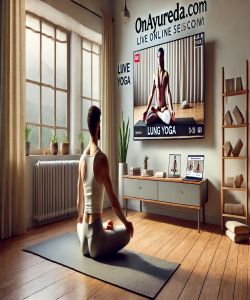
Overview of Lung Yoga
Introduction
Lung Yoga is a powerful practice designed to strengthen respiratory health through specialized breathing exercises, postures, and mindful techniques. In today's fast-paced, pollution-heavy world, lung health is often compromised due to stress, poor lifestyle habits, and environmental factors. Lung Yoga focuses on rejuvenating and supporting the lungs, enhancing oxygen intake, and boosting overall immunity.
Importance of Lung Yoga
Our lungs play a vital role in keeping our body energized and healthy by distributing oxygen to every cell. Weak lung function can result in fatigue, respiratory infections, and decreased immunity. Lung Yoga, through conscious breathing and gentle movements, helps to detoxify the respiratory system, improve lung capacity, and promote better air circulation in the body.
Key Components of Lung Yoga
-
Pranayama (Breath Control): Practices like Anulom Vilom (alternate nostril breathing), Bhastrika (bellows breath), and Kapalbhati (skull-shining breath) clear nasal passages and increase oxygen intake.
-
Yoga Asanas (Postures): Poses such as Bhujangasana (Cobra Pose), Dhanurasana (Bow Pose), and Matsyasana (Fish Pose) open the chest and lungs.
-
Relaxation Techniques: Meditation and guided relaxation techniques reduce stress, which positively impacts respiratory function.
Benefits of Lung Yoga
-
Improves lung capacity and function
-
Reduces stress and anxiety
-
Enhances immunity and energy levels
-
Helps in conditions like asthma, bronchitis, and COPD
-
Improves posture, which supports proper breathing
Conclusion
Incorporating Lung Yoga into daily life can have transformative effects on respiratory health and overall well-being. Whether you’re looking to combat pollution-related breathing issues or simply boost your energy levels, Lung Yoga is a natural and effective solution for long-term health.
What are Lung Yoga?
Introduction
You may have heard of yoga for flexibility or relaxation, but what are Lung Yoga? In simple terms, Lung Yoga refers to a set of breathing exercises, poses, and relaxation methods specifically designed to strengthen and support lung function. This form of yoga is gaining popularity, especially in urban areas where pollution and stress impact respiratory health.
What Are the Practices Involved in Lung Yoga?
Lung Yoga combines various traditional and modern practices, including:
-
Pranayama Techniques: These are controlled breathing exercises like Anulom Vilom, Bhramari (humming bee breath), and Ujjayi breathing that clear the airways and enhance lung capacity.
-
Yoga Postures: Certain yoga poses, such as the Cobra Pose, Camel Pose, and Fish Pose, expand the lungs, open the chest, and improve airflow.
-
Mindful Breathing: Lung Yoga also emphasizes slow, deep, mindful breathing that helps to release stress and increase oxygen supply to the body.
Why Are Lung Yoga Important?
-
They help cleanse the respiratory system.
-
They improve blood circulation and oxygen absorption.
-
They are beneficial for people suffering from asthma, allergies, and other respiratory issues.
-
They reduce stress, which can often lead to shallow or poor breathing patterns.
How to Practice Lung Yoga
It’s best to practice Lung Yoga early in the morning in fresh air or a well-ventilated space. Start with light stretching, follow with pranayama techniques, and end with meditation or relaxation. Beginners should learn from a qualified yoga instructor to ensure correct technique and breathing patterns.
Conclusion
So, what are Lung Yoga? They are not just exercises but a complete system for boosting respiratory health. If you’re looking for a natural way to enhance lung function, strengthen your respiratory system, and promote overall wellness, Lung Yoga is a wonderful and effective practice to adopt.
Who Needs Lung Yoga?
Lung yoga is not just for people with respiratory issues; it’s a beneficial practice for nearly everyone, regardless of age or health status. In today’s fast-paced and polluted world, most people experience stress, irregular breathing patterns, and exposure to environmental toxins — all of which can weaken lung capacity over time. Lung yoga is a mindful practice that focuses on strengthening and expanding lung capacity through breathing exercises, postures, and relaxation techniques.
Individuals with respiratory conditions like asthma, bronchitis, and chronic obstructive pulmonary disease (COPD) are among those who can benefit most from lung yoga. It helps them improve oxygen intake, manage symptoms, and build resilience over time. While it cannot replace medical treatment, lung yoga complements traditional therapies and helps reduce the frequency and severity of flare-ups.
Smokers and those who have recently quit smoking also need lung yoga. It assists in detoxifying the lungs and restoring lung tissue health by promoting deeper breathing and circulation. Those living in highly polluted areas or working in dusty environments can similarly benefit from lung yoga as it supports the lungs in filtering out toxins.
Athletes and fitness enthusiasts are another key group that can enhance their performance by practicing lung yoga. It trains the respiratory system to work more efficiently, leading to better stamina and endurance. Professional singers, musicians who play wind instruments, and public speakers can also benefit greatly by improving breath control and lung strength.
Finally, elderly individuals and people recovering from illnesses can use lung yoga as a gentle and effective method to boost overall respiratory health. In summary, anyone looking to improve their lung capacity, reduce stress, and enhance energy levels should consider adding lung yoga to their daily routine.
Origins and Evolution of Lung Yoga
The concept of lung yoga is deeply rooted in ancient yogic practices. While yoga itself has existed for over 5,000 years, lung yoga is an evolved, specialized practice focusing on the respiratory system. Its origins are closely tied to the ancient Indian science of Pranayama — the control of life force through breath. In classical yoga texts like the Hatha Yoga Pradipika and the Yoga Sutras of Patanjali, breathing techniques were described in great detail as a path to not just physical health but mental clarity and spiritual awakening.
Over centuries, yogis observed that focused breath control could purify the body and mind. Techniques like Anulom Vilom, Bhastrika, and Kapalabhati became essential tools for strengthening the lungs, enhancing oxygen intake, and promoting overall vitality. These breathing practices laid the groundwork for what we now identify as lung yoga.
In the modern era, with growing urbanization and pollution, the relevance of lung yoga has dramatically increased. Scientific research has begun to support the age-old claims of yoga’s benefits on lung function, stress reduction, and immunity. This validation has helped lung yoga evolve from a traditional wellness practice to a widely recommended health routine.
In recent years, especially following global respiratory health challenges such as the COVID-19 pandemic, lung yoga has gained significant recognition. Modern practitioners have incorporated contemporary understanding of respiratory physiology with traditional yogic wisdom to develop structured lung yoga programs. These programs now include guided breathing exercises, targeted yoga postures, and relaxation methods designed for both prevention and rehabilitation.
The evolution of lung yoga continues as medical professionals, yoga experts, and wellness practitioners collaborate to make it accessible for people of all ages and health conditions. Today, lung yoga is practiced globally as a powerful, natural way to enhance lung function and overall well-being.
Types of Lung Yoga
Lung yoga is a specialized form of yoga practice aimed at strengthening the lungs, improving breathing capacity, and promoting overall respiratory health. The practice includes specific postures, breathing techniques, and meditation that support lung function and detoxify the respiratory system. Here are the key types of lung yoga techniques that can be beneficial for all age groups:
1. Pranayama (Breathing Techniques)
Pranayama is the foundation of lung yoga. It consists of various breathing exercises that enhance lung capacity and improve oxygen supply.
-
Anulom Vilom (Alternate Nostril Breathing): Helps balance the breath and clear nasal passages.
-
Bhastrika (Bellows Breath): Increases energy and strengthens the lungs.
-
Kapalbhati (Cleansing Breath): Detoxifies the respiratory tract and improves lung efficiency.
2. Asanas (Yoga Postures for Lungs)
Certain yoga poses are excellent for expanding the chest and improving lung strength:
-
Bhujangasana (Cobra Pose): Opens the chest and improves breathing capacity.
-
Ardha Matsyendrasana (Half Spinal Twist): Massages the lungs and improves oxygenation.
-
Matsyasana (Fish Pose): Expands the chest and stimulates the lungs.
3. Mudras (Hand Gestures)
Mudras help in directing energy and controlling breathing patterns.
4. Meditation and Relaxation
Meditation plays a crucial role in calming the respiratory system and reducing anxiety, which can indirectly improve breathing.
5. Cleansing Techniques (Kriyas)
Yogic cleansing techniques like Jala Neti help remove blockages in the nasal passages and improve airflow.
By practicing these types of lung yoga regularly, one can strengthen respiratory muscles, detoxify the lungs, and increase overall stamina.
Benefits of Lung Yoga
Lung yoga is becoming increasingly popular, especially in today’s world where pollution, stress, and sedentary lifestyles often take a toll on respiratory health. Practicing lung yoga regularly offers a wide range of benefits that improve lung function and overall well-being. Here are the key benefits of lung yoga:
1. Improved Lung Capacity
Through breathing exercises like Anulom Vilom, Bhastrika, and Kapalbhati, lung yoga helps expand lung capacity. This allows your lungs to hold more oxygen, improving stamina and endurance.
2. Enhanced Oxygen Supply
Lung yoga increases oxygen intake and circulation in the body. Improved oxygen levels help boost brain function, muscle performance, and cellular health.
3. Detoxification of the Respiratory System
Regular practice of lung yoga helps clear mucus and toxins from the respiratory tract. Techniques like Kapalbhati and Jala Neti purify the lungs and nasal passages.
4. Reduced Stress and Anxiety
Deep breathing and meditation are essential parts of lung yoga. They calm the nervous system, reduce anxiety, and prevent breathing issues triggered by stress.
5. Better Immunity
With improved lung health and detoxification, the body becomes stronger in fighting off respiratory infections, colds, and flu.
6. Support for Asthma and COPD Patients
Lung yoga techniques are known to provide relief from asthma symptoms and can assist people suffering from chronic obstructive pulmonary disease (COPD) by increasing lung efficiency.
7. Improved Posture and Core Strength
Lung yoga includes postures that not only open the chest but also improve spinal alignment, core strength, and overall body flexibility.
8. Natural Energy Boost
Breathing exercises help recharge the body, increase alertness, and reduce fatigue.
Incorporating lung yoga into your daily routine can bring long-lasting respiratory health benefits, making your lungs stronger, your body more energetic, and your mind more peaceful.
Core Principles and Practices of Lung Yoga
Lung yoga is a specialized practice focused on improving respiratory health, lung capacity, and overall breathing efficiency. It blends traditional yoga postures (asanas), breathing techniques (pranayama), and mindfulness exercises tailored to strengthen the respiratory system.
Core Principles of Lung Yoga:
-
Conscious Breathing: Lung yoga teaches the art of conscious, controlled breathing. Deep breathing helps detoxify the lungs, enhances oxygen intake, and promotes better circulation.
-
Expansion and Strengthening: This yoga practice aims to gradually increase lung capacity by strengthening respiratory muscles and improving diaphragm function.
-
Mind-Body Connection: Lung yoga emphasizes the link between breath, body, and mind, using breathing as a tool to calm the nervous system and reduce stress.
-
Consistency: Just like any other practice, regularity is key in lung yoga. Daily or consistent sessions are essential for sustained improvement.
-
Adaptability: Lung yoga routines can be tailored to fit all age groups and health conditions, ensuring safe practice for beginners, seniors, and those with respiratory concerns.
Key Practices of Lung Yoga:
-
Pranayama: Techniques such as Anulom Vilom (alternate nostril breathing), Bhastrika (bellows breath), and Kapalbhati (cleansing breath) are central. These exercises help clear the lungs and enhance respiratory efficiency.
-
Asanas: Postures like Bhujangasana (Cobra pose), Matsyasana (Fish pose), and Ardha Chakrasana (Half wheel pose) open the chest and improve lung function.
-
Mudras and Bandhas: Hand gestures like Prana Mudra and energy locks (Jalandhara Bandha) help channel energy and stimulate lung function.
-
Meditation and Relaxation: Lung yoga often concludes with guided meditation or Yoga Nidra, focusing on breath awareness to promote deep relaxation and reduce stress, benefiting respiratory health.
Overall, lung yoga is a holistic approach that not only strengthens the lungs but also enhances mental clarity, reduces anxiety, and builds long-term respiratory resilience.
Online Lung Yoga
In today's digital age, online lung yoga has become a popular and convenient way to boost respiratory health from the comfort of home. Especially after the global pandemic, more people have turned to online platforms for yoga, and lung yoga is no exception.
What is Online Lung Yoga?
Online lung yoga is the practice of lung-strengthening yoga techniques taught through virtual classes, video tutorials, or guided sessions available on digital platforms. These programs are designed for all levels, from beginners to advanced practitioners, and can be easily accessed anytime, anywhere.
Benefits of Online Lung Yoga:
-
Convenience: Whether you’re a busy professional or a stay-at-home parent, online lung yoga allows you to practice at your own pace and schedule.
-
Global Access: Learn from expert teachers around the world without the need to travel.
-
Customization: Many platforms offer specialized classes, including beginner-friendly lung yoga, advanced breathing techniques, or yoga for people with asthma and other respiratory issues.
-
Affordability: There are many free YouTube tutorials and affordable subscription-based programs making lung yoga accessible for everyone.
What You’ll Learn in Online Lung Yoga Sessions:
-
Pranayama Techniques: Clear, step-by-step demonstrations of Anulom Vilom, Bhastrika, and Ujjayi breathing to strengthen the lungs.
-
Yoga Postures: Instructional videos on asanas like Setu Bandhasana (Bridge pose) and Gomukhasana (Cow face pose) that enhance chest expansion.
-
Daily Routines: Pre-recorded or live guided sequences that you can follow each morning or evening for consistent improvement.
-
Mindfulness and Meditation: Techniques to calm the mind, reduce anxiety, and support lung health by reducing stress-induced shallow breathing.
Conclusion
Online lung yoga is a flexible, effective, and easy-to-follow way to improve lung capacity and respiratory well-being. With consistency and proper guidance, it’s a powerful tool to maintain strong lungs, boost immunity, and improve overall health.
Lung Yoga Techniques
In today’s world, where pollution, stress, and sedentary lifestyles affect our respiratory health, practicing specific lung yoga techniques can significantly improve lung capacity, strengthen respiratory muscles, and promote overall well-being. Lung yoga techniques focus on breathing exercises, gentle movements, and mindfulness practices that enhance the efficiency of the lungs and the respiratory system.
1. Pranayama (Yogic Breathing)
Pranayama is the cornerstone of lung yoga. Techniques like Anulom Vilom (alternate nostril breathing), Bhastrika (bellows breath), and Kapalbhati (cleansing breath) help clear nasal passages, increase oxygen intake, and detoxify the lungs. These practices also calm the mind and improve concentration.
2. Deep Diaphragmatic Breathing
This technique involves breathing deeply through the nose, filling the lungs from the bottom up, and then exhaling slowly. It strengthens the diaphragm and increases lung capacity. Practicing deep breathing daily improves lung endurance and oxygen flow.
3. Simhasana (Lion's Breath)
Simhasana involves exhaling forcefully with the tongue stretched out and eyes wide open, which helps relieve tension, strengthen the lungs, and clear the respiratory tract.
4. Ardha Matsyendrasana (Half Spinal Twist)
This posture gently massages the lungs and improves their elasticity. It aids in clearing congestion and promotes better airflow.
5. Ujjayi Breathing (Ocean Breath)
Ujjayi breathing involves inhaling and exhaling slowly through the nose while slightly constricting the throat. This technique enhances lung capacity, relieves stress, and promotes mental clarity.
Final Thoughts
By incorporating lung yoga techniques into daily practice, individuals can experience improved respiratory health, better oxygen utilization, and increased energy levels. These techniques are not just for those with respiratory concerns but also for anyone who wants to build stronger lungs and enhance overall vitality.
Lung Yoga for Adults
As adults age, lung function can gradually decline due to factors like aging, pollution, stress, and lack of physical activity. Lung yoga for adults offers a simple, holistic way to improve lung capacity, increase oxygen supply, and enhance respiratory efficiency. Whether you are a working professional, a homemaker, or a senior citizen, incorporating lung yoga into your routine can lead to significant health benefits.
1. Why Adults Need Lung Yoga
Adults often experience shortness of breath, fatigue, or reduced stamina due to weakened lung function. Lung yoga exercises help keep the lungs active, elastic, and healthy. They also assist in managing anxiety, which can negatively impact breathing patterns.
2. Easy Lung Yoga Practices for Adults
-
Anulom Vilom (Alternate Nostril Breathing): This gentle practice balances both hemispheres of the brain and improves respiratory efficiency.
-
Kapalbhati (Cleansing Breath): Practicing this technique helps detoxify the lungs and strengthen the abdominal and respiratory muscles.
-
Bhramari (Bee Breath): This calming technique helps in stress reduction and clears mental fog, improving focus and lung function.
-
Seated Twists and Side Stretches: Gentle stretching movements open up the chest cavity and promote deeper breathing.
3. Benefits of Lung Yoga for Adults
-
Increased lung capacity and stronger respiratory muscles
-
Better management of respiratory ailments like asthma or bronchitis
-
Enhanced immunity and overall stamina
-
Reduced stress and anxiety levels
4. Tips for Practicing Lung Yoga Safely
-
Practice on an empty stomach in a clean, well-ventilated space.
-
Start with simple breathing exercises before moving to postures.
-
Be consistent; even 15–20 minutes a day can make a big difference.
Total Duration of Online Lung Yoga
Online Lung Yoga sessions are designed to improve lung health, enhance breathing capacity, and promote overall respiratory wellness. One of the most common questions people have before enrolling is: What is the total duration of online Lung Yoga? The duration can vary based on the structure of the program and the individual’s needs.
In general, most online Lung Yoga courses are designed to run anywhere between 4 to 12 weeks. A beginner-level program typically lasts 4 to 6 weeks, with sessions scheduled for 30 to 45 minutes, three to five times per week. This timeframe allows participants to learn basic breathing exercises, develop consistency, and notice gradual improvements in lung capacity and respiratory strength.
For intermediate and advanced practitioners, the programs may extend to 8 to 12 weeks with more detailed practices, longer session durations (up to 60 minutes), and additional techniques like Pranayama, Kapalabhati, and Anulom Vilom, aimed at deep detoxification and strengthening of the lungs.
Some online Lung Yoga classes also offer lifetime access or yearly subscriptions, giving you the flexibility to practice at your own pace. Self-paced courses might take longer but are ideal for people with busy schedules.
Apart from the core course duration, you should also factor in the time needed for daily self-practice. Experts suggest practicing at least 15-20 minutes daily in addition to guided sessions to achieve the best results.
Ultimately, the total duration of online Lung Yoga varies depending on the course structure, but for noticeable and long-term benefits, committing 2 to 3 months is highly recommended. This time allows your body to adapt, your lungs to strengthen, and your overall breathing efficiency to improve.
Things to Consider With Lung Yoga
Lung Yoga is an excellent practice for improving respiratory health, increasing lung capacity, and enhancing overall vitality. However, before starting, there are several important things to consider to ensure you practice safely and effectively.
1. Health Condition:
Before beginning any Lung Yoga program, consult your doctor if you have chronic respiratory conditions such as asthma, COPD, or recent respiratory infections. While yoga can be beneficial, certain postures and breathing techniques may not be suitable for everyone.
2. Start Slow:
Don’t push yourself too hard in the beginning. Lung Yoga is about slow, deep breathing and gradual progress. Avoid attempting advanced techniques without mastering the basics.
3. Choose the Right Instructor:
Select a certified and experienced yoga instructor who specializes in respiratory health. A qualified teacher can guide you in proper breathing techniques and ensure that you practice safely.
4. Environment Matters:
Always practice Lung Yoga in a clean, well-ventilated area. Good air quality is crucial since the exercises involve deep breathing and detoxification.
5. Consistency is Key:
Lung Yoga requires regular practice. Set aside time each day or at least several times a week for consistent improvement in lung strength and overall wellbeing.
6. Listen to Your Body:
Never force your breath or body into discomfort. If you feel dizzy or breathless during practice, stop immediately, rest, and consult your instructor.
7. Hydration and Diet:
Stay hydrated and follow a balanced diet rich in antioxidants. This will support lung cleansing and healing.
8. Avoid Overexertion:
While Lung Yoga helps in strengthening the lungs, overdoing breathing exercises can lead to hyperventilation or fatigue. Moderation is crucial.
In conclusion, Lung Yoga is incredibly beneficial, but paying attention to these considerations will help you get the most out of your practice while ensuring your safety and long-term respiratory health.
Effectiveness of Lung Yoga
Lung yoga has gained considerable attention for its natural and holistic approach to improving lung health, especially in today’s world where respiratory health is more critical than ever. But how effective is lung yoga? The answer lies in its science-backed techniques that help strengthen lung muscles, enhance oxygen intake, and improve respiratory efficiency.
Lung yoga consists of specific breathing exercises, postures, and relaxation techniques aimed at detoxifying the lungs and increasing their capacity. Practices like Anulom Vilom (alternate nostril breathing), Kapalabhati (skull shining breathing), and Bhastrika (bellows breath) play a crucial role in improving lung function. They help open up airways, boost blood circulation to the lungs, and improve the elasticity of lung tissues.
Studies have shown that individuals practicing lung yoga regularly experience better lung capacity, lower stress levels, and improved immunity. Lung yoga is particularly beneficial for people suffering from asthma, chronic obstructive pulmonary disease (COPD), bronchitis, and other mild to moderate respiratory issues. It also supports faster recovery after respiratory infections by clearing congestion and improving lung endurance.
One of the most compelling aspects of lung yoga is its role in preventing respiratory diseases. Consistent practice can help increase the lungs’ ability to filter pollutants and allergens, which is essential in urban environments with high pollution levels. Additionally, it calms the nervous system, which helps alleviate symptoms of breathlessness caused by anxiety and stress.
In conclusion, lung yoga is highly effective in promoting stronger, healthier lungs and is an excellent preventive and complementary therapy for respiratory conditions. However, like any form of exercise or therapy, consistency and correct practice are key to gaining its full benefits.
Preferred Cautions During Lung Yoga
While lung yoga is immensely beneficial, it’s crucial to approach it with certain precautions to avoid unwanted complications, especially for individuals with underlying health issues or beginners unfamiliar with breathing techniques.
First and foremost, avoid practicing lung yoga on a full stomach. A light stomach ensures ease of breathing and avoids discomfort. Practice early in the morning or at least three hours after a meal for best results.
Individuals suffering from serious respiratory diseases like advanced COPD, severe asthma, or cardiac conditions should consult their healthcare provider before starting lung yoga. Certain breathing exercises that involve forceful exhalations, such as Kapalabhati or Bhastrika, may not be suitable for them and could exacerbate symptoms if not done correctly.
Another important caution is to never overstrain while breathing. Lung yoga is meant to be gentle and mindful. Forcing breaths or holding the breath for too long can lead to dizziness, hyperventilation, or even chest discomfort. Always start with mild exercises and gradually increase intensity as your lung capacity and comfort level improve.
Proper posture is also vital. Practicing lung yoga with a slouched back or incorrect posture can restrict lung expansion and defeat the purpose of the exercise. Ensure you sit comfortably with your spine erect and shoulders relaxed.
People with high blood pressure or those who have recently undergone surgery should avoid strong breathing techniques. Instead, they can focus on mild, calming exercises like Anulom Vilom and slow deep breathing under guidance.
Lastly, maintain awareness of your body’s signals. If you feel light-headed, fatigued, or short of breath during lung yoga, pause immediately. Rest and resume only after feeling comfortable.
In summary, lung yoga is safe and effective when practiced mindfully. Following these preferred cautions will help avoid risks and ensure maximum benefits for lung and overall respiratory health.
Lung Yoga Course Outline
Lung Yoga is a specialized practice designed to enhance lung capacity, improve respiratory function, and strengthen the body’s ability to fight respiratory ailments. The course is structured to help individuals of all ages, including those recovering from respiratory issues, and individuals looking to improve overall respiratory health.
Course Outline:
Module 1: Introduction to Lung Yoga
-
Understanding the importance of lung health
-
Basics of respiratory anatomy and physiology
-
Common respiratory disorders and how yoga can help
Module 2: Breathing Techniques (Pranayama)
-
Diaphragmatic breathing
-
Alternate nostril breathing (Nadi Shodhana)
-
Bhramari (Humming Bee breath)
-
Kapalabhati and its cleansing effects
-
Sheetali and Sheetkari for cooling and calming
Module 3: Asanas for Lung Strength
-
Gentle stretches to open the chest and enhance breathing capacity
-
Bhujangasana (Cobra Pose)
-
Matsyasana (Fish Pose)
-
Ustrasana (Camel Pose)
-
Setu Bandhasana (Bridge Pose)
-
Ardha Chakrasana (Half Wheel Pose)
Module 4: Guided Relaxation & Meditation
-
Yoga Nidra for complete relaxation
-
Meditation techniques focusing on breath awareness and stress reduction
-
Chanting and mantras for lung cleansing
Module 5: Lifestyle and Nutrition
-
Foods and herbs to improve respiratory health
-
Avoiding environmental toxins
-
Daily habits for long-term lung care
Module 6: Practical Sessions and Assessments
-
Daily breathing practice logs
-
Posture corrections and guidance
-
Weekly self-assessments and instructor feedback
This Lung Yoga course is designed for a 4 to 6-week duration, gradually building from beginner to advanced breathing techniques and lung-strengthening practices. Whether you’re looking to recover from respiratory issues or build strong, healthy lungs, this course provides a complete approach.
Detailed Objectives with Timeline of Lung Yoga
The Lung Yoga program has been carefully crafted with detailed objectives and a well-defined timeline to ensure gradual and sustainable improvement in lung health, respiratory strength, and mental relaxation. Here’s a structured look at the course objectives and timeline:
Course Objectives
-
Week 1 Objectives:
-
Educate students on the anatomy of the lungs and common lung disorders.
-
Introduce basic breathing techniques (diaphragmatic breathing and Nadi Shodhana).
-
Establish morning breathing routines.
-
Week 2 Objectives:
-
Build on basic pranayama with Kapalabhati and Bhastrika.
-
Initiate simple asanas that open the chest and improve lung capacity.
-
Teach methods of breath retention and extension.
-
Week 3 Objectives:
-
Advance into complex breathing exercises for strengthening lung muscles.
-
Integrate gentle inversions and backbends.
-
Begin guided meditation and visualization techniques for respiratory health.
-
Week 4 Objectives:
-
Focus on posture correction to support optimal lung function.
-
Deepen breath-holding capacity and introduce advanced asanas.
-
Create daily self-practice modules for continued improvement.
Timeline
-
Week 1: Awareness and Fundamentals
-
Week 2: Building Strength and Endurance
-
Week 3: Advanced Techniques and Mindfulness
-
Week 4: Mastery and Self-Reliance
-
Daily sessions combining breath, asanas, and meditation
-
Self-assessment, final evaluation, and customized long-term practice plan
By following this detailed objective timeline, Lung Yoga students can expect enhanced breathing power, better immunity, stress reduction, and sustained lung health.
Requirements for Taking Online Lung Yoga
Online lung yoga is an excellent way to strengthen your respiratory system, increase lung capacity, and improve overall health from the comfort of your home. However, before you sign up or start practicing, there are certain requirements you should keep in mind to ensure a smooth and effective experience.
1. Reliable Internet Connection:
One of the most important requirements for taking online lung yoga is having a stable and fast internet connection. Since classes often involve live video streaming or high-quality recordings, a weak internet connection could disrupt your flow and cause frustration.
2. Device Setup:
You will need a device with a camera and microphone, such as a laptop, tablet, or smartphone. Many classes encourage interaction with the instructor for posture correction and feedback, so a clear video and audio setup is essential.
3. Comfortable Space:
Designate a quiet, open space in your home with enough room to stretch, sit, and perform breathing exercises without disturbances. Natural light, proper ventilation, and a calm atmosphere will enhance your practice.
4. Yoga Mat and Props:
A non-slip yoga mat is recommended for seated and lying-down positions. Additionally, some classes might require props like yoga blocks, bolsters, or cushions to assist with certain postures and breathing techniques.
5. Health Readiness:
If you have any respiratory issues or chronic conditions, consult your healthcare provider before starting online lung yoga. It’s essential to ensure that these breathing exercises are safe for your specific health condition.
6. Mental Preparation and Focus:
Online yoga requires self-discipline. Set aside dedicated time for practice, free from distractions. Turn off notifications, and create a focused mindset to get the most out of your sessions.
By ensuring you meet these requirements, you’ll be ready to start lung yoga online and enjoy all its health benefits.
Things to Keep in Mind Before Starting Online Lung Yoga
Online lung yoga has gained popularity as an effective way to strengthen respiratory health, especially in times when respiratory care is of utmost importance. However, before beginning this journey, it’s important to consider certain key factors for safe and effective practice.
1. Consult Your Doctor:
Before starting lung yoga — especially if you have asthma, bronchitis, or any other respiratory issues — consult with a healthcare professional. Some breathing techniques might not be suitable for all conditions, and professional advice can help prevent complications.
2. Choose a Certified Instructor:
Always opt for a qualified and experienced yoga instructor who specializes in lung yoga or pranayama. A certified instructor can guide you through correct breathing techniques and help avoid mistakes that could cause strain.
3. Start Slow:
Avoid pushing yourself too hard in the beginning. Lung yoga involves gradual improvement in lung capacity and breath control. Start with simple breathing exercises and gradually move to advanced techniques.
4. Practice on an Empty Stomach:
It’s best to perform lung yoga in the morning on an empty stomach or at least three hours after a meal. This helps improve breathing quality and reduces discomfort.
5. Maintain a Calm and Quiet Environment:
Find a peaceful corner in your home where you won’t be disturbed. Silence and calmness help you concentrate on your breath and stay mindful during the practice.
6. Keep Hydrated, But Not During Practice:
Drink water before starting your yoga session, but avoid drinking water during breathing exercises. Staying hydrated before practice helps keep the respiratory tract moist and healthy.
7. Be Patient and Consistent:
Results from lung yoga don’t appear overnight. Consistent practice and patience are key to seeing long-term benefits in lung capacity and respiratory strength.
Keeping these points in mind will help ensure your online lung yoga practice is safe, effective, and enjoyable.
Average Pricing Per Session for Online Lung Yoga
Lung Yoga has gained immense popularity in recent years due to rising health awareness and the importance of respiratory wellness. People are increasingly seeking structured online lung yoga programs that help improve lung capacity, reduce stress, and enhance overall breathing patterns. However, when it comes to pricing, there’s a wide variation based on the provider, the expertise of the trainer, and session structures.
For those looking for an affordable yet comprehensive lung yoga program, onayurveda offers an excellent option that is both professional and reasonably priced.
Session Details for onayurveda Lung Yoga Program:
-
Sub Category: Lung Yoga
-
Format: Live Group Sessions
-
Total Duration: 60 Days
-
Total Sessions: 26 Days (conducted on alternate days)
-
Days: Monday, Wednesday, Friday
-
Timing Slots Available:
-
6:00 AM – 7:00 AM
-
8:00 AM – 9:00 AM
-
5:00 PM – 6:00 PM
-
7:00 PM – 8:00 PM
-
Session Duration: 1 Hour
-
Schedule Per Week: 3 Days (Mon, Wed, Fri)
-
Total Slots: 40 (with a maximum of 10 people per slot for focused attention)
-
Available Slots: 40
-
Total Price for the Entire Program: INR 4,090
-
Price Per Session: INR 157
Why This Pricing is Ideal:
At INR 157 per session, onayurveda’s lung yoga program is positioned at a highly competitive rate in the market. Many online lung yoga programs can range from INR 200 to INR 500 per session, depending on the platform and trainer’s experience. By offering a price point of INR 157 per session with live guidance, onayurveda ensures affordability without compromising quality.
Additionally, the small group structure of 10 participants per slot allows each member to receive personal attention, making the pricing more value-driven. The flexible timing slots also make it easy for professionals, homemakers, and students to select sessions according to their convenience.
In conclusion, if you are looking for affordable, structured, and live online lung yoga sessions, onayurveda’s pricing and session details make it one of the best choices available today.
Qualifications Required to Perform Lung Yoga
Lung yoga is a specialized form of yoga focusing on improving respiratory health, strengthening lung capacity, and promoting deep, mindful breathing. It can be highly beneficial for individuals with mild respiratory issues, those recovering from illness, or anyone seeking to boost their immunity and overall health. However, certain qualifications are necessary to ensure safety and optimal results from practicing lung yoga.
Here are 20 key qualifications required to perform lung yoga:
-
Age Requirement: Individuals should be at least 15 years of age.
-
Basic Health Condition: Must not be suffering from severe or uncontrolled respiratory conditions without medical advice.
-
Medical Clearance: Anyone with chronic conditions or under medical treatment should consult their doctor before enrolling.
-
Physical Fitness: A basic level of physical fitness and stamina is needed to perform gentle postures and breathing exercises.
-
Mental Readiness: Willingness to engage in mindfulness and focus during breathing practices.
-
Consistency: The ability to commit to a regular schedule, as lung yoga works best with consistent practice.
-
Lifestyle Flexibility: Willingness to make minor lifestyle adjustments (diet, sleep) if recommended by the instructor.
-
Post-Surgery Conditions: Should not have undergone major surgery in the last six months without medical approval.
-
Pregnancy: Pregnant women should consult a healthcare professional before beginning lung yoga sessions.
-
Non-Contagious Health Status: Should not have any contagious diseases that could impact group participation.
-
No Substance Influence: Participants should not consume alcohol, tobacco, or other intoxicants before sessions.
-
Punctuality: Ability to attend sessions on time for full benefit and minimal disruptions.
-
Proper Clothing: Comfortable, breathable clothing suitable for movement and relaxation.
-
Basic Understanding of Yoga: While not mandatory, basic familiarity with yoga terms and concepts is beneficial.
-
Mental Stability: People with severe anxiety or panic disorders should consult professionals before starting.
-
Attention Span: The ability to focus for at least 30-40 minutes without distractions.
-
Environment: Should have a quiet, peaceful place to practice at home.
-
Discipline: Willingness to follow instructions carefully and respect session guidelines.
-
Positive Attitude: An open, positive mindset toward self-improvement and patience in seeing results.
-
Commitment to Safety: Listening to one’s body and avoiding pushing beyond personal limits.
In summary, lung yoga can benefit almost everyone, but these qualifications ensure that individuals practice safely and effectively. Being mindful of these factors leads to a more fulfilling and healthy lung yoga experience.
Online Vs Offline/Onsite Lung Yoga
Lung yoga has gained immense popularity, especially after the global health crisis that emphasized respiratory health. While lung yoga is practiced to improve lung capacity, enhance breathing, and strengthen the respiratory system, there is a constant debate between online vs offline/onsite lung yoga classes. Both approaches have their advantages and limitations.
1. Convenience:
Online lung yoga offers unmatched convenience. You can practice from the comfort of your home, saving time and travel expenses. It is ideal for individuals who have busy schedules or live in remote areas without easy access to yoga studios. On the other hand, offline or onsite classes require commuting, which might not suit everyone, especially those with tight routines.
2. Personalized Guidance:
Offline lung yoga classes allow direct interaction with instructors, making it easier for them to correct postures and breathing techniques in real time. This hands-on experience can be very beneficial, especially for beginners. Online classes might lack this level of direct supervision, although live video sessions are improving this gap.
3. Group Energy and Motivation:
Onsite classes have a communal environment that fosters motivation. Practicing with a group of like-minded individuals often increases dedication and discipline. In contrast, online sessions may feel isolating, and self-motivation becomes essential.
4. Cost Factor:
Online lung yoga classes are generally more affordable, with many free resources available. Offline classes may involve higher fees due to studio charges, infrastructure, and instructor presence.
5. Safety and Comfort:
For people with respiratory issues or underlying health conditions, online yoga ensures a safe space at home, where they can practice at their own pace. However, for those needing supervision or with serious health conditions, onsite classes may be safer under expert guidance.
Conclusion:
Both online and offline lung yoga have their strengths. If convenience and affordability are priorities, online yoga works well. However, if you prefer direct interaction and group dynamics, onsite lung yoga is ideal. Choose according to your lifestyle, needs, and comfort.
FAQs about Online Lung Yoga
Here are some frequently asked questions about online lung yoga along with their answers:
Q1: What is online lung yoga?
A: Online lung yoga consists of guided breathing exercises and yoga poses taught via digital platforms like Zoom, YouTube, or mobile apps to improve lung capacity and respiratory health.
Q2: Is online lung yoga safe for beginners?
A: Yes, online lung yoga is safe for beginners if they follow certified instructors. Always start with beginner-friendly sessions and avoid pushing yourself beyond comfort.
Q3: What equipment do I need for online lung yoga?
A: Typically, you only need a yoga mat, a quiet space, and a device with internet access. Optional props like cushions or blocks can enhance comfort.
Q4: How long should a lung yoga session last?
A: Most online lung yoga sessions last between 30 to 60 minutes. Beginners can start with shorter sessions and gradually increase the duration.
Q5: Can lung yoga help with asthma or breathing problems?
A: Lung yoga can support respiratory health and improve breathing patterns, but it’s essential to consult your doctor before beginning if you have asthma or chronic lung issues.
Q6: How often should I practice lung yoga online?
A: Ideally, 4-5 times per week is recommended for noticeable improvements. Consistency is key to experiencing long-term benefits.
Q7: Are recorded or live online classes better?
A: Live classes allow real-time interaction with instructors, while recorded classes offer flexibility. Choose based on your schedule and need for guidance.
Q8: Can children and seniors practice online lung yoga?
A: Yes, with age-appropriate guidance and modifications. Many online platforms offer separate classes tailored for children and seniors.
Q9: How soon can I feel results with lung yoga?
A: With regular practice, most people feel improvement in breathing capacity and reduced stress within 2-3 weeks.
Q10: Are there any free resources for online lung yoga?
A: Yes! Several YouTube channels, health websites, and yoga apps offer free tutorials and structured online lung yoga programs.
Conclusion about Lung Yoga
Lung yoga has become one of the most effective natural methods to enhance respiratory health in today’s world, where pollution levels are high, stress is constant, and respiratory diseases are common. After thoroughly understanding the practices, techniques, and benefits of lung yoga, it is clear that this practice is more than just a form of exercise; it is a holistic approach to improving the overall health and functioning of the lungs. Lung yoga combines breathing techniques, specific postures, and mindful practices that help the respiratory system become stronger, more efficient, and better equipped to handle daily stressors and environmental pollutants.
Breathing is the most fundamental aspect of life, yet many of us take shallow breaths, limiting the oxygen intake that our body requires for optimal functioning. Lung yoga focuses on deep, controlled breathing through pranayama, which helps in detoxifying the lungs, improving lung capacity, and enhancing oxygen delivery to every cell in the body. Practices such as Anulom Vilom, Bhastrika, and Kapalbhati are simple yet powerful breathing techniques that not only clear respiratory pathways but also stimulate internal organs and improve overall vitality. The regular practice of these techniques can lead to noticeable improvements in energy levels, endurance, and mental clarity.
Lung yoga is also immensely helpful for those dealing with chronic respiratory problems such as asthma, bronchitis, or even post-COVID breathing difficulties. It helps restore lung elasticity, improves diaphragmatic strength, and allows individuals to breathe more efficiently. For people who have suffered from lung infections or conditions that impact lung function, lung yoga provides a gentle yet effective method of rehabilitation. Daily practice helps reduce inflammation in the airways, clear out toxins, and boost lung resilience, making breathing smoother and more effortless over time.
Another significant benefit of lung yoga is its ability to reduce stress and anxiety. The connection between the breath and the mind is profound. When we breathe deeply and consciously, we stimulate the parasympathetic nervous system, which promotes relaxation and calms the mind. In today’s fast-paced and stressful life, this mental clarity and calmness are much needed. Many practitioners report feeling lighter, more focused, and emotionally balanced after consistently practicing lung yoga. The mental benefits are as important as the physical benefits because emotional well-being directly affects breathing patterns.
Lung yoga is not restricted to the young or the physically active. It is accessible to people of all ages and fitness levels. Whether you are an elderly individual looking to improve your lung health or a working professional wanting to boost stamina and reduce stress, lung yoga can fit into your daily routine without any complications. All it requires is a small commitment to practice daily, either in the morning or evening, and the results can be transformative.
In conclusion, lung yoga is a simple yet powerful tool that helps individuals strengthen their respiratory system, improve lung function, and achieve mental clarity. It helps detoxify the body, enhance immunity, and promote better physical and emotional well-being. Unlike medications or treatments that come with side effects, lung yoga is completely natural and safe. Its benefits are long-term and sustainable when practiced regularly. Whether you are looking to overcome respiratory challenges, improve endurance, or simply breathe better and live healthier, lung yoga offers an effective and holistic solution. Start today, breathe consciously, and enjoy a life full of energy, health, and peace.