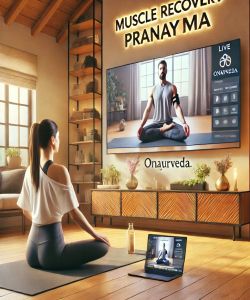
Overview of Muscle Recovery Pranayama
Muscle Recovery Pranayama is a sophisticated and targeted system of controlled breathing exercises, meticulously engineered to accelerate the physiological processes of muscular repair and recuperation following strenuous physical exertion. It transcends rudimentary deep breathing, constituting a disciplined practice with specific biological objectives aimed at optimising the body's intrinsic healing capabilities. The fundamental mechanism of this modality is its profound and direct influence on the autonomic nervous system, deliberately shifting the body from a sympathetically-driven, catabolic state of 'fight or flight' to a parasympathetically-dominant, anabolic state of 'rest and digest'. This neurological shift is the prerequisite for all effective recovery. The techniques are designed to enhance the efficiency of gas exchange, leading to superior oxygen saturation in the blood and improved delivery to damaged muscle fibres, which is critical for aerobic respiration and the synthesis of adenosine triphosphate (ATP) necessary for tissue repair. Concurrently, it facilitates the systematic removal of metabolic by-products, such as lactic acid and hydrogen ions, which accumulate during intense activity and contribute to fatigue and soreness. By modulating circulatory and lymphatic function, it expedites the clearance of this metabolic waste. Furthermore, Muscle Recovery Pranayama plays a crucial role in down-regulating systemic inflammation and mitigating the severity of delayed onset muscle soreness (DOMS). It effectively reduces circulating levels of cortisol, the primary stress hormone, which is inherently catabolic to muscle tissue. By creating an internal environment that is low in stress hormones and high in parasympathetic tone, it provides the ideal conditions for the body to repair micro-trauma, regenerate tissue, and adapt to the training stimulus. It is, therefore, not merely a relaxation technique but a potent, physiological tool for any individual committed to peak performance, injury prevention, and long-term athletic sustainability. It is the active management of the recovery process, commanding the body’s resources towards restoration.
What are Muscle Recovery Pranayama?
Muscle Recovery Pranayama is a specialised and highly applied branch of the ancient yogic science of breath control. The term itself is a modern construct that accurately describes its function: leveraging specific breathing techniques to expedite the body's natural processes of healing and regeneration after physical stress. The Sanskrit word 'Pranayama' is a composite of 'Prana', which translates to vital life force or energy, and 'ayama', meaning extension or control. Therefore, these practices involve the conscious, deliberate, and systematic regulation of respiration to manage and direct the body's vital energy towards the express purpose of cellular repair and physiological homeostasis. It is a system built on the understanding that the breath is the most direct and powerful tool for influencing the autonomic nervous system, which governs all of the body's involuntary recovery functions.
This specialised practice can be broken down into several key components:
Systematic Breath Regulation: It is not simply about inhaling and exhaling deeply. Muscle Recovery Pranayama employs specific techniques that manipulate the core components of the breath cycle: the inhalation (Puraka), the exhalation (Rechaka), and sometimes the controlled retention of breath (Kumbhaka). The length, depth, and rhythm of each component are precisely controlled to achieve targeted physiological outcomes.
Neurological Modulation: The primary objective is to activate the parasympathetic nervous system, the body's 'rest and repair' mechanism. Techniques emphasising long, slow exhalations directly stimulate the vagus nerve, a key component of the parasympathetic system, which in turn lowers heart rate, reduces blood pressure, and signals the body that it is safe to begin the restorative process.
Enhanced Gas Exchange and Circulation: These practices are designed to maximise lung capacity and improve the efficiency of oxygen uptake and carbon dioxide removal. This heightened oxygenation of the blood ensures that damaged muscle tissues receive the fuel required for repair, while improved circulation aids in the swift removal of metabolic waste that causes soreness and impedes recovery.
In essence, Muscle Recovery Pranayama is the strategic application of breathwork as a potent bio-regulatory tool, transforming the breath from an automatic function into a command lever for accelerated biological recovery.
Who Needs Muscle Recovery Pranayama?
Elite and Professional Athletes: Individuals operating at the peak of human performance across all sporting disciplines. For them, the margins between success and failure are minimal, and the ability to recover rapidly between training sessions and competitions is a critical determinant of their career longevity and success.
Strength and Conditioning Practitioners: Bodybuilders, powerlifters, and participants in high-intensity functional fitness programmes who regularly subject their musculature to significant micro-trauma. This practice is essential for mitigating severe delayed onset muscle soreness (DOMS) and facilitating the hypertrophy and repair processes.
Endurance Athletes: Marathon runners, triathletes, long-distance cyclists, and swimmers who endure prolonged periods of catabolic stress. They require ruthlessly efficient recovery mechanisms to manage high training volumes, prevent overtraining syndrome, and maintain cardiovascular health.
Tactical Professionals and First Responders: Military personnel, police officers, and firefighters whose occupational demands require exceptional physical readiness. Rapid recovery from intense physical engagements is not a matter of performance but of operational effectiveness and survival.
Individuals in Physical Rehabilitation Programmes: Patients recovering from musculoskeletal injuries or post-surgical procedures. Under appropriate medical supervision, gentle and modified pranayama can enhance circulation, reduce localised inflammation, and promote tissue healing without imposing mechanical stress on the recovering area.
Martial Artists and Combat Sports Competitors: Practitioners of disciplines such as mixed martial arts, boxing, and wrestling. They need to recover quickly from gruelling sparring sessions and conditioning work to reduce the risk of injury, refine technique, and be prepared for their next engagement.
Dancers and Professional Performing Artists: Individuals whose livelihoods depend on extreme physical control, flexibility, and resilience. They require effective methods to recover from exhaustive rehearsals and physically demanding performances to prevent chronic fatigue and injury.
Ageing Athletes and Fitness Enthusiasts: Adults over the age of forty who experience a natural decline in their intrinsic recovery capabilities. Pranayama provides a low-impact, highly effective tool to manage inflammation, maintain tissue pliability, and support continued participation in physical activity.
Origins and Evolution of Muscle Recovery Pranayama
The origins of Muscle Recovery Pranayama are deeply rooted in the classical traditions of Hatha Yoga, with its foundational principles documented in ancient texts such as the Hatha Yoga Pradipika and the Gheranda Samhita, dating back centuries. In this historical context, Pranayama was not conceived for athletic recovery but as a powerful tool for purifying the body's energy channels (Nadis), controlling the mind, and achieving higher states of consciousness. Yogis of antiquity discovered and systemised techniques to consciously manipulate the breath to influence autonomic bodily functions—such as heart rate and metabolism—and to induce profound states of rest. Practices like Nadi Shodhana (Alternate Nostril Breathing) were developed to balance the body's solar and lunar energies, which we now understand as a method for harmonising the sympathetic and parasympathetic nervous systems. This ancient wisdom, focused on achieving physiological and mental equilibrium, forms the bedrock upon which the modern application is built.
The evolution from a spiritual practice to a therapeutic and performance-enhancing tool gained momentum in the 20th century. Visionaries in the world of modern yoga began to interpret these ancient techniques through the lens of contemporary anatomy and physiology. The emphasis began to shift, complementing the spiritual goals with tangible, health-oriented outcomes. Concurrently, Western science started to investigate the verifiable effects of controlled breathing. Research into phenomena like the relaxation response and heart rate variability (HRV) began to provide empirical evidence for what yogis had known for millennia: that specific breathing patterns could directly alter one's physiological state, reduce stress hormones, and promote healing.
The final stage of this evolution has occurred in the contemporary era of sports science and exercise physiology. The term "Muscle Recovery Pranayama" itself is a modern designation, signifying the specific adaptation of select, scientifically-validated pranayama techniques for the explicit purpose of athletic recuperation. This modern iteration strips away some of the more esoteric language of classical yoga and reframes the practice in terms of measurable, physiological metrics. The focus is now on its ability to down-regulate cortisol, increase parasympathetic tone, improve oxygen kinetics, and accelerate the removal of metabolic waste. It represents the culmination of a long journey, from an ancient art of spiritual development to a precise, evidence-informed bio-hacking tool for the modern individual committed to maximising their physical potential and accelerating their biological recovery.
Types of Muscle Recovery Pranayama
Dirga Pranayama (Three-Part Breath): This is the foundational technique for establishing full, efficient respiratory function. It involves a conscious and sequential inhalation, first expanding the abdomen, then the rib cage, and finally the upper chest. The exhalation follows the reverse pattern. Its primary purpose is to re-train the body to use the diaphragm as the primary muscle of respiration, maximising lung capacity, optimising oxygen-carbon dioxide exchange, and stimulating the vagus nerve to initiate the relaxation response.
Ujjayi Pranayama (Victorious Breath): This technique is characterised by a slight constriction at the back of the throat (the glottis), which creates a soft, audible, ocean-like sound during both inhalation and exhalation. This constriction creates a gentle resistance, which helps to slow the breath down, focus the mind, and increase intra-thoracic pressure, enhancing gas exchange. The rhythmic sound has a profoundly calming effect on the nervous system, making it exceptionally effective for reducing the mental and physiological agitation that follows intense exercise.
Nadi Shodhana (Alternate Nostril Breathing): A paramount balancing practice performed by alternately closing one nostril while breathing through the other. The practitioner inhales through one nostril, exhales through the opposite, and then inhales through that same nostril before switching back. This technique is scientifically demonstrated to harmonise the activity between the left and right hemispheres of the brain and, critically, to balance the sympathetic (heating, active) and parasympathetic (cooling, restful) branches of the autonomic nervous system. This equilibrium is essential for shifting the body into a recovery state.
Sheetali Pranayama (Cooling Breath): A specialised technique designed to reduce body temperature and soothe inflammation. It is performed by inhaling through a curled tongue, which acts as a conduit to cool the incoming air. For those unable to curl their tongue, the alternative (Sitkari) is to inhale through clenched teeth. This practice directly counteracts the hyperthermia and internal heat generated during strenuous workouts, providing an immediate cooling and calming sensation throughout the system.
Bhramari Pranayama (Humming Bee Breath): This powerful technique involves producing a low-frequency humming sound from the throat during a slow, controlled exhalation, typically while lightly closing off the ears and eyes. The resonant vibration created by the hum has a significant soothing effect on the brain and nervous system, leading to a rapid and substantial increase in parasympathetic tone. It is one of the most effective techniques for quickly reducing mental chatter, anxiety, and blood pressure.
Benefits of Muscle Recovery Pranayama
Accelerated Clearance of Metabolic Waste: Actively enhances circulatory and lymphatic system function, expediting the removal of metabolic by-products such as lactate and hydrogen ions from muscle tissue, thereby reducing metabolic fatigue and creating an optimal environment for repair.
Rapid Down-regulation of the Sympathetic Nervous System: Systematically shifts the autonomic nervous system's balance from a catabolic, stress-induced 'fight-or-flight' state to a dominant parasympathetic 'rest-and-digest' state. This transition is the non-negotiable prerequisite for initiating all cellular repair and tissue regeneration processes.
Significant Reduction in Delayed Onset Muscle Soreness (DOMS): Effectively mitigates the intensity and duration of post-exercise muscle soreness by modulating the body's inflammatory response, improving blood flow to damaged tissues, and promoting the faster repair of exercise-induced micro-trauma within muscle fibres.
Optimised Oxygenation of Muscle Tissues: Improves overall ventilatory efficiency and increases blood oxygen saturation levels. This ensures a superior and more consistent supply of oxygen to depleted and damaged muscles, which is fundamental for the aerobic metabolism required to fuel recovery and regeneration.
Effective Modulation of the Inflammatory Cascade: Helps to regulate the body's post-exercise inflammatory response, preventing the excessive or chronic inflammation that can impede effective recovery and lead to further tissue damage. This is achieved by influencing the expression of cytokines and other key inflammatory markers.
Measurable Improvement in Heart Rate Variability (HRV): Consistently increases HRV, which is a primary and objective indicator of cardiovascular health, nervous system resilience, and the body's capacity to adapt to stress. A higher HRV is directly correlated with more efficient recovery from physical exertion.
Reduction of Catabolic Hormone Levels: Directly contributes to the lowering of circulating cortisol, the body’s primary stress hormone. As cortisol is catabolic to muscle tissue, controlling its levels helps to preserve lean muscle mass and foster an anabolic environment conducive to growth and repair.
Enhanced Psychological Recovery and Sleep Quality: Calms the central nervous system and reduces the mental fatigue that often accompanies intense physical training. This leads to improved mental clarity, heightened focus, and significantly better sleep quality, which is the most critical period for physical and neurological recovery.
Core Principles and Practices of Muscle Recovery Pranayama
Primacy of the Exhalation (Rechaka): The cornerstone principle is the deliberate elongation and control of the exhalation. A slow, extended exhalation is the most direct and potent method for stimulating the vagus nerve. This stimulation is the primary trigger for engaging the parasympathetic nervous system, which commands the body to shift into a state of rest, digestion, and repair. The exhalation must be smooth, complete, and devoid of any force.
Mandatory Diaphragmatic Engagement: All breathing must be initiated and driven by the diaphragm, the large muscle at the base of the lungs. Shallow, paradoxical breathing using the chest and shoulders activates the sympathetic stress response and is counterproductive. Correct diaphragmatic breathing ensures maximal lung capacity is utilised, optimises gas exchange, massages internal organs, and mechanically assists in the upward movement of lymphatic fluid.
Unwavering Conscious Control and Rhythm (Laya): This practice is an active, not a passive, process. It demands absolute mental focus on the quality, depth, and rhythm of every single breath. Establishing and maintaining a consistent, steady rhythm (laya) has a profound pacifying effect on the nervous system, breaking the cycle of chaotic, agitated post-exercise breathing and imposing a structured pattern of recovery.
Non-Negotiable Postural Integrity (Asana): A stable, comfortable, and erect posture is an absolute prerequisite. Whether seated on the floor or a chair, or lying in a restorative position, the spine must be elongated to allow for the free and unrestricted movement of the diaphragm and full expansion of the thoracic cavity. A collapsed or misaligned posture physically constricts the breath and negates its physiological benefits.
Systematic and Progressive Application: Techniques must be learned and implemented in a logical progression. Mastery of foundational practices, such as Dirga Pranayama, is essential before attempting more complex techniques like Nadi Shodhana or those involving breath retention. Attempting advanced methods without establishing a solid foundation is ineffective at best and potentially dysregulating at worst.
Strategic Timing and Absolute Consistency: The practice yields maximum benefit when performed immediately post-exercise, within the critical recovery window, as part of a structured cool-down protocol. Sporadic or inconsistent application will not produce significant physiological adaptation. It must be integrated into the training regimen with the same discipline as the workout itself.
Complete Absence of Physical Strain: All breathing techniques must be performed with a sense of ease within the effort. Any sign of strain—tension in the jaw, face, or shoulders; gasping for air; or feeling light-headed—is a clear indication that the practitioner is exceeding their current capacity. The immediate response must be to cease the technique and return to normal, gentle breathing.
Online Muscle Recovery Pranayama
Unrivalled Accessibility and Logistical Superiority: Online platforms dismantle all geographical and temporal barriers to expert instruction. A practitioner can access elite-level guidance from anywhere in the world, at any time. This allows for the seamless integration of recovery sessions immediately after a workout, capitalising on the critical post-exercise window without the inefficient and time-consuming burden of travelling to a physical location.
Structured, Self-Paced, On-Demand Curriculum: Superior online courses deliver a meticulously designed curriculum that practitioners can access on-demand. This facilitates a self-paced learning environment, empowering the individual to revisit and repeat specific modules until techniques are fully mastered. This ensures a robust and correct execution of the practices, which is paramount for safety and efficacy.
Creation of a Personalised and Optimal Relaxation Environment: Practising within the controlled, familiar sanctuary of one's own home is profoundly conducive to deep relaxation. It eliminates the potential social pressures, distractions, and environmental unpredictability of a public class. This heightened level of privacy and comfort allows for greater inward focus, which is a critical catalyst for activating the parasympathetic nervous system.
Access to a Global Cadre of Specialised Instructors: The digital domain provides direct access to a global pool of highly specialised instructors who focus exclusively on the application of pranayama for athletic performance and physiological recovery. This calibre of niche expertise is frequently unavailable in local communities, ensuring the practitioner receives authoritative, precise, and state-of-the-art instruction.
Significant Cost-Effectiveness and Financial Viability: In general, structured online programmes offer a more economically sound investment compared to the recurring expense of private tuition or group classes at a physical studio. This enhanced affordability makes consistent, high-quality instruction accessible to a wider demographic of serious athletes and fitness enthusiasts who are committed to optimising their recovery protocols.
Integration of Comprehensive Multimedia Learning Resources: Digital platforms excel at providing a rich ecosystem of supplementary materials. These can include detailed anatomical diagrams, guided audio tracks for independent practice, downloadable reference guides, and progress-tracking functionalities. This multi-faceted approach reinforces learning and equips the practitioner with a durable toolkit for long-term practice.
Anonymity and Mitigation of Performance Anxiety: For individuals new to breathwork, the inherent anonymity of an online format can substantially reduce the performance anxiety that may arise in a group setting. This encourages a more authentic and uninhibited exploration of the techniques, fostering honest self-assessment and accelerating genuine progress.
Muscle Recovery Pranayama Techniques
This section provides a precise, step-by-step protocol for Nadi Shodhana (Alternate Nostril Breathing), a core technique for balancing the nervous system.
Step One: Establish a Stable Posture (Asana). Assume a comfortable, cross-legged seated position on the floor, or sit upright in a chair with feet flat on the ground. Ensure the spine is erect, shoulders are relaxed, and the head is balanced. Rest the left hand on the left knee with the palm facing up, thumb and index finger lightly touching in Jnana Mudra.
Step Two: Form the Hand Gesture (Vishnu Mudra). Bring the right hand up towards the face. Fold the index and middle fingers down to touch the base of the thumb. The thumb, ring finger, and little finger remain extended. This mudra will be used to alternately close the nostrils.
Step Three: Initiate with a Cleansing Exhalation. Close your eyes and take a deep breath in and out through both nostrils. Now, gently press the right thumb against the right nostril to close it. Exhale slowly, completely, and silently through the left nostril.
Step Four: Inhale Through the Left Nostril. Keeping the right nostril closed, inhale deeply and smoothly through the open left nostril. Fill the lungs from the bottom up. Maintain a steady, comfortable pace, perhaps to a mental count of four.
Step Five: Switch Nostrils at the Peak. After completing the inhalation, use the right ring finger to gently close the left nostril. Briefly, both nostrils are closed. Release the pressure from the right thumb, opening the right nostril.
Step Six: Exhale Through the Right Nostril. Exhale slowly and completely through the now-open right nostril. The primary objective is to make the exhalation significantly longer than the inhalation; aim for a mental count of six or eight.
Step Seven: Inhale Through the Right Nostril. Keeping the left nostril closed, inhale deeply and smoothly through the open right nostril, using the same count as the first inhalation (e.g., a count of four).
Step Eight: Switch Nostrils to Complete the Cycle. After the inhalation is complete, use the right thumb to close the right nostril. Release the pressure from the ring finger, opening the left nostril.
Step Nine: Exhale Through the Left Nostril. Exhale slowly, completely, and for a longer duration through the open left nostril (e.g., a count of six or eight). This completes one full round of Nadi Shodhana.
Step Ten: Continue and Conclude. Without pausing, begin the next round by inhaling through the left nostril. Continue this alternating pattern for 5 to 10 rounds. After your final exhalation through the left nostril, release the hand gesture, place the right hand on the knee, and breathe naturally through both nostrils, observing the state of calm.
Muscle Recovery Pranayama for Adults
For the adult individual, particularly those balancing the rigorous demands of a career, personal responsibilities, and a steadfast commitment to physical fitness, Muscle Recovery Pranayama transcends its role as a mere supplement to become a strategic imperative for performance longevity and overall well-being. The adult physiology inherently presents with a decelerated rate of intrinsic recovery and a heightened sensitivity to the cumulative impact of systemic stress, often manifested as elevated baseline cortisol levels. This specialised practice directly confronts these physiological liabilities. Its core function is the powerful and deliberate activation of the parasympathetic nervous system, the body's 'rest and repair' state, which is essential for governing cellular repair mechanisms and mitigating the destructive, catabolic effects of stress hormones. It provides a targeted and effective solution to the common complaints of the adult athlete: persistent delayed onset muscle soreness (DOMS), training-induced sleep disruption, and the pervasive mental fatigue that can sabotage consistency and progress. Furthermore, for the ageing body, these techniques serve a critical preventative function. They enhance tissue pliability, improve the efficiency of the circulatory system, and crucially, maintain the flexibility and responsiveness of the autonomic nervous system. This proactive management of physiological resilience significantly reduces the risk of strains, sprains, and other injuries associated with declining tissue quality. It is a sophisticated, non-impact modality that empowers adults to take command of their physiological state, ensuring that their physical pursuits remain a source of vitality and strength, rather than a catalyst for chronic exhaustion, injury, and biological breakdown. It is the intelligent adult's primary tool for training smarter, recovering faster, and preserving their physical capital for the long term.
Total Duration of Online Muscle Recovery Pranayama
The professionally prescribed total duration for a dedicated, comprehensive online Muscle Recovery Pranayama session is precisely 1 hr. This specific timeframe is not an arbitrary allocation but a carefully engineered period, structured to facilitate a complete and profound physiological and neurological transition. It is designed to guide the practitioner from the heightened, sympathetically-driven state that follows physical exertion to a deeply restorative, parasympathetic-dominant state essential for optimal recovery. The initial phase of this 1 hr session is systematically allocated to preparatory practices, such as gentle mobilisation of the spine and thoracic cage, and the conscious establishment of foundational diaphragmatic breathing. This prepares both the body and mind for the deeper work to follow. The central, most substantial portion of the session is then dedicated to the core pranayama techniques, such as Nadi Shodhana or a sequence of Ujjayi and Bhramari. This allows sufficient time for the practitioner to move beyond superficial execution and achieve a state of significant autonomic regulation. The final, non-negotiable segment of the 1 hr duration is invariably reserved for a period of complete stillness and physiological integration, most commonly in Savasana (corpse pose). It is during this phase that the cumulative hormonal and neurological benefits of the breathwork are fully absorbed and consolidated by the body. A session of a shorter duration would prove insufficient to overcome physiological inertia and trigger the desired recovery cascade. Conversely, a significantly longer session could become mentally taxing for an individual already in a state of physical fatigue. Therefore, the 1 hr duration represents the optimal temporal investment for achieving a robust, efficacious, and complete recovery response through this powerful modality.
Things to Consider with Muscle Recovery Pranayama
Before engaging in the practice of Muscle Recovery Pranayama, it is imperative to approach the discipline with the same degree of seriousness and intellectual rigour afforded to any form of intense physical training. This is not a passive or benign relaxation exercise; it is an active and potent manipulation of the autonomic nervous system, and it demands respect. The most fundamental consideration is the absolute necessity of qualified, expert instruction. Attempting to learn or perform complex techniques, particularly those involving any form of breath retention (Kumbhaka), without authoritative guidance is irresponsible and can lead to adverse effects such as physiological dysregulation, heightened anxiety, or even a dangerous spike in blood pressure—the very antithesis of the intended recovery objective. The practitioner’s immediate physical and mental state must also be honestly assessed; these techniques must never be forced or practised in a state of extreme exhaustion, acute illness, or significant emotional distress. The environment for practice is another critical factor that cannot be overlooked. Practice must be conducted in a quiet, clean, and adequately ventilated space, entirely free from distractions, to facilitate the deep inward focus that is a prerequisite for success. Furthermore, it is a non-negotiable requirement for any individuals with pre-existing medical conditions—particularly cardiovascular, respiratory, psychiatric, or neurological disorders—to seek and obtain full medical clearance from a qualified physician before commencing any pranayama regimen. To ignore these crucial considerations is to transform a potent recovery tool into a potential liability. Diligence, patience, professional supervision, and self-awareness are not optional extras; they are the essential prerequisites for a safe, effective, and sustainable practice.
Effectiveness of Muscle Recovery Pranayama
The effectiveness of Muscle Recovery Pranayama is not a matter of subjective conjecture or esoteric belief; it is unequivocally grounded in verifiable physiological and neurological science. Its profound potency stems from its unique ability to exert direct and deliberate influence over the autonomic nervous system (ANS), which functions as the body’s master control system for all recovery and regeneration processes. Strenuous physical activity invariably triggers a dominant sympathetic nervous system response—the 'fight-or-flight' mode. While this catabolic state is essential for peak performance, it is fundamentally hostile to the processes of repair. The primary mechanism of action for Pranayama is to consciously and rapidly engineer a shift in ANS dominance towards the parasympathetic 'rest-and-digest' state. This is achieved through specific, replicable techniques, most notably the emphasis on prolonged exhalation and deep diaphragmatic breathing, which directly stimulate the vagus nerve. The subsequent activation of the parasympathetic branch initiates a powerful cascade of recovery-promoting events: heart rate and blood pressure decrease, the production of the catabolic stress hormone cortisol is down-regulated, and blood flow is strategically redirected from the extremities to the internal organs and, crucially, to damaged muscle tissues. This targeted enhancement of circulation facilitates both the efficient removal of metabolic waste products and the delivery of the oxygen and nutrients that are essential for cellular repair. Furthermore, its capacity to measurably improve heart rate variability (HRV) provides an objective, data-driven marker of its efficacy in enhancing physiological resilience and adaptability. Consequently, the effectiveness of this practice is not merely palliative or imagined; it is a fundamental, science-backed intervention that creates the optimal internal biochemical environment for the body's natural repair mechanisms to function at their absolute peak efficiency.
Preferred Cautions During Muscle Recovery Pranayama
Strict and unwavering adherence to a set of non-negotiable cautions is mandatory during the practice of Muscle Recovery Pranayama to guarantee both safety and the intended therapeutic outcome. Under no circumstances whatsoever should the breath be forced, strained, or pushed beyond its natural, comfortable capacity. Any sensation of gasping, dizziness, pressure in the head, or light-headedness serves as an immediate and unequivocal signal to cease the specific technique and revert to normal, effortless breathing. The practice of breath retention, known as Kumbhaka, must be approached with the utmost caution and is to be avoided entirely by beginners, pregnant individuals, and anyone diagnosed with hypertension, glaucoma, or any cardiovascular or cerebrovascular condition, unless they are under the direct, real-time supervision of a deeply experienced and qualified master instructor. The practitioner must never engage in the practice to the point of exhaustion; the explicit objective is physiological restoration, not the imposition of a new and subtle form of stress upon an already taxed system. It is mission-critical to maintain a state of vigilant self-awareness, to listen to the body's intrinsic signals, and to respect its daily limits without judgement or ambition. Pranayama must not be performed on a full stomach, as the resulting pressure on the diaphragm physically impedes its movement, causes significant discomfort, and renders the practice ineffective. Furthermore, if experiencing any form of acute illness, fever, or severe inflammation, the practice must be postponed until full health is restored. Disregarding these foundational cautions is both irresponsible and counterproductive, transforming a potent therapeutic tool into a potential source of physiological and neurological harm. Prudence, moderation, and intelligent self-regulation are not mere suggestions; they are core, non-negotiable components of the discipline itself.
Muscle Recovery Pranayama Course Outline
Module 1: Foundational Principles and The Science of Recovery
Lecture: The Autonomic Nervous System – A Deep Dive into Sympathetic vs. Parasympathetic Control.
Physiology of Post-Exercise Recovery: Understanding DOMS, Inflammation, and Cellular Repair.
The Biomechanics of Respiration: The Critical Role of the Diaphragm.
Practical: Establishing Postural Integrity (Asana) for Unrestricted Breathing.
Practice: Introduction to Conscious Breath Awareness (Sahaja Pranayama).
Module 2: Core Techniques – Mastering Breath Control
In-depth Instruction: The Mechanics and Application of Dirga Pranayama (The Three-Part Breath).
Drill: Achieving Smooth, Rhythmic Diaphragmatic Breathing without Clavicular Involvement.
Instruction: Ujjayi Pranayama (The Victorious Breath) – Technique for Calming the Nervous System.
Practical Application: Integrating Ujjayi into a Post-Workout Cool-Down.
Module 3: Balancing and Thermo-Regulatory Techniques
Comprehensive Tutorial: Nadi Shodhana (Alternate Nostril Breathing) for Nervous System Harmonisation.
Practice: Building a Sustained Nadi Shodhana Practice with Correct Mudra and Rhythm.
Introduction to Cooling Breaths: The Technique and Application of Sheetali and Sitkari Pranayama.
Scenario-Based Learning: When to Apply Cooling Breaths for Maximum Efficacy.
Module 4: Advanced Neurological Regulation and Integration
Instruction and Practice: Bhramari Pranayama (The Humming Bee Breath) for Deep Vagal Nerve Stimulation.
The Science of Deep Rest: Understanding the Physiological Importance of Savasana (Corpse Pose).
Practical: A Guided, Extended Savasana for Complete Physiological Integration of Pranayama Benefits.
Sequence Development: Combining Techniques into a Cohesive 20-Minute Recovery Protocol.
Module 5: Personalisation, Application, and Long-Term Strategy
Workshop: Designing Personalised Pranayama Protocols Tailored to Training Modality (e.g., Strength vs. Endurance).
Strategy: Integrating Pranayama into Daily Life for Proactive Stress Management.
Troubleshooting: Addressing Common Obstacles such as Mental Distraction, Discomfort, and Inconsistent Results.
Lecture: The Symbiotic Relationship Between Pranayama and Sleep Quality for Maximising Recovery.
Final Assessment: Independent Design and Demonstration of a Personalised Recovery Sequence.
Detailed Objectives with Timeline of Muscle Recovery Pranayama
Phase One: Foundational Establishment (Weeks 1-2)
Objective: To completely re-pattern breathing mechanics, establishing deep, rhythmic diaphragmatic breathing as the default mode. To achieve technical proficiency in Dirga Pranayama (Three-Part Breath) without strain or cognitive overload.
Timeline Benchmark: By the end of Week 2, the practitioner will be able to execute 15 minutes of continuous, uninterrupted Dirga Pranayama, demonstrating correct sequential activation of the abdomen, ribs, and chest, and maintain focus throughout.
Phase Two: Autonomic Nervous System Intervention (Weeks 3-4)
Objective: To learn and consistently apply Ujjayi Pranayama and Nadi Shodhana as primary tools for post-exercise nervous system down-regulation. To begin to subjectively recognise the shift from a sympathetic to a parasympathetic state.
Timeline Benchmark: By the end of Week 4, the practitioner will be able to independently perform a 20-minute post-workout sequence combining Ujjayi and Nadi Shodhana, and will be able to document a measurable decrease in resting heart rate post-practice.
Phase Three: Advanced Application and Regulation (Weeks 5-6)
Objective: To incorporate specialised techniques for thermo-regulation (Sheetali/Sitkari) and deeper neurological soothing (Bhramari). To develop the intelligence to select the appropriate technique based on the specific physiological state (e.g., overheated, mentally agitated).
Timeline Benchmark: By the end of Week 6, the practitioner will demonstrate proficiency in all core techniques and will be able to articulate the specific purpose and application of each, integrating them into varied practice sessions based on need.
Phase Four: Synthesis and Autonomy (Weeks 7-8)
Objective: To synthesise all learned techniques into fluid, personalised recovery protocols. To master the art of deep, conscious relaxation in Savasana, allowing for full integration of the practice's benefits.
Timeline Benchmark: By the end of Week 8, the practitioner will be fully autonomous, capable of designing and executing a 25-30 minute Muscle Recovery Pranayama session tailored to the demands of their training day, and consistently achieving a state of profound physiological and mental stillness.
Phase Five: Long-Term Integration and Refinement (Week 9 onwards)
Objective: To embed Muscle Recovery Pranayama as a permanent, non-negotiable component of the training and recovery cycle. To begin exploring subtle refinements, such as manipulating breath ratios (e.g., 1:2 inhalation-to-exhalation) to deepen the parasympathetic response.
Timeline Benchmark: Ongoing. The practice ceases to be a learned task and becomes an ingrained skill. The practitioner will report consistent, long-term benefits, including reduced DOMS, improved sleep quality, and enhanced overall resilience to training stress, potentially validated by metrics like HRV.
Requirements for Taking Online Muscle Recovery Pranayama
A Robust and Uninterrupted Internet Connection: A stable, high-speed connection is a non-negotiable prerequisite. Any latency, buffering, or disconnection compromises the integrity of the instruction, disrupts the meditative state required for practice, and can pose a safety risk if critical cues are missed.
A High-Quality Audio-Visual Device: A laptop, desktop computer, or large tablet with a clear, functional webcam and a sensitive microphone is mandatory. The webcam is essential for the instructor to visually assess the practitioner's posture and breathing mechanics, while the microphone is critical for clear, two-way communication and feedback.
A Secured and Sanctified Practice Space: The practitioner must designate and prepare a dedicated area that is private, quiet, and entirely free from potential interruptions. This space must be a sanctuary from family members, pets, ambient noise, and all other environmental distractions for the full duration of the session.
Appropriate Attire and Essential Equipment: Loose, non-restrictive clothing that allows for full, unimpeded movement of the abdomen and rib cage is required. A yoga mat is necessary for comfort and hygiene. A firm cushion (zafu) or yoga block is essential to elevate the hips and maintain correct spinal alignment during seated practices.
A Disciplined Commitment to Punctuality and Technical Readiness: The practitioner is required to log into the online session platform at least five minutes prior to the scheduled start time. This allows for the resolution of any potential audio-visual or connectivity issues, ensuring the session commences punctually and without disruption to the instructor or group.
An Unconditional Willingness to Adhere to Instructional Protocol: The individual must commit to following the instructor's verbal cues with absolute precision and without personal deviation or improvisation. This includes adhering to all safety instructions, technical corrections, and the prescribed structure of the practice.
A High Degree of Self-Discipline and Bodily Awareness: The online format demands significant self-regulation. The practitioner is solely responsible for creating and maintaining a conducive environment, sustaining focus, and cultivating the heightened proprioceptive awareness needed to interpret and apply verbal cues accurately in the absence of physical adjustments.
Transparent Disclosure of Relevant Medical Information: Before the first session, it is mandatory for the practitioner to confidentially inform the instructor of any pre-existing medical conditions, including but not limited to, cardiovascular issues, respiratory ailments (such as asthma), high or low blood pressure, recent surgeries, or psychological conditions.
Things to Keep in Mind Before Starting Online Muscle Recovery Pranayama
Before embarking upon an online Muscle Recovery Pranayama programme, it is absolutely critical to internalise the understanding that the digital learning environment demands a significantly heightened level of personal accountability, environmental control, and discerning judgement. Unlike a physical studio where the instructor curates a focused atmosphere, the entire onus of creating a non-negotiable sanctuary for practice falls squarely upon your shoulders. This extends beyond merely securing a physically quiet room; it necessitates the establishment of a rigorous digital perimeter. You must proactively disable all notifications on your computer and phone, communicate your need for absolute solitude to cohabitants, and methodically eliminate every potential technological distraction that could shatter your concentration. You are also charged with the solemn duty of rigorously vetting the credentials of any prospective online instructor. The inherent anonymity of the internet can provide cover for unqualified and potentially dangerous individuals; it is your responsibility to demand proof of advanced, specialised pranayama certification and a verifiable history of expertise. Furthermore, you must fully accept that the instructor's capacity to provide direct, physical feedback is non-existent. Consequently, you must commit to cultivating an acute and unwavering sense of self-awareness and proprioception, learning to interpret and implement verbal cues with meticulous precision. Be prepared to invest in the necessary physical props, such as a firm meditation cushion or yoga blocks, to ensure the integrity of your postural alignment, as a compromised posture will not only render the practice ineffective but could also lead to physical strain. Engaging with this discipline online is not a convenient shortcut; it is a serious commitment that requires immense self-discipline, proactive preparation, and an unshakeable respect for the profound nature of the practice itself.
Qualifications Required to Perform Muscle Recovery Pranayama
The legitimate performance and, most critically, the instruction of Muscle Recovery Pranayama demand a profound and multi-faceted level of expertise that far surpasses the qualifications of a standard fitness professional or a newly certified yoga teacher. This is a highly specialised discipline that requires a deeply integrated, non-superficial understanding of both the ancient yogic science of breath and the unforgiving principles of modern exercise physiology. Any individual claiming the authority to teach this practice must possess a robust and verifiable portfolio of credentials that unequivocally demonstrates their competence and ensures client safety. The non-negotiable qualifications for such an instructor must include the following:
Advanced, Specialised Pranayama Certification: A basic 200-hour yoga teacher training certificate is grossly insufficient and irrelevant. The instructor must hold an advanced certification (typically 300 hours or more) specifically in the science and application of Pranayama from a reputable, internationally recognised yogic institution or lineage. This training must cover in-depth theory, mechanics, contraindications, and therapeutic applications.
Demonstrable Expertise in Anatomy and Physiology: The instructor must possess a comprehensive, university-level understanding of the respiratory, cardiovascular, and autonomic nervous systems. They must be capable of articulating, with scientific precision, exactly how each specific technique impacts the body on a physiological level—from vagal nerve stimulation and heart rate variability to changes in blood gas composition and hormonal responses.
A Strong Foundation in Sports Science or Kinesiology: Given the specific application to muscle recovery, the instructor must have a solid background in exercise physiology. They must understand the distinct metabolic demands and recovery requirements of different training modalities, such as anaerobic strength training versus aerobic endurance work, to be able to intelligently and effectively tailor breathing protocols.
Substantial and Verifiable Teaching Experience: A credible instructor will have a clear teaching lineage and a documented history of consistent personal practice spanning many years. They must also have substantial, verifiable experience in teaching pranayama specifically, with testimonials or references that attest to their skill and effectiveness.
A practitioner claiming to instruct this discipline without this complete qualification profile is not merely under-equipped; they represent a significant liability to the progress and physiological well-being of their clients.
Online Vs Offline/Onsite Muscle Recovery Pranayama
Online
The online delivery of Muscle Recovery Pranayama is defined by its unparalleled logistical efficiency, accessibility, and potential for personalisation. Its primary advantage is the complete annihilation of geographical and scheduling constraints, granting practitioners direct access to a global pool of elite, highly specialised instructors who would otherwise be unreachable. This format allows for the critical practice of post-exercise recovery sessions to be integrated immediately into a training schedule, capitalising on the physiological window of opportunity without the time-consuming necessity of travel. The online environment inherently fosters a high degree of self-reliance, discipline, and heightened bodily awareness, as the practitioner must learn to interpret and apply verbal cues with precision in the absence of physical touch. It also provides an unparalleled level of privacy and environmental control, allowing the individual to create a personal sanctuary free from the potential distractions or social pressures of a group setting, which can be highly conducive to achieving the deep states of relaxation necessary for recovery. The principal and most significant limitation, however, is the complete absence of hands-on, physical feedback. An instructor is unable to provide tactile adjustments to correct subtle misalignments in posture or directly observe nuanced signs of strain, placing a greater burden of responsibility on the practitioner's self-assessment.
Offline/Onsite
Offline, or onsite, instruction offers the irreplaceable advantage of direct, in-person human interaction and physical guidance. An instructor in the same room can offer immediate, hands-on adjustments to ensure the practitioner’s posture is optimal, which is a fundamental prerequisite for effective and safe pranayama. They can observe the three-dimensional mechanics of the practitioner’s breath and detect subtle but critical errors—such as tension in the neck or paradoxical breathing—that are often invisible through a two-dimensional webcam. The collective energy and shared, focused intention of a dedicated group can create a powerful and supportive atmosphere that motivates and deepens the individual's practice. This format also facilitates immediate, fluid, and nuanced dialogue for the clarification of complex techniques. The primary disadvantages are logistical and financial. Onsite sessions are rigidly bound by a fixed schedule and a physical location, which may not align conveniently with an athlete's demanding training regimen. Access to truly expert, specialised instructors is often limited by geography, and the operational costs of a physical studio typically result in a higher price point for the consumer. Furthermore, for some individuals, the presence of others can be a source of distraction or performance anxiety, which can hinder the complete surrender required for profound nervous system down-regulation.
FAQs About Online Muscle Recovery Pranayama
Question 1. What is the absolute minimum equipment required for an online session?
Answer: A stable internet connection, a device with a functional webcam, a yoga mat for a clean practice surface, and a firm cushion or block to ensure correct spinal alignment in a seated posture.
Question 2. Can online instruction truly be as effective as an in-person class?
Answer: Yes, it can be exceptionally effective, provided the instructor is highly qualified and the student is disciplined and self-aware. It excels in convenience and accessibility but lacks the benefit of physical, hands-on adjustments.
Question 3. How can I definitively verify an online instructor's qualifications?
Answer: Demand to see copies of their specific, advanced pranayama certifications. Inquire about their teaching lineage, years of dedicated practice, and request verifiable testimonials from other clients, particularly athletes.
Question 4. Is it safe to practise with a respiratory condition like asthma?
Answer: You must obtain explicit clearance from your medical doctor before commencing any practice. A qualified instructor can then provide necessary modifications, but medical approval is the non-negotiable first step.
Question 5. What is the optimal time to practise after a workout?
Answer: Ideally, within the 30-to-60-minute window immediately following your cool-down. This timing maximises the practice's impact on initiating the recovery process and clearing metabolic waste.
Question 6. Can this be practised independently after completing an online course?
Answer: Yes. The primary objective of a reputable online course is to empower you with the technical knowledge and self-awareness to maintain a safe, effective, and autonomous long-term practice.
Question 7. What should I do if I experience dizziness or light-headedness?
Answer: Cease the technique immediately and without hesitation. Return to your normal, natural pattern of breathing. This is a clear signal of over-exertion or incorrect technique.
Question 8. Is this discipline suitable for an absolute beginner to breathwork?
Answer: Yes, a well-structured online course will begin with foundational principles and basic techniques that are entirely appropriate and safe for complete novices.
Question 9. Will this practice leave me feeling tired or drained?
Answer: No. It is designed to induce a state of profound calm and neurological restoration. It should leave you feeling refreshed and mentally clear, not lethargic.
Question 10. Must I practise on a completely empty stomach?
Answer: It is strongly recommended. Practice is most effective on an empty stomach or at least 2-3 hours after a main meal to ensure the diaphragm can move without restriction.
Question 11. How is this fundamentally different from just 'taking deep breaths'?
Answer: It is a precise physiological science involving the systematic control of breath ratios, rhythms, and specific techniques designed to deliberately manipulate the autonomic nervous system. It is infinitely more targeted and potent than simple deep breathing.
Question 12. Are the results immediate?
Answer: You will feel a subjective sense of calm and a lower heart rate almost immediately. Objective, measurable benefits such as reduced DOMS and improved HRV accrue with consistent, dedicated practice over several weeks.
Question 13. Is it safe to learn breath retention (Kumbhaka) online?
Answer: Only with extreme caution and under the direct, real-time guidance of a highly experienced, senior instructor. Beginners should avoid retention entirely until they have achieved complete mastery of the foundational techniques.
Question 14. Can this practice concretely improve my sleep?
Answer: Absolutely. By powerfully down-regulating the sympathetic nervous system, it is an exceptionally effective tool for improving both the quality and duration of sleep, which is the most critical period for muscle recovery.
Question 15. What is the single most critical factor for success in online practice?
Answer: Your personal discipline. This encompasses your commitment to creating a sacred, distraction-free environment and your unwavering focus on executing the instructor's directions with absolute precision.
Question 16. Does this practice also aid in mental recovery from training?
Answer: Yes, its effect on mental recovery is profound. It is highly effective at calming the central nervous system, alleviating post-training mental fatigue, and enhancing overall cognitive function and focus.
Question 17. What is a realistic daily time commitment for effective practice?
Answer: A dedicated post-workout session of 15-20 minutes is highly effective for recovery. On non-training days, a similar duration can be used for general stress management and nervous system maintenance.
Conclusion About Muscle Recovery Pranayama
Muscle Recovery Pranayama represents a paradigm shift from the passive, often haphazard approach to recuperation to an active, systematic, and intelligent strategy for profound physiological restoration. It is the precise and purposeful application of an ancient respiratory science to meet the exacting demands of contemporary high-performance physical conditioning. By providing a direct and controllable interface with the autonomic nervous system—the body's ultimate command centre for healing—it empowers the serious individual to consciously and deliberately guide their body from a state of exercise-induced catabolic stress into an optimal anabolic state of repair and regeneration. It must be understood that this practice is not a panacea, nor is it a substitute for the non-negotiable foundations of adequate nutrition, hydration, and sleep. Rather, it is the crucial, and frequently overlooked, fourth pillar of elite recovery; a sophisticated physiological tool that synergistically amplifies the efficacy of all other restorative processes. Its tangible benefits—accelerated metabolic waste clearance, modulated inflammation, favourable hormonal regulation, and enhanced cellular oxygenation—are not theoretical concepts but are firmly rooted in demonstrable physiological mechanisms. For the committed athlete, the tactical professional, or the dedicated fitness enthusiast, the mastery of this discipline is not a luxury but a non-negotiable investment in performance, injury prevention, career longevity, and the sustainable pursuit of physical excellence. It is the definitive method for seizing command of the recovery process, transforming it from an uncertain and passive waiting period into a deliberate and decisive act of advanced biological optimisation.