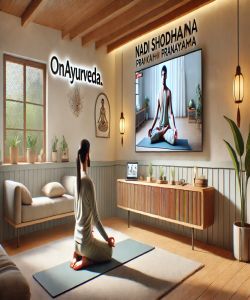
1. Overview of Nadi Shodhana Pranayama
Nadi Shodhana Pranayama, unequivocally termed Alternate Nostril Breathing, constitutes a foundational and potent yogic breathing discipline, engineered with rigorous precision to purify the subtle energy channels, known as nadis, within the human system. Its fundamental purpose is not merely the regulation of breath but the systematic harmonisation of the body’s pranic, or life force, currents, specifically the Ida and Pingala nadis, which are analogous to the parasympathetic and sympathetic nervous systems respectively. Through a disciplined and methodical alternation of inhalation and exhalation between the left and right nostrils, the practitioner directly engages with the autonomic nervous system, inducing a state of profound equilibrium. This is not a passive exercise; it is an active intervention designed to pacify a turbulent mind, alleviate physiological stress, and establish a state of neurological and emotional coherence. The practice mandates absolute focus and unwavering control, compelling the practitioner to move beyond superficial respiratory patterns and engage in a deep, conscious manipulation of vital energies. It serves as a critical preparatory technique for more advanced states of meditation and heightened consciousness, clearing energetic blockages that impede spiritual and psychological progress. The ultimate objective extends far beyond immediate relaxation; it is the establishment of a robust foundation for systemic health, mental clarity, and the eventual awakening of the central energy channel, the Sushumna Nadi. The mastery of Nadi Shodhana is therefore not an elective pursuit but an imperative for any serious practitioner committed to the holistic integration of mind, body, and spirit. It is a formidable tool for self-regulation, demanding respect, discipline, and consistent application to unlock its full, transformative potential, thereby recalibrating the entire human energetic and physiological matrix for optimal function and elevated awareness. This pranayama stands as a cornerstone of yogic science, a testament to its sophisticated understanding of human vitality.
2. What is Nadi Shodhana Pranayama?
Nadi Shodhana Pranayama is a highly structured and fundamental breathing technique originating from the classical traditions of Hatha Yoga. The Sanskrit term itself provides a direct and unambiguous definition: 'Nadi' translates to 'subtle energy channel', 'Shodhana' means 'cleansing' or 'purification', and 'Pranayama' refers to the 'control and extension of life force' through breath regulation. Consequently, the practice is explicitly designed for the purification of the intricate network of nadis through which prana, or vital energy, circulates throughout the body. At its core, the technique involves a controlled and deliberate process of alternate nostril breathing, where the practitioner systematically closes one nostril while inhaling or exhaling through the other. This methodical alternation is not arbitrary; it is specifically intended to balance the flow of energy between the two primary nadis: the Ida, which corresponds to the left nostril and is associated with lunar, cooling, and parasympathetic nervous system functions, and the Pingala, which corresponds to the right nostril and is linked to solar, heating, and sympathetic nervous system functions. By regulating the breath through these two channels, Nadi Shodhana directly influences the autonomic nervous system, fostering a state of homeostasis and profound mental quietude. It is considered an essential preparatory practice for deeper states of meditation, as it calms the ceaseless fluctuations of the mind and enhances concentration. Unlike simple deep breathing exercises, Nadi Shodhana is a sophisticated psycho-physiological discipline that works on multiple levels. It purifies the respiratory system, enhances oxygenation of the blood, and systematically reduces the physiological markers of stress, such as heart rate and blood pressure. Its function is to restore equilibrium to the body’s energetic system, thereby creating the prerequisite conditions for physical health, mental clarity, and the progression towards higher states of consciousness. It is a non-negotiable component of a serious yogic regimen.
3. Who Needs Nadi Shodhana Pranayama?
- Individuals subject to high-stress environments and chronic anxiety. The practice directly engages the parasympathetic nervous system, inducing a state of calm and systematically dismantling the physiological and psychological feedback loops of stress. It is a non-negotiable tool for those whose professional or personal circumstances demand superior emotional regulation and mental resilience.
- Professionals and academics requiring heightened levels of concentration and cognitive function. By balancing the left and right hemispheres of the brain and improving cerebral blood flow, this pranayama sharpens focus, enhances memory retention, and facilitates superior problem-solving capabilities. It is essential for anyone engaged in intellectually demanding work.
- Practitioners of meditation and advanced yoga seeking to deepen their practice. Nadi Shodhana is a foundational requirement for clearing the energetic pathways, thereby enabling prana to flow unimpeded. This purification is a prerequisite for achieving stable and profound meditative states and for the safe awakening of latent spiritual energies.
- Persons experiencing respiratory difficulties or compromised lung function, subject to professional medical guidance. The controlled, deep breathing strengthens the diaphragm and intercostal muscles, increases vital lung capacity, and purifies the respiratory tract, promoting more efficient and robust pulmonary function over time.
- Individuals suffering from sleep disturbances, including insomnia. The calming effect on the nervous system and the reduction of mental agitation make it an exceptionally effective practice for preparing the mind and body for deep, restorative sleep. It addresses the root causes of sleeplessness rather than merely its symptoms.
- Anyone experiencing emotional volatility or mood imbalances. The harmonising effect of the practice on the body’s energy systems translates directly into greater emotional stability. It provides a powerful mechanism for managing reactive emotional states and cultivating a baseline of equanimity.
- Athletes and physical performers aiming to optimise respiratory efficiency and recovery. Enhanced oxygenation, improved cardiovascular function, and a reduction in performance-related anxiety contribute to superior physical output and more rapid post-exertion recovery. It is a critical component of a holistic training programme.
- Individuals seeking a proactive method for maintaining overall physiological and neurological health. Its systemic benefits, including the regulation of blood pressure and heart rate, make it a powerful preventative discipline for maintaining long-term wellness and vitality.
4. Origins and Evolution of Nadi Shodhana Pranayama
The origins of Nadi Shodhana Pranayama are deeply embedded within the ancient textual traditions of Hatha Yoga, with its principles and techniques first being systematically codified in seminal yogic scriptures. Foundational texts such as the Hatha Yoga Pradipika, authored by Swami Svatmarama in the 15th century, and the Gheranda Samhita, provide explicit instructions on its practice and delineate its profound purpose. These texts do not present Nadi Shodhana as a mere breathing exercise but as a critical scientific process for the purification of the nadis, the subtle energy conduits of the pranic body. In this classical context, the practice was understood as an indispensable prerequisite for any further yogic advancement, particularly for the awakening of Kundalini, the dormant spiritual energy. The primary objective was unequivocally spiritual: to balance the solar (Pingala) and lunar (Ida) energy channels, thereby facilitating the entry of prana into the central channel (Sushumna Nadi), leading to higher states of consciousness. The techniques described were rigorous, often involving complex breath retention (kumbhaka) and specific ratios between inhalation, retention, and exhalation, demanding immense discipline and the direct guidance of a competent guru.
Over the centuries, the practice of Nadi Shodhana evolved from its esoteric and spiritually-focused origins to become more widely accessible, particularly with the global dissemination of yoga in the 20th century. Influential masters such as Swami Sivananda and B.K.S. Iyengar played a pivotal role in demystifying the practice, adapting it for a modern audience while preserving its core integrity. They emphasised its therapeutic and physiological benefits, presenting it as a powerful tool for managing stress, improving respiratory health, and fostering mental clarity. This shift did not dilute its essence but rather broadened its application, making it relevant to individuals outside of a monastic or strictly ascetic context. The emphasis moved towards a preparatory version, often practised without breath retention (Anuloma Viloma), to make it safe and beneficial for householders and beginners.
In the contemporary era, the evolution of Nadi Shodhana has entered a new phase, marked by rigorous scientific investigation and clinical validation. Modern neuroscience and psychophysiology have begun to corroborate the claims made by ancient yogis. Studies utilising electroencephalography (EEG) have demonstrated its capacity to promote brainwave coherence and balance hemispheric activity, while other research has confirmed its positive impact on the autonomic nervous system, cardiovascular function, and stress hormone regulation. This empirical validation has solidified its position not only as a spiritual practice but also as a credible therapeutic modality within complementary and integrative medicine. Its evolution is a testament to its enduring efficacy, transitioning from an arcane yogic secret to a globally recognised discipline for holistic well-being, validated by both ancient wisdom and modern science.
5. Types of Nadi Shodhana Pranayama
- Anuloma Viloma (Preparatory Stage): This is the foundational and most commonly practised form of Nadi Shodhana, often used interchangeably with the term, though it is technically the initial stage. It involves the basic technique of alternate nostril breathing—inhaling through one nostril and exhaling through the other—without any form of breath retention (kumbhaka). Its primary purpose is to familiarise the practitioner with the mechanics of the breath, establish a smooth and even respiratory rhythm, and gently begin the process of balancing the Ida and Pingala nadis. It is considered the safest and most accessible variation, suitable for absolute beginners and for daily practice to calm the nervous system and prepare the mind for meditation. The focus is strictly on the controlled and conscious flow of inhalation (puraka) and exhalation (rechaka).
- Sama Vritti Nadi Shodhana (Equal Ratio Breathing): This progression introduces a specific timing element to the practice. 'Sama Vritti' translates to 'equal fluctuations', mandating that the duration of the inhalation is precisely matched to the duration of the exhalation. For instance, a practitioner might inhale for a count of four and exhale for a count of four, maintaining this 1:1 ratio throughout the practice. This disciplined structure deepens concentration and further refines the balance between the sympathetic and parasympathetic nervous systems. It demands greater mental focus than Anuloma Viloma and serves as a crucial intermediate step before the introduction of breath retention, training the mind and lungs for more advanced pranayama.
- Vishama Vritti Nadi Shodhana (Unequal Ratio Breathing): This advanced variation deliberately creates an unequal ratio between inhalation and exhalation. The most common form is to double the length of the exhalation relative to the inhalation, for example, a 1:2 ratio (inhaling for four counts, exhaling for eight). This prolonged exhalation powerfully stimulates the parasympathetic nervous system, inducing a profound state of relaxation and mental calm. It is a highly effective technique for managing anxiety, lowering blood pressure, and releasing deep-seated tension. Mastery of this ratio is a prerequisite for more complex pranayamas and requires significant respiratory control and capacity.
- Nadi Shodhana with Antara Kumbhaka (Internal Breath Retention): This marks the introduction of traditional, complete Nadi Shodhana. It incorporates a pause, or breath retention (kumbhaka), after the inhalation. The practice follows a structured ratio, such as 1:2:2 (inhale:retain:exhale) or 1:4:2. The retention of the breath with lungs full (Antara Kumbhaka) significantly amplifies the pranic charge within the system, intensifying the purification process and building vital energy. This practice must be approached with extreme caution and under expert guidance, as improper execution can lead to physiological and energetic imbalances. It is a potent technique reserved for experienced practitioners.
6. Benefits of Nadi Shodhana Pranayama
- Profound Neurological Regulation: Systematically pacifies the autonomic nervous system by balancing the activity of its sympathetic (fight-or-flight) and parasympathetic (rest-and-digest) branches. This direct intervention mitigates chronic stress, reduces anxiety, and fosters a state of deep physiological and mental calm.
- Enhanced Respiratory Function: Strengthens the primary and accessory muscles of respiration, including the diaphragm and intercostals. It increases vital lung capacity, improves gaseous exchange in the alveoli, and purifies the entire respiratory tract, leading to more efficient and robust pulmonary health.
- Cardiovascular System Harmonisation: Contributes to the regulation of heart rate and blood pressure, reducing the strain on the cardiovascular system. Consistent practice improves heart rate variability (HRV), a key indicator of cardiovascular resilience and overall well-being.
- Optimised Cerebral Function: Promotes brainwave coherence and synchronises the activity between the left and right cerebral hemispheres. This balancing effect enhances cognitive functions, including concentration, mental clarity, memory, and executive decision-making capabilities.
- Systemic Detoxification: Facilitates the efficient elimination of metabolic waste products, particularly carbon dioxide, from the bloodstream and tissues. The purification extends to the subtle energetic level, clearing blockages within the nadis to allow for the unimpeded flow of prana.
- Cultivation of Emotional Equilibrium: By calming the nervous system and balancing pranic flows, it stabilises emotional responses. The practice diminishes reactivity, reduces mood swings, and cultivates a sustained state of inner equanimity and composure.
- Preparation for Advanced Yogic Practices: Serves as an indispensable preparatory discipline for deep meditation (Dhyana) and higher states of consciousness (Samadhi). By purifying the nadis and calming the mind's fluctuations (vrittis), it creates the necessary psycho-physiological stability for profound inner exploration.
- Improved Energy Levels and Vitality: Balances the body's pranic or life force energy, rectifying states of both lethargy (tamas) and hyperactivity (rajas). This results in a sustained increase in balanced, usable energy and a heightened sense of overall vitality and vigour.
- Regulation of Body Temperature: The balancing of the solar (heating, Pingala) and lunar (cooling, Ida) channels helps to regulate the body's internal thermostat, promoting homeostatic balance and adaptability to external environmental changes.
- Enhanced Mind-Body Connection: The requisite focus on the subtle sensations of the breath fosters a deep and intimate connection between the mind and the physical body, enhancing proprioception and interoceptive awareness, which are crucial for self-regulation and holistic health.
7. Core Principles and Practices of Nadi Shodhana Pranayama
- Postural Integrity (Asana): The practice must be performed in a stable, comfortable, and upright seated posture, such as Sukhasana (Easy Pose), Siddhasana (Accomplished Pose), or Padmasana (Lotus Pose). A straight spine is non-negotiable, as it facilitates the unimpeded flow of breath and prana along the spinal column, which houses the central energy channel, Sushumna Nadi. The body must remain still and relaxed throughout, preventing physical distractions from disrupting mental focus.
- Hand Position (Mudra): The right hand is to be used to regulate the flow of breath through the nostrils, employing either Vishnu Mudra or Nasagra Mudra. In Vishnu Mudra, the index and middle fingers are folded down to the base of the thumb, and the thumb and ring finger are used to alternately close the right and left nostrils. This specific hand gesture is not merely mechanical; it is designed to help direct the flow of energy with precision and maintain a focused, meditative state.
- Conscious and Rhythmic Breathing: The breath must be smooth, silent, and continuous, without any jerks or strain. The practitioner must cultivate a profound awareness of the entire respiratory cycle, from the beginning of the inhalation to the end of the exhalation. The principle of rhythm (laya) is central; whether practising with equal or unequal ratios, a consistent and unwavering tempo must be maintained to pacify the nervous system effectively.
- Systematic Nostril Alternation: The sequence of alternation is rigidly defined and must be adhered to without deviation. The standard practice commences with an exhalation through the left nostril, followed by an inhalation through the same left nostril. The breath is then switched, exhaling through the right nostril and subsequently inhaling through the right. This completes one full cycle. This specific pattern ensures a balanced and systematic purification of the Ida and Pingala channels.
- Progressive Implementation of Ratios and Retention (Kumbhaka): A practitioner must progress logically and patiently. The initial stage (Anuloma Viloma) involves no breath retention. Only after mastering a smooth and even breath should one introduce ratios (Sama Vritti, then Vishama Vritti). The introduction of breath retention (Kumbhaka) is an advanced stage that must only be undertaken after proficiency in the foundational techniques is established and, ideally, under the guidance of a qualified instructor. Rushing this progression is counterproductive and potentially harmful.
- Mental Focus and Intention (Dharana and Sankalpa): The mind's role is paramount. The practitioner's full attention must be anchored to the flow of breath as it passes through the nostrils. The intention (Sankalpa) of purification and balance should be held throughout the practice. This mental discipline transforms the exercise from a purely physical act into a potent form of mindfulness and pratyahara (sense withdrawal), preventing the mind from wandering and deepening the practice's impact.
8. Online Nadi Shodhana Pranayama
- Unparalleled Accessibility and Convenience: The online format dismantles geographical and logistical barriers, providing access to expert instruction regardless of the participant's location. This eliminates the necessity for travel and allows for the integration of this powerful practice into demanding schedules, making consistent application feasible for professionals, parents, and those with mobility constraints. The discipline can be undertaken from any private, controlled environment, mandating only a stable internet connection.
- Structured and Self-Paced Learning Environment: Reputable online programmes offer a highly structured curriculum, guiding practitioners systematically from foundational techniques to more advanced variations. The digital format allows individuals to progress at their own pace, re-visiting instructional modules as required to ensure complete comprehension and correct execution of posture, mudra, and breathing patterns. This methodical, self-directed progression mitigates the risk of advancing prematurely, which is a common error in less supervised settings.
- Access to Elite, Specialised Instruction: The digital sphere grants access to a global network of highly qualified and experienced instructors. Participants are no longer limited to the expertise available in their immediate vicinity. They can seek out teachers who specialise in pranayama and yogic philosophy, ensuring they receive authentic, precise, and safe guidance rooted in traditional lineage and contemporary understanding. This elevates the quality and integrity of the learning experience significantly.
- Creation of a Personalised and Controlled Practice Space: Practising in one's own environment allows for the complete control of sensory inputs. The participant can curate a space that is free from external distractions, with optimal lighting, temperature, and quietude. This personal sanctuary enhances the ability to focus inward, fostering a deeper, more introspective experience than is often possible in a group studio setting. This control is critical for the subtle and focused nature of Nadi Shodhana.
- Resource Availability and Reinforcement: Online courses typically provide a wealth of supplementary resources, including downloadable guides, video tutorials, and recorded sessions. These materials are available on-demand, allowing for continuous reinforcement of correct technique and theoretical principles. The ability to review specific instructions on demand is a distinct advantage over single, in-person sessions where details may be forgotten.
- Anonymity and Reduced Self-Consciousness: For individuals new to yogic practices, the online format offers a degree of anonymity that can reduce feelings of self-consciousness or performance anxiety that may arise in a group class. This allows the practitioner to focus entirely on their internal experience and the mechanics of the breath without concern for external observation, which is conducive to a more authentic and effective practice.
9. Nadi Shodhana Pranayama Techniques
- Preparation and Posture (Asana): Assume a stable and erect seated position on the floor or a firm cushion. The spine, neck, and head must be perfectly aligned. Suitable postures include Sukhasana (Easy Pose) or Siddhasana. Rest your left hand on your left knee, with the palm facing up, in Jnana Mudra (thumb and index finger touching). The body must remain completely still throughout the entire practice.
- Hand Position (Mudra): Bring your right hand towards your face. Form the Vishnu Mudra by folding your index and middle fingers into your palm, leaving the thumb, ring finger, and little finger extended. The thumb will be used to close the right nostril, and the ring finger will be used to close the left nostril. This specific mudra ensures precise control.
- Initiating the First Cycle: Gently close your eyes and take a few deep, natural breaths to centre yourself. Now, use your right thumb to gently close your right nostril. Exhale completely and slowly through your left nostril. This initial exhalation is a critical step to clear the channel before commencing the cycle.
- Inhalation (Puraka) – Left Nostril: Keeping the right nostril closed, inhale slowly, deeply, and silently through the left nostril. Fill the lungs completely but without any strain. Maintain a steady and controlled pace. The focus must be entirely on the smooth flow of air.
- Nostril Switch: After completing the inhalation, gently close your left nostril with your ring finger. For a brief moment, both nostrils will be closed. Release the pressure from your right thumb, opening the right nostril.
- Exhalation (Rechaka) – Right Nostril: Exhale slowly, completely, and silently through the right nostril. Ensure the exhalation is at least as long as, or longer than, the inhalation. Expel all the air from your lungs in a controlled and relaxed manner.
- Inhalation (Puraka) – Right Nostril: Keeping the left nostril closed, inhale slowly and deeply through the right nostril. Fill the lungs to their full capacity, again maintaining a smooth, silent, and controlled rhythm.
- Nostril Switch and Completion of the Cycle: After the inhalation is complete, close the right nostril with your thumb. Release the pressure from the ring finger, opening the left nostril. Exhale slowly and completely through the left nostril. This completes one full, indivisible cycle of Nadi Shodhana.
- Continuation and Conclusion: Without pausing, begin the next cycle by inhaling again through the left nostril. Continue for a designated number of rounds, maintaining unwavering focus and a consistent rhythm. To conclude the practice, finish by completing the exhalation through the left nostril. Release the mudra, place your right hand on your knee, and remain seated with eyes closed, observing the effects.
10. Nadi Shodhana Pranayama for Adults
For the adult practitioner, Nadi Shodhana Pranayama is not a mere relaxation technique but a formidable and essential discipline for managing the complex physiological and psychological demands of modern life. In an era defined by chronic stress, sensory overload, and relentless cognitive pressure, this practice offers a direct and potent method for systemic self-regulation. Its primary function is the systematic pacification of the autonomic nervous system, directly counteracting the pervasive state of sympathetic dominance—the 'fight-or-flight' response—that underlies a vast spectrum of adult health disorders, from cardiovascular disease to anxiety and burnout. By enforcing a rhythmic and conscious pattern of breathing, it compels a shift towards parasympathetic activity, inducing a state of deep physiological rest that facilitates cellular repair, hormonal balance, and mental decompression. The discipline demands and cultivates a high degree of mental focus, a capacity that is frequently eroded by the fragmented attention endemic to the digital age. This sharpened concentration translates directly into enhanced professional performance, improved decision-making, and greater cognitive endurance. Furthermore, for adults navigating the complexities of emotional life, Nadi Shodhana provides a powerful tool for cultivating equanimity. It mitigates emotional reactivity by creating a buffer between stimulus and response, allowing for a more measured and conscious engagement with interpersonal challenges. The practice is a proactive strategy for maintaining neurological health, improving cerebral circulation, and potentially mitigating age-related cognitive decline. It is an investment in long-term resilience, offering a structured, self-empowering methodology to restore balance, fortify the mind, and maintain a state of vigorous health and mental clarity. For the mature individual, it is an indispensable tool for mastering the internal environment, regardless of the turbulence of the external world. It is the practice of taking deliberate control over one's own state of being.
11. Total Duration of Online Nadi Shodhana Pranayama
The total duration of a comprehensive online Nadi Shodhana Pranayama session is rigorously structured to be 1 hr, a timeframe meticulously designed to ensure thorough instruction, safe practice, and optimal physiological and psychological integration. This duration is not arbitrary; it is a calculated allocation of time that allows for a systematic and unhurried progression through the essential components of the practice. A typical 1 hr session commences with a preparatory phase, which includes foundational instruction on correct posture (asana), hand gestures (mudras), and the fundamental principles of conscious breathing. This ensures that all participants, regardless of their prior experience, establish a correct and safe foundation before proceeding. The core of the session is dedicated to the guided practice of Nadi Shodhana itself, progressing from basic rhythms to potentially more complex ratios, contingent on the course level. This central practice period is substantial enough to allow the practitioner to move beyond initial mental distractions and enter a state where the profound calming effects on the nervous system can manifest and stabilise. The 1 hr duration also provides the necessary space for a crucial concluding phase. This involves a period of quiet, motionless observation in a meditative state, allowing the body and mind to absorb and integrate the pranic and neurological shifts induced by the practice. Furthermore, this timeframe accommodates a segment for theoretical clarification and a question-and-answer period, where an instructor can address specific challenges, refine participants' techniques, and provide essential context. Attempting to condense this multifaceted process into a shorter period would inevitably compromise the integrity and safety of the practice, diminishing its efficacy and potentially glossing over critical technical details. The 1 hr structure is, therefore, a non-negotiable standard for a complete, effective, and responsible instructional session.
12. Things to Consider with Nadi Shodhana Pranayama
Before commencing the practice of Nadi Shodhana Pranayama, it is imperative to approach the discipline with the seriousness and respect it commands. This is not a casual breathing exercise; it is a powerful technique for manipulating the body’s vital energies and autonomic nervous system, and as such, it necessitates careful consideration. Foremost is the absolute requirement of proper instruction. Attempting to learn from ambiguous texts or unverified online sources is a significant risk; guidance from a qualified and experienced instructor is non-negotiable to ensure correct technique and to avoid potential contraindications. The physical setting for practice must be meticulously prepared: it must be a clean, quiet, and well-ventilated space, free from distractions, to facilitate the deep inward focus that is required. The timing of the practice is also a critical factor. Traditionally, it is performed in the early morning on an empty stomach, when the mind is clearest and the body is most receptive. Practising on a full stomach is strictly contraindicated as it interferes with the diaphragm's movement and diverts energy to digestion, undermining the pranic benefits. Practitioners must be acutely aware of their own physical and mental state. If suffering from a cold, flu, fever, or blocked nostrils, the practice must be postponed. Individuals with unmanaged high blood pressure, heart conditions, or severe anxiety disorders must consult a medical professional before beginning. The principle of non-violence (ahimsa) must be applied to the practice itself: the breath should never be forced, and there should be no strain or discomfort. Any sign of dizziness, light-headedness, or anxiety is a clear signal to cease immediately and rest. Progression must be patient and gradual, mastering the foundational techniques without breath retention before even considering more advanced variations. This discipline and self-awareness are fundamental for a safe and effective practice.
13. Effectiveness of Nadi Shodhana Pranayama
The effectiveness of Nadi Shodhana Pranayama is both profound and multifaceted, substantiated by millennia of empirical evidence from yogic tradition and increasingly validated by rigorous modern scientific investigation. Its efficacy is not a matter of subjective belief but a direct consequence of its targeted physiological and neurological mechanisms. On a fundamental level, the practice is exceptionally effective in regulating the autonomic nervous system, a key controller of involuntary bodily functions. By systematically alternating the breath between the nostrils, it directly influences the opposing sympathetic and parasympathetic systems, guiding the body out of a state of chronic stress and into one of homeostatic balance. This results in measurable reductions in heart rate, blood pressure, and cortisol levels, providing a powerful antidote to the deleterious effects of modern stressors. Neurologically, its effectiveness is demonstrated by its capacity to enhance brainwave coherence and promote synchronisation between the cerebral hemispheres. This balancing of brain activity translates into improved cognitive function, including heightened concentration, enhanced mental clarity, and greater emotional stability. The practice is supremely effective as a preparatory tool for meditation, as it systematically quiets the 'mental chatter' or vrittis, creating the prerequisite state of mental stillness required for deeper introspection. Furthermore, its effect on the respiratory system is undeniable, leading to increased vital capacity, strengthened respiratory musculature, and improved oxygen saturation in the blood. This enhanced respiratory efficiency has systemic benefits for overall health and vitality. The true measure of its effectiveness, however, lies in its holistic impact, integrating the regulation of the physical body, the calming of the mind, and the balancing of the subtle energy system. It is a comprehensive and highly efficient tool for cultivating a state of optimal function, resilience, and well-being, confirming its status as a cornerstone of yogic science.
14. Preferred Cautions During Nadi Shodhana Pranayama
Adherence to a strict set of cautions during the practice of Nadi Shodhana Pranayama is not optional; it is an absolute mandate for safety and efficacy. This is a potent discipline, and any deviation from established protocols invites imbalance. First and foremost, the breath must never be forced. Any sensation of strain, gasping, or discomfort is an unequivocal indicator that one has exceeded their current capacity. The practice must be immediately ceased or scaled back to a more comfortable rhythm. This principle of non-aggression towards one's own system is paramount. Individuals with unmanaged chronic health conditions, particularly severe cardiovascular disease, hypertension, or epilepsy, must not undertake this practice without explicit clearance from a qualified medical doctor and the direct supervision of an expert yoga therapist. Pregnant individuals should avoid any variations involving breath retention (kumbhaka) and should only practise the most gentle form (Anuloma Viloma) under specialised guidance. The practice is strictly contraindicated during episodes of fever, cold, influenza, or any condition involving significant nasal congestion, as it would be both ineffective and potentially harmful. The introduction of breath retention (kumbhaka) is the most critical area for caution. It must never be attempted by beginners or without the direct, in-person guidance of a highly experienced teacher. Improper retention can create excessive pressure in the chest, head, and heart, leading to serious adverse effects. The practice must always be conducted on an empty stomach, with a minimum interval of three to four hours after a main meal. Finally, practitioners must remain vigilant for any signs of adverse reaction, such as dizziness, light-headedness, headache, or heightened anxiety. These are not signs of progress; they are warnings from the body that a boundary has been breached. Heeding these cautions is a non-negotiable aspect of a responsible and intelligent pranayama practice.
15. Nadi Shodhana Pranayama Course Outline
- Module 1: Foundational Principles and Theoretical Framework
- Introduction to the concepts of Prana, Nadis (Ida, Pingala, Sushumna), and the science of Pranayama.
- Detailed exposition of the purpose and objectives of Nadi Shodhana.
- Elucidation of the critical link between breath, the autonomic nervous system, and mental states.
- Strict guidelines on contraindications, safety protocols, and the ethics of practice.
- Module 2: The Physical Prerequisites – Asana and Mudra
- Instruction and refinement of stable, erect seated postures (Asana) essential for pranayama.
- Detailed breakdown and practice of the correct hand gesture (Vishnu Mudra), ensuring precise and gentle nostril closure.
- Guidance on establishing bodily stillness and spinal alignment as a non-negotiable foundation.
- Module 3: Technique I – Anuloma Viloma (Basic Alternate Nostril Breathing)
- Step-by-step, guided instruction in the foundational technique without breath retention.
- Emphasis on cultivating a smooth, silent, and consciously controlled breath.
- Practice rounds focused on establishing a comfortable and consistent rhythm.
- Techniques for maintaining mental focus and anchoring awareness to the breath.
- Module 4: Technique II – Sama Vritti (Equal Ratio Breathing)
- Introduction to the principle of rhythmic breathing with a 1:1 ratio of inhalation to exhalation.
- Guided practice using a metronomic count to develop precision and control.
- Strategies for gradually and safely increasing the count duration to build respiratory capacity.
- Module 5: Technique III – Vishama Vritti (Unequal Ratio Breathing)
- Advanced instruction on extending the exhalation, primarily focusing on the 1:2 ratio (inhalation:exhalation).
- Exploration of the profound calming effects of prolonged exhalation on the parasympathetic nervous system.
- Guided practice to master this ratio without inducing strain or breathlessness.
- Module 6: Advanced Concepts and Integration (Theory)
- Theoretical introduction to breath retention (Kumbhaka) – its purpose, power, and associated risks. Note: Practical instruction on Kumbhaka is reserved for advanced, in-person courses and is not included in a standard online outline.
- Guidance on integrating Nadi Shodhana into a daily personal practice (sadhana).
- Strategies for using the technique to prepare for meditation and manage daily stress.
- Module 7: Concluding Practices and Integration
- Instruction on the correct method for concluding the practice.
- The importance of post-pranayama stillness and observation (silent meditation).
- Comprehensive review, Q&A session, and guidance for continued, self-directed practice.
16. Detailed Objectives with Timeline of Nadi Shodhana Pranayama
- Week 1: Establishment of Foundational Correctness.
- Objective: To master the physical and mechanical aspects of the practice. The participant will demonstrate perfect and sustained spinal alignment in a chosen seated posture. They will execute the Vishnu Mudra with precision and control. The primary goal is to perform five to ten rounds of basic Anuloma Viloma (no ratio, no retention) with a smooth, silent breath, free from any physical strain or jerkiness. The timeline mandates daily practice to inculcate muscle memory and foundational comfort.
- Weeks 2-3: Development of Rhythm and Concentration.
- Objective: To transition from mechanical execution to rhythmic precision by integrating Sama Vritti (equal ratio breathing). By the end of this period, the participant must be able to comfortably maintain a 1:1 inhalation-to-exhalation ratio for a minimum of ten continuous cycles. The count (e.g., 4:4 or 6:6) should be stable and sustainable. The objective is also to significantly improve concentration, with the ability to maintain unwavering focus on the breath and the count for the duration of the practice.
- Weeks 4-5: Deepening Parasympathetic Activation.
- Objective: To master the Vishama Vritti (unequal ratio) technique, specifically a 1:2 inhalation-to-exhalation ratio. The participant will aim to execute at least ten rounds (e.g., inhaling for a count of four, exhaling for a count of eight) without any breathlessness or anxiety. This timeline is focused on harnessing the technique's profound calming effects. The objective is to be able to consciously use the prolonged exhalation to down-regulate the nervous system in response to perceived stress.
- Weeks 6-7: Consolidation and Increased Capacity.
- Objective: To consolidate all learned techniques and begin a gradual, safe increase in practice duration and respiratory capacity. The participant will extend their daily practice to a minimum of 15 minutes, integrating both Sama Vritti and Vishama Vritti as appropriate. The objective is to demonstrate the ability to practise with complete autonomy and confidence, feeling a noticeable improvement in baseline calmness, focus, and respiratory efficiency in daily life.
- Week 8 and Onwards: Integration into Daily Life and Meditative Preparation.
- Objective: To fully integrate Nadi Shodhana as a stable, daily discipline. The practice should become an automatic and essential part of the participant's routine. The ultimate objective is to utilise the state of mental quietude and pranic balance achieved through the practice as a direct and effective gateway to a seated meditation practice. The timeline becomes indefinite, focused on deepening the subtlety of the practice and observing its long-term transformative effects on health and consciousness.
17. Requirements for Taking Online Nadi Shodhana Pranayama
- Unwavering Personal Commitment and Discipline: The participant must possess the self-discipline to establish and adhere to a regular practice schedule. Online instruction provides the framework, but the onus of consistent application rests solely on the individual. A passive or intermittent approach will yield no results.
- A Dedicated and Controlled Practice Environment: A non-negotiable requirement is a private, quiet space that will remain free from all interruptions and distractions for the entire duration of each session. This includes intrusions from family members, pets, and digital notifications. The sanctity of the practice space is paramount.
- Reliable High-Speed Internet Connectivity: A stable and robust internet connection is essential for uninterrupted participation in live sessions or for streaming instructional videos without buffering. Poor connectivity will compromise the integrity of the instruction and disrupt the meditative flow of the practice.
- Functional Digital Hardware: The participant must have access to a reliable computer, tablet, or smartphone with a functional webcam and microphone. The webcam is critical for the instructor to be able to observe the participant's posture and mudra, providing necessary corrections for safety and efficacy.
- Appropriate Technical Proficiency: A basic level of digital literacy is required to navigate the online platform, join live sessions, access course materials, and communicate with the instructor. The participant must be capable of managing their own audio and video settings effectively.
- Suitable Attire and Equipment: Participants must wear comfortable, non-restrictive clothing that allows for free movement of the torso and diaphragm. A yoga mat, meditation cushion (zafu), or a firm blanket is required to support a stable and comfortable seated posture for an extended period.
- Physical and Medical Self-Awareness: The participant must be in a state of health appropriate for the practice. It is their responsibility to have self-assessed their physical condition and, if necessary, sought medical clearance before commencing. They must honestly disclose any relevant pre-existing conditions to the instructor.
- A Mindset of Receptivity and Patience: The participant is required to approach the course with an open and teachable attitude, willing to follow instructions precisely. Patience is crucial, as mastery of pranayama is a gradual process. An expectation of instant results is counterproductive and must be abandoned.
- Commitment to an Empty Stomach: The participant must strictly adhere to the rule of practising on an empty stomach. This requires personal planning and the discipline to ensure a minimum of a three to four-hour gap between their last main meal and the practice session.
18. Things to Keep in Mind Before Starting Online Nadi Shodhana Pranayama
Before embarking on an online course in Nadi Shodhana Pranayama, it is imperative to conduct a rigorous self-assessment and prepare with meticulous diligence. The digital medium, while convenient, places a heightened degree of responsibility upon the practitioner. First, you must critically evaluate the credibility and qualifications of the instructor and the institution offering the course. Seek out established lineages, transparent credentials, and verifiable testimonials; the anonymity of the internet can conceal substandard or even dangerous instruction. It is your duty to perform this due diligence. Secondly, you must be brutally honest about your own capacity for self-discipline. An online format lacks the external accountability of a physical studio. You must possess the internal drive to create a sacred space, eliminate all digital and domestic distractions, and commit to a consistent practice schedule without fail. Your environment becomes your classroom, and you are its sole custodian. Understand that the instructor’s ability to provide physical adjustments and subtle energetic feedback is inherently limited through a screen. Therefore, you must cultivate an exceptional level of interoceptive awareness—the ability to listen acutely to your body's internal signals. You are the final arbiter of safety. Any sign of strain, dizziness, or discomfort must be heeded immediately, as the instructor cannot perceive these subtle cues remotely. Furthermore, you must accept the limitations of the format regarding advanced techniques. The practice of breath retention (kumbhaka) carries significant risks and is wholly unsuitable for online learning; any programme that offers this remotely should be viewed with extreme suspicion. Your primary objective online is to build a flawless foundation in the preparatory stages of the practice, a goal which demands patience, humility, and a deep respect for the process. This is not a quick fix but a long-term commitment to a profound discipline.
19. Qualifications Required to Perform Nadi Shodhana Pranayama
The authority to guide others in the practice of Nadi Shodhana Pranayama is not a trivial matter and demands a stringent set of qualifications that extend far beyond a superficial understanding of the technique. It is a profound responsibility that necessitates a deep integration of theoretical knowledge, extensive personal practice, and a proven pedagogical capacity. The instructor must not merely be a facilitator but an embodiment of the discipline's principles. A genuinely qualified individual will possess a comprehensive grounding in yogic philosophy and anatomy, particularly the subtle anatomy of prana, nadis, and the chakra system. They must be able to articulate these complex concepts with clarity and precision, providing the essential context that elevates the practice from a simple mechanical exercise to a transformative process. Their expertise cannot be theoretical alone; it must be forged in the crucible of dedicated, long-term personal practice. An instructor who does not maintain a consistent and deep personal sadhana lacks the experiential authority to guide others safely through the subtle energetic and psychological shifts that pranayama can induce. The specific, non-negotiable qualifications include:
- Formal Certification: A minimum of an advanced certification (e.g., 300-hour or 500-hour) from a reputable and recognised yoga school, with a specific and in-depth component dedicated to the science of pranayama. A standard 200-hour certification is generally insufficient to teach anything beyond the most basic pranayama techniques.
- Direct Mentorship: Verifiable experience studying directly under a senior, established teacher or within a traditional lineage. This mentorship is crucial for receiving the subtle transmissions of knowledge and technique that cannot be gleaned from books or standard training courses alone.
- Extensive Teaching Experience: A significant track record of teaching yoga, demonstrating the ability to manage group dynamics, provide clear and concise instruction, and adapt the practice for individuals with varying levels of experience and physical limitations.
- Knowledge of Contraindications: A thorough and practical understanding of the contraindications and safety protocols associated with Nadi Shodhana. The instructor must be capable of identifying students for whom the practice may be unsuitable and modifying the technique accordingly.
Ultimately, the most critical qualification is a profound sense of integrity and a commitment to the well-being of the student above all else. The instructor's role is to empower the student safely, not to impress them with advanced but inappropriate techniques.
20. Online Vs Offline/Onsite Nadi Shodhana Pranayama
Online
The online modality for learning and practising Nadi Shodhana Pranayama is defined by its unparalleled convenience and accessibility. It effectively removes geographical constraints, allowing practitioners to access high-calibre instruction from globally recognised experts without the need for travel. This format necessitates a high degree of self-discipline and personal responsibility, as the practitioner must create and maintain their own controlled, distraction-free environment. While direct physical adjustments from the instructor are impossible, the use of high-definition video allows for precise visual demonstration of posture and mudra. The online environment can foster a deep sense of introspection, as the practitioner is in their personal space, potentially reducing the self-consciousness that can arise in a group setting. It provides on-demand access to a repository of learning materials, allowing for repeated review and self-paced progression. However, the primary limitation lies in the instructor's reduced ability to perceive subtle energetic shifts or signs of strain in the student. The safety and integrity of the practice are therefore heavily reliant on the student's own heightened self-awareness and honest communication. It is an ideal format for mastering the foundational and intermediate stages of the practice (Anuloma Viloma, Sama Vritti, Vishama Vritti) but is wholly inappropriate and unsafe for learning advanced techniques involving significant breath retention (kumbhaka).
Offline/Onsite
The offline, or onsite, learning environment provides a traditional and immersive experience that is fundamentally different. The primary advantage is the direct, in-person presence of a qualified instructor. This allows for immediate, hands-on corrections to posture and subtle guidance that cannot be replicated through a screen. The instructor can perceive the student’s breath quality, energy levels, and any signs of discomfort with far greater accuracy, ensuring a higher degree of safety, particularly for beginners or those with health concerns. The group energy (satsang) of a physical class can be highly motivating and supportive, fostering a sense of community and shared purpose. An onsite setting is the only appropriate and responsible environment for receiving instruction in advanced pranayama techniques, especially those involving kumbhaka, where direct supervision is non-negotiable. The disadvantages can include logistical challenges such as travel time, fixed class schedules, and potentially higher costs. The environment, while controlled by the studio, may still contain more distractions than a curated private space. The onsite model is superior for nuanced instruction and advanced practice, offering a layer of safety and energetic transmission that the online format, despite its convenience, cannot fully provide.
21. FAQs About Online Nadi Shodhana Pranayama
Question 1. Is learning Nadi Shodhana online as effective as in-person?
Answer: For foundational techniques, yes. It provides excellent instruction and convenience, but it lacks the direct feedback essential for advanced practices.
Question 2. What is the minimum equipment required?
Answer: A stable internet connection, a functional device with a webcam, a meditation cushion or chair, and a quiet, private space.
Question 3. Can beginners learn this practice online?
Answer: Yes, online courses are excellently suited for beginners to learn the fundamental techniques of Anuloma Viloma without breath retention.
Question 4. Is it safe to practise breath retention (kumbhaka) learned online?
Answer: No. Breath retention carries significant risks and must only be learned under direct, in-person supervision from a qualified expert.
Question 5. How do I know if I am performing the technique correctly?
Answer: Through the instructor's visual feedback via webcam and by developing your own interoceptive awareness of the breath's smoothness and ease.
Question 6. How long is a typical online session?
Answer: A comprehensive and properly structured session is typically one hour to allow for preparation, practice, integration, and questions.
Question 7. Must I have my camera on during the session?
Answer: It is mandated. The instructor must be able to see you to ensure correct posture and technique, which is essential for your safety.
Question 8. What if I have a pre-existing medical condition?
Answer: You must obtain clearance from your medical doctor and inform the instructor before the course commences.
Question 9. When is the best time to do my online practice?
Answer: The early morning, on an empty stomach, is optimal for achieving mental clarity and physiological benefits.
Question 10. Can I practise if my nostrils are blocked?
Answer: No. The practice is contraindicated during periods of nasal congestion. Postpone until you can breathe clearly.
Question 11. What is Vishnu Mudra?
Answer: It is the specific hand gesture used with the right hand to regulate the flow of breath through the nostrils during the practice.
Question 12. Why must the spine be kept straight?
Answer: A straight spine facilitates the optimal movement of the diaphragm and the unimpeded flow of prana along the central energy channel.
Question 13. What if I feel dizzy?
Answer: Cease the practice immediately, release the hand mudra, and breathe normally until the sensation passes. This indicates you have over-exerted.
Question 14. Can this practice help with anxiety?
Answer: Yes, its primary function is to calm the autonomic nervous system, making it highly effective for managing anxiety.
Question 15. How often should I practise?
Answer: Daily consistency is crucial for cumulative benefits. A short, daily practice is superior to a long, infrequent one.
Question 16. What is the main objective of Nadi Shodhana?
Answer: To purify the subtle energy channels (nadis) and balance the flow of prana between the body's lunar and solar aspects.
22. Conclusion About Nadi Shodhana Pranayama
In conclusion, Nadi Shodhana Pranayama stands as a paramount discipline within the comprehensive science of yoga, distinguished by its profound efficacy and systematic approach to holistic regulation. It is unequivocally more than a simple breathing exercise; it is a sophisticated psycho-physiological tool engineered to restore fundamental equilibrium to the human system. Its deliberate and methodical action upon the autonomic nervous system provides a direct and powerful antidote to the chronic stress and mental agitation that define contemporary existence. The practice mandates and cultivates a rare trinity of qualities: discipline, awareness, and control. Through its consistent application, an individual gains mastery over the most vital and often unconscious bodily process—the breath—and in doing so, gains significant influence over their mental and emotional states. The harmonisation of the Ida and Pingala energy channels is not an esoteric abstraction but a tangible process that results in balanced brain hemisphere activity, enhanced cognitive function, and profound emotional stability. As a preparatory practice for meditation, it is indispensable, creating the bedrock of mental stillness upon which deeper states of consciousness can be built. Its benefits are not confined to the subtle or the psychological; they manifest in robust physiological improvements, from optimised respiratory and cardiovascular function to enhanced systemic vitality. To engage with Nadi Shodhana is to take a definitive step towards self-mastery, utilising the breath as a key to unlock the body's innate capacity for healing, balance, and peak performance. It is a testament to the enduring wisdom of yogic science, offering a practical, accessible, and potent methodology for anyone committed to the rigorous path of self-cultivation and the attainment of a resilient, integrated, and fully awakened state of being. Its value cannot be overstated; its practice is a direct investment in one's own vitality and clarity