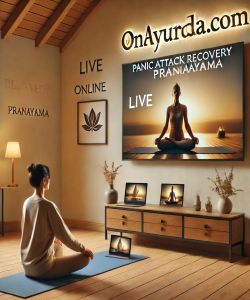
Overview of Panic Attack Recovery Pranayama
Panic Attack Recovery Pranayama constitutes a highly structured and disciplined modality of somatic regulation, specifically engineered to re-establish autonomic nervous system equilibrium in individuals susceptible to or recovering from panic attacks. This is not a passive relaxation exercise; it is an active, rigorous training of the body’s physiological responses through the meticulous control of respiration. The core premise is that the chaotic and often terrifying physical symptoms of a panic attack—such as tachycardia, hyperventilation, and dizziness—are directly linked to dysregulated breathing patterns that trigger and sustain the sympathetic nervous system's 'fight-or-flight' response. By systematically imposing conscious, deliberate, and specific breathing techniques, the practitioner learns to directly intervene in this debilitating feedback loop. This intervention is twofold: first, it provides an immediate tool to de-escalate an acute panic episode by forcibly shifting the body towards a parasympathetic 'rest-and-digest' state. Second, and more fundamentally, consistent practice builds long-term resilience within the nervous system, increasing vagal tone and enhancing interoceptive awareness. This heightened awareness allows the individual to recognise the subtle physiological precursors to a panic attack, enabling pre-emptive action long before the cascade of symptoms becomes overwhelming. It is, therefore, a proactive and empowering methodology that moves beyond mere symptom management, aiming instead to fundamentally re-calibrate the body's response to perceived threats. The practice demands unwavering consistency and adherence to technique, transforming the breath from an unconscious, reactive process into a potent, consciously wielded instrument for neurological and psychological stabilisation. This is a formidable discipline, designed for those who are prepared to engage in the demanding work of mastering their own physiological state to reclaim control from the grip of panic.
What are Panic Attack Recovery Pranayama?
Panic Attack Recovery Pranayama refers to a specific, targeted application of ancient yogic breathing disciplines, repurposed and refined for the clinical objective of managing and mitigating the severe physiological and psychological distress associated with panic attacks. At its core, it is the conscious, methodical, and sustained regulation of the breath—its pace, depth, and rhythm—to directly influence and stabilise the autonomic nervous system. Unlike generic 'deep breathing' advice, which is often vague and can even exacerbate symptoms if performed incorrectly, these pranayama techniques are precise protocols. They are designed to counteract the hyperventilation reflex that is a hallmark of panic, a reflex that drastically alters blood gas composition and fuels sensations of dizziness, derealisation, and terror.
The practice operates on several distinct levels:
Physiological Intervention: By deliberately slowing and deepening the breath, particularly extending the exhalation, these techniques stimulate the vagus nerve. This is the primary conduit of the parasympathetic nervous system, and its activation acts as a direct brake on the sympathetic 'fight-or-flight' response, reducing heart rate, lowering blood pressure, and curtailing the production of stress hormones like adrenaline.
Neurological Refocusing: The intense concentration required to maintain a specific breathing pattern provides an immediate and powerful anchor for a mind caught in a catastrophic thought loop. It forcibly diverts cognitive resources away from anxious ideation and towards a tangible, somatic sensation—the feeling of the breath entering and leaving the body.
Interoceptive Conditioning: Through consistent practice, an individual develops a highly refined sensitivity to their internal bodily states, a skill known as interoception. This enables the early detection of the subtle physiological shifts that precede a full-blown panic attack, allowing for timely intervention with the learned breathing techniques before the episode can escalate.
In essence, Panic Attack Recovery Pranayama is a form of self-directed neuro-regulatory training. It equips the individual with a non-pharmacological, internal locus of control, transforming the very act of breathing into a potent tool for immediate de-escalation and long-term resilience.
Who Needs Panic Attack Recovery Pranayama?
Individuals Formally Diagnosed with Panic Disorder: This cohort stands to benefit most directly. The practice provides a tangible, non-pharmacological skillset to manage the recurrent, unexpected panic attacks that define the condition, empowering them to interrupt the cycle of fear and autonomic dysregulation.
Sufferers of Generalised Anxiety Disorder (GAD) with Panic Specifiers: For those whose chronic anxiety periodically escalates into acute panic episodes, these techniques offer a robust method for de-escalating from high-arousal states back to a manageable baseline, preventing the anxiety from crescendoing into a full attack.
Individuals Experiencing Agoraphobia: As agoraphobia is often driven by the fear of having a panic attack in an inescapable situation, mastering these self-regulation techniques provides the confidence and capability to manage somatic symptoms, thereby reducing the anticipatory anxiety that fuels avoidance behaviours.
Persons with Specific Phobias: When confronted with a phobic stimulus, the physiological response can be indistinguishable from a panic attack. Pranayama provides an immediate, portable tool to down-regulate the intense fear response, enabling greater control and facilitating exposure therapy.
Those Recovering from Trauma (PTSD): Individuals with post-traumatic stress disorder often experience hypervigilance and physiological hyperarousal that can manifest as panic. These breathing protocols serve as a powerful grounding technique to manage somatic flashbacks and re-establish a sense of safety within their own body.
Individuals in High-Stress Professions: Professionals in high-pressure environments who experience performance-related or stress-induced panic symptoms can utilise these techniques to maintain composure, enhance cognitive function under duress, and prevent acute stress from becoming debilitating.
People Seeking to Discontinue Anxiolytic Medication: Under strict medical supervision, pranayama can serve as a supportive behavioural strategy to manage withdrawal symptoms and build self-efficacy, providing a non-chemical means of regulating the nervous system as medication is tapered.
Anyone Experiencing Situational Panic Attacks: For individuals who do not have a formal disorder but experience panic attacks in response to specific, identifiable triggers (e.g., public speaking, examinations), these methods provide a discrete and effective strategy for in-the-moment symptom management.
Origins and Evolution of Panic Attack Recovery Pranayama
The foundations of Panic Attack Recovery Pranayama are deeply rooted in the ancient yogic traditions of India, documented thousands of years ago in foundational texts such as the Hatha Yoga Pradipika and Patanjali's Yoga Sutras. Within this classical context, ‘Pranayama’—a composite of the Sanskrit words ‘prana’ (life force energy) and ‘ayama’ (to extend or regulate)—was not conceived as a therapeutic intervention for a specific psychological disorder. Instead, it was a sophisticated discipline for controlling vital energies, purifying the subtle body, and preparing the mind for higher states of meditation and spiritual realisation. The original intent was esoteric and aimed at achieving mastery over the mind-body complex for the ultimate purpose of enlightenment. The calming and stabilising effects on the nervous system were a recognised byproduct, but not the primary objective.
The evolution from a spiritual discipline to a targeted clinical tool is a distinctly modern phenomenon, occurring primarily in the latter half of the twentieth century. This transition was driven by the convergence of two powerful forces: the westward migration of yogic knowledge and the concurrent rise of psychosomatic medicine and cognitive-behavioural therapies in the West. As scientists and clinicians began to empirically investigate the physiological effects of meditative and breathing practices, they discovered what the yogis had known intuitively for millennia: that conscious control of respiration has a profound and direct impact on the autonomic nervous system.
This scientific validation was the crucial catalyst. Researchers began to systematically strip the pranayama techniques of their esoteric metaphysical context, reframing them in the language of neurobiology and physiology. They identified specific techniques, such as those emphasising a prolonged exhalation, as being particularly effective at stimulating the vagus nerve and activating the parasympathetic nervous system—the body's innate calming response. This reframing allowed pranayama to be integrated into structured, evidence-based therapeutic protocols. It was no longer presented as a path to spiritual awakening, but as a practical, replicable method for down-regulating the hyperarousal characteristic of anxiety and panic disorders. Today, Panic Attack Recovery Pranayama exists as a highly secularised, clinically focused modality, a potent synthesis of ancient wisdom and modern neuroscience, precisely adapted to address the debilitating mechanics of a panic attack.
Types of Panic Attack Recovery Pranayama
Dirga Pranayama (Three-Part Breath): This is a foundational technique focused on maximising diaphragmatic engagement and cultivating full lung capacity. The practitioner consciously directs the inhalation first into the abdomen, then the rib cage, and finally the upper chest. The exhalation proceeds in the reverse order. Its purpose in panic recovery is to counteract the shallow, clavicular breathing typical of hyperventilation, promoting a deeper, more physiologically efficient respiratory pattern that inherently calms the nervous system. It serves as an essential training tool for re-establishing a functional breathing baseline.
Nadi Shodhana (Alternate Nostril Breathing): A balancing and purifying technique that involves alternately closing one nostril whilst breathing through the other. The practitioner inhales through one nostril, retains the breath briefly (in advanced practice), and exhales through the opposite nostril, continuing in a systematic cycle. This practice is believed to balance the left and right hemispheres of the brain and, more verifiably, to soothe the nervous system by imposing a steady, focused rhythm. It is exceptionally effective for disrupting the racing thoughts that accompany panic.
Ujjayi Pranayama (Victorious Breath): This technique involves a gentle constriction at the back of the throat (the glottis), which creates a soft, audible, ocean-like sound on both inhalation and exhalation. The slight resistance created by this constriction slows the breath down and warms the air, making the entire respiratory process more deliberate and controlled. The audible feedback provides a powerful somatic anchor, keeping the mind focused and preventing the breath from becoming rapid and erratic during periods of high anxiety.
Bhramari Pranayama (Humming Bee Breath): The practitioner inhales deeply and then produces a low-pitched humming sound for the entire duration of the exhalation, typically with fingers lightly covering the ears and eyes to internalise the sensation. The vibrations created by the hum have been shown to have a profoundly calming effect on the nervous system, stimulating the parasympathetic response and significantly reducing agitation. It serves as a potent circuit-breaker for acute moments of panic.
Benefits of Panic Attack Recovery Pranayama
Immediate Down-Regulation of the Sympathetic Nervous System: Provides a direct, physiological mechanism to counteract the 'fight-or-flight' response, actively reducing heart rate and other acute symptoms of panic.
Stimulation of the Vagus Nerve: The deliberate extension of the exhalation phase directly tones the vagus nerve, the primary component of the parasympathetic 'rest-and-digest' system, promoting systemic calm.
Correction of Hyperventilation Patterns: Actively re-trains the respiratory muscles to abandon the shallow, rapid chest breathing that characterises a panic attack, restoring a healthy balance of oxygen and carbon dioxide in the bloodstream.
Enhanced Interoceptive Awareness: Cultivates a heightened sensitivity to subtle internal bodily cues, enabling the practitioner to identify and address the physiological precursors of panic long before they escalate.
Disruption of Catastrophic Thought Cycles: The intense mental focus required for the techniques serves as a powerful cognitive anchor, forcibly diverting attention away from fearful, looping thoughts and grounding it in the present somatic experience.
Increased Heart Rate Variability (HRV): Consistent practice improves HRV, a key indicator of autonomic nervous system resilience and the body’s capacity to adapt effectively to stress.
Cultivation of an Internal Locus of Control: Equips the individual with a tangible, self-administered skill for managing their own physiological state, fostering a sense of empowerment and reducing feelings of helplessness.
Non-Pharmacological and Instantly Accessible: Offers a powerful, side-effect-free tool that requires no external equipment or medication and can be deployed discreetly at the first sign of distress in any environment.
Improved Respiratory Efficiency: Strengthens the diaphragm and other respiratory muscles, leading to more efficient and effortless breathing in both stressful and non-stressful situations.
Cumulative Stress Reduction: Regular practice lowers the baseline level of physiological arousal, making the nervous system less reactive and reducing the overall frequency and intensity of panic episodes over time.
Core Principles and Practices of Panic Attack Recovery Pranayama
Primacy of the Exhalation: The core operational principle is the deliberate and sustained extension of the exhalation phase. The exhalation must be longer than the inhalation, as this is the primary physiological mechanism for stimulating the vagus nerve and activating the parasympathetic nervous system. This is a non-negotiable tenet of the practice.
Diaphragmatic Engagement: The practice demands a complete shift from shallow, clavicular (chest) breathing to deep, diaphragmatic (belly) breathing. All breathing techniques must originate from the contraction and relaxation of the diaphragm muscle to ensure maximum respiratory efficiency and nervous system regulation. Chest-led breathing is to be identified and systematically eliminated.
Unwavering Consistency: The neurological and physiological benefits are cumulative. The practice must be performed with rigorous daily consistency, not merely as an emergency intervention. This regular training is what builds nervous system resilience and re-patterns dysfunctional breathing habits. Sporadic application will yield negligible long-term results.
Steadiness and Rhythm (Sthira and Sukha): The breath must be cultivated to be both steady and smooth, free from jerks, gasps, or strain. A consistent, rhythmic pace is paramount. This creates a predictable and soothing input to the brain and nervous system, directly countering the chaotic respiratory patterns of panic.
Posture (Asana): A correct physical posture is mandatory to facilitate optimal diaphragmatic movement. The practitioner must maintain an erect but relaxed spine, whether seated on the floor or in a chair. Slouching constricts the abdomen and chest, rendering the techniques ineffective. The posture itself is an active component of the practice.
Mindful Observation (Dharana): The practitioner’s full, undivided attention must be directed to the somatic sensations of the breath—the movement of air, the expansion and contraction of the body. This is not a passive activity. It is an act of intense, single-pointed concentration that serves to anchor the mind and prevent it from drifting into anxious rumination.
Progressive Application: The practitioner must begin with foundational techniques and master them before progressing to more complex or potent ones. Attempting advanced pranayama without establishing a solid foundation is counterproductive and can potentially induce anxiety. The process is systematic and incremental.
Online Panic Attack Recovery Pranayama
Unparalleled Accessibility: The online format eradicates all geographical and logistical barriers. Individuals in remote locations or with mobility issues, who would otherwise be unable to access specialised instruction, can engage with expert practitioners. This democratises access to a critical recovery tool.
Absolute Privacy and Discretion: Many individuals experiencing panic attacks feel a profound sense of vulnerability and shame. The online environment provides a secure, private space where they can learn and practice without the perceived judgement or performance pressure of a group setting. This anonymity can be crucial for initial engagement.
Environmental Control and Safety: The practitioner can learn within their own familiar and controlled environment. This is a significant advantage, as the home is often a 'safe space'. Learning to regulate the nervous system in this location first builds a strong foundation of confidence before applying the skills in more challenging external settings.
Repetition and Reinforcement on Demand: Online platforms often provide recorded sessions or supplementary materials. This allows the practitioner to revisit instructions and guided practices repeatedly, reinforcing correct technique and deepening their understanding at their own pace. This capacity for on-demand repetition is a powerful learning accelerator.
Focused, Individualised Instruction: In one-to-one online sessions, the practitioner receives the undivided attention of the instructor. This allows for precise, real-time feedback on technique, tailored adjustments, and a programme designed specifically for their individual symptoms and progress, an advantage often diluted in a group class.
Reduced Avoidance Behaviour: For those with agoraphobic tendencies, the requirement to travel to an in-person session can be an insurmountable trigger. The online format bypasses this entirely, allowing therapeutic work to commence without first having to overcome a major phobic obstacle.
Consistency and Routine: The convenience of the online model makes it significantly easier to maintain the rigorous, daily consistency that is essential for the practice's effectiveness. It removes common excuses related to travel, time, or weather, fostering greater adherence to the prescribed regimen.
Panic Attack Recovery Pranayama Techniques
This is a structured protocol for executing Box Breathing (Sama Vritti Pranayama), a foundational technique for imposing calm and order on a dysregulated nervous system. Adhere to these steps with precision.
Step One: Assume the Correct Posture. Sit on a chair with feet flat on the floor or cross-legged on a cushion. The spine must be erect, from the pelvis to the crown of the head, without rigidity. Shoulders should be relaxed down and away from the ears. Hands rest on the thighs, palms up or down. This posture is non-negotiable as it allows for unimpeded movement of the diaphragm.
Step Two: Execute a Cleansing Exhalation. Before beginning the formal count, exhale completely through the mouth, making a soft 'whooshing' sound. Actively contract the abdominal muscles to expel all residual air from the lungs. This prepares the system for a controlled, deliberate inhalation.
Step Three: Inhale to a Count of Four. Close the mouth and begin a slow, silent inhalation through the nose to a mental count of four. The breath must originate in the diaphragm; feel the abdomen expand first, followed by the ribs. The chest should rise last and only slightly. One… two… three… four.
Step Four: Hold the Breath at the Peak. After completing the inhalation, gently retain the breath for a count of four. This is not a forceful, strained hold. The throat and chest should remain relaxed. The purpose of this pause is to create a moment of stillness and control. One… two… three… four.
Step Five: Exhale to a Count of Four. Begin a slow, controlled exhalation through the nose to a mental count of four. Feel the abdomen gently contract as the air is released. The exhalation must be as smooth and steady as the inhalation. One… two… three… four.
Step Six: Hold the Breath at the Base. After the complete exhalation, pause and hold the breath out for a final count of four. This post-exhalation pause can be the most calming phase, creating a sense of deep stillness before the next cycle begins. One… two… three… four.
Step Seven: Continue the Cycle. This completes one full round of Box Breathing. Without a break, proceed immediately into the next cycle, beginning again with the four-count inhalation. Continue this disciplined, rhythmic pattern for a minimum of five minutes, maintaining unwavering focus on the count and the physical sensations of the breath.
Panic Attack Recovery Pranayama for Adults
Panic Attack Recovery Pranayama is a discipline fundamentally suited to the cognitive and emotional capacities of adults. Its efficacy rests upon principles of self-regulation, metacognitive awareness, and sustained discipline, attributes that are typically more developed in a mature individual. An adult possesses the requisite life experience to comprehend the debilitating nature of panic and is therefore more motivated to engage in the rigorous, consistent practice necessary for meaningful change. The techniques demand a level of focused introspection—the ability to turn one's attention inward and observe subtle physiological shifts without judgement—that is often challenging for younger individuals. Furthermore, the adult brain has a well-established capacity for neuroplasticity, allowing the consistent practice of pranayama to forge and strengthen new neural pathways for emotional regulation, effectively overwriting the ingrained, reactive patterns of the panic response. Adults are also better equipped to understand the underlying physiological mechanisms, such as vagal nerve stimulation and the balancing of blood gases, which transforms the practice from a mystical exercise into a logical, science-backed intervention. This intellectual buy-in is critical for long-term adherence. The responsibility and autonomy of adulthood mean that the individual must take full ownership of their recovery process. Pranayama provides a powerful tool for this, an internal resource that can be deployed independently, fostering a sense of agency and self-reliance that is essential for overcoming the helplessness that so often accompanies panic disorder. It is a serious, demanding practice for individuals serious about reclaiming control of their nervous system.
Total Duration of Online Panic Attack Recovery Pranayama
The standard, non-negotiable protocol for a single online instructional session of Panic Attack Recovery Pranayama is rigorously defined at a total duration of 1 hr. This specific timeframe is not arbitrary; it is a structured and purposeful allocation designed to ensure comprehensive and effective engagement with the modality, preventing a superficial or rushed approach that would be counterproductive to nervous system regulation. The 1 hr is meticulously partitioned to facilitate a complete therapeutic arc. The initial phase is dedicated to arrival and grounding, allowing the practitioner to transition from external activities and establish a calm, focused internal state, guided by the instructor. This is followed by a period of theoretical instruction and clarification, where the specific technique for the session is explained in precise physiological and practical terms, ensuring the practitioner understands not just the 'how' but also the 'why'. The central and most substantial portion of the 1 hr is devoted to the guided active practice of the pranayama itself, where the instructor leads, observes, and provides real-time verbal correction to ensure technical accuracy and safety. Following the active practice, a designated period is allocated for guided relaxation, such as a body scan or savasana, which allows the nervous system to integrate the effects of the breathwork and consolidate a state of deep calm. The final segment of the 1 hr is reserved for a structured debrief, a crucial phase where the practitioner can report on their experience, ask questions, and receive targeted guidance for their personal practice moving forward. This comprehensive, 1 hr structure ensures that each session is a complete, contained, and effective learning experience, treating the discipline with the seriousness and depth it requires.
Things to Consider with Panic Attack Recovery Pranayama
Engaging with Panic Attack Recovery Pranayama demands a serious and informed approach. It is imperative to recognise that this is not a panacea but a rigorous skill to be developed over time. Prospective practitioners must manage their expectations accordingly; immediate and total cessation of symptoms is an unrealistic goal. Progress is incremental and often non-linear, requiring unwavering patience and persistence. It is crucial to approach this modality under the guidance of a qualified and experienced instructor, particularly one with a background in therapeutic or trauma-informed applications. Self-teaching from non-vetted sources is strongly discouraged, as incorrect technique can, paradoxically, induce anxiety or dizziness by further disrupting the body’s oxygen and carbon dioxide balance. One must also consider their underlying physical health. Individuals with severe respiratory conditions, cardiovascular issues, or certain neurological disorders must obtain medical clearance before commencing any form of breathwork. Furthermore, it is essential to understand that the practice can, at times, intensify awareness of uncomfortable bodily sensations. This is a normal part of the process of enhancing interoceptive awareness, but it can be unsettling initially. The practitioner must be prepared to sit with this discomfort without reacting, trusting the process under the instructor's guidance. This is a profound engagement with one's own physiology, and it must be undertaken with respect for its potency, a commitment to disciplined practice, and a clear understanding that it is a powerful adjunct to, not necessarily a replacement for, conventional therapeutic or medical treatment for panic disorder.
Effectiveness of Panic Attack Recovery Pranayama
The effectiveness of Panic Attack Recovery Pranayama is rooted in its direct, verifiable, and profound influence on the human autonomic nervous system. Its potency is not a matter of belief or placebo, but of applied neurophysiology. A panic attack is the apotheosis of sympathetic nervous system activation—the 'fight-or-flight' response. Pranayama provides a direct and powerful method to interrupt this cascade and forcibly activate the opposing parasympathetic nervous system—the 'rest-and-digest' response. This is achieved primarily through the deliberate control of respiration, specifically the elongation of the exhalation phase, which is biomechanically linked to the stimulation of the vagus nerve. Stimulating the vagus nerve is the body's primary off-switch for the panic response; it slows the heart rate, reduces blood pressure, and signals to the brain that the perceived threat has passed. The practice is also effective because it directly combats the hyperventilation that fuels the most terrifying physical symptoms of panic, such as light-headedness and tingling extremities, by restoring the proper balance of carbon dioxide and oxygen in the blood. Beyond this immediate, in-the-moment intervention, its long-term effectiveness comes from neuroplasticity. Consistent, disciplined practice acts as a form of resistance training for the nervous system, increasing baseline vagal tone and enhancing heart rate variability. This makes the entire system less reactive to stressors, raising the threshold at which a panic response is triggered. It is, therefore, a dual-action modality: an emergency brake for acute panic and a long-term upgrade for the fundamental resilience of the nervous system. When practised correctly and consistently, its effectiveness is both robust and empowering.
Preferred Cautions During Panic Attack Recovery Pranayama
It is imperative that the practice of Panic Attack Recovery Pranayama be approached with stringent caution and an uncompromising respect for its potency. This is not a benign relaxation exercise to be trifled with. Under no circumstances should a novice attempt complex techniques, such as extended breath retention (kumbhaka), without the direct, real-time supervision of a highly qualified instructor. Such practices, when performed incorrectly, can trigger the very panic response they are intended to quell. If at any point during the practice sensations of significant dizziness, chest pain, nausea, or a sharp increase in anxiety occur, the practitioner must cease the technique immediately and revert to normal, gentle breathing. Pushing through such adverse signals is reckless and counterproductive. Individuals with pre-existing medical conditions—particularly chronic respiratory ailments like COPD or severe asthma, cardiovascular disease, or a history of seizures—must secure explicit medical clearance before beginning any pranayama regimen. Pregnant individuals must also seek expert guidance, as some techniques are strongly contraindicated. Furthermore, for those with a history of significant trauma, certain deep breathing practices can sometimes unlock suppressed emotional or somatic experiences. It is therefore critical that the practice is undertaken within a safe, stable environment, ideally with therapeutic support available. The overarching principle is one of cautious, gradual progression. The body's response must be monitored with detached objectivity, and the practice must always remain within the bounds of safety and comfort. Any approach that advocates for strain or forceful effort is fundamentally incorrect and must be rejected.
Panic Attack Recovery Pranayama Course Outline
Module 1: Foundational Principles and Somatic Grounding.
Introduction to the Autonomic Nervous System: Sympathetic vs. Parasympathetic.
The Physiology of a Panic Attack: Understanding the Hyperventilation Cycle.
The Role of the Diaphragm: Re-educating the Primary Muscle of Respiration.
Practice: Establishing Correct Posture (Asana) and Initial Body Awareness Scans.
Module 2: Core Calming Technique - Dirga Pranayama (The Three-Part Breath).
Detailed instruction on the mechanics of sequential abdominal, thoracic, and clavicular breathing.
Mastering the coordinated, wave-like motion of a full, functional breath.
Focus on extending the exhalation to begin vagal nerve stimulation.
Practice: Guided sessions to establish a 5-minute continuous and smooth Dirga practice.
Module 3: Rhythmic Stabilisation - Sama Vritti (Box Breathing).
Introduction to the principle of equal-ratio breathing for mental and physiological stabilisation.
Technique breakdown: Inhale-Hold-Exhale-Hold protocol.
Application for disrupting racing thoughts and imposing immediate rhythmic order.
Practice: Incremental practice sessions, building duration and maintaining smoothness without strain.
Module 4: Advanced Balancing and De-escalation - Nadi Shodhana (Alternate Nostril Breathing).
Instruction on the intricate hand position (Vishnu Mudra) and breathing sequence.
The neuro-scientific basis for its balancing effects on the nervous system.
Utilising Nadi Shodhana as a pre-emptive tool when initial anxiety symptoms are detected.
Practice: Guided Nadi Shodhana cycles, focusing on seamless transitions and silent breath.
Module 5: Integration and Emergency Application.
Developing an individualised daily practice routine for long-term nervous system resilience.
Strategies for discreetly applying techniques in real-world, high-stress situations.
Creating a rapid-response protocol: A sequence of techniques to deploy at the onset of a panic attack.
Final Review: Consolidating knowledge and establishing a long-term self-management plan.
Detailed Objectives with Timeline of Panic Attack Recovery Pranayama
Week 1 Objective: Establish Foundational Somatic Awareness and Diaphragmatic Control.
By the end of this week, the practitioner will be able to differentiate between chest breathing and diaphragmatic breathing in their own body. They will demonstrate the ability to sustain conscious, diaphragmatic breathing for a continuous three-minute period without cognitive fatigue. They will master the correct, stable posture required for all subsequent practice.
Week 2 Objective: Master the Mechanics of Dirga Pranayama and Extended Exhalation.
The practitioner will execute the Three-Part Breath (Dirga Pranayama) with correct sequencing and smoothness. They will achieve a consistent breathing ratio where the exhalation is demonstrably longer than the inhalation (e.g., 4-second inhale, 6-second exhale). The objective is to perform this for a minimum of ten complete cycles without strain.
Week 3 Objective: Achieve Competence in Rhythmic Regulation with Sama Vritti.
The practitioner will demonstrate the ability to perform Box Breathing (Sama Vritti) for a continuous five-minute period using a four-second count for each of the four phases. The key objective is to maintain absolute rhythm and steadiness, particularly during the breath retention phases, without inducing physical tension or anxiety.
Week 4 Objective: Integrate Nadi Shodhana for Proactive De-escalation.
By the end of this week, the practitioner will correctly perform Alternate Nostril Breathing (Nadi Shodhana) for at least ten complete rounds. They will be able to identify their own early-warning signs of rising anxiety and will successfully deploy Nadi Shodhana as a pre-emptive measure to down-regulate their nervous system, documenting at least one successful intervention.
Weeks 5-6 Objective: Consolidate Skills and Develop a Personalised Emergency Protocol.
The practitioner will create and memorise a personalised, rapid-response sequence of pranayama techniques. They will be able to initiate this protocol automatically upon detecting the onset of severe panic symptoms. The ultimate objective is to demonstrate the capacity to utilise the learned skills to measurably reduce the intensity and duration of an acute anxiety or panic episode.
Requirements for Taking Online Panic Attack Recovery Pranayama
Absolute Environmental Privacy: The practitioner must secure a private, quiet, and enclosed space where they will be completely undisturbed for the full duration of the session. The presence or potential interruption by other individuals is unacceptable as it compromises the safety and focus required for this introspective work.
Stable, High-Speed Internet Connection: A reliable and uninterrupted internet connection is non-negotiable. Technical failures, freezing, or audio-visual lag disrupt the instructional flow, can induce frustration, and critically undermine the instructor's ability to monitor the practitioner's state and technique in real-time.
Functional Audio-Visual Equipment: A high-quality webcam and microphone are mandatory. The instructor must be able to clearly see the practitioner's posture, respiratory movements (rise and fall of the abdomen and chest), and facial expressions. Clear audio is essential for receiving precise instruction and providing verbal feedback.
Formal Medical Clearance: The practitioner must confirm they have no contraindicated medical conditions. It is their responsibility to consult a medical professional if they have any doubts regarding their suitability for intensive breathwork, particularly concerning cardiovascular or respiratory health.
Unwavering Commitment to the Protocol: The practitioner must agree to follow the instructor’s guidance precisely and without deviation. This includes adherence to the prescribed daily practice schedule outside of the guided sessions. This is a skills-based modality, and commitment to homework is essential for progress.
A Suitable Seating Arrangement: The practitioner must have access to either a straight-backed chair that allows their feet to be flat on the floor or appropriate cushions for comfortable, upright floor-sitting. Practising on a soft bed or sofa is prohibited as it prevents proper spinal alignment.
Sober and Alert State: The practitioner must attend sessions in a state of complete sobriety, free from the influence of alcohol, non-prescribed drugs, or any substance that may impair cognitive function or physiological awareness.
Things to Keep in Mind Before Starting Online Panic Attack Recovery Pranayama
Before embarking on an online Panic Attack Recovery Pranayama programme, it is imperative to adopt a mindset of rigorous discipline and sober realism. This is not a passive therapy where healing is bestowed upon you; it is an active, demanding training regimen for your nervous system. You must be prepared to engage in the work with the same seriousness one would afford to learning a complex physical skill. Success is contingent upon unwavering consistency; the daily practice prescribed by your instructor is not a suggestion but a core requirement for re-patterning ingrained physiological responses. Be prepared to confront uncomfortable physical and emotional sensations. As you heighten your interoceptive awareness, you will become more attuned to the subtle stirrings of anxiety within your body. Your task, under guidance, is to learn to observe these sensations without reacting, using the breath as an anchor. Understand that progress will not be a linear ascent. There will be days of profound calm and days where the practice feels difficult and fruitless. This is an expected part of the process. Your responsibility is to maintain the practice regardless of the immediate emotional or sensory feedback. Critically, you must place your complete trust in the structured protocol and the expertise of your qualified instructor, resisting the urge to self-modify techniques or skip foundational steps. Approach this not as a quick fix, but as a long-term investment in building a resilient, self-regulated physiological state. The commitment required is significant, but the mastery it affords is profound.
Qualifications Required to Perform Panic Attack Recovery Pranayama
The instruction of Panic Attack Recovery Pranayama is a serious responsibility that demands a specific and robust set of qualifications far exceeding those of a standard yoga teacher. It is a clinical application of a potent technique, and as such, the practitioner must be vetted with extreme prejudice. An instructor must possess a multi-layered expertise, demonstrating verifiable proficiency in several key domains. The foundational, non-negotiable requirement is an advanced certification in pranayama instruction from a reputable, established lineage or institution, not merely a weekend workshop or a basic teacher training module.
Beyond this core qualification, several other credentials are of paramount importance:
Certification in Yoga Therapy: A certified Yoga Therapist (e.g., C-IAYT) qualification is highly desirable. This indicates training in the application of yogic practices for specific physical and mental health conditions, ensuring an understanding of anatomy, physiology, and contraindications.
Trauma-Informed Training: Given the close relationship between trauma and panic disorder, certification or significant training in trauma-informed or trauma-sensitive yoga is critical. The instructor must understand how to create a safe environment, recognise signs of traumatic activation, and guide practitioners without triggering a re-traumatisation response.
Verifiable Experience with Anxiety and Panic Disorders: The instructor must provide evidence of substantial, direct experience working specifically with clients or patients who have diagnosed panic and anxiety disorders. Theoretical knowledge is insufficient; practical, hands-on experience is mandatory.
A Strong Grounding in Relevant Psychology and Neurobiology: While not a licensed therapist (unless dually qualified), the instructor must demonstrate a clear and articulate understanding of the neurophysiology of the autonomic nervous system, the fight-or-flight response, and the psychological mechanics of a panic attack.
In summary, the qualified individual is not just a breathwork coach but a specialist practitioner who synthesises advanced technical skill in pranayama with a sophisticated, nuanced understanding of the clinical condition they are addressing. Anything less represents an unacceptable risk to the client.
Online Vs Offline/Onsite Panic Attack Recovery Pranayama
Online
The online delivery of Panic Attack Recovery Pranayama offers a distinct set of strategic advantages, primarily centred on accessibility and environmental control. It removes geographical constraints, allowing an individual to connect with a highly specialised instructor regardless of physical location. This format provides absolute privacy, a critical factor for many who feel vulnerable or ashamed about their condition, eliminating the potential for social anxiety that can arise in a group setting. The practitioner operates from within their own safe and familiar environment, which can significantly lower the initial barrier to engagement and facilitate a deeper state of relaxation. Furthermore, the online model offers unparalleled convenience, making it easier to maintain the rigorous consistency required for the practice. Recorded sessions can be provided for review, allowing for on-demand reinforcement of technique. However, the primary limitation is the lack of physical presence. The instructor cannot offer hands-on adjustments to posture and must rely entirely on verbal cues and visual observation through a screen, which can be less precise. There is also a greater onus on the practitioner to create their own distraction-free space.
Offline/Onsite
The traditional, offline or onsite model provides an immediacy and richness of interaction that cannot be perfectly replicated online. The instructor’s physical presence allows for subtle, hands-on corrections to posture and breathing mechanics that can be profoundly effective. The shared energy of a dedicated, tranquil studio space can be a powerful container for the practice, helping to foster a state of focused calm. The practitioner is removed from the potential distractions of their home environment, enforcing a clear boundary between daily life and therapeutic practice. For some, the structured commitment of travelling to a physical location reinforces the seriousness of the discipline. The principal disadvantages are logistical. Onsite instruction is limited by geography, and access to a truly qualified specialist may be impossible for many. It demands travel time and expense. Moreover, for individuals with social anxiety or agoraphobia, the very act of attending an in-person session can be a significant source of stress, potentially becoming a barrier to treatment itself. The lack of privacy in a group class may also inhibit some from fully engaging with the practice.
FAQs About Online Panic Attack Recovery Pranayama
Question 1. Is this a cure for panic attacks?
Answer: No. It is a highly effective management skill and a nervous system training protocol, not a cure. It empowers you to control your physiological response, reducing the frequency, intensity, and duration of attacks.
Question 2. How quickly will I see results?
Answer: Some calming effects may be felt immediately during practice, but meaningful, lasting change in your nervous system's baseline requires several weeks of consistent, daily practice.
Question 3. Is it safe to do this on my own?
Answer: It is strongly advised to learn from a qualified instructor first. Incorrect technique, especially with breath holds, can induce dizziness or anxiety. Once mastered, the basic techniques are safe for solo practice.
Question 4. Can I do this during a full-blown panic attack?
Answer: It can be very difficult. The primary goal is to use the techniques at the first sign of panic to prevent escalation. With advanced practice, some individuals can use it to de-escalate mid-attack.
Question 5. What if I feel more anxious when I try to control my breath?
Answer: This is a common initial reaction. It indicates a need to be gentler and to work under close guidance. An instructor will start you with techniques that are less likely to trigger this response.
Question 6. How is this different from just "taking a deep breath"?
Answer: It is vastly different. Pranayama involves precise, structured techniques that systematically influence the autonomic nervous system. Vague 'deep breathing' often leads to inefficient breathing or even hyperventilation.
Question 7. Do I need any special equipment?
Answer: No. You only need a quiet space and either a chair or a cushion to ensure you can sit with a straight spine.
Question 8. How long should I practice each day?
Answer: This will be prescribed by your instructor, but a typical daily commitment starts at 10-15 minutes and may build over time.
Question 9. Can this replace my medication?
Answer: You must never alter or stop medication without consulting the prescribing doctor. Pranayama can be a powerful complementary tool, and any changes to medication must be medically supervised.
Question 10. Is this a religious practice?
Answer: While it originates from yogic philosophy, its application here is entirely secular and clinical, focused on neurophysiology, not spirituality.
Question 11. What if I have asthma?
Answer: You must get clearance from your doctor. Many people with asthma benefit, but the practice must be adapted by a knowledgeable instructor.
Question 12. Will I need to do this forever?
Answer: Think of it like physical fitness. Regular practice maintains nervous system resilience. While you may not need it as intensely once you are well-regulated, it remains a valuable lifelong tool.
Question 13. My mind wanders constantly during practice. Am I failing?
Answer: No. This is normal. The practice is not about stopping thoughts, but about continually and gently returning your focus to the breath each time you notice it has wandered.
Question 14. What is the most important technique to learn first?
Answer: Diaphragmatic breathing. Without mastering the ability to breathe correctly using your diaphragm, all other techniques will be ineffective.
Question 15. Can children learn this?
Answer: The techniques can be adapted for older children and adolescents, but the approach described here is specifically structured for the cognitive capacity of adults.
Question 16. Why is the exhalation so important?
Answer: A long exhalation is the most direct, non-pharmacological way to stimulate your vagus nerve, which activates the calming branch of your nervous system.
Conclusion About Panic Attack Recovery Pranayama
In conclusion, Panic Attack Recovery Pranayama must be understood not as a gentle, passive method of relaxation, but as a formidable and exacting discipline of somatic self-regulation. It is a direct and potent intervention into the core physiological mechanics of the panic response. By systematically commandeering the otherwise unconscious process of respiration, the practitioner learns to exert conscious influence over the autonomic nervous system, a capacity that is fundamental to dismantling the debilitating cycle of panic. The practice demands and cultivates unwavering focus, interoceptive precision, and profound personal discipline. Its efficacy is not rooted in belief or suggestion, but in the unyielding principles of neurobiology; it is a means of leveraging the body’s own intrinsic calming mechanisms through rigorous, targeted training. This modality provides an internalised, non-pharmacological locus of control, empowering the individual to move from a position of helpless reactivity to one of skilled, proactive management. It re-establishes a fundamental sense of safety and authority within one’s own body. For the individual who is prepared to commit to its stringent and consistent application under expert guidance, Panic Attack Recovery Pranayama offers a robust and enduring pathway not merely to manage panic, but to fundamentally re-calibrate the very nervous system that gives rise to it. It is a serious tool for those who are serious about reclaiming their physiological sovereignty from the chaotic grip of anxiety.