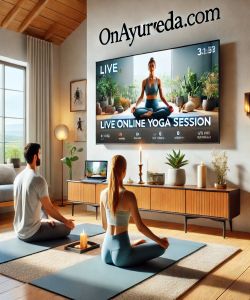
Overview of Personalized Yoga Session
A Personalized Yoga Session constitutes a highly structured, bespoke engagement between a qualified yoga practitioner and a single client. It is the antithesis of the generalised, one-size-fits-all approach characteristic of group classes. This modality is predicated on an uncompromising commitment to individual needs, goals, and physiological realities. The core premise is that effective yoga practice is not merely about executing postures, but about understanding and applying them in a manner that is entirely congruent with the client's unique anatomical structure, physical limitations, and specific wellness objectives. The process commences with a rigorous and detailed assessment of the client's posture, mobility, strength, and any pre-existing conditions or contraindications. From this diagnostic foundation, the practitioner designs a meticulously tailored programme, selecting and modifying asanas, pranayama techniques, and meditative practices to forge a direct path towards the client’s stated outcomes. This could range from rehabilitating an injury or managing chronic pain to enhancing athletic performance or deepening a spiritual practice. The session itself is a dynamic and interactive process, involving precise verbal cueing, observational analysis, and continuous feedback to ensure optimal alignment and biomechanical integrity. It represents the pinnacle of yoga instruction, moving beyond generic sequences to deliver a targeted, effective, and profoundly individualised experience that fosters accelerated progress and a deeper, more intelligent understanding of one's own body and mind. It is not a luxury, but a strategic investment in precision-led wellness, demanding expertise from the instructor and commitment from the client to achieve tangible, measurable results.
What is Personalized Yoga Session?
A Personalized Yoga Session is a one-to-one instructional framework meticulously designed to address the specific needs and objectives of an individual client. Unlike a group class, which must cater to a diverse range of abilities and limitations by necessity, a personalized session is entirely bespoke. Its structure, content, and focus are determined by a comprehensive initial assessment of the client. This assessment critically analyses the individual’s physical condition, including posture, flexibility, strength, balance, and any relevant medical history or contraindications. It also delves into the client's personal goals, which may be therapeutic, such as managing back pain; performance-oriented, such as improving athletic endurance; or focused on mental well-being, such as reducing stress and anxiety.
Based on this diagnostic process, the instructor curates a unique yoga programme. This involves:
Targeted Asana Selection: Choosing specific yoga postures (asanas) that directly support the client's goals while respecting their physical limitations. This includes the precise modification of postures using props or alternative alignments to ensure safety and maximise efficacy.
Customised Sequencing: Arranging the selected postures into a logical and progressive sequence that builds towards a specific physical or energetic outcome. The pacing and intensity of the session are also calibrated to the individual’s capacity.
Prescriptive Pranayama and Meditation: Integrating specific breathing techniques (pranayama) and meditative practices that align with the client’s mental and emotional state. For instance, calming techniques may be prescribed for an anxious individual, whilst energising breaths may be used for someone experiencing lethargy.
In essence, a Personalized Yoga Session is a clinical and strategic application of yogic principles. It transforms the practice from a generalised group activity into a targeted therapeutic or developmental tool, ensuring every movement, breath, and moment of stillness serves a distinct and predetermined purpose for that single client.
Who Needs Personalized Yoga Session?
Individuals with Specific Medical Conditions or Injuries: Those managing chronic pain, recovering from injury, or dealing with conditions such as scoliosis, arthritis, or disc herniation. A personalised session ensures that the practice is therapeutic and avoids any movements that could exacerbate the condition, providing modifications that are impossible to guarantee in a group setting.
Athletes and Performance-Oriented Individuals: Sports professionals or dedicated amateurs seeking to enhance their performance. Sessions are designed to target specific muscle groups, improve flexibility in key areas, increase core strength, and develop mental focus, directly complementing their athletic training regimen and reducing the risk of injury.
Absolute Beginners to Yoga: Newcomers who require foundational guidance on correct alignment, breathing, and basic principles. One-to-one instruction provides a safe and supportive environment to build confidence and establish a solid, safe practice from the outset, preventing the development of improper habits.
Advanced Practitioners: Experienced yogis aiming to master complex postures, deepen their understanding of yogic philosophy, or refine subtle aspects of their practice such as advanced pranayama or meditation. A personalised format allows them to progress beyond the limitations of a general-level class.
Individuals with Specific Wellness Goals: Clients focused on targeted outcomes such as significant stress reduction, anxiety management, or improving sleep quality. The session can be tailored to emphasise restorative postures, specific breathing techniques, and mindfulness practices that directly address these psychological and physiological needs.
Pre- and Post-Natal Clients: Women requiring specialised, safe, and supportive practices adapted for the significant physiological changes during and after pregnancy. Sessions are meticulously planned to ensure the well-being of both mother and child, focusing on appropriate core work, pelvic floor health, and postural support.
Senior Citizens: Older adults who require a gentle, modified practice to maintain mobility, improve balance, and support joint health. A personalised approach guarantees that the intensity and selection of postures are perfectly suited to their physical capacity and health status.
Origins and Evolution of Personalized Yoga Session
The concept of a personalised yoga session is not a modern invention but rather a return to the practice's most ancient and authentic roots. In its earliest forms in ancient India, yoga was transmitted directly from a guru (teacher) to a shishya (disciple). This master-apprentice relationship was inherently personalised. The guru would possess a profound understanding of the disciple's physical, mental, and spiritual constitution and would prescribe specific practices—asanas, pranayama, mantras, and meditations—uniquely suited to that individual's path of development. The teachings were never standardised; they were a living, responsive dialogue tailored to facilitate the student's progress towards self-realisation. This bespoke method was the bedrock of yogic transmission for centuries.
The 20th century witnessed a dramatic shift. As yoga journeyed to the West, and as influential figures like T. Krishnamacharya and his students (including B.K.S. Iyengar, Pattabhi Jois, and T.K.V. Desikachar) began to popularise it, the need for a more scalable teaching model arose. This led to the development of the group class format, which made yoga accessible to a mass audience. While this democratisation of yoga was instrumental in its global spread, it inevitably led to a dilution of the individualised approach. A single teacher instructing dozens of students simultaneously could not possibly provide the granular, tailored guidance that defined the traditional guru-shishya dynamic.
The contemporary resurgence of the personalised yoga session represents a sophisticated evolution, blending ancient tradition with modern knowledge. It marks a deliberate move away from the generalised nature of group classes towards the profound efficacy of the original teaching model. However, today's personalised sessions are augmented by a modern understanding of anatomy, physiology, biomechanics, and sports science. Instructors are now equipped to conduct detailed postural assessments and design programmes with a clinical level of precision, addressing specific musculoskeletal imbalances or performance goals. The evolution is therefore cyclical: a return to the one-to-one principle of yoga's origins, but fortified with the empirical rigour of contemporary health and wellness sciences, making it a powerful, targeted tool for the modern individual.
Types of Personalized Yoga Session
Therapeutic and Rehabilitative Sessions: This type is clinically focused and designed for individuals recovering from injury, managing chronic pain, or dealing with specific health conditions like scoliosis, sciatica, or arthritis. The instructor, often with specialised training in yoga therapy, conducts a thorough assessment and creates a practice that specifically avoids contraindications while actively working to alleviate symptoms, restore function, and improve biomechanical alignment. The use of props is extensive to ensure support and precision.
Performance Enhancement Sessions: Tailored for athletes or individuals engaged in specific physical disciplines such as running, cycling, or weightlifting. The session is structured to complement their existing training programme. It focuses on increasing flexibility in key muscle groups, enhancing core stability, improving balance, and cultivating mental focus and breath control to boost overall athletic performance and mitigate the risk of sport-related injuries.
Asana-Specific Technical Sessions: Geared towards intermediate or advanced practitioners who wish to deepen their physical practice by mastering challenging postures (asanas). The session breaks down complex poses like inversions, arm balances, or deep backbends into manageable components. The instructor provides detailed alignment cues, preparatory exercises, and hands-on assistance to help the client safely and effectively progress towards their peak-pose goals.
Mindfulness and Stress-Reduction Sessions: This modality prioritises mental and emotional well-being. While it includes physical postures, the emphasis is on restorative and gentle movements, coupled with extensive pranayama (breathing techniques), guided meditation, and yoga nidra (yogic sleep). The entire session is sequenced to activate the parasympathetic nervous system, profoundly reducing stress, anxiety, and mental fatigue.
Foundational Development Sessions: Designed exclusively for absolute beginners. This type of session provides a safe, non-intimidating environment to learn the fundamental principles of yoga from the ground up. The focus is on establishing correct breathing patterns, understanding basic alignment in core postures, and learning how to use props effectively. It builds a solid and safe foundation before the client considers transitioning to a group class environment.
Benefits of Personalized Yoga Session
Bespoke Programme Design: The practice is meticulously tailored to the individual’s unique anatomy, fitness level, and specific goals, ensuring every posture and sequence serves a direct purpose, eliminating time wasted on inappropriate or ineffective exercises.
Accelerated and Tangible Progress: With undivided attention from the instructor, clients receive constant, precise feedback. This immediate correction of alignment and technique fast-tracks learning and physical development far more rapidly than is possible in a group setting.
Enhanced Safety and Injury Prevention: A one-to-one setting allows the instructor to focus entirely on the client’s form, making necessary modifications for pre-existing conditions or physical limitations. This significantly mitigates the risk of injury inherent in attempting postures without proper guidance.
Targeted Therapeutic Application: Sessions can be specifically structured to address and alleviate chronic issues such as lower back pain, postural imbalances, or joint stiffness, functioning as a powerful form of physical therapy.
Deepened Understanding of Practice: Clients gain a more profound and intellectual understanding of yoga, learning the ‘why’ behind the ‘what’. This includes detailed knowledge of anatomy, alignment principles, and the physiological effects of different postures and breathing techniques.
Unwavering Accountability and Motivation: The scheduled, one-to-one nature of the session fosters a strong sense of commitment. The direct relationship with an instructor provides consistent encouragement and holds the client accountable to their goals.
Complete Confidentiality and Comfort: For individuals who may feel self-conscious or uncomfortable in a group environment, a personalised session offers a private, secure space to explore their physical and mental practice without judgment.
Flexibility and Convenience: Sessions can be scheduled at times that are convenient for the client, accommodating busy or unconventional lifestyles in a way that fixed-schedule group classes cannot.
Core Principles and Practices of Personalized Yoga Session
Comprehensive Individual Assessment: The foundational principle is a rigorous initial evaluation. This is not a cursory conversation but a detailed analysis of the client’s postural alignment, gait, range of motion, muscular imbalances, and breathing patterns. It also includes a thorough review of their medical history, lifestyle, and specific, measurable goals. This diagnostic phase dictates the entire structure of the subsequent sessions.
Goal-Oriented Programme Design: Every session is reverse-engineered from the client's stated objectives. Whether the goal is to manage sciatica, execute a handstand, or mitigate anxiety, every chosen asana, pranayama technique, and meditative practice is selected for its direct contribution to achieving that outcome. There are no generic, pre-planned sequences.
Primacy of Biomechanical Integrity: The uncompromising focus is on safe and optimal alignment tailored to the client's unique body. This principle mandates that the 'form' of a posture is adapted to fit the individual, not the other way around. The instructor must possess a deep understanding of anatomy and biomechanics to provide precise modifications and cues that prevent strain and maximise benefit.
The Principle of Progression (Vinyasa Krama): The practice is structured with intelligent, logical sequencing. This involves building the session, and the overall programme, in a step-by-step manner. Each posture prepares the body for the next, and each session builds methodically upon the progress of the last, ensuring a safe and sustainable path of development.
Integration of All Yogic Tools: A personalised session leverages the full spectrum of yogic practices beyond just asana. It mandates the prescriptive use of pranayama (breath control) to influence the nervous system, dhyana (meditation) to cultivate mental focus, and philosophical concepts to provide context and deepen the client’s overall experience and understanding.
Dynamic and Responsive Instruction: The instructor does not simply lead; they observe, analyse, and adapt in real-time. The session plan is a fluid blueprint, not a rigid script. The practitioner must be skilled in reading the client's physical and energetic feedback and adjusting the practice instantaneously to meet their needs in that precise moment.
Empowerment Through Education: The ultimate goal is to empower the client with knowledge. The instructor's role is not just to instruct but to educate, explaining the rationale behind specific alignments, sequences, and breathing techniques. This fosters self-awareness and provides the client with the tools to eventually develop a safe and intelligent personal practice.
Online Personalized Yoga Session
Unparalleled Geographic Accessibility: The online format dismantles all geographical barriers. It grants clients access to elite, highly specialised instructors from anywhere in the world, rather than being restricted to the limited pool of practitioners in their immediate locality. This is particularly crucial for individuals seeking expertise in niche areas of yoga therapy or advanced asana.
Supreme Scheduling Convenience: Online sessions offer maximum flexibility, eliminating travel time and associated logistical complexities. Clients can seamlessly integrate a session into a busy workday from their home or office, making the practice substantially more sustainable for professionals and those with demanding schedules. This efficiency maximises commitment and consistency.
Enhanced Focus and Reduced Distraction: The client's own controlled environment minimises the external distractions common in a studio, such as the movement of other students or ambient noise. This fosters a more intimate and introspective atmosphere, allowing for deeper concentration and a more potent mind-body connection during the practice.
Real-Time, High-Definition Visual Feedback: Modern high-quality video conferencing technology allows the instructor to observe the client's alignment from multiple angles with clarity. Instructors can provide precise, real-time verbal cues and visual demonstrations that are just as effective as in-person adjustments for a committed client, ensuring biomechanical integrity is maintained.
Empowerment and Self-Reliance: Without the option of physical adjustments from the instructor, the client is required to develop a heightened sense of proprioception and internal awareness. They must learn to interpret and apply verbal cues with greater precision, fostering a more intelligent and self-reliant practice in the long term.
Cost and Resource Efficiency: By removing the overheads associated with a physical studio space, online sessions can present a more economically viable option. Furthermore, clients can utilise their own equipment and space, negating the need for additional expenditure on studio memberships or specialised props beyond the basics.
Personalized Yoga Session Techniques
Initial Diagnostic Assessment: The session commences with a formal, structured inquiry and physical observation. The instructor evaluates the client's static posture, identifying deviations such as kyphosis, lordosis, or pelvic tilt. This is followed by a dynamic assessment of their range of motion in key joints and a functional movement screening to pinpoint areas of weakness, tightness, or asymmetry. A detailed verbal consultation confirms goals and contraindications.
Prescriptive Asana Selection and Modification: Based on the assessment, specific postures are selected. The technique is not to force the client into a 'perfect' shape but to adapt the pose to the client. For a client with tight hamstrings, for example, a forward fold (Uttanasana) will be modified with bent knees or the use of blocks. For hypermobility, cues will focus on muscular engagement to protect joints. Every posture is chosen for its therapeutic or strengthening effect on the client's target areas.
Precise Verbal and Visual Cueing: The instructor employs a lexicon of clear, direct, and anatomically specific language. Cues are not generic ("straighten your leg") but precise ("engage your quadriceps to lift the kneecap and internally rotate your thigh"). The instructor will also provide clear visual demonstrations, often mirroring the client, to ensure the instructions are understood and correctly implemented.
Breath-Movement Synchronization (Vinyasa): The practitioner dictates the rhythm and type of breathing (pranayama) to be synchronised with each movement. For example, an inhalation is cued to create length and space in the spine, while an exhalation is cued for deepening into a stretch or engaging the core. This technique transforms a series of static poses into a flowing, mindful practice.
Prop Integration for Support and Deepening: Props such as blocks, straps, bolsters, and blankets are not used as crutches but as integral teaching tools. A block under the hand in Triangle Pose (Trikonasana) is used to maintain the integrity of the side body. A strap around the feet in a seated forward bend facilitates a safe stretch. The technique involves prescribing the exact placement and use of props to enhance alignment and accessibility.
Continuous Observational Feedback Loop: Throughout the session, the instructor maintains intense visual focus on the client. They continuously analyse the client’s form and provide immediate corrective feedback. This creates a dynamic loop: the client performs, the instructor observes, provides a corrective cue, and the client refines the posture in real-time, ensuring constant progress and safety.
Personalized Yoga Session for Adults
A personalized yoga session for adults is a sophisticated, goal-oriented intervention designed to meet the complex and varied demands of adult life. It acknowledges that adults present with a unique combination of physiological history, chronic stress patterns, postural habits from occupational demands, and specific wellness objectives that a generic class cannot adequately address. The session is therefore built upon a foundation of detailed assessment, analysing long-standing musculoskeletal imbalances—such as those stemming from years of desk work or repetitive physical labour—and tailoring the practice to systematically counteract them. For the adult client, the focus often shifts from purely aesthetic or acrobatic postures towards functional movement, pain management, and nervous system regulation. The practice becomes a strategic tool for enhancing quality of life, whether that means building the core strength necessary to prevent back pain, using restorative postures and pranayama to mitigate the physiological impact of corporate stress, or improving balance and bone density to support healthy ageing. The instructor must guide the adult client with an intelligent, mature approach, emphasising sustainable alignment over extreme flexibility and teaching them to listen to their body’s signals. This educational component is paramount, empowering the adult to integrate mindful movement and stress-reduction techniques into their daily routine, fostering resilience and long-term well-being beyond the confines of the session itself. It is a targeted, efficient, and profoundly effective modality for the discerning adult seeking tangible results.
Total Duration of Online Personalized Yoga Session
The standard and professionally accepted total duration for an online personalized yoga session is unequivocally 1 hr. This sixty-minute timeframe is not an arbitrary figure but a deliberately structured period designed for maximum efficacy and physiological safety. It provides the necessary scope to conduct a complete and balanced practice without inducing undue fatigue or rushing critical components. The 1 hr duration is methodically allocated to distinct phases, each essential for a holistic and impactful experience. It typically commences with a brief but crucial initial consultation to discuss the client's current state and reaffirm the session's objectives. This is followed by a preparatory phase of gentle warm-ups and pranayama to focus the mind and prepare the body for more demanding work. The central, most substantial portion of the hour is dedicated to the core asana practice, which is meticulously sequenced to work towards the session's specific goals. This is followed by a non-negotiable cool-down period, involving counter-poses and gentle stretches to aid muscle recovery and down-regulate the nervous system. The session invariably concludes with a period of Savasana (corpse pose) or seated meditation, allowing for the physical and mental integration of the practice. A duration of less than 1 hr would compromise the integrity of this structure, forcing the omission of either a proper warm-up or a sufficient cool-down, thereby increasing risk and reducing benefit. Conversely, exceeding this time for a standard session can lead to diminished physical returns and mental exhaustion. The 1 hr duration is, therefore, the industry benchmark, representing the optimal balance of intensity, recovery, and mindful integration.
Things to Consider with Personalized Yoga Session
Engaging in a personalized yoga session demands a critical and discerning approach from the client. It is imperative to first conduct rigorous due diligence on the practitioner’s qualifications, experience, and specific areas of expertise. A generic yoga teacher certification is insufficient; one must seek instructors with advanced training in anatomy, biomechanics, and ideally, specialised certifications relevant to one's goals, such as yoga therapy or sports-specific yoga. Secondly, the client must be prepared for a collaborative and committed process. This is not a passive experience; it requires active participation, honest communication about physical sensations and limitations, and a dedication to applying the instructor’s guidance. The financial investment is another significant consideration, as bespoke instruction is a premium service, and its value must be weighed against the client's budget and the expected outcomes. Furthermore, one must establish clear, measurable, and realistic goals from the outset. Vague aspirations like "getting better at yoga" are unproductive. Specific objectives, such as "improving hamstring flexibility to touch my toes within three months" or "mastering a pain-free chaturanga," provide a clear benchmark for success and hold both client and instructor accountable. Finally, a prospective client must assess the compatibility of teaching styles. The instructor-client relationship is fundamental to progress; a mismatch in communication style or philosophy can hinder the entire process. It is wise to arrange a preliminary consultation to ensure alignment and establish a professional rapport before committing to a series of sessions.
Effectiveness of Personalized Yoga Session
The effectiveness of a personalized yoga session is demonstrably and substantially superior to that of any group-based format. Its efficacy is rooted in its fundamental premise: precision. By eschewing a generalised approach for a meticulously tailored programme, the session directly targets the individual’s unique physiological landscape and specific objectives. This bespoke design ensures that every minute of practice is maximally productive, focusing on strengthening weaknesses, releasing specific tensions, and progressing towards predetermined goals without extraneous or counterproductive movements. For therapeutic applications, this targeted approach is not just effective; it is essential. It allows for the careful navigation of injuries and medical contraindications, transforming the practice into a potent rehabilitative tool rather than a potential source of harm. In the context of skill acquisition, such as mastering advanced asanas or refining athletic performance, the constant, real-time feedback and granular alignment correction provided in a one-to-one setting accelerate progress at a rate that is simply unattainable in a group class. The instructor’s undivided attention guarantees that subtle but critical misalignments are identified and corrected immediately, preventing the reinforcement of improper motor patterns. Consequently, the client develops not just physical prowess but a deeper somatic intelligence. This method fosters a profound understanding of one's own body, leading to more sustainable, intelligent, and impactful results that permeate well beyond the confines of the yoga mat. Its effectiveness is, therefore, not a matter of opinion but a logical consequence of its individualised, strategic, and uncompromisingly precise methodology.
Preferred Cautions During Personalized Yoga Session
It is imperative that the client exercises unwavering honesty and maintains open communication with the instructor throughout every personalized yoga session. Any sensation of sharp, shooting, or electric pain must be reported immediately and without hesitation; this is a non-negotiable biological signal that a boundary has been breached, and to ignore it is to court injury. The client must resist any ego-driven impulse to push beyond their genuine physical capacity to impress the instructor or to match a preconceived notion of what a posture should look like. The session is a diagnostic and developmental process, not a performance. Furthermore, hydration levels must be adequately managed before the session, as dehydration severely compromises muscle function and cognitive focus, increasing the risk of strain. The client must also ensure they have fully disclosed their complete medical history, including all past injuries, surgeries, and chronic conditions, no matter how seemingly minor or historical, as this information is critical for the instructor to design a safe and effective programme. Finally, if practising online, the client bears the responsibility for creating a safe, clear, and unobstructed practice space. Any potential hazards such as sharp furniture corners, slippery floors, or overhead obstacles must be removed. The client must remain acutely aware that whilst the instructor provides expert guidance, the ultimate responsibility for their own physical safety and for respecting their body’s intrinsic limits rests squarely with them. This self-awareness is not optional; it is a prerequisite for a safe and productive practice.
Personalized Yoga Session Course Outline
Module 1: Foundational Assessment and Goal Setting
Session 1: Comprehensive client intake, including medical history, lifestyle analysis, and goal articulation.
Session 1: Detailed physical assessment: static postural analysis, dynamic range of motion tests, and foundational breath pattern evaluation.
Session 1: Establishment of a baseline and agreement on specific, measurable, achievable, relevant, and time-bound (SMART) objectives.
Module 2: Core Principles and Alignment
Sessions 2-3: Introduction to core yogic breathing techniques (Ujjayi Pranayama) and their integration with movement.
Sessions 2-3: Foundational Asana Workshop: Deconstruction of key postures (e.g., Tadasana, Adho Mukha Svanasana, Virabhadrasana series) with a focus on personalised alignment and prop usage.
Module 3: Bespoke Programme Implementation
Sessions 4-6: Execution of the primary, custom-designed yoga sequence targeting the client’s specific goals (e.g., back-strengthening, hip-opening, or stress-reduction flows).
Sessions 4-6: Introduction of progressively more challenging asanas or techniques, with continuous refinement based on client feedback and progress.
Module 4: Deepening the Practice
Sessions 7-9: Integration of more subtle practices, such as specific pranayama for nervous system regulation, introduction to meditative techniques, and the application of bandhas (energetic locks).
Sessions 7-9: Focus on developing somatic intelligence—the client’s ability to self-assess and self-correct alignment and effort.
Module 5: Consolidation and Autonomy
Sessions 10-11: Refinement and consolidation of the core personalised sequence, ensuring the client can practise key elements independently.
Session 12: Final review of progress against initial objectives.
Session 12: Development of a personalised home practice plan for the client to continue their journey autonomously and discussion of future developmental pathways.
Detailed Objectives with Timeline of Personalized Yoga Session
Phase 1: Foundation and Assessment (First Month: Sessions 1-4)
Objective: To establish a comprehensive baseline of the client’s physical and mental state and to instil foundational principles of safe alignment and breath control.
Timeline: By the end of session 4, the client will demonstrate correct diaphragmatic breathing, understand neutral spinal alignment in standing and seated postures, and be able to safely execute a modified Sun Salutation A sequence using appropriate props as prescribed. A clear, mutual understanding of long-term goals will be codified.
Phase 2: Targeted Development (Second Month: Sessions 5-8)
Objective: To implement and refine the core bespoke sequence designed to directly address the client’s primary goals (e.g., pain reduction, flexibility improvement, strength building).
Timeline: By the end of session 8, the client will exhibit measurable progress in their primary goal area. For a client with back pain, this will be a reported reduction in symptomatic days. For a client seeking flexibility, this will be a quantifiable increase in their forward fold depth. They will demonstrate proficiency in the core sequence.
Phase 3: Deepening and Refinement (Third Month: Sessions 9-12)
Objective: To progress beyond the foundational sequence by introducing more complex postures or deeper meditative and pranayama techniques, fostering greater self-awareness and practice ownership.
Timeline: By the end of session 12, the client will be able to safely attempt and hold more challenging postures relevant to their goals (e.g., a basic inversion or arm balance). They will be able to independently identify and apply at least two different pranayama techniques for either energising or calming effects.
Phase 4: Integration and Autonomy (Fourth Month and Beyond)
Objective: To empower the client with the knowledge and confidence to maintain a consistent and intelligent personal practice, using the personalized sessions for periodic refinement and progression.
Timeline: Following the initial three-month programme, the client will possess a written, personalized practice plan for home use. They will be able to self-correct common misalignments in their core postures and will transition to a less frequent check-in schedule (e.g., monthly or bi-monthly) to review progress and evolve their practice.
Requirements for Taking Online Personalized Yoga Session
Reliable High-Speed Internet Connection: A stable, uninterrupted connection is non-negotiable. Lag, freezing, or dropped calls severely compromise the instructor’s ability to provide real-time feedback and instruction, rendering the session ineffective and potentially unsafe. A wired Ethernet connection is strongly preferred over Wi-Fi.
Functional Video and Audio Equipment: The client must possess a device (laptop, tablet, or desktop computer) with a high-quality, fully functional webcam and microphone. The visual information must be clear enough for the instructor to discern subtle details of alignment, and the audio must be crisp for seamless two-way communication.
Appropriate Video Conferencing Software: The client must have the designated video conferencing platform (e.g., Zoom, Skype, Google Meet) installed, updated, and tested prior to the session. A basic proficiency in operating the software, including camera and microphone controls, is required.
A Safe, Private, and Unobstructed Practice Space: The client is responsible for securing a practice area that is free from furniture, pets, and other potential interruptions. The space must be large enough to accommodate the full range of movement required, including extending arms and legs in all directions without obstruction. The flooring should be stable and non-slip.
Correct Device and Camera Positioning: The device must be positioned so that the instructor has a full, head-to-toe view of the client on their yoga mat, both in standing and floor-based postures. The client must be prepared to adjust the camera angle as instructed during the session to provide optimal viewing for different poses.
Essential Yoga Equipment: At a minimum, the client must have a non-slip yoga mat. It is highly recommended to also have on hand two yoga blocks, one yoga strap, and a blanket or bolster, as these props are essential tools for modification and support in a personalized setting.
Unwavering Personal Commitment: The client must bring a mindset of focus, discipline, and receptiveness to instruction. The online format demands a higher level of personal accountability and proprioceptive awareness, as the instructor cannot provide hands-on adjustments.
Things to Keep in Mind Before Starting Online Personalized Yoga Session
Before commencing an online personalized yoga session, it is imperative to conduct a thorough technical and environmental audit. Your technology is your lifeline to the instructor; therefore, you must rigorously test your internet connection, video camera, and microphone well in advance of the scheduled start time. Any technical failure is a failure of preparation on your part. You must curate your practice space with strategic intent. This is not merely about clearing a patch of floor; it is about creating a sanctuary for focused work. Ensure the lighting is adequate, positioned in front of you rather than behind to avoid silhouetting your form. The camera angle is critical and must be set up to provide a full-body view, allowing the instructor to analyse your alignment from head to toe. You are responsible for eliminating all potential distractions; this includes silencing all electronic devices, securing the room from interruptions by family or pets, and mentally preparing to be fully present. Furthermore, communicate any physical changes, new pains, or fluctuations in your energy levels to your instructor at the very beginning of the session. The instructor is guiding you based on the information you provide; withholding critical data compromises the safety and efficacy of the entire engagement. Finally, understand that the onus of translating verbal cues into physical action rests more heavily on you in an online setting. You must cultivate a heightened state of listening and be prepared to develop a deeper internal awareness, as you are the ultimate agent of your own physical alignment.
Qualifications Required to Perform Personalized Yoga Session
The performance of a professional, safe, and effective personalized yoga session demands qualifications that extend substantially beyond a standard, entry-level yoga teacher certification. Whilst a foundational 200-hour Yoga Teacher Training (YTT) certificate is the absolute minimum prerequisite, it is largely insufficient on its own for this specialised work. The instructor must possess advanced credentials that demonstrate a deeper and more sophisticated understanding of the human body and yogic science.
Key qualifications include:
Advanced Certification (300-hour or 500-hour YTT): This advanced training provides greater depth in anatomy, physiology, sequencing, and philosophy, equipping the instructor with a more nuanced toolkit.
Specialised Training in Anatomy and Biomechanics: A verifiable, in-depth education in musculoskeletal anatomy is non-negotiable. The instructor must be able to analyse posture, understand joint mechanics, and identify muscular imbalances with clinical precision. Qualifications from fields like physical therapy, kinesiology, or specialised yoga anatomy courses are highly desirable.
Certification in Yoga Therapy or a Related Modality: For sessions with a therapeutic focus, a formal certification in Yoga Therapy (e.g., C-IAYT) is the gold standard. This indicates rigorous training in applying yogic principles to address specific health conditions.
Extensive and Verifiable Teaching Experience: Theoretical knowledge must be supported by substantial practical experience. A qualified instructor will have logged hundreds, if not thousands, of hours of teaching, particularly in a one-to-one or small-group context, allowing them to develop the crucial skills of observation, adaptation, and effective communication.
In summary, the practitioner must be more than a simple class leader; they must be a highly educated and experienced yoga professional. They must possess the diagnostic eye of a therapist, the detailed knowledge of an anatomist, and the pedagogical skill of an expert educator, synthesising these disciplines to create a truly bespoke and impactful client experience.
Online Vs Offline/Onsite Personalized Yoga Session
Online
An online personalized yoga session operates within a digital framework, leveraging video conferencing technology to connect instructor and client remotely. Its primary advantage is absolute freedom from geographical constraints, granting clients access to a global pool of elite specialists. This modality offers unparalleled convenience, eliminating travel time and allowing for seamless integration into demanding schedules. It necessitates a higher degree of client autonomy and proprioceptive awareness, as the instructor can only provide verbal and visual cues, not physical adjustments. The effectiveness of the session is heavily contingent on the quality of the client’s technology and their ability to create a conducive home practice environment. For self-motivated individuals who value efficiency and access to specific expertise, the online format is a powerful and highly effective tool. It places a strong emphasis on empowering the client to understand and embody alignment principles internally.
Offline/Onsite
An offline, or onsite, personalized yoga session is the traditional model, conducted with both instructor and client physically present in the same space, such as a studio or the client’s home. Its defining feature is the potential for hands-on, tactile adjustments. This allows the instructor to physically guide the client into optimal alignment, which can be invaluable for kinesthetic learners and for safely exploring more complex postures. The shared physical space can foster a different quality of energetic connection and allows the instructor to more easily observe subtle shifts in the client’s breath and physical state. However, this model is inherently limited by geography, restricting both client and instructor to their local area. It also requires dedicated travel time and is often subject to the logistical constraints and higher overhead costs associated with a physical location, which can be reflected in the service's price point.
FAQs About Online Personalized Yoga Session
Question 1. Is an online session as effective as an in-person one?
Answer: Yes, for a disciplined client. Its effectiveness hinges on precise verbal cueing and your ability to apply it. It fosters greater self-awareness, which is a key long-term benefit.
Question 2. What technology do I absolutely need?
Answer: A device with a quality webcam and microphone, and a stable, high-speed internet connection.
Question 3. Can the instructor really see my alignment properly?
Answer: Yes. With correct camera placement providing a full-body view, a skilled instructor can analyse alignment with exacting detail.
Question 4. What if I am a complete beginner?
Answer: The online one-to-one format is ideal for beginners, providing a safe, private environment to learn foundational principles correctly.
Question 5. How is this different from a pre-recorded yoga video?
Answer: It is entirely different. This is a live, interactive session with real-time feedback and instruction tailored specifically to your body and goals.
Question 6. What space is required?
Answer: A clear, unobstructed space large enough for a yoga mat and for you to extend your arms and legs fully in all directions.
Question 7. What props should I have?
Answer: A non-slip yoga mat is essential. Two blocks and a strap are highly recommended for effective modification.
Question 8. How do I set up my camera?
Answer: Position your device so the instructor can see your entire body on the mat, from head to toe. Be prepared to adjust it if requested.
Question 9. What should I wear?
Answer: Wear comfortable, form-fitting athletic clothing that allows for a full range of movement and enables the instructor to see your body’s lines.
Question 10. What happens if my internet connection fails?
Answer: The instructor’s policy will dictate this. Typically, the session may be rescheduled if the issue cannot be resolved promptly.
Question 11. Is the session confidential?
Answer: Yes. Professional instructors adhere to strict confidentiality protocols regarding your health information and the content of the session.
Question 12. Can I record the session?
Answer: This depends on the instructor’s policy. You must obtain explicit permission before recording any part of the session.
Question 13. How are physical adjustments handled?
Answer: Adjustments are given through precise verbal cues and demonstration. This requires you to develop a greater internal sense of your body's position.
Question 14. How is progress tracked?
Answer: Through instructor observation, your feedback, and reference to the specific, measurable goals set at the beginning of your programme.
Question 15. Can I focus on a specific goal, like back pain?
Answer: Absolutely. The entire purpose of a personalized session is to design the practice around your specific goals and needs.
Question 16. How do I prepare for my first session?
Answer: Test your technology, prepare your space, have your props ready, and formulate clear points about your goals and physical history to discuss.
Conclusion About Personalized Yoga Session
In conclusion, the personalized yoga session stands as the most rigorous, intelligent, and effective methodology for engaging with the practice of yoga. It deliberately eschews the generalised, one-size-fits-all model of group instruction in favour of a bespoke, clinical approach that honours the unique biomechanics, history, and objectives of the individual. This modality is not a mere luxury but a strategic necessity for anyone seeking tangible, safe, and accelerated results, whether their goals are therapeutic, performance-based, or developmental. The process demands a high calibre of expertise from the instructor, who must function as a diagnostician, educator, and programmer, possessing a profound knowledge of anatomy and yogic science. For the client, it demands commitment, honesty, and a willingness to engage in a deeply focused and collaborative process. The one-to-one framework ensures that every posture, every breath, and every moment of the practice is imbued with specific purpose, directly serving the client's path of progress. It transforms yoga from a simple physical activity into a precision tool for physical optimisation, rehabilitation, and mental fortitude. Ultimately, the personalized yoga session represents the pinnacle of yogic instruction—a return to the authentic master-student dynamic, powerfully augmented by modern science, delivering an uncompromising standard of excellence and fostering a truly transformative relationship with one's own body and mind.