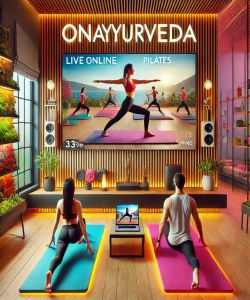
Overview of Pilates Training
Pilates training represents a sophisticated and systematic methodology of physical and mental conditioning, engineered to cultivate profound core strength, enhance bodily control, and correct muscular imbalances. It is fundamentally a discipline of movement re-education, compelling the practitioner to move with precision, intention, and a deep sense of internal awareness. The system operates on the foundational premise that a stable, powerful centre—often referred to as the 'powerhouse'—is the definitive prerequisite for efficient, graceful, and injury-free movement in all other areas of the body. Unlike conventional exercise regimes that frequently prioritise muscular hypertrophy or cardiovascular endurance in isolation, Pilates champions an integrated, holistic approach. It meticulously targets the deep, intrinsic stabilising muscles of the trunk, pelvis, and shoulder girdle, which are chronically neglected in standard fitness protocols. This focus on foundational stability, coupled with principles of controlled execution, precise alignment, and synchronised breathing, fosters the development of long, lean musculature, improves postural integrity, and enhances joint mobility. The practice is not merely a collection of exercises but a cohesive philosophy of movement that demands intense concentration, forging a powerful connection between mind and body. This cognitive engagement is non-negotiable; every action must be deliberate and governed by conscious thought. Consequently, Pilates serves a diverse spectrum of applications, from the elite conditioning of professional athletes and dancers to the therapeutic rehabilitation of individuals recovering from injury or managing chronic pain. It is an exacting, intelligent system designed to build a body that is uniformly developed, functionally strong, and resiliently adaptable to the demands of any physical endeavour. Its efficacy lies not in brute force, but in the disciplined pursuit of perfect form and biomechanical efficiency.
What is Pilates Training?
Pilates training is an exacting system of physical conditioning, conceived by Joseph Pilates under the original name ‘Contrology’. It is defined by its focus on developing functional strength through the meticulous engagement and stabilisation of the body's core. The methodology is built upon a repertoire of highly structured exercises, which can be performed on a mat or utilising specialised resistance apparatus. Its primary objective is not the superficial development of aesthetic muscle, but the cultivation of deep, intrinsic strength, resulting in improved posture, balance, and integrated bodily control. The system functions through the re-education of neuromuscular patterns, teaching the body to move with maximum efficiency and minimal stress on joints. It operates as a truly holistic discipline, demanding that the mind be fully engaged to command the body with precision and awareness. This mind-body synthesis is fundamental to the practice; it is the conscious control of movement that differentiates Pilates from other forms of exercise.
The core components of Pilates training can be delineated as follows:
Core Stabilisation: The absolute cornerstone of the method. Pilates targets the deep abdominal muscles, the muscles of the back, and the pelvic floor—collectively known as the powerhouse. A strong and stable powerhouse is considered the essential foundation from which all powerful and controlled movement originates.
Spinal Articulation and Postural Correction: The training places immense emphasis on restoring the natural alignment and mobility of the spinal column. Exercises are designed to articulate the spine segment by segment, decompressing vertebrae and correcting postural deviations that arise from sedentary lifestyles or repetitive strain.
Muscular Balance and Uniform Development: A key tenet of Pilates is the concept of whole-body conditioning. The system is designed to identify and rectify muscular imbalances by simultaneously strengthening weak muscles and lengthening tight ones, ensuring no single muscle group is over-trained or under-trained.
Breath Integration: Breath is not an afterthought in Pilates; it is an integral tool used to facilitate movement, engage the deep core musculature, and oxygenate the body. The specific pattern of breathing is synchronised with each exercise to enhance control and deepen abdominal engagement.
Who Needs Pilates Training?
Individuals with Chronic Back Pain or Postural Dysfunction: Pilates is exceptionally effective for those suffering from non-specific lower back pain and postural issues such as kyphosis or lordosis. Its intense focus on strengthening the deep core muscles—including the transverse abdominis and multifidus—provides dynamic support for the lumbar spine, alleviating stress and correcting the muscular imbalances that are the root cause of such conditions.
Athletes and Dancers Seeking Performance Enhancement: Elite performers require superior core stability, body awareness, and efficiency of movement. Pilates provides a cross-training methodology that builds functional strength without adding unnecessary bulk, improves flexibility, and refines neuromuscular control, leading to enhanced performance, greater power output, and a significant reduction in injury risk.
Post-Rehabilitation Patients: For individuals recovering from injury or surgery, Pilates offers a controlled, low-impact environment to rebuild strength and restore function. Under appropriate guidance, it is instrumental in re-establishing correct movement patterns and strengthening supporting musculature around vulnerable joints, thereby facilitating a complete and robust recovery.
Sedentary Office Professionals: Prolonged periods of sitting lead to a predictable pattern of muscular weakness and tightness, including weak gluteal muscles, tight hip flexors, and a forward-head posture. Pilates systematically counteracts these detrimental effects by strengthening the entire posterior chain, improving spinal alignment, and increasing awareness of posture throughout the working day.
Pre- and Post-Natal Women: The method is invaluable for preparing the body for the demands of pregnancy and childbirth and for effectively rehabilitating it afterwards. It safely strengthens the pelvic floor and deep abdominal muscles, which provides support for the growing uterus and aids in the recovery of abdominal integrity and stability post-delivery.
The Ageing Population: As individuals age, maintaining balance, mobility, and bone density becomes critical for preserving independence and preventing falls. Pilates offers a safe, joint-friendly form of resistance training that enhances balance, improves coordination, strengthens muscles that support the skeletal system, and increases overall functional fitness.
Individuals Seeking a Strong Mind-Body Connection: Those who desire a form of exercise that demands mental focus and concentration will find Pilates uniquely rewarding. The discipline requires practitioners to be fully present, connecting their thoughts to their physical actions, which cultivates a profound sense of body awareness, reduces stress, and improves mental clarity.
Origins and Evolution of Pilates Training
The origins of Pilates training are inextricably linked to its creator, Joseph Hubertus Pilates, a German physical culturist born in 1883. Plagued by illness in his youth, Pilates dedicated his life to achieving superior physical health, immersing himself in a wide array of disciplines including bodybuilding, gymnastics, yoga, and martial arts. From this eclectic synthesis, he began to formulate his own unique system of exercise, which he termed 'Contrology'. He believed fervently in the concept of an integrated mind, body, and spirit, and his method was designed to achieve this through controlled, precise movements emanating from a strong core. The initial development of his system was significantly advanced during the First World War. While interned as an 'enemy alien' in Britain, he refined his mat-based exercises and began devising his first pieces of apparatus by attaching springs to hospital beds, enabling bedridden patients to engage in rehabilitative exercise. This innovation laid the groundwork for the spring-resistance equipment, such as the Reformer, that remains central to the practice today.
Following the war, Joseph Pilates emigrated to the United States in the mid-1920s. On the voyage, he met his future wife, Clara, a nurse who would become his indispensable partner in developing and teaching his method. Together, they established a studio in New York City, located in the same building as the New York City Ballet. This proximity proved fortuitous, as the dance community quickly recognised the profound benefits of Contrology for conditioning, rehabilitation, and refining technique. Influential choreographers and dancers, including George Balanchine and Martha Graham, became devout practitioners and sent their students to the Pilates' studio to build strength and recover from injuries. It was through this close association with the world of professional dance that the method first gained its reputation for creating long, strong, and resilient bodies.
After Joseph Pilates' death, his method was preserved and propagated by a group of his original students, who have come to be known as the 'Pilates Elders'. These first-generation teachers, including Romana Kryzanowska, Carola Trier, and Eve Gentry, established their own studios and trained the next generation of instructors, ensuring the system’s survival. However, this dissemination also led to the first phase of its evolution. As the method spread beyond the confines of the original New York studio, different interpretations and adaptations began to emerge. In the late 20th and early 21st centuries, a major shift occurred as scientific research into biomechanics and exercise science grew. This led to the development of 'Contemporary' Pilates, which often modifies the original exercises to align with modern knowledge of spinal health and pathology. Today, Pilates training exists along a spectrum, from the 'Classical' style, which adheres strictly to Joseph Pilates' original teachings, to clinical applications used by physiotherapists for highly specific rehabilitation.
Types of Pilates Training
Classical Pilates: This is the most traditional form of the discipline, adhering with rigorous fidelity to the original system and philosophy developed by Joseph Pilates. It is characterised by a specific, prescribed sequence of exercises and transitions, both on the mat and on the apparatus. The focus is on maintaining the integrity of Joseph Pilates’ original repertoire and executing it with the intended rhythm, flow, and dynamism. Instructors of this lineage trace their training directly back to the ‘Pilates Elders’ who studied under the founder. The objective is to work the entire body in a systematic and integrated fashion, exactly as he intended.
Contemporary Pilates: This represents a modern evolution of the method. While it is founded upon the core principles of Joseph Pilates’ work, it incorporates current knowledge of biomechanics, exercise science, and rehabilitation. Contemporary instructors are not bound by the original, fixed exercise order and may modify movements or introduce new exercises to accommodate individual physical limitations, address specific postural issues, or align with modern understandings of spinal safety. It is often viewed as a more adaptable and customisable approach to the practice.
Mat Pilates: This is the foundational form of Pilates, utilising the practitioner’s own body weight as the primary source of resistance. All exercises are performed on a floor mat. While it may appear simpler due to the absence of large equipment, it is exceptionally challenging as it requires the individual to take full responsibility for stabilising and controlling their body against gravity without the assistance or feedback of springs and pulleys. Small props such as resistance bands, magic circles, and foam rollers may be incorporated to add challenge or provide support.
Reformer Pilates: This type is conducted using the Reformer, the most well-known piece of Pilates apparatus. The Reformer consists of a sliding carriage, springs of varying tensions, straps, and pulleys. The spring-based resistance is uniquely versatile; it can be used to add challenge to an exercise or to provide assistance and support, making it suitable for a wide range of fitness levels and rehabilitation needs. It allows for a vast repertoire of exercises to be performed in multiple planes of movement, targeting muscular strength, endurance, and flexibility.
Clinical Pilates: This is a therapeutic application of Pilates, prescribed and delivered by a qualified healthcare professional, typically a physiotherapist. It is not a general fitness class but a highly individualised treatment modality. Following a thorough physical assessment, specific Pilates-based exercises are used to address a patient’s unique injuries, pathologies, or movement dysfunctions. The focus is purely rehabilitative, aiming to manage pain, restore correct motor patterns, and improve function following injury or surgery.
Benefits of Pilates Training
Profound Core Strength and Stabilisation: Pilates systematically targets the deep, intrinsic muscles of the abdomen, back, and pelvic floor—the ‘powerhouse’. This develops a strong, stable core that acts as a central support system for the entire body, enhancing functional strength and stability in all movements.
Improved Posture and Spinal Alignment: The discipline places a relentless focus on correcting muscular imbalances and achieving optimal spinal alignment. By strengthening weak postural muscles and lengthening tight ones, it actively counteracts the negative effects of a sedentary lifestyle, leading to a more erect, confident, and pain-free posture.
Increased Flexibility and Joint Mobility: Unlike static stretching, Pilates promotes dynamic flexibility. It encourages the body to move through its full range of motion in a controlled manner, which safely elongates muscles, improves the health of connective tissues, and enhances mobility in the joints without compromising stability.
Development of Long, Lean Musculature: Pilates exercises emphasise eccentric muscle contractions, where a muscle lengthens under tension. This type of contraction is instrumental in building strong, toned, and elongated muscles, creating a streamlined physique without adding unnecessary bulk.
Enhanced Body Awareness and Proprioception: The intense concentration required for the precise execution of each movement cultivates a heightened awareness of how the body moves in space. This improved proprioception translates into better coordination, balance, and efficiency of movement in daily life and athletic pursuits.
Reduced Incidence and Severity of Back Pain: By strengthening the deep supportive musculature of the spine and improving overall posture, Pilates is a highly effective modality for the prevention and management of non-specific lower back pain. It addresses the root biomechanical causes of pain, rather than merely treating the symptoms.
Low-Impact, High-Efficiency Conditioning: Pilates provides a challenging, full-body workout without subjecting the joints to the high-impact stress associated with many other forms of exercise. This makes it an ideal and sustainable form of conditioning for individuals of all ages and fitness levels, including those recovering from injury.
Integrated Mind-Body Conditioning: The practice demands absolute concentration and conscious control over every action. This fusion of mental focus and physical execution forges a powerful mind-body connection, which can reduce stress, improve mental clarity, and promote a sense of overall well-being.
Core Principles and Practices of Pilates Training
Centring: This is the fundamental principle from which all others extend. It refers to the practice of physically and mentally drawing focus to the centre of the body—the area between the lower ribs and the pubic bone, known as the 'powerhouse'. All movement in Pilates must originate from this strong, stable centre and flow outwards to the limbs. The practice involves the consistent, deep engagement of the transverse abdominis, pelvic floor, and multifidus muscles to provide dynamic support for the spine and pelvis.
Concentration: Pilates is a discipline of the mind as much as the body. This principle demands that the practitioner gives their full attention to the exercise being performed. One must be intensely aware of every aspect of the movement, from muscular engagement to spinal alignment. This conscious, deliberate execution is what ensures proper form, maximises the benefit of each exercise, and prevents injury. It is the antithesis of mindless, repetitive exercise.
Control: Every Pilates exercise must be performed with complete muscular control. Joseph Pilates built his entire method on the idea of the mind controlling the muscles. This means there are no careless, haphazard, or ballistic movements. Every part of the movement, from its initiation to its completion, is deliberate, slow, and governed by conscious command, which develops refined motor skills and prevents the body from relying on momentum or gravity.
Precision: Precision is the natural consequence of concentration and control. It relates to the exact execution of a movement and the specific placement of each part of the body. In Pilates, every detail matters—the alignment of the feet, the position of the pelvis, the articulation of the spine. It is this meticulous attention to detail that re-patterns the body’s neuromuscular pathways and ensures that the correct muscles are being worked effectively and safely.
Breath: In the Pilates method, breath is an integral tool, not an afterthought. The practice employs a specific technique of deep, full breathing, coordinating the breath with the movement. The breath is used to facilitate deeper engagement of the core musculature, oxygenate the blood, increase stamina, and promote a rhythm that helps to execute movements with power and grace. Correct breathing is essential for stabilising the torso and mobilising the spine.
Flow: Flow, or the quality of fluid, graceful, and efficient movement, is the ultimate goal of the Pilates practice. As proficiency is gained, exercises are intended to be connected seamlessly to one another, creating a continuous and dynamic workout. This principle emphasises smooth, uninterrupted transitions that build stamina and control. The body is trained to move with an economy of effort and an elegance that reflects the complete integration of the other five principles.
Online Pilates Training
Unparalleled Accessibility and Convenience: Online Pilates training dismantles geographical and logistical barriers to practice. It grants individuals access to high-calibre instruction regardless of their location, eliminating the need for travel to a physical studio. This format provides the ultimate convenience, allowing practitioners to integrate sessions seamlessly into demanding schedules, whether from a home office, a hotel room, or a dedicated personal space, thereby ensuring consistency, which is paramount for progress.
Access to Elite, Specialised Instructors: The digital domain provides a global marketplace of expertise. Practitioners are no longer limited to the instructors available within their immediate vicinity. They can seek out and train with world-renowned master teachers or specialists in areas such as post-natal recovery, athletic conditioning, or scoliosis management. This global access ensures that individuals can find an instructor whose style, qualifications, and specialisation are perfectly aligned with their specific needs and goals.
Cultivation of Intrinsic Motivation and Self-Awareness: The online environment necessitates a higher degree of personal accountability. Without the constant presence of an instructor for hands-on corrections, the practitioner must learn to rely on verbal cues and develop a heightened sense of proprioception and internal feedback. This fosters a deeper understanding of one’s own body and movement patterns, cultivating the self-discipline and intrinsic motivation that are the hallmarks of a truly advanced practitioner.
Cost and Resource Efficiency: Engaging in online Pilates typically represents a more cost-effective investment compared to in-person studio sessions. It eliminates associated costs such as travel, parking, and premium studio fees. Furthermore, for mat-based classes, the equipment requirement is minimal, demanding only a high-quality mat and sufficient space, making it a financially accessible entry point into the discipline for a broader audience.
Controlled, Personalised Environment: Training online allows the individual to have complete control over their practice environment. They can regulate temperature, lighting, and sound to create a space free from the distractions and social pressures that can be present in a group class setting. This focused, private atmosphere can be highly conducive to the deep concentration that the Pilates method demands, allowing for a more meditative and introspective practice.
Pilates Training Techniques
The following outlines the precise, step-by-step execution of a foundational Pilates technique, ‘The Hundred’. This exercise is designed to establish core connection, synchronise breath with movement, and build abdominal endurance.
Preparation and Initial Engagement: Assume a supine position on the mat, with the knees bent and feet flat on the floor, hip-distance apart. The spine should be in a neutral position, maintaining its natural curves. Place the arms long by the sides, palms down. Inhale deeply through the nose, expanding the ribcage laterally. As you exhale forcefully through the mouth, engage the deep abdominal muscles by drawing the navel firmly towards the spine. This core engagement is non-negotiable and must be maintained throughout the exercise.
Assume the Starting Position: On a subsequent exhalation, lift the head, neck, and shoulders off the mat into a chest lift or abdominal curl, ensuring the gaze is directed towards the navel to maintain length in the cervical spine. Simultaneously, float both legs up into a 'tabletop' position, with the shins parallel to the floor and the knees directly over the hips, forming a ninety-degree angle at both the hips and knees. Extend the arms long and parallel to the floor, reaching energetically towards the feet.
Initiate the Arm Movement and Breathing Pattern: Begin to pump the arms vigorously up and down in a small, controlled range of motion, originating the movement from the back of the shoulder joint, not the wrist or elbow. The torso must remain absolutely still and stable. At the same time, initiate the specific breathing pattern: inhale sharply through the nose for a count of five pumps, and then exhale forcefully through the mouth for a count of five pumps.
Execution of the Full Repertoire: Continue this coordinated pattern of arm pumps and breathing without pause. One full breath cycle (five pumps on the inhale, five on the exhale) constitutes ten pumps. The objective is to complete ten full breath cycles, amounting to a total of one hundred arm pumps. Throughout the entire sequence, the deep abdominal muscles must remain contracted to stabilise the lumbar spine and prevent any arching in the lower back.
Progression and Completion: For an advanced challenge, the legs can be extended to a forty-five-degree angle, or lower, provided that the lower back remains firmly anchored to the mat and the abdominal connection is not compromised. To complete the exercise, cease the arm pumps, inhale to hold the position, and on the exhale, slowly and with control, bend the knees back to the chest and roll the upper spine and head back down to the mat, one vertebra at a time.
Pilates Training for Adults
Pilates training offers a uniquely potent and intelligent solution to the specific physical challenges and objectives of the adult population. As the body matures, it is frequently subjected to the cumulative stresses of sedentary occupations, repetitive strain, and the natural physiological processes of ageing, which include sarcopenia (age-related muscle loss) and a decline in proprioceptive acuity. Pilates directly confronts these issues with a low-impact, high-precision methodology that prioritises sustainability and long-term joint health. It systematically works to deconstruct dysfunctional movement patterns and postural habits acquired over decades, replacing them with biomechanically efficient and robust alternatives. The relentless focus on core stabilisation is particularly critical for adults, as a strong, integrated core provides essential support for the lumbar spine, mitigating the risk of chronic back pain, which is a prevalent complaint in this demographic. Furthermore, the discipline’s emphasis on controlled, full-range movement enhances flexibility and joint mobility, combating the stiffness that can impede functional activity and quality of life. For older adults, the benefits are even more pronounced; by improving balance, coordination, and muscular control, Pilates serves as a powerful strategy for fall prevention. It also functions as a form of resistance training that can help to maintain or even increase bone mineral density, offering a proactive defence against osteoporosis. Unlike high-impact activities that can exacerbate joint issues, Pilates builds profound, functional strength in a controlled and safe manner, making it an ideal, lifelong practice for adults committed to maintaining a resilient, capable, and pain-free body.
Total Duration of Online Pilates Training
The industry-standard and professionally recognised total duration for a comprehensive online Pilates training session is unequivocally established at 1 hr. This specific timeframe is not arbitrary; it is a deliberately structured period designed to facilitate maximum physiological and neurological benefit while preventing the onset of muscular fatigue that could compromise form and lead to injury. A session of this length allows for a logical and thorough progression through the essential components of a complete Pilates workout. The initial phase of the 1 hr is dedicated to a preparatory warm-up, where the focus is on establishing the mind-body connection, activating the deep core stabilisers, and mobilising the spine and major joints. This foundational work is critical for ensuring the body is ready for the more demanding work to follow. The central, and largest, portion of the session is then devoted to the main body of the workout. Within this substantial block of time, the instructor can guide the practitioner through a balanced and challenging sequence of exercises that addresses the entire body, working through all planes of movement—flexion, extension, lateral flexion, and rotation. This ensures a uniformly developed physique, in line with the core tenets of the Pilates method. The 1 hr duration provides ample opportunity to target strength, flexibility, coordination, and endurance, allowing for sufficient repetitions and progressions without rushing. The final segment of the hour is reserved for a cool-down, incorporating stretching and releasing movements to restore the muscles to their resting length and down-regulate the nervous system. A session shorter than 1 hr would necessitate a compromise in one of these critical areas, while a significantly longer session risks diminishing returns due to physical and mental fatigue. Therefore, the 1 hr structure is optimal for delivering a safe, effective, and complete conditioning experience.
Things to Consider with Pilates Training
Before embarking on a course of Pilates training, several critical factors must be rigorously considered to ensure a safe, effective, and rewarding experience. Foremost among these is the imperative of selecting a comprehensively qualified and experienced instructor. The title ‘Pilates instructor’ remains largely unregulated, making it essential for the prospective client to perform due diligence, verifying that the teacher holds a certification from a reputable, in-depth training programme that covers anatomy, biomechanics, and the full repertoire of mat and apparatus work. It is also vital to understand the distinction between Classical and Contemporary Pilates, as the approach, exercise selection, and philosophy can differ significantly; one’s choice should align with their personal goals and physical condition. Full disclosure of one’s medical history, including any pre-existing injuries, chronic conditions such as osteoporosis or spinal pathologies, or post-surgical limitations, is non-negotiable. This information is crucial for the instructor to provide appropriate modifications and ensure the client’s safety. A realistic assessment of the required commitment is also necessary. Pilates is not a quick fix; it is a discipline that demands consistency and patience. Tangible results are contingent upon regular practice, typically two to three times per week. Finally, one must manage their expectations regarding the nature of the workout itself. While challenging and physically demanding, Pilates is primarily a system of neuromuscular re-education and deep strengthening, not a high-intensity cardiovascular activity. Individuals seeking a workout focused predominantly on calorie expenditure or aerobic fitness may need to supplement their Pilates practice with other modalities.
Effectiveness of Pilates Training
The effectiveness of Pilates training is unequivocal, rooted in its sophisticated, science-based approach to conditioning the human body. Its efficacy is not a matter of anecdotal evidence but is demonstrable through its profound impact on neuromuscular control, core stability, and functional strength. The method’s primary strength lies in its systematic targeting of the body’s deep postural muscles—the transverse abdominis, multifidus, and pelvic floor—which form a natural corset of support for the spine. By strengthening this intrinsic stabilisation system, Pilates addresses the root cause of many musculoskeletal and postural issues, rather than merely treating superficial symptoms. This focus on building strength from the inside out results in a resilient, integrated, and biomechanically efficient body. Furthermore, its effectiveness is amplified by the core principles of precision and control. By insisting on slow, deliberate, and perfectly executed movements, Pilates re-patterns faulty motor programmes in the brain, teaching the body to move in a more intelligent and economical way. This neuromuscular re-education has lasting benefits that extend far beyond the studio, improving posture, balance, and coordination in all of life’s activities. The widespread adoption of Pilates within the realms of elite athletic conditioning and clinical physiotherapy stands as a powerful testament to its proven results. It is employed by professionals to enhance performance and prevent injury, and by clinicians to rehabilitate complex pathologies, confirming its status as a potent and highly effective modality for achieving tangible and lasting improvements in physical function and well-being.
Preferred Cautions During Pilates Training
Adherence to a strict set of cautions during the practice of Pilates training is not merely advisable; it is an absolute imperative for ensuring safety and efficacy. The principle of ‘quality over quantity’ must govern every session. The practitioner must understand that the goal is not to perform the maximum number of repetitions, but to execute each movement with perfect control and precision. Any compromise in form for the sake of additional repetitions is counterproductive and significantly increases the risk of injury. It is critical to work within one’s own current range of motion and never force the body into a position that causes sharp or shooting pain. While muscular fatigue and exertion are expected, pain is a signal to cease the movement immediately and consult the instructor. Individuals with specific medical conditions, particularly spinal issues such as disc herniations, spondylolisthesis, or osteoporosis, must exercise extreme caution. For these populations, certain movements—notably loaded spinal flexion or excessive extension—are strictly contraindicated and must be avoided. It is the individual’s responsibility to have communicated these conditions clearly to their instructor. Furthermore, one must resist the temptation to utilise momentum. Every exercise must be initiated and controlled by muscular engagement, not by swinging or jerking the limbs. This controlled approach protects the joints and ensures that the targeted muscles are performing the work. Finally, listen intently to your body. On days of excessive fatigue or physical discomfort, it is wiser to modify the workout or focus on foundational principles rather than attempting to push through and risk injury. Self-awareness is the ultimate safeguard in this demanding discipline.
Pilates Training Course Outline
Module 1: Foundational Principles and Core Activation. This initial module is dedicated to the theoretical and practical immersion into the six core principles of Pilates: Centring, Concentration, Control, Precision, Breath, and Flow. Participants will learn the anatomy of the ‘powerhouse’ and will be drilled in the fundamental techniques of deep core engagement, focusing on the correct activation of the transverse abdominis and pelvic floor. The practice will centre on establishing the specific Pilates breathing technique and its synchronisation with core contraction, laying the non-negotiable groundwork for all subsequent modules.
Module 2: Pre-Pilates and Foundational Mat Repertoire. Building upon the core activation learned in Module 1, this section introduces the Pre-Pilates series, a set of preparatory exercises designed to establish basic movement patterns and body awareness. Participants will learn to execute foundational mat exercises such as The Hundred, Roll Up, and Leg Circles, with an intense focus on maintaining pelvic stability and correct spinal alignment throughout each movement.
Module 3: Spinal Articulation and Abdominal Series. This module concentrates on improving the mobility and health of the spinal column. Participants will master exercises that promote segmental control of the spine, such as the Rolling Like a Ball and the Spine Stretch Forward. The intensity of abdominal work is progressed through the introduction of the formal ‘Series of Five’, a challenging sequence that builds significant abdominal strength, endurance, and coordination.
Module 4: Posterior Chain Strengthening and Extension Work. To ensure balanced muscular development, this module shifts focus to the posterior chain—the muscles of the back, glutes, and hamstrings. Participants will learn to perform controlled extension exercises such as the Swan and Swimming, which are critical for correcting common postural issues like kyphosis (rounding of the upper back) and for building a strong, supportive back.
Module 5: Lateral Plane and Rotational Control. This section introduces movement in the frontal and transverse planes to develop comprehensive, three-dimensional strength. Exercises will include the Side Kick Series, which challenges hip abductor strength and pelvic stability, and rotational movements like the Criss-Cross and Saw, which improve oblique strength and controlled spinal rotation.
Module 6: Integration, Flow, and Intermediate Progression. The final module focuses on integrating the skills and exercises learned previously. Participants will work on creating seamless, dynamic transitions between movements, embodying the principle of Flow. The pace and complexity of the workout will be increased, and an introduction to intermediate-level exercises will challenge the practitioner’s strength, control, and endurance, preparing them for continued, advanced practice.
Detailed Objectives with Timeline of Pilates Training
Initial Phase (Weeks 1-4): Foundational Competency. The primary objective during this period is to achieve mastery of the foundational principles. By the end of week four, the practitioner must be able to consistently demonstrate correct lateral breathing patterns synchronised with movement, and achieve and maintain deep engagement of the transverse abdominis and pelvic floor muscles during basic exercises. A secondary objective is to develop the mental focus required for the discipline and to execute a select group of five to seven fundamental mat exercises with deliberate precision and control, without instructor correction on basic form.
Developmental Phase (Weeks 5-12): Building Strength and Repertoire. The key objective is to build muscular endurance and expand the repertoire of known exercises. By the end of this phase, the practitioner will be expected to execute the full foundational mat sequence of approximately fifteen exercises with correct form and minimal prompting. A further objective is to demonstrate tangible improvements in postural alignment and an increased range of controlled motion in the spine and hips. The practitioner should be able to complete the ‘Series of Five’ abdominal exercises consecutively without compromising lumbar stability.
Consolidation Phase (Months 4-6): Enhancing Flow and Proprioception. The main objective shifts from learning individual exercises to integrating them into a cohesive whole. By the end of month six, the practitioner must be able to perform a continuous, flowing sequence of intermediate-level exercises, executing smooth and controlled transitions between each movement. Proprioceptive awareness should be significantly heightened, evidenced by the ability to self-correct minor alignment issues without external cues. The objective is to demonstrate an inherent understanding of the work, moving with grace, efficiency, and power.
Advanced Phase (Beyond 6 Months): Mastery and Application. The objective in this ongoing phase is the pursuit of mastery over the advanced repertoire and the deep integration of Pilates principles into all physical activities. The practitioner will be expected to execute complex, coordinated exercises requiring high levels of strength, flexibility, and control. The ultimate objective is to embody the Pilates method, demonstrating a body that is uniformly developed, moves with supreme efficiency and control, and possesses a profound connection between mind and muscle, reflecting the complete realisation of the system's potential.
Requirements for Taking Online Pilates Training
Non-Negotiable Technical Infrastructure: A robust, stable, high-speed internet connection is the absolute baseline requirement. Any instability, lag, or disconnection compromises the integrity of the session, hindering the instructor’s ability to observe and cue effectively. The practitioner must also possess a modern computing device (laptop, tablet, or desktop) equipped with a high-quality, functioning webcam and microphone. The visual and auditory channels are the sole means of communication and correction in the online environment.
Adequate and Safe Physical Space: The participant must secure a dedicated, uncluttered workout area. This space must be sufficient in size to allow for the full extension of the body in all directions—lying down, standing, and reaching with both arms and legs—without any risk of collision with furniture or other obstructions. Proper, non-slip flooring is essential, and the area must be well-lit from the front to ensure the instructor has a clear, shadow-free view of the participant’s form.
Mandatory Core Equipment: A professional-grade, thick Pilates mat is not optional; it is a mandatory piece of equipment. It provides the necessary cushioning to protect the spine and joints from the hard floor surface, which is critical for many of the rolling and articulation exercises. While many online classes are mat-based, participants must be prepared to acquire small props as directed by the instructor, which may include resistance bands, a Pilates magic circle, a small stability ball, or light hand weights.
Unwavering Personal Accountability and Self-Discipline: The online format demands a significantly higher degree of personal responsibility than in-person training. The participant must possess the self-discipline to create a distraction-free environment, silencing phones and eliminating interruptions to facilitate the intense concentration required. Most importantly, the individual must develop a heightened sense of self-awareness and proprioception, and be mature enough to listen to their own body, modify exercises when necessary, and work safely without the safety net of direct, hands-on correction.
Things to Keep in Mind Before Starting Online Pilates Training
Before commencing any online Pilates training programme, it is imperative to approach the decision with rigorous diligence and a clear understanding of the unique demands of this format. The single most critical factor is the exhaustive vetting of the instructor's credentials. In the absence of a physical studio's institutional oversight, the onus falls entirely upon the individual to verify that the instructor holds a comprehensive certification from a recognised and reputable training body. This is a non-negotiable safeguard against substandard or potentially dangerous instruction. One must also conduct a frank self-assessment of their own learning style and level of self-discipline. Online training is not suited for individuals who rely heavily on hands-on, tactile cueing for correction or who are easily distracted. It requires a high degree of intrinsic motivation and the ability to translate verbal cues into precise physical actions. The practitioner must be prepared to assume a greater responsibility for their own safety, developing a keen sense of body awareness to discern between challenging muscular work and injurious pain. Furthermore, it is essential to establish a dedicated and sanctified practice space, free from domestic and professional interruptions, to allow for the deep concentration that the Pilates method demands. A failure to address these considerations proactively will not only hinder progress but can also compromise the safety and integrity of the practice itself.
Qualifications Required to Perform Pilates Training
The authority to perform Pilates training professionally is not conferred by mere enthusiasm or personal practice; it must be earned through rigorous, comprehensive, and formally recognised qualification. Given that the title 'Pilates Instructor' is not protected by governmental regulation, the burden of proof lies in the certification held. A credible instructor must have completed a training programme that is extensive in both scope and duration, not a cursory weekend course. The essential hallmarks of a legitimate qualification are as follows:
Comprehensive Programme Content: The certification must cover the full Pilates system, not just a single piece of equipment. This includes in-depth training on the Matwork repertoire and on all major pieces of classical apparatus: the Reformer, the Cadillac (or Trapeze Table), the Wunda Chair, and the Barrels. A qualification in only one area, such as Mat, is insufficient for a professional claiming to be a comprehensively trained instructor.
Substantial Contact and Observation Hours: A reputable programme demands a significant time commitment, typically involving several hundred hours of direct instruction, supervised practice, and detailed observation of senior instructors. This ensures the trainee not only learns the exercises but also understands how to teach them effectively, how to see and correct movement faults, and how to modify for different bodies.
In-Depth Anatomy and Biomechanics Education: A fundamental requirement is a thorough grounding in functional anatomy, physiology, and biomechanics. The instructor must possess a deep understanding of the musculoskeletal system, joint actions, and common pathologies. This scientific knowledge is essential for teaching safely, applying exercises appropriately, and addressing the specific needs of clients with injuries or physical limitations.
Rigorous Assessment and Continuing Education: The qualification process must culminate in stringent practical and written examinations that test the candidate’s knowledge and teaching ability. Furthermore, a qualified professional is committed to ongoing learning. They will be required by their certifying body to complete regular Continuing Professional Development (CPD) or Continuing Education Credits (CECs) to maintain their certification, ensuring they remain current with evolving industry standards and research.
Online Vs Offline/Onsite Pilates Training
Online
Online Pilates training offers a modality defined by its supreme flexibility and accessibility. It entirely removes geographical constraints, granting practitioners access to a global network of elite instructors and specialised programmes that would otherwise be unavailable. The primary advantage is convenience; sessions can be scheduled to fit around complex work and family commitments, and the elimination of travel time makes consistent practice more achievable. This format is also often more cost-effective, bypassing the overheads associated with a physical studio. However, the online environment presents distinct challenges. The most significant limitation is the absence of tactile, hands-on correction. The instructor must rely solely on verbal and visual cues to guide the client, which can be less effective for beginners or for correcting subtle but critical errors in form. This places a greater onus on the practitioner to develop their own proprioception and body awareness. Furthermore, the experience is contingent on the quality of technology; a poor internet connection or inadequate camera setup can severely disrupt the session. It is best suited to self-motivated individuals, those with some prior Pilates experience, or those who require the utmost scheduling flexibility.
Offline/Onsite
Offline, or onsite, Pilates training in a dedicated studio represents the traditional and, for many, the superior method of instruction. Its principal advantage is the immediate, physical presence of the instructor, which allows for precise, hands-on cueing. This tactile feedback is invaluable for learning correct muscle engagement and alignment, accelerating a client’s understanding and progress in a way that verbal cues alone cannot replicate. The onsite environment provides access to the full range of specialised Pilates apparatus, such as the Reformer, Cadillac, and Wunda Chair, offering a far more diverse and comprehensive workout than is typically possible at home. The studio setting also fosters a sense of community and focus, creating a dedicated space for practice free from domestic distractions. The primary disadvantages are its inherent rigidity and limitations. Clients are bound by the studio’s fixed schedule and geographical location. Onsite sessions typically command a higher price point due to the costs of facilities, equipment, and in-person instruction. This modality is strongly recommended for beginners who require foundational guidance, individuals with specific injuries or rehabilitation needs who demand close supervision, and those who thrive on the structured, immersive environment of a physical studio.
FAQs About Online Pilates Training
Question 1. Is online Pilates safe for a complete beginner?
Answer: It can be, but it demands extreme caution. It is highly recommended to start with a private one-to-one session so the instructor can assess you. Group classes are safer once you have mastered the basic principles and core engagement.
Question 2. What equipment is essential?
Answer: A high-quality, thick Pilates mat is non-negotiable. Your instructor will advise if other small props like resistance bands or a Pilates circle are required for their specific class.
Question 3. How can an instructor correct my form through a screen?
Answer: Instructors use precise verbal cues and physical demonstrations. They rely on a clear view from your camera to spot alignment issues and guide you into the correct position. It requires intense concentration from both parties.
Question 4. What is the difference between a live class and a pre-recorded one?
Answer: A live class is interactive; the instructor can see you and provide real-time feedback. A pre-recorded class offers more flexibility to practice anytime, but provides no personalised correction.
Question 5. Can I do online Pilates if I have an injury?
Answer: You must obtain medical clearance first. Then, you must book a private online session and fully disclose the nature of your injury to a qualified instructor who can provide appropriate modifications. Do not attend a general group class.
Question 6. How should I set up my camera and space?
Answer: Place your mat sideways to the camera, far enough back that your entire body is visible when standing and lying down. Ensure the space is well-lit from the front.
Question 7. What if my internet connection fails?
Answer: This is a known risk. Most instructors or platforms have a policy regarding technical failures, which you should clarify before booking.
Question 8. Are online qualifications for instructors as good as in-person ones?
Answer: You must verify that the instructor’s certification is from a reputable, comprehensive training school that requires rigorous in-person training hours, not a purely online certification.
Question 9. Will I get the same results as in a studio?
Answer: With a high-quality instructor and personal discipline, you can achieve excellent results. However, the lack of apparatus and hands-on correction may mean progress in certain areas is different.
Question 10. How many times a week should I practice online?
Answer: For tangible results, a minimum of two to three sessions per week is recommended.
Question 11. Is it suitable for post-natal recovery?
Answer: Yes, but only with a specialist post-natal instructor in a one-to-one setting after receiving medical clearance.
Question 12. Do I need a large space?
Answer: You need an area that is the length and width of your mat, plus at least one foot of clear space on all sides.
Question 13. What should I wear?
Answer: Form-fitting clothing is essential so the instructor can clearly see your body’s alignment and muscle engagement.
Question 14. Can I ask questions during a live group class?
Answer: This depends on the instructor’s format. Some allow questions via a chat function or have a dedicated time before or after the session.
Question 15. Is sound important?
Answer: Absolutely. You must be able to hear the instructor's cues clearly, and they must be able to hear you if you need to speak.
Question 16. Will I be able to use apparatus online?
Answer: Generally, online classes are mat-based unless it is a specific class for those who own a Reformer or other equipment at home.
Conclusion About Pilates Training
In conclusion, Pilates training must be recognised not as a fleeting fitness trend, but as a profound and enduring discipline of physical and mental mastery. It is a highly sophisticated system, predicated on the intelligent principle that functional strength, postural integrity, and graceful movement all originate from a powerful, stable core. The methodology's unwavering insistence on concentration, control, and precision elevates it beyond mere exercise, transforming it into a practice of conscious, deliberate movement re-education. Its applications are remarkably diverse, demonstrating equal efficacy in the high-performance conditioning of elite athletes, the meticulous rehabilitation of post-operative patients, and the fundamental improvement of well-being for the general populace. Whether practiced on a mat or on its uniquely designed apparatus, online or in a dedicated studio, its core tenets remain constant: to build a body that is uniformly developed, resiliently strong, and capable of moving with supreme efficiency and control. The true value of Pilates lies in its capacity to forge an unbreakable connection between mind and muscle, empowering the individual with a deep, intuitive understanding of their own physical form. It is, therefore, a definitive and authoritative pathway to achieving a state of lasting physical competence and vitality.