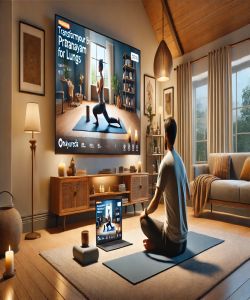
1. Overview of Pranayama for Lungs
Pranayama, an ancient discipline rooted in yogic science, represents a systematic and deliberate regulation of the breath to influence physiological and psychological states. Specifically applied to pulmonary health, Pranayama for Lungs constitutes a formidable methodology for enhancing respiratory function, optimising gas exchange, and fortifying the entire respiratory system against environmental and pathological stressors. This is not a passive or gentle breathing exercise; it is a rigorous and structured practice designed to command control over the autonomic processes of respiration. Through a series of targeted techniques, practitioners learn to manipulate the duration, frequency, and depth of each inhalation, exhalation, and the intervening breath retention. The core objective is to move beyond the shallow, inefficient breathing patterns that characterise a sedentary or stressed existence and establish a profound, diaphragmatic respiratory cycle. This disciplined approach directly engages the primary and accessory muscles of respiration, systematically increasing their strength, endurance, and flexibility. Consequently, vital capacity—the maximum volume of air that can be expelled from the lungs after a maximal inhalation—is demonstrably improved. The practice purges stagnant air from the lower lobes of the lungs, enhances alveolar recruitment, and improves the oxygenation of blood, thereby elevating cellular energy production and overall systemic vitality. Far from being a mere relaxation technique, Pranayama for the lungs is an active, demanding intervention that imposes a superior level of control over one's life force, or 'prana'. It serves as a powerful, non-invasive modality for respiratory conditioning, building resilience and functional capacity within the pulmonary framework, and demanding absolute precision, focus, and commitment from the individual dedicated to its mastery. It is, in essence, the deliberate cultivation of respiratory power and control.
2. What is Pranayama for Lungs?
Pranayama for Lungs is a specialised application of ancient yogic breathing science, focused squarely on the enhancement of pulmonary function and respiratory efficiency. The term itself is derived from Sanskrit: 'Prana' signifies the vital life force, and 'Ayama' means to extend, regulate, or control. Therefore, Pranayama is the intentional command of this vital energy, principally through the medium of the breath. In the context of lung health, this practice transcends simple deep breathing, evolving into a structured regimen of specific techniques designed to manipulate every facet of the respiratory cycle. Its purpose is to re-engineer suboptimal breathing habits, which are often shallow, clavicular, and inefficient, and replace them with a deep, diaphragmatic, and fully optimised pattern. This targeted intervention is built upon the understanding that the manner in which one breathes has a direct and profound impact on the physiological state of the body, particularly the cardiovascular and nervous systems.
The core mechanisms through which Pranayama fortifies the lungs are multifaceted and scientifically robust. They include:
- Muscular Conditioning: The techniques systematically strengthen the diaphragm, the primary muscle of respiration, as well as the intercostal and accessory muscles. This muscular development leads to a more powerful and complete inhalation and exhalation, thereby increasing tidal volume and vital capacity.
- Enhanced Gas Exchange: By promoting slower, deeper breaths and incorporating breath retention (Kumbhaka), Pranayama increases the time available for oxygen and carbon dioxide to exchange across the alveolar-capillary membrane. This improves blood oxygen saturation and facilitates more efficient removal of metabolic waste products.
- Nervous System Regulation: The practice exerts a significant influence on the autonomic nervous system. Deliberate, slow breathing activates the parasympathetic nervous system, inducing a state of calm that reduces respiratory rate and muscular tension, allowing the lungs to function with greater ease and efficiency.
- Purification and Cleansing: Certain dynamic techniques are specifically designed to act as a cleansing mechanism, vigorously expelling stale, residual air and mucus from the bronchial passages and deeper lung tissues, thereby maintaining clear and unobstructed airways.
3. Who Needs Pranayama for Lungs?
-
Individuals with Compromised Respiratory Function: Persons experiencing chronic respiratory conditions, such as asthma, chronic bronchitis, or chronic obstructive pulmonary disease (COPD), require this discipline. The practice serves to strengthen respiratory musculature, improve the mechanics of breathing, and enhance lung capacity, thereby providing a powerful adjunct to conventional medical management. It is a proactive strategy for mitigating symptoms and improving quality of life.
-
Athletes and Physical Performers: Elite and amateur athletes who depend on superior aerobic and anaerobic capacity must engage in this practice. Pranayama optimises oxygen uptake and carbon dioxide elimination, increases vital capacity, and improves breath control under physical duress. This translates directly into enhanced stamina, endurance, and performance, providing a critical competitive advantage.
-
Sedentary Professionals and Office Workers: Individuals confined to prolonged periods of sitting are highly susceptible to developing shallow, inefficient breathing patterns. This leads to reduced lung function, poor posture, and diminished energy levels. Pranayama is a non-negotiable corrective measure to counteract these occupational hazards, restoring full diaphragmatic breathing and revitalising the entire system.
-
Individuals Recovering from Respiratory Illnesses: Post-illness rehabilitation, particularly following pulmonary infections, demands a structured approach to rebuilding lung strength and function. Pranayama provides a controlled, progressive method for restoring damaged lung tissue, clearing residual congestion, and methodically rebuilding respiratory resilience without causing undue strain.
-
Persons Experiencing High Levels of Stress and Anxiety: The intimate connection between breath and the nervous system makes Pranayama an essential tool for those under significant mental or emotional pressure. Irregular, rapid breathing is a hallmark of the stress response. This practice directly intervenes by imposing a calm, rhythmic pattern, activating the parasympathetic nervous system and systematically dismantling the physiological foundations of anxiety.
-
Public Speakers, Singers, and Wind Instrument Musicians: Professionals whose craft depends on exceptional breath control and vocal power will find this practice indispensable. It provides the foundational training for modulating exhalation, sustaining tone, and maximising lung volume, which are critical for superior vocal or instrumental performance and longevity in their respective fields.
4. Origins and Evolution of Pranayama for Lungs
The origins of Pranayama are deeply embedded within the ancient philosophical and spiritual traditions of India, with its earliest mentions found in foundational yogic texts such as the Upanishads and, more explicitly, in Patanjali’s Yoga Sutras, composed several centuries BCE. In these seminal works, Pranayama was codified as the fourth of the eight limbs of Yoga, positioned as a critical bridge between the external, physical practices (Asana) and the internal, meditative states (Pratyahara, Dharana, Dhyana). Initially, its purpose was not primarily therapeutic in the modern sense; rather, it was a sophisticated tool for controlling 'prana'—the universal life force—to purify the mind and body, stabilise the nervous system, and prepare the consciousness for deeper states of meditation and self-realisation. The breath was recognised as the most tangible manifestation of prana, and its deliberate regulation was the key to mastering this vital energy.
The Hatha Yoga Pradipika, a seminal text from the 15th century, further elaborated on Pranayama, providing detailed instructions for a variety of specific techniques, including various forms of breath retention (Kumbhaka). Here, the physiological benefits began to be more explicitly acknowledged, with texts describing how these practices could cleanse the 'nadis' (energy channels), eradicate disease, and promote physical longevity. The focus remained esoteric, yet the connection between controlled breathing and corporeal well-being was firmly established. The techniques were understood to generate internal heat, purify the body's systems, and bring about a state of profound physiological and energetic equilibrium.
The evolution of Pranayama into a targeted modality specifically for lung health is a more recent development, driven by the convergence of ancient wisdom with modern scientific inquiry. As the fields of physiology and medicine advanced, researchers began to empirically validate the profound effects of controlled breathing on the respiratory, cardiovascular, and autonomic nervous systems. This scientific validation stripped away layers of mysticism and reframed Pranayama as a potent form of respiratory therapy. Today, the practice is systematically applied in clinical and wellness settings to improve vital capacity, strengthen the diaphragm, enhance blood oxygenation, and manage a range of pulmonary conditions. This modern iteration represents a secularisation and clinical adaptation of the ancient discipline, transforming it from a purely spiritual tool into a powerful, evidence-informed methodology for cultivating robust pulmonary health and resilience in the face of contemporary lifestyle and environmental challenges.
5. Types of Pranayama for Lungs
-
Bhastrika (Bellows Breath): A powerful and dynamic breathing technique characterised by forceful, rapid, and equal inhalations and exhalations, driven by the vigorous movement of the diaphragm. This practice emulates the action of a blacksmith's bellows, creating a powerful flushing effect that fully ventilates the lungs, purges stale air, and significantly increases oxygen levels in the bloodstream. It is a highly energising practice designed to clear the airways and stimulate the entire respiratory system.
-
Kapalabhati (Skull Shining Breath): Often classified as a 'kriya' (cleansing action), this technique involves a passive inhalation followed by a series of sharp, forceful, and rapid exhalations generated by a powerful contraction of the abdominal muscles. Its primary function is to cleanse the respiratory tract, expelling mucus, allergens, and toxins from the nasal passages and lower airways. It invigorates the nervous system and tones the muscles of the abdomen and diaphragm.
-
Nadi Shodhana (Alternate Nostril Breathing): A balancing and purifying technique performed by alternately blocking one nostril while breathing through the other. The practitioner inhales through the left nostril, exhales through the right, then inhales through the right and exhales through the left, completing one cycle. This practice is designed to balance the flow of air and energy through both sides of the body, calm the nervous system, reduce stress, and improve overall lung function by promoting slow, deep, and mindful respiration.
-
Ujjayi (Victorious Breath): This technique involves a gentle constriction at the back of the throat (the glottis) during both inhalation and exhalation, creating a soft, audible hissing sound reminiscent of ocean waves. This constriction slightly slows the passage of air, which warms and filters it while promoting a deeper, more controlled, and diaphragmatic breathing pattern. Ujjayi increases airway pressure, helping to keep the alveoli open, and has a profoundly calming effect on the mind.
-
Dirga Pranayama (Three-Part Breath): A foundational technique that teaches complete, diaphragmatic breathing by consciously dividing the breath into three distinct parts. The practitioner first inhales into the abdomen, then expands the rib cage, and finally fills the upper chest. The exhalation reverses this process. This systematic approach ensures that the entire lung capacity is utilised, breaking the habit of shallow, clavicular breathing and re-establishing the body's natural, most efficient respiratory pattern.
6. Benefits of Pranayama for Lungs
- Augmented Vital Capacity: Systematically increases the maximum volume of air the lungs can expel after a full inhalation, directly enhancing respiratory reserve and overall lung power through targeted muscular and elasticity training.
- Strengthened Respiratory Musculature: Vigorously conditions the diaphragm, intercostal muscles, and accessory breathing muscles, leading to greater strength and endurance for more efficient and less laborious respiration under all conditions.
- Optimised Gas Exchange Efficiency: Promotes deeper, slower breathing and controlled breath retention, maximising the time for oxygen to diffuse into the bloodstream and for carbon dioxide to be eliminated, thereby improving blood oxygen saturation (SpO2) levels.
- Enhanced Airway Clearance: Employs dynamic techniques that act as a powerful mucociliary clearance mechanism, effectively expelling trapped mucus, irritants, and pathogens from the bronchial passages, thus maintaining clear and open airways.
- Improved Autonomic Nervous System Regulation: Directly stimulates the vagus nerve and activates the parasympathetic nervous system, inducing a state of physiological calm, reducing the baseline respiratory rate, and lowering stress-induced bronchoconstriction.
- Increased Resilience to Respiratory Stressors: Fortifies the pulmonary system, making it more robust and less susceptible to environmental pollutants, allergens, and infectious agents by improving local immune responses and mechanical defences.
- Reduced Breathlessness (Dyspnoea): Improves breathing efficiency and control, which directly translates to a reduction in the sensation of breathlessness during physical exertion or in individuals with chronic respiratory conditions.
- Correction of Dysfunctional Breathing Patterns: Actively identifies and rectifies suboptimal habits such as shallow chest breathing, mouth breathing, and paradoxical breathing, re-establishing the neurologically optimal pattern of deep, diaphragmatic respiration.
- Elevated Systemic Energy Levels: By improving the efficiency of oxygen delivery to every cell in the body, the practice enhances cellular respiration and mitochondrial function, resulting in a significant and sustained increase in physical and mental vitality.
- Cultivation of Mind-Body Cohesion: The intense focus required for the practice forges a powerful connection between conscious intent and autonomic function, fostering a superior level of control over one's physiological state and emotional responses.
7. Core Principles and Practices of Pranayama for Lungs
-
Postural Integrity (Asana): The practitioner must assume a stable, upright, and comfortable seated posture. A straight spine is non-negotiable, as it allows for the unrestricted movement of the diaphragm and the full expansion of the rib cage. Slouching constricts the abdominal cavity and impedes the very mechanics of respiration that the practice seeks to optimise. Common postures include Padmasana (Lotus Pose) or Sukhasana (Easy Pose), with support used as necessary to maintain spinal alignment without strain.
-
Diaphragmatic Dominance: The foundational principle is the re-establishment of diaphragmatic breathing as the primary mode of respiration. All practices must initiate from the diaphragm, the large muscle at the base of the lungs. The abdomen should expand on inhalation and contract on exhalation, a direct contradiction to the inefficient, shallow chest breathing prevalent in untrained individuals. Conscious control over this muscle is the gateway to all advanced techniques.
-
Conscious Breath Awareness (Svara): Before any manipulation, there must be a period of pure, non-judgmental observation of the natural breath. This develops the subtle awareness required to control it. The practitioner must become acutely aware of the breath's rhythm, depth, and texture, as well as the flow of air through the nostrils, as a precursor to deliberate regulation.
-
Systematic Breath Regulation (Vritta): The practice is defined by the conscious control over the four components of the breath cycle: Puraka (inhalation), Antara Kumbhaka (internal breath retention), Rechaka (exhalation), and Bahya Kumbhaka (external breath retention). The duration and ratio of these components are methodically altered according to the specific technique and its intended physiological effect.
-
Progressive Implementation: The practice must be approached with discipline and incremental progression. Beginners must first master foundational techniques like Dirga (Three-Part Breath) before attempting more powerful and potentially destabilising practices like Bhastrika or Kapalabhati. Attempting advanced techniques without the requisite control and physiological adaptation is counterproductive and hazardous.
-
Environment and Timing: The practice demands a clean, well-ventilated, and quiet environment, free from distractions. It is optimally performed on an empty stomach, typically in the early morning, when the air is fresh and the mind is clear. Consistency is paramount; sporadic practice yields negligible results, whereas a disciplined daily regimen compounds benefits exponentially.
8. Online Pranayama for Lungs
-
Unrivalled Accessibility and Convenience: The online format eradicates geographical barriers, providing access to expert instruction regardless of the participant's physical location. This eliminates the necessity for travel, enabling individuals to integrate this potent practice into demanding schedules with maximum efficiency. Practice can be undertaken from a home or office environment, demanding only a small, private space.
-
Access to Elite, Specialised Instructors: Digital platforms provide a gateway to a global pool of highly qualified instructors who specialise in therapeutic Pranayama for respiratory health. Participants are no longer limited to local teachers but can seek out and learn from genuine experts with specific, demonstrable credentials in this niche discipline, ensuring the highest standard of guidance.
-
Structured, Progressive Learning Modules: Online courses are meticulously structured into sequential modules, guiding the participant from foundational principles to advanced techniques in a logical and safe progression. This programmatic approach ensures that core competencies are mastered before more complex practices are introduced, mitigating risk and maximising efficacy. On-demand access to this material allows for revision and practice at one's own pace.
-
Personalised Feedback through Technology: Modern platforms facilitate direct, personalised feedback. Through live video sessions, instructors can observe a participant's posture, breathing mechanics, and technique in real-time, offering immediate, precise corrections. This ensures that incorrect habits are not ingrained and that the practice is performed with the requisite accuracy for optimal results and safety.
-
Consistent and Disciplined Practice: The structure of an online course, often with scheduled live sessions and a library of recorded practices, imposes a framework of discipline. This consistency is critical for achieving tangible physiological benefits. The digital format often includes resources like practice logs and reminders, reinforcing commitment and holding the participant accountable for their regimen.
-
Creation of a Controlled, Personalised Environment: Practising online allows the individual to create an optimal environment tailored to their specific needs—controlling temperature, lighting, and eliminating potential allergens or distractions that may be present in a group studio setting. This personalised sanctuary enhances focus and deepens the efficacy of the practice, making it a highly focused and internalised experience.
9. Pranayama for Lungs Techniques
-
Dirga Pranayama (Three-Part Breath) - Foundational Technique
- Step 1: Preparation. Assume a stable, seated position with an erect spine. Close your eyes and place one hand on your abdomen and the other on your chest to provide tactile feedback. Relax your shoulders and facial muscles.
- Step 2: Abdominal Inhalation. Exhale completely. Begin your inhalation by consciously drawing air deep into the lower lungs, feeling your abdomen expand and press outward against your hand. This phase must be isolated; the chest should remain still.
- Step 3: Thoracic Inhalation. Once the abdomen is fully expanded, continue the same smooth inhalation by allowing the air to fill the mid-section of your lungs. Feel your rib cage expand outwards and upwards.
- Step 4: Clavicular Inhalation. Complete the inhalation by drawing the breath into the very top of your lungs, feeling a slight lift in your collarbones and upper chest. Your lungs are now at full capacity.
- Step 5: Controlled Exhalation. Exhale slowly and completely in the reverse order. First, release the air from the upper chest, then from the rib cage, and finally, gently contract your abdominal muscles to expel the remaining air from the base of the lungs. This constitutes one complete cycle. Repeat for several cycles with unwavering focus.
-
Nadi Shodhana (Alternate Nostril Breathing) - Balancing Technique
- Step 1: Hand Position (Vishnu Mudra). Sit with an erect spine. Fold the index and middle fingers of your right hand towards your palm. You will use your thumb to close the right nostril and your ring finger to close the left nostril.
- Step 2: Initial Exhalation. Place your right thumb gently on your right nostril and exhale completely through your left nostril.
- Step 3: Inhale Left. Inhale slowly, deeply, and without sound through the open left nostril, filling your lungs completely.
- Step 4: Retain and Switch. Close your left nostril with your ring finger, so both nostrils are now closed. Briefly pause.
- Step 5: Exhale Right. Release your thumb from the right nostril and exhale slowly and completely through the right nostril.
- Step 6: Inhale Right. With the left nostril still closed, inhale slowly and deeply through the right nostril.
- Step 7: Retain and Switch. Close the right nostril with your thumb, pause briefly, then release the ring finger from the left nostril and exhale fully through the left. This completes one full round. Continue for multiple rounds, maintaining a smooth, even rhythm.
10. Pranayama for Lungs for Adults
For the adult demographic, Pranayama for Lungs serves as a powerful and non-negotiable intervention to counteract the cumulative physiological decline and lifestyle-induced compromises that manifest over decades. The adult respiratory system is frequently burdened by a history of suboptimal habits, environmental exposure to pollutants, and the pervasive impact of chronic stress. Shallow, clavicular breathing often becomes an ingrained, unconscious pattern, leading to diminished vital capacity, poor oxygenation, and a state of perpetual activation of the sympathetic nervous system. Pranayama directly confronts this degradation. It is not a gentle pastime but a rigorous re-education of the body's most fundamental process. For adults, the practice demands a mature level of discipline and focus, offering profound returns in terms of restored vitality and resilience. It systematically dismantles dysfunctional motor patterns, strengthening a diaphragm that may have been underutilised for years and improving the elasticity of the chest wall and lung tissue. Furthermore, it addresses the specific challenges faced by adults, such as managing hypertension and anxiety, by directly modulating autonomic nervous function through controlled, rhythmic breathing, thereby inducing a parasympathetic response that lowers heart rate and blood pressure. The practice must be adapted to accommodate the individual's existing physical condition, with modifications made for issues like spinal stiffness or cardiovascular concerns. However, the core objective remains unyielding: to reclaim full, conscious control over the breath, thereby optimising pulmonary function, enhancing systemic health, and building a robust physiological defence against the pressures of adult life and the inexorable process of ageing. It is a strategic investment in long-term health, demanding commitment and delivering unparalleled command over one's own well-being.
11. Total Duration of Online Pranayama for Lungs
The standard and optimal total duration for a dedicated online Pranayama for Lungs session is rigorously structured to be 1 hr. This specific timeframe is not arbitrary; it is a calculated duration designed to accommodate all essential components of a safe, effective, and comprehensive practice without inducing fatigue or compromising focus. A session of this length allows for a systematic progression through distinct, non-negotiable phases. It commences with a preparatory period of centering and establishing correct posture, which is critical for ensuring the diaphragm can move without restriction. This is followed by foundational warming-up exercises and gentle stretches to prepare the respiratory muscles and thoracic cage for the more demanding work to follow. The central part of the 1 hr session is dedicated to the core Pranayama techniques themselves. This substantial block of time permits the practitioner to engage deeply with several different methods—such as Nadi Shodhana for balance, Kapalabhati for cleansing, and Bhastrika for energising—performing a sufficient number of rounds of each to elicit a tangible physiological response. Rushing these powerful techniques is not only ineffective but potentially hazardous. The 1 hr structure ensures there is ample time for precise instruction, real-time observation and correction from the instructor, and controlled execution by the participant. The final segment of the session is reserved for a crucial cool-down period and integration, typically involving a period of quiet observation or a guided relaxation in Savasana (Corpse Pose). This allows the nervous system to absorb and consolidate the effects of the practice, transitioning from a state of active regulation to one of profound, restful equilibrium. Any duration less than 1 hr would necessitate unacceptable compromises, truncating essential phases and diminishing the therapeutic potency of the regimen.
12. Things to Consider with Pranayama for Lungs
Before embarking on any regimen of Pranayama for the lungs, a number of critical factors must be rigorously considered to ensure both safety and efficacy. This practice is potent and, if misapplied, can lead to adverse effects. Firstly, a frank assessment of one's current health status is non-negotiable. Individuals with pre-existing medical conditions—particularly cardiovascular issues such as uncontrolled hypertension, cardiac arrhythmias, or recent surgery, as well as severe respiratory diseases, epilepsy, or psychiatric conditions—must secure explicit clearance from a qualified medical professional. Self-prescription in such cases is an act of profound irresponsibility. Secondly, the absolute necessity of qualified instruction cannot be overstated. Pranayama involves subtle yet powerful manipulations of the autonomic nervous system. Learning from unverified sources or without direct, expert guidance is a direct path to improper technique, which can ingrain dysfunctional breathing patterns or, in the case of forceful techniques, cause physical strain or dizziness. The practitioner's mindset is another crucial consideration. This discipline demands patience, consistency, and a high degree of self-awareness. Expecting instantaneous, miraculous results is a fallacy; progress is incremental and built upon a foundation of disciplined, daily practice. The environment in which one practises must also be suitable: clean, quiet, well-ventilated, and free from distractions. Finally, one must listen intently to the body's feedback. Sensations of light-headedness, discomfort, or strain are unequivocal signals to cease the practice and reassess. Pushing through such warnings is not a sign of strength but of recklessness. A measured, informed, and respectful approach is the only acceptable path.
13. Effectiveness of Pranayama for Lungs
The effectiveness of Pranayama for lungs is not a matter of conjecture but a demonstrable physiological reality, grounded in its systematic and targeted impact on the entire respiratory apparatus. Its efficacy stems from a multi-pronged mechanism of action that addresses the core components of pulmonary health: muscular strength, gaseous exchange efficiency, and autonomic nervous system regulation. The disciplined practice of various breathing techniques constitutes a rigorous form of resistance training for the respiratory muscles. The diaphragm, intercostals, and accessory muscles are forced to work against the controlled resistance of manipulated airflow, leading to hypertrophy and increased endurance. This muscular conditioning directly translates into a greater vital capacity and a more powerful, complete exhalation, which is critical for expelling stale, carbon dioxide-rich residual air from the lower lobes of the lungs. Simultaneously, by deliberately slowing the respiratory rate and introducing periods of breath retention (kumbhaka), Pranayama extends the transit time of air within the alveoli. This prolongation significantly enhances the diffusion gradient for oxygen and carbon dioxide, leading to more complete oxygenation of the blood and more efficient removal of metabolic waste. The result is an improved ventilation-perfusion ratio, the clinical measure of respiratory efficiency. Furthermore, the practice's profound influence on the autonomic nervous system is a key pillar of its effectiveness. By stimulating the vagus nerve, Pranayama shifts the body from a state of sympathetic (fight-or-flight) dominance to one of parasympathetic (rest-and-digest) activation. This shift reduces systemic inflammation, promotes bronchodilation, and calms the mind, creating the optimal physiological environment for lung function and repair. Therefore, the effectiveness of Pranayama is not based on esoteric principles but on its direct, measurable, and potent biomechanical and neurological interventions.
14. Preferred Cautions During Pranayama for Lungs
Adherence to a strict set of cautions during the practice of Pranayama for lungs is not merely advisable; it is an absolute imperative for safety and to prevent iatrogenic harm. This discipline manipulates profound physiological processes, and any deviation from correct protocol can yield negative consequences. Under no circumstances should any technique be forced. The breath must be guided, not coerced. Any sensation of strain, dizziness, acute shortness of breath, or chest pain is an immediate and non-negotiable command to cease the practice entirely and rest. Pushing past these biological warning signals is a dangerous act of hubris that can lead to hyperventilation, fainting, or exacerbation of underlying health conditions. Individuals with hypertension, heart conditions, or a history of stroke must exercise extreme caution, particularly with techniques involving vigorous breathing or prolonged breath retention (Kumbhaka), which can significantly alter blood pressure and intracranial pressure. Such practices should only ever be attempted under the direct supervision of a highly experienced and medically informed instructor. The practice must always be performed on a substantially empty stomach to avoid placing undue pressure on the diaphragm and internal organs. Furthermore, Pranayama must never be practised when suffering from a fever, acute infection, or severe exhaustion, as the body's resources are already compromised. Pregnant women must avoid all forceful or abdominal-centric techniques. The core principle is one of intelligent, informed self-regulation. The objective is to fortify the body, not to assault it. An unwavering commitment to these cautions is the defining line between a therapeutic, life-enhancing practice and a hazardous, counterproductive exercise. Disregard for these protocols is unacceptable.
15. Pranayama for Lungs Course Outline
-
Module 1: Foundational Principles and Postural Integrity
- Introduction to the science of Pranayama and its specific application to pulmonary health.
- Establishing the non-negotiable importance of correct posture (Asana) for optimal diaphragmatic function.
- Mastery of the stable, seated position: spinal alignment, pelvic tilt, and muscular relaxation.
- Introduction to conscious breath awareness: observing the natural breath without manipulation.
-
Module 2: Mastering Diaphragmatic Breathing
- Intensive focus on Dirga Pranayama (Three-Part Breath) to re-educate the body's breathing pattern.
- Drills to isolate and control the movement of the abdomen, rib cage, and clavicular region.
- Techniques for identifying and correcting dysfunctional patterns like paradoxical breathing and shallow chest breathing.
- Integration of diaphragmatic breathing into daily, unconscious respiration.
-
Module 3: Calming and Balancing Techniques
- Detailed instruction and practice of Nadi Shodhana (Alternate Nostril Breathing) for nervous system regulation and hemispheric balance.
- Introduction to Ujjayi Pranayama (Victorious Breath), focusing on the gentle glottal constriction to slow and control airflow.
- Application of these techniques for stress reduction and improving focus.
-
Module 4: Dynamic and Cleansing Techniques (Kriyas)
- Safe and progressive introduction to Kapalabhati (Skull Shining Breath). Emphasis on correct abdominal contraction and passive inhalation.
- Controlled practice of Bhastrika (Bellows Breath). Focus on equal, forceful inhalation and exhalation driven by the diaphragm.
- Understanding the specific contraindications and safety protocols for these powerful techniques.
-
Module 5: The Science of Breath Retention (Kumbhaka)
- Theoretical overview of the physiological effects of Antara (internal) and Bahya (external) Kumbhaka.
- Introduction to simple breath holds within the context of Nadi Shodhana.
- Establishing safe ratios between inhalation, retention, and exhalation (e.g., 1:1:2, progressing to 1:2:2).
- Strict adherence to safety guidelines; avoidance of strain is paramount.
-
Module 6: Integration and Advanced Application
- Combining various Pranayama techniques into a cohesive daily practice sequence.
- Personalising the practice to address individual goals (e.g., athletic performance, stress management, respiratory conditioning).
- Strategies for maintaining consistency and discipline.
- Final assessment of technique and development of a long-term personal practice plan.
16. Detailed Objectives with Timeline of Pranayama for Lungs
-
Weeks 1-2: Foundational Mastery and Pattern Correction
- Objective: To completely eradicate shallow, clavicular breathing and establish deep, diaphragmatic breathing as the default, unconscious pattern. The participant will demonstrate perfect execution of the Three-Part Breath (Dirga Pranayama) in a seated position for a sustained period without strain.
- Timeline: By the end of week two, the participant must exhibit conscious control over the abdominal, thoracic, and clavicular phases of respiration and report a heightened awareness of their breathing throughout the day.
-
Weeks 3-4: Nervous System Regulation and Breath Elongation
- Objective: To master techniques that directly influence the autonomic nervous system and to significantly increase the length of a single breath cycle. The participant will be proficient in Nadi Shodhana and Ujjayi Pranayama.
- Timeline: By the end of week four, the participant must be able to sustain a comfortable, silent Nadi Shodhana practice for a minimum continuous duration and demonstrate a tangible reduction in their resting respiratory rate.
-
Weeks 5-6: Introduction to Dynamic Cleansing and Energising
- Objective: To safely execute basic dynamic Pranayama techniques for airway clearance and increased vitality. The participant will learn the correct mechanics of Kapalabhati and a gentle version of Bhastrika.
- Timeline: By the end of week six, the participant must perform a set number of rounds of Kapalabhati with precise abdominal action and without dizziness or facial tension, understanding all associated safety protocols.
-
Weeks 7-8: Development of Breath Retention Capacity
- Objective: To introduce and safely develop the capacity for breath retention (Antara Kumbhaka) to enhance gas exchange efficiency.
- Timeline: By the end of week eight, the participant will be able to comfortably integrate a short, non-strenuous breath hold after inhalation within their Nadi Shodhana practice, following a prescribed, safe ratio (e.g., 4-second inhale, 4-second hold, 8-second exhale).
-
Weeks 9-10: Consolidation and Increased Capacity
- Objective: To increase the volume and duration of all practised techniques and to begin consolidating them into a seamless personal practice.
- Timeline: By the end of week ten, the participant will demonstrate a measurable increase in their comfortable breath count for all techniques and will be able to transition smoothly between calming and energising practices.
-
Weeks 11-12: Autonomy and Personalised Regimen
- Objective: To achieve autonomy in practice, with a clear understanding of how to structure a daily session based on personal needs (e.g., for energy, for calm, or for respiratory maintenance).
- Timeline: By the end of week twelve, the participant must be able to design and execute a balanced, 20-minute daily Pranayama regimen without external guidance, demonstrating full competence and safety awareness.
17. Requirements for Taking Online Pranayama for Lungs
-
Unyielding Personal Commitment: The foremost requirement is a serious and unwavering commitment to consistent, disciplined practice. Sporadic engagement will yield no results. The participant must be prepared to dedicate a specific, protected time slot for daily practice as directed by the instructor.
-
Stable, High-Speed Internet Connection: A reliable, uninterrupted internet connection is non-negotiable. The online format depends entirely on clear, real-time audio and video transmission for effective instruction and crucial safety monitoring. Any technical instability compromises the integrity of the session.
-
Functional Computing Device with Camera and Microphone: The participant must possess a laptop, tablet, or desktop computer equipped with a high-quality, functioning webcam and microphone. This is essential for the instructor to visually assess posture, observe breathing mechanics, and provide audible, corrective feedback. A mobile phone is an inadequate substitute.
-
A Private, Dedicated, and Uncluttered Practice Space: A quiet, private room where the participant will not be disturbed for the full duration of the session is mandatory. The space must be clean, well-ventilated, and large enough to sit comfortably with an erect spine and without physical obstruction.
-
Medical Clearance: Prior to commencement, participants with any pre-existing health conditions—specifically cardiovascular, respiratory, neurological, or psychological—must obtain explicit written clearance from their general practitioner or specialist. This is a critical safety protocol.
-
Appropriate Attire and Equipment: The participant must wear comfortable, non-restrictive clothing that allows for full freedom of movement of the torso and abdomen. A firm cushion or yoga block to elevate the hips and maintain correct spinal posture during seated practice is also a standard requirement.
-
Punctuality and Preparedness: Participants are required to log into the online session several minutes prior to the scheduled start time to resolve any technical issues. They must be prepared and in their designated space, ready to begin practice at the appointed time. Lateness is disruptive and unprofessional.
-
Coachability and Adherence to Instruction: The participant must demonstrate a willingness to listen to, and precisely follow, all instructions and corrections provided by the instructor. An argumentative or non-compliant attitude is unacceptable and counterproductive to the learning process.
18. Things to Keep in Mind Before Starting Online Pranayama for Lungs
Before commencing an online Pranayama for Lungs regimen, it is imperative to adopt a mindset of rigorous preparation and informed diligence. This is not a passive activity to be undertaken casually. First and foremost, you must conduct a thorough vetting of the instructor. Verify their credentials, certifications, and, most importantly, their specific experience in teaching Pranayama in a therapeutic or respiratory-focused context. Demand transparency regarding their qualifications; a credible professional will provide this without hesitation. Secondly, you must prepare your physical environment with meticulous care. Your designated practice space is your sanctuary and laboratory; it must be free from all potential interruptions—be they from family members, pets, or digital notifications. The sanctity of this space is paramount for achieving the deep focus required. Thirdly, establish a clear and realistic understanding of the commitment involved. Tangible results are forged through relentless consistency, not sporadic enthusiasm. You must be prepared to integrate this practice into your daily routine as a non-negotiable appointment with yourself. Finally, approach the practice with respect for its power. You are engaging with a discipline that directly influences your autonomic nervous system and core physiological functions. It demands your full attention and a humble, receptive attitude. Discard any expectations of a 'quick fix' and instead cultivate the patience to engage in a systematic, long-term process of rebuilding your respiratory health from the ground up. This preparatory mental and environmental groundwork is the essential foundation upon which all future success will be built.
19. Qualifications Required to Perform Pranayama for Lungs
An individual qualified to instruct Pranayama for Lungs must possess a formidable and verifiable portfolio of training, experience, and knowledge that extends far beyond a basic yoga teacher certification. The responsibility of guiding others in such a potent practice, particularly when applied to health and well-being, demands an exceptional standard of expertise. The instructor must be able to demonstrate a deep, nuanced understanding of not only the traditional techniques but also the underlying respiratory physiology, anatomy, and neurology. This is not a role for a novice or a generalist. Essential qualifications include:
-
Advanced Pranayama Certification: The instructor must hold an advanced certification in Pranayama from a reputable and long-established yogic institution. This training must go beyond introductory levels, covering the theory, practice, and contraindications of a wide range of techniques, including the more powerful kriyas and the science of kumbhaka (breath retention).
-
Extensive Personal Practice: A non-negotiable prerequisite is a long-term, dedicated personal practice of Pranayama. An instructor cannot effectively teach what they do not deeply embody. They must have years of direct, personal experience with the subtleties, challenges, and profound effects of the discipline.
-
Knowledge of Anatomy and Physiology: A comprehensive, demonstrable understanding of the respiratory system is critical. This includes the mechanics of the diaphragm and accessory muscles, the principles of gas exchange at the alveolar level, and the function of the autonomic nervous system. This knowledge allows them to provide safe, effective, and anatomically precise instruction.
-
Therapeutic Application Training: Ideally, the instructor should have supplementary training in yoga therapy or breathwork for therapeutic purposes. This equips them with the skills to adapt practices for individuals with specific health concerns, to recognise red flags, and to work responsibly within their scope of practice, referring to medical professionals when necessary.
A truly qualified instructor is a master of their craft, blending ancient wisdom with a firm grasp of modern science, ensuring every instruction is delivered with precision, authority, and an unwavering commitment to the safety and progress of their students.
20. Online Vs Offline/Onsite Pranayama for Lungs
Online
The online modality for Pranayama instruction offers unparalleled levels of accessibility and precision. It eliminates all geographical constraints, granting participants access to a global elite of specialised instructors who would otherwise be unreachable. This democratisation of expertise ensures that the quality of instruction is not dictated by proximity. The format demands a high degree of personal discipline and self-motivation, qualities that are essential for the practice itself. It allows for the creation of a perfectly controlled, private practice environment, free from the social distractions and potential allergens of a public studio. Furthermore, recorded sessions provide an invaluable resource for review and consistent practice, allowing the participant to revisit nuanced instructions at their own pace. Through a high-quality video link, a skilled instructor can still conduct detailed postural and mechanical assessments, offering real-time, focused feedback that is often more direct than in a crowded group setting. The online environment forces an inward focus, stripping away the external performance aspect and deepening the internal, physiological experience of the practice.
Offline/Onsite
The offline, or onsite, setting provides an energetic and communal dimension that cannot be replicated digitally. Practising within a group, under the direct physical presence of an instructor, creates a shared field of focus and discipline. The instructor has the distinct advantage of being able to offer hands-on, tactile adjustments to posture, providing a level of physical correction that is impossible remotely. This direct physical feedback can accelerate the learning curve for kinaesthetic individuals. The onsite environment also removes the technological barriers and potential disruptions inherent in online platforms, ensuring the session's flow is seamless. It fosters a sense of community and shared purpose, which can be a powerful motivator for maintaining a consistent practice. The immediate, in-person question-and-answer dynamic can resolve queries with an immediacy that text-based chat or email cannot match. For individuals who thrive on social interaction and external structure, the accountability of attending a physical class at a set time and place is a significant advantage in building a lasting habit.
21. FAQs About Online Pranayama for Lungs
Question 1. Is online Pranayama as effective as in-person?
Answer: Yes. When led by a qualified instructor with a proper technological setup, online instruction is equally effective for mastering technique and achieving physiological benefits, demanding greater personal discipline which enhances the practice.
Question 2. What technology do I absolutely need?
Answer: A reliable computer with a high-quality webcam, a functional microphone, and a stable, high-speed internet connection are non-negotiable requirements.
Question 3. Can the instructor correct my technique online?
Answer: Yes. A skilled instructor can observe your posture, spinal alignment, and the subtle movements of your abdomen and chest via video, providing precise, real-time verbal cues for correction.
Question 4. Is it safe to learn powerful techniques like Bhastrika online?
Answer: It is safe only under the guidance of an expert instructor who introduces techniques progressively and can clearly see and hear you to monitor for any signs of strain or dizziness.
Question 5. What if I have a medical condition?
Answer: You must obtain explicit clearance from your medical doctor before starting. You must also disclose your condition fully to the instructor prior to the first session.
Question 6. How much space do I need?
Answer: You only require enough space to sit comfortably on a cushion or chair with an erect spine, free from any physical obstructions or distractions.
Question 7. What if I miss a live session?
Answer: Most professional online courses provide recordings of live sessions, allowing you to catch up and review the material at your convenience.
Question 8. How do I choose a qualified online instructor?
Answer: Scrutinise their credentials. Demand proof of advanced Pranayama certification, extensive teaching experience, and a strong understanding of respiratory physiology.
Question 9. Is Pranayama just deep breathing?
Answer: No. It is a highly specific, scientific system of breath control involving precise techniques, ratios, and often, breath retention, designed to produce targeted physiological outcomes.
Question 10. Can this practice help with my anxiety?
Answer: Yes. Pranayama is extremely effective at regulating the autonomic nervous system, directly calming the physiological 'fight-or-flight' response that underlies anxiety.
Question 11. Will this increase my lung capacity for sports?
Answer: Absolutely. It is a core training modality for athletes seeking to enhance vital capacity, improve oxygen uptake efficiency, and increase respiratory muscle endurance.
Question 12. How long until I see results?
Answer: With consistent, daily practice, subtle changes in breath awareness and calmness can be felt immediately. Measurable physiological changes typically manifest over several weeks of dedicated effort.
Question 13. Do I need any prior yoga experience?
Answer: No. A dedicated Pranayama course for lungs will begin with foundational principles accessible to complete beginners.
Question 14. Can I practise after eating?
Answer: No. All Pranayama must be performed on an empty stomach to allow for the free and full movement of the diaphragm.
Question 15. What is the ideal time of day to practise?
Answer: The early morning is traditionally considered optimal, as the air is purer and the mind is clearer. However, consistency is more important than the specific time.
Question 16. Will I get dizzy?
Answer: Dizziness is a sign of incorrect technique, usually forcing the breath or hyperventilating. A proper instructor will teach you to avoid this and to stop immediately if it occurs.
22. Conclusion About Pranayama for Lungs
In conclusion, Pranayama for Lungs stands as a formidable, non-invasive, and highly systematic discipline for the cultivation of superior respiratory health and resilience. It is not a passive relaxation method but an active and demanding practice of physiological self-mastery. By imposing conscious, deliberate control over the unconscious process of breathing, the practitioner can systematically re-engineer dysfunctional respiratory patterns, strengthen the primary and accessory muscles of respiration, and dramatically enhance the efficiency of gas exchange at a cellular level. The documented benefits—ranging from increased vital capacity and improved autonomic nervous system regulation to enhanced mental clarity and stress reduction—are a direct consequence of this rigorous, structured training. The practice represents a potent antidote to the shallow breathing habits induced by sedentary lifestyles and chronic stress, which compromise pulmonary function and overall vitality. Its principles are grounded in an ancient and sophisticated understanding of the breath as the interface between mind and body, a view now increasingly corroborated by modern physiological science. To engage in Pranayama for the lungs is to make an unequivocal commitment to one's own health, taking direct command of a fundamental life process. It is an assertive declaration of control over one's own well-being, demanding discipline, precision, and consistency, and in return, offering a profound and lasting enhancement of one's physical and mental power. It is, without question, an essential tool for anyone serious about optimising their health and fortifying their body's core systems against the challenges of the modern world