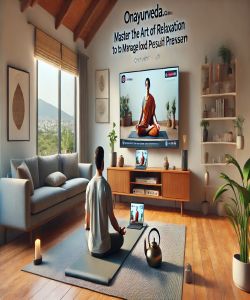
1. Overview of Pranayama to Lower Blood Pressure
Pranayama, as a targeted intervention for the management of hypertension, constitutes a highly disciplined and systematic methodology of breath regulation derived from classical yogic science. It is fundamentally distinct from rudimentary deep breathing exercises, operating instead through the precise manipulation of inhalation (puraka), retention (kumbhaka), and exhalation (rechaka) to exert a direct and potent influence upon the autonomic nervous system. The primary objective of this practice is to recalibrate the body's physiological equilibrium, shifting the balance from the sympathetic nervous system, which governs the 'fight-or-flight' response often implicated in elevated blood pressure, towards the parasympathetic nervous system, responsible for the 'rest-and-digest' state. This deliberate modulation is achieved through specific techniques designed to enhance vagal tone, improve baroreceptor sensitivity, and reduce systemic vascular resistance. Consequently, practitioners are not merely engaging in a relaxation technique but are actively participating in a sophisticated form of neuro-autonomic conditioning. The practice demands unwavering focus, consistency, and a correct understanding of its foundational principles to unlock its therapeutic potential. It is not a passive activity but a rigorous training of the respiratory and nervous systems, aimed at establishing lasting physiological change. The application of pranayama for hypertensive control is therefore a serious undertaking, requiring commitment to a structured regimen to achieve and maintain clinically significant reductions in blood pressure, thereby serving as a powerful, non-pharmacological adjunct to conventional medical management. This approach underscores a proactive stance on health, empowering the individual with a tool to directly influence their own physiological state through conscious, controlled, and methodical respiratory effort, making it an indispensable component of a comprehensive wellness strategy.
2. What is Pranayama to Lower Blood Pressure?
Pranayama specifically directed at lowering blood pressure is a specialised subset of yogic breathing disciplines engineered to modulate the body’s cardiovascular and autonomic nervous systems. The term ‘Pranayama’ itself is a composite of two Sanskrit words: 'Prana', meaning vital life force or energy, and 'Yama', meaning control or extension. Thus, pranayama is the conscious and deliberate regulation of this vital energy through the medium of the breath. When applied to hypertension, this is not a general wellness practice but a targeted therapeutic modality. It operates on the physiological principle that specific patterns of breathing can directly influence heart rate, vascular tone, and stress-hormone production. By emphasising prolonged exhalations, gentle breath retentions, and calm, rhythmic inhalations, these techniques activate the parasympathetic nervous system. This activation counteracts the chronic overstimulation of the sympathetic nervous system, a key driver of essential hypertension. The practice works through several distinct mechanisms:
- Enhancement of Vagal Tone: The vagus nerve is a primary component of the parasympathetic nervous system. Specific pranayama techniques stimulate this nerve, promoting a reduction in heart rate and inducing a state of calm, which in turn lowers blood pressure.
- Improved Baroreflex Sensitivity: Baroreceptors are sensors in the blood vessels that detect blood pressure changes. Pranayama can improve their sensitivity, enabling the body to regulate blood pressure more efficiently and automatically.
- Reduction of Sympathetic Activity: By calming the mind and body, pranayama reduces the output of stress hormones such as cortisol and adrenaline, which are known to constrict blood vessels and elevate blood pressure.
- Increased Nitric Oxide Production: Certain techniques, particularly those involving humming sounds, are believed to increase the production of nitric oxide in the paranasal sinuses, a potent vasodilator that helps to relax and widen blood vessels, thereby lowering resistance to blood flow.
In essence, pranayama for hypertension is a form of biofeedback, using the breath as a control lever to re-establish homeostatic balance within the body’s critical regulatory systems.
3. Who Needs Pranayama to Lower Blood Pressure?
- Individuals diagnosed with prehypertension or Stage 1 hypertension seeking a non-pharmacological, complementary approach to manage their condition under medical supervision.
- Persons experiencing stress-induced or white-coat hypertension, where elevated readings are primarily driven by anxiety and sympathetic nervous system overactivity.
- Adults with a strong family history of cardiovascular disease or hypertension who wish to engage in a proactive, preventative health strategy to mitigate their genetic predisposition.
- Individuals currently prescribed antihypertensive medication who desire to incorporate a supportive lifestyle modality to enhance the efficacy of their treatment and potentially reduce dosage, strictly in consultation with their physician.
- Professionals in high-stress occupations who require a robust and efficient method for managing daily physiological stress responses to prevent the long-term development of chronic hypertension.
- People who are resistant to or experience adverse side effects from conventional antihypertensive medications and are seeking a viable, evidence-informed alternative or adjunct therapy.
- Post-cardiac event patients in a stable condition, as part of a comprehensive cardiac rehabilitation programme, to improve autonomic function and reduce cardiovascular strain, with explicit medical clearance.
- Individuals with metabolic syndrome, where hypertension is a component alongside other risk factors, who can benefit from the practice’s holistic effects on stress reduction and physiological regulation.
- Older adults seeking a gentle, low-impact method to maintain cardiovascular health and manage age-related increases in blood pressure.
- Any individual committed to taking an active, disciplined role in their own health and well-being, who understands that this practice is a serious, long-term commitment and not a temporary remedy.
4. Origins and Evolution of Pranayama to Lower Blood Pressure
The origins of pranayama are deeply embedded in the ancient philosophical and spiritual traditions of India, with its earliest mentions found in foundational Vedic texts such as the Upanishads, dating back several millennia. In these early contexts, pranayama was not primarily a therapeutic tool but a sophisticated practice for spiritual advancement, designed to control Prana (vital energy) to achieve higher states of consciousness and mental clarity. The practice was seen as a bridge between the physical body and the mind, a means to transcend ordinary states of being.
The systematic codification of pranayama occurred within the framework of classical Yoga, most notably in Patanjali's Yoga Sutras. Here, pranayama is delineated as the fourth of the eight limbs of Yoga, following asana (physical postures) and preceding the more internalised stages of concentration and meditation. Patanjali presented it as a formal technique for regulating the breath, specifically the processes of inhalation, exhalation, and retention, to still the fluctuations of the mind. The emphasis remained on mental and spiritual discipline, with physiological benefits considered a secondary, albeit valuable, consequence of the practice. Hatha Yoga texts that emerged later, such as the Hatha Yoga Pradipika, further elaborated on various specific pranayama techniques, detailing their methods and effects on both the subtle energy body and the physical form.
The evolution of pranayama from a predominantly spiritual discipline to a targeted therapeutic intervention for conditions like hypertension is a more recent development, driven by the convergence of ancient wisdom with modern scientific inquiry. In the twentieth and twenty-first centuries, researchers and medical professionals began to investigate the verifiable physiological effects of these ancient practices. Scientific studies started to validate what yogis had known experientially for centuries: that controlled breathing has a profound and measurable impact on the autonomic nervous system, cardiovascular function, and neuroendocrine pathways. This scientific validation has legitimised the use of specific pranayama techniques, stripped of their esoteric context, as a clinical tool. The modern application focuses on isolating those techniques with the most potent hypotensive effects, standardising their protocols, and integrating them into mainstream and complementary medicine as a credible, evidence-informed strategy for blood pressure management.
5. Types of Pranayama to Lower Blood Pressure
-
Chandra Bhedana Pranayama (Left Nostril Breathing): This technique involves exclusively inhaling through the left nostril and exhaling through the right. The left nostril is traditionally associated with the ‘Ida Nadi’, a psychic energy channel linked to cooling, calming, and feminine energies. Physiologically, it is understood to activate the parasympathetic nervous system, inducing a state of relaxation, reducing body heat, and subsequently lowering heart rate and blood pressure. The practice is methodical and requires deliberate closure of the alternate nostril.
-
Bhramari Pranayama (Humming Bee Breath): This practice consists of a slow, controlled inhalation followed by a prolonged exhalation that is accompanied by a deep, steady humming sound produced at the back of the throat, resembling the buzzing of a bee. The vibrations generated by the humming sound are believed to stimulate the vagus nerve and significantly increase the production of nitric oxide in the paranasal sinuses. Nitric oxide is a powerful natural vasodilator, which relaxes the inner muscles of the blood vessels, causing them to widen and thereby reducing vascular resistance and blood pressure.
-
Ujjayi Pranayama (Victorious Breath): Often performed in conjunction with physical yoga postures but equally effective as a standalone practice, Ujjayi involves a gentle constriction at the back of the throat. This creates a soft, audible, oceanic sound on both inhalation and exhalation. The technique lengthens and smooths the breath cycle, which has a direct calming effect on the nervous system. The slight resistance in the throat helps to focus the mind and regulate respiratory rate, promoting a state of tranquil awareness and reducing sympathetic nervous system activity.
-
Sheetali/Sitkari Pranayama (Cooling Breaths): These are two distinct but related techniques designed to cool the body and mind. Sheetali involves inhaling through a curled tongue, whilst Sitkari involves inhaling through the teeth. Both methods draw cooled, moistened air into the body, which has a soothing effect on the nervous system. They are particularly effective in reducing stress, anxiety, and agitation, which are common contributors to elevated blood pressure. Exhalation is performed slowly through the nostrils.
6. Benefits of Pranayama to Lower Blood Pressure
- Directly stimulates the parasympathetic nervous system, counteracting the chronic 'fight-or-flight' response that sustains high blood pressure.
- Enhances vagal tone, leading to a natural and sustained reduction in resting heart rate and improved heart rate variability, key markers of cardiovascular health.
- Improves the sensitivity of arterial baroreceptors, the body's intrinsic blood pressure sensors, allowing for more efficient and responsive regulation of blood pressure.
- Reduces circulating levels of stress hormones, including cortisol and adrenaline, which are known to constrict blood vessels and elevate blood pressure.
- Promotes vasodilation through increased endogenous production of nitric oxide, particularly with techniques like Bhramari, which relaxes and widens blood vessels.
- Decreases systemic vascular resistance, making it easier for the heart to pump blood throughout the body, thereby lowering the force exerted on arterial walls.
- Induces a state of profound mental calmness and reduces anxiety, breaking the psycho-physiological cycle where emotional stress perpetuates hypertension.
- Improves respiratory efficiency and increases oxygen saturation in the blood, enhancing the overall function of the cardiovascular system.
- Provides a non-pharmacological means of blood pressure management, serving as a powerful complementary therapy that can enhance the effects of conventional treatments.
- Empowers the individual with a tangible tool for self-regulation, fostering a greater sense of control over one's own physiological state and health outcomes.
- Requires no external equipment and can be practised in any quiet location, offering an accessible and cost-effective method for long-term health maintenance.
- Contributes to better sleep quality, which is crucial as poor sleep is a significant risk factor for hypertension and other cardiovascular diseases.
7. Core Principles and Practices of Pranayama to Lower Blood Pressure
-
Postural Integrity (Asana): The practitioner must assume a stable, comfortable, and erect sitting posture. The spine must be straight, from the base to the neck, to allow for the unrestricted movement of the diaphragm and the free flow of energy. A slumped posture impedes breath and negates the practice's efficacy. Common postures include Sukhasana (Easy Pose) or Padmasana (Lotus Pose), or sitting upright in a chair with feet flat on the floor.
-
Diaphragmatic Breathing Supremacy: The foundation of all pranayama is full diaphragmatic breathing. The practitioner must consciously engage the diaphragm, allowing the abdomen to expand on inhalation and contract on exhalation. Shallow, chest-based breathing is counterproductive as it activates the sympathetic nervous system. Mastery of this fundamental breath is non-negotiable before proceeding to advanced techniques.
-
Conscious Regulation of Breath (Puraka, Rechaka, Kumbhaka): The practice involves the deliberate and systematic control of the three phases of breath: inhalation (Puraka), exhalation (Rechaka), and retention (Kumbhaka). For hypertension, the emphasis is overwhelmingly on prolonging the exhalation, as this phase is directly linked to parasympathetic activation and relaxation. Breath retention, if practised at all, must be gentle and never forced.
-
Rhythm and Consistency: Pranayama is not a sporadic activity. It demands the establishment of a regular, daily routine. The breath cycles must be smooth, rhythmic, and free from jerks or strain. This consistency trains the autonomic nervous system to adopt a new, calmer baseline of operation. The duration and ratio of the breath phases should be built up gradually and without ambition.
-
Mindful Awareness (Dharana): The practitioner’s mind must be fully engaged and focused on the process of breathing. This is not a mechanical exercise. Attention must be paid to the sensation of the air, the movement of the body, and the internal state. This focused awareness prevents the mind from wandering and deepens the physiological impact of the practice.
-
Avoidance of Strain (Ahimsa): A core principle is the absolute avoidance of any physical or mental strain. The breath should never be forced beyond its comfortable capacity. Any sign of dizziness, discomfort, or breathlessness is a signal to cease the technique and return to normal, gentle breathing. The practice must be approached with patience and self-compassion, not aggression.
8. Online Pranayama to Lower Blood Pressure
-
Unparalleled Accessibility and Convenience: Online platforms dismantle geographical and logistical barriers entirely. Practitioners can access expert instruction from any location with an internet connection, eliminating the need for travel and conforming to demanding personal and professional schedules. This allows for the seamless integration of this vital practice into a daily routine, which is critical for achieving consistent results in blood pressure management.
-
Structured and Progressive Learning Environment: A professionally designed online course provides a systematic, curated curriculum. Modules are typically structured to build foundational skills first, such as correct posture and diaphragmatic breathing, before progressing to more complex hypotensive techniques. This structured approach ensures a safe and effective learning trajectory, preventing the improper practice that can arise from unstructured self-teaching.
-
Controlled and Private Practice Space: Engaging in pranayama online affords the practitioner absolute privacy. This is particularly beneficial for a practice that requires deep inward focus and can be sensitive in nature. The comfort of a personal, controlled environment, free from the perceived judgment or distraction of a group class, allows for deeper concentration and a more potent physiological response.
-
Opportunity for Repetition and Reinforcement: Online courses provide enduring access to instructional materials. Practitioners can revisit specific lessons, guided practices, and theoretical explanations as many times as necessary to master a technique. This ability to review and repeat is a significant advantage over single, in-person sessions, reinforcing correct methodology and deepening understanding over time.
-
Access to Specialised Expertise: The digital domain provides access to highly specialised instructors who focus specifically on therapeutic applications of pranayama for conditions like hypertension. Practitioners are no longer limited to the generalist instructors available in their local area but can seek out and learn from leading experts in the field, ensuring the instruction received is precise, safe, and targeted.
9. Pranayama to Lower Blood Pressure Techniques
-
Preparation: Establish a Correct and Stable Posture.
Sit erect on a cushion or chair, ensuring the spine is fully extended and vertical. The head, neck, and spine must be in perfect alignment. Relax the shoulders, close the eyes, and rest the hands on the knees. Take several moments to observe the natural flow of your breath without attempting to control it. This phase is critical for calming the mind and preparing the body for focused practice.
-
Step One: Initiate Full Diaphragmatic Breathing.
Place one hand on your abdomen. As you inhale slowly and deeply through your nostrils, consciously direct the breath downwards, feeling your abdomen expand outwards against your hand. The chest should remain relatively still. As you exhale slowly through the nostrils, feel the abdomen gently contract inwards. Continue this for several cycles until the pattern feels natural and effortless. This is the mandatory foundation.
-
Step Two: Execute Chandra Bhedana (Left Nostril Breathing).
Raise your right hand. Use your thumb to gently close your right nostril. Inhale slowly, deeply, and silently through your open left nostril, filling the lungs completely without strain. At the peak of the inhalation, close the left nostril with your ring finger, release the thumb from the right nostril, and exhale fully and smoothly through the right nostril. This completes one cycle. Repeat this process, always inhaling through the left and exhaling through the right, for a designated number of rounds.
-
Step Three: Perform Bhramari Pranayama (Humming Bee Breath).
Keep the eyes closed. Inhale slowly and deeply through both nostrils. As you begin to exhale, produce a low-pitched, steady humming sound from the back of your throat, like the buzzing of a bee. The exhalation should be as long, smooth, and controlled as possible. Feel the vibration resonating throughout your head and chest. Complete the exhalation fully. This constitutes one round. Perform several consecutive rounds, focusing entirely on the sound and the vibration.
-
Conclusion: Return to Natural Breathing and Observation.
After completing the prescribed techniques, release all control over the breath. Return to normal, quiet breathing. Remain seated with eyes closed for several minutes, observing the internal state of your body and mind. Notice the calmness, stillness, and any changes in your physiological sensations. This integration phase is essential for absorbing the benefits of the practice.
10. Pranayama to Lower Blood Pressure for Adults
The application of pranayama for adults managing hypertension is a mature and disciplined undertaking that demands both consistency and precision. For the adult practitioner, often navigating complex professional and personal responsibilities, this practice serves as a potent, self-administered tool for physiological regulation amidst chronic stress. The techniques must be approached not as a casual relaxation method but as a form of targeted training for the autonomic nervous system. Adults must first master the foundational principle of diaphragmatic breathing, unlearning the shallow, chest-dominant breathing patterns that are endemic to high-stress lifestyles and which perpetuate sympathetic nervous system dominance. Specific practices such as Chandra Bhedana (left nostril breathing) and Bhramari (humming bee breath) are particularly salient. Chandra Bhedana is leveraged to directly activate the body's parasympathetic 'rest-and-digest' pathways, while Bhramari utilises vibratory resonance to stimulate vagal tone and enhance nitric oxide production, a key vasodilator. It is imperative that the adult practitioner establishes a non-negotiable, dedicated time for daily practice, free from interruptions, to cultivate the cumulative benefits required for a tangible impact on blood pressure readings. The practice must be performed with mindful awareness and an absolute avoidance of strain or force, recognising that its efficacy lies in subtlety and rhythm, not aggressive effort. For adults, pranayama is therefore a sophisticated form of health stewardship, an active and empowered response to a significant health challenge, requiring a commitment on par with any other prescribed therapeutic regimen.
11. Total Duration of Online Pranayama to Lower Blood Pressure
The standardised total duration for a single, intensive online session of pranayama for lowering blood pressure is meticulously set at 1 hr. This specific timeframe is not arbitrary; it is a calculated duration designed to maximise therapeutic efficacy whilst respecting the practitioner's capacity for sustained focus and preventing physical or mental fatigue. Within this 1 hr structure, a complete and balanced practice can be methodically delivered. The session is logically partitioned to include an initial phase for postural alignment and mental centring, a substantial core period dedicated to the intensive practice of specific hypotensive breathing techniques, and a crucial concluding phase for deep relaxation and physiological integration. A duration of less than 1 hr would risk being superficial, failing to provide sufficient time to guide the nervous system into a deep parasympathetic state. Conversely, extending the session significantly beyond this point for non-advanced practitioners can lead to diminishing returns, as concentration wanes and the body may begin to experience subtle strain. The 1 hr duration is therefore the optimal container, providing ample time to progress from foundational diaphragmatic breathing to more nuanced techniques like Ujjayi, Chandra Bhedana, or Bhramari, and to conclude with a period of stillness in Savasana (Corpse Pose) to allow the body to fully absorb the practice's homeostatic effects. This ensures that each session is a complete, impactful, and sustainable therapeutic intervention, perfectly balanced to deliver tangible physiological benefits without being unduly burdensome on the practitioner’s schedule or stamina.
12. Things to Consider with Pranayama to Lower Blood Pressure
When embarking on a regimen of pranayama for the specific purpose of lowering blood pressure, several critical factors must be rigorously considered to ensure both safety and efficacy. This practice is a potent intervention and must not be treated trivially. Foremost is the non-negotiable prerequisite of consultation with a qualified medical professional. Pranayama should be regarded as a complementary therapy, not as a replacement for prescribed antihypertensive medication or medical advice. Any adjustments to existing treatment plans must be made exclusively under a doctor's guidance. Secondly, the importance of qualified instruction cannot be overstated. The techniques must be learned from a competent and experienced instructor who understands the physiological nuances and contraindications, particularly in the context of cardiovascular conditions. Improper practice, such as aggressive breath retention (kumbhaka) or forceful breathing, can be counterproductive and potentially dangerous, capable of elevating blood pressure rather than reducing it. Practitioners must also cultivate an acute sense of self-awareness, learning to distinguish between productive effort and harmful strain. Any experience of dizziness, light-headedness, shortness of breath, or discomfort is an unequivocal signal to cease the practice immediately and rest. Finally, patience and consistency are paramount. Significant and stable reductions in blood pressure are not achieved overnight; they are the result of dedicated, daily practice over a sustained period. An attitude of aggressive ambition is antithetical to the practice's core principles and will only hinder progress. The approach must be one of disciplined, mindful, and gradual cultivation.
13. Effectiveness of Pranayama to Lower Blood Pressure
The effectiveness of pranayama as a modality for lowering blood pressure is robustly supported by a compelling body of scientific evidence and extensive anecdotal validation. Its efficacy is not a matter of conjecture but is rooted in its direct and measurable influence on the body's primary regulatory mechanisms. The practice functions as a powerful tool for neuromodulation, specifically targeting the autonomic nervous system to recalibrate the balance between its sympathetic and parasympathetic branches. By systematically emphasising slow, prolonged exhalations and mindful respiratory control, pranayama techniques demonstrably increase vagal tone. This enhancement of the vagus nerve's activity directly results in a decreased heart rate, reduced cardiac output, and peripheral vasodilation, all of which contribute to a significant and sustained reduction in blood pressure. Furthermore, the consistent practice has been shown to improve baroreflex sensitivity, enabling the body to manage blood pressure fluctuations more efficiently. It also mitigates the psychophysiological stress response, lowering the production of catecholamines and cortisol, hormones that are directly implicated in the pathogenesis of hypertension. The results are not merely transient states of relaxation; with disciplined and regular application, pranayama can induce lasting structural and functional changes in the cardiovascular and nervous systems. Therefore, when practised correctly and consistently under appropriate guidance, its effectiveness as a potent, non-pharmacological intervention for managing and reducing high blood pressure is unequivocal and profound. It stands as a testament to the individual's capacity for conscious self-regulation of critical physiological processes.
14. Preferred Cautions During Pranayama to Lower Blood Pressure
It is imperative that the practice of pranayama for hypertension is undertaken with stringent and uncompromising caution. This is not a benign relaxation exercise; it is a powerful physiological intervention. Under no circumstances should a practitioner with diagnosed hypertension or any cardiovascular condition commence this practice without securing explicit approval from their primary healthcare provider. The practice must never be viewed as a substitute for prescribed medication, and any desire to alter a medication regimen must be discussed directly with the prescribing physician. Forceful or prolonged breath retention (Kumbhaka) is strictly contraindicated for individuals with high blood pressure or heart conditions, as it can cause a dangerous spike in arterial pressure. All breathing techniques must be performed with absolute gentleness and an absence of strain. Should any symptoms of dizziness, shortness of breath, headache, or chest discomfort arise during the practice, it must be ceased immediately. The practitioner must revert to normal, effortless breathing and rest. It is also critical to avoid practising on a full stomach; a minimum of two to three hours should elapse after a meal. The environment for practice must be calm, quiet, and well-ventilated. Individuals with severe or uncontrolled hypertension must seek one-to-one, expert guidance and should not attempt to learn from generic, unmonitored sources. The guiding principle must always be one of cautious, gradual progression. Ambition and impatience have no place in this therapeutic discipline; safety and stability are the paramount concerns.
15. Pranayama to Lower Blood Pressure Course Outline
-
Module 1: Foundational Principles and Postural Integrity
- Introduction to the Autonomic Nervous System: Sympathetic vs. Parasympathetic Control.
- The Physiology of Respiration and its Impact on Blood Pressure.
- Establishing the Correct Seated Posture (Asana): Spinal Alignment and Stability.
- Mastery of Full Diaphragmatic Breathing: The Non-Negotiable Prerequisite.
-
Module 2: Introduction to Core Hypotensive Techniques
- Ujjayi Pranayama (Victorious Breath): Technique for Calming the Nervous System.
- Practice of Rhythmic Breathing (Sama Vritti): Balancing Inhalation and Exhalation.
- The Critical Role of Prolonged Exhalation in Parasympathetic Activation.
- Guided Practice Session Integrating Posture and Foundational Breaths.
-
Module 3: Advanced Parasympathetic Stimulation Techniques
- Chandra Bhedana Pranayama (Left Nostril Breathing): Detailed Instruction and Practice.
- Physiological Mechanism of Unilateral Nostril Breathing on the Nervous System.
- Sheetali and Sitkari Pranayama (Cooling Breaths): Application for Stress and Heat Reduction.
- Safety Protocols and Contraindications for Specific Techniques.
-
Module 4: Vibrational Resonance and Deep Relaxation
- Bhramari Pranayama (Humming Bee Breath): Technique and Theory of Nitric Oxide Production.
- The Impact of Sound and Vibration on Vagal Tone.
- Introduction to Yoga Nidra (Yogic Sleep) as a complementary practice for deep physiological rest.
- Guided Practice Session Combining Bhramari and Yoga Nidra.
-
Module 5: Integration and a Sustainable Daily Practice
- Structuring a Personalised Daily Pranayama Routine.
- Strategies for Consistency and Overcoming Practice Barriers.
- Tracking Progress and Mindful Observation of Physiological Changes.
- Concluding Comprehensive Guided Practice and Final Q&A Session.
16. Detailed Objectives with Timeline of Pranayama to Lower Blood Pressure
-
Week 1-2: Establishment of Foundational Competency.
- Objective: To master correct, stable, and erect sitting posture for a minimum of 15 minutes without discomfort. To achieve consistent and natural diaphragmatic breathing, completely eliminating shallow chest breathing patterns. To understand the core theoretical link between the autonomic nervous system and respiration.
- Timeline: By the end of week two, the practitioner will demonstrate effortless diaphragmatic breathing as their default practice breath and maintain perfect spinal alignment throughout the session.
-
Week 3-4: Proficiency in Basic Rhythmic and Calming Techniques.
- Objective: To execute Ujjayi Pranayama with a smooth, audible, and controlled breath for 10 continuous minutes. To establish a comfortable Sama Vritti (equal ratio) breath count and begin extending the exhalation phase slightly longer than the inhalation without any strain.
- Timeline: By the end of week four, the practitioner will be able to independently practise a 15-minute session comprising diaphragmatic breathing and Ujjayi, reporting a discernible sense of calm post-practice.
-
Week 5-8: Mastery of Primary Hypotensive Pranayamas.
- Objective: To gain full proficiency in the execution of Chandra Bhedana (Left Nostril Breathing) and Bhramari (Humming Bee Breath). The practitioner will be able to perform 10-15 rounds of each technique with precision, control, and deep internal focus.
- Timeline: By the end of week eight, the practitioner will have integrated Chandra Bhedana and Bhramari into their daily routine and may begin to observe initial, subtle shifts in stress response and resting physiological state.
-
Week 9-12: Consolidation and Development of a Personalised Regimen.
- Objective: To confidently structure a personalised 20-30 minute daily pranayama session combining the learned techniques in a logical sequence. To cultivate deep relaxation and stillness in a concluding Savasana (Corpse Pose). To develop the ability to self-monitor for signs of strain and adjust practice accordingly.
- Timeline: By the end of week twelve, the practitioner will have established a robust, independent, and sustainable daily practice. They will be equipped with the knowledge and skills to use pranayama as a long-term tool for blood pressure management and overall well-being.
17. Requirements for Taking Online Pranayama to Lower Blood Pressure
- Unwavering Self-Discipline and Commitment: The practitioner must possess the intrinsic motivation to adhere to a structured, daily practice schedule without external supervision. The online format demands a high degree of personal accountability.
- A Stable, High-Speed Internet Connection: Consistent and reliable internet access is non-negotiable to ensure uninterrupted participation in live sessions or seamless streaming of pre-recorded instructional content.
- A Functional Computing Device: A laptop, desktop computer, or tablet with a clear screen and functional audio is required. A device with a built-in or external webcam is essential for any sessions that involve instructor feedback on posture.
- A Dedicated, Private, and Quiet Practice Space: The practitioner must designate a specific area that is free from household traffic, noise, and all other distractions for the full duration of the practice session. This space is sacred to the practice.
- Appropriate Seating Support: A firm cushion, yoga block, or a straight-backed chair that allows the hips to be slightly higher than the knees is required to maintain correct spinal alignment and comfort during seated practice.
- Comfortable and Unrestrictive Clothing: Garments must allow for full, unimpeded movement of the abdomen and diaphragm. Tight or constricting clothing is entirely unsuitable for this practice.
- Explicit Medical Clearance: Before commencing the course, the individual must have consulted with their healthcare provider regarding the suitability of pranayama for their specific health condition, particularly if they have diagnosed hypertension or any other cardiovascular issues.
- A Mature and Receptive Attitude: The practitioner must be willing to follow instructions with precision and without deviation. An ego-driven or competitive mindset is counterproductive and must be set aside in favour of a patient, observant, and non-judgmental approach.
18. Things to Keep in Mind Before Starting Online Pranayama to Lower Blood Pressure
Before commencing an online pranayama course for hypertension, it is imperative to adopt a mindset of rigorous discipline and informed caution. Acknowledge that this is a serious therapeutic undertaking, not a passive wellness activity. You must secure unequivocal clearance from your medical doctor, ensuring this practice is appropriate for your specific health profile and that it complements, rather than conflicts with, your existing treatment plan. Understand that the online environment places the onus of safety squarely upon you. You must cultivate an acute sensitivity to your body's signals, ceasing any technique immediately upon experiencing dizziness, discomfort, or breathlessness. The absence of a physically present instructor demands a higher level of personal responsibility. You must commit to creating a sanctified practice space, completely free from interruptions, as the efficacy of pranayama is directly proportional to the depth of your focus. Scrutinise the credentials of the online instructor or platform; ensure they possess verifiable expertise in the therapeutic application of pranayama, not merely general yoga instruction. Finally, you must temper your expectations with realism and patience. Meaningful physiological change is a gradual process resulting from unwavering consistency over weeks and months, not a miraculous cure achieved in a few sessions. Approach this commitment with the gravity it deserves, prepared to engage in a methodical, long-term process of self-regulation and physiological re-education. This mental and practical preparation is non-negotiable for a safe and successful outcome.
19. Qualifications Required to Perform Pranayama to Lower Blood Pressure
The safe and effective instruction of pranayama as a therapeutic intervention for hypertension demands qualifications that extend significantly beyond a standard yoga teacher certification. The instructor must possess a deep and specialised body of knowledge. A foundational requirement is an advanced certification from a reputable and established yoga or yoga therapy institution, with a curriculum that includes in-depth training in pranayama theory, practice, and pedagogy. Crucially, this must be supplemented by specialised training in therapeutic applications, often designated under titles such as 'Yoga Therapy' or 'Clinical Yoga'. Within such a qualification, the following specific competencies are non-negotiable:
- Advanced Anatomical and Physiological Knowledge: A comprehensive understanding of the cardiovascular, respiratory, and autonomic nervous systems is essential. The instructor must be able to articulate precisely how specific breathing techniques modulate heart rate, vascular tone, and sympathetic/parasympathetic balance.
- Pathophysiology of Hypertension: The instructor must have a clear understanding of the mechanisms of hypertension and be fully aware of the contraindications and risks associated with the condition. They must know which techniques are appropriate and which, like forceful breath retention, are to be strictly avoided.
- Extensive Personal Practice: A qualified instructor must have a long-standing, deep, and dedicated personal pranayama practice. This experiential knowledge is indispensable for guiding others with authenticity and subtlety.
- Clinical or Therapeutic Experience: Demonstrable experience in working with clients or patients with specific health conditions, ideally in a clinical or therapeutic setting, is a critical differentiator. This ensures they possess the practical skills to adapt practices safely for individuals with varying health profiles.
Therefore, the practitioner is not merely seeking a 'yoga teacher', but a highly trained therapeutic specialist who can navigate the complexities of applying this potent practice to a serious medical condition with precision, authority, and an overriding commitment to safety.
20. Online Vs Offline/Onsite Pranayama to Lower Blood Pressure
Online
The online delivery of pranayama instruction offers unparalleled levels of convenience and accessibility. It eradicates all geographical limitations, providing practitioners access to world-class, specialist instructors irrespective of their physical location. This modality allows for seamless integration into a busy schedule, as travel time is eliminated, thereby promoting the daily consistency that is crucial for effective blood pressure management. The privacy of one's own home can create a more focused and less self-conscious learning environment, which is highly conducive to the introspective nature of the practice. Furthermore, the provision of recorded sessions allows for limitless repetition and review, enabling the practitioner to master techniques at their own pace. However, the online format is not without its challenges. It places a significant demand on the individual's self-discipline and accountability. The most critical limitation is the absence of direct, physical feedback. An instructor cannot provide hands-on postural adjustments or physically observe the subtle, and potentially incorrect, nuances of a practitioner's breathing pattern. This necessitates a greater degree of self-awareness and carries a higher risk of improper technique development if the practitioner is not diligent.
Offline/Onsite
Offline, or onsite, instruction provides the distinct and irreplaceable advantage of direct, in-person guidance. A qualified instructor can provide immediate, tactile feedback and precise physical adjustments to a practitioner's posture, ensuring a safe and optimal foundation for the practice. They can observe the subtlest respiratory movements and offer real-time corrections, which is invaluable for preventing the formation of incorrect habits. The energy of a group setting can also be motivating and supportive for some individuals, fostering a sense of community and shared purpose. The fixed schedule of an in-person class imposes a structure that can aid discipline. However, the offline model has inherent limitations. It is constrained by geography, limiting choice to locally available instructors who may not possess specialist knowledge in therapeutic pranayama for hypertension. The logistics of travel, scheduling conflicts, and the financial cost of studio-based classes can present significant barriers to the consistent, daily practice required for tangible results. The environment of a group class may also be distracting or intimidating for some, hindering their ability to achieve the deep inward focus necessary for the practice to be effective.
21. FAQs About Online Pranayama to Lower Blood Pressure
Question 1. Is online pranayama as effective as in-person practice for lowering blood pressure?
Answer: Its effectiveness is contingent upon the practitioner's discipline. If practised with precision and consistency as instructed, it can be highly effective due to its accessibility, which promotes regular practice.
Question 2. Can I learn this if I am a complete beginner?
Answer: Yes, a structured online course is designed to guide absolute beginners from foundational principles to more advanced techniques in a safe, progressive manner.
Question 3. Do I need any special equipment?
Answer: No. You require a quiet space, a stable internet connection, a device for viewing, and a cushion or chair for correct posture.
Question 4. Can pranayama replace my blood pressure medication?
Answer: No. It is a complementary therapy, not a substitute. All decisions regarding medication must be made in direct consultation with your qualified medical professional.
Question 5. How quickly will I see a reduction in my blood pressure?
Answer: This is highly individual. Consistent, daily practice over several weeks or months is required for stable, measurable changes. There are no instant results.
Question 6. Is it safe to practise breath retention (Kumbhaka) online?
Answer: For hypertension, forceful or prolonged breath retention is strictly contraindicated. Any instruction on retention must be for very brief, gentle pauses and guided by an expert.
Question 7. What if I feel dizzy during the practice?
Answer: Cease the technique immediately. Revert to normal, gentle breathing until the sensation passes. This indicates you are straining and must proceed more gently.
Question 8. How long should my daily practice session be?
Answer: A consistent 20-30 minutes of daily practice is a robust and sustainable target for achieving tangible benefits.
Question 9. Is morning or evening a better time to practise?
Answer: Both are effective. Morning can set a calm tone for the day, while evening can aid in restful sleep. The most important factor is consistency.
Question 10. Will I be able to ask the instructor questions?
Answer: A reputable online course will provide a mechanism for asking questions, either through live Q&A sessions, email support, or a community forum.
Question 11. Can I practise if I have other health conditions?
Answer: You must obtain explicit clearance from your doctor before commencing, detailing all health conditions to ensure the practice is safe for you.
Question 12. What is the single most important technique for lowering blood pressure?
Answer: While all techniques work synergistically, any practice that systematically prolongs the exhalation phase is fundamentally effective for activating the parasympathetic nervous system.
Question 13. Is this just deep breathing?
Answer: No. Pranayama is a precise, scientific system of breath regulation involving specific techniques, ratios, and nostril control. It is far more sophisticated than simple deep breathing.
Question 14. Do I need to be flexible or have a ‘yoga body’?
Answer: No. This is a breathing practice performed while seated. Physical flexibility is not a prerequisite.
Question 15. Will the course cover the theory behind the practice?
Answer: A professional course will include essential theory on the autonomic nervous system and physiology to ensure you understand why you are doing the techniques.
Question 16. What if I miss a day of practice?
Answer: Do not be discouraged. Simply resume your practice the following day. Consistency over the long term is more important than perfection.
22. Conclusion About Pranayama to Lower Blood Pressure
In conclusion, pranayama, when specifically applied to the management of hypertension, stands as a formidable and highly sophisticated non-pharmacological intervention. It transcends the simplistic notion of a relaxation exercise, revealing itself as a rigorous discipline of autonomic self-regulation. Through the precise and conscious control of respiration, the practitioner can directly influence the core physiological mechanisms that underpin blood pressure, shifting the neuro-autonomic balance away from a state of chronic sympathetic over-arousal towards parasympathetic dominance. This is not a passive or speculative practice; its efficacy is grounded in verifiable physiological principles, including the enhancement of vagal tone, improvement of baroreflex sensitivity, and reduction of systemic vascular resistance. However, its power demands respect and a commensurate level of responsibility. The successful application of pranayama for this purpose is contingent upon correct instruction from a qualified source, unwavering consistency in daily practice, and an uncompromising commitment to safety, always in concert with professional medical guidance. It represents a proactive and empowered stance on personal health, providing the individual with a tangible, lifelong tool to mitigate a critical risk factor for cardiovascular disease. Therefore, pranayama must be regarded as a serious, effective, and indispensable component of any comprehensive strategy for managing hypertension and cultivating long-term physiological equilibrium