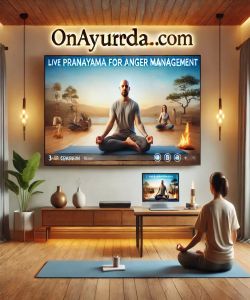
1. Overview of Pranayama for Anger Management
Pranayama for anger management constitutes a highly structured and disciplined methodology centred on the conscious regulation of respiration to achieve profound physiological and psychological equilibrium. It is not a passive relaxation technique but an active, assertive intervention designed to fundamentally reconfigure an individual’s response to emotional triggers. The practice operates on the core premise that the breath, or prana, is the definitive link between the mind and the body. By mastering the breath, one gains direct and authoritative control over the autonomic nervous system, which governs the fight-or-flight response integral to expressions of anger and rage. This system is not intended as a mere palliative for outbursts but as a pre-emptive and ongoing regimen for cultivating emotional resilience and self-governance. It systematically dismantles the habitual neuro-pathways of reactivity, replacing them with a robust framework of conscious, deliberate response. The discipline demands unwavering focus and consistency, compelling the practitioner to confront and deconstruct the physiological underpinnings of their emotional volatility. Through specific, controlled breathing patterns, pranayama directly influences heart rate variability, blood pressure, and cortical activity, moving the practitioner from a state of hyper-arousal and cognitive constriction to one of calm alertness and expanded awareness. It is, therefore, an exacting science of self-regulation, providing a formidable toolkit for any individual determined to establish unwavering command over their internal emotional landscape and eradicate the destructive patterns of anger. This is the path to transforming volatile energy into focused, constructive power, establishing a permanent state of internal authority and composure.
2. What are Pranayama for Anger Management?
Pranayama for anger management refers to a specific subset of ancient yogic breathing disciplines purposefully applied to modulate and control the powerful emotional state of anger. These are not arbitrary deep breathing exercises; they are scientifically structured techniques that directly interface with the human body's autonomic nervous system. The core function is to strategically shift the physiological state from one dominated by the sympathetic nervous system (associated with stress, fight-or-flight, and rage) to one governed by the parasympathetic nervous system (associated with rest, digestion, and calm). This is achieved through the meticulous control of inhalation, exhalation, and the deliberate retention of breath.
Each technique possesses a distinct purpose and mechanism:
- A Tool for Immediate Intervention: Certain pranayama techniques can be deployed in the very moment that anger arises. They act as a circuit breaker, interrupting the physiological cascade that leads to an outburst. By forcing a change in the breathing pattern, the practitioner severs the connection between the emotional trigger and the physical response.
- A System for Long-Term Regulation: Beyond immediate application, the consistent practice of these techniques serves to recalibrate the baseline emotional state. It strengthens the practitioner's vagal tone and enhances heart rate variability, which are key biomarkers of emotional resilience. This makes the individual less susceptible to being triggered in the first place.
- A Bridge to Cognitive Restructuring: By calming the physiological storm of anger, pranayama creates the necessary mental space for cognitive and behavioural strategies to be effectively implemented. It is impossible to reason with a mind that is clouded by the neurochemical surge of rage. Pranayama clears this fog, enabling rational thought, self-reflection, and the conscious choice of a more constructive response.
In essence, pranayama for anger management is a formidable, non-pharmaceutical modality for establishing sovereign control over one's emotional responses through the disciplined manipulation of the most fundamental life process: the breath.
3. Who Needs Pranayama for Anger Management?
- Individuals exhibiting chronic irritability and a low frustration tolerance, who find themselves frequently agitated by minor inconveniences and daily stressors. They require a mechanism to elevate their threshold for emotional reactivity.
- Professionals in high-pressure environments, such as corporate executives, emergency responders, or legal practitioners, who must maintain composure and clear decision-making capabilities under duress and provocation.
- Persons with a documented history of explosive outbursts, verbal aggression, or destructive behaviour stemming from an inability to manage intense feelings of rage. This practice is essential for de-escalating internal volatility before it manifests externally.
- Individuals undergoing therapeutic treatment for anger-related issues, who require a practical, physiological tool to complement psychological strategies like cognitive behavioural therapy. Pranayama provides the somatic component of self-regulation.
- Parents and caregivers who struggle with patience and find their anger impacting their relationships with their children or dependants. They need a method to respond with calm authority rather than reactive hostility.
- Athletes and competitors who find their performance is negatively affected by anger, pressure, or frustration. This discipline helps them channel intense energy constructively and maintain focus during critical moments.
- Anyone seeking to proactively cultivate greater emotional intelligence and self-mastery. The need is not limited to those with overt anger problems; it extends to anyone determined to achieve a higher level of personal control and inner peace.
- Individuals who experience anger as a secondary emotion to anxiety, depression, or trauma. Pranayama can help address the underlying physiological dysregulation that contributes to a wide spectrum of emotional challenges, including irascibility.
- Those who recognise a generational or familial pattern of anger and are resolved to break that cycle through disciplined self-intervention and the establishment of new, healthier response patterns for themselves and future generations.
4. Origins and Evolution of Pranayama for Anger Management
The origins of pranayama are deeply rooted in the ancient yogic traditions of India, with foundational concepts articulated in seminal texts such as the Yoga Sutras of Patanjali and the Hatha Yoga Pradipika. In these classical contexts, pranayama was not conceived merely as a breathing exercise but as a sophisticated science for the control of prana, the universal life force energy. The primary objective was spiritual advancement—the calming of the mind to facilitate deeper states of meditation and ultimate self-realisation. The ancient yogis observed with empirical precision that a disturbed, erratic breath corresponded to a turbulent mind (chitta vritti), whilst a calm, regulated breath led to mental stillness.
The application of these principles specifically to anger management is a more modern, yet entirely logical, evolution of this ancient wisdom. Whilst the classical texts spoke of pacifying all mental disturbances, the explicit framing of pranayama as a targeted intervention for anger is a product of its integration with contemporary psychology and neuroscience. As scientific understanding of the autonomic nervous system, the limbic system, and the neurochemistry of stress and rage has advanced, the physiological mechanisms of pranayama have been demystified. Researchers and modern practitioners began to map specific breathing techniques to their predictable effects on the body's fight-or-flight response.
This evolution shifted the focus from a purely spiritual pursuit to a highly practical, therapeutic modality. The understanding that specific techniques like Sheetali (the cooling breath) could directly counteract the "heat" of anger, or that Nadi Shodhana (alternate nostril breathing) could balance the nervous system, moved pranayama from the ashram into the clinic and the corporate wellness programme. The language evolved from discussions of nadis and chakras to evidence-based explanations involving vagal tone, heart rate variability, and parasympathetic activation. Thus, pranayama for anger management represents the synthesis of ancient empirical knowledge with modern scientific validation—a powerful, time-tested discipline repurposed and refined for the explicit challenge of mastering one of modern life’s most destructive emotions.
5. Types of Pranayama for Anger Management
- Nadi Shodhana (Alternate Nostril Breathing): This is a foundational practice for emotional balance. It involves alternately closing one nostril whilst inhaling or exhaling through the other in a systematic pattern. Its primary function is to harmonise the sympathetic and parasympathetic nervous systems and balance the left and right hemispheres of the brain. By doing so, it pacifies mental agitation and neutralises the neurological chaos that fuels anger, promoting a state of profound equilibrium.
- Bhramari Pranayama (Humming Bee Breath): This technique requires the practitioner to produce a low-pitched humming sound during a slow, controlled exhalation, often with the ears and eyes gently covered. The internal vibration created by the hum has a direct soothing effect on the vagus nerve. This action rapidly induces a parasympathetic response, calming the mind, relieving cerebral tension, and dissipating the build-up of frustration and irritation.
- Ujjayi Pranayama (Victorious Breath): Characterised by a gentle constriction at the back of the throat, Ujjayi creates a soft, audible, ocean-like sound on both inhalation and exhalation. This focus on sound and sensation anchors the practitioner's awareness firmly in the present moment. The consistent, rhythmic nature of the breath is grounding and stabilising, providing an anchor that prevents the mind from being swept away by a tide of rage.
- Sheetali Pranayama (Cooling Breath): Performed by inhaling through a curled tongue (or through the teeth if curling the tongue is not possible, known as Sitkari), this practice is designed to physically and psychologically cool the system. The act of drawing air across the moist surface of the tongue has a tangible cooling effect. It is a direct antidote to the "hot" qualities of anger, reducing bodily heat and pacifying fiery emotions and mental irritation.
- Viloma Pranayama (Interrupted Breathing): This practice involves interrupting the inhalation or exhalation with several deliberate pauses. This technique forces a high degree of mental focus and breath control, breaking the momentum of the rapid, shallow breathing that typically accompanies anger. It re-establishes conscious command over the respiratory process, thereby asserting control over the emotional state it influences.
6. Benefits of Pranayama for Anger Management
- Immediate De-escalation of Acute Anger: Provides a powerful, real-time tool to interrupt the physiological stress response the moment a trigger is encountered, preventing the escalation from irritation to uncontrollable rage.
- Enhanced Autonomic Nervous System Regulation: Systematically trains the body to shift from sympathetic (fight-or-flight) dominance to parasympathetic (rest-and-digest) activation, fostering a baseline state of calm.
- Increased Vagal Tone: Regular practice strengthens the vagus nerve, a key component of the parasympathetic nervous system, which is directly correlated with improved emotional regulation and resilience to stress.
- Improved Heart Rate Variability (HRV): Leads to a higher and more adaptive HRV, a critical biomarker indicating a flexible and resilient nervous system capable of effectively managing emotional and environmental stressors.
- Reduction in Physiological Markers of Stress: Demonstrably lowers resting heart rate, blood pressure, and levels of stress hormones such as cortisol, directly countering the physical conditions that support an angry state.
- Greater Cognitive Clarity Under Pressure: By calming the limbic system, pranayama allows the prefrontal cortex—the seat of rational thought and executive function—to remain online during stressful situations, enabling considered responses rather than impulsive reactions.
- Cultivation of Interoceptive Awareness: Develops a heightened sensitivity to internal bodily signals, allowing the practitioner to recognise the subtle, early warning signs of rising anger and intervene pre-emptively.
- Disruption of Habitual Reactive Patterns: Creates new, dominant neural pathways for calm and deliberate responses, effectively overwriting the ingrained, automatic anger-response circuits in the brain over time.
- Increased Emotional Resilience: Builds a robust capacity to absorb and process emotional provocations without becoming dysregulated, leading to greater stability and composure in challenging interpersonal and professional situations.
- Empowerment Through Self-Regulation: Instils a profound sense of personal agency and control over one's internal state, replacing feelings of helplessness in the face of strong emotions with an unshakeable confidence in one's ability to self-manage.
7. Core Principles and Practices of Pranayama for Anger Management
- Supremacy of the Breath: The foundational principle is that the breath (prana) is the primary instrument for controlling the mind and body. All emotional and mental states are reflected in the breath’s rhythm and quality; therefore, mastery of the breath confers mastery over these states. Anger is invariably linked to chaotic, shallow breathing; disciplined breathing imposes order.
- Conscious Regulation over Autonomic Function: The practice is an active assertion of conscious will over physiological processes that are normally autonomic. It involves the deliberate manipulation of the duration, depth, and rhythm of inhalation (puraka), exhalation (rechaka), and breath retention (kumbhaka).
- Emphasis on the Exhalation: For anger management, extending the duration of the exhalation relative to the inhalation is a critical practice. A prolonged exhalation is a powerful physiological signal to the nervous system to relax and enter a parasympathetic state, directly countermanding the fight-or-flight response.
- Cultivation of Stillness and Observation: A core practice is to maintain a stable, comfortable posture (asana) throughout. This physical stillness mirrors and encourages mental stillness. The practitioner must also cultivate the role of a dispassionate observer (sakshi), witnessing the breath and arising sensations without judgment or entanglement.
- Consistency as the Path to Neuroplasticity: Sporadic practice yields fleeting results. The principle of abhyasa (consistent, dedicated practice over a prolonged period) is paramount. Daily engagement is required to forge new neural pathways and make calm responsiveness the default, rather than a forced effort.
- Progressive Application: Practitioners must begin with foundational techniques and gradually progress to more advanced ones. This involves first mastering simple, rhythmic breathing before introducing breath holds or complex ratios. Attempting advanced practices prematurely can be agitating and counterproductive.
- Integration into Daily Life: The ultimate goal is not to confine the practice to a specific time or place. The principles of mindful breathing and conscious response must be integrated into the fabric of daily existence, ready to be deployed instantly in any challenging situation. The practice on the mat is training for the challenges of life.
8. Online Pranayama for Anger Management
- Unwavering Accessibility and Consistency: The online format eradicates geographical and logistical barriers, providing access to expert instruction regardless of location. This facilitates the absolute consistency required for effective practice. The practitioner can maintain their regimen without disruption from travel, demanding schedules, or lack of local facilities, which is paramount for rewiring ingrained emotional responses.
- Creation of a Controlled, Private Environment: Practising online allows the individual to operate within a personal, secure space. This is critically important when dealing with the vulnerability of anger. The absence of a public class environment eliminates social comparison and self-consciousness, allowing for a more profound and honest internal exploration without fear of judgment.
- Immediate Application in the Triggering Environment: The home or office is often the primary stage for anger-inducing stressors. Learning and practising these techniques within that very environment forges a direct, powerful link between the practice and its real-world application. It transforms a place of potential conflict into a laboratory for self-regulation.
- Access to Specialised Expertise: The digital realm provides access to a global pool of highly specialised instructors who focus exclusively on the therapeutic application of pranayama for emotional regulation. Practitioners are no longer limited to the generalist yoga teachers available in their immediate vicinity but can seek out authoritative experts in this specific discipline.
- On-Demand Intervention and Reinforcement: Online platforms offer libraries of recorded sessions and guided practices. This provides the invaluable benefit of on-demand support. If a practitioner feels the onset of anger or has experienced a difficult event, they can immediately access a guided session to de-escalate and re-centre, reinforcing their skills precisely when they are most needed.
- Structured, Anonymised Group Support: Many online programmes offer community forums or group sessions where individuals can share challenges and successes with a degree of anonymity. This fosters a sense of shared purpose and validation without the direct, and sometimes intimidating, confrontation of in-person group therapy. It provides solidarity and accountability, which are powerful motivators for sustained practice.
9. Pranayama for Anger Management Techniques
- Preparation: Establish a Stable Foundation. Assume a seated posture with a straight, erect spine, either on a cushion on the floor or in a chair with feet planted firmly. Rest the hands on the knees or thighs. Gently close the eyes and take several moments to observe the natural, unforced flow of your breath. This initial phase shifts the mind from external activity to internal focus.
- Step One: Ujjayi Breath (Victorious Breath) for Grounding. Slightly constrict the back of your throat, as if you were about to whisper. Begin to breathe slowly and deeply through the nostrils, creating a soft, audible, oceanic sound. Maintain this rhythmic, soothing breath for several rounds. The focus on the sound and sensation anchors your awareness, preventing the mind from drifting to agitated thoughts.
- Step Two: Nadi Shodhana (Alternate Nostril Breathing) for Balance. Raise your right hand. Fold your index and middle fingers, or rest them on your forehead. Use your thumb to close your right nostril and inhale slowly and deeply through the left nostril. At the peak of the inhalation, close the left nostril with your ring finger, release the thumb, and exhale slowly and completely through the right nostril. Inhale through the right nostril, close it with the thumb, and exhale through the left. This constitutes one full round. Continue for a designated number of rounds, ensuring the breath is smooth and controlled.
- Step Three: Bhramari Pranayama (Humming Bee Breath) for Soothing. Inhale deeply through the nostrils. As you exhale slowly and completely, produce a steady, low-pitched humming sound, like that of a bee. You may gently close your ears with your thumbs or index fingers to internalise the vibration. The resonance calms the nervous system directly. Perform several rounds, feeling the vibration resonate throughout the skull.
- Conclusion: Integration and Observation. Release the techniques. Return to natural breathing. Remain seated in stillness for several minutes, observing the internal state. Notice the shift in your physical and mental condition. Acknowledge the state of calm and clarity you have cultivated. This final step integrates the effects of the practice and reinforces the new state of equilibrium.
10. Pranayama for Anger Management for Adults
Pranayama for anger management in adults is a rigorous and mature discipline of self-regulation, fundamentally distinct from simplistic advice to "take a deep breath." It addresses the adult capacity for complex emotional understanding and the ingrained nature of long-held behavioural patterns. For an adult, anger is often interwoven with intricate triggers related to career pressures, interpersonal relationships, financial stress, and existential concerns. The practice, therefore, must be approached with a high degree of intentionality and personal responsibility. It demands that the individual moves beyond blaming external circumstances for their emotional state and instead takes absolute ownership of their internal responses. The techniques require a level of focus and sustained commitment that is characteristic of adult learning, involving the systematic application of specific respiratory patterns to achieve predictable physiological outcomes. This is not a passive activity but an assertive engagement with one's own neurophysiology. Adults undertaking this practice must be prepared to confront the uncomfortable somatic sensations that precede anger, using the breath as an analytical tool to dissect and neutralise the reactive process. The goal is to cultivate a state of "responsive presence" — the ability to face provocation with unshakable composure, cognitive clarity, and the capacity to choose a deliberate, constructive course of action. It is the transformation of a volatile liability into a managed and potent personal asset, reflecting a mature commitment to personal development and emotional mastery. The discipline empowers the adult to reclaim authority over their emotional landscape, ensuring that their actions are governed by wisdom and intention, not by reflexive rage.
11. Total Duration of Online Pranayama for Anger Management
The standardised and optimal duration for a single, focused session of online Pranayama for Anger Management is precisely demarcated as 1 hr. This temporal framework is not arbitrary; it is a deliberately structured container designed to facilitate a profound and lasting shift in the practitioner’s neurophysiological state. A duration of less than this is generally insufficient to move beyond superficial relaxation and achieve the deep parasympathetic activation required to genuinely recalibrate the nervous system’s response to stress. The 1 hr allocation allows for a comprehensive and unhurried progression through the necessary stages of practice. It provides adequate time for an initial period of settling and centering the mind, a phase of preparatory breaths, the core practice of specific anger-modulating techniques such as Nadi Shodhana or Bhramari, and, critically, a concluding phase of deep relaxation and integration. This final period is essential for the body and mind to absorb the benefits of the practice, allowing the newly established state of calm equilibrium to stabilise. Rushing through these stages would be counterproductive, potentially even agitating. The 1 hr commitment also serves as a psychological anchor; it signifies a serious, non-negotiable investment in one’s own emotional wellbeing. It carves out a sacrosanct period of time dedicated solely to the discipline of self-regulation, reinforcing the gravity and importance of the work being undertaken. Therefore, the 1 hr session is the mandatory structure within which the powerful work of emotional transformation is methodically and effectively conducted, ensuring depth, sustainability, and tangible results.
12. Things to Consider with Pranayama for Anger Management
Before embarking on the discipline of pranayama for anger management, it is imperative to approach the practice with rigorous self-honesty and a clear understanding of its nature. This is not a panacea or a passive activity; it is an active and demanding form of self-intervention that requires unwavering commitment. One must consider that initial stages can sometimes be challenging. The act of sitting in stillness and focusing on the breath may, paradoxically, bring the very feelings of agitation and anger to the surface more vividly. This is a critical phase of the process, and the practitioner must be prepared to face this discomfort without retreat, using the techniques as an anchor rather than an escape. Furthermore, it is essential to recognise that pranayama is a physiological tool, not a replacement for addressing the root psychological or situational causes of anger. It must be viewed as a powerful component of a holistic strategy, which may also require lifestyle adjustments, communication skill development, or professional counselling. The practitioner must also be discerning in their choice of instruction, seeking out qualified, authoritative sources that understand the therapeutic application of these techniques, rather than instructors focused purely on the physical or spiritual dimensions of yoga. Finally, one must abandon the expectation of instantaneous results. The recalibration of deeply ingrained neurological and behavioural patterns is a gradual process. True mastery is forged through relentless consistency and patience, not through sporadic efforts during moments of crisis. This is a long-term investment in self-governance.
13. Effectiveness of Pranayama for Anger Management
The effectiveness of pranayama for anger management is potent and unequivocal, grounded in its direct and measurable impact on human physiology. Its efficacy stems not from esoteric belief but from its capacity to assert conscious control over the autonomic nervous system, the very bedrock of our emotional and stress responses. When an individual experiences anger, the sympathetic nervous system initiates a cascade of events: heart rate and blood pressure increase, breathing becomes rapid and shallow, and stress hormones flood the system. Pranayama systematically reverses this process. Techniques that emphasise slow, deep, and extended exhalations are particularly powerful activators of the parasympathetic nervous system via the stimulation of the vagus nerve. This induces the "relaxation response," which is the physiological antithesis of the anger response. The practice is effective on two distinct timelines. In the short term, it serves as an immediate and powerful circuit breaker, allowing a practitioner to de-escalate a rising tide of rage in real time. In the long term, consistent practice fundamentally rewires the body's baseline state. It increases heart rate variability (HRV) and strengthens vagal tone, making the individual inherently more resilient to stressors and less likely to be triggered into a state of anger. This is not a mere coping mechanism; it is a fundamental re-engineering of the self-regulatory system. The discipline moves an individual from being a passive victim of their emotional impulses to an active commander of their internal state, rendering it an exceptionally effective and empowering methodology for mastering anger.
14. Preferred Cautions During Pranayama for Anger Management
It is imperative that the practice of pranayama for anger management be undertaken with stringent awareness and caution, as improper application can be counterproductive or even detrimental. Firstly, individuals with severe respiratory conditions, cardiovascular issues such as uncontrolled high blood pressure, or neurological disorders must seek clearance from a qualified medical professional before commencing any breathing discipline. The physiological changes induced by these techniques, while beneficial for most, can pose risks to compromised systems. Secondly, under no circumstances should the breath be forced. Any sign of dizziness, light-headedness, shortness of breath, or undue anxiety is a clear directive to cease the technique immediately and return to natural, gentle breathing. The principle is one of controlled regulation, not struggle or strain. Breath retention (kumbhaka), in particular, must be approached with extreme caution and should only be attempted under the guidance of an experienced instructor after foundational techniques are fully mastered. For individuals prone to panic attacks or high anxiety, aggressive or forceful breathing practices can inadvertently trigger a stress response. Therefore, the focus must remain on slow, calming, and grounding techniques, specifically avoiding any hyperventilating styles of breathwork. The practitioner must remain a vigilant observer of their internal state, approaching the discipline with respect for its power and an unwavering commitment to safety and self-awareness above all else. This is a path of discipline, not of reckless self-experimentation.
15. Pranayama for Anger Management Course Outline
1: Foundational Principles and Physiological Framework
Introduction to Pranayama as a science of self-regulation.
The autonomic nervous system: Sympathetic vs. Parasympathetic response.
The direct link between breath patterns and emotional states (anger physiology).
Establishing correct posture (Asana) and cultivating stillness.
Introduction to diaphragmatic (abdominal) breathing.
2: Core Calming and Centering Techniques
Mastery of Ujjayi Pranayama (Victorious Breath) for grounding and focus.
Instruction and practice of full yogic breath for maximising respiratory capacity.
Introduction to Viloma Pranayama (Interrupted Breathing) for establishing conscious control.
3: Balancing and Harmonising the System
Detailed instruction in Nadi Shodhana (Alternate Nostril Breathing).
Progressive practice: from basic cycles to extended counts.
Understanding the harmonising effect on the nervous system and brain hemispheres.
4: Direct Intervention and Cooling Practices
Mastery of Bhramari Pranayama (Humming Bee Breath) for vagal nerve stimulation and immediate calming.
Instruction in Sheetali and Sitkari Pranayama (The Cooling Breaths) as direct antidotes to the "heat" of anger.
Application of these techniques as in-the-moment "circuit breakers".
5: Advanced Regulation and Integration
Introduction to breath ratios (e.g., 1:2 inhalation-to-exhalation ratio) to deepen the parasympathetic response.
Guided practice combining multiple pranayama techniques in a seamless flow.
Developing a personalised daily practice (sadhana).
6: Application and Lifestyle Integration
- Strategies for deploying pranayama in real-world scenarios and high-stress environments.
- The practice of interoception: recognising early anger signals.
- Creating a long-term plan for sustained practice and continuous emotional mastery.
16. Detailed Objectives with Timeline of Pranayama for Anger Management
Weeks 1-2: Establish Foundational Control and Awareness.
Objective: To master the mechanics of diaphragmatic breathing and establish a consistent daily practice routine. The practitioner will learn to distinguish between shallow, chest-based breathing and deep, abdominal breathing.
Timeline Action: Daily 15-minute sessions focusing solely on observing the natural breath and then transitioning to conscious diaphragmatic breathing. The goal is to make this the default breathing pattern.
Weeks 3-4: Develop Anchoring and Grounding Skills.
Objective: To master Ujjayi Pranayama as a tool for immediate mental centering. The practitioner will be able to sustain Ujjayi for a continuous 10-minute period with unwavering focus.
Timeline Action: Incorporate Ujjayi into the daily practice. Begin applying it for one minute during moments of minor daily frustration (e.g., in traffic, in a queue) to build a real-world association.
Weeks 5-8: Achieve Nervous System Harmonisation.
Objective: To achieve proficiency in Nadi Shodhana (Alternate Nostril Breathing). The practitioner will be able to complete at least 10-15 full rounds smoothly and without mental distraction, noticing a palpable sense of calm post-practice.
Timeline Action: Dedicate the core of the daily session to Nadi Shodhana, gradually increasing the number of rounds. Begin journaling any shifts in baseline mood or reactivity.
Weeks 9-10: Master Acute Intervention Techniques.
Objective: To gain competence in Bhramari and Sheetali/Sitkari pranayama as rapid de-escalation tools. The practitioner will be able to deploy these techniques instinctively at the first sign of significant irritation or anger.
Timeline Action: Practice these techniques daily. Mentally rehearse using them in response to hypothetical trigger scenarios to build muscle memory for the mind.
Weeks 11-12: Integrate and Consolidate Practice.
Objective: To develop a fluid, personalised pranayama sequence and begin integrating the principles into all aspects of life. The practitioner will demonstrate reduced reactivity in previously triggering situations.
Timeline Action: Create a 20-30 minute daily practice combining various learned techniques. The focus shifts from mechanical execution to an embodied state of calm awareness that persists throughout the day.
17. Requirements for Taking Online Pranayama for Anger Management
- Unyielding Personal Commitment: An absolute, non-negotiable resolve to engage with the practice consistently. This is not a passive course; it demands active, daily participation to yield any meaningful results.
- A Stable Technological Platform: A reliable, high-speed internet connection and a functional device (computer, tablet, or smartphone) with a clear screen and audible audio are mandatory. Technological failures cannot be an excuse for inconsistent practice.
- A Sanctified and Private Space: A dedicated physical area that is quiet, free from interruption, and exclusively available for the duration of each session. This space must be a sanctuary where the practitioner can be vulnerable and focused without distraction or fear of being disturbed.
- Emotional and Mental Readiness: The willingness to confront uncomfortable feelings. The practice may initially amplify feelings of anger or frustration before they are pacified. The practitioner must possess the maturity and fortitude to navigate this process.
- A Baseline of Physical Health: While the practice is gentle, individuals with pre-existing severe cardiovascular or respiratory conditions must secure medical clearance. The practitioner must be able to sit comfortably in an upright position (either on the floor or a chair) for the session's duration.
- Coachability and Discipline: The ability to follow precise instructions without deviation or personal interpretation. The techniques are specific for a reason; adherence to the prescribed methodology is critical for safety and efficacy.
- An Attitude of Self-Responsibility: A complete rejection of a victim mentality. The practitioner must accept that they are the sole agent of their internal state and that this practice is a tool for them to wield, not a magic cure to be administered to them.
- Patience and Realistic Expectations: A firm understanding that mastering anger is not an overnight process. The practitioner must be prepared for a gradual, incremental journey of rewiring their nervous system, and they must not become discouraged by a lack of immediate, dramatic transformations.
18. Things to Keep in Mind Before Starting Online Pranayama for Anger Management
Before commencing an online pranayama regimen for anger management, it is crucial to internalise a number of uncompromising truths to ensure the endeavour is both successful and safe. First, you must fundamentally understand that this is a discipline, not a diversion. It requires the same rigour and consistency as mastering a musical instrument or a martial art. The digital format offers convenience, but it also demands an even higher degree of self-motivation and personal accountability; there is no external authority present to enforce your participation. You are solely responsible for showing up. It is also imperative to meticulously prepare your environment. Your practice space is not merely a location but a tool. It must be inviolable—free from pets, family members, and digital notifications for the entire duration of your session. A compromised space leads to a compromised practice. Furthermore, you must be prepared for the internal reality of the work. The initial phases may feel counterintuitive, as the act of quieting the body can sometimes make the mind’s agitation seem louder. This is a critical juncture where resolve is tested. You are not failing; you are beginning to observe the raw material you are here to reshape. Finally, scrutinise the credentials of your online instructor with exacting standards. Seek out teachers with demonstrable expertise in the therapeutic application of pranayama, not just general yoga practitioners. Your emotional and physiological well-being depends on competent, authoritative guidance.
19. Qualifications Required to Perform Pranayama for Anger Management
To guide others in the potent practice of pranayama for anger management, a practitioner must possess a robust and specific set of qualifications that extend far beyond a standard yoga teacher certification. The responsibility is immense, as one is dealing directly with volatile emotional states and their deep physiological underpinnings. The requisite qualifications are non-negotiable and must include:
- Advanced Certification in Pranayama: This is the absolute foundation. The instructor must have completed extensive, specialised training focused exclusively on pranayama. This training must cover not just the "how" of the techniques, but the "why"—the intricate science behind their effects on the autonomic nervous system, the endocrine system, and brain function.
- Demonstrable Personal Mastery: An instructor cannot effectively teach what they have not deeply embodied. They must have a long-standing, dedicated personal pranayama practice. They should be a living testament to the discipline’s power to cultivate composure and emotional equilibrium. Their personal state of calm authority must be palpable.
- Knowledge of Trauma-Informed Practices: Anger is frequently linked to underlying trauma. A qualified instructor must be trained in trauma-sensitive principles to ensure their language, instruction, and approach create a safe environment and avoid inadvertently re-traumatising a participant. They must know what not to do and what not to say.
- Understanding of Contraindications and Safety Protocols: The instructor must possess a thorough knowledge of the physiological contraindications for each pranayama technique. They must be able to screen participants for conditions like severe hypertension, glaucoma, or panic disorders and modify the practice accordingly or recommend against it if necessary.
- Exceptional Communication Skills: The ability to convey complex instructions with absolute clarity, precision, and a commanding yet compassionate tone is paramount. They must be able to guide a student through challenging internal experiences with verbal cues that are both grounding and empowering.
In essence, the qualified individual is not merely a teacher but a highly skilled specialist—a technician of the human nervous system with deep practical, theoretical, and ethical grounding.
20. Online Vs Offline/Onsite Pranayama for Anger Management
Online
The online modality for pranayama instruction offers unparalleled accessibility and demands supreme self-discipline. Its primary advantage is the elimination of all geographical and logistical constraints, permitting engagement with elite instructors from anywhere in the world. This format allows the practitioner to cultivate mastery within their own environment, which is often the very place where emotional triggers are most potent. It fosters a high degree of privacy and introspection, removing the social pressures or distractions of a group setting, which can be critical when working with a volatile emotion like anger. The practitioner is compelled to take absolute ownership of their practice, developing a robust sense of personal accountability. However, the online format lacks the direct physical presence of an instructor. Subtle misalignments in posture or incorrect breathing mechanics may go uncorrected. The energy and collective focus of a group are absent, and the practitioner must rely entirely on their own motivation to maintain consistency and depth in their practice. It is a path for the self-reliant individual who is prepared to be their own taskmaster.
Offline/Onsite
Offline, or onsite, instruction provides the invaluable benefit of direct, in-person guidance. An instructor can offer immediate, hands-on corrections to posture and provide nuanced feedback on breathing techniques that is simply impossible to replicate through a screen. The shared physical space generates a palpable energy of collective intent and focus, which can be highly motivating and supportive. The act of travelling to a dedicated space for practice creates a powerful ritual that mentally prepares the individual for the work ahead. Being in the presence of a calm, embodied teacher can have a co-regulating effect on the student’s nervous system. The primary disadvantages are logistical. Onsite classes are bound by geography, schedule, and availability. Finding a truly qualified specialist in this niche area locally can be exceptionally difficult. The presence of others may feel intimidating or distracting for individuals who are sensitive or self-conscious about their anger, potentially hindering their ability to fully engage with the internal process. It offers more direct support at the cost of convenience and privacy.
21. FAQs About Online Pranayama for Anger Management
Question 1. Is this a quick fix for my temper? Answer: No. It is a rigorous discipline requiring sustained commitment for lasting neurological and behavioural change. It is a long-term strategy, not an instant solution.
Question 2. How is this different from just "taking deep breaths"? Answer: Pranayama involves specific, scientific techniques for regulating the entire respiratory cycle to directly manipulate the autonomic nervous system. Simple deep breathing lacks this precision and profound physiological impact.
Question 3. Do I need any prior yoga experience? Answer: No. The practice is accessible to complete beginners. The only prerequisite is the commitment to learn and practise with discipline.
Question 4. Is this a religious practice? Answer: No. While its origins are in yogic philosophy, our application is purely scientific and therapeutic, focusing on physiology and emotional regulation without religious dogma.
Question 5. What technology do I require? Answer: A stable internet connection, a device with a functional camera and microphone, and a quiet, private space are the sole technological and environmental prerequisites.
Question 6. How soon will I notice a difference? Answer: Some practitioners report a sense of calm after the very first session. However, tangible changes in real-world reactivity require several weeks of consistent, daily practice.
Question 7. Can I practise if I have high blood pressure? Answer: You must consult your medical doctor first. Some techniques are contraindicated, whilst others can be beneficial. Expert guidance is mandatory.
Question 8. What if I feel more agitated when I start? Answer: This can be a normal initial reaction as you become aware of your internal state. It is crucial to persist with gentle techniques under guidance. It is a sign that the process is beginning.
Question 9. Is an online instructor as effective as an in-person one? Answer: For a self-motivated individual, an expert online instructor can be more effective by providing specialised knowledge that may not be available locally. The onus of application rests entirely on you.
Question 10. Can I do this lying down? Answer: The standard practice is performed seated to maintain alertness and an erect spine. Lying down is typically reserved for relaxation at the end of a session.
Question 11. How long should my daily practice be? Answer: Consistency is more important than duration. A disciplined 15-20 minutes every day is superior to a longer session once a week.
Question 12. Are there any physical side effects? Answer: When practised correctly, the effects are positive (e.g., lower stress). Incorrect practice (forcing the breath) can cause dizziness or anxiety. This is why proper instruction is vital.
Question 13. Will this eliminate my anger completely? Answer: The goal is not to eliminate a natural human emotion but to eliminate its destructive, uncontrolled expression. You will gain mastery over it, not eradicate it.
Question 14. Can children learn this? Answer: Yes, simplified versions can be taught to children, but this specific course is structured for the cognitive and emotional capacity of adults.
Question 15. What is the single most important factor for success? Answer: Unwavering consistency.
Question 16. Do I need special clothing? Answer: No. Wear comfortable, non-restrictive clothing that allows for free movement of the abdomen and chest.
22. Conclusion About Pranayama for Anger Management
In conclusion, Pranayama for Anger Management stands as a formidable and profoundly effective discipline for any individual resolved to seize absolute control over their emotional responses. It is a science of self-regulation, moving far beyond the simplistic platitudes of popular stress-relief advice. By engaging directly with the physiological substrates of anger through the meticulous control of the breath, the practitioner is empowered to dismantle the very mechanics of their reactivity. This is not a passive or gentle path; it is an assertive, rigorous, and demanding undertaking that requires unwavering consistency and personal accountability. The practice methodically reconditions the autonomic nervous system, strengthening the body’s capacity for calm and resilience while systematically overwriting the hair-trigger neural pathways of rage. It forges a powerful link between intention and physiology, allowing for the transformation of volatile, destructive energy into focused, constructive power. The ultimate outcome is not the eradication of emotion but the establishment of unshakeable self-mastery—the ability to face any provocation with cognitive clarity, emotional equilibrium, and the sovereign authority to choose a deliberate, reasoned response. For those who commit to its principles, pranayama offers not a temporary fix, but a permanent upgrade to their internal operating system, establishing a lasting state of command, composure, and inner peace. It is the definitive methodology for anyone who refuses to remain a subject of their own temper.