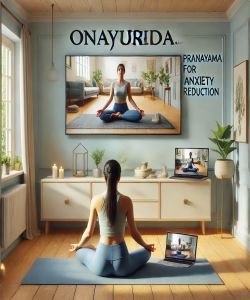
Overview of Pranayama for Anxiety Reduction
Pranayama, as a targeted intervention for anxiety reduction, represents a formidable and systematic discipline derived from ancient yogic science, engineered to regulate the autonomic nervous system through the meticulous control of respiration. It is not a passive relaxation technique but an active, conscious manipulation of the breath—its rhythm, depth, and retention—to directly influence physiological and psychological states. The core operational principle lies in its capacity to shift the body from a state of sympathetic dominance, characterised by the ‘fight or flight’ response endemic to anxiety, towards parasympathetic activation, which induces the ‘rest and digest’ state of calm and homeostatic balance. This is achieved by modulating the vagus nerve, a primary component of the parasympathetic nervous system, which interfaces with the heart, lungs, and digestive tract. By deliberately slowing and deepening the respiratory cycle, practitioners can increase heart rate variability (HRV), a key biomarker of psychological resilience and emotional regulation. This structured practice systematically dismantles the feedback loop between a racing mind and a stressed body, providing a non-pharmacological, self-sovereign method for de-escalating anxious arousal. It addresses the root physiological underpinnings of anxiety, rather than merely masking its symptoms, by retraining the body's baseline response to stressors. Its application demands rigour, consistency, and a profound understanding of its mechanics, positioning it as a potent tool for those committed to mastering their internal environment. The practice is therefore a robust framework for cultivating neurological and emotional equilibrium, offering a direct pathway to reclaiming control from the debilitating grip of chronic anxiety and fostering a resilient, composed state of being. It is an assertive act of self-regulation, demanding focused effort to achieve its substantial and lasting effects on mental well-being.
What is Pranayama for Anxiety Reduction?
Pranayama is the formal, conscious regulation of breath, which serves as the fundamental mechanism for controlling and directing the body's vital energy, or 'prana'. In the specific context of anxiety reduction, it transcends the simple act of breathing, becoming a strategic tool for autonomic nervous system modulation. It is a discipline built upon the understanding that respiration is the most direct and accessible gateway to influencing involuntary physiological processes that underpin anxious states, such as heart rate, blood pressure, and cortisol production. The practice is not arbitrary; it comprises a suite of specific, structured techniques designed to alter the pattern, depth, and pace of inhalation (Pūraka), exhalation (Rechaka), and the deliberate suspension of breath (Kumbhaka). By manipulating these three components, an individual can directly engage with the vagus nerve, stimulating a parasympathetic response that counteracts the sympathetic nervous system's hyper-arousal typical of anxiety.
Pranayama for anxiety reduction operates on several interconnected levels:
Physiologically: It optimises gas exchange, increases oxygen saturation, and reduces the accumulation of carbon dioxide, which can trigger panic-like symptoms. Techniques that emphasise extended exhalations are particularly potent, as they slow the heart rate and activate the body’s relaxation response.
Neurologically: It quiets the amygdala, the brain's fear centre, and enhances activity in the prefrontal cortex, the seat of executive function and emotional regulation. This rebalances brain activity away from reactive, fear-based patterns towards a more considered and calm state of processing.
Psychologically: The intense focus required to perform pranayama techniques anchors the mind in the present moment, interrupting the cycle of ruminative thoughts and catastrophic future-oriented thinking that fuels anxiety. This cultivates a state of mindful awareness and interoceptive sensitivity, empowering the individual to recognise and manage the early physiological cues of anxiety before they escalate.
Who Needs Pranayama for Anxiety Reduction?
Individuals Diagnosed with Generalised Anxiety Disorder (GAD): These individuals experience persistent, excessive, and unrealistic worry about everyday matters. Pranayama provides a structured, non-pharmacological modality to directly downregulate the chronic state of sympathetic nervous system arousal that characterises GAD, offering a tangible method to manage the incessant mental and physical symptoms.
Professionals in High-Stress Occupations: Executives, emergency service personnel, legal professionals, and others operating in high-stakes environments face relentless pressure that erodes mental resilience. Pranayama serves as a critical tool for pre-emptive stress management and in-the-moment de-escalation, enabling them to maintain cognitive clarity, emotional equilibrium, and peak performance under duress.
Sufferers of Panic Disorder and Panic Attacks: The sudden, overwhelming terror of a panic attack is driven by a catastrophic misinterpretation of physiological sensations. Pranayama equips these individuals with an immediate, actionable technique to regain control over their breathing, thereby aborting the physiological cascade that precipitates a full-blown attack and restoring a sense of agency.
Individuals with Performance or Social Anxiety: For those whose anxiety is triggered by specific situations such as public speaking, examinations, or social gatherings, pranayama offers a discreet and potent method for calming the nervous system immediately prior to and during the triggering event, mitigating symptoms like a racing heart, tremoring, and shallow breathing.
Persons Seeking to Reduce Reliance on Anxiolytic Medication: Individuals wishing to complement or create a long-term strategy to reduce their dependence on pharmacological interventions require effective self-regulation skills. Pranayama provides a powerful, sustainable practice that addresses the root physiological drivers of anxiety, empowering them with a self-sovereign coping mechanism.
Those Experiencing Somatic Symptoms of Stress: Individuals whose anxiety manifests physically through tension headaches, digestive issues, or chronic muscle pain will find the practice beneficial. By inducing a deep state of physiological rest, pranayama helps to release stored physical tension and disrupt the mind-body feedback loop that perpetuates these somatic complaints.
Origins and Evolution of Pranayama for Anxiety Reduction
The origins of pranayama are deeply embedded in the ancient philosophical and spiritual traditions of India, with its earliest conceptual mentions appearing in the sacred Vedic texts thousands of years ago. In these initial contexts, pranayama was not primarily a therapeutic tool for anxiety but a sophisticated practice for spiritual advancement. The Upanishads, for instance, discuss 'prana' as the universal life force and breath as its most tangible manifestation, suggesting that control of the breath was synonymous with control of the mind and, ultimately, a pathway to higher states of consciousness. It was within this framework that the fundamental principles of respiratory regulation were established as a cornerstone of esoteric yogic practice, intended for ascetics and spiritual seekers.
The formal codification of pranayama occurred with the sage Patanjali’s Yoga Sutras, composed around 400 CE. Here, pranayama is designated as the fourth of the eight limbs of yoga, positioned strategically after the establishment of physical postures (asana) and before the withdrawal of the senses (pratyahara). Patanjali defined it as the cessation of the movements of inhalation and exhalation, a highly advanced practice aimed at stilling the fluctuations of the mind ('citta vritti nirodha'). Its purpose was unequivocally soteriological: to prepare the mind for deep meditation and eventual liberation (moksha). The focus remained on spiritual attainment rather than mental health in the modern sense, though the calming effects on the mind were an acknowledged and necessary precursor.
The evolution towards a therapeutic application began to take more definitive shape with the development of Hatha Yoga, particularly with texts like the Hatha Yoga Pradipika from the 15th century. This school of yoga placed a greater emphasis on the physical and energetic body, systematising a wider array of breathing techniques designed to purify the subtle energy channels ('nadis'). Whilst the ultimate goal often remained spiritual, the immediate physiological and psychological benefits became more explicitly recognised and utilised. In the modern era, this evolution has culminated in a secular, scientific interpretation. Researchers and clinicians began to rigorously investigate pranayama's mechanisms, stripping it of its esoteric context and analysing its direct impact on the autonomic nervous system, neurochemistry, and brain function. This has led to its integration into evidence-based therapeutic modalities, repositioning it as a powerful, non-pharmacological intervention specifically for anxiety and stress reduction, validated by contemporary neuroscience and clinical psychology.
Types of Pranayama for Anxiety Reduction
Nadi Shodhana (Alternate Nostril Breathing): This is a premier balancing technique. The practice involves alternately closing one nostril while inhaling or exhaling through the other in a systematic pattern. Its primary function is to harmonise the flow of energy between the left and right hemispheres of the brain and to balance the sympathetic and parasympathetic nervous systems. By imposing a slow, deliberate rhythm on the breath, it directly calms the mind and reduces agitation, making it exceptionally effective for managing generalised anxiety.
Ujjayi Pranayama (Victorious or Ocean Breath): This technique involves a gentle constriction at the back of the throat during both inhalation and exhalation, creating a soft, audible sound reminiscent of ocean waves. This constriction slows the breath down, generating a subtle internal heat and, critically, providing an auditory anchor for the mind. The consistent sound and extended breath cycle have a profoundly grounding and calming effect, stimulating the vagus nerve and engaging the parasympathetic relaxation response.
Bhramari Pranayama (Humming Bee Breath): This practice requires the practitioner to produce a low-pitched humming sound during a slow, controlled exhalation, often with the ears and eyes gently closed. The vibrations created by the humming resonate through the skull and chest, directly stimulating the vagus nerve and triggering a powerful parasympathetic response. It is exceptionally effective for instantly quieting a racing mind, alleviating intrusive thoughts, and dissipating feelings of anger or frustration that often accompany anxiety.
Dirgha Pranayama (Three-Part Breath or Complete Yogic Breath): This foundational technique trains the practitioner to use their full lung capacity by breathing sequentially into the abdomen, rib cage, and upper chest. By consciously directing the breath, it breaks the pattern of shallow, thoracic breathing that is a hallmark of the stress response. This deep, diaphragmatic breathing maximises oxygen intake, massages the internal organs, and sends unequivocal signals of safety to the nervous system, thereby profoundly reducing physiological arousal.
Sheetali and Sitkari Pranayama (Cooling Breaths): These are specialised techniques designed to cool the body and mind. Sheetali involves inhaling through a curled tongue, while Sitkari involves inhaling through clenched teeth. Both methods cool the air as it enters the body, which has a tangible soothing effect on the nervous system. They are particularly indicated for moments of acute agitation, hot flashes, or when anxiety manifests as a feeling of being 'overheated' or irritable.
Benefits of Pranayama for Anxiety Reduction
Direct Modulation of the Autonomic Nervous System: The practice systematically shifts the autonomic balance away from the sympathetic (fight-or-flight) system towards the parasympathetic (rest-and-digest) system. This is not a passive outcome but a direct, controllable effect, leading to an immediate reduction in heart rate, blood pressure, and the physiological markers of stress.
Increased Heart Rate Variability (HRV): Regular practice significantly enhances HRV, which is a primary indicator of the body’s ability to adapt to stress and a robust biomarker of psychological and cardiovascular health. Higher HRV correlates directly with greater emotional resilience and a reduced propensity for anxious reactivity.
Downregulation of the Amygdala: Pranayama has been demonstrated to reduce hyperactivity in the amygdala, the brain's primary fear and threat-detection centre. By calming this region, the practice interrupts the neurological cascade that initiates and sustains the anxiety response, leading to a more measured and less reactive mental state.
Enhanced Interoceptive Awareness: The focused attention on the subtle sensations of breathing cultivates a heightened awareness of internal bodily states (interoception). This allows individuals to detect the very first physiological stirrings of anxiety, providing a critical window for intervention before the emotional response escalates and becomes overwhelming.
Improved Gas Exchange and Respiratory Efficiency: Techniques focusing on deep, diaphragmatic breathing correct the inefficient and shallow patterns typical of anxious states. This optimises the exchange of oxygen and carbon dioxide, preventing the build-up of CO2 that can trigger or exacerbate feelings of panic and breathlessness.
Strengthening of the Prefrontal Cortex: The discipline and focus required for pranayama strengthens neural pathways to the prefrontal cortex, the area of the brain responsible for executive functions like emotional regulation, impulse control, and rational decision-making. This empowers the individual to override fear-based, reactive impulses with considered responses.
Cultivation of Mental Anchoring: The breath serves as a constant, reliable anchor to the present moment. By repeatedly returning focus to the physical sensation of breathing, the practice provides a powerful tool to break free from the cycles of worry, rumination, and catastrophic thinking that are the hallmarks of anxiety.
Core Principles and Practices of Pranayama for Anxiety Reduction
Primacy of the Exhalation (Rechaka): The cornerstone principle for anxiety reduction is the emphasis on a prolonged, smooth, and complete exhalation. The exhalation phase of the respiratory cycle is intrinsically linked to the parasympathetic nervous system. By deliberately extending its duration relative to the inhalation, the practitioner sends a powerful signal to the brain and body to relax, slowing the heart rate and inducing a state of calm.
Diaphragmatic Engagement: The practice mandates a shift from shallow, chest-based (thoracic) breathing, which is characteristic of the stress response, to deep, abdominal (diaphragmatic) breathing. The diaphragm is a primary muscle of respiration whose proper engagement stimulates the vagus nerve, directly activating the body’s relaxation response and ensuring optimal lung capacity is utilised.
Rhythmic and Consistent Pacing: A core practice is the establishment of a steady, unwavering rhythm. This is often achieved by counting mentally to create a consistent length for the inhale, hold, and exhale (e.g., a 4-second inhale, 6-second exhale). This rhythmicity overrides the chaotic, irregular breathing patterns of anxiety, imposing order on the nervous system and creating a predictable, soothing feedback loop.
Conscious Awareness (Mindfulness): Pranayama is not a mechanical act. It demands undivided, non-judgmental attention on the physical sensations of the breath: the flow of air through the nostrils, the expansion and contraction of the abdomen and chest, and the subtle pauses between breaths. This mindful focus acts as an anchor, tethering the mind to the present moment and interrupting anxious thought patterns.
Gradual and Non-Forced Progression: The principle of 'Ahimsa' (non-harming) is critical. Practitioners must approach the techniques without strain or aggression. The breath should never be forced, and breath retention (Kumbhaka), if practised, must be introduced gradually and cautiously. Forcing the breath can itself trigger a stress response, defeating the entire purpose of the exercise. Progression is measured by comfort and stability, not by duration or intensity.
Integration of Posture (Asana): Proper physical alignment is a non-negotiable prerequisite. The practitioner must be seated in a stable, comfortable position with an erect but not rigid spine. This posture ensures that the diaphragm can move without restriction and that the channels for breath and energy are open, facilitating an effective and effortless practice.
Online Pranayama for Anxiety Reduction
Unparalleled Accessibility and Discretion: The online format eradicates geographical and logistical barriers to entry. It provides immediate access to specialised instruction for individuals in remote locations, those with mobility constraints, or those whose anxiety precludes them from comfortably attending in-person group sessions. This format affords a level of privacy and discretion that is paramount for individuals who feel vulnerable or self-conscious, allowing them to engage with the practice from within a secure, controlled personal environment.
Structured Guidance and Real-Time Correction: Reputable online courses offer live, interactive sessions with qualified instructors. Through high-definition video conferencing, instructors can observe a participant's posture and breathing patterns, providing precise, real-time verbal cues and corrections. This ensures that techniques are performed with correct form and safety, mitigating the risk of improper practice that could otherwise exacerbate anxiety. This direct feedback loop is critical for mastering the subtle mechanics of pranayama.
On-Demand Resources for Consistent Practice: A significant benefit of the online modality is the provision of a digital library of recorded sessions, guided practices, and supplementary instructional materials. This allows participants to repeat sessions, revisit specific techniques, and maintain a consistent practice schedule at their own convenience. This on-demand access is instrumental for reinforcing learning and integrating pranayama as a daily habit, which is essential for achieving long-term, sustainable anxiety reduction.
Cultivation of Self-Sovereignty and Discipline: Whilst seemingly a challenge, the remote nature of online learning necessitates a higher degree of personal accountability and discipline. Participants must take full ownership of creating a conducive practice space and adhering to the schedule. This process in itself is therapeutic, fostering a sense of agency, self-reliance, and internal locus of control—qualities that are fundamental to effectively managing anxiety. The act of committing to and executing the practice independently reinforces one’s capacity for self-regulation.
Access to a Global Community and Specialised Expertise: The online environment connects individuals not only with instructors from across the globe but also with a diverse community of peers who share similar challenges. This can foster a sense of solidarity and shared purpose, reducing the isolation that often accompanies anxiety disorders. Furthermore, it allows individuals to seek out and learn from highly specialised experts in pranayama for therapeutic purposes, rather than being limited to the generalist instructors available in their immediate locality.
Pranayama for Anxiety Reduction Techniques
Preparation: Establish a Stable Posture.
Assume a comfortable, seated position on a cushion or chair. Ensure the spine is erect but not rigid, the shoulders are relaxed away from the ears, and the hands are resting comfortably on the knees or thighs. Close the eyes gently to minimise external distractions. Take a moment to observe the natural state of your breath without attempting to change it. This initial phase is critical for grounding and centering your awareness.
Stage One: Diaphragmatic Breathing (Dirgha Pranayama).
Place one hand on your abdomen and the other on your chest. Inhale slowly and deeply through the nostrils, consciously directing the breath first into the belly, feeling it expand like a balloon. Continue the inhalation to fill the rib cage, feeling the ribs widen. Finally, allow the breath to fill the upper chest. Exhale slowly and completely, feeling the chest fall, the ribs contract, and finally, the abdomen draw gently back towards the spine. Repeat this complete, three-part breath for several cycles, focusing on a smooth, continuous flow.
Stage Two: Rhythmic Regulation (Sama Vritti Pranayama).
Release the hands back to the knees. Begin to establish a steady rhythm for your breath. Inhale through the nostrils for a mental count of four. Then, exhale slowly and completely through the nostrils for the same mental count of four. The primary objective is to make the inhalation and exhalation of equal duration and perfectly smooth. Maintain this balanced, box-like rhythm for at least ten to twelve cycles, keeping your focus entirely on the count and the sensation of the breath.
Stage Three: Exhalation Emphasis (Visama Vritti Pranayama).
Transition from the balanced rhythm to one that emphasises the exhalation. Maintain the inhalation for a count of four. Now, deliberately extend the exhalation to a count of six or, if comfortable, a count of eight. Do not strain. The exhalation should be a slow, controlled release. This 1:2 ratio of inhale to exhale is a powerful activator of the parasympathetic nervous system. Continue this pattern for several minutes, allowing the body to sink into a deeper state of relaxation with each extended exhale.
Conclusion and Integration.
After completing your final extended exhalation, release all control over the breath. Allow it to return to its natural, spontaneous rhythm. Remain seated in stillness for a few moments, observing the effects of the practice on your body and mind. Notice any shifts in your physical sensations, emotional state, or mental clarity. When ready, gently open your eyes, bringing the practice to a formal close.
Pranayama for Anxiety Reduction for Adults
The application of pranayama for adults experiencing anxiety must be approached with a level of seriousness and commitment commensurate with the complexity of adult life. For this demographic, anxiety is often deeply entrenched, woven into the fabric of professional responsibilities, financial pressures, and intricate interpersonal relationships. Therefore, pranayama is not presented as a simple panacea but as a rigorous, structured discipline requiring consistent, deliberate practice to dismantle these chronic patterns of stress. The adult practitioner is expected to engage with the techniques not merely as a mechanical exercise but as a profound tool for developing interoceptive awareness—the ability to perceive and interpret the subtle physiological signals that precede an anxious episode. This empowers the individual to move from a reactive to a proactive stance, intervening with controlled breathing at the earliest onset of symptoms. The practice for adults must be integrated into a daily routine, positioned as a non-negotiable act of mental hygiene, akin to physical exercise or nutrition. It demands the carving out of dedicated time, free from digital and domestic distractions, to create a sanctuary for practice. The techniques employed, such as Nadi Shodhana or Ujjayi, are chosen for their potent regulatory effects on the autonomic nervous system, directly counteracting the physiological arousal that underpins adult anxiety. The ultimate objective is to cultivate a resilient, self-regulated nervous system, enabling the adult to navigate the inherent stressors of modern life with greater equanimity, cognitive clarity, and emotional stability. It is an investment in neurological and psychological capital, yielding returns in the form of enhanced focus, improved decision-making, and a fundamentally restored sense of internal control and well-being. This methodical approach ensures that pranayama becomes a sustainable, life-long skill for managing mental health with authority and self-reliance.
Total Duration of Online Pranayama for Anxiety Reduction
The standard and professionally mandated total duration for a structured online pranayama session dedicated to anxiety reduction is precisely 1 hr. This specific timeframe is not arbitrary; it is a deliberately constructed container designed for maximum therapeutic efficacy. A session of less than this duration risks being superficial, failing to provide adequate time for the practitioner to move beyond initial mental chatter and physical restlessness into the deeper physiological states where meaningful nervous system regulation occurs. Conversely, extending much beyond this period for unaccredited individuals can lead to fatigue or strain. The 1 hr session is strategically partitioned: it commences with a preparatory phase for physical settling and mental centering, transitions into the core practice where specific anxiety-reducing techniques are systematically applied and held, and concludes with a crucial integration period of quiet observation. This allows the profound calming effects of the practice to be fully absorbed and consolidated within the individual's neurophysiology. The commitment to a full 1 hr also serves a critical psychological function, signalling to the practitioner that this is a serious, dedicated intervention, worthy of protected time and undivided focus. It elevates the practice from a casual, fleeting exercise to a substantial and impactful therapeutic appointment with oneself. The online format, within this rigorous 1 hr structure, demands and cultivates a level of discipline and intentionality that is fundamental to achieving tangible, lasting results in the management of anxiety. It is the minimum effective dose required to initiate and sustain the powerful parasympathetic response needed to counteract chronic stress patterns.
Things to Consider with Pranayama for Anxiety Reduction
Engaging in pranayama for anxiety reduction necessitates a clear-eyed and rigorous assessment of several critical factors to ensure both safety and efficacy. Foremost is the imperative of seeking guidance from a qualified and experienced instructor. The unsupervised practice of advanced techniques, particularly those involving prolonged breath retention (Kumbhaka), can be counterproductive and potentially harmful, capable of exacerbating anxiety or causing dizziness and other adverse physiological reactions. An instructor's role is to provide correct technical instruction, tailor the practice to the individual's specific constitution and condition, and ensure a gradual, safe progression. Furthermore, one must consider the underlying health status. Individuals with pre-existing respiratory conditions such as asthma or COPD, or cardiovascular issues including high or low blood pressure, must proceed with extreme caution and invariably under professional supervision, if not with prior medical consultation. The physical environment for practice is another non-negotiable consideration; it must be a quiet, clean, well-ventilated space, free from interruptions and distractions, to facilitate the deep concentration required. It is also crucial to manage expectations. Pranayama is not an instantaneous cure but a cumulative practice. Its profound benefits unfold over time with consistent, daily application. Impatience or the expectation of immediate, dramatic results will only lead to frustration and abandonment of the practice. The practitioner must cultivate a mindset of discipline and perseverance, understanding that they are engaged in a process of systematically retraining their own nervous system, a task that demands both commitment and respect for the body's natural pace of adaptation. Finally, one must remain acutely attuned to the body’s signals, practising with sensitivity and never pushing into strain or discomfort, adhering always to the principle of stable, comfortable effort.
Effectiveness of Pranayama for Anxiety Reduction
The effectiveness of pranayama as a primary intervention for anxiety reduction is both robust and multifaceted, grounded in its direct and demonstrable influence over the human autonomic nervous system. Its efficacy is not a matter of subjective belief or placebo but a consequence of tangible physiological mechanisms. By consciously regulating the breath, particularly through the extension of the exhalation, an individual can directly stimulate the vagus nerve. This action serves as the master switch for activating the parasympathetic nervous system, the body's innate calming and restorative network. This activation produces a cascade of anti-anxiety effects: heart rate slows, blood pressure decreases, digestive processes are optimised, and the production of stress hormones such as cortisol is downregulated. Scientific inquiry, utilising measures like heart rate variability (HRV), electroencephalography (EEG), and functional magnetic resonance imaging (fMRI), has consistently validated these outcomes. Studies demonstrate that regular pranayama practice leads to a significant increase in HRV, a key biomarker for emotional resilience and autonomic flexibility. EEG scans show a shift in brainwave patterns from the high-frequency beta waves associated with an anxious, agitated mind to the slower, calmer alpha and theta waves linked to relaxed, meditative states. Furthermore, fMRI studies indicate reduced activity in the amygdala, the brain's fear centre, and increased activity in the prefrontal cortex, which governs emotional regulation and executive function. This evidence unequivocally establishes pranayama as a potent, non-pharmacological tool that works from the bottom-up, altering the body’s physiological state to create a foundation of calm upon which psychological well-being can be firmly established. Its effectiveness lies in its capacity to empower the individual with a sovereign method for reclaiming control over their internal state, systematically dismantling the physiological underpinnings of anxiety.
Preferred Cautions During Pranayama for Anxiety Reduction
It is imperative that the practice of pranayama for anxiety reduction be undertaken with rigorous and uncompromising caution. This is not a trivial pursuit and must be approached with the utmost respect for its potent effects on the neuro-physiological system. Under no circumstances should any technique be forced or pushed to the point of strain, dizziness, or discomfort. The breath is a powerful tool; its mishandling can provoke the very anxiety it is intended to quell. Individuals with pre-existing medical conditions—specifically cardiovascular diseases, such as uncontrolled high blood pressure, or severe respiratory ailments like COPD or chronic asthma—must not commence any pranayama regimen without explicit guidance from a qualified instructor and clearance from a medical professional. The practice of breath retention, or Kumbhaka, is to be approached with extreme prudence. For beginners and those with high anxiety levels, it is often advisable to omit retentions entirely, focusing solely on the smooth flow of inhalation and exhalation, with a strong emphasis on elongating the latter. The practice should be immediately ceased if any adverse symptoms arise, such as light-headedness, shortness of breath, or a spike in anxiety. Pranayama must never be practised on a full stomach, as this impedes the free movement of the diaphragm and can cause significant discomfort. Furthermore, the practitioner must be vigilant against the ego-driven impulse to achieve a certain count or duration, as this introduces an element of striving and performance anxiety that is fundamentally antithetical to the practice's purpose. The guiding principle must always be 'sthira sukham asanam'—a steady, comfortable, and non-violent approach. Any deviation from this core tenet renders the practice ineffective and potentially hazardous.
Pranayama for Anxiety Reduction Course Outline
Module 1: Foundational Principles and Physiological Underpinnings
Introduction to the Autonomic Nervous System: Sympathetic vs. Parasympathetic.
The Role of the Vagus Nerve in Anxiety and Relaxation.
The Anatomy of Respiration: Understanding the Diaphragm and Lungs.
Establishing a Correct and Stable Seated Posture (Asana).
Core Precepts: Non-Straining, Mindful Awareness, and Consistency.
Module 2: Core Technique I - Diaphragmatic and Complete Breath
Mastering Abdominal (Diaphragmatic) Breathing.
Instruction and Practice of Dirgha Pranayama (The Three-Part Breath).
Identifying and Correcting Shallow, Thoracic Breathing Patterns.
Integrating Complete Breath into Daily Awareness.
Module 3: Core Technique II - Rhythmic and Balancing Breath
Introduction to Sama Vritti (Equal Ratio Breathing) for Establishing Rhythm.
Introduction to Visama Vritti (Unequal Ratio Breathing), with a focus on extending the exhalation (1:2 ratio) to actively induce relaxation.
Detailed Instruction and Practice of Nadi Shodhana (Alternate Nostril Breathing) for neurological balance.
Module 4: Specialised Calming and Cooling Techniques
Instruction and Practice of Ujjayi Pranayama (Victorious Breath) for mental anchoring and focus.
Instruction and Practice of Bhramari Pranayama (Humming Bee Breath) for immediate downregulation of a hyper-aroused nervous system.
Introduction to Cooling Breaths: Sheetali and Sitkari for acute moments of agitation.
Module 5: Integration and Application
Developing a Personalised Daily Practice Routine.
Strategies for Applying Pranayama Techniques in Real-Life Anxious Situations (e.g., before meetings, during travel).
Sequencing Techniques for Different Needs (e.g., morning energising vs. evening calming).
Troubleshooting Common Issues: Dizziness, Distraction, and Frustration.
Framework for Long-Term Progression and Deepening of the Practice.
Detailed Objectives with Timeline of Pranayama for Anxiety Reduction
Weeks 1-2: Establishment of Foundational Competency.
Objective: To master the mechanics of diaphragmatic breathing and establish a stable, daily practice routine of at least 15 minutes. The participant will be able to differentiate between chest and belly breathing and consistently engage the diaphragm. They will also demonstrate proficiency in maintaining a correct, stable seated posture for the duration of the practice.
Timeline: By the end of the second week, the participant will have logged a minimum of ten independent practice sessions and can execute the Dirgha Pranayama (Three-Part Breath) without strain.
Weeks 3-4: Development of Rhythmic Control and Parasympathetic Activation.
Objective: To gain proficiency in rhythmic breathing techniques, specifically Sama Vritti (Equal Breathing) and Visama Vritti (1:2 inhale-exhale ratio). The participant will understand and experience the direct calming effect of extending the exhalation.
Timeline: By the end of the fourth week, the participant will be able to comfortably sustain a 4-second inhale and an 8-second exhale for a continuous five-minute period and will have begun to integrate this technique as a first response to feelings of stress.
Weeks 5-6: Neurological Balancing and Deepening of Practice.
Objective: To learn and competently practise Nadi Shodhana (Alternate Nostril Breathing) to harmonise the nervous system. The daily practice duration will be extended to 20-25 minutes. The participant will report a noticeable decrease in baseline anxiety levels.
Timeline: By the end of the sixth week, the participant will be able to perform a full ten rounds of Nadi Shodhana with correct hand position and breath control, reporting an increased sense of mental clarity and calmness post-practice.
Weeks 7-8: Integration of Advanced Calming Techniques and Real-World Application.
Objective: To integrate Ujjayi and Bhramari pranayamas into the practice repertoire for managing acute moments of anxiety. The participant will develop the confidence and skill to apply specific techniques discreetly in real-world, anxiety-provoking situations.
Timeline: By the end of the eighth week, the participant will be able to create and adhere to a personalised pranayama sequence tailored to their specific needs and will have successfully used a chosen technique to manage at least one real-life stressful event, documenting the outcome.
Requirements for Taking Online Pranayama for Anxiety Reduction
Unwavering Personal Commitment: The foremost requirement is a non-negotiable commitment to consistent, disciplined practice. The participant must understand that results are cumulative and directly proportional to the effort invested. A passive or sporadic approach is unacceptable and will yield no tangible benefits.
A Secure and Private Practice Space: The participant must designate a specific physical space that is clean, quiet, and absolutely free from any potential interruptions for the full duration of each session. This is not a multi-tasking activity; the sanctity of the practice environment is paramount.
Reliable High-Speed Internet and Adequate Technology: A stable, high-bandwidth internet connection is mandatory to ensure uninterrupted participation in live sessions. The participant must possess a functional device (computer, tablet) with a high-quality webcam and microphone, enabling the instructor to provide clear instruction and observe the participant's practice for necessary feedback and safety corrections.
Appropriate Attire and Seating Support: The participant must wear unrestrictive, comfortable clothing that allows for full, unimpeded movement of the diaphragm and abdomen. They must also have access to appropriate seating support, such as a firm cushion, yoga block, or a straight-backed chair, to maintain a correctly aligned and stable posture throughout the practice.
Capacity for Self-Regulation and Bodily Awareness: While the course will cultivate this skill, a baseline willingness and capacity to turn one's attention inward is required. The participant must be prepared to patiently observe their own breath and bodily sensations without excessive judgment or frustration.
Full Disclosure of Relevant Health Conditions: It is a mandatory requirement for the participant to honestly and completely disclose any pre-existing medical conditions, particularly respiratory, cardiovascular, or significant psychological conditions, to the instructor prior to commencing the course. This is a critical safety protocol.
Punctuality and Respect for Session Etiquette: For live online sessions, punctuality is required. The participant is expected to be logged in and prepared to begin at the designated time. A mindset of respect for the instructor and fellow participants is essential for creating a focused and effective learning environment.
Things to Keep in Mind Before Starting Online Pranayama for Anxiety Reduction
Before embarking on an online pranayama course for anxiety reduction, it is imperative to adopt a mindset of rigorous self-discipline and informed realism. This is not a passive consumption of content but an active engagement in a demanding personal practice. You must understand that the digital medium places the onus of creating a sacred and effective practice environment squarely upon your shoulders; the instructor cannot eliminate the distractions in your home. It is your responsibility to secure a space that is inviolable for the duration of the session, free from family, pets, and digital notifications. Furthermore, you must critically vet the qualifications and lineage of the online instructor. The internet is rife with unqualified individuals offering superficial guidance; seek out teachers with demonstrable, credible credentials and extensive experience in the therapeutic application of pranayama. Be prepared for the initial phase to be challenging. Your mind will wander, your body may feel restless, and you may experience frustration. This is an expected part of the process. The objective is not to achieve instant tranquility but to build the mental muscle of returning your focus, again and again, to the breath. This persistent, non-judgmental redirection is the core of the practice. Acknowledge that while the online format offers convenience, it demands a higher degree of self-motivation than an in-person class. There is no external group energy to draw upon. Your progress will be a direct reflection of your own solitary commitment. Finally, accept that this is a gradual process of retraining your nervous system, not a quick fix. Approach it with the patience and perseverance of a long-term strategy for self-mastery.
Qualifications Required to Perform Pranayama for Anxiety Reduction
The performance and, more critically, the instruction of pranayama for anxiety reduction demand a robust and specific set of qualifications that extend far beyond a basic yoga teacher certification. A qualified instructor must possess deep, demonstrable expertise in several intersecting domains. Firstly, they require advanced, specialised training in pranayama itself, often indicated by certifications from established yogic lineages or organisations that focus on the therapeutic application of yoga. This training must cover not just the "how" of the techniques but the "why"—a sophisticated understanding of yogic physiology, including the concepts of prana, nadis, and chakras, as well as their modern neuro-scientific correlates. Secondly, a non-negotiable qualification is a solid grounding in functional anatomy and respiratory physiology. The instructor must be able to articulate precisely how each technique impacts the diaphragm, the autonomic nervous system, and gas exchange within the body.
Crucially, when pranayama is being applied in a therapeutic context for a specific condition like anxiety, the instructor must possess additional competencies:
Trauma-Informed Training: They must be trained to recognise the signs of trauma and understand how to create a safe, empowering environment, avoiding techniques or language that could be triggering.
Understanding of Psychopathology: A working knowledge of anxiety disorders, including GAD, panic disorder, and PTSD, is essential. This allows the instructor to tailor the practice appropriately and recognise when a student may require referral to a licensed mental health professional.
Extensive Personal Practice: An instructor's guidance is only as authentic as their own deep, long-term personal practice. They must have embodied the techniques they teach, having navigated their own challenges and experienced the effects firsthand.
Ethical Scrutiny and Professional Boundaries: They must operate within a strict ethical framework, understanding the scope of their practice and never attempting to act as a psychotherapist or medical doctor.
Therefore, a mere 200-hour Yoga Teacher Training certificate is fundamentally insufficient. A credible professional will hold advanced certifications (e.g., 500-hour or specialised yoga therapy credentials like C-IAYT) and demonstrate a clear commitment to ongoing education in both yogic studies and relevant aspects of modern psychology and physiology.
Online Vs Offline/Onsite Pranayama for Anxiety Reduction
Online
The online modality for learning pranayama for anxiety reduction is defined by its unparalleled accessibility and control over the personal environment. It removes geographical constraints, allowing individuals to access elite, specialised instructors regardless of their physical location. This is particularly advantageous for those in remote areas or with mobility issues. The primary strength lies in the privacy and comfort of one's own home, which can be a critical factor for individuals with social anxiety or those who find group settings intimidating. The practitioner has absolute control over the space—its temperature, lighting, and sound—creating a perfectly tailored sanctuary for practice. Furthermore, online platforms often provide a repository of recorded sessions, granting the flexibility to practise at any time and to revisit specific instructions repeatedly, reinforcing learning through repetition. However, this modality demands a high degree of self-discipline and personal accountability. The lack of physical presence from an instructor means the practitioner is solely responsible for eliminating distractions and maintaining focus. While video allows for visual feedback, the instructor's ability to provide subtle, hands-on adjustments or to sense the energetic state of the room is completely absent, which can be a significant limitation for nuanced practices.
Offline/Onsite
Offline, or onsite, instruction offers a fundamentally different and, in some respects, more potent experience. The primary advantage is the direct, unmediated presence of the instructor. A skilled teacher can offer precise physical adjustments, provide immediate, personalised feedback based on direct observation of the student's breath and posture, and attune to the subtle energetic and emotional shifts within the individual. This level of nuanced guidance is nearly impossible to replicate through a screen. The collective energy of a group setting, or 'satsang', can also be a powerful motivator, fostering a sense of community, shared purpose, and accountability that is often missing in solitary online practice. The dedicated studio or practice space is intentionally designed to be a container for focus, free from the domestic distractions inherent in a home environment. However, the onsite model is constrained by geography, time, and availability. It requires travel, adherence to a fixed schedule, and may be more costly. For individuals with severe anxiety, the very act of attending a group class can be a significant barrier to entry, making the perceived safety and control of the online environment a more viable starting point.
FAQs About Online Pranayama for Anxiety Reduction
Question 1. Is online pranayama as effective as in-person practice?
Answer: For a self-disciplined individual, it can be highly effective due to accessibility and consistency. However, it lacks the direct, nuanced feedback and communal energy of in-person sessions.
Question 2. What technology do I absolutely need?
Answer: A reliable device with a clear webcam and microphone, and a stable, high-speed internet connection are non-negotiable.
Question 3. Can I learn advanced techniques like breath retention online?
Answer: This is strongly discouraged for beginners. Such techniques require direct, in-person supervision to be practised safely and should only be approached online under the guidance of a highly experienced and trusted teacher.
Question 4. How do I choose a qualified online instructor?
Answer: Scrutinise their credentials. Look for advanced certifications (500-hour+, yoga therapy), specialised training in pranayama, and experience working with anxiety. Request a consultation.
Question 5. What if I feel dizzy or light-headed during an online session?
Answer: Cease the technique immediately, signal your instructor if possible, and return to normal, gentle breathing. Never force the breath.
Question 6. How much space do I need for my practice?
Answer: You only need enough space to sit comfortably in an upright posture without being constricted. A quiet corner is sufficient.
Question 7. Is it suitable for someone with severe anxiety or panic disorder?
Answer: Yes, but it is critical to inform the instructor of your condition beforehand. The privacy of the online format can be particularly beneficial.
Question 8. How long until I notice a reduction in my anxiety?
Answer: While some calming effects are immediate, substantial, lasting change requires consistent daily practice over several weeks and months.
Question 9. Can I practise if I have asthma?
Answer: You must consult your medical doctor first and receive their clearance. You must also inform your pranayama instructor before starting.
Question 10. What is the single most important technique for anxiety?
Answer: Extending the exhalation. Any technique that emphasises an exhalation that is longer than the inhalation will activate the parasympathetic nervous system.
Question 11. Do I need any special equipment?
Answer: A comfortable cushion or block to sit on is essential to maintain proper posture. A blanket may be useful.
Question 12. How does an instructor correct my posture online?
Answer: Through clear verbal cues and by observing your alignment via the webcam. They will guide you to make self-adjustments.
Question 13. What if I miss a live session?
Answer: Most reputable online courses provide recordings of live sessions, allowing you to catch up at your convenience.
Question 14. Is this a replacement for therapy or medication?
Answer: No. It is a powerful complementary tool for self-regulation. It should not replace professional medical advice or prescribed treatment without a doctor's consultation.
Question 15. How is this different from just taking deep breaths?
Answer: Pranayama is a systematic, scientific control of all aspects of the breath—length, depth, pace, and retention—to achieve a specific physiological outcome. It is far more precise and potent.
Question 16. Can I practise lying down?
Answer: While some restorative breathing can be done lying down, the core pranayama techniques require an erect spine for optimal diaphragmatic function and alertness.
Conclusion About Pranayama for Anxiety Reduction
In conclusion, pranayama for anxiety reduction stands as a commanding and empirically substantiated discipline for reclaiming sovereign control over one's own physiological and psychological states. It is an assertive, non-pharmacological intervention that moves beyond the superficiality of mere relaxation to address the fundamental, autonomic dysregulation that lies at the heart of anxiety disorders. The practice demands rigour, consistency, and an unwavering commitment to the cultivation of interoceptive awareness. Through the deliberate and systematic manipulation of the breath, the practitioner is empowered to directly influence the vagus nerve, modulate heart rate variability, and shift the nervous system from a state of hyper-aroused sympathetic dominance to one of calm, parasympathetic equilibrium. This is not a passive process but an active engagement in the re-patterning of deep-seated neurological and physiological habits. Its effectiveness is contingent upon correct technique and a gradual, non-violent approach, preferably under the guidance of a qualified instructor who understands its therapeutic application. Whether pursued online for its accessibility or onsite for its direct feedback, pranayama offers a robust framework for building profound emotional resilience. It equips the individual not with a temporary escape, but with a life-long, portable, and powerful tool for self-regulation, enabling them to navigate the pressures of life with greater stability, clarity, and an unshakeable sense of internal authority. It is, in essence, the masterful application of the body’s most fundamental process to achieve lasting mental fortitude.