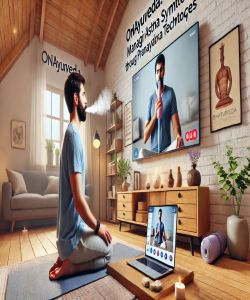
1. Overview of Pranayama for Asthma
Pranayama for asthma constitutes a highly structured and disciplined system of yogic breathing techniques designed not as a cure, but as a potent complementary modality for managing the chronic respiratory condition. It is an assertive intervention that demands unwavering commitment from the practitioner, moving far beyond the simplistic notion of mere deep breathing exercises. The core premise of this discipline is the systematic regulation and extension of the breath, or prana, to directly influence the physiological and psychological mechanisms underpinning asthmatic symptoms. Through dedicated and precise practise, individuals learn to gain conscious control over the involuntary process of respiration, thereby strengthening the diaphragm and intercostal muscles, which are fundamental to efficient lung function. This muscular conditioning enhances total lung capacity and vital capacity, enabling a more profound and complete gaseous exchange, which can mitigate the debilitating effects of bronchoconstriction. Furthermore, Pranayama actively engages the autonomic nervous system, promoting a shift from a state of sympathetic dominance—often associated with stress and the triggering of asthma attacks—to a parasympathetic state of calm and physiological equilibrium. This modulation of the nervous system is critical, as it directly reduces the body’s hyper-reactivity to allergens and other environmental triggers. It is imperative to understand that this is not a passive therapy; it is an active, self-regulatory strategy that empowers the individual to manage their condition with heightened awareness and physiological resilience. The methodology is rigorous, requiring precise posture, controlled inhalation, deliberate breath retention, and measured exhalation, all executed with a focused mind to achieve tangible, sustainable improvements in respiratory health and overall quality of life. The ultimate objective is to reduce the frequency and severity of exacerbations, lessen dependency on reliever medications under strict medical guidance, and cultivate a robust respiratory system capable of withstanding challenges.
2. What is Pranayama for Asthma?
Pranayama for Asthma is a specialised application of ancient yogic breathing science, meticulously adapted to address the pathophysiology of bronchial asthma. The term itself is derived from Sanskrit: 'Prana,' which signifies the vital life force or energy that animates the body, and 'Ayama,' which translates to extension, regulation, or control. Therefore, Pranayama is the methodical discipline of controlling the life force through the deliberate manipulation of the breath. When applied to asthma management, this practise transcends generic relaxation techniques, functioning instead as a targeted physiological intervention. It comprises a specific set of breathing exercises, each with a distinct purpose aimed at rectifying the dysfunctional breathing patterns characteristic of an asthmatic individual. The core objective is to retrain the respiratory system to function with optimal efficiency. This involves slowing the respiratory rate, which helps to prevent the hyperventilation and airway cooling that can trigger bronchospasm. Techniques focus on prolonging the exhalation phase, which assists in expelling trapped air from the lungs—a common issue in obstructive airway diseases—and promotes a more complete air exchange. By systematically engaging the primary and accessory muscles of respiration, Pranayama strengthens the entire respiratory apparatus, improving its endurance and functional reserve. It directly addresses the neurological component of asthma by calming the autonomic nervous system, thereby reducing the hypersensitivity of the airways to triggers such as allergens, stress, or cold air. It is not a haphazard collection of breathing styles but a structured regimen that requires precision in posture, rhythm, and duration. The practice is fundamentally about cultivating a conscious, commanding relationship with one's breath, transforming it from an uncontrolled, reactive process into a managed, stabilising force that enhances respiratory health and mitigates the chronic inflammatory responses inherent to asthma.
3. Who Needs Pranayama for Asthma?
-
Individuals diagnosed with mild to moderate persistent asthma who are seeking a robust, complementary self-management strategy to integrate alongside their prescribed medical treatment plan. This is not a replacement for conventional medicine but a powerful adjunct.
-
Patients experiencing frequent, low-grade symptoms such as wheezing, chest tightness, and breathlessness, who wish to improve their baseline respiratory function and potentially reduce their reliance on short-acting reliever inhalers, subject to their physician’s approval.
-
Those whose asthmatic symptoms are significantly exacerbated by stress, anxiety, or panic. The practice’s inherent focus on calming the sympathetic nervous system provides a direct, physiological tool for managing these potent triggers.
-
Adults and adolescents who have developed inefficient or dysfunctional breathing habits, such as shallow chest breathing or habitual hyperventilation, as a result of their chronic condition. Pranayama serves to correct these maladaptive patterns.
-
Athletes or physically active individuals with exercise-induced asthma who require enhanced breath control and respiratory muscle endurance to manage their symptoms during and after strenuous activity.
-
Individuals seeking to improve their overall lung capacity and expiratory flow rate. The targeted techniques are specifically designed to strengthen respiratory musculature and optimise the mechanics of breathing for greater efficiency.
-
Patients who feel a lack of control over their condition and wish to adopt an active, empowering role in their daily health management, fostering a greater sense of bodily awareness and self-efficacy.
-
Those who have stable, well-managed asthma but are committed to a proactive, long-term wellness strategy aimed at maintaining optimal respiratory health and preventing future decline in lung function.
-
Individuals who have been medically cleared by their general practitioner or respiratory specialist to undertake structured breathing exercises as part of a holistic approach to their chronic disease management. This medical clearance is non-negotiable.
4. Origins and Evolution of Pranayama for Asthma
The origins of Pranayama are deeply embedded within the ancient philosophical traditions of India, with its earliest systematic codification found in texts such as Patanjali's Yoga Sutras, estimated to have been compiled around 400 CE. Within this classical context, Pranayama was not primarily a therapeutic tool but the fourth of eight limbs of Yoga, a sophisticated practice intended to purify the mind and body in preparation for advanced states of meditation and spiritual realisation. It was a discipline for controlling prana, the universal life force, with the ultimate goal of achieving mental stillness and transcending ordinary consciousness. The techniques were esoteric, passed down from guru to disciple, and their application was geared towards spiritual aspirants, not individuals with specific medical conditions.
The evolution of Pranayama from a purely spiritual discipline to a therapeutic modality for conditions like asthma represents a significant paradigm shift that occurred over many centuries. As yogic knowledge disseminated and was subjected to different interpretations, certain masters began to observe the profound physiological effects of these breathing practices. Texts from the Hatha Yoga tradition, such as the Hatha Yoga Pradipika (circa 15th century CE), placed greater emphasis on the physical body and detailed various pranayama techniques for cleansing the nadis (energy channels) and promoting physical health and longevity. It was within this tradition that the link between controlled breathing and physiological well-being was more explicitly forged, laying the groundwork for its future therapeutic applications.
The modern integration of Pranayama into complementary and alternative medicine, particularly for respiratory disorders, is a relatively recent development, catalysed by the convergence of Eastern practices with Western scientific inquiry. Beginning in the 20th century, researchers began to systematically study the effects of specific pranayama techniques on the respiratory and autonomic nervous systems. Scientific validation demonstrated measurable benefits, such as improved pulmonary function tests, reduced airway hyper-reactivity, and enhanced sympathovagal balance. This empirical evidence has facilitated its acceptance within medical circles as a legitimate, evidence-informed adjunct therapy. Today, Pranayama for asthma is a highly refined and specific application, stripped of much of its esoteric context and presented as a structured, physiological intervention designed to empower patients in the self-management of their chronic condition.
5. Types of Pranayama for Asthma
-
Nadi Shodhana (Alternate Nostril Breathing): This is a foundational practice aimed at balancing the autonomic nervous system. It involves alternately closing one nostril while inhaling or exhaling through the other in a controlled, rhythmic pattern. Its primary function for asthmatics is to calm the mind, reduce stress and anxiety, and promote smooth, even breathing, thereby lowering the risk of stress-induced bronchospasm.
-
Ujjayi Pranayama (Victorious Breath): This technique involves a gentle constriction at the back of the throat, creating a soft, audible sound on both inhalation and exhalation. This action warms and filters the incoming air and, critically, creates slight resistance that slows the breathing rate and encourages fuller, more diaphragmatic breaths. It promotes lung expansion and focused awareness.
-
Kapalabhati Pranayama (Skull-Shining Breath): This is a cleansing technique characterised by short, forceful exhalations and passive inhalations. For asthmatics, it must be approached with extreme caution and often modified. Its purpose is to clear mucus from the airways and strengthen the diaphragm and abdominal muscles. However, its vigorous nature can trigger bronchoconstriction if performed incorrectly or by those with unstable asthma.
-
Bhramari Pranayama (Humming Bee Breath): This practice involves creating a low-pitched humming sound during a slow, controlled exhalation. The vibration generated has been shown to increase nitric oxide production in the paranasal sinuses, a potent natural bronchodilator and anti-inflammatory agent. It is exceptionally calming for the nervous system and can help alleviate feelings of panic during breathlessness.
-
Bhastrika Pranayama (Bellows Breath): A powerful and energising technique involving forceful and rapid inhalation and exhalation, driven by the diaphragm. Like Kapalabhati, this is an advanced practice that is generally contraindicated for individuals with active or severe asthma due to the high risk of inducing an attack. It is only ever considered for those with very mild, well-controlled conditions under expert guidance.
-
Dirga Pranayama (Three-Part Breath): This fundamental technique teaches diaphragmatic breathing by consciously filling the abdomen, then the rib cage, and finally the upper chest on inhalation, and reversing the process on exhalation. It is essential for correcting the shallow, apical breathing patterns common in asthmatics and maximising lung capacity.
6. Benefits of Pranayama for Asthma
-
Strengthens Respiratory Musculature: Systematically strengthens the diaphragm and intercostal muscles, leading to more efficient and less laborious breathing, thereby increasing respiratory endurance.
-
Improves Lung Capacity and Function: Regular practice leads to demonstrable improvements in key pulmonary function metrics, including Forced Vital Capacity (FVC) and Peak Expiratory Flow Rate (PEFR).
-
Reduces Airway Hyper-reactivity: Calms the autonomic nervous system, decreasing the exaggerated response of the airways to common asthma triggers such as allergens, cold air, and pollutants.
-
Regulates the Autonomic Nervous System: Promotes a shift from a stress-induced sympathetic (fight-or-flight) state to a parasympathetic (rest-and-digest) state, directly mitigating the impact of stress and anxiety on symptoms.
-
Enhances Mucus Clearance: Certain techniques, when performed correctly and with caution, can assist in mobilising and expelling excess mucus from the airways, reducing obstruction.
-
Corrects Dysfunctional Breathing Patterns: Actively retrains the body to abandon shallow, inefficient chest breathing in favour of deep, diaphragmatic breathing, which optimises gas exchange.
-
Increases Nitric Oxide Production: Practices such as Bhramari (humming breath) have been shown to increase endogenous nitric oxide, a natural bronchodilator that helps to relax and open the airways.
-
Reduces Frequency and Severity of Exacerbations: By addressing multiple underlying mechanisms of asthma, consistent practice can lead to fewer attacks and a reduction in their overall intensity.
-
Decreases Reliance on Reliever Medication: Through improved baseline function and better symptom control, individuals may, under strict medical supervision, find their need for short-acting bronchodilators is diminished.
-
Improves Psychological Well-being and Self-Efficacy: Empowers individuals with a tangible self-management tool, reducing feelings of helplessness and anxiety associated with the condition and fostering a sense of control.
-
Enhances Awareness of Early Warning Signs: Cultivates a profound interoceptive awareness, allowing the practitioner to recognise the subtle, initial signs of an impending asthma attack and take pre-emptive action.
7. Core Principles and Practices of Pranayama for Asthma
-
Medical Primacy and Supervision: The absolute, non-negotiable principle is that Pranayama is an adjunct to, not a substitute for, conventional medical treatment. All practice must be sanctioned by a qualified medical professional, and prescribed medication must never be altered without their explicit instruction.
-
Emphasis on Exhalation (Rechaka): A central tenet is the focus on slow, controlled, and prolonged exhalation. This helps to expel stale, trapped air from the lungs, reduce hyperinflation, and create space for a more effective subsequent inhalation, directly counteracting a key pathophysiological feature of asthma.
-
Diaphragmatic Engagement: The practice demands a conscious shift from shallow, clavicular (upper chest) breathing to deep, abdominal (diaphragmatic) breathing. The diaphragm is the primary muscle of respiration, and its proper engagement is fundamental to improving respiratory efficiency and lung volume.
-
Avoidance of Strain (Sahaja): All techniques must be performed without physical or mental strain. Forcing the breath, holding it for too long, or engaging in overly vigorous practices is strictly counterproductive and can trigger bronchospasm. The breath must remain smooth, calm, and comfortable throughout.
-
Gradual and Consistent Progression (Abhyasa): Mastery is achieved through consistent, daily practice, not through sporadic, intense sessions. Individuals must begin with foundational techniques and progress slowly and methodically, gradually increasing the duration and complexity of the practice as their capacity improves.
-
Postural Integrity (Asana): A stable, upright, and comfortable seated posture is imperative. A straight spine allows for the full and unimpeded expansion of the lungs and movement of the diaphragm. Poor posture actively restricts respiratory function and negates the benefits of the practice.
-
Mindful Awareness (Dharana): The practitioner must maintain focused, non-judgmental attention on the physical sensations of the breath. This mindful component is crucial for calming the nervous system, identifying dysfunctional breathing habits, and connecting the mind and body in the process of healing.
-
Prioritisation of Safety: Techniques known to be highly stimulating or potentially aggravating, such as forceful bellows breathing (Bhastrika) or aggressive retentions (Kumbhaka), must be avoided entirely or approached with extreme caution under the direct supervision of an expert instructor who is knowledgeable about asthma. The principle is to soothe, not to provoke.
8. Online Pranayama for Asthma
-
Unparalleled Accessibility: Online platforms eliminate geographical barriers, granting individuals in remote or underserved areas access to specialised instructors who possess deep expertise in therapeutic Pranayama for respiratory conditions. This democratises access to high-calibre guidance that would otherwise be unavailable.
-
Consistency and Routine: The convenience of practising from one's own home facilitates greater consistency. By removing the logistical hurdles of travel and fixed class schedules, individuals are more likely to integrate the practice into their daily routine, which is a critical determinant of its effectiveness in managing a chronic condition like asthma.
-
Controlled and Safe Environment: Practising in a familiar home environment allows individuals to control for potential triggers such as dust, pollen, strong scents, or temperature fluctuations that might be present in a public studio. This creates a safe, predictable space conducive to calm and focused respiratory work.
-
Personalised Pacing and Discretion: The online format affords a degree of privacy and self-pacing that is often absent in a group setting. Individuals can progress at a comfortable pace without feeling pressured to keep up with others, and can pause or modify exercises as needed without drawing attention, which is crucial when managing a variable condition.
-
Access to a Wider Range of Expertise: The digital realm provides access to a global pool of instructors. This allows a discerning individual to select a teacher whose qualifications, experience, and specific approach to asthma management are perfectly aligned with their personal needs and medical condition, rather than being limited to local options.
-
Reinforcement Through Digital Resources: Online courses frequently come with supplementary materials such as recorded sessions, printable guides, and detailed instructional videos. These resources can be revisited at any time to reinforce learning, clarify techniques, and ensure correct and safe execution of the practices.
-
Cost and Time Efficiency: Online programmes typically represent a more efficient use of both financial resources and time. They eliminate costs and time associated with commuting, and often provide a more focused, direct instructional experience without the peripheral time consumption of a physical class environment.
9. Pranayama for Asthma Techniques
-
Step 1: Assume Correct Posture (Asana).
Sit erect on a cushion or chair with the spine straight, shoulders relaxed, and hands resting on the knees. A stable and upright posture is non-negotiable as it allows for the diaphragm to move freely and the lungs to expand to their full capacity. Close the eyes to direct attention inwards.
-
Step 2: Establish Diaphragmatic Breathing (Dirga Pranayama).
Place one hand on your abdomen. Inhale slowly and deeply through the nose, focusing on expanding the abdomen outwards first, feeling the hand rise. Continue the inhalation to expand the ribcage, and finally the upper chest. Exhale slowly, allowing the abdomen to fall first, followed by the ribs and chest. Practise this for several rounds until the pattern feels natural and effortless. This is the foundational breathing pattern.
-
Step 3: Introduce Ujjayi Pranayama (Victorious Breath).
Maintain the diaphragmatic breathing pattern. Now, introduce a very slight constriction at the back of the throat, as if you were about to whisper. This should create a soft, oceanic sound on both the inhalation and exhalation. The sound should be audible only to you. This technique slows the breath and warms the air, making it soothing for the airways. Ensure there is no strain in the throat.
-
Step 4: Practise Nadi Shodhana (Alternate Nostril Breathing).
Bring the right hand to the face. Gently close the right nostril with the thumb. Inhale slowly and deeply through the left nostril. At the peak of the inhalation, close the left nostril with the ring finger, release the thumb from the right nostril, and exhale completely through the right side. Inhale through the right nostril, close it with the thumb, and exhale through the left. This constitutes one full round. Continue for several rounds, keeping the breath smooth and even.
-
Step 5: Conclude with Bhramari Pranayama (Humming Bee Breath).
Take a deep diaphragmatic breath in through the nose. As you exhale slowly and completely, keep the lips lightly sealed and create a steady, low-pitched humming sound from the back of the throat, like a bee. Feel the vibration in the face and skull. This practice is exceptionally calming and has been shown to increase nitric oxide, a natural bronchodilator. Repeat for several cycles.
10. Pranayama for Asthma for Adults
Pranayama for adults with asthma is a mature and disciplined self-regulatory practice that demands a high degree of personal responsibility and mindful application. Unlike paediatric approaches, the adult practitioner is expected to engage with the techniques not merely as rote exercises, but as a sophisticated tool for interoceptive awareness and physiological management. The adult must cultivate a deep understanding of their own unique triggers, symptom patterns, and respiratory limitations, using this self-knowledge to intelligently adapt the practice. This involves recognising when to proceed with a technique, when to modify it for reduced intensity, and, critically, when to cease practice altogether in response to the body's signals, such as incipient wheezing or chest tightness. The focus for adults is less on playful engagement and more on the systematic strengthening of the respiratory musculature, the conscious regulation of the autonomic nervous system to mitigate stress-induced bronchoconstriction, and the correction of long-standing dysfunctional breathing habits like apical breathing or chronic hyperventilation. The practice becomes a daily, non-negotiable component of a proactive health regimen, integrated alongside prescribed medical therapies. An adult's commitment must be rooted in a clear comprehension of the underlying principles: that slow, deep, diaphragmatic breathing improves gaseous exchange, that prolonged exhalation helps to clear trapped air, and that nervous system regulation reduces airway hyper-reactivity. Success is contingent on consistency, patience, and the intellectual and somatic rigour to practise with precision and safety, always prioritising stability over intensity and acknowledging that this is a long-term strategy for enhanced resilience, not a quick fix. It is an empowering discipline that places the locus of control firmly back into the hands of the individual, transforming them from a passive recipient of care into an active architect of their respiratory well-being.
11. Total Duration of Online Pranayama for Asthma
The total duration of an online Pranayama for asthma session must be approached with stringent discipline and a clear understanding of the therapeutic objectives. An optimal, effective, and safe session duration is precisely 1 hr. This timeframe is not arbitrary; it is structured to allow for a comprehensive and unhurried progression through the necessary phases of the practice without inducing fatigue or placing undue stress on the respiratory system. The 1 hr session is strategically divided to encompass an initial period of gentle mobilisation and postural alignment, a substantial core section dedicated to the meticulous practice of specific, asthma-appropriate pranayama techniques, and a concluding phase of deep relaxation and integration. This duration ensures sufficient time to establish a calm and focused mental state, to thoroughly engage in techniques such as Nadi Shodhana or Ujjayi without rushing, and to allow the physiological benefits, such as a lowered heart rate and regulated breathing pattern, to stabilise. A session shorter than 1 hr risks being superficial, failing to move the nervous system into a deep parasympathetic state. Conversely, exceeding this duration can lead to muscular fatigue, particularly in the diaphragm, and potential irritation of the airways, which is counterproductive and dangerous for an individual with asthma. Therefore, the 1 hr duration is a clinical standard, providing a robust framework for a practice that is both therapeutically potent and fundamentally safe. Adherence to this timeframe is a critical component of a responsible and effective online Pranayama programme.
12. Things to Consider with Pranayama for Asthma
Before embarking on any Pranayama regimen for asthma, several critical factors must be rigorously considered to ensure both safety and efficacy. First and foremost, securing explicit medical clearance from a general practitioner or respiratory specialist is an absolute prerequisite; this practice is a complement to, not a replacement for, conventional medical care, and professional oversight is non-negotiable. The individual's current asthma stability is a paramount consideration. Pranayama should only be initiated when the condition is well-managed and stable, not during an acute exacerbation or a period of worsening symptoms. It is imperative to select an instructor with demonstrable, specific expertise in teaching Pranayama for respiratory conditions, as a general yoga teacher may lack the nuanced understanding required to guide an asthmatic individual safely. The chosen techniques must be appropriate; highly stimulating or forceful practices such as Bhastrika (Bellows Breath) are generally contraindicated and must be avoided in favour of calming, lengthening techniques. The environment for practice must be meticulously controlled to be free of known triggers like dust, pollen, or strong odours. A gradual, patient approach is essential—the ambition to progress quickly must be tempered by the reality of the condition. Pushing beyond one's capacity can easily provoke bronchospasm. Finally, the individual must commit to cultivating profound self-awareness, learning to distinguish between productive respiratory effort and the onset of adverse symptoms. This includes always having immediate access to prescribed reliever medication during every single practice session. Disregarding any of these considerations transforms a potentially beneficial therapy into a significant risk.
13. Effectiveness of Pranayama for Asthma
The effectiveness of Pranayama for asthma is firmly established as a potent complementary therapy, supported by a growing body of scientific evidence and extensive anecdotal validation. Its efficacy does not lie in curing the underlying chronic inflammatory condition but in its profound ability to manage symptoms, enhance respiratory function, and improve the overall quality of life for the individual. The practice operates on multiple physiological and psychological fronts simultaneously. Physiologically, its systematic techniques strengthen the diaphragm and other respiratory muscles, leading to measurable improvements in pulmonary function tests, such as increased peak expiratory flow rate and forced vital capacity. By promoting slow, deep breathing and prolonged exhalation, it directly counteracts the inefficient breathing patterns and air trapping characteristic of asthma. Furthermore, its demonstrated capacity to modulate the autonomic nervous system is of critical importance; by downregulating the sympathetic (stress) response and upregulating the parasympathetic (calm) response, it reduces the airway hyper-reactivity that makes an individual susceptible to triggers. Psychologically, Pranayama is exceptionally effective in reducing the anxiety and panic that often accompany and exacerbate asthmatic episodes. It provides the practitioner with a tangible tool for self-regulation, fostering a sense of control and self-efficacy that is often eroded by chronic illness. The cumulative effect of consistent, correct practice is a reduction in the frequency and severity of asthma attacks, a potential decrease in the need for reliever medications (under medical guidance), and a significant enhancement in day-to-day well-being. Its effectiveness is, however, entirely contingent on correct technique, consistency, and adherence to safety protocols under qualified instruction.
14. Preferred Cautions During Pranayama for Asthma
It is imperative to approach the practice of Pranayama for asthma with uncompromising caution and a heightened state of vigilance. This is not a benign relaxation exercise; it is a potent physiological intervention that, if performed incorrectly, can actively provoke the very symptoms it aims to alleviate. The foremost caution is an absolute prohibition on practising during an active asthma attack or when feeling wheezy, breathless, or otherwise unstable; attempting to control the breath forcefully during an exacerbation is dangerous and counter-intuitive. All forms of strenuous breath retention (Kumbhaka) and rapid, forceful breathing techniques (e.g., Bhastrika, Kapalabhati) must be strictly avoided unless explicitly sanctioned and supervised by a medical professional and a highly specialised instructor. These aggressive practices can irritate the airways and induce bronchospasm. The practitioner must never push to the point of strain or gasping for air. The breath must remain smooth, quiet, and comfortable at all times. If any dizziness, chest tightness, or coughing occurs, the practice must be ceased immediately. Environmental control is a critical caution; the practice space must be scrupulously clean, well-ventilated, and free from any known personal triggers such as dust, pollen, aerosols, or strong scents. Finally, the most crucial safety measure is to have prescribed reliever medication (e.g., a salbutamol inhaler) within immediate physical reach during every single session, without exception. Relying on the breathing technique alone to manage a developing symptom is a reckless gamble. These cautions are not suggestions; they are rigid, non-negotiable rules of engagement for anyone using this powerful tool to manage their respiratory health.
15. Pranayama for Asthma Course Outline
-
Module 1: Foundational Principles and Safety Protocols
- Orientation: Understanding Pranayama as an adjunctive therapy.
- Non-negotiable rule: The primacy of medical guidance.
- Establishing a safe practice environment: Trigger identification and control.
- Recognising contraindications and warning signs for immediate cessation of practice.
- The critical role of reliever medication availability.
-
Module 2: Postural Alignment and Diaphragmatic Breathing
- Mastering correct seated posture (Sukhasana/Vajrasana) for optimal lung capacity.
- Anatomy of respiration: The function of the diaphragm and intercostal muscles.
- Technique instruction: Dirga Pranayama (Three-Part Breath) to correct shallow breathing patterns.
- Practice: Cultivating deep, abdominal breath as the default pattern.
-
Module 3: Calming and Regulating Techniques
- Introduction to Ujjayi Pranayama (Victorious Breath): Technique for slowing and warming the breath.
- Instruction in Nadi Shodhana (Alternate Nostril Breathing): Balancing the autonomic nervous system.
- The mechanics of stress-induced bronchospasm and how these techniques provide a physiological countermeasure.
- Integration of Ujjayi and Nadi Shodhana into a coherent practice sequence.
-
Module 4: Advanced Soothing and Cleansing Practices
- Introduction to Bhramari Pranayama (Humming Bee Breath): Leveraging vibration for bronchodilation via nitric oxide release.
- Cautious introduction to modified, gentle Kapalabhati for mucus clearance (Tutor-dependent and subject to individual stability).
- Understanding the specific therapeutic applications of each technique.
-
Module 5: Integration and Personal Practice Development
- Structuring a personalised daily practice routine.
- Techniques for managing acute feelings of breathlessness or panic.
- Developing interoceptive awareness: Listening to the body's signals.
- Long-term strategy: Consistency, progression, and maintaining a practice log to track symptoms and progress objectively.
- Final review of all safety protocols and course principles.
16. Detailed Objectives with Timeline of Pranayama for Asthma
-
Weeks 1-2: Establishment of Foundational Safety and Awareness
- Objective: To fully comprehend and implement all safety protocols, including the non-negotiable primacy of medical advice and immediate access to reliever medication.
- Objective: To master a stable, upright sitting posture that facilitates maximum diaphragmatic movement.
- Objective: To successfully transition from habitual shallow chest breathing to conscious, deep diaphragmatic breathing (Dirga Pranayama) for a minimum of 5-10 minutes daily. The practitioner will be able to breathe into the abdomen without strain.
-
Weeks 3-4: Introduction to Breath Regulation
- Objective: To learn and consistently practise Ujjayi Pranayama, maintaining a smooth, non-strained "ocean" sound for 10 minutes without causing any throat irritation.
- Objective: To correctly perform Nadi Shodhana for 5-7 rounds, ensuring seamless transitions and an even pace of inhalation and exhalation. The primary goal is to induce a state of palpable calm.
-
Weeks 5-6: Deepening Nervous System Regulation
- Objective: To integrate Bhramari Pranayama into the daily routine, performing 10-15 rounds with a focus on feeling the internal vibration and its calming effect.
- Objective: To extend the duration of the combined practice session to 20-25 minutes daily, sequencing the techniques logically (e.g., Dirga, Ujjayi, Nadi Shodhana, Bhramari).
- Objective: To begin documenting changes in symptom frequency, reliever medication use, and overall well-being in a practice diary.
-
Weeks 7-8: Consolidation and Self-Efficacy
- Objective: To demonstrate the ability to independently structure and complete a 30-minute practice session incorporating all learned techniques safely and effectively.
- Objective: To be able to use specific techniques (e.g., prolonged exhalation with Ujjayi) as a first-line response to feelings of anxiety or mild chest tightness, before the onset of a full exacerbation.
- Objective: To have established a robust, non-negotiable daily practice habit, demonstrating a clear understanding of Pranayama as a long-term self-management tool.
17. Requirements for Taking Online Pranayama for Asthma
-
Unconditional Medical Clearance: A formal, documented approval from a qualified medical doctor (GP or respiratory specialist) confirming that the individual is in a stable condition and is fit to undertake a structured programme of breathing exercises. This is the primary, non-negotiable requirement.
-
Stable Asthmatic Condition: The participant must not be in a state of acute exacerbation or experiencing a recent, significant worsening of their symptoms. The course is for management and prevention, not for treating an active asthma attack.
-
Reliable High-Speed Internet Connection: A stable and robust internet connection is imperative to ensure uninterrupted video and audio streaming. Lag, freezes, or dropped calls can disrupt the focus required and compromise the instructor’s ability to provide real-time guidance and safety cues.
-
Functional Digital Device with Camera and Microphone: Access to a desktop computer, laptop, or tablet with a high-quality, functioning webcam and microphone. The instructor must be able to clearly see the participant's posture and breathing movements and hear their breath to provide effective and safe instruction.
-
A Private, Quiet, and Trigger-Free Practice Space: A dedicated area that is free from interruptions, background noise, and, critically, any known environmental asthma triggers such as dust, pet dander, mould, or strong scents.
-
Immediate Access to Reliever Medication: Prescribed emergency or reliever medication (e.g., a salbutamol inhaler) must be physically present and within arm's reach for the entire duration of every single online session.
-
Commitment to Personal Responsibility: A mature understanding that online instruction places a higher degree of responsibility on the individual for their own safety. This includes the discipline to follow instructions precisely, to communicate any discomfort immediately, and to cease practice if any adverse symptoms arise.
-
Appropriate Seating Support: A firm cushion, yoga block, or a straight-backed chair that allows the participant to maintain an erect, comfortable seated posture for the duration of the session.
18. Things to Keep in Mind Before Starting Online Pranayama for Asthma
Before commencing any online Pranayama programme for asthma, it is crucial to adopt a mindset of stringent self-discipline and informed caution. Recognise that the digital medium, while convenient, creates a physical distance between you and the instructor, which elevates your personal responsibility for safety. You must therefore become the primary guardian of your own well-being. This requires an uncompromising commitment to honest self-assessment before every session; if your symptoms are active or you feel remotely unstable, you must have the discipline to forgo the practice for that day. It is imperative to vet your chosen instructor rigorously. Do not simply accept a generic yoga certification; demand evidence of specific training and extensive experience in therapeutic breathwork for respiratory conditions. The online environment requires you to be your own quality controller for the practice space—ensure it is meticulously clean, well-ventilated, and entirely free of your personal asthma triggers. Critically, you must internalise the understanding that these techniques are potent physiological tools, not simple relaxation exercises. They have the power to help, but also the potential to harm if applied incorrectly or at the wrong time. Therefore, you must resist the temptation to push through discomfort or to advance more quickly than instructed. The goal is not athletic performance but somatic regulation. Prepare to communicate proactively and clearly with your instructor via the digital platform, immediately voicing any sensations of dizziness, chest tightness, or irritation. Finally, permanently banish any notion that this practice is a substitute for your prescribed medication; it is an adjunct, and your reliever inhaler is your non-negotiable partner throughout this entire process.
19. Qualifications Required to Perform Pranayama for Asthma
The performance of Pranayama for asthma is correctly understood as a dyadic process: the self-performance by the individual practitioner and the instructional performance by the guiding teacher. The qualifications for each are distinct yet complementary. The individual practitioner's primary qualification is medical fitness; they must be in a stable phase of their condition and possess explicit clearance from a medical doctor. Beyond this, they require the cognitive ability to understand and follow precise instructions, a high degree of self-awareness to monitor their body’s responses, and the discipline to practise with consistency and caution.
The qualifications for the instructor, however, are far more extensive and must be rigorously scrutinised. It is dangerously insufficient for an instructor to hold only a standard, foundational yoga teacher certification. A qualified professional who can safely and effectively teach Pranayama for asthma must possess a specific and advanced set of credentials. These include:
- Advanced Certification in Pranayama: They must have completed in-depth, specialised training dedicated solely to the science and techniques of Pranayama, far exceeding the cursory overview provided in basic teacher trainings.
- Specialised Training in Yoga Therapy or Therapeutic Applications: The instructor must hold a formal qualification in yoga therapy or a related field that specifically covers the application of yogic techniques for chronic diseases, with a particular focus on respiratory conditions.
- Demonstrable Experience with Asthmatic Clients: Theoretical knowledge is inadequate. They must have a proven track record and substantial practical experience working directly with individuals who have asthma, understanding the nuances, risks, and appropriate modifications.
- In-depth Knowledge of Respiratory Physiology and Pathology: A comprehensive understanding of the anatomy of the respiratory system and the pathophysiology of asthma is non-negotiable. They must be able to explain why a certain technique is beneficial or contraindicated in clear, physiological terms.
Without this multi-layered expertise, an instructor lacks the requisite competence to guide an asthmatic individual and risks causing significant harm.
20. Online Vs Offline/Onsite Pranayama for Asthma
Online
The primary advantage of online Pranayama instruction is its unparalleled accessibility and convenience. It dismantles geographical barriers, enabling individuals to connect with highly specialised instructors regardless of their physical location. This is particularly critical for those in areas lacking qualified local teachers with expertise in respiratory conditions. The home environment offers a controlled, predictable setting, free from the potential environmental triggers—such as dust, perfumes, or temperature changes—that might be present in a commercial studio. This enhances safety and allows the practitioner to focus fully on the techniques. Furthermore, the online format fosters a high degree of personal accountability and self-pacing. It allows for a level of privacy that can be beneficial for those who are self-conscious about their condition. The availability of recorded sessions and digital resources for repeated viewing reinforces learning and ensures technical precision. However, the significant drawback is the physical distance from the instructor. This limitation prevents hands-on postural adjustments and means the instructor is wholly reliant on visual and auditory cues transmitted digitally, which can sometimes be imperfect. The onus for immediate safety and response to adverse symptoms falls more heavily on the practitioner.
Offline/Onsite
Offline, or onsite, instruction provides the distinct and invaluable benefit of direct, in-person supervision. An instructor can offer immediate tactile feedback, make subtle postural corrections, and more accurately gauge a student’s physical and energetic state. This direct presence can be particularly reassuring for beginners or those with more severe anxiety surrounding their asthma. The group dynamic of an in-person class can foster a sense of community and shared experience, which can be highly motivating. The instructor can more easily create and control a focused, therapeutic atmosphere within the dedicated space. The principal disadvantages, however, are logistical and environmental. Availability is limited to the instructor’s geographical location and fixed schedule, which can be a significant barrier. The practitioner has little to no control over the studio environment, which may contain unforeseen triggers. There is also less privacy, and the pace of the class is dictated by the group rather than the individual, which may not be optimal for someone managing a fluctuating chronic condition. The cost and time commitment associated with travel are also significant factors to consider.
21. FAQs About Online Pranayama for Asthma
Question 1. Is online Pranayama safe for someone with severe asthma?
Answer: It is generally not recommended. Online practice is best suited for individuals with mild to moderate, stable asthma who have explicit medical clearance.
Question 2. Do I need any special equipment?
Answer: No special equipment is required, only a reliable internet connection, a device with a camera, and a comfortable place to sit, such as a cushion or chair.
Question 3. Can Pranayama cure my asthma?
Answer: No. Pranayama is a complementary management tool to improve symptoms and lung function; it is not a cure and does not replace medical treatment.
Question 4. How do I find a qualified online instructor?
Answer: Seek instructors with certifications in yoga therapy or advanced Pranayama, and specifically ask for their experience in teaching clients with respiratory conditions.
Question 5. What if I feel wheezy during a session?
Answer: You must stop the practice immediately, inform your instructor, and use your prescribed reliever medication as directed by your doctor.
Question 6. Can I practise on my own using videos?
Answer: It is strongly advised to begin with live, interactive online sessions to ensure you are performing the techniques correctly and safely.
Question 7. How long until I see results?
Answer: With consistent daily practice, many individuals report subjective improvements in well-being within a few weeks, with measurable functional changes occurring over several months.
Question 8. Is it better than in-person classes?
Answer: Neither is definitively "better"; they offer different advantages. Online offers convenience and a controlled environment, while in-person offers direct feedback.
Question 9. What techniques should I avoid?
Answer: Avoid any rapid, forceful breathing techniques (e.g., Bhastrika) or extended breath holds unless specifically guided by an expert.
Question 10. Can children do online Pranayama for asthma?
Answer: Yes, but it requires a specially designed programme and an instructor with experience in teaching children, alongside parental supervision.
Question 11. Must I have my camera on?
Answer: Yes. It is essential for the instructor to see your posture and breathing mechanics to provide safe and effective guidance.
Question 12. What is the most important technique for asthma?
Answer: There is no single "most important" one; however, establishing deep diaphragmatic breathing is the fundamental starting point.
Question 13. Will this interfere with my medication?
Answer: No. It is designed to work alongside your prescribed medical regimen. Never alter your medication without consulting your doctor.
Question 14. Can I practise if I have a cold?
Answer: It is best to rest and recover. Practising with congested airways is counterproductive and uncomfortable.
Question 15. How often should I practise?
Answer: Consistency is key. A short, daily practice of 15-20 minutes is far more effective than a long session once a week.
Question 16. What if I miss a session?
Answer: Simply resume your practice the next day. The goal is long-term consistency, not perfection.
22. Conclusion About Pranayama for Asthma
In conclusion, Pranayama for asthma stands as a formidable, evidence-informed discipline for the self-management of this chronic respiratory condition. It must be unequivocally understood not as an alternative cure, but as a robust and serious adjunct to conventional medical treatment, undertaken only with explicit medical consent. The practice is an assertive, physiological intervention that empowers the individual to move beyond passive patienthood into an active role in their own well-being. Through the meticulous and consistent application of specific breathing techniques, the practitioner can achieve tangible and significant outcomes: strengthened respiratory musculature, enhanced pulmonary function, a down-regulated and less reactive nervous system, and a profound reduction in the anxiety that so often compounds the physical symptoms. Its effectiveness is directly proportional to the discipline with which it is approached. This requires adherence to safety protocols, the selection of a genuinely qualified instructor, and an unwavering commitment to daily practice. The ultimate value of Pranayama lies in its capacity to cultivate resilience, providing the asthmatic individual with a powerful, internal locus of control. It retrains the body’s most fundamental process—breathing—transforming it from a source of fear and vulnerability into a tool for stability, calm, and enduring health. For the committed individual, it is not merely a set of exercises, but a definitive strategy for reclaiming a higher quality of life