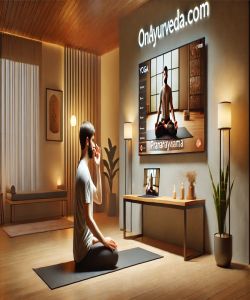
Overview of Pranayama for Beginners
Pranayama is a traditional practice from ancient Indian yogic science that focuses on the regulation of breath. It is considered one of the most important techniques in yoga for improving both physical and mental health. For beginners, pranayama can be an excellent way to connect the body and mind through mindful breathing exercises. The word pranayama is made up of two Sanskrit words prana meaning life force and ayama meaning control. Therefore pranayama simply refers to the control and extension of breath which carries vital life energy throughout the body.
Beginners often start with simple and easy breathing exercises that can be done at home or in yoga classes without any equipment. Regular practice of pranayama helps in reducing stress increasing concentration improving lung capacity and balancing emotions. Many people feel calm and refreshed after practicing these simple breathing techniques for just a few minutes daily.
Some common beginner pranayama exercises include Anulom Vilom which is alternate nostril breathing Bhramari or humming bee breath and Kapalbhati which involves forceful exhalation. Each of these techniques has its own benefits and helps beginners ease into the practice without feeling overwhelmed. It is important to practice pranayama on an empty stomach and in a calm environment.
Learning pranayama step by step allows beginners to develop a strong foundation. It is recommended to learn from a trained instructor initially to avoid mistakes and to ensure correct breathing techniques. Overall pranayama is simple yet powerful and can become a lifelong habit for better health clarity and relaxation.
What are Pranayama for Beginners
Pranayama for beginners are simple breathing exercises designed to help new practitioners experience the benefits of controlled breathing. These exercises are easy to learn and can be practiced without any prior experience. The main aim of pranayama for beginners is to introduce them to the art of mindful breathing which can help calm the mind improve focus and promote overall health.
Beginners usually start with basic pranayama exercises such as Anulom Vilom which involves breathing through alternate nostrils. This exercise helps balance the mind and body and is very relaxing. Another common technique is Bhramari pranayama also known as humming bee breath which soothes the nervous system and helps in relieving anxiety. Kapalbhati pranayama which involves forceful exhalations is also popular and helps in detoxifying the body.
These breathing exercises are simple yet very effective. Practicing them daily can help beginners feel more energetic reduce mental stress and improve lung capacity. Pranayama for beginners does not require any equipment or special setup. All that is needed is a quiet and peaceful place and a willingness to focus on the breath.
It is important for beginners to follow the correct posture usually sitting cross legged with a straight spine. They should also practice pranayama on an empty stomach preferably early in the morning. Consistency is key and even ten to fifteen minutes daily can make a noticeable difference. With time beginners can gradually move towards more advanced pranayama techniques under proper guidance. Overall pranayama for beginners is a wonderful starting point for those looking to enhance their physical and mental wellbeing through natural and simple methods.
Who Needs Pranayama for Beginners
Pranayama for beginners is ideal for anyone who wants to improve their mental and physical health through simple breathing techniques. It is suitable for people of all ages who are looking for natural ways to manage stress anxiety and fatigue. Whether someone is a student facing academic pressure a working professional dealing with job stress or an elderly person wanting to enhance lung function and mental clarity pranayama can be helpful for everyone.
Those who often feel tired lack focus or suffer from poor sleep quality can benefit greatly from beginner pranayama exercises. It can also be useful for people who experience frequent mood swings or emotional instability. Practicing pranayama daily helps in calming the mind balancing emotions and enhancing concentration.
People who are recovering from illness or have low immunity can also include pranayama in their routine as it strengthens the lungs improves oxygen flow and supports overall body functions. Fitness enthusiasts and yoga practitioners can use pranayama to enhance their performance and endurance. Even those who do not engage in regular exercise can start with pranayama as it is gentle on the body and does not require intense physical activity.
Beginners who want to develop mindfulness or meditation habits can use pranayama as a foundation. It prepares the mind and body for deeper meditation practices by bringing focus and clarity. In short pranayama for beginners is for anyone who seeks balance peace and good health through the power of breath. It is simple to start and can be practiced at home making it accessible to all who are interested in improving their life naturally.
Origins and Evolution of Pranayama for Beginners
Pranayama is an ancient practice that has been a core part of yoga for thousands of years. The word pranayama is derived from two Sanskrit words prana and ayama. Prana means life force or vital energy and ayama means extension or expansion. The practice of pranayama involves controlling and regulating the breath to influence the flow of energy in the body and mind.
The origins of pranayama can be traced back to ancient Indian texts known as the Vedas. These texts contain the earliest mentions of breath control techniques. However it was the Upanishads and later the Yoga Sutras of Patanjali that gave pranayama its formal structure and significance. In the Yoga Sutras pranayama is described as one of the eight limbs of yoga which guide individuals toward spiritual growth and self-realization.
Over time pranayama has evolved and has been passed down through various yoga traditions. Different schools of yoga developed their own methods of teaching pranayama emphasizing different techniques and sequences. Ancient sages understood the connection between the breath and the mind and they taught that controlling the breath could help control the mind and emotions.
In the modern world pranayama is not only practiced by yogis but also recommended by health professionals and wellness enthusiasts. Its importance has grown as scientific studies continue to support the benefits of breath control for stress management improved focus and overall well-being. Beginners can now access a wealth of information and guidance to start their pranayama journey with proper knowledge and safety. Understanding the ancient roots of pranayama helps beginners connect deeply with this powerful practice and appreciate its transformative potential for the body mind and spirit.
Types of Pranayama for Beginners
Pranayama offers many breathing techniques that beginners can learn and practice safely. Each type of pranayama has its own purpose and benefits helping to calm the mind improve energy levels and boost overall health. Beginners should start with simple techniques and gradually progress as they gain comfort and control over their breath.
One of the easiest pranayama types for beginners is Anulom Vilom or alternate nostril breathing. This involves inhaling through one nostril and exhaling through the other nostril in a rhythmic pattern. It helps balance the body’s energy and calms the mind.
Another popular pranayama for beginners is Bhramari or humming bee breath. In this technique the practitioner inhales deeply and then exhales while making a humming sound like a bee. This practice soothes the nerves and reduces stress and anxiety.
Sheetali pranayama is another simple practice where the practitioner rolls their tongue like a tube and inhales cool air through the tongue and then exhales through the nose. This pranayama cools the body and reduces tension.
Kapalabhati pranayama is a dynamic breathing exercise where short and forceful exhalations are followed by passive inhalations. This practice energizes the body improves digestion and detoxifies the system. Beginners should learn this technique under guidance to avoid overexertion.
Ujjayi pranayama involves slow deep breathing through the nose with a slight constriction in the throat creating a soft ocean-like sound. This type of pranayama enhances concentration and increases oxygen flow to the body.
Each of these pranayama types has specific benefits for beginners. Regular practice with patience and mindfulness helps to build a strong foundation for advanced techniques. Beginners should always focus on comfort and avoid forcing the breath to maintain safety and gain maximum benefits.
Benefits of Pranayama for Beginners
Pranayama offers many benefits for beginners helping to improve both physical and mental health. As beginners start practicing pranayama they quickly begin to notice positive changes in their body and mind. The benefits of pranayama are well documented in ancient texts as well as modern scientific research.
One of the most immediate benefits of pranayama for beginners is stress relief. Slow and controlled breathing calms the nervous system and reduces stress hormones. This leads to a sense of relaxation and peace which is essential in today’s busy life.
Pranayama also improves lung capacity and respiratory health. By practicing deep breathing beginners strengthen their lungs and increase oxygen intake. This can be especially beneficial for people with respiratory issues or those who feel breathless easily.
Another important benefit is improved concentration and focus. Regular pranayama practice helps clear the mind and enhances mental clarity. Beginners often find that they can focus better on tasks and feel more alert throughout the day.
Pranayama also boosts energy levels. By increasing the flow of prana or life force in the body practitioners feel more energized and vibrant. This helps beginners stay active and reduces feelings of fatigue.
In addition pranayama supports emotional stability. It helps control mood swings and reduces symptoms of anxiety and depression. Beginners who practice regularly often report feeling more balanced and emotionally grounded.
Improved digestion is another benefit. Some pranayama techniques stimulate the digestive organs and help with issues like bloating and constipation.
Overall the benefits of pranayama for beginners are wide-ranging. It improves physical health mental clarity emotional balance and energy levels. With consistent practice pranayama becomes a powerful tool for overall wellness and inner peace.
Core Principles and Practices of Pranayama for Beginners
Pranayama is an ancient breathing technique practiced in yoga to promote physical mental and spiritual well being. For beginners it is essential to understand the core principles and practices of pranayama to gain its full benefits. The word pranayama is derived from two Sanskrit words prana which means life force or vital energy and ayama which means control or regulation. Therefore pranayama is the art of controlling and expanding the breath to enhance life energy in the body and mind.
The first core principle of pranayama is awareness. Beginners must start by becoming aware of their natural breathing patterns. Observing how the breath flows in and out of the body without making any changes is the first step. This awareness helps in calming the mind and preparing the body for deeper practices.
The second principle is posture. A straight spine and relaxed body are crucial for practicing pranayama. Beginners should sit comfortably either on the floor or on a chair with their back straight shoulders relaxed and head aligned.
The third principle is consistency. Practicing pranayama regularly brings the best results. Beginners should start with short sessions of five to ten minutes and gradually increase the time as they become more comfortable.
The common practices of pranayama for beginners include deep breathing or diaphragmatic breathing which helps in improving lung capacity and calming the mind. Anulom Vilom or alternate nostril breathing is another simple practice that balances energy and reduces stress. Bhramari or humming bee breath helps in relaxing the nervous system and reducing anxiety.
Practicing pranayama on an empty stomach or at least four hours after a meal is recommended. It is best practiced early in the morning or in the evening. Beginners should always listen to their body and avoid straining. With patience and regular practice the benefits of pranayama unfold leading to better health mental clarity and emotional stability.
Online Pranayama for Beginners
In todays digital age learning pranayama for beginners has become more accessible through online platforms. Online pranayama for beginners offers a convenient and structured way to learn this ancient breathing practice from the comfort of home. With the right guidance and regular practice beginners can experience numerous physical and mental health benefits.
The first advantage of online pranayama classes is flexibility. Beginners can choose their own time and pace of learning. Whether it is early morning or late evening online classes are available at different times allowing learners to fit the practice into their daily routine.
The second benefit is expert guidance. Many experienced yoga teachers and pranayama experts offer virtual classes and workshops. Beginners can follow step by step instructions and videos that demonstrate proper techniques. This helps in learning the correct breathing methods and avoiding mistakes.
Online pranayama sessions also provide recordings of classes. This allows beginners to revisit and practice the techniques multiple times until they become comfortable and confident.
A wide range of pranayama techniques are taught in online classes. Beginners can start with simple breathing exercises like deep breathing and diaphragmatic breathing. Gradually they can learn techniques like Anulom Vilom or alternate nostril breathing Bhramari or humming bee breath and Kapalabhati or skull shining breath.
Most online platforms also offer guided meditation along with pranayama. This combination helps beginners in calming the mind increasing concentration and reducing stress levels.
Before choosing an online pranayama course beginners should check the credentials of the teacher and read reviews. It is important to select a course that offers step by step learning and supports progress tracking.
Practicing online pranayama for beginners requires self discipline. Consistency is key to reaping the full benefits. With regular practice beginners can enhance lung function reduce anxiety boost energy levels and improve overall well being.
Pranayama for Beginners Techniques
Pranayama for beginners focuses on simple yet effective breathing techniques that improve physical and mental health. These techniques are easy to learn and can be practiced by anyone regardless of age or fitness level. Beginners should always start slowly and gradually increase the intensity as they become comfortable.
The first technique is deep breathing. Sit in a comfortable position with a straight spine. Inhale deeply through the nose allowing the abdomen to expand. Exhale slowly through the nose letting the abdomen contract. Repeat this for five to ten minutes. This technique helps in calming the mind and improving lung capacity.
The second technique is Anulom Vilom or alternate nostril breathing. Sit comfortably and close the right nostril with the right thumb. Inhale deeply through the left nostril. Close the left nostril with the right ring finger and release the thumb from the right nostril. Exhale through the right nostril. Inhale through the right nostril then close it and exhale through the left nostril. This completes one cycle. Repeat for five minutes. This technique balances energy and reduces stress.
The third technique is Bhramari or humming bee breath. Sit comfortably close the eyes and take a deep breath in. While exhaling make a humming sound like a bee. Repeat this for five to seven times. This technique calms the nervous system and helps in reducing anxiety.
Another useful technique is Sheetali or cooling breath. Roll the tongue like a tube and inhale deeply through the mouth. Close the mouth and exhale through the nose. Repeat this for five to ten times. This technique helps in cooling the body and reducing tension.
Beginners should practice these techniques in a quiet and peaceful environment preferably early in the morning or evening. It is important to practice on an empty stomach and avoid any strain. With patience and regular practice pranayama techniques can bring immense health benefits including improved focus reduced stress better lung function and enhanced emotional well being.
Pranayama for Beginners for Adults
Pranayama is a traditional breathing practice that plays an important role in yoga. It involves different breathing techniques that help to improve mental focus, emotional balance, and physical health. For adults who are new to pranayama, starting slowly and learning the basics is essential. This practice not only calms the mind but also helps to reduce stress and improve lung capacity. Adults often face stress from work responsibilities and daily life challenges. Pranayama is a simple yet powerful way to manage this stress naturally.
For beginners, it is best to start with simple techniques. The first step is to sit in a comfortable position with your back straight. Close your eyes and take slow, deep breaths. Start with three basic techniques. First is deep breathing, where you inhale slowly through the nose and exhale gently through the mouth. Second is alternate nostril breathing, where you use your fingers to block one nostril while breathing through the other. Third is bhramari pranayama, which involves humming like a bee while exhaling. These techniques are easy and safe for beginners.
Adults should practice pranayama daily for five to ten minutes in the beginning. Gradually the duration can be increased as you become more comfortable. Make sure to practice on an empty stomach and in a calm environment. Over time pranayama will help you feel more focused and energized. It is also good for improving sleep quality and enhancing concentration. Regular practice helps to balance emotions and keeps the mind calm. Adults who practice pranayama regularly often report feeling more positive and relaxed.
In conclusion adults who are beginners should approach pranayama with patience and consistency. The benefits are long lasting and it becomes a healthy habit that supports overall wellness without any side effects.
Total Duration of Online Pranayama for Beginners
The total duration of online pranayama for beginners varies depending on the course structure and the pace at which the individual learns. However most online programs are designed in such a way that beginners can easily adapt without feeling overwhelmed. Typically an online pranayama session for beginners lasts between fifteen to thirty minutes. This duration is perfect for allowing the body and mind to adjust to the practice slowly.
Many online programs are structured over a period of four to six weeks. In the first week the sessions may last for fifteen minutes covering the most basic breathing techniques. As the course progresses the duration increases gradually. By the third or fourth week sessions may last up to twenty five or thirty minutes. This slow and steady progression helps beginners to build their capacity and confidence.
It is important to note that consistency is more important than duration. Practicing pranayama regularly for shorter durations is more beneficial than long sessions done occasionally. For adults who are new to this practice the recommended weekly practice is four to five sessions. This frequency helps to build a strong foundation without causing fatigue or discomfort.
In addition to the guided online sessions it is also helpful to spend a few minutes daily practicing what is learned. This self practice helps to develop discipline and makes the breathing techniques more natural and effortless over time. Some online courses also include short daily practice sessions of ten minutes in addition to the main classes.
In conclusion the total duration of online pranayama for beginners is well structured to meet the needs of new learners. By starting with short and simple sessions and gradually increasing the duration online classes help beginners develop a solid foundation. It is important to stay consistent and practice with patience to enjoy the full benefits of pranayama.
Things to Consider With Pranayama for Beginners
There are several important things to consider with pranayama for beginners to ensure a safe and beneficial practice. First and foremost it is essential to practice on an empty stomach or at least two hours after eating. This allows your body to feel light and makes breathing exercises more effective.
The environment in which you practice also matters a lot. Choose a clean quiet and well ventilated space. Fresh air is important when you are focusing on breathing techniques. Wear comfortable clothing that does not restrict movement or breathing.
Another key factor is posture. Always sit with your spine straight and shoulders relaxed. This posture allows free movement of the breath and avoids strain. If sitting on the floor is uncomfortable use a chair but make sure to keep the back straight.
Beginners should start slow and avoid pushing themselves too hard. Overexertion can lead to dizziness or discomfort. If you feel lightheaded stop and rest for a few minutes. It is also advisable to learn pranayama under the guidance of a qualified instructor or from a trusted online platform to avoid mistakes.
Be consistent but gentle with yourself. Do not rush the process or try to master advanced techniques too quickly. Beginners should focus on mastering basic techniques before moving on to more complex practices.
People with health conditions such as high blood pressure heart problems or respiratory issues should consult a doctor before starting pranayama. Pregnant women should also seek medical advice before practicing breathing techniques.
Lastly maintain a positive mindset. Approach pranayama with patience and openness. The benefits of pranayama come with regular practice and dedication. Over time it will help to improve not just your physical health but also emotional and mental well being. By following these considerations beginners can make the most of their pranayama practice and enjoy long term health benefits.
Effectiveness of Pranayama for Beginners
Pranayama is an ancient breathing practice that holds great importance in yoga and overall wellness. For beginners who are just stepping into this practice, pranayama can prove to be highly effective in calming the mind and enhancing physical health. It helps to balance the body and mind by regulating the breath. Many people who begin with pranayama experience immediate benefits such as relaxation, clarity of thought, and better focus. It helps beginners reduce anxiety and stress while fostering a sense of mental peace.
Pranayama enhances lung capacity and improves respiratory health. This is especially helpful for beginners who may not yet have strong control over their breath. Regular practice improves oxygen supply to the body and brain, leading to improved energy levels throughout the day. Beginners often report feeling refreshed and rejuvenated after just a few sessions. It can also help in managing mild depression and emotional imbalances by relaxing the nervous system.
Another significant benefit of pranayama for beginners is improved sleep quality. Deep breathing helps in calming the mind before bedtime and reducing insomnia issues. Additionally, it boosts digestion and metabolism, which is a bonus for overall physical health. Practicing pranayama also strengthens willpower and concentration. It trains beginners to control their reactions and become more mindful of their emotions and responses.
Overall, pranayama serves as a simple yet powerful tool for beginners to enhance both mental and physical health. It requires only dedication and consistency. No equipment or special setup is needed, making it accessible to everyone. Beginners who stay committed to the practice can witness long-term health benefits and a more balanced state of mind. It is a safe and effective approach to improving life quality in a natural and holistic way.
Preferred Cautions During Pranayama for Beginners
While pranayama is beneficial for beginners, certain precautions should always be kept in mind to ensure a safe and effective practice. Beginners must practice pranayama under the guidance of a trained teacher, at least initially, to avoid mistakes that could lead to discomfort. Incorrect breathing techniques can cause dizziness and anxiety. Beginners should start with simple practices rather than attempting advanced techniques too soon.
One of the most important cautions is to avoid practicing pranayama on a full stomach. It is always better to practice on an empty stomach or at least two to three hours after a meal. Beginners should also avoid practicing pranayama when they are feeling unwell or fatigued. The body needs to be in a stable condition to handle breathing exercises properly.
Another key caution is to practice in a calm and quiet environment. Beginners should avoid distractions, noise, and disturbances. Pranayama should be done in a clean, well-ventilated space with fresh air. Also, beginners should avoid overexerting themselves. The breathing should be slow, gentle, and steady. Forcing the breath can lead to unnecessary strain and discomfort.
People with medical conditions such as high blood pressure, heart issues, or respiratory problems should consult a healthcare provider before starting pranayama. Pregnant women should also practice only under expert supervision. Beginners must avoid holding the breath for too long, as this can cause unnecessary stress on the body.
Lastly, consistency is essential, but beginners should listen to their bodies. If there is any discomfort, lightheadedness, or unusual sensation, the practice should be stopped immediately. Rest and gradual progression are key to safe and successful pranayama practice. Patience and mindfulness are the foundation of gaining benefits without harm.
Pranayama for Beginners Course Outline
A well-structured pranayama course for beginners should focus on building awareness and comfort with basic breathing techniques. The course should begin with an introduction to pranayama, explaining its purpose and benefits in simple terms. This helps beginners understand the importance of breath control in daily life and its connection to physical and mental health.
The first sessions of the course should focus on learning how to observe natural breath. This step helps beginners become mindful of their breathing patterns without attempting to change them. The course should then introduce simple techniques such as deep breathing and diaphragmatic breathing. These exercises help improve lung capacity and encourage relaxation.
The course outline should also include abdominal breathing and chest breathing exercises to build flexibility and strengthen the breathing process. Slowly, the course can introduce alternate nostril breathing, which balances both sides of the brain and calms the nervous system. Beginners should be given ample time to practice each technique and develop comfort before moving to the next stage.
Guided breathing exercises with simple counts can be added to build rhythm and focus. The course should emphasize the importance of posture, encouraging sitting in a comfortable and straight position. Gradually, the course can introduce simple breath retention practices, always with caution and guidance.
The course outline must also include relaxation sessions and tips on how to integrate pranayama into daily life. Brief theoretical lessons on the science behind breathing and its effects on the mind and body can enhance understanding.
By the end of the course, beginners should feel confident in practicing pranayama daily and know how to adjust techniques according to their needs and comfort. The focus should be on safety, gradual progress, and building a lifelong habit of mindful breathing.
Detailed Objectives with TimeLine of Pranayama for Beginners
Pranayama is an ancient yogic practice that focuses on breath control to improve physical health mental clarity and spiritual growth. For beginners it is essential to have a clear understanding of the objectives and a proper timeline to achieve the best results. The main objective is to develop control over breath increase lung capacity and reduce stress levels. Additionally it helps in enhancing concentration improving digestion balancing emotions and boosting overall vitality.
In the first two weeks beginners should focus on understanding the basics of breathing. This includes learning how to sit properly and practicing simple breathing exercises like deep breathing and abdominal breathing. These initial weeks are meant to build awareness and create a habit of conscious breathing.
From week three to six practitioners can slowly introduce more structured pranayama techniques such as Anulom Vilom and Bhramari. This stage is crucial for gaining control over the breath and increasing focus. Daily practice of ten to fifteen minutes will help in developing consistency.
By the end of the second month one should aim to increase the practice time to twenty minutes daily including retention techniques like Kumbhaka with professional guidance. This timeline helps in building breath control and mental stability.
In the third and fourth month beginners can start practicing more advanced forms like Ujjayi and Sheetali but only under expert supervision. The objective at this point is to enhance energy flow and improve emotional balance. With a structured timeline and steady progression beginners can experience physical relaxation mental calmness and inner peace within four to six months of regular practice.
Requirements for taking Online Pranayama for Beginners
Online pranayama classes are becoming increasingly popular due to their convenience. However certain requirements must be fulfilled to get the best out of these classes. The first and most important requirement is having a stable internet connection and a suitable device like a laptop tablet or smartphone. This ensures smooth streaming and effective communication with the instructor.
A quiet and clean environment is also essential. You need a place where you will not be disturbed and can focus on your breathing exercises. This space should have good ventilation as fresh air plays a vital role in effective pranayama practice.
It is recommended to have a comfortable yoga mat or cushion for sitting in the correct posture. Beginners might also require additional props like bolsters or folded blankets to support the spine and knees during extended sitting periods.
Physical and mental readiness is another requirement. Individuals with chronic health conditions should consult a healthcare provider before beginning. Additionally beginners should be mentally prepared for regular practice and have a positive attitude towards learning.
Finding a certified and experienced instructor is equally important. Online learning requires clear guidance so ensure that the instructor is qualified and can offer personalized advice and corrections.
Lastly discipline and consistency are required for success. Beginners should set aside a fixed time daily for practice and avoid distractions during class hours. By fulfilling these requirements one can achieve noticeable benefits and gradually master the art of pranayama.
Things to Keep in Mind Before Starting Online Pranayama for Beginners
Before beginning online pranayama classes there are several important things to keep in mind. The first step is to ensure your body and mind are ready for this practice. It is advised to start on an empty stomach or at least three hours after a meal to avoid discomfort during breathing exercises.
Create a dedicated and quiet space at home where you can practice without interruptions. The room should be well ventilated so you can breathe fresh air comfortably. A clean yoga mat and comfortable clothing are also essential for ease of practice.
Another important aspect is choosing a qualified and experienced instructor. Since online learning lacks inperson supervision it is crucial to have a teacher who can explain techniques clearly and provide corrections as needed.
Beginners should start slowly and not force the breath. Overexertion can lead to dizziness or discomfort. Patience and gradual progress are key elements in learning pranayama. Listen to your body and stop if you feel any strain or unease.
Maintain a regular schedule. Consistency in practice brings better results than occasional intense sessions. Set a time each day for your pranayama practice and stick to it.
Hydration is also important. Drink water before starting but avoid drinking during the session.
Lastly understand that pranayama is not just a physical exercise. It involves mental calmness and emotional balance. Approach each session with a positive attitude and an open mind. Keep realistic expectations and enjoy the journey towards better health and peace of mind.
Qualifications Required to Perform Pranayama for Beginners
Pranayama is a powerful practice that can be performed by most individuals regardless of age or background. However certain basic qualifications are necessary to ensure that beginners can perform pranayama safely and effectively.
The first qualification is physical fitness to a reasonable extent. While pranayama can benefit those with health issues beginners should be free from severe respiratory problems heart conditions or other ailments that can worsen with intense breathing exercises. Those with medical conditions should always consult a healthcare professional before starting.
The second qualification is mental readiness. Practicing pranayama requires focus patience and a calm mindset. Beginners should be willing to learn gradually and not rush into advanced techniques.
The ability to sit comfortably for extended periods is also important. Basic flexibility in the hips and spine helps maintain proper posture during practice. Beginners can use cushions or props to help if sitting on the floor is difficult.
A willingness to follow instructions is another key qualification. Pranayama involves subtle techniques that must be learned correctly. Beginners should be ready to listen to their instructor and avoid selfexperimenting.
Discipline and consistency are equally important. Practicing pranayama daily or as advised by the instructor ensures steady progress.
Lastly a genuine interest in improving physical mental and emotional wellbeing is essential. With these qualifications in place beginners can safely embark on the journey of pranayama and experience its numerous benefits.
Average Pricing Per Session for Online Pranayama for Beginners
If you are planning to start learning pranayama and looking for the most affordable and structured option, onayurveda offers a great solution through their live group sessions for beginners. The pricing and structure have been designed carefully to suit the needs of those who are new to pranayama and wish to learn it step by step with professional guidance.
The subcategory focuses on pranayama for beginners, making it easy for anyone with little or no prior experience to participate. The sessions are conducted in a live group format which allows interaction with instructors and fellow learners, helping in learning techniques correctly. The total program runs for a period of 60 days, during which 35 active learning sessions are conducted. This schedule provides a perfect balance between practice and rest, ensuring that beginners can gradually build their capacity and comfort with pranayama techniques.
The sessions are held on Sundays, Saturdays, Tuesdays, and Thursdays. These days have been selected to give participants enough time between sessions to practice what they have learned and come prepared for the next session. There are four convenient time slots to choose from, including early mornings from 6 to 7 AM and 8 to 9 AM, as well as evening slots from 5 to 6 PM and 7 to 8 PM. This flexibility allows individuals to choose timings that best fit their daily routine without causing any disruption to their other responsibilities.
Each session lasts for one hour, making it comprehensive yet not too lengthy to overwhelm beginners. Participants attend four sessions per week, which helps maintain consistency and keep the learning rhythm active. The entire course is planned with a total of 40 slots available, each slot accommodating 10 participants. This ensures personalized attention from instructors, enhancing the learning experience.
The total price for the entire 60-day program is INR 4490. When you break this down, it comes to an affordable price of INR 128 per session. This pricing makes it accessible to a wide range of people who wish to learn pranayama but might be concerned about the cost. With the structured program, professional instructors, and affordable pricing, onayurveda makes learning pranayama easy and approachable for beginners.
Online Vs Offline Onsite Pranayama for Beginners
Pranayama is an ancient yogic breathing technique that helps in achieving mental clarity and physical well-being. For beginners who are eager to start their pranayama journey, the choice between online and offline onsite classes can be confusing. Both modes of learning have their own advantages and certain limitations. Understanding them will help beginners choose what suits them best.
Online pranayama classes have become very popular in recent years. They offer convenience and flexibility. Beginners can learn from the comfort of their homes without having to travel. This is especially useful for those with busy schedules or those living in areas where trained instructors are not easily accessible. Online classes also offer the option to re-watch recorded sessions to practice at your own pace. You can learn from renowned teachers who might not be available locally.
However, there are challenges with online learning. One of the major issues is the lack of personal attention. Beginners might make mistakes in breathing techniques or postures without realizing it. Unless the instructor is offering live corrections through video calls, mistakes can go unnoticed and may reduce the effectiveness of the practice. Another issue is distractions. Practicing at home can often lead to interruptions from family members or surroundings.
On the other hand, offline onsite pranayama classes offer a more immersive experience. There is direct interaction with the instructor, who can correct your posture and breathing techniques immediately. Practicing in a calm and focused environment with a group of like-minded people can enhance your concentration. The presence of an experienced teacher ensures you follow the techniques properly.
However, offline classes come with certain constraints. You have to manage your time and travel to the center. In case of health issues or emergencies, you might miss classes. Also, offline classes can be more expensive.
For beginners, the choice between online and offline pranayama depends on their lifestyle and preferences. If you value flexibility and self-paced learning, online might be ideal. But if you seek personal attention and structured learning, offline classes are better.
FAQs about Online Pranayama for Beginners
Q What is pranayama
Pranayama is a yogic breathing practice that involves controlling the breath to enhance physical and mental well-being.
Q Can beginners learn pranayama online
Yes beginners can learn pranayama online through guided classes conducted by experienced teachers.
Q How do I choose the right online pranayama class
Look for certified instructors with good reviews. Check if the class offers live sessions or recorded content and ensure the pace is beginner-friendly.
Q What equipment is needed for online pranayama practice
All you need is a comfortable mat a quiet space and sometimes a cushion or bolster for sitting comfortably.
Q How long should a beginner practice pranayama each day
Beginners can start with 10 to 15 minutes daily and gradually increase as they become more comfortable with the techniques.
Q Are there any risks in learning pranayama online
The major risk is incorrect practice due to lack of supervision. Follow instructions carefully and consult the instructor if you face any difficulties.
Q Can online pranayama classes help with stress
Yes regular pranayama practice helps calm the mind reduce anxiety and manage stress effectively.
Q Is it necessary to have prior yoga experience before starting pranayama
No beginners can directly start with pranayama but should follow simple techniques before moving to advanced levels.
Q How do I stay motivated to practice pranayama online
Set a fixed schedule create a peaceful environment and join interactive classes to stay engaged and motivated.
Q Can I learn pranayama through YouTube videos
You can start with YouTube videos but it is recommended to join guided sessions for proper learning and supervision.
Conclusion about Pranayama for Beginners
Pranayama is a simple yet powerful technique that can transform both your physical and mental health. For beginners it serves as a gateway to a healthier lifestyle by teaching the art of mindful breathing. It improves lung capacity boosts energy levels and enhances focus and concentration. Regular practice of pranayama helps in reducing stress anxiety and even mild depression.
Starting with simple techniques like alternate nostril breathing or deep belly breathing is recommended for beginners. These techniques are safe easy to follow and can be practiced at any time of the day. It is important to practice pranayama with dedication and patience. Consistency is key to experiencing the benefits.
Whether you choose to learn pranayama online or offline the ultimate goal remains the same developing a calm focused and balanced mind. Always learn from certified teachers and avoid forcing the breath. Listen to your body and gradually build up your practice.
Pranayama also complements other forms of exercise and meditation. It can become a lifelong habit that enhances overall wellness. Beginners should also focus on maintaining a healthy diet and routine along with their breathing practice.
In conclusion pranayama for beginners is a wonderful journey that brings harmony and peace into daily life. With discipline and regular effort anyone can master these ancient breathing techniques and enjoy a healthier and happier life.