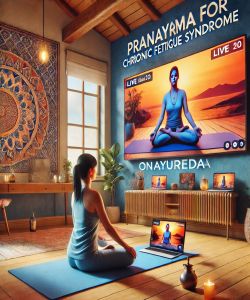
Overview of Pranayama for Chronic Fatigue Syndrome
Pranayama, as a structured intervention for Chronic Fatigue Syndrome (ME/CFS), represents a highly disciplined, non-exertional modality focused exclusively on the regulation of the autonomic nervous system through meticulous breath control. This is not a passive relaxation technique but an active, conscious manipulation of the breathing process to restore physiological equilibrium in a system profoundly destabilised by the condition. The core pathology of ME/CFS involves severe energy production impairment and autonomic dysfunction, manifesting as post-exertional malaise, orthostatic intolerance, and an inability to maintain homeostasis. Pranayama directly confronts this dysregulation by systematically shifting the body from a state of persistent sympathetic dominance—the ‘fight or flight’ response—towards a parasympathetic state of ‘rest and digest’. This is achieved by employing specific, gentle breathing patterns that influence heart rate variability, vagal tone, and gas exchange at a cellular level. It operates on the fundamental principle that by controlling the breath, one can exert direct influence over involuntary bodily processes that have become disordered. The practice demands absolute precision and an unwavering commitment to avoiding physiological over-exertion, making it a uniquely suitable approach for individuals for whom conventional physical therapies are not only ineffective but actively detrimental. It is a strategic tool for managing the body’s limited energy reserves, aiming to stabilise a volatile internal environment and thereby create a foundation from which functional capacity may be cautiously improved. This discipline is not a cure but a rigorous method of self-regulation designed to mitigate the core physiological chaos of ME/CFS, demanding focus, consistency, and an uncompromising respect for the body’s severe limitations.
What is Pranayama for Chronic Fatigue Syndrome?
Pranayama for Chronic Fatigue Syndrome (ME/CFS) is a specialised application of ancient yogic breathing disciplines, repurposed as a clinical tool to address the specific pathophysiological state of this debilitating condition. It is the conscious and deliberate regulation of breath, encompassing the control of inhalation (puraka), exhalation (rechaka), and the pauses between them (kumbhaka), tailored specifically to avoid triggering post-exertional malaise. The primary objective is to modulate the autonomic nervous system, which is severely dysregulated in ME/CFS. Individuals with the condition are often locked in a state of sympathetic nervous system hyperarousal, a perpetual stress response that depletes already scarce energy resources. Pranayama techniques, when correctly applied, directly stimulate the vagus nerve and promote a dominant parasympathetic response. This shift is critical for energy conservation, improved digestion, reduced heart rate, and the promotion of restorative processes that are otherwise suppressed.
It is crucial to differentiate this specific application from generalised breathing exercises or fitness-oriented Pranayama. The protocols for ME/CFS are exclusively calming and grounding, deliberately avoiding any stimulating or heat-building techniques that could provoke a relapse. The focus is on smooth, gentle, and extended exhalations, which are neurologically linked to the relaxation response. This practice involves:
Systematic Pacing: Each session is meticulously structured to remain within the individual’s extremely limited energy envelope. Duration, intensity, and frequency are all carefully controlled.
Physiological Feedback: Practitioners are trained to become acutely aware of subtle bodily signals to pre-empt over-exertion, making moment-to-moment adjustments as required.
Targeted Techniques: Only a select few Pranayama techniques that are inherently down-regulating and require minimal physical effort are employed.
Absence of Exertion: The practice is performed in a fully supported, static position, typically supine or seated, to eliminate all muscular strain.
In essence, Pranayama for ME/CFS is a non-pharmacological, non-exertional intervention designed to restore a degree of self-regulatory control over a disordered nervous system, thereby creating a more stable internal environment conducive to symptom management and stabilisation.
Who Needs Pranayama for Chronic Fatigue Syndrome?
Formally Diagnosed Individuals: Any individual with a confirmed medical diagnosis of Myalgic Encephalomyelitis/Chronic Fatigue Syndrome (ME/CFS) who is seeking a structured, non-exertional method for managing autonomic symptoms and stabilising their condition. This is the primary cohort for whom these specific protocols are designed.
Sufferers of Post-Exertional Malaise (PEM): Individuals whose defining symptom is the severe exacerbation of all other symptoms following minimal physical, cognitive, or emotional effort. Pranayama provides a means to manage the energy envelope and calm the systemic over-reaction that characterises PEM, without itself constituting a form of exertion.
Patients with Autonomic Dysfunction: Those who experience symptoms indicative of a dysregulated autonomic nervous system, including Postural Orthostatic Tachycardia Syndrome (POTS), orthostatic intolerance, heart rate fluctuations, digestive disturbances, and thermoregulatory instability. The practice directly targets the rebalancing of sympathetic and parasympathetic activity.
Individuals with Unremitting Fatigue: Persons experiencing profound and persistent pathological fatigue that is not alleviated by rest and which severely restricts daily activities. The objective is not to ‘boost’ energy, which is impossible, but to conserve it more efficiently by reducing the physiological cost of being in a constant state of hyperarousal.
Those Experiencing ‘Brain Fog’: Individuals with significant cognitive impairment, including difficulties with concentration, memory, and information processing. By promoting a parasympathetic state and improving cerebral blood flow regulation, Pranayama can help create a more stable neurological environment, potentially mitigating the severity of cognitive symptoms.
Persons Seeking Non-Pharmacological Interventions: Patients who are either unable to tolerate medication, find it ineffective for managing autonomic symptoms, or wish to supplement their existing medical treatment with a self-regulatory discipline. It offers a proactive tool for personal management of the condition.
Individuals with Sleep Dysfunction: Those who suffer from non-restorative sleep, insomnia, or disordered sleep patterns, which are hallmark features of ME/CFS. Calming Pranayama techniques performed before rest can facilitate the physiological state required for more effective sleep initiation and maintenance.
Origins and Evolution of Pranayama for Chronic Fatigue Syndrome
The origins of Pranayama are deeply rooted in ancient yogic philosophy, documented in seminal texts such as the Yoga Sutras of Patanjali, where it is described as the fourth limb of Yoga. Historically, its purpose was primarily spiritual: to control Prana (life force energy) as a means of steadying the mind for deeper states of meditation and self-realisation. The classical techniques were diverse and often vigorous, designed for healthy ascetics undertaking rigorous spiritual discipline. They ranged from calming and cooling breaths to intense, heat-building practices involving forceful exhalations and extended breath retention,目的s far removed from therapeutic application for chronic illness.
The evolution of Pranayama into a therapeutic modality for conditions like Chronic Fatigue Syndrome is a modern development, emerging from the confluence of traditional practice with contemporary neurophysiology and clinical science. As scientific understanding of the autonomic nervous system deepened, researchers and holistic practitioners began to recognise the profound and measurable impact of specific breathing patterns on physiological functions. It became evident that controlled breathing was not merely a relaxation exercise but a potent tool for directly influencing heart rate variability (HRV), vagal tone, blood pressure, and the balance between the sympathetic and parasympathetic nervous systems.
This modern, clinical adaptation required a radical stripping-down and re-purposing of the ancient art. The application for ME/CFS necessitated a stringent selection process, where only the most gentle, down-regulating techniques were retained. Vigorous practices like Bhastrika (Bellows Breath) or Kapalbhati (Skull Shining Breath) were decisively discarded as they are dangerously stimulating and would invariably trigger post-exertional malaise. Instead, the focus shifted entirely to techniques that lengthen the exhalation, promote diaphragmatic breathing, and calm the entire system, such as Nadi Shodhana (Alternate Nostril Breathing) and Bhramari (Humming Bee Breath), often modified to be even less demanding. This evolution represents a shift from a spiritual-energetic paradigm to a neuro-physiological one, transforming Pranayama from an ancient mystical practice into a precise, evidence-informed, and highly specific supportive therapy for managing the severe dysregulation inherent in ME/CFS.
Types of Pranayama for Chronic Fatigue Syndrome
Diaphragmatic Breathing (Abdominal Breathing): This is the foundational technique, non-negotiable for practice. It focuses on utilising the diaphragm, the primary muscle of respiration, correctly. The emphasis is on gentle, passive inhalation that allows the abdomen to rise, followed by a slow, controlled exhalation where the abdomen falls. This pattern is inherently calming, stimulates the vagus nerve, and ensures optimal gas exchange with minimal physical effort, directly countering the shallow, chest-based breathing pattern associated with a stress state.
Modified Nadi Shodhana (Alternate Nostril Breathing): In its adapted form for ME/CFS, this practice is performed without any breath retention (kumbhaka), which can be too taxing. It involves gently closing one nostril while inhaling through the other, then closing the second nostril to exhale through the first. The cycle is then reversed. This technique is reported to balance the left and right hemispheres of the brain and has a profoundly harmonising effect on the nervous system, promoting mental clarity and deep calm without stimulation.
Bhramari Pranayama (Humming Bee Breath): This involves creating a soft, low-pitched humming sound during a slow, controlled exhalation. The practitioner gently closes the ears to internalise the sound’s vibration. This vibration has a direct soothing effect on the nervous system, significantly increasing parasympathetic activity. It is particularly effective for calming an agitated mind, reducing anxiety, and alleviating the cognitive ‘brain fog’ often associated with the condition. The physical effort is negligible.
Ujjayi Pranayama (Victorious Breath), Gentle Version: This technique involves a slight constriction at the back of the throat, creating a soft, oceanic sound on both inhalation and exhalation. For ME/CFS, this must be performed with extreme gentleness, without any strain or heat generation. The purpose is to slow the breath down and focus the mind. The gentle sound provides an auditory feedback loop, aiding concentration and promoting a smooth, even breathing rhythm that is deeply pacifying.
Savitri Pranayama (Rhythmic Breath): This involves establishing a simple, comfortable ratio between inhalation and exhalation, for instance, a count of four on the inhale and a count of six on the exhale. The primary rule is that the exhalation must be longer than the inhalation, as this is the phase of breathing directly linked to the parasympathetic relaxation response. No breath holds are used, and the count is kept well within a comfortable capacity to avoid any strain.
Benefits of Pranayama for Chronic Fatigue Syndrome
Autonomic Nervous System Regulation: Directly facilitates a shift from a dominant sympathetic (fight-or-flight) state to a parasympathetic (rest-and-digest) state, mitigating the perpetual hyperarousal characteristic of ME/CFS.
Enhanced Energy Conservation: By calming the nervous system and reducing the physiological stress response, the body’s baseline energy expenditure is lowered. This helps to preserve the extremely limited energy reserves, making it easier to stay within the individual’s ‘energy envelope’.
Mitigation of Post-Exertional Malaise (PEM): Provides a non-exertional tool for active recovery and stabilisation. Regular practice can help manage the triggers for PEM by preventing the nervous system from over-reacting to minimal stimuli.
Improved Vagal Tone: Specific techniques, particularly those involving long exhalations and humming, directly stimulate the vagus nerve. Increased vagal tone is strongly associated with better heart rate variability, reduced inflammation, and improved overall physiological resilience.
Reduction in Orthostatic Intolerance Symptoms: By stabilising autonomic function, Pranayama can help to better regulate heart rate and blood pressure responses to changes in posture, potentially lessening symptoms like dizziness and palpitations associated with POTS.
Enhanced Sleep Quality: Calming breathing practices performed before sleep can help down-regulate the nervous system, quieten mental chatter, and prepare the body for rest, potentially leading to more restorative sleep patterns.
Cognitive Function Support: By reducing the neurological ‘noise’ of a hyper-aroused state and potentially improving regulation of cerebral blood flow, the practice may help to alleviate the severity of ‘brain fog’, improving focus and mental clarity.
Increased Interoceptive Awareness: Trains the individual to become highly attuned to subtle internal body signals. This enhanced awareness is critical for effective pacing and for recognising the early warning signs of over-exertion before a crash is triggered.
Provision of a Proactive Management Tool: Empowers the individual with a tangible, self-administered technique for managing their physiological state, fostering a sense of agency in a condition that often leaves sufferers feeling powerless.
Minimal Risk of Harm: When performed correctly according to protocols specifically designed for ME/CFS (i.e., without exertion or strain), it is one of the safest possible interventions, carrying virtually no risk of triggering PEM.
Core Principles and Practices of Pranayama for Chronic Fatigue Syndrome
The Primacy of Non-Exertion: The absolute, inviolable core principle is that the practice must never constitute a form of exertion. Every technique must be performed with zero physical or mental strain. The goal is to calm the system, not to challenge it. This means using supportive postures (supine or fully supported seated), avoiding forceful breathing, and never pushing beyond a comfortable capacity.
Parasympathetic Dominance as the Exclusive Goal: All practices are selected and executed with the single objective of up-regulating the parasympathetic nervous system. Techniques that are stimulating, heating, or require significant effort are strictly forbidden. The emphasis is always on lengthening the exhalation, as this is the phase of breath directly tied to the relaxation response.
Meticulous Pacing and Energy Envelope Awareness: Practice must be rigorously paced. This involves starting with extremely short durations (e.g., one to two minutes) and increasing only by marginal increments over a long period, if tolerated. The practitioner must remain acutely aware of their individual energy envelope and cease practice immediately if any signs of fatigue or other symptoms arise.
Consistency Over Intensity: The benefits are derived from regular, consistent practice, not from long or intense sessions. Short, daily sessions create a cumulative effect on nervous system regulation. A five-minute daily practice is profoundly more effective and safer than a single thirty-minute session once a week.
Supine Position as Standard: The preferred position for practice is lying down (Savasana), with the head and knees supported as needed. This position minimises the effort of maintaining posture, reduces the workload on the cardiovascular system, and mitigates risks associated with orthostatic intolerance.
Exhalation Emphasis: The cornerstone of the practice is making the exhalation smooth, slow, and slightly longer than the inhalation, without force. This action is a primary driver of the vagus nerve and the physiological shift towards a calm state.
Rejection of Breath Retention (Kumbhaka): For the ME/CFS population, holding the breath is generally contraindicated. It can create internal pressure, place stress on the cardiovascular system, and be perceived by the nervous system as a threat, thereby triggering a sympathetic response—the exact opposite of the intended effect.
Cultivation of Interoceptive Sensitivity: The practice is an exercise in listening intently to the body’s internal feedback. The practitioner must learn to distinguish between gentle respiratory sensations and the onset of strain or fatigue. This heightened self-awareness is a critical skill that extends beyond the practice itself into daily activity management.
Online Pranayama for Chronic Fatigue Syndrome
Unparalleled Accessibility: Online delivery removes the significant barrier of travel, which is often a major source of exertion and a trigger for post-exertional malaise. Individuals can access expert instruction from their own homes, a controlled and safe environment, without expending precious energy on commuting.
Precise Environmental Control: The home environment allows the user to meticulously control sensory input. They can manage lighting, eliminate noise, regulate temperature, and ensure they are in a comfortable, non-stimulating space, which is critical for a hypersensitive nervous system and for the efficacy of the practice.
Flexible Scheduling and Pacing: Online platforms, particularly those offering recorded sessions, provide absolute flexibility. A session can be paused, stopped, or shortened at the first sign of fatigue, without any external pressure. This empowers the individual to adhere strictly to their personal energy limits, a non-negotiable requirement for managing ME/CFS.
Enables Supine Practice: A key principle of this practice is to eliminate all postural effort. Online instruction is perfectly suited for this, as the individual can lie down comfortably on their bed or floor, a position that may be impractical or awkward in a group-based, in-person setting. This maximises energy conservation.
Reduced Risk of Over-Exertion: The absence of social dynamics found in a group class eliminates any subconscious pressure to ‘keep up’. The individual can focus entirely on their own internal experience and respond immediately to their body’s needs, which is paramount for safety and avoiding symptom exacerbation.
Access to Specialised Instructors: Geography ceases to be a limitation. Individuals can connect with instructors who possess the specific, niche expertise in applying Pranayama for ME/CFS, a specialisation that is unlikely to be available in most local communities.
Consistent and Repeatable Instruction: Recorded online sessions ensure that the instruction is consistent every single time. This allows the practitioner to build a stable and predictable routine, which is beneficial for a nervous system that responds poorly to novelty and stress.
Enhanced Privacy and Comfort: Practising in private eliminates any self-consciousness or anxiety that might arise in a shared space. This sense of security is conducive to the deep relaxation and inward focus required for the techniques to be effective.
Pranayama for Chronic Fatigue Syndrome Techniques
Preparation: Assume a Position of Zero Effort.
Lie flat on your back, preferably on a firm but comfortable surface like a yoga mat or bed. Place a thin pillow or folded blanket under your head to keep the neck in a neutral position. Place a bolster or rolled-up blankets under your knees to release any tension in the lower back. Allow your arms to rest by your sides, palms facing up. The objective is complete physical support and the elimination of all muscular effort.
Technique 1: Foundational Diaphragmatic Breathing.
Step 1: Place one hand gently on your upper chest and the other on your abdomen, just below the rib cage.
Step 2: Close your eyes and observe your natural breath for a few moments without changing it.
Step 3: Gently and without force, begin to guide the breath into your abdomen. As you inhale, allow the hand on your abdomen to rise. The hand on your chest should remain relatively still.
Step 4: As you exhale, allow the abdomen to fall gently and naturally. Make the exhalation passive and slightly longer than the inhalation.
Step 5: Continue this for one to two minutes, focusing exclusively on the gentle, rhythmic movement. Cease immediately if any strain is felt.
Technique 2: Modified Alternate Nostril Breathing (Nadi Shodhana).
Step 1: From your supported position, bring your right hand towards your face. Rest the index and middle fingers on your forehead. You will use your thumb and ring finger to gently close the nostrils.
Step 2: Gently close your right nostril with your thumb. Inhale slowly and silently through your left nostril.
Step 3: Gently close your left nostril with your ring finger and release your thumb. Exhale slowly and completely through your right nostril.
Step 4: Inhale through the right nostril.
Step 5: Close the right nostril with your thumb and exhale through the left. This completes one full round. Perform two to three rounds without any pause or breath retention.
Technique 3: Humming Bee Breath (Bhramari).
Step 1: Remain in your supported supine position.
Step 2: Inhale gently through your nose.
Step 3: As you exhale, keep your lips lightly sealed and create a low-pitched, continuous humming sound from the back of your throat, like the buzzing of a bee.
Step 4: Keep the sound smooth and even for the entire duration of the exhalation.
Step 5: Perform four to five rounds, focusing on the sensation of the vibration in your head and chest.
Pranayama for Chronic Fatigue Syndrome for Adults
The application of Pranayama for adults with Chronic Fatigue Syndrome demands a mature, disciplined, and highly self-aware approach, fundamentally distinct from general wellness practices. For this demographic, the intervention serves as a critical tool for managing a severe, chronic illness, not as a method for relaxation or fitness. The adult practitioner must cultivate a profound level of interoception—the ability to sense the internal state of their body—as the primary safeguard against over-exertion. This requires abandoning any pre-existing notions of ‘pushing through’ discomfort, an ethos that is catastrophic in the context of ME/CFS. The practice must be undertaken with the mindset of a scientist observing a delicate system, where every input (each breath) is monitored for its output (the body's response). Success is not measured by the ability to perform complex techniques or extend session duration, but by the ability to maintain physiological stability and consistently avoid triggering post-exertional malaise. It requires the adult to take absolute ownership of their practice, learning to meticulously titrate the ‘dose’ of breathing exercises according to their daily fluctuations in capacity. This involves an uncompromising honesty with oneself about one’s limits on any given day. The discipline for adults is therefore twofold: it is the discipline of performing the techniques with precision, and the even greater discipline of knowing when to stop, when to shorten a session, or when to skip it entirely. It is a strategic engagement with the body, not a battle against it.
Total Duration of Online Pranayama for Chronic Fatigue Syndrome
The total duration of a single online Pranayama session for Chronic Fatigue Syndrome must be rigorously controlled and individualised, with an absolute upper limit that reflects the severe energy limitations of the condition. A standard, guided online session shall be structured to last for a total duration of no more than 1 hr. However, it is imperative to understand that this 1 hr block is not a target for continuous practice but a container within which a meticulously paced session occurs. A substantial portion of this time is allocated to preparatory relaxation, detailed instruction with an emphasis on safety cues, and post-practice stillness to allow the nervous system to integrate the effects without an abrupt transition. The actual active breathing practice within this 1 hr timeframe will be significantly shorter, often broken into several small segments of just a few minutes each, interspersed with periods of complete rest and normal breathing. Participants are unequivocally instructed to engage only for as long as feels comfortable and to cease active practice at the first sign of fatigue, even if this occurs within the first five minutes of the session. The 1 hr duration, therefore, represents the maximum possible engagement time offered by the instructor, not a performance goal for the participant. For many, especially those in the early stages or experiencing a period of greater severity, a full 1 hr session will be inappropriate; their active participation might only be for a fraction of that time, which is the correct and safe application of the protocol.
Things to Consider with Pranayama for Chronic Fatigue Syndrome
Engaging with Pranayama for Chronic Fatigue Syndrome requires a rigorous and informed approach, with several critical considerations that must be paramount. First and foremost, this is a therapeutic intervention, not a casual exercise. It demands consultation with a qualified medical professional before commencement to ensure it is appropriate for the individual's specific health profile and to rule out any contraindications. The selection of an instructor is of absolute importance; one must seek out a practitioner with specific, demonstrable expertise in ME/CFS, not a general yoga or breathing coach. A poorly qualified instructor may teach techniques that are dangerously stimulating, leading to a severe relapse. The principle of ‘start low and go slow’ must be adhered to with uncompromising strictness. Initial sessions should be exceptionally brief—perhaps only one or two minutes of a single, gentle technique—to assess tolerance. Progression must be incremental and patient, guided entirely by the body’s response, not by a predetermined schedule. The practitioner must be prepared to abandon the ego-driven desire for progress and accept that on some days, practice may not be possible at all. It is also vital to recognise that Pranayama is not a cure but a management tool. It aims to stabilise the nervous system and improve quality of life within the constraints of the illness; it does not eliminate the underlying pathology. Finally, the environment for practice must be controlled: quiet, comfortable, and free from stressors, ensuring the nervous system is in a receptive state for the calming input of the techniques.
Effectiveness of Pranayama for Chronic Fatigue Syndrome
The effectiveness of Pranayama for Chronic Fatigue Syndrome is predicated on its precise capacity to modulate the autonomic nervous system, which is a core nexus of pathology in the condition. Its efficacy is not in ‘curing’ the illness or ‘boosting’ energy, but in its function as a powerful, non-exertional tool for physiological self-regulation. Individuals with ME/CFS are often trapped in a state of sympathetic hyper-vigilance, a high-cost metabolic state that rapidly depletes their severely limited energy reserves. Gentle, exhalation-focused Pranayama techniques have been shown to directly increase vagal tone and promote a parasympathetic response. This systemic shift is not merely a subjective feeling of relaxation; it has objective, measurable consequences, including a reduction in heart rate, stabilisation of blood pressure, and an increase in heart rate variability (HRV), a key indicator of autonomic resilience. By systematically calming this hyper-arousal, the practice helps to conserve energy, thereby mitigating the risk and severity of post-exertional malaise. Its effectiveness lies in its ability to provide a degree of stability to a profoundly unstable system. For many, this translates into a reduction in the severity of symptoms like orthostatic intolerance, sleep disturbances, and cognitive dysfunction. The true measure of its success is a greater ability to manage the ‘energy envelope’, leading to fewer crashes and a more predictable, albeit still limited, baseline of function. The intervention is effective precisely because it respects the central limitation of the illness—the lack of energy—and works entirely within that constraint.
Preferred Cautions During Pranayama for Chronic Fatigue Syndrome
Extreme caution is the non-negotiable prerequisite for undertaking Pranayama for Chronic Fatigue Syndrome. The primary directive is the absolute avoidance of post-exertional malaise. Any breathing technique that is forceful, rapid, or causes any sensation of strain, dizziness, or air hunger must be terminated immediately. Practices involving breath retention (kumbhaka) are to be avoided unless guided by an expert in this specific clinical population, as they can place undue stress on the cardiovascular and nervous systems. The practitioner must remain hyper-vigilant to the body's feedback; the first subtle sign of fatigue or symptom exacerbation is a definitive signal to stop. There must be no ambition to push through discomfort or achieve a specific duration or repetition count. The session must be significantly shortened or abandoned entirely on days when baseline symptoms are more severe. It is imperative to perform the practice in a safe, supported position, preferably supine, to eliminate postural stress and mitigate any risk associated with orthostatic intolerance or dizziness. One must never attempt stimulating or heating techniques such as Kapalbhati or Bhastrika, as these are virtually guaranteed to provoke a severe relapse. The introduction of any new technique must be done in isolation and for an extremely short duration to accurately assess its impact. This is not a practice of exploration but of careful, clinical application. An unyielding, conservative approach is the only responsible way to proceed; the potential cost of carelessness is a significant and prolonged worsening of the illness.
Pranayama for Chronic Fatigue Syndrome Course Outline
Module 1: Foundational Principles and Absolute Safety Protocols
Understanding the Autonomic Nervous System in ME/CFS.
The Doctrine of Non-Exertion: Defining the Boundaries of Safe Practice.
Establishing the Supine Position: Postural Set-up for Zero Effort.
Introduction to Interoception: Learning to Listen to the Body’s Signals.
Pacing: The ‘Start Low, Go Slow’ Imperative.
Module 2: The Core Technique – Diaphragmatic Breathing
Mechanics of Diaphragmatic vs. Thoracic (Chest) Breathing.
Guided Practice: Initiating Gentle Abdominal Breath.
Troubleshooting: Common Issues and How to Address Them Without Strain.
Integrating the Diaphragmatic Breath into a Daily Rest Period.
Module 3: Extending the Exhalation for Parasympathetic Response
The Neurophysiology of the Extended Exhalation.
Introducing Rhythmic Breathing (Savitri Pranayama): Establishing a Comfortable Inhale-Exhale Ratio (e.g., 4:6).
Practice in Application: Maintaining a Smooth, Effortless Rhythm.
Avoiding the Pitfall of Strain: Ensuring the Ratio Serves, Not Stresses.
Module 4: Balancing Techniques – Modified Nadi Shodhana
Introduction to Alternate Nostril Breathing without Breath Retention.
Hand Positioning (Mudra) and Technique Execution.
Guided Practice: Performing One to Three Rounds with a Focus on Smooth Transitions.
Assessing Tolerance and Suitability for the Individual.
Module 5: Calming Vibrational Techniques – Bhramari Pranayama
The Science of Sound and Vagal Nerve Stimulation.
Guided Practice: Executing the Humming Bee Breath.
Controlling Pitch and Volume to Maximise Soothing Effects and Minimise Effort.
Application for Cognitive Fog and Pre-Sleep Wind-Down.
Module 6: Integration and Developing a Sustainable Personal Practice
Combining Techniques Safely within a Single Session.
Creating a Personalised Daily Practice Plan (Duration and Technique Selection).
Strategies for Adapting Practice to Fluctuating Symptom Levels.
Long-Term Maintenance and Recognising Signs of Progress vs. Overtraining.
Detailed Objectives with Timeline of Pranayama for Chronic Fatigue Syndrome
Weeks 1-2: Establish a Safe Foundation.
Objective: To master the fully supported supine posture and successfully perform two to five minutes of gentle diaphragmatic breathing daily without any symptom exacerbation.
Timeline: By the end of week two, the individual shall be able to identify and sustain a relaxed diaphragmatic breathing pattern and demonstrate an understanding of the core principle of non-exertion by consistently stopping before fatigue sets in.
Weeks 3-4: Introduce Exhalation Emphasis.
Objective: To incorporate a gentle rhythmic breath (e.g., Savitri Pranayama with a 4:6 inhale/exhale count) for one to two minutes within a slightly longer total practice time of five to seven minutes.
Timeline: By the end of week four, the individual shall be able to maintain a comfortable rhythm where the exhalation is passively extended, reporting a subjective sense of calm post-practice without next-day PEM.
Weeks 5-8: Introduce a Balancing Technique.
Objective: To learn and safely integrate one to two rounds of modified Nadi Shodhana (Alternate Nostril Breathing without retention) into the established routine. The total active practice time should not exceed ten minutes.
Timeline: By the end of week eight, the individual will be able to perform the sequence of Diaphragmatic Breathing followed by Nadi Shodhana smoothly and report on its specific effects on their mental state and nervous system.
Weeks 9-12: Introduce a Vibrational Technique and Consolidate Practice.
Objective: To learn and integrate three to four rounds of Bhramari (Humming Bee Breath) and begin creating a personalised daily practice by choosing from the learned techniques, keeping total active practice under fifteen minutes.
Timeline: By the end of week twelve, the individual shall be proficient in all core techniques and capable of adapting their daily session based on their real-time energy levels and symptoms, demonstrating autonomous and safe self-management of the practice.
Month 4 Onwards: Sustainable Long-Term Integration.
Objective: To maintain a consistent, sustainable daily practice of ten to twenty minutes, used as a primary tool for autonomic nervous system regulation and energy conservation.
Timeline: Ongoing. The individual will use the practice not to "progress" in duration or complexity, but to consistently stabilise their baseline, manage symptoms, and mitigate the impact of daily stressors.
Requirements for Taking Online Pranayama for Chronic Fatigue Syndrome
A Stable and Reliable Internet Connection: A consistent connection is mandatory to ensure uninterrupted participation in live sessions or smooth streaming of recorded materials, preventing the stress and frustration of technical failures.
A Suitable Electronic Device: A computer, tablet, or smartphone with a screen large enough to clearly view the instructor and a functioning speaker or headphones to hear instructions without strain.
A Private, Quiet, and Non-Stimulating Environment: The user must have access to a space where they can be undisturbed for the duration of the session. The room should be free from loud noises, bright lights, and other sensory distractions that could agitate the nervous system.
A Comfortable, Firm Surface for Practice: Access to a yoga mat, carpeted floor, or a firm bed is required to allow the individual to lie down in a fully supported supine position.
Necessary Support Props: The individual must have readily available items such as pillows, cushions, bolsters, and blankets. These are not optional accessories; they are essential tools required to support the body, particularly the head and knees, to achieve a state of zero muscular effort.
Medical Clearance: A formal acknowledgement from a GP or specialist medical consultant confirming that there are no specific respiratory or cardiovascular contraindications for engaging in gentle breathing exercises.
Uncompromising Commitment to Self-Pacing: The individual must possess the mental discipline to adhere strictly to the principles of pacing and non-exertion. This includes the ability to stop the practice immediately upon feeling any adverse signals, regardless of the instructor's guidance for the rest of the group.
Realistic Expectations: An understanding that this is a long-term management strategy, not a quick fix or a cure. The user must be prepared for slow, non-linear progress and accept the practice as a tool for stabilisation rather than a means of aggressive recovery.
Things to Keep in Mind Before Starting Online Pranayama for Chronic Fatigue Syndrome
Before embarking on an online Pranayama programme for Chronic Fatigue Syndrome, it is imperative to adopt a mindset of extreme caution and radical self-responsibility. This is not a conventional learning environment where one aims to meet the instructor's targets; it is a clinical self-management protocol where you are the sole arbiter of what is safe and appropriate for your body on any given day. You must completely internalise the fact that your energy system is profoundly compromised and that the line between a therapeutic intervention and a trigger for a relapse is exceptionally fine. Therefore, you must be prepared to be your own sternest advocate, overriding any external instruction if it conflicts with your internal signals. Vet your chosen online provider with uncompromising rigour, ensuring they have explicit, deep expertise in ME/CFS, not just a general certification in yoga or mindfulness. Be prepared for the process to be exceptionally slow; progress is measured in months and years, not days and weeks, and is defined by increased stability, not by an increase in practice duration or complexity. You must secure a dedicated time and space for practice that is sacrosanct—free from interruption and sensory overload. Finally, release all expectations of a linear recovery. There will be days you cannot practice, and this must be accepted without judgement. The ultimate goal is to acquire a skill for nervous system regulation, and the acquisition process itself must be managed with the same meticulous energy conservation that you apply to all other areas of your life.
Qualifications Required to Perform Pranayama for Chronic Fatigue Syndrome
The qualifications required to safely and effectively guide individuals with Chronic Fatigue Syndrome in Pranayama are stringent and extend far beyond a standard yoga teacher certification. A practitioner claiming competence in this area must possess a multi-layered and specialised skill set. The foundational requirement is an advanced certification in Pranayama, demonstrating a deep, technical understanding of various breathing techniques and their precise physiological effects. However, this alone is insufficient. It must be augmented by specific, dedicated training and demonstrable experience in therapeutic and adaptive yoga, with a particular focus on chronic illness. The instructor must possess a thorough understanding of the pathophysiology of ME/CFS, including:
Autonomic Nervous System Dysfunction: A comprehensive knowledge of the roles of the sympathetic and parasympathetic systems and how they are dysregulated in this condition.
Post-Exertional Malaise (PEM): A profound and respectful understanding of PEM as the hallmark symptom, recognising the subtle triggers and the catastrophic consequences of over-exertion.
Orthostatic Intolerance and POTS: Knowledge of the cardiovascular complexities common in ME/CFS and how to adapt practice to ensure safety.
Furthermore, the instructor must be qualified in trauma-informed practice, recognising that living with a severe chronic illness is often traumatic. They must be capable of creating a safe, validating environment and using language that is empowering and non-judgmental. Ideally, they would also have a background in a related health or therapeutic field, such as physiotherapy, occupational therapy, or clinical psychology, providing a broader clinical context for their work. A simple 200-hour yoga teacher training certificate is dangerously inadequate. The qualified professional will be one who explicitly prioritises safety over progress, champions rest, and can clearly articulate the neurophysiological rationale for every instruction given.
Online Vs Offline/Onsite Pranayama for Chronic Fatigue Syndrome
Online
The online delivery model presents a superior and fundamentally safer paradigm for individuals with ME/CFS. Its primary advantage is the complete elimination of travel-related exertion, which is a significant barrier and a common trigger for post-exertional malaise. The participant can engage from a home environment that is secure, familiar, and meticulously controlled for sensory stimuli such as light, sound, and temperature. This format intrinsically supports the core tenet of the practice: non-exertion. Individuals can easily practice in a supine position on a bed or floor, a posture that is critical for energy conservation but may be logistically difficult or socially awkward in a group setting. Online platforms, especially with recorded content, offer unparalleled flexibility, allowing the user to start, pause, or stop a session immediately in response to their body’s signals, without any external pressure. This fosters the deep interoceptive awareness and self-advocacy that is crucial for safe management of the condition. Furthermore, it grants access to a global pool of highly specialised instructors who possess the niche expertise required, rather than being limited to the generalist teachers available locally.
Offline/Onsite
The traditional offline or onsite model, while standard for many wellness practices, poses considerable and often unacceptable risks for the ME/CFS population. The very act of preparing, travelling to, and returning from a physical location constitutes a significant energy expenditure that can precipitate a severe relapse before the session even begins. A public studio or clinical space is an uncontrolled environment; the lighting, temperature, scents, and sounds are outside the individual's control and can be jarring to a hypersensitive nervous system. The presence of a group can create a subtle, unconscious pressure to perform or keep up, discouraging the individual from stopping when they need to and pushing them past their limits. The fixed schedule of an onsite class removes the flexibility to practice only when one's fluctuating capacity allows. While the direct presence of an instructor can be beneficial for some, for this specific condition, the profound disadvantages of energy cost, environmental unpredictability, and social pressure render the offline model largely unsuitable and potentially harmful. The online format is not merely a convenience but a necessary safety adaptation.
FAQs About Online Pranayama for Chronic Fatigue Syndrome
Question 1. Is this a cure for Chronic Fatigue Syndrome?
Answer: No. Pranayama is not a cure. It is a rigorous self-management tool designed to regulate the autonomic nervous system, conserve energy, and potentially improve functional stability within the strict limitations of the illness.
Question 2. Can this practice make my symptoms worse?
Answer: Yes, if performed incorrectly. Any technique that is too forceful, too long, or stimulating will trigger post-exertional malaise. Adherence to a protocol specifically designed for ME/CFS, emphasising gentleness and non-exertion, is critical to avoid harm.
Question 3. How is this different from just taking deep breaths?
Answer: It is profoundly different. Pranayama involves the precise, conscious control of the entire respiratory cycle—inhalation, exhalation, and the rhythm between them—to achieve specific neurophysiological outcomes. It is a technical skill, not simply deep breathing.
Question 4. What if I can only practise for one minute?
Answer: One minute of correct, safe practice is infinitely more beneficial than a longer session that causes a crash. The goal is consistency and safety, not duration.
Question 5. Do I need any special equipment?
Answer: You need a comfortable surface and common household items like pillows and blankets to support your body in a position of complete rest. No specialised equipment is necessary.
Question 6. Can I do this in a chair?
Answer: While a fully supported seated position is possible, the supine (lying down) position is strongly preferred as it eliminates all postural effort and is safer for those with orthostatic intolerance.
Question 7. What does ‘post-exertional malaise’ (PEM) mean?
Answer: PEM is the hallmark symptom of ME/CFS. It is a severe exacerbation of all symptoms that occurs 24-72 hours after minimal physical, cognitive, or emotional exertion.
Question 8. Should I practise if I am in a crash?
Answer: No. During a severe crash, the priority is absolute rest. Once the most acute phase has passed, extremely gentle diaphragmatic breathing for a minute or two may be tolerable, but this must be approached with extreme caution.
Question 9. Is it safe to hold my breath?
Answer: Generally, no. Breath retention (kumbhaka) is contraindicated for this population as it can stress the system. All practice should be a smooth, continuous flow of breath.
Question 10. How quickly will I see results?
Answer: Do not expect quick results. The benefits, such as a calmer nervous system, are cumulative and subtle. The primary initial result to look for is the ability to practise without causing a setback.
Question 11. I feel dizzy when I do the breathing. What should I do?
Answer: Stop immediately. Dizziness may indicate over-breathing or a cardiovascular response. Revert to normal breathing. If it persists, consult your doctor. The practice should never cause dizziness.
Question 12. Must I hire an instructor?
Answer: It is strongly recommended to learn from an instructor with specific expertise in ME/CFS to ensure you are learning the techniques safely and correctly.
Question 13. What is the single most important technique?
Answer: Diaphragmatic breathing. It is the non-negotiable foundation upon which all other calming techniques are built.
Question 14. Can this help with my ‘brain fog’?
Answer: Anecdotally, many find that the calming effect on the nervous system can lead to moments of improved mental clarity. By reducing neurological ‘noise’, it may lessen the severity of cognitive symptoms.
Question 15. Is it better to practise in the morning or evening?
Answer: This is individual. Many find a calming practice beneficial before sleep. Experiment to see what time of day your system is most receptive, avoiding times of significant fatigue.
Question 16. What if I fall asleep during practice?
Answer: This indicates your body needs rest, which is perfectly acceptable. The goal is to induce a parasympathetic state, and sleep is a natural extension of that.
Question 17. Can I combine this with other therapies?
Answer: Yes, it can be a valuable adjunct to medical treatment and other management strategies like pacing. Always discuss any new intervention with your doctor.
Conclusion About Pranayama for Chronic Fatigue Syndrome
In conclusion, Pranayama, when rigorously adapted for Chronic Fatigue Syndrome, stands as a formidable and precise tool for non-exertional self-regulation. Its value is not in any misguided promise of a cure but in its direct and methodical address of the autonomic nervous system dysfunction that lies at the heart of the condition’s pathology. By systematically guiding the body out of a state of relentless sympathetic arousal and into a restorative parasympathetic state, the practice provides a mechanism to conserve profoundly limited energy resources, stabilise a volatile internal environment, and mitigate the debilitating cycle of post-exertional malaise. The successful application of this discipline demands an uncompromising commitment to gentleness, a radical acceptance of physical limitations, and the cultivation of acute interoceptive awareness. It empowers the individual with a measure of agency in a condition that is overwhelmingly disempowering, offering a structured protocol to manage symptoms and foster a more stable physiological baseline. It is a serious, clinical intervention that, when approached with the requisite caution, discipline, and expert guidance, offers a potent means of supportive care. The practice is, in essence, a masterclass in energy management, teaching the body, breath by breath, how to operate more efficiently and safely within its severe and immoveable constraints.