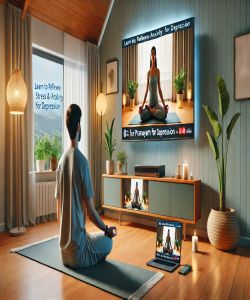
1. Overview of Pranayama for Depression
Pranayama, when applied as a structured intervention for depressive disorders, constitutes a formidable psychophysiological discipline aimed at the systematic regulation of the autonomic nervous system and the amelioration of affective dysregulation. It is fundamentally a modality of breath control, yet this description belies its profound impact on the intricate neurochemical and physiological processes that underpin mental health. Far from a passive relaxation exercise, this practice is an active, rigorous method of leveraging a fundamental biological function—respiration—to exert tangible influence over neurological states. Its application in the context of depression is not rooted in esoteric belief but in an emerging understanding of the bidirectional communication between the body’s somatic systems and the brain’s emotional centres. Through the deliberate manipulation of the pace, depth, and rhythm of breathing, an individual can directly engage the vagus nerve, a primary component of the parasympathetic nervous system, thereby counteracting the state of chronic hyperarousal or psychomotor retardation characteristic of depressive episodes. The discipline demands unwavering focus, consistency, and a precise adherence to established techniques, transforming the breath from an unconscious process into a potent tool for self-regulation. It serves as a powerful adjunctive therapy, empowering individuals with a non-pharmacological means to modulate their internal state, enhance emotional resilience, and systematically dismantle the physiological underpinnings of depressive symptomatology. This is not a panacea but a demanding and highly effective methodology for regaining command over one’s own internal environment, requiring dedication and expert guidance to unlock its full therapeutic potential. The practice is therefore positioned as a serious, evidence-informed intervention for those committed to a proactive role in their own mental health recovery, demanding respect for its precision and a commitment to its consistent application.
2. What is Pranayama for Depression?
Pranayama for depression is a specific, targeted application of ancient yogic breathing techniques designed to address the neurobiological and psychological facets of depressive disorders. It is not merely deep breathing; it is the conscious, methodical, and disciplined regulation of prana, or vital life force energy, through a series of structured respiratory patterns. The core premise is that mental and emotional states are inextricably linked to the rhythm and quality of the breath. By deliberately altering breathing patterns, one can directly influence the autonomic nervous system (ANS), shifting it from a state of sympathetic dominance (the ‘fight-or-flight’ response often associated with anxiety and stress) towards a parasympathetic state of rest, restoration, and equilibrium. This intervention functions on multiple levels to combat depression.
Its mechanisms include:
- Neurological Modulation: Specific techniques, such as alternate nostril breathing (Nadi Shodhana), are understood to balance the activity between the left and right hemispheres of the brain. This harmonisation helps to regulate mood and cognitive function, which are often disrupted in depression. Slower, controlled exhalations, in particular, have been shown to increase vagal tone, a key indicator of the body’s ability to manage stress and regulate emotional responses effectively.
- Physiological Stabilisation: Pranayama directly impacts physiological markers of stress. It can lower heart rate, reduce blood pressure, and decrease levels of circulating stress hormones like cortisol. For individuals with depression, whose bodies are often in a state of chronic physiological stress, this provides profound somatic relief, breaking the feedback loop between physical tension and low mood.
- Enhanced Interoception: The practice demands a high degree of focused attention on internal bodily sensations—the feeling of air entering and leaving the nostrils, the expansion and contraction of the abdomen. This heightened internal awareness, or interoception, helps to ground the individual in the present moment, interrupting the cycle of ruminative, negative thought patterns that are a hallmark of depression. It fosters a sense of agency over one's internal state.
3. Who Needs Pranayama for Depression?
-
Individuals Formally Diagnosed with Depressive Disorders: Those with a clinical diagnosis of Major Depressive Disorder (MDD), Persistent Depressive Disorder (Dysthymia), or other related conditions who are seeking a robust, complementary, non-pharmacological intervention to support their primary treatment plan. This is for individuals who require a structured discipline to manage somatic symptoms and enhance emotional regulation alongside conventional therapies.
-
Those Experiencing Subclinical or Mild to Moderate Depressive Symptoms: Individuals who contend with persistent low mood, anhedonia (the inability to feel pleasure), lethargy, and negative cognitive patterns but may not meet the full criteria for a major depressive episode. For this group, Pranayama serves as a proactive, preventative discipline to build resilience and prevent the escalation of symptoms.
-
Individuals Seeking to Manage Treatment-Resistant Depression: Patients who have not responded adequately to standard pharmacological or psychotherapeutic interventions. Pranayama offers an alternative pathway for influencing neurophysiology, providing a method to modulate the nervous system directly when other approaches have proven insufficient.
-
Those in Recovery or Remission Seeking Relapse Prevention: Individuals who have successfully undergone treatment for depression and are focused on maintaining their mental well-being. Regular, disciplined Pranayama practice acts as a powerful tool for self-monitoring and emotional stabilisation, helping to identify and mitigate the early signs of a potential relapse.
-
Individuals with Co-occurring Anxiety and Depression: Given that Pranayama is highly effective at down-regulating the sympathetic nervous system, it is exceptionally well-suited for individuals whose depression is compounded by symptoms of anxiety, panic, or chronic stress. It addresses the shared physiological underpinnings of these co-morbid conditions.
-
Professionals in High-Stress Environments Prone to Burnout: Individuals in demanding careers who are at high risk of developing stress-induced depressive symptoms. Pranayama provides a systematic method for actively discharging accumulated stress and cultivating a state of calm focus, thereby serving as a critical tool for mental health preservation.
4. Origins and Evolution of Pranayama for Depression
The origins of Pranayama are deeply embedded in the ancient yogic traditions of India, with foundational references appearing in seminal texts such as the Yoga Sutras of Patanjali (circa 400 CE) and the Hatha Yoga Pradipika (15th century CE). Within these classical frameworks, Pranayama was not conceived as a therapeutic intervention for a specific malady like depression. Instead, it was codified as the fourth of the eight limbs of Raja Yoga, a sophisticated practice designed to control prana (vital energy) to steady the mind, purify the energetic channels (nadis), and ultimately prepare the practitioner for deeper states of meditation and spiritual realisation. The primary goal was self-mastery and transcendence, with any resulting physiological or psychological benefits considered secondary effects of this spiritual pursuit.
The evolution of Pranayama from an esoteric yogic discipline to a targeted clinical tool for mental health represents a significant paradigm shift, driven largely by its encounter with Western science and medicine in the 20th and 21st centuries. Initially, as yoga was introduced to the West, the focus was overwhelmingly on the physical postures (asana). Pranayama remained a more obscure practice, often misunderstood or taught superficially. However, with the rise of mind-body medicine and the field of psychoneuroimmunology, researchers began to investigate the verifiable, physiological effects of these ancient techniques. This marked a critical turning point, shifting the discourse from the metaphysical to the measurable.
In recent decades, scientific inquiry has validated many of the claims implicitly made by ancient yogis. Clinical studies began to demonstrate that specific breathing patterns could directly influence heart rate variability (HRV), a key biomarker for stress resilience and autonomic nervous system function. Further research using electroencephalography (EEG) and functional magnetic resonance imaging (fMRI) has revealed that Pranayama can alter brainwave patterns, increase activity in the prefrontal cortex (associated with emotional regulation), and decrease activity in the amygdala (the brain’s fear centre). This accumulation of empirical evidence has repositioned Pranayama. It is no longer viewed solely as a spiritual practice but is increasingly respected as an evidence-informed, psychophysiological intervention. Its application for depression is the direct result of this evolution, harnessing its proven capacity to modulate the nervous system, reduce stress hormones, and calm the mind to specifically counteract the neurobiological signature of depressive disorders.
5. Types of Pranayama for Depression
-
Nadi Shodhana (Alternate Nostril Breathing): This is a cornerstone technique for managing depression due to its profound balancing effect. It involves the sequential blocking of one nostril while inhaling or exhaling through the other. The practice is believed to synchronise the left and right hemispheres of the brain, which corresponds to balancing the logical and emotional aspects of the mind. Its direct effect is the calming of the entire nervous system, reducing anxiety and mental agitation, thereby creating a stable foundation from which to address depressive states.
-
Ujjayi Pranayama (Victorious or Ocean Breath): This technique involves a gentle constriction at the back of the throat, creating a soft, audible sound on both the inhalation and exhalation. This controlled resistance slows the breath down, forcing a more mindful and deliberate respiratory pattern. The primary benefit for depression is its capacity to anchor the mind. The sound and sensation of the breath provide a constant point of focus, interrupting ruminative thought loops and inducing a state of calm alertness. It also increases oxygenation and builds internal heat, which can counteract the lethargy associated with depression.
-
Bhramari Pranayama (Humming Bee Breath): This practice involves exhaling with a low-pitched humming sound, often while gently blocking the ears and eyes. The vibrations produced by the humming have a deeply soothing effect on the nervous system. This technique is particularly effective for alleviating agitation, anger, and anxiety, which frequently co-occur with depression. It directly stimulates the vagus nerve and has been shown to rapidly induce a parasympathetic response, leading to an immediate sense of calm and release from overwhelming thoughts.
-
Kapalabhati Pranayama (Skull-Shining Breath): This technique consists of short, sharp, forceful exhalations and passive inhalations. It is a stimulating and cleansing practice. For certain types of depression characterised by lethargy, sluggishness, and mental fog, Kapalabhati can be highly effective. It invigorates the nervous system, increases alertness, and clears the mind. However, it is a powerful technique that must be used with caution, as it can be over-stimulating for individuals whose depression is accompanied by high anxiety.
6. Benefits of Pranayama for Depression
-
Direct Modulation of the Autonomic Nervous System: Systematically shifts the nervous system from a sympathetic (stress-response) dominant state to a parasympathetic (rest-and-digest) dominant state, directly counteracting the physiological hyperarousal or dysregulation common in depression.
-
Reduction of Circulating Stress Hormones: Consistent practice has been demonstrated to lower levels of cortisol, the body’s primary stress hormone. Elevated cortisol is strongly implicated in the pathophysiology of depression, and its reduction helps to alleviate somatic symptoms and rebalance the endocrine system.
-
Enhancement of Vagal Tone: The practice, particularly techniques involving slow, controlled exhalations, strengthens the function of the vagus nerve. High vagal tone is a key biomarker of physical and psychological well-being, correlating with an improved capacity to regulate emotional responses and manage stress.
-
Improved Emotional Regulation: By demanding focused attention and conscious control over a fundamental physiological process, Pranayama cultivates greater self-awareness and emotional discipline. This provides the individual with a tangible tool to manage and de-escalate overwhelming emotional states, rather than being passively subjected to them.
-
Interruption of Ruminative Thought Patterns: The intense focus required during practice anchors the mind in the present moment, providing a powerful antidote to the negative, cyclical, and self-referential thinking that is a core cognitive feature of depression.
-
Increased Oxygenation and Pranic Flow: The deliberate, deep breathing patterns improve blood oxygen saturation and are believed, within the yogic framework, to enhance the circulation of prana (vital energy). This can combat the profound fatigue, lethargy, and lack of vitality often experienced in depressive states.
-
Neuroplasticity and Brain Function Optimisation: Emerging research suggests that regular practice may promote beneficial changes in brain structure and function, including increased grey matter density in areas associated with emotional regulation and self-awareness, such as the prefrontal cortex and insula.
-
Empowerment and Agency: It provides individuals with a proactive, self-administered skill. This fosters a sense of personal agency and control over their own mental and physiological state, which is a powerful psychological countermeasure to the feelings of helplessness and hopelessness that define depression.
7. Core Principles and Practices of Pranayama for Depression
-
Supremacy of the Exhalation: The primary focus in Pranayama for depression is on lengthening and smoothing the exhalation. A prolonged exhalation is the most direct and potent mechanism for stimulating the vagus nerve and activating the parasympathetic nervous system, which induces a state of calm and physiological relaxation. The exhalation shall always be equal to or, preferably, longer than the inhalation.
-
Steadiness and Comfort in Posture (Sthira Sukham Asanam): The practice must be performed in a stable, comfortable, and erect seated posture. The spine must be aligned to allow for the free and unobstructed movement of the diaphragm and the flow of energy along the spinal column. Any physical discomfort will distract the mind and compromise the efficacy of the practice.
-
Rhythmic and Consistent Pacing: The breath must be controlled with unwavering rhythm and consistency. Erratic, jerky, or forced breathing is counterproductive and can agitate the nervous system. The goal is to establish a smooth, seamless, and continuous cycle of breath that pacifies the mind and body.
-
Mindful Awareness (Dharana): The practitioner’s attention must be fully and continuously engaged with the process of breathing. This involves acute observation of the sensation of the air, the movement of the body, and the count of the rhythm. This unwavering focus is non-negotiable, as it is the mechanism that silences mental chatter and interrupts ruminative thought patterns.
-
Gradual and Systematic Progression (Vinyasa Krama): The practitioner must not attempt advanced or forceful techniques prematurely. The process begins with simple awareness of the natural breath, progresses to conscious regulation of the breath ratio (e.g., 1:1 inhalation to exhalation), and only then moves to more complex practices involving breath retention (kumbhaka) or specific techniques like Nadi Shodhana. This systematic approach prevents overwhelm and ensures the nervous system adapts safely.
-
Non-Forcing and Non-Straining (Ahimsa): At no point should the breath be forced or the body strained. Pranayama is a practice of subtle control, not muscular effort. Any sign of dizziness, shortness of breath, or anxiety is an absolute signal to cease the technique and return to normal, gentle breathing. The principle of non-violence applies internally.
-
Consistency Over Intensity: The therapeutic benefits of Pranayama are cumulative and depend on regular, daily practice. A short, consistent daily session is vastly superior to sporadic, lengthy, and intensive sessions. Discipline and regularity are the cornerstones of its effectiveness.
8. Online Pranayama for Depression
-
Unparalleled Accessibility and Consistency: An online modality removes geographical and logistical barriers to accessing expert instruction. This allows individuals, regardless of location or physical mobility, to engage in a consistent daily practice, which is the absolute cornerstone of Pranayama’s therapeutic efficacy. It eliminates the variables of travel and scheduling conflicts, ensuring the discipline can be maintained with military precision.
-
Creation of a Controlled, Private Environment: Practising online allows the individual to create a personal sanctuary, free from the perceived judgement or distractions of a group class. This privacy is paramount for those dealing with depression, as it fosters a sense of safety and encourages deeper introspection without the social anxiety that can accompany a public setting. The individual maintains complete control over their environment.
-
Facilitation of Self-Reliance and Personal Agency: Learning and practising Pranayama online necessitates a higher degree of self-discipline and personal responsibility. This process actively cultivates self-reliance and empowers the individual with the direct knowledge and skill to manage their own state. It shifts the dynamic from passive recipient of instruction to active agent in one's own recovery, a psychologically potent benefit for anyone combating the helplessness of depression.
-
Access to Specialised, Niche Expertise: The online format grants access to highly specialised instructors who focus specifically on Pranayama for mental health. Individuals are no longer limited to the generalist yoga teachers in their immediate vicinity. They can seek out and learn from authoritative experts with deep knowledge of the precise techniques and protocols required to address the neurophysiology of depression, ensuring the instruction is both safe and maximally effective.
-
Cost-Effectiveness and Resource Efficiency: Online programmes typically represent a more efficient use of financial resources compared to private one-to-one sessions or boutique studio memberships. This financial accessibility ensures that the practice can be sustained over the long term without becoming a source of additional stress, making it a viable and sustainable component of a comprehensive mental health strategy.
9. Pranayama for Depression Techniques
Technique: Sama Vritti (Equal Ratio Breathing)
This foundational technique establishes rhythm and calms the nervous system.
- Step 1: Posture. Assume a stable, erect seated posture on a cushion or chair. Ensure the spine is straight but not rigid. Rest the hands on the knees, palms facing up or down. Gently close the eyes.
- Step 2: Observation. Begin by observing the natural, spontaneous flow of your breath for several cycles without any attempt to control it. Simply witness the inhalation and the exhalation.
- Step 3: Inhalation. Commence a slow, smooth, and silent inhalation through the nostrils to a mental count of four. Ensure the breath is deep, originating from the diaphragm, not shallowly from the chest.
- Step 4: Exhalation. Immediately follow with a slow, smooth, and controlled exhalation through the nostrils to the same mental count of four. The quality of the exhalation must match the inhalation in pace and texture.
- Step 5: Continuation. Continue this cycle of inhaling for a count of four and exhaling for a count of four for a minimum of five minutes. The mind must remain absolutely focused on the count and the sensation of the breath. If the mind wanders, bring it back to the count with firm discipline.
Technique: Nadi Shodhana (Alternate Nostril Breathing) - Stage 1
This technique balances the nervous system and cerebral hemispheres.
- Step 1: Posture and Hand Position. Maintain your erect seated posture. Bring the right hand up to the face and fold the index and middle fingers towards the palm (Vishnu Mudra). The thumb will be used to close the right nostril, and the ring finger will be used to close the left.
- Step 2: Initial Exhalation. Place the right thumb on the right nostril and exhale completely and slowly through the left nostril.
- Step 3: Inhalation (Left). Inhale slowly and deeply through the open left nostril to a mental count of four.
- Step 4: Nostril Switch and Exhalation (Right). Close the left nostril with the ring finger, release the thumb from the right nostril, and exhale completely and slowly through the right nostril to a count of four.
- Step 5: Inhalation (Right). Inhale slowly and deeply through the open right nostril to a count of four.
- Step 6: Nostril Switch and Exhalation (Left). Close the right nostril with the thumb, release the ring finger from the left nostril, and exhale completely through the left nostril to a count of four. This completes one full round. Execute a minimum of ten rounds with unwavering concentration.
10. Pranayama for Depression for Adults
Pranayama for adults grappling with depression is a mature, non-negotiable discipline that demands commitment and psychological fortitude. It is predicated on the adult’s capacity for sustained focus and self-regulation, moving beyond simple relaxation to become a strategic tool for managing complex neurobiological states. For the adult practitioner, the benefits are directly proportional to the rigour and consistency of the application. The practice requires an individual to confront their internal state directly, utilising the breath as an anchor in the midst of emotional turbulence or profound apathy. This is not a passive process; it is an active engagement with the somatic and cognitive symptoms of depression. An adult must possess the discipline to establish a daily, protected time for practice, treating it with the same gravity as a medical appointment or a critical professional obligation. The techniques, such as extending the exhalation to activate the parasympathetic nervous system or the hemispheric balancing of Nadi Shodhana, require a level of precision and patience that is cultivated through maturity. Furthermore, the adult practitioner is better equipped to grasp the underlying principles—the connection between breath, the autonomic nervous system, and mood—and can therefore engage with the practice with greater intention and efficacy. It becomes a personal laboratory for observing the interplay of mind and body, fostering a profound sense of agency. For an adult, Pranayama is a declaration of responsibility for one’s own well-being, a powerful method to systematically dismantle the physiological architecture of depression and rebuild a foundation of resilience and emotional equilibrium. It is an assertive act of self-reclamation.
11. Total Duration of Online Pranayama for Depression
The prescribed total duration for a single, effective online session of Pranayama for Depression is unequivocally 1 hr. This duration is not arbitrary; it is a structured and non-negotiable protocol designed for maximum therapeutic impact. A session of this length is meticulously partitioned to ensure a systematic progression from a state of mental distraction to one of deep psychophysiological coherence. The initial phase of the hour is dedicated to establishing a stable posture and cultivating mental stillness, a preparatory period essential for disengaging from external stimuli and turning the awareness inward. The central, most substantial portion of the 1 hr session is then devoted to the core Pranayama techniques themselves, allowing sufficient time for the practices to exert their full influence on the autonomic nervous system, endocrine pathways, and brainwave patterns. This extended period is critical; a shorter duration would fail to induce the profound and lasting shifts in physiological state that are necessary to counteract the entrenched patterns of depression. The final phase within the 1 hr framework is reserved for integration, a period of quiet observation where the practitioner absorbs the effects of the practice, allowing the nervous system to settle into its newly established state of equilibrium. Attempting to condense this process is a false economy. It would compromise the depth of the experience and dilute the therapeutic outcome. The 1 hr duration ensures a comprehensive, immersive, and impactful intervention, respecting the time required for the body and mind to respond, recalibrate, and stabilise. It is a testament to the seriousness and rigour of the discipline.
12. Things to Consider with Pranayama for Depression
Engaging with Pranayama as an intervention for depression demands a serious and informed approach; it is not a practice to be undertaken lightly or without due consideration of its potency and requirements. Foremost, it must be unequivocally understood as a complementary therapy, not a replacement for professional medical or psychological treatment. Individuals must maintain their existing treatment regimens and engage with the practice under the guidance of a qualified instructor, ideally one with specific training in therapeutic and trauma-informed breathwork. The choice of techniques is critical; stimulating practices such as Bhastrika or Kapalabhati can be highly inappropriate and potentially exacerbating for individuals whose depression is characterised by anxiety and agitation. Therefore, a proper assessment and personalised protocol are non-negotiable. Furthermore, the practitioner must cultivate an attitude of profound self-awareness and honesty. The practice can sometimes bring suppressed emotions or difficult physical sensations to the surface. It is incumbent upon the individual to approach these experiences with non-judgemental observation and to have a support system in place, including their therapist, should challenging material arise. Consistency is paramount; the neuro-regulatory benefits of Pranayama are cumulative and require disciplined, daily practice. Sporadic engagement will yield negligible results. Finally, one must respect the body's limits. The principle of ahimsa (non-harming) applies internally; there should be no straining, forcing of the breath, or pushing through dizziness or discomfort. This is a practice of subtle control, and its efficacy is contingent upon a foundation of safety, expert guidance, and unwavering personal commitment.
13. Effectiveness of Pranayama for Depression
The effectiveness of Pranayama as an adjunctive intervention for depression is substantial and supported by a growing body of empirical evidence. Its potency lies in its direct, mechanistic impact on the human nervous system, offering a tangible method for self-regulating the physiological states that underpin depressive symptomatology. Unlike interventions that rely solely on cognitive restructuring, Pranayama operates from the bottom-up, addressing the somatic and autonomic dysregulation that is a core feature of the disorder. By systematically training the breath, practitioners gain the ability to command their own physiology, specifically by enhancing vagal tone and shifting the autonomic nervous system towards a parasympathetic dominant state. This process effectively deactivates the chronic stress response, reduces levels of the stress hormone cortisol, and promotes a state of calm that is biochemically and neurologically incompatible with the agitated despair or lethargic hopelessness of depression. Its efficacy is further enhanced by its ability to interrupt the incessant, ruminative thought patterns that perpetuate low mood. The intense focus required for the practice anchors the mind firmly in the present, providing respite from negative cognitive loops and fostering a state of mental clarity. The discipline is not a passive panacea but an active skill; its effectiveness is therefore directly correlated with the diligence and precision of the practitioner. When implemented correctly under qualified guidance, Pranayama is a formidable tool, empowering individuals with a reliable, non-pharmacological method to manage their symptoms, build resilience, and actively participate in their own recovery with demonstrable and lasting results.
14. Preferred Cautions During Pranayama for Depression
It is imperative that the practice of Pranayama for depression be approached with rigorous caution and an uncompromising commitment to safety. This is not a benign relaxation exercise; it is a powerful neuro-regulatory technique that can have adverse effects if improperly applied. Under no circumstances should individuals with severe, unstable psychiatric conditions, including psychosis or active suicidal ideation, engage in these practices without the explicit, concurrent supervision of their primary psychiatric care team. Furthermore, certain techniques, particularly those involving forceful breathing (e.g., Kapalabhati, Bhastrika) or extended breath retention (Kumbhaka), are strongly contraindicated for individuals with high blood pressure, cardiovascular conditions, epilepsy, or glaucoma. These stimulating practices can also be profoundly dysregulating for those whose depression is coupled with high anxiety or panic disorder, potentially triggering the very symptoms they seek to alleviate. Pregnant individuals must seek specialised, prenatal-specific guidance. Any practitioner experiencing dizziness, shortness of breath, headache, or a significant increase in anxiety must cease the practice immediately and return to normal, gentle breathing. The principle of gradual progression is not a suggestion but a strict mandate. One must master foundational techniques before even considering more advanced forms. Self-teaching from unverified sources is a reckless endeavour; instruction must be received from a qualified, experienced teacher who understands the specific contraindications related to mental health conditions. The internal environment must be treated with the utmost respect and caution at all times.
15. Pranayama for Depression Course Outline
-
Module 1: Foundational Principles and Safety Protocols
- Orientation: Understanding Pranayama as a Psychophysiological Discipline.
- The Autonomic Nervous System: Sympathetic vs. Parasympathetic Response.
- Establishing a Correct and Stable Seated Posture (Asana).
- Diaphragmatic Breathing: Mastering the Foundation of All Pranayama.
- Contraindications and Absolute Safety Guidelines.
-
Module 2: Calming and Centring Techniques
- Sama Vritti (Equal Ratio Breathing): Cultivating Rhythm and Stillness.
- Visama Vritti (Unequal Ratio Breathing): Emphasising the Extended Exhalation for Vagal Tone Stimulation.
- Ujjayi Pranayama (Victorious Breath): Anchoring the Mind and Calming the Nervous System.
- Integration of Techniques into a Coherent Daily Practice.
-
Module 3: Balancing and Harmonising Practices
- Introduction to Nadi Shodhana (Alternate Nostril Breathing) - Stage 1 (without retention).
- The Theory of Nadis and Hemispheric Brain Synchronisation.
- Systematic Practice and Refinement of Nadi Shodhana Technique.
- Bhramari Pranayama (Humming Bee Breath): Soothing Agitation and Intrusive Thoughts.
-
Module 4: Advanced Concepts and Lifestyle Integration
- Introduction to Breath Retention (Antara and Bahya Kumbhaka) - For suitable candidates only, under strict supervision.
- The Role of Bandhas (Body Locks) in Deepening Practice - Theoretical overview and basic application.
- Structuring a Personalised Daily and Weekly Pranayama Regimen.
- Integrating Mindful Breathing into Daily Life Beyond Formal Practice.
- Relapse Prevention Strategies and Long-Term Maintenance.
16. Detailed Objectives with Timeline of Pranayama for Depression
-
Weeks 1-2: Establish Foundational Competence and Safety.
- Objective: The individual will master and consistently maintain a stable, erect seated posture for a minimum of 15 minutes without physical strain.
- Objective: The individual will demonstrate proficient diaphragmatic breathing, distinguishing it clearly from shallow, thoracic breathing, and establish it as their default practice mode.
- Objective: The individual will be able to articulate all primary safety protocols and contraindications, demonstrating an understanding of when to cease practice.
-
Weeks 3-4: Develop Rhythmic Control and Parasympathetic Activation.
- Objective: The individual will execute Sama Vritti (Equal Ratio Breathing) for 10 continuous minutes with unwavering focus on a 4:4 count.
- Objective: The individual will progress to Visama Vritti (Unequal Ratio Breathing), competently maintaining a 1:2 ratio (e.g., 4-second inhale, 8-second exhale) for a minimum of 7 minutes, directly targeting vagal nerve stimulation.
-
Weeks 5-6: Achieve Neurological Balancing.
- Objective: The individual will demonstrate technical proficiency in Nadi Shodhana (Alternate Nostril Breathing), completing 15-20 consecutive rounds smoothly and without confusion or physical tension.
- Objective: The individual will effectively utilise Bhramari Pranayama (Humming Bee Breath) as a tool to immediately reduce feelings of mental agitation or overwhelm, as reported in a practice journal.
-
Weeks 7-8: Consolidate Practice and Foster Self-Agency.
- Objective: The individual will independently structure and execute a 30-minute daily practice combining the learned techniques in a logical sequence.
- Objective: The individual will be able to identify and apply the most appropriate Pranayama technique to self-regulate their mood and energy levels throughout the day, outside of formal practice sessions. This demonstrates the successful transition of Pranayama from a mere exercise into an integrated life skill for emotional self-management.
17. Requirements for Taking Online Pranayama for Depression
-
A Stable and High-Speed Internet Connection: This is non-negotiable. A reliable connection is mandatory to ensure uninterrupted access to live or recorded instruction, preventing the frustration and agitation that arises from technical failures, which would be counterproductive to the practice's aims.
-
A Dedicated, Private, and Uncluttered Practice Space: The individual must secure a physical space that is free from intrusion, noise, and visual clutter for the duration of each session. This space is a sanctuary, and its sanctity must be respected to facilitate deep inward focus.
-
Appropriate Technical Equipment: A device (computer, tablet) with a functional camera and microphone is required. The camera must be positioned so the instructor can clearly observe the practitioner’s posture and upper body to provide necessary corrective feedback.
-
A Commitment to Punctuality and Full Attendance: For live online sessions, the individual must treat the appointment with absolute seriousness. Punctuality is mandatory. For self-paced courses, a rigid personal schedule must be created and adhered to without exception.
-
A Foundation of Self-Discipline and Personal Accountability: The online environment places the onus of responsibility squarely on the individual. One must possess the intrinsic motivation and discipline to show up, do the work, and practise consistently without external enforcement.
-
Full Transparency with the Instructor: The individual must be willing to honestly disclose relevant physical and mental health history, including any diagnoses and current medications, to the instructor. This is a matter of safety and allows for the appropriate modification of practices.
-
Possession of Basic Equipment: A firm cushion or yoga block to facilitate an erect seated posture, and comfortable, non-restrictive clothing are essential. These are not accessories but necessary tools for effective and safe practice.
18. Things to Keep in Mind Before Starting Online Pranayama for Depression
Before embarking on an online Pranayama programme for depression, it is imperative to adopt a mindset of rigorous realism and self-discipline. One must understand that this is not a passive consumption of information but an active, demanding skill acquisition. Success is contingent upon unwavering personal commitment, not the quality of the instructor alone. You are responsible for creating and defending your practice environment; the online format offers convenience but no excuses for succumbing to domestic distractions. Your mobile phone must be silenced and removed from the room, family members must be instructed not to interrupt, and all other digital notifications must be disabled. This is a sacred appointment with yourself. It is also crucial to vet the instructor’s credentials with extreme prejudice. Seek out individuals with demonstrable expertise in therapeutic breathwork and mental health, not generic yoga teachers. You must be prepared to be an active participant, asking clarifying questions and providing honest feedback on your experience. The screen creates a barrier that can only be overcome with clear, concise communication. Finally, patience is a mandatory prerequisite. The profound neuro-regulatory changes induced by Pranayama are cumulative and unfold over time. Do not expect an instantaneous cure. You are undertaking a systematic process of retraining your nervous system, and this requires persistence, precision, and the fortitude to continue the practice even on days when motivation is at its lowest ebb. The results are earned, not given.
19. Qualifications Required to Perform Pranayama for Depression
The performance of Pranayama for depression, particularly in an instructional or therapeutic capacity, demands qualifications that extend far beyond a standard yoga teacher certification. It is a specialised field requiring a deep, integrated understanding of physiology, psychology, and traditional yogic science. An instructor must possess a robust foundation in several key areas. Firstly, they must have advanced, certified training specifically in Pranayama, not merely as a component of a general yoga course, but as a discipline in its own right. This training should cover the intricate mechanics, energetics, and contraindications of a wide range of techniques. Secondly, a comprehensive understanding of the neurobiology of depression and the autonomic nervous system is non-negotiable. The instructor must be able to articulate precisely how specific breathing techniques influence vagal tone, the HPA axis, and neurotransmitter activity. Thirdly, and critically, a qualification or significant training in a relevant mental health field or, at minimum, in trauma-informed and trauma-sensitive teaching methodologies, is essential.
Specifically, the required qualifications include:
- Advanced Pranayama Certification: A certification of at least 50-100 hours dedicated solely to the theory and practice of Pranayama from a reputable lineage or school.
- Trauma-Informed Practice Certification: Formal training in how to create a safe environment and modify practices for individuals with trauma histories, which frequently co-occur with depression.
- Demonstrable Knowledge of Anatomy and Physiology: A thorough grounding in respiratory science and neurophysiology, often evidenced by prior healthcare qualifications or specialised workshops.
- Substantial Personal Practice: A long-term, dedicated personal Pranayama practice is an unwritten but essential requirement. An instructor cannot guide others to depths they have not explored themselves.
To perform this work is to hold a significant responsibility for an individual's well-being. The qualifications must reflect the gravity of that role.
20. Online Vs Offline/Onsite Pranayama for Depression
Online
The online modality for Pranayama instruction is defined by its autonomy and accessibility. It places the primary locus of control with the practitioner, demanding a high degree of self-discipline and environmental management. The chief advantage is the removal of geographical and logistical barriers, permitting access to world-class, specialist instructors irrespective of one's location. This format necessitates the creation of a personal, controlled practice space, which can foster a deeper sense of introspection and privacy, an element often crucial for those managing depressive symptoms. However, its significant limitation is the absence of direct, physical feedback. An instructor cannot provide subtle postural adjustments or palpably sense the practitioner’s energetic or emotional state through a screen. The onus is on the practitioner to be acutely self-aware and to communicate their experience with exceptional clarity. The online environment is ideally suited for the self-motivated individual who requires flexibility and access to niche expertise, and who possesses the discipline to practice with integrity in isolation. It is an exercise in personal agency and accountability.
Offline/Onsite
The offline, or onsite, modality represents the traditional and more controlled method of transmission. Its paramount advantage is the physical presence of a qualified instructor. This allows for immediate, hands-on corrections to posture, precise observation of breathing mechanics, and a more intuitive understanding of the practitioner's state. The instructor can dynamically adjust the practice in real-time based on direct visual and energetic cues that are lost online. Furthermore, the onsite group environment, or sangha, provides a powerful energetic container. The collective focus and shared intention can amplify the experience and provide a sense of community and support, which can be a potent antidote to the isolation of depression. The primary drawback is the logistical demand: it requires travel, adheres to a fixed schedule, and may lack the privacy of a home setting. The offline environment is superior for beginners who require foundational guidance, for those who benefit from external structure and accountability, and for individuals who thrive on the palpable energy and direct support of a group and an in-person teacher.
21. FAQs About Online Pranayama for Depression
Question 1. Is online Pranayama as effective as in-person practice for depression?
Answer: Its effectiveness is contingent upon practitioner discipline. While lacking hands-on correction, the consistency and access to specialised instruction offered online can yield powerful results for a committed individual.
Question 2. What technology is absolutely required?
Answer: A device with a stable internet connection, a functioning camera, and a microphone. A clear view of your upper body and posture is mandatory for the instructor.
Question 3. How do I know if an online instructor is qualified?
Answer: Scrutinise their credentials. Demand to see certifications in advanced Pranayama and trauma-informed teaching. Ask about their specific experience working with clients with depression.
Question 4. Can I do this if I am on antidepressant medication?
Answer: Yes. Pranayama is an adjunctive therapy. You must continue all prescribed medications and treatments and inform your instructor of your regimen.
Question 5. What if I feel overwhelmed or anxious during a session?
Answer: You must cease the technique immediately, return to normal, gentle breathing, and signal your instructor. A qualified teacher will provide immediate guidance to ground you.
Question 6. How long before I see any results?
Answer: This is not a quick fix. Some calming effects may be immediate, but significant, lasting neuro-regulatory changes require several weeks of consistent, daily practice.
Question 7. Are there any Pranayama techniques I should avoid?
Answer: Yes. Forceful, rapid breathing techniques like Kapalabhati or Bhastrika are often contraindicated for depression with anxiety. Your instructor must provide a personalised, safe protocol.
Question 8. Is it safe to practise with my camera off for privacy?
Answer: No. For your safety, the instructor must be able to visually monitor your posture and physical state to prevent improper technique and assess your well-being.
Question 9. What is the most important part of the online practice?
Answer: Consistency. A disciplined 20-minute daily practice is vastly superior to a sporadic 1-hour session.
Question 10. Can Pranayama cure my depression?
Answer: Pranayama is a powerful management tool, not a cure. It provides you with the agency to regulate your nervous system and manage symptoms effectively as part of a comprehensive treatment plan.
Question 11. Do I need prior yoga experience?
Answer: No. Pranayama is a distinct discipline. A willingness to learn and the ability to sit comfortably are the only prerequisites.
Question 12. What if I miss a live online session?
Answer: This depends on the programme. Many offer recordings, but the discipline of attending live sessions is strongly recommended for accountability.
Question 13. Can I practice lying down?
Answer: Some foundational techniques can be done lying down, but the majority of formal Pranayama practices require an erect spine for optimal effect. This must be discussed with your instructor.
Question 14. Is there a risk of hyperventilation?
Answer: Yes, if techniques are performed incorrectly or aggressively. This is why expert guidance and adherence to the principle of non-straining are critical.
Question 15. How do I create a suitable practice space at home?
Answer: Choose a quiet corner. Ensure it is clean and uncluttered. Inform others in the household that you are not to be disturbed. Remove all digital distractions.
Question 16. Can children or teenagers practice this for depression?
Answer: Yes, but they require a programme specifically designed for their age group, with modified techniques and durations.
Question 17. What is the difference between Pranayama and simple deep breathing?
Answer: Pranayama is a scientific system of controlling the breath with specific ratios, retentions, and techniques to produce precise physiological and neurological outcomes. Deep breathing is just one component.
22. Conclusion About Pranayama for Depression
In conclusion, Pranayama for depression must be recognised not as a gentle, alternative remedy, but as a rigorous and formidable psychophysiological discipline. It represents a direct and potent intervention into the autonomic nervous system, offering a systematic, non-pharmacological method for dismantling the physiological underpinnings of depressive disorders. The practice demands unwavering commitment, precision in technique, and the guidance of a highly qualified instructor. Its efficacy is not a matter of belief but a consequence of its direct influence on tangible biological markers: vagal tone, heart rate variability, and hormonal balance. Through the disciplined regulation of the most fundamental life process—the breath—an individual gains a profound tool of self-mastery. This is the antithesis of passivity; it is an assertive act of taking command over one's internal state, interrupting ruminative thought patterns, and methodically re-calibrating the body's response to stress. As an adjunctive therapy, it empowers individuals, restoring a sense of agency that is so often eroded by depression. It is a serious, evidence-informed practice for those who are prepared to engage actively and diligently in their own recovery. The path of Pranayama is demanding, but for those with the fortitude to walk it, it offers a robust and sustainable foundation for lasting mental health and resilience. It is, quite simply, a powerful technology for self-regulation, requiring respect for its potency and dedication to its mastery.