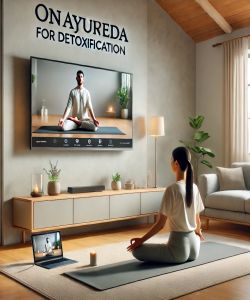
Overview of Pranayama for Detoxification
Pranayama for Detoxification constitutes a formidable and systematic discipline derived from classical yogic science, engineered specifically for the purification of the human physiological and energetic systems. It is not merely a collection of breathing exercises but a sophisticated methodology for manipulating prana, the vital life force, to systematically expel accumulated toxins (ama) and metabolic waste products. The fundamental premise is that regulated, conscious patterns of respiration directly influence the body's primary eliminatory and metabolic processes. By strategically controlling the rhythm, depth, and duration of inhalation, exhalation, and breath retention, the practitioner stimulates the circulatory, lymphatic, digestive, and endocrine systems. This controlled respiratory action functions as an internal pump, enhancing oxygenation at a cellular level, promoting lymphatic drainage, and mechanically massaging the abdominal organs to optimise their function. The practice extends beyond the purely physical; it purges energetic blockages within the nadis (energy channels), thereby restoring vitality and promoting a state of mental clarity and emotional equilibrium. This is a rigorous and potent practice, demanding precise execution and unwavering focus. It serves as a powerful tool for those committed to achieving a state of profound internal cleanliness, heightened energy, and systemic resilience. It is an assertive intervention designed to reset the body’s homeostatic balance, compelling it to operate at a superior level of efficiency and purity. This overview asserts that Pranayama for Detoxification is a non-negotiable component of any serious regimen aimed at achieving and maintaining optimal human health and performance, addressing systemic impurity at its very core through the deliberate and powerful regulation of the breath.
What is Pranayama for Detoxification?
Pranayama for Detoxification is a targeted application of ancient yogic breath-control techniques designed explicitly to facilitate the body’s natural purification processes. The term itself is derived from Sanskrit: prana (vital life force energy) and ayama (to extend, regulate, or control). Therefore, this discipline is the conscious and deliberate regulation of life force through the breath, with the specific objective of expelling physical, mental, and energetic impurities. It operates on the principle that breath is the primary vehicle for prana and that its inefficient flow or stagnation leads to the accumulation of toxins and the manifestation of disease. Unlike generic breathing exercises which may focus solely on relaxation or lung capacity, these techniques are vigorous and methodically structured to produce specific physiological responses conducive to detoxification. It is a proactive and assertive method for cleansing the internal systems, far removed from passive wellness trends.
This discipline entails several key actions:
Systematic Oxygenation and Carbon Dioxide Expulsion: Techniques are employed to saturate the blood with oxygen while forcefully and completely expelling carbon dioxide and other gaseous wastes from the lungs. This hyper-oxygenation revitalises tissues and enhances cellular metabolism.
Stimulation of Abdominal Organs: Many of the practices involve powerful, rhythmic contractions of the abdominal muscles. This action creates an internal massage effect on the liver, spleen, stomach, intestines, and pancreas, stimulating digestive fire (agni) and promoting the efficient elimination of solid waste.
Enhancement of Lymphatic Circulation: The lymphatic system, which is critical for removing cellular waste and pathogens, lacks a central pump like the heart. The deep, diaphragmatic movements inherent in detoxification pranayama act as this pump, compelling the circulation of lymph fluid and accelerating the removal of toxins.
Purification of the Energy Channels (Nadis): From a yogic perspective, toxins are not only physical but also energetic. Pranayama aims to clear blockages in the nadis, ensuring the smooth and unobstructed flow of prana throughout the system, which is considered essential for vibrant health and mental clarity.
Who Needs Pranayama for Detoxification?
Individuals with Sedentary Lifestyles: Persons engaged in prolonged periods of sitting, whether in an office environment or at home, experience compromised circulatory and lymphatic function. The lack of physical movement leads to stagnation and the accumulation of metabolic by-products. Pranayama provides a powerful internal mechanism to stimulate these systems, compensating for physical inactivity and preventing the build-up of systemic toxicity. It is an essential intervention for the modern professional.
Those Exposed to High Levels of Environmental Pollutants: Urban dwellers and individuals in certain occupational fields are subjected to a constant barrage of airborne toxins, heavy metals, and chemical pollutants. These substances enter the body primarily through respiration. Detoxification pranayama directly targets the respiratory system, facilitating the forceful expulsion of particulate matter and purifying the blood, making it a non-negotiable practice for mitigating the effects of a toxic environment.
Persons Experiencing Chronic Stress and Mental Fatigue: Chronic stress elevates cortisol levels and generates significant oxidative stress, a primary contributor to cellular damage and toxicity. The mental fog and fatigue that accompany this state are symptoms of systemic imbalance. This practice directly engages the autonomic nervous system, down-regulates the stress response, and clears the mind, effectively detoxifying the body from the biochemical consequences of psychological strain.
Individuals with Sluggish Digestion and Metabolism: Those who suffer from poor digestion, constipation, or a generally slow metabolism will find this practice exceptionally beneficial. The techniques are specifically designed to stimulate agni (the digestive fire), massage the abdominal organs, and improve peristalsis. This directly enhances the body's ability to process food efficiently and eliminate waste, thereby preventing the auto-intoxication that results from poor gut health.
Practitioners of Intense Physical Regimens: Athletes and individuals engaged in strenuous physical activity produce high levels of lactic acid and other metabolic wastes. While exercise is beneficial, the effective removal of these by-products is crucial for recovery and performance. Pranayama accelerates this process, improves oxygen delivery to fatigued muscles, and ensures a more complete systemic cleanse post-exertion.
Anyone Seeking to Enhance Overall Vitality and Clarity: This discipline is not reserved for those with overt symptoms. It is a proactive tool for any individual committed to achieving a higher state of health, mental acuity, and energetic vibrancy. Regular practice serves as a preventative measure, maintaining the body’s internal environment in a state of pristine cleanliness and optimal function.
Origins and Evolution of Pranayama for Detoxification
The origins of Pranayama for Detoxification are deeply embedded in the ancient traditions of Hatha Yoga, with foundational concepts articulated in seminal texts such as the Hatha Yoga Pradipika and the Gheranda Samhita, composed centuries ago. In these classical scriptures, the practice was not framed in the modern biomedical language of "detoxification" but was described as a method for purifying the nadis (energy channels) and expelling malas (impurities). The primary objective was spiritual: to clear the path for the upward movement of kundalini energy. Practices like the shatkarmas, or six cleansing actions, were prerequisites to pranayama, and certain pranayama techniques themselves, such as Kapalabhati and Bhastrika, were recognised for their powerful purifying effects on both the physical and subtle bodies. The core principle was that a body laden with physical and energetic toxins was an unfit vessel for higher states of consciousness.
Throughout subsequent centuries, these practices were preserved within dedicated yogic lineages, passed down from guru to disciple. The emphasis remained largely esoteric, focused on internal alchemy and spiritual progress. The evolution towards a more secular, health-oriented application began in the early 20th century, as pioneers of modern yoga like Swami Kuvalayananda and T. Krishnamacharya began to investigate and articulate the profound physiological effects of these ancient techniques. They sought to bridge the gap between traditional yogic wisdom and contemporary scientific understanding, conducting studies on the impact of pranayama on the respiratory, circulatory, and nervous systems. This marked a significant shift, reframing these powerful practices as therapeutic interventions accessible to the general populace for health and well-being.
In the contemporary era, the evolution has accelerated dramatically. With the rise of the global wellness movement and increasing scientific validation, Pranayama for Detoxification has been fully integrated into therapeutic yoga and holistic health protocols. Modern research continues to elucidate the mechanisms by which these techniques enhance lymphatic drainage, improve gas exchange, modulate the autonomic nervous system, and reduce oxidative stress. The language has shifted from the purification of nadis to the optimisation of cellular respiration and the up-regulation of detoxification pathways in the liver. While its spiritual roots remain integral to a complete understanding, the practice is now widely recognised and prescribed as a potent, evidence-informed modality for cleansing the body of the toxic burdens of modern life, representing a seamless fusion of ancient wisdom and modern physiological science.
Types of Pranayama for Detoxification
Kapalabhati (Skull Shining Breath): This is not technically a pranayama but a kriya (cleansing action), yet it is fundamental to detoxification protocols. It involves a series of sharp, forceful exhalations driven by vigorous contractions of the abdominal muscles, while inhalation remains passive and reflexive. This technique forcefully expels stale air and carbon dioxide from the lower lobes of the lungs, tones the diaphragm and abdominal organs, and generates internal heat (tapas), which is believed to burn away impurities. Its primary action is the purification of the frontal region of the brain and the entire respiratory tract.
Bhastrika (Bellows Breath): A more intense practice, Bhastrika involves forceful and rapid inhalation and exhalation of equal duration, mimicking the action of a blacksmith’s bellows. The diaphragm moves powerfully and rhythmically, creating a pumping action that floods the system with oxygen and vigorously expels carbon dioxide. This practice significantly increases metabolic rate, stimulates the entire nervous system, and generates immense heat, providing a deep, cellular-level cleanse. It is exceptionally effective at clearing congestion in the lungs and sinuses and energising the entire body-mind complex.
Agni Sara (Fire Breath/Essence of Fire Kriya): Another powerful cleansing kriya, Agni Sara directly targets the digestive system. It is performed by exhaling completely, holding the breath out, and then vigorously snapping the abdomen in and out. This action intensely massages the abdominal organs, stoking the digestive fire (agni) to burn away undigested food residues and toxins. It is a premier practice for alleviating digestive sluggishness, constipation, and poor metabolism, directly purifying the gastrointestinal tract.
Nadi Shodhana (Alternate Nostril Breathing): While often considered a balancing practice, Nadi Shodhana plays a crucial role in detoxification by purifying the nadis, or subtle energy channels. The technique involves a controlled, rhythmic breathing pattern, inhaling through one nostril and exhaling through the other. This process is believed to cleanse the primary energy channels—Ida and Pingala—and balance the sympathetic and parasympathetic nervous systems. By calming the entire system post-vigorous cleansing, it ensures that mobilised toxins are processed and eliminated efficiently, rather than being reabsorbed due to stress. It harmonises the entire pranic body.
Benefits of Pranayama for Detoxification
Enhanced Respiratory Efficiency and Purification: Systematically purges stale, residual air from the lungs, maximising the expulsion of carbon dioxide and airborne pollutants. It strengthens the diaphragm and intercostal muscles, leading to a profound increase in vital lung capacity and more efficient gas exchange at the cellular level.
Stimulation of the Lymphatic System: The rhythmic, deep diaphragmatic movements create an internal pumping mechanism for the lymphatic system. This directly accelerates the circulation of lymph, facilitating the removal of metabolic waste, toxins, and pathogens from the tissues and enhancing overall immune function.
Optimisation of Digestive and Metabolic Function: The vigorous abdominal contractions inherent in techniques like Kapalabhati and Agni Sara provide a powerful internal massage to the digestive organs. This stimulates peristalsis, increases secretion of digestive enzymes, and stokes the metabolic fire (agni), leading to improved digestion, nutrient absorption, and efficient elimination of solid waste.
Purification of the Blood and Circulatory System: By flooding the body with oxygen and ensuring the complete removal of carbon dioxide, these practices fundamentally alter blood chemistry for the better. This hyper-oxygenation revitalises all bodily tissues, improves circulation, and helps to cleanse the blood of impurities.
Modulation of the Autonomic Nervous System: While some techniques are stimulating, the overall practice, especially when balanced with calming pranayama like Nadi Shodhana, profoundly balances the autonomic nervous system. It reduces the dominance of the sympathetic (fight-or-flight) response and up-regulates the parasympathetic (rest-and-digest) response, which is the state in which the body’s healing and detoxification processes function optimally.
Increased Mental Clarity and Focus: The accumulation of toxins, often referred to as 'brain fog', significantly impairs cognitive function. By purifying the blood, improving cerebral circulation, and clearing energetic blockages in the head region, pranayama leads to a marked improvement in mental sharpness, concentration, and emotional stability.
Release of Energetic and Emotional Blockages: From a yogic perspective, toxins are not merely physical but also manifest as emotional and energetic stagnation. The powerful movement of prana during these practices works to dislodge and release these deep-seated blockages, leading to a profound sense of lightness, freedom, and emotional resilience.
Core Principles and Practices of Pranayama for Detoxification
Establishment of a Stable Posture (Asana): The practitioner must assume a firm, stable, and comfortable seated posture, typically a cross-legged position such as Siddhasana or Padmasana, or an upright position on a chair if necessary. The spine must be held erect and elongated, from the coccyx to the crown of the head. This alignment is non-negotiable as it facilitates the unobstructed movement of the diaphragm and the free flow of prana along the central channel (Sushumna Nadi).
Primacy of Diaphragmatic Breathing: All pranayama is founded upon the mastery of deep, abdominal breathing. The primary muscle of respiration, the diaphragm, must be fully engaged. On inhalation, the abdomen expands outward; on exhalation, it draws inward towards the spine. This foundational practice ensures maximum lung utilisation and provides the mechanical force required for effective internal cleansing.
Conscious Regulation of Breath (Svara): The practitioner must move beyond autonomic breathing and assume direct, conscious control over the entire respiratory cycle. This includes the deliberate manipulation of the duration, depth, and rhythm of inhalation (puraka), exhalation (rechaka), and any periods of breath retention (kumbhaka). The mind must remain single-pointedly focused on the breath.
Application of Body Locks (Bandhas): The use of bandhas is integral to intensifying and directing the effects of pranayama. Jalandhara Bandha (throat lock) and Uddiyana Bandha (abdominal lock) are often employed to contain and build pranic pressure within the torso, amplifying the cleansing effect and directing energy upwards. Their application must be precise and learned under expert guidance.
Adherence to a Principle of Gradual Progression (Krama): The practitioner must not attempt advanced or vigorous techniques without first mastering the fundamentals. The practice must be built systematically, starting with basic breath awareness and gradually increasing the intensity, duration, and complexity of the techniques. Attempting to bypass this progression is both ineffective and hazardous.
Practice on an Empty Stomach: It is an absolute imperative that all detoxification pranayama techniques are performed on a completely empty stomach, typically in the morning before any food has been consumed. Practising with food in the digestive system can cause extreme discomfort, nausea, and can interfere with the physiological processes being targeted.
Integration with Mindful Awareness (Dharana): The practice must be executed with unwavering, moment-to-moment awareness. The practitioner must be attentive to the physical sensations, the flow of energy, and the state of the mind. This mindful observation transforms the practice from a mere mechanical exercise into a profound meditative and purifying experience.
Online Pranayama for Detoxification
Unparalleled Accessibility and Convenience: The online format dismantles geographical and logistical barriers. Individuals can access high-calibre instruction from expert practitioners anywhere in the world, eliminating the need for travel and accommodating demanding schedules. Practice can be integrated seamlessly into the daily routine, whether at home or while travelling, ensuring the consistency that is critical for tangible results. This removes all excuses for non-compliance.
Creation of a Controlled, Personalised Environment: Practitioners have absolute control over their practice space. They can ensure it is quiet, clean, and free from the external distractions often present in a group studio environment. This personal sanctuary fosters a deeper level of introspection and concentration, allowing the practitioner to focus entirely on the subtleties of the breath and internal sensations, which is paramount for effective detoxification.
Access to a Broader Spectrum of Expertise: The digital landscape provides access to a diverse array of specialist instructors who focus exclusively on advanced pranayama. A practitioner is no longer limited to the expertise available in their immediate locality. They can select a guide whose lineage, teaching style, and specific knowledge align perfectly with their objectives, ensuring a more potent and tailored learning experience.
Enhanced Personal Responsibility and Discipline: Without the physical presence of an instructor to provide constant correction, the online practitioner is compelled to cultivate a higher degree of self-awareness, discipline, and accountability. They must learn to listen intently to their body's feedback and take full ownership of their practice. This enforced self-reliance builds a stronger, more intuitive, and sustainable personal practice over the long term.
Cost-Effectiveness and Resource Availability: Online courses often provide a more cost-effective means of accessing specialised instruction. Furthermore, digital platforms typically offer a wealth of supporting resources, such as recorded sessions for repeated viewing, downloadable instructional materials, and community forums. This allows for self-paced learning and continuous reinforcement of complex techniques outside of live session times.
Privacy and Comfort for a Deeply Internal Practice: Pranayama is an intensely personal and internal process. The privacy of one's own space can be highly conducive to exploring the powerful, and sometimes emotionally charged, releases that occur during detoxification practices. This eliminates any potential for self-consciousness or comparison that might arise in a group setting, allowing for a more authentic and profound experience.
Pranayama for Detoxification Techniques
The following outlines the precise, sequential execution of Kapalabhati (Skull Shining Breath), a cornerstone technique for detoxification. Adherence to this protocol is mandatory for safety and efficacy.
Step 1: Assume the Correct Posture.
Sit erect on a cushion or yoga mat in a stable, cross-legged posture such as Siddhasana or Padmasana. If this is not feasible, sit upright on the edge of a chair with feet flat on the floor and the spine completely straight. Place the hands on the knees in Jnana Mudra (thumb and index finger touching). The head and neck must be aligned with the spine.
Step 2: Prepare the Body and Mind.
Close the eyes and bring full awareness to the body. Take several deep, slow, diaphragmatic breaths to centre the mind and relax the facial muscles, shoulders, and abdomen. Establish a state of calm attentiveness before commencing the vigorous phase.
Step 3: Perform a Preparatory Inhalation.
Take a deep, but not strained, inhalation through both nostrils, allowing the abdomen to expand fully. This prepares the lungs with an adequate volume of air for the subsequent forceful exhalations.
Step 4: Execute the Forceful Exhalations.
Begin the core action: a series of sharp, powerful, and rapid exhalations through the nostrils. Each exhalation must be driven by a forceful inward contraction of the abdominal muscles, pulling the navel towards the spine. The sound produced should be a short, sharp burst. The inhalation that follows each exhalation must be passive, automatic, and silent as the abdomen relaxes.
Step 5: Maintain Rhythm and Focus.
Establish a steady rhythm, aiming for approximately one exhalation per second initially. The focus must remain entirely on the forceful exhalation; do not consciously attempt to inhale. Maintain a continuous and unbroken series of these breaths for a set number of counts, typically starting with a round of 20 or 30 repetitions. The upper body, shoulders, and face must remain relaxed and still throughout.
Step 6: Conclude the Round with Breath Retention.
After the final forceful exhalation of the round, exhale completely. Then, inhale deeply and smoothly, filling the lungs to approximately three-quarters of their capacity. Retain the breath (antar kumbhaka) for a comfortable duration, focusing the mind on the space between the eyebrows. Do not strain.
Step 7: Release and Integrate.
Exhale slowly and completely. Remain still with eyes closed, observing the sensations within the body and the state of the mind. Notice the stillness, clarity, and energy that follows the practice. This period of quiet observation is critical for integrating the effects. Repeat for a total of three rounds.
Pranayama for Detoxification for Adults
The application of Pranayama for Detoxification for the adult population is a strategic and potent intervention designed to counteract the physiological and psychological burdens inherent in modern adult life. For adults, this practice transcends mere wellness; it becomes an essential tool for maintaining high performance, mitigating the effects of chronic stress, and combating the insidious onset of age-related systemic decline. The adult body is frequently compromised by years of suboptimal lifestyle choices, environmental toxin exposure, and the relentless pressure of professional and personal responsibilities. These factors lead to metabolic slowdown, compromised immune function, and an accumulation of cellular waste, manifesting as fatigue, mental fog, and a predisposition to chronic illness. Pranayama for Detoxification directly confronts these challenges. The vigorous techniques serve to reboot the metabolic engine, enhance cellular oxygenation to improve energy production, and stimulate the body’s primary eliminatory pathways—the respiratory, digestive, and lymphatic systems—which often become sluggish with age and inactivity. It is a non-negotiable discipline for the adult seeking not just to survive but to thrive with vitality and resilience. The practice demands a level of maturity and self-awareness that is characteristic of adulthood, requiring disciplined and consistent application to yield its profound benefits. It empowers adults to take assertive control over their internal environment, systematically purifying the body and mind to restore the clarity, energy, and robust health necessary to navigate the complexities of their lives with commanding presence and vigour. It is, in essence, a sophisticated system of biological optimisation for the discerning adult.
Total Duration of Online Pranayama for Detoxification
The standard and prescribed total duration for a structured online Pranayama for Detoxification session is precisely one hour (1 hr). This specific timeframe is not arbitrary; it is a carefully calibrated duration designed to ensure the practice is conducted with maximum efficacy, safety, and physiological benefit. A session of this length allows for the methodical and unhurried progression through several critical phases, which are non-negotiable for a potent and responsible practice. The initial phase is dedicated to centering the mind and preparing the physical body, which involves establishing a correct posture and engaging in preliminary, gentle breathing exercises to calm the nervous system and prime the respiratory muscles. This essential preparatory stage cannot be truncated. Following this, the session moves into the core detoxification techniques themselves, such as Kapalabhati or Bhastrika. These vigorous practices must be performed in controlled rounds with adequate periods of rest and integration between them to allow the system to assimilate the effects and avoid over-stimulation. Rushing this central part of the practice would be both ineffective and potentially hazardous. The final segment of the 1 hr duration is reserved for crucial counter-balancing and cooling-down practices, such as Nadi Shodhana (Alternate Nostril Breathing) and a period of quiet observation or meditation. This concluding phase is imperative for soothing the nervous system after the intense stimulation of the cleansing techniques, ensuring that the practitioner leaves the session in a state of balanced energy and mental clarity, rather than feeling agitated or ungrounded. Therefore, the one-hour structure provides the necessary container to move from preparation to peak practice and then to complete integration, making it the industry standard for a comprehensive and professionally delivered online session.
Things to Consider with Pranayama for Detoxification
Before embarking on the rigorous discipline of Pranayama for Detoxification, a number of critical factors must be rigorously considered. This is not a casual pursuit and demands a serious, informed approach. Foremost among these considerations is the absolute necessity of qualified guidance. These are powerful techniques that, if performed incorrectly, have the potential to cause harm, such as creating nervous system imbalances, dizziness, or exacerbating latent medical conditions. Self-instruction from unreliable sources is unequivocally discouraged; one must seek out a seasoned and certified instructor with deep knowledge of pranayama, anatomy, and contraindications. Furthermore, the practitioner must conduct an honest self-assessment of their current physical and mental health. Individuals with specific conditions—including but not limited to high blood pressure, heart disease, glaucoma, epilepsy, hernia, or recent abdominal surgery—must either avoid certain techniques entirely or practise only under direct therapeutic supervision. Pregnancy is a strict contraindication for the more vigorous cleansing practices. It is also imperative to understand that this is a discipline of consistency, not a sporadic quick-fix. Tangible results are cumulative and are predicated on regular, dedicated practice. The practitioner must be prepared to commit to a structured routine. Finally, one must appreciate that pranayama is part of a holistic system. Its effects are magnified when supported by a clean diet, adequate hydration, and a mindful lifestyle. To treat it as an isolated technique while continuing to engage in detrimental habits is to fundamentally misunderstand its purpose and to severely limit its profound potential for systemic purification.
Effectiveness of Pranayama for Detoxification
The effectiveness of Pranayama for Detoxification is both profound and scientifically substantiated, operating on multiple physiological and energetic levels to achieve a comprehensive systemic purge. Its potency is not a matter of belief but a direct consequence of its mechanical and biochemical impact on the human body. At the most fundamental level, vigorous techniques such as Kapalabhati and Bhastrika dramatically enhance pulmonary ventilation, ensuring the forceful expulsion of not only carbon dioxide but also other volatile toxins and pollutants trapped in the deepest recesses of the lungs. This action simultaneously hyper-oxygenates the blood, increasing the partial pressure of oxygen and driving it more efficiently into every cell and tissue. This cellular hyper-oxygenation revitalises organ function and optimises the metabolic processes responsible for neutralising and eliminating toxins. The powerful, rhythmic contractions of the diaphragm and abdominal wall act as a mechanical pump for the viscera and the lymphatic system. This internal massage stimulates the liver, kidneys, and spleen—the body’s primary detoxification organs—while compelling the circulation of lymph fluid, which is critical for clearing metabolic waste from the interstitial spaces. The practice also directly modulates the autonomic nervous system, shifting it towards a parasympathetic-dominant state post-practice, which is the physiological mode required for optimal digestion, repair, and elimination. Therefore, its effectiveness is not a singular action but a cascade of integrated benefits: it cleanses the lungs, purifies the blood, stimulates eliminatory organs, and balances the nervous system. It is a robust and highly effective method for internal purification.
Preferred Cautions During Pranayama for Detoxification
The practice of Pranayama for Detoxification is a potent undertaking and must be approached with uncompromising caution and respect for its power. It is absolutely imperative that all vigorous techniques are performed on a completely empty stomach, with a minimum of three to four hours having passed since the last meal. Failure to adhere to this rule can result in nausea, cramping, and severe digestive distress. Individuals with certain pre-existing medical conditions must exercise extreme vigilance or abstain entirely. Those with uncontrolled high blood pressure, coronary artery disease, glaucoma, retinal problems, epilepsy, hernias, gastric ulcers, or who have recently undergone abdominal or thoracic surgery are strictly advised against forceful practices like Kapalabhati and Bhastrika without explicit clearance from a medical professional and guidance from a therapeutic yoga expert. Pregnancy is an absolute contraindication for these intense abdominal techniques. During the practice itself, there must be no strain. The face, neck, and shoulders should remain relaxed, and the breath must never be forced beyond one's comfortable capacity, especially during retention. Any experience of dizziness, light-headedness, shortness of breath, or sharp pain is a clear and immediate signal to cease the practice, return to normal breathing, and rest. Pushing through such warning signs is reckless and counterproductive. The guiding principle must always be one of intelligent, mindful application, prioritising safety and stability over aggressive ambition. These are not mere exercises; they are powerful physiological interventions that demand and deserve a mature and cautious approach.
Pranayama for Detoxification Course Outline
Module I: Foundational Principles and Preparatory Practices
Introduction to the Yogic Concept of Prana and Mala (Impurities).
The imperative of correct seated posture (Asana) for pranayama.
Mastery of Full Yogic Breath (Diaphragmatic, Thoracic, and Clavicular).
Safety Protocols, Contraindications, and the Principle of Ahimsa (Non-harming) in practice.
Module II: Introduction to Cleansing Kriyas
Detailed instruction on the technique of Kapalabhati (Skull Shining Breath).
Focus on correct abdominal action and passive inhalation.
Systematic progression: building from short rounds to extended practice.
Integration and observation of post-practice effects on mind and body.
Module III: Advanced Stimulating and Heating Practices
Instruction on the technique of Bhastrika (Bellows Breath).
Differentiating Bhastrika from Kapalabhati: active inhalation and exhalation.
Managing the intensity and energetic effects of Bhastrika.
Introduction to Agni Sara (Stoking the Digestive Fire) for targeted abdominal purification.
Module IV: Balancing and Cooling Pranayama
Mastery of Nadi Shodhana (Alternate Nostril Breathing) as an essential counter-practice.
Understanding its role in pacifying the nervous system after stimulating techniques.
Techniques for balancing Ida and Pingala nadis.
Introduction to cooling breaths: Sheetali and Sitkari for dissipating excess heat.
Module V: Integration, Retention, and Lifestyle
The application of Bandhas (Body Locks) to intensify and direct pranic energy.
Introduction to safe and progressive breath retention (Kumbhaka).
Designing a personalised daily pranayama practice for detoxification.
Guidance on supportive lifestyle factors, including diet (Ahara) and daily routine (Dinacharya), to maximise the benefits of the practice.
Detailed Objectives with Timeline of Pranayama for Detoxification
Week 1: Establishment of Foundation and Breath Awareness
Objective: To establish a stable and sustainable seated posture for a minimum of 15 minutes without physical strain. The practitioner shall demonstrate consistent and correct diaphragmatic breathing, with visible abdominal movement on both inhalation and exhalation.
Timeline: By the end of the first week, the practitioner must be proficient in Full Yogic Breath and be able to clearly articulate the primary safety contraindications.
Weeks 2-3: Mastery of Core Cleansing Technique
Objective: To correctly execute three consecutive rounds of Kapalabhati, with each round consisting of at least 60 repetitions, performed at a steady rhythm. The practitioner must maintain relaxation in the upper body and face throughout the practice and demonstrate the ability to perform a comfortable post-practice breath retention.
Timeline: By the end of the third week, the practitioner shall report increased feelings of mental clarity and physical lightness post-practice, indicating effective initial purification.
Weeks 4-5: Introduction of Advanced Technique and Balancing
Objective: To safely perform two rounds of Bhastrika pranayama, demonstrating correct, forceful, and equal inhalation and exhalation. Concurrently, the practitioner must master the technique of Nadi Shodhana, performing it for a minimum of five minutes post-cleansing practices to effectively balance the nervous system.
Timeline: By the end of the fifth week, the practitioner will be able to independently structure a session comprising a stimulating technique followed by a calming one, demonstrating an understanding of energetic balance.
Weeks 6-7: Integration of Bandhas and Deepening Practice
Objective: To correctly apply Jalandhara Bandha (throat lock) during breath retention following Kapalabhati and Bhastrika. The practitioner will aim to comfortably and safely extend the duration of their breath retentions by a measurable degree.
Timeline: By the end of the seventh week, the practitioner will be able to integrate body locks seamlessly into their practice, reporting a tangible increase in the intensity and depth of the pranic effects.
Week 8: Autonomy and Personalised Practice
Objective: To design and execute a personalised 30-minute daily Pranayama for Detoxification routine, intelligently selecting techniques based on personal energy levels and daily needs. The practitioner must demonstrate a comprehensive understanding of all learned techniques and their specific effects.
Timeline: By the conclusion of the eighth week, the practice shall be a self-sufficient, integrated daily discipline, with the practitioner fully autonomous in its safe and effective application.
Requirements for Taking Online Pranayama for Detoxification
Unwavering Personal Commitment and Discipline: The practitioner must possess a serious commitment to consistent, daily practice. The online format requires a high degree of self-motivation and personal accountability, as external supervision is limited. A disciplined mindset is the primary and non-negotiable requirement.
A Private, Quiet, and Uncluttered Practice Space: A dedicated area free from interruptions, noise, and clutter is mandatory. The environment must be conducive to deep concentration and introspection. This space must be consistently available for the duration of the course and for personal practice.
Stable, High-Speed Internet Connection: A reliable and uninterrupted internet connection is essential for participation in live sessions and for accessing course materials. Technical failures disrupt the flow of the practice and impede the learning process for both the individual and the group.
A Functional Electronic Device with Webcam and Microphone: The practitioner must have a laptop, tablet, or desktop computer with a high-quality, fully functional webcam and microphone. Visual and auditory feedback is critical for the instructor to provide necessary corrections on posture, technique, and breathing patterns.
Appropriate Attire and Equipment: Loose, comfortable clothing that does not restrict the movement of the abdomen or chest is required. A yoga mat or a firm cushion for sitting is essential to support proper posture and provide stability during the practice.
Pre-existing State of General Good Health: The individual must be in a reasonable state of health, free from the specific contraindications associated with vigorous pranayama (e.g., uncontrolled high blood pressure, heart conditions, hernia). Full disclosure of any and all medical conditions to the instructor prior to commencement is an absolute requirement.
An Empty Stomach During Practice Sessions: A strict adherence to the rule of practising on an empty stomach is required. The practitioner must arrange their meal schedule to ensure a minimum of a 3-4 hour gap before any session.
Things to Keep in Mind Before Starting Online Pranayama for Detoxification
Before engaging in an online course for Pranayama for Detoxification, it is imperative to adopt a mindset of rigorous self-responsibility and discerning judgement. The digital medium, while convenient, introduces a layer of separation between instructor and student that necessitates heightened personal awareness. You must understand that the instructor cannot physically intervene or perceive subtle physiological cues with the same acuity as in an in-person setting. Therefore, the onus of safety, of listening to your body’s intrinsic feedback, and of resisting the urge to push beyond sensible limits, rests squarely upon your shoulders. It is crucial to thoroughly vet the credentials and experience of any online instructor. Do not be swayed by superficial marketing; seek out teachers with demonstrable lineage, deep technical knowledge, and a strong emphasis on safety protocols. Furthermore, you must disabuse yourself of any notion that this is a passive or quick-fix solution. Pranayama for Detoxification is a demanding and cumulative discipline. You must be prepared to commit to a consistent, structured practice, understanding that its profound benefits unfold over time through dedication, not sporadic effort. Be prepared for the process to stir not only physical sensations but also potential emotional and energetic releases. Approach the practice with respect for its power, the patience to master its fundamentals methodically, and the unwavering discipline to integrate it as a non-negotiable component of your personal regimen. This is an assertive act of self-purification, and it demands an equally assertive and responsible approach from the outset.
Qualifications Required to Perform Pranayama for Detoxification
The instruction and guidance of Pranayama for Detoxification must be undertaken exclusively by individuals possessing specific, verifiable, and comprehensive qualifications. To entrust this potent practice to an unqualified person is irresponsible and hazardous. A legitimate instructor must not merely be an enthusiast but a deeply educated professional who meets stringent criteria. Their expertise must be a synthesis of traditional knowledge, practical experience, and a firm grounding in modern anatomical and physiological science. Anything less is unacceptable and compromises the safety and integrity of the practice.
The non-negotiable qualifications for an instructor include:
Advanced Certification from a Recognised Yoga Institution: The instructor must hold, at a minimum, an RYT-500 (Registered Yoga Teacher 500-hour) certification or an equivalent advanced qualification from a reputable, internationally recognised yoga training body. A basic 200-hour certification is insufficient for teaching advanced and potent pranayama techniques.
Specialised, In-Depth Training in Pranayama: Beyond general yoga teacher training, the instructor must have completed dedicated, advanced coursework specifically in the science and application of pranayama. This training should cover the subtle energetics of prana, the intricate mechanics of each technique, contraindications, and therapeutic applications, taught by a master teacher with a clear lineage.
Demonstrable Knowledge of Functional Anatomy and Physiology: A thorough understanding of the respiratory, circulatory, nervous, and digestive systems is absolutely essential. The instructor must be able to articulate precisely how each pranayama technique impacts these systems, explain the physiological basis for contraindications, and recognise signs of improper practice or physical distress.
Significant Personal Practice and Teaching Experience: The instructor must have a long-standing and dedicated personal pranayama practice. Theoretical knowledge is inadequate; the wisdom to guide others comes from years of direct, embodied experience. Furthermore, they must possess substantial experience in teaching pranayama to a variety of students, demonstrating the ability to adapt instruction and provide clear, safe guidance.
Online Vs Offline/Onsite Pranayama for Detoxification
Online
The primary advantage of engaging with Pranayama for Detoxification in an online format is one of superior accessibility and personal control. It eliminates all geographical and logistical constraints, permitting access to elite instructors regardless of one's physical location. The practitioner can maintain absolute authority over their environment, ensuring a space that is silent, private, and optimised for deep concentration—a factor often compromised in a public studio. This format demands and cultivates a higher degree of personal discipline and self-awareness, as the practitioner must become acutely attuned to their own body's signals without the immediate presence of a guide. For the self-motivated individual, online learning provides unparalleled convenience and fosters a deeply personal and self-reliant practice. However, its significant limitation lies in the absence of physical touch and direct spatial observation. An instructor cannot provide hands-on adjustments to posture, nor can they perceive the subtlest signs of strain or incorrect muscular engagement. The risk of a practitioner developing and embedding improper technique is therefore higher if they lack sufficient body awareness. The experience is also mediated by technology, which can be prone to failure, disrupting the sanctity and flow of the practice.
Offline/Onsite
The defining strength of offline, in-person instruction is the immediacy and precision of the feedback loop between instructor and student. A qualified teacher present in the room can offer immediate, hands-on corrections to posture, ensuring the physical foundation of the practice is sound. They can observe minute details of the breath and body language, allowing them to preemptively address strain or incorrect technique before it becomes problematic. This direct supervision provides a critical layer of safety, particularly for beginners or those with pre-existing health concerns. Furthermore, the collective energy of a group practising together can create a powerful, focused, and supportive atmosphere that is difficult to replicate in isolation. The principal disadvantages are logistical. Onsite sessions are bound by a fixed schedule and location, demanding that the practitioner conform to the studio's timetable and travel requirements. The environment is shared, which may introduce distractions, and the choice of instructors is restricted to those available within a reasonable travel distance. The cost of in-person instruction may also be substantially higher.
FAQs About Online Pranayama for Detoxification
Question 1. What is the primary objective of this specific type of pranayama?
Answer: The primary objective is the systematic purification of the body’s physiological and energetic systems by expelling accumulated toxins and metabolic waste.
Question 2. Is this practice suitable for absolute beginners?
Answer: It can be, but only under the guidance of a highly qualified instructor who structures the course for beginners. Certain vigorous techniques require foundational breath-work to be mastered first.
Question 3. What technical equipment is mandatory?
Answer: A stable internet connection, a device (computer or tablet) with a functional webcam and microphone, and a quiet space are non-negotiable.
Question 4. Must I have my camera on during the session?
Answer: Yes. It is an absolute requirement for the instructor to provide visual feedback and ensure your safety and correct technique.
Question 5. How long before a session should I stop eating?
Answer: A minimum of 3-4 hours. Practice must be conducted on a completely empty stomach.
Question 6. Can I practise if I have high blood pressure?
Answer: This requires extreme caution. You must consult your doctor and inform your instructor beforehand. Certain techniques will be contraindicated or must be modified significantly.
Question 7. What happens if I feel dizzy during the practice?
Answer: You must stop the technique immediately, sit quietly, and return to normal, gentle breathing until the sensation subsides. Never push through dizziness.
Question 8. How often should I practise to see results?
Answer: Consistency is key. A short, daily practice of 15-20 minutes is far more effective than a long session once a week.
Question 9. Will I lose weight with this practice?
Answer: While not a primary weight-loss tool, the stimulation of metabolism and digestion can contribute to weight normalisation as part of a holistic lifestyle.
Question 10. What is the difference between Kapalabhati and Bhastrika?
Answer: In Kapalabhati, exhalation is forceful and active while inhalation is passive. In Bhastrika, both inhalation and exhalation are forceful and active.
Question 11. Can I practise pranayama in the evening?
Answer: Stimulating techniques like Bhastrika are best avoided in the evening as they can interfere with sleep. Calming practices like Nadi Shodhana are suitable.
Question 12. Is it normal to feel emotional during or after practice?
Answer: Yes. The powerful movement of prana can release stored emotional and energetic blockages. It is a normal part of the purification process.
Question 13. Do I need a yoga mat?
Answer: A yoga mat or a firm cushion is essential to provide a stable and comfortable seat, which is crucial for maintaining a straight spine.
Question 14. Are recorded sessions as effective as live ones?
Answer: Live sessions are superior as they provide real-time feedback. Recordings are useful for supplementary practice once the technique has been safely learned.
Question 15. Can children practise these techniques?
Answer: The vigorous detoxification techniques are generally not recommended for young children. They are designed for adults.
Question 16. What should I wear for the practice?
Answer: Loose, non-restrictive clothing that allows for full expansion and contraction of the abdomen and chest.
Question 17. Can pranayama cure diseases?
Answer: Pranayama is a powerful tool for health maintenance and can support the body's healing processes, but it is not a substitute for professional medical treatment for diagnosed diseases.
Conclusion About Pranayama for Detoxification
In conclusion, Pranayama for Detoxification stands as a formidable and highly sophisticated discipline for achieving profound systemic purity. It is not a passive wellness trend but an assertive, science-based methodology that leverages the immense power of regulated respiration to actively cleanse the body at a cellular level. Through the precise application of specific techniques, the practitioner can systematically stimulate the respiratory, circulatory, digestive, and lymphatic systems, compelling the expulsion of metabolic waste and environmental toxins. This practice demands respect, consistency, and an unwavering commitment to correct form. Its benefits, which include enhanced vitality, mental clarity, and physiological resilience, are not granted casually but are earned through disciplined and intelligent application. The imperative of seeking qualified, expert guidance cannot be overstated, as the potency of these techniques necessitates a framework of safety and knowledgeable supervision. Ultimately, Pranayama for Detoxification offers a direct and empowering means to take command of one's internal environment, transforming the very act of breathing into a powerful instrument of purification and regeneration. For the individual dedicated to achieving optimal human function, it is an essential and non-negotiable component of a robust health regimen, providing the tools to build a foundation of absolute internal cleanliness upon which vibrant health is built.