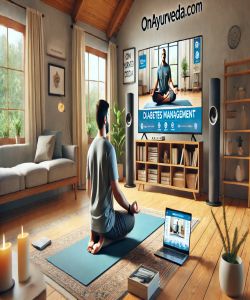
Overview of Pranayama for Diabetes
Pranayama is an ancient yogic breathing technique that helps control the flow of prana or life energy through the body. It is a simple yet powerful method that brings harmony to the body and mind. In recent years pranayama has gained attention for its positive impact on various health issues including diabetes. Diabetes is a chronic condition that affects how the body manages blood sugar levels. Stress unhealthy eating habits and lack of physical activity can make diabetes worse. Pranayama can help reduce stress improve oxygen supply and boost metabolic functions which in turn can help in managing diabetes effectively.
Practicing pranayama daily can help diabetics maintain better blood sugar levels. It also supports the health of the pancreas the organ responsible for insulin production. Additionally pranayama can improve digestion lower blood pressure and enhance mental clarity. These benefits are particularly important for individuals living with diabetes. Regular practice helps balance the nervous system and reduces anxiety which is often linked to blood sugar fluctuations.
The best part of pranayama is that it does not require any special equipment and can be practiced by people of all ages. It is important to practice these breathing exercises in a clean and quiet environment preferably in the morning on an empty stomach. Consistency and discipline in practicing pranayama can lead to long-term health benefits. It is always recommended to learn pranayama techniques from a trained yoga instructor to avoid any mistakes and achieve the best results. Overall pranayama is a natural holistic way to manage diabetes and improve overall well-being.
What are Pranayama for Diabetes
Pranayama for diabetes refers to specific breathing exercises that help regulate blood sugar levels and improve the overall functioning of the body. These breathing techniques are designed to reduce stress stimulate the pancreas enhance blood circulation and detoxify the body. Regular practice of pranayama can improve insulin sensitivity and balance the nervous system both of which are crucial for diabetics.
There are several types of pranayama that can be beneficial for individuals with diabetes. One of the most popular pranayama techniques for diabetes is Anulom Vilom which involves alternate nostril breathing. This exercise helps calm the mind balance energy and purify the body. Another effective pranayama is Kapalbhati which involves forceful exhalation and gentle inhalation. Kapalbhati helps improve digestion burn excess fat and stimulate the pancreas.
Bhastrika pranayama also known as bellows breath is another powerful technique for diabetics. It increases oxygen supply improves metabolic rate and strengthens the respiratory system. Bhramari pranayama or humming bee breath is helpful in reducing stress and anxiety which are often contributors to poor blood sugar management. Sheetali pranayama a cooling breath technique can help detoxify the body and manage high blood pressure.
It is important to start slowly and gradually increase the duration and intensity of pranayama practice. People should focus on proper technique and breathing patterns to gain the full benefits. Practicing pranayama daily for fifteen to twenty minutes can lead to significant improvements in health. It is always advisable to consult with a healthcare professional before starting any new exercise routine especially for those with serious medical conditions. Overall pranayama for diabetes is a simple natural and effective tool to improve blood sugar control and enhance overall health.
Who Needs Pranayama for Diabetes
Pranayama for diabetes is recommended for anyone who has been diagnosed with diabetes or prediabetes and is looking for a natural way to manage their condition. It is especially useful for those who experience frequent blood sugar fluctuations stress and related health issues. People who are on medication for diabetes but still struggle to maintain stable blood glucose levels can benefit greatly from regular pranayama practice.
Individuals who have a family history of diabetes and want to prevent the onset of the disease can also include pranayama in their daily routine. It helps boost metabolism reduce fat and promote overall wellness which lowers the risk of developing diabetes. Those who lead a sedentary lifestyle and have poor dietary habits are also good candidates for pranayama as it promotes mental and physical balance.
Middle aged individuals and senior citizens who often face multiple health challenges including diabetes can use pranayama as a supportive therapy. It helps in reducing stress managing weight and improving cardiovascular health. Even young adults who face stress and anxiety due to modern lifestyles can benefit from pranayama to keep their bodies healthy and maintain blood sugar balance.
People dealing with obesity high blood pressure or stress related disorders are at a higher risk of developing diabetes. For them pranayama can act as a preventive measure. It is important to note that pranayama is not a substitute for medication but a complementary practice that enhances the effect of medical treatment.
Overall pranayama for diabetes is for anyone who wishes to take control of their health in a holistic and natural way. It is a safe and effective practice for people of all ages who want to improve their physical and mental health while managing or preventing diabetes.
Origins and Evolution of Pranayama for Diabetes
Pranayama is an ancient breathing practice that originated thousands of years ago in India as part of the yogic traditions. The word Pranayama is derived from two Sanskrit words Prana which means life force or vital energy and Ayama which means control or extension. In its essence pranayama is the practice of controlling the breath to balance the mind body and spirit. Over centuries this practice has evolved and gained scientific attention especially in relation to managing lifestyle diseases like diabetes.
Diabetes is a chronic condition that affects millions worldwide. In ancient times the sages and practitioners of Ayurveda and Yoga understood that the imbalance in bodily functions including digestion and metabolism could lead to ailments. Pranayama was designed to improve the body’s overall function including the endocrine system which controls the secretion of insulin. Ancient texts like the Hatha Yoga Pradipika and Patanjali’s Yoga Sutras emphasize the importance of breath control not just for spiritual growth but also for maintaining good physical health.
As modern science began to study ancient practices researchers found that pranayama helps reduce stress levels a major contributing factor in diabetes. High stress can lead to hormonal imbalances and insulin resistance which are closely associated with diabetes. Over time this ancient technique evolved from being a purely spiritual practice to becoming a scientifically recognized method for managing chronic diseases.
Today many health practitioners integrate pranayama into diabetes management routines. The slow controlled breathing techniques promote better oxygen supply to the organs reduce oxidative stress and support metabolic processes. As more clinical studies support these findings pranayama continues to evolve as a complementary therapy for people dealing with diabetes. It offers not just physical benefits but also mental clarity and emotional balance making it a holistic approach to managing health.
Types of Pranayama for Diabetes
There are several types of pranayama practices each designed to offer different benefits for the body and mind. For those dealing with diabetes certain types of pranayama are highly recommended because they help control blood sugar levels reduce stress and improve overall body function.
One of the most effective types is Anulom Vilom also known as alternate nostril breathing. This practice helps balance the nervous system reduces stress and improves insulin sensitivity. It calms the mind and aids in better oxygenation of the body which is crucial for metabolic health.
Another popular pranayama is Bhastrika or bellows breath. This involves deep inhalation and forceful exhalation which stimulates the pancreas and helps in better secretion of insulin. It also energizes the body and improves circulation.
Kapalbhati is another highly recommended pranayama for diabetes. It involves forceful exhalation and passive inhalation. This practice helps detoxify the body improves digestion and boosts the functioning of abdominal organs including the pancreas.
Bhramari pranayama or humming bee breath is effective for reducing anxiety and stress which are common issues for people with diabetes. This practice involves inhaling deeply and exhaling with a humming sound. It calms the mind and lowers stress hormones.
Ujjayi pranayama is also helpful for diabetes. It involves slow deep breathing with a slight constriction in the throat. This practice enhances focus increases oxygen intake and helps in balancing hormones.
Each of these pranayama practices can be performed daily for best results. They not only help in managing blood sugar but also improve heart health reduce anxiety and enhance mental well being.
Benefits of Pranayama for Diabetes
Pranayama offers numerous benefits for people managing diabetes. One of the most significant advantages is the ability to lower stress levels. Stress increases the secretion of cortisol and adrenaline which can raise blood sugar levels. Regular practice of pranayama calms the nervous system reduces stress hormones and helps maintain stable blood sugar levels.
Another important benefit is improved insulin sensitivity. Certain pranayama practices like Bhastrika and Kapalbhati stimulate the pancreas and enhance the body’s ability to use insulin more effectively. This helps in controlling blood sugar naturally.
Pranayama also improves blood circulation. Enhanced circulation ensures that all organs including the pancreas liver and kidneys receive adequate oxygen and nutrients. This supports better organ function and helps prevent diabetes related complications.
Respiratory efficiency is another major benefit. With improved lung function the body receives more oxygen which is essential for cellular metabolism. This directly supports glucose metabolism and energy production.
Mental health improvement is yet another advantage. Diabetes often leads to anxiety and depression due to continuous monitoring and lifestyle adjustments. Pranayama helps in calming the mind reduces anxiety and enhances mental clarity.
Improved digestion and detoxification are also benefits of pranayama. Practices like Kapalbhati help in removing toxins from the digestive system which supports better absorption of nutrients and improves metabolic health.
In addition to these benefits pranayama helps in weight management which is crucial for people with type 2 diabetes. It supports fat metabolism and reduces cravings. Regular practice can also lead to better sleep patterns which play a key role in maintaining overall health and blood sugar balance.
In conclusion pranayama is a simple natural and effective practice that offers both physical and mental benefits for those managing diabetes.
Core Principles and Practices of Pranayama for Diabetes
Pranayama is a powerful breathing practice that has been widely acknowledged for its ability to promote overall health and wellness. For individuals dealing with diabetes, pranayama can be a supportive practice to help manage blood sugar levels and improve overall metabolic health. The core principles of pranayama for diabetes include breath control, mindfulness, balance of energies, and regular practice.
The first principle is breath control. Practicing pranayama teaches an individual to consciously regulate the inhalation and exhalation process. This controlled breathing helps in enhancing oxygen flow and supports better function of the pancreas, which plays a vital role in insulin production. The second principle is mindfulness. Practicing pranayama requires one to be fully aware of the breathing pattern and maintain focus. This mindfulness helps reduce stress levels, and stress is a known trigger for blood sugar imbalances.
The next core principle is balancing energies within the body. Pranayama practices are designed to balance the sympathetic and parasympathetic nervous systems. This balance promotes calmness and reduces hormonal imbalances, aiding diabetes management. Regular practice is another crucial principle. Practicing pranayama consistently is key to experiencing its benefits over time. It should become a daily routine to achieve better results in controlling blood sugar.
Common practices that are beneficial for diabetes include Anulom Vilom, Bhastrika, Kapalbhati, and Bhramari pranayama. Anulom Vilom helps in balancing the mind and calming the nervous system. Bhastrika increases oxygen levels and stimulates the pancreas. Kapalbhati is known for detoxifying the body and stimulating abdominal organs. Bhramari promotes relaxation and reduces anxiety.
Overall, pranayama for diabetes is not just a temporary solution but a long-term lifestyle change. With dedication and regular practice, individuals can manage diabetes more naturally and improve their quality of life.
Online Pranayama for Diabetes
In today’s digital world, practicing pranayama online for diabetes has become highly accessible. People from all age groups and health conditions can now take advantage of online sessions that guide them step by step through various breathing techniques aimed at controlling diabetes. Online pranayama for diabetes offers flexibility and comfort, allowing individuals to practice from their homes without the need to travel.
One of the biggest advantages of online pranayama classes is the availability of expert guidance. Professional instructors provide well-structured sessions that are specifically tailored for people with diabetes. These instructors teach techniques such as Anulom Vilom, Bhastrika, and Kapalbhati in a way that is safe and easy to follow. They also explain how each technique benefits the body and helps manage blood sugar levels.
Online platforms also offer recorded sessions which means individuals can practice at their own convenience. Many platforms provide beginner to advanced level courses to cater to different skill levels. Some courses also include dietary suggestions and lifestyle advice along with pranayama instructions.
Participating in online pranayama for diabetes not only helps in improving physical health but also supports mental well-being. The stress reduction achieved through these practices has a positive effect on blood glucose levels. Furthermore, the online community support groups can be very encouraging for individuals who need motivation and guidance.
Online pranayama classes are also cost-effective and save time. They allow individuals to remain consistent with their practice. Consistency is the key to seeing long-term benefits in diabetes management. Additionally, many online platforms offer live question and answer sessions where participants can clear their doubts and learn better.
Overall, online pranayama for diabetes is a practical and effective way to gain control over health without any boundaries of location. With regular online practice, individuals can improve their metabolic health and lead a more balanced life.
Pranayama for Diabetes Techniques
Pranayama techniques for diabetes are simple yet powerful practices that help in managing blood sugar levels and improving overall health. These techniques involve controlled breathing patterns that stimulate the pancreas, improve oxygen flow, and reduce stress. The combination of these benefits can significantly support individuals in handling diabetes.
The first and most widely recommended technique is Anulom Vilom. It involves alternate nostril breathing which calms the nervous system and balances energy. This helps in lowering stress hormones and in turn balances blood sugar levels. The second technique is Kapalbhati which involves forceful exhalation and passive inhalation. It stimulates the abdominal organs including the pancreas and helps in detoxifying the body.
Another important pranayama technique is Bhastrika. It involves deep inhalation and forceful exhalation and enhances lung capacity and oxygenation. This technique helps in boosting metabolic functions and supports better glucose utilization in the body. Bhramari pranayama is also very helpful. It involves humming during exhalation which soothes the nervous system and reduces anxiety levels.
Sheetali and Sheetkari are cooling pranayama techniques that help in reducing internal heat and balancing metabolic functions. These practices are particularly helpful for individuals who experience fatigue and irritability due to fluctuating blood sugar levels.
It is essential to practice these techniques under proper guidance especially for beginners. A slow and steady approach is important to avoid any discomfort. Practicing these techniques in the early morning or on an empty stomach is ideal. Consistency and patience are key factors for achieving long-term results.
In conclusion, pranayama techniques for diabetes offer a natural way to improve insulin sensitivity reduce stress and enhance overall energy levels. With daily practice and the right techniques individuals can manage diabetes effectively and enjoy a healthier life.
Pranayama for Diabetes for Adults
Pranayama is an ancient yogic breathing practice that has been used for centuries to improve health and mental well-being. For adults dealing with diabetes, pranayama can be a natural and effective way to support blood sugar control and improve overall quality of life. Regular practice of pranayama helps in reducing stress levels which is one of the major factors contributing to fluctuations in blood sugar. Stress triggers hormonal imbalances and pranayama assists in calming the mind and reducing the production of stress hormones like cortisol
There are specific pranayama techniques that are particularly helpful for adults with diabetes. Bhastrika pranayama helps increase oxygen supply and improves pancreatic function. Anulom Vilom pranayama balances the body and mind and helps in regulating metabolism. Kapalbhati pranayama aids in detoxification and improves the function of the pancreas. Adults can also benefit from practicing Brahmari pranayama which calms the nervous system and reduces anxiety. All these techniques should be performed with awareness and patience
Pranayama for diabetes should be practiced early in the morning or on an empty stomach for best results. Consistency is important and practicing for at least fifteen to twenty minutes daily can show significant improvements in blood sugar levels. Adults with diabetes should avoid pushing themselves too hard and instead focus on slow and deep breathing. If done regularly pranayama can improve digestion enhance blood circulation and help maintain a healthy weight
It is recommended to learn pranayama from a qualified instructor especially if you are new to the practice. Practicing under guidance helps avoid mistakes and ensures you get the most benefit from the exercises. While pranayama is highly beneficial it is not a replacement for medication or dietary advice. It should be considered a complementary practice alongside a healthy diet regular exercise and proper medical care. Adults with diabetes who include pranayama in their daily routine may experience better energy levels improved mood and more stable blood sugar readings over time
Total Duration of Online Pranayama for Diabetes
The total duration of online pranayama sessions for diabetes can vary based on individual needs fitness levels and comfort with breathing exercises. However for effective results most online programs recommend a daily practice of around thirty minutes. This duration includes a gentle warmup breathing exercises and a brief period of relaxation. The key to success with pranayama is consistency and regularity rather than overexertion or long sporadic sessions
Online pranayama classes for diabetes are often designed in stages. Beginners may start with fifteen to twenty minutes of simple breathing techniques. Gradually as one becomes more comfortable the duration can be increased to thirty minutes or even forty minutes a day. The aim is to keep the session balanced and avoid strain on the respiratory system. Slow and steady practice ensures the body adapts well and benefits from the exercises
Typically the first five minutes of an online pranayama session are spent on calming the body and mind. This is followed by ten to fifteen minutes of core pranayama exercises such as Bhastrika Anulom Vilom Kapalbhati and Brahmari. The remaining ten minutes are dedicated to cool down and mindfulness which helps integrate the benefits of the practice. Online instructors often guide participants through each step ensuring that the duration is sufficient yet not tiring
People who are new to pranayama and dealing with diabetes should avoid long sessions at the beginning. Instead building up the duration gradually under expert guidance is the safest approach. It is also important to take breaks between exercises and avoid rushing through the practice. Regular practice for thirty minutes a day five to six times a week is considered ideal for noticeable improvements in blood sugar levels
In addition to the daily duration the length of an online pranayama course can also vary. Most structured courses are designed for four to eight weeks with gradual progress and step by step guidance. By the end of such courses participants not only gain better control over their breathing but also notice improved focus better stress management and balanced blood sugar levels
Things to Consider With Pranayama for Diabetes
When practicing pranayama for diabetes there are several important things to keep in mind to ensure safety and maximize the benefits. First and foremost always consult with your healthcare provider before starting any new practice especially if you are taking medications or have complications related to diabetes. Your doctor can guide you on how to safely incorporate pranayama into your daily routine without interfering with your current medical care
Choosing the right time and environment is crucial. The best time to practice pranayama is early morning or evening on an empty stomach or at least three hours after a meal. The environment should be quiet clean and well ventilated to allow deep and comfortable breathing. Sitting in a comfortable position with the spine straight is also very important to maintain good posture and avoid strain
Never force or hold your breath for too long. Diabetic patients must practice pranayama with slow controlled and rhythmic breathing. Forcing the breath or overdoing rapid breathing techniques can cause dizziness or fatigue. Begin with gentle techniques such as Anulom Vilom and Brahmari before moving on to more advanced practices like Kapalbhati and Bhastrika. Always listen to your body and stop if you feel discomfort
Stay consistent but do not overdo it. Practicing pranayama for fifteen to thirty minutes daily is enough. Longer sessions or excessive repetition can lead to stress on the respiratory system. It is also essential to stay hydrated before and after the practice but avoid drinking water in between exercises as it may disrupt the flow
Another important thing to consider is learning from a certified yoga instructor who understands diabetes care. Proper guidance ensures that the techniques are done correctly and prevents any adverse effects. Avoid self learning from random videos without supervision as incorrect practice can do more harm than good
Lastly remember that pranayama is not a cure but a supportive practice. It should be combined with a balanced diet regular exercise and medical care. Patience and dedication are key. With regular and mindful practice of pranayama adults with diabetes can experience better energy levels improved digestion reduced stress and healthier blood sugar control
Effectiveness of Pranayama for Diabetes
Pranayama is an ancient breathing technique that is part of traditional yoga practice. Over time it has been recognized not just for spiritual and mental wellness but also for physical health benefits including managing diabetes. Diabetes is a condition that results from high blood sugar levels in the body and affects millions of people across the globe. Pranayama can offer relief and help control blood sugar levels when practiced regularly and combined with proper diet and medication.
Scientific research and various studies have shown that certain types of pranayama exercises can positively impact blood glucose levels and overall metabolic health. Practicing pranayama daily helps improve oxygen supply and stimulates internal organs such as the pancreas which plays a key role in insulin production. Deep breathing techniques reduce stress and lower cortisol levels which in turn help prevent sudden spikes in blood sugar.
One of the most effective forms of pranayama for diabetes is Bhastrika Pranayama which improves metabolism and helps clear toxins from the body. Kapalabhati Pranayama stimulates the pancreas and strengthens abdominal muscles. Anulom Vilom is another beneficial pranayama that balances energy flow and improves circulation.
Along with controlling blood sugar levels pranayama helps in maintaining a calm mind reducing anxiety and improving sleep quality all of which are essential for diabetics. Pranayama also improves lung capacity heart health and digestion. It enhances immunity which is vital for those managing long-term health conditions like diabetes.
Consistency and regular practice under guidance are key to seeing long-term results. Along with physical benefits pranayama cultivates mindfulness which helps individuals make healthier lifestyle choices and stay disciplined with diet and exercise. Overall pranayama is an effective natural practice for those looking to manage diabetes holistically without side effects.
Preferred Cautions During Pranayama for Diabetes
Pranayama is a beneficial breathing exercise but people with diabetes must practice it with caution to ensure safety and maximum benefits. Certain guidelines should be followed to avoid adverse effects and to maintain good health while managing diabetes.
Firstly pranayama should always be practiced on an empty stomach or at least three hours after a meal. This helps avoid discomfort and ensures proper focus during practice. People with diabetes should avoid holding their breath for long periods as it can cause dizziness or affect blood pressure levels. It is essential to perform each exercise slowly and steadily without force or pressure.
One of the most important cautions is not to overexert the body. Those with heart complications or high blood pressure must consult a doctor before starting pranayama. Pregnant women with gestational diabetes should avoid vigorous breathing techniques. Similarly people experiencing severe diabetic complications such as neuropathy or retinopathy should practice only under expert supervision.
Practicing in a calm and clean environment is necessary. The breathing technique should be gentle and rhythmic. Avoid practicing if you feel stressed or fatigued. Hydration is also important so drink water before or after practice but not during.
Avoid advanced pranayama techniques without proper training. Techniques like Kapalabhati or Bhastrika should be performed moderately to avoid exhaustion. Listen to your body and stop immediately if you feel uneasy. People with severe hypoglycemia or hyperglycemia episodes should avoid rigorous breathing exercises.
Another important caution is to keep regular monitoring of blood sugar levels. Pranayama can influence sugar levels and regular monitoring helps maintain balance. Individuals must also be cautious about the timing of their medications and not skip their doses assuming pranayama alone will control blood sugar.
In conclusion when practiced with proper care and attention pranayama can be a safe and effective practice for managing diabetes. Following these cautions ensures safety and long-term health benefits.
Pranayama for Diabetes Course Outline
A well structured pranayama course for diabetes helps individuals manage their blood sugar levels effectively and improve overall health. This course is designed to guide individuals through simple yet powerful breathing exercises that promote better metabolism and lower stress levels.
The course begins with an introduction to diabetes and how pranayama can play a supportive role in managing it naturally. Participants will learn about the science of breath and its connection to insulin function and blood glucose levels. The first part of the course includes simple breathing techniques like deep breathing and abdominal breathing to prepare the body and mind.
The next section focuses on specific pranayama techniques including Anulom Vilom to balance energy flow Bhastrika to boost metabolism and Kapalabhati to stimulate the pancreas and enhance digestion. Each exercise will be explained step by step with demonstration videos and clear instructions. The course emphasizes the importance of slow rhythmic breathing without strain.
Participants will also learn calming practices like Bhramari Pranayama to reduce stress and improve sleep quality. The course includes daily routines and suggested schedules that can be easily followed at home. Guidance on best timings for practice and dietary suggestions are provided.
The course also includes a caution module that explains who should avoid certain techniques and how to modify practices for those with health complications. Regular assessment checkpoints are included to help participants track their progress and make adjustments.
Additionally the course covers mindfulness techniques to develop better awareness of lifestyle habits and prevent unhealthy choices. At the end of the course participants will have access to guided practice sessions downloadable materials and personalized feedback if needed.
This structured course is designed to support long-term health improvements and provide a sustainable routine that can be easily integrated into daily life for effective diabetes management.
Detailed Objectives with TimeLine of Pranayama for Diabetes
Pranayama is a powerful yogic practice that helps manage various lifestyle disorders including diabetes. The objectives of pranayama for diabetes are focused on balancing blood sugar levels improving metabolism enhancing pancreatic function and reducing stress. These goals are achieved through consistent practice with a clear timeline.
In the first month the objective is to introduce the body to basic breathing techniques such as Anulom Vilom and Bhastrika. This stage helps improve oxygen supply and start reducing stress. In the second month the focus shifts to increasing lung capacity and regulating the nervous system. Techniques like Kapalbhati and Brahmari are introduced to further assist in blood sugar control.
Between the third and fourth months the objective is to enhance insulin sensitivity and stimulate the pancreas. Practices like Ujjayi and deep diaphragmatic breathing are incorporated. By this time the practitioner may begin to notice gradual improvements in their blood sugar levels and overall energy.
From the fifth to the sixth month the timeline focuses on combining multiple pranayama techniques for an advanced practice. This helps maintain consistency improve concentration and reduce anxiety. The body becomes more adaptive and responsive to insulin and stress levels drop significantly.
By the seventh month and beyond the objective is to maintain these positive results through a regular routine of pranayama. The focus remains on preventing diabetes complications improving digestion and boosting mental clarity. Consistency and discipline in following this timeline help in the long-term management of diabetes.
Requirements for taking Online Pranayama for Diabetes
Before starting online pranayama for diabetes certain requirements should be fulfilled to ensure safety and maximum benefit. First a stable internet connection is essential as live sessions or guided videos are the primary source of instructions. A good quality laptop tablet or smartphone with a working camera and microphone is recommended for interaction with the instructor.
Second a comfortable practice space at home is necessary. It should be clean quiet and free from distractions. A yoga mat water bottle and a comfortable sitting cushion are basic accessories that support the practice.
Third consult a healthcare provider before beginning any online pranayama class. It is important to understand your health conditions blood sugar levels and any complications related to diabetes. The instructor should also be informed about these details.
Fourth having a positive mindset and self discipline is crucial. Consistency is key in online sessions as it can be easy to skip or postpone practice without direct supervision.
Lastly a notebook for tracking daily progress dietary changes and personal observations can be helpful. Recording each day’s practice and changes in sugar levels allows you to stay aware and motivated. Following these requirements ensures that you can get the most out of your online pranayama practice for diabetes management.
Things to Keep in Mind Before Starting Online Pranayama for Diabetes
There are several things to keep in mind before starting online pranayama for diabetes. First it is essential to consult your doctor especially if you are on insulin or other medications. Your health conditions need to be clear and monitored so you can avoid any health complications during practice.
Second always choose a certified and experienced yoga instructor for your online pranayama classes. A well trained teacher will guide you with proper techniques postures and breathing rhythms tailored for diabetes management.
Third ensure you have an appropriate practice space that is quiet and clean. Your environment should be calm so you can concentrate fully on your breathing exercises without distractions.
Fourth always practice pranayama on an empty stomach or at least three hours after a meal. Practicing on a full stomach can cause discomfort and disrupt breathing patterns.
Fifth start slowly and do not push your body beyond its comfort zone. Overexertion can lead to fatigue and dizziness which is not safe for diabetic patients. Follow the instructions carefully and take breaks if needed.
Sixth monitor your blood sugar levels regularly especially in the initial days of practice. If there is any noticeable change in sugar levels consult your doctor and instructor.
Lastly patience and consistency are key. Results will not be immediate and it may take a few weeks or months before you experience improvement. With discipline and awareness you can safely start and continue online pranayama for diabetes.
Qualifications Required to Perform Pranayama for Diabetes
There are no strict educational qualifications required to perform pranayama for diabetes but certain personal qualities and health considerations are necessary. First and foremost any person looking to practice pranayama should be in stable health condition or under medical supervision especially if they are diabetic.
Age is not a barrier but individuals should be at least above the age of fifteen to fully understand and follow the instructions of pranayama. Children below this age can practice only under expert guidance.
Good mental focus and the ability to stay consistent with daily practice are essential. Self discipline and the patience to follow a routine are qualities that make one fit to perform pranayama.
A basic understanding of body awareness and the ability to sit comfortably in a cross legged posture or chair for at least fifteen to twenty minutes is necessary. If mobility is an issue modifications can be made but the practitioner should inform the instructor.
Lastly individuals should be open to learning and self observation. Those who can keep track of their health parameters and make gradual lifestyle changes will benefit the most. While no academic qualifications are required self awareness good physical health and the willingness to learn are the main qualifications to perform pranayama for diabetes.
Average Pricing Per Session for Online Pranayama for Diabetes
When it comes to managing diabetes naturally, online pranayama sessions have become increasingly popular. People are turning towards these breathing techniques not only for stress relief but also for improved glucose control and better overall health. If you are searching for reliable and structured pranayama sessions tailored specifically for diabetes, onayurveda offers an excellent program that you can consider.
The onayurveda online pranayama for diabetes sessions are designed with a clear structure and affordability in mind. The subcategory for this program is pranayama for diabetes, which targets breathing exercises helpful in managing blood sugar levels. These are live group sessions, allowing participants to learn in a collective environment, enhancing motivation and interaction.
The total program duration is 60 days, and sessions are conducted over 27 days. The sessions are scheduled three days a week on Monday, Wednesday, and Friday. This schedule makes it easy to maintain consistency without feeling overwhelmed. Each session lasts for one hour, giving enough time for warm-up, core breathing exercises, and relaxation techniques.
For flexibility, there are four different timing slots available: 6 AM to 7 AM, 8 AM to 9 AM, 5 PM to 6 PM, and 7 PM to 8 PM. This makes it convenient for individuals with varying daily routines to choose a slot that suits them best. There are a total of 40 slots, with each slot accommodating up to 10 persons, ensuring personal attention in a group format.
The entire program is priced at INR 4170, making it affordable and value for money. If you break this down, the price per session comes to INR 154. This pricing structure makes it accessible to many, especially considering the health benefits offered through consistent practice.
Choosing these sessions can help improve lung capacity, reduce stress, enhance focus, and assist in managing blood sugar levels naturally. Onayurveda has designed these sessions to offer holistic wellness, combining affordability with structured guidance. So if you are looking for a well-organized and cost-effective online pranayama program for diabetes, this offering is an excellent option to start with.
Online Vs Offline Onsite Pranayama for Diabetes
Pranayama is an ancient practice of controlling the breath to balance the mind and body. In recent years it has gained popularity for managing chronic diseases like diabetes. With the evolution of digital platforms there are now two ways to learn and practice pranayama for diabetes management online and offline or onsite. Each has its own benefits and limitations and understanding both can help people make the right choice for their lifestyle and preferences.
Online pranayama for diabetes is gaining popularity due to its flexibility and convenience. People with busy schedules or those living in remote areas can easily access pranayama sessions from the comfort of their homes. Online classes can be live or pre recorded and they often allow the freedom to practice at any time. Another advantage is that people can choose from a wide range of instructors and styles from around the world. However online pranayama comes with challenges like distractions at home and the lack of personal correction by the instructor. Beginners might struggle if they do not receive proper feedback regarding their posture and breathing techniques.
On the other hand offline or onsite pranayama classes are traditional and offer a more personal touch. The presence of an instructor can make a big difference especially for beginners. Personal guidance ensures the right technique is followed and corrections can be made instantly. Moreover the group atmosphere in offline classes provides motivation and focus which may be missing in online practice. However offline classes require fixed schedules and travel time which might not be suitable for everyone.
In conclusion both online and offline pranayama for diabetes have their pros and cons. People who prefer flexibility and convenience may go for online sessions while those who seek personal guidance and a focused environment may benefit more from offline classes. The key is consistency and dedication regardless of the method chosen.
FAQs about Online Pranayama for Diabetes
Q What is online pranayama for diabetes
Online pranayama for diabetes refers to guided breathing exercises taught through virtual platforms like video calls or recorded sessions. These sessions help manage blood sugar levels and improve overall health.
Q Is online pranayama effective for diabetes
Yes online pranayama can be effective if practiced regularly with proper technique. It helps reduce stress improves metabolism and supports insulin function.
Q Do I need any equipment for online pranayama sessions
No special equipment is needed. A quiet space a comfortable mat and internet access are usually sufficient to participate in online sessions.
Q How long should I practice pranayama for diabetes management
It is recommended to practice pranayama for at least twenty to thirty minutes daily. Consistency is important for seeing long term benefits in diabetes management.
Q Can beginners learn pranayama online
Yes beginners can learn online but they should start with simple techniques and follow certified instructors to avoid mistakes and practice safely.
Q Are there any side effects of pranayama
Pranayama is generally safe but incorrect techniques may lead to discomfort or dizziness. Always follow professional guidance especially if you are a beginner.
Q Which types of pranayama are most helpful for diabetes
Bhastrika Kapalbhati Anulom Vilom and Bhramari are considered very effective for managing diabetes. These breathing techniques help in detoxification and balance blood sugar levels.
Q How can I stay consistent with online pranayama
Setting a fixed time daily joining group sessions and tracking your progress can help maintain consistency in online pranayama practice.
Q Can I replace my medication with pranayama
No pranayama is a complementary practice and should not replace medication. Always consult your doctor before making any changes in your diabetes treatment.
Q Is online pranayama safe for elderly diabetic patients
Yes but elderly individuals should follow gentle techniques and consult their healthcare provider before starting any new exercise or breathing practice.
Conclusion about Pranayama for Diabetes
Pranayama is a powerful tool that can bring great relief and support to people dealing with diabetes. It is not just about controlling breath but also about balancing the entire body system. Regular practice of pranayama helps manage blood sugar levels improves metabolism and reduces stress all of which are essential for diabetic health.
Pranayama has been shown to stimulate the pancreas and promote better insulin secretion. Techniques like Anulom Vilom and Bhastrika increase oxygen supply to the cells and improve overall energy levels. Kapalbhati helps in detoxification and weight management which is crucial for diabetic patients. Bhramari is excellent for calming the mind and reducing anxiety often associated with chronic health conditions.
One of the biggest advantages of pranayama is that it can be practiced anywhere with no equipment. Whether online or offline consistency is the key. Practicing daily even for twenty minutes can show long term benefits. It is important to start slow learn the correct techniques from certified instructors and gradually build the routine.
While pranayama helps in diabetes management it should be considered a complementary approach along with a healthy diet medication and regular checkups. Patients should not stop their prescribed treatments but use pranayama as additional support.
In conclusion pranayama for diabetes is a simple yet powerful practice that anyone can adopt. It helps in physical emotional and mental well being. With dedication and regular practice diabetic individuals can experience better health more energy and a balanced mind and body.