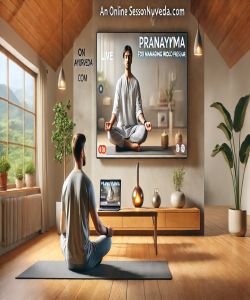
Overview of Pranayama for High Blood Pressure
Pranayama is a powerful breathing practice that comes from ancient yoga traditions. It is known to have several health benefits and is especially useful for people dealing with high blood pressure. High blood pressure also called hypertension is a common health issue today and it can lead to heart problems stroke and other serious medical conditions if not managed well. While medications are often prescribed for this condition natural remedies like pranayama can also make a big difference.
The practice of pranayama focuses on controlled breathing exercises that calm the mind and body. When done regularly these breathing techniques help in reducing stress and anxiety which are two major contributors to high blood pressure. Stress causes the blood vessels to constrict and increases the heart rate which raises blood pressure. Pranayama helps in reversing this process by relaxing the nervous system and promoting a sense of peace.
Another reason pranayama is effective for high blood pressure is that it improves oxygen flow in the body. Deep breathing techniques allow the lungs to function more efficiently and improve blood circulation. This not only helps to manage blood pressure but also enhances overall health.
Many doctors and wellness experts recommend pranayama alongside a healthy diet regular exercise and medication for those who suffer from hypertension. It is important to note that pranayama should be practiced daily and with proper technique. Beginners should always learn from a qualified yoga teacher to avoid any mistakes and to get the full benefits of the practice.
In conclusion pranayama offers a simple yet effective way to manage high blood pressure. It is natural safe and comes with no side effects if done correctly. For anyone dealing with hypertension incorporating pranayama into their daily routine can lead to long term health improvements.
What are Pranayama for High Blood Pressure
There are several types of pranayama that are recommended for managing high blood pressure. These breathing exercises are simple and can be done by anyone with a little practice. The most common pranayama for high blood pressure include Anulom Vilom Bhramari Shitali and Shitkari pranayama.
Anulom Vilom also known as alternate nostril breathing is very effective for balancing the body and mind. It calms the nervous system reduces stress and helps in maintaining normal blood pressure levels. To perform Anulom Vilom you need to close one nostril and inhale from the other then exhale through the opposite nostril. This practice is repeated for several minutes and has a relaxing effect.
Bhramari pranayama is another useful breathing technique for high blood pressure. It is also known as humming bee breath. This pranayama involves inhaling deeply and exhaling while making a humming sound like a bee. The vibration produced during exhalation has a calming effect on the mind and helps reduce anxiety and stress.
Shitali pranayama is performed by inhaling through the mouth with the tongue rolled into a tube and then exhaling through the nose. This has a cooling effect on the body and helps in lowering blood pressure. Shitkari pranayama is similar but done by clenching the teeth and inhaling through them with a hissing sound. Both Shitali and Shitkari pranayama are known for their ability to reduce heat and stress in the body.
These pranayama techniques are safe but they must be practiced slowly and carefully. Over time they help in bringing down blood pressure and also improve lung function. Anyone suffering from high blood pressure should make these pranayama exercises part of their daily routine after consulting with a yoga expert or healthcare provider.
Who Needs Pranayama for High Blood Pressure
Pranayama for high blood pressure is needed by individuals who are dealing with hypertension or those who are at risk of developing it. This includes people with a family history of high blood pressure individuals who are overweight and those who experience high levels of stress in their daily lives.
Busy professionals who deal with constant stress and mental pressure are also ideal candidates for pranayama. Stress is one of the leading causes of high blood pressure and pranayama can help manage this by calming the mind and body. Similarly people who live sedentary lifestyles and do not engage in regular physical activity can benefit greatly from pranayama. It is a simple exercise that requires no equipment and can be done even in small spaces.
Older adults are another group that needs pranayama for high blood pressure. As people age the chances of developing hypertension increase. Regular practice of breathing exercises can help them manage blood pressure levels naturally. It also improves lung capacity and keeps the mind sharp and focused.
Individuals who have poor dietary habits and consume excessive salt or processed foods should also consider practicing pranayama. It will not only help manage their blood pressure but also promote better digestion and overall well being.
In short anyone who has been diagnosed with high blood pressure or feels they are at risk should start practicing pranayama. It is a preventive and curative method that can be easily integrated into daily life. Pranayama helps not only the body but also brings peace to the mind and creates a positive impact on mental health.
Origins and Evolution of Pranayama for High Blood Pressure
Pranayama is an ancient practice rooted in the rich traditions of Indian yoga and Ayurveda. The term pranayama is derived from two Sanskrit words prana meaning life force and ayama meaning control or extension. It refers to the conscious regulation of breath and energy in the body. The origins of pranayama can be traced back thousands of years to the earliest texts of yoga such as the Rig Veda and the Upanishads. Over time it evolved through the classical texts like the Bhagavad Gita and the Yoga Sutras of Patanjali where it was described as one of the eight limbs of yoga.
The historical significance of pranayama was primarily focused on achieving spiritual growth self control and mental clarity. However with the advancement of modern science and holistic health studies its benefits for physical health have also come to light. Among its many applications the role of pranayama in managing high blood pressure has gained immense importance. Ancient yogis recognized the calming effects of breath control on the nervous system which indirectly helped regulate heart rate and reduce stress levels.
As the practice evolved modern scientific studies began to explore and confirm the benefits of pranayama for various health conditions. Today pranayama is considered a complementary therapy for hypertension or high blood pressure. The slow and mindful breathing techniques help relax the body decrease sympathetic nervous activity and promote parasympathetic activity which all contribute to lowering blood pressure naturally. In yoga therapy centers and wellness clinics around the world pranayama has become a trusted tool for individuals seeking a natural approach to manage hypertension.
The journey of pranayama from ancient spiritual texts to modern health practices highlights its timeless relevance. As more people become aware of its benefits especially for managing high blood pressure the practice continues to evolve and integrate into daily life offering hope and healing through conscious breathing.
Types of Pranayama for High Blood Pressure
Pranayama offers a variety of breathing techniques that can significantly help in managing high blood pressure. These techniques work by calming the nervous system reducing stress and enhancing circulation. While many types of pranayama exist certain specific methods are particularly beneficial for people dealing with hypertension.
One of the most popular types is Anulom Vilom also known as alternate nostril breathing. This technique involves closing one nostril while inhaling and then switching nostrils while exhaling. Anulom Vilom helps balance both hemispheres of the brain reduces anxiety and has a soothing effect on the heart and blood vessels.
Bhramari pranayama or the humming bee breath is another excellent practice for high blood pressure. During this technique you produce a humming sound while exhaling which creates a calming vibration within the body. It is highly effective in reducing stress mental tension and anger all of which contribute to high blood pressure.
Sheetali pranayama is a cooling breath exercise where the practitioner inhales through a rolled tongue and exhales through the nose. This technique has a natural cooling effect on the body and mind reduces heat and calms the nervous system thereby contributing to lower blood pressure levels.
Chandra Bhedana pranayama focuses on breathing through the left nostril which activates the calming lunar energy within the body. This type of breathing induces relaxation and is especially recommended during moments of stress or high anxiety.
Ujjayi pranayama also known as the victorious breath involves slight constriction in the throat during inhalation and exhalation. This controlled breathing helps in focusing the mind and soothing the nervous system.
Each type of pranayama has its unique approach but the underlying goal remains the same to help the body relax balance the nervous system and bring down elevated blood pressure. Regular practice of these techniques can offer natural and lasting relief from hypertension.
Benefits of Pranayama for High Blood Pressure
Pranayama has gained recognition in modern wellness practices due to its remarkable benefits in controlling high blood pressure. As a natural and holistic therapy pranayama offers both physical and mental benefits that contribute to overall heart health and stability in blood pressure levels.
One of the primary benefits of pranayama is stress reduction. Stress is a major contributor to hypertension and pranayama helps by calming the nervous system and reducing the secretion of stress hormones. The practice of slow deep breathing activates the parasympathetic nervous system which lowers heart rate and helps the body relax.
Another benefit is improved circulation. Through controlled breathing the oxygen levels in the blood increase which helps in the efficient functioning of the heart and blood vessels. This improved circulation reduces the workload on the heart and naturally brings down blood pressure.
Pranayama also enhances lung capacity and respiratory function. This leads to better oxygen exchange which further supports cardiovascular health. Stronger lungs and better breathing habits can make a significant difference for individuals dealing with chronic high blood pressure.
Regular practice of pranayama improves mental clarity and emotional stability. The reduction of anxiety and tension through mindful breathing not only aids in mental wellness but also directly impacts the cardiovascular system. A calm mind reduces the likelihood of blood pressure spikes caused by emotional stress.
Additionally pranayama supports hormonal balance by regulating the adrenal glands and reducing cortisol production. This hormonal balance further assists in maintaining healthy blood pressure levels.
Practicing pranayama daily can also promote better sleep which is crucial for heart health. Quality sleep repairs the body reduces stress and prevents hypertension from worsening.
Overall the benefits of pranayama for high blood pressure are both immediate and long term. With regular practice individuals can experience natural control over their blood pressure improved heart health and enhanced overall well being without dependence on medication alone.
Core Principles and Practices of Pranayama for High Blood Pressure
Pranayama is an ancient breathing practice that has been used for centuries to promote balance in the body and mind. For individuals dealing with high blood pressure, pranayama can be a safe and effective natural remedy when practiced with care and understanding. It is essential to understand the core principles and practices of pranayama to gain the most benefit without causing harm.
The first core principle of pranayama for high blood pressure is slow and gentle breathing. People with high blood pressure must avoid forceful or fast breathing techniques as they can increase heart rate and blood pressure. Slow breathing helps calm the nervous system and brings relaxation to the entire body.
Another important principle is mindfulness and awareness. Practicing pranayama requires complete attention to breath and body sensations. This helps in reducing stress levels and promotes a state of calm which directly helps in managing high blood pressure.
Consistency is another key principle. Pranayama for high blood pressure is not a one-time solution but a daily practice. Regular practice helps in developing better control over the mind and body and stabilizes blood pressure in the long term.
The environment where pranayama is practiced should be calm and clean. Early morning or evening is the best time for practice. One should always sit in a comfortable position with a straight back to allow free movement of breath.
Among the recommended practices are Anulom Vilom or alternate nostril breathing and Bhramari pranayama. These techniques are gentle and calming. One should avoid practices like Kapalabhati or Bhastrika pranayama as they involve forceful breathing which is not suitable for high blood pressure patients.
In conclusion the core principles of pranayama for high blood pressure involve gentle slow breathing mindfulness consistency and choosing the right techniques. Practicing pranayama with these principles can help in naturally managing high blood pressure and improving overall health.
Online Pranayama for High Blood Pressure
In the fast paced digital world online pranayama classes have become an easy and effective way to manage high blood pressure. The convenience of learning from home makes it accessible for everyone including those who have busy schedules or difficulty traveling. Online pranayama sessions provide structured guidance that helps individuals practice the right breathing techniques safely.
The first benefit of online pranayama for high blood pressure is accessibility. You can join a session from the comfort of your home without needing to visit a yoga studio. This makes it easier to stay consistent and maintain regular practice. Many online platforms offer recorded sessions as well so you can practice anytime that suits you.
Another advantage is professional guidance. Certified yoga instructors who understand the health condition of high blood pressure patients offer specific sessions designed to lower stress and promote relaxation. These instructors guide you through gentle breathing techniques such as Anulom Vilom and Bhramari pranayama which help reduce blood pressure naturally.
Flexibility is another strong reason to choose online pranayama for high blood pressure. Whether you are an early riser or prefer evenings you can find sessions that fit your lifestyle. This allows you to stay committed to your health goals without interrupting your daily routine.
Before starting any online pranayama session it is essential to consult with your doctor to make sure these practices are suitable for you. It is also recommended to start slow and not push yourself. Gentle breathing exercises are key and forceful techniques should be avoided.
Many online programs also provide additional support with diet recommendations relaxation techniques and stress management tips. This complete approach helps in controlling high blood pressure effectively.
In conclusion online pranayama for high blood pressure is a convenient safe and effective way to manage your health from the comfort of your home. With the right guidance consistency and gentle practice you can naturally control your blood pressure and improve your well being.
Pranayama for High Blood Pressure Techniques
Pranayama offers a natural and effective way to manage high blood pressure through simple breathing techniques. These techniques calm the nervous system reduce stress and promote relaxation which in turn helps lower blood pressure. However it is important to choose the right techniques and practice them gently.
One of the most recommended techniques for high blood pressure is Anulom Vilom or alternate nostril breathing. This technique involves breathing through one nostril at a time in a slow and rhythmic manner. It balances the nervous system and reduces stress levels without putting strain on the heart.
Another helpful technique is Bhramari pranayama or humming bee breath. This involves inhaling deeply and exhaling with a humming sound. The vibration and sound produced during exhalation calm the mind and help in lowering blood pressure. It also improves focus and reduces anxiety.
Sheetali pranayama is another cooling breath technique beneficial for people with high blood pressure. This technique involves rolling the tongue and inhaling through it followed by slow exhalation through the nose. The cooling effect calms the body and mind and can help reduce blood pressure.
Chandra Bhedana pranayama or left nostril breathing is also highly recommended. It involves inhaling through the left nostril and exhaling through the right nostril. This practice has a cooling and calming effect on the body and helps in controlling high blood pressure naturally.
It is very important to avoid forceful techniques such as Kapalabhati and Bhastrika as they can raise heart rate and blood pressure. Practicing pranayama in a relaxed state without any rush is key.
In conclusion pranayama techniques for high blood pressure include Anulom Vilom Bhramari Sheetali and Chandra Bhedana. These gentle techniques help calm the nervous system reduce stress and naturally lower blood pressure when practiced regularly and mindfully.
Pranayama for High Blood Pressure for Adults
Pranayama is a natural breathing practice that has been used for centuries to balance the mind and body. For adults suffering from high blood pressure it can be a simple yet powerful tool to control stress levels and support heart health. High blood pressure also known as hypertension is often linked with stress anxiety and an unhealthy lifestyle. Regular practice of pranayama can help reduce these causes and bring the body back into balance.
For adults dealing with high blood pressure it is important to practice pranayama with caution and under guidance if possible. The most beneficial breathing techniques are those that calm the nervous system. Techniques like Anulom Vilom Bhramari Sheetali and Sheetkari are well known for bringing down stress and stabilizing blood pressure. These pranayamas work by regulating the breathing pattern promoting oxygen flow and soothing the mind.
Start by finding a quiet place where you can sit comfortably. Inhale deeply and exhale slowly with full awareness. Avoid holding your breath or doing fast-paced breathing as that can increase blood pressure. Adults should begin slowly and increase practice time gradually. A daily practice of fifteen to twenty minutes can show visible benefits over a few weeks.
In addition to these practices adults with high blood pressure should also maintain a healthy diet low in salt and processed foods stay physically active and manage stress levels. Regular checkups are also necessary to track blood pressure. Pranayama combined with a healthy lifestyle can make a significant difference in controlling hypertension naturally and safely.
Total Duration of Online Pranayama for High Blood Pressure
When practicing pranayama online for high blood pressure it is important to follow a structured routine and avoid overdoing it. The total duration should be balanced so that the body can benefit without feeling tired or stressed. Beginners should start with short sessions of ten to fifteen minutes and gradually build up to thirty minutes per day. Over time the body and mind will adapt and respond well to these practices.
For adults with high blood pressure it is ideal to practice pranayama five to six days a week. The total weekly duration should range between one hundred to one hundred eighty minutes. It is not advisable to exceed thirty minutes in one sitting especially for those with high blood pressure. Short and consistent practice is more beneficial than longer sessions that could cause strain.
An ideal session begins with three to five minutes of deep breathing to relax the body. Follow this with Anulom Vilom for around five to seven minutes. Then practice Bhramari for three to four minutes. Sheetali and Sheetkari can be done for two to three minutes each. End the session with two minutes of silent deep breathing to allow the body to relax.
Online pranayama sessions usually provide guided instructions which are very helpful. Make sure to follow them carefully and do not skip the warm-up or closing relaxation. Practicing pranayama regularly within these time limits can help manage blood pressure effectively and promote overall well-being.
Things to Consider With Pranayama for High Blood Pressure
When practicing pranayama for high blood pressure there are several important things to consider to ensure safety and effectiveness. First and foremost always consult with your healthcare provider before starting if you have any underlying health conditions or severe hypertension.
Start slowly and never force your breath. The aim of pranayama is to calm the mind and relax the body. Avoid any technique that involves breath retention fast or forceful breathing as these can increase blood pressure levels. Techniques like Kapalabhati and Bhastrika are not recommended for those with hypertension.
Always practice pranayama on an empty stomach preferably in the morning or at least three hours after a meal. Sit in a comfortable position with your spine straight and shoulders relaxed. Choose a quiet and well-ventilated space free from distractions.
It is also important to maintain consistency. Practicing once in a while will not bring benefits. Make pranayama a part of your daily routine and stick to gentle techniques that soothe the mind.
Additionally avoid stress and negative thinking during practice. The mindset plays a huge role in how pranayama affects your health. Keep a calm and positive attitude.
Stay hydrated throughout the day but avoid drinking water immediately before or during pranayama. Wear comfortable clothing and avoid tight outfits that restrict breathing.
Most importantly listen to your body. If at any point you feel dizzy breathless or uncomfortable stop immediately and rest. Patience and regular practice are key. Over time pranayama can help control high blood pressure naturally improve heart health and enhance mental clarity.
Effectiveness of Pranayama for High Blood Pressure
High blood pressure is one of the most common health issues faced by people around the world today. It is often called the silent killer as it can lead to serious heart conditions and other diseases if not managed well. One natural and effective method to help control high blood pressure is the practice of pranayama. Pranayama is the ancient practice of controlled breathing techniques which has been found to offer numerous health benefits including stress reduction and better heart health.
Several studies and research have shown that pranayama can effectively lower blood pressure by calming the nervous system and improving the balance of oxygen and carbon dioxide in the body. When done regularly it helps in reducing stress levels which is a major cause of high blood pressure. Stress hormones such as cortisol can increase blood pressure but deep and rhythmic breathing techniques used in pranayama help decrease these hormones.
Additionally pranayama enhances blood circulation and oxygen supply to the heart and brain. This improves the efficiency of all vital organs and reduces strain on the heart. Slow breathing techniques like Anulom Vilom and Bhramari are particularly helpful for individuals with high blood pressure. They help calm the mind and promote relaxation which indirectly brings down blood pressure levels.
People practicing pranayama have reported better sleep patterns and reduced anxiety both of which contribute to healthier blood pressure levels. Pranayama also helps in detoxifying the body by improving lung capacity and clearing impurities from the system. Regular practice can make the heart stronger and more resilient.
In conclusion pranayama is an effective natural therapy for managing high blood pressure. Along with a healthy diet and lifestyle regular practice of pranayama can greatly contribute to overall wellness and reduce the risk of complications associated with high blood pressure.
Preferred Cautions During Pranayama for High Blood Pressure
While pranayama is a powerful tool to control high blood pressure it is important to follow certain precautions to ensure it does not have any adverse effects. High blood pressure patients need to be especially mindful when practicing breathing techniques as incorrect practices can increase pressure instead of lowering it.
One of the most important cautions is to avoid holding the breath for too long. Techniques involving breath retention or Kumbhaka should be avoided by people with high blood pressure as they can cause sudden spikes in blood pressure. It is always safer to practice gentle and slow breathing exercises rather than forceful or rapid breathing.
Another precaution is to avoid aggressive pranayama practices like Kapalabhati and Bhastrika. These techniques involve forceful exhalations and can put extra strain on the heart and increase blood pressure. People with high blood pressure should focus on calming pranayama techniques like Anulom Vilom Bhramari and deep diaphragmatic breathing.
Practicing pranayama on an empty stomach is another safety guideline. Avoid practicing right after a meal as it can interfere with digestion and make breathing uncomfortable. Also ensure the environment is calm quiet and well ventilated. The mind should be relaxed and body posture should be comfortable.
Always start slowly and do not push your body beyond comfort. If any dizziness breathlessness or discomfort is experienced stop immediately and rest. Regular medical checkups are also important to monitor blood pressure levels. Consult with a qualified yoga instructor who has experience in working with high blood pressure patients before starting.
In conclusion while pranayama offers immense benefits for high blood pressure it is essential to practice with caution and under proper guidance to avoid any complications and achieve the best results.
Pranayama for High Blood Pressure Course Outline
Pranayama for high blood pressure requires a systematic and well planned approach that gradually trains the body and mind to adapt to controlled breathing. A structured course outline ensures that the practice is safe effective and suitable for those with high blood pressure.
The course begins with an introduction to high blood pressure and the importance of breath control. This includes understanding how stress and lifestyle factors contribute to hypertension. The first week focuses on simple breathing awareness exercises that teach participants to focus on their breath and relax the mind.
The next step in the course includes basic pranayama techniques such as deep diaphragmatic breathing and Anulom Vilom. These exercises help in calming the nervous system and improving oxygen flow. Each session involves slow and gentle practice under the supervision of an experienced instructor.
In the following weeks techniques like Bhramari and Sheetali are introduced. These are cooling and calming breathing techniques which are known to bring down blood pressure levels naturally. There is also emphasis on meditation and mindfulness to support stress reduction.
The course further includes light stretching and yoga postures that complement the breathing techniques. Postures like Sukhasana and Vajrasana are taught to enhance comfort during pranayama practice.
In addition the course provides guidance on dietary recommendations lifestyle changes and stress management techniques to support blood pressure control. It includes regular monitoring of progress and modifications based on individual comfort.
By the end of the course participants will have learned a complete routine of pranayama exercises safe for high blood pressure along with lifestyle practices for maintaining healthy blood pressure in the long term.
Detailed Objectives with Timeline of Pranayama for High Blood Pressure
Pranayama is a powerful breathing technique that helps in reducing high blood pressure by calming the mind and body. The primary objective of pranayama for high blood pressure is to balance the nervous system, improve oxygen supply, reduce stress, and enhance overall heart health. The timeline of practicing pranayama for high blood pressure can be structured in a systematic way for effective results.
In the first week, the objective is to familiarize yourself with simple breathing exercises like deep breathing and alternate nostril breathing. Practicing for 10 to 15 minutes each day will help you gain control over your breath. This helps in reducing anxiety and mental stress which are major causes of high blood pressure.
During the second to fourth weeks, you should focus on slightly advanced practices such as Bhramari pranayama and Anulom Vilom. The objective here is to further relax the nervous system and promote mental clarity. You can extend your practice to 20 minutes each day. This period is crucial for adapting to regular practice and starting to notice a calming effect on the body and mind.
From the fifth to eighth week, the objective should shift towards strengthening the respiratory system and building consistency. Ujjayi and Sheetali pranayama can be added to your routine. Your daily practice should last 25 to 30 minutes. By this stage, you may begin to see better control over blood pressure levels.
After two months, the objective is to maintain blood pressure naturally through continued daily practice. At this stage, practice for at least 30 minutes every day. The body becomes more relaxed, the mind remains calm, and stress levels are reduced. Follow this timeline sincerely to achieve long term relief from high blood pressure with pranayama.
Requirements for taking Online Pranayama for High Blood Pressure
Taking online pranayama sessions for high blood pressure is a convenient and beneficial way to manage health. To participate in online sessions effectively, certain requirements need to be fulfilled.
First, you need a quiet and comfortable space where you can practice without any disturbances. It should be well ventilated with enough light to ensure you feel fresh and positive while performing pranayama.
Second, a good internet connection is essential. Since these are online sessions, an uninterrupted internet connection will allow you to follow the instructor properly. You should also have a laptop or smartphone with a camera and microphone so that the instructor can observe your practice and provide corrections when needed.
Third, wear comfortable clothing. Loose-fitting clothes that allow easy movement and proper breathing are recommended. A yoga mat or soft carpet is also necessary so you can sit comfortably in a cross-legged position.
Fourth, you must have the right mindset. Be committed and consistent with your practice. Regular attendance in online sessions is important to learn pranayama correctly.
Fifth, it is advised to keep a bottle of water nearby to stay hydrated. Avoid heavy meals at least one hour before starting the session.
Lastly, you should consult your doctor before joining any pranayama session for high blood pressure to ensure that it is safe for you. These requirements will help you make the most of your online pranayama practice and achieve positive health outcomes.
Things to Keep in Mind Before Starting Online Pranayama for High Blood Pressure
Before starting online pranayama for high blood pressure, there are certain things to keep in mind to ensure safety and effectiveness.
Firstly, consult with your healthcare provider. Although pranayama is natural and safe, it is important to check with your doctor to avoid any health complications, especially if you are on medications or have other medical conditions.
Secondly, choose a certified and experienced instructor. Not all online programs are trustworthy. Select programs that have positive reviews and instructors who are well qualified in teaching pranayama specifically for blood pressure management.
Thirdly, prepare your body and mind. Do not practice on a full stomach. There should be a gap of at least one hour after eating. Make sure you are in a calm mental state and not rushing through the session.
Fourth, maintain the right posture. Always sit in a cross-legged position or on a chair with a straight back. Keep your spine erect and shoulders relaxed for proper breathing.
Fifth, avoid overexertion. Start slowly and increase the duration and intensity gradually. High blood pressure patients should avoid forceful breathing techniques and focus on gentle, slow breaths.
Sixth, stay consistent. Pranayama will show results only when practiced regularly. Fix a particular time each day and stick to it. Morning is usually the best time for practice.
Lastly, stay patient. Results from pranayama are not immediate. It takes weeks or sometimes months of consistent practice to notice a significant improvement in blood pressure levels. Keeping these points in mind will help you start your online pranayama journey safely and effectively.
Qualifications Required to Perform Pranayama for High Blood Pressure
Performing pranayama for high blood pressure does not require formal academic qualifications but certain health and mental qualifications are necessary to ensure safe and effective practice.
Firstly, an individual must be medically fit to practice breathing exercises. People with severe heart conditions, respiratory diseases, or those who have recently undergone surgery should first consult their doctor before starting pranayama.
Secondly, mental readiness is a key qualification. One should be mentally prepared to practice pranayama daily with dedication. A positive and focused mind helps in achieving better results and avoids unnecessary stress.
Thirdly, knowledge of basic breathing techniques is essential. Beginners should start with simple breathing exercises under the guidance of a certified instructor before moving to advanced techniques.
Fourth, patience and consistency are important qualifications. High blood pressure management through pranayama requires time. It is not a quick fix. The practitioner must have the quality of persistence.
Fifth, self-awareness is necessary. A person practicing pranayama should be aware of their physical limits. If any discomfort occurs, they should stop and consult an expert instead of pushing further.
Sixth, discipline is required. Following a regular schedule and maintaining a disciplined routine are vital qualifications to gain maximum benefits from pranayama.
Lastly, willingness to learn and improve is a qualification that cannot be ignored. Whether it is through online classes or self-practice, being open to learning and making corrections ensures progress. By following these qualifications, one can perform pranayama for high blood pressure safely and effectively.
Average Pricing Per Session for Online Pranayama for High Blood Pressure
Online pranayama sessions for high blood pressure are becoming a popular way to naturally manage hypertension. Many people are now turning towards such holistic approaches to support their overall health. These online sessions provide the comfort of learning and practicing from home while being guided by experienced professionals.
The average pricing for online pranayama sessions can vary depending on the platform, duration, and instructor expertise. On platforms like onayurveda, the sessions are designed with great care, providing structure and consistency to achieve the best results for participants. The average price per session is calculated based on the entire package, offering affordability along with quality.
Onayurveda offers dedicated pranayama sessions for high blood pressure with specific details. The sub-category is focused on pranayama techniques that are beneficial for controlling blood pressure levels naturally. The sessions are conducted in live group formats which means participants can join in real time and learn along with others. This provides motivation and a sense of community while working on personal health goals.
The total duration of the course is 60 days with sessions scheduled over 35 days. These sessions are carefully planned and happen on Sunday, Tuesday, Thursday, and Saturday. Each session lasts for one hour providing enough time for warm-up, instruction, practice, and cool-down exercises. The available timing slots are 6 to 7 in the morning, 8 to 9 in the morning, 5 to 6 in the evening, and 7 to 8 in the evening. This variety allows individuals to select slots according to their convenience and daily routines.
A total of 40 slots are available for this program and each slot accommodates 10 people. The total price for the entire duration is INR 4510. When you calculate the price per session, it comes down to INR 129. This price is affordable considering the expertise, structured schedule, and focused attention given to each participant in a small group setting. This pricing is suitable for anyone looking for a cost-effective yet comprehensive approach to managing high blood pressure through pranayama.
Online Vs Offline Onsite Pranayama for High Blood Pressure
Pranayama is a powerful breathing exercise practice that can help manage high blood pressure naturally. Many people today are trying to decide whether to follow pranayama sessions online or attend offline onsite classes. Both options have their advantages and challenges and choosing between them depends on your preferences and lifestyle.
Online pranayama for high blood pressure offers convenience and flexibility. You can practice from the comfort of your home and save time on travel. It is suitable for busy individuals who cannot attend onsite classes due to their work or personal commitments. Online classes are also affordable and provide access to a wide range of trainers and styles. However the downside of online pranayama is that it requires self-discipline. You may get distracted easily and not be able to follow the practice consistently without the physical presence of a teacher.
On the other hand offline or onsite pranayama sessions for high blood pressure are more structured and interactive. You will have the benefit of personal attention from the trainer. The instructor can correct your breathing techniques and body posture instantly. The atmosphere of a yoga studio or wellness center also enhances focus and dedication. Offline classes also allow you to connect with other participants which brings motivation and community support. However onsite classes may require more time and effort and they are often more expensive than online classes.
Both online and offline pranayama have their pros and cons. If you are highly disciplined and prefer flexibility online classes are ideal for you. If you prefer guidance and personal attention offline classes may be the better choice. In both cases pranayama helps in calming the mind reducing stress and managing blood pressure levels naturally when practiced regularly.
FAQs about Online Pranayama for High Blood Pressure
Q What is online pranayama for high blood pressure
A Online pranayama for high blood pressure refers to guided breathing exercises taught virtually through videos or live sessions designed to help manage and control hypertension naturally
Q Can beginners do online pranayama for high blood pressure
A Yes beginners can easily follow online pranayama sessions Many trainers design special programs for beginners with step by step guidance for safe practice
Q How often should I practice online pranayama for high blood pressure
A It is recommended to practice at least five times a week for around twenty to thirty minutes per session Regular practice helps in achieving better results
Q What are the best pranayama techniques for high blood pressure
A The best pranayama techniques for high blood pressure include Anulom Vilom Bhramari and Sheetali pranayama These help calm the nervous system and reduce stress
Q Can online pranayama lower blood pressure without medication
A Pranayama can support blood pressure management but do not stop taking prescribed medicines without consulting your doctor It works as a complementary practice
Q Are there any risks with online pranayama for high blood pressure
A If done incorrectly or without proper guidance it may lead to discomfort or dizziness Always follow instructions and avoid holding breath forcefully
Q How to choose the right online pranayama course for high blood pressure
A Choose a certified trainer who has experience in teaching pranayama for blood pressure management and check reviews and recommendations before joining any course
Q Can pregnant women with high blood pressure do online pranayama
A Pregnant women with high blood pressure should consult their doctor before starting any pranayama practice and only follow gentle breathing exercises under expert guidance
Q Will I need any special equipment for online pranayama
A No special equipment is needed You just need a quiet space a yoga mat and stable internet connection to follow the sessions comfortably
Q How long does it take to see results from online pranayama for high blood pressure
A Most people start feeling relaxed and notice improvements in stress levels within two to four weeks with regular practice However results may vary from person to person
Conclusion about Pranayama for High Blood Pressure
Pranayama is one of the safest and most effective natural techniques to manage high blood pressure. It helps calm the nervous system reduce stress and improve overall heart health. When practiced regularly with dedication pranayama can lower blood pressure levels and support better physical and mental well being. People who struggle with hypertension often face stress and anxiety and these breathing exercises are simple tools that offer long term health benefits without side effects.
Whether you choose to follow pranayama sessions online or attend offline classes the key is consistency. Start with simple techniques like Anulom Vilom Bhramari and Sheetali. These help balance the mind and body and support healthy circulation. It is also important to follow the correct posture and guidance from a trained expert.
Pranayama should be seen as a supportive practice along with other healthy habits. Eat a balanced diet exercise regularly and avoid excessive salt or processed food. Always consult your doctor if you have serious hypertension issues before starting any new exercise routine.
In conclusion pranayama is a gift from ancient wellness traditions that can help you achieve better control over your blood pressure levels naturally. With regular practice patience and positivity you can enjoy better health more energy and mental peace in your daily life.