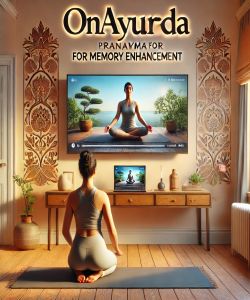
Overview of Pranayama for Memory Enhancement
Pranayama for memory enhancement constitutes a rigorous and systematic discipline, fundamentally distinct from simplistic relaxation exercises. It is an advanced branch of yogic science concerned with the intentional regulation of breath—the vital life force or ‘prana’—to elicit specific, predictable physiological and neurological responses. The core premise is unequivocal: by mastering the mechanics of respiration, an individual can directly influence the autonomic nervous system, optimise cerebral blood flow, and enhance oxygen saturation in the brain. This process is not esoteric but grounded in tangible biological mechanisms. The techniques involved are designed to reduce the production of neurotoxic stress hormones like cortisol, which are known to impede memory formation and recall, whilst simultaneously stimulating the production of neurotrophic factors that support brain plasticity and cognitive resilience. This is a proactive, non-pharmacological intervention aimed at sharpening cognitive faculties, particularly mnemonic functions. It demands discipline, precision, and a comprehensive understanding of its physiological impact. The practice is therefore not a passive activity but an assertive engagement with one's own neurobiology, executed to fortify the mind against cognitive degradation and to actively cultivate a superior capacity for information retention and retrieval. It is a formidable tool for cognitive engineering, leveraging the most fundamental human function—breathing—to achieve profound and lasting improvements in mental acuity. The ultimate objective is to establish a state of neurological equilibrium and heightened awareness, creating an internal environment conducive to optimal cognitive performance. This is the uncompromising purpose of Pranayama when specifically directed towards memory enhancement.
What are Pranayama for Memory Enhancement?
Pranayama for memory enhancement is a highly specialised application of ancient yogic breathing techniques, repurposed and refined to meet the modern demand for cognitive optimisation. It is the conscious and deliberate manipulation of the breath—its pace, depth, and rhythm—to directly modulate brain function. Fundamentally, it operates on the principle that respiratory patterns have a direct and immediate impact on the nervous system, hormonal balance, and cerebral hemodynamics. By controlling the breath, one asserts control over these otherwise autonomic processes, steering them towards a state that is conducive to learning, retention, and recall. This is not a vague or metaphysical pursuit; it is a practical methodology for improving the biological substrate of memory.
The core components of this discipline are as follows:
Volitional Respiratory Control: This involves the active governance of inhalation (Puraka), exhalation (Rechaka), and breath retention (Kumbhaka). Each component is manipulated with precision to achieve specific physiological outcomes, such as increasing vagal tone or balancing the activity of the sympathetic and parasympathetic nervous systems. This control is the primary lever for influencing cognitive states.
Neurological Regulation: Specific techniques are employed to synchronise the brain's hemispheres, calm the limbic system (the seat of emotion and stress), and stimulate the prefrontal cortex (the centre for executive function and working memory). The practice aims to reduce neurological 'noise' and create a state of focused, calm alertness essential for memory consolidation.
Enhanced Cerebral Oxygenation: The techniques are explicitly designed to improve the efficiency of gas exchange, ensuring that the brain receives an abundant supply of oxygen. Optimal oxygenation is critical for neuronal health and the energy-intensive processes of creating and accessing memories. By managing breath, one directly manages the fuel supply to the cognitive apparatus.
Who Needs Pranayama for Memory Enhancement?
Academic Students and Scholars: Individuals engaged in rigorous intellectual pursuits who are required to absorb, process, and recall vast quantities of complex information. The disciplined practice of Pranayama provides a strategic advantage by enhancing focus, reducing examination-related anxiety, and improving the efficiency of memory encoding during study. It is an essential tool for maintaining peak cognitive performance under academic pressure.
Corporate Professionals and Executives: Those operating in high-stakes, information-dense environments where rapid decision-making and flawless recall of data are paramount. This discipline equips them to manage cognitive load, mitigate the memory-degrading effects of chronic stress, and maintain mental clarity during critical negotiations and strategic planning sessions.
Ageing Individuals: Any adult concerned with age-related cognitive decline and the preservation of mental faculties. Pranayama serves as a proactive, non-invasive regimen to support neuroplasticity, improve cerebral circulation, and fortify the brain against the degenerative processes that can impair memory in later life. It is a method of asserting control over cognitive longevity.
Creative Professionals and Artists: Individuals who rely on the fluid retrieval of ideas, patterns, and sensory details. Memory is the foundation of creativity. This practice helps to clear mental fog, enhance imaginative recall, and create the neurological conditions necessary for innovative thought and unhindered creative expression.
Individuals in High-Stress Occupations: Personnel in fields such as emergency services, law, and aviation, where cognitive errors due to stress can have severe consequences. Pranayama provides a robust mechanism for regulating the stress response, thereby preserving working memory and executive function under extreme duress.
Anyone Seeking Proactive Cognitive Fortification: Proactive individuals who understand that cognitive health is not a passive state but an asset to be cultivated and defended. They require this discipline not to correct a deficit, but to build a superior level of mental resilience and capacity, ensuring their cognitive apparatus operates at its absolute maximum potential.
Origins and Evolution of Pranayama for Memory Enhancement
The origins of Pranayama are deeply embedded within the ancient yogic traditions of India, with its foundational principles articulated in seminal texts such as the Yoga Sutras of Patanjali, composed several millennia ago. In this primordial context, Pranayama was not conceived as a mere therapeutic exercise but as the fourth limb of the eight-limbed path of Yoga (Ashtanga Yoga). Its primary purpose was spiritual: to control the 'prana' or life force, thereby steadying the mind and preparing the practitioner for deeper states of meditation (Dharana and Dhyana). The control of breath was understood as the control of the mind itself. Early yogis observed empirically that a calm, rhythmic breath led to a placid, focused mind, a state inherently conducive to clarity and memory, though memory enhancement was a secondary benefit rather than the primary goal.
The evolution of Pranayama from a purely spiritual practice to a discipline targeted for cognitive benefits represents a significant philosophical and scientific shift. Throughout the mediaeval period, Hatha Yoga texts like the Hatha Yoga Pradipika began to codify and elaborate on a wider array of Pranayama techniques, detailing their specific physiological effects with greater precision. This marked a move towards understanding Pranayama as a powerful tool for manipulating the physical and energetic body, with cognitive and health benefits becoming more explicitly acknowledged. The focus expanded from solely spiritual liberation to include the perfection and maintenance of the physical vessel as a prerequisite for higher consciousness.
In the contemporary era, the evolution has accelerated dramatically. The discipline has been subjected to the rigorous scrutiny of modern neuroscience and medicine. Scientific investigation has begun to validate the long-held assertions of yogic tradition, providing empirical evidence for Pranayama's ability to modulate the autonomic nervous system, increase cerebral blood flow, alter brainwave patterns, and reduce stress hormone levels. This scientific validation has legitimised its application for specific, measurable outcomes, such as stress reduction and cognitive enhancement. Consequently, Pranayama for memory enhancement has been reframed as a targeted neuro-respiratory training programme, stripping away some of its esoteric connotations to present it as a rational, evidence-informed methodology for optimising brain function. It has evolved from an ancient spiritual art into a modern cognitive science.
Types of Pranayama for Memory Enhancement
Bhramari Pranayama (Humming Bee Breath): This technique involves a controlled, prolonged exhalation that produces a deep, humming sound akin to that of a bee. The practitioner typically closes the ears and eyes to internalise the sensation. The vibratory effect of the humming resonates throughout the cranium, which is understood to calm the mind, soothe the nervous system by stimulating the vagus nerve, and increase nitric oxide production, a vasodilator that improves cerebral blood flow. This immediate calming of mental agitation creates a state highly conducive to memory consolidation.
Nadi Shodhana Pranayama (Alternate Nostril Breathing): This is a cornerstone practice for neurological balance. It involves alternately blocking one nostril while inhaling and the other while exhaling in a systematic, rhythmic pattern. The primary function of Nadi Shodhana is to harmonise the flow of breath between the right and left nostrils, which is believed to correspond to the balancing of the logical left and creative right hemispheres of the brain. This hemispheric synchronisation is critical for integrated cognitive function, including optimal memory processing.
Kapalabhati Pranayama (Skull Shining Breath): This technique is characterised by short, forceful exhalations and passive inhalations. It is a cleansing practice (a 'kriya') that is highly stimulating and invigorating. Physiologically, it forcefully expels stale air and carbon dioxide from the lungs, leading to a rapid increase in oxygen supply to the entire body, including the brain. This heightened oxygenation invigorates neural pathways, dispels mental lethargy, and sharpens focus, thereby preparing the mind for tasks requiring high levels of concentration and recall.
Ujjayi Pranayama (Victorious Breath): This practice involves a gentle constriction at the back of the throat, which creates a soft, audible, ocean-like sound during both inhalation and exhalation. Ujjayi breathing is unique in its ability to generate a subtle internal heat and to focus the mind. It has a profoundly calming effect on the nervous system, reduces distraction, and fosters a state of sustained, single-pointed concentration. This unwavering focus is a prerequisite for the effective encoding of new memories.
Benefits of Pranayama for Memory Enhancement
Enhanced Cerebral Hemodynamics: The controlled respiratory manoeuvres inherent in Pranayama directly improve blood circulation within the brain. This ensures an optimal and sustained delivery of oxygen and essential nutrients to neural tissues, which is fundamental for the energy-intensive processes of memory formation, consolidation, and retrieval.
Modulation of the Autonomic Nervous System: Specific Pranayama techniques actively downregulate the sympathetic nervous system (the 'fight or flight' response) and upregulate the parasympathetic nervous system (the 'rest and digest' response). This shift creates a state of calm alertness, mitigating the neurotoxic effects of chronic stress and fostering an internal environment ideal for cognitive function.
Reduction in Cortisol Levels: The practice has been demonstrated to significantly lower the levels of cortisol, the body's primary stress hormone. Elevated cortisol is unequivocally linked to the impairment of the hippocampus, a brain region critical for learning and memory. By controlling cortisol, Pranayama directly protects and enhances the biological machinery of memory.
Increased Neuroplasticity: By promoting a state of relaxed focus and improving brain oxygenation, Pranayama facilitates the brain's capacity for neuroplasticity—the ability to form and reorganise synaptic connections. This is the very mechanism through which learning and memory occur, and the practice makes the brain more receptive to this process.
Improved Focus and Attentional Control: The discipline demands and cultivates single-pointed concentration on the breath. This training directly translates to an enhanced ability to direct and sustain attention in other areas of life, reducing susceptibility to distraction and improving the initial encoding phase of memory formation, which is critical for long-term retention.
Synchronisation of Brain Hemispheres: Practices such as Nadi Shodhana are specifically designed to balance the activity between the left and right cerebral hemispheres. This integration leads to more holistic brain function, improving the communication between different neural networks and thereby enhancing complex cognitive processes, including memory.
Core Principles and Practices of Pranayama for Memory Enhancement
Postural Integrity (Asana): A stable, erect, and comfortable seated posture is non-negotiable. The spine must be aligned to permit the unrestricted movement of the diaphragm and the free flow of energy and breath throughout the torso. A collapsed posture directly impedes respiratory efficiency and mental alertness, rendering the practice ineffective. The posture itself is an expression of discipline and readiness.
Conscious Diaphragmatic Breathing: The foundation of all Pranayama is the mastery of deep, diaphragmatic breathing over shallow, thoracic breathing. The practitioner must learn to engage the diaphragm fully, ensuring maximum lung capacity is utilised for efficient gas exchange. This principle ensures the body and brain are sufficiently prepared and oxygenated for the more advanced techniques that follow.
Systematic Rhythmic Control: The essence of Pranayama lies in imposing a deliberate, controlled rhythm onto the breath. This involves precise management of the duration and ratio of inhalation (Puraka), exhalation (Rechaka), and, where appropriate, breath retention (Kumbhaka). This rhythmic discipline is the primary mechanism for influencing the autonomic nervous system and calming mental fluctuations.
Focused Internal Awareness (Dharana): The practitioner’s attention must be unwavering and directed internally, typically on the sensation of the breath as it moves through the nasal passages or on the subtle energetic shifts within the body. This principle of single-pointed concentration is what transforms a simple breathing exercise into a powerful meditative practice that trains the mind and enhances cognitive control.
Gradual and Progressive Application: One must approach the practice with strategic patience. It is imperative to master foundational techniques before proceeding to more advanced and potent ones. Attempting complex practices without adequate preparation can lead to physiological and psychological imbalance. The principle is to build capacity systematically and safely.
Consistency and Regularity: Sporadic practice yields negligible results. The benefits of Pranayama are cumulative and dependent upon a disciplined, regular, and preferably daily, routine. It is this consistent application that rewires neural pathways, rebalances the nervous system, and produces lasting improvements in memory and overall cognitive function. Consistency is the hallmark of serious intent.
Online Pranayama for Memory Enhancement
Unrivalled Accessibility and Geographic Independence: The online modality eradicates all geographical barriers, granting individuals access to highly specialised instructors regardless of their physical location. This democratises expertise, making elite-level instruction, which might otherwise be confined to specific metropolitan centres, available to a global audience. It provides an unequivocal solution for those in remote areas or with mobility constraints.
Structured, Consistent, and Repeatable Learning Environment: Online programmes deliver a meticulously structured curriculum that can be accessed on demand. This allows for the reinforcement of complex techniques through repetition, a luxury not always afforded in a transient in-person class. Each session is consistent, ensuring a standardised and high-quality learning experience without the variability of a live, unrecorded class.
Enhanced Privacy and Reduced Social Inhibition: The practice of Pranayama can be deeply personal and introspective. The privacy of one’s own home provides a sanctuary free from the perceived judgement or distraction of a group setting. This encourages uninhibited practice and allows the individual to focus entirely on their internal experience, which is critical for achieving the desired neurological state for memory enhancement.
Superior Time and Resource Efficiency: By eliminating the need for travel and associated logistical planning, the online format is supremely efficient. It allows for the seamless integration of this powerful practice into demanding professional and personal schedules. This efficiency removes common barriers to entry and fosters the consistency required for tangible results, making the discipline more sustainable over the long term.
Direct Visual and Auditory Guidance: Modern high-definition video and clear audio technologies provide an intimate and focused instructional experience. Practitioners can observe the instructor’s posture and listen to precise verbal cues with a clarity that can sometimes surpass that of a crowded physical classroom. The focus is direct, from instructor to student, without peripheral distractions.
Pranayama for Memory Enhancement Techniques
The following steps outline the execution of Nadi Shodhana (Alternate Nostril Breathing), a foundational technique for balancing the nervous system and enhancing cognitive function. Precision is mandatory.
Assume the Correct Posture: Sit erect on the floor or a firm chair with the spine fully elongated. The head, neck, and spine must be in a straight line. Rest the left hand on the left knee with the palm facing upwards, thumb and index finger touching (Jnana Mudra). This posture is not optional; it is essential for unimpeded airflow.
Prepare the Hand Position (Vishnu Mudra): Raise the right hand towards the face. Fold the index and middle fingers down towards the palm, leaving the thumb, ring finger, and little finger extended. The thumb will be used to close the right nostril, and the ring finger will be used to close the left nostril.
Initiate the Breathing Cycle: Close the eyes and take a few deep, diaphragmatic breaths to centre the mind. Gently close the right nostril with the right thumb. Inhale slowly, deeply, and without strain through the left nostril, counting mentally to four. Ensure the breath is silent and smooth.
Implement Breath Retention (Antara Kumbhaka): After completing the inhalation, close the left nostril with the ring finger so that both nostrils are now closed. Hold the breath for a comfortable duration. For beginners, a count of four is sufficient. The focus must remain inward and calm. Avoid any tension in the face, neck, or shoulders.
Execute Controlled Exhalation: Release the thumb from the right nostril while keeping the left nostril closed. Exhale slowly and completely through the right nostril, aiming for a count of eight. The exhalation should be twice the duration of the inhalation. This extended exhalation is critical for activating the parasympathetic nervous system.
Complete One Full Cycle: Immediately following the exhalation, inhale through the right nostril to a count of four. Close both nostrils and retain the breath for a count of four. Then, release the ring finger from the left nostril and exhale slowly through the left nostril to a count of eight. This completes one full, indivisible cycle of Nadi Shodhana.
Continue with Rhythmic Precision: Proceed with further rounds, maintaining the precise rhythm and unwavering focus. A minimum of five to ten cycles is required to achieve a tangible shift in mental state. The practice must be concluded with a final exhalation through the left nostril.
Pranayama for Memory Enhancement for Adults
For the adult mind, burdened by the cumulative weight of professional responsibilities, personal commitments, and the relentless influx of information, Pranayama for memory enhancement is not a mere wellness activity but a strategic cognitive intervention. The adult brain, whilst possessing a wealth of experience, is also more susceptible to the corrosive effects of chronic stress, which directly degrades hippocampal function and impairs the mechanisms of memory encoding and retrieval. This disciplined practice offers a potent, non-pharmacological countermeasure. It systematically dismantles the physiological stress response by regulating the autonomic nervous system, reducing the circulation of catabolic hormones like cortisol, and increasing cerebral oxygenation. This process creates a neurological environment where the brain is not merely surviving but is optimised for high-level cognitive performance. For adults facing the natural trajectory of age-related cognitive decline, Pranayama serves as a formidable tool for proactive neuroprotection, supporting brain plasticity and maintaining the sharpness of recall. It addresses the unique challenges of the mature intellect, such as mental fatigue and reduced concentration, by training the mind to achieve states of deep, restorative focus. It is an assertive method for adults to seize control of their cognitive destiny, fortifying their most valuable asset—their mind—against the inevitable pressures of life and time.
Total Duration of Online Pranayama for Memory Enhancement
The total duration for each online session of Pranayama for memory enhancement is a fixed and uncompromising 1 hr. This specific duration is not arbitrary; it is a meticulously calculated timeframe required to achieve the necessary physiological and neurological shifts for cognitive benefit. The 1 hr session is structured to ensure a comprehensive and effective practice, beginning with preparatory exercises to calm the mind and body, moving into the core set of intensive Pranayama techniques, and concluding with a crucial integration phase. Anything less than 1 hr would be insufficient to move the practitioner beyond superficial relaxation and into the deeper states of parasympathetic dominance where genuine neurochemical changes occur. The initial phase of the hour is dedicated to establishing correct posture and diaphragmatic breathing, which is foundational. The central, most substantial part of the 1 hr is allocated to the rigorous application of specific memory-enhancing Pranayamas, such as Nadi Shodhana or Bhramari, performed with precision and for a sufficient number of repetitions. The final portion of the 1 hr is reserved for a period of stillness (Savasana or silent meditation), which is absolutely critical for the consolidation of the practice's effects, allowing the nervous system to absorb and integrate the changes. The 1 hr mandate ensures depth, safety, and efficacy, making certain that the time invested yields a tangible return in cognitive performance.
Things to Consider with Pranayama for Memory Enhancement
Engaging in Pranayama for memory enhancement demands a serious and informed approach, as it is a powerful intervention with profound physiological consequences. Foremost, the credibility and qualification of the instructor are paramount. It is imperative to verify that the guide possesses authentic, in-depth knowledge of yogic sciences, respiratory physiology, and relevant contraindications, rather than a superficial certification. The practitioner must also conduct a frank self-assessment of their own physical and mental health. Individuals with pre-existing conditions, particularly cardiovascular or respiratory disorders such as hypertension, heart disease, or severe asthma, as well as those with psychological conditions like anxiety disorders or a history of trauma, must seek medical counsel before commencing. The environment for practice is another critical consideration; it must be a quiet, clean, and well-ventilated space, free from distractions, to facilitate the deep inward focus that is required. Furthermore, one must approach the discipline with realistic expectations and an attitude of patience. The cognitive benefits of Pranayama are not instantaneous; they are cumulative, accruing over a period of consistent and diligent practice. Acknowledging this prevents disillusionment and reinforces the commitment necessary for success. This is not a quick fix but a long-term strategy for cognitive fortification, and it must be treated with the respect and diligence such a profound practice deserves.
Effectiveness of Pranayama for Memory Enhancement
The effectiveness of Pranayama for memory enhancement is unequivocal, rooted in its direct and demonstrable influence on the core physiological systems that underpin cognitive function. This is not a matter of belief but of biology. The practice systematically improves the quality and quantity of oxygen supplied to the brain, a primary determinant of neuronal health and efficiency. By optimising cerebral blood flow and oxygen saturation, Pranayama ensures the brain has the requisite metabolic resources to perform the energy-intensive tasks of forming, storing, and retrieving memories. Its efficacy is further cemented by its powerful ability to modulate the autonomic nervous system. Through techniques that stimulate the vagus nerve and promote parasympathetic dominance, it actively counteracts the neurotoxic cascade initiated by the stress response. Chronic stress is a known antagonist of memory, degrading the hippocampus, the brain’s memory centre. Pranayama directly mitigates this threat, creating a neurochemical environment that is not only protective but actively conducive to neurogenesis and synaptic plasticity. The discipline also trains the prefrontal cortex through its demands for sustained, focused attention. This strengthening of the brain’s executive control centre translates directly into improved working memory and a greater ability to filter out distractions during learning. Therefore, the effectiveness of the practice is not a peripheral or placebo effect; it is the logical and predictable outcome of a targeted physiological intervention.
Preferred Cautions During Pranayama for Memory Enhancement
It is imperative to approach the practice of Pranayama with extreme caution and an unwavering respect for its potency. This is not a benign recreational activity; it is a powerful manipulation of the autonomic nervous system that, if performed incorrectly or by unsuitable individuals, can precipitate adverse effects. The practice must be immediately ceased if any signs of dizziness, light-headedness, shortness of breath, or anxiety arise. Under no circumstances should forceful or aggressive breathing techniques, particularly those involving prolonged breath retention (Kumbhaka), be attempted by individuals with uncontrolled hypertension, heart conditions, epilepsy, glaucoma, or a recent history of stroke or abdominal surgery. Pregnant individuals must avoid any practices that involve vigorous abdominal contractions or extended breath holding. Furthermore, these techniques are strictly contraindicated during an active illness, such as a fever or respiratory infection, as they can exacerbate the condition. The principle of ‘Ahimsa’ (non-harming) must be applied internally; the breath should never be forced beyond its natural, comfortable capacity. Pushing to the point of strain is counterproductive and dangerous, potentially leading to hyperventilation, panic, or an undesirable spike in blood pressure. All practice must be undertaken under the vigilant guidance of a qualified and experienced instructor who can provide appropriate modifications and ensure safety. Self-instruction from unverified sources is an unacceptable risk.
Pranayama for Memory Enhancement Course Outline
Module 1: Foundational Principles and Physiology
Introduction to the concept of Prana and the science of respiration.
Anatomy of the respiratory system: The role of the diaphragm and lungs.
The link between breath, the autonomic nervous system, and cognitive function.
Establishing correct seated posture (Asana) for optimal practice.
Contraindications and safety protocols.
Module 2: Mastery of Basic Breathing Mechanics
Techniques for developing full diaphragmatic (abdominal) breathing.
Understanding and practising thoracic (chest) and clavicular (collarbone) breathing.
Integration into Dirga Pranayama (Three-Part Breath) for full lung capacity utilisation.
Introduction to the concept and practice of Ujjayi Pranayama (Victorious Breath) for focus.
Module 3: Core Techniques for Neurological Balance
Detailed instruction and practice of Nadi Shodhana Pranayama (Alternate Nostril Breathing).
Focus on rhythmic control, ratios of inhalation and exhalation, and hemispheric brain synchronisation.
Introduction to the calming vibrations of Bhramari Pranayama (Humming Bee Breath).
Techniques for reducing anxiety and mental agitation.
Module 4: Advanced and Stimulating Practices
Instruction in the cleansing and energising technique of Kapalabhati Pranayama (Skull Shining Breath).
Introduction to Bhastrika Pranayama (Bellows Breath) for increasing mental alertness.
Safe and guided introduction to breath retention (Antara and Bahya Kumbhaka).
Application of these techniques for overcoming mental lethargy and enhancing focus.
Module 5: Integration and Sustained Practice
Designing a personalised daily Pranayama routine for memory enhancement.
Strategies for integrating the practice into a busy lifestyle.
Techniques for mindful awareness to sustain cognitive benefits throughout the day.
Review of all techniques and a final assessment of competence and understanding.
Detailed Objectives with Timeline of Pranayama for Memory Enhancement
Weeks 1-2: Establish Foundational Competence.
Objective: To achieve complete mastery of stable, erect posture (Siddhasana/Sukhasana) and consistent diaphragmatic breathing. The practitioner will be able to breathe deeply from the abdomen without conscious effort and understand the core physiological principles connecting breath to the nervous system. The primary goal is to shift from unconscious, shallow breathing to conscious, deep breathing as the default state for practice.
Weeks 3-4: Develop Rhythmic Control and Neurological Calming.
Objective: To gain proficiency in Nadi Shodhana Pranayama, executing a minimum of ten complete rounds with a consistent 1:2 ratio of inhalation to exhalation (e.g., 4-second inhale, 8-second exhale). The practitioner will be able to demonstrate a tangible reduction in mental agitation and report an increased sense of calm and focus post-practice.
Weeks 5-6: Introduce Vibrational and Attentional Techniques.
Objective: To competently perform Bhramari Pranayama for sustained periods (3-5 minutes), focusing on the internalisation of its cranial vibrations. Concurrently, the practitioner will refine their Ujjayi Pranayama, maintaining the subtle throat constriction and audible breath during other activities to cultivate unwavering, single-pointed concentration. The aim is to sharpen attentional control.
Weeks 7-8: Incorporate Energising Practices and Initial Breath Retention.
Objective: To safely and effectively perform 2-3 rounds of Kapalabhati Pranayama, focusing on the forceful exhalation and passive inhalation. The practitioner will also be introduced to short, safe internal breath retentions (Antara Kumbhaka) within the Nadi Shodhana cycle, building respiratory capacity and tolerance. The goal is to learn how to energise the mind on demand.
Weeks 9-12: Consolidate and Personalise the Practice.
Objective: To synthesise all learned techniques into a coherent, personalised daily practice of at least 20 minutes. The practitioner will be able to self-diagnose their mental state (e.g., lethargic, agitated) and select the appropriate Pranayama technique to restore balance. The final objective is the autonomous and disciplined application of the practice for sustained cognitive enhancement.
Requirements for Taking Online Pranayama for Memory Enhancement
A High-Speed, Stable Internet Connection: A reliable and uninterrupted internet connection is non-negotiable. Any latency, buffering, or disconnection severely compromises the integrity of the instruction and the practitioner's ability to maintain the meditative state required. A wired Ethernet connection is superior to Wi-Fi.
A Functional Computing Device with Quality Peripherals: A desktop computer, laptop, or tablet with a high-resolution screen, a functional webcam, and a clear microphone is mandatory. The instructor must be able to see the practitioner’s posture and physical cues clearly to provide corrections, and the practitioner must be able to hear every precise instruction without distortion.
A Dedicated, Private, and Uncluttered Practice Space: The practitioner must secure a physical space that is exclusively for their use during the session. This area must be silent, free from the possibility of intrusion by other people or pets, and devoid of clutter and other distractions. This environmental control is crucial for facilitating the deep inward focus necessary for Pranayama.
Appropriate, Non-Restrictive Attire: Clothing must be comfortable and allow for a full range of movement in the torso and abdomen. Restrictive waistbands or tight shirts directly impede diaphragmatic breathing and are unacceptable. The attire should be modest and functional, contributing to a mindset of discipline and focus.
A Yoga Mat and Supportive Cushioning: A yoga mat is required to define the practice space and provide a clean, non-slip surface. Furthermore, a firm cushion or block (zafu) is essential for most individuals to elevate the hips, allowing the spine to remain effortlessly erect and preventing discomfort during the seated practice. Proper support is a prerequisite for maintaining postural integrity.
Things to Keep in Mind Before Starting Online Pranayama for Memory Enhancement
Before commencing any online programme in Pranayama for memory enhancement, it is imperative to adopt a mindset of absolute self-discipline and accountability. The online format, while convenient, removes the external regulatory presence of an instructor in the same physical space. Consequently, the onus of commitment falls squarely upon the practitioner. You must be prepared to create and defend a sanctuary for your practice, ensuring your designated time and space are inviolable and free from all digital and domestic distractions. This requires communicating your needs clearly to others in your household and disabling all notifications on your devices. Critically, you must engage in a transparent and honest dialogue with your instructor regarding any physical limitations or health concerns before the first session. The inability of the instructor to make direct physical adjustments necessitates a higher degree of verbal clarity from you about your personal condition. Finally, recognise that the connection, while virtual, requires your full presence. You are not a passive observer of a video; you are an active participant in a rigorous training discipline. Your progress will be directly proportional to the seriousness and unwavering focus you bring to each session. Any ambivalence or half-hearted participation will render the practice entirely ineffective.
Qualifications Required to Perform Pranayama for Memory Enhancement
The performance and instruction of Pranayama, particularly when targeted for specific therapeutic outcomes such as memory enhancement, demand qualifications that are both extensive and verifiable. It is a profound disservice and a considerable risk for this discipline to be taught by anyone lacking a deep, formal, and multi-faceted education. The instructor must not be a mere fitness guide but a highly trained specialist. The requisite qualifications include, but are not limited to:
Advanced Certification from a Recognised Yoga Governing Body: A foundational qualification such as a 500-hour Registered Yoga Teacher (RYT-500) certification from an internationally respected organisation like Yoga Alliance, or an equivalent diploma from an institution such as the British Wheel of Yoga, is the absolute minimum standard. This ensures a comprehensive understanding of asana, philosophy, anatomy, and ethics.
Specialised, In-Depth Training in Pranayama: Beyond general yoga teacher training, the instructor must have completed dedicated, advanced coursework specifically in the science and practice of Pranayama. This training must cover the intricate physiology of the respiratory system, the subtle energetic anatomy (nadis and chakras), and the precise application, contraindications, and therapeutic effects of a wide range of Pranayama techniques.
Demonstrable Knowledge of Anatomy and Physiology: A thorough, practical understanding of human anatomy, neuroanatomy, and respiratory physiology is non-negotiable. The instructor must be able to articulate precisely how each breathing technique impacts the nervous, cardiovascular, and endocrine systems, and be able to adapt practices safely for individuals with specific health conditions.
Substantial and Verifiable Teaching Experience: Theoretical knowledge is insufficient. A qualified instructor must possess years of practical experience, having guided numerous students through the practice. This experience cultivates the ability to observe students keenly, even via a screen, and to provide clear, effective, and safe instruction.
Online Vs Offline/Onsite Pranayama for Memory Enhancement
Online
The online modality for Pranayama instruction is defined by its supreme efficiency and accessibility. Its primary advantage is the complete dissolution of geographical constraints, offering practitioners access to a global pool of elite instructors from the privacy and convenience of their own homes. This format facilitates unparalleled consistency; a pre-recorded course module or a live-streamed session from a dedicated studio offers a controlled, repeatable learning experience free from the environmental variables of different physical locations. It is highly cost-effective, eliminating expenses related to travel and studio fees. Furthermore, the online environment provides a level of privacy that can be highly conducive to the introspective nature of Pranayama, removing the potential for social anxiety or distraction that can arise in a group setting. However, it demands a high degree of self-discipline from the practitioner and relies heavily on verbal cues, as the instructor's ability to provide direct, hands-on physical correction is entirely absent. The efficacy of the online format is therefore contingent on the practitioner's commitment and the instructor's masterful communication skills.
Offline/Onsite
The offline, or onsite, modality offers a fundamentally different and more traditional experience. Its most significant advantage is the physical presence of the instructor, which allows for immediate, precise, and tactile feedback. The instructor can make subtle physical adjustments to a practitioner's posture that are impossible to convey verbally, ensuring optimal alignment and safety. The shared physical space generates a palpable group energy or 'sanga', which many find motivating and supportive, fostering a sense of community and shared purpose. This direct, in-person interaction allows for a more nuanced and dynamic exchange, where the instructor can respond intuitively to the energy and needs of the group in real-time. However, this modality is inherently limited by geography, restricting practitioners to the expertise available in their local vicinity. It is also less flexible, requiring adherence to a fixed schedule and location, and typically involves higher costs associated with studio overheads and travel. It offers a rich, sensory learning experience but demands greater logistical commitment.
FAQs About Online Pranayama for Memory Enhancement
Question 1. Is online Pranayama as effective as in-person practice?
Answer: Yes, provided the practitioner is self-disciplined and the instructor is highly skilled in verbal communication. The core mechanisms of the practice are internal and can be guided effectively through a virtual medium.
Question 2. Do I need any prior experience in yoga or meditation?
Answer: No. A foundational course is designed for absolute beginners, establishing correct principles from the outset.
Question 3. What technology is essential for the sessions?
Answer: A reliable internet connection, a device with a clear camera and microphone, and a quiet space are mandatory.
Question 4. How quickly can I expect to see improvements in my memory?
Answer: Benefits are cumulative. While increased calmness may be felt immediately, tangible improvements in memory require several weeks of consistent, daily practice.
Question 5. Is Pranayama safe for everyone?
Answer: No. Individuals with serious cardiovascular conditions, uncontrolled hypertension, or epilepsy must consult a physician before starting.
Question 6. What if I have a cold or sinus congestion?
Answer: Most Pranayama techniques should be avoided during active respiratory congestion. Gentle, diaphragmatic breathing may be permissible. Inform your instructor.
Question 7. Should I practise on a full or empty stomach?
Answer: An empty stomach is essential. Wait at least three to four hours after a major meal before practising.
Question 8. Can this practice help with anxiety as well as memory?
Answer: Yes. The reduction of anxiety and stress is one of the primary mechanisms through which memory is enhanced.
Question 9. What is the single most important technique for memory?
Answer: While all are important, Nadi Shodhana (Alternate Nostril Breathing) is often considered a cornerstone for its brain-balancing effects.
Question 10. Can I practise at any time of day?
Answer: Early morning is traditionally considered optimal due to a quieter mind and environment. However, consistency is more important than timing.
Question 11. How does breathing actually affect the brain?
Answer: It directly regulates the autonomic nervous system, improves cerebral blood flow and oxygenation, and reduces levels of the stress hormone cortisol.
Question 12. What if I feel dizzy during a practice?
Answer: Cease the technique immediately, return to normal, gentle breathing, and inform your instructor. It often indicates over-effort.
Question 13. Is breath retention (Kumbhaka) necessary for beginners?
Answer: No. Mastery of inhalation and exhalation is the priority. Breath retention is an advanced practice that must be introduced gradually and safely.
Question 14. Will I be required to make any chanting or humming sounds?
Answer: Certain techniques, like Bhramari Pranayama, involve a controlled humming sound, which has significant neurological benefits.
Question 15. How does the instructor correct my posture online?
Answer: Through clear, precise verbal cues and by observing your alignment via your webcam.
Question 16. What if I miss a live online session?
Answer: Policies vary, but many programmes offer recordings of live sessions for later viewing.
Question 17. Can I do this practice if I am pregnant?
Answer: Only with specific modifications and the approval of both your doctor and a specially trained prenatal yoga instructor. Vigorous techniques must be avoided.
Question 18. Does this help with short-term or long-term memory?
Answer: It benefits both. It improves focus for better encoding (short-term) and reduces stress for better consolidation and retrieval (long-term).
Conclusion About Pranayama for Memory Enhancement
In conclusion, Pranayama for memory enhancement stands as a formidable and sophisticated discipline, grounded in a coherent framework of physiological and neurological principles. It is a decisive move away from passive hope for cognitive preservation and towards an active, systematic engagement with the body's own regulatory systems. The practice asserts that the quality of one's mind is inextricably linked to the quality of one's breath, and it provides a precise methodology for optimising that connection. Its efficacy is not a matter of conjecture but the direct result of improved cerebral oxygenation, expert modulation of the autonomic nervous system, and a tangible reduction in the neurotoxic hormones associated with stress. To undertake this practice is to make an uncompromising commitment to mental fortification. It demands discipline, consistency, and the guidance of a verifiably qualified instructor. When these conditions are met, Pranayama ceases to be a mere exercise and becomes a powerful, lifelong tool for sharpening focus, enhancing recall, and building a resilient, high-performance cognitive apparatus. It is, in essence, a direct and authoritative means of taking command of one’s own mental acuity.