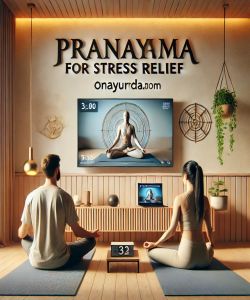
1. Overview of Pranayama for Stress Relief
Pranayama, an ancient yogic science, constitutes the systematic regulation of the breath to influence and manage the body’s vital energy, or ‘prana’. Far from being a mere set of breathing exercises, it is a sophisticated and disciplined practice designed to establish dominion over the autonomic nervous system. In the context of modern psychophysiological distress, its application for stress relief is not a palliative measure but a direct intervention. It operates on the fundamental principle that the state of the mind is inextricably linked to the rhythm and quality of breathing. Erratic, shallow breathing is a hallmark of a stressed state, while deep, regulated respiration is characteristic of tranquility. Pranayama for stress relief systematically dismantles the physiological architecture of stress by directly engaging the parasympathetic nervous system, responsible for the body’s ‘rest and digest’ functions. This engagement actively countermands the ‘fight or flight’ response triggered by the sympathetic nervous system. The practice, therefore, is not about temporary relaxation but about fundamentally re-engineering an individual's response to external and internal stressors. It provides a robust, internal locus of control, enabling the practitioner to consciously modulate their physiological and psychological states, moving from reactivity to deliberate composure. Through consistent and correct practice, Pranayama cultivates a resilient nervous system, enhances emotional equilibrium, and builds a formidable defence against the chronic pressures of contemporary life. It is a proactive, empowering discipline that places the tools for mental fortitude directly into the hands of the individual, demanding discipline but offering profound and lasting command over one’s inner environment. It is the definitive science of self-regulation.
2. What are Pranayama for Stress Relief?
Pranayama for stress relief comprises a specific subset of yogic breathing techniques meticulously selected and applied to downregulate the body’s stress response. At its core, Pranayama is the conscious and deliberate manipulation of breath—its length, depth, pace, and retention—to achieve a desired physiological and psychological outcome. The term itself is derived from Sanskrit: ‘prana’, meaning life force or vital energy, and ‘ayama’, meaning to extend, regulate, or control. Therefore, Pranayama is the formal practice of vital energy control.
When applied to stress relief, these techniques are not arbitrary; they are chosen for their proven capacity to activate the parasympathetic nervous system, which directly counteracts the hyper-arousal state associated with stress. These practices are, in essence, a form of applied neurobiology, using the mechanics of respiration to send powerful signals of safety and calm to the brain and body.
The key components of these practices include:
- Puraka (Inhalation): The active, controlled process of drawing breath inwards. This is performed with conscious awareness, focusing on filling the lungs to their full capacity in a smooth, uninterrupted manner.
- Kumbhaka (Retention): The deliberate pause after inhalation or exhalation. This phase is critical for accumulating prana and creating a profound stillness within the system, breaking the habitual cycle of anxious breathing.
- Rechaka (Exhalation): The controlled and often prolonged release of breath. In stress-relief Pranayama, the exhalation is typically extended to be longer than the inhalation, which is a primary mechanism for stimulating the vagus nerve and inducing relaxation.
These are not simply deep breathing exercises but structured, scientific methods for altering one’s internal state. They work by moderating heart rate variability, lowering blood pressure, and reducing cortisol levels, thereby systematically dismantling the physiological underpinnings of stress and anxiety. It is a discipline of somatic command.
3. Who Needs Pranayama for Stress Relief?
- High-Pressure Professionals: Executives, managers, entrepreneurs, and individuals in deadline-driven environments who consistently operate under significant cognitive and emotional load. They require a robust tool for mental decompression and cognitive restoration to maintain peak performance and prevent burnout.
- Individuals Experiencing Anxiety and Panic: Those who contend with generalised anxiety, social anxiety, or panic disorders. Pranayama offers a direct, physiological intervention to interrupt the feedback loop between anxious thoughts and the physical symptoms of panic, such as hyperventilation and rapid heartbeat.
- Students and Academics: Individuals facing intense academic pressure, examination stress, and the demand for sustained concentration. The practice enhances focus, improves memory retention, and provides an effective mechanism for managing performance-related anxiety.
- First Responders and Healthcare Workers: Police officers, firefighters, paramedics, and medical professionals who are routinely exposed to traumatic and high-stakes situations. Pranayama is a critical tool for processing acute stress and mitigating the cumulative effects of occupational trauma.
- Individuals with Sleep Disturbances: Those suffering from insomnia or poor-quality sleep, often precipitated by an overactive mind and physiological tension. Specific Pranayama techniques calm the nervous system, preparing the body and mind for deep, restorative rest.
- Caregivers: Individuals providing long-term care for family members, a role often associated with chronic stress, emotional exhaustion, and compassion fatigue. The practice offers a necessary and accessible method for self-regulation and emotional replenishment.
- Athletes and Performers: Individuals who must manage performance anxiety and optimise physiological states for competition or public performance. Pranayama provides a method to centre the mind, control arousal levels, and enhance mind-body coordination under pressure.
- Anyone Seeking Proactive Mental Health Maintenance: Individuals who are not in acute distress but wish to build psychological resilience, enhance emotional regulation, and cultivate a greater sense of inner calm and control as a preventative life skill.
4. Origins and Evolution of Pranayama for Stress Relief
The origins of Pranayama are deeply embedded in the ancient spiritual traditions of India, with its earliest conceptual mentions found in the Vedic texts, such as the Upanishads, dating back thousands of years. In these foundational scriptures, ‘prana’ was identified as the universal life force, and breath was recognised as its most tangible physical manifestation. The control of breath was, therefore, seen as a gateway to controlling life force itself, a practice intended primarily for spiritual realisation and the attainment of higher states of consciousness, not merely for therapeutic ends.
The systematisation of Pranayama as a distinct limb of yoga occurred later, most notably in Patanjali's Yoga Sutras. Here, Pranayama is presented as the fourth of the eight limbs of Ashtanga Yoga, a preparatory step for an inward-focused mind, essential before one could progress to deeper states of concentration (Dharana) and meditation (Dhyana). The emphasis was on stilling the mind by stilling the breath, a principle that remains central to its modern application. The Hatha Yoga Pradipika, a seminal text from the 15th century, further elaborated on this, providing detailed instructions for various specific Pranayama techniques, their purposes, and contraindications. The goal remained largely esoteric: the awakening of dormant spiritual energy (Kundalini) and the purification of energy channels (Nadis).
The evolution of Pranayama into a targeted tool for stress relief is a distinctly modern phenomenon, emerging from the confluence of Eastern philosophy with Western psychology and medicine in the 20th and 21st centuries. As scientific research began to validate the profound connection between the respiratory and nervous systems, the therapeutic potential of these ancient practices became undeniable. Researchers and modern yoga masters began to deconstruct the techniques, isolating those most effective for downregulating the sympathetic nervous system. This shift repurposed Pranayama from an exclusively spiritual pursuit to a secular, evidence-based modality for managing mental and emotional health. Today, it is prescribed and practised in clinical settings, corporate wellness programmes, and therapeutic contexts, a testament to its successful evolution from a mystical art to a practical science of self-regulation.
5. Types of Pranayama for Stress Relief
- Nadi Shodhana (Alternate Nostril Breathing): This is a cornerstone practice for harmonising the nervous system. It involves the sequential inhalation and exhalation through alternate nostrils, a process believed to balance the left and right hemispheres of the brain and purify the body’s energy channels. Its primary effect is profound mental calming and the establishment of emotional equilibrium, making it exceptionally effective for generalised anxiety and mental agitation.
- Bhramari Pranayama (Humming Bee Breath): This technique involves a soft, audible humming sound produced during a slow, controlled exhalation while lightly sealing the ears and eyes. The vibrations generated by the humming have a direct and immediate soothing effect on the nervous system, particularly the brain and brow centre. It is highly effective for dissipating anger, frustration, and acute anxiety, inducing a state of near-instantaneous tranquility.
- Ujjayi Pranayama (Victorious or Ocean Breath): Characterised by a gentle constriction at the back of the throat, Ujjayi produces a soft, audible, ocean-like sound during both inhalation and exhalation. This technique generates a subtle internal heat, releases physical tension, and focuses the mind. It helps to regulate breathing during physical activity and is exceptionally grounding, promoting a state of calm, focused awareness.
- Anulom Vilom Pranayama (Alternate Nostril Breathing without Retention): A simplified variation of Nadi Shodhana, Anulom Vilom follows the same pattern of alternate nostril breathing but omits the breath retention (Kumbhaka) phase. This makes it a more accessible and safer starting point for beginners or those with certain health conditions. It effectively calms the mind, reduces stress, and improves respiratory function without the intensity of holding the breath.
- Dirga Pranayama (Three-Part Breath): This foundational practice involves consciously breathing into three distinct sections of the torso in sequence: the abdomen, the diaphragm/rib cage, and finally the upper chest. It retrains the body to utilise its full lung capacity, counteracting the shallow, chest-oriented breathing typical of a stressed state. It is deeply grounding and oxygenating, promoting a profound sense of physical and mental relaxation.
6. Benefits of Pranayama for Stress Relief
- Direct Regulation of the Autonomic Nervous System: Systematically shifts the body from a sympathetic (fight-or-flight) dominant state to a parasympathetic (rest-and-digest) dominant state, inducing physiological calm.
- Reduction in Cortisol Levels: Consistent practice has been demonstrated to lower the concentration of cortisol, the body’s primary stress hormone, thereby mitigating the chronic physiological damage associated with elevated stress.
- Enhanced Vagal Tone: Specific techniques, particularly those with long exhalations, stimulate the vagus nerve. Improved vagal tone is directly correlated with better emotional regulation, reduced inflammation, and a more resilient stress response.
- Improved Heart Rate Variability (HRV): Increases HRV, a key indicator of cardiovascular health and nervous system adaptability. Higher HRV signifies a greater capacity to cope with and recover from stressors.
- Lowered Blood Pressure and Heart Rate: The calming effect on the nervous system leads to a direct and measurable reduction in both resting heart rate and blood pressure, reducing strain on the cardiovascular system.
- Increased Mental Clarity and Focus: By calming the physiological noise of stress, Pranayama clears mental fog, silences incessant thought patterns, and sharpens the ability to concentrate for sustained periods.
- Enhanced Emotional Equilibrium: Cultivates a state of non-reactive awareness, allowing the practitioner to observe emotions without being overwhelmed by them. This fosters greater emotional stability and reduces mood volatility.
- Improved Respiratory Efficiency: Trains the body to utilise full lung capacity, correcting the inefficient and shallow breathing patterns that both result from and contribute to stress and anxiety.
- Promotion of Restorative Sleep: Calms the overactive mind and relaxes the physical body, creating the ideal internal conditions for initiating and maintaining deep, restful sleep.
- Development of an Internal Locus of Control: Empowers the individual with a tangible, self-administered tool to manage their internal state, fostering a sense of agency and self-reliance in the face of external pressures.
7. Core Principles and Practices of Pranayama for Stress Relief
- Conscious Awareness (Sajagata): The fundamental principle is to transform the unconscious, automatic process of breathing into a deliberate, fully conscious activity. Every inhalation, exhalation, and pause must be observed with unwavering attention. This focused awareness is what disconnects the practitioner from external stressors and internal mental chatter.
- Postural Integrity (Asana): Practice must be conducted in a stable, comfortable, and erect seated posture. A straight spine is non-negotiable as it facilitates the unimpeded flow of air and prana. Slouching constricts the diaphragm and lungs, compromising the efficacy of the technique. The posture must be firm yet relaxed, without strain.
- Rhythmic Regulation (Laya): The establishment of a steady, consistent rhythm is paramount. Stress is characterised by erratic breathing; Pranayama counters this with disciplined, rhythmic patterns. This often involves specific ratios between inhalation, retention, and exhalation (e.g., 1:1, 1:2, or 1:4:2), which must be maintained with precision.
- Primacy of the Exhalation (Rechaka): For stress relief, the exhalation is the most critical phase. The practice mandates that the exhalation be smooth, controlled, and, in most cases, significantly longer than the inhalation. This extended exhalation is the primary trigger for activating the parasympathetic nervous system and inducing the relaxation response.
- Abdominal and Diaphragmatic Engagement: The practice requires a shift away from shallow, thoracic (chest) breathing towards deep, diaphragmatic (belly) breathing. The movement should originate from the abdomen, allowing the diaphragm to descend fully, which maximises lung capacity, massages internal organs, and profoundly calms the nervous system.
- Absence of Strain (Ahimsa): There must be absolutely no force or strain involved. The breath should never be pushed or pulled beyond a comfortable capacity. Forcing the breath creates tension and is counterproductive, inducing stress rather than relieving it. Progress is achieved through consistency and patience, not aggression.
- Progressive Application (Vinyasa Krama): Practitioners must follow a logical, stepwise progression. One begins with foundational techniques and gradually advances to more complex practices involving breath retention (Kumbhaka) only after mastery of the basics. Attempting advanced techniques prematurely is both ineffective and potentially harmful.
8. Online Pranayama for Stress Relief
- Unparalleled Accessibility and Convenience: Online platforms dismantle geographical and logistical barriers. Practitioners can access expert instruction from any location with an internet connection, eliminating travel time and associated costs. This allows for seamless integration of the practice into demanding daily schedules, ensuring consistency which is critical for results.
- Structured, Sequential Learning Programmes: Reputable online courses offer meticulously structured curricula that guide the practitioner from foundational principles to advanced techniques in a logical, safe progression. This systematic approach ensures that core competencies are mastered before more complex practices are introduced, mitigating the risks of improper technique.
- Privacy and a Controlled Environment: The online format affords the practitioner complete privacy. This is particularly beneficial for individuals who may feel self-conscious or are new to the practice. It allows them to practise in a familiar, safe, and quiet personal space, free from the potential distractions or perceived judgements of a group class environment.
- On-Demand Repetition and Reinforcement: Digital resources, such as recorded sessions and guided practices, can be accessed and repeated at will. This ability to revisit specific instructions and techniques is instrumental for reinforcing learning, refining technique, and deepening the practice at one’s own pace.
- Access to Specialised Expertise: The online domain provides access to a global pool of highly qualified instructors who specialise in therapeutic Pranayama. This allows individuals to connect with teachers whose expertise may not be available locally, ensuring they receive high-calibre, authentic instruction tailored to stress relief.
- Cultivation of Self-Discipline and Autonomy: While guided, the online format necessitates a higher degree of personal accountability and self-discipline. This fosters a powerful sense of autonomy and self-reliance, empowering the individual to take ownership of their practice and mental well-being, a core objective of Pranayama itself.
- Cost-Effectiveness: Online programmes often present a more financially viable alternative to private in-person tuition or a series of studio workshops, making this potent stress-management tool available to a much broader audience without compromising the quality of instruction.
9. Pranayama for Stress Relief Techniques
This is a step-by-step guide to Nadi Shodhana (Alternate Nostril Breathing), a primary technique for calming the mind and balancing the nervous system. Adherence to these steps is mandatory for efficacy and safety.
- Preparation (Asana and Mudra):
- Assume a comfortable, seated posture with an erect spine. Rest your hands on your knees.
- Raise your right hand. Form Vishnu Mudra by folding your index and middle fingers towards your palm, leaving the thumb, ring finger, and little finger extended. The left hand can remain resting on the left knee, palm up, in Jnana Mudra (thumb and index finger touching).
- Initial Centring:
- Close your eyes. Take a few deep, diaphragmatic breaths through both nostrils to centre yourself and become present. Observe the natural flow of your breath without judgement.
- Commence the Cycle (Step A: Closing Right Nostril):
- Gently close your right nostril using your right thumb.
- Inhale slowly, deeply, and without sound through your open left nostril. The inhalation should be smooth and controlled, filling the lungs from the bottom up.
- Transition (Step B: Closing Left Nostril):
- At the peak of the inhalation, close your left nostril with your ring finger.
- Simultaneously release the pressure from your thumb on the right nostril. There should be a brief, seamless pause as you switch nostrils.
- Exhalation (Step C: Through Right Nostril):
- Exhale slowly and completely through your now-open right nostril. Aim to make this exhalation longer than the inhalation. Ensure the breath is released fully, emptying the lungs.
- Inhalation (Step D: Through Right Nostril):
- Keeping the left nostril closed, inhale slowly and deeply through the right nostril.
- Final Transition and Completion of One Round:
- At the peak of the inhalation, close the right nostril with your thumb again.
- Release the left nostril and exhale slowly and completely through it. This concludes one full round of Nadi Shodhana.
- Continuation and Conclusion:
- Without pausing, begin the next round by inhaling through the left nostril (as in Step 3).
- Continue this alternating cycle for a designated number of rounds.
- To conclude your practice, finish by exhaling through the left nostril. Lower your hand and sit quietly for a few moments, observing the effects.
10. Pranayama for Stress Relief for Adults
Pranayama for stress relief is an exceptionally potent and relevant discipline for the adult population, addressing the complex and cumulative nature of stress that characterises modern adult life. Unlike younger individuals, adults often contend with a deeply entrenched matrix of stressors, including professional responsibilities, financial pressures, familial duties, and existential concerns. These chronic pressures manifest as ingrained patterns of physiological and psychological tension, such as hypertension, sleep disorders, and persistent anxiety. Pranayama intervenes directly at this physiological level. For adults, the practice is not a whimsical pursuit but a pragmatic and necessary tool for somatic and neurological recalibration. It provides a structured method to dismantle the habituated 'fight or flight' response that has become the default state for many. Techniques emphasising prolonged exhalation, such as Nadi Shodhana or Bhramari, are particularly beneficial as they directly stimulate the vagus nerve, inducing a powerful parasympathetic response that counteracts years of accumulated stress. Furthermore, the discipline required for Pranayama fosters mental fortitude and an internal locus of control, empowering adults to manage their responses to life’s non-negotiable demands rather than being victims of them. It retrains the adult nervous system to return to a baseline of calm more efficiently, building resilience against future stressors and mitigating the long-term health consequences of a life lived under constant pressure. It is a mature practice for a mature set of challenges, demanding commitment but delivering profound self-mastery.
11. Total Duration of Online Pranayama for Stress Relief
The standard and optimal total duration for a dedicated online Pranayama for stress relief session is one hour. This timeframe is not arbitrary; it is structured to ensure a comprehensive and effective practice that allows for proper preparation, deep engagement, and gradual integration, preventing the abrupt entry or exit that can compromise therapeutic benefits. The one-hour session is methodically partitioned. The initial phase is dedicated to establishing the correct posture and cultivating a state of mental presence, transitioning the practitioner from their daily activities into a focused, receptive state. This is followed by the introduction and practice of foundational warming-up breaths. The core of the session, the longest segment, is devoted to the principal Pranayama techniques chosen for stress relief, allowing sufficient time for multiple rounds and for the physiological effects to manifest and deepen. Rushing these powerful techniques is counterproductive and negates their purpose. The subsequent phase involves a period of quiet observation and integration, where the practitioner sits in stillness to absorb the effects of the practice, allowing the nervous system to stabilise in its new, calmer state. The final segment is dedicated to a gentle and conscious conclusion, ensuring the practitioner is grounded and prepared to re-engage with their daily responsibilities without shock to the system. A duration of one hour provides the necessary container for this complete, therapeutic arc. A shorter session would be superficial, while a longer one may be unsustainable for consistent practice and could lead to fatigue for beginners.
12. Things to Consider with Pranayama for Stress Relief
Engaging in the practice of Pranayama for stress relief demands careful consideration of several critical factors to ensure both its efficacy and safety. It is imperative to recognise that these are not benign breathing exercises but powerful techniques that directly manipulate the autonomic nervous system. Consequently, they must be approached with respect and precision. Foremost is the absolute necessity of qualified guidance. Attempting to learn complex techniques, especially those involving breath retention (Kumbhaka), from unreliable sources or without expert supervision is irresponsible and carries the risk of adverse effects, such as inducing anxiety, dizziness, or raising blood pressure. Individuals with pre-existing medical conditions—particularly respiratory ailments like asthma, cardiovascular issues including high or low blood pressure, or psychological conditions such as severe anxiety or panic disorder—must consult with a medical professional before commencing any Pranayama regimen. Certain techniques are contraindicated for specific conditions, and modifications may be required. Furthermore, one must cultivate an attitude of patience and non-aggression. The goal is not to achieve a specific outcome forcefully but to create the conditions for the body to regulate itself. Pushing beyond one's comfortable capacity or striving for an idealised state of calm will only create more tension. The environment for practice is also a key consideration; it must be quiet, clean, well-ventilated, and free from distractions to facilitate the necessary inward focus. Finally, consistency is more valuable than intensity. A short, regular practice will yield far greater long-term benefits for stress resilience than sporadic, lengthy sessions.
13. Effectiveness of Pranayama for Stress Relief
The effectiveness of Pranayama for stress relief is not a matter of subjective belief but is substantiated by a robust and growing body of scientific evidence demonstrating its direct impact on human psychophysiology. Its efficacy lies in its ability to provide a direct, voluntary control mechanism for the autonomic nervous system, which is typically considered involuntary. The primary driver of the stress response is the sympathetic nervous system, which triggers the ‘fight or flight’ cascade. Pranayama, particularly techniques that emphasise long, slow exhalations, systematically activates the opposing parasympathetic nervous system via the vagus nerve. This stimulation acts as a physiological brake, slowing the heart rate, lowering blood pressure, and reducing the production of stress hormones like cortisol. The practice effectively teaches the body and mind to shift gears from a state of high alert to one of deep rest and recovery. This is not a placebo effect; it is a tangible, measurable neurological and endocrine event. Furthermore, by regulating breathing patterns, Pranayama enhances heart rate variability (HRV), a critical biomarker for psychological resilience and cardiovascular health. Higher HRV indicates a more adaptive and less reactive nervous system. By creating coherence between the respiratory and cardiovascular systems, Pranayama fundamentally alters an individual’s baseline physiological state, making them less susceptible to stressors and more efficient at recovering when they do occur. Its effectiveness is rooted in its capacity to re-engineer the body’s core stress-response pathways from the bottom up, providing a powerful and lasting antidote to chronic stress.
14. Preferred Cautions During Pranayama for Stress Relief
It is imperative to approach the practice of Pranayama with rigorous caution and unwavering respect for its potency. These are not passive exercises; they are active interventions in the body’s autonomic functions, and negligence is not an option. Under no circumstances should any technique be practised to the point of discomfort, dizziness, or gasping for air. The principle of ‘Ahimsa’ (non-harming) is non-negotiable; any sensation of strain is a definitive signal to cease the practice and return to normal breathing. Individuals with hypertension, heart conditions, or a history of stroke must avoid any practice involving prolonged breath retention (Kumbhaka) unless explicitly sanctioned and supervised by both a medical doctor and a highly experienced Pranayama instructor. Similarly, pregnant individuals must seek expert guidance, as certain techniques are strictly contraindicated. Practice must never be undertaken on a full stomach; a minimum interval of three to four hours after a main meal is mandatory to avoid compromising both digestion and the practice itself. The environment must be clean and well-ventilated, but free from strong draughts. Finally, it is crucial to avoid a competitive or goal-oriented mindset. The objective is not to achieve a longer breath-hold than someone else or to force a state of calm. Such ambition breeds tension and defeats the entire purpose. The practice demands humility, patience, and attentive listening to the body’s signals. Disregard for these cautions is not merely unadvisable; it is a direct path to counterproductive and potentially harmful outcomes.
15. Pranayama for Stress Relief Course Outline
1: Foundational Principles and Posture
Introduction to Prana and the science of breath.
The link between breath, the mind, and the nervous system.
Establishing the correct seated posture (Sukhasana, Siddhasana): spinal alignment and stability.
Introduction to diaphragmatic (belly) breathing versus thoracic (chest) breathing.
2: Core Preparatory Techniques
Mastery of Dirga Pranayama (The Three-Part Breath) for full lung capacity awareness.
Practice of Ujjayi Pranayama (Victorious Breath) to cultivate focus and gentle internal heat.
Understanding the importance of a smooth, even breath without jerks or pauses.
3: Primary Calming and Balancing Techniques
Detailed instruction and practice of Nadi Shodhana (Alternate Nostril Breathing).
Focus on rhythm, smoothness, and the calming effect on the mind.
Introduction to Anulom Vilom (simplified Nadi Shodhana without retention) as an alternative.
4: Techniques for Acute Stress and Agitation
Instruction and practice of Bhramari Pranayama (Humming Bee Breath).
Understanding the role of sound and vibration in soothing the nervous system.
Application of Bhramari for immediate relief from anxiety, anger, or frustration.
5: Introduction to Breath Retention (Kumbhaka)
The theory and purpose of Antara (internal) and Bahya (external) Kumbhaka.
Safe, guided introduction to brief breath retention within the Nadi Shodhana framework.
Strict emphasis on contraindications and the 'no strain' principle.
6: Integration and Developing a Personal Practice
Sequencing different Pranayama techniques for a balanced session.
Guidance on establishing a consistent, daily personal practice.
Strategies for applying Pranayama principles in daily life to manage stress in real-time.
Final Q&A and course consolidation.
16. Detailed Objectives with Timeline of Pranayama for Stress Relief
Week 1: Establishment of Foundation and Body Awareness
Objective: To master a stable, erect seated posture and transition from unconscious chest breathing to conscious diaphragmatic breathing.
Timeline: By the end of this week, the practitioner will be able to sit correctly for a minimum duration and sustain deep, abdominal breathing without strain, having mastered Dirga Pranayama.
Weeks 2-3: Development of Rhythmic Control and Focus
Objective: To establish a smooth, rhythmic breathing pattern and cultivate mental focus using Ujjayi Pranayama and begin the foundational balancing practice of Anulom Vilom.
Timeline: By the end of this period, the practitioner will be able to perform Ujjayi breath consistently and complete several rounds of Anulom Vilom with a steady, even rhythm, noticing a discernible calming effect.
Weeks 4-5: Mastery of Nervous System Balancing
Objective: To gain proficiency in Nadi Shodhana (Alternate Nostril Breathing), the primary technique for harmonising the nervous system.
Timeline: By the end of this period, the practitioner will be able to perform a complete session of Nadi Shodhana independently, adhering to correct hand positioning and sequencing, experiencing a significant reduction in mental agitation post-practice.
Week 6: Acquisition of Acute Stress Management Tools
Objective: To learn and effectively apply Bhramari Pranayama (Humming Bee Breath) as a tool for immediate pacification of acute stress, anxiety, or anger.
Timeline: By the end of this week, the practitioner will be confident in using Bhramari as an on-demand technique to dissipate intense emotional states and mental turbulence.
Week 7: Safe Introduction to Advanced Concepts
Objective: To understand the theory of breath retention (Kumbhaka) and safely experience a brief, guided introduction within the context of Nadi Shodhana.
Timeline: The practitioner will demonstrate an understanding of the contraindications and perform a short, guided practice involving minimal retention without any strain.
Week 8: Integration and Autonomous Practice
Objective: To integrate all learned techniques into a cohesive personal practice and develop the autonomy to use them effectively for ongoing stress management.
Timeline: By the end of the course, the practitioner will have designed a personal daily practice routine and will be able to confidently select and apply the appropriate Pranayama technique in response to varying levels of stress.
17. Requirements for Taking Online Pranayama for Stress Relief
- A Stable and Uninterrupted Internet Connection: This is non-negotiable. A high-speed, reliable connection is mandatory to ensure clear, continuous audio and video streaming for both receiving instruction and potential instructor feedback.
- An Appropriate Electronic Device: A laptop, tablet, or desktop computer with a functional webcam and microphone is required. A larger screen is preferable to a smartphone to allow for clear observation of the instructor’s demonstrations.
- A Dedicated, Quiet, and Private Space: The practice area must be free from household traffic, noise, and potential interruptions. This sanctity of space is critical for achieving the inward focus necessary for Pranayama.
- A Comfortable and Appropriate Seat: A firm cushion, yoga block, or folded blanket is required to facilitate a seated posture with an erect spine and knees below the hips. A simple chair can be used if floor sitting is not viable, provided the feet are flat on the floor.
- Commitment to Punctuality and Regular Attendance: The practitioner must commit to attending all live sessions punctually and engaging in regular self-practice as directed. Sporadic engagement will not yield the desired results for stress relief.
- A Non-Distracting Environment: All other devices, notifications, and potential digital or physical distractions must be silenced or removed from the practice space for the duration of the session.
- Personal Accountability and Self-Discipline: The online format demands a high degree of self-motivation. The practitioner must take personal responsibility for creating the right environment and adhering to the practice schedule.
- Willingness to Follow Instructions Precisely: An uncompromising commitment to following the instructor's guidance on technique, pace, and safety cautions is essential. An experimental or undisciplined approach is counterproductive and unsafe.
- Full Disclosure of Relevant Health Conditions: The practitioner must honestly and fully disclose any pre-existing medical conditions (e.g., hypertension, asthma, pregnancy, severe anxiety) to the instructor prior to the course commencing.
18. Things to Keep in Mind Before Starting Online Pranayama for Stress Relief
Before embarking on an online Pranayama course for stress relief, it is crucial to adopt a mindset of disciplined commitment and realistic expectation. This is not a passive consumption of information but an active, participatory skill that requires rigorous and consistent application. You must be prepared to establish a sanctuary for your practice—a physical space that is inviolable and a dedicated time slot that is non-negotiable. The digital format, while convenient, introduces the potential for distraction; it is your responsibility to enforce a zero-tolerance policy towards interruptions from notifications, emails, or other household demands during your session. Critically, you must vet the qualifications of your instructor with uncompromising diligence. The internet is replete with self-proclaimed experts; seek out those with credible, verifiable certifications and a deep understanding of therapeutic application. Be prepared to be a beginner. Your progress will be determined not by ambition but by patience and your ability to follow instructions with precision. The initial stages may feel mechanical or even frustrating, but this is the necessary foundation upon which all benefits are built. Acknowledge that you are learning to consciously influence deeply ingrained physiological patterns; this is a profound undertaking that demands respect, consistency, and a sincere commitment to the process itself, rather than a desperate grasp for an immediate outcome. Your success will be directly proportional to the discipline and focus you bring to the practice.
19. Qualifications Required to Perform Pranayama for Stress Relief
The performance or, more accurately, the instruction of Pranayama for stress relief is a profound responsibility that demands qualifications far exceeding a superficial familiarity with yoga. It is imperative that an instructor possesses a robust and verifiable foundation of training and experience. The baseline qualification is typically an advanced yoga teacher certification from a reputable, internationally recognised organisation, which ensures a comprehensive understanding of yogic philosophy, ethics, and anatomy. However, this alone is insufficient. Specific, advanced training in Pranayama is a non-negotiable requirement. This specialised qualification must cover not only the mechanics of various techniques but also their subtle energetic effects, contraindications, and therapeutic applications.
An instructor qualified to teach Pranayama for stress relief must demonstrate:
- Certified Specialisation: Formal certification in Pranayama science, often as a distinct or advanced course beyond standard teacher training.
- In-Depth Anatomical and Physiological Knowledge: A thorough understanding of the respiratory system, the autonomic nervous system, the vagus nerve, and the endocrine system is critical to teaching safely and effectively.
- Experience in Therapeutic Application: The instructor must have demonstrable experience in applying Pranayama in a therapeutic context, understanding how to modify practices for individuals with conditions such as anxiety, hypertension, or trauma.
- A Dedicated Personal Practice: Authentic instruction stems from deep personal experience. A qualified instructor must have a long-standing, disciplined personal Pranayama practice, providing them with an embodied understanding that cannot be learned from books alone.
- Clear and Precise Communication Skills: The ability to convey complex instructions with clarity, precision, and authority is paramount to ensuring student safety and the efficacy of the practice.
Engaging with an instructor lacking these qualifications is not merely a poor investment; it is a significant risk to one's physiological and psychological well-being.
20. Online Vs Offline/Onsite Pranayama for Stress Relief
Online
The online modality for learning Pranayama offers distinct advantages centred on accessibility and autonomy. Its primary strength is the elimination of geographical and logistical constraints, allowing practitioners to access world-class, specialised instruction regardless of their physical location. This format demands and cultivates a high degree of self-discipline, as the onus is on the individual to create a conducive practice environment and adhere to a schedule. The inherent privacy of practising at home can be highly beneficial, removing the potential for self-consciousness or social distraction present in a group setting. This allows for a deeper inward focus. Furthermore, the availability of recorded sessions provides an invaluable tool for reinforcement, allowing students to revisit and refine techniques at their own pace. The online environment democratises access, often at a more viable financial point, making this powerful practice available to a wider audience. However, it lacks the direct, hands-on correction and subtle energetic feedback that an in-person instructor can provide. The practitioner must be vigilant in self-assessment, and the instructor must be exceptionally skilled at providing clear verbal cues.
Offline/Onsite
The traditional, offline or onsite model of instruction provides a level of immersive guidance that is difficult to replicate digitally. The primary benefit is the physical presence of a qualified instructor, who can offer immediate, hands-on adjustments to posture and subtle, real-time feedback on breathing technique. The instructor can perceive nuances in a student's practice—such as hidden tension or incorrect diaphragmatic movement—that may be invisible over a webcam. The collective energy of a group practising together in a dedicated space (a shala) can be powerfully focusing and motivating, creating a palpable atmosphere of shared intent. This shared physical space eliminates the distractions of the home environment, enforcing a clear boundary between daily life and practice time. It provides a structured, contained environment that is inherently conducive to deep work. The potential drawbacks include logistical challenges such as travel time, scheduling conflicts, and potentially higher costs. It may also not be suitable for those who feel inhibited or distracted by the presence of others. The choice between formats depends on individual needs for convenience versus direct physical guidance.
21. FAQs About Online Pranayama for Stress Relief
Question 1. Is online Pranayama as effective as in-person? Answer: Yes, it can be highly effective, provided the instructor is qualified and the student is disciplined. Its effectiveness hinges on precise instruction and consistent personal practice.
Question 2. What equipment do I absolutely need? Answer: A stable internet connection, a device with a webcam, and a comfortable place to sit upright. A cushion or block is highly recommended for proper posture.
Question 3. Can I learn Pranayama online as a complete beginner? Answer: Absolutely. Structured online courses for beginners are designed to build a solid foundation from the ground up, starting with the most basic principles.
Question 4. How do I know if the instructor is qualified? Answer: Verify their credentials. Look for advanced certifications in yoga and specific, in-depth training in Pranayama from reputable institutions. Ask about their experience.
Question 5. Is it safe to practise breath retention (Kumbhaka) learned online? Answer: This must be approached with extreme caution. It should only be attempted under the live, synchronous guidance of a highly experienced instructor after mastering foundational techniques.
Question 6. What if I have a medical condition like high blood pressure? Answer: You must consult your doctor before starting and inform your instructor of your condition. A qualified teacher will provide necessary modifications and contraindications.
Question 7. How long until I feel the benefits for stress? Answer: Many feel a sense of calm immediately after the first session. Significant, lasting changes in your baseline stress levels require consistent daily practice over several weeks.
Question 8. What if I feel dizzy during a practice? Answer: Stop the technique immediately. Resume normal, gentle breathing. Dizziness indicates you are straining or your technique is incorrect. Inform your instructor.
Question 9. Do I need to be flexible to do Pranayama? Answer: No. Pranayama is a breathing practice. The only physical requirement is the ability to sit comfortably with a straight spine, which can be done in a chair if necessary.
Question 10. Can I practise on my bed? Answer: It is not recommended. A bed is too soft to provide the stable, firm support required for an erect spine, which is crucial for effective practice.
Question 11. What is the ideal time of day to practise? Answer: Early morning is traditionally considered best, as the mind is clearer. However, consistency is more important than timing. An evening practice can be excellent for promoting sleep.
Question 12. How long should a daily practice session be? Answer: For a beginner, a consistent 15-20 minutes daily is more beneficial than one long session per week.
Question 13. Can I eat before an online session? Answer: Practise on an empty stomach. Wait at least 3-4 hours after a heavy meal or 1-2 hours after a light snack.
Question 14. Will this help me sleep better? Answer: Yes, specific calming techniques like Nadi Shodhana and Bhramari are highly effective at preparing the mind and body for deep, restorative sleep.
Question 15. Do I need to have my camera on during a live class? Answer: It is strongly recommended. The instructor cannot provide feedback or ensure your safety without being able to observe you.
Question 16. What if I miss a live session? Answer: Many online courses provide recordings of live sessions, allowing you to catch up. Check the specific policy of your chosen programme.
Question 17. Is it just 'deep breathing'? Answer: No. It is a highly scientific and systematic regulation of the breath involving specific techniques, rhythms, and points of focus far beyond simple deep breathing.
22. Conclusion About Pranayama for Stress Relief
In conclusion, Pranayama for stress relief stands as a formidable, non-pharmacological discipline for establishing dominion over the mind and nervous system. It is not a passive remedy or a fleeting relaxation technique, but a rigorous, science-based practice of self-regulation. By systematically engaging the breath as a direct lever to influence autonomic functions, the practitioner can dismantle the deeply ingrained physiological patterns of chronic stress. This practice moves beyond mere symptom management, fundamentally re-engineering an individual's response to pressure by cultivating a resilient nervous system, emotional equilibrium, and a profound internal locus of control. Its principles demand consistency, precision, and respect for its power, whether practised in a traditional setting or through a modern online platform. The mastery of breath is the mastery of self. For the individual prepared to undertake this discipline with the seriousness it warrants, Pranayama offers a definitive and enduring pathway from a state of chronic reactivity to one of unshakable, conscious composure. It is an investment in personal sovereignty, providing the tools not to eliminate external stressors, which are an unchangeable fact of life, but to neutralise their corrosive impact from within. It is, in the final analysis, the ultimate expression of proactive mental and physiological self-care.