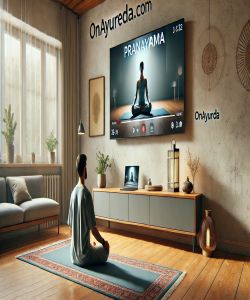
Overview of Pranayama
Pranayama is an ancient practice rooted in the tradition of yoga that focuses on the regulation of breath. The term pranayama comes from two Sanskrit words prana which means life force or vital energy and ayama which means to extend or control. This practice is not just about breathing techniques but a way to harmonize the body mind and spirit. By consciously controlling the breath one can influence the flow of energy within the body which leads to mental clarity emotional balance and physical health.
The regular practice of pranayama is known to have countless benefits. It helps in reducing stress levels by calming the mind and lowering the production of stress hormones. People who practice pranayama often experience improved concentration better sleep quality and enhanced emotional resilience. This simple yet profound technique can also boost lung capacity improve cardiovascular health and strengthen the immune system.
Pranayama includes various breathing techniques each with specific benefits. Some techniques involve slow deep breathing while others involve fast rhythmic breaths. The different methods of pranayama help in detoxifying the body increasing oxygen supply and enhancing energy levels. Moreover pranayama can support mental health by reducing anxiety and depression making it an excellent addition to modern wellness routines.
People of all ages can benefit from pranayama. Whether you are a student looking to improve focus a working professional dealing with daily stress or a senior citizen seeking to maintain good health pranayama can offer support. With consistent practice this ancient art can become a powerful tool for leading a healthy balanced and peaceful life.
What are Pranayama
Pranayama refers to the practice of controlling and regulating the breath in a structured way. The word itself is derived from prana which means life force or vital energy and ayama which means expansion or control. In simple terms pranayama is the conscious regulation of breath aimed at achieving a state of balance between the mind body and spirit. It is a core component of yoga and is often practiced along with physical postures or meditation.
Pranayama techniques involve inhalation retention and exhalation of breath in a controlled manner. Different types of pranayama include nadi shodhana or alternate nostril breathing bhastrika or bellows breath kapalabhati or skull shining breath and bhramari or humming bee breath. Each of these techniques has unique effects on the body and mind. For instance nadi shodhana helps to calm the nervous system while kapalabhati energizes and detoxifies the body.
The science of pranayama is based on the idea that our breath connects the body and mind. By regulating the breath we can influence our emotions thoughts and overall health. Practicing pranayama regularly increases lung capacity strengthens respiratory functions improves circulation and boosts immunity. It also supports mental well being by reducing stress and anxiety levels.
Pranayama is simple to learn but requires consistency and mindfulness. It is often practiced in the morning or before meditation sessions for maximum benefits. When performed correctly pranayama can enhance clarity of thought increase energy and bring a sense of inner peace. It is an effective tool for anyone seeking holistic wellness and self awareness.
Who Needs Pranayama
Pranayama is beneficial for people from all walks of life regardless of age or lifestyle. In today's fast paced world everyone faces stress pressure and mental fatigue. The practice of pranayama provides an effective way to manage these challenges by calming the mind and revitalizing the body. Students who need to improve their concentration and memory can practice pranayama to achieve mental clarity and reduce anxiety before exams.
Working professionals who are constantly dealing with deadlines and workplace stress can find pranayama highly beneficial. Regular practice helps to relax the nervous system increase focus and improve decision making abilities. It also reduces the impact of long hours of sitting and sedentary habits by improving lung function and circulation.
Elderly individuals also greatly benefit from pranayama as it supports respiratory health boosts immunity and keeps the mind sharp. It helps them manage age related issues like insomnia joint pain and high blood pressure by calming the nervous system and improving overall vitality.
People suffering from chronic health conditions such as asthma hypertension or anxiety disorders can use pranayama as a supportive therapy. However it should be done under guidance if there are any medical concerns.
Athletes and fitness enthusiasts can also incorporate pranayama into their routine for improved endurance better breathing capacity and faster recovery. In short pranayama is for anyone looking to achieve balance mental peace and holistic well being. With regular practice it becomes a natural part of daily life enhancing health happiness and longevity.
Origins and Evolution of Pranayama
Pranayama is one of the most ancient and significant practices in the world of yoga. The word pranayama is derived from two Sanskrit words prana which means life force or vital energy and ayama which means control or extension. This practice involves controlling the breath in specific patterns to balance and enhance the energy within the body. The origins of pranayama date back thousands of years and are closely linked with the origins of yoga itself.
The earliest mentions of pranayama can be found in ancient Hindu texts such as the Vedas and the Upanishads. These sacred texts describe the importance of breath control and its relationship with meditation and spiritual development. The Yoga Sutras of Patanjali which were written around 200 BCE provide a more structured description of pranayama as one of the eight limbs of yoga. According to these texts pranayama is not just a breathing exercise but a tool to purify the mind and body and to prepare the practitioner for deeper meditation.
Over the centuries pranayama evolved and was incorporated into various spiritual and health practices. Ancient yogis and sages experimented with different breathing techniques to achieve physical mental and spiritual well-being. The practice was passed down through generations and continued to evolve with each era. In medieval times pranayama became an integral part of Hatha Yoga which focuses on balancing the body and mind through physical postures and breathing techniques.
In modern times pranayama has gained global recognition. With the growing awareness of the benefits of yoga and holistic health people from all over the world have embraced pranayama. Scientific studies have validated its positive effects on health including improved lung function reduced stress levels and enhanced mental clarity. Despite evolving with time the core principle of pranayama remains the same which is controlling and mastering the breath to harmonize the body and mind.
Types of Pranayama
There are several types of pranayama each with unique techniques and benefits. Practicing different types of pranayama allows individuals to target various aspects of health and well-being.
One of the most common types of pranayama is Nadi Shodhana or alternate nostril breathing. This practice involves breathing alternately through each nostril which helps purify the energy channels in the body and brings balance between the left and right sides of the brain.
Another popular type is Bhastrika pranayama also known as bellows breath. This involves rapid and forceful inhalation and exhalation to stimulate energy flow and increase oxygen levels in the body. Bhastrika is known to increase vitality and strengthen respiratory health.
Kapalabhati pranayama is another well-known technique often referred to as the skull shining breath. It involves short powerful exhalations and passive inhalations. This type of pranayama is excellent for detoxifying the body and improving mental alertness.
Bhramari pranayama also known as humming bee breath involves making a gentle humming sound while exhaling. This practice helps reduce stress calm the mind and improve concentration.
Sheetali pranayama is practiced by inhaling air through a rolled tongue which produces a cooling effect on the body. It is beneficial in calming the mind reducing anger and lowering body temperature.
Ujjayi pranayama or ocean breath is a technique where the practitioner constricts the throat slightly while breathing producing a sound similar to ocean waves. This type of pranayama is known for calming the nervous system and enhancing focus.
Each type of pranayama serves a specific purpose and offers different benefits. Regular practice of these techniques can lead to improved health a peaceful mind and a more balanced life.
Benefits of Pranayama
Pranayama offers numerous benefits for physical mental and emotional health. One of the primary advantages of practicing pranayama is improved respiratory function. By consciously controlling the breath individuals can strengthen their lungs increase oxygen intake and enhance overall lung capacity.
Pranayama is also highly effective in reducing stress and anxiety. Deep breathing techniques help activate the parasympathetic nervous system which promotes relaxation and calmness. This can lead to lower blood pressure and a reduced heart rate making it an excellent natural remedy for managing stress.
Another important benefit of pranayama is improved mental clarity and focus. Controlled breathing increases oxygen supply to the brain which can enhance cognitive functions improve memory and sharpen concentration. This is why many people practice pranayama before meditation or important mental tasks.
Pranayama also helps in detoxifying the body. Techniques like Kapalabhati aid in expelling carbon dioxide and other toxins from the lungs and body leading to a cleaner internal system and improved health.
Regular practice of pranayama can boost energy levels and vitality. Breathing exercises like Bhastrika stimulate energy flow in the body and help combat fatigue.
Additionally pranayama supports emotional stability. By balancing the flow of prana or life energy it helps in managing emotions and developing a positive mindset. This can result in better relationships improved patience and overall happiness.
Pranayama also benefits the cardiovascular system by improving heart health and promoting better circulation. It enhances digestive health by stimulating digestive organs and improving metabolism.
In conclusion pranayama is a powerful tool for overall well-being. Its benefits go beyond just physical health and extend to mental clarity emotional balance and spiritual growth. By making pranayama a part of daily life one can experience harmony within the body and mind and lead a healthier and happier life.
Core Principles and Practices of Pranayama
Pranayama is a significant practice in the ancient science of yoga. It refers to the control of breath and vital life energy. This practice has been followed for centuries and offers various physical, mental, and spiritual benefits. The core principles of pranayama revolve around conscious breathing techniques that help in the regulation and extension of breath. These principles are based on balance, awareness, and gradual progression.
The first principle is awareness. Practitioners are advised to become fully aware of their natural breath before starting any pranayama technique. Observing the breath helps in understanding the rhythm and quality of breathing. The second principle is regulation. In pranayama, you gradually learn to regulate the length and depth of inhalation, exhalation, and retention. Another principle is balance. It is important to maintain balance between effort and relaxation to avoid strain.
Some common practices include sitting in a calm and quiet place with the spine erect. The mind should be calm and focused. Deep breathing exercises are performed slowly and rhythmically. Breathing through the nose is emphasized as it filters and warms the air. Retention of breath is introduced only after mastering simple techniques.
It is always recommended to practice pranayama on an empty stomach and at a fixed time daily. Morning is the most preferred time. Beginners should start under the guidance of a qualified instructor. The benefits include better oxygen supply to the body, improved concentration, stress relief, and enhanced lung capacity.
In conclusion, pranayama is a mindful practice that teaches us to harness the power of breath. With regular practice, it leads to inner calmness and physical wellness. The core principles ensure that one approaches this practice with caution and care to gain maximum benefits.
Online Pranayama
Online pranayama has gained immense popularity in recent years. With the growth of digital platforms and virtual classes, people around the world can now access quality pranayama lessons from the comfort of their homes. This form of learning offers flexibility and convenience for those who cannot attend physical classes.
The first step to practicing online pranayama is to find a reliable platform or instructor. Many certified yoga teachers conduct virtual classes through video conferencing tools. Before joining any class, it is important to check their credentials and reviews. A good instructor will ensure that all techniques are explained clearly and safely.
One major advantage of online pranayama is the ability to learn at your own pace. Recorded videos and tutorials allow students to replay and practice the techniques multiple times. Live sessions also offer the benefit of real time interaction where students can ask questions and receive corrections.
However, online pranayama requires discipline and a distraction free environment. It is important to set up a quiet space in your home where you can sit comfortably with an erect spine. Keeping a regular schedule for practice is essential to develop consistency.
Many online programs include beginner friendly exercises like deep breathing, alternate nostril breathing, and slow exhalations. Gradually, advanced techniques like breath retention and rhythmic breathing are introduced. Students are advised to start slowly and avoid overexertion.
Online pranayama not only saves travel time but also brings wellness to people who may not have access to yoga centers. It helps in reducing anxiety, boosting mental clarity, and improving overall health. With the right guidance and commitment, anyone can benefit from online pranayama practice.
Pranayama Techniques
Pranayama techniques are varied and each serves a specific purpose in improving physical and mental health. These techniques involve controlled breathing exercises that purify the body, calm the mind, and enhance vitality. Regular practice of these techniques brings balance and harmony to life.
One of the simplest pranayama techniques is deep breathing. In this practice, you inhale slowly and deeply through the nose, fill your lungs completely, and then exhale slowly. This helps in relaxing the nervous system and reducing stress.
Alternate nostril breathing is another popular technique. It is performed by closing one nostril with the thumb and inhaling through the other nostril, then closing the other nostril and exhaling through the first. This method balances both sides of the brain and brings mental calmness.
Bhastrika pranayama involves forceful and rapid inhalations and exhalations. This energizes the body and clears the respiratory system. Kapalabhati is another cleansing technique that involves short and forceful exhalations with passive inhalations. It helps in detoxifying the body and improving digestive health.
Ujjayi pranayama involves slow breathing with a slight contraction in the throat, creating a soft oceanic sound. It enhances concentration and builds internal heat. Bhramari pranayama is performed by making a humming sound during exhalation. It calms the mind and is beneficial for those dealing with anxiety and stress.
Sitali and Sitkari pranayama are cooling techniques where breath is drawn through the mouth and exhaled through the nose, helping in reducing body heat. Each technique should be practiced slowly and mindfully.
It is advised to learn these techniques under professional guidance, especially for beginners. Practicing pranayama regularly strengthens the respiratory system, increases lung capacity, and brings mental clarity. With dedication and patience, these techniques can transform your health and overall wellbeing.
Pranayama for Adults
Pranayama is a powerful breathing exercise that helps adults improve both physical and mental health. For adults dealing with stress, anxiety, or health issues, pranayama can act as a natural healer. The practice involves controlling the breath in different ways to enhance oxygen flow and energy throughout the body. Adults can benefit greatly by practicing pranayama regularly because it helps reduce stress levels, improve lung function, and balance emotions.
Adults often face busy schedules and struggle to find moments of peace. Practicing pranayama early in the morning or before bedtime can help calm the mind. It allows adults to begin or end their day with clarity and positivity. Some of the best pranayama techniques for adults include Anulom Vilom, Bhastrika, Kapalabhati, and Bhramari. These practices help improve concentration, boost immunity, and detoxify the body.
Adults who suffer from respiratory problems, high blood pressure, or insomnia can also find relief through pranayama. It works by stimulating the parasympathetic nervous system and bringing the body into a state of relaxation. This helps reduce the risk of lifestyle diseases such as hypertension and heart problems. Adults should start with slow breathing exercises and gradually move to advanced techniques once they feel comfortable.
It is always recommended to practice pranayama on an empty stomach. Doing it in a quiet place free from distractions will enhance its benefits. Adults who make pranayama part of their daily routine report better focus, emotional stability, and overall wellness. It is also an excellent practice for adults who wish to increase patience and inner peace. Whether you are a beginner or have some experience, pranayama can be adapted to suit your pace. Consistent practice over time can lead to long-term benefits for both body and mind.
Total Duration of Online Pranayama
The total duration of online pranayama sessions can vary based on the level of the practitioner and the structure of the program. Most online pranayama sessions for beginners last between twenty to thirty minutes. These short sessions are ideal for those who are new to breathing techniques and need time to develop awareness. Intermediate and advanced sessions can last between forty minutes to one hour.
The duration also depends on the type of pranayama being practiced. Gentle practices like Anulom Vilom or Bhramari can be practiced for twenty minutes daily. More intense practices like Kapalabhati or Bhastrika may be limited to five to ten minutes within a session to avoid strain. Advanced programs might include a combination of different breathing exercises along with meditation and relaxation, taking up to ninety minutes.
Online pranayama programs are often divided into small daily sessions spread over several weeks or months. A complete course might run for four to eight weeks with daily or alternate day sessions. This structured approach allows learners to gradually increase their capacity and confidence. Some online programs also offer recorded videos, enabling participants to practice as per their convenience.
The key is to listen to your body and avoid overexertion. Beginners should not rush and should allow themselves time to learn correct breathing techniques. Consistency matters more than duration. Even fifteen minutes of daily practice can have significant results if done regularly. As individuals become more comfortable, they can increase the duration. Online pranayama sessions are flexible and designed to suit various schedules. Whether you can spare twenty minutes or one hour daily, online pranayama can fit into your routine and support your health goals.
Things to Consider With Pranayama
Pranayama is a beneficial practice, but there are important things to consider to ensure safe and effective results. One of the first things to keep in mind is the importance of learning from a qualified instructor, especially for beginners. Practicing pranayama incorrectly can lead to dizziness, strain, or discomfort.
Always practice pranayama on an empty stomach or at least three hours after a meal. A calm and clean space free from distractions will help improve concentration and breathing quality. Another important point is to sit with the spine straight and body relaxed. Proper posture ensures smooth breath flow and prevents fatigue.
Beginners should start with simple techniques like deep breathing or Anulom Vilom before moving on to advanced practices. Do not rush into intense techniques like Kapalabhati or Bhastrika without adequate preparation. Slow and steady progress is key to gaining long-term benefits.
It is essential to avoid forcing the breath. Breathing should be smooth and comfortable. If at any point you feel lightheaded or uncomfortable, stop and rest. People with certain medical conditions such as heart disease, respiratory issues, or high blood pressure should consult a healthcare professional before beginning pranayama.
Another thing to consider is consistency. Practicing pranayama once in a while will not give results. Daily practice, even for fifteen minutes, can make a big difference in mental and physical health. Staying hydrated before and after practice also helps keep the body balanced.
Avoid distractions such as mobile phones or television during pranayama. Focus on your breath and remain mindful throughout the practice. Do not compare your progress with others, as each body responds differently. With patience, consistency, and attention to proper technique, pranayama can become a lifelong tool for maintaining health and peace of mind.
Effectiveness of Pranayama
Pranayama is one of the most powerful and ancient breathing techniques that originates from the traditional practice of yoga. It has been practiced for thousands of years and has gained worldwide recognition for its effectiveness in improving physical mental and emotional health. The word pranayama comes from the combination of two Sanskrit words prana meaning life force and ayama meaning control. Therefore pranayama refers to the regulation and control of the breath to enhance the overall well-being of a person.
The effectiveness of pranayama has been proven in many studies and through the personal experiences of countless practitioners. One of the most notable benefits of pranayama is stress reduction. By focusing on the breath and practicing slow and mindful breathing the nervous system calms down reducing anxiety and stress levels. It helps bring mental clarity and emotional stability.
Pranayama also improves lung capacity and respiratory efficiency. Regular practice can strengthen the lungs and improve oxygen flow to all parts of the body. This becomes particularly helpful for people with respiratory conditions or those who wish to enhance their endurance and stamina.
Another key benefit of pranayama is its positive impact on cardiovascular health. Certain techniques help in lowering blood pressure improving heart rate and enhancing blood circulation. It also helps in balancing hormones and reducing inflammation in the body.
Mentally pranayama sharpens focus improves concentration and helps with better decision-making. It creates a deep sense of relaxation and awareness which contributes to emotional balance.
Pranayama also supports better sleep patterns. Those who suffer from insomnia or disturbed sleep can experience noticeable improvement by incorporating pranayama techniques into their daily routine.
Overall pranayama is an effective tool for holistic health. It nurtures the body mind and spirit and can be practiced by individuals of all age groups with proper guidance and consistency.
Preferred Cautions During Pranayama
Pranayama is a wonderful and powerful practice that offers numerous health benefits when performed correctly. However like any other exercise it needs to be practiced with certain cautions to avoid unwanted complications or discomfort. Practicing pranayama mindfully and with care ensures that one receives its full benefits without any side effects.
First and foremost it is important to learn pranayama under the supervision of an experienced instructor. Incorrect techniques can lead to breathlessness dizziness and other complications. Beginners should never attempt advanced breathing techniques without proper guidance.
It is always advised to practice pranayama on an empty stomach or at least four hours after a heavy meal. Practicing on a full stomach can cause discomfort and bloating. The best time for pranayama is early in the morning when the air is fresh and the body and mind are calm.
One of the most important cautions is to avoid overstraining. Breath control should be gentle and comfortable. Forcing or holding the breath for too long can lead to discomfort or even fainting. Always breathe within your capacity and comfort level.
If you suffer from chronic illnesses such as heart disease hypertension or respiratory disorders consult a healthcare professional before beginning pranayama practice. Certain techniques may not be suitable for individuals with specific medical conditions.
Pregnant women should be very cautious and avoid any breath retention or forceful breathing exercises. Only gentle and simple pranayama techniques should be practiced after consulting a healthcare provider.
It is essential to listen to your body. If you feel dizzy nauseous or short of breath stop immediately and rest. Resume only when you feel comfortable.
Avoid practicing pranayama in noisy polluted or crowded environments. A clean peaceful and well-ventilated space enhances the practice and makes it more effective.
Lastly maintain consistency but do not overdo it. Start with short durations and gradually increase the time and complexity of the practice. Following these cautions can make your pranayama practice safe effective and enjoyable.
Pranayama Course Outline
A well-structured pranayama course is designed to help individuals learn proper breathing techniques that enhance physical and mental well-being. The course generally starts with basic understanding and gradually moves towards advanced practices. A systematic approach ensures that the learner gains complete knowledge and is able to apply the techniques in daily life.
The course usually begins with an introduction to pranayama. This includes the history of pranayama the science behind breath control and how it impacts the body and mind. It helps participants understand the significance of pranayama in yogic practices and daily life.
The next section covers preparatory exercises. These simple movements and warm-ups prepare the body and lungs for deeper breathing techniques. It also includes guidelines on posture sitting positions and the ideal environment for practice.
The foundation of the course is the teaching of basic pranayama techniques such as diaphragmatic breathing alternate nostril breathing or Anulom Vilom and simple breath observation. These practices help students become more aware of their natural breathing patterns and build the base for advanced techniques.
As the course progresses participants are introduced to more advanced practices like Bhastrika pranayama Kapalbhati pranayama and Bhramari pranayama. Each technique is taught in detail with explanations of benefits methods and precautions.
The course also includes sessions on mindfulness meditation and breath awareness. Combining pranayama with meditation helps in deeper relaxation and mental clarity.
The final part of the course focuses on creating a personalized daily routine. Participants learn how to incorporate pranayama into their lifestyle to maintain consistent benefits. Guidance is provided for self-practice with tips on duration frequency and how to handle challenges during practice.
Overall a pranayama course outline is thoughtfully designed to help learners gradually progress from beginner to advanced levels with complete knowledge safety and confidence.
Detailed Objectives with TimeLine of Pranayama
Pranayama is an ancient breathing practice that aims to bring balance to the mind and body. It offers a clear path to improving physical health, mental clarity, and spiritual growth. The objectives of practicing pranayama are well defined and can be achieved in stages over time.
In the first month of practice the objective is to build awareness of your breathing patterns and improve lung capacity. This period involves learning basic pranayama techniques like Anulom Vilom and Bhastrika. Practicing for 10 to 15 minutes daily helps establish a strong foundation.
In the second and third months the objective is to gain control over breath and increase stamina. Techniques like Kapalabhati and Ujjayi pranayama can be introduced. Regular practice for 20 to 30 minutes daily will strengthen the respiratory system and improve concentration.
Between the fourth and sixth months the goal is to harmonize the mind and body. By this time you will have enough practice to perform advanced pranayama techniques like Bhramari and Sheetali. Consistent practice for 30 to 40 minutes helps calm the mind and regulate emotions.
After six months of dedicated practice the focus is on achieving inner peace and spiritual growth. Techniques such as advanced breath retention and alternate nostril breathing with long holds can be practiced for 40 to 60 minutes. The objective at this stage is to experience mental clarity and spiritual awareness.
Overall the detailed objectives with a clear timeline help in gradual progress and ensure safe practice of pranayama. Regularity and discipline are key to achieving all these objectives.
Requirements for taking Online Pranayama
Taking online pranayama classes is a convenient way to learn and practice this ancient technique from the comfort of your home. However certain requirements must be met to make the experience effective and beneficial.
A reliable internet connection is one of the most basic requirements for taking online pranayama. Since classes are conducted virtually you need to ensure that your internet speed is stable and allows uninterrupted video streaming.
A quiet and clean space is equally important. You should find a room or corner in your house where there is minimal noise and distractions. The place should be well ventilated so you can breathe freely and fully enjoy the practice.
A yoga mat is also necessary. It provides comfort and grip during practice and ensures that you are able to sit or lie down without any discomfort.
Wearing loose and comfortable clothing is another essential requirement. Tight clothing can restrict breathing and make it difficult to perform pranayama techniques properly.
A suitable device like a laptop tablet or smartphone is needed to join the online sessions. Ensure the device has a good camera and microphone in case the instructor needs to observe your posture and breathing techniques.
Additionally it is advisable to have a notebook and pen handy for taking notes and writing down important instructions given by the teacher.
Most importantly a sincere commitment to regular practice and the willingness to learn are the key requirements to benefit fully from online pranayama sessions.
Things to Keep in Mind Before Starting Online Pranayama
Before starting online pranayama practice it is essential to be well prepared both mentally and physically. One of the most important things to keep in mind is choosing the right instructor. The instructor should be experienced and certified in pranayama to guide you safely through each technique.
Ensure that you have a quiet clean and well ventilated space in your home. Distractions and noise can disrupt your concentration and hinder your practice. You should also keep your practice area free of clutter to create a calming atmosphere.
It is important to practice on an empty stomach or at least three hours after a meal. This allows your body to focus on breathing exercises without the discomfort of digestion.
Another crucial point is to avoid overexertion. Start slowly with basic techniques and increase the intensity gradually as your stamina and control improve. Pushing yourself too hard can lead to discomfort or dizziness.
Always sit in a comfortable and upright position. Proper posture is essential for effective breathing and to avoid strain on the back or neck.
Hydrate well but avoid drinking large amounts of water right before the session.
Listen to your body. If you feel lightheaded or uncomfortable stop the practice immediately and consult your instructor.
Consistency and patience are key. Results from pranayama practice take time but with dedication you will experience the physical and mental benefits.
Lastly approach each session with a positive and open mind. A calm and focused attitude will enhance the effects of your pranayama practice.
Qualifications Required to Perform Pranayama
Performing pranayama does not require academic qualifications but it does require certain physical mental and emotional readiness.
The first and most important qualification is physical fitness. While pranayama is gentle it involves controlled breathing and sometimes breath retention. Therefore individuals should be free from serious respiratory or heart conditions unless they have medical clearance and are guided by an expert.
Mental focus and discipline are also essential qualifications. The practice demands concentration and the ability to remain still and calm for extended periods. Without mental focus the benefits of pranayama cannot be fully experienced.
Basic understanding of yoga postures and breathing techniques is another key qualification. Beginners should ideally learn from a trained instructor to ensure they are practicing the techniques correctly.
Emotional stability is equally important. Pranayama can stir emotions and bring mental clarity so a stable emotional state helps practitioners handle the effects calmly.
The willingness to practice regularly and the patience to see gradual results are perhaps the most crucial qualifications. Pranayama is not a quick fix but a lifelong practice that demands consistency.
In summary anyone can perform pranayama with basic physical health mental focus emotional balance and the discipline to practice regularly under proper guidance.
Average Pricing Per Session for Online Pranayama
If you are looking to join an online pranayama course and are curious about the pricing per session, here is a clear understanding of what you can expect. For those who are considering joining the pranayama sessions through onayurveda, you can be assured that the program is well-structured, affordable, and thoughtfully designed to suit your schedule and wellness goals.
The sub-category offered is pranayama, focusing on breathing techniques and practices that improve mental clarity, stress relief, and overall health. These sessions are conducted in a live group format, ensuring an interactive learning experience where participants can ask questions and receive real-time guidance from experienced trainers.
The entire course runs for a total duration of 60 days. Out of these 60 days, there are 26 dedicated session days. The sessions are scheduled on three days a week — Monday, Wednesday, and Friday. This schedule allows participants to maintain a consistent practice without feeling overwhelmed.
Each session lasts for one hour, which is an ideal duration to focus deeply on pranayama without fatigue or loss of concentration. Multiple time slots are available to accommodate different schedules. The available timing slots are 6 to 7 in the morning, 8 to 9 in the morning, 5 to 6 in the evening, and 7 to 8 in the evening. This variety ensures that participants can choose a slot that best fits their daily routine.
The total slots available are 40, and each slot accommodates 10 persons. This small group approach maintains quality and allows personalized attention. The total price for the full course of 26 sessions over 60 days is INR 3800. When broken down, the price per session is INR 146.
In conclusion, if you are seeking a systematic and affordable online pranayama program, the average pricing per session of INR 146 with flexible timing and manageable group sizes makes it a valuable choice for anyone looking to invest in their health and well-being.
Online Vs Offline Onsite Pranayama
In today’s fast-paced world, the practice of pranayama has gained immense popularity for its numerous health benefits. With the advancement of technology, many people now face the choice between online and offline or onsite pranayama classes. Each option has its own set of advantages and can suit different individuals based on their lifestyle and preferences.
Online pranayama has become a convenient solution for those who have busy schedules. You can attend classes from the comfort of your home without wasting time on commuting. It allows flexibility in choosing timings that fit your daily routine. Online classes also provide access to various experienced teachers from around the world. This can help you learn different techniques and approaches that may not be available locally. Moreover, recorded sessions are often provided, enabling you to practice at your own pace and rewatch whenever you need. However, one drawback of online pranayama is the lack of personal attention. Teachers might not be able to correct your postures or breathing techniques as effectively as in person.
On the other hand, offline or onsite pranayama classes offer direct interaction with the teacher. This allows for immediate correction of posture and breathing patterns. Being physically present in a class creates a disciplined environment that motivates regular practice. It also gives you a chance to connect with like-minded individuals and learn from their experiences. However, offline classes may require travel, which can be time-consuming and sometimes expensive. They are also scheduled at fixed times, which may not suit everyone’s daily routine.
In conclusion, both online and offline pranayama have their own merits. The choice between them depends on your schedule, learning style, and personal preferences. If you value flexibility and convenience, online classes are ideal. If you prefer hands-on guidance and a disciplined setting, offline classes will suit you better.
FAQs about Online Pranayama
Q What is online pranayama
A Online pranayama refers to learning and practicing pranayama breathing techniques through virtual classes or recorded sessions via the internet
Q Can beginners join online pranayama classes
A Yes beginners can easily join online pranayama classes as many platforms offer step by step guidance and beginner friendly sessions
Q Do I need special equipment for online pranayama
A No special equipment is required for online pranayama You only need a quiet place a comfortable mat and a stable internet connection
Q How do I know if my breathing techniques are correct during online sessions
A Some platforms offer live feedback during classes In addition you can record your practice and share it with your instructor for guidance or join small group sessions for personalized attention
Q Are online pranayama classes safe
A Yes online pranayama classes are safe if taught by experienced instructors Make sure to follow instructions carefully and do not push beyond your comfort level
Q How long are typical online pranayama sessions
A Online pranayama sessions usually last between twenty to forty five minutes depending on the level and style of the practice
Q Can online pranayama help reduce stress
A Yes online pranayama is very effective in reducing stress It teaches deep breathing techniques that calm the mind and body and improve focus and mental clarity
Q Is there any age restriction for online pranayama
A No online pranayama can be practiced by people of all ages but it is advisable to consult a healthcare provider if you have any medical conditions
Conclusion about Pranayama
Pranayama is a powerful practice that connects the body and mind through controlled breathing It has been an essential part of traditional yoga and is now widely recognized for its health benefits Practicing pranayama regularly can improve lung capacity enhance mental clarity boost immunity and help manage stress and anxiety
Whether practiced online or offline pranayama brings about a sense of calm and balance in life It teaches us the art of mindful breathing which is often forgotten in our daily hustle Through pranayama we learn to control our breath and in turn our emotions and thoughts
Pranayama is simple and does not require any expensive equipment or large space A small quiet corner of your home is enough to begin this transformative practice With time and consistency you will notice improvements in both your physical and mental health
In conclusion pranayama is a practice that should be included in everyone’s daily routine Whether you are a student a working professional or a senior citizen pranayama has something to offer for all It is not just a set of breathing exercises but a holistic approach to a healthier and more peaceful life If you are looking for a natural way to improve your health increase focus and reduce stress pranayama is one of the best practices you can adopt