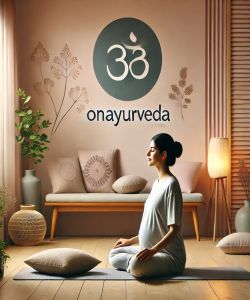
1. Overview of Pregnancy Yoga
Pregnancy Yoga constitutes a specialised, multi-faceted discipline meticulously engineered to support the profound physiological and psychological transformations inherent in the antenatal period. It is not merely a diluted form of standard yoga; rather, it is a sophisticated adaptation that prioritises safety, stability, and the specific requirements of the maternal body. The practice provides a robust framework for expectant mothers to cultivate strength, enhance flexibility, and develop an unwavering connection to their changing physical form and the developing foetus. Through a curated synthesis of modified asanas (postures), pranayama (breathing techniques), and meditative practices, it directly addresses common gestational discomforts such as lumbar pain, pelvic girdle instability, and circulatory inefficiency. The core objective extends beyond mere physical conditioning; it is fundamentally about empowering the individual with the tools necessary to navigate the rigours of pregnancy, labour, and the postnatal phase with confidence and resilience. This discipline fosters an environment of profound self-awareness, enabling participants to interpret and respond to their body’s signals with precision and intelligence. It unequivocally prepares the body for the marathon of childbirth by strengthening the pelvic floor, promoting optimal foetal positioning, and teaching pain management techniques through controlled, conscious breathing. Furthermore, it provides an essential sanctuary for mental and emotional regulation, mitigating the anxiety and stress that can accompany this significant life transition. As a holistic system, Pregnancy Yoga is an indispensable component of modern antenatal care, offering a structured, evidence-informed methodology for optimising maternal and foetal well-being, ensuring the journey to motherhood is not only managed but masterfully navigated. This is a serious, purposeful practice, demanding commitment and delivering substantial, tangible outcomes for those who engage with its principles correctly and consistently under expert guidance. It is, in essence, a strategic preparation for one of life's most demanding physical and emotional undertakings.
2. What is Pregnancy Yoga?
Pregnancy Yoga is a rigorously adapted form of yoga, specifically designed and modified by experts to cater to the unique anatomical, physiological, and emotional needs of expectant mothers throughout all trimesters. It is a specialised modality that systematically excludes any postures, breathing techniques, or sequences that could compromise the safety of either the mother or the foetus. The practice is anchored in the principle of creating stability and space within the body, accommodating the growing uterus whilst strengthening the essential muscle groups required to support the increasing load. Unlike a general yoga class, every element of a Pregnancy Yoga session is purposeful and directly relevant to the antenatal experience. It integrates controlled, targeted movements with conscious breathwork to prepare the body for the demands of labour and childbirth.
The primary components of this discipline are:
- Modified Asanas: Postures are intelligently adapted to ensure safety and provide specific benefits. For instance, deep twists are eliminated, and core work is redefined to focus on the transverse abdominis and pelvic floor, avoiding any pressure on the linea alba. Standing postures are modified with a wider stance to enhance stability and accommodate a shifting centre of gravity.
- Targeted Pranayama: Breathing techniques are selected specifically to calm the nervous system, increase oxygenation for both mother and baby, and serve as a powerful tool for pain management during labour. Practices that involve breath retention or forceful exhalations are strictly forbidden. Instead, the focus is on deep, diaphragmatic breathing and gentle Ujjayi breath.
- Pelvic Floor Education and Toning: A fundamental aspect is the explicit instruction on engaging and releasing the pelvic floor muscles. This dual focus is critical; it strengthens the muscles to support the pelvic organs and uterus, whilst also teaching the crucial skill of relaxation required for childbirth.
- Meditation and Relaxation: The practice incorporates dedicated time for mindfulness, visualisation, and deep relaxation. These elements are not ancillary; they are integral to managing the anxieties of pregnancy, fostering a positive mental state, and promoting a profound connection between mother and child.
Ultimately, Pregnancy Yoga is a comprehensive support system, providing physical readiness, emotional resilience, and a community of shared experience for expectant mothers.
3. Who Needs Pregnancy Yoga?
-
All Expectant Mothers Seeking Proactive Antenatal Management: Any individual navigating a low-risk pregnancy who wishes to actively participate in their physical and mental well-being requires this discipline. It provides a structured, safe, and effective framework for maintaining fitness, managing common discomforts, and preparing systematically for the physiological demands of labour and delivery. It is an essential tool for those committed to an empowered and informed pregnancy journey.
-
Individuals Experiencing Gestational Physical Discomfort: This practice is specifically indicated for those suffering from common pregnancy-related ailments. This includes, but is not limited to, lower back pain, sciatica, pelvic girdle pain (PGP), sacroiliac joint dysfunction, and oedema. The targeted stretches and strengthening postures are designed to alleviate these specific pressures, improve posture, and enhance circulation, offering tangible relief where general exercise might be unsuitable or ineffective.
-
First-Time Mothers Requiring Foundational Preparation: For the primigravida, the physical and emotional landscape of pregnancy and childbirth is entirely new. Pregnancy Yoga provides an indispensable educational and experiential foundation. It demystifies the physical processes, builds confidence in the body's capabilities, and equips them with concrete techniques for breathing, relaxation, and pain management, thereby reducing fear and anxiety surrounding the unknown.
-
Multiparous Mothers Seeking Optimised Experience: Individuals who have previously given birth stand to gain significantly. They can utilise the practice to address residual issues from prior pregnancies, such as diastasis recti or pelvic floor weakness. Furthermore, it offers a dedicated space and time to connect with the current pregnancy, distinct from the demands of caring for other children, ensuring a focused and restorative antenatal period that prepares them for a potentially different labour experience.
-
Individuals Prone to Anxiety or Stress: Pregnancy is a period of significant hormonal and life changes, which can heighten anxiety. This discipline is a non-negotiable requirement for those who need robust tools for mental and emotional regulation. The emphasis on pranayama and mindfulness directly impacts the parasympathetic nervous system, actively reducing cortisol levels and promoting a state of calm and control, which is beneficial for both mother and foetus.
4. Origins and Evolution of Pregnancy Yoga
The origins of Pregnancy Yoga are not found in any single ancient text but are instead a modern, intelligent evolution of classical yoga principles, adapted through the lens of contemporary obstetrics, physiotherapy, and midwifery. Whilst traditional yoga has been practised for millennia, its application to the specific physiological state of pregnancy is a relatively recent development, emerging primarily in the latter half of the twentieth century in the Western world. Early pioneers of modern yoga, recognising the profound benefits of the practice, began to cautiously modify postures for their pregnant students. This was an intuitive, ad-hoc process, lacking the standardised, safety-first framework that characterises the discipline today.
The formalisation of Pregnancy Yoga began in earnest as our understanding of maternal physiology deepened. Visionary teachers and healthcare professionals, such as Dr Françoise Barbira Freedman and Janet Balaskas in the United Kingdom, were instrumental in this process. They moved beyond simple modification, creating integrated systems that synthesised yogic techniques with knowledge of foetal development, biomechanics of the pregnant body, and the stages of labour. They codified which practices were beneficial and, critically, which were contraindicated. This shift marked the transition from informal adaptation to a specialised, professional discipline. The focus sharpened from merely avoiding harm to proactively enhancing the antenatal experience, preparing the body and mind specifically for childbirth.
The evolution has continued apace. Contemporary Pregnancy Yoga is a highly sophisticated field, informed by an ever-growing body of scientific research. It incorporates detailed knowledge of pelvic anatomy, the function of the pelvic floor, and the hormonal milieu of pregnancy. The practice has evolved to address modern lifestyle-related issues, such as sedentary work postures and heightened stress levels. The advent of online platforms has further democratised access, whilst simultaneously demanding an even greater emphasis on clear, unambiguous instruction and safety protocols. From its roots as a compassionate modification of a general practice, Pregnancy Yoga has evolved into an evidence-informed, indispensable specialism within both the yoga and antenatal care communities, a testament to its efficacy and its profound capacity to support women through a pivotal life transition.
5. Types of Pregnancy Yoga
-
Hatha-Based Antenatal Yoga: This is the most prevalent and foundational type of Pregnancy Yoga. It focuses on slow, deliberate, and sustained postures (asanas) that are meticulously modified for the pregnant body. The core principle is the alignment of body, breath, and mind. Classes are structured to build strength, stability, and awareness, with a strong emphasis on postural integrity to counteract the shifts in gravity and weight distribution. Each movement is synchronised with deep, conscious breathing. This type provides a comprehensive and safe introduction to the practice, making it suitable for all trimesters and levels of experience.
-
Restorative Antenatal Yoga: This modality prioritises deep relaxation and passive stretching over dynamic movement. It utilises an array of props, such as bolsters, blankets, and blocks, to support the body completely in comfortable, restful postures. The aim is to release physical and mental tension, calm the nervous system, and conserve energy. This type is particularly beneficial during the third trimester or for individuals experiencing significant fatigue, stress, or physical discomfort. It is less about building strength and more about cultivating a state of profound rest and somatic release, which is critical for hormonal balance and overall well-being.
-
Vinyasa-Based (Modified Flow) Antenatal Yoga: This is a more dynamic form, adapted for experienced yoga practitioners who are pregnant. It involves flowing from one posture to another, synchronised with the breath. However, all transitions and postures are rigorously modified to be pregnancy-safe. The pace is significantly slower than a standard Vinyasa class, sequences are simplified, and postures that could cause instability or abdominal compression are strictly eliminated. This type maintains a sense of fluid movement, which can enhance circulation and energy levels, but it requires a high degree of body awareness and must only be taught by a highly qualified specialist.
-
Pelvic Floor-Specific Antenatal Yoga: While all forms of Pregnancy Yoga address the pelvic floor, this specialised type makes it the central focus. It integrates principles from physiotherapy and pelvic health to provide an in-depth education on the anatomy and function of the pelvic floor muscles. The practice involves specific micro-movements, targeted exercises (beyond simple Kegels), and breathwork designed to both strengthen and, crucially, learn to release these muscles. This is indispensable for preparing for childbirth and preventing postnatal issues like incontinence and prolapse.
6. Benefits of Pregnancy Yoga
- Enhanced Physical Strength and Stability: The practice systematically targets and strengthens key muscle groups essential for supporting a pregnancy. This includes the back, abdominal, and pelvic floor muscles. This targeted conditioning directly counteracts the postural challenges caused by a shifting centre of gravity and increased weight, thereby reducing the incidence of lumbar and pelvic pain.
- Improved Circulation and Reduced Oedema: Through a combination of dynamic movement, specific postures with elevated limbs, and deep breathing, Pregnancy Yoga stimulates the circulatory and lymphatic systems. This enhanced fluid dynamics helps to mitigate common issues such as swelling (oedema) in the ankles, feet, and hands.
- Mastery of Breath Control for Labour: One of the most significant and tangible benefits is the development of pranayama (breathing techniques). Participants learn to use their breath as a powerful, non-pharmacological tool for managing the intensity of labour contractions, promoting calmness, and ensuring a steady supply of oxygen to both mother and baby.
- Promotion of Optimal Foetal Positioning: The practice incorporates specific postures and movements, such as asymmetrical poses and forward-leaning positions, that create space within the pelvis. This encourages the foetus to move into the optimal anterior position for a more efficient and straightforward birth, potentially reducing the likelihood of intervention.
- Significant Reduction in Stress and Anxiety: The meditative aspects of the practice, combined with calming breathwork and mindful movement, have a direct regulatory effect on the nervous system. This reduces the production of stress hormones like cortisol and promotes a sense of emotional equilibrium, which is vital for maternal mental health and has positive implications for foetal development.
- Cultivation of a Deeper Mind-Body Connection: Pregnancy Yoga fosters a profound sense of awareness and trust in the body’s innate wisdom. This connection empowers the expectant mother, helping her to attune to the needs of her changing body and to approach labour and birth with confidence rather than fear.
- Alleviation of Common Gestational Discomforts: The discipline provides direct, practical relief from a host of common pregnancy-related complaints. Targeted stretches can ease sciatica and round ligament pain, while specific postures can relieve indigestion, heartburn, and constipation by creating space in the abdominal cavity.
7. Core Principles and Practices of Pregnancy Yoga
- Primacy of Safety (Ahimsa): The non-negotiable, foundational principle is 'do no harm'. Every posture, transition, and breathing technique is scrutinised through the lens of maternal and foetal safety. This involves the complete elimination of deep twists, prone positions, strong backbends, and any movement that places direct pressure on the abdomen or overstretches ligaments that are already lax due to the hormone relaxin.
- Conscious Breathwork (Pranayama): Breath is the central anchor of the practice. The focus is on deep, diaphragmatic breathing that maximises oxygen intake and promotes relaxation. Specific techniques like Ujjayi (Victorious Breath) and Golden Thread Breath are taught not only for practice during the session but as indispensable tools for managing pain and anxiety during labour. All techniques involving breath retention (kumbhaka) are strictly forbidden.
- Intelligent Adaptation and Modification: The practice rejects a 'one-size-fits-all' approach. It is fundamentally about modifying classical yoga postures to accommodate the pregnant form. This includes widening stances for stability, using props like blocks and bolsters for support, and offering alternatives for every posture to suit different trimesters, energy levels, and individual physical limitations.
- Creation of Space (Avakasha): A primary physical objective is to create space within the torso and pelvis. This is achieved through lateral stretches, gentle spinal lengthening, and open-hip postures. Creating this space aids digestion, facilitates deeper breathing by allowing the diaphragm to move freely, and provides more room for the baby to grow and position itself optimally for birth.
- Cultivation of Stability (Sthira): Whilst flexibility is encouraged, it is always balanced with the cultivation of stability. The practice focuses on strengthening the stabilising muscles around the pelvis, hips, and spine. This provides the robust support structure needed to carry the additional weight of pregnancy and prevents injury to vulnerable, hypermobile joints.
- Pelvic Floor Consciousness: The practice includes explicit and detailed education on the pelvic floor. It moves beyond simple clenching (Kegels) to teach the dual function of toning and, critically, releasing these muscles. This nuanced control is fundamental for supporting the pelvic organs during pregnancy and for facilitating the second stage of labour.
- Mindfulness and Interoception: Participants are continuously guided to turn their awareness inwards, to listen to and respect their body's signals. This practice of interoception builds trust in one's own body and intuition. It fosters a deep connection with the baby and prepares the mind for the focused, internalised state often required during childbirth.
8. Online Pregnancy Yoga
- Unparalleled Accessibility and Convenience: The primary online benefit is the removal of geographical and logistical barriers. Expectant mothers in remote locations, those with demanding work schedules, or individuals with other children at home can access expert instruction without the need for travel. This ensures consistency of practice, which is paramount for achieving tangible results, by fitting sessions seamlessly into complex daily routines.
- Creation of a Secure, Private Environment: Practising from one's own home provides a sanctuary of privacy and comfort. This can be particularly valuable during pregnancy, a time of significant bodily changes and potential vulnerability. It eliminates any sense of self-consciousness, allowing the participant to focus entirely on their internal experience, their body, and their connection with their baby, free from the perceived judgement or distraction of a group setting.
- Cost and Time Efficiency: The online modality is inherently more efficient. It eliminates the time and financial costs associated with commuting to a physical studio, such as fuel, parking, and public transport fares. This redirected time and resource can be invaluable during the preparatory phase of parenthood, allowing for greater focus on other aspects of well-being.
- Access to a Wider Range of Specialised Instructors: The digital landscape provides access to a global pool of highly specialised Pregnancy Yoga instructors. Participants are no longer limited to the teachers available in their immediate locality. This allows them to select an instructor whose qualifications, style, and philosophy are perfectly aligned with their specific needs and preferences, ensuring the highest quality of guidance.
- Flexibility and On-Demand Availability: Many online programmes offer a library of pre-recorded sessions in addition to live classes. This on-demand availability is a significant advantage, empowering the individual to practise at any time that suits her energy levels, which can fluctuate dramatically during pregnancy. If a live session is missed, it can be completed later, ensuring continuity is never compromised.
- Facilitation of Partner Involvement: The home setting makes it significantly easier and more comfortable to involve a partner in the practice. Many sessions, particularly those focusing on birth preparation, include techniques for partners. The online format removes the potential intimidation factor of a studio environment, fostering a collaborative and supportive atmosphere between the couple.
9. Pregnancy Yoga Techniques
-
Pelvic Tilts (Cat-Cow Pose Modification): Commence on all fours, with hands positioned directly beneath the shoulders and knees directly beneath the hips. Ensure the spine is in a neutral, flat-back position.
- Inhalation (Cow Tilt): As you inhale deeply, gently drop the belly towards the floor, lift the chest and tailbone towards the ceiling, and look slightly forward. Avoid any compression in the lower back. This movement creates space in the front of the body and encourages an anterior pelvic tilt.
- Exhalation (Cat Tilt): As you exhale fully, press firmly into the hands, round the spine towards the ceiling, and gently tuck the tailbone under. Release the head and neck downwards, drawing the chin towards the chest. This action engages the deep abdominal muscles and encourages a posterior pelvic tilt, relieving lumbar tension. Repeat this fluid movement for several breath cycles.
-
Wide-Kneed Child’s Pose (Balasana Modification): Begin in a kneeling position on your mat.
- Positioning: Separate the knees to at least the width of the mat, keeping the big toes touching behind you. This creates ample space for the abdomen.
- Execution: Exhale and slowly fold forward from the hips, walking your hands out in front of you. Allow your torso to rest between your thighs. Support your forehead on the mat, a block, or stacked fists. If comfortable, extend the arms fully forward or rest them alongside your body. Breathe deeply into the back and sides of the ribs, focusing on releasing all tension in the hips and lower back.
-
Goddess Squat (Utkata Konasana): Stand with your feet significantly wider than hip-width apart.
- Alignment: Turn your feet outwards to approximately a 45-degree angle, ensuring your knees track in the same direction as your toes.
- Execution: Inhale to lengthen the spine. As you exhale, bend your knees and lower your hips, as if sitting on a chair behind you. Aim to bring your thighs parallel to the floor, but only go as low as feels stable and comfortable. Keep your torso upright and your core engaged. This posture builds immense strength in the quadriceps, glutes, and hips, and actively opens the pelvis.
-
Side-Lying Savasana: This is the mandatory relaxation posture, especially from the second trimester onwards.
- Setup: Lie on your left side to maximise blood flow to the uterus. Place a bolster or firm pillows between your knees and ankles to keep the hips and spine aligned. Place a folded blanket or cushion under your head to support the neck. A small rolled blanket can also be placed under your belly for extra support.
- Execution: Close your eyes and allow the full weight of your body to release into the supports. Focus on deep, even breathing, consciously relaxing every part of your body from the toes to the crown of the head. This technique is critical for deep rest and nervous system regulation.
10. Pregnancy Yoga for Adults
Pregnancy Yoga is a discipline exclusively designed for and administered to adults. This stipulation is not arbitrary; it is rooted in fundamental physiological and psychological principles. The practice demands a level of physical maturity and cognitive development that is only present in an adult. The entire curriculum of movement, breathwork, and meditation is predicated on the participant possessing a fully developed musculoskeletal system, a stable endocrine system (albeit one undergoing the specific hormonal shifts of pregnancy), and the capacity for sophisticated interoception—the ability to sense and interpret internal bodily signals. The techniques taught, particularly those concerning the pelvic floor and deep core muscles, require a nuanced understanding of anatomy and the ability to execute subtle, controlled muscular engagements that are beyond the proprioceptive capabilities of a child or adolescent. Furthermore, the psychological components are paramount. The practice is a profound tool for managing the complex emotional and mental landscape of pregnancy, which includes anxieties about childbirth, the transition to motherhood, and significant identity shifts. This requires a level of emotional maturity and self-reflection that is characteristic of adulthood. The content discussed, from the biomechanics of labour to postnatal recovery, is inherently adult in nature. The discipline, therefore, is not merely a set of physical exercises but a comprehensive preparatory system for the adult experience of childbirth and parenthood. It operates on the assumption that the participant is an autonomous individual capable of making informed decisions about her body, providing consent for physical adjustments, and taking full responsibility for her practice, all of which are hallmarks of adult agency. Any application of these specialised techniques outside of this adult context would be both inappropriate and irresponsible.
11. Total Duration of Online Pregnancy Yoga
The standard and professionally endorsed total duration for a single, comprehensive online Pregnancy Yoga session is 1 hr. This specific timeframe is not an arbitrary measure but a meticulously structured allocation designed to deliver maximum benefit whilst respecting the fluctuating energy levels and physical limitations inherent in pregnancy. Within this 1 hr duration, a session is expertly partitioned to ensure a holistic and safe experience. It commences with a dedicated period for arrival and grounding, allowing the participant to transition from her daily activities into a state of mindful presence. This is followed by a gentle, thorough warm-up, mobilising the joints and preparing the muscles for deeper work, which is a non-negotiable safety protocol. The central, most substantial portion of the 1 hr is dedicated to the main practice, involving a curated sequence of standing postures, seated poses, and targeted exercises for strength, stability, and pelvic opening. This section is paced deliberately, with ample time for transitions and modifications, ensuring the practice remains challenging yet entirely sustainable. Following this peak, a significant portion of the time is allocated to a cool-down phase, incorporating restorative postures and deep stretching to release any accumulated tension. The final, and arguably most crucial, segment of the 1 hr session is reserved for deep relaxation (Savasana) and a brief meditation or breathing practice. This concluding part is vital for integrating the physical work, calming the nervous system, and fostering the profound mind-body connection that is a core objective of the discipline. Attempting to condense this complete cycle into a shorter period would compromise safety and efficacy, whilst extending it significantly could lead to excessive fatigue. Therefore, the 1 hr duration is the industry-standard benchmark, representing a perfect equilibrium between robust practice and essential recovery.
12. Things to Consider with Pregnancy Yoga
Before embarking upon a Pregnancy Yoga programme, several critical factors must be rigorously considered to ensure both safety and efficacy. Foremost among these is securing explicit medical clearance. It is imperative to consult with a general practitioner, midwife, or obstetrician to confirm that the pregnancy is low-risk and that there are no underlying conditions, such as placenta previa, pre-eclampsia, or severe anaemia, that would contraindicate this form of physical activity. This is a non-negotiable prerequisite. The second consideration of equal importance is the qualification of the instructor. One must verify that the teacher holds a specialised, accredited certification in antenatal yoga, over and above a standard yoga teaching qualification. This ensures they possess an in-depth understanding of maternal anatomy, physiology, and contraindications. The individual participant must also undertake a process of radical self-honesty, learning to listen intently to her body’s signals. The presence of the hormone relaxin makes joints more susceptible to overstretching and injury, so pushing to previous limits of flexibility is to be strictly avoided. The principle of 'less is more' must be adopted. Furthermore, the timing of commencement is a key consideration. While it is often possible to begin in the first trimester, many practitioners and participants prefer to wait until the second trimester when energy levels typically stabilise and the risk of miscarriage has significantly decreased. Finally, one must assess the suitability of the environment, ensuring it is safe, temperate, and equipped with the necessary props like non-slip mats, blocks, and bolsters to provide adequate support and facilitate correct, safe alignment throughout the practice. A failure to diligently address these considerations transforms a beneficial practice into a potential risk.
13. Effectiveness of Pregnancy Yoga
The effectiveness of Pregnancy Yoga as a comprehensive tool for antenatal support is unequivocal and substantiated by a robust convergence of anecdotal evidence and increasingly rigorous scientific inquiry. Its efficacy is not a matter of subjective belief but is grounded in tangible physiological and psychological mechanisms. Physiologically, its effectiveness lies in its systematic approach to addressing the musculoskeletal challenges of pregnancy. By strengthening the posterior chain, deep core muscles, and the pelvic floor, it provides the structural integrity required to support the gravid uterus, thereby demonstrably reducing the prevalence and severity of lower back and pelvic girdle pain. The practice’s emphasis on postures that promote pelvic opening and optimal foetal positioning translates into measurable benefits during labour, including the potential for shorter durations and reduced rates of intervention. Furthermore, the disciplined practice of pranayama, or controlled breathing, is highly effective in modulating the autonomic nervous system. This yields a dual benefit: it reduces chronic stress and anxiety during the antenatal period by lowering cortisol levels and, critically, provides a powerful, non-pharmacological analgesic tool for managing the intensity of contractions during childbirth. Psychologically, its effectiveness is profound. The practice empowers women, fostering a sense of control and confidence in their body’s ability to birth. This mitigation of fear and cultivation of self-trust is a powerful determinant of a positive birth experience. By integrating physical preparation with mental and emotional resilience training, Pregnancy Yoga offers a holistic and highly effective methodology for navigating the complex journey of pregnancy and childbirth, making it an indispensable component of modern maternal care rather than an alternative luxury.
14. Preferred Cautions During Pregnancy Yoga
It is imperative that the practice of Pregnancy Yoga is undertaken with an unwavering commitment to caution and bodily awareness, as negligence can lead to adverse outcomes. Under no circumstances should any posture that involves lying supine on the back be held for any extended period after the first trimester. This position can cause supine hypotensive syndrome, where the weight of the gravid uterus compresses the vena cava, restricting blood flow back to the heart and, consequently, to the baby. This is a non-negotiable safety directive. All deep twisting movements, which compress the abdominal organs and uterus, are strictly forbidden. Similarly, strong, unsupported backbends that overstretch the abdominal wall must be completely eliminated to protect the linea alba from excessive strain and potential diastasis recti. Any posture that requires significant balance must be approached with extreme caution, utilising a wall or chair for support, as the body’s centre of gravity is constantly shifting, increasing the risk of falls. The hormone relaxin, which softens connective tissues in preparation for birth, also renders all joints, particularly the pelvis and sacroiliac joints, hypermobile and vulnerable to injury; therefore, any temptation to push into deep stretches beyond a moderate, comfortable range must be resisted. Breathwork involving retention (kumbhaka) or forceful expulsion (bhastrika) is absolutely contraindicated, as it can affect blood pressure and oxygen supply. Finally, the practitioner must immediately cease any movement that elicits pain, dizziness, or shortness of breath. The guiding principle must always be one of honouring the body's limitations, where intuition and comfort supersede ambition and ego. These cautions are not mere suggestions; they are fundamental rules for a safe and beneficial practice.
15. Pregnancy Yoga Course Outline
-
Module One: Foundations and First Trimester Principles:
- Introduction to the core principles of safe antenatal practice.
- Establishing the breath-movement connection: diaphragmatic breathing.
- Gentle mobilisation sequences to alleviate fatigue and nausea.
- Postures for grounding and stability.
- Introduction to pelvic floor awareness: subtle engagement and release.
- Guided relaxation and visualisation for early-stage connection.
-
Module Two: Building Strength and Stamina in the Second Trimester:
- Development of standing postures to build strength in the legs and back.
- Sequences to improve posture and counteract lumbar lordosis.
- Introduction of postures for creating space in the torso and pelvis (e.g., modified Goddess Squat, Warrior II).
- Techniques for managing common discomforts like sciatica and round ligament pain.
- Deepening the pranayama practice: Ujjayi breath for focus and calm.
- Partner work preparation: massage and support techniques.
-
Module Three: Preparation for Labour in the Third Trimester:
- Focus on optimal foetal positioning: asymmetrical and forward-leaning postures.
- Advanced pelvic floor work: conscious release and perineal relaxation.
- Active birth positions: exploring movement and positioning for labour.
- Breathwork for labour: specific techniques for managing contractions (e.g., Golden Thread Breath).
- Vocal toning as a pain management tool.
- Restorative yoga and deep relaxation to conserve energy and reduce anxiety.
-
Module Four: The Fourth Trimester and Postnatal Integration:
- Discussion of the immediate postnatal recovery period.
- Gentle, restorative movements safe for the first few weeks postpartum.
- Core and pelvic floor reconnection exercises (e.g., abdominal breathing, gentle pelvic tilts).
- Postures to alleviate neck and shoulder tension from feeding and carrying a newborn.
- Mindfulness and breathing techniques to manage the emotional challenges of new motherhood.
- Guidance on safely and gradually returning to a more active yoga practice.
16. Detailed Objectives with Timeline of Pregnancy Yoga
-
First Trimester (Conception to Week 12) - Objective: Establishment of Safe Practice and Connection.
- Week 1-6: To establish a foundational understanding of contraindications (no deep twists, abdominal pressure). To master deep, diaphragmatic breathing to enhance oxygenation and mitigate fatigue and nausea. To cultivate a profound mind-body-baby connection through guided meditation and gentle, grounding postures.
- Week 7-12: To develop consistent practice habits. To learn and apply modified sun salutations that build energy safely. To gain awareness of the pelvic floor muscles, initiating the practice of both subtle engagement and, crucially, conscious release. To alleviate early pregnancy backache through gentle spinal mobilisation like Cat-Cow.
-
Second Trimester (Week 13 to Week 27) - Objective: Building Physical Stamina and Stability.
- Week 13-20: To systematically build strength in the legs, glutes, and back muscles through standing postures such as Warrior II and Goddess Squat, creating a robust support system for the growing uterus. To enhance postural awareness to counteract the increasing lumbar curve.
- Week 21-27: To focus on creating space within the torso through lateral stretches, relieving pressure on the diaphragm and digestive organs. To deepen the practice of hip-opening postures to improve pelvic mobility and relieve sacroiliac joint discomfort. To introduce and master specific pranayama techniques for stress reduction and focus.
-
Third Trimester (Week 28 to Birth) - Objective: Active Preparation for Labour and Birth.
- Week 28-35: To actively encourage optimal foetal positioning through consistent practice of asymmetrical poses and forward-leaning postures. To master a variety of active birth positions and movements, building confidence and physical memory for labour. To refine pelvic floor release techniques, which are critical for the second stage of labour.
- Week 36-Birth: To shift the focus towards energy conservation and deep rest through restorative yoga and side-lying Savasana. To intensively practice and internalise breathing techniques specifically for managing contractions and pushing. To use visualisation and affirmation to cultivate a positive and empowered mindset for the impending birth.
17. Requirements for Taking Online Pregnancy Yoga
- Unequivocal Medical Authorisation: The absolute, non-negotiable prerequisite is to have obtained explicit clearance from a qualified healthcare provider (GP, midwife, or obstetrician). This confirms the pregnancy is low-risk and suitable for this form of exercise. Participants must be prepared to provide confirmation of this authorisation if requested by the instructor.
- A Stable, High-Speed Internet Connection: A reliable and uninterrupted internet connection is mandatory. The connection must be robust enough to support high-quality, real-time video streaming without buffering or lagging, which is critical for receiving clear instructions and for the instructor to be able to observe the participant's form where applicable.
- A Suitable Electronic Device: A device with a sufficiently large screen, such as a laptop, tablet, or a television connected to a computer, is required. Attempting to follow instruction on a small smartphone screen is inadequate and unsafe, as it prevents clear visibility of the instructor’s demonstrations and promotes poor neck posture. The device must also have a functional camera and microphone for interactive sessions.
- A Safe, Unobstructed Practice Space: The participant must designate a dedicated area for practice that is clear of furniture, trip hazards, and other obstructions. The space must be large enough to accommodate a yoga mat and allow for full freedom of movement in all directions without risk of collision.
- Essential Yoga Equipment: Certain pieces of equipment are not optional but essential for a safe and effective online practice. This includes a high-quality, non-slip yoga mat. Additionally, standard yoga props are required for modification and support: two yoga blocks, a firm bolster (or several firm pillows/cushions), and at least one sturdy blanket.
- Commitment to Undistracted Time: The participant must commit to the full duration of the class without interruption. This requires arranging the session for a time when other demands, such as childcare or work, will not interfere. Full mental and physical presence is a core requirement for safe practice.
- Personal Accountability and Body Awareness: In an online setting, the responsibility for safety shifts more towards the individual. The participant must possess a mature ability to listen to her body, to refrain from pushing past her limits, and to take modifications and rests as needed, without direct physical intervention from an instructor.
18. Things to Keep in Mind Before Starting Online Pregnancy Yoga
Before commencing an online Pregnancy Yoga programme, it is imperative to adopt a mindset of heightened personal responsibility and diligent preparation. The remote nature of the practice fundamentally alters the dynamic of instructor oversight, placing a greater onus on the participant to be the primary guardian of her own safety and well-being. You must rigorously vet the instructor’s credentials, ensuring they possess not only a specific, advanced qualification in antenatal yoga but also significant experience in teaching within a digital environment. The ability to provide clear, precise, and unambiguous verbal cues is a distinct skill set that is paramount in the absence of hands-on adjustments. It is crucial to establish a completely safe and sacred space for your practice, free from all potential interruptions and physical hazards. This environment becomes your container, and its integrity is your responsibility. You must commit to never practising when excessively fatigued or unwell, and to always listen to the subtle and overt signals of your body over the instructions of the teacher. In an online class, you are the ultimate authority on what feels appropriate for your body on any given day. Furthermore, familiarise yourself with the technology beforehand to prevent technical issues from disrupting your practice and state of mind. Understand that while the online community can be supportive, it lacks the immediate, tangible presence of a physical group; you must be prepared to be self-motivated and disciplined in your commitment. A failure to internalise these considerations is a failure to engage with the practice in a serious and responsible manner.
19. Qualifications Required to Perform Pregnancy Yoga
The performance and instruction of Pregnancy Yoga demand a level of qualification that is substantially more rigorous and specialised than that required for general yoga teaching. It is a field where insufficient training presents a direct and unacceptable risk to two individuals: the mother and the foetus. Therefore, the minimum professional standard is not merely a suggestion but a mandatory prerequisite for any individual claiming to be a competent instructor. The foundational requirement is an initial, comprehensive yoga teacher training certificate, typically a 200-hour programme, from a reputable and accredited school. This ensures a solid grounding in general asana, anatomy, and yogic philosophy. However, this is merely the starting point and is wholly insufficient on its own.
The crucial, non-negotiable qualification is the successful completion of a specialised, postgraduate-level training programme specifically in Antenatal and Postnatal Yoga. These programmes must be robust, typically comprising at least 80-100 hours of dedicated study. The essential components of such a qualification must include:
- In-Depth Maternal Anatomy and Physiology: A detailed study of the physiological, hormonal, and biomechanical changes that occur during each trimester of pregnancy and the postnatal period.
- Contraindications and Safety Protocols: Comprehensive, exhaustive training on which postures, breathing techniques, and practices are unsafe and must be avoided, and how to modify all other practices to ensure absolute safety.
- Antenatal Pathology: An understanding of common pregnancy-related conditions (e.g., pelvic girdle pain, pre-eclampsia, placenta previa) and how to work safely with clients presenting these issues, in consultation with their healthcare provider.
- Labour and Birth Physiology: Education on the stages of labour and how specific yogic techniques for movement, breath, and positioning can be effectively applied to support the birthing process.
- Postnatal Recovery: Specialised training in the 'fourth trimester', addressing issues such as diastasis recti, pelvic floor rehabilitation, and the emotional challenges of new motherhood.
A truly qualified professional will also possess valid liability insurance that specifically covers antenatal instruction and will be committed to ongoing professional development to remain current with the latest research and best practices.
20. Online Vs Offline/Onsite Pregnancy Yoga
Online
The online modality of Pregnancy Yoga is defined by its unparalleled accessibility and flexibility. Its primary advantage lies in its ability to transcend geographical limitations, offering access to highly specialised instructors irrespective of the participant's location. This format provides absolute convenience, allowing sessions to be integrated into complex schedules without the additional time and cost burdens of travel. The home environment affords a level of privacy and comfort that can be highly conducive to the introspective nature of the practice, eliminating potential self-consciousness and allowing for a deeper internal focus. However, the online format places a significantly greater demand on the participant's self-discipline and body awareness. The most profound limitation is the absence of hands-on, physical adjustments from the instructor. Guidance is restricted to verbal cues and visual demonstration, which requires the instructor to be exceptionally skilled in their communication and the participant to be highly attuned to her own body to ensure safe alignment. The sense of community, while often fostered through digital forums, can lack the immediate, tangible energetic support of an in-person group.
Offline/Onsite
Offline, or onsite, Pregnancy Yoga provides an immersive and directly supported experience. The defining characteristic is the physical presence of the instructor, which allows for immediate, tactile feedback and hands-on adjustments. This can be invaluable for correcting misalignment, ensuring safety, and deepening a posture in a way that verbal cues alone cannot achieve. The shared physical space cultivates a powerful sense of community and sangha among participants, creating a vital support network of peers navigating the same life stage. This shared experience can significantly mitigate feelings of isolation. Furthermore, the studio environment is a dedicated space, free from the distractions of home, which facilitates a more focused and ritualistic approach to the practice. The primary disadvantages are logistical. Onsite classes are bound by a fixed schedule and location, demanding a greater commitment of time for travel and adherence to a specific timetable. They are often less cost-effective and may be entirely inaccessible to those living in remote areas or with limited mobility. The presence of others can also, for some individuals, be a source of distraction or comparison, detracting from a purely internal experience.
21. FAQs About Online Pregnancy Yoga
Question 1. Is online Pregnancy Yoga as safe as in-person classes?
Answer: It can be, provided you have medical clearance, choose a highly qualified and experienced online instructor, and take absolute responsibility for listening to your body. Safety is a shared responsibility in the online space.
Question 2. When is the best time to start online Pregnancy Yoga?
Answer: The second trimester is often ideal, as energy levels typically improve and the risk of miscarriage has decreased. However, a gentle practice can be started in the first trimester with medical consent.
Question 3. Do I need any special equipment?
Answer: Yes. A non-slip yoga mat, two yoga blocks, a firm bolster, and a blanket are considered essential for safe and effective practice.
Question 4. What if I have never done yoga before?
Answer: Online Pregnancy Yoga is specifically designed for all levels, including complete beginners. The focus is on safety and adaptation, not complex postures.
Question 5. How does an instructor correct my posture online?
Answer: Instructors use precise, detailed verbal cues and clear visual demonstrations. For interactive classes, they may observe you via your camera and offer specific verbal alignment instructions.
Question 6. Can I practise if I have Pelvic Girdle Pain (PGP)?
Answer: Yes, but it is critical to inform your instructor. A specialised practice can be highly beneficial, but certain movements must be modified or avoided.
Question 7. Are live classes better than pre-recorded ones?
Answer: Live classes offer real-time interaction and a sense of community. Pre-recorded classes offer ultimate flexibility. A combination of both is often the most effective approach.
Question 8. What technology do I need?
Answer: A reliable internet connection and a device with a screen large enough to see the instructor clearly, such as a laptop or tablet, are required.
Question 9. What should I do if a posture feels painful?
Answer: You must stop immediately. Pain is a signal to cease the activity. Never push through pain during pregnancy.
Question 10. Can online yoga help prepare me for labour?
Answer: Absolutely. A significant focus is on breathing techniques, active birth positions, and mental stamina, all of which are direct preparations for labour.
Question 11. How often should I practise each week?
Answer: Two to three sessions per week is a robust and beneficial frequency, allowing for consistency without causing fatigue.
Question 12. Are there any breathing techniques I should avoid?
Answer: Yes. Any pranayama that involves breath retention (kumbhaka) or forceful, rapid breathing (bhastrika) is strictly forbidden.
Question 13. Can my partner join the online session?
Answer: This depends on the instructor, but many actively encourage partners to join, especially for sessions focused on birth preparation and support techniques.
Question 14. What if I lose my internet connection mid-class?
Answer: Most providers using live formats will have a protocol, such as providing a recording of the missed session.
Question 15. Is it suitable for a high-risk pregnancy?
Answer: Generally, no. Online group classes are designed for low-risk pregnancies. High-risk situations require one-to-one, specialised instruction, likely in person and with direct medical oversight.
Question 16. Will it help with morning sickness?
Answer: Gentle movement and specific breathing techniques can help alleviate nausea for some individuals, though it is not a guaranteed cure.
22. Conclusion About Pregnancy Yoga
In conclusion, Pregnancy Yoga stands as a formidable and indispensable discipline, expertly engineered to support the expectant mother through the profound metamorphosis of the antenatal period. It is not a gentle alternative or a peripheral wellness activity; it is a strategic and robust system of physical and mental preparation for the marathon of childbirth and the subsequent demands of motherhood. The practice offers a structured, intelligent framework for building essential physical strength, cultivating stability in a constantly changing body, and mastering the breath as a powerful tool for pain management and emotional regulation. Its principles are grounded in a sophisticated understanding of maternal physiology, prioritising safety and efficacy above all else. By systematically addressing common gestational discomforts while simultaneously preparing the body and mind for labour, it empowers the individual, replacing fear with confidence and anxiety with resilience. The benefits are not abstract but concrete and measurable, contributing to improved physical outcomes and fostering a more positive, empowered perinatal experience. Whether undertaken in a traditional studio or through the accessible medium of an online platform, the core value of the practice remains constant. It provides an essential sanctuary for an individual to connect deeply with her own body and her developing baby. Therefore, Pregnancy Yoga must be regarded as a critical component of comprehensive antenatal care, providing women with the vital physical tools and unwavering mental fortitude required to navigate their journey to motherhood with strength, grace, and authority. It is, unequivocally, a serious practice for a serious undertaking