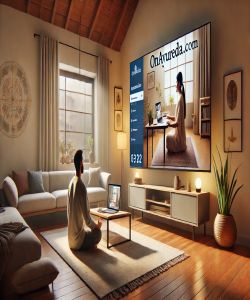
Overview of Relaxation Techniques
Introduction
In today's busy and often stressful world, relaxation techniques are more important than ever. Whether it’s work pressure, personal challenges, or the constant digital noise, stress can take a toll on both our mental and physical health. Relaxation techniques are methods that help the body and mind calm down, reduce stress, and promote overall well-being.
Why Relaxation Techniques Matter
Chronic stress can lead to several health problems such as anxiety, depression, heart disease, and digestive issues. By incorporating relaxation techniques into your daily routine, you can reduce stress levels, improve focus, enhance mood, and even boost your immune system.
Types of Relaxation Techniques
There are various methods that one can use based on personal preference and lifestyle:
-
Deep Breathing: This involves slow, controlled breathing that helps reduce anxiety and calm the nervous system.
-
Progressive Muscle Relaxation (PMR): This technique involves tensing and then relaxing each muscle group to release physical tension.
-
Meditation: A popular and powerful technique that focuses on mindfulness and being present in the moment.
-
Yoga and Stretching: These gentle movements not only relax the body but also promote flexibility and mental calmness.
-
Guided Imagery: Visualizing peaceful and calming images to relax the mind and body.
Benefits of Practicing Relaxation Techniques
-
Lowers heart rate and blood pressure
-
Reduces anxiety and depression
-
Improves sleep quality
-
Enhances concentration and memory
-
Boosts emotional resilience
Conclusion
Relaxation techniques are simple yet highly effective tools for managing stress and improving overall quality of life. With regular practice, they can become a powerful part of your daily routine, helping you stay calm, focused, and healthier both mentally and physically.
What are Relaxation Techniques?
Introduction
What are relaxation techniques? In simple terms, they are methods designed to help you reduce stress, calm your mind, and relax your body. With rising demands in personal and professional life, many people struggle with stress and anxiety. Relaxation techniques provide natural, drug-free ways to ease this tension and promote well-being.
Types of Relaxation Techniques
Here are some common relaxation techniques you can easily practice:
-
Deep Breathing: Deep breathing exercises focus on slow, controlled inhalation and exhalation. This activates the body’s relaxation response and reduces anxiety almost instantly.
-
Meditation: By focusing on your breath or a mantra, meditation helps clear the mind and encourages peace and emotional stability.
-
Progressive Muscle Relaxation (PMR): This involves consciously tensing and then releasing muscle groups one by one, helping to eliminate physical stress.
-
Visualization or Guided Imagery: Imagining yourself in a calm, peaceful place can mentally transport you away from stress.
-
Yoga: Gentle yoga postures combined with breathwork can help release tension from the body and improve mental focus.
Why Do We Need Relaxation Techniques?
The human body and mind aren’t built to handle constant stress. Without relaxation, stress hormones like cortisol can cause serious health issues such as high blood pressure, insomnia, digestive problems, and mood disorders. Relaxation techniques provide a simple, accessible way to manage these effects and restore balance.
Benefits of Relaxation Techniques
-
Reduces anxiety and depression
-
Enhances sleep quality
-
Helps with pain management
-
Lowers blood pressure
-
Improves emotional and mental clarity
Conclusion
So, what are relaxation techniques? They are simple practices that everyone can use to cope with stress and bring more peace into daily life. Whether you choose deep breathing, meditation, or yoga, these techniques offer natural, effective ways to protect both mental and physical health in today’s fast-paced world.
Who Needs Relaxation Techniques?
In today’s fast-paced world, relaxation techniques have become essential for almost everyone. The pressures of modern life — whether from work, family, financial responsibilities, or health concerns — can lead to chronic stress, anxiety, and mental fatigue. Relaxation techniques help manage this stress by calming the mind, improving focus, and promoting overall wellness.
Professionals and corporate workers are among the top groups who need relaxation techniques. Long working hours, tight deadlines, and high expectations can contribute to burnout. Techniques such as deep breathing, meditation, and progressive muscle relaxation can help reduce stress, improve concentration, and enhance productivity.
Students facing academic pressure, competitive exams, and performance anxiety also greatly benefit from relaxation methods. These techniques improve mental clarity, boost memory, and help students manage exam stress more effectively. Relaxation exercises can enhance their ability to focus and retain information.
Parents and caregivers often juggle multiple responsibilities and experience emotional exhaustion. Incorporating relaxation techniques like guided imagery or yoga nidra can help them recharge emotionally and stay more patient and balanced in their daily lives.
Individuals dealing with health issues, whether physical or mental, need relaxation techniques to aid recovery. Practices like meditation, mindful breathing, and body scans help reduce anxiety, manage chronic pain, and improve sleep quality, which all contribute to faster healing and better well-being.
Seniors and elderly individuals can use relaxation techniques to combat feelings of loneliness, depression, and anxiety. Gentle practices like mindfulness, breathing exercises, or even listening to calming music can improve mood and mental sharpness.
Finally, anyone seeking personal growth and emotional stability can benefit from relaxation techniques. Whether it's to manage stress or simply to lead a more peaceful, balanced life, relaxation methods are a powerful tool for both the body and mind.
Origins and Evolution of Relaxation Techniques
Relaxation techniques may seem like a modern concept, but their origins can be traced back thousands of years. Ancient civilizations like those in India, China, and Egypt practiced various forms of meditation, breathing exercises, and ritualistic relaxation to connect with inner peace and maintain physical health. In India, pranayama and dhyana (meditation) were integral parts of yoga, described in ancient texts like the Yoga Sutras of Patanjali. Similarly, ancient Chinese practices such as Tai Chi and Qigong incorporated breath control and slow movements to achieve mental calm and balance.
In ancient Greece, philosophers like Socrates and Plato spoke of the importance of mental tranquility, and techniques like contemplation and reflective thinking were used to achieve emotional balance. Across cultures, rituals involving music, chanting, and storytelling also served as early forms of relaxation techniques, designed to reduce stress and promote well-being.
The modern evolution of relaxation techniques began in the 20th century with scientific research supporting the mind-body connection. Dr. Edmund Jacobson introduced Progressive Muscle Relaxation (PMR) in the 1920s, which taught people to systematically tense and relax muscle groups to reduce anxiety. In the 1970s, Dr. Herbert Benson popularized the concept of the "relaxation response," showing that relaxation techniques could counteract the physiological effects of stress.
Today, relaxation techniques have evolved into a diverse field, combining ancient wisdom with scientific understanding. From yoga, meditation, and breathwork to guided imagery, mindfulness apps, and biofeedback devices, people now have countless tools to manage stress and promote mental clarity. The practice continues to evolve as research highlights new benefits, and practitioners across the world adapt relaxation techniques for different age groups, lifestyles, and medical conditions. What started as ancient rituals has now become an essential part of modern health and wellness practices.
Types of Relaxation Techniques
In today's fast-paced world, stress and anxiety have become common issues that affect both mental and physical health. Relaxation techniques are powerful tools that help reduce stress, promote calmness, and enhance overall well-being. There are various types of relaxation techniques, each designed to relax the mind and body in different ways. Here are some of the most effective relaxation techniques:
1. Deep Breathing Exercises
Deep breathing is one of the simplest and most effective techniques to relax instantly. It involves taking slow, deep breaths through the nose, holding them for a few seconds, and exhaling slowly. This method helps calm the nervous system and reduce stress.
2. Progressive Muscle Relaxation (PMR)
This technique involves tensing and then slowly releasing different muscle groups in the body. Starting from the toes and moving upward helps release physical tension and brings awareness to areas holding stress.
3. Meditation
Meditation is a mental relaxation practice that involves focusing attention on the breath, a mantra, or a particular object. Regular meditation practice reduces anxiety and promotes emotional health.
4. Guided Imagery
Also known as visualization, this technique involves imagining peaceful, calming scenes or experiences. It helps divert the mind from stress and brings a sense of tranquility.
5. Yoga
Yoga combines stretching, breathing, and meditation to promote relaxation and physical flexibility. Yoga postures help relieve physical tension, while breathing exercises calm the mind.
6. Aromatherapy
Using essential oils like lavender, chamomile, and sandalwood can enhance relaxation. Inhaling calming scents or adding them to baths can soothe the senses.
7. Listening to Music
Soft, calming music can instantly relax the mind. Nature sounds, classical music, or soft instrumental tracks are particularly effective in reducing stress.
By incorporating these types of relaxation techniques into daily life, individuals can improve mental clarity, reduce stress levels, and enhance overall health.
Benefits of Relaxation Techniques
Relaxation techniques are not just feel-good activities; they are scientifically proven methods to reduce stress, improve mental well-being, and promote physical health. In a world full of daily pressures and constant connectivity, taking time to relax is essential. Below are some of the key benefits of practicing relaxation techniques regularly:
1. Reduces Stress Levels
One of the most immediate benefits of relaxation techniques is the reduction of stress. Techniques like deep breathing, meditation, and guided imagery lower cortisol levels, calming the body and mind.
2. Lowers Blood Pressure
Chronic stress can lead to high blood pressure. Regular use of relaxation techniques helps relax blood vessels, improve circulation, and maintain healthy blood pressure levels.
3. Improves Mental Clarity and Focus
Relaxation exercises clear mental clutter, improve focus, and enhance decision-making skills. Meditation and mindfulness practices are particularly effective in sharpening concentration.
4. Enhances Emotional Well-being
Relaxation techniques reduce anxiety, depression, and mood swings. They promote positive thinking and increase resilience to emotional challenges.
5. Boosts Sleep Quality
Stress often disrupts sleep patterns. Techniques like progressive muscle relaxation, yoga, and breathing exercises help calm the mind before bedtime, resulting in deeper and more restful sleep.
6. Strengthens the Immune System
Chronic stress weakens the immune system. Relaxation techniques help restore balance, reducing the risk of illness and enhancing the body's natural defenses.
7. Relieves Physical Pain and Muscle Tension
Relaxation techniques, especially yoga and muscle relaxation exercises, help release muscle tension, reduce headaches, and ease chronic pain conditions.
8. Increases Energy and Vitality
When stress is managed effectively, energy levels naturally rise. Relaxation techniques restore physical and mental energy, allowing individuals to feel more active and engaged throughout the day.
Incorporating relaxation techniques into daily routines offers long-term health benefits for both the body and the mind. Whether it’s through meditation, yoga, or simply taking deep breaths, these practices can greatly enhance overall quality of life.
Core Principles and Practices of Relaxation Techniques
Relaxation techniques are methods that help reduce stress, calm the mind, and promote overall mental and physical well-being. These techniques are essential for maintaining balance in today’s fast-paced world and can be easily integrated into daily routines.
Core Principles of Relaxation Techniques:
-
Mind-Body Awareness:
All relaxation techniques are based on developing an awareness of the body and mind. By consciously noticing tension and stress signals, one can respond with intentional relaxation.
-
Focused Attention:
Whether it’s focusing on breath, a word, or a visualization, the practice of relaxation involves directing your attention to one calming element to prevent distracting thoughts.
-
Slow and Deep Breathing:
Most relaxation methods emphasize slow, deep breathing to lower heart rate, reduce blood pressure, and calm the nervous system.
-
Regular Practice:
Consistency is key. Just like physical exercise, relaxation techniques need to be practiced regularly to experience lasting benefits.
-
Non-Judgmental Presence:
The goal is to accept your feelings and thoughts without judgment. This encourages a sense of peace and reduces mental agitation.
Common Practices of Relaxation Techniques:
-
Deep Breathing Exercises:
This involves inhaling slowly through the nose, holding the breath for a few seconds, and exhaling slowly through the mouth.
-
Progressive Muscle Relaxation:
A systematic approach where muscle groups are tensed and then released to bring awareness to physical sensations and promote deep relaxation.
-
Visualization or Guided Imagery:
Imagining a peaceful scene, such as a beach or forest, can transport the mind away from stress and bring about calmness.
-
Meditation and Mindfulness:
These practices help in focusing on the present moment, reducing anxiety, and improving emotional balance.
-
Yoga and Stretching:
Gentle movements combined with controlled breathing help relax both the body and mind.
In conclusion, relaxation techniques are simple yet powerful tools for stress management, mental clarity, and emotional health. Practicing them regularly can lead to improved sleep, better focus, and an overall sense of well-being.
Online Relaxation Techniques
In recent years, online relaxation techniques have gained immense popularity, providing a convenient way to manage stress and anxiety from anywhere. Whether you are working from home, traveling, or simply looking for easy access to wellness practices, online relaxation techniques are an excellent solution.
What Are Online Relaxation Techniques?
Online relaxation techniques are guided exercises and practices available through digital platforms, including websites, mobile apps, and video streaming services. These techniques include meditation, deep breathing exercises, progressive muscle relaxation, and guided imagery, all tailored to help individuals relax and unwind.
Benefits of Online Relaxation Techniques:
-
Convenience:
You can practice relaxation techniques anytime and anywhere, whether during a lunch break or before bed.
-
Accessibility:
A wide range of resources is available online for free or through affordable subscriptions, making relaxation accessible to all.
-
Variety of Practices:
Online platforms offer different types of techniques, allowing users to explore what works best for them.
-
Expert Guidance:
Professional instructors lead many online sessions, ensuring correct practice and maximum benefit.
Popular Online Relaxation Techniques:
-
Guided Meditation Apps:
Apps like Calm, Headspace, and Insight Timer offer daily guided meditation sessions for stress relief and better focus.
-
Deep Breathing Tutorials:
YouTube and wellness websites host simple breathing exercises, which are perfect for beginners.
-
Virtual Yoga Classes:
Gentle yoga sessions combined with breathing practices can help release physical and mental tension.
-
Progressive Muscle Relaxation Videos:
Online videos guide users through body-scanning exercises, focusing on tension release.
-
Sound Therapy and Relaxing Music:
Streaming platforms provide calming soundtracks, nature sounds, and binaural beats for relaxation.
Conclusion:
Online relaxation techniques are an effective, affordable, and flexible way to manage stress, enhance mental clarity, and improve emotional health. With just a device and an internet connection, anyone can tap into the calming power of guided relaxation anytime they need it.
Relaxation Techniques
In today’s fast-paced world, stress has become a constant part of our daily lives. Whether it’s work, family responsibilities, or unexpected challenges, learning relaxation techniques is essential for mental, physical, and emotional well-being. These techniques help reduce anxiety, lower blood pressure, and improve focus and sleep quality.
1. Deep Breathing Exercises
Deep breathing is one of the simplest and most effective relaxation techniques. It involves taking slow, deep breaths through the nose, holding for a few seconds, and exhaling slowly through the mouth. This method calms the nervous system and reduces stress instantly.
2. Progressive Muscle Relaxation (PMR)
PMR involves tensing and then slowly releasing different muscle groups in the body. Starting from the feet and working up to the head, this technique helps identify tension areas and encourages full-body relaxation.
3. Meditation and Mindfulness
Meditation allows the mind to rest and focus. Practicing mindfulness meditation for just 10 minutes a day can reduce stress levels, improve focus, and promote emotional balance. Mindful breathing or body scans are great ways to start.
4. Visualization
Visualization or guided imagery involves imagining peaceful scenes or places. By focusing on calming images, you can relax your mind and reduce physical tension.
5. Gentle Stretching or Yoga
Gentle stretching helps release tension stored in the muscles. Yoga combines breathing, movement, and mindfulness, making it a powerful relaxation tool.
Conclusion
Relaxation techniques are simple yet powerful tools to manage daily stress. Incorporating practices like deep breathing, meditation, and gentle movement into your routine can improve mental clarity, reduce anxiety, and promote a sense of calm. Regular practice ensures long-term benefits, making life more balanced and peaceful.
Relaxation Techniques for Adults
Adults face multiple stress triggers, from workplace pressure and family responsibilities to financial concerns and health issues. Chronic stress can lead to anxiety, insomnia, high blood pressure, and other health problems. Fortunately, simple relaxation techniques for adults can help manage stress and promote mental and physical well-being.
1. Breathing Techniques for Adults
Controlled breathing exercises such as 4-7-8 breathing (inhale for 4 seconds, hold for 7 seconds, exhale for 8 seconds) or abdominal breathing can significantly reduce anxiety and induce relaxation. Practicing deep breathing for just a few minutes daily can calm the mind.
2. Progressive Muscle Relaxation (PMR)
For adults who often carry physical tension, PMR is highly effective. Slowly tensing and then releasing muscles from head to toe helps identify tightness and release it consciously.
3. Meditation for Busy Adults
Guided meditation sessions, even as short as 10 minutes, are excellent for adults who find it hard to sit still. Apps and online videos can guide adults through easy meditation exercises that fit into any schedule.
4. Gentle Yoga or Stretching Routines
Yoga not only stretches the body but also soothes the mind. Simple poses like Child’s Pose, Cat-Cow, and Legs-Up-the-Wall are excellent for adult relaxation.
5. Listening to Calming Music
Soft, instrumental music or nature sounds can help adults wind down after a hectic day and promote better sleep.
Conclusion
Relaxation techniques for adults don’t require fancy equipment or a large time commitment. Whether it’s deep breathing, meditation, or gentle stretching, dedicating even 15 minutes a day to relaxation can reduce stress, improve focus, and promote overall health. Incorporating these practices into daily life helps adults feel more balanced, energized, and peaceful.
Total Duration of Online Relaxation Techniques
The total duration of online relaxation techniques depends on the specific program or course you choose and your personal goals. Generally, online relaxation techniques are designed to fit seamlessly into busy lifestyles and can vary from short 5-minute sessions to comprehensive 8- to 12-week programs.
For beginners, many online platforms offer daily sessions lasting between 10 to 20 minutes. These short sessions include simple breathing exercises, guided visualizations, and mindfulness practices that help in reducing stress and calming the mind. Such routines can easily be integrated into a morning or evening ritual.
If you opt for structured online courses focusing on relaxation techniques, you’ll often find programs lasting between 4 to 8 weeks. Each session during these courses may last from 20 to 45 minutes, covering progressive muscle relaxation, meditation, deep breathing techniques, and sometimes gentle yoga. These programs usually require a commitment of 3 to 5 sessions per week, with additional suggestions for daily self-practice.
For advanced practitioners or those seeking deeper stress management, online courses may extend up to 12 weeks with sessions lasting 45 to 60 minutes, incorporating advanced guided relaxation, mindfulness techniques, and lifestyle management tips. Some platforms also offer lifetime access to recorded sessions, allowing users to practice at their own pace.
Additionally, the frequency of relaxation practices also plays a significant role. Experts recommend practicing relaxation techniques daily for 10-20 minutes for noticeable mental and physical benefits. However, for long-term results in reducing anxiety and improving overall well-being, committing to at least 8 weeks of regular guided practice is ideal.
In conclusion, the total duration of online relaxation techniques can range from 5 minutes daily exercises to comprehensive 12-week programs, depending on your schedule, goals, and dedication. Choose a program that suits your lifestyle and stick to it consistently to experience the best results.
Things to Consider With Relaxation Techniques
Practicing relaxation techniques can significantly reduce stress, promote mental clarity, and improve overall health. However, to gain the full benefits and ensure safety, there are several important things to consider before starting relaxation techniques.
1. Understand Your Needs:
Before starting any relaxation practice, identify why you need it. Whether it’s stress relief, better sleep, anxiety management, or focus improvement, knowing your goal will help you choose the most suitable techniques.
2. Medical Conditions:
If you suffer from chronic stress-related illnesses, heart issues, or mental health conditions, it’s always recommended to consult a healthcare provider before starting intensive relaxation techniques. Some methods might not be suitable for everyone.
3. Choose the Right Technique:
There are many relaxation techniques like deep breathing, progressive muscle relaxation, guided imagery, mindfulness meditation, and yoga. Each technique serves different needs. For example, breathing exercises are quick and effective for immediate stress relief, while guided meditation is better for long-term mental clarity.
4. Start Slow and Be Consistent:
Do not rush or expect instant results. Start with short sessions and gradually increase the duration. The key to experiencing long-term benefits is consistency. Aim for daily or at least thrice-weekly practice.
5. Comfortable Environment:
Always practice relaxation techniques in a quiet, comfortable, and distraction-free space. A calm environment enhances the effectiveness of the practice.
6. Proper Guidance:
Follow a qualified instructor or choose reputable online programs. Avoid self-practicing advanced techniques without proper instruction to prevent discomfort or anxiety.
7. Be Patient:
Relaxation techniques take time to show results. It’s important to remain patient and not get discouraged if you don’t notice immediate changes.
8. Hydration and Nutrition:
Stay hydrated and maintain a balanced diet, as physical well-being supports mental relaxation and overall balance.
In conclusion, relaxation techniques can be life-changing if practiced correctly. Understanding your body, choosing the right technique, and maintaining consistency are the keys to achieving calmness and improved well-being.
Effectiveness of Relaxation Techniques
In today’s fast-paced and stressful world, relaxation techniques have become essential tools for maintaining mental, emotional, and physical well-being. But how effective are these relaxation techniques? Numerous studies and personal experiences indicate that relaxation practices, when done regularly, can significantly improve overall health and quality of life.
Relaxation techniques such as deep breathing, progressive muscle relaxation, meditation, visualization, and guided imagery help reduce stress by calming the nervous system. Stress activates the "fight or flight" response, releasing hormones like cortisol and adrenaline, which can lead to anxiety, high blood pressure, and other health concerns. Relaxation techniques work by activating the "rest and digest" mode, also known as the parasympathetic nervous system, lowering heart rate, blood pressure, and reducing muscle tension.
Mental clarity is another key benefit. Practicing techniques like mindfulness meditation or focused breathing improves concentration and helps manage overthinking. This mental reset enhances productivity, creativity, and decision-making abilities. Relaxation methods have also been shown to improve sleep quality by reducing racing thoughts and promoting calmness, making them a natural remedy for insomnia.
Physically, relaxation practices can lower the risk of stress-related diseases, including heart disease, gastrointestinal issues, and chronic pain conditions. They also improve immune function, as chronic stress weakens immunity. Emotional resilience also grows with consistent practice, helping individuals handle challenges more calmly.
Moreover, relaxation techniques are accessible and can be practiced almost anywhere, from quiet spaces in homes to offices or parks. Whether practiced for just five minutes or an extended period, they provide immediate relief and long-term benefits.
In conclusion, relaxation techniques are highly effective tools for enhancing physical, emotional, and mental health. They foster balance and peace, making them essential for managing modern-day stress and improving the quality of life for people of all ages.
Preferred Cautions During Relaxation Techniques
While relaxation techniques are generally safe and beneficial, certain precautions should be kept in mind to ensure they are practiced safely and effectively. Ignoring these can lead to discomfort or, in rare cases, adverse effects.
Firstly, individuals with certain mental health conditions, such as severe depression or trauma-related disorders, should consult a mental health professional before starting deep relaxation practices. Sometimes, deep meditation or guided imagery can unexpectedly surface buried emotions or memories, which might be distressing if not properly guided.
Another important caution is choosing a safe and quiet environment. Attempting relaxation exercises in a noisy or uncomfortable space can lead to frustration and hinder the process. Find a calm, secure setting where interruptions are minimal to allow full focus and benefit.
Breathing exercises, a common relaxation method, should be performed gently. Overdoing deep breathing or holding breath for extended periods can lead to dizziness or lightheadedness. Individuals with respiratory issues or heart conditions should start with simple breathing techniques under professional guidance.
Additionally, maintain comfortable body posture during relaxation sessions. Sitting or lying in a position that strains muscles can lead to discomfort or pain, reducing the effectiveness of the practice. Use cushions or props if needed and avoid remaining still for too long if it causes stiffness.
For those practicing visualization or guided imagery, it’s important not to force images or thoughts. If concentration wavers, gently bring the mind back without judgment. Pushing too hard can result in mental fatigue rather than relaxation.
Lastly, relaxation techniques should not replace medical treatments. They are complementary practices. If you have chronic health conditions or are on medications, continue with prescribed treatments and discuss with healthcare professionals before making relaxation a central therapy.
In summary, by observing these preferred cautions, relaxation techniques can be practiced safely and will yield maximum benefits for both mind and body.
Relaxation Techniques Course Outline (More than 300 words)
Stress, anxiety, and mental fatigue have become common concerns in today’s fast-paced world. The Relaxation Techniques Course is designed to help individuals develop effective strategies to manage stress, enhance focus, and achieve emotional well-being. This course combines breathing exercises, guided meditation, mindfulness practices, and physical relaxation techniques to promote holistic wellness.
Course Outline:
Module 1: Understanding Stress and Relaxation
-
Introduction to the science of stress and its impact on health
-
How relaxation techniques help regulate the nervous system
-
Identifying personal stress triggers
Module 2: Breathing Techniques for Relaxation
-
Deep diaphragmatic breathing
-
4-7-8 breathing technique
-
Box breathing for stress control
-
Alternate nostril breathing for mental clarity
Module 3: Progressive Muscle Relaxation (PMR)
-
Step-by-step guidance on tensing and relaxing muscle groups
-
How PMR helps reduce tension and improve sleep quality
-
Practical exercises to integrate into daily routines
Module 4: Mindfulness and Meditation Practices
-
Guided meditation for stress reduction
-
Body scan meditation to release tension
-
Loving-kindness meditation for emotional balance
-
Mindful walking and eating for present-moment awareness
Module 5: Visualization and Guided Imagery
-
Using mental imagery to create a state of calm
-
Positive visualization for confidence and emotional resilience
-
Audio-guided relaxation scripts for self-practice
Module 6: Yoga and Gentle Movement for Relaxation
-
Simple yoga poses to release tension
-
Stretching techniques for deep relaxation
-
Understanding the connection between movement and mental peace
Module 7: Lifestyle and Habit Formation
-
How to incorporate relaxation into daily life
-
Journaling for emotional clarity
-
Developing a personalized relaxation routine
Module 8: Practical Assessments and Implementation
-
Personalized relaxation plans
-
Weekly reflections and progress tracking
-
Final assessment to evaluate effectiveness
This structured approach ensures that individuals not only learn relaxation techniques but also integrate them into their daily lives for long-term stress management and well-being.
Detailed Objectives with Timeline of Relaxation Techniques (More than 300 words)
The Relaxation Techniques Course follows a structured timeline to help individuals gradually develop skills for managing stress, improving mental clarity, and achieving deep relaxation. The course objectives are designed to ensure that learners not only understand relaxation techniques but also apply them effectively.
Course Objectives
-
Week 1 Objectives:
-
Understand the fundamentals of stress and relaxation.
-
Learn the basics of deep breathing exercises.
-
Develop awareness of personal stress triggers.
-
Week 2 Objectives:
-
Master breathing techniques such as diaphragmatic breathing and box breathing.
-
Introduce progressive muscle relaxation (PMR).
-
Start short guided meditations for relaxation.
-
Week 3 Objectives:
-
Deepen meditation practice with mindfulness techniques.
-
Explore guided imagery and visualization.
-
Learn simple yoga and movement-based relaxation methods.
-
Week 4 Objectives:
-
Combine multiple relaxation techniques for a holistic approach.
-
Develop a personalized daily relaxation routine.
-
Conduct self-assessments to track progress and improve technique effectiveness.
Timeline
-
Week 1: Introduction & Awareness
-
Week 2: Building the Foundation
-
Week 3: Expanding Techniques
-
30-minute daily relaxation sessions combining breathwork, meditation, and movement.
-
Introduction to mindful practices and visualization exercises.
-
Week 4: Mastery & Self-Practice
-
Refining relaxation techniques for long-term application.
-
Developing a stress-management routine tailored to individual needs.
-
Final assessments and adjustments to the practice.
By following this well-structured timeline, individuals will be able to cultivate lasting relaxation habits, improve emotional resilience, and significantly reduce stress levels.
Requirements for Taking Online Relaxation Techniques
In today’s fast-paced world, online relaxation techniques are becoming increasingly popular for managing stress, anxiety, and overall mental well-being. These techniques, including guided meditation, deep breathing, progressive muscle relaxation, and mindfulness, can easily be practiced from home. However, to make the most out of your online relaxation sessions, certain requirements need to be fulfilled.
1. A Reliable Internet Connection:
A stable and fast internet connection is essential for participating in live classes or streaming high-quality video and audio sessions without interruptions. Poor connectivity can break concentration and hinder the effectiveness of the techniques.
2. Suitable Device:
You will need a device such as a smartphone, tablet, or laptop with a good camera and speakers or headphones. This will allow you to clearly see and hear the instructor or guided session without distractions.
3. Quiet and Comfortable Environment:
Create a calm and peaceful space where you won’t be disturbed. A dedicated relaxation corner with soft lighting, comfortable seating or a yoga mat, and perhaps some calming elements like plants or essential oils can enhance your experience.
4. Comfortable Clothing:
Wear loose, breathable, and comfortable clothing. Tight clothing can restrict movement and breathing, making it harder to relax fully.
5. Pre-Session Preparation:
Avoid heavy meals or caffeine right before your session. A light stomach helps in focusing better on breathing and body awareness.
6. Mental Readiness and Focus:
Clear your mind before starting. Close unnecessary tabs or notifications on your device, and mentally prepare to dedicate this time entirely to relaxation.
7. Follow the Right Platform and Certified Instructors:
Choose reputable platforms that offer relaxation techniques taught by certified instructors. The right guidance ensures safe and effective practice, especially for beginners.
Meeting these simple yet important requirements can help you maximize the benefits of online relaxation techniques, leading to better mental clarity, reduced stress, and a sense of inner peace.
Things to Keep in Mind Before Starting Online Relaxation Techniques
Online relaxation techniques are powerful tools to combat stress, anxiety, and mental fatigue in today’s digitally driven lives. They help calm the mind, promote better focus, and enhance emotional well-being. However, to make these techniques truly effective, there are several things to keep in mind before you begin.
1. Understand Your Purpose:
Before you start, be clear about why you want to practice relaxation techniques. Whether it’s to reduce stress, improve sleep, enhance focus, or manage anxiety, having a clear goal will help you choose the right techniques.
2. Choose the Right Method:
There are different types of relaxation techniques — guided meditation, deep breathing exercises, mindfulness, visualization, or progressive muscle relaxation. Choose what suits your personality and needs best. If you’re unsure, start with simple breathing exercises or guided meditations.
3. Verify the Instructor’s Credentials:
It’s crucial to learn from certified instructors or reputable platforms. The right guidance ensures that you follow safe and effective methods, especially if you’re new to relaxation techniques.
4. Set a Fixed Routine:
Consistency is key. Choose a time of day when you’re least likely to be disturbed, and make relaxation a regular part of your routine. Early mornings or evenings are usually ideal.
5. Avoid Distractions:
Find a quiet, distraction-free space. Silence your phone, close unnecessary apps, and create an atmosphere conducive to focus and calmness.
6. Don’t Expect Instant Results:
Relaxation is a gradual process. Avoid being impatient; instead, focus on practicing regularly. Over time, you will notice improvements in your mental clarity, mood, and stress levels.
7. Check Your Physical and Mental State:
Avoid starting a session when you’re overly tired, sick, or extremely agitated. Relaxation techniques work best when you’re calm enough to focus.
By keeping these simple yet important points in mind, you’ll ensure that your online relaxation journey is not just effective but also enjoyable and deeply fulfilling.
Average Pricing Per Session for Online Relaxation Techniques
Online relaxation techniques are becoming increasingly popular in today’s fast-paced world. People are turning to these techniques to manage stress, improve focus, and enhance emotional well-being. However, one question that often arises for potential participants is: What is the average pricing per session for online relaxation techniques?
The pricing for online relaxation sessions can vary widely depending on factors such as the trainer’s expertise, the platform, and the type of sessions offered. Typically, these sessions can range from INR 200 to INR 600 per session. But when looking for quality guidance at a reasonable price, onayurveda offers one of the most balanced and affordable solutions.
Session Details for onayurveda Relaxation Techniques Program:
-
Sub Category: Relaxation Techniques
-
Format: Live Group Sessions
-
Total Duration: 58 Days
-
Total Sessions: 25 Days (conducted on alternate days)
-
Days: Monday, Wednesday, Friday
-
Timing Slots:
-
6:00 AM – 7:00 AM
-
8:00 AM – 9:00 AM
-
5:00 PM – 6:00 PM
-
7:00 PM – 8:00 PM
-
Session Duration: 1 Hour
-
Schedule Per Week: 3 Days
-
Total Slots Available: 40 (10 persons per slot for personal attention)
-
Available Slots: 40
-
Total Price: INR 4000
-
Price Per Session: INR 160
Why This Price is Competitive:
With each session priced at just INR 160, onayurveda’s relaxation techniques sessions are competitively priced compared to the market. Most platforms charge higher fees without necessarily providing personalized group attention. Onayurveda ensures that each group has only 10 participants, allowing the instructor to focus on individual needs while maintaining the group dynamic.
The program structure offers flexibility in terms of timing, making it easier for working professionals, homemakers, and students to participate. Additionally, the combination of 25 carefully planned sessions over 58 days ensures long-term benefits rather than short-term stress relief.
Overall, onayurveda provides one of the most affordable and valuable online relaxation techniques programs, with live sessions, structured planning, and professional guidance—all at just INR 160 per session.
Qualifications Required to Perform Relaxation Techniques
Relaxation techniques are designed to calm the mind, ease stress, and promote mental clarity. These techniques include deep breathing exercises, guided imagery, progressive muscle relaxation, and mindfulness meditation. Although relaxation techniques are generally safe and accessible for most people, there are certain qualifications and conditions to keep in mind to ensure they are practiced effectively and safely.
Here are 20 key qualifications required to perform relaxation techniques:
-
Minimum Age: Participants should ideally be 15 years or older.
-
Basic Health Condition: Should not be suffering from severe psychiatric disorders without medical supervision.
-
Medical Clearance: Anyone under treatment for anxiety, depression, or chronic conditions should consult their physician before starting.
-
Physical Comfort: Must be able to sit or lie down comfortably for 30-60 minutes.
-
Emotional Stability: Should be emotionally ready to engage in mindfulness and reflection without distress.
-
Consistency: Ability to follow a regular schedule and attend sessions consistently.
-
Environment: Must have a quiet, distraction-free space for practice.
-
Lifestyle Readiness: Willingness to make small lifestyle changes if recommended, like reducing screen time before bedtime.
-
Post-Surgery Conditions: Recently operated individuals (within six months) should consult a healthcare provider before starting.
-
Pregnancy: Pregnant women should participate only after getting clearance from a healthcare provider.
-
Substance Avoidance: No intake of alcohol or intoxicants before sessions.
-
Discipline: Willingness to follow guided instructions and stay focused throughout the session.
-
Comfort with Technology: Basic ability to join online sessions without technical difficulties.
-
Open-Mindedness: Openness to visualization exercises, mindfulness, and other techniques.
-
No Severe Panic Conditions: Severe anxiety or panic attacks require professional guidance before starting these practices.
-
Punctuality: Ability to join on time for uninterrupted practice.
-
Positive Mindset: Desire and willingness to reduce stress and cultivate calmness.
-
Patience: Results take time; participants should not expect instant transformation.
-
Group Participation: Willingness to respect the group setting and avoid disruptions.
-
Self-Awareness: Readiness to monitor one’s reactions and communicate any discomfort to the instructor.
By meeting these qualifications, individuals can make the most of relaxation techniques and enhance their mental and emotional well-being. These practices, when done consistently and mindfully, can lead to a more peaceful, focused, and balanced life.
Online Vs Offline/Onsite Relaxation Techniques
Relaxation techniques have become essential tools for managing stress, improving mental health, and enhancing overall well-being. With digital platforms evolving, many people now face the choice between learning relaxation techniques online or attending offline/onsite sessions. Both formats have unique benefits and a few limitations.
1. Convenience:
One of the biggest advantages of online relaxation techniques is convenience. You can participate from your home, office, or even while traveling. All you need is a device and an internet connection. This flexibility makes it easier for busy professionals and parents. Offline or onsite sessions, however, require fixed timings and travel, which may not suit everyone.
2. Personal Interaction:
Offline relaxation classes offer face-to-face interaction with trainers, allowing personalized attention. In-person guidance can be helpful for those needing real-time corrections or customized techniques based on their stress levels. On the other hand, online sessions often lack that immediate personal touch, though live video sessions are attempting to bridge that gap.
3. Environment:
Offline sessions provide a dedicated, distraction-free environment, often enhanced by soothing music, aromatherapy, or professional ambiance. This setting can deepen relaxation. Online sessions, however, rely on self-discipline and creating a calm space at home, which may not always be easy for everyone.
4. Cost Factor:
Online relaxation technique classes are generally more budget-friendly and sometimes even free through platforms like YouTube or apps. Offline classes, given the infrastructure and in-person instruction, usually come with a higher price tag.
5. Comfort and Privacy:
Practicing relaxation techniques online allows you to remain in a private, comfortable space. For people who feel self-conscious or anxious in group settings, online learning can be more suitable. Offline classes, however, can foster group motivation and positive energy.
Conclusion:
Online relaxation techniques are excellent for convenience, affordability, and privacy. Offline sessions are ideal if you prefer direct human connection, a structured environment, and personalized guidance. Your choice depends on your lifestyle, comfort level, and personal goals.
FAQs about Online Relaxation Techniques
Here are some frequently asked questions and answers about online relaxation techniques to help beginners and regular practitioners alike:
Q1: What are online relaxation techniques?
A: Online relaxation techniques are methods such as guided meditation, breathing exercises, progressive muscle relaxation, and visualization taught through digital platforms like Zoom, YouTube, or apps to help reduce stress and promote calmness.
Q2: Are online relaxation techniques effective?
A: Yes, if practiced consistently and properly, they can be highly effective in reducing stress, improving focus, and enhancing mental clarity.
Q3: What is the best time to practice relaxation techniques?
A: Early mornings or before bedtime are often ideal. However, you can practice anytime you feel stressed or need a mental reset.
Q4: Do I need special equipment for online relaxation techniques?
A: No special equipment is needed. A quiet space, a comfortable seat or mat, and an internet-connected device are sufficient.
Q5: Can online relaxation techniques help with anxiety?
A: Yes, regular practice of relaxation techniques such as mindfulness meditation and deep breathing can significantly reduce symptoms of anxiety.
Q6: How long should each session be?
A: Sessions can range from 10 to 30 minutes. Even short daily practices can offer noticeable benefits over time.
Q7: Are recorded sessions as effective as live sessions?
A: Recorded sessions offer flexibility, while live sessions provide real-time interaction and motivation. Both can be effective depending on your personal preferences and needs.
Q8: Can children practice relaxation techniques online?
A: Absolutely. Many platforms offer child-friendly relaxation exercises, which can improve focus, reduce anxiety, and enhance emotional balance.
Q9: Is it safe to practice relaxation techniques alone?
A: Yes, most online relaxation techniques are safe to practice alone. Just ensure you follow guidance from certified professionals.
Q10: Are there free resources for learning relaxation techniques online?
A: Yes! Websites, YouTube channels, and apps like Insight Timer, Calm, and Headspace offer free relaxation technique tutorials and guided sessions.
Conclusion about Relaxation Techniques
Relaxation techniques are increasingly becoming a necessity in modern life, where stress and mental pressure are part of everyday existence. Whether it is work-related stress, family responsibilities, financial worries, or health concerns, almost everyone experiences anxiety and tension at some point. Over time, if not addressed, this constant state of stress can lead to serious health problems such as high blood pressure, weakened immunity, depression, and sleep disorders. Relaxation techniques offer a simple yet powerful way to break this cycle and restore mental and physical balance. After understanding their role and benefits, it becomes clear that practicing relaxation techniques regularly can significantly improve one’s overall quality of life.
Relaxation techniques include practices like deep breathing exercises, progressive muscle relaxation, meditation, visualization, and yoga. Each method works differently but with the same goal — to calm the mind and body and reduce stress levels. Deep breathing, for instance, is one of the easiest and most effective techniques that can be practiced anywhere. By focusing on slow, steady breaths, the body’s stress response diminishes, heart rate slows down, and the mind becomes clearer. Progressive muscle relaxation involves systematically tensing and relaxing different muscle groups in the body, releasing built-up tension and promoting physical relaxation.
Meditation and mindfulness practices help the mind to focus on the present moment and detach from unnecessary worries. Regular meditation reduces anxiety, improves concentration, and fosters emotional balance. Visualization techniques, where one imagines peaceful scenes or positive outcomes, can help reduce stress and promote a sense of calm and happiness. Yoga, which combines movement, breathing, and meditation, is another effective practice that relaxes both the mind and body.
One of the most significant benefits of relaxation techniques is their ability to reduce the impact of stress on the body. Stress triggers the release of hormones like cortisol and adrenaline, which, in excess, can harm various organs and systems in the body. Regular relaxation helps lower these hormone levels, reducing the risk of stress-related illnesses. People who practice relaxation techniques often report better sleep, improved digestion, and fewer headaches and muscle pains.
Relaxation techniques also enhance mental health. They improve mood, boost self-esteem, and reduce feelings of frustration and anger. They help the brain focus better and improve memory and decision-making abilities. For those struggling with anxiety or depression, relaxation techniques serve as a complementary therapy that can significantly improve symptoms and promote emotional stability.
These techniques are safe, natural, and accessible to everyone. They require no special equipment or medication. People of all ages, from children to seniors, can benefit from practicing relaxation methods. They can be integrated easily into daily routines, whether practiced in the morning to start the day with positivity, during work breaks to recharge, or before bedtime to improve sleep quality. Even a few minutes of focused breathing or meditation can have noticeable effects on mental and physical health.
In conclusion, relaxation techniques are an essential tool for maintaining a healthy, balanced life in today’s fast-paced and stressful world. They offer a natural and effective way to reduce stress, improve physical health, and enhance mental clarity. By incorporating these practices into daily life, individuals can experience more peace, better health, and improved emotional well-being. In a world full of distractions and pressures, taking time to relax is not a luxury but a necessity. Those who commit to learning and practicing relaxation techniques consistently will find themselves better equipped to handle life’s challenges with resilience, patience, and clarity. Whether through deep breathing, meditation, yoga, or visualization, relaxation techniques empower individuals to lead healthier and more fulfilling lives.