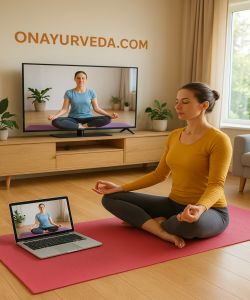
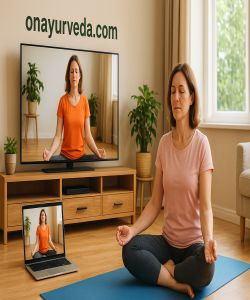
1. Overview of Reverse Age Yoga
Reverse Age Yoga constitutes a highly specialised and rigorous discipline, meticulously engineered to systematically counteract the physiological and neurological markers of ageing. It is not a gentle, restorative practice; rather, it is an assertive, proactive methodology for cultivating profound vitality and somatic resilience. This system operates on the fundamental premise that the degenerative processes associated with senescence can be significantly mitigated, and in some aspects reversed, through a targeted synthesis of advanced postural work (asana), sophisticated breath control (pranayama), and deep states of meditative focus (dhyana). The practice demands an unwavering commitment to precision, discipline, and internal awareness, moving far beyond the superficial goals of flexibility or stress relief. Its primary objective is the strategic optimisation of the body's intrinsic regenerative capacities. Practitioners are guided through sequences designed to stimulate hormonal equilibrium, enhance cellular oxygenation, fortify the central nervous system, and promote neuroplasticity. This is achieved by creating a controlled state of physiological challenge that compels the body to adapt and strengthen at a fundamental level. The philosophy underpinning Reverse Age Yoga is one of empowerment and self-mastery, asserting that the trajectory of one's biological age is not a passive inevitability but a dynamic state that can be actively and intelligently managed. It is, therefore, a demanding yet exceptionally rewarding pursuit for individuals who are resolute in their intention to maintain peak physical and cognitive function throughout their lifespan. The methodology is uncompromising in its standards, requiring participants to engage fully with both the physical forms and the profound internal states that define this potent practice. It represents the pinnacle of yogic science applied to the challenge of human longevity.
2. What are Reverse Age Yoga?
Reverse Age Yoga is a comprehensive and integrated system of practices unequivocally focused on retarding and counteracting the biological ageing process. It functions as a structured intervention designed to enhance the body's inherent mechanisms for repair, regeneration, and maintenance. This discipline must not be conflated with general yoga classes; it is a specialised field that synergises ancient yogic techniques with a contemporary understanding of human physiology, endocrinology, and neuroscience. The core of the practice is built upon a foundation of challenging yet precisely executed principles.
Its fundamental components are:
- Targeted Asana Sequences: These are not arbitrary collections of postures. Each sequence is deliberately constructed to elicit specific physiological responses. Postures are selected for their proven impact on the endocrine system, their ability to decompress the spinal column, their capacity to improve circulatory efficiency to vital organs, and their role in stimulating the lymphatic system for detoxification. Inversions, deep twists, and sustained holding postures are central to this pillar.
- Advanced Pranayama Techniques: Breathwork is paramount. Reverse Age Yoga employs sophisticated breathing exercises that go far beyond simple relaxation. Techniques are utilised to modulate the autonomic nervous system, shifting it from a catabolic (stress-induced) state to an anabolic (restorative) state. Practices are designed to maximise oxygen saturation at the cellular level, which is critical for energy production and the mitigation of oxidative stress, a key driver of ageing.
- Neuro-Stimulative Meditation: The meditative aspects are not passive. They involve specific concentration and visualisation techniques aimed at fostering neuroplasticity—the brain's ability to reorganise itself by forming new neural connections. These practices are designed to enhance cognitive functions such as memory, focus, and executive processing, directly combating age-related cognitive decline. It is a mental conditioning programme that fortifies the mind against degradation.
3. Who Needs Reverse Age Yoga?
- High-Performance Professionals: Individuals operating in high-stress, cognitively demanding environments who seek to preserve their mental acuity, executive function, and resilience against burnout. The practice provides a systematic methodology for managing the deleterious effects of chronic stress, which accelerates biological ageing, thereby safeguarding their most critical professional asset: their mind.
- Individuals Proactively Managing Longevity: Proactive persons who refuse to accept a passive decline in vitality and function as an inevitability of ageing. They are committed to investing in their long-term health and require a structured, potent, and efficient discipline to maintain peak physical condition, hormonal balance, and cellular integrity well into their later years.
- Former Athletes and Physically Active Individuals: Those transitioning from a lifetime of high-impact or competitive sport who wish to maintain their physical prowess, joint health, and metabolic conditioning without the associated wear and tear. Reverse Age Yoga offers a challenging yet intelligent alternative that builds functional strength, preserves mobility, and supports systemic recovery.
- Those Seeking to Fortify Cognitive Health: Any individual with a keen interest in protecting their neurological health and staving off age-associated cognitive decline. The neuro-stimulative meditation and circulation-enhancing postures are specifically designed to support brain health, enhance memory retention, and maintain sharp, clear thought processes.
- Individuals Recovering from Systemic Exhaustion: Persons experiencing symptoms of adrenal fatigue, chronic exhaustion, or systemic imbalance resulting from prolonged periods of overexertion or illness. This discipline provides a rigorous yet restorative framework to rebuild the body’s foundational energy systems and re-establish homeostatic equilibrium.
4. Origins and Evolution of Reverse Age Yoga
The foundational principles of Reverse Age Yoga are rooted in ancient and esoteric yogic traditions, particularly those documented in classical texts like the Hatha Yoga Pradipika and the Gheranda Samhita. These texts allude to advanced practices, known as kayakalpa, which were aimed specifically at the rejuvenation and purification of the physical body to prolong life and facilitate higher states of consciousness. This knowledge was traditionally the preserve of reclusive masters and was transmitted directly through a strict guru-disciple lineage, far removed from public dissemination. The techniques were considered powerful and potentially hazardous if practised without expert guidance, focusing on intense purification (shatkarmas), complex breath retention (kumbhaka), and energy-sealing gestures (mudras) to manipulate the body’s vital energies.
The modern codification of Reverse Age Yoga represents a critical evolutionary leap. During the latter half of the twentieth century, certain pioneering yogis began to synthesise this arcane knowledge with emerging Western scientific paradigms. They sought to demystify the ancient practices by framing them within the language of endocrinology, neurology, and cellular biology. This was not a dilution of the original teachings but a rigorous process of validation and refinement. The goal was to create a systematic, replicable methodology that could deliver predictable results in counteracting the ageing process, moving it from the realm of the mystical to the domain of applied physiological science.
In its contemporary form, Reverse Age Yoga has evolved into a highly sophisticated discipline. It continues to adapt, integrating new findings from fields such as epigenetics and neuroplasticity. The emphasis has shifted from mere longevity to the enhancement of ‘healthspan’—the period of life spent in good health, free from chronic disease and disability. The evolution has been from a secretive, esoteric art into a structured, evidence-informed science of personal optimisation. It retains the rigour and depth of its origins while embracing a framework of empirical validation, making it one of the most potent and relevant self-care systems available today for the modern, discerning practitioner.
5. Types of Reverse Age Yoga
- The Cellular Integrity Method (CIM): This modality places its primary emphasis on deep, systemic purification and cellular oxygenation. Its practice is characterised by prolonged, static holds in specific asanas, particularly deep twists and inversions, combined with advanced pranayama techniques like Nadi Shodhana (alternate nostril breathing) and Bhastrika (bellows breath). The explicit goal of CIM is to maximise the efficiency of the body’s detoxification pathways, reduce systemic inflammation, and combat oxidative stress at the cellular level. It is a slow, intense, and deeply internal practice demanding immense concentration.
- The Neuro-Regenerative Path (NRP): This type focuses directly on the central nervous system and cognitive function. NRP sequences incorporate complex balancing postures, cross-lateral movements, and asymmetrical poses that challenge and stimulate the brain’s hemispheres. These physical practices are interwoven with specific meditative techniques, including focused-attention (dharana) and visualisation exercises designed to promote neuroplasticity and enhance memory, focus, and mental clarity. It is the most mentally demanding form of the discipline.
- The Dynamic Vitality Flow (DVF): In contrast to the slower pace of CIM and NRP, Dynamic Vitality Flow is a vigorous and physically challenging practice. It synchronises powerful, flowing movements with a potent, rhythmic breath (a modified Ujjayi). The sequences are engineered to elevate the heart rate, stimulate the endocrine system, and boost metabolic function. The aim is to optimise hormonal balance, particularly of cortisol, growth hormone, and thyroid hormones, thereby enhancing energy levels, building lean muscle mass, and fortifying the cardiovascular system.
- The Somatic Equilibrium Practice (SEP): This is a foundational practice that underpins the other, more specialised types. SEP concentrates on correcting chronic postural misalignments, releasing deep-seated tension in the myofascial network, and re-establishing correct biomechanical patterns. It uses props extensively to ensure precise alignment and allow the body to release into postures safely and effectively. Its purpose is to create a structurally sound and balanced physical vessel, which is the non-negotiable prerequisite for undertaking the more advanced forms of Reverse Age Yoga.
6. Benefits of Reverse Age Yoga
- Augmented Cellular Health and Integrity: The practice systematically enhances cellular respiration and mitochondrial function through targeted pranayama, leading to improved energy production and a reduction in oxidative stress, a primary catalyst of the ageing process.
- Optimised Endocrine and Hormonal Function: Specific asanas and dynamic sequences directly stimulate and regulate the endocrine glands, promoting a balanced hormonal milieu. This includes the mitigation of catabolic stress hormones like cortisol and the enhancement of anabolic, restorative hormones.
- Enhanced Neuroplasticity and Cognitive Fortitude: The combination of complex postures, balancing sequences, and focused meditation actively stimulates the brain, fostering the growth of new neural pathways. This directly translates to improved memory, heightened concentration, and superior executive function.
- Increased Myofascial Pliability and Joint Mobility: The discipline systematically works to hydrate and release the body's fascial network, breaking down adhesions and restoring elasticity. This leads to a significant increase in functional range of motion and a decrease in chronic stiffness and joint discomfort.
- Fortified Skeletal and Muscular Systems: Weight-bearing postures and dynamic flows build and maintain bone density, directly counteracting age-related osteopenia. Concurrently, lean muscle mass is developed, which is crucial for metabolic health, strength, and physical resilience.
- Profound Regulation of the Autonomic Nervous System: Sophisticated breathwork techniques provide direct command over the autonomic nervous system, enabling the practitioner to consciously shift from the 'fight-or-flight' sympathetic state to the 'rest-and-digest' parasympathetic state, leading to deep systemic recovery.
- Superior Circulatory and Lymphatic Efficiency: Inversions and dynamic movements dramatically improve the efficiency of both the circulatory and lymphatic systems. This ensures optimal nutrient delivery to tissues and the effective removal of metabolic waste products, which is fundamental to vitality.
7. Core Principles and Practices of Reverse Age Yoga
- Primacy of the Breath (Prana): The breath is not an accompaniment to the practice; it is the engine. Every movement is initiated, sustained, and completed by a specific, controlled breath. Advanced pranayama techniques are employed not merely for relaxation but to actively manipulate the autonomic nervous system, enhance cellular oxygenation, and build internal energy. Mastery of the breath is non-negotiable.
- Unyielding Postural Integrity (Asana): Precision in alignment is paramount. Each posture is executed with meticulous attention to biomechanical detail to ensure maximum physiological benefit and eliminate any risk of injury. The goal is not aesthetic shape but the functional impact of the posture on the internal systems—glandular, nervous, and circulatory. Props are used not as a crutch, but as tools for achieving correct form.
- Cultivation of Internal Stillness (Dhyana): Beyond the physical, the practice demands the development of a focused, one-pointed mind. Meditative awareness is maintained throughout the practice, observing internal sensations without emotional reaction. This mental discipline is crucial for reducing the production of stress hormones and fostering the neurological changes that underpin cognitive longevity.
- Strategic Sequencing (Vinyasa Krama): Postures are never arranged randomly. Sequences are intelligently and purposefully designed to create a specific cumulative effect. They follow a logical progression, warming the body, moving towards a peak challenge, and then carefully cooling and integrating the effects to ensure systemic balance and profound restoration.
- The Principle of Controlled Challenge (Tapas): The practice must be rigorous. It involves generating a disciplined heat and intensity that challenges the body’s homeostatic mechanisms. This controlled stress stimulates an adaptive response, compelling the muscular, skeletal, and nervous systems to strengthen and become more resilient. Comfort is not the objective; transformation is.
- Integration and Restoration (Savasana): Every demanding practice concludes with a period of complete, conscious stillness. This phase is not optional; it is critical. It is during this time that the nervous system fully integrates the work, hormonal levels rebalance, and the profound regenerative effects of the practice are sealed within the body's tissues.
8. Online Reverse Age Yoga
- Accessibility and Consistency: The online modality removes geographical barriers, granting access to high-calibre instruction regardless of a practitioner's location. This facilitates unwavering consistency in practice, which is an absolute prerequisite for achieving the profound physiological changes promised by this discipline. It eliminates excuses related to travel and scheduling conflicts, placing the onus of commitment squarely on the individual.
- Focused, Distraction-Free Environment: Practising within a personally controlled space allows for the elimination of external distractions common in a group studio environment. This fosters a deeper state of internal focus (pratyahara), which is essential for the advanced meditative and breathwork components of Reverse Age Yoga. The practitioner can cultivate an environment optimised for concentration and introspection.
- Enhanced Personal Responsibility and Discipline: The online format demands a higher level of self-discipline and personal accountability. Without the direct physical presence of an instructor, the practitioner must take full ownership of their alignment, effort, and focus. This cultivates a powerful sense of self-mastery and internal authority, which are central tenets of the yoga philosophy itself.
- Flexibility to Integrate into Demanding Schedules: For the professionals and high-achievers to whom this practice appeals, the ability to schedule sessions without commute time is a significant advantage. This logistical efficiency makes it possible to integrate this rigorous, transformative practice into even the most demanding of lifestyles, ensuring that it can be sustained long-term.
- Access to Specialised Niche Instruction: The digital platform allows practitioners to connect with elite instructors who specialise exclusively in Reverse Age Yoga, a niche that may not be available locally. This ensures that the instruction received is authentic, precise, and undiluted, adhering to the rigorous standards of this particular lineage, rather than being a generalised yoga class.
9. Reverse Age Yoga Techniques
- Initial Centring and Breath Awareness: Commence in a stable, seated posture (Sukhasana or Virasana). The spine must be erect. For five minutes, engage in diaphragmatic breathing, consciously directing the breath into the lower lobes of the lungs. The objective is to quiet the mind and establish a baseline of calm, focused awareness, transitioning from external activity to internal presence.
- Systemic Warm-Up (Surya Namaskar Variation): Execute a series of five to seven modified Sun Salutations. Unlike standard variations, these must be performed with deliberate slowness. Each movement—from upward salute to forward fold—is synchronised with a full inhalation or exhalation. The focus is on articulating the spine and methodically warming every major joint and muscle group in preparation for the more demanding work to follow.
- The Core Sequence—Inversion and Compression: Move to the central part of the practice. This includes a sustained Headstand (Sirsasana) or a supported Shoulderstand (Sarvangasana) held for a prescribed duration. This is immediately followed by a deep spinal twist, such as Ardha Matsyendrasana. The purpose of this pairing is to flush the endocrine glands with highly oxygenated blood via the inversion, then compress them via the twist to stimulate hormonal regulation.
- Neuro-Stimulating Balance Posture: Proceed to a challenging standing balance posture, such as Eagle Pose (Garudasana) or Bird of Paradise (Svarga Dvijasana). Hold the posture with an unwavering gaze (drishti) on a single point. This technique intensely challenges the proprioceptive and vestibular systems, stimulating the cerebellum and fostering new neural connections critical for balance and cognitive focus.
- Advanced Pranayama Practice: Sit in an upright meditative posture. Engage in a cycle of Nadi Shodhana (Alternate Nostril Breathing) for five minutes, followed by a three-minute round of Bhastrika (Bellows Breath). This sequence first balances the sympathetic and parasympathetic nervous systems and then energises the entire system with a surge of prana.
- Final Integration (Savasana): Conclude by lying in Corpse Pose for a mandatory ten minutes. Remain perfectly still and consciously release control over the body and breath. This is the most critical step, allowing the nervous system to absorb and integrate the profound physiological and energetic shifts generated during the practice. Omission of this step renders the practice incomplete.
10. Reverse Age Yoga for Adults
Reverse Age Yoga is a discipline fundamentally architected for the mature adult physique and psyche. It directly confronts the physiological realities of the adult life cycle—hormonal shifts, decreased cellular regeneration, increased systemic inflammation, and the potential for cognitive decline. The practice is not a remedial activity but a strategic, high-performance system for adults committed to optimising their healthspan. The techniques employed, such as sustained inversions and complex pranayama, demand a level of physical and mental maturity not typically found in younger practitioners. These methods are designed to stimulate the endocrine system, which undergoes significant changes in adulthood, and to fortify the nervous system against the cumulative impact of life's stressors. For the adult body, the emphasis on precise alignment is crucial for working with, and improving, established postural habits and protecting joints that may have experienced decades of use. The meditative components are particularly potent for the adult mind, offering powerful tools to enhance focus, manage complex responsibilities, and cultivate the equanimity needed to navigate a mature life with clarity and purpose. It is a practice of profound self-investment, acknowledging that the adult years are not a period of decline but an opportunity for deepened wisdom, strength, and vitality, provided the correct tools are rigorously applied. It requires the discipline and focus that only a mature perspective can truly provide, making it an ideal, if demanding, methodology for any adult unwilling to concede to a conventional trajectory of ageing. This is not yoga for the sake of flexibility; it is yoga as a science of longevity.
11. Total Duration of Online Reverse Age Yoga
The standardised duration for a single, complete session of online Reverse Age Yoga is unequivocally set at 1 hr. This timeframe is not arbitrary; it is a precisely calculated duration designed to achieve maximum physiological and neurological benefit without inducing systemic exhaustion or adrenal fatigue. Within this 1 hr period, the practitioner is guided through a rigorous and structured protocol that includes a preparatory phase of centring and breathwork, a demanding core sequence of asanas targeting the endocrine and nervous systems, a specific pranayama practice for cellular oxygenation, and a mandatory concluding phase of deep integration. Each segment is allocated a specific portion of the hour to ensure the entire system is addressed comprehensively. A practice shorter than this duration would fail to sufficiently stimulate the body’s adaptive responses required for genuine transformation. Conversely, extending the intense portion of the practice beyond this point risks pushing the body into a catabolic state, which would be counterproductive to the anti-ageing objectives. Therefore, the 1 hr session represents the optimal balance between potent stimulation and intelligent recovery, forming the fundamental, non-negotiable unit of engagement with this powerful discipline. It is a concentrated and highly efficient investment of time, demanding total focus for its entirety.
12. Things to Consider with Reverse Age Yoga
Engaging with Reverse Age Yoga necessitates a sober and pragmatic assessment of one's physical condition and mental fortitude. This is not a casual fitness pursuit; it is a demanding discipline that requires absolute commitment and a willingness to confront personal limitations. Prospective practitioners must understand that the techniques are potent and can be destabilising if approached without the requisite seriousness and respect. It is imperative to consider any pre-existing medical conditions, particularly those related to the cardiovascular system, spine, or neurological health. A frank disclosure to a qualified instructor is not merely advisable but mandatory for safe practice. Furthermore, one must consider the psychological dimension. The practice is designed to unearth and release deep-seated physical and energetic blockages, a process that can be mentally and emotionally challenging. An individual must be prepared to navigate these internal shifts with stability and resolve. The demand for consistency is another critical consideration; sporadic engagement will yield negligible results and may even create imbalance. This discipline requires integration into one's lifestyle as a core priority, not a peripheral hobby. Finally, one must abandon the ego-driven pursuit of complex postures for their own sake. The true work is internal, and progress is measured not by external form but by shifts in vitality, mental clarity, and systemic equilibrium.
13. Effectiveness of Reverse Age Yoga
The effectiveness of Reverse Age Yoga is contingent upon the unwavering discipline and precise execution of its practitioner. When undertaken with the requisite rigour and consistency, the methodology is unequivocally potent. Its efficacy stems from its multi-pronged, systemic approach. By simultaneously targeting the endocrine, nervous, circulatory, and musculoskeletal systems, it creates a powerful synergistic effect that holistically counteracts the drivers of ageing. The targeted asanas and pranayama techniques are not speculative; they are designed to elicit specific, predictable physiological responses, such as the down-regulation of cortisol, the enhancement of cellular oxygenation, and the stimulation of neurogenesis. The effectiveness is not a matter of belief but of physiological cause and effect. Practitioners who commit fully to the discipline report measurable improvements in energy levels, cognitive function, hormonal balance, and physical resilience. They experience a profound shift from a state of managing decline to one of actively cultivating vitality. However, it must be stated with absolute clarity that the system's effectiveness is directly proportional to the effort and precision invested. Half-measures will yield half-results, or none at all. The practice does not offer passive benefits; it demands active, intelligent participation. For those who meet its demands, the results are not merely beneficial—they are transformative.
14. Preferred Cautions During Reverse Age Yoga
Engagement with Reverse Age Yoga demands a heightened state of vigilance and an uncompromising adherence to safety protocols. This is a powerful system, and its potency requires respect. It is imperative that practitioners never force a posture beyond their current capacity; the line between a beneficial, challenging edge and a damaging strain must be honoured without exception. The ego has no place in this practice. Particular caution is mandated during inversions; individuals with high blood pressure, glaucoma, or cervical spine issues must seek expert modification or avoid these postures entirely. Breath retention (kumbhaka) techniques are advanced practices and must only be attempted after foundational breathwork is mastered and under qualified guidance, as improper execution can stress the cardiovascular system. Listen acutely to the body’s signals—sharp pain is a definitive command to cease, not a challenge to be pushed through. Hydration is not optional but a critical component of cellular health and fascial pliability. Finally, one must avoid practising on a full stomach, as this impedes the deep twisting and compressive actions on the abdominal organs and disrupts the flow of energy. A mindset of intelligent self-regulation, rather than aggressive ambition, is the ultimate safeguard and the key to a sustainable, lifelong practice.
15. Reverse Age Yoga Course Outline
- Module 1: Foundational Principles and Somatic Awareness
- Introduction to the core philosophy of Reverse Age Yoga.
- Mastery of diaphragmatic breathing and Ujjayi pranayama.
- Practice of foundational asanas with a focus on structural alignment.
- Introduction to the principle of bandhas (energy locks).
- Module 2: The Science of Breath and Energy
- Advanced pranayama techniques: Nadi Shodhana, Bhastrika, and Kapalabhati.
- The role of pranayama in regulating the autonomic nervous system.
- Introduction to breath retention (Antara and Bahya Kumbhaka).
- Sequences designed to build internal heat (Tapas).
- Module 3: Endocrine System Optimisation
- In-depth study of postures targeting specific endocrine glands (thyroid, adrenals, pituitary).
- Mastery of the core inversion sequence: Sirsasana (Headstand) and Sarvangasana (Shoulderstand) and their modifications.
- Practice of deep twists and forward folds for glandular stimulation.
- Module 4: Neurological Fortification and Balance
- Complex balancing sequences to enhance proprioception and stimulate neuroplasticity.
- Techniques for cultivating unwavering focus (Drishti and Dharana).
- Meditative practices for enhancing cognitive function and memory.
- The integration of cross-lateral movements to balance brain hemispheres.
- Module 5: Dynamic Flow and Systemic Integration
- Practice of the Dynamic Vitality Flow (DVF) modality.
- Synchronising advanced postures with powerful, rhythmic breath.
- Techniques for transitioning smoothly between complex asanas.
- Mastery of Savasana as a tool for profound systemic integration and recovery.
- Module 6: Advanced Practice and Personalisation
- Introduction to more esoteric techniques (Mudras and advanced Bandhas).
- Principles of designing a personalised daily practice.
- Sustaining a lifelong commitment to the discipline.
- Final assessment of theoretical knowledge and practical application.
16. Detailed Objectives with Timeline of Reverse Age Yoga
- Weeks 1-4: Establishment of Foundational Integrity
- Objective: To master the core principles of alignment in foundational postures and establish consistent control over the Ujjayi breath. The practitioner will demonstrate the ability to hold basic standing, seated, and supine poses with stability and correct form. The primary goal is to build a safe and solid base for future intensity.
- Weeks 5-8: Development of Breath Mastery and Internal Energy
- Objective: To gain proficiency in primary pranayama techniques, including Nadi Shodhana and Kapalabhati, and begin the practice of gentle breath retention. The practitioner will be able to synchronise breath and movement seamlessly and begin to cultivate internal heat (tapas) during practice.
- Weeks 9-12: Introduction to Endocrine System Stimulation
- Objective: To safely practise and hold foundational inversions (supported Sarvangasana) and deep twisting postures. The practitioner will understand the theoretical basis for how these postures affect the endocrine system and will report initial shifts in energy and mood stability.
- Months 4-6: Cultivation of Neurological Focus and Balance
- Objective: To achieve stability in intermediate balancing postures for sustained periods, maintaining an unwavering mental focus (drishti). The practitioner will integrate meditative awareness throughout the physical practice, enhancing cognitive clarity and concentration in daily life.
- Months 7-9: Integration of Dynamic and Static Intensity
- Objective: To execute intermediate-level Dynamic Vitality Flow sequences with precision and stamina, while also increasing the holding times in key static postures. The practitioner will demonstrate a marked increase in physical resilience, cardiovascular health, and functional strength.
- Months 10-12: Achievement of Systemic Autonomy
- Objective: To confidently practise a full 1 hr session, incorporating advanced asanas, pranayama, and meditative states. The practitioner will be capable of modifying the practice based on their body’s daily needs and will have established a self-sufficient, disciplined personal practice that yields consistent, measurable anti-ageing benefits.
17. Requirements for Taking Online Reverse Age Yoga
- Unyielding Personal Commitment: An absolute, non-negotiable commitment to consistent and disciplined practice is the foremost requirement. Sporadic engagement is unacceptable and counterproductive.
- A Dedicated and Uncluttered Practice Space: The practitioner must designate a specific, private area solely for their practice. This space must be clean, quiet, and free from all potential distractions to facilitate the deep concentration required.
- High-Quality, Stable Internet Connection: A reliable, high-speed internet connection is mandatory. Technical disruptions are not an acceptable excuse for a compromised session. The video and audio stream must be clear and uninterrupted.
- Appropriate Technical Equipment: A device with a high-resolution camera (laptop or tablet) is required. The camera must be positioned so the instructor can clearly view the practitioner’s entire body for alignment-correction purposes. A quality microphone is also necessary.
- Essential Yoga Equipment: The practitioner must possess a high-quality, non-slip yoga mat. Additionally, a standard set of props is required, including two firm yoga blocks, a sturdy yoga strap, and several firm blankets or a bolster. These are not optional accessories but essential tools for precision.
- A Foundation of Physical Health: While the practice is adaptive, a baseline level of physical health is necessary. Individuals with severe, acute medical conditions must obtain medical clearance before commencing. A willingness to communicate openly and honestly with the instructor about physical limitations is required.
- Mental and Emotional Maturity: The practitioner must possess the maturity to follow precise instructions, receive corrective feedback without ego-defensiveness, and take complete responsibility for their own safety and effort during the online session.
18. Things to Keep in Mind Before Starting Online Reverse Age Yoga
Before embarking upon the rigorous path of online Reverse Age Yoga, a prospective practitioner must conduct a stern self-appraisal. This is not a passive, follow-along exercise video; it is an interactive, demanding discipline that requires significant self-regulation. You must fully accept that the responsibility for your physical safety rests squarely upon your shoulders. Without an instructor physically present to make hands-on adjustments, your capacity for acute self-awareness and honest self-assessment is paramount. You must be prepared to cultivate a deep-seated discipline that transcends external motivation. The convenience of practising at home is a double-edged sword; it offers flexibility but also presents endless opportunities for distraction and procrastination, which must be ruthlessly managed. It is essential to establish a sanctified practice space and a non-negotiable schedule. Furthermore, you must be willing to invest in the requisite technology and equipment to ensure a seamless and effective learning environment. A poor connection or inadequate props will sabotage your efforts. Finally, abandon any expectation of rapid, effortless results. This is a long-term strategic investment in your biological and cognitive capital. The path requires patience, resilience, and an unwavering commitment to the process, not just the outcome. Approach it with the gravity it deserves or do not approach it at all.
19. Qualifications Required to Perform Reverse Age Yoga
To competently and safely guide others in the discipline of Reverse Age Yoga, an instructor must possess qualifications that far exceed standard yoga teacher certifications. This is a specialised field demanding a profound depth of knowledge and extensive practical experience. The foundational requirement is a verifiable, advanced certification from a recognised and authentic yogic lineage, not a cursory online programme. This must be supplemented by specific, advanced training directly in the principles of yoga for longevity and cellular health. Crucially, a qualified instructor must demonstrate:
- Expert-Level Knowledge of Functional Anatomy and Physiology: A deep, practical understanding of the endocrine, nervous, and musculoskeletal systems is non-negotiable. They must be able to articulate precisely how each asana and pranayama technique impacts these systems.
- Extensive Personal Practice: An instructor cannot teach what they do not embody. They must have a long-standing, dedicated, and advanced personal practice in this specific discipline, showing a living example of its principles.
- Proficiency in Risk Assessment and Modification: The ability to accurately assess a student's physical limitations, even through a screen, and provide clear, safe, and effective modifications is an essential skill. This requires a sharp eye and exceptional communication.
- Advanced Training in Pranayama: A superficial understanding of breathwork is insufficient. The instructor must be qualified to teach complex, potent pranayama techniques, including various forms of kumbhaka (breath retention), with an acute awareness of all contraindications.
Ultimately, the most critical qualification is tutelage under a proven master of this specific lineage. This direct transmission of knowledge ensures the integrity, potency, and safety of the teachings are preserved.
20. Online Vs Offline/Onsite Reverse Age Yoga
Online
The online modality for Reverse Age Yoga offers unparalleled accessibility and demands supreme self-discipline. Its primary advantage is the elimination of geographical constraints, allowing practitioners to access elite, specialised instruction that is likely unavailable locally. This format necessitates the cultivation of intense internal focus and self-awareness, as the practitioner must become their own primary monitor for alignment and effort. It enforces a high degree of personal accountability, a core tenet of yogic philosophy. The home environment, if properly managed, can be curated into a sanctuary free from the social distractions and competitive energy that can pervade a public studio. However, the online format’s principal limitation is the absence of hands-on, physical adjustments from an instructor. Feedback is purely verbal and visual, requiring a highly skilled instructor and an attentive student to be effective. The potential for technical failure and the requirement for self-motivation are significant factors that must be managed with rigour.
Offline/Onsite
The offline, or onsite, practice of Reverse Age Yoga provides a distinct set of advantages and challenges. The most significant benefit is the direct physical presence of a qualified instructor, who can provide immediate, tactile feedback and hands-on adjustments. This can accelerate the understanding of complex alignments and ensure a higher degree of safety, particularly for beginners or those with physical limitations. The energy of a dedicated group (sangha) can also be a powerful motivator, fostering a collective sense of purpose and discipline. The structured environment of a studio inherently removes home-based distractions. The disadvantages, however, include geographical and scheduling limitations, the potential for a less-than-ideal group dynamic, and the cost and time associated with travel. The practitioner may also become overly reliant on the instructor's external corrections, potentially slowing the development of their own deep, internal proprioceptive awareness.
21. FAQs About Online Reverse Age Yoga
Question 1. Is this practice suitable for complete beginners to yoga? Answer: No. A foundational understanding of basic yoga postures and principles is strongly recommended. This is an advanced discipline.
Question 2. What kind of results can I realistically expect? Answer: With consistent, disciplined practice, expect enhanced energy, improved mental clarity, greater physical resilience, and better stress management.
Question 3. How is this different from a regular online yoga class? Answer: It is highly specialised, focusing on specific techniques for hormonal balance, cellular health, and neurological function, rather than general fitness or flexibility. The standard of precision is far higher.
Question 4. Is it safe to practise inversions online without a teacher present? Answer: Only if you have prior experience and have been cleared by the instructor. Safe, preparatory modifications are always taught first.
Question 5. What if I have a medical condition? Answer: You must disclose it to the instructor before enrolling and obtain clearance from your medical professional. This is non-negotiable.
Question 6. How many times per week should I practise? Answer: A minimum of three dedicated sessions per week is required to achieve meaningful results.
Question 7. Do I need to be flexible to start? Answer: No. The practice will build functional mobility. A willingness to work with precision is more important than initial flexibility.
Question 8. Will I lose weight? Answer: While not its primary goal, the practice's effect on metabolism and hormonal balance can contribute to achieving a healthy body composition.
Question 9. Is there a lot of meditation involved? Answer: Yes. Meditative focus is integrated throughout the practice and is a core component.
Question 10. What technology do I absolutely need? Answer: A stable internet connection and a device with a clear camera and microphone.
Question 11. Can I practise if I am over 60? Answer: Yes, provided you are in reasonable health. The practice is highly beneficial for mature adults, with appropriate modifications.
Question 12. Is the 1 hr session intense? Answer: Yes. It is designed to be physically and mentally challenging.
Question 13. What if I miss a live class? Answer: This depends on the specific programme policy, but commitment to the live schedule is expected.
Question 14. Is there any chanting? Answer: This varies by instructor, but the focus is primarily on the physical and meditative techniques.
Question 15. Why is it called "Reverse Age" Yoga? Answer: Because its specific objective is to counteract the physiological and cognitive effects of the ageing process.
Question 16. Will I need to change my diet? Answer: While not a formal requirement, a nutritious diet will significantly amplify the benefits of the practice.
Question 17. What if my camera placement is not good? Answer: The instructor will guide you on correct placement during the first session. It is essential for your safety and progress.
22. Conclusion About Reverse Age Yoga
In conclusion, Reverse Age Yoga stands as a formidable and elite discipline, meticulously designed for the serious individual dedicated to the strategic management of their long-term health and vitality. It is an uncompromising system that synthesises the profound wisdom of ancient yogic science with a modern, pragmatic understanding of human physiology. The practice makes no concessions to convenience and offers no shortcuts; its effectiveness is directly and inexorably linked to the practitioner’s discipline, precision, and unwavering commitment. It fundamentally reframes the concept of ageing from a passive state of decline into a dynamic process that can be intelligently influenced and navigated. By systematically targeting the body's core regulatory systems—the endocrine, the nervous, and the cellular—it provides a powerful, holistic methodology for enhancing healthspan, fortifying cognitive function, and cultivating a deep reservoir of resilience. This is not a path for the dabbler or the faint of heart. It is a rigorous, demanding, and deeply rewarding pursuit for those who choose to take authoritative command of their own biological destiny. The principles and practices of Reverse Age Yoga constitute a definitive statement of self-mastery and a testament to the human capacity for proactive self-preservation and optimization.