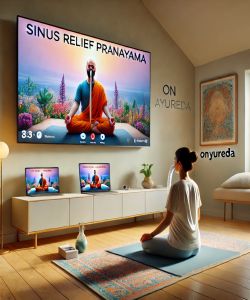
Overview of Sinus Relief Pranayama
Sinus Relief Pranayama constitutes a highly specialised and rigorous discipline of controlled yogic breathing exercises, engineered with absolute precision to address and systematically alleviate the physiological discomfort and chronic obstruction associated with paranasal sinus congestion. This practice is not a passive form of relaxation but an active, physiological intervention designed to manipulate airflow, pressure, and circulation within the entire respiratory system, with a strategic focus on the intricate network of sinus cavities. By employing a series of forceful, rhythmic, and controlled inhalations and exhalations, the practitioner directly targets the root causes of sinus-related distress, including the accumulation of mucus, inflammation of the mucosal linings, and poor ventilation of the sinus passages. The methodology is grounded in ancient yogic science, yet its efficacy is explained through modern physiological principles: the generation of internal air pressure works to dislodge blockages, the increased oxygenation of the blood helps to reduce inflammation, and the regulation of the autonomic nervous system mitigates the stress responses that often exacerbate sinus conditions. It is a demanding practice that necessitates unwavering focus, correct posture, and a deep understanding of the subtle mechanics of breath. This is not merely deep breathing; it is the deliberate weaponisation of breath as a tool for physiological clearance and respiratory optimisation. The successful application of Sinus Relief Pranayama requires discipline, consistency, and expert guidance to ensure that the techniques are performed with the requisite intensity and accuracy to provoke a therapeutic effect, thereby restoring patency to the nasal and sinus pathways and re-establishing unimpeded respiratory function. It stands as a formidable, non-pharmacological approach for individuals committed to reclaiming mastery over their respiratory health through disciplined self-regulation and physiological control, offering a potent alternative to conventional symptomatic treatments by addressing the underlying mechanical and inflammatory dysfunctions.
What is Sinus Relief Pranayama?
Sinus Relief Pranayama is a targeted subset of advanced yogic breathing techniques, specifically curated and applied to combat the symptoms and underlying causes of sinus congestion, pressure, and inflammation. The term ‘Pranayama’ itself is a composite Sanskrit word, where ‘Prana’ signifies the vital life force or energy, and ‘Yama’ means to control or extend. Therefore, Pranayama is the science of breath control. Sinus Relief Pranayama refines this ancient science into a precise clinical tool, focusing exclusively on techniques that directly impact the upper respiratory tract, particularly the nasal passages and the four pairs of paranasal sinuses. It operates on several physiological fronts simultaneously. Mechanically, specific techniques involving forceful exhalations, such as Kapalbhati and Bhastrika, create a powerful vibratory effect and generate positive pressure within the nasopharyngeal region. This action effectively dislodges and expels stagnant mucus, clears obstructions, and promotes drainage from the sinus cavities, which are often poorly ventilated. Physiologically, these controlled breathing patterns significantly enhance blood circulation to the mucosal linings of the sinuses. This improved perfusion delivers more oxygen and essential nutrients while facilitating the removal of inflammatory mediators, thereby reducing swelling and discomfort. Neurologically, practices like Nadi Shodhana (Alternate Nostril Breathing) work to balance the autonomic nervous system, shifting it from a state of stress (sympathetic dominance), which can worsen inflammation, to a state of calm (parasympathetic dominance), which supports healing and tissue repair. Unlike generic breathing exercises, Sinus Relief Pranayama is prescriptive and methodical. Each technique is selected for its specific effect on the sinuses, demanding precise execution of rhythm, duration, and intensity to be effective. It is, in essence, a form of targeted respiratory physiotherapy, utilising the body's own breath as a potent instrument to restore sinus health and maintain clear, unobstructed airways.
Who Needs Sinus Relief Pranayama?
Individuals with Chronic Sinusitis: Persons diagnosed with persistent or recurrent inflammation of the paranasal sinuses, who experience symptoms such as facial pain, pressure, nasal congestion, and headaches, require this discipline. The techniques are specifically designed to promote drainage and reduce the mucosal inflammation that characterises this debilitating condition.
Sufferers of Allergic Rhinitis: Those who endure seasonal or perennial allergies, leading to nasal inflammation, excessive mucus production, and sinus blockage, will find this practice essential. It helps to clear allergens from the nasal passages and mitigates the inflammatory response, providing a non-pharmacological method of symptom management.
Frequent Victims of Respiratory Infections: Individuals who are susceptible to common colds, influenza, and other upper respiratory tract infections can utilise these techniques. The practice strengthens the respiratory system, improves local immunity in the mucosal linings, and helps to clear post-infection congestion, thereby reducing the likelihood of secondary sinus infections.
Public Speakers, Singers, and Wind Instrument Musicians: Professionals who rely on clear vocal and respiratory function as a primary tool of their trade must maintain patent airways. This practice ensures the sinuses remain clear, which is critical for vocal resonance, tone quality, and sustained breath control, preventing blockages that can impair performance.
Athletes and Physical Fitness Enthusiasts: Optimal athletic performance is fundamentally dependent on efficient oxygen uptake. Nasal and sinus congestion directly impedes airflow and reduces respiratory efficiency. Practitioners in this category need these techniques to ensure their breathing pathways are completely clear, maximising their aerobic capacity and endurance.
Persons Living in Polluted Environments: Individuals residing or working in areas with high levels of airborne pollutants, dust, or other irritants are at constant risk of sinus inflammation. This discipline provides a daily method for cleansing the respiratory passages and countering the inflammatory effects of environmental aggressors.
Individuals Seeking to Reduce Dependence on Nasal Decongestants: Those who rely heavily on over-the-counter decongestant sprays or medications and wish to find a sustainable, natural alternative will benefit. The practice offers a self-sufficient mechanism for clearing congestion without the risk of rebound effects or long-term chemical dependency.
Origins and Evolution of Sinus Relief Pranayama
The foundational principles of Sinus Relief Pranayama are deeply rooted in the ancient yogic traditions of India, with textual evidence dating back thousands of years to seminal texts like the Hatha Yoga Pradipika and the Gheranda Samhita. In these classical scriptures, Pranayama was not presented as a mere breathing exercise but as a sophisticated science for controlling ‘Prana,’ the body’s vital energy. Techniques such as Kapalbhati (Skull Shining Breath) and Bhastrika (Bellows Breath) were described in meticulous detail, primarily for their purificatory (Kriya) and energy-raising effects. The ancient yogis recognised their powerful impact on clearing the cranial passages, which they termed ‘Kapala Shodhana,’ a cleansing of the frontal region of the skull, which directly corresponds to the location of the frontal sinuses. Their understanding was empirical and phenomenological, focused on achieving states of higher consciousness and physical purity, but the physiological benefits for the respiratory system were an intrinsic and acknowledged outcome.
The evolution of these ancient practices into a targeted therapy specifically for sinus relief is a more modern development, emerging from the confluence of traditional yogic knowledge with contemporary understandings of anatomy and physiology. As yoga spread globally in the 20th century, teachers and therapists began to deconstruct and re-purpose classical techniques to address specific health complaints prevalent in modern society. They observed that the forceful, rhythmic breathing patterns were exceptionally effective at alleviating the symptoms of sinusitis, a condition exacerbated by modern lifestyles, pollution, and allergies. This led to a more clinical and prescriptive approach.
In this modern context, the practice was refined and systematised. The emphasis shifted from purely spiritual or energetic goals to demonstrable physiological outcomes. The selection of specific pranayamas, the sequencing of the techniques, and the precise instructions for their execution were optimised for maximal therapeutic impact on the paranasal sinuses. Teachers began to integrate knowledge of the respiratory system’s mechanics, explaining how pressure changes and increased blood flow could actively drain and heal inflamed sinus tissues. This evolution represents a sophisticated adaptation of ancient wisdom, transforming a holistic spiritual practice into a potent, specialised, and non-invasive modality for managing a specific and challenging medical condition, thereby bridging the gap between esoteric knowledge and practical, evidence-informed respiratory wellness.
Types of Sinus Relief Pranayama
Kapalbhati (Skull Shining Breath): This is not a true pranayama but a 'shatkarma' or cleansing technique. It involves a series of sharp, forceful, and active exhalations through the nostrils, followed by passive, automatic inhalations. The abdominal muscles contract powerfully to expel the air. This action creates a strong, pulsating pressure change within the respiratory tract that effectively dislodges and expels mucus and other obstructions from the nasal passages and sinus cavities.
Bhastrika (Bellows Breath): A powerful and dynamic technique, Bhastrika involves forceful, rapid, and deep inhalations and exhalations of equal duration, driven by the vigorous movement of the diaphragm, akin to the pumping of a blacksmith’s bellows. This practice dramatically increases airflow and circulation throughout the entire respiratory system, generating heat and promoting the vigorous clearance of congestion from the deepest sinus recesses.
Nadi Shodhana (Alternate Nostril Breathing): A balancing and calming technique, Nadi Shodhana involves alternately closing one nostril while breathing through the other. The practitioner inhales through the left nostril, closes it, and exhales through the right; then inhales through the right, closes it, and exhales through the left. This systematic regulation of airflow helps to balance the nervous system, reduce inflammation, and gently clear subtle blockages in the nasal passages, promoting smoother, more even breathing.
Ujjayi Pranayama (Victorious Breath): This technique involves a gentle constriction at the back of the throat (the glottis) while breathing through the nose. This creates a soft, audible hissing sound and slightly warms the air before it enters the lungs. For sinus relief, Ujjayi helps to create a gentle, sustained back-pressure that can help to open up the Eustachian tubes and sinus ostia, facilitating drainage and reducing the sensation of stuffiness.
Surya Bhedana Pranayama (Right Nostril Breathing): This is a stimulating practice where inhalation is performed exclusively through the right nostril and exhalation exclusively through the left. In yogic physiology, the right nostril is associated with heating and activating properties. This technique is employed to generate internal heat, which can help to liquefy and clear thick, stubborn mucus, thereby providing relief from severe congestion.
Benefits of Sinus Relief Pranayama
Promotes Effective Mucus Drainage: Forceful exhalation techniques generate positive air pressure that mechanically dislodges and expels stagnant mucus from the sinus cavities, providing immediate and tangible relief from blockage.
Reduces Mucosal Inflammation: The practice enhances blood circulation to the sinus linings, delivering oxygen and nutrients while efficiently removing inflammatory by-products, thereby reducing swelling and facial pressure.
Strengthens the Entire Respiratory System: Regular and rigorous practice acts as a form of physiotherapy for the diaphragm and intercostal muscles, increasing their strength and endurance and improving overall lung capacity and respiratory efficiency.
Enhances Oxygenation of the Blood: Deep, controlled breathing patterns maximise the exchange of oxygen and carbon dioxide in the lungs, leading to higher levels of blood oxygen saturation, which promotes cellular health and reduces systemic inflammation.
Balances the Autonomic Nervous System: Techniques such as Nadi Shodhana calm the sympathetic (fight-or-flight) nervous system and activate the parasympathetic (rest-and-digest) system, which helps to reduce stress-induced inflammation and supports the body’s natural healing processes.
Improves Nasal Patency: By consistently clearing the nasal passages of obstructions and reducing inflammation, the practice ensures the airways remain open, facilitating easier, deeper, and more natural breathing through the nose.
Reduces Reliance on Medication: For many individuals, consistent practice provides a powerful, non-pharmacological tool for managing symptoms, potentially reducing the need for decongestants, antihistamines, or steroid nasal sprays.
Alleviates Sinus-Related Headaches: By relieving the underlying pressure and congestion within the sinus cavities, the practice directly addresses the primary cause of tension-type headaches associated with sinusitis.
Boosts Localised Immunity: The increased circulation and cleansing action within the upper respiratory tract can help to improve the immune response of the mucosal linings, making them more resilient to pathogens and allergens.
Increases Mental Clarity and Focus: Clearing the cranial passages and improving oxygen supply to the brain dispels the feeling of ‘fogginess’ or mental dullness that frequently accompanies severe sinus congestion, leading to enhanced concentration and cognitive function.
Core Principles and Practices of Sinus Relief Pranayama
Postural Integrity: The practitioner must maintain an erect and stable seated posture at all times. The spine must be aligned, with the neck and head held straight, to allow for the unrestricted movement of the diaphragm and the free flow of air through the respiratory channels. A slumped posture compromises diaphragmatic action and inhibits the effectiveness of the techniques.
Diaphragmatic Dominance: All breathing must be initiated from the diaphragm, not the chest or shoulders. The core principle is to use the full capacity of the lungs by engaging the primary muscle of respiration. This ensures maximum air intake and expulsion, which is critical for generating the pressure required to clear the sinuses.
Rhythmic Consistency: Each technique must be performed with a steady, unbroken rhythm. Whether the pace is rapid, as in Bhastrika, or slow and measured, as in Nadi Shodhana, the consistency of the rhythm is paramount. This rhythmic action creates a vibratory effect that helps to loosen and mobilise mucus.
Forceful but Controlled Exhalation: For cleansing techniques like Kapalbhati, the exhalation must be sharp, powerful, and deliberate, driven by a forceful contraction of the abdominal muscles. However, this force must be controlled and directed, never strained or violent, to avoid causing irritation or damage to the delicate nasal tissues.
Conscious Awareness of Airflow: The practitioner must cultivate a heightened awareness of the sensation of air moving through the nostrils and sinus passages. This interoceptive focus allows for the detection of blockages and the subtle adjustment of technique to target specific areas of congestion.
Progressive Intensity: One must begin with a moderate pace and intensity, gradually increasing the speed and duration of the practice as respiratory strength and tolerance improve. Attempting advanced, high-intensity variations without proper conditioning is counterproductive and potentially harmful.
Systematic Sequencing: The practices must be performed in a logical sequence. Typically, activating and cleansing techniques (Kapalbhati, Bhastrika) are performed first to clear the passages, followed by balancing and calming techniques (Nadi Shodhana) to soothe the nervous system and consolidate the benefits.
Absolute Nasal Breathing: Unless a specific technique dictates otherwise, all breathing—both inhalation and exhalation—must be conducted exclusively through the nostrils. Mouth breathing bypasses the natural filtering and humidifying mechanisms of the nose and is fundamentally incorrect for pranayama.
Online Sinus Relief Pranayama
Unparalleled Accessibility: Online platforms eliminate all geographical barriers, providing individuals in any location with direct access to highly specialised instruction. This democratises the availability of expert guidance, which might otherwise be confined to specific urban yoga centres or specialised clinics, ensuring that effective sinus management is not a privilege of proximity.
Guaranteed Privacy and Comfort: The practice can be undertaken within the secure and private confines of one’s own home. This is particularly beneficial for individuals who may feel self-conscious about the audible and sometimes forceful nature of the breathing techniques, such as the sharp exhalations of Kapalbhati, allowing for uninhibited and focused practice.
Enhanced Consistency Through Convenience: By removing the logistical burdens of travel time, commuting, and scheduling conflicts associated with in-person sessions, online delivery significantly lowers the barrier to daily practice. This convenience fosters the unwavering consistency that is absolutely critical for achieving and sustaining therapeutic results.
Personalised Pacing and Repetition: Digital formats, particularly pre-recorded sessions, empower the user to pause, rewind, and repeat specific instructions as many times as necessary to achieve mastery of a technique. This self-paced learning model ensures that the foundational mechanics are correctly understood and embodied before progressing, a level of repetition often impractical in a group class setting.
Access to a Wider Pool of Expertise: The online environment provides access to a global network of instructors, allowing participants to select a teacher whose expertise, style, and specialisation are perfectly aligned with their specific needs. One is no longer limited to the few instructors available in their immediate locality.
Creation of a Controlled Practice Environment: Practising at home allows the individual to meticulously control environmental factors that can impact sinus health, such as air quality, temperature, and humidity. They can utilise air purifiers or humidifiers to create an optimal setting for their respiratory practice, free from external allergens or irritants.
Cost-Effectiveness: Online programmes typically represent a more financially viable option compared to private, in-person tuition or a series of specialised workshops. This reduction in financial outlay makes long-term, sustained practice more accessible to a broader demographic.
Sinus Relief Pranayama Techniques
Preparation: Establish the Correct Posture
Sit erect on a firm surface, preferably on the floor in a comfortable cross-legged position (Sukhasana or Padmasana). If this is not feasible, a chair with a straight back is acceptable, but ensure the feet are flat on the floor.
The spine, neck, and head must be in a straight, vertical line. Do not slouch. Rest your hands on your knees, palms facing up or down.
Close your eyes and take several slow, deep diaphragmatic breaths to centre your awareness and prepare the body.
Technique One: Kapalbhati (Skull Shining Breath)
Inhale passively and naturally to a comfortable level.
Execute a sharp, forceful exhalation through both nostrils by vigorously contracting your abdominal muscles, pulling your navel in towards the spine.
Immediately relax the abdominal muscles. The inhalation will occur automatically and passively as the diaphragm descends.
Repeat this cycle of active, forceful exhalation and passive inhalation in a steady, continuous rhythm. Commence with one round of 30 repetitions, followed by a brief rest.
Technique Two: Bhastrika (Bellows Breath)
Inhale forcefully and deeply through both nostrils, actively expanding your chest and abdomen.
Immediately exhale with equal force and speed, contracting the chest and abdomen.
Both inhalation and exhalation are active, powerful, and of equal duration, creating an audible sound like a blacksmith’s bellows.
Maintain a continuous, rapid, and rhythmic pace. Perform one round of 10-15 complete breaths, then return to normal breathing.
Technique Three: Nadi Shodhana (Alternate Nostril Breathing)
Raise your right hand to your face. Use your thumb to close your right nostril and your ring finger to close your left nostril. The index and middle fingers can rest on the forehead.
Close the right nostril with your thumb and exhale completely through the left nostril.
Inhale slowly and deeply through the left nostril.
Close the left nostril with your ring finger, release the thumb from the right nostril, and exhale slowly and completely through the right nostril.
Inhale slowly and deeply through the right nostril.
Close the right nostril, release the left, and exhale through the left nostril. This completes one full cycle. Continue for 5-10 cycles.
Sinus Relief Pranayama for Adults
Sinus Relief Pranayama for adults is a rigorous and highly structured respiratory discipline, demanding maturity, focus, and a significant degree of bodily awareness. Unlike general wellness exercises, this practice is a potent physiological intervention that requires a methodical and disciplined approach. The adult practitioner is expected to engage with the techniques not as a passive recipient but as an active agent in their own respiratory health management. This involves mastering the precise muscular control required for techniques like Kapalbhati, where the forceful contraction of the abdomen must be sharp and isolated, and Bhastrika, which demands sustained diaphragmatic power and endurance. The adult's capacity for sustained concentration is critical, particularly during Nadi Shodhana, where the intricate pattern of alternate nostril breathing must be maintained with unwavering attention to achieve its intended neurological balancing effect. Furthermore, adults must possess the discernment to distinguish between the intense sensations of a powerful practice and the warning signs of overexertion, such as dizziness or sharp pain, and have the discipline to moderate their effort accordingly. The practice is not a panacea but a skill to be honed through consistent, daily application. It requires the adult to carve out dedicated time, free from distractions, to perform the sequences correctly. The expectation is one of self-regulation and commitment; the results are not granted but earned through the persistent and accurate execution of these demanding, yet profoundly effective, breathing protocols. It is a serious undertaking for individuals who are prepared to actively command their physiology.
Total Duration of Online Sinus Relief Pranayama
The total duration for a comprehensive online session of Sinus Relief Pranayama is structured to be exactly 1 hr. This timeframe is not arbitrary; it is a deliberately calculated period designed to accommodate a complete and effective practice sequence without inducing fatigue or strain. This 1 hr session is meticulously partitioned to ensure a logical and therapeutic progression. It commences with a preparatory phase of postural alignment and calming diaphragmatic breathing, followed by the main body of the practice which includes intensive, cleansing techniques such as Kapalbhati and Bhastrika. Sufficient time is allocated to perform multiple rounds of these powerful exercises, with necessary pauses for rest and integration in between. Following the activating techniques, the session transitions into balancing and restorative practices like Nadi Shodhana and Ujjayi Pranayama. The 1 hr duration allows for a deep and unhurried engagement with these subtler techniques, which are crucial for calming the nervous system and consolidating the benefits of the more vigorous exercises. The final segment of the session is reserved for a period of quiet observation or relaxation, allowing the physiological systems to normalise and the practitioner to absorb the full effects of the work undertaken. This structured 1 hr format ensures that the practice is thorough, balanced, and complete, moving systematically from activation and clearance to regulation and restoration, thereby maximising its therapeutic potential for sinus relief. Any duration less than this would compromise the integrity and completeness of the sequence, while a longer period could risk overexertion for many practitioners.
Things to Consider with Sinus Relief Pranayama
Before embarking upon the practice of Sinus Relief Pranayama, a number of critical factors must be rigorously considered to ensure both safety and efficacy. This is not a benign relaxation exercise; it is a powerful physiological tool that can have profound effects on the cardiovascular and nervous systems. Foremost, individuals with uncontrolled high blood pressure, heart conditions, epilepsy, glaucoma, or a recent history of abdominal surgery must exercise extreme caution and seek professional medical clearance before attempting any of the forceful techniques. The sharp increases in intrathoracic and intracranial pressure generated during practices like Kapalbhati and Bhastrika can be hazardous for those with pre-existing vulnerabilities. The practitioner's current physical state is also a paramount consideration. Attempting these techniques during an acute sinus infection with severe inflammation, fever, or a completely blocked nose can be counterproductive, potentially worsening the condition by forcing infected material deeper into the sinus cavities. The practice is most effective as a preventative measure or for managing chronic, non-acute congestion. The quality of instruction is non-negotiable; one must learn from a qualified and experienced instructor who can provide precise guidance on technique and offer necessary modifications. Incorrect practice is not merely ineffective; it can be actively harmful. Finally, one must adopt a mindset of patience and consistency. The benefits of Sinus Relief Pranayama are cumulative and are realised through regular, disciplined practice over time, not through sporadic, high-intensity efforts. It requires a long-term commitment to a structured and mindful respiratory regimen.
Effectiveness of Sinus Relief Pranayama
The effectiveness of Sinus Relief Pranayama is contingent upon the disciplined, correct, and consistent application of its techniques. When executed with precision, the practice is a remarkably potent non-pharmacological modality for the management of sinus-related conditions. Its efficacy stems from a direct and mechanistic approach to addressing the root causes of sinus congestion. The forceful exhalation techniques, such as Kapalbhati, are not passive; they actively generate pressure gradients that mechanically dislodge and expel accumulated mucus, providing immediate and verifiable relief from obstruction. This is a direct physical intervention. Furthermore, the practice of Bhastrika vigorously increases blood flow to the entire upper respiratory tract. This enhanced perfusion is not a theoretical benefit; it is a physiological reality that facilitates the reduction of mucosal inflammation by delivering oxygen and flushing out inflammatory mediators. The regulatory effect of Nadi Shodhana on the autonomic nervous system is equally significant, as it mitigates the pro-inflammatory state associated with chronic stress, a known exacerbator of sinus conditions. The cumulative effect of these actions—mechanical clearance, inflammation reduction, and neurological regulation—results in a substantial and sustainable improvement in sinus health. However, its effectiveness is not guaranteed and is directly proportional to the practitioner's commitment. Sporadic or incorrect practice will yield negligible results. For the individual who engages with the discipline rigorously and persistently, Sinus Relief Pranayama proves to be an exceptionally effective strategy for restoring and maintaining clear, functional, and healthy sinuses, often reducing or eliminating the need for conventional medical interventions.
Preferred Cautions During Sinus Relief Pranayama
It is imperative that the practice of Sinus Relief Pranayama be approached with rigorous caution and an uncompromising respect for the body’s physiological limits. Under no circumstances should these techniques be performed by individuals with uncontrolled hypertension, serious cardiac conditions, epilepsy, vertigo, or hernias, as the forceful breathing can dangerously exacerbate these conditions by rapidly altering blood pressure and intracranial pressure. Pregnant individuals must abstain entirely from forceful abdominal techniques such as Kapalbhati and Bhastrika. The practice should be immediately suspended if any signs of distress occur, including sharp pain in the head or chest, significant dizziness, nausea, or extreme breathlessness. Pushing through such warning signals is not a sign of strength but of recklessness. The techniques must never be performed on a full stomach; a minimum of three to four hours should elapse after a substantial meal. During practice, one must avoid any strain in the facial muscles, neck, or shoulders; the effort must be localised to the diaphragm and abdomen. If one nostril is completely blocked, do not force the breath. Instead, focus on gentler techniques or wait until the blockage has partially subsided. This is not a competitive endeavour. The intensity and duration of the practice must be built up gradually and intelligently over time, in line with one’s own capacity. To ignore these cautions is to risk transforming a potent therapeutic tool into a source of injury. Safety and physiological respect are non-negotiable prerequisites.
Sinus Relief Pranayama Course Outline
Module 1: Foundational Principles and Postural Integrity
Introduction to the science of Pranayama.
Anatomy of the respiratory system and paranasal sinuses.
Mastery of the stable, erect seated posture (Asana).
Establishing diaphragmatic breathing as the default mechanism.
Module 2: Preparatory and Cleansing Techniques (Kriyas)
Detailed instruction in Kapalbhati (Skull Shining Breath).
Focus on the sharp, active exhalation and passive inhalation.
Progressive practice: increasing repetitions and rounds safely.
Contraindications and safety protocols for cleansing techniques.
Module 3: Energising and Heating Techniques
Mastery of Bhastrika (Bellows Breath).
Coordination of forceful, equal inhalation and exhalation.
Pacing and intensity modulation.
Instruction in Surya Bhedana (Right Nostril Breathing) for generating internal heat.
Module 4: Balancing and Calming Techniques
Comprehensive training in Nadi Shodhana (Alternate Nostril Breathing).
Correct hand positioning (Mudra) and breathing ratios.
The role of Nadi Shodhana in balancing the nervous system.
Introduction to Ujjayi Pranayama (Victorious Breath) for gentle pressure regulation.
Module 5: Integration and Advanced Application
Sequencing of techniques for maximum therapeutic effect.
Developing a personalised daily practice routine.
Advanced concepts: breath retention (Kumbhaka) where appropriate.
Strategies for managing acute congestion versus chronic maintenance.
Module 6: Lifestyle and Supportive Practices
Integration of Pranayama with other supportive habits (e.g., nasal rinsing).
Understanding the impact of diet and environment on sinus health.
Techniques for mindfulness and stress reduction to complement Pranayama.
Troubleshooting common issues and long-term practice development.
Detailed Objectives with Timeline of Sinus Relief Pranayama
Week 1-2: Establishment of Foundational Control.
Objective: To achieve complete mastery of a stable, erect seated posture and to establish deep, consistent diaphragmatic breathing as the primary mode of respiration. The practitioner will be able to perform 10 minutes of uninterrupted diaphragmatic breathing without engaging accessory muscles in the chest or shoulders.
Week 3-4: Mastery of Primary Cleansing Technique.
Objective: To execute three consecutive rounds of Kapalbhati, with each round consisting of 60 repetitions, performed with a steady rhythm and correct abdominal action. The practitioner will demonstrate the ability to perform the technique without facial tension or dizziness.
Week 5-6: Development of Respiratory Power.
Objective: To perform three rounds of Bhastrika, with each round consisting of 20 full, powerful breaths, maintaining equal force and duration for both inhalation and exhalation. The goal is to build diaphragmatic strength and respiratory endurance.
Week 7-8: Integration of Neurological Balancing.
Objective: To sustain a continuous 10-minute practice of Nadi Shodhana, maintaining a slow, smooth, and silent breath. The practitioner will achieve a consistent breathing ratio and demonstrate proficiency in the required hand mudra without breaking concentration.
Week 9-10: Consolidation and Sequencing.
Objective: To independently perform a complete, structured sequence of all learned techniques (Kapalbhati, Bhastrika, Nadi Shodhana) in a single session. The practitioner will understand the therapeutic logic behind the sequence and transition smoothly between techniques.
Week 11-12: Personalisation and Autonomy.
Objective: To develop the ability to adapt the daily practice based on the body's immediate needs—intensifying cleansing techniques during periods of mild congestion and emphasising calming techniques during times of stress. The practitioner will achieve autonomy in their practice, no longer requiring guided instruction for execution.
Requirements for Taking Online Sinus Relief Pranayama
A Stable, High-Speed Internet Connection: Uninterrupted connectivity is non-negotiable. Lag, buffering, or dropped calls will disrupt the intricate instructions and the rhythmic flow of the practice, rendering the session ineffective and frustrating.
A High-Quality Audio-Visual Device: The practitioner must use a device (laptop, tablet, or computer) with a clear, high-resolution screen and functional microphone and speakers. The instructor must be able to see the practitioner's posture and breathing movements clearly, and the practitioner must be able to hear every precise instruction without distortion. A smartphone is generally inadequate.
A Dedicated, Disturbance-Free Practice Space: A quiet, private area where the practitioner will not be interrupted for the entire duration of the session is mandatory. External distractions completely undermine the intense focus required for pranayama. The space must be clean, well-ventilated, and large enough to sit comfortably without obstruction.
Appropriate Seating Support: The practitioner must have a firm yoga mat and any necessary props, such as a firm cushion or yoga block, to support a stable and erect seated posture. Sitting on a soft sofa or bed is unacceptable as it compromises spinal alignment. A straight-backed chair is a permissible alternative if floor sitting is not possible.
Suitable Attire: Loose, unrestrictive clothing that allows for full, unimpeded movement of the abdomen and diaphragm is required. Constrictive waistbands or tight shirts will physically inhibit the correct execution of the breathing techniques.
Unwavering Commitment to Punctuality and Presence: The practitioner must be logged in and prepared to begin at the designated time. A focused, attentive, and receptive mindset is a prerequisite. This is a formal instructional session, not a passive viewing experience.
Prior Medical Clearance (If Applicable): Individuals with pre-existing medical conditions, particularly cardiovascular or respiratory issues, must secure explicit clearance from a qualified medical professional before commencing the course. Honesty and transparency about one’s health status are required for safety.
Things to Keep in Mind Before Starting Online Sinus Relief Pranayama
Before commencing an online programme for Sinus Relief Pranayama, it is crucial to understand that this is a serious and disciplined undertaking, not a casual wellness activity. The digital medium, while convenient, places a greater onus of responsibility squarely upon the practitioner. You must be prepared to create a sacrosanct space for your practice, completely free from the interruptions of household members, pets, and digital notifications. Your commitment must transcend simply logging on; it requires active, focused engagement and the self-discipline to maintain correct posture and technique without the immediate physical correction an in-person instructor would provide. You are responsible for accurately assessing your own physical limits and communicating any discomfort or adverse reactions to the instructor clearly and immediately. The convenience of the online format must not lead to complacency regarding safety protocols. Acknowledge that you are engaging in a practice that deliberately and powerfully manipulates your autonomic nervous system and respiratory mechanics. Therefore, a mature, self-regulated approach is not optional, but essential. You must also be prepared to invest in the minimal but necessary equipment—a stable internet connection, a quality device, and proper seating support—as technical failures are your responsibility to mitigate. Finally, abandon any expectation of a quick fix. This is a skill that is built through persistent, incremental effort. Success is entirely dependent on your personal discipline, consistency, and the rigour with which you apply the instructions provided.
Qualifications Required to Perform Sinus Relief Pranayama
The authority to guide others in the potent techniques of Sinus Relief Pranayama is not conferred lightly and demands a rigorous combination of formal certification, extensive personal practice, and a deep, nuanced understanding of both yogic science and human physiology. A qualified instructor must possess more than a basic yoga teacher training certificate. Their credentials must demonstrate specialised, advanced training specifically in Pranayama.
Key qualifications include:
Advanced Pranayama Certification: The instructor must hold a certificate from a reputable and established yoga institution that specifically covers advanced pranayama techniques, theory, and pedagogy. This training goes far beyond what is covered in a standard 200-hour teacher training course, delving into the subtle mechanics, contraindications, and therapeutic applications of each breathing exercise.
Extensive Personal Practice: Formal qualifications are meaningless without a deep, long-term, and consistent personal practice. The instructor must have embodied the techniques over several years, understanding their effects on their own system from direct, empirical experience. This personal mastery is what allows them to guide others with authenticity and insight.
Knowledge of Anatomy and Physiology: A thorough understanding of the human respiratory and nervous systems is non-negotiable. The instructor must be able to explain precisely how techniques like Kapalbhati affect intracranial pressure or how Nadi Shodhana influences the sympathetic and parasympathetic nervous systems. This knowledge is critical for ensuring student safety and for adapting the practice for individuals with specific health concerns.
Experience in a Therapeutic Context: Ideally, the instructor will have experience applying these techniques in a one-to-one or therapeutic setting. This demonstrates an ability to assess individual needs, identify potential risks, and modify the practice accordingly, moving beyond a one-size-fits-all classroom approach.
In essence, a qualified performer is not merely a class leader but a knowledgeable and responsible guide, possessing the certified expertise and practical wisdom to wield these powerful techniques safely and effectively.
Online Vs Offline/Onsite Sinus Relief Pranayama
Online
The online delivery of Sinus Relief Pranayama offers unparalleled convenience and accessibility, removing geographical and logistical barriers entirely. It allows the practitioner to establish a consistent daily routine within the controlled, private environment of their own home. This privacy can be a significant advantage, as it eliminates any self-consciousness associated with the audible and forceful nature of the breathing exercises. The digital format also permits self-paced learning, with the ability to review recorded sessions to master complex techniques. Furthermore, online platforms grant access to a global pool of elite, specialised instructors, rather than being limited to local availability. However, the primary drawback is the absence of direct physical feedback. The instructor cannot provide hands-on adjustments to posture or physically observe subtle signs of strain. The onus of self-regulation, technological competence, and creating a disciplined practice environment falls entirely on the individual. The immersive, energetic atmosphere of a group setting is also lost, which can be a motivational factor for some.
Offline/Onsite
Offline, or onsite, instruction provides the distinct advantage of direct, in-person guidance. An instructor can offer immediate, tactile corrections to posture and can observe the practitioner’s physiological responses in real-time, ensuring a higher degree of safety and technical precision. The shared energy of a group (sangha) can create a powerful, focused atmosphere that enhances motivation and discipline. The practitioner is free from the potential distractions and technical glitches of a home environment. The disadvantages, however, are significant. Onsite sessions are bound by a rigid schedule and geographical location, demanding travel and time commitments that can impede consistency. Class sizes may limit individual attention, and the availability of truly specialised instructors may be scarce outside of major metropolitan areas. The cost of in-person tuition is typically higher, and the practitioner must adapt to the specific environment of the studio, which may not be as comfortable or controlled as their own home.
FAQs About Online Sinus Relief Pranayama
Question 1. Is online instruction as effective as in-person?
Answer: Yes, provided the practitioner is disciplined and the instructor is highly skilled in verbal cueing. The core techniques remain the same.
Question 2. What technology is essential?
Answer: A stable, high-speed internet connection and a laptop or computer with a quality webcam and microphone are non-negotiable.
Question 3. Can a beginner learn this online?
Answer: Yes, a dedicated beginner can learn online, but it requires extreme attention to detail and a commitment to following instructions precisely.
Question 4. Is it safe to practise without physical supervision?
Answer: It is safe if you follow all safety guidelines, listen to your body, and have no pre-existing contraindications. Never push into pain.
Question 5. How does the instructor correct my posture online?
Answer: Through precise verbal cues and by observing your alignment on camera. Your camera must be positioned to show your full seated posture.
Question 6. What if I feel dizzy during the practice?
Answer: Stop immediately, rest, and breathe normally. Inform your instructor. Dizziness is a sign of overexertion.
Question 7. Can I practise if I have a cold?
Answer: It is not recommended. Practise when the nasal passages are at least partially clear. Never force breath through a complete blockage.
Question 8. How often must I practise to see results?
Answer: Consistency is paramount. A disciplined, daily practice will yield far better results than infrequent, longer sessions.
Question 9. Do I need any special equipment?
Answer: A yoga mat and a firm cushion or block for sitting are required to ensure correct posture.
Question 10. Can this practice cure chronic sinusitis?
Answer: It is a powerful management tool that can significantly reduce symptoms and frequency, not a guaranteed medical cure.
Question 11. Are the sessions live or pre-recorded?
Answer: Both formats exist. Live sessions offer real-time feedback, while pre-recorded sessions offer flexibility.
Question 12. What if my internet connection fails mid-session?
Answer: This is your responsibility to manage. Have a backup plan if possible, or follow up with the instructor afterwards.
Question 13. Will I be audible to other participants?
Answer: Typically, the instructor will mute all participants during the practice to eliminate background noise.
Question 14. Is there an age limit?
Answer: This practice is generally for adults. It is not suitable for young children due to its intensity and need for focus.
Question 15. Do I need prior yoga experience?
Answer: No, but a capacity for discipline and bodily awareness is essential.
Question 16. How long until I notice a difference?
Answer: Some report immediate, temporary relief after one session, but significant, lasting benefits require several weeks of consistent practice.
Question 17. Can I eat before a session?
Answer: No. You must practise on an empty stomach, waiting at least 3-4 hours after a meal.
Conclusion About Sinus Relief Pranayama
In conclusion, Sinus Relief Pranayama stands as a formidable, self-empowering, and physiologically potent discipline for the rigorous management of sinus and upper respiratory health. It is not a passive or gentle form of relaxation but an active, demanding intervention that requires unwavering commitment, precision, and respect for its inherent power. The practice systematically addresses the core issues of sinus distress—obstruction, inflammation, and poor ventilation—through the direct and deliberate manipulation of breath and internal pressure. Its efficacy is not based on belief but on tangible, mechanistic principles that cleanse the respiratory passages, enhance circulation, and regulate the nervous system. Whether pursued online for its accessibility or onsite for its direct feedback, the fundamental requirement for success remains the same: disciplined, consistent, and correct application. It is a testament to the sophisticated potential of the human respiratory system when consciously controlled, offering a robust, non-pharmacological pathway for individuals to assert command over their own physiological wellbeing. For those prepared to engage with its demands, Sinus Relief Pranayama provides not just symptomatic relief, but a profound and lasting tool for maintaining respiratory integrity and clarity. It is a serious practice for serious practitioners seeking tangible, sustainable results.