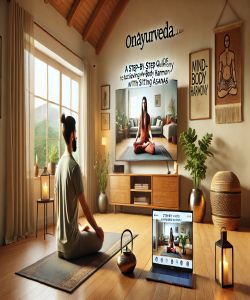
Overview of Sitting Asanas
Sitting asanas are an integral part of traditional yoga practice. At their core, these postures focus on stability, flexibility, and mindful breathing while seated. On platforms like www.onayurveda.com, sitting asanas are offered through well-structured online sessions that guide learners of all levels. The practice involves postures that encourage body alignment and mental calm, making them ideal for beginners and advanced practitioners alike.
What are sitting asanas exactly? They are yoga poses performed in a seated position, ranging from simple cross-legged postures to more complex seated twists and stretches. The evolution of sitting asanas can be traced back to ancient yogic traditions, where they were developed to support long hours of meditation and maintain spinal health.
Who needs sitting asanas? Anyone looking to improve their posture, increase flexibility, reduce stress, and develop inner calm can benefit. From working professionals with sedentary lifestyles to senior citizens seeking gentle stretches, these asanas are for everyone.
There are various types of sitting asanas, including Sukhasana (Easy Pose), Padmasana (Lotus Pose), Vajrasana (Thunderbolt Pose), and Ardha Matsyendrasana (Seated Spinal Twist). Each asana holds its own set of benefits — from aiding digestion to improving mental focus.
The benefits of sitting asanas include enhanced spinal health, improved flexibility in the hips and lower back, better focus, and reduced anxiety. The core principles revolve around breath awareness, alignment, and mindful relaxation. Techniques involve slow, controlled movements combined with steady breathing.
Online sitting asanas offered by www.onayurveda.com are taught in structured one-hour sessions per day. The course runs for 60 days, with 35 live sessions held four times a week. Things to consider before starting include body readiness and understanding your limitations. The effectiveness of sitting asanas is well-proven, especially when practiced consistently and mindfully.
What are Sitting Asanas?
Sitting asanas are yoga postures practiced in a seated position. They help in building core strength, enhancing flexibility, and grounding the body and mind. These asanas have evolved from ancient yoga practices, originally designed to prepare the body for long hours of seated meditation. At www.onayurveda.com, sitting asanas are part of structured online group sessions that bring this ancient wisdom to modern-day practice.
Who needs sitting asanas? Individuals from all age groups benefit from them — office workers, athletes, older adults, and even students. They provide an easy way to de-stress and maintain body flexibility.
Types of sitting asanas range from beginner-friendly Sukhasana to more advanced postures like Gomukhasana (Cow Face Pose) and Baddha Konasana (Bound Angle Pose). These poses support hip opening, spine elongation, and balance.
The benefits are immense — from improved digestion and stress relief to better posture and calmness. The core principles include correct alignment, focus on breath, and awareness of body movements.
Online sitting asanas through www.onayurveda.com are conducted for one hour daily, four days a week, allowing flexibility for working individuals. Sitting asanas techniques involve gentle stretches, slow breathing, and relaxation. For adults, these sessions are tailored to improve back health and reduce muscle stiffness.
Before starting, things to consider are your fitness level, existing injuries, and the importance of staying hydrated. The effectiveness of sitting asanas depends on consistent practice and following expert guidance. Caution is advised for those with back injuries or knee issues.
The course outline at www.onayurveda.com is detailed, starting with basic postures and progressing toward more advanced ones, focusing on both flexibility and breathwork. The timeline is structured over 60 days to ensure steady progress.
Who Needs Sitting Asanas
Sitting asanas are designed for anyone looking to cultivate mindfulness, flexibility, and postural strength. Whether you’re an office-goer who sits for long hours or a senior citizen looking for gentle exercise, sitting asanas are suitable. On platforms like www.onayurveda.com, these asanas are offered in structured, easy-to-follow online group sessions, making them accessible to all.
The origins and evolution of sitting asanas can be traced to ancient yoga systems that emphasized meditation and breath control. They are still relevant today, supporting healthy joints, muscles, and mental clarity.
Types of sitting asanas include cross-legged poses like Sukhasana, as well as hip-opening poses such as Baddha Konasana. Twisting postures like Ardha Matsyendrasana further enhance spinal flexibility.
The benefits range from increased flexibility to stress relief and better posture. Core principles and practices include maintaining straight posture, relaxed breathing, and avoiding strain.
Online sitting asanas on www.onayurveda.com are conducted four days a week in live group sessions, with each session lasting one hour. Techniques are taught with focus on breath awareness, gradual stretching, and mindful transitions.
Sitting asanas for adults can counteract the stiffness caused by long hours at a desk. The total duration of online sitting asanas is 60 days, with 35 live sessions. Things to consider include medical conditions and comfort levels.
The effectiveness of sitting asanas lies in regular practice. Preferred cautions include avoiding poses that strain your knees or lower back. The sitting asanas course outline includes warm-up exercises, core seated postures, breathing practices, and cool-down sequences. The timeline is well-structured to achieve progressive improvement.
Requirements for taking online sitting asanas include a yoga mat, comfortable clothing, and stable internet. Before starting, keep in mind that consistency is key and distractions should be minimized.
Origins and Evolution of Sitting Asanas
The origins of sitting asanas can be traced back thousands of years to the early yogic texts and traditions of India. Seated postures were initially developed to facilitate prolonged meditation and spiritual practices. Today, they have evolved into therapeutic postures used for physical and mental well-being, and are taught through platforms like www.onayurveda.com.
Sitting asanas include poses like Padmasana and Vajrasana, which were mentioned in ancient yogic scriptures and were once used exclusively by sages and spiritual seekers. Over time, these asanas were adapted for wider use, supporting not only meditation but also overall physical fitness and mental clarity.
Who needs sitting asanas? Everyone from stressed professionals to seniors experiencing joint stiffness can benefit from these postures. The types of sitting asanas range from simple poses to more complex spinal twists, all aimed at enhancing flexibility and inner calm.
The benefits include improved posture, relaxed muscles, mental focus, and enhanced digestive health. Core principles involve slow, deliberate movements combined with breath control.
Online sitting asanas are made accessible on www.onayurveda.com with live, interactive sessions. The techniques include gradual stretching, spinal alignment, and relaxation. Adults particularly find these asanas effective for reducing back and neck pain.
The total duration of the online sitting asanas program is 60 days, with 35 sessions conducted over four days each week. Things to consider are comfort and health limitations.
The effectiveness of sitting asanas has been proven over centuries. Preferred cautions include avoiding strain on the knees and consulting a yoga expert if you have chronic conditions. The sitting asanas course outline typically starts with basic poses and progressively advances to complex ones, ensuring steady improvement.
Before starting, ensure you have a comfortable mat, wear non-restrictive clothing, and stay hydrated. Requirements include reliable internet access and a distraction-free space.
Types of Sitting Asanas
There are various types of sitting asanas, each designed to enhance flexibility, posture, and mental focus. On platforms like www.onayurveda.com, certified instructors guide students through these postures with live online group sessions. Each posture targets different areas of the body and mind, making them suitable for practitioners of all levels.
Sukhasana, also known as the Easy Pose, is perfect for beginners and ideal for meditation. Padmasana, or Lotus Pose, is more advanced, requiring flexible hips and knees. Vajrasana, the Thunderbolt Pose, aids in digestion and helps with spinal alignment. Ardha Matsyendrasana, the Seated Spinal Twist, enhances spine flexibility and improves digestion. Baddha Konasana, or the Bound Angle Pose, opens the hips and stretches inner thighs.
Who needs sitting asanas? Practitioners who want to improve lower body flexibility, manage stress, and cultivate mindfulness will find these poses beneficial.
The benefits of each type include improved posture, core strength, and calmness of mind. The core principles involve smooth breathing, focus on body alignment, and mindful stillness. Techniques are taught step by step at www.onayurveda.com, ensuring safety and gradual progression.
Online sitting asanas allow practitioners to learn from the comfort of home, with one-hour sessions conducted four times a week. Adults often use these asanas to relieve stiffness from prolonged sitting. The total duration of the online course is 60 days, with 35 live sessions. Before starting, things to consider include personal comfort and flexibility. The effectiveness of sitting asanas comes with consistent practice and following professional guidance.
Benefits of Sitting Asanas
Sitting asanas come with a range of physical and mental benefits. At www.onayurveda.com, these benefits are brought to life through structured online live sessions, guiding you in mastering each posture for long-term wellness.
The benefits include improved spinal alignment, better posture, and increased flexibility in the hips, lower back, and knees. Mentally, sitting asanas enhance focus, reduce stress, and encourage mindfulness. Who needs sitting asanas? People with sedentary jobs, students dealing with stress, athletes working on flexibility, and seniors aiming to stay active all benefit from these practices.
Types of sitting asanas, like Sukhasana, Padmasana, Vajrasana, and Ardha Matsyendrasana, offer individual benefits from digestive support to improved breathing. The core principles are focused on stability, breathing awareness, and relaxation.
Online sitting asanas offered by www.onayurveda.com are conducted in live group formats, where you learn these benefits first-hand. Techniques focus on safe alignment and gentle progression. Adults especially find relief from lower back pain and muscle tension.
The total duration of the course is 60 days with 35 sessions, each one hour long. Before starting, consider your flexibility level and avoid overexertion. The effectiveness of sitting asanas is magnified with regular practice and breath control. Cautions include avoiding knee strain and respecting your body’s limits.
The course outline includes guided warm-ups, progressive postures, breathing exercises, and cool-downs. Timeline goals ensure steady improvement week by week. Requirements for participation include a yoga mat, comfortable clothing, and a quiet environment.
Core Principles and Practices of Sitting Asanas
The core principles of sitting asanas focus on stability, breath awareness, and mindfulness. At www.onayurveda.com, these principles are woven into every online live session, helping students integrate ancient wisdom into modern living.
Stability comes from grounding through the hips and spine, while breath awareness connects the body and mind. Mindfulness keeps the practitioner present and prevents strain. Who needs sitting asanas? Anyone looking to improve their mental focus and physical balance will find these principles essential.
Types of sitting asanas like Padmasana, Sukhasana, and Vajrasana embody these principles, each encouraging relaxation, balance, and concentration.
The benefits of focusing on these core principles include better flexibility, stress reduction, and enhanced posture. Techniques taught at www.onayurveda.com involve gradual progression, body alignment cues, and synchronized breathing. Adults often use these principles to counteract long hours of desk work and reduce tension.
The total duration of the online course is 60 days, with 35 sessions of one hour each, held four times a week. Before starting, consider any physical limitations and prepare mentally for commitment. The effectiveness of these principles is seen in increased clarity and body awareness.
Caution should be taken with knee or lower back issues. The course outline includes fundamental postures, breathing practices, and relaxation. The timeline for learning is structured for steady progression. Before starting, ensure you have a comfortable setup and a distraction-free space.
Online Sitting Asanas
Online sitting asanas have become incredibly popular, especially for those who wish to practice from the comfort of their home. At www.onayurveda.com, these asanas are taught through live group sessions led by certified experts. Each session is interactive, allowing students to receive corrections and personalized guidance.
Who needs online sitting asanas? Busy professionals, parents, seniors, and students who can't attend physical classes but wish to improve flexibility and mental clarity benefit most.
Types of sitting asanas taught include Sukhasana, Padmasana, Vajrasana, and Ardha Matsyendrasana. The benefits include stress relief, posture correction, and improved focus. The core principles are body alignment, breath control, and gradual progress.
Techniques taught during online sessions at www.onayurveda.com ensure safety and adaptability for each body type. Adults often find these sessions particularly helpful in alleviating back pain caused by sedentary lifestyles.
The total duration of the program is 60 days, with 35 live sessions spread over four days each week. Each session lasts one hour and follows a structured approach to learning. Before beginning, consider your body’s readiness and arrange a calm practice space.
The effectiveness of online sitting asanas lies in the consistent practice and expert guidance provided. Cautions include listening to your body and avoiding overexertion. The course outline focuses on posture breakdown, progressive learning, and breathwork integration. Timeline goals help you track weekly progress.
Requirements for participating in online sitting asanas include a stable internet connection, a yoga mat, and a quiet room. Keep distractions at bay to ensure focus during the one-hour sessions.
Sitting Asanas Techniques
Sitting asanas techniques are focused on safe, gradual, and mindful movement. At www.onayurveda.com, these techniques are taught in a structured manner through live online group sessions, ensuring each student understands proper posture alignment and breath control.
Who needs to learn sitting asanas techniques? Beginners, intermediate learners, and even advanced practitioners benefit from refining their practice. These techniques help avoid injury and deepen the impact of each pose.
Types of techniques include slow transitions between poses, maintaining spinal elongation, and synchronized breathing. For example, in Padmasana, focusing on lengthening the spine and even breathing enhances concentration. Vajrasana techniques emphasize weight distribution to avoid strain on the knees.
The benefits of mastering sitting asanas techniques are improved posture, injury prevention, and greater mindfulness. Core principles include alignment, stability, and relaxation.
Online sitting asanas offered by www.onayurveda.com guide students through techniques that promote safety and comfort. Adults often use these techniques to counteract bad posture and muscle tightness.
The total duration of the course is 60 days with 35 live sessions, each lasting one hour. Before starting, consider your flexibility and avoid pushing beyond limits. The effectiveness of correct techniques is seen in reduced discomfort and improved results.
Cautions involve respecting body boundaries and using props when needed. The course outline includes warm-ups, detailed technique demonstrations, and gradual advancement in difficulty. Timeline objectives ensure steady improvement.
Requirements for learning these techniques include a yoga mat, non-restrictive clothing, and a quiet space. Before starting, create a distraction-free environment to absorb the instructor’s guidance fully.
Sitting Asanas for Adults
Sitting asanas for adults are designed to improve flexibility, reduce stress, and enhance posture, especially for those leading sedentary lifestyles. At www.onayurveda.com, these postures are taught in live group sessions that cater to adult learners with varying levels of flexibility and experience.
Who needs sitting asanas? Adults who spend long hours sitting at desks, those dealing with lower back discomfort, or anyone looking to reconnect with their body and mind can benefit. The types of sitting asanas taught include Sukhasana, Padmasana, Vajrasana, and Ardha Matsyendrasana. Each posture addresses issues like tight hips, stiff backs, and poor posture that adults commonly face.
The benefits are both physical and mental. Physically, sitting asanas help improve spinal alignment, reduce lower back pain, and increase hip mobility. Mentally, they foster calmness and mental clarity. The core principles involve steady breathing, maintaining proper posture, and engaging the core muscles for support.
Online sitting asanas for adults at www.onayurveda.com are structured to fit busy schedules. The course duration is 60 days, with 35 live sessions conducted over four days a week, each session lasting one hour. Techniques taught are practical and adaptable for different fitness levels.
Before starting, adults should consider existing health conditions and discuss any limitations with the instructor. The effectiveness of sitting asanas for adults is seen in improved mobility and reduced stress over time. Cautions include avoiding deep stretches that could strain muscles. The course outline gradually progresses from beginner postures to more challenging asanas, with milestones tracked week by week.
Requirements include a yoga mat, a calm environment, and commitment to regular practice. Adults should keep in mind that patience and consistency are key to reaping long-term benefits.
Total Duration of Online Sitting Asanas
The total duration of online sitting asanas at www.onayurveda.com is carefully structured for steady progress. The program spans 60 days, with 35 live sessions conducted over four days each week: Sundays, Tuesdays, Thursdays, and Saturdays. Each session lasts one hour, allowing ample time for warm-ups, core posture practice, breathing techniques, and cooldown exercises.
Who needs this structured duration? Busy professionals, adults seeking stress relief, and beginners who require gradual learning all benefit from this timeline. The duration ensures that postures are learned and practiced without rush, giving the body time to adapt.
Types of sitting asanas taught throughout these sessions include Sukhasana, Padmasana, Vajrasana, and Ardha Matsyendrasana. The benefits of this consistent daily one-hour practice include improved flexibility, better posture, stress management, and enhanced focus.
The core principles of these sessions are focused breathwork, alignment, and progressive practice. Techniques are broken down step by step, and each session at www.onayurveda.com includes instructor corrections to ensure safe practice.
For adults, this hour-long daily practice is ideal for managing postural stress and preventing stiffness. Before starting, it’s important to ensure a quiet environment and avoid distractions. The effectiveness of this daily one-hour commitment is seen in long-term strength and flexibility improvements.
The course outline is designed so that each week builds on the previous one. The timeline helps learners track gradual improvements in posture and breathing capacity. Requirements include a yoga mat, stable internet connection, and willingness to commit to daily practice.
Things to Consider With Sitting Asanas
Before starting sitting asanas, there are several important factors to consider to ensure a safe and effective practice. At www.onayurveda.com, these points are shared at the beginning of every session to help participants prepare and avoid injury.
Who needs to pay special attention? Adults with pre-existing conditions, beginners unfamiliar with yoga, and seniors should be mindful. The first thing to consider is flexibility. Start with simpler poses like Sukhasana and only progress to advanced postures like Padmasana when comfortable.
The types of sitting asanas also determine readiness. If you experience knee pain or lower back discomfort, opt for postures like Vajrasana with modifications. The benefits of being cautious and well-prepared include injury prevention and better long-term results.
Core principles include listening to your body, staying hydrated, and never forcing movements. Techniques taught at www.onayurveda.com emphasize gentle progression and breath awareness.
Online sitting asanas are designed to guide participants safely. Adults need to consider their fitness levels and any mobility issues before starting. The total duration of the course — one hour per day, four days a week — also requires planning.
Effectiveness comes when you are mindful and patient. Cautions involve avoiding over-stretching, especially in spinal twists. The course outline includes warm-ups, detailed instruction on each posture, and cool-downs for safe practice. The timeline is structured for gradual improvement.
Requirements for participation include a quiet space, comfortable attire, and readiness to focus. Keeping these considerations in mind ensures that each session is both enjoyable and beneficial.
Effectiveness of Sitting Asanas
The effectiveness of sitting asanas is evident in both physical and mental transformation. Practicing these postures regularly, especially through structured guidance from platforms like www.onayurveda.com, helps improve flexibility, posture, and mental clarity.
Who sees the most effectiveness? Adults with sedentary routines, people with mild back pain, and those looking for stress relief experience noticeable changes within weeks.
Types of sitting asanas, including Sukhasana, Padmasana, Vajrasana, and Ardha Matsyendrasana, target key problem areas like tight hips, poor posture, and spinal stiffness. The benefits are visible in better posture, stronger back muscles, and increased calmness.
The core principles behind effective sitting asanas are patience, breath focus, and correct alignment. Techniques include slow movements, smooth transitions between poses, and mindfulness.
At www.onayurveda.com, each live session is designed to maximize effectiveness, with instructors providing real-time guidance and corrections. Adults often report relief from back pain and improved focus after just a few sessions.
The total duration of the online course is 60 days, with 35 one-hour sessions. The timeline ensures steady progress, making it easy to see effectiveness week after week.
Things to consider include regular practice, maintaining hydration, and not overexerting the body. Cautions involve avoiding poses that strain sensitive areas. The course outline includes gradual progression, ensuring participants build strength and flexibility safely.
Requirements are simple — a yoga mat, a stable internet connection, and a quiet space. Staying consistent and attentive helps ensure the practice is both effective and enjoyable.
Preferred Cautions During Sitting Asanas
While sitting asanas are generally safe, it’s important to follow certain cautions to avoid injuries and maximize benefits. At www.onayurveda.com, instructors emphasize these safety tips during every online live session to ensure safe practice for all participants.
Who needs to be especially cautious? Beginners, adults with joint pain, seniors, and anyone recovering from injury should follow safety guidelines closely.
Types of postures like Padmasana and Ardha Matsyendrasana require flexible hips and spine; attempting these without proper preparation can cause strain. The benefits of following cautions include injury prevention and sustainable long-term practice.
Core principles of caution include listening to your body, avoiding forcing postures, and practicing with focus and patience. Techniques taught at www.onayurveda.com emphasize modifications and props for those who need support.
Online sitting asanas make it easy to follow instructor cues, but distractions at home can increase risk. Adults are advised to create a quiet, distraction-free space for practice. The total duration of each session — one hour — allows ample time for slow, careful execution of each pose.
The effectiveness of sitting asanas improves when practiced mindfully with respect for body limits. Cautions include warming up adequately, avoiding holding poses for too long, and not overextending.
The course outline and timeline at www.onayurveda.com are designed to gradually introduce more challenging poses. Requirements for safe practice include a yoga mat, comfortable clothing, and readiness to take breaks if needed. Keeping these preferred cautions in mind makes the practice safe and enjoyable.
Sitting Asanas Course Outline
The sitting asanas course outline at www.onayurveda.com is structured to ensure steady progress and safe learning for practitioners of all levels. Every session is thoughtfully designed to build from the basics to more advanced postures, with careful attention to breathwork and alignment.
Who needs a clear course outline? Beginners seeking structured learning, adults balancing busy schedules, and anyone wanting systematic progress will benefit greatly.
The types of sitting asanas covered in this course include foundational poses like Sukhasana and Vajrasana, progressing to intermediate and advanced postures like Padmasana and Ardha Matsyendrasana. Each week introduces new asanas, ensuring gradual improvement in flexibility and mental focus.
The benefits of following a structured outline include better learning retention, reduced risk of injury, and clear progression. The core principles revolve around patience, alignment, and breath control.
At www.onayurveda.com, online sitting asanas are taught in live group sessions over a period of 60 days. There are 35 sessions in total, each lasting one hour, scheduled on Sundays, Tuesdays, Thursdays, and Saturdays. The course begins with warm-up stretches, then introduces core sitting postures, breath awareness practices, and ends with relaxation techniques.
Things to consider include setting realistic expectations and following the timeline consistently. The effectiveness of a structured outline is seen in improved posture, flexibility, and mental clarity. Preferred cautions are given for more challenging poses, with modifications offered for those who need them.
Requirements include a yoga mat, a distraction-free environment, and commitment to practice. Keeping the course outline in mind helps participants stay on track and measure progress with each session.
Detailed Objectives with Timeline of Sitting Asanas
At www.onayurveda.com, the sitting asanas course comes with clear objectives and a structured timeline, ensuring learners know exactly what to expect and when to achieve key milestones.
Who benefits from having clear objectives and timelines? Adults with limited time, beginners needing structured guidance, and anyone wanting measurable progress.
The types of sitting asanas introduced follow a weekly progression. The first two weeks focus on fundamental postures like Sukhasana and Vajrasana to build foundation strength and flexibility. Weeks three to six introduce intermediate poses like Ardha Matsyendrasana, gradually increasing challenge while reinforcing breathwork and alignment. The final weeks focus on advanced seated postures and integrating longer hold times with breath control.
Benefits of following a timeline include consistent growth, better flexibility, and increased focus. The core principles are to learn slowly, listen to the body, and focus on steady progress.
Techniques taught at www.onayurveda.com are carefully aligned with the course objectives. Each one-hour session includes warm-ups, posture instruction, breathing practices, and relaxation. Adults find this structured timeline helpful for managing progress without feeling overwhelmed.
The course spans 60 days, with 35 sessions conducted live online, four times per week. Before beginning, it’s advised to review the objectives and timeline to set clear personal goals. The effectiveness is noticeable when goals are achieved in a gradual, sustainable way.
Cautions include pacing oneself and not rushing into advanced poses before building sufficient flexibility. Requirements for sticking to the timeline include dedication, proper equipment, and maintaining a regular practice environment.
Requirements for Taking Online Sitting Asanas
To get the most out of online sitting asanas on www.onayurveda.com, there are a few simple but essential requirements that every participant should meet. These ensure a safe, focused, and productive learning experience.
Who needs to pay special attention to these requirements? Adults new to yoga, those recovering from injuries, and busy professionals balancing work and self-care.
Basic requirements include a comfortable yoga mat that provides good grip and cushioning. Wearing comfortable, non-restrictive clothing allows for ease of movement during postures like Padmasana and Ardha Matsyendrasana.
A stable and high-speed internet connection is essential, as classes are conducted live in group sessions. A laptop or large screen device helps in observing the instructor’s postures clearly.
The types of sitting asanas taught, from beginner to advanced, require concentration. Thus, a distraction-free space is highly recommended. Keeping a water bottle nearby is also advised.
Benefits of preparing properly include reduced interruptions, better focus, and maximum learning. The core principles include attentiveness, preparation, and presence of mind.
At www.onayurveda.com, each one-hour session is structured to make learning accessible, provided these simple requirements are met. Adults will find the experience smoother and more rewarding when they are well-prepared.
Before starting, participants should also have basic physical readiness, with no major injuries that would prevent seated postures. The effectiveness of each session improves when the right tools and mindset are in place. Cautions include avoiding practicing on hard floors without a mat and keeping pets or distractions away during class.
Things to Keep in Mind Before Starting Online Sitting Asanas
Before starting your online sitting asanas journey with www.onayurveda.com, it’s important to set yourself up for success by keeping a few key points in mind. These simple guidelines can make the difference between a fulfilling practice and one that feels forced or frustrating.
Who needs to be extra mindful? Beginners, adults with limited flexibility, and those returning to yoga after a break.
First, understand your body’s limitations. Start with simple sitting asanas like Sukhasana and Vajrasana before attempting more advanced poses. Have a quiet, comfortable space free of distractions.
The types of sitting asanas you will practice require focus and calm. Avoid heavy meals at least 1–2 hours before the session. Keep water nearby but avoid drinking too much during practice to prevent discomfort.
Benefits of proper preparation include smoother practice and faster progress. Core principles to remember are consistency, patience, and self-awareness.
Online sitting asanas sessions on www.onayurveda.com last for one hour, four times a week over 60 days. Adults should ensure they block this time consistently on their schedules.
Effectiveness improves when you approach each session with a clear and positive mindset. Cautions include not forcing your body into uncomfortable positions and always warming up adequately.
The course outline is structured to build gradually, so there’s no need to rush. Requirements include a yoga mat, comfortable clothes, stable internet, and a positive attitude. Keeping these points in mind will make your sitting asanas journey smooth and enjoyable.
Average Pricing Per Session for Online Sitting Asanas
The average pricing per session for online sitting asanas at www.onayurveda.com is designed to be affordable and accessible for everyone. With carefully structured live group sessions, participants receive high-quality guidance from experienced instructors at a reasonable cost.
Who is this pricing ideal for? Adults, busy professionals, and beginners looking for value-driven yoga education without compromising on quality.
Each session lasts for one hour, and the total course spans 60 days with 35 sessions. Classes are held four times a week on Sundays, Tuesdays, Thursdays, and Saturdays. Multiple time slots are available: 6:00–7:00 AM, 8:00–9:00 AM, 5:00–6:00 PM, and 7:00–8:00 PM, making it convenient for various schedules.
The types of sitting asanas covered include beginner-friendly poses like Sukhasana and advanced postures like Padmasana and Ardha Matsyendrasana.
The total price for the entire course is INR 4,420, with each session costing INR 126. This makes it affordable for regular practice while maintaining a high standard of instruction.
Benefits of this pricing structure include live instructor corrections, interactive group sessions, and progressive learning. The core principles of affordability and accessibility are at the heart of www.onayurveda.com’s offerings.
With 40 total slots available (10 people per slot), the format is designed to maintain individual attention in a group setting. Adults especially find this pricing fair, given the high-quality instruction and structured progression.
Requirements for participation include stable internet, a yoga mat, and commitment to the 60-day schedule. Keeping the affordability and quality in mind, it’s a great investment in physical and mental well-being.
Qualifications Required to Perform Sitting Asanas
While sitting asanas are accessible to most people, there are some essential qualifications and personal readiness factors to consider. At www.onayurveda.com, instructors ensure that participants meet these basic prerequisites to safely enjoy and benefit from their sitting asanas journey.
Who needs to check these qualifications? Adults with sedentary lifestyles, beginners new to yoga, and anyone with specific health conditions should assess their readiness before starting.
Physical qualifications include general mobility and the ability to sit comfortably on the floor for extended periods. Beginners can start with simple postures like Sukhasana and gradually work toward more challenging poses.
Types of sitting asanas such as Vajrasana, Padmasana, and Ardha Matsyendrasana require flexibility in the hips and spine, so having a moderate range of flexibility is beneficial. However, props and modifications are taught at www.onayurveda.com for those who need support.
Mental qualifications include patience and mindfulness, as sitting asanas require calm focus and breath awareness. The benefits of having these qualities include safe practice, quicker learning, and better concentration. Core principles like breath control, posture awareness, and gradual progression become easier to follow with the right mindset.
Online sitting asanas classes are structured for all levels, but it’s important to inform instructors of any existing conditions. Adults experiencing chronic knee or back pain should consult a physician before starting.
Effectiveness improves when you have the physical and mental readiness to commit to regular practice. The course outline starts with beginner postures, building strength and flexibility over 60 days and 35 live sessions. Requirements include having realistic expectations, the right equipment, and a dedicated practice space.
Online Vs Offline/Onsite Sitting Asanas
Both online and offline sitting asanas have their unique advantages, and at www.onayurveda.com, the focus is on making online sessions just as effective as in-person classes.
Who benefits from online sitting asanas? Adults with busy schedules, beginners who prefer practicing in private, and those who do not have access to a nearby yoga center. The live group format on www.onayurveda.com ensures personal guidance with convenience.
Types of sitting asanas, including Sukhasana, Vajrasana, Padmasana, and Ardha Matsyendrasana, are all effectively taught online through detailed instructions and demonstrations. Offline classes, however, offer direct hands-on corrections, which some may prefer.
The benefits of online sitting asanas include flexibility in scheduling, practicing from the comfort of home, and access to experienced instructors without location barriers. Core principles like breath awareness, alignment, and patience are emphasized equally in both formats.
Online techniques at www.onayurveda.com use clear visuals and verbal cues, with instructors available for questions. Offline or onsite classes can provide immediate adjustments but may lack scheduling flexibility.
Adults who juggle work, family, and personal commitments often find online classes more manageable. The total duration of online sitting asanas is 60 days with 35 one-hour sessions, conducted four days per week.
The effectiveness of online sitting asanas is enhanced with self-discipline and a quiet practice space. Cautions in online settings include avoiding distractions and following instructions carefully. The course outline, objectives, and timeline are the same for both formats, ensuring structured learning.
Requirements for both formats are similar — a yoga mat, comfortable clothing, and commitment to practice. Online, the added requirement is a stable internet connection and a focused environment.
FAQs About Online Sitting Asanas
Q1: What are online sitting asanas?
Online sitting asanas are yoga postures taught through live virtual sessions, focusing on seated positions that promote flexibility, stability, and mental calmness. At www.onayurveda.com, these sessions are led by certified instructors and are conducted in small group formats for personalized attention.
Q2: Who can join online sitting asanas classes?
Adults, beginners, seniors, and anyone looking to improve posture and reduce stress can join. Modifications are available for different fitness levels.
Q3: How long is each session?
Each session lasts for one hour, including warm-up, core postures, breathing techniques, and relaxation.
Q4: What is the duration of the full course?
The complete course at www.onayurveda.com spans 60 days, with 35 live sessions held on Sundays, Tuesdays, Thursdays, and Saturdays.
Q5: What types of sitting asanas will I learn?
You’ll learn postures such as Sukhasana, Vajrasana, Padmasana, Ardha Matsyendrasana, and Baddha Konasana, among others.
Q6: Are online sessions as effective as offline classes?
Yes. With live guidance, corrections, and structured progression, online classes at www.onayurveda.com are highly effective for consistent learners.
Q7: Do I need special equipment?
Only a yoga mat and comfortable clothes are required, along with a quiet space and a good internet connection.
Q8: How much does it cost?
The entire course is priced at INR 4,420 for 35 sessions, making each session INR 126.
Q9: Are there different time slots available?
Yes, you can choose from 6:00–7:00 AM, 8:00–9:00 AM, 5:00–6:00 PM, or 7:00–8:00 PM.
Q10: What should I keep in mind before starting?
Prepare a quiet space, avoid distractions, stay hydrated, and approach the practice with patience and consistency.
Conclusion About Sitting Asanas
Sitting asanas are an essential part of yoga that cultivate flexibility, mental clarity, and postural strength. Whether you're a beginner or someone looking to deepen your practice, these postures offer benefits that fit all lifestyles. At www.onayurveda.com, the sitting asanas course is designed to bring ancient yogic practices into modern homes through convenient, live, online group sessions.
The course includes 35 sessions over 60 days, each lasting one hour, with flexible scheduling to suit working adults and busy individuals. The structured course outline starts with foundational postures like Sukhasana and gradually moves toward more advanced poses such as Ardha Matsyendrasana, always with a focus on breath, alignment, and mindfulness.
The affordable pricing of INR 126 per session makes this ancient practice accessible, while small group sizes ensure personalized attention. Requirements are minimal — a yoga mat, comfortable attire, a stable internet connection, and a quiet environment.
By following the core principles of patience, focus, and gradual progression, sitting asanas become more than just exercises — they are tools for holistic wellness. For anyone looking to build flexibility, manage stress, and develop inner calm, the sitting asanas program at www.onayurveda.com is a practical, effective path to transformation.