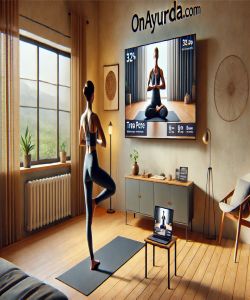
Overview of Standing Yoga Asanas
Standing yoga asanas form the foundation of many yoga practices. These postures are designed to improve stability, strength, and alignment while fostering mindfulness and a deeper connection to the body. They are typically the first steps in a yoga session, helping to prepare the body and mind for more complex poses and sequences. At www.onayurveda.com, we offer detailed insights and guidance on mastering these essential standing postures.
In standing yoga asanas, the feet serve as the primary base of support, grounding practitioners and helping them find balance. By focusing on proper alignment and posture, these poses encourage a greater awareness of body mechanics. This awareness not only improves one’s practice but also contributes to better posture, reduced back pain, and enhanced athletic performance in daily life.
Many popular standing yoga asanas are both accessible and versatile, making them suitable for practitioners of all levels. From the mountain pose (Tadasana) to the warrior series (Virabhadrasana I, II, III), these postures can be modified to match individual flexibility, strength, and experience. On www.onayurveda.com, you’ll find expert advice and resources to ensure you build a strong foundation in standing yoga asanas, paving the way for a deeper, more fulfilling yoga journey.
If this meets your expectations, I can proceed to the next queries following the same format and guidelines.
What are Standing Yoga Asanas?
Standing yoga asanas are foundational poses performed in an upright position, focusing on stability, balance, and proper alignment. These poses engage the legs, core, and back, encouraging a strong posture and body awareness. Typically, standing asanas include poses such as Tadasana (Mountain Pose), Virabhadrasana (Warrior Poses), and Trikonasana (Triangle Pose). They are an integral part of most yoga practices, serving as a starting point for beginners and a fundamental element for advanced practitioners.
Standing yoga asanas at www.onayurveda.com are designed to provide step-by-step guidance, helping practitioners understand the mechanics of each pose. By grounding through the feet, engaging the core, and maintaining proper alignment, these poses promote stability and strength. In addition, they help develop mental focus, as balancing and holding the posture requires concentration and mindfulness.
Whether you’re looking to improve posture, increase flexibility, or find a sense of inner balance, standing yoga asanas offer a comprehensive approach. On www.onayurveda.com, you can explore detailed instructions, modifications, and tips that make these poses accessible to everyone, ensuring a safe and effective practice.
Who Needs Standing Yoga Asanas
Standing yoga asanas are beneficial for a wide range of individuals, from complete beginners to experienced yoga practitioners. They serve as a foundation for anyone looking to improve their posture, build strength, and enhance their sense of balance. People who spend long hours sitting, such as office workers, can particularly benefit from these poses as they help counteract the effects of poor posture and sedentary habits.
Athletes and fitness enthusiasts often incorporate standing yoga asanas into their routines to improve core strength, flexibility, and overall body stability. Additionally, seniors and individuals recovering from injuries may find these poses helpful in rebuilding muscle strength and maintaining mobility, especially when practiced with the proper modifications and guidance provided by experts at www.onayurveda.com.
Ultimately, standing yoga asanas are versatile, making them suitable for anyone seeking to deepen their yoga practice, enhance physical well-being, and foster a greater connection to their body. On www.onayurveda.com, you’ll find tailored resources to guide practitioners of all levels, ensuring that everyone can safely and effectively benefit from these foundational yoga poses.
Origins and Evolution of Standing Yoga Asanas
Standing yoga asanas have roots that trace back thousands of years to ancient India, forming a core component of traditional yoga practices. Initially developed as a means of preparing the body and mind for seated meditation, these postures gradually evolved into a comprehensive system that fosters strength, stability, and mindfulness.
In classical yoga texts, such as the Hatha Yoga Pradipika and the Yoga Sutras of Patanjali, the emphasis on alignment, balance, and proper posture laid the foundation for the standing poses practiced today. Over time, yoga lineages integrated these poses into structured sequences, combining the ancient wisdom of asanas with modern anatomical understanding.
At www.onayurveda.com, you can explore how standing yoga asanas have adapted to contemporary lifestyles while still maintaining their traditional essence. These postures continue to serve as the building blocks of yoga practice, offering practitioners a way to ground themselves, improve their posture, and cultivate a strong physical and mental foundation for more advanced yoga techniques.
Types of Standing Yoga Asanas
There are many different types of standing yoga asanas, each serving unique purposes and targeting various muscle groups. These asanas can be categorized into several key groups:
-
Basic Standing Poses: These include foundational asanas like Tadasana (Mountain Pose) and Samasthiti (Equal Standing). They emphasize alignment, balance, and body awareness, making them ideal for beginners.
-
Balancing Poses: Asanas such as Vrikshasana (Tree Pose) and Utthita Hasta Padangusthasana (Extended Hand-to-Big-Toe Pose) help improve concentration and stability. They challenge the practitioner to maintain control and equilibrium while standing on one leg.
-
Standing Forward Bends: Uttanasana (Standing Forward Bend) and Parsvottanasana (Pyramid Pose) fall into this category. These poses promote flexibility in the hamstrings and hips while lengthening the spine.
-
Lateral Stretching Poses: Trikonasana (Triangle Pose) and Parsvakonasana (Extended Side Angle Pose) are great for stretching the sides of the body, opening the hips, and improving overall body flexibility.
-
Strength-Building Poses: Warrior poses, such as Virabhadrasana I, II, and III, focus on building strength in the legs, core, and arms. These asanas help cultivate stamina and resilience.
Each type of standing yoga asana offers unique benefits and can be tailored to suit practitioners at different skill levels. On www.onayurveda.com, you can find step-by-step instructions and expert advice on how to incorporate these various poses into your practice, ensuring a balanced and well-rounded approach to yoga.
Overview of Standing Yoga Asanas
Standing yoga asanas form the core of many yoga practices, providing a solid foundation for strength, flexibility, and balance. These poses are typically performed in an upright position, with the feet firmly grounded on the floor. They serve as the building blocks for more advanced postures and sequences, making them essential for beginners and seasoned practitioners alike.
One of the key benefits of standing yoga asanas is their ability to improve overall body alignment. By focusing on proper posture and engaging key muscle groups, practitioners can enhance their spinal health and prevent common issues such as back pain or poor posture caused by long periods of sitting. These poses also promote greater body awareness, as they require mindfulness to maintain balance and stability.
Standing yoga asanas include a wide range of postures, from simple stances like Tadasana (Mountain Pose) to more complex poses such as Virabhadrasana II (Warrior II). Each of these poses targets different muscle groups, helping to build strength in the legs, improve flexibility in the hips, and engage the core for better stability. Additionally, they often serve as preparatory positions for seated or reclined asanas, ensuring that the body is properly warmed up and aligned before moving into more challenging poses.
For those practicing yoga online, www.onayurveda.com offers a wealth of resources to help you master these standing poses. From detailed step-by-step instructions to expert tips on maintaining alignment, the platform provides valuable guidance to ensure that your practice is both effective and enjoyable. By incorporating standing yoga asanas into your daily routine, you can cultivate a stronger, more balanced body and mind, laying the groundwork for a fulfilling yoga journey.
What are Standing Yoga Asanas?
Standing yoga asanas are foundational yoga poses performed with the feet planted firmly on the ground. These postures focus on cultivating balance, strength, and stability while promoting proper alignment throughout the body. In a typical yoga sequence, standing asanas often come at the beginning, helping practitioners establish a sense of grounding and connection before moving into more challenging positions.
Examples of standing yoga asanas include Tadasana (Mountain Pose), Trikonasana (Triangle Pose), and Virabhadrasana I and II (Warrior I and II). These poses are versatile and can be adapted to suit all levels of practitioners. Beginners can focus on basic alignment and stability, while more advanced practitioners can deepen their engagement, refine their positioning, and explore subtle variations to challenge their strength and flexibility.
Beyond their physical benefits, standing yoga asanas also encourage mental focus. Balancing on one or both feet requires mindfulness and concentration, making these poses a great way to practice staying present in the moment. They also serve as a foundation for other yoga postures, ensuring that practitioners develop a strong base of support before progressing to seated, reclined, or inverted poses.
At www.onayurveda.com, you’ll find comprehensive guides on performing these standing yoga asanas safely and effectively. The site provides clear instructions and tips for mastering the proper alignment, making these poses accessible and beneficial to everyone. Whether you’re starting out or looking to refine your technique, standing yoga asanas offer a powerful way to enhance both your physical and mental well-being.
Core Principles and Practices of Standing Yoga Asanas
The practice of standing yoga asanas is grounded in key principles that ensure proper alignment, stability, and effective engagement of the body. By focusing on these fundamentals, practitioners can experience the full benefits of these poses while reducing the risk of injury and enhancing their overall practice.
1. Alignment and Grounding:
Proper alignment is the cornerstone of standing yoga asanas. It begins with the feet, which serve as the foundation for all standing poses. The feet should be firmly grounded, with weight distributed evenly across all corners. From this stable base, alignment extends upward through the legs, hips, spine, shoulders, and neck. Maintaining a straight spine and avoiding overextension or collapse ensures that the body remains balanced and supported throughout the pose.
2. Core Engagement:
Engaging the core muscles—particularly the abdominals and the muscles surrounding the spine—is crucial for stability and balance. A strong core helps maintain proper posture, improves balance in challenging poses, and protects the lower back. In poses like Warrior III (Virabhadrasana III), core engagement also allows the limbs to move freely while keeping the torso steady.
3. Controlled Breathing (Pranayama):
Incorporating deep, controlled breathing into standing yoga asanas helps synchronize movement and breath, creating a flow that enhances concentration and body awareness. Breath control also helps maintain a calm, steady mind, even during more demanding poses. Practitioners learn to use their breath to deepen stretches, maintain balance, and sustain poses for longer periods.
4. Progressive Practice and Patience:
Standing yoga asanas often require a blend of strength, flexibility, and balance, which may not come immediately. Practicing with patience and consistency allows the body to gradually adapt. Beginners can start with simpler poses, such as Mountain Pose (Tadasana), and work their way up to more complex asanas like Half Moon Pose (Ardha Chandrasana) or Revolved Triangle Pose (Parivrtta Trikonasana).
5. Mental Focus and Mindfulness:
Standing asanas demand mindfulness to maintain proper form and balance. This focus not only enhances physical practice but also promotes mental clarity. By staying present in each pose, practitioners develop a deeper connection to their body and mind, fostering a sense of inner calm and awareness.
At www.onayurveda.com, you’ll find guidance and resources that emphasize these core principles, helping you cultivate a strong, stable foundation in your standing yoga practice. By integrating alignment, core engagement, breath control, progressive practice, and mindfulness, you can transform your approach to standing yoga asanas, creating a more fulfilling and effective practice.
Online Standing Yoga Asanas
With the convenience of the internet, online standing yoga asanas have become an accessible way for people to learn and practice yoga from the comfort of their own homes. Many online platforms, including www.onayurveda.com, offer detailed guidance on performing standing poses, complete with instructional videos, written tutorials, and interactive sessions led by experienced instructors. This flexibility allows practitioners to customize their yoga routine, choosing sessions that fit their schedules and personal preferences.
Online standing yoga classes often provide modifications and variations for practitioners at different skill levels. Beginners can start with foundational poses like Tadasana (Mountain Pose) and work on building strength and stability before progressing to more complex asanas. Intermediate and advanced practitioners, on the other hand, can refine their alignment and explore deeper expressions of poses like Trikonasana (Triangle Pose) or Virabhadrasana (Warrior Pose). This structured approach helps everyone, regardless of experience, to advance at their own pace.
Another benefit of practicing standing yoga asanas online is the availability of a wide range of resources. At www.onayurveda.com, for example, users can access not only live classes but also pre-recorded tutorials and detailed written guides that break down each pose step by step. This allows practitioners to revisit instructions as needed and practice at a time that suits them. Additionally, online sessions often include tips for adjusting poses to accommodate specific needs, making yoga more inclusive and accessible.
For those who may feel hesitant about joining an in-person class, online standing yoga asanas provide a comfortable environment to learn and grow. Practicing at home can remove some of the pressure or self-consciousness that might arise in a group setting. With ongoing support from platforms like www.onayurveda.com, practitioners can confidently develop their standing yoga skills and enjoy the physical and mental benefits of this foundational yoga practice.
Standing Yoga Asanas Techniques
Mastering standing yoga asanas involves understanding and applying a few essential techniques that ensure proper alignment, stability, and safety. These techniques are the foundation of any successful practice, helping both beginners and experienced practitioners refine their poses and deepen their yoga experience.
1. Establish a Solid Base:
Every standing yoga pose begins with the feet. Make sure your feet are firmly grounded, with the weight evenly distributed across the heels, the balls of the feet, and the outer edges. Engaging the toes lightly can also help create a sense of connection to the floor. This solid base allows for better balance and provides the stability needed to move safely into more advanced poses.
2. Align the Hips and Spine:
Proper alignment is critical to the effectiveness and safety of standing asanas. Keep the hips level and square (especially in poses like Warrior I or Warrior II), and maintain a neutral spine. Avoid overarching or rounding the back, and instead, lift through the crown of your head to lengthen the spine. This alignment not only improves posture but also ensures that the body’s weight is supported evenly, preventing unnecessary strain.
3. Engage the Core:
Activating the core muscles is crucial for balance and stability in standing poses. By drawing the lower belly inward and keeping the pelvic floor engaged, you create a strong, stable center. This core engagement supports the lower back, enhances balance, and helps maintain proper alignment as you move into or hold the pose.
4. Focus on the Breath:
Breath control, or pranayama, is an integral part of standing yoga asanas. Use slow, steady breaths to help you settle into the pose and maintain focus. Inhaling deeply can assist in lengthening the spine and opening the chest, while exhaling can help you ground yourself and deepen your stretch. Conscious breathing also promotes mindfulness, allowing you to remain fully present during your practice.
5. Use Props and Modifications When Needed:
For beginners or those with limited flexibility, using props like blocks or a wall for support can be beneficial. For example, placing a hand on a block in Triangle Pose can help you maintain proper alignment while working on balance. Props make it easier to ease into the pose and gradually build strength and flexibility over time.
At www.onayurveda.com, you’ll find step-by-step instructions and expert guidance on these techniques. By incorporating these approaches into your practice, you’ll gain the confidence to move into standing yoga asanas safely and effectively, enhancing both the physical and mental benefits of your yoga journey.
Standing Yoga Asanas for Adults
Standing yoga asanas provide numerous benefits for adults of all ages and fitness levels. These poses focus on improving posture, building strength, and promoting overall stability, making them particularly relevant for adults who often spend long hours seated or engaged in repetitive movements.
One of the primary advantages of standing asanas is their ability to counteract the effects of a sedentary lifestyle. Poses like Tadasana (Mountain Pose) and Utkatasana (Chair Pose) encourage proper spinal alignment, help strengthen the legs, and engage the core muscles. This can lead to better posture and a reduction in common discomforts such as lower back pain or neck tension. Adults who practice these poses regularly often find themselves standing taller, moving more gracefully, and experiencing less physical strain in their daily activities.
In addition to the physical benefits, standing yoga asanas also support mental well-being. Balancing poses such as Vrikshasana (Tree Pose) or Warrior III require focus and concentration, which helps calm the mind and improve overall mental clarity. For adults who juggle work, family, and other responsibilities, this mindfulness aspect can be particularly beneficial. By grounding the body and stilling the mind, these poses offer a moment of calm in an otherwise hectic day.
At www.onayurveda.com, there are tailored resources that help adults integrate standing yoga asanas into their routines. These online guides and classes provide step-by-step instructions, modifications for different fitness levels, and tips for maintaining proper form. Whether you’re a beginner looking to develop strength and balance or an experienced practitioner aiming to refine your technique, standing yoga asanas offer a practical and accessible way to improve overall health and well-being.
Total Duration of Online Standing Yoga Asanas
When it comes to practicing standing yoga asanas online, many programs are structured to deliver effective results within a set timeframe. Typically, a one-hour daily session is ideal for both beginners and experienced practitioners. This duration allows enough time to properly warm up, explore multiple standing poses, and finish with a few minutes of mindful breathing or relaxation.
An hour-long practice ensures that practitioners can perform a variety of standing asanas, including foundational poses like Tadasana (Mountain Pose) and strengthening poses like Utkatasana (Chair Pose). It also provides time to incorporate balancing poses, such as Tree Pose (Vrikshasana), and flexibility-enhancing poses, such as Trikonasana (Triangle Pose). By covering a range of poses within the hour, practitioners can work on building strength, improving flexibility, and enhancing their overall stability.
One of the key benefits of an hour-long session is that it allows participants to move through the poses at a steady, mindful pace. Rather than rushing from one pose to the next, practitioners can focus on proper alignment, engage their breath, and truly experience the grounding and calming effects of standing yoga. Over time, this consistent daily practice can lead to noticeable improvements in posture, balance, and mental clarity.
At www.onayurveda.com, online yoga sessions are carefully structured to fit into a one-hour time slot, making them accessible and manageable for individuals with busy schedules. With step-by-step guidance from experienced instructors and the flexibility of online learning, it’s easy to maintain a consistent practice. This daily commitment to one hour of standing yoga asanas can help you develop a stronger, more balanced body and a clearer, more focused mind.
Things to Consider With Standing Yoga Asanas
Standing yoga asanas are fundamental to any yoga practice, but like all physical activities, they come with certain considerations. Keeping these points in mind can help practitioners perform these poses more effectively and safely, ensuring a positive and fulfilling experience.
1. Alignment is Key:
Proper alignment in standing asanas is essential for reaping their full benefits. Misaligned joints or poor posture can lead to discomfort and limit the effectiveness of the pose. Practitioners should pay attention to how their feet are planted, how their knees track over their ankles, and how their spine is aligned. Maintaining a neutral pelvis and avoiding overextension in the lower back are critical for long-term practice.
2. Listen to Your Body:
While it’s normal to feel some muscle engagement and stretching, standing yoga asanas should never cause sharp pain or significant discomfort. Pushing too far or holding a pose for too long without proper preparation can strain muscles and joints. Practitioners should modify poses as needed, using props like blocks or a wall for support, and gradually build their strength and flexibility over time.
3. Incorporate Breath Control:
Controlled breathing is a vital aspect of standing yoga asanas. Deep, steady breaths help maintain focus, encourage relaxation, and ensure a smooth transition between poses. Practicing pranayama techniques alongside standing asanas enhances the mind-body connection, making each pose more effective and enjoyable.
4. Be Aware of Your Surroundings:
Since many people practice standing yoga at home or in limited spaces, it’s important to ensure a safe environment. A stable surface, adequate lighting, and enough room to extend the arms and legs without hitting anything are all important considerations. This ensures that practitioners can focus fully on their poses without unnecessary distractions or hazards.
5. Progress Gradually:
Standing yoga asanas can vary in difficulty, and it’s important to start with foundational poses before moving on to more challenging ones. For example, Tadasana (Mountain Pose) and Warrior I (Virabhadrasana I) are great starting points. Once practitioners feel comfortable with these, they can try balancing poses like Tree Pose (Vrikshasana) or Half Moon Pose (Ardha Chandrasana). Progressing gradually helps prevent injury and builds a solid foundation.
By keeping these considerations in mind, practitioners can approach standing yoga asanas with confidence and mindfulness. At www.onayurveda.com, you’ll find expert guidance and resources that address these points, ensuring that your practice is safe, effective, and tailored to your individual needs.
Effectiveness of Standing Yoga Asanas
Standing yoga asanas are widely recognized for their ability to build strength, enhance flexibility, and improve balance. They provide a strong foundation for overall fitness and can be incredibly effective when practiced consistently and with proper alignment. These poses not only engage large muscle groups but also help stabilize smaller supporting muscles, making them an essential part of any comprehensive yoga routine.
1. Strengthening the Body:
One of the most evident benefits of standing yoga asanas is their capacity to build strength. Poses like Warrior II (Virabhadrasana II) and Chair Pose (Utkatasana) engage the legs, core, and upper body. Over time, these postures increase muscle tone and endurance, making everyday movements—such as walking, climbing stairs, or carrying groceries—feel easier and more fluid. For athletes, standing asanas also enhance athletic performance by improving stability and preventing injuries.
2. Improving Flexibility and Range of Motion:
Standing poses that incorporate side bends, twists, and forward folds, such as Triangle Pose (Trikonasana) or Pyramid Pose (Parsvottanasana), help lengthen tight muscles and increase joint mobility. Regular practice leads to greater flexibility in the hamstrings, hips, shoulders, and spine, reducing stiffness and discomfort. This enhanced range of motion can improve posture and make other yoga poses or physical activities more accessible.
3. Enhancing Balance and Coordination:
Balancing poses like Tree Pose (Vrikshasana) or Warrior III (Virabhadrasana III) challenge the practitioner to maintain equilibrium while engaging multiple muscle groups. This focus on balance not only strengthens stabilizing muscles but also trains the mind to stay present and concentrated. Improved balance is particularly important as we age, as it helps prevent falls and maintains overall mobility.
4. Supporting Mental Well-Being:
Beyond the physical benefits, standing yoga asanas contribute to mental clarity and stress reduction. The concentration required to hold these poses fosters mindfulness, helping practitioners stay grounded and centered. The combination of physical effort and deep breathing can release tension, boost mood, and enhance overall mental resilience.
At www.onayurveda.com, you’ll find resources and guidance to maximize the effectiveness of standing yoga asanas. With consistent practice and attention to proper technique, these poses can significantly improve physical fitness, mental well-being, and overall quality of life.
Preferred Cautions During Standing Yoga Asanas
While standing yoga asanas offer numerous benefits, it’s important to approach them mindfully to avoid injury and maximize their effectiveness. By paying attention to certain cautions and practicing with care, practitioners can maintain a safe and rewarding experience.
1. Avoid Overstretching:
One of the most common issues in yoga practice is overstretching. While standing poses like Triangle Pose (Trikonasana) and Warrior II (Virabhadrasana II) encourage lengthening and flexibility, it’s crucial not to push the body beyond its natural range of motion. Overstretching can lead to strain in the muscles, tendons, or joints. Instead, practitioners should ease into each pose gradually, allowing the body to adapt and increase flexibility over time.
2. Protect the Knees:
The knees are particularly vulnerable during standing asanas, especially in poses that involve bent legs, such as Chair Pose (Utkatasana) or Warrior I (Virabhadrasana I). Practitioners should ensure their knees are properly aligned, tracking directly over the ankles rather than collapsing inward. Engaging the thigh muscles and keeping the weight evenly distributed helps safeguard the knee joints and reduces the risk of discomfort or injury.
3. Focus on Core Engagement:
A strong core is the foundation of most standing yoga asanas. Without proper core engagement, the lower back can become strained, and balance may be compromised. Activating the abdominal and back muscles provides stability, protects the spine, and supports the body in maintaining correct posture throughout each pose.
4. Maintain a Neutral Spine:
Rounding the back or tilting the pelvis excessively can lead to tension and imbalance. Practitioners should aim for a neutral spine, with the shoulders relaxed and the chest open. This alignment not only prevents strain but also allows for better breathing and more effective engagement of the muscles.
5. Use Props When Necessary:
For those who struggle with balance or flexibility, using props like blocks, straps, or a wall can be beneficial. Props help maintain proper alignment and provide support, ensuring that practitioners can hold poses comfortably and safely. As flexibility and strength improve, props can gradually be phased out.
By incorporating these precautions, practitioners can enjoy the full benefits of standing yoga asanas without unnecessary risks. At www.onayurveda.com, detailed instructions and expert guidance are available to help you practice safely and confidently, ensuring a sustainable and enjoyable yoga journey.
Standing Yoga Asanas Course Outline
A well-structured standing yoga asanas course provides participants with a clear progression of poses and techniques, ensuring that each session builds on the previous one. Whether conducted online or in person, the course typically begins with foundational postures and gradually introduces more advanced variations, fostering steady improvement in strength, balance, and flexibility.
1. Introduction and Alignment Basics:
The course often starts with an overview of standing yoga asanas and their benefits. Participants learn proper alignment principles, focusing on how to position their feet, engage the core, and maintain a neutral spine. These foundational elements are revisited throughout the course to reinforce correct posture and prevent injury.
2. Foundational Standing Poses:
Once the basics are established, students are guided through essential poses like Tadasana (Mountain Pose), Utkatasana (Chair Pose), and Virabhadrasana I (Warrior I). These poses help build leg strength, improve posture, and cultivate awareness of body mechanics. Practitioners also learn to synchronize breath with movement, deepening their connection to each pose.
3. Balancing Postures:
As the course progresses, balancing poses such as Tree Pose (Vrikshasana) and Warrior III (Virabhadrasana III) are introduced. These asanas challenge participants to focus their attention, engage stabilizing muscles, and maintain equilibrium. Instructors offer tips and modifications to help practitioners develop confidence and stability over time.
4. Flexibility and Lateral Stretches:
Participants explore poses like Trikonasana (Triangle Pose) and Parsvottanasana (Pyramid Pose) to increase flexibility and lengthen the spine, hamstrings, and hips. These poses also teach students how to safely deepen their stretches while maintaining proper alignment.
5. Advanced Variations and Flow Sequences:
Toward the end of the course, more complex variations and transitions are introduced. Practitioners learn how to flow smoothly from one pose to another, integrating the strength, balance, and flexibility they’ve developed. This phase of the course helps students refine their practice and prepares them for more advanced yoga classes.
6. Integrating Mindfulness and Breath Work:
Throughout the course, mindfulness and breath awareness are emphasized. Instructors guide participants to stay present in each pose, use their breath to enhance stability, and connect their movements to their internal state. By the course’s conclusion, students have a strong foundation in standing yoga asanas and a deeper understanding of their mind-body connection.
At www.onayurveda.com, you can find a structured course outline tailored to different skill levels. Whether you’re a beginner learning the fundamentals or a more experienced yogi refining your technique, this comprehensive approach ensures steady progress and a rewarding yoga experience.
Detailed Objectives with Timeline of Standing Yoga Asanas
To ensure a systematic and effective learning process, it’s essential to outline clear objectives and a practical timeline for mastering standing yoga asanas. A well-defined plan allows practitioners to track their progress, gradually build strength and flexibility, and ultimately integrate these foundational poses into their broader yoga practice.
Objectives of a Standing Yoga Asanas Program:
-
Develop Proper Alignment and Posture:
One of the primary goals is to help participants understand the importance of alignment in each pose. By focusing on proper foot placement, spinal posture, and shoulder alignment, practitioners gain the tools needed to perform standing asanas safely and effectively.
-
Enhance Strength and Stability:
Standing poses engage large muscle groups, including the legs, core, and back. The objective is to progressively strengthen these areas, improving balance, stability, and overall physical resilience.
-
Increase Flexibility and Range of Motion:
Over time, participants work toward increasing their flexibility in key areas such as the hamstrings, hips, and shoulders. This allows for greater ease and comfort in performing more complex poses.
-
Refine Breath Control and Mindfulness:
Incorporating conscious breathing into each standing asana helps practitioners maintain focus and stay present. Learning to use breath as a stabilizing force enhances both the physical and mental aspects of the practice.
Suggested Timeline for Progression:
-
Week 1–2: Foundation and Alignment:
Start with Tadasana (Mountain Pose) and simple forward bends. Focus on building awareness of alignment and developing a solid base.
-
Week 3–4: Introduce Strengthening Poses:
Incorporate poses like Utkatasana (Chair Pose) and Virabhadrasana I (Warrior I). Gradually increase the time spent in each pose to build strength and endurance.
-
Week 5–6: Add Balancing Poses:
Begin practicing Tree Pose (Vrikshasana) and Warrior III. Use modifications if needed and work on steadying your balance through focused attention and core engagement.
-
Week 7–8: Deepen Flexibility and Explore Variations:
Introduce deeper side stretches like Trikonasana (Triangle Pose) and incorporate variations that challenge flexibility and coordination.
-
Week 9–10: Integrate Breath and Mindfulness:
Spend time on synchronizing breath with movement. Work on flowing transitions between poses, maintaining steady breathing and a calm mind.
-
Week 11–12: Refinement and Longer Holds:
By this point, participants can refine their technique, hold poses for longer durations, and explore advanced variations if comfortable. Focus on maintaining mindfulness and celebrating the progress made.
At www.onayurveda.com, practitioners can follow this structured approach, accessing detailed instructions and expert guidance for each stage. This timeline ensures that everyone progresses at a comfortable pace, building a strong foundation in standing yoga asanas and achieving their personal fitness and wellness goals.
Requirements for Taking Online Standing Yoga Asanas
Enrolling in an online standing yoga asanas program can be a rewarding and accessible way to begin or deepen your yoga practice. However, to make the most of the experience, it’s important to ensure that you have everything you need before getting started. By preparing in advance, you’ll set yourself up for a safe, comfortable, and productive learning environment.
1. A Reliable Internet Connection:
Since the program is conducted online, a stable internet connection is essential. This ensures that you can follow along without interruptions, clearly see demonstrations, and hear instructions from the instructor. A wired connection or a strong Wi-Fi signal is recommended, especially for live sessions.
2. A Quiet Practice Space:
Creating a dedicated, distraction-free area for your practice is key. Choose a spot with enough room to stretch out your arms and legs comfortably. Make sure the area is well-lit and free from clutter. Having a calm, peaceful environment will help you focus and fully engage in the poses.
3. A Non-Slip Yoga Mat and Props:
A good-quality yoga mat is critical for maintaining stability and preventing slips during standing poses. Some practitioners may also benefit from using yoga blocks, straps, or a sturdy chair for support. These props can help with balance, alignment, and deepening stretches, especially for beginners or those with limited flexibility.
4. Comfortable Clothing:
Wear comfortable, breathable clothing that allows for a full range of motion. Avoid overly loose garments that might get in the way of your movements. Yoga-specific attire, such as moisture-wicking leggings and fitted tops, can make it easier to move freely and stay focused on your poses.
5. A Device with a Large Screen (Optional):
While you can follow an online class on a smartphone, using a tablet, laptop, or desktop computer with a larger screen can make it easier to see detailed instructions and demonstrations. A bigger screen helps you better observe alignment cues and make adjustments to your poses as needed.
6. Commitment to Consistent Practice:
Lastly, a willingness to show up consistently and stay dedicated to the program is crucial. Standing yoga asanas build strength, balance, and flexibility over time. By committing to regular practice, you’ll maximize the benefits and develop a solid foundation in these essential poses.
At www.onayurveda.com, you’ll find a range of online classes and resources that cater to various experience levels. With these requirements in place, you’ll be well-prepared to embark on your journey, enjoy the transformative benefits of standing yoga asanas, and create a sustainable home practice.
Things to Keep in Mind Before Starting Online Standing Yoga Asanas
Beginning a new yoga journey with online standing asanas can be exciting, but it’s important to approach your practice thoughtfully and prepared. By considering a few key points before you start, you can ensure a safe and enjoyable experience while maximizing the benefits of your sessions.
1. Start with the Basics:
If you’re new to standing yoga asanas, it’s best to begin with foundational poses like Tadasana (Mountain Pose) and Warrior I (Virabhadrasana I). These poses help you develop proper alignment and balance. Once you’re comfortable with these, you can gradually move on to more complex positions. On platforms like www.onayurveda.com, beginner-friendly resources can guide you through each step, making your introduction to yoga both accessible and rewarding.
2. Listen to Your Body:
Pay attention to your body’s signals and avoid pushing beyond your comfort level. If a pose feels too intense or causes discomfort, back off or use a modification. Yoga is about self-awareness and patience. Over time, as you gain strength and flexibility, you’ll naturally deepen your practice without risking injury.
3. Check Your Space and Equipment:
Before beginning, ensure that your practice area is safe and clear of obstacles. Use a good-quality yoga mat to provide stability and grip. Consider having yoga blocks or a chair nearby for support if you’re working on balance poses or need additional help with flexibility.
4. Set a Consistent Schedule:
Having a regular practice time helps build consistency and makes it easier to maintain your yoga routine. Whether it’s early in the morning or after work, choose a time when you can fully focus on your practice without distractions. Consistency is key to seeing progress in standing asanas.
5. Stay Hydrated and Warm Up:
Drink water before and after your session, and make sure to do a gentle warm-up before jumping into standing poses. Warming up your muscles and joints prepares your body for the demands of standing asanas, helping to prevent strain and improving the overall experience.
6. Keep an Open Mind and Have Fun:
Approach your online standing yoga sessions with curiosity and a positive attitude. Yoga is a lifelong practice, and each session is an opportunity to learn and grow. Celebrate your progress, however small, and remember that yoga is about the journey, not just the destination.
By keeping these points in mind, you’ll create a strong foundation for a safe and fulfilling practice. At www.onayurveda.com, you can find expert guidance, helpful resources, and online sessions tailored to all experience levels, helping you start your yoga journey with confidence and ease.
Average Pricing Per Session for Online Standing Yoga Asanas
When considering online yoga classes, understanding the typical cost per session can help you plan your budget and choose the right program. For online standing yoga asanas, session pricing can vary widely based on factors like the instructor’s experience, the length of the session, and the platform hosting the class. However, having a general idea of average pricing can help you make an informed decision.
1. Entry-Level and Beginner Classes:
For newcomers, beginner-friendly classes often fall on the lower end of the price spectrum. These classes, frequently led by newer instructors or offered on larger online platforms, might range from $5 to $15 per session. While these sessions are budget-friendly, they can still provide a solid introduction to standing yoga asanas and help participants learn the basics.
2. Mid-Range Pricing:
As you explore more experienced instructors or classes with personalized guidance, the cost per session tends to increase. Mid-range online yoga sessions typically cost between $15 and $30 each. This range often reflects higher-quality instruction, more detailed alignment cues, and a greater variety of poses. Many practitioners find this level of investment worthwhile for the deeper understanding and improved technique they gain.
3. Premium and Specialized Classes:
For advanced practitioners or those seeking highly specialized instruction—such as classes focusing exclusively on standing asanas or tailored to specific needs—the cost per session can exceed $30. Premium classes are often led by renowned instructors, include smaller group sizes, or offer more direct interaction with the teacher. While these sessions are more expensive, they can provide a highly personalized and enriching yoga experience.
4. Subscription Models and Discounts:
Some platforms, including www.onayurveda.com, offer subscription-based pricing or multi-session packages that reduce the overall cost per session. For example, purchasing a monthly membership or a bundle of classes can bring the average cost per session down to a more affordable rate. Additionally, special promotions or seasonal discounts can further lower the price.
5. Other Factors to Consider:
It’s also worth noting that some online yoga platforms provide free introductory classes or short trial sessions. While these may not represent the long-term cost, they can give you a feel for the instructor’s style and the quality of instruction before committing to paid sessions.
In summary, the average cost of online standing yoga asanas generally ranges from $5 to $30 per session, depending on the level of expertise, class format, and platform. By exploring options on www.onayurveda.com, you can find affordable pricing and high-quality instruction that fits your budget and helps you progress in your yoga journey.
Qualifications Required to Perform Standing Yoga Asanas
One of the great aspects of standing yoga asanas is that they can be practiced by nearly anyone, regardless of their age or fitness level. However, certain qualifications, in terms of physical readiness and understanding of basic yoga principles, can help ensure a safe and effective practice.
1. Basic Physical Fitness:
While you don’t need to be an athlete to perform standing yoga asanas, having a baseline level of physical fitness can make the poses more accessible. This includes general mobility, the ability to stand comfortably for extended periods, and a moderate level of strength in the legs and core. For those who may be out of shape or dealing with chronic conditions, starting with gentle poses and gradually building strength and endurance is key.
2. Body Awareness and Alignment Understanding:
A fundamental awareness of how your body moves and aligns is beneficial when practicing standing asanas. This doesn’t mean you need to be a yoga expert; rather, you should be willing to focus on posture, alignment, and balance. If you can tune in to your body’s sensations and make adjustments as needed, you’ll find it easier to perform standing poses correctly and safely.
3. Flexibility and Range of Motion:
While advanced flexibility is not a prerequisite, some degree of flexibility in the hips, hamstrings, and shoulders can enhance your practice. Over time, standing yoga asanas help increase flexibility, so even if you’re starting with limited range of motion, you can gradually improve as you practice. For beginners, it’s helpful to use props like blocks or a wall to support your poses while you work on flexibility.
4. Openness to Instruction and Modifications:
Another important qualification is the willingness to learn from guidance, whether through an online class on www.onayurveda.com or from a live instructor. Being open to modifications, adjustments, and feedback ensures that you practice safely and avoid unnecessary strain. Even experienced practitioners benefit from reminders and cues that keep their alignment in check.
5. Commitment to Consistency:
Standing yoga asanas build strength and stability over time. Committing to a regular practice schedule—even just a few minutes a day—helps you develop the muscle memory and balance required for more challenging poses. While consistency isn’t a physical qualification, it’s a mental one that ultimately leads to better physical outcomes.
In short, no formal certification or prior yoga experience is necessary to begin standing yoga asanas. With a willingness to learn, an openness to instruction, and a foundation of basic fitness, anyone can start practicing these poses and enjoy their numerous physical and mental benefits. On www.onayurveda.com, you’ll find resources tailored to different skill levels, helping you start your practice with confidence and ease.
Online vs. Offline/Onsite Standing Yoga Asanas
Choosing between online and offline (onsite) yoga classes for practicing standing asanas depends on various factors, including convenience, learning style, access to resources, and personal preferences. Each format has its own advantages and potential drawbacks, making it important to weigh your options and decide which works best for your individual needs.
Online Standing Yoga Asanas:
-
Convenience and Flexibility:
Online yoga classes are accessible from the comfort of your home, allowing you to practice without the need to travel. This flexibility is especially valuable for those with busy schedules, limited mobility, or no nearby yoga studios. You can choose from live streaming sessions, pre-recorded videos, or interactive courses on platforms like www.onayurveda.com.
-
Variety of Instructors and Styles:
The online space offers a diverse range of instructors, teaching styles, and class formats. Whether you’re looking for beginner-friendly sessions, advanced standing asanas, or specialized modifications, online platforms provide numerous options. This variety can help you find a teacher whose approach resonates with your learning style and goals.
-
Lower Cost and Accessibility:
Online yoga classes are often more affordable than in-person sessions, and they eliminate transportation costs. Additionally, recorded sessions can be replayed, giving you more opportunities to review difficult poses and refine your technique at your own pace.
Offline/Onsite Standing Yoga Asanas:
-
Direct Personal Guidance:
Attending a physical yoga studio allows for face-to-face interaction with the instructor. This means immediate feedback on alignment, hands-on adjustments (if offered), and personalized modifications to suit your body’s needs. For many, this direct guidance builds confidence and helps prevent injuries.
-
Sense of Community:
Practicing yoga in person creates a supportive environment where you can connect with fellow students. This sense of community often motivates people to stay consistent and encourages them to push their boundaries in a safe and nurturing space.
-
Structured Environment:
Onsite classes provide a structured schedule that can help you maintain a regular practice routine. The commitment of attending a specific class time encourages discipline and helps create a steady yoga habit.
Making the Choice:
Ultimately, the decision between online and offline yoga depends on your personal priorities. If you value convenience, flexibility, and the ability to learn at your own pace, online standing yoga asanas are a practical choice. On the other hand, if you prefer hands-on guidance, face-to-face interaction, and a community atmosphere, onsite classes may be more suitable.
At www.onayurveda.com, you can explore a variety of online classes and resources designed to make standing yoga asanas accessible and enjoyable. If onsite options are available in your area, consider trying both formats to see which one best supports your journey toward strength, balance, and well-being.
FAQs about Online Standing Yoga Asanas
As standing yoga asanas are a vital component of many yoga practices, it’s natural to have questions about their online instruction. Below are some frequently asked questions that can help clarify what to expect and how to get the most out of these sessions.
1. Can I practice standing yoga asanas if I’m a beginner?
Yes, standing yoga asanas are ideal for beginners. Poses like Tadasana (Mountain Pose), Warrior I (Virabhadrasana I), and Tree Pose (Vrikshasana) are great starting points. Online classes often offer step-by-step instructions and modifications, making it easy to learn these foundational poses at your own pace.
2. What equipment do I need for online standing yoga classes?
A non-slip yoga mat is essential for stability and comfort. Other helpful props include a yoga block or chair for balance and a strap for improving flexibility. Most classes will guide you on how to use these items, and www.onayurveda.com often provides clear instructions for beginners.
3. How long do online standing yoga sessions typically last?
Online standing yoga classes are usually between 30 minutes to an hour. This time frame allows for a warm-up, a variety of standing poses, and a short cooldown. At www.onayurveda.com, you’ll find classes of different lengths, so you can choose the duration that fits your schedule.
4. Do I need a large space to practice?
Not necessarily. Most standing yoga poses only require enough space for you to stretch out your arms and legs comfortably. As long as you have a clear area, free from furniture or other obstacles, you can easily practice at home.
5. How can I ensure proper alignment without an in-person instructor?
Online classes, especially those on platforms like www.onayurveda.com, often include detailed visual demonstrations and verbal cues. Some instructors provide alignment tips and common adjustments, making it easier to self-correct. Additionally, many practitioners benefit from practicing in front of a mirror or recording their sessions to review their form.
6. Are online standing yoga classes as effective as in-person sessions?
Yes, online standing yoga asanas can be highly effective when taught by experienced instructors. With clear instructions, consistent practice, and a willingness to make adjustments, you can achieve strength, balance, and flexibility just as you would in an in-person class.
7. What should I look for in an online standing yoga class?
Look for certified instructors with experience in teaching standing yoga asanas. Reviews and testimonials can help you gauge the quality of a class. A clear, user-friendly platform—like www.onayurveda.com—can make it easy to find suitable classes, track your progress, and access helpful resources.
Conclusion about Standing Yoga Asanas
Standing yoga asanas, or standing postures, hold a central role in yoga practice, serving as the foundational poses that strengthen the body, calm the mind, and foster a deeper sense of balance. These poses are often the first encountered by beginners and continue to be essential for advanced practitioners. Beyond their physical benefits, standing asanas cultivate mental clarity, encourage mindfulness, and provide a stable base from which to explore more complex yoga postures.
One of the most significant advantages of standing yoga asanas is their ability to improve posture and alignment. Many of these poses require you to evenly distribute your weight, engage your core, and lengthen through the spine. As you practice Tadasana (Mountain Pose) or Virabhadrasana (Warrior Pose), you become more aware of how your body is positioned and how each muscle contributes to stability. Over time, this improved awareness can lead to better posture in everyday life, reducing the strain on your back, shoulders, and neck that often comes from prolonged sitting or poor alignment.
In addition to posture, standing asanas are highly effective at building strength and stability. Poses like Utkatasana (Chair Pose) and Virabhadrasana II (Warrior II) engage the muscles in the legs, glutes, and core. By holding these poses for extended periods or transitioning smoothly between them, practitioners can develop endurance, improve their muscle tone, and enhance overall physical resilience. This increased strength not only supports more advanced yoga poses but also translates into improved performance in other activities, such as walking, running, or climbing stairs.
Flexibility is another key benefit. Standing yoga asanas often incorporate elements of stretching that target the hamstrings, hips, and shoulders. For instance, poses like Trikonasana (Triangle Pose) and Parsvottanasana (Pyramid Pose) encourage lengthening through the sides of the body and the back of the legs. As flexibility increases, the body moves more freely and comfortably, reducing the risk of stiffness and improving range of motion. This enhanced flexibility also makes it easier to transition into other poses, both standing and seated, creating a more fluid and rewarding yoga practice.
Balance and coordination are particularly emphasized in standing asanas, especially in one-legged poses such as Vrikshasana (Tree Pose) or Garudasana (Eagle Pose). These poses challenge your ability to stabilize your body while focusing your mind. As you learn to balance, you develop greater body awareness and a stronger connection between mind and muscle. Over time, this practice helps improve overall coordination, reduces the risk of falls, and enhances everyday movements, particularly for older adults or those recovering from injuries.
Beyond the physical benefits, standing yoga asanas are deeply grounding. They create a sense of stability and connection to the earth, which can be calming and centering. This grounding effect is further enhanced by the mindful breathing that often accompanies these poses. Synchronizing breath with movement not only helps maintain focus but also reduces stress, fosters inner calm, and improves overall emotional resilience. This mental clarity carries over into daily life, making it easier to approach challenges with a sense of balance and presence.
In the context of online yoga instruction, standing asanas remain highly accessible. Platforms such as www.onayurveda.com offer detailed tutorials, live sessions, and recorded classes that guide practitioners through each pose with clear cues and modifications. This flexibility allows individuals to practice standing yoga asanas in a way that fits their schedule, experience level, and personal goals. By providing expert instruction and a variety of resources, online platforms make these foundational poses available to anyone, regardless of their location or prior experience.
Ultimately, standing yoga asanas are more than just physical postures. They represent a holistic approach to well-being that integrates strength, flexibility, balance, and mindfulness. By regularly practicing these poses, you can cultivate a stronger, healthier body and a more focused, peaceful mind. Whether you practice at home, in a studio, or through online instruction, standing yoga asanas lay the groundwork for a sustainable and enriching yoga journey that benefits every aspect of your life.