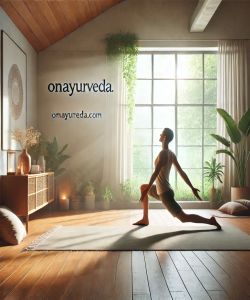
1. Overview of Sun Salutation
Sun Salutation, known in Sanskrit as Surya Namaskar, represents a quintessential and profoundly effective sequence within the discipline of yoga. It is not to be misconstrued as a mere physical warm-up; rather, it is a comprehensive, dynamic, and integrated practice that systematically engages the entire human organism. This meticulously structured series of twelve asanas, or postures, is synchronised with the rhythm of the breath, transforming a set of physical movements into a fluid, meditative continuum. The practice functions as a complete sadhana—a spiritual discipline—designed to awaken the body’s latent energy, cultivate mental clarity, and establish a harmonious equilibrium between the physical, psychological, and energetic dimensions of the self. Its very name, a salutation to the sun, carries deep symbolic weight, paying reverence to the sun as the ultimate source of all life and consciousness. When executed with precision, discipline, and mindful awareness, Sun Salutation stimulates every major physiological system, from the musculoskeletal and cardiovascular to the endocrine and nervous systems. It methodically moves the spine through its full range of motion, enhances circulation, tones the internal organs, and regulates the body's pranic, or energetic, currents. The sequence is a masterclass in holistic efficiency, capable of delivering in a short period what might otherwise require a far more extensive and varied regimen. It builds strength, increases flexibility, and instils a profound sense of vitality and focus. Its enduring prominence in virtually all schools of modern yoga is a testament to its unparalleled efficacy as a foundational tool for cultivating robust health, mental fortitude, and a deep, embodied sense of well-being, making it an indispensable component of any serious practitioner’s repertoire.
2. What is Sun Salutation?
Sun Salutation, or Surya Namaskar, is a specific, non-negotiable sequence of asanas (yogic postures) executed in a continuous, flowing manner and inextricably linked to the breath. Far more than a simple exercise routine, it is a holistic discipline designed to synchronise the practitioner’s body, breath, and consciousness. The practice constitutes a complete system of physical and energetic cultivation, revered for its ability to prepare the body and mind for deeper states of yogic practice or to function as a comprehensive discipline in its own right. The name itself, translating from Sanskrit as 'salutation to the sun', reflects its ancient origins as a ritual of reverence to the solar deity, symbolising the source of light, energy, and life. Its composition is precise, designed to provide a balanced and thorough engagement of the entire body.
Its core components are as follows:
- A Structured Asana Sequence: The practice consists of a set series of postures, most commonly twelve in the classical Hatha tradition. This sequence is intelligently designed to move the spine through alternating states of flexion and extension, systematically warming and conditioning the vertebral column and all major muscle groups. The postures flow seamlessly from one to the next, creating a dynamic cycle of movement.
- Integral Breath Synchronisation (Vinyasa): This is the defining principle of the practice. Every single movement within the sequence is precisely coordinated with either an inhalation or an exhalation. This conscious linkage of breath and movement, known as vinyasa, transforms the physical practice into a profound moving meditation. The breath dictates the pace and rhythm of the movements, ensuring a mindful and internally focused experience.
- A Complete Physiological Regimen: Sun Salutation is engineered to be a comprehensive workout. It enhances cardiovascular function, improves respiratory capacity, builds muscular strength, increases flexibility, and stimulates the digestive and nervous systems. This holistic impact makes it an exceptionally efficient method for maintaining overall physical health and vitality.
- Energetic and Meditative Purpose: Beyond its physical benefits, the practice is designed to balance the body’s energy systems. In yogic philosophy, it is said to stimulate the pingala nadi (the solar or active energy channel), invigorating the entire system. The unwavering focus required to synchronise breath and movement cultivates concentration (dharana), making it a powerful tool for mental discipline.
3. Who Needs Sun Salutation?
- Individuals Requiring a Time-Efficient, Comprehensive Fitness Regimen: Professionals and persons with significant time constraints who demand a single, integrated practice that simultaneously addresses cardiovascular health, muscular strength, flexibility, and weight management. The sequence provides a full-body workout in a concentrated and scalable timeframe.
- Practitioners of Advanced Yoga and Meditation: Those engaged in deeper yogic disciplines who require a foundational practice to adequately prepare the physical and energetic bodies. Sun Salutation serves as the definitive tool for building internal heat, purifying the system, and focusing the mind for more demanding asanas, pranayama, and meditative states.
- Persons Experiencing High Levels of Stress and Mental Agitation: Individuals subjected to chronic psychological pressure, anxiety, or mental fatigue. The mandatory synchronisation of breath and movement directly regulates the autonomic nervous system, down-regulating the stress response and inducing a state of mental calm, clarity, and emotional equilibrium.
- Those with Sedentary Lifestyles and Postural Imbalances: Office workers, drivers, and others whose occupations involve prolonged periods of sitting. The practice systematically counteracts the detrimental effects of a sedentary existence by realigning the spine, decompressing vertebrae, strengthening core musculature, and releasing chronic tension in the neck, shoulders, and hips.
- Individuals Seeking to Cultivate Discipline and a Structured Daily Routine: Persons aiming to establish a powerful morning ritual (dinacharya) to energise the body, sharpen the mind, and set a focused, positive tone for the entire day. The discipline required for a consistent daily practice builds mental fortitude that is transferable to all other areas of life.
- Athletes and Physical Performers: Individuals involved in sports or other physically demanding activities who need an effective, dynamic warm-up to prepare the body for intense exertion and a cool-down sequence to improve recovery. It enhances mobility, improves coordination, and reduces the risk of musculoskeletal injury.
- Anyone Committed to Proactive Health Maintenance and Vitality: Individuals who understand that optimal health is not merely the absence of disease but a state of vibrant well-being. The practice is a powerful, proactive tool for stimulating all physiological systems, boosting immunity, and maintaining a high level of functional fitness and vitality throughout life.
4. Origins and Evolution of Sun Salutation
The origins of Sun Salutation, or Surya Namaskar, are a subject of considerable scholarly discussion, representing a synthesis of ancient reverence and modern physical culture. While the sequence as it is widely practised today is a relatively modern construct, its constituent elements are deeply embedded in ancient Indian traditions. The practice of prostration and the veneration of the sun (Surya) as a deity symbolising consciousness and the source of life are documented in the Vedas, the most ancient of Hindu scriptures. These early practices, however, were primarily devotional and ritualistic in nature, lacking the specific, flowing sequence of postures (asanas) that defines the modern form. The concept of prostrating in reverence was a central act of worship, but it was not codified into the dynamic, breath-synchronised system known today.
The codification and popularisation of Sun Salutation as a physical practice are largely credited to the forward-thinking vision of Bhavanarao Shriniwasrao Pant Pratinidhi, the Raja of Aundh, in the early 20th century. A fervent advocate for physical education, the Raja promoted the sequence as a simple yet potent system of exercise for the general populace of his state. He believed it to be a superior indigenous alternative to the European gymnastics systems prevalent at the time. In his influential publication, he presented Sun Salutation as a method for achieving ideal health and strength, meticulously documenting the postures and linking them with the breath. This marked a pivotal moment in its evolution, shifting its primary focus from a purely spiritual ritual to a structured system of physical and health development.
The final stage of its evolution and its subsequent global dissemination occurred through its integration into the teachings of the founding fathers of modern postural yoga. Influential masters such as Tirumalai Krishnamacharya adopted and adapted the sequence, incorporating it as a fundamental component of their dynamic, vinyasa-based teaching methodologies. His most renowned students, including K. Pattabhi Jois (the founder of Ashtanga Vinyasa Yoga) and B.K.S. Iyengar, further refined and popularised their own distinct versions of the sequence. Through their work, Sun Salutation was cemented as the foundational cornerstone of most modern flow-based yoga styles, evolving from an ancient ritual into a globally recognised symbol of dynamic, mindful movement and holistic well-being.
5. Types of Sun Salutation
- Classical Hatha Sun Salutation: This is the traditional twelve-posture sequence often associated with the Sivananda and other classical Hatha yoga lineages. It is characterised by a deliberate, mindful pace, with each posture being held for a moment before transitioning to the next. The sequence typically involves a twelve-step cycle that includes Pranamasana (Prayer Pose), Hastauttanasana (Raised Arms Pose), Hasta Padasana (Hand to Foot Pose), Ashwa Sanchalanasana (Equestrian Pose), Dandasana (Stick Pose), Ashtanga Namaskara (Salute with Eight Parts), Bhujangasana (Cobra Pose), and Adho Mukha Svanasana (Downward-Facing Dog Pose), before reversing the movements to return to the starting position. This version is foundational, focusing on spinal flexibility and breath awareness.
- Ashtanga Sun Salutation A (Surya Namaskar A): A core component of the Ashtanga Vinyasa system, this is a more dynamic and physically demanding nine-vinyasa sequence. It is distinct from the classical version through its exclusion of certain poses and the inclusion of more strenuous ones. The sequence flows rapidly, strictly synchronised with Ujjayi pranayama. Key postures that define this variation are Chaturanga Dandasana (Four-Limbed Staff Pose), a challenging low plank, and Urdhva Mukha Svanasana (Upward-Facing Dog Pose), a deeper backbend than the traditional Cobra Pose. The emphasis is on building internal heat, strength, and stamina through a powerful, uninterrupted flow.
- Ashtanga Sun Salutation B (Surya Namaskar B): This is a longer and more complex variation, also fundamental to the Ashtanga system. It comprises seventeen vinyasas and builds directly upon the framework of Salutation A. Its defining characteristic is the integration of two powerful standing postures within the sequence. After the initial movements, the practitioner moves into Utkatasana (Chair Pose) and later incorporates Virabhadrasana I (Warrior I Pose), performed on both the right and left sides. This addition significantly increases the cardiovascular challenge and the demands on leg and core strength, making it a substantially more vigorous and heat-building practice than either the classical or Salutation A versions.
- Iyengar Sun Salutation: While B.K.S. Iyengar taught the classical sequence, the 'Iyengar' approach to Sun Salutation is less about a unique sequence and more about a specific methodology of practice. The emphasis is on achieving meticulous anatomical precision and structural alignment in every single posture within the flow. The pace may be slowed down significantly to allow for detailed adjustments, and props such as blocks or blankets may be used to support the body and achieve correct form. The focus is on therapeutic benefit and the cultivation of bodily intelligence, prioritising the quality and integrity of each pose over the speed or quantity of repetitions.
6. Benefits of Sun Salutation
- Comprehensive Musculoskeletal Conditioning: The sequence systematically engages every major muscle group in the body, fostering balanced development of strength and tone. It also moves all major joints through their full range of motion, enhancing lubrication, mobility, and overall flexibility, thus acting as a complete system for physical conditioning.
- Enhanced Cardiovascular and Respiratory Efficacy: The dynamic, rhythmic nature of the practice elevates the heart rate, providing a robust cardiovascular workout that improves circulation and heart health. The mandated deep, synchronised breathing expands lung capacity and enhances the efficiency of gaseous exchange, ensuring optimal oxygenation of all bodily tissues.
- Profound Spinal Decompression and Realignment: The alternating pattern of forward and backward bending postures methodically flexes and extends the entire vertebral column. This action decompresses the spinal discs, improves nerve function, corrects postural misalignments, and significantly increases the flexibility and health of the spine.
- Stimulation and Regulation of Endocrine and Digestive Systems: The sequence of postures involves the compression and extension of the abdominal region, which provides a gentle massage to the internal organs. This stimulates digestive function, improves metabolism, and aids in detoxification. It also helps to balance the function of endocrine glands, promoting hormonal equilibrium.
- Potent Regulation of the Autonomic Nervous System: The disciplined focus on linking breath with movement serves as a powerful tool for calming the nervous system. It helps to shift the body from a state of sympathetic dominance ('fight-or-flight') to one of parasympathetic activity ('rest-and-digest'), measurably reducing stress, anxiety, and mental tension.
- Cultivation of Supreme Mental Discipline and Concentration: The practice demands unwavering focus. The need to coordinate complex physical movements with the precise rhythm of inhalation and exhalation trains the mind to remain anchored in the present moment, significantly enhancing concentration, mental clarity, and the ability to resist distraction.
- Systematic Balancing of Pranic Energy: From a yogic perspective, Sun Salutation is a primary tool for harmonising the body's vital life force, or prana. It is believed to balance the solar (pingala) and lunar (ida) energy channels, removing energetic blockages and resulting in a state of heightened vitality, clarity, and overall well-being.
7. Core Principles and Practices of Sun Salutation
- Unyielding Breath-Movement Synchronisation (Vinyasa): This is the paramount principle. Every movement, without exception, must be initiated and guided by the breath. A specific movement is allocated to each inhalation and each exhalation. This transforms the sequence from a series of disjointed exercises into a single, cohesive, and meditative flow. The breath is the engine that drives the practice, and its rhythm dictates the pace. Neglecting this principle renders the practice superficial.
- Meticulous Postural Alignment and Integrity: Each of the twelve postures must be executed with precise anatomical alignment. This is not for aesthetic reasons but is critical for ensuring safety, maximising physiological benefits, and facilitating the correct flow of energy. Attention must be paid to details such as joint stacking, core engagement, and spinal extension. Correct form must always take precedence over the perceived depth or speed of the posture.
- Seamless and Uninterrupted Transitional Flow: The practice demands a smooth, continuous, and graceful transition from one asana to the next. There should be no abrupt stops or jerky movements. The end of one posture becomes the beginning of the next, creating a cyclical and rhythmic dance. This uninterrupted flow is essential for building internal heat (tapas) and maintaining a state of moving meditation.
- Disciplined Application of Gaze Points (Drishti): For each posture in the sequence, there is a designated point of focus for the eyes. Directing the gaze to a specific point (e.g., towards the hands, the navel, or the horizon) stabilises the body, enhances balance, and, most importantly, concentrates the mind. Drishti prevents the eyes from wandering and draws the practitioner's awareness inward.
- Cultivation of Internal Energy Locks (Bandhas): For a more advanced and potent practice, subtle muscular contractions known as bandhas are engaged. The primary locks used are Mula Bandha (root lock) and Uddiyana Bandha (abdominal lock). Engaging these locks contains and directs the flow of prana (vital energy) within the body, adding a profound level of stability, lightness, and energetic power to the sequence.
- Steadfast Mindful Awareness (Svadhyaya): The practitioner must maintain a state of non-judgmental, moment-to-moment awareness throughout the entire sequence. This involves observing physical sensations, the quality of the breath, and the fluctuations of the mind. This internal self-study is what elevates the practice from a physical routine to a profound tool for self-transformation and consciousness development.
8. Online Sun Salutation
- Unrivalled Accessibility and Positional Independence: Online platforms fundamentally dismantle the barriers of geography and physical proximity to qualified instruction. A practitioner can engage in a guided session from any location globally, requiring only a stable internet connection. This empowers individuals in remote areas or those with prohibitive schedules to access high-calibre teaching that would otherwise be entirely unavailable.
- Absolute Practitioner Autonomy and Control: The digital format provides the user with complete authority over their learning environment and pace. An online session can be paused, replayed, and reviewed an infinite number of times. This facility is invaluable for deconstructing and mastering specific challenging postures or transitions, allowing for a level of detailed, repetitive study that is impossible within the fixed timeframe of a live group class.
- Access to an Elite Global Cadre of Instructors: Practitioners are no longer constrained by the expertise available in their immediate vicinity. The online sphere offers a direct gateway to instruction from world-renowned masters and specialists representing diverse lineages and methodologies of Sun Salutation. This provides an unparalleled breadth and depth of knowledge, enriching the practitioner’s understanding and practice.
- Enhanced Cost-Effectiveness and Resource Optimisation: Engaging with online Sun Salutation courses typically presents a significantly more economically efficient model compared to the recurring financial commitment of physical studio memberships. It completely eradicates ancillary costs and time expenditure related to travel, thereby optimising the practitioner’s financial resources and allowing for a more focused allocation of their time.
- Forced Cultivation of Proprioception and Self-Reliance: The absence of an instructor for immediate, hands-on physical adjustments compels the online practitioner to develop a far more acute sense of internal awareness and proprioception. This necessity fosters a deeper, more intuitive understanding of one’s own body and alignment, building a robust foundation of self-reliance and bodily intelligence that is a significant asset in any physical discipline.
- Creation of a Personalised and Distraction-Free Practice Sanctuary: The online format enables the practitioner to meticulously control their environment. They can create a private, quiet space, free from the potential distractions and social dynamics of a public class. This personalised sanctuary can facilitate a deeper state of concentration and introspection, making the practice a more potent meditative experience.
9. Sun Salutation Techniques
The classical Sun Salutation is executed as a precise, twelve-step sequence, with each step synchronised to either an inhalation or an exhalation. The following steps constitute one half-round, which is then repeated, leading with the opposite leg in step four, to complete a full round.
- Step 1: Pranamasana (Prayer Pose): Stand erect. Exhale and join the palms together at the heart centre. The posture must be stable and grounded.
- Step 2: Hastauttanasana (Raised Arms Pose): Inhale deeply. Stretch the arms up and arch the back from the thoracic spine, extending the entire body from the heels to the fingertips.
- Step 3: Hasta Padasana (Hand to Foot Pose): Exhale completely. Bend forward from the hips, maintaining a straight spine for as long as possible. Place the hands on the floor beside the feet, bringing the head towards the knees.
- Step 4: Ashwa Sanchalanasana (Equestrian Pose): Inhale. Extend the right leg back as far as possible, bringing the right knee to the floor. The left foot remains firmly between the hands. Arch the spine and direct the gaze upwards.
- Step 5: Dandasana (Stick Pose): Retain the breath briefly. Step the left leg back to align with the right, holding the body in a straight line from head to heels, akin to a plank. The arms must be perpendicular to the floor, with the core engaged.
- Step 6: Ashtanga Namaskara (Salute with Eight Parts): Exhale. Gently lower the knees, chest, and chin to the floor simultaneously. The hips remain slightly lifted. Eight points of the body are now in contact with the ground.
- Step 7: Bhujangasana (Cobra Pose): Inhale. Slide the body forward and lift the chest and head, arching the spine. The hips remain grounded, and the elbows are kept slightly bent. The shoulders must be drawn away from the ears.
- Step 8: Adho Mukha Svanasana (Downward-Facing Dog Pose): Exhale. Lift the hips and tailbone towards the ceiling, forming an inverted 'V' shape with the body. Press the heels towards the floor and lengthen the spine.
- Step 9: Ashwa Sanchalanasana (Equestrian Pose): Inhale. Step the right foot forward between the hands, lowering the left knee to the floor. Replicate the posture from Step 4.
- Step 10: Hasta Padasana (Hand to Foot Pose): Exhale. Step the left foot forward to join the right. Straighten the legs and bend forward, replicating Step 3.
- Step 11: Hastauttanasana (Raised Arms Pose): Inhale. Raise the torso, keeping the spine straight. Stretch the arms up and arch back, replicating Step 2.
- Step 12: Pranamasana (Prayer Pose): Exhale. Straighten the body and bring the palms back to the heart centre, returning to the starting position.
10. Sun Salutation for Adults
For the adult demographic, Sun Salutation is an exceptionally potent and highly adaptable practice that directly addresses the multifaceted challenges of adult life, from physical deconditioning to chronic stress. It serves as a powerful corrective regimen for adults engaged in sedentary occupations, systematically working to counteract the debilitating effects of prolonged sitting. The sequence mobilises the entire spine, strengthens the core musculature essential for postural support, and releases the deep-seated tension that commonly accumulates in the neck, shoulders, and lower back. From a physiological standpoint, it offers a scalable cardiovascular workout that enhances metabolic function and supports weight management, but without the high-impact stress on joints that can be a significant concern for the ageing adult body. This makes it a sustainable form of exercise for long-term health. The non-negotiable principle of synchronising breath with every movement provides a profound benefit that is particularly crucial for adults: the regulation of the nervous system. This practice directly mitigates the effects of chronic stress by shifting the body’s state from sympathetic activation to parasympathetic calm, fostering mental clarity and emotional resilience. Furthermore, the discipline inherent in maintaining a regular Sun Salutation practice builds mental fortitude and a sense of personal agency. For older adults, the sequence can be modified with the use of props or a slower pace to safely maintain joint mobility, improve balance, and preserve essential muscle mass and bone density. It is, therefore, not merely a form of exercise but a comprehensive and intelligent system for managing the physiological and psychological demands of adulthood with strength, grace, and vitality.
11. Total Duration of Online Sun Salutation
The professionally stipulated and optimal duration for a comprehensive online Sun Salutation session is 1 hr. This specific timeframe is not an arbitrary allocation but a deliberately structured period designed to facilitate a complete, balanced, and transformative practice. A session of 1 hr allows for a methodical and unhurried progression through all the essential phases of a well-rounded yogic experience, which is critical in an online format where the practitioner relies heavily on detailed verbal guidance. This duration ensures that adequate time is first dedicated to a preparatory phase, which includes essential grounding exercises, centring techniques, and specific breathwork (pranayama) to properly prepare the body and focus the mind for the dynamic sequence to follow. The central, and most substantial, portion of the 1 hr session is then devoted to the practice of Surya Namaskar itself. This allows for the completion of multiple rounds, enabling the instructor to guide practitioners through different variations—such as the classical Hatha sequence or the more vigorous Ashtanga A and B series—and to explore different rhythms, from slow and alignment-focused to a more dynamic, heat-building flow. Crucially, the 1 hr structure guarantees that a significant segment at the end of the session is reserved for a proper cool-down. This includes necessary counter-poses to neutralise the spine and nervous system, followed by a period of deep relaxation in Savasana (Corpse Pose). This final phase is non-negotiable for integrating the practice’s profound physiological and energetic effects. Any duration less than 1 hr risks compromising these essential components, leading to an incomplete and potentially unbalanced practice. Therefore, the 1 hr online class represents the gold standard for achieving depth, safety, and maximum benefit.
12. Things to Consider with Sun Salutation
The dedicated practice of Sun Salutation, while exceptionally beneficial, demands a high degree of intelligence, awareness, and respect from the practitioner. It is imperative to understand that this is not a competitive endeavour; the primary objective is the internal synchronisation of breath, body, and mind, not the external achievement of a specific aesthetic form. Foremost among considerations is the absolute necessity of maintaining correct anatomical alignment throughout the sequence. Repetitive movements performed with improper form, particularly in vulnerable areas such as the wrists in Dandasana, the shoulders in Chaturanga, and the lower back in forward and backward bends, are a direct route to chronic injury. Practitioners must cultivate a profound and honest relationship with their own body, acknowledging and respecting its current limitations. The use of modifications is not a sign of weakness but of intelligence and is crucial for a safe and sustainable practice. The practitioner's physical and energetic state on any given day must also be taken into account; the intensity and pace of the practice should be modulated accordingly. A vigorous practice may be appropriate on a day of high energy, while a gentle, restorative approach is required during times of fatigue or stress. The timing of the practice is another key consideration; traditionally performed at sunrise to energise the system for the day ahead, it can also be adapted for evening practice by adopting a slower, more grounding pace. Finally, the foundational key to unlocking the true potential of Sun Salutation is consistency. A moderate, disciplined daily practice will always yield far superior results than sporadic, overly ambitious sessions. An intelligent, consistent, and non-ego-driven approach is essential.
13. Effectiveness of Sun Salutation
The effectiveness of Sun Salutation as a holistic modality for human development is undeniable, substantiated by millennia of empirical evidence from yogic tradition and increasingly validated by modern scientific inquiry. Its efficacy is rooted in its brilliantly efficient and comprehensive design, which simultaneously targets multiple physiological and psychological systems. On a purely physical level, its effectiveness is profound. The sequence functions as a complete body-conditioning regimen, enhancing muscular strength, improving endurance, and promoting significant gains in flexibility across all major muscle groups and joints. As a dynamic, weight-bearing practice, it strengthens bones and provides a robust cardiovascular workout that improves circulatory health and metabolic function. The systematic movement of the spine through its full range of motion is exceptionally effective for maintaining spinal health, correcting posture, and alleviating back pain. However, the true measure of its effectiveness lies in its impact beyond the musculoskeletal system. The mandatory synchronisation of deep, rhythmic breathing with physical movement makes it one of the most potent tools for regulating the autonomic nervous system. This direct influence on the breath-brain-body axis is highly effective in reducing stress, mitigating anxiety, and cultivating a state of calm alertness. Psychologically, the unwavering concentration required to perform the sequence correctly serves as a powerful form of mindfulness training, sharpening focus and mental clarity. When performed with discipline and awareness, Sun Salutation is not merely an effective exercise; it is a supremely effective system for integrating the human being, fostering a state of vibrant physical health, emotional balance, and heightened consciousness.
14. Preferred Cautions During Sun Salutation
Adherence to a strict set of cautions during the practice of Sun Salutation is an non-negotiable requirement for ensuring practitioner safety and preventing significant physical harm. Individuals presenting with serious pre-existing medical conditions, including but not limited to uncontrolled hypertension, cardiac disorders, vertigo, severe arthritis, or acute spinal injuries such as a herniated disc, must not undertake the practice without securing explicit prior clearance from a qualified medical consultant. The sensation of sharp, shooting, or localised pain is an unequivocal signal to cease the movement immediately; it is not to be tolerated or pushed through under any circumstances. Particular vigilance must be applied to the protection of vulnerable joints. The wrists, shoulders, and knees are especially susceptible to repetitive strain injury if alignment is compromised; therefore, precise form must be prioritised over speed or depth. The practice is strictly contraindicated during pregnancy, except in highly modified forms conducted under the direct supervision of a certified prenatal yoga instructor. Furthermore, Sun Salutation should be completely avoided during periods of fever, acute illness, or extreme physical or mental exhaustion, as it can severely deplete the body's resources and impede recovery. It is also imperative to practise on an empty stomach, allowing a minimum of three to four hours after a substantial meal. Finally, the most pervasive danger is the practitioner's own ego. The ambition to force the body into a preconceived shape or to compete with others is the most common cause of injury. The practice must be approached with humility, intelligence, and an unwavering commitment to self-preservation.
15. Sun Salutation Course Outline
- Module 1: Theoretical Foundations and Somatic Preparation: This initial module establishes the intellectual and physical groundwork. It includes a comprehensive introduction to the history, philosophy, and symbolic significance of Surya Namaskar. The core principles of vinyasa (breath-movement synchronisation) are taught, with a specific focus on mastering Ujjayi pranayama. The module concludes with a series of preparatory joint-mobilisation exercises (pawanmuktasana) to ensure the body is safely prepared for the dynamic sequence.
- Module 2: Deconstruction of the Classical Sequence (Asana Lab): This module provides a meticulous, posture-by-posture breakdown of the traditional twelve-step Hatha Sun Salutation. Each asana is analysed in detail, focusing on precise anatomical alignment, key muscular engagements, common misalignments, and their corrections. Modifications using props are introduced to ensure accessibility for all practitioners.
- Module 3: The Art of Vinyasa and Rhythmic Flow: The focus shifts from static postures to the fluid dynamics of the sequence. Practitioners are drilled in seamlessly linking each of the twelve postures, with the breath as the sole initiator of every movement. This module explores different cadences, guiding practitioners from a slow, deliberate pace that reinforces alignment to a more vigorous, heat-building rhythm.
- Module 4: Introduction to the Ashtanga Vinyasa Variations: This module introduces the more physically demanding Surya Namaskar A and Surya Namaskar B sequences from the Ashtanga lineage. It includes detailed instruction on mastering the challenging postures unique to these variations, such as Chaturanga Dandasana, Urdhva Mukha Svanasana, Utkatasana, and Virabhadrasana I, along with the strict vinyasa count.
- Module 5: Energetic Refinements: Bandhas and Drishti: Practitioners are introduced to the subtle, advanced techniques that deepen the practice. This includes the application of Mula Bandha (root lock) and Uddiyana Bandha (abdominal lock) to contain and direct pranic energy. The concept of Drishti (specific gaze points) is taught for each posture to enhance concentration and internalise awareness.
- Module 6: Integration, Personalisation, and Self-Practice: The final module focuses on empowering the practitioner to develop a consistent and intelligent personal practice. It provides strategies for structuring a daily routine, adapting the sequence based on individual needs and energy levels, and integrating all learned principles into a cohesive, meditative practice. The course culminates in a full, self-led practice session.
16. Detailed Objectives with Timeline of Sun Salutation
- Weeks 1-2: Foundational Competence and Alignment Mastery. The primary objective within this initial fortnight is to achieve a technically proficient and safe execution of each individual posture within the classical Sun Salutation sequence. By the end of week two, the practitioner will be able to demonstrate correct anatomical alignment in all twelve asanas independently, utilising modifications where necessary. They will have also mastered the basic principles of diaphragmatic breathing and will be able to maintain this breath pattern while holding each static pose.
- Weeks 3-4: Vinyasa Integration and Fluidity. The objective shifts from mastering static postures to achieving a seamless, breath-synchronised flow. The practitioner will learn to link the twelve asanas into a continuous, uninterrupted sequence, with each movement precisely initiated by either an inhalation or an exhalation. By the end of week four, the practitioner will be able to complete five consecutive rounds of the classical sequence with confidence and rhythmic consistency.
- Weeks 5-6: Stamina Development and Introduction to Ashtanga A. The objective is to build physical endurance and introduce a more vigorous variation. The practitioner will work towards completing ten to twelve continuous rounds of the classical sequence, maintaining both form and breath integrity. They will then be introduced to the nine-vinyasa Surya Namaskar A, with the objective of mastering the Chaturanga to Upward-Facing Dog transition by the end of week six.
- Weeks 7-8: Mastery of Ashtanga B and Increased Complexity. The objective is to learn and integrate the more complex, seventeen-vinyasa Surya Namaskar B. This involves mastering the addition of Utkatasana and Virabhadrasana I into the flow without disrupting the vinyasa count. By the end of week eight, the practitioner will be able to confidently execute three to five rounds of this demanding sequence.
- Weeks 9-10: Refinement through Energetic Principles. The objective is to deepen the practice beyond the purely physical. The practitioner will learn to integrate the subtle techniques of Mula Bandha, Uddiyana Bandha, and specific Drishti points throughout the sequences. The focus will be on transforming the practice from a physical workout into a powerful energetic and meditative experience.
- Weeks 11-12: Autonomy and Personal Practice. The final objective is for the practitioner to achieve complete autonomy. They will be able to select the appropriate Sun Salutation variation for their daily needs, perform a minimum of twelve rounds with unwavering focus and correct form, and confidently structure their own personal practice session, including warm-ups and cool-downs, without external guidance.
17. Requirements for Taking Online Sun Salutation
- A Non-Negotiable Commitment to Self-Discipline: The online format places the entire onus of consistency and accountability upon the practitioner. A high degree of self-motivation is required to establish and adhere to a regular practice schedule without the external structure of an in-person class.
- Stable, High-Bandwidth Internet Access: An uninterrupted, high-speed internet connection is an absolute prerequisite. Any lag, buffering, or disconnection disrupts the instructional flow and the practitioner’s concentration, fundamentally compromising the integrity and safety of the practice.
- A Dedicated and Hazard-Free Practice Area: A clear, uncluttered space of sufficient size to permit full, unimpeded bodily movement in all directions is essential. The area must be private, quiet, and entirely free from physical hazards or distractions to ensure both safety and the ability to achieve deep focus.
- Professional-Grade, Non-Slip Yoga Mat: This is a critical piece of safety equipment, not an optional accessory. A high-quality mat provides the necessary traction for stability in postures like Downward-Facing Dog and Adho Mukha Svanasana, preventing slips and potential injury.
- Adequate Visual and Auditory Hardware: A device with a screen large enough (e.g., a laptop, tablet, or television monitor) to clearly discern the instructor's alignment cues is necessary. Reliance on a small mobile phone screen can lead to misinterpretation of crucial postural details. Clear audio is equally important.
- A Foundational Level of Bodily Awareness: While the course will develop this skill, the practitioner must begin with a willingness and ability to listen to their body's internal feedback. They must be capable of distinguishing between the sensation of muscular effort and the warning signal of pain.
- Medical Clearance for Physical Exertion: The participant must be in a state of health that permits moderate-to-vigorous physical activity. Individuals with any pre-existing cardiovascular, spinal, joint, or other significant health conditions must secure explicit clearance from a qualified medical professional before commencing any online course.
- An Attitude of Patience and Humility: The practitioner must be prepared to learn systematically and respect the progressive nature of the practice. The online format requires an acceptance that progress may be gradual and that mastery comes from diligent, patient repetition, not from forcing the body.
18. Things to Keep in Mind Before Starting Online Sun Salutation
Before commencing an online Sun Salutation programme, it is absolutely imperative to undertake a rigorous and honest assessment of one's own discipline, physical readiness, and learning environment. The practitioner must fundamentally understand that the online modality transfers a significant degree of responsibility from the instructor to the student. Without the direct, real-time feedback and hands-on adjustments of an in-person teacher, the onus is entirely on the individual to cultivate a hyper-vigilant sense of internal awareness, or proprioception. One must be prepared to move with extreme caution, prioritising safe alignment over the depth or speed of a posture. It is crucial to meticulously vet the credentials and teaching lineage of the online instructor; a poorly structured or inadequately cued class can actively instill harmful physical habits. The chosen practice space must be treated as sacrosanct—it must be a pre-prepared, dedicated area, free from all potential domestic and digital incursions that would shatter the necessary state of concentration. Furthermore, the practitioner must abandon any preconceived notions of rapid progress. The online learning curve can be different; mastery is built through slow, deliberate repetition and careful self-correction. One must also establish a firm, non-negotiable schedule for practice. A haphazard, "when I feel like it" approach is a recipe for failure and will yield no meaningful results. Ultimately, success in an online Sun Salutation course is determined less by one's initial flexibility and more by one's capacity for unwavering self-discipline, patience, and the intelligence to listen intently to the body’s intrinsic wisdom.
19. Qualifications Required to Perform Sun Salutation
To perform Sun Salutation for personal practice requires no formal, external qualification; it is a discipline accessible to any individual willing to approach it with intelligence and respect. The true "qualifications" are internal attributes and prerequisites that determine a practitioner's capacity to engage with the sequence safely and effectively. An individual is qualified to perform Sun Salutation if they possess:
- A Baseline of Good Physical Health: The practitioner must be free from contraindicating medical conditions. This includes, but is not limited to, acute spinal injuries, uncontrolled high blood pressure, significant heart conditions, or recent surgery. In any case of doubt, obtaining clearance from a medical professional is not merely a recommendation but an absolute duty.
- The Capacity for Honest Self-Assessment: The individual must be able to realistically and non-judgmentally assess their current physical limitations in terms of strength, flexibility, and endurance. The ego must be set aside to work within these limitations, using modifications as intelligent tools rather than viewing them as signs of failure.
- A Developed Sense of Proprioception: The practitioner must be able to feel and interpret the body's internal signals. This means having the awareness to distinguish between the healthy stress of muscular engagement and the sharp, injurious signal of pain in a joint or ligament. This internal listening skill is the most vital safety mechanism.
- A Resolute Mental Discipline: The profound benefits of the practice are unlocked only through consistency. Therefore, a key qualification is the mental fortitude to establish and adhere to a regular practice schedule, even on days when motivation is lacking.
Conversely, to instruct Sun Salutation is an entirely different matter that demands rigorous, formal qualifications. A teacher must hold, at a minimum, a 200-hour Yoga Teacher Training certificate from a registered and reputable yoga school. This certification ensures they have undergone in-depth training in anatomy, physiology, kinesiology, safe sequencing, teaching methodology, and the ethical and philosophical foundations of yoga, thereby qualifying them to guide others safely.
20. Online Vs Offline/Onsite Sun Salutation
Online
The online modality for engaging with Sun Salutation is defined by its core tenets of autonomy, accessibility, and convenience. It effectively liberates the practice from the constraints of geography and fixed schedules, granting the practitioner the ability to access instruction from world-class teachers at any time and from any location with an internet connection. This format fosters a high degree of self-reliance and internal awareness, as the absence of a physically present instructor compels the practitioner to become their own primary source of alignment feedback. The capacity to pause, rewind, and repeat segments of instruction allows for a meticulous, self-paced learning process that can be exceptionally effective for mastering the technical nuances of the sequence. However, this autonomy comes with significant challenges. The lack of hands-on, tactile adjustments from an experienced teacher means that subtle but potentially injurious misalignments can go uncorrected, becoming ingrained habits over time. The solitary nature of the practice also means the practitioner misses out on the motivating and energising dynamic of a group setting. Success in the online environment is therefore heavily dependent on the individual's pre-existing body awareness and their level of self-discipline.
Offline/Onsite
The offline, or onsite, practice of Sun Salutation in a traditional studio or shala environment provides a structured and directly supervised learning experience. Its principal and most significant advantage is the immediate presence of a qualified instructor who can offer real-time verbal cues and, most critically, provide hands-on physical adjustments. This direct, expert feedback is invaluable for correcting misalignments, ensuring safety, and accelerating the practitioner's understanding of correct form. The onsite setting also cultivates a sense of satsang, or community, where the shared energy and collective focus of the group can provide powerful motivation and support, deepening the individual's experience. The fixed class schedule imposes an external discipline that many find essential for maintaining consistency in their practice. The limitations of this model are primarily logistical and financial. The practitioner is bound by the studio's specific location and timetable, which may not align with their personal needs. The financial investment is typically greater than online alternatives, and the quality of instruction is limited to the expertise available within one's immediate geographical area. The pace of the class is also set for the group, which may not be ideal for individuals who require a slower or faster learning cadence.
21. FAQs About Online Sun Salutation
Question 1. Is learning Sun Salutation online safe for an absolute beginner?
Answer: It can be, but only if the beginner selects a high-quality, foundational course that explicitly focuses on safety and alignment and if they proceed with extreme caution and self-awareness.
Question 2. What is the single most essential piece of equipment for online practice?
Answer: A professional-grade, non-slip yoga mat is non-negotiable for ensuring stability and preventing injury.
Question 3. How can I verify my alignment without a teacher present?
Answer: Practice in front of a mirror, record your sessions for review, and select instructors who provide exceptionally detailed verbal alignment cues.
Question 4. What is the optimal frequency for an effective online practice?
Answer: Daily practice is the ideal. Consistency is far more critical for progress than the duration of any single session.
Question 5. Can I achieve significant weight loss through online Sun Salutation?
Answer: When performed with vigour and consistency, it is a powerful tool for boosting metabolism and building lean muscle, which contributes effectively to weight management.
Question 6. What action must I take if I have a pre-existing injury?
Answer: You must obtain explicit clearance from a qualified medical professional before starting. Do not self-diagnose or attempt to practise through pain.
Question 7. How should I select a reputable online course or instructor?
Answer: Thoroughly research their qualifications, lineage, and teaching philosophy. Read independent reviews and take a trial class to assess compatibility.
Question 8. Is a live online class superior to a pre-recorded course?
Answer: Live classes offer real-time group energy. Pre-recorded courses offer unparalleled flexibility and the ability to repeat lessons. The superior choice is a matter of personal requirement.
Question 9. What is the best time of day to practise?
Answer: Traditionally, sunrise is recommended for its energising effect. However, the most effective time is whichever time you can commit to consistently.
Question 10. How many rounds constitute a proper session?
Answer: A beginner should start with three to five quality rounds. An experienced practitioner may perform twelve or more. Quality of execution always supersedes quantity.
Question 11. Is chanting the associated mantras mandatory?
Answer: No. While chanting is a traditional element that can deepen the practice, it is not essential for obtaining the significant physical and mental benefits.
Question 12. What is the primary difference between Hatha and Ashtanga variations online?
Answer: The Hatha style is generally slower and more deliberate. The Ashtanga variations (A and B) are faster, more physically strenuous, and follow a strict, prescribed breath count.
Question 13. Will online Sun Salutation effectively reduce stress?
Answer: Yes. The required synchronisation of breath and movement is a potent mechanism for regulating the autonomic nervous system and calming the mind.
Question 14. What if I am extremely inflexible?
Answer: Sun Salutation is the method for developing flexibility, not a performance that requires it. Use modifications patiently and focus on gradual improvement.
Question 15. How quickly will I see tangible results from online practice?
Answer: With disciplined, daily practice, initial benefits such as increased vitality and improved mental focus can be observed within one to two weeks.
Question 16. Is a separate warm-up necessary before starting the sequence?
Answer: While Sun Salutation is a comprehensive warm-up in itself, performing a few minutes of gentle joint mobilisation beforehand is always a prudent measure.
Question 17. Can I practise if I feel unwell?
Answer: No. The practice should be avoided during any period of illness, fever, or extreme fatigue, as it can deplete the body's healing resources.
22. Conclusion About Sun Salutation
In conclusion, Sun Salutation, or Surya Namaskar, unequivocally establishes itself as a masterfully engineered and holistic discipline within the yogic arts. It must be understood not as a fragmented series of exercises but as a complete, self-contained system for the profound integration of the practitioner's physical, mental, and energetic faculties. The genius of its design is manifest in its efficiency, delivering a comprehensive suite of physiological benefits—ranging from musculoskeletal fortification and cardiovascular enhancement to neuro-endocrine regulation—within a singular, rhythmic, and scalable framework. Beyond its potent physical effects, the practice’s unwavering insistence on the synchronisation of breath and movement elevates it to a powerful form of moving meditation. This core principle forces the mind into a state of unwavering, present-moment focus, serving as a direct and effective antidote to the pervasive mental agitation and stress of modern existence. The discipline forged through a consistent and dedicated practice cultivates a level of mental resilience and fortitude that invariably transcends the yoga mat and permeates all aspects of life. Whether employed as a dynamic preparation for a more extensive practice or as a stand-alone daily discipline (sadhana), Sun Salutation provides a time-tested, potent, and supremely intelligent methodology for cultivating a state of vibrant physical health, unshakeable mental clarity, and profound energetic balance. Its enduring relevance and universal application across a multitude of yoga styles stand as a powerful testament to its unparalleled efficacy as a transformative tool for human well-being