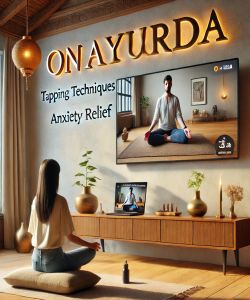
Overview of Tapping Techniques for Anxiety Relief
Tapping Techniques for Anxiety Relief, most prominently represented by Emotional Freedom Techniques (EFT), constitute a formidable psychotherapeutic modality operating at the intersection of cognitive therapy and somatic stimulation. This sophisticated mind-body approach is engineered to directly intervene in the physiological and neurological processes that underpin the anxiety response. Its fundamental premise is that emotional distress is a direct manifestation of a disruption in the body's subtle energy system, a concept derived from traditional Eastern medicine. By systematically applying firm yet gentle tapping with the fingertips to a specific sequence of acupressure points on the face and upper body, the technique sends deactivating signals to the brain's limbic system, particularly the amygdala. This somatic input interrupts the production of stress hormones such as cortisol, effectively short-circuiting the fight-or-flight mechanism that characterises an anxiety state. Simultaneously, the individual is required to focus on the specific source of their anxiety, verbalising the issue through structured phrases. This element of cognitive exposure, performed within a context of induced physiological calm, allows the brain to re-file the distressing memory or thought without the associated emotional and physical charge. The technique’s power lies in this dual-pronged assault: it deconstructs the conditioned response loop between a trigger and the resultant anxiety. It is not merely a distraction but a targeted neurological recalibration tool. As a self-administered intervention, it fosters a profound sense of agency and emotional self-regulation, enabling individuals to manage acute episodes of anxiety in real-time. Within a professional context, it serves as a powerful, non-invasive method for resolving the deep-seated origins of chronic anxiety, phobias, and trauma-related stress, positioning it as a serious and essential component of modern mental wellness protocols, distinct from and complementary to conventional therapeutic approaches.
What are Tapping Techniques for Anxiety Relief?
Tapping Techniques for Anxiety Relief are a class of evidence-based interventions rooted in the principles of energy psychology, which systematically combine elements of ancient acupressure with modern psychological practices to address and neutralise emotional distress. The most widely recognised of these is Emotional Freedom Techniques (EFT), a structured protocol that operates on the premise that all negative emotions, including anxiety, are the result of a disruption in the body's energy system. The technique directly targets this disruption to restore balance and alleviate symptoms. It is a mind-body method that requires the individual to consciously engage with their anxiety while simultaneously performing a physical action—the tapping. This integration is what makes the technique uniquely potent. The process is not passive; it is an active and focused procedure with clearly defined components that work in concert to achieve a therapeutic outcome.
The core components of the technique are as follows:
The Somatic Component: This is the physical act of tapping. The individual uses their fingertips to tap firmly on a specific sequence of meridian endpoints, which are locations on the body where energy pathways are believed to surface. These points are primarily on the head, face, upper torso, and hands. The physical stimulation of these points is hypothesised to send calming signals to the brain, directly influencing the parts responsible for the stress response, such as the amygdala. This action down-regulates physiological arousal, creating a state of calm even while the mind is focused on an anxious thought.
The Cognitive Component: This involves the use of specific verbal statements. The process begins with a "Setup Statement," which clearly articulates the problem while simultaneously affirming self-acceptance. During the tapping sequence, a "Reminder Phrase" is repeated. This verbal element keeps the individual’s mind focused on the specific aspect of the anxiety being treated, ensuring that the calming signals generated by the tapping become directly associated with the problematic trigger. This focused exposure is critical for de-linking the thought from the emotional charge.
The Exposure Component: Unlike techniques that promote distraction or avoidance, Tapping requires the individual to confront the anxious thought or memory directly. By holding the distress in mind whilst applying the somatic intervention, the technique facilitates a process of desensitisation and cognitive reframing. The brain learns that it can hold the previously triggering thought without initiating a full-blown anxiety response, effectively severing the old, conditioned neurological pathway.
Who Needs Tapping Techniques for Anxiety Relief?
Individuals Experiencing Generalised Anxiety Disorder (GAD): Persons afflicted with GAD, characterised by persistent and excessive worry about numerous different things, require a tool that can be applied to a wide array of shifting concerns. Tapping provides a versatile and immediate method to address each new wave of worry as it arises, disrupting the cycle of chronic anxious apprehension.
Those Suffering from Panic Attacks and Panic Disorder: For individuals who experience the sudden, overwhelming terror of a panic attack, Tapping offers a potent, in-the-moment intervention. It provides a structured physical and mental protocol that can de-escalate the physiological cascade of the attack, restoring a sense of control over their body’s acute stress response.
Persons with Specific Phobias: Individuals with irrational fears of specific objects or situations (e.g., aviophobia, glossophobia) need a mechanism to uncouple the trigger from the intense fear response. Tapping is used to systematically desensitise the individual to the phobic stimulus, allowing for a neutralisation of the conditioned reaction.
Sufferers of Post-Traumatic Stress Disorder (PTSD): Tapping is an exceptionally effective tool for individuals with PTSD, who often experience intrusive memories and hypervigilance. Specific Tapping protocols, such as the Movie Technique, allow for the safe processing of traumatic memories, reducing their emotional intensity without requiring the individual to re-live the trauma fully.
Individuals Dealing with Social Anxiety and Performance Anxiety: People who experience intense fear in social or performance-related situations require a discreet and effective method for managing anticipatory anxiety and real-time stress. Tapping can be used before and during such events to calm the nervous system and challenge the limiting beliefs that fuel these anxieties.
Professionals in High-Stress Environments: Executives, first responders, and other professionals operating under constant pressure need robust stress management tools. Tapping offers a rapid and efficient technique to discharge accumulated stress, improve mental clarity, and prevent occupational burnout.
Those Seeking Non-Pharmacological Emotional Regulation: Individuals who are either unable or unwilling to use anxiolytic medications require effective, evidence-based alternatives. Tapping provides a powerful, non-invasive, and side-effect-free method for managing their emotional state with complete autonomy.
Individuals with Anxiety-Related Insomnia: People whose anxiety prevents them from falling asleep or staying asleep need a method to quieten a racing mind. Using Tapping before bed can effectively lower cortisol levels and calm the nervous system, facilitating the transition into sleep.
Origins and Evolution of Tapping Techniques for Anxiety Relief
The conceptual foundations of Tapping Techniques are deeply rooted in the ancient principles of traditional Chinese medicine, which for millennia has posited the existence of a subtle energy system, or 'qi', that flows through the body along specific pathways known as meridians. The disruption or blockage of this energy flow was considered the origin of physical and emotional ailments. The primary method for interacting with this system was acupuncture, a practice involving the insertion of fine needles into specific meridian points to restore balance. This foundational knowledge, centred on the body's energetic anatomy, laid the dormant groundwork for what would become modern energy psychology.
The direct lineage of Tapping began its formation in the 1960s with the work of Dr. George Goodheart, a chiropractor who developed Applied Kinesiology. He discovered a link between muscle strength, organ health, and the meridian system, demonstrating that the body's energetic state could be directly assessed and influenced. A significant leap forward occurred in the 1980s when clinical psychologist Dr. Roger Callahan, while studying this system, made a breakthrough discovery. He was working with a client who had an intense water phobia. While she focused on her fear, he had her tap on a meridian point under her eye (the stomach meridian point) and her phobia, which had been resistant to conventional therapy, vanished rapidly. This led him to develop a complex system he named Thought Field Therapy (TFT), which prescribed specific, diagnostic algorithms or sequences of tapping points for different psychological issues.
While revolutionary, TFT was often seen as complex and required precise diagnosis to determine the correct tapping algorithm. It was Gary Craig, an engineer and a student of Dr. Callahan, who in the 1990s engineered the evolution from TFT to the far more accessible Emotional Freedom Techniques (EFT). Craig hypothesised that the exact sequence was less important than stimulating the entire system. He streamlined Callahan's intricate algorithms into a single, comprehensive sequence that could be applied universally to any emotional issue. He also integrated a crucial psychological component: the "Setup Statement," which addresses the phenomenon of psychological reversal. This radical simplification democratised the technique, transforming it from a complex clinical procedure into a powerful self-help tool. Since then, EFT has continued to evolve, gaining significant traction within mainstream psychology as a body of robust scientific research emerges, validating its effectiveness for anxiety, PTSD, and other conditions, cementing its status as a serious, evidence-based therapeutic modality.
Types of Tapping Techniques for Anxiety Relief
Emotional Freedom Techniques (EFT): This is the most ubiquitous and standardised form of Tapping, developed by Gary Craig. Its defining characteristic is the use of a single, universal algorithm of tapping points for all psychological and emotional issues, including anxiety. The protocol is comprehensive, incorporating a "Setup Statement" performed while tapping the Karate Chop point to overcome psychological reversal, followed by systematic tapping on a sequence of eight primary meridian points while repeating a "Reminder Phrase." Its strength lies in its simplicity, accessibility, and the ease with which it can be learned for self-application, making it the dominant modality in the field.
Thought Field Therapy (TFT): The direct precursor to EFT, developed by Dr. Roger Callahan. TFT is a more complex and diagnostic modality. It operates on the principle that each emotional issue corresponds to a specific and unique sequence of meridian points that must be tapped in a precise order to achieve resolution. A practitioner of TFT will typically use a diagnostic procedure, such as muscle testing, to determine the exact algorithm required for the client's specific anxiety. While its proponents claim high precision, its complexity makes it less suitable for immediate self-help compared to the one-size-fits-all approach of EFT.
Matrix Reimprinting: An advanced technique developed by Karl Dawson that builds directly upon the foundation of EFT. Matrix Reimprinting is specifically designed for working with traumatic memories and the associated negative core beliefs. It conceptualises these memories as energetic consciousness holograms, or "ECHOs," held in the body-field. The technique involves using EFT to take the emotional charge out of a past memory and then entering the memory to interact with the younger ECHO. The individual, from a position of adult empowerment, provides the ECHO with the resources it needed at the time, and then collaboratively "reimprints" the memory with a new, positive outcome. This is a profound tool for resolving the root causes of anxiety that are anchored in past events.
Simple Energy Techniques (SET): Developed by Australian psychologists Steve Wells and David Lake, SET represents a further simplification of the Tapping process. It is often described as a more fluid and organic approach. SET typically dispenses with the formal Setup Statement and Reminder Phrase required in classical EFT. Instead, the practitioner or individual simply focuses their attention on the anxious feeling or thought and continuously taps on the various meridian points, often in a random or intuitive order. The core principle is that the combination of focused awareness and continuous meridian stimulation is sufficient to process and release the emotional disruption, making it an extremely flexible and easily integrated technique for in-the-moment anxiety management.
Benefits of Tapping Techniques for Anxiety Relief
Rapid Desensitisation to Anxious Stimuli: Tapping provides an accelerated method for uncoupling the conditioned response from an anxiety-provoking trigger. By addressing the physiological alarm reaction directly at the neurological level, it allows for a swift reduction in the emotional intensity associated with specific thoughts, memories, or situations.
Reduction in Physiological Arousal: The systematic stimulation of meridian endpoints has been shown to directly down-regulate the amygdala, the brain’s fear centre. This leads to a measurable decrease in heart rate, blood pressure, and cortisol levels, effectively shifting the body from a state of sympathetic nervous system dominance (fight-or-flight) to parasympathetic dominance (rest-and-digest).
Enhanced Cognitive Control and Reframing: By calming the physiological storm of anxiety, Tapping creates the mental space necessary for higher-order cognitive functions to come back online. This allows individuals to challenge and reframe the distorted, catastrophic thinking that characterises anxiety, replacing it with more rational and balanced perspectives.
Increased Emotional Self-Regulation: As a technique that can be self-applied, Tapping equips individuals with a tangible and reliable tool for managing their own emotional states. This fosters a powerful sense of autonomy and self-efficacy, reducing feelings of helplessness and dependence in the face of anxiety.
Exceptional Accessibility and Portability: Once the basic protocol is learned, Tapping can be performed anywhere and at any time, without the need for specialised equipment or environments. This makes it a highly practical intervention for managing unexpected spikes of anxiety as they occur in real-world settings.
Non-Invasive and Non-Pharmacological Nature: Tapping offers a potent alternative or complement to pharmaceutical interventions. It is a completely natural, body-based technique that carries no risk of chemical side effects, dependency, or withdrawal, making it a safe and sustainable long-term strategy.
Broad Applicability Across Anxiety Spectrums: The technique is not limited to one form of anxiety. Its principles and application can be effectively tailored to address a wide range of issues, from the nebulous disquiet of generalised anxiety to the acute terror of a specific phobia or panic attack.
Empowerment Through Root Cause Resolution: Unlike mere coping strategies, Tapping is designed to get to the root of the anxiety. By neutralising the emotional charge of past events and limiting beliefs that fuel the anxiety, it provides a pathway to lasting resolution rather than temporary symptom relief.
Core Principles and Practices of Tapping Techniques for Anxiety Relief
The Discovery Statement: This is the foundational principle upon which all Tapping modalities are built: "The cause of all negative emotions is a disruption in the body's energy system." This core tenet reframes anxiety not as a purely cognitive or biochemical event, but as a physiological disruption. The entire practice is therefore aimed at correcting this specific disruption to restore emotional equilibrium.
The SUDS Scale (Subjective Units of Distress): This is the essential metric for the Tapping process. Before beginning, the individual must quantify the intensity of their anxiety on a scale from 0 (no anxiety whatsoever) to 10 (the most intense anxiety imaginable). This practice provides a clear, objective baseline, allows for the precise tracking of progress after each round of tapping, and ensures the process remains focused and results-oriented until the SUDS level is reduced to an acceptable level, ideally zero.
The Setup: This is a critical initial practice designed to overcome "Psychological Reversal," a concept describing subconscious resistance to getting better. The individual formulates a specific, two-part statement that is repeated three times while tapping the Karate Chop point. The first part acknowledges the problem ("Even though I have this fear of public speaking..."), and the second part affirms radical self-acceptance ("...I deeply and completely accept myself."). This practice aligns the individual’s conscious and subconscious intentions, clearing the way for the technique to work effectively.
The Sequence: This is the core practice of the technique, involving the systematic tapping on a specific series of meridian endpoints. In classical EFT, the primary sequence includes the Top of the Head, Eyebrow, Side of the Eye, Under the Eye, Under the Nose, Chin point, Collarbone point, and the Under the Arm point. Each point is tapped approximately five to seven times with firm but gentle pressure. This sequence is designed to stimulate and balance a significant portion of the body's primary energy meridians.
The Reminder Phrase: While tapping through the sequence, the individual must continuously repeat a shortened version of their problem statement (e.g., "this fear of public speaking"). This practice serves to keep the neurological circuits of the specific anxiety pattern activated, so that the calming signals being sent by the tapping are directed precisely to the target problem, thereby neutralising it.
Addressing Aspects: This is a crucial principle for effective practice. Complex anxieties are rarely monolithic; they are typically composed of multiple contributing factors, or "aspects." An effective Tapping practice requires the individual to deconstruct the larger issue into these smaller, more specific components (e.g., a specific memory, a physical sensation, a limiting belief) and apply the tapping protocol to each aspect individually until the entire issue is resolved.
Testing and Re-evaluation: The process is iterative. After each complete round of tapping, the individual must pause, take a breath, and reassess their SUDS level. This practice of testing the results informs the next step: if the number has decreased but is not yet zero, a new round is started, often with adjusted wording to target the remaining feeling. If a new issue or aspect has emerged, that becomes the new target. This ensures the process is dynamic and responsive.
Online Tapping Techniques for Anxiety Relief
Unparalleled Accessibility and Reach: Online delivery systematically dismantles geographical barriers, providing individuals in remote or underserved locations with direct access to highly qualified, specialist practitioners from anywhere in the world. This democratises access to elite-level care, which would otherwise be impossible.
Enhanced Confidentiality and Psychological Safety: The ability to engage in a therapeutic session from a secure, private, and familiar personal environment is a significant advantage. This level of privacy can reduce the inhibition and apprehension often associated with clinical settings, facilitating a deeper and more honest engagement with sensitive emotional material related to anxiety.
Immediate Application and Skill Transference: Conducting sessions in the client's own environment (e.g., a home or office) allows for the immediate, real-world application of the techniques. The client learns to manage their anxiety directly within the context where it is most often triggered, dramatically improving the transference and reinforcement of the skills learned.
Superior Time and Cost Efficiency: The online model eradicates the significant logistical burdens of travel time, transportation costs, and time taken away from professional or personal responsibilities. This efficiency makes consistent, regular sessions more feasible and sustainable, which is critical for achieving lasting therapeutic outcomes.
Robust Integration of Digital Resources: Online platforms facilitate the seamless integration of supplementary therapeutic tools. Practitioners can easily share educational materials, worksheets, and session recordings for client review. This creates a comprehensive and continuous support structure that extends beyond the confines of the scheduled session time.
Increased Scheduling Flexibility: Virtual sessions offer far greater flexibility in scheduling, accommodating non-traditional work hours, demanding travel schedules, and complex family commitments. This adaptability lowers the barrier to entry and ensures that consistent therapeutic work can be maintained even amidst a hectic lifestyle.
Continuity of Care Regardless of Location: For individuals who travel frequently for work or who may be planning to relocate, the online format ensures absolute continuity of care. The therapeutic relationship and the progress made are not disrupted by changes in the client's physical location, providing a stable and reliable source of support.
Empowerment in a Familiar Setting: For many, the act of taking control of their anxiety within their own domain is profoundly empowering. It reinforces the message that they possess the tools and the ability to manage their emotional state, fostering a greater sense of autonomy and resilience in their day-to-day life.
Tapping Techniques for Anxiety Relief Techniques
Isolate the Target Issue with Precision: You must first identify the exact source of the anxiety. Vague feelings such as "I feel anxious" are ineffective targets. Deconstruct the feeling to find its specific focus. Is it a fear of a future event? The memory of a past incident? A physical sensation in your body, like a tightness in the chest? Be relentlessly specific.
Quantify the Initial Distress Intensity: Employ the Subjective Units of Distress (SUDS) scale to assign a numerical value to the intensity of your feeling. The scale runs from 0 (no distress whatsoever) to 10 (the maximum possible distress). This is a non-negotiable step as it provides the objective benchmark against which you will measure your progress.
Formulate the Precise Setup Statement: Construct a formal, two-part statement. The first part must clearly acknowledge the specific problem, and the second part must affirm unconditional self-acceptance. The standard formula is: "Even though I have [state the specific problem], I deeply and completely accept myself." For example: "Even though I have this sharp, stabbing fear in my stomach about my upcoming presentation, I deeply and completely accept myself."
Execute the Setup Procedure: You must now neutralise any subconscious resistance to the process. Tap continuously on the 'Karate Chop' point (the fleshy part on the outside of your hand, between the wrist and the little finger) while repeating your full Setup Statement aloud with conviction, three times.
Perform the Tapping Sequence with the Reminder Phrase: Proceed to tap firmly, for approximately five to seven repetitions, on each of the following meridian points in order. While tapping each point, you must repeat a shortened 'Reminder Phrase' that keeps the problem at the forefront of your mind (e.g., "this stabbing fear," "my presentation fear"). The points are:
Top of the Head (the crown)
Eyebrow (the inner point, near the bridge of the nose)
Side of the Eye (on the bone at the outer corner)
Under the Eye (on the bone directly below the pupil)
Under the Nose (in the indentation above the upper lip)
Chin Point (in the crease between the lower lip and chin)
Collarbone (the point just below the hard notch where the collarbones meet)
Under the Arm (on the side of the body, level with a bra strap)
Re-evaluate the Distress Intensity: After completing one full sequence, stop. Take a deep, cleansing breath and tune back into the issue. Now, reassess its intensity on the 0-10 SUDS scale. The number must have shifted.
Repeat the Process Until Resolution: If the SUDS level has not reached zero, you must perform another round of tapping. Adjust your wording to reflect the current state of the feeling. For example, if the initial 8/10 is now a 4/10, your new Setup Statement could be: "Even though I still have some of this remaining stabbing fear..." Continue this iterative process, addressing any new aspects that arise, until the SUDS level is completely neutralised.
Tapping Techniques for Anxiety Relief for Adults
Tapping Techniques for Anxiety Relief hold a particular and profound relevance for adults, whose psychological landscapes are often far more complex and entrenched than those of younger individuals. Adulthood is characterised by an accumulation of stressors, responsibilities, and unresolved past experiences that compound over time, forging deep and resilient neurological pathways for anxiety. These are not fleeting worries, but chronic patterns of thought and physiological response that become integrated into one's personality and worldview. Tapping provides a uniquely effective tool for deconstructing these intricate, layered issues. It operates on a somatic level that bypasses the adult's highly developed—and often highly resistant—cognitive defences. While an adult mind can rationalise, justify, or intellectualise its anxiety, the body holds the unfiltered truth of the stress response. Tapping directly engages this somatic reality, sending calming signals to the amygdala that interrupt the ingrained alarm reaction, regardless of what the conscious mind believes is possible. This makes it an invaluable strategic intervention for addressing issues such as professional burnout, performance anxiety in high-stakes careers, and the complex relational anxieties that arise in long-term partnerships and family dynamics. Furthermore, the technique empowers adults with a tangible, self-directed method for managing their emotional well-being, fostering the autonomy and resilience that are cornerstones of mature functioning. It provides a disciplined, private, and non-pharmacological means to dismantle long-standing phobias, process old traumas, and neutralise the limiting beliefs acquired over decades, thereby facilitating not just symptom relief, but profound personal growth and the restoration of executive control over one's life.
Total Duration of Online Tapping Techniques for Anxiety Relief
The standard and professionally accepted duration for a dedicated, one-to-one online Tapping session for anxiety relief is rigorously set at 1 hr. This specific timeframe is not an arbitrary allocation but a clinically determined structure designed for maximum therapeutic efficacy and client safety. The 1 hr duration is meticulously engineered to encompass all critical phases of the therapeutic process without inducing undue emotional or cognitive fatigue. It provides sufficient time for an initial check-in and precise identification of the session's target issue, a crucial step that a shorter duration would compromise. It allows for the careful formulation of a targeted Setup Statement and multiple, thorough rounds of the Tapping protocol, which are necessary to deconstruct the layers of a typical anxiety aspect. Critically, this 1 hr container also allocates the necessary time to safely manage any unexpected emotional intensity or abreaction that may arise, ensuring the practitioner can guide the client through the experience to a state of resolution. A session significantly shorter than 1 hr would risk a superficial application of the technique, potentially leaving the client with unresolved emotional material. Conversely, extending much beyond this duration can lead to diminishing returns, as the client's capacity for focused emotional processing becomes exhausted. The 1 hr session is the professional standard because it represents the optimal balance, providing a robust framework to achieve a demonstrable and stable reduction in the Subjective Units of Distress, concluding with a grounding phase that ensures the client is fully present and stable before ending the session.
Things to Consider with Tapping Techniques for Anxiety Relief
A number of critical factors must be rigorously considered before and during the application of Tapping Techniques for anxiety relief. It is imperative to recognise that while the technique possesses a deceptive simplicity and is highly effective as a self-help tool for minor stressors, its application for deep-seated, chronic, or trauma-based anxiety demands professional supervision. The potential for abreaction—a sudden and intense release of suppressed emotion—is a significant consideration. Without the containing presence of a skilled practitioner, such an experience can be destabilising and even re-traumatising for the individual. Furthermore, the effectiveness of the technique is contingent upon the ability to identify the correct target. A failure to isolate the specific core issue or a key underlying aspect of the anxiety will render the process ineffective, leading to frustration and the erroneous conclusion that the technique does not work. One must also consider that Tapping is a targeted intervention designed to neutralise specific emotional disruptions; it is not a panacea for all life's difficulties or a replacement for developing broader life skills and resilience. It should be viewed as a powerful component within a comprehensive mental wellness strategy, not a standalone cure. It is also crucial to differentiate Tapping from simple distraction or positive thinking; its efficacy relies on a courageous and honest engagement with the negative feeling. Any attempt to use it to bypass or suppress emotion will be counterproductive. Finally, it is not a substitute for a formal medical diagnosis or treatment, and any decisions regarding existing psychiatric care or medication must be made exclusively in consultation with a qualified medical doctor.
Effectiveness of Tapping Techniques for Anxiety Relief
The effectiveness of Tapping Techniques for the amelioration of anxiety is both substantial and rigorously substantiated by a rapidly expanding body of peer-reviewed scientific research. This is not a speculative or alternative practice; it is an evidence-based modality demonstrating consistent and significant clinical outcomes. Its potency lies in its dual-pronged mechanism of action, which simultaneously addresses both the physiological and cognitive dimensions of the anxiety response. On a neurological level, functional magnetic resonance imaging (fMRI) and electroencephalogram (EEG) studies have shown that the somatic act of tapping on meridian endpoints sends de-escalating signals directly to the brain's fear centre, the amygdala. This intervention demonstrably reduces amygdala hyper-activity, down-regulates the sympathetic nervous system, and lowers levels of the stress hormone cortisol. This action effectively severs the conditioned link between an anxious thought and the body's subsequent alarm reaction. Concurrently, the cognitive component—vocalising the specific fear or distress—functions as a form of controlled exposure therapy. By confronting the trigger within the context of this artificially induced physiological calm, the brain undergoes a process of memory reconsolidation. It learns that the stimulus is no longer a threat, and the old neural pathway of fear is effectively neutralised and re-written. The result is not merely a temporary calming effect but a lasting reduction in the specific anxiety being targeted. The technique’s effectiveness is further bolstered by its high rate of success across a spectrum of anxiety disorders, including Generalised Anxiety Disorder, phobias, and Post-Traumatic Stress Disorder, establishing it as a first-line, powerful, and efficient intervention.
Preferred Cautions During Tapping Techniques for Anxiety Relief
Strict adherence to a protocol of cautions is non-negotiable when engaging with Tapping Techniques to ensure both physical and psychological safety. It is absolutely imperative that individuals diagnosed with severe psychiatric conditions, such as psychosis, schizophrenia, or dissociative disorders, do not attempt to utilise this technique outside the direct supervision of a licensed mental health professional who is also a certified Tapping practitioner. For those with a history of significant complex trauma, self-application is strongly discouraged, as the process can inadvertently trigger overwhelming abreactions or a destabilising re-emergence of traumatic material without the necessary therapeutic container to process it safely. Before any session, one must ensure the environment is completely private, secure, and free from any potential interruptions that could disrupt a vulnerable emotional state. Adequate hydration is a critical physiological prerequisite; dehydration can impede the smooth processing of emotional release and should be rectified before beginning. The technique must never be used as a tool for emotional bypassing or to force "positive thinking." Its power lies in confronting and neutralising the negative emotion, not in papering over it. Any attempt to do so will be ineffective and counterproductive. Finally, and most critically, Tapping is a complementary modality, not a substitute for conventional medical or psychiatric care. Under no circumstances should an individual alter or discontinue prescribed medication or other therapies without the explicit consent and guidance of their primary medical doctor or specialist. This is a powerful tool, and it must be wielded with discipline, respect, and informed caution.
Tapping Techniques for Anxiety Relief Course Outline
Module One: Theoretical Foundations and Neurobiological Underpinnings
Introduction to Energy Psychology and the Discovery Statement.
The scientific evidence base: Examining the effects of meridian tapping on the amygdala, hippocampus, and cortisol production.
The Meridian System: A functional overview of the key acupressure points used in the protocol.
Understanding Psychological Reversal and its role in therapeutic resistance.
Module Two: Mastery of the Full EFT Protocol
The Subjective Units of Distress (SUDS) Scale: The definitive tool for measurement and calibration.
The art of crafting precise and effective Setup Statements.
Detailed instruction on the location and execution of the complete 8-point tapping sequence.
The function and application of the Reminder Phrase for maintaining therapeutic focus.
Module Three: Deconstruction of Complex Anxieties
The critical skill of identifying and isolating "Aspects."
Techniques for "Chasing the Pain": Following the trail of symptoms to uncover core issues.
Differentiating between global problems and specific, tappable events.
Practical exercises in breaking down generalised anxiety into manageable components.
Module Four: Advanced Techniques for Deep-Seated Issues
The Movie Technique: A structured protocol for safely processing and neutralising specific traumatic memories that fuel anxiety.
The Tearless Trauma Technique: An introductory method for gently approaching highly intense events.
Identifying and collapsing Limiting Beliefs that perpetuate the anxiety cycle.
Module Five: Tailored Application for Specific Anxiety Disorders
Protocol adaptations for Generalised Anxiety Disorder (GAD).
In-the-moment interventions for Panic Attacks.
Systematic desensitisation protocols for Specific Phobias.
Strategies for addressing the cognitive distortions of Social Anxiety.
Module Six: Professional Ethics and Client Safety
Establishing and maintaining a safe therapeutic container, particularly in an online environment.
Recognising and managing abreactions and intense emotional release.
Defining the professional scope of practice and knowing when to refer.
Principles of trauma-informed care within a Tapping context.
Module Seven: Self-Application and Long-Term Resilience
Developing a disciplined personal Tapping practice for ongoing emotional hygiene.
Strategies for using Tapping discreetly in public for acute stress management.
Creating a personal plan for long-term emotional regulation and resilience building.
Detailed Objectives with Timeline of Tapping Techniques for Anxiety Relief
Session 1: Foundational Competency and Initial Desensitisation. By the end of this session, the client will demonstrate complete mastery of the basic Tapping sequence and the accurate application of the 0-10 SUDS scale. The primary objective is for the client to successfully self-apply the full protocol to a minor, current-day anxiety (e.g., work stress) and achieve a minimum two-point reduction in their SUDS rating, thereby establishing proof of concept and building initial confidence in the technique.
Session 2: Target Identification and Deconstruction. The client will, with practitioner guidance, identify one primary, recurring anxiety trigger. The objective is to deconstruct this overarching issue into a minimum of three distinct and specific "aspects" (e.g., a memory, a physical sensation, a future fear). The client will formulate a precise Setup Statement for the most intense aspect and successfully reduce its SUDS rating by at least 50% by the session's conclusion.
Session 3: Processing a Foundational Event. The client will apply the "Movie Technique" under direct supervision to a specific past event that has been identified as a significant contributor to their present-day anxiety. The objective is to process the entire memory from a dissociated perspective, systematically neutralising the emotional charge of its key moments, until the client can recount the event with a SUDS rating of 2 or below.
Session 4: Neutralising Core Limiting Beliefs. The client will identify at least one core limiting belief that underpins their anxiety pattern (e.g., "I am not capable," "The world is a dangerous place"). The objective is to use targeted Tapping rounds to collapse the emotional conviction behind this belief, reducing its believability and beginning the process of formulating and installing a more adaptive, resourceful belief.
Session 5: Proactive Application for Future Scenarios. The client will select an upcoming event that is a predictable source of anticipatory anxiety. The objective is to use Tapping to "future pace" this event, systematically identifying and neutralising all feared outcomes and anxious feelings associated with it. The goal is to reduce the anticipatory anxiety SUDS rating to a 1 or 0 and mentally rehearse a successful, calm engagement with the event.
Session 6: Autonomous Application and Integration. In this final session, the client will be presented with a hypothetical anxiety-provoking scenario and must independently, without practitioner prompting, walk through the entire Tapping protocol from identification to resolution. The objective is to demonstrate full autonomy in using the technique and to co-create a structured, personal maintenance plan for its ongoing application in their daily life, solidifying it as a lifelong skill.
Requirements for Taking Online Tapping Techniques for Anxiety Relief
A dedicated, high-speed, and robust internet connection. The connection must be stable enough to maintain uninterrupted, high-quality video and audio streaming for the entire session duration. Intermittent connectivity is unacceptable as it compromises the therapeutic container.
A fully functional computing device, such as a desktop, laptop, or large-format tablet. The device must be equipped with an integrated or external high-definition webcam and a clear, sensitive microphone. The use of smartphones is strongly discouraged due to their instability and small screen size.
Complete proficiency in operating the designated video conferencing software (e.g., Zoom, Teams). This includes the ability to manage microphone and camera controls, screen sharing if required, and troubleshooting basic audio-visual issues independently.
An absolutely private and secure physical environment. The individual must be in a room where they cannot be overheard or interrupted by other people, pets, or notifications for the full, scheduled hour. The use of headphones is mandatory to enhance privacy and focus.
A state of complete sobriety. The individual must commit to refraining from the consumption of alcohol or any non-prescribed psychoactive substances for a minimum of twelve hours prior to the session to ensure full cognitive and emotional presence.
A resolute commitment to active, verbal participation. This is a collaborative process, not a passive one. The individual must be willing and able to articulate their internal experiences, feelings, and sensations with honesty and clarity.
A stable, upright seating position. The individual must be seated in a supportive chair, not lying down, to ensure they remain alert, engaged, and are able to tap on all the required points on the face and upper body without obstruction.
Ready access to drinking water. Hydration is considered an integral component of the energetic work, and having a glass of water on hand throughout the session is a firm requirement.
Things to Keep in Mind Before Starting Online Tapping Techniques for Anxiety Relief
Before embarking on an online Tapping programme, a candidate must conduct a rigorous self-assessment and prepare their environment with professional discipline. It is imperative to understand that the remote nature of this modality places a significant degree of responsibility upon the individual. You are responsible for creating your half of the therapeutic container. This requires an uncompromising commitment to securing a physical space that is 100% confidential and free from any potential intrusion for the entire duration of every session. Furthermore, one must critically evaluate their technological infrastructure; a stable, high-speed internet connection and reliable hardware are not optional conveniences but foundational requirements for a safe and effective therapeutic process. Technical failures are not mere annoyances; they are breaches of the therapeutic space that can disrupt sensitive emotional work. It is also essential to perform due diligence when selecting a practitioner. Verify their certifications from reputable, international Tapping organisations and specifically inquire about their experience and protocols for working online. Be prepared for the process itself to be intense. The objective is to confront and neutralise anxiety, not to distract from it. This requires psychological readiness and a firm commitment to see the process through, especially if difficult emotions surface. This is a structured, powerful psychological intervention, not a casual conversation. Approaching it with anything less than serious intent and thorough preparation will compromise its potential and your safety.
Qualifications Required to Perform Tapping Techniques for Anxiety Relief
The professional administration of Tapping Techniques for anxiety relief is a specialised skill that demands far more than a superficial understanding of the process. It is an absolute imperative that a practitioner holds robust, verifiable qualifications from a recognised, standards-based governing body. This is the primary indicator of a professional who has undergone rigorous training, assessment, and subscribes to a stringent code of ethical conduct. Casual training or self-proclamation is wholly inadequate and poses a risk to the client. The non-negotiable qualifications for a credible practitioner must include the following:
Accredited Certification: The practitioner must possess, at a minimum, a certification as an Accredited Certified EFT Practitioner from a primary global organisation, most notably EFT International. This certification ensures they have completed a comprehensive curriculum, passed examinations, and demonstrated practical competence.
Advanced-Level Training: For a specialist focus on anxiety, which often has roots in trauma, the practitioner must have completed advanced training (e.g., EFT Level 3). This advanced education specifically equips them with the skills to work with complex issues, manage intense emotional releases (abreactions) safely, and apply more sophisticated techniques without re-traumatising the client.
Evidence of Supervised Practice and Mentoring: Certification is not a one-time event. A serious professional must provide evidence of extensive, logged client hours conducted under the supervision of an experienced mentor or supervisor. They must also be engaged in ongoing Continuing Professional Development (CPD) to ensure their skills remain at the forefront of the field.
Possession of Professional Liability Insurance: A practitioner operating without full professional liability and indemnity insurance is not operating as a professional. This is a fundamental requirement that protects both the client and the practitioner and signifies a legitimate, accountable practice.
While not always mandatory, a practitioner who also holds a pre-existing qualification as a licensed mental health professional, such as a psychotherapist, counsellor, or clinical psychologist, offers an additional, superior layer of expertise, diagnostic skill, and safety.
Online Vs Offline/Onsite Tapping Techniques for Anxiety Relief
Online
The online delivery of Tapping Techniques represents a paradigm of efficiency, accessibility, and client-centric convenience. Its primary advantage is the complete annihilation of geographical barriers, granting individuals access to a global roster of elite practitioners, rather than being restricted to those in their immediate locality. The sessions are conducted within the client’s own environment, a factor that can significantly enhance psychological safety and comfort, often leading to a more rapid and candid exploration of sensitive issues. This setting also promotes superior skill transference, as the client learns to apply the techniques directly in the space where their anxiety is frequently experienced. Furthermore, the online model eliminates the logistical and financial burdens of travel, making consistent therapeutic engagement more sustainable. It requires, however, that the client assumes full responsibility for securing a confidential space and maintaining a robust technological connection. The therapeutic alliance is forged through a digital medium, demanding high levels of verbal and non-verbal acuity from the practitioner to interpret cues that would be more apparent in person.
Offline/Onsite
The traditional offline, or onsite, model offers a controlled and professionally managed therapeutic environment. This entirely removes the technological and privacy variables from the client's responsibility, providing a dedicated sanctuary for the therapeutic work. The physical co-presence of the practitioner and client can foster a unique and powerful quality of rapport and containment. For individuals prone to significant emotional dysregulation or dissociation, the grounding physical presence of a calm professional is an invaluable asset. This format allows the practitioner to observe the client's full somatic responses—subtle shifts in posture, breathing, and physiology—with greater immediacy and detail. The principal limitations of the onsite model are its inherent geographical restrictions, which severely limit the choice of practitioners, and the practical demands of scheduling, travel time, and associated costs. These logistical hurdles can present significant barriers to entry and to the maintenance of the consistent therapeutic rhythm required for profound and lasting change.
FAQs About Online Tapping Techniques for Anxiety Relief
Question 1. Is online Tapping genuinely as effective as face-to-face sessions?
Answer: Yes. Clinical outcomes and extensive practitioner reports confirm that for most individuals, online Tapping is equally effective. The core mechanisms of the technique are not dependent on physical proximity.
Question 2. What is the single most critical technological requirement?
Answer: A stable, high-speed internet connection. An unstable connection will disrupt the session, compromise the therapeutic container, and is therefore unacceptable.
Question 3. How is my privacy and confidentiality ensured online?
Answer: The practitioner is legally and ethically bound by confidentiality agreements, identical to in-person work. You are responsible for ensuring your end by using a private room and a secure network.
Question 4. Could Tapping make my anxiety feel worse initially?
Answer: It is possible to experience a temporary increase in emotional intensity as a suppressed aspect of the anxiety surfaces. This is a normal part of the process, and a qualified practitioner is trained to manage it safely.
Question 5. How many sessions are required to resolve anxiety?
Answer: This is entirely dependent on the complexity and chronicity of the issue. While relief is often felt in the first session, a structured course of multiple sessions is necessary for deep and lasting resolution.
Question 6. Do I need to believe in the "energy system" for it to work?
Answer: No. The technique’s effectiveness is based on its physiological and neurological impact. It works regardless of your personal belief system.
Question 7. What if I feel numb and cannot connect with the feeling?
Answer: This may indicate emotional dissociation or that the target issue is too vague. A skilled practitioner will use specific techniques to help you connect safely or to refine the target with more precision.
Question 8. Is this considered a legitimate psychological therapy?
Answer: Yes. EFT Tapping is designated as an evidence-based practice for anxiety, PTSD, and other conditions by a growing number of mainstream psychological organisations.
Question 9. Will I be able to use this on myself after the programme?
Answer: Absolutely. A primary objective of professional Tapping work is to empower you with a robust self-help tool for lifelong emotional regulation.
Question 10. What happens if a deeply traumatic memory emerges during an online session?
Answer: A trauma-informed practitioner will have specific, gentle protocols (like the Tearless Trauma Technique) to handle this safely, ensuring you are not overwhelmed. This is a key reason to vet your practitioner's qualifications.
Question 11. Is it mandatory to speak the phrases aloud?
Answer: Yes. The act of vocalising the problem while tapping is a critical component that engages the relevant neural pathways. Whispering is acceptable if privacy is an extreme concern, but subvocalizing is less effective.
Question 12. How can I verify an online practitioner's credentials?
Answer: Demand to see a copy of their certification from a major, reputable organisation (e.g., EFT International). You can often verify their status on the organisation's official website.
Question 13. Is online Tapping appropriate for acute panic attacks?
Answer: Yes, it can be extremely effective. A practitioner can guide you through the protocol in real-time during an attack, providing immediate intervention to de-escalate the sympathetic nervous system response.
Question 14. What is the contingency plan for a technology failure?
Answer: The practitioner will establish a clear protocol beforehand, which typically involves reconnecting attempts for a set period, followed by a telephone call to ensure your safety and to reschedule.
Question 15. Can I use Tapping if I am taking prescription medication for anxiety?
Answer: Yes. Tapping is a complementary modality that does not interfere with medication. You must not, however, alter your prescribed dosage without explicit direction from your medical doctor.
Question 16. Are there any physical contraindications?
Answer: No. The tapping pressure is gentle. The primary cautions are psychological, not physical, which is why professional guidance for complex issues is paramount.
Question 17. What if I become too emotional to speak?
Answer: A skilled practitioner will guide you to simply continue tapping on the points without speaking until you are able to verbalise your experience again. The somatic component can work even when the cognitive part is temporarily paused.
Conclusion About Tapping Techniques for Anxiety Relief
In conclusion, Tapping Techniques for Anxiety Relief, and specifically Emotional Freedom Techniques, stand as a disciplined, potent, and empirically validated modality within the landscape of modern psychological interventions. This approach transcends the limitations of purely talk-based therapies by directly engaging the body's somatic and neurological systems, which are the very bedrock of the anxiety response. By systematically de-linking cognitive triggers from the physiological alarm reaction through the dual action of meridian point stimulation and focused exposure, Tapping offers a direct pathway to neurological recalibration. It is not a passive coping mechanism but an active, structured process that deconstructs the architecture of anxiety at its source. Its effectiveness in rapidly reducing subjective distress, down-regulating cortisol, and calming the amygdala is no longer a matter of anecdotal report but of scientific record. The technique's adaptability for both profound, practitioner-led work on complex trauma and as an accessible tool for individual self-regulation provides a unique and powerful continuum of care. Ultimately, Tapping empowers individuals with a tangible method for seizing executive control over their own emotional physiology, establishing it not merely as a useful tool, but as an essential and formidable asset in the pursuit of lasting freedom from anxiety.