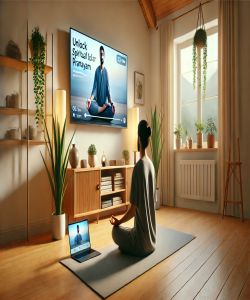
1. Overview of Thirumoolar Pranayama
Thirumoolar Pranayama represents a highly sophisticated and ancient system of breath regulation, fundamentally distinct from modern, simplified respiratory exercises. Rooted in the profound esoteric teachings of the Siddha sage Thirumoolar, as codified in his seminal Tamil text, the Thirumandiram, this discipline is not merely concerned with physiological well-being but serves as a primary vehicle for spiritual evolution and the mastery of consciousness. It operates on the core principle that the breath, or prana, is the tangible link between the physical body, the subtle energetic anatomy, and the mind. By achieving meticulous, rhythmic control over every facet of the respiratory cycle—inhalation (puraka), retention (kumbhaka), and exhalation (rechaka)—the practitioner systematically purifies the network of energetic channels, known as nadis. This purification process is paramount, as it removes subtle obstructions that impede the flow of life force, thereby calming the incessant fluctuations of the mind and preparing the entire system for higher states of awareness. The practice is inherently rigorous, demanding unwavering discipline, precision, and an intimate understanding of its underlying philosophy. It is a science of internal alchemy, designed to balance the solar and lunar energies within the body, awaken latent spiritual potential (kundalini), and ultimately lead the dedicated adherent towards a state of profound equilibrium and self-realisation. Far from being a mere technique, it is a comprehensive yogic science that integrates physiology, energy, and consciousness into a unified, disciplined pursuit of ultimate human potential. Its methods are direct, its purpose is unequivocal, and its results are contingent entirely upon the practitioner’s commitment to its unadulterated principles.
2. What is Thirumoolar Pranayama?
Thirumoolar Pranayama is a formidable and ancient yogic science dedicated to the intentional regulation of prana (vital life force) through disciplined breathing techniques. It is a core component of the teachings of Siddha Thirumoolar, articulated with great precision in the Thirumandiram. This system posits that the mastery of breath is synonymous with the mastery of mind and life itself. By controlling the breath, one directly influences the autonomic nervous system, the flow of energy through the subtle body, and the state of one’s consciousness. It is, therefore, a practice that transcends mere physical exercise, acting as a potent tool for psychophysiological and spiritual transformation. The methodology is systematic and scientific, focusing on specific ratios and durations for each phase of the breath.
This sophisticated practice is defined by several key characteristics:
- Systematic Pranic Regulation: It involves the precise, conscious control of inhalation, exhalation, and, most critically, breath retention. The duration, rhythm, and ratio of these components are methodically manipulated to produce specific energetic and physiological outcomes.
- Nadi Shuddhi (Purification of Channels): A primary objective is the cleansing of the nadis, the subtle energy pathways through which prana flows. It is understood that blockages in these channels lead to physical disease and mental agitation. Thirumoolar’s techniques are designed to clear these pathways, particularly the principal channels of Ida (lunar) and Pingala (solar), to facilitate the upward movement of energy through the central channel, Sushumna.
- Integration of Body, Breath, and Mind: The practice demands absolute concentration, forcing an integration of physical posture (asana), respiratory action, and mental focus. This triad of attention stills the mind, drawing it away from external distractions and internal chatter, and anchors it in the present moment.
- A Vehicle for Higher Consciousness: Ultimately, Thirumoolar Pranayama is a preparatory and advanced practice for meditation and samadhi. By pacifying the mind and vitalising the energetic system, it creates the necessary internal environment for the practitioner to explore and realise deeper states of awareness and spiritual insight.
3. Who Needs Thirumoolar Pranayama?
-
Serious Practitioners of Yoga and Meditation: Individuals already committed to a rigorous path of yoga or meditation who seek to deepen their practice. Thirumoolar Pranayama provides the essential energetic foundation required for advanced meditative states, moving beyond physical postures to the subtle control of internal energies, which is a prerequisite for profound spiritual inquiry.
-
Individuals Seeking Mastery Over the Mind: Those afflicted by mental restlessness, anxiety, and an inability to concentrate will find this discipline indispensable. The practice directly calms the nervous system and breaks the cycle of incessant thought, compelling the mind into a state of focused tranquility and providing a powerful tool for managing psychological distress.
-
Persons with Compromised Respiratory Function: Practitioners seeking to enhance their physiological resilience can derive immense benefit. The systematic techniques strengthen the diaphragm and intercostal muscles, increase vital lung capacity, and improve the efficiency of gaseous exchange, directly fortifying the entire respiratory system against weakness and environmental stressors.
-
Seekers of Spiritual Evolution: Individuals whose primary goal is spiritual awakening or self-realisation. This pranayama is not a lifestyle accessory but a direct and potent method for clearing energetic blockages, balancing the subtle body, and stimulating the dormant kundalini energy, which is considered essential for higher spiritual experiences.
-
Those Requiring Enhanced Energy and Vitality: People experiencing chronic fatigue, lethargy, or a general lack of vitality. By optimising the flow of prana throughout the entire system, the practice invigorates the body at a cellular level, dispelling sluggishness and cultivating a sustained state of dynamic energy and alertness.
-
Practitioners of Martial Arts and other Disciplines Requiring Focus: Athletes and martial artists who depend on a combination of peak physical performance, mental clarity, and controlled energy. The mastery of breath control is fundamental to generating power, maintaining stamina, and achieving the unwavering focus needed for high-level performance.
4. Origins and Evolution of Thirumoolar Pranayama
The origins of Thirumoolar Pranayama are inextricably linked to the revered Siddha sage Thirumoolar, a seminal figure in the Shaivite tradition of Southern India. His magnum opus, the Thirumandiram, is a sacred Tamil text that stands as the primary and most authoritative source for this profound yogic science. Composed of over three thousand verses, this work is not merely a philosophical treatise but a practical manual outlining the path to self-realisation, with pranayama presented as a critical and non-negotiable component. Thirumoolar did not invent pranayama but rather codified and elucidated its most esoteric aspects with unparalleled clarity and depth, situating it within the broader framework of Tantra and Siddha philosophy. His teachings emphasise a scientific, results-oriented approach, where specific breathing ratios and techniques are prescribed to achieve specific physiological, energetic, and spiritual outcomes.
The evolution of this practice has been characterised by its preservation within strict guru-shishya paramparas, or master-disciple lineages. Due to the potency and potential risks of advanced pranayama, the knowledge was traditionally transmitted directly from a qualified master to a dedicated student, ensuring its integrity and correct application. This oral tradition prevented the dilution or misinterpretation of the core techniques, which demand precise execution and a deep understanding of their subtle effects. The emphasis was always on experiential mastery rather than mere intellectual learning, with practitioners dedicating years to perfecting a single technique under the watchful eye of their guru. This method of transmission ensured that the practice remained a living science, continually validated through the direct experience of its adherents.
In the contemporary era, while the core principles remain unchanged, the method of dissemination has begun to adapt. Recognised masters and established institutions have started to structure these ancient teachings into systematic courses, making them accessible to a wider audience of sincere practitioners. However, this evolution carries a significant responsibility: to maintain the authenticity and rigour of the original science. The modern evolution of Thirumoolar Pranayama is therefore a careful balancing act between broader accessibility and the preservation of the profound discipline, precision, and spiritual intentionality that define its origins. It resists simplification and remains a demanding path for those who seek its transformative power.
5. Types of Thirumoolar Pranayama
The Thirumandiram outlines a systematic and highly specific approach to pranayama, moving beyond generic breathing exercises to detail methodical techniques. While not always named in modern terms, the core types can be identified by their structure and purpose.
-
Sama Vritti Pranayama (Equal Ratio Breathing): This is a foundational practice focusing on creating a perfect equilibrium in the respiratory cycle. The practitioner maintains an identical duration for inhalation (puraka), internal retention (antar kumbhaka), exhalation (rechaka), and external retention (bahir kumbhaka). The objective is to establish rhythm and stability in the nervous system, pacify the mind, and prepare the body for more advanced ratios. It is a technique of harmonisation, balancing the solar and lunar energies within the system.
-
Visama Vritti Pranayama (Unequal Ratio Breathing): This category encompasses all practices where the duration of the four parts of the breath are deliberately unequal. Thirumoolar places immense importance on specific ratios, such as 1:4:2 (inhalation:retention:exhalation), to produce distinct energetic effects. These variable ratios are powerful tools for intensifying the purification of the nadis, building pranic capacity, and directing energy for specific purposes, such as stimulating or calming the system. Mastery of these ratios is considered essential for advanced practice.
-
Nadi Shodhana Pranayama (Alternate Nostril Breathing): While a common yogic practice, Thirumoolar’s approach is particularly rigorous. This technique involves inhaling through one nostril, retaining the breath, and exhaling through the opposite nostril in a controlled, alternating sequence. Its primary purpose, as the name suggests, is the purification (shodhana) of the Ida (left, lunar) and Pingala (right, solar) energy channels. This balancing is a non-negotiable prerequisite for awakening the central channel, Sushumna, and facilitating the ascent of spiritual energy.
-
Kevala Kumbhaka (Spontaneous Breath Retention): This is not a technique to be practised but a state to be achieved. It represents the pinnacle of pranayama mastery, where the breath ceases spontaneously and effortlessly for extended periods without any conscious effort. Thirumoolar describes this as the state where the distinction between inhalation and exhalation dissolves, and the mind becomes perfectly still and absorbed in pure consciousness. It is the natural culmination of the diligent practice of the other forms of pranayama.
6. Benefits of Thirumoolar Pranayama
-
Profound Calming of the Nervous System: Systematically regulates the autonomic nervous system by directly influencing the vagus nerve. This process shifts the body from a state of sympathetic dominance (fight-or-flight) to parasympathetic dominance (rest-and-digest), inducing deep relaxation and significantly reducing chronic stress and anxiety.
-
Enhanced Respiratory Efficiency and Vitality: The disciplined practice strengthens the diaphragm and intercostal muscles, leading to a marked increase in vital lung capacity and more efficient oxygen exchange at the cellular level. This fortifies the entire respiratory system and boosts overall physiological stamina and energy.
-
Systematic Purification of Energetic Channels: The techniques are specifically designed to cleanse the nadis, the subtle energy pathways of the body. By removing pranic blockages, it ensures a smooth and balanced flow of life force, preventing the energetic stagnation that is considered the root cause of many physical and mental ailments.
-
Increased Mental Clarity and Concentration: By compelling the mind to focus singularly on the intricate rhythm of the breath, the practice breaks habitual patterns of distracting and discursive thought. This cultivates a state of sharp, one-pointed concentration (ekagrata) that is essential for both mundane tasks and advanced meditation.
-
Harmonisation of Bodily Energies: The practice, particularly alternate nostril breathing, meticulously balances the solar (Pingala) and lunar (Ida) energies within the system. This equilibrium is fundamental to overall health, emotional stability, and creating the necessary internal conditions for spiritual awakening.
-
Preparation for Advanced Yogic and Meditative States: Thirumoolar Pranayama is not an end in itself but a crucial preparatory stage. By purifying the body and stilling the mind, it establishes the stable and potent energetic foundation required for the safe and effective awakening of kundalini and the attainment of higher states of consciousness (samadhi).
-
Cultivation of Profound Internal Awareness: The practice forces the practitioner to become acutely aware of the subtle internal processes of the body and mind. This heightened interoception builds a powerful connection between consciousness and physiology, leading to greater self-mastery and intuitive understanding.
7. Core Principles and Practices of Thirumoolar Pranayama
-
Prana Ayama (Regulation of Life Force): The foundational principle is the understanding that one is not merely manipulating air but controlling prana, the universal life force. Every technique is performed with the conscious intention of directing this vital energy to purify the system, enhance vitality, and elevate consciousness. The breath is simply the most effective tool for this regulation.
-
Adherence to Rhythmic Ratios: The science of Thirumoolar Pranayama is built upon the precise application of specific ratios between inhalation (puraka), retention (kumbhaka), and exhalation (rechaka). These ratios, such as 1:4:2, are not arbitrary; they are mathematically-derived formulas designed to produce specific and predictable effects on the practitioner’s energetic and physiological systems. Strict adherence to the prescribed count is non-negotiable.
-
Paramount Importance of Kumbhaka (Breath Retention): Unlike many modern breathing exercises that overlook it, Thirumoolar’s system places supreme importance on the practice of breath retention. It is during kumbhaka that the purification of the nadis is intensified, prana is accumulated and assimilated, and the mind is brought to a state of complete stillness. Mastery of retention is the key to unlocking the practice’s full potential.
-
Nadi Shuddhi (Purification of the Channels): A core objective is the comprehensive cleansing of the entire network of 72,000 nadis (energy channels). The practice is structured to systematically remove subtle energetic impurities and blockages, particularly within the three primary channels: Ida, Pingala, and Sushumna. A purified system is a prerequisite for any further spiritual progress.
-
Steadfast and Comfortable Posture (Asana): The practice must be performed in a stable, upright seated posture, such as Padmasana (Lotus Pose) or Siddhasana (Adept's Pose). The spine must be held perfectly erect to allow for the unrestricted flow of prana along the spinal column and to prevent physical distraction or lethargy. The posture must be maintained without strain for the entire duration of the practice.
-
Integration with Bandhas and Mudras (Energy Locks and Seals): For advanced practitioners, pranayama is integrated with the application of bandhas (body locks like Mula Bandha, Uddiyana Bandha, and Jalandhara Bandha). These locks are engaged to contain and intensify the build-up of prana within the torso, directing it upwards through the central channel with great force.
-
Absolute Discipline and Consistency: The principles dictate that the practice must be undertaken with unwavering regularity, preferably at the same time each day, on an empty stomach. Sporadic or half-hearted effort will yield no significant results. It is a rigorous discipline that demands total commitment.
8. Online Thirumoolar Pranayama
-
Unprecedented Accessibility to Authentic Guidance: The online format demolishes geographical barriers, providing practitioners worldwide with direct access to instruction from authentic lineage holders and highly qualified masters. This eliminates the necessity for extensive travel, making profound and undiluted teachings available to any dedicated individual with a digital connection, ensuring the preservation of traditional knowledge.
-
Structured and Methodical Learning Environment: Online platforms facilitate the delivery of a highly structured curriculum. Modules can be organised sequentially, from foundational principles to advanced techniques, ensuring that practitioners build a robust understanding and practical competency at each stage before progressing. This systematic approach prevents the haphazard learning that can be dangerous in such a potent discipline.
-
Flexibility and Integration into Modern Life: Practitioners can engage with the discipline from within their own environment, scheduling sessions to align with their personal and professional responsibilities. This flexibility fosters the consistency that is paramount to success in pranayama, allowing the practice to be integrated seamlessly into a daily routine rather than being an occasional event.
-
Resource Availability and Reinforcement: Digital platforms offer a repository of supplementary materials, including recorded sessions for review, theoretical texts, and detailed instructional guides. The ability to revisit a specific technique or lecture reinforces learning and allows the practitioner to clarify points of uncertainty at their own pace, ensuring precision in their personal practice.
-
Personalised Pacing and Self-Mastery: Whilst guided, the online environment empowers the practitioner to take greater ownership of their progress. One can repeat foundational lessons as many times as necessary to achieve mastery before moving forward. This self-paced progression ensures a thorough and safe development of skills, tailored to the individual’s capacity and dedication.
-
Focused and Distraction-Free Practice Space: By engaging from a personally controlled environment, the practitioner can create a sanctuary for practice that is free from the potential distractions of a public class. This curated silence and solitude are highly conducive to the deep inward focus that Thirumoolar Pranayama demands for its full effects to be realised.
9. Thirumoolar Pranayama Techniques
The execution of Thirumoolar Pranayama demands unwavering precision and focus. The following steps outline a foundational technique, emblematic of the discipline’s rigour.
-
Assume a Stable, Erect Posture (Asana): Sit on the floor in a cross-legged meditative posture such as Siddhasana or Padmasana. It is imperative that the spine, neck, and head are held in a perfectly straight, vertical line. The hands should rest on the knees in a receptive gesture, such as Jnana Mudra. The body must remain completely still throughout the practice.
-
Prepare the Mind and Body: Close your eyes and bring your awareness inward. Observe the natural flow of your breath for several moments without attempting to control it. Consciously release any physical tension in the shoulders, jaw, and abdomen. Establish a state of calm, focused intention to begin the formal practice.
-
Engage Vishnu Mudra: Raise the right hand. Fold the index and middle fingers into the palm, leaving the thumb, ring finger, and little finger extended. This hand position, Vishnu Mudra, is used to control the flow of breath through the nostrils. The right thumb will be used to close the right nostril, and the ring finger will be used to close the left.
-
Commence the Regulated Cycle (Nadi Shodhana):
- Gently close the right nostril with the thumb. Inhale slowly, deeply, and silently through the left nostril for a mental count of four.
- Close both nostrils, using the thumb for the right and the ring finger for the left. Retain the breath inside (antar kumbhaka) for a mental count of sixteen. Maintain absolute stillness and focus at the brow centre.
- Release the thumb from the right nostril, keeping the left nostril closed. Exhale slowly and completely through the right nostril for a mental count of eight.
- This completes one half-round.
-
Execute the Second Half-Round:
- Without pausing, inhale through the right nostril for a count of four.
- Close both nostrils and retain the breath for a count of sixteen.
- Release the ring finger and exhale completely through the left nostril for a count of eight.
- This completes one full round of the practice, based on the 1:4:2 ratio.
-
Continue with Unwavering Concentration: Proceed with subsequent rounds, maintaining the precise ratio and absolute mental focus. The breath must be smooth and controlled, without any sound or jerking motion. The discipline lies in sustaining this perfect rhythm and concentration for the entire duration of the session.
10. Thirumoolar Pranayama for Adults
Thirumoolar Pranayama is a discipline eminently suited for the mature practitioner. Its demands for unwavering discipline, psychological introspection, and sustained focus align perfectly with the capacities developed in adulthood. Unlike practices that may be approached with youthful frivolity, this is a serious science of self-mastery that requires a level of mental and emotional fortitude typically absent in the young. The adult practitioner, having navigated the complexities and pressures of life, possesses the experiential context to appreciate the profound need for internal regulation. The accumulated stresses, mental habits, and physiological imbalances of adult life provide a tangible and compelling impetus for undertaking such a rigorous discipline. Furthermore, the practice's sophisticated philosophy and its emphasis on subtle energy dynamics are best comprehended by a mind that has moved beyond superficial concerns towards deeper questions of existence and consciousness. The inherent solitude and inward-looking nature of the practice resonate with the adult's capacity for self-reflection. It is a tool not for distraction or entertainment, but for a direct and unflinching confrontation with one's own internal state. Adults, therefore, are uniquely equipped to provide the patience, consistency, and intentionality that Thirumoolar Pranayama demands, and in return, the practice offers them a powerful and direct method for restoring balance, cultivating resilience, and navigating the next phase of life with enhanced clarity, vitality, and purpose. It is a mature practice for a mature mind, offering solutions that are as deep as the problems they address.
11. Total Duration of Online Thirumoolar Pranayama
The total duration for a single, complete online session of Thirumoolar Pranayama is rigorously structured and must be adhered to with precision. The standard, non-negotiable timeframe for one such session is exactly 1 hr. This duration is not arbitrary; it is a calculated period designed to ensure the practitioner can move through all aecessary phases of the practice without haste, thereby maximising its efficacy and ensuring safety. Within this 1 hr timeframe, a specific allocation is made for each component. The initial phase is dedicated to establishing the correct posture, calming the mind, and performing essential preparatory exercises to ready the body and nervous system for the intensity of the core practice. The central, and longest, portion of the 1 hr is devoted to the formal pranayama techniques themselves, executed with meticulous attention to ratio and rhythm. This substantial period allows for a sufficient number of rounds to produce a profound physiological and energetic effect. The final phase of the session is reserved for gradual re-acclimatisation, deep relaxation in a posture like shavasana, and a period of silent meditation to integrate the pranic energy that has been cultivated. Attempting to truncate this 1 hr structure would compromise the integrity of the practice, potentially leading to an agitated, unbalanced state. Conversely, exceeding this duration without expert, direct supervision is inadvisable for most practitioners. Therefore, the 1 hr session represents a complete, effective, and self-contained unit of practice, a standard of discipline to be maintained.
12. Things to Consider with Thirumoolar Pranayama
Embarking on the practice of Thirumoolar Pranayama demands serious and careful consideration of several critical factors. This is not a casual undertaking and must be approached with the gravity it deserves. Firstly, the practitioner's physical and psychological condition must be honestly assessed. Individuals with serious cardiovascular conditions, uncontrolled hypertension, epilepsy, or severe respiratory ailments such as chronic asthma must seek expert medical clearance before even contemplating this discipline. The powerful techniques, particularly those involving extended breath retention (kumbhaka), can place significant stress on the body’s systems and are strictly contraindicated for certain conditions. Secondly, the absolute necessity of qualified guidance cannot be overstated. Attempting to learn advanced pranayama from texts or unverified sources is a perilous path that can lead to severe energetic and psychological imbalances. One must seek out an authentic teacher who understands the nuances of the practice and can guide the student according to their individual capacity. Thirdly, the practitioner must be prepared to commit to a lifestyle that supports the practice. This includes maintaining a balanced diet, ensuring adequate rest, and cultivating a calm and stable mind. Practising in a state of agitation, exhaustion, or after consuming heavy food will nullify the benefits and may even be harmful. Finally, one must cultivate patience and discard any expectation of immediate, spectacular results. This is a gradual science of purification and self-mastery, where progress is measured in years of consistent, disciplined effort, not in days or weeks.
13. Effectiveness of Thirumoolar Pranayama
The effectiveness of Thirumoolar Pranayama is not a matter for debate or subjective belief; it is an established consequence of its systematic and scientific application. Its potency is rooted in a profound and practical understanding of human psychophysiology that predates modern science by millennia. The practice operates on the immutable principle that the breath is the primary regulatory mechanism for the body's autonomic nervous system and the flow of prana, or vital energy. By imposing a specific, disciplined rhythm upon the breath, the practitioner directly intervenes in these fundamental processes, shifting the system from a state of chaotic stress to one of ordered equilibrium. The measurable effects—such as a reduction in heart rate and blood pressure, an increase in heart rate variability, and a shift in brainwave patterns towards alpha and theta states—are the direct physiological markers of this induced state of calm coherence. Energetically, the techniques systematically clear the nadis (subtle channels), removing the blockages that lead to physical disease and mental agitation. Its efficacy is therefore twofold: it restores physiological homeostasis and optimises energetic function. The result is a demonstrable enhancement in mental clarity, emotional stability, physical vitality, and spiritual receptivity. This is not a placebo effect; it is the predictable and repeatable outcome of a rigorous, time-tested technology for human transformation. Its effectiveness is contingent only on the precision and dedication with which it is practised.
14. Preferred Cautions During Thirumoolar Pranayama
It is imperative that the practitioner adheres to a strict set of cautions during the practice of Thirumoolar Pranayama to prevent adverse effects and ensure the integrity of the discipline. Under no circumstances should any technique be forced. The breath must remain smooth, silent, and controlled at all times. Any sign of strain, dizziness, gasping, or discomfort is an unequivocal signal to cease the practice immediately and return to normal breathing. The ego-driven ambition to achieve longer breath retentions or more advanced ratios prematurely is a dangerous path that can lead to significant nervous system damage and pranic imbalance. The practice is strictly forbidden on a full stomach; a minimum of three to four hours must elapse after a substantial meal. Engaging in pranayama while the digestive system is active diverts energy and can cause considerable physical distress. Practitioners must ensure their environment is clean, well-ventilated but not draughty, and free from distractions. Furthermore, this is not a practice to be combined with stimulants or depressants. The body and mind must be in a clear and natural state. Individuals suffering from acute illness, fever, or severe emotional distress should refrain from formal practice until they have recovered a state of relative stability. The power of these techniques must be respected, and this respect is demonstrated through cautious, intelligent, and mindful application. Any deviation from these fundamental safeguards is an invitation to harm.
15. Thirumoolar Pranayama Course Outline
-
Module 1: Foundational Principles and Ethical Preparation
- Introduction to the Siddha tradition and the Thirumandiram.
- The science of Prana, Nadis, and the subtle body.
- Ethical precepts (Yamas and Niyamas) as a non-negotiable foundation for practice.
- Mastery of the correct seated posture (Asana) and bodily stillness.
-
Module 2: Preparatory Techniques and Diaphragmatic Mastery
- Techniques for establishing full, conscious, diaphragmatic breathing.
- Kriyas (cleansing techniques) to prepare the respiratory passages.
- Introduction to Sama Vritti (equal ratio breathing) without retention to establish rhythm and focus.
-
Module 3: Introduction to Nadi Shodhana and Basic Ratios
- Detailed instruction on Nadi Shodhana (Alternate Nostril Breathing).
- Systematic introduction of a basic Visama Vritti (unequal ratio), such as 1:2 (inhalation:exhalation).
- The theoretical and practical importance of balancing the Ida and Pingala nadis.
-
Module 4: The Science of Kumbhaka (Breath Retention)
- Safe and gradual introduction to Antar Kumbhaka (internal breath retention).
- Practice of the foundational 1:1:1:1 ratio.
- Progressive introduction to the classical 1:4:2 ratio, based on individual capacity and under strict guidance.
- The physiological and energetic effects of controlled retention.
-
Module 5: Integration with Bandhas and Advanced Concepts
- Introduction to the three primary Bandhas (energy locks): Mula, Uddiyana, and Jalandhara Bandha.
- The technique of integrating Bandhas with Kumbhaka to intensify and direct prana.
- Understanding the pathway to Kevala Kumbhaka (spontaneous retention).
-
Module 6: Pranayama as a Gateway to Meditation
- Techniques for transitioning from formal pranayama practice into silent meditation.
- Utilising the post-pranayama state of mental stillness for deep introspection.
- Establishing a sustainable, long-term personal practice schedule.
- Consolidating the entire course material and addressing individual challenges.
16. Detailed Objectives with Timeline of Thirumoolar Pranayama
-
Weeks 1-2: Foundational Mastery and Bodily Stillness
- Objective: To achieve complete stability and comfort in a chosen meditative posture (Asana) for a minimum of twenty minutes without any physical distraction. To master full diaphragmatic breathing, ensuring the abdomen, not the chest, is the primary driver of respiration.
- Timeline: Achieved by the end of the second week through daily, dedicated practice.
-
Weeks 3-4: Establishment of Rhythmic Breathing and Nadi Shodhana
- Objective: To competently execute Nadi Shodhana (Alternate Nostril Breathing) with a smooth, silent breath. To establish a basic 1:2 ratio (inhalation:exhalation) to develop control over the exhalation phase.
- Timeline: Competency with the technique and ratio to be demonstrated by the end of the fourth week.
-
Months 2-3: Introduction and Stabilisation of Internal Retention
- Objective: To safely introduce and practise Antar Kumbhaka (internal breath retention) within the Nadi Shodhana cycle, starting with a gentle 1:1:2 ratio and gradually progressing to a 1:2:2 ratio as capacity allows. The primary goal is comfort and absence of strain during retention.
- Timeline: The 1:2:2 ratio should be comfortable and stable by the end of the third month.
-
Months 4-6: Development of the Classical Pranayama Ratio
- Objective: To begin working methodically towards the classical 1:4:2 ratio. This phase demands immense patience and discipline, increasing the duration of Kumbhaka incrementally without creating any physical or mental agitation.
- Timeline: A stable and comfortable practice of the 1:4:2 ratio with a modest count (e.g., 4:16:8 seconds) is the target for the end of the sixth month.
-
Months 7-12: Consolidation, Depth, and Integration
- Objective: To deepen the 1:4:2 practice by gradually increasing the base count. To introduce the application of Jalandhara Bandha (throat lock) during retention to enhance safety and effectiveness. To consistently transition from the pranayama session into a state of deep, focused meditation.
- Timeline: By the end of the first year, the practitioner is expected to have a fully integrated, autonomous personal practice that serves as a robust foundation for higher yogic pursuits.
17. Requirements for Taking Online Thirumoolar Pranayama
-
A Non-Negotiable Commitment to Discipline: The foremost requirement is an unwavering personal commitment to consistent, daily practice. The benefits of this science are cumulative and depend entirely on regularity. A casual or intermittent approach is unacceptable and will yield no results.
-
A Secluded and Stable Practice Environment: The practitioner must have access to a private, quiet space that will remain undisturbed for the entire duration of the session. This environment must be clean, well-ventilated, and free from all potential distractions, including electronic devices not being used for the session.
-
Reliable High-Speed Internet and Adequate Technology: A stable, uninterrupted internet connection is mandatory to ensure clear communication with the instructor. The practitioner must possess a functional computer or tablet with a high-quality webcam and microphone, positioned to provide the instructor with a clear, full view of their posture.
-
Appropriate Physical and Mental Condition: The individual must be in a state of reasonable physical health, capable of sitting upright with a straight spine for an extended period. A full and honest disclosure of any pre-existing medical conditions, particularly cardiovascular or respiratory issues, to the instructor before commencement is an absolute requirement.
-
An Attitude of Receptivity and Humility: The practitioner must approach the teachings with an open mind, ready to follow instructions with precision and without deviation. The ego must be set aside. This is a science to be learned, not a theory to be debated.
-
Punctuality and Preparedness: For live online sessions, punctuality is essential. The practitioner is required to be logged in and settled in their practice space several minutes before the session is scheduled to begin, ensuring a prompt and focused start.
-
Willingness to Adhere to a Supportive Lifestyle: While not a strict prerequisite, a genuine willingness to adopt supportive habits, such as a balanced diet and adequate sleep, is expected. The practice is most effective when the entire lifestyle of the practitioner is aligned with its principles of purity and balance.
18. Things to Keep in Mind Before Starting Online Thirumoolar Pranayama
Before commencing the rigorous discipline of online Thirumoolar Pranayama, it is imperative to adopt a mindset of profound seriousness and clarity. You are not engaging in a simple relaxation exercise or a wellness trend; you are undertaking a systematic science of energetic and conscious transformation that demands respect, precision, and unwavering commitment. It is crucial to divest yourself of any romantic or fantastical notions about immediate spiritual awakenings or miraculous cures. Progress in this domain is methodical, incremental, and directly proportional to the discipline you invest. The online format, while convenient, places a greater onus of responsibility upon you, the practitioner. You must be your own primary supervisor, cultivating an unshakeable internal discipline to practise daily, even when motivation wanes. Understand that the instructor can guide you, but they cannot breathe for you or force you to maintain your posture. Your progress is your own responsibility. Be prepared to confront internal resistance, physical discomfort, and mental chatter; these are not signs of failure but obstacles to be overcome with persistent, intelligent effort. Finally, recognise that this is a long-term path. The foundational skills require months to stabilise, and true mastery is the work of years. Approach the practice not with the goal of rapid achievement, but with the steadfast intention of engaging in a profound, lifelong process of self-purification and discovery.
19. Qualifications Required to Perform Thirumoolar Pranayama
The authority to teach and perform demonstrations of Thirumoolar Pranayama is not conferred by a simple certificate or a weekend workshop. It is earned through years of dedicated immersion and is contingent upon a stringent set of qualifications that ensure the safety of the student and the integrity of the lineage. An individual qualified to impart these teachings must embody a synthesis of theoretical knowledge, experiential mastery, and pedagogical skill. It is a position of immense responsibility, demanding far more than superficial familiarity with breathing exercises. The essential qualifications are as follows:
-
Direct Lineage Transmission: The foremost qualification is having received the teachings directly from a recognised and authentic master within an established lineage (parampara). This ensures that the instructor has been initiated into the subtle nuances of the practice that cannot be gleaned from texts alone.
-
Profound Scriptural Knowledge: A comprehensive and scholarly understanding of the Thirumandiram is non-negotiable. The instructor must be able to articulate the philosophical and theoretical underpinnings of the practice, providing context and depth beyond mere physical instructions.
-
Extensive and Long-Term Personal Practice: The teacher must have a deep, sustained, and personal sadhana (daily practice) spanning many years, if not decades. They must have personally navigated the challenges and experienced the transformative effects of the techniques they presume to teach. Their instruction must be rooted in direct, lived experience.
-
Thorough Understanding of Anatomy and Physiology: A solid grasp of both Western respiratory anatomy and physiology, as well as the yogic science of the subtle body (nadis, chakras, prana vayus), is critical. This dual knowledge allows the instructor to guide students safely and effectively, recognising individual limitations and preventing potential harm.
-
Demonstrable Pedagogical Skill: The ability to communicate complex concepts with clarity, precision, and authority is essential. A qualified instructor must be capable of assessing a student's capacity, providing tailored guidance, and creating a structured, disciplined, and supportive learning environment.
20. Online Vs Offline/Onsite Thirumoolar Pranayama
Online
The online modality for learning Thirumoolar Pranayama offers distinct advantages rooted in accessibility and autonomy. Its primary strength lies in its capacity to transcend geographical constraints, allowing dedicated practitioners to connect with authentic, high-calibre instructors from anywhere in the world. This democratisation of access is a significant evolution in the transmission of esoteric knowledge. The online format provides unparalleled flexibility, enabling the individual to integrate this demanding practice into their existing life schedule with greater ease. Furthermore, digital platforms often provide a library of recorded sessions and supplementary materials, which permits the student to review instructions with meticulous care, reinforcing correct technique and clarifying complex theoretical points at their own pace. This fosters a sense of personal responsibility and self-directed mastery, as the onus for consistent practice and detailed review rests squarely on the practitioner. The controlled, private environment of one's own home can also be more conducive to the deep, inward focus required, free from the social dynamics or potential distractions of a group setting.
Offline/Onsite
The traditional, offline method of instruction offers an irreplaceable dimension of somatic and energetic transmission. The physical presence of a master allows for immediate, hands-on postural correction, ensuring the foundational asana is perfectly established—a critical detail that is more challenging to refine remotely. More profoundly, being in the direct energetic field, or aura, of an accomplished practitioner can have a subtle yet powerful influence, facilitating a deeper understanding and experience of the practice that transcends verbal instruction. This is the essence of darshan and direct initiation. The immersive environment of an ashram or dedicated yoga shala, free from the responsibilities and technological tethers of daily life, creates a potent container for deep practice and transformation. The collective energy of a group of focused practitioners can also serve to motivate and sustain individual effort. The immediacy of direct, in-person feedback and the nuanced, unspoken communication between teacher and student in an onsite setting remains a powerful and unique aspect of traditional learning.
21. FAQs About Online Thirumoolar Pranayama
Question 1. What is the primary goal of this practice?
Answer: The primary goal is the regulation and mastery of prana (life force) to purify the energetic system, still the mind, and prepare the practitioner for higher states of consciousness.
Question 2. Is this suitable for absolute beginners in yoga?
Answer: It is a rigorous discipline. While a beginner can learn, it demands a level of seriousness and commitment far beyond that of a typical introductory yoga class.
Question 3. What technology do I need for an online class?
Answer: You require a stable high-speed internet connection, a computer or tablet, and a functioning webcam and microphone.
Question 4. Must I have my camera on during the session?
Answer: Yes. It is mandatory for the instructor to be able to observe your posture and breathing to ensure your safety and provide correct guidance.
Question 5. How is this different from other online breathing classes?
Answer: It is a classical, systematic science based on the Thirumandiram, focusing on precise ratios and energetic purification, not merely relaxation.
Question 6. Can I practise if I have a cold or am feeling unwell?
Answer: No. You should refrain from formal practice during any acute illness, especially respiratory conditions.
Question 7. What should I wear for the practice?
Answer: Wear loose, comfortable clothing that does not restrict the movement of your abdomen or chest in any way.
Question 8. How long after eating must I wait to practise?
Answer: A minimum of three to four hours after a full meal is required. The stomach must be empty.
Question 9. What if I feel dizzy during the practice?
Answer: Cease the technique immediately, lie down, and breathe normally. This is a sign of over-exertion and must be reported to your instructor.
Question 10. Is breath retention (kumbhaka) dangerous?
Answer: It can be if practised incorrectly or forced. When learned systematically under qualified guidance, it is a safe and essential part of the science.
Question 11. How long will it take to see results?
Answer: Subtle results like a calmer mind may be noticed quickly. Profound, lasting changes are the product of months and years of consistent, dedicated practice.
Question 12. Can I practise more than the prescribed duration?
Answer: You must not exceed the duration and intensity prescribed by your instructor, as this can lead to pranic imbalance.
Question 13. Do I need a special cushion to sit on?
Answer: A firm cushion or folded blanket that allows you to sit with your hips higher than your knees is highly recommended to maintain a straight spine.
Question 14. What is a nadi?
Answer: In yogic science, a nadi is a subtle channel or pathway through which prana flows in the energy body.
Question 15. Can this practice help with my concentration?
Answer: Yes. The cultivation of one-pointed focus is a primary and direct outcome of the discipline.
Question 16. Is it necessary to believe in a specific philosophy?
Answer: No belief is required. It is a practical science. However, an attitude of respect for the tradition from which it comes is expected.
Question 17. Can I practise this at any time of day?
Answer: The early morning hours are traditionally considered optimal, but the most important factor is consistency at a chosen time.
22. Conclusion About Thirumoolar Pranayama
In conclusion, Thirumoolar Pranayama stands as a formidable and timeless discipline, a rigorous science of self-mastery that is profoundly relevant in any era. It is unequivocally more than a set of breathing exercises; it is a direct and potent methodology for the systematic purification of the human energetic system and the deliberate cultivation of a stilled, focused mind. Rooted in the authoritative teachings of the Thirumandiram, its principles are not based on speculation but on a deep, experiential understanding of the intricate relationship between breath, body, and consciousness. The practice demands unwavering commitment, precision in its execution, and a deep respect for its power. It offers no shortcuts or facile promises, instead providing a clear and challenging path for those genuinely seeking to move beyond the superficial agitations of daily life towards a state of profound internal equilibrium and vitality. Whether approached in a traditional onsite setting or through a structured online format, its core purpose remains unchanged: to provide the dedicated practitioner with the essential tools to regulate their own life force, thereby gaining mastery over the self. It is a testament to the enduring wisdom of the Siddha tradition and remains one of the most powerful yogic sciences available to humanity.