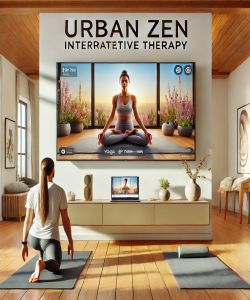
1. Overview of Urban Zen Integrative Therapy
Urban Zen Integrative Therapy represents a formidable, multi-modal approach to patient care, meticulously designed to address the primary symptoms associated with illness, rather than the disease pathology itself. This integrative framework is not a replacement for conventional medical treatment but functions as a powerful, complementary system aimed at alleviating the profound physical and emotional distress that accompanies medical conditions and their aggressive treatments. It operates on the foundational principle of treating the patient, not the disease, by focusing on a constellation of common symptoms including pain, anxiety, nausea, insomnia, constipation, and exhaustion. The methodology synthesises several distinct yet synergistic disciplines: yoga therapy, incorporating gentle movements, restorative poses, and breath awareness; Reiki, a subtle energy modality intended to promote deep relaxation and somatic balance; and essential oil therapy, which utilises clinical-grade aromatic compounds to manage symptoms and influence mood. Furthermore, it embeds the practice of contemplative care, ensuring that the practitioner-patient relationship is grounded in mindful presence, compassion, and unwavering support. This synthesis of practices creates a holistic and robust therapeutic environment, empowering patients by providing them with tools to manage their own well-being and navigate the often-harrowing landscape of illness with greater resilience and equanimity. It is a rigorously structured yet deeply compassionate modality, engineered for application within demanding clinical settings such as hospitals, hospices, and outpatient care centres, demanding a high level of proficiency and professionalism from its practitioners. Its purpose is unequivocal: to reduce patient suffering and enhance quality of life through a structured, evidence-informed, and integrative care model.
2. What are Urban Zen Integrative Therapy?
Urban Zen Integrative Therapy (UZIT) is a clinical, complementary care model that integrates a precise selection of therapeutic practices to manage patient symptoms and promote holistic well-being. It must be understood not as a singular treatment but as a sophisticated system of care, meticulously structured to work alongside, and in support of, conventional medical interventions. The core objective of UZIT is to proactively address the debilitating side effects of illness and its treatments, thereby improving the patient's overall experience and capacity for recovery. The modality is built upon the synthesis of five distinct and powerful elements. First is yoga therapy, which includes modified and gentle physical postures, restorative poses designed for deep rest, and highly specific breath awareness techniques to regulate the autonomic nervous system. Second is Reiki, a form of non-invasive energy therapy where the practitioner facilitates a state of profound relaxation to help balance the body’s energy systems. Third is essential oil therapy, which involves the clinical application of therapeutic-grade essential oils administered through olfaction or gentle topical application to target specific symptoms such as nausea or anxiety. Fourth is nutrition, providing guidance on anti-inflammatory and nourishing food choices to support the body’s healing processes. The final and binding element is contemplative care, which encompasses the practices of mindfulness, deep listening, and compassionate presence, ensuring the patient feels seen, heard, and held within a safe therapeutic container. Together, these practices form a cohesive and potent intervention designed to restore balance to the mind and body, providing patients with tangible tools for self-regulation and resilience in the face of significant health challenges.
3. Who Needs Urban Zen Integrative Therapy?
- Patients Undergoing Oncological Treatment: Individuals receiving chemotherapy, radiation, or other cancer therapies who contend with a severe symptom burden. This includes, but is not limited to, persistent nausea, debilitating fatigue, heightened anxiety related to their diagnosis and treatment protocol, and chronic pain which may not be fully managed by conventional analgesics. UZIT provides non-pharmacological tools to mitigate these specific side effects.
- Individuals in Palliative or Hospice Care: Patients facing life-limiting illnesses require comprehensive comfort care. UZIT is specifically designed to address end-of-life symptoms such as existential distress, insomnia, and profound exhaustion, aiming to enhance quality of life and provide a sense of peace and dignity during a critical life transition. The focus is squarely on comfort and symptom relief.
- Post-Operative Patients: Individuals in the recovery phase following major surgery often experience significant pain, anxiety about their recovery trajectory, and sleep disturbances. The gentle movements, breathwork, and relaxation techniques of UZIT can facilitate a smoother, more comfortable recovery process and help manage post-surgical constipation and stress.
- Persons with Chronic Pain Conditions: Those living with conditions such as fibromyalgia, arthritis, or chronic back pain require ongoing management strategies. UZIT offers self-regulation techniques through breathwork and mindful movement, whilst Reiki and essential oils can help modulate the perception of pain and calm a sensitised nervous system.
- Individuals with Severe Anxiety and Stress-Related Disorders: Persons experiencing generalised anxiety disorder, panic attacks, or post-traumatic stress disorder (PTSD) can benefit from the deep nervous system regulation offered by UZIT. The integrated practices directly target the physiological manifestations of stress, promoting a state of calm and providing coping mechanisms for daily life.
- Caregivers and Healthcare Professionals: Individuals providing care for others, whether in a professional or familial capacity, are at exceptionally high risk for burnout, compassion fatigue, and chronic stress. UZIT provides essential self-care tools and restorative practices to replenish their physical and emotional resources, ensuring their sustainability in demanding roles.
4. Origins and Evolution of Urban Zen Integrative Therapy
The genesis of Urban Zen Integrative Therapy (UZIT) is rooted in a direct and personal confrontation with the limitations of the conventional healthcare system in addressing patient suffering. It was conceptualised by the designer Donna Karan following her late husband's battle with cancer. During that period, she witnessed first-hand how the medical establishment, whilst technically proficient at treating disease, often failed to manage the profound emotional and physical distress—the pain, anxiety, and nausea—that accompanied the illness and its aggressive treatments. This experience illuminated a critical gap in patient care: the need to treat the person, not just the pathology.
In response, the Urban Zen Foundation was established with a clear mandate to drive change in healthcare, education, and culture preservation. The UZIT programme became its flagship initiative in the healthcare domain. Developed in close collaboration with leading medical professionals, yoga instructors, and complementary therapy experts, including Rodney Yee and Colleen Saidman Yee, the programme was engineered to be a credible, evidence-informed modality suitable for integration into mainstream clinical environments. The initial framework was built upon a synthesis of established practices: yoga therapy, Reiki, essential oil therapy, and contemplative care, chosen for their efficacy in symptom management and their non-invasive nature.
The evolution of the programme has been marked by a rigorous process of refinement and validation. Initial pilot programmes were launched in major medical institutions, allowing for the collection of data and feedback from both patients and clinical staff. This iterative process ensured the therapy was not only effective but also practical and scalable within the demanding, fast-paced context of a hospital or clinic. The curriculum was standardised, and a robust certification process was implemented to ensure that all Urban Zen Integrative Therapists met an exacting standard of proficiency, ethical conduct, and professional discipline. From its origins as a response to personal tragedy, UZIT has evolved into a globally recognised, professionalised integrative therapy programme, systematically addressing patient well-being and championing a more holistic and compassionate paradigm of healthcare.
5. Types of Urban Zen Integrative Therapy
The Urban Zen Integrative Therapy (UZIT) model is not delivered in distinct "types" in the way one might categorise different schools of psychotherapy. Instead, its structure is a singular, cohesive system whose application is precisely tailored to the patient's immediate condition and environment. The variations lie in the context of its delivery and the specific emphasis placed on its core components during a session.
- Clinical In-Patient Application: This is the primary and most intensive application of UZIT, delivered at the patient’s bedside in a hospital or other in-patient facility. The practitioner adapts every technique to the constraints of the clinical setting. Gentle movements may be performed in a hospital bed, breathwork is guided to manage acute pain or anxiety pre- or post-procedure, and essential oils are used with strict adherence to hospital protocols. The focus is on immediate symptom relief.
- Out-Patient and Private Practice Application: When delivered in an out-patient clinic or a private practice setting, the UZIT session can be more expansive. The patient is mobile and in a dedicated therapeutic space. This allows for a fuller range of restorative yoga postures on a mat, more extensive hands-on Reiki, and a more comprehensive consultation on nutrition and self-care practices to be implemented at home. The focus shifts towards building long-term resilience and self-management skills.
- Group Session Application: In certain contexts, such as for caregiver support groups or in wellness centres, UZIT may be delivered to a small group. In this format, the hands-on Reiki component is typically omitted or replaced with self-Reiki instruction. The emphasis is on guided restorative yoga, collective breathwork, and shared learning about essential oils and contemplative practices. It fosters a sense of community and shared experience.
- Online/Remote Application: A modern adaptation, this form of UZIT is delivered via secure video conferencing. The practitioner guides the client through all verbal and visual modalities, including gentle movements, self-Reiki, breathwork, and essential oil use. This format demands greater self-sufficiency from the client but provides critical accessibility for those who are homebound, geographically isolated, or in circumstances precluding in-person contact.
6. Benefits of Urban Zen Integrative Therapy
- Targeted Symptom Management: Provides direct, non-pharmacological relief from the primary symptoms associated with illness and medical treatments, specifically targeting pain, anxiety, nausea, insomnia, constipation, and exhaustion. This improves patient comfort and tolerance for necessary medical procedures.
- Nervous System Regulation: Utilises structured breathwork, restorative yoga, and Reiki to down-regulate the sympathetic nervous system (fight-or-flight response) and activate the parasympathetic nervous system (rest-and-digest response). This fosters a profound state of deep relaxation and reduces physiological stress markers.
- Enhanced Emotional and Psychological Resilience: Equips patients with practical, self-administered tools to manage emotional distress, fear, and existential suffering. The contemplative care component ensures patients feel supported and heard, fostering a greater sense of agency over their well-being.
- Improved Coping Mechanisms: Teaches patients tangible techniques they can use independently between sessions. This empowerment reduces feelings of helplessness and dependency, allowing individuals to become active participants in their own care and symptom management.
- Reduction in Caregiver Burnout: Offers vital support not only to patients but also to their caregivers. By providing restorative practices and stress management tools, it helps mitigate the immense physical and emotional toll of caregiving, promoting sustainability and well-being for the entire family unit.
- Complements Conventional Medical Care: Functions as a synergistic component of a patient’s overall treatment plan. It does not interfere with medical interventions but instead supports the patient’s ability to endure them, potentially leading to better treatment compliance and overall outcomes.
- Promotion of Holistic Well-being: Moves beyond mere symptom suppression to address the whole person—body, mind, and spirit. By integrating multiple modalities, it fosters a comprehensive sense of balance, peace, and wholeness, fundamentally enhancing the patient's quality of life regardless of their medical prognosis.
- Non-Invasive and Safe Application: All UZIT techniques are gentle, adaptable, and designed to be safely administered in a wide range of clinical settings, including at the bedside for critically ill or frail patients, with minimal risk of adverse effects.
7. Core Principles and Practices of Urban Zen Integrative Therapy
- Treating the Patient, Not the Disease: The foundational principle is an unwavering focus on the human being experiencing the illness. The therapy is directed at alleviating the person's suffering—their pain, fear, and discomfort—rather than attempting to cure the underlying pathology, which remains the domain of conventional medicine.
- Symptom-Oriented, Evidence-Informed Approach: The practice is not arbitrary; it is meticulously targeted at a specific constellation of symptoms: pain, anxiety, nausea, insomnia, constipation, and exhaustion (PANIC-E). Each integrated modality is selected and applied based on its established efficacy in mitigating these particular states of distress.
- Integration of Synergistic Modalities: The therapy's power lies in its synthesis of five core practices. These are not offered à la carte but are woven into a single, seamless session. The practices are:
- Gentle Yoga Therapy: Including restorative postures, mindful movement, and breathwork, all adaptable to any physical limitation, even for bed-bound patients.
- Reiki: A non-invasive energy modality to induce deep relaxation and promote somatic equilibrium, administered either hands-on or hands-off.
- Essential Oil Therapy: The clinical, mindful application of therapeutic-grade essential oils to manage symptoms like nausea and anxiety through targeted aromatic and topical use.
- Nutritional Guidance: Providing information on nourishing and anti-inflammatory food choices to support the body’s innate capacity for healing and comfort.
- Contemplative Care: The overarching practice of being fully present with the patient. It involves deep listening, compassion, and holding a space of non-judgmental acceptance, which is fundamental to the therapeutic relationship.
- Patient Empowerment and Self-Regulation: A central goal is to equip patients with simple, effective tools they can use for themselves. This fosters a sense of agency and self-efficacy, shifting the patient from a passive recipient of care to an active participant in their own well-being.
- Adaptability to Clinical Environments: Every practice and technique is designed to be modified for delivery in any setting, from a private wellness studio to an intensive care unit. This requires the practitioner to be highly skilled in adapting the modality to the patient's immediate physical state and environmental constraints.
8. Online Urban Zen Integrative Therapy
- Uncompromised Therapeutic Integrity: Online Urban Zen Integrative Therapy is not a diluted version of the in-person experience but a direct and robust translation of its core principles into a digital format. The fundamental goal remains unchanged: to provide comprehensive symptom management for pain, anxiety, nausea, insomnia, constipation, and exhaustion. The practitioner maintains the same level of professionalism, structure, and compassionate presence required of the modality.
- Adaptation of Modalities: The five core practices are skilfully adapted for remote delivery.
- Yoga Therapy: The practitioner provides clear, precise verbal cues and visual demonstrations for gentle movements, restorative poses, and breathwork, ensuring the client can follow safely and effectively in their own space.
- Reiki: This is administered as distant Reiki, a standard and established practice within the Reiki tradition, where the practitioner directs energy to the client without physical contact. It relies on the principle that energy is not bound by physical proximity.
- Essential Oil Therapy: The practitioner guides the client in the use of their own essential oils. Pre-session consultation ensures the client has the appropriate oils and understands the correct, safe methods for inhalation or self-application.
- Contemplative Care: This element translates powerfully to the online space. Through focused video connection, deep listening and mindful presence are fully conveyed, creating a strong and secure therapeutic container.
- Enhanced Accessibility and Continuity of Care: The online format removes geographical barriers, making UZIT accessible to individuals who are homebound, hospitalised without access to an on-site therapist, living in remote areas, or immuno-compromised. It ensures that vital care can be initiated and continued without interruption, irrespective of external circumstances.
- Client Empowerment and Environmental Control: The online setting inherently empowers the client to take an active role in preparing their therapeutic environment. They are responsible for creating a quiet, comfortable space, which can deepen their engagement with the practice and reinforce the self-management skills being taught. This act of preparation becomes part of the therapeutic process itself.
9. Urban Zen Integrative Therapy Techniques
- Initial Assessment and Intention Setting: The session commences with a focused dialogue. The practitioner employs deep listening to assess the client's primary symptoms (pain, anxiety, nausea, insomnia, etc.) and their current physical and emotional state. Together, they establish a clear intention for the session, ensuring the therapeutic work is precisely targeted to the client's most pressing needs.
- Guided Breath Awareness (Pranayama): The practitioner introduces a simple, yet profound, breathing technique, such as diaphragmatic breathing or a 1:2 breath ratio (exhale is twice as long as the inhale). They provide clear, calm instructions to guide the client’s focus to the physical sensation of the breath, immediately beginning the process of down-regulating the nervous system.
- Mindful, Gentle Movement: The practitioner leads the client through a series of slow, deliberate movements synchronised with the breath. These are not complex yoga postures but are adapted to the client’s capacity, often performed while seated or lying down. Examples include gentle neck rolls, spinal twists, or pelvic tilts to release physical tension.
- Restorative Poses: The client is guided into a fully supported resting posture using props such as pillows and blankets. A common example is the supported reclining pose (Savasana). This position is held for an extended period, allowing the body to enter a state of deep physiological rest and cellular repair.
- Essential Oil Application: Based on the initial assessment, the practitioner instructs the client on the mindful use of a specific essential oil. For anxiety, this may involve placing a drop of lavender on a tissue for inhalation. For nausea, it could be peppermint. The instruction is precise, focusing on the sensory experience to anchor the client in the present moment.
- Reiki Administration: Whilst the client is in the restorative pose, the practitioner administers Reiki. In person, this involves a light, non-invasive touch or holding the hands slightly above the body at key positions. Remotely, this is performed as distant Reiki, with the practitioner entering a meditative state and directing healing energy towards the client with focused intention.
- Body Scan Meditation: To deepen relaxation and integrate the work, the practitioner guides the client through a systematic body scan. They verbally direct the client’s attention to different parts of the body, encouraging them to notice sensations without judgment, which enhances somatic awareness and releases residual tension.
- Closing and Integration: The session concludes with a gentle return to full awareness. The practitioner offers a few final moments of silence, followed by a brief check-in to assess any shifts in the client's state. They may offer a simple practice to take away, reinforcing the principle of self-management.
10. Urban Zen Integrative Therapy for Adults
Urban Zen Integrative Therapy is a modality engineered with the explicit purpose of addressing the complex symptom burdens experienced by adults, particularly those navigating serious health challenges. Its application for this demographic is direct, pragmatic, and profoundly supportive. The system acknowledges the adult's capacity for self-awareness whilst also recognising the overwhelming nature of physical and emotional suffering that can accompany illness, chronic conditions, or severe life stress. For adults in clinical settings, such as those undergoing cancer treatment or in palliative care, the therapy offers a crucial layer of non-pharmacological support. It provides tangible methods to manage pain, mitigate the debilitating effects of nausea, and combat the profound exhaustion that conventional treatments can induce. The techniques are not esoteric; they are practical tools for physiological and psychological regulation. The breathwork directly targets the autonomic nervous system to quell anxiety, the restorative postures provide deep, cellular-level rest that sleep alone may not offer, and the guided meditations provide a mental anchor in the storm of a health crisis. For adults in the general population dealing with chronic stress, burnout, or anxiety disorders, UZIT serves as a powerful re-calibrating force. It teaches essential self-care and resilience skills, moving beyond temporary relief to instil lasting self-management capabilities. The contemplative care aspect is paramount, creating a professional and compassionate space where an adult client feels seen and heard without judgment, fostering the trust required for genuine therapeutic progress. It respects the individual's life experience while providing a structured, effective framework for restoring balance and improving quality of life.
11. Total Duration of Online Urban Zen Integrative Therapy
The standard duration for a single online Urban Zen Integrative Therapy session is rigorously established at one hour. This specific timeframe is not arbitrary but is a clinically considered construct, designed to maximise therapeutic efficacy whilst respecting the patient's energy and attention reserves, which are often compromised by illness or stress. Within this 1 hr period, the practitioner must expertly navigate through the distinct phases of the integrated modality in a seamless and unhurried manner. The initial segment is dedicated to a focused check-in and assessment, allowing the practitioner to ascertain the client’s immediate symptomatic needs and collaboratively set a clear intention for the session. The subsequent, and largest, portion of the hour is devoted to the application of the core therapeutic techniques: guided breathwork, gentle movement, and a deeply restorative posture, all supported by the appropriate use of essential oils and the continuous administration of distant Reiki. Each element is given sufficient time to take effect, allowing the client's nervous system to transition from a state of stress to one of profound rest. The final phase of the one-hour session is reserved for a gradual and gentle return to full awareness, a brief closing dialogue to integrate the experience, and the provision of a simple self-care technique for the client to practise independently. This structure ensures a complete therapeutic arc is achieved. A session shorter than one hour would feel rushed and incomplete, preventing the client from reaching the necessary depth of relaxation. A longer session risks becoming physically and emotionally taxing, particularly for frail or fatigued individuals. Therefore, the 1 hr duration is a mandatory and non-negotiable standard for professional practice.
12. Things to Consider with Urban Zen Integrative Therapy
A critical consideration when engaging with Urban Zen Integrative Therapy (UZIT) is its precise role within a broader healthcare context. It must be unequivocally understood that UZIT is a complementary modality, not an alternative to conventional medical treatment. Its purpose is to work in concert with, and in support of, medical doctors, oncologists, and other primary healthcare providers. It addresses the patient's experience of illness—the symptoms of pain, anxiety, and exhaustion—but it does not treat the underlying disease pathology. Any practitioner or client who misrepresents or misunderstands this fundamental distinction operates outside the ethical and professional boundaries of the practice. Furthermore, one must consider the absolute necessity of a qualified and certified practitioner. This is not a casual wellness activity; it is a clinical application of therapeutic techniques that requires extensive training, a deep understanding of its modalities, and the skill to adapt them safely for individuals in vulnerable states, including the critically ill. The practitioner’s ability to maintain professional boundaries, practise compassionate presence, and adhere to a strict code of conduct is paramount. Another vital consideration is the patient's own readiness and willingness to engage. While the techniques are gentle, they require a degree of active participation, even if it is only focused awareness. The therapy's effectiveness is magnified when the patient becomes an agent in their own care, utilising the self-management tools provided. The logistical and environmental setup, particularly for online sessions, must also be considered to ensure a safe, private, and quiet space conducive to deep relaxation.
13. Effectiveness of Urban Zen Integrative Therapy
The effectiveness of Urban Zen Integrative Therapy is predicated on its targeted, multi-pronged approach to symptom management rather than disease curation. Its success is not measured by the remission of a medical condition, but by quantifiable improvements in a patient's quality of life and a reduction in their subjective experience of suffering. The modality's efficacy stems from the synergistic combination of its core components, each of which is evidence-informed in its own right for addressing the targeted symptoms of pain, anxiety, nausea, insomnia, constipation, and exhaustion. For instance, the systematic application of breathwork and restorative yoga has a direct and well-documented impact on the autonomic nervous system, effectively shifting the body out of a chronic stress response and into a state conducive to rest and repair. This physiological shift is not merely a placebo effect; it is a measurable neurological and biological event. The use of clinical essential oils for nausea or anxiety provides a direct, non-pharmacological intervention that can be both immediate and profound. Simultaneously, the practice of Reiki induces deep relaxation that can alter the perception of pain and calm an agitated mind. When these are woven together within a container of compassionate, contemplative care, the result is a potent therapeutic intervention. Clinical and anecdotal reports from major healthcare institutions where the programme has been implemented consistently indicate high levels of patient satisfaction, with individuals reporting significantly lower levels of stress and pain, and an enhanced sense of well-being and personal agency, thereby validating its effectiveness as a vital component of integrative patient care.
14. Preferred Cautions During Urban Zen Integrative Therapy
Extreme caution must be exercised to ensure that Urban Zen Integrative Therapy is delivered with uncompromising safety and professionalism, particularly given its application with vulnerable populations. The foremost caution is the strict avoidance of any diagnostic language or medical advice. Practitioners are not physicians; they must never suggest alterations to prescribed medications, offer a prognosis, or interpret medical data. Their role is confined exclusively to symptom management through the approved UZIT modalities. A second critical caution involves the application of essential oils. The practitioner must be rigorously trained in their safe use, demonstrating a thorough understanding of contraindications, potential sensitivities, and appropriate dilution and application methods, especially within a clinical environment where patients may be highly sensitive or have respiratory compromises. All hospital or facility protocols regarding aromatics must be strictly adhered to without exception. Furthermore, physical touch, even the light touch of Reiki, requires explicit, informed consent from the patient before and during the session. The practitioner must remain acutely sensitive to the patient's verbal and non-verbal cues, ready to modify or cease physical contact immediately if discomfort arises. There can be no assumptions. Caution must also be applied to the physical movements; every posture must be adapted to the patient’s absolute capacity, avoiding any strain or risk of injury, particularly with frail, post-operative, or bed-bound individuals. Finally, maintaining impeccable professional and emotional boundaries is not preferred; it is mandatory. The contemplative care component demands empathy, but the practitioner must guard against emotional entanglement to ensure their own sustainability and maintain the integrity of the therapeutic relationship.
15. Urban Zen Integrative Therapy Course Outline
1: Foundations of Integrative Therapy and Contemplative Care
Core Principles of Urban Zen Integrative Therapy (UZIT)
Defining the Scope of Practice: The Role of the UZIT Practitioner
The Science of the Stress and Relaxation Response
Introduction to Contemplative Practice: Self-Inquiry, Presence, and Deep Listening
2: The Modality of Gentle Movement and Restorative Yoga
Anatomy and Physiology for Safe Practice
Chair Yoga and Bed Yoga: Adapting Poses for Clinical Settings
The Theory and Application of Restorative Yoga for Deep Relaxation
Sequencing for Symptom Management (Pain, Insomnia, Constipation)
3: The Modality of Breathwork and Body Scan Meditation
Pranayama Techniques for Nervous System Regulation
Matching Breathing Techniques to Specific Symptoms (Anxiety, Exhaustion)
The Practice of Guided Body Scan for Somatic Awareness
Leading Meditations in a Therapeutic Context
4: The Modality of Reiki
History and Principles of Reiki (Level I & II Attunements)
Hand Positions for Self-Treatment and Treatment of Others
Protocols for Administering Reiki in Clinical and Non-Clinical Settings
Distant Reiki: Theory and Practical Application for Remote Sessions
5: The Modality of Essential Oil Therapy
The Science of Aromatherapy for Symptom Management
Safety, Contraindications, and Clinical Protocols for Essential Oil Use
In-depth Study of Core Oils (Lavender, Peppermint, Frankincense)
Methods of Application: Olfactory, Aromatic, and Topical
6: Integration and Clinical Practicum
Synthesising all Modalities into a Cohesive 1-Hour Session
Case Studies and Role-Playing Scenarios
Ethics, Professional Boundaries, and Patient Communication
Supervised Clinical Practice and Mentorship
16. Detailed Objectives with Timeline of Urban Zen Integrative Therapy
- Immediate Objectives (Within the first 10-15 minutes of a session):
- Establish a secure and confidential therapeutic container through calm, professional communication.
- Conduct a precise verbal assessment to identify the client's most acute symptoms within the PANIC-E framework (Pain, Anxiety, Nausea, Insomnia, Constipation, Exhaustion).
- Collaboratively set a clear, achievable intention for the session (e.g., "to soften the pain in the lower back," or "to quieten anxious thoughts").
- Initiate nervous system down-regulation by guiding the client into conscious, diaphragmatic breathing, establishing a foundation of calm.
- Mid-Session Objectives (15-45 minutes into the session):
- Systematically release physical tension through guided, gentle movements, adapted to the client’s physical capacity.
- Transition the client into a fully supported restorative posture to facilitate profound physiological rest and minimise sensory input.
- Administer the chosen therapeutic modalities (Reiki and/or essential oil therapy) to address the specific, stated intention of the session.
- Guide the client into a state of deep somatic awareness, encouraging non-judgmental observation of bodily sensations and promoting a state of mindful presence.
- End-of-Session Objectives (Final 15 minutes of the session):
- Gently and gradually guide the client back to full waking consciousness, avoiding any abrupt transitions that could jar the nervous system.
- Facilitate a brief integration period, allowing the client to notice any shifts in their physical or emotional state.
- Conduct a concise post-session check-in to assess the immediate impact on the targeted symptoms.
- Empower the client by providing one simple, memorable self-care technique (e.g., a breathing exercise or self-Reiki hand position) to practise independently, thereby reinforcing their agency in their own well-being.
- Long-Term Objectives (Across multiple sessions):
- Observe a consistent, cumulative reduction in the client's baseline symptom severity.
- Enhance the client's emotional resilience and improve their capacity to cope with their health condition or life stressors.
- Firmly embed self-regulation skills, enabling the client to utilise UZIT techniques autonomously as needed.
- Foster a sustained improvement in the client’s overall quality of life, irrespective of their medical prognosis.
17. Requirements for Taking Online Urban Zen Integrative Therapy
To engage effectively and safely in an online Urban Zen Integrative Therapy session, the following requirements are not optional suggestions but mandatory prerequisites for the client.
- Stable and Secure Technology: The client must possess a reliable, high-speed internet connection. A weak or intermittent signal will disrupt the therapeutic flow and compromise the integrity of the session. A device with a high-quality camera and microphone (such as a laptop, tablet, or desktop computer) is essential for clear visual and auditory communication.
- A Private and Uninterrupted Space: The client is responsible for securing a physical environment that is completely private and free from potential interruptions for the full duration of the session. This means silencing all other devices, informing household members not to disturb, and ensuring pets are contained elsewhere. The space must be a sanctuary.
- Appropriate Physical Setup and Props: The client must prepare their space with necessary comfort items. This includes a comfortable place to sit and lie down, such as a yoga mat, a bed, or a sofa. A collection of supportive props is required, which typically includes several pillows or cushions of various sizes and at least one or two blankets.
- Client Candour and Communication: The client must be willing and able to communicate openly and honestly with the practitioner about their physical sensations, emotional state, and any discomfort that arises. The remote nature of the session makes this transparent feedback absolutely critical for safety and effectiveness.
- Physical and Emotional Stability: Whilst the therapy is designed for those with significant health challenges, the client must be sufficiently stable to participate. This means they should not be in a state of acute medical crisis that requires immediate emergency intervention. A preliminary screening by the practitioner is essential to determine suitability.
- Acquisition of Essential Oils (If Applicable): If essential oil therapy is to be a component of the session, the client must acquire the specific, high-quality essential oils recommended by the practitioner in advance of the appointment.
- Commitment to Active Participation: The client must understand that this is not a passive experience. They are required to actively listen to instructions, engage with the breathing and movement cues, and focus their attention as guided by the practitioner.
18. Things to Keep in Mind Before Starting Online Urban Zen Integrative Therapy
Before commencing an online Urban Zen Integrative Therapy programme, it is imperative to adopt a mindset of proactive responsibility and realistic expectation. You are not a passive recipient of a service; you are an active collaborator in a therapeutic process. Your primary responsibility is the meticulous preparation of your environment. This is a non-negotiable prerequisite for success. The space you designate must be an absolute sanctuary, devoid of all potential distractions from technology, family members, or pets. Its sanctity directly influences the depth of relaxation you can achieve. Furthermore, you must approach the technology with due diligence, testing your internet connection, camera, and audio well in advance of the scheduled session to pre-empt any technical failures that would otherwise shatter the therapeutic container. It is also crucial to manage your expectations. Whilst the therapy is potent, it is a process, not a panacea. Profound shifts can occur in a single session, but lasting change in chronic conditions is built upon consistent practice and integration. You must be prepared to engage fully, to listen intently to the practitioner’s guidance, and to attempt the techniques with an open and non-judgmental attitude. This includes being candid about any physical or emotional discomfort you experience. The practitioner relies entirely on your verbal feedback to ensure your safety and to tailor the session effectively. Finally, you must clearly understand the modality's scope: it is here to help you manage your symptoms and improve your quality of life, not to cure your underlying medical condition. This distinction is the bedrock of a safe and effective therapeutic engagement.
19. Qualifications Required to Perform Urban Zen Integrative Therapy
The performance of Urban Zen Integrative Therapy (UZIT) is restricted to individuals who have successfully completed the rigorous, multi-faceted certification programme sanctioned by the Urban Zen Foundation. This is not a weekend workshop or a casual qualification; it is a demanding professional training that ensures a high standard of competence, safety, and ethical conduct. A certified Urban Zen Integrative Therapist (UZIT) is required to possess demonstrated proficiency in all five core modalities of the system. The specific qualifications and training components are as follows:
- Comprehensive UZIT Certification: The primary qualification is the successful completion of the foundational UZIT training programme, which typically involves hundreds of hours of intensive instruction, practice, and mentorship. This programme covers the theory and application of all five pillars.
- Proficiency in Yoga Therapy: The practitioner must demonstrate a deep understanding of restorative yoga, gentle movement, and adaptive yoga for clinical populations. Often, this requires a pre-existing yoga teacher certification (e.g., RYT-200 or higher) as a prerequisite for entry into the UZIT programme. They must be experts in using props and modifying postures for any physical limitation.
- Certified Reiki Practitioner: The therapist must be attuned to at least Reiki Level II. This ensures they have a thorough understanding of Reiki principles, hand positions for in-person and distant healing, and the ethics associated with energy work.
- Training in Clinical Essential Oil Therapy: The practitioner must be trained in the safe and effective clinical application of essential oils. This includes knowledge of the properties of core oils, contraindications, proper dilution, and methods of administration suitable for sensitive individuals and hospital environments.
- Training in Contemplative Care: A core component of the certification is intensive training in mindfulness, deep listening, and holding compassionate presence. The practitioner must demonstrate the ability to create a safe, non-judgmental therapeutic space for individuals in profound distress.
Beyond these specific modality trainings, the certified therapist must have completed a supervised clinical practicum, working with patients in real-world settings like hospitals or hospices. This ensures they can skilfully integrate all components into a seamless, effective, one-hour session under demanding conditions.
20. Online Vs Offline/Onsite Urban Zen Integrative Therapy
Online
The online delivery of Urban Zen Integrative Therapy is defined by accessibility and client empowerment. Its primary advantage is the dissolution of geographical barriers, allowing individuals who are homebound, hospitalised, or located in remote areas to receive consistent and vital care. This modality demands a higher degree of self-sufficiency from the client, who becomes responsible for curating their own therapeutic environment—securing a private space and arranging props like pillows and blankets. The hands-on components are necessarily adapted. Reiki is administered as distant Reiki, a standard and effective technique that does not require physical proximity. Guidance for gentle movement and restorative poses relies on precise verbal cueing and visual demonstration from the practitioner. Essential oil therapy is facilitated through client self-application under the practitioner's expert instruction. The entire session is contingent upon stable technology, and the therapeutic alliance is built through the focused lens of a camera, requiring intense presence and clear communication from both parties. It places the tools of self-regulation directly into the client's hands within their own environment.
Offline/Onsite
The offline, or onsite, application of Urban Zen Integrative Therapy is characterised by direct physical presence and a controlled therapeutic environment. Delivered in a clinic, hospital room, or dedicated studio, the practitioner manages all aspects of the physical space, from lighting and temperature to the expert arrangement of props for restorative postures. This allows the client to surrender more passively into the experience. The most significant difference lies in the ability to use direct, hands-on touch. The practitioner can offer gentle physical assists to refine alignment in a pose and can administer Reiki with a light, comforting touch on or above the body, which for many, enhances the sense of connection and care. The practitioner can make immediate, subtle adjustments based on direct observation of the client's breathing patterns and physical state. This modality eliminates any potential for technological failure and may be better suited for individuals who are less comfortable with technology or who derive significant benefit from direct human contact.
21. FAQs About Online Urban Zen Integrative Therapy
Question 1. Is online UZIT as effective as an in-person session? Answer: Yes, for the right candidate. Its effectiveness relies on the client's ability to prepare their space and engage with verbal instruction. The core principles and therapeutic goals are identical, and distant Reiki is an established, effective practice.
Question 2. How is Reiki performed online? Answer: The practitioner performs "distant Reiki." After gaining consent, they enter a meditative state and direct healing energy to you with focused intention, just as they would in person, based on the principle that energy is not confined by distance.
Question 3. What technology do I need? Answer: You require a stable, high-speed internet connection and a device (laptop, tablet, or computer) with a functioning camera and microphone.
Question 4. Do I need to be a "yoga person" to do this? Answer: Absolutely not. The movements are extremely gentle, mindful, and can be done in a chair or even a bed. It is not a yoga class; it is therapy that uses gentle movement.
Question 5. What if I do not have essential oils? Answer: The session can be conducted effectively without them. However, for the full integrated experience, your practitioner will recommend a few key oils for you to acquire in advance.
Question 6. How do I prepare my space? Answer: Choose a quiet, private room where you will not be disturbed. Dim the lights. You will need a comfortable place to lie down (mat, bed, sofa) and have several pillows and blankets readily available for support.
Question 7. What should I wear? Answer: Wear loose, comfortable, non-restrictive clothing that you can easily move and rest in.
Question 8. Is the session confidential? Answer: Yes. Practitioners are bound by a strict code of ethics. They will use a secure video conferencing platform, and you are responsible for ensuring your own environment is private.
Question 9. Who is not a good candidate for an online session? Answer: Individuals in an acute medical emergency, those unable to follow verbal instructions, or anyone lacking a private space and the required technology would be better served by in-person care.
Question 10. Can I do the session from my hospital bed? Answer: Yes, absolutely. The therapy is designed to be adapted to any environment, including a hospital bed, provided you have a device and internet access.
Question 11. What is the practitioner doing when they are quiet? Answer: During periods of silence, especially when you are in a restorative pose, the practitioner is holding a contemplative space, administering distant Reiki, and mindfully observing your state of rest.
Question 12. What if I fall asleep? Answer: This is very common and is seen as a positive sign that your body is entering a state of deep relaxation. The practitioner will gently guide you back at the end of the session.
Question 13. Do I need my camera on for the whole session? Answer: Yes. The practitioner must be able to see you to ensure you are safe and to guide the movements and assess your state of relaxation effectively.
Question 14. How will I feel afterwards? Answer: Most people report feeling profoundly calm, grounded, and rested. It is advisable to have a quiet period after the session to allow the benefits to integrate fully.
Question 15. Is this therapy covered by insurance? Answer: This varies significantly by provider and plan. It is the client’s responsibility to check with their insurance company regarding coverage for integrative therapies.
Question 16. Can I talk during the session? Answer: You should immediately voice any physical or emotional discomfort. Otherwise, talking is minimal to facilitate a meditative state, with primary dialogue occurring at the beginning and end.
22. Conclusion About Urban Zen Integrative Therapy
In conclusion, Urban Zen Integrative Therapy stands as a disciplined, robust, and profoundly compassionate response to a critical deficiency in modern healthcare: the management of human suffering. It does not seek to replace or challenge conventional medicine but to augment it, providing a structured, multi-modal framework for alleviating the debilitating symptoms that accompany illness. By masterfully integrating the distinct yet synergistic practices of gentle yoga, Reiki, essential oil therapy, and contemplative care, it offers patients more than mere distraction; it provides them with tangible, physiological, and psychological tools for self-regulation and resilience. Its unwavering focus on treating the person rather than the disease reclaims a vital element of humanistic care that is often lost in purely clinical environments. The rigorous training and certification process ensures that its practitioners operate with the highest degree of professionalism, safety, and ethical integrity, making it a credible and reliable modality for integration into hospitals, hospices, and private practice. Whether delivered in person or online, UZIT’s purpose remains resolute: to reduce pain, calm anxiety, and restore a sense of agency and peace to individuals navigating their most vulnerable moments. It is not merely a "wellness" practice; it is a serious therapeutic intervention designed to enhance quality of life and fundamentally change the experience of being a patient.