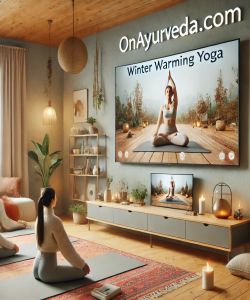
Overview of Winter Warming Yoga
Winter Warming Yoga constitutes a highly strategic and disciplined application of yogic science, specifically engineered to counteract the pervasive physiological and psychological stressors imposed by cold-weather environments. It is not a distinct lineage but rather a focused methodology that leverages specific asanas (postures), pranayama (breathing techniques), and krama (sequencing) to generate profound internal heat, or tapas. The core objective is to stoke the body’s metabolic furnace—the agni—thereby enhancing circulation, fortifying the immune system, and combating the lethargy and low mood frequently associated with reduced daylight and colder temperatures. This practice is characterised by its dynamic, vigorous nature, often incorporating fluid Vinyasa flows, sustained powerful postures, and forceful breathwork to systematically elevate core body temperature. Practitioners are guided to move with relentless purpose, transforming physical exertion into a purifying internal fire that expels stagnation from both the physical and energetic bodies. It is a proactive, powerful intervention designed to build resilience, cultivate inner strength, and maintain peak vitality when the external environment is at its most challenging. Far from being a gentle, restorative practice, Winter Warming Yoga is an assertive declaration of an individual's capacity to generate their own energy and warmth from within, demanding focus, discipline, and a commitment to vigorous self-cultivation. It serves as an essential tool for those determined not merely to endure the winter months, but to master them with unwavering energy and fortitude. The practice is therefore a testament to the yogic principle of self-reliance, empowering the individual to become an internal source of light and heat, independent of external conditions. This potent synthesis of movement and breath ensures the body remains pliable, the mind clear, and the spirit resilient against the seasonal descent into cold and darkness, establishing it as a critical component of a comprehensive wellness strategy.
What are Winter Warming Yoga?
Winter Warming Yoga is a specialised, purpose-driven approach to yoga practice, meticulously designed to cultivate internal thermogenesis and counteract the effects of a cold climate. It is crucial to understand that this is not a singular, branded style like Ashtanga or Bikram, but rather a methodological framework that can be applied within various dynamic yoga systems. The fundamental aim is to intentionally generate and sustain internal heat, known in yogic philosophy as tapas, to purify the body, invigorate the circulatory system, and stimulate the metabolism. This is achieved through a deliberate synthesis of specific techniques that collectively stoke the internal fire, or agni.
The core components that define this practice are as follows:
Dynamic Vinyasa Sequencing: The practice is heavily reliant on Vinyasa, the principle of synchronising breath with continuous, flowing movement. This constant motion elevates the heart rate and builds cardiovascular heat systematically and efficiently. Transitions between postures are as important as the postures themselves, creating an uninterrupted, heat-building dance.
Heat-Generating Asanas: The sequences prioritise postures known for their capacity to challenge major muscle groups and demand significant energy expenditure. This includes holding powerful standing poses like the Warrior series (Virabhadrasana), Chair Pose (Utkatasana), and dynamic core-strengthening exercises.
Specific Pranayama Techniques: Potent breathing exercises are integral. Ujjayi Pranayama (Victorious Breath) is used throughout the physical practice to warm the air as it enters the body and to build a stable container for internal energy. The practice may also begin or end with more forceful techniques like Kapalabhati (Skull Shining Breath) or Bhastrika (Bellows Breath), which are explicitly designed to rapidly increase internal fire and energy levels.
Utilisation of Bandhas: The engagement of internal energy locks—Mula Bandha (Root Lock) and Uddiyana Bandha (Abdominal Lock)—is non-negotiable. These locks prevent the generated heat and prana (life force energy) from dissipating, instead concentrating and directing it throughout the body for maximum effect.
Who Needs Winter Warming Yoga?
Individuals Residing in Cold Climates: Persons living in regions with harsh, prolonged winters are the primary candidates. The practice directly mitigates the physiological impacts of cold, such as poor circulation, muscle stiffness, and a suppressed immune system, by generating significant internal heat and stimulating blood flow to the extremities.
Sufferers of Seasonal Affective Disorder (SAD): Those who experience lethargy, low mood, and decreased motivation during winter months will find this practice a powerful antidote. The vigorous physical exertion and focused breathwork stimulate the production of endorphins, elevate energy levels, and provide a tangible sense of empowerment and mental clarity.
Individuals with Poor Circulation: People who consistently suffer from cold hands and feet or conditions like Raynaud's phenomenon will derive direct and substantial benefit. The dynamic sequences and targeted pranayama act as a potent circulatory stimulant, forcing warm, oxygenated blood to the body's periphery.
Athletes and Physically Active Individuals: During colder seasons, muscles and connective tissues are more prone to injury. This practice maintains tissue pliability and warmth, reducing the risk of strains and tears during other athletic pursuits. It serves as an effective cross-training modality for maintaining core strength and flexibility.
Those with Sedentary Lifestyles: Individuals engaged in desk-bound professions often experience physical and energetic stagnation, which is exacerbated by winter's natural call to hibernate. Winter Warming Yoga forcefully breaks this pattern, boosting metabolism, improving posture, and counteracting the sluggishness associated with inactivity.
Persons Seeking to Fortify Their Immune System: The practice is designed to support immune function. The combination of deep twisting postures, which massage the internal organs, and increased lymphatic circulation, driven by muscular contraction, aids in the body’s natural detoxification and defence processes.
Practitioners Feeling Energetically ‘Stuck’: Anyone experiencing a sense of mental or emotional inertia will benefit. The discipline and fire of the practice act as a catalyst for breaking through blockages, fostering a sense of resilience, determination, and forward momentum.
Origins and Evolution of Winter Warming Yoga
The conceptual framework of Winter Warming Yoga is not a modern contrivance but is deeply rooted in ancient yogic principles that have been understood and practised for millennia. The origins are not found in a single text that names the practice as such, but in the foundational concepts of tapas and agni that permeate classical yogic literature. Tapas, as described in Patanjali's Yoga Sutras, refers to the practice of disciplined austerity and the generation of purifying heat through intense effort. This internal fire was considered essential for burning away physical and mental impurities, forging a strong will, and preparing the body for higher states of awareness. This philosophical underpinning provides the ancient mandate for any physically rigorous yoga practice designed to create internal heat.
Similarly, the concept of agni, or digestive and metabolic fire, is central to both Yoga and its sister science, Ayurveda. Hatha Yoga texts, such as the Hatha Yoga Pradipika, detail specific pranayama techniques like Bhastrika and bandhas (energy locks) explicitly for the purpose of stoking this internal fire. The aim was to optimise digestion, assimilation, and energy production, ensuring the body operated at peak efficiency. These ancient practitioners understood that a strong internal fire was synonymous with health, vitality, and longevity, while a weak fire led to stagnation, disease, and lethargy—symptoms directly mirroring the challenges of winter. The physical practices were therefore a direct means of tending to this vital internal flame.
The modern evolution of Winter Warming Yoga represents a conscious curation and application of these ancient principles to address contemporary needs. In the 20th century, the development of dynamic, physically demanding styles like the Ashtanga Vinyasa system, as codified by K. Pattabhi Jois, provided a clear, systematic methodology for generating intense, predictable internal heat. This system, with its unbroken sequences and emphasis on Ujjayi breath, became a cornerstone for modern warming practices. Today, instructors consciously design "Winter Warming" classes by drawing upon the intensity of Ashtanga, the fluidity of Vinyasa, and the potent pranayama of Hatha traditions. This evolution is a targeted response to modern lifestyles, where seasonal challenges are compounded by sedentary work and insulated environments, making the deliberate cultivation of internal fire more critical than ever.
Types of Winter Warming Yoga
Warming Vinyasa Flow: This is a highly adaptable approach where postures are fluidly linked together in a continuous sequence synchronised with the breath. For winter purposes, the sequencing is specifically designed to be relentless and dynamic, minimising static holds and maximising movement. The focus is on generating cardiovascular heat and maintaining an elevated heart rate through sun salutations, standing pose series, and core-intensive transitions.
Ashtanga Vinyasa Yoga: A traditional and highly structured system that is inherently warming by its very design. Practitioners follow a precise, fixed series of postures, linking each with a specific Vinyasa. The unyielding pace, combined with the constant use of Ujjayi breath and bandhas, systematically produces an intense, purifying internal heat and a profuse sweat, regardless of the external temperature.
Power Yoga: A modern, fitness-centric adaptation derived from the Ashtanga tradition. Power Yoga dispenses with the fixed sequence of Ashtanga, allowing instructors more freedom to create challenging and varied classes. Its defining characteristic is a focus on building strength and stamina, employing longer holds in demanding postures and incorporating upper body and core work to generate substantial muscular and metabolic heat.
Pranayama-Focused Practice: While asana is a key component, some warming practices place primary emphasis on specific breathing techniques. A session may begin with an extended period of forceful pranayama, such as Bhastrika (Bellows Breath) or Kapalabhati (Skull Shining Breath), to rapidly stoke the internal fire (agni) before moving into a physical flow. This type directly manipulates the body’s energy and temperature through breath control.
Kundalini Yoga: This school of yoga, as taught by Yogi Bhajan, utilises a unique combination of dynamic movement, repetitive exercises (kriyas), powerful breathwork (like the Breath of Fire), mantra, and meditation. Many kriyas are specifically designed to activate the energy at the base of the spine and move it upwards, a process that generates immense heat and a powerful energetic charge throughout the body.
Benefits of Winter Warming Yoga
Enhanced Thermoregulation: The practice systematically trains the body’s internal heating mechanisms. Through vigorous muscular engagement and specific pranayama, it stimulates the metabolic processes responsible for heat production, improving the body's innate ability to maintain a stable core temperature and adapt to cold external environments.
Superior Circulatory Function: Dynamic, continuous movement acts as a powerful pump for the circulatory system. It forces warm, oxygenated blood to flow more efficiently throughout the body, critically reaching the peripheral capillaries in the hands and feet, thereby combating the discomfort and potential tissue damage associated with poor circulation in winter.
Fortified Immune Response: The practice supports the immune system through multiple pathways. The generation of heat can create an inhospitable environment for certain pathogens. Furthermore, the muscular contractions and deep twisting postures stimulate lymphatic drainage, accelerating the removal of metabolic waste and improving the circulation of immune cells.
Alleviation of Seasonal Affective Disorder (SAD) Symptoms: Winter Warming Yoga directly counters the lethargy, mental fog, and low mood associated with SAD. The intense physical exertion triggers the release of endorphins and other mood-elevating neurotransmitters, while the required focus and discipline provide a powerful sense of agency and accomplishment.
Increased Metabolic Rate: The demanding nature of the practice significantly elevates the body’s metabolic rate, both during and after the session. This aids in managing weight, improves digestive efficiency by stoking the agni (digestive fire), and enhances overall energy levels, counteracting the natural tendency towards sluggishness in winter.
Maintained Musculoskeletal Health: Cold weather causes muscles and connective tissues to become tight and less pliable, increasing the risk of injury. This practice ensures that muscles, ligaments, and tendons remain warm, supple, and resilient, preserving flexibility and reducing the likelihood of strains or sprains.
Cultivation of Mental Resilience: The discipline required to engage in a challenging, heat-building practice when the instinct is to hibernate forges profound mental and emotional fortitude. It builds willpower, focus, and a resilient mindset capable of overcoming external challenges.
Core Principles and Practices of Winter Warming Yoga
The Principle of Tapas (Purifying Heat): This is the foundational philosophical principle. Tapas is the conscious and disciplined application of effort to generate an internal, purifying fire. In this context, every movement and every breath is performed with the deliberate intention of stoking this fire to burn away physical stagnation, mental lethargy, and emotional impurities. It is a commitment to rigorous self-discipline.
Unbroken Synchronicity of Breath and Movement (Vinyasa): The core practice is the non-negotiable linking of one breath to one movement. This creates a seamless, meditative flow that builds heat systematically. The breath initiates the movement, ensuring that the practice is driven by an internal rhythm, not by external momentum. This synchronicity transforms a series of postures into a powerful, heat-generating engine.
Dominance of Ujjayi Pranayama (Victorious Breath): This specific breathing technique is maintained throughout the entire asana practice. It involves a slight constriction at the back of the throat, creating an audible, oceanic sound. Ujjayi breath serves two critical functions: it warms the air before it enters the lungs, and it acts as a regulator for the nervous system, allowing the practitioner to remain calm and focused amidst intense physical effort.
Intelligent and Progressive Sequencing (Vinyasa Krama): The sequence of postures is not random. It follows a logical progression, or krama, designed to build heat safely and effectively. The practice begins with warming movements like Sun Salutations and progresses through a challenging series of standing postures, deep twists, and core work before reaching a peak pose, followed by a controlled cool-down.
Application of Bandhas (Energy Locks): The consistent engagement of Mula Bandha (Root Lock) and Uddiyana Bandha (Abdominal Lock) is essential. These internal locks act as containers for the heat and prana (life-force energy) generated during the practice. By preventing energy from dissipating, they intensify the internal heat and direct it purposefully throughout the body’s energy channels.
Online Winter Warming Yoga
Unconditional Accessibility and Consistency: The online format eradicates geographical and logistical barriers. Practitioners are no longer constrained by proximity to a suitable studio, inclement weather, or travel time. This unparalleled access facilitates the rigorous and consistent practice necessary to derive the full physiological and psychological benefits, ensuring discipline is maintained throughout the winter season.
Absolute Environmental Control: The practitioner possesses complete authority over their immediate practice environment. The ambient temperature can be precisely regulated to support the body’s heat-generation process without creating a reliance on external heating. This allows for a more authentic cultivation of internal tapas, as the body must work efficiently to create its own warmth in a controlled, neutral setting.
Enhanced Internal Focus (Pratyahara): Practising within a personal, private space minimises external distractions common in a group studio environment, such as social comparison or performance anxiety. This seclusion encourages a deeper state of introversion, or pratyahara (sense withdrawal), enabling the practitioner to become acutely attuned to the subtle internal sensations of heat, energy flow, and breath.
Cultivation of Personal Accountability: The online modality demands a higher degree of self-discipline and accountability. Without the immediate physical presence of an instructor for hands-on adjustments, the practitioner is compelled to develop superior body awareness, listen intently to verbal cues, and take full responsibility for their alignment and effort, fostering a more mature and self-reliant practice.
Access to Niche Expertise: The digital landscape provides access to highly specialised instructors who focus exclusively on warming practices, Vinyasa Krama, and advanced pranayama. Practitioners are no longer limited to local teaching talent and can seek out world-class instruction that aligns precisely with their objective of mastering internal heat generation, regardless of their physical location. This democratisation of expertise elevates the quality and integrity of the home practice.
Winter Warming Yoga Techniques
Phase One: Ignition through Pranayama. Commence in a stable, seated position. The practice must begin not with physical stretching, but with breathwork designed to stoke the internal fire. Execute three rounds of Kapalabhati (Skull Shining Breath), consisting of 30 to 50 sharp, forceful exhalations followed by a deep inhalation and breath retention. This action directly stimulates the solar plexus and begins the process of building a base layer of internal heat.
Phase Two: Dynamic Warm-Up via Surya Namaskar. Immediately transition to the front of the mat and begin a continuous, briskly paced series of Sun Salutations (Surya Namaskar A and B). Execute a minimum of five rounds of each. The movement must be strictly synchronised with Ujjayi Pranayama. The objective is to create a seamless, non-stop flow that elevates the heart rate and begins to warm the major muscle groups and joints of the body.
Phase Three: Building Intensity with a Standing Sequence. Move directly from the final Sun Salutation into a robust and challenging sequence of standing postures. Prioritise asanas that engage the large muscles of the legs and core, such as Utkatasana (Chair Pose), Virabhadrasana I, II, and III (Warrior series), and Parivrtta Trikonasana (Revolved Triangle Pose). Hold each posture for no more than five deep Ujjayi breaths before flowing intelligently to the next, maintaining momentum.
Phase Four: Core Condensation and Twisting. Transition to the floor for a concentrated series of core-strengthening postures, such as Navasana (Boat Pose), and deep, compressive twists like Ardha Matsyendrasana. The engagement of the core further concentrates heat in the body's centre, while twisting massages the internal organs, stimulating the digestive fire (agni) and promoting detoxification.
Phase Five: Controlled De-escalation and Absorption. Conclude the vigorous portion of the practice. Do not stop abruptly. Gradually reduce the intensity with seated forward bends, such as Paschimottanasana, to calm the nervous system. The practice must culminate in a mandatory Savasana (Corpse Pose) for a minimum of five minutes. This final phase is critical for allowing the body to absorb and integrate the generated heat and energy, ensuring a balanced and complete practice.
Winter Warming Yoga for Adults
Winter Warming Yoga presents a formidable and highly effective methodology for the adult population, directly addressing the unique physiological and lifestyle challenges that emerge and intensify with age and during the colder seasons. For adults, who often contend with a naturally declining metabolic rate, increased susceptibility to joint stiffness, and the pervasive effects of a sedentary professional life, this practice is not a mere fitness choice but a strategic intervention. It forcefully counteracts the physical and energetic stagnation that can become entrenched over time. The vigorous, flowing sequences demand full-body engagement, stimulating sluggish circulation and driving vital oxygenated blood to tissues and extremities, which is critical for maintaining musculoskeletal health and cognitive function. Furthermore, the emphasis on generating internal heat provides a profound therapeutic benefit for stiff joints and tight muscles, promoting flexibility and reducing the chronic aches that are often exacerbated by cold, damp weather. Beyond the purely physical, the practice serves as a potent tool for mental and emotional regulation. It provides a structured and disciplined outlet for stress, builds resilience against the psychological weight of winter, and cultivates a powerful sense of self-reliance and vitality. For the adult practitioner, mastering the ability to generate one's own internal warmth and energy is an act of empowerment, a definitive statement of control over one’s own wellbeing in the face of external and internal challenges. It is a mature practice for those committed to proactive self-preservation and the cultivation of enduring strength. The discipline it demands forges not just a resilient body, but also a resilient mind, capable of navigating the complexities of adult life with focus and vigour.
Total Duration of Online Winter Warming Yoga
The designated and optimal total duration for a comprehensive and effective online Winter Warming Yoga session is precisely 1 hr. This 60-minute timeframe is not an arbitrary suggestion but a functional necessity, dictated by the physiological objectives inherent to the practice. A session of this length allows for the methodical and unhurried progression through all critical phases required to safely and effectively generate, sustain, and integrate internal heat. An initial period of approximately ten minutes is required for centering and potent, heat-building pranayama, such as Kapalabhati or Bhastrika, which serves to ignite the internal fire. This is followed by the core of the practice, a vigorous and continuous asana sequence lasting around forty minutes. This substantial period is non-negotiable, as it provides the necessary time to work through dynamic warm-ups like Surya Namaskar and delve into a challenging standing and seated sequence that builds to a peak of thermogenesis. To curtail this central phase would be to fundamentally compromise the practice's primary goal. The final ten minutes are equally indispensable, allocated for a controlled cool-down, counter-postures, and a concluding Savasana. This final stage is crucial for allowing the nervous system to down-regulate and for the body to absorb and distribute the cultivated energy, preventing jarring transitions and ensuring the practitioner leaves the session feeling energised yet balanced. Any duration less than 1 hr is insufficient to achieve the required physiological depth, while significantly extending it risks depleling energy reserves and leading to exhaustion rather than revitalisation. Therefore, the 1 hr structure stands as the professional standard for a complete and responsibly led online session.
Things to Consider with Winter Warming Yoga
When engaging in the rigorous discipline of Winter Warming Yoga, several critical factors demand careful and continuous consideration to ensure the practice remains therapeutic and avoids becoming injurious. Foremost is the absolute necessity of distinguishing between the productive sensation of muscular effort and the sharp, definitive signal of pain. The ego can drive a practitioner to push beyond sensible limits in a heat-building practice; this impulse must be governed by intelligence and self-awareness. Hydration is another paramount concern. Although the external environment may be cold, the internal environment becomes extremely hot, leading to significant perspiration and fluid loss that must be diligently replenished before and after the session. Furthermore, one must cultivate an honest assessment of one’s daily energy levels. While the practice is designed to build energy, attempting a full, vigorous session on a day of profound exhaustion can be counterproductive, depleting reserves rather than building them. In such instances, a modified, less intense practice is the more disciplined choice. The practice environment, even when online, requires strategic thought. The room should be comfortably warm to prevent muscles from chilling rapidly between sequences, but not so hot as to create a false sense of flexibility, which is a primary catalyst for overstretching and ligament strain. Finally, it is imperative to balance this yang style of practice with sufficient yin or restorative elements within one’s broader yoga regimen. A relentless pursuit of heat and intensity without periods of deep rest and recovery will inevitably lead to burnout, negating the long-term benefits and violating the yogic principle of balance, or sthira-sukham.
Effectiveness of Winter Warming Yoga
The effectiveness of Winter Warming Yoga is not a matter of subjective belief but is a demonstrable outcome rooted in established principles of exercise physiology and yogic science. Its efficacy is pronounced and multifaceted, delivering tangible results when the practice is executed with precision, discipline, and consistency. Physiologically, its primary effectiveness lies in its capacity to significantly elevate the body's core temperature and metabolic rate. The combination of dynamic, full-body muscular engagement and powerful pranayama techniques forces the body’s energy systems to operate at a higher capacity, thereby generating substantial internal heat. This process directly enhances blood circulation, ensuring that warm, oxygenated blood is efficiently delivered to all tissues, including the extremities, which are most vulnerable to the cold. This circulatory boost is critical not only for warmth but also for efficient cellular function and waste removal. On a neuromuscular level, the practice is highly effective at maintaining muscle pliability and joint mobility, mitigating the stiffness and increased injury risk associated with cold weather. Psychologically, its effectiveness is equally potent. The intense physical challenge and the required mental focus provide a powerful antidote to the lethargy and low mood of seasonal affective disorder. By stimulating the release of endorphins and empowering the practitioner with a direct experience of their own inner strength and capacity to generate energy, the practice builds profound mental resilience. Therefore, Winter Warming Yoga stands as a highly reliable and potent methodology for comprehensively addressing and overcoming the physical and psychological challenges posed by winter. Its effectiveness is a direct consequence of its intelligent design.
Preferred Cautions During Winter Warming Yoga
A rigorous and assertive approach to Winter Warming Yoga must be counterbalanced by an equally stringent and uncompromising adherence to safety protocols. This is a potent practice, and its power demands respect. It is imperative that practitioners remain acutely vigilant against overexertion and injury, particularly when practising in an online environment without direct supervision. Individuals with pre-existing cardiovascular conditions, especially hypertension or a history of heart disease, must secure explicit medical clearance before engaging in forceful pranayama techniques such as Bhastrika or Kapalabhati, which can significantly alter blood pressure. The practice is strictly contraindicated during periods of fever, acute illness, or inflammation, as generating further internal heat will only exacerbate the condition and impede the body’s natural healing response. Practitioners must cultivate an unwavering honesty regarding their physical limits. The line between challenging a muscle and straining a ligament is absolute and must never be crossed; any sensation of sharp, shooting, or joint-related pain is a definitive signal to cease the posture immediately. Pregnant practitioners must avoid deep twisting, intense core work, and any pranayama involving forceful abdominal contractions or breath retention. Furthermore, one must resist the temptation to use external heat sources to create a false sense of flexibility. The warmth must be generated internally. Relying on an excessively hot room can lure the body into ranges of motion it is not prepared for, leading to severe tears in muscles and connective tissues. Discipline, not ego, must be the sole governor of this practice.
Winter Warming Yoga Course Outline
Module 1: Foundations of Internal Fire (Agni).
Theoretical Introduction: Understanding the yogic concepts of Tapas, Agni, and Prana.
Pranayama Workshop: Mastery of Ujjayi breath as the constant foundation. Detailed instruction and practice of ignition breaths: Kapalabhati and Bhastrika.
Introduction to Bandhas: The theory and physical engagement of Mula and Uddiyana Bandha.
Module 2: The Engine of the Practice – Surya Namaskar.
Deconstruction of Surya Namaskar A: Precise alignment, breath-synchronisation, and transitions.
Deconstruction of Surya Namaskar B: Integration of Utkatasana and Virabhadrasana I into the flow.
Practice Drills: Building stamina and fluidity through repetition.
Module 3: The Standing Sequence – Stability and Power.
Alignment Masterclass: In-depth exploration of the Warrior Series (Virabhadrasana I, II, III), Triangle Pose (Trikonasana), and Side Angle Pose (Parsvakonasana).
Dynamic Integration: Learning to flow seamlessly and powerfully between standing postures without losing heat or stability.
Module 4: Core Condensation and Detoxification.
Core Strengthening Kriyas: Techniques beyond simple crunches, focusing on deep abdominal engagement to concentrate heat.
The Art of Twisting: Safe and effective execution of deep rotational postures such as Parivrtta Trikonasana and Ardha Matsyendrasana to stimulate digestive fire.
Module 5: Peak Posture Methodology.
Principles of Safe Progression: Understanding how the preceding sequence prepares the body for a more challenging peak asana.
Workshop on a designated peak pose (e.g., an arm balance like Bakasana or an inversion) focusing on harnessing the generated heat and core strength for execution.
Module 6: The Art of a Balanced Conclusion.
Controlled De-escalation: Techniques for gradually reducing intensity through counter-poses and forward bends.
The Science of Savasana: Understanding the physiological importance of deep relaxation for integrating the practice’s energetic effects and restoring nervous system balance.
Detailed Objectives with Timeline of Winter Warming Yoga
Week 1: Foundational Control and Ignition.
Objective: The practitioner will achieve mastery of continuous Ujjayi Pranayama throughout a 30-minute basic sequence. They will demonstrate the correct mechanics of Kapalabhati pranayama for 50 cycles and articulate the purpose of Tapas in their own words. The ability to consciously engage Mula Bandha will be established.
Week 2: Stamina and Rhythmic Fluidity.
Objective: The practitioner will flawlessly execute five consecutive rounds of Surya Namaskar A followed by three rounds of Surya Namaskar B, maintaining perfect breath-to-movement synchronisation. Discernible internal heat and light perspiration should be consistently achieved by the end of this sequence.
Week 3: Integration of Power and Stability.
Objective: The practitioner will demonstrate the ability to hold core standing postures (Virabhadrasana II, Utthita Parsvakonasana) for five full Ujjayi breaths with stable alignment before flowing to the next pose. They will integrate the use of Uddiyana Bandha during transitions to enhance control and retain core heat.
Week 4: Deepening Core Awareness and Detoxification.
Objective: The practitioner will be able to hold Navasana (Boat Pose) for 30 seconds with proper form. They will also execute a deep twisting pose, such as Ardha Matsyendrasana, demonstrating an understanding of initiating the twist from the abdomen, not the neck, to effectively stimulate the digestive organs.
Week 5: Expression of Peak Energy.
Objective: By channelling the heat and strength cultivated throughout the sequence, the practitioner will safely and confidently attempt a designated peak posture (e.g., Bakasana/Crow Pose). The objective is not necessarily perfect execution, but the intelligent application of preceding energy-building techniques to approach the challenge.
Week 6: Autonomy and Synthesis.
Objective: The practitioner will be capable of autonomously designing and leading themselves through a cohesive 30-minute Winter Warming sequence that incorporates pranayama, dynamic flow, standing postures, and a controlled cool-down. They will be able to articulate why the sequence is structured as it is for maximum efficacy.
Requirements for Taking Online Winter Warming Yoga
Uninterrupted, High-Bandwidth Internet Connectivity: A stable and robust internet connection is a non-negotiable prerequisite. Any latency, freezing, or disconnection compromises instructional integrity and poses a safety risk, as crucial cues may be missed during dynamic transitions.
A Secure and Unobstructed Practice Area: The practitioner must allocate a dedicated space with a minimum clear perimeter around the mat. This area must be entirely free of furniture, sharp corners, and other physical hazards to allow for unrestricted movement in all directions without risk of impact or injury.
Professional-Grade, Non-Slip Yoga Mat: A standard, thin exercise mat is insufficient. A high-quality, high-grip yoga mat is mandatory to provide the stability required for vigorous flows, transitions, and standing postures, preventing dangerous slips caused by perspiration.
Adequate Technological Hardware: The practitioner must use a device (laptop, tablet) with a high-resolution camera and a clear microphone. The device must be positioned so the instructor has a full-length, unobstructed view of the practitioner on their mat, enabling the provision of verbal alignment cues.
A Baseline of Physical Fitness: This is not a practice for the absolute beginner or individuals with significant, unmanaged injuries. A foundational level of fitness and familiarity with basic yoga postures is required to safely engage with the pace and intensity of the class.
A Mature and Disciplined Mindset: The practitioner must possess a high degree of self-awareness and personal accountability. They are solely responsible for honouring their body's limits, moderating intensity as needed, and practising with intelligence, as the instructor cannot provide hands-on adjustments.
Commitment to a Distraction-Free Environment: The designated practice time must be treated as inviolable. The practitioner is required to ensure they will not be interrupted by family members, pets, or digital notifications, as a lapse in focus during a demanding sequence can lead directly to injury.
Things to Keep in Mind Before Starting Online Winter Warming Yoga
Before commencing an online Winter Warming Yoga practice, it is imperative to fundamentally recalibrate one’s expectations and approach. The practitioner must discard any notion that a virtual format equates to a less demanding or 'easier' experience. On the contrary, this modality demands a significantly higher degree of personal discipline, proprioceptive awareness, and unwavering self-accountability than its in-person counterpart. The responsibility for safety shifts almost entirely to the individual. One must conduct a rigorous and uncompromising assessment of the designated practice space, ensuring it is not merely adequate but completely safe and free from all potential hazards. The practitioner is the sole guardian of their physical wellbeing, tasked with interpreting their body's signals with absolute clarity and honesty, as the instructor’s guidance is limited to verbal cues and visual observation through a screen. There can be no reliance on external validation or hands-on correction. Therefore, a mindset of mature self-regulation is not a recommendation; it is a prerequisite. Any pre-existing injuries or physical limitations must be approached with extreme caution and proactive self-modification. The success and safety of the online practice are directly proportional to the seriousness, focus, and preparedness invested by the participant. One must be prepared to be their own most vigilant instructor, moderating intensity where necessary and resisting any ego-driven impulse to push beyond sensible boundaries. This is a serious undertaking that requires a committed and intelligent participant, not a passive observer.
Qualifications Required to Perform Winter Warming Yoga
The instruction of Winter Warming Yoga is a specialised discipline that must not be undertaken by a novice or generically certified yoga teacher. The responsibility of guiding practitioners through a physically demanding, heat-intensive practice requires a sophisticated and multi-layered skill set grounded in advanced training and substantial practical experience. An instructor leading this modality must possess qualifications that unequivocally demonstrate a deep understanding of thermodynamics, advanced anatomy, physiology, and the subtle energetic principles of yoga. Their credentials are a direct reflection of their ability to ensure both the efficacy of the practice and the safety of their students. The non-negotiable qualifications are:
Advanced Certification (RYT-500 or equivalent): A basic 200-hour certification is insufficient. The instructor must have completed an advanced 500-hour or higher training programme from a reputable institution. This advanced training must include comprehensive modules on Vinyasa Krama (intelligent sequencing), advanced pranayama, and applied anatomy and biomechanics.
Specialised Expertise in Dynamic Styles: The instructor must have a demonstrable and extensive background in teaching physically rigorous styles such as Ashtanga, Power Yoga, or advanced Vinyasa. This ensures they are adept at pacing, managing group energy, and providing clear, concise cues in a fast-moving environment.
Profound Knowledge of Yogic Energetics: A purely academic understanding is inadequate. The instructor must possess a practical, embodied knowledge of prana, agni, tapas, and the bandhas. They must be able to articulate how these subtle concepts translate into tangible physical and physiological effects.
Exceptional Verbal Cuing Skills: In an online format where hands-on adjustments are impossible, the ability to communicate precise, clear, and effective verbal alignment cues is paramount. This is a distinct skill that is critical for injury prevention.
These qualifications represent the minimum professional standard required to lead Winter Warming Yoga responsibly. Any instructor lacking this depth of training and experience poses a significant risk to their students.
Online Vs Offline/Onsite Winter Warming Yoga
Online
The online modality for Winter Warming Yoga is defined by its provision of ultimate practitioner autonomy and accessibility. Its primary advantage is the elimination of all geographical and logistical constraints, allowing for unwavering consistency in practice regardless of weather or location. The practitioner commands absolute control over their environment, from the precise ambient temperature of the room to the complete absence of external social pressures or distractions. This fosters a deeply internalised and focused experience, compelling the individual to cultivate a heightened sense of self-awareness and accountability for their own safety and effort. The online format demands a mature, self-disciplined participant who can translate verbal cues into correct physical alignment without direct hands-on assistance. It is a modality that builds profound self-reliance. However, it lacks the tangible, motivating energy of a group setting and the immediate, corrective feedback of a physically present instructor, placing the full burden of risk management on the practitioner.
Offline/Onsite
The offline, or onsite, experience in a studio provides distinct and powerful advantages centred on direct supervision and communal energy. The most significant benefit is the presence of a qualified instructor who can offer immediate, hands-on adjustments and personalised verbal corrections, drastically reducing the risk of injury from misalignment. The shared space generates a palpable collective energy—a group tapas—that can be highly motivating, pushing practitioners to maintain their focus and intensity. The environment is professionally curated to be safe and conducive to the practice. The disadvantages, however, are its inherent limitations. The practice is bound by a fixed schedule and geographical location, potentially hindering consistency. The practitioner has no control over the room's temperature, and the presence of others can be a source of distraction or self-consciousness, potentially pulling focus away from an internalised experience. It offers superior guidance but less personal control and convenience.
FAQs About Online Winter Warming Yoga
Question 1. Is this practice suitable for complete beginners?
Answer: No. This is an intense practice. A foundational knowledge of basic yoga postures and a reasonable level of fitness are prerequisites for safe participation online.
Question 2. Is this the same as ‘hot yoga’ like Bikram?
Answer: No. Hot yoga relies on a heated room to induce sweating and flexibility. Winter Warming Yoga teaches you to generate that heat internally through vigorous movement and breath, regardless of room temperature.
Question 3. What if I have a pre-existing injury?
Answer: You must exercise extreme caution. It is your sole responsibility to modify postures and avoid any movements that cause pain. Consult a medical professional before starting.
Question 4. How much space do I need?
Answer: You require a clear, flat area that is at least the length of your body with your arms extended overhead, and wide enough to stretch your arms out to both sides without obstruction.
Question 5. What technology is required?
Answer: A device with a stable, high-speed internet connection, a functioning camera, and a microphone is mandatory. The camera must be positioned to show your entire body on the mat.
Question 6. Can I practise this every day?
Answer: While consistency is key, daily practice of this intensity may lead to burnout. It is advisable to alternate with restorative practices. Listen to your body.
Question 7. What should I wear?
Answer: Wear form-fitting, breathable athletic clothing that allows for a full range of motion and does not obstruct the instructor's view of your alignment.
Question 8. Should I eat before class?
Answer: Practise on an empty stomach. Avoid heavy meals for at least two to three hours before the session.
Question 9. What if I feel dizzy?
Answer: Stop immediately. Rest in a child’s pose or lie down. Dizziness can be a sign of overexertion or dehydration.
Question 10. Is Ujjayi breath difficult to learn?
Answer: It requires practice but is a fundamental skill for this modality. A qualified instructor will provide clear guidance on its mechanics.
Question 11. Why are bandhas so important?
Answer: Bandhas (energy locks) contain the heat and energy you generate, preventing it from dissipating and intensifying the internal effects of the practice.
Question 12. Will I lose weight?
Answer: The practice has a high caloric expenditure and boosts metabolism, which can contribute to weight management when combined with a proper diet.
Question 13. Do I need yoga props?
Answer: While not always mandatory, having blocks and a strap available is highly recommended for support and modification.
Question 14. What is the main difference between this and a regular Vinyasa class?
Answer: The explicit and relentless focus on generating and sustaining internal heat through specific sequencing, pacing, and pranayama.
Question 15. Can I do this practice if I am pregnant?
Answer: No. This vigorous practice with deep twists and intense core work is not recommended during pregnancy.
Question 16. What if my internet connection fails mid-class?
Answer: You must have a plan to safely cool yourself down. Do not stop abruptly. Move through some gentle stretches and take a proper Savasana.
Conclusion About Winter Warming Yoga
In conclusion, Winter Warming Yoga stands as a formidable and highly specialised methodology, engineered with precision to combat the physiological and psychological challenges of the cold season. It is not a stylistic indulgence but a disciplined, science-based application of yogic principles of tapas and agni. Through its rigorous synthesis of dynamic Vinyasa, powerful asana, and specific pranayama, the practice systematically empowers the individual to become the master of their own internal environment, generating heat, energy, and resilience from within. This is a proactive, not a reactive, strategy for wellness. It demands significant commitment, physical effort, and unwavering mental focus, yet the returns are unequivocal: a fortified immune system, enhanced circulatory health, a stable and positive mood, and a profound sense of personal empowerment. It fundamentally transforms the practitioner's relationship with winter, shifting the perspective from one of endurance to one of thriving. Winter Warming Yoga is, therefore, an essential and non-negotiable tool in the arsenal of any serious practitioner who is unwilling to compromise their vitality, strength, or mental clarity due to external environmental conditions. It is the definitive yogic assertion of self-reliance and an embodiment of the principle that the most potent source of light and warmth resides not in the external world, but within oneself. The mastery of this practice is the mastery of a resilient and vibrant life, irrespective of the season.