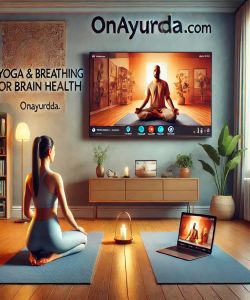
1. Overview of Yoga and Breathing for Brain Health
Yoga and Breathing for Brain Health constitutes a rigorous and systematic discipline engineered to directly influence and optimise neurological function. It is imperative to dissociate this advanced methodology from simplistic notions of physical stretching or generic relaxation. The practice represents a sophisticated integration of Asana (physical postures), Pranayama (controlled respiratory techniques), and Dhyana (meditative focus), all strategically employed to modulate the central nervous system. This is not a passive pursuit; it is an assertive engagement with one's own neurobiology. The fundamental premise is that a disciplined coordination of body, breath, and mind can induce measurable changes in brain structure and function. Practitioners learn to command the autonomic nervous system, deliberately shifting from a state of sympathetic (stress-response) dominance to one of parasympathetic (restorative) activation. This regulation is crucial for mitigating the neurodegenerative effects of chronic stress. Furthermore, the discipline actively promotes neuroplasticity—the brain’s capacity to form new neural connections—and enhances cerebral blood flow, ensuring optimal delivery of oxygen and nutrients to brain tissue. The core objective extends beyond transient stress relief; it is about cultivating enduring cognitive resilience, sharpening mental acuity, and fortifying the brain against age-related decline and environmental pressures. This is achieved through a structured and non-negotiable commitment to specific techniques that have been refined to elicit a predictable and powerful physiological response. It is a proactive science of self-regulation, demanding precision, consistency, and an unwavering focus on mastering the intricate interplay between a controlled internal state and enhanced external cognitive performance. The outcome is a fortified, efficient, and highly functional brain, capable of peak performance under any circumstance.
2. What are Yoga and Breathing for Brain Health?
Yoga and Breathing for Brain Health is a specialised, evidence-informed modality that systematically utilises physical postures, breath control, and meditative states to enhance cognitive function and neurological wellbeing. It is a targeted intervention, not a generalised wellness activity. The discipline operates on a clear neurobiological framework, aiming to improve brain health through several core mechanisms.
At its foundation, this practice is about leveraging the intrinsic connection between the body's physiological state and the brain's operational capacity. The components are distinct yet synergistic:
- Asana (Postures): These are not merely physical shapes but are specific static or dynamic positions held to influence the nervous and endocrine systems. Poses like inversions, twists, and forward folds are deliberately chosen to alter cerebral blood flow, stimulate the vagus nerve, and release muscular tension that contributes to mental stress. The physical discipline required to hold these postures also builds focus and interoceptive awareness—the perception of sensations from inside the body—which is critical for emotional regulation.
- Pranayama (Breath Control): This is the cornerstone of the practice for brain health. It involves the conscious manipulation of the breath's length, depth, and rhythm. Techniques such as alternate nostril breathing (Nadi Shodhana) or humming bee breath (Bhramari) are not simple breathing exercises; they are powerful tools for balancing the two hemispheres of the brain and directly calming the sympathetic nervous system. This controlled respiration reduces heart rate variability associated with stress and increases oxygen saturation, directly fuelling brain cells.
- Dhyana (Meditation and Focus): This element trains the mind to achieve states of sustained, non-judgemental concentration. By focusing on a single point, such as the breath or a mantra, the practitioner learns to quiet the 'mental noise' generated by the default mode network of the brain. This practice strengthens the prefrontal cortex, the brain region responsible for executive functions like decision-making, attention control, and emotional regulation. It is the active training of mental discipline.
3. Who Needs Yoga and Breathing for Brain Health?
- High-Stress Professionals and Executives: Individuals operating in high-pressure environments where critical decision-making, sustained focus, and emotional regulation are paramount. The practice provides an indispensable toolkit for managing the neurological impact of chronic stress, preventing burnout, and maintaining peak cognitive performance under duress. It is a strategic necessity, not a luxury.
- Individuals Experiencing Cognitive Fog or Diminished Mental Clarity: Persons reporting difficulties with concentration, memory recall, or executive function benefit directly. The methodology is designed to enhance cerebral circulation and stimulate neurogenesis, actively working to dispel mental sluggishness and restore sharp, decisive thought processes.
- Academics, Students, and Knowledge Workers: Those engaged in intensive learning, research, or analytical work require optimal brain function. This discipline sharpens attention, improves information retention, and enhances problem-solving capabilities by strengthening the neural pathways associated with deep concentration and cognitive flexibility.
- Adults Concerned with Age-Related Cognitive Decline: Proactive individuals seeking to fortify their brain against the natural course of ageing find this practice essential. It is a preventative strategy that promotes neuroplasticity and builds cognitive reserve, mitigating the risk of future decline and preserving mental independence and vitality.
- Individuals with Dysregulated Emotional Responses or Mood Instability: Those who experience heightened anxiety, irritability, or significant mood fluctuations. The techniques directly target the autonomic nervous system and limbic system, providing a powerful, non-pharmacological means of achieving greater emotional stability and resilience.
- Practitioners of High-Performance Disciplines: Athletes, artists, and other performers who rely on the seamless integration of mind and body. The practice cultivates a state of focused calm, enhances motor control, and improves the ability to enter 'flow states' essential for elite performance. It builds the mental fortitude required to succeed at the highest levels.
4. Origins and Evolution of Yoga and Breathing for Brain Health
The origins of this discipline are rooted in the ancient philosophical and spiritual traditions of India, dating back thousands of years. The foundational texts, such as the Vedas and the Upanishads, first alluded to the profound connection between breath, consciousness, and the vital life force, or ‘Prana’. These early concepts laid the groundwork for a system designed to transcend ordinary states of awareness. However, it was Patanjali’s Yoga Sutras, a seminal text compiled around 400 CE, that codified the practice into a structured, eight-limbed path (Ashtanga Yoga). Within this framework, Asana (posture) and Pranayama (breath control) were not presented as ends in themselves, but as essential preparatory stages for mastering the mind through concentration (Dharana) and meditation (Dhyana). The original intent was unequivocally spiritual: to quiet the fluctuations of the mind and achieve a state of unified consciousness.
The evolution from a purely spiritual pursuit to a recognised neuro-therapeutic modality is a modern phenomenon, catalysed by the convergence of Eastern practice and Western scientific inquiry. In the twentieth century, pioneering yogis introduced these practices to the West, where they were initially adopted for their physical fitness and stress-reduction benefits. This Western interpretation, however, often stripped the practices of their deeper mental and respiratory components, focusing primarily on Asana.
The significant evolutionary leap occurred in the latter part of the twentieth century and accelerated into the twenty-first. Advances in neuroscience and medical imaging technologies, such as fMRI and EEG, enabled researchers to observe the tangible effects of yoga and pranayama on the brain in real-time. This empirical validation transformed the perception of the practice. Scientists began to document its ability to alter brainwave patterns, increase grey matter density in key regions like the prefrontal cortex and hippocampus, modulate neurotransmitter levels, and regulate the hypothalamic-pituitary-adrenal (HPA) axis—the body’s central stress response system. Consequently, the discipline evolved into its current form: a highly specialised, evidence-based methodology for brain health, blending ancient wisdom with rigorous scientific validation. It is now respected not just as a path to spiritual enlightenment, but as a potent tool for cognitive enhancement and neurological self-regulation.
5. Types of Yoga and Breathing for Brain Health
The selection of a specific type of practice is not arbitrary; it must be a deliberate choice based on the precise neurological outcome desired. The following are distinct, effective modalities:
- Hatha Yoga (Foundationally Restorative): Hatha is the classical and fundamental form from which most physical yoga styles derive. For brain health, its value lies in its slower pace and emphasis on precise alignment and sustained holds. This deliberate method encourages deep interoceptive awareness and calms the nervous system by allowing sufficient time in each posture to influence physiological processes. It is not about dynamic flow but about static, mindful control, making it an excellent starting point for regulating the body's stress response and building a foundation of mental stillness.
- Viniyoga (Therapeutically Adaptive): Viniyoga is an approach that adapts the practice to the unique condition and goals of the individual. Its defining characteristic is the synchronisation of movement with the breath in a specific, often repetitive, and highly individualised sequence. This method is exceptionally effective for brain health as it can be precisely tailored to address specific neurological needs, such as managing anxiety or improving focus, by emphasising certain breath patterns and postures over others. It is a clinical application of yoga.
- Restorative Yoga (Parasympathetic Activation): This practice utilises props like bolsters, blankets, and blocks to support the body in gentle, comfortable poses for extended periods. Its sole objective is to trigger the parasympathetic nervous system (the 'rest and digest' response). By eliminating physical effort, the practice powerfully down-regulates the production of stress hormones like cortisol, making it a direct and potent antidote to the neurological damage caused by chronic stress.
- Nadi Shodhana Pranayama (Alternate Nostril Breathing): This is a primary breathing technique, not a style of yoga, but it is central to any brain-focused practice. It involves alternating the breath between the left and right nostrils. The practice is asserted to balance the left and right hemispheres of the brain and harmonise the autonomic nervous system. It is a non-negotiable tool for cultivating mental calm, clarity, and focus.
- Bhramari Pranayama (Humming Bee Breath): This technique involves creating a gentle humming sound during a slow exhalation. The vibration produced has a demonstrably soothing effect on the nervous system, particularly the vagus nerve. It is highly effective for instantly reducing agitation, anxiety, and mental 'noise', making it a powerful technique for immediate state management.
6. Benefits of Yoga and Breathing for Brain Health
- Enhanced Executive Function: Systematically improves core cognitive processes managed by the prefrontal cortex. This includes superior decision-making, more effective problem-solving, enhanced working memory, and heightened cognitive flexibility, allowing for more efficient adaptation to complex challenges.
- Superior Attentional Control: The discipline directly trains the brain's attention networks. Practitioners develop a measurably increased capacity for sustained focus (concentration) and selective attention, enabling them to filter out distractions and maintain mental clarity in demanding environments.
- Stress Response Modulation: Provides direct command over the autonomic nervous system. The practice rigorously conditions the body to down-regulate the sympathetic (fight-or-flight) response and activate the parasympathetic (rest-and-digest) state, thereby mitigating the neurotoxic effects of chronic cortisol exposure.
- Promotion of Neuroplasticity and Neurogenesis: Actively stimulates the brain's ability to reorganise its structure and form new neural connections. Consistent practice is linked to increased grey matter volume in key brain regions like the hippocampus and prefrontal cortex, which are vital for memory and higher-order thinking.
- Improved Emotional Regulation: By enhancing interoceptive awareness and strengthening the neural circuits between the prefrontal cortex and the limbic system (the brain's emotional centre), the practice provides the tools to manage emotional responses with greater equanimity and less reactivity.
- Augmented Cerebral Blood Flow: Specific postures and breathing techniques are designed to increase circulation to the brain. This ensures an optimal supply of oxygen and essential nutrients, which is fundamental for neuronal health, energy metabolism, and the efficient clearing of metabolic waste products.
- Reduction in Inflammatory Markers: Chronic stress promotes systemic inflammation, which is detrimental to brain health. The practice has been demonstrated to lower key biomarkers of inflammation, thereby creating a less hostile and more supportive biochemical environment for the brain.
- Enhanced Mood and Mental Wellbeing: Through the regulation of neurotransmitters such as GABA, serotonin, and dopamine, the practice leads to a more stable and positive mood. It is an effective, non-pharmacological strategy for elevating mental wellbeing and building psychological resilience against adversity.
7. Core Principles and Practices of Yoga and Breathing for Brain Health
- Pranayama as the Prime Mover: The central principle is that controlled respiration (Pranayama) is the most direct and powerful tool for regulating the autonomic nervous system and influencing mental states. Breath is not an afterthought; it is the engine of the practice. Every movement and moment of stillness is anchored to a specific, conscious breath pattern. The mastery of slow, diaphragmatic breathing is non-negotiable.
- Interoceptive Focus: The practice demands a radical shift from external awareness to internal awareness (interoception). Practitioners must cultivate a highly attuned sensitivity to the subtle physiological sensations within the body—heart rate, muscular tension, and the flow of breath. This heightened internal focus is what strengthens the neural pathways for self-regulation.
- Vagal Nerve Stimulation: A key objective is the deliberate stimulation of the vagus nerve, the primary conduit of the parasympathetic nervous system. This is achieved through specific practices like deep, slow breathing, chanting, and certain postures. Activating the vagus nerve is the physiological mechanism for switching off the stress response and inducing a state of calm.
- Stillness in Action (Sthira Sukham Asanam): The principle, as defined in the Yoga Sutras, dictates that postures (Asana) must embody a dual quality of steadiness (Sthira) and comfort (Sukha). The practice is not about pushing to physical limits. It is about finding a stable, sustainable position where the mind can become quiet and focused, allowing the deeper neurological benefits to unfold without the distraction of physical strain.
- Mindful Repetition and Consistency: Neuroplasticity is forged through repetition. The benefits are not derived from sporadic or varied practice but from the consistent, disciplined repetition of a core set of techniques. This regularity reinforces the desired neural circuits, making states of calm focus and emotional balance more accessible and eventually habitual.
- Integration of Asana, Pranayama, and Dhyana: The components must not be segregated. A typical practice involves assuming a posture (Asana) to prepare the body, then applying a specific breathing technique (Pranayama) within that posture, all while maintaining a single-pointed mental focus (Dhyana). It is this seamless integration that produces the synergistic and potent effect on brain health.
- Purposeful Sequencing: The order of postures and breathing exercises is not random. Sequences are strategically designed to achieve a specific neurological outcome, such as moving from activating poses to calming ones, to guide the nervous system from a state of arousal to one of profound rest and integration.
8. Online Yoga and Breathing for Brain Health
- Uncompromising Accessibility: The online modality removes all geographical and logistical barriers to accessing high-calibre instruction. It grants practitioners the ability to engage with specialised teachers and programmes irrespective of their physical location. This democratises access to a niche discipline, making it available to individuals who would otherwise have no means of participation. The imperative to travel is eliminated, preserving time and energy for the practice itself.
- Absolute Environmental Control: Practising online confers total authority over the practice environment. The individual can meticulously construct a space free from the external distractions, social pressures, and potential hygiene concerns of a public studio. This control is paramount for a discipline that demands deep inward focus. The practitioner can regulate lighting, temperature, and sound to create an optimal sanctuary for neurological training, a condition that is rarely achievable in a group setting.
- Enhanced Consistency and Discipline: The convenience of the online format facilitates greater consistency, which is a non-negotiable prerequisite for achieving tangible neurological benefits. The ability to integrate a session into one's schedule without the friction of commuting significantly lowers the threshold for daily engagement. This fosters the rigorous discipline and repetition necessary to induce neuroplastic changes in the brain.
- Cultivation of Self-Reliance: While seemingly a paradox, the physical separation from an instructor in an online setting forces a heightened sense of self-reliance and interoceptive awareness. The practitioner must learn to interpret their body's signals and self-correct their alignment and breath without constant external adjustment. This develops a deeper, more internalised understanding of the practice, which is the ultimate goal of any advanced practitioner.
- Access to Specialised Content: The digital platform allows for a repository of highly specific, targeted sessions. A practitioner can select a class focused precisely on anxiety reduction, cognitive focus, or preparation for sleep, rather than being limited to a generic, one-size-fits-all class schedule. This curated access allows for a more strategic and personalised approach to managing one's own brain health, enabling tactical application of the techniques as required.
9. Yoga and Breathing for Brain Health Techniques
These techniques must be executed with precision and unwavering focus. This is a technical, neuro-regulative procedure.
Technique: The 4-7-8 Respiratory Regulation Cycle
Objective: To rapidly down-regulate the sympathetic nervous system and induce a state of parasympathetic dominance, thereby calming the mind and preparing the brain for enhanced focus or rest.
Step 1: Assume a Correct and Stable Posture (Asana Foundation) Sit erect on a chair with feet flat on the floor or cross-legged on a firm cushion. The spine must be straight, from the coccyx to the crown of the head, to allow for unrestricted diaphragmatic movement. Place your hands on your knees, palms facing up or down. Shoulders must be relaxed, away from the ears. This stable posture is non-negotiable.
Step 2: Complete Exhalation and Mouth Positioning Exhale completely through your mouth, making a distinct ‘whoosh’ sound. Empty the lungs of all residual air. Close your mouth. Touch the tip of your tongue to the ridge of tissue just behind your upper front teeth. You must maintain this tongue position throughout the entire practice.
Step 3: The Inhalation Phase (4 Counts) Inhale quietly and slowly through your nose to a mental count of four. The inhalation must be smooth and controlled, originating from the diaphragm, not from the chest. Feel the abdomen expand as you draw the air in. Avoid any shallow or gasping breaths.
Step 4: The Retention Phase (7 Counts) Hold your breath for a mental count of seven. This is the critical phase for influencing the body's gas exchange and vagal tone. Remain perfectly still. Do not create tension in the neck, shoulders, or face. The retention must be calm and unwavering.
Step 5: The Exhalation Phase (8 Counts) Exhale completely and audibly through your mouth around your tongue, making the ‘whoosh’ sound, for a mental count of eight. The exhalation must be twice the duration of the inhalation. This extended exhalation is the primary mechanism for activating the parasympathetic response. Ensure the breath is released steadily and completely.
Step 6: Repetition and Integration This completes one full cycle. Without pausing, immediately begin the next cycle by inhaling through the nose for four counts. Execute a minimum of four consecutive cycles without interruption. Upon completion, sit quietly for a moment, observing the physiological shift within your body and the resulting stillness in your mind.
10. Yoga and Breathing for Brain Health for Adults
The application of Yoga and Breathing for Brain Health in adults is a strategic intervention designed to counteract the neurological and cognitive challenges inherent to modern adult life. For the adult practitioner, this is not a recreational activity but a critical tool for performance, resilience, and long-term cognitive preservation. The adult brain, while fully developed, is constantly subjected to the neurotoxic effects of chronic stress, information overload, and sedentary lifestyles, which collectively degrade executive functions, emotional stability, and neural integrity. This specialised practice provides a direct and potent countermeasure. It operates on the principle of targeted neuro-regulation, enabling adults to consciously shift their own neurochemical and physiological state from one of high-alert stress to one of restorative calm and focused clarity. The discipline equips adults with the capacity to manage the intense pressures of professional and personal responsibilities without succumbing to burnout or cognitive fatigue. It strengthens the prefrontal cortex, enhancing decision-making and problem-solving skills, which are paramount in any adult role. Furthermore, as the brain ages, it naturally faces challenges related to memory and processing speed. This practice serves as a proactive defence, promoting neuroplasticity and building cognitive reserve—the brain’s resilience to damage. For adults, this translates into the preservation of mental sharpness, independence, and a higher quality of life into later years. It is an assertive act of taking command of one's own mental hardware, ensuring it remains optimised for the complex demands of adulthood and robust against the inevitable passage of time.
11. Total Duration of Online Yoga and Breathing for Brain Health
The requisite duration for an effective online session of Yoga and Breathing for Brain Health is unequivocally established at 1 hr. This timeframe is not arbitrary; it is a structured and non-negotiable period essential for achieving the profound physiological and neurological shifts that are the core objectives of the practice. A shorter duration is insufficient to move beyond superficial relaxation and engage the deeper mechanisms of neuro-regulation. The 1 hr session is strategically partitioned to ensure a comprehensive and integrated experience. It typically begins with a phase of grounding and centering, allowing the practitioner to transition from external distractions to a state of internal focus. This is followed by a carefully sequenced series of Asana (postures) and Pranayama (breathing techniques), designed to systematically prepare the body, stimulate the vagus nerve, and balance the autonomic nervous system. The central part of the session is dedicated to the most potent techniques, which require time to take full effect. The final portion of the hour is reserved for deep relaxation or meditative practice, a critical phase where the neurological benefits are consolidated and integrated. During this time, the brain is able to fully absorb the effects of the preceding work, solidifying new neural pathways. Attempting to truncate this process into a shorter period would compromise the integrity and effectiveness of the entire methodology. Therefore, the commitment to a full 1 hr session is a fundamental prerequisite for any practitioner serious about utilising this discipline for tangible and lasting improvements in brain health and cognitive function. It is the minimum effective dose.
12. Things to Consider with Yoga and Breathing for Brain Health
Before engaging in this rigorous discipline, it is imperative to approach it with the gravity and informed perspective it demands. This is not a casual endeavour; it is a targeted intervention into your own neurobiology, and several factors must be carefully considered. Firstly, one must understand that consistency is paramount and non-negotiable. The neurological benefits, such as enhanced neuroplasticity and stress-response regulation, are cumulative and accrue only through disciplined, regular practice. Sporadic engagement will yield negligible results. Secondly, the practitioner must be prepared to cultivate a high degree of interoceptive awareness—the ability to sense the internal state of the body. The practice requires moving beyond the external form of a posture to feel its subtle internal effects, a skill that demands patience and focused attention. Furthermore, it is crucial to select a qualified instructor who understands the specific neuro-scientific underpinnings of the practice, not merely the physical execution of yoga poses. An unqualified guide can lead to ineffective or even counterproductive practice. One must also be prepared for the potential emergence of suppressed emotional or psychological material as the nervous system begins to unwind and regulate. The practice can be psychologically confronting, and a level of mental fortitude is required to navigate this process. Finally, practitioners must abandon the expectation of immediate, miraculous results. While some effects, like a sense of calm, may be felt quickly, the structural and functional changes in the brain are a product of long-term, dedicated effort. This is a marathon, not a sprint.
13. Effectiveness of Yoga and Breathing for Brain Health
The effectiveness of Yoga and Breathing for Brain Health as a modality for enhancing cognitive function and neurological resilience is not a matter of conjecture but is increasingly substantiated by a robust body of scientific evidence. Its efficacy stems from its multi-faceted and synergistic impact on the core systems that govern brain health. The practice unequivocally demonstrates the ability to modulate the autonomic nervous system, powerfully shifting it from a catabolic, stress-dominated sympathetic state to an anabolic, restorative parasympathetic state. This regulation is achieved primarily through controlled Pranayama, which directly influences heart rate variability and vagal tone, thereby reducing the production of the neurotoxic stress hormone cortisol. This action alone creates a more favourable biochemical environment for neural function. Furthermore, empirical studies using neuroimaging technologies have documented tangible structural changes in the brains of consistent practitioners. These changes include increased grey matter density in the prefrontal cortex and hippocampus—regions critical for executive function, learning, and memory. The discipline also enhances cerebral blood flow, ensuring optimal oxygenation and nutrient delivery to brain tissue, which is fundamental for neuronal vitality. The effectiveness is also seen in its ability to increase levels of brain-derived neurotrophic factor (BDNF), a protein essential for the survival of existing neurons and the growth of new ones. Consequently, the practice is not merely a method for transient stress relief but a potent, non-pharmacological intervention for actively improving brain structure, function, and resilience against age-related decline and environmental stressors. Its effectiveness is a direct result of its systematic and targeted physiological mechanisms.
14. Preferred Cautions During Yoga and Breathing for Brain Health
Engagement with this discipline demands a stringent and uncompromising adherence to specific cautions. This is a potent practice, and its power necessitates commensurate respect and prudence. Firstly, any individual with a pre-existing medical condition—particularly cardiovascular issues, respiratory disorders, glaucoma, or severe psychiatric conditions such as psychosis or bipolar disorder—must secure explicit clearance from a qualified medical professional before commencing. Self-assessment is insufficient and reckless. Certain postures, such as inversions, and intensive breathing techniques, like breath retention (Kumbhaka), can significantly alter blood pressure and intraocular pressure, posing a direct risk to susceptible individuals. Secondly, pain is an absolute and non-negotiable stop signal, not a barrier to be pushed through. The principle of 'Sthira Sukham Asanam' (steadiness and ease) must be rigorously upheld. Any sensation of sharp, shooting, or joint pain indicates an immediate need to cease the posture or technique. Ignoring such signals is a direct path to injury. Furthermore, one must be cautious of spiritual or psychological grandiosity. While the practice can induce profound states of calm and clarity, these must be integrated with humility. It is a tool for self-regulation, not a means to acquire supernatural powers or a superior sense of self. Finally, particularly when practising online without direct physical supervision, the onus of safety falls entirely on the practitioner. One must operate with an abundance of caution, choosing less advanced variations of poses and avoiding any technique that feels destabilising or overwhelming. The objective is neurological enhancement, not physical risk-taking.
15. Yoga and Breathing for Brain Health Course Outline
1: Foundational Principles and Neurological Framework
- Point 1.1: Introduction to the Neurobiology of Stress and Relaxation: Understanding the Autonomic Nervous System (Sympathetic vs. Parasympathetic).
- Point 1.2: The Core Triad: Defining and Differentiating Asana, Pranayama, and Dhyana as Neuro-regulative Tools.
- Point 1.3: The Principle of Interoception: Cultivating Internal Awareness as the Basis for Self-Regulation.
- Point 1.4: Safety Protocols and Contraindications: Establishing Non-Negotiable Boundaries for a Safe Practice.
2: Mastering Foundational Pranayama
- Point 2.1: Diaphragmatic Breathing: The Cornerstone of All Respiratory Control. Mechanics and Mastery.
- Point 2.2: Ujjayi Pranayama (Victorious Breath): Technique for Calming the Nervous System and Focusing the Mind.
- Point 2.3: Nadi Shodhana (Alternate Nostril Breathing): Technique for Hemispheric Brain Balance and Mental Clarity.
- Point 2.4: The 4-7-8 Breath: A Tactical Tool for Rapid Stress De-escalation.
3: Asana for Neurological Regulation
- Point 3.1: Grounding Postures: Techniques to Establish Stability and Reduce Anxiety (e.g., Tadasana, Balasana).
- Point 3.2: Forward Folds: Postures to Stimulate the Parasympathetic Nervous System and Promote Introspection.
- Point 3.3: Gentle Twists: Techniques for Spinal Health and Stimulation of Digestive and Eliminative Systems.
- Point 3.4: Restorative Postures: Utilising Props to Achieve Deep, Passive Relaxation and Down-regulate Cortisol.
4: Cultivating Meditative Focus (Dhyana)
- Point 4.1: Single-Pointed Concentration (Dharana): Techniques for Training the Wandering Mind.
- Point 4.2: Breath as an Anchor: Utilising the Sensation of Breath as a Meditative Object.
- Point 4.3: Body Scan Meditation: A Systematic Method for Enhancing Interoceptive Awareness and Releasing Tension.
- Point 4.4: Bhramari Pranayama (Humming Bee Breath): A Vibrational Technique for Silencing Mental Chatter.
5: Integration and Advanced Application
- Point 5.1: Sequencing for Specific Outcomes: Designing Practices for Focus, Calm, or Energy.
- Point 5.2: The Mind-Body Connection in Daily Life: Transferring Skills from the Mat to Real-World Scenarios.
- Point 5.3: Developing a Non-Negotiable Personal Practice: Strategies for Consistency and Long-Term Commitment.
- Point 5.4: Advanced Considerations: Introduction to Mudras and Bandhas for Deeper Energetic Control.
16. Detailed Objectives with Timeline of Yoga and Breathing for Brain Health
Weeks 1-2: Foundational Mastery and Physiological Awareness
- Objective 1: By the end of Week 2, the practitioner will demonstrate proficient and independent execution of diaphragmatic breathing, maintaining a slow, controlled rhythm for a sustained five-minute period.
- Objective 2: The practitioner will be able to identify and articulate the physiological sensations associated with the onset of the parasympathetic response (e.g., decreased heart rate, muscular relaxation) during practice.
- Objective 3: Master the correct physical alignment for three foundational postures (e.g., Child's Pose, Seated Forward Fold, Corpse Pose) without instructor correction.
Weeks 3-4: Pranayama Integration and Attentional Control
- Objective 4: By the end of Week 4, the practitioner will execute five complete rounds of Nadi Shodhana (Alternate Nostril Breathing) with correct hand positioning and smooth, uninterrupted airflow.
- Objective 5: The practitioner will demonstrate the ability to maintain single-pointed focus on the breath for a continuous three-minute period, successfully redirecting attention back to the anchor at least five times when the mind wanders.
- Objective 6: Successfully integrate Ujjayi breath into a simple, three-posture flow sequence, synchronising every movement with either an inhalation or an exhalation.
Weeks 5-6: Deepening the Practice and Emotional Regulation
- Objective 7: By the end of Week 6, the practitioner will independently set up and sustain a 10-minute Restorative Yoga posture using props, reporting a measurable decrease in perceived stress levels.
- Objective 8: The practitioner will be able to utilise the 4-7-8 breathing technique as a rapid response tool in a real-world, mildly stressful situation and document its immediate effect on their physiological state.
- Objective 9: Demonstrate the ability to perform a 10-minute body scan meditation, systematically moving awareness through the body without falling asleep or becoming significantly distracted.
Weeks 7-8: Autonomy and Strategic Application
- Objective 10: By the end of Week 8, the practitioner will be able to independently design and execute a 20-minute practice sequence tailored to a specific personal need (e.g., for mental clarity before work or for relaxation before sleep).
- Objective 11: The practitioner will articulate a clear, personalised strategy for integrating these techniques into their daily routine, establishing a non-negotiable schedule for continued practice.
- Objective 12: Demonstrate a comprehensive understanding of the core principles by explaining the neurological rationale behind a chosen Pranayama technique and its intended effect on the brain.
17. Requirements for Taking Online Yoga and Breathing for Brain Health
- A Non-Negotiable Commitment to Consistency: The primary requirement is an unwavering dedication to regular, scheduled practice. Neurological change is contingent on repetition. The participant must be prepared to allocate protected time several times per week, without fail. Casual or sporadic participation is unacceptable and will not yield results.
- A Secure, Private, and Distraction-Free Practice Space: The practitioner must secure a physical area where they will be completely undisturbed for the full duration of the session. This space must be free of intrusions from other people, pets, and electronic notifications. Environmental control is paramount for the deep focus required.
- Stable, High-Speed Internet Connectivity and Appropriate Technology: A reliable internet connection is non-negotiable to ensure seamless streaming without interruption, which would disrupt the flow and meditative state. The practitioner must have a device (computer, tablet) with a screen large enough to clearly see the instructor's demonstrations and a functional camera and microphone.
- Possession of a High-Quality Yoga Mat: A standard, non-slip yoga mat is a mandatory piece of equipment. This is a matter of safety and stability. Practising on a towel, rug, or bare floor is inadequate and increases the risk of slipping and injury.
- Acquisition of Basic Props (or Suitable Alternatives): The practitioner must have access to essential props, including at least one firm blanket, a yoga strap (or a belt/scarf), and two firm cushions or yoga blocks. These are not optional accessories; they are tools required for correct alignment, support in restorative poses, and injury prevention.
- A Mindset of Self-Reliance and Personal Responsibility: In an online setting, the practitioner is solely responsible for their own safety and for listening to their body's signals. They must possess the maturity to avoid pushing into pain, to modify postures as needed, and to take full ownership of their practice without the immediate physical intervention of an instructor.
- Medical Clearance where Applicable: It is a mandatory requirement for any individual with pre-existing health conditions (e.g., cardiovascular, respiratory, spinal issues) to obtain explicit permission from a medical doctor before enrolling. Failure to do so constitutes a serious breach of personal safety protocol.
18. Things to Keep in Mind Before Starting Online Yoga and Breathing for Brain Health
Before commencing an online programme of Yoga and Breathing for Brain Health, it is imperative to adopt a mindset of rigorous self-discipline and informed realism. You are embarking on a structured training protocol, not a passive leisure activity. The primary consideration is that the onus of responsibility shifts squarely onto you, the practitioner. The instructor provides the map, but you must navigate the terrain. This requires an uncompromising commitment to creating a sacrosanct practice space, free from any and all potential distractions. Your phone must be silenced and out of reach. Family members or flatmates must be informed that you are not to be disturbed. This environmental control is not a suggestion; it is a prerequisite for success. Furthermore, you must be prepared to become your own most vigilant supervisor. Without an instructor present to make physical adjustments, you must cultivate an acute sense of interoceptive awareness, learning to distinguish between the sensation of a productive stretch and the warning signal of pain. The ego, which may tempt you to push beyond your limits to match a demonstrated pose, must be firmly controlled. You must also be realistic about the timeline for results. While a sense of calm can be immediate, the profound neuroplastic changes that fortify the brain against stress and cognitive decline are built over months and years of consistent, not heroic, effort. This is a long-term investment in your neurological capital. Finally, scrutinise the qualifications of your chosen online instructor. Ensure they have specific expertise in the therapeutic and neurological applications of yoga, not just a generic fitness certification.
19. Qualifications Required to Perform Yoga and Breathing for Brain Health
The authority to guide others in the specialised discipline of Yoga and Breathing for Brain Health is not conferred by a standard yoga teacher training certificate alone. The qualifications demanded are substantially more rigorous and must encompass a multi-disciplinary knowledge base. A foundational certification from a reputable yoga school (e.g., a minimum 200-hour RYT) is a mere prerequisite, establishing a baseline competency in Asana, basic Pranayama, and teaching methodology. However, to specialise in brain health, the instructor must possess advanced, demonstrable qualifications in several key areas.
These imperative qualifications include:
- Advanced Certification in Therapeutic or Restorative Yoga: The instructor must have undertaken specialised training that focuses on the clinical application of yoga for managing specific health conditions. This education moves beyond general wellness and into targeted, evidence-informed interventions.
- In-Depth Training in Pranayama: A comprehensive and verifiable education in the science and subtle art of Pranayama is non-negotiable. This must include a deep understanding of the physiological effects of various breathing techniques on the autonomic nervous system, gas exchange, and brainwave activity.
- Knowledge of Functional Anatomy and Neuro-Anatomy: The instructor must possess a strong working knowledge of the central and autonomic nervous systems, the hypothalamic-pituitary-adrenal (HPA) axis, and the function of key brain structures like the prefrontal cortex, amygdala, and hippocampus. They must be able to articulate why a particular technique is effective from a neurobiological standpoint.
- Trauma-Informed Practice Certification: Given that this work can release suppressed emotional content and directly interacts with the body's stress and trauma-response systems, training in trauma-informed principles is essential. This ensures the instructor can create a safe environment and use language that is empowering and non-triggering.
An instructor without this composite of advanced, specialised training lacks the necessary expertise to guide this potent practice safely and effectively. Their role is not one of a fitness leader but of a highly skilled facilitator of neuro-regulation, and their qualifications must unequivocally reflect this serious responsibility.
20. Online Vs Offline/Onsite Yoga and Breathing for Brain Health
Online
The online modality for Yoga and Breathing for Brain Health offers a distinct set of advantages centred on autonomy, accessibility, and environmental control. Its primary strength lies in its capacity to eliminate logistical barriers, allowing any individual, regardless of geographical location, to access elite-level, specialised instruction. This format demands and cultivates a high degree of self-reliance and discipline in the practitioner. The individual holds absolute power over their environment, enabling the creation of a perfect sanctuary for practice—free from the social dynamics, ambient noise, and potential interruptions of a public space. This controlled setting is highly conducive to the deep, introverted focus that is the cornerstone of any practice aimed at neuro-regulation. Furthermore, the online platform provides unparalleled convenience, which significantly enhances the potential for consistency. The ability to engage in a session without the friction of travel makes daily commitment a more attainable reality. This regular, repeated stimulus is precisely what is required to drive neuroplastic change. The online format, therefore, is ideally suited for the self-motivated, disciplined individual who prioritises consistency and a controlled, private environment over communal energy and hands-on adjustments.
Offline/Onsite
The offline, or onsite, modality provides an entirely different, though equally valid, set of benefits. Its most significant asset is the physical presence of a qualified instructor. This allows for immediate, hands-on adjustments and personalised verbal cues, which can be invaluable for refining alignment, ensuring safety, and deepening a practitioner's understanding of a posture. This direct feedback loop can accelerate the learning of the physical aspects of the practice. The onsite setting also fosters a sense of community and shared energy (satsang). For some, practising within a group provides motivation, accountability, and a powerful collective focus that can enhance the meditative experience. The environment is curated by the studio, removing the burden of preparation from the practitioner. Moreover, an onsite facility provides access to a full range of high-quality props and a dedicated space designed specifically for yoga, which may be superior to what an individual can create at home. The offline experience is therefore optimal for individuals who thrive on community, who are in the early stages of learning the physical forms and require direct guidance, or who prefer to outsource the creation of a conducive practice environment.
21. FAQs About Online Yoga and Breathing for Brain Health
Question 1. Is this just another form of online fitness yoga? Answer: No. This is a specialised, neuro-regulative discipline focused on brain function, stress modulation, and cognitive enhancement. It is a therapeutic and performance-oriented practice, not a fitness workout.
Question 2. Do I need to be flexible to participate? Answer: No. Flexibility is a potential outcome, not a prerequisite. The focus is on internal physiological shifts, not extreme physical postures. The practice is adaptable to all body types.
Question 3. Is it safe to learn these techniques online? Answer: Yes, provided you engage with a qualified instructor and adhere strictly to safety guidelines. The practitioner must assume full responsibility for listening to their body and avoiding pain.
Question 4. What technology is absolutely required? Answer: A stable, high-speed internet connection; a device with a clear screen, camera, and microphone; and a dedicated, quiet space.
Question 5. Can I practise if I have a serious medical condition? Answer: You must obtain explicit clearance from your medical doctor before commencing. This is non-negotiable.
Question 6. How quickly will I see results? Answer: A sense of calm may be felt immediately. Measurable, lasting neurological changes in focus, memory, and resilience require consistent practice over several months.
Question 7. Is this practice based on science? Answer: Yes. The methodology is informed by modern neuroscience and its documented effects on the autonomic nervous system, brain structure, and neurochemistry.
Question 8. What if I cannot hold my breath for the recommended time? Answer: You must work within your own capacity. Never force breath retention. The duration will increase naturally with consistent, safe practice.
Question 9. Will I be required to chant or engage in spiritual rituals? Answer: This depends on the specific programme, but most scientifically-oriented courses focus on the physiological mechanisms. Any chanting, such as with Bhramari, is presented for its vibrational, neuro-calming effect.
Question 10. Can I do this practice in a chair? Answer: Yes. Many of the core breathing and focus techniques can be effectively practised while seated in a chair, making it highly accessible.
Question 11. Is this suitable for managing high levels of anxiety? Answer: Yes. It is a powerful, non-pharmacological tool for regulating the nervous system, which is the root of anxiety. However, it is not a replacement for professional therapy for severe anxiety disorders.
Question 12. What is the single most important part of the practice? Answer: The breath. Conscious, controlled breathing (Pranayama) is the primary driver of the neurological changes.
Question 13. How is this different from a mindfulness app? Answer: This is an integrated, embodied practice that combines physical postures, breath control, and meditation. It is a more holistic and potent intervention than passive listening.
Question 14. Will I lose weight? Answer: Weight loss is not a primary objective. While regulation of the stress hormone cortisol can influence metabolism, the focus remains firmly on brain health.
Question 15. What if I fall behind the class? Answer: There is no "behind." This is a personal practice, not a competition. The objective is to work with your own body and nervous system, not to keep up with others.
Question 16. Do I need expensive props? Answer: No. A mat is essential. Other props like blankets and cushions can often be substituted with common household items.
22. Conclusion About Yoga and Breathing for Brain Health
In conclusion, Yoga and Breathing for Brain Health must be recognised for what it is: a rigorous, systematic, and potent discipline for the direct regulation and enhancement of neurological function. It is a serious practice that transcends the superficial categorisation of 'exercise' or 'relaxation'. By demanding the integrated application of precise physical postures (Asana), controlled respiratory techniques (Pranayama), and unwavering meditative focus (Dhyana), it provides the practitioner with a powerful toolkit for commanding their own internal state. The methodology is built upon a solid foundation of both ancient wisdom and modern neuroscientific validation, targeting fundamental mechanisms such as autonomic nervous system balance, promotion of neuroplasticity, and optimisation of cerebral blood flow. Its aims are ambitious but achievable through disciplined and consistent effort: the mitigation of chronic stress, the sharpening of cognitive faculties, the fortification of emotional resilience, and the long-term preservation of brain health against the ravages of age and environment. This is not a passive pursuit for the dabbler but an assertive, proactive strategy for any individual who is uncompromising in their quest for peak mental performance and enduring cognitive vitality. The mastery of these techniques represents nothing less than the mastery of one's own neurobiology, an indispensable skill in a world of ever-increasing complexity and demand. It is, unequivocally, a science of self-mastery.