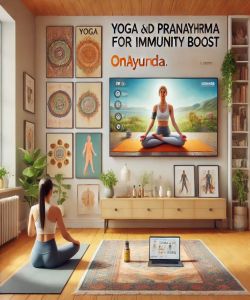
1. Overview of Yoga and Pranayama for Immunity Boost
The systematic application of Yoga and Pranayama as a modality for enhancing immunological resilience represents a sophisticated and proactive strategy for health management. This discipline is not a passive or remedial measure; rather, it is a rigorous system of physiological and psychological conditioning designed to optimise the body’s innate defence mechanisms. Through a codified series of physical postures (asanas) and controlled respiratory techniques (pranayama), the practitioner actively engages with the autonomic nervous system, modulates stress-induced hormonal cascades, and improves the efficiency of lymphatic and circulatory systems. The fundamental premise is that a body burdened by chronic stress, poor circulation, and shallow, inefficient breathing is inherently more susceptible to pathogenic threats. By systematically addressing these underlying vulnerabilities, this integrated practice seeks to fortify the very foundations of health. It mandates a holistic approach, viewing the body not as a collection of disparate parts but as an interconnected whole, wherein the state of the mind directly influences the robustness of the physical form. The practice cultivates a state of dynamic equilibrium, enhancing the body’s capacity to identify, respond to, and neutralise foreign invaders with greater efficacy. It is an assertive declaration of an individual’s commitment to self-regulation and physiological sovereignty. This is not merely about preventing illness; it is about cultivating a state of such profound vitality and balance that the preconditions for disease are systematically dismantled. The methodology is precise, the demands are significant, and the objective is unequivocal: to build a resilient, intelligent, and highly functional immune system from the ground up, empowering the individual with a powerful tool for long-term wellness and self-mastery in an increasingly demanding world.
2. What are Yoga and Pranayama for Immunity Boost?
Yoga and Pranayama for immunity enhancement constitute a targeted, non-pharmacological intervention designed to strengthen the body’s natural defence systems through specific, time-honoured techniques. It is a dual-pronged approach that synergises physical and respiratory disciplines to achieve a state of heightened physiological readiness and balance. It is fundamentally misunderstood if viewed as mere physical exercise or a simple relaxation technique; it is a comprehensive system of self-regulation.
- Yoga (Asana): In this context, Yoga refers to a curated selection of physical postures, or asanas, chosen specifically for their impact on systems integral to immune function. These are not arbitrary stretches. Postures are selected to stimulate the lymphatic system, a critical component of immunity responsible for transporting immune cells and clearing waste. Twists and inversions, for example, are employed to massage internal organs, improve circulation to key glands like the thymus and spleen, and promote detoxification. The physical practice also directly counters the debilitating effects of a sedentary lifestyle, which is known to compromise immune surveillance. The focus is on precise alignment and mindful execution to maximise physiological benefit and minimise risk.
- Pranayama (Breath Control): Pranayama is the science of breath regulation. It is the more subtle but arguably more powerful component of this discipline. It involves specific techniques to control the rhythm, depth, and duration of the breath. The direct objective is to influence the autonomic nervous system, shifting it from a state of stress (sympathetic dominance) to one of rest and repair (parasympathetic dominance). Chronic stress elevates cortisol, a hormone that actively suppresses immune function. Pranayama techniques like Nadi Shodhana (Alternate Nostril Breathing) and Bhramari (Humming Bee Breath) are exceptionally effective at mitigating this stress response. Furthermore, techniques such as Kapalbhati and Bhastrika improve gaseous exchange, enhance lung capacity, and oxygenate the blood, creating an internal environment less conducive to pathogens.
In essence, this practice is a strategic manipulation of the body’s own systems to create a robust, responsive, and resilient immune shield.
3. Who Needs Yoga and Pranayama for Immunity Boost?
- Individuals in High-Stress Professions: Professionals operating in chronically demanding environments, such as corporate executives, emergency service personnel, and healthcare workers, are in constant states of heightened sympathetic nervous system activity. This sustained stress response leads to elevated cortisol levels, which directly suppress the function of vital immune cells. This practice is not a luxury but a strategic necessity to counteract the physiological toll of their occupation and restore autonomic balance, thereby fortifying their compromised immune defences.
- Persons with Sedentary Lifestyles: A lack of regular, varied physical movement leads to stagnation within the lymphatic system, which, unlike the circulatory system, lacks a central pump. This stagnation impairs immune surveillance and the clearance of pathogens and toxins. Individuals with desk-bound jobs or limited mobility require this specific form of movement to stimulate lymphatic drainage, enhance circulation, and prevent the immunological lethargy associated with a sedentary existence.
- Individuals Seeking Proactive Health Management: Those who reject a reactive, disease-focused approach to health and instead seek to build a foundation of profound wellness will find this discipline indispensable. It is for the individual who understands that true health is not merely the absence of disease but the presence of vitality. This practice offers a structured, self-empowering framework for optimising physiological function and enhancing the body's innate capacity for self-defence long before any symptoms of weakness manifest.
- Those Prone to Recurrent Respiratory Ailments: Individuals who frequently suffer from colds, sinus issues, or other minor respiratory infections often exhibit suboptimal breathing patterns and compromised respiratory systems. The pranayama component of this practice directly addresses this vulnerability by strengthening the respiratory muscles, improving lung capacity, and enhancing the clearance of mucus, making the respiratory tract a more resilient barrier against pathogens.
- People Experiencing Chronic Fatigue or Lethargy: Persistent fatigue, when not attributable to a specific medical diagnosis, can be a sign of a burdened immune system and a dysregulated nervous system. This practice acts as a systemic reset, simultaneously calming the mind and energising the body. It enhances cellular oxygenation and reduces the systemic inflammation that often underlies feelings of chronic malaise, restoring a sense of vigour and vitality.
4. Origins and Evolution of Yoga and Pranayama for Immunity Boost
The conceptual origins of using Yoga and Pranayama to enhance the body's intrinsic resilience are deeply rooted in ancient Indian philosophy, though the specific term "immunity boost" is a modern concession to biomedical language. The foundational texts of Yoga, such as the Hatha Yoga Pradipika and the Gheranda Samhita, do not speak of T-cells or antibodies, but they extensively detail practices to cultivate prana (vital life force) and ojas (essential energy or vigour), concepts that are the closest classical analogues to a robust immune system. In this traditional framework, disease (vyadhi) was seen as a manifestation of imbalances in prana, caused by physical, mental, or energetic blockages. The practices of asana and pranayama were prescribed as the primary means to purify the body’s channels (nadis), remove these blockages, and allow prana to flow unimpeded, thereby maintaining a state of vibrant health and preventing the onset of illness.
The evolution from this esoteric understanding to a modern, evidence-informed approach has been a gradual process of integration and reinterpretation. During the 20th century, as Yoga migrated to the West, its therapeutic potential began to be explored through the lens of modern science. Pioneers in this field started to correlate the ancient practices with measurable physiological effects. The calming effect of specific pranayamas was no longer just about balancing ida and pingala nadis; it was now understood to stimulate the vagus nerve and promote parasympathetic nervous system dominance, directly counteracting the immunosuppressive effects of chronic stress.
In recent decades, this evolution has accelerated significantly. The rise of psychoneuroimmunology—the study of the interaction between psychological processes and the nervous and immune systems—has provided a robust scientific framework for understanding how practices like Yoga and Pranayama exert their influence. Research has begun to validate what yogis have asserted for centuries: that breath control can modulate autonomic function, that specific postures can enhance lymphatic circulation, and that meditative states can reduce inflammatory markers. The modern application of Yoga and Pranayama for immunity is therefore a sophisticated synthesis of ancient wisdom and contemporary scientific validation. It has evolved from a holistic spiritual discipline into a targeted, bio-mechanistic strategy for enhancing physiological defence, retaining its core principles while adopting the language and scrutiny of modern wellness science.
5. Types of Yoga and Pranayama for Immunity Boost
The effective application of this discipline relies on the precise selection of techniques specifically targeted at immunological and related physiological systems. The following asanas and pranayamas are fundamental components:
- Surya Namaskar (Sun Salutation): This is not a single posture but a dynamic sequence of postures synchronised with the breath. Its function is to generate internal heat, enhance cardiovascular and lymphatic circulation system-wide, and act as a comprehensive warm-up. It systematically mobilises every major muscle group and joint, preparing the body for more targeted postures by ensuring adequate blood and lymph flow, which is critical for the transport of immune cells.
- Bhujangasana (Cobra Pose): This prone backbend applies gentle pressure to the abdominal region while expanding the chest. The primary immunological benefit is the stimulation of the thymus gland, located behind the sternum, which is a key organ in the maturation of T-cells. The chest expansion also improves lung capacity and strengthens respiratory function.
- Matsyasana (Fish Pose): A more intense chest-opening posture, Matsyasana creates a profound stretch across the thoracic region. This not only stimulates the thymus gland more directly but also stretches the intercostal muscles and diaphragm, facilitating deeper, more efficient breathing. It directly counteracts the collapsed posture associated with stress and sedentary work, which can physically constrict the lungs.
- Viparita Karani (Legs-Up-the-Wall Pose): This is a passive inversion that is exceptionally effective for promoting lymphatic drainage from the lower extremities and pelvic region. By reversing the effect of gravity, it facilitates the return of lymph fluid to the core of the body for filtration and recirculation. It is also deeply calming to the nervous system, helping to shift it into a parasympathetic state.
- Kapalbhati Pranayama (Skull-Shining Breath): An active, forceful exhalation technique. Its primary purpose is purification (kriya). It vigorously contracts the abdominal muscles, massaging the internal organs and aiding in detoxification. It also forcefully expels stale air and mucus from the lower lobes of the lungs, cleansing the respiratory tract. It is highly energising and increases oxygen supply to the entire body.
- Nadi Shodhana Pranayama (Alternate Nostril Breathing): This is the quintessential pranayama for balancing the autonomic nervous system. By regulating the flow of breath through each nostril, it harmonises the right and left hemispheres of the brain and shifts the nervous system away from the "fight-or-flight" response. This directly reduces the production of the immunosuppressive hormone cortisol, creating the optimal internal state for immune function.
6. Benefits of Yoga and Pranayama for Immunity Boost
- Modulation of the Stress Response: Systematically reduces the production of cortisol and other stress hormones. Chronic elevation of these hormones is unequivocally linked to the suppression of immune cell activity, including lymphocytes and natural killer cells. The practice shifts the autonomic nervous system towards a parasympathetic state, which is conducive to rest, repair, and optimal immune function.
- Enhancement of Lymphatic Circulation: Facilitates the movement of lymph fluid throughout the body. The lymphatic system, which is central to immunity, lacks a pump like the heart. The muscular contractions, inversions, and twists inherent in asana practice mechanically propel lymph, ensuring efficient transport of immune cells and the effective clearance of pathogens and cellular waste.
- Improved Respiratory Efficiency and Health: Pranayama techniques directly strengthen the diaphragm and intercostal muscles, increase vital lung capacity, and improve gaseous exchange at a cellular level. This leads to better oxygenation of all tissues. Furthermore, it helps to clear mucus and pathogens from the respiratory tract, strengthening the body's first line of defence against airborne invaders.
- Stimulation of Immune-Related Organs: Specific postures are designed to apply gentle pressure to and increase blood flow towards key organs and glands of the immune system. This includes the spleen (which filters blood and houses immune cells), the gut-associated lymphoid tissue (GALT), and the thymus gland (critical for T-cell maturation), thereby optimising their function.
- Reduction of Systemic Inflammation: Chronic, low-grade inflammation is a known precursor to a wide range of diseases and can dysregulate the immune response. The meditative and breath-focused aspects of the practice have been demonstrated to down-regulate pro-inflammatory cytokines, helping to restore a balanced inflammatory response and reduce the overall burden on the immune system.
- Cultivation of Mind-Body Awareness: Fosters a heightened sensitivity to the body’s internal state. This interoceptive awareness allows an individual to recognise the early signs of stress or imbalance and take corrective action. This proactive self-regulation is a powerful tool for preventing the physiological conditions that compromise immunity in the first place.
- Enhanced Sleep Quality: The practice's ability to calm the nervous system and regulate the endocrine system contributes directly to deeper, more restorative sleep. It is during deep sleep that the body conducts critical immune processes, including the production of cytokines and the consolidation of immunological memory. Improved sleep is therefore a direct pathway to a stronger immune system.
7. Core Principles and Practices of Yoga and Pranayama for Immunity Boost
- Sthira Sukham Asanam (Steadiness and Ease): This core principle, articulated in Patanjali's Yoga Sutras, dictates that every physical posture must be held with a dual quality of stability and comfort. For immunity, this means avoiding strain and agitation. A posture executed with excessive tension triggers a stress response, negating the intended benefit. The practice must be firm and disciplined, yet free from aggression, to promote a state of calm alertness conducive to immune health.
- Pranayama as the Vehicle for Nervous System Regulation: The breath is not merely air; it is the primary, accessible tool for directly influencing the autonomic nervous system. The principle is that controlled, rhythmic, and mindful breathing is the most efficient pathway to shift from a catabolic (stress) state to an anabolic (rest and repair) state. Every inhalation and exhalation is a deliberate act of physiological regulation.
- Mindful Awareness (Dharana and Dhyana): The practice is rendered ineffective if performed mechanically. It demands the unwavering focus of the mind on the physical sensations of the posture and the flow of the breath. This mindful engagement prevents the mind from wandering to stressful thoughts, thereby halting the production of immunosuppressive hormones. This mental discipline is as critical as the physical alignment.
- Systematic Progression (Vinyasa Krama): The selection and sequencing of postures and breathing techniques are not arbitrary. The practice must follow a logical progression, typically beginning with gentle movements to warm the body, moving to more challenging asanas to stimulate circulation and the lymphatic system, and concluding with calming postures, pranayama, and meditation to integrate the effects and deeply pacify the nervous system. This structure ensures maximum efficacy and safety.
- Integration of Asana, Pranayama, and Meditation: These are not separate disciplines but three integrated pillars of a single practice. The asanas prepare the body for stillness. The pranayama refines the energy and calms the nervous system, preparing the mind for focus. The final period of silent observation or meditation solidifies the physiological benefits, allowing the body to absorb the effects in a state of deep rest. Neglecting any one of these components diminishes the overall impact on immunity.
- Consistency Over Intensity (Abhyasa and Vairagya): The benefits to the immune system are cumulative and accrue from regular, dedicated practice rather than from sporadic, intense sessions. The principle of abhyasa (consistent effort) dictates that a shorter, daily practice is superior to a long, weekly one. This consistency creates lasting changes in nervous system regulation and physiological function. Vairagya (non-attachment) mandates focusing on the process, not immediate results.
8. Online Yoga and Pranayama for Immunity Boost
- Uncompromised Accessibility and Consistency: The online format removes geographical and logistical barriers to practice. It provides access to expert instruction regardless of the practitioner's location, eliminating travel time and associated stress. This facilitates the most critical factor for success: consistency. The ability to engage in the practice daily from a dedicated home space fosters the discipline required to achieve cumulative physiological benefits, which would be impractical for many with an exclusively studio-based model.
- Creation of a Controlled, Personalised Environment: Practising online allows the individual to exert complete control over their environment. They can regulate temperature, lighting, and sound to create a personal sanctuary free from the external distractions and social dynamics of a group class. This highly controlled setting is optimal for cultivating the deep inward focus (pratyahara) necessary for nervous system regulation and for maximising the subtle effects of pranayama on the body's internal state.
- Structured and Repeatable Instruction: High-quality online programmes offer a structured curriculum that can be revisited as needed. This allows the practitioner to master foundational techniques at their own pace. The ability to pause, rewind, and review specific instructions on alignment or breathing technique ensures a level of precision that can sometimes be lost in a live, flowing class. This repeatability reinforces correct practice and accelerates learning.
- Enhanced Personal Responsibility and Self-Discipline: The online model places a greater onus on the individual. Without the external accountability of a physical class, the practitioner is compelled to cultivate a higher degree of self-discipline and motivation. This process of internalising responsibility is, in itself, an empowering act that aligns with the core yogic principle of self-regulation. It transforms the practitioner from a passive recipient of instruction into an active agent of their own wellbeing.
- Privacy and Reduction of Performance Anxiety: For individuals who may be new to yoga, recovering from illness, or simply self-conscious, the online environment provides a private, non-judgmental space. This eliminates performance anxiety and the tendency to compare oneself to others, which can trigger a stress response and undermine the practice's purpose. It allows the practitioner to focus entirely on their own body and breath, fostering a more authentic and effective experience.
9. Yoga and Pranayama for Immunity Boost Techniques
The following sequence is a foundational yet potent routine. It must be executed with precision and unwavering focus.
Step 1: Centring and Establishing Diaphragmatic Breath Assume a stable, cross-legged seated posture (Sukhasana or Padmasana), ensuring the spine is erect but not rigid. Close the eyes. Abandon shallow, thoracic breathing. Place one hand on the abdomen and consciously direct the breath into this region. Inhale, allowing the abdomen to expand. Exhale, allowing the abdomen to contract towards the spine. Continue for several cycles until this pattern becomes steady and natural. This action alone begins to stimulate the vagus nerve and calm the nervous system.
Step 2: Marjaryasana-Bitilasana (Cat-Cow Pose) Move onto all fours, with hands directly under shoulders and knees under hips. Synchronise movement with the breath established in Step 1. On an inhalation, drop the belly, lift the chest and tailbone, and gaze forward (Bitilasana). On an exhalation, round the spine towards the ceiling, tucking the chin and tailbone (Marjaryasana). This sequence gently mobilises the spine, stimulates spinal nerves, and begins to massage the abdominal organs, including the gut-associated lymphoid tissue (GALT). Repeat rhythmically.
Step 3: Adho Mukha Svanasana (Downward-Facing Dog) From the all-fours position, tuck the toes, lift the hips up and back, forming an inverted 'V' shape. Press firmly through the hands, keeping the head between the upper arms. This mild inversion improves circulation to the head and upper body and begins to drain the lymphatic system. It stretches the entire posterior chain of the body, releasing physical tension. Hold the posture, maintaining deep, diaphragmatic breathing.
Step Gtep 4: Bhujangasana (Cobra Pose) From Downward-Facing Dog, transition to a prone position. Place the palms under the shoulders. On an inhalation, press into the hands and lift the head, chest, and upper abdomen off the floor. Keep the hips on the floor. The primary intent is to open the chest and stimulate the thymus gland, which is crucial for T-cell maturation. Hold for several breaths, focusing on the expansion across the sternum.
Step 5: Concluding with Nadi Shodhana (Alternate Nostril Breathing) Return to a comfortable seated posture. Adopt the Vishnu Mudra with the right hand (tucking the index and middle fingers). Close the right nostril with the thumb and exhale completely through the left. Inhale through the left nostril. Close the left nostril with the ring finger, release the thumb, and exhale through the right. Inhale through the right. Close the right nostril and exhale through the left. This constitutes one full round. Perform multiple rounds. This practice is paramount for balancing the autonomic nervous system and reducing stress hormones.
10. Yoga and Pranayama for Immunity Boost for Adults
For the adult population, the disciplined practice of Yoga and Pranayama for immunity is not merely a beneficial lifestyle addition but a critical strategic intervention against the physiological decrements associated with ageing and modern life. The adult body is often a repository of accumulated stress, postural imbalances from years of occupational habits, and a gradually declining immunological vigour known as immunosenescence. This practice directly confronts these challenges with a systematic, multi-faceted approach. The asanas are selected to counteract the specific effects of a sedentary existence, such as lymphatic stagnation and compromised spinal health, which impair the body's defensive capabilities. Postures that open the thoracic cavity are particularly vital for adults, as they combat the tendency towards a collapsed posture that restricts lung capacity and compromises respiratory health. Furthermore, the relentless mental and emotional pressures of adult responsibilities—professional, financial, and familial—create a state of chronic sympathetic nervous system activation. This sustained stress is a potent immunosuppressant. Pranayama serves as the definitive tool to break this cycle, offering a direct and repeatable method to induce a state of parasympathetic dominance, thereby lowering cortisol levels and allowing the immune system to function without hindrance. It addresses the root cause of much stress-related illness, rather than merely managing symptoms. For adults, this practice represents a powerful assertion of control over their own physiological and psychological wellbeing, providing a robust framework for maintaining vitality, resilience, and functional health well into later life, mitigating the predictable decline and actively cultivating a state of enduring strength.
11. Total Duration of Online Yoga and Pranayama for Immunity Boost
The prescribed total duration for a single, complete online session of Yoga and Pranayama for immunity enhancement is unequivocally one hour (1 hr). This duration is not arbitrary; it is a calculated timeframe required to execute the full therapeutic protocol without rushing, which would be counterproductive and induce stress. A session of less than one hour is insufficient to move through all necessary phases of the practice, while a significantly longer session may lead to fatigue or strain for non-advanced practitioners, thereby diminishing the net benefit. The 1 hr structure is mandated by the necessity of a logical and systematic progression. It must encompass a preliminary period for centring and establishing diaphragmatic breathing, followed by a thorough warm-up sequence, such as Surya Namaskar, to prepare the body's tissues and systems. The central portion of the session is dedicated to the core asanas, held for appropriate durations to stimulate the lymphatic, endocrine, and nervous systems effectively. Following the asana practice, a significant segment must be allocated to pranayama techniques, which require a calm body and focused mind to be performed correctly. The final, and equally critical, phase is a period of deep relaxation in a posture like Savasana (Corpse Pose), which is essential for integrating the physiological and neurological changes elicited during the practice. It is in this concluding state of profound rest that the body fully absorbs the benefits, solidifying the shift towards a parasympathetic state. Therefore, the one-hour duration is a non-negotiable standard for a comprehensive and effective practice.
12. Things to Consider with Yoga and Pranayama for Immunity Boost
Before embarking on this rigorous discipline, several critical factors must be taken into serious consideration to ensure both efficacy and safety. This practice is not a panacea and must be approached with informed respect for its power and its limitations. It is imperative to recognise that Yoga and Pranayama are complementary to, not a replacement for, conventional medical advice and treatment. Individuals with pre-existing health conditions, particularly autoimmune disorders, cardiovascular issues, hypertension, or acute infections, must secure explicit clearance from a qualified medical professional before commencing. The techniques, especially certain pranayamas and inversions, can be contraindicated for specific conditions. Furthermore, the importance of qualified instruction cannot be overstated. Attempting to learn from non-reputable sources or without a foundational understanding of alignment and contraindications invites injury and nullifies potential benefits. The practitioner must also cultivate realistic expectations; the physiological changes that fortify the immune system are cumulative and accrue over time with consistent, disciplined practice. There are no instantaneous results. Finally, one must assess their personal capacity for the self-discipline required, particularly in an online context. The practice demands consistency, focus, and a commitment to creating a dedicated, tranquil space, free from the distractions that would otherwise subvert the profound internal work being undertaken. Acknowledging these considerations is the first step towards a successful and responsible engagement with the discipline.
13. Effectiveness of Yoga and Pranayama for Immunity Boost
The effectiveness of a disciplined Yoga and Pranayama regimen in augmenting immune function is predicated on its direct and measurable influence over the body’s core regulatory systems. Its potency lies not in esoteric principles but in its capacity to systematically manipulate physiological processes that underpin a robust immune response. The practice’s primary mechanism of action is the downregulation of the hypothalamic-pituitary-adrenal (HPA) axis, the body’s central stress response system. By inducing a state of parasympathetic nervous system dominance through controlled breathing and mindful movement, the practice curtails the chronic secretion of cortisol, a glucocorticoid hormone that is profoundly immunosuppressive. By mitigating this single greatest physiological antagonist to immunity, the body’s innate and adaptive defence mechanisms are liberated to function at their optimal capacity. Concurrently, the physical practice of asana acts as a powerful mechanical pump for the lymphatic system, enhancing the circulation of lymphocytes and other immune cells throughout the body, thereby improving immune surveillance. Specific pranayama techniques increase vital lung capacity and improve blood oxygen saturation, creating an internal environment that is inhospitable to many pathogens. Furthermore, evidence suggests that the practice can modulate the expression of genes related to inflammation, down-regulating pro-inflammatory pathways. Therefore, its effectiveness is not a matter of belief but a consequence of its multi-pronged, systemic impact: it reduces the burden of stress, enhances the transport of immune agents, optimises respiratory function, and tempers chronic inflammation, collectively creating a state of superior immunological resilience.
14. Preferred Cautions During Yoga and Pranayama for Immunity Boost
It is imperative to approach the practice of Yoga and Pranayama with stringent and non-negotiable caution, particularly when the objective is to influence a system as complex as immunity. This is not a benign activity to be undertaken casually. Individuals with any acute infection, fever, or significant inflammation must cease practice immediately; engaging in stimulating techniques during an active illness can exacerbate the condition by placing additional stress on an already burdened system. For those with chronic conditions such as hypertension, glaucoma, or cardiovascular disease, certain practices are strictly contraindicated. Inversions like headstand or intense pranayamas like Bhastrika or Kapalbhati can dangerously elevate blood pressure or intraocular pressure and must be avoided unless explicitly cleared by both a medical doctor and a highly experienced instructor. Pregnant individuals require specialised, modified instruction and must avoid any postures that compress the abdomen or involve deep twisting. Similarly, persons recovering from recent surgery or significant musculoskeletal injury must adhere to medical advice regarding physical limitations. The overarching mandate is one of self-regulation and avoidance of ego. The goal is to nurture the system, not to force it. Pushing through pain or dizziness is a dangerous error in judgement. The practitioner has an absolute responsibility to listen to their body’s signals and to modify or cease any technique that causes discomfort, strain, or distress. Ignoring these cautions is an abdication of personal responsibility and risks turning a potent therapeutic tool into a source of harm.
15. Yoga and Pranayama for Immunity Boost Course Outline
1: Foundational Principles and Breath Awareness
- Introduction to the physiological link between stress, breath, and immunity.
- The imperative of establishing a stable, erect posture (Asana Sthiram).
- Mastery of foundational Diaphragmatic Breathing; differentiating between thoracic and abdominal breath.
- Introduction to the concept of Prana and its modern physiological correlates.
2: Mobilisation and Lymphatic Stimulation
- Mastery of the Surya Namaskar (Sun Salutation) sequence with correct breath synchronisation.
- Focus on dynamic movements and gentle twists (e.g., Marjaryasana-Bitilasana) to stimulate spinal fluid and lymphatic flow.
- Introduction to foundational standing postures for building stability and improving circulation.
3: Asanas for Glandular and Organ Health
- Targeted instruction in chest-opening postures (e.g., Bhujangasana, Matsyasana) to stimulate the thymus gland.
- Instruction in postures involving abdominal compression and release (e.g., Pavanamuktasana) to massage digestive organs and GALT.
- Safe and effective practice of gentle inversions (e.g., Viparita Karani) to enhance lymphatic drainage and calm the nervous system.
4: Foundational Pranayama Techniques
- Detailed instruction in Ujjayi Pranayama (Victorious Breath) for calming the nervous system during asana practice.
- Systematic learning of Nadi Shodhana (Alternate Nostril Breathing) as the primary tool for autonomic nervous system balance.
- Introduction to Bhramari Pranayama (Humming Bee Breath) for its profound calming effects and benefits for sinus health.
5: Purification Techniques and Energetic Breathing
- Controlled and supervised introduction to Kapalbhati Pranayama as a kriya (cleansing technique).
- Emphasis on the contraindications and correct execution to avoid adverse effects.
- Understanding the distinction between calming and stimulating pranayamas and their appropriate application.
6: Integration and Meditative Practice
- Guidance on sequencing asana and pranayama for a cohesive practice.
- The critical role of Savasana (Corpse Pose) for physiological integration and deep rest.
- Introduction to basic mindfulness meditation techniques to solidify mental calm and reduce chronic stress patterns.
- Developing a sustainable personal practice for long-term immunological resilience.
16. Detailed Objectives with Timeline of Yoga and Pranayama for Immunity Boost
Phase 1: Foundation and Habituation (Weeks 1-2)
- Objective: To establish a consistent daily practice and master the fundamental connection between breath and movement.
- Actions: The practitioner will achieve proficiency in diaphragmatic breathing, demonstrating the ability to maintain it throughout a basic sequence. They will master the individual components of Surya Namaskar and begin to link them fluidly. The primary objective is neurological: to begin retraining the nervous system to respond to conscious breath control.
Phase 2: System Stimulation and Deepening (Weeks 3-4)
- Objective: To begin systematically targeting the lymphatic and endocrine systems and to introduce foundational balancing pranayama.
- Actions: The practitioner will correctly execute chest-opening postures (Bhujangasana) and gentle inversions (Viparita Karani), understanding their physiological intent. They will be introduced to and gain competence in Nadi Shodhana, being able to perform at least ten rounds with sustained focus. The objective is to move from basic mobilisation to targeted stimulation.
Phase 3: Purification and Capacity Building (Weeks 5-6)
- Objective: To introduce more dynamic techniques for purification and to increase respiratory capacity.
- Actions: Under strict guidance, the practitioner will be introduced to the preparatory stages of Kapalbhati, focusing on controlled, sharp exhalations without facial tension. Asana practice will incorporate longer holds to build endurance and deepen the postures' effects. The objective is to enhance the body's detoxification pathways and build respiratory strength.
Phase 4: Integration and Autonomic Mastery (Weeks 7-8)
- Objective: To integrate asana, pranayama, and meditation into a seamless practice and achieve a demonstrable ability to self-regulate the nervous system.
- Actions: The practitioner will be able to flow through a complete sequence, moving from dynamic asana to quiet pranayama and into a state of meditative stillness. They will be able to use techniques like Nadi Shodhana or Bhramari proactively to manage acute stress. The objective is to internalise the practice, transforming it from a set of exercises into a tool for dynamic self-regulation.
Phase 5: Consolidation and Self-Sufficiency (Weeks 9 onwards)
- Objective: To consolidate all learned techniques into a sustainable, personalised daily practice for long-term immune resilience.
- Actions: The practitioner will demonstrate the ability to construct and execute a balanced personal practice without constant guidance. They will possess the interoceptive awareness to modify their practice based on their daily state. The ultimate objective is autonomy and the lifelong application of these principles for sustained health.
17. Requirements for Taking Online Yoga and Pranayama for Immunity Boost
- A Stable, High-Speed Internet Connection: This is a non-negotiable technical requirement. An unstable or low-bandwidth connection will disrupt the flow of instruction, compromise the ability of the instructor to provide feedback, and create frustration, which is antithetical to the practice's purpose. A reliable connection is mandatory for a seamless and effective session.
- A Dedicated, Uncluttered, and Quiet Physical Space: The practice cannot be effectively performed in a cluttered or high-traffic area. The practitioner must designate a specific space solely for this purpose. It must be large enough to allow for full range of motion without obstruction and must be free from interruptions from family, pets, or electronic devices. This creates a sanctuary that supports the necessary inward focus.
- A High-Quality Yoga Mat: A proper mat is not an accessory; it is essential safety equipment. It must provide sufficient grip to prevent slipping in standing or inverted postures and adequate cushioning to protect the joints and spine from the floor. An inappropriate surface, such as a rug or bare floor, presents a significant risk of injury.
- A Device with a Functional Camera and Microphone: For any course involving live instruction, a device (computer, tablet) with a clear camera and microphone is imperative. The camera must be positioned so the instructor can view the practitioner’s full body to offer essential corrections on alignment and posture. The microphone allows for verbal communication. Practice without this feedback loop is suboptimal and potentially unsafe.
- Appropriate, Non-Restrictive Attire: Clothing must allow for a complete and unrestricted range of movement. It should be comfortable and made of breathable fabric. It must not be so loose as to become entangled or obstruct the instructor's view of the body's alignment, nor so tight as to restrict circulation or diaphragmatic breathing.
- A Commitment to Punctuality and Preparation: The online format demands self-discipline. The practitioner is required to log in several minutes before the session begins, ensuring all technical equipment is functional and their space is prepared. Beginning a session in a rushed or unprepared state negates the initial, crucial phase of mental calming.
18. Things to Keep in Mind Before Starting Online Yoga and Pranayama for Immunity Boost
Before commencing an online regimen of Yoga and Pranayama for immunity, it is crucial to adopt a mindset of rigorous self-discipline and informed commitment. The virtual format, while convenient, removes the external accountability inherent in a physical studio and places the full onus of dedication upon the practitioner. One must be prepared to cultivate an unwavering personal discipline, treating scheduled sessions with the same gravity as any other critical appointment. It is essential to create a veritable sanctuary for practice—a space that is not only physically clear but also digitally silent, with all notifications and potential electronic distractions completely disabled. The practitioner must understand that progress is not linear and that the benefits are cumulative, demanding patience and persistence. Abandon any expectation of a "quick fix." This is a deep, systemic reconditioning process. It is also vital to develop heightened interoceptive awareness—the ability to listen to one's own body's signals of strain or discomfort. In the absence of an instructor's physical presence for hands-on adjustments, the responsibility for safe practice falls squarely on the individual. One must be prepared to modify or forgo a posture that feels unsafe or painful, prioritising long-term wellbeing over short-term achievement. This is not a competitive sport; it is a profound act of self-care that demands honesty, maturity, and a steadfast commitment to the process itself.
19. Qualifications Required to Perform Yoga and Pranayama for Immunity Boost
The instruction of Yoga and Pranayama, particularly when targeted at a sophisticated physiological outcome like immune enhancement, is a serious responsibility that mandates rigorous and verifiable qualifications. It is wholly insufficient for an instructor to be merely an enthusiastic practitioner. They must possess a formal, professional credentialling that demonstrates a deep and comprehensive understanding of the discipline's technical, anatomical, and philosophical underpinnings. The absolute minimum standard includes:
- Registered Yoga Teacher (RYT) Certification: The instructor must hold a certification from a globally recognised professional body, such as the Yoga Alliance. This should be at the RYT-200 level as a bare minimum, with an RYT-500 or higher qualification being strongly preferred, as it indicates a more extensive period of study and practice.
- Specialised Training in Pranayama: General yoga teacher training often provides only a cursory overview of pranayama. A qualified instructor for this specific purpose must have undertaken additional, dedicated training in the science and technique of pranayama, understanding its subtle effects on the autonomic nervous system and its various contraindications.
- Demonstrable Knowledge of Anatomy and Physiology: A thorough, functional knowledge of human anatomy, physiology, and kinesiology is not optional; it is essential. The instructor must be able to articulate why a certain posture affects the lymphatic system or how a specific breathing technique influences the HPA axis. This knowledge is critical for safe sequencing and for providing appropriate modifications for individuals with physical limitations.
- Experience in Adapting Practices for Diverse Health Conditions: The instructor must have proven experience in modifying practices for a range of common health issues. They must be competent in assessing individual needs and adjusting the practice to be therapeutic rather than injurious, demonstrating a commitment to the principle of "do no harm."
An individual lacking these formal qualifications is not equipped to guide others in this potent practice and should not be considered a credible authority.
20. Online Vs Offline/Onsite Yoga and Pranayama for Immunity Boost
Online
The online modality for this practice is defined by its unparalleled convenience and the demand for heightened self-discipline. Its primary advantage is the elimination of geographical and logistical constraints, permitting access to specialised instruction from any location and facilitating the consistency that is paramount for achieving physiological change. The practitioner operates within a self-controlled environment, a private sanctuary free from the potential distractions or social pressures of a group setting, which can be highly conducive to the deep, introspective work required. This format fosters a profound sense of personal responsibility and autonomy, as the motivation to practise must be internally generated. However, its principal limitation lies in the absence of direct, physical interaction. The instructor cannot provide hands-on adjustments to correct subtle misalignments, and the practitioner must rely on verbal cues and their own interoceptive awareness. The sense of community and shared energy present in a group class is also absent, which some may find less motivating.
Offline/Onsite
The offline, or onsite, experience is characterised by direct human interaction and a communal environment. Its most significant advantage is the presence of the instructor, who can offer immediate, hands-on physical adjustments, ensuring optimal alignment and safety in a way that is impossible to replicate remotely. This direct feedback loop can accelerate a practitioner's understanding of the postures. The shared energy of a group practising in unison can create a powerful, focused atmosphere that many find supportive and motivating. The instructor can also more easily gauge the overall energy and capacity of the class and adjust the sequence in real-time. The primary disadvantages are logistical. It requires physical travel to a specific location at a fixed time, which can be a barrier to consistency. The cost is often higher, and the practitioner has no control over the environment or potential distractions from other participants. The public nature of the class may also induce self-consciousness in some individuals, hindering their ability to focus inward.
21. FAQs About Online Yoga and Pranayama for Immunity Boost
Question 1. Is this practice a substitute for medical treatment or vaccinations? Answer: Absolutely not. This discipline is a complementary, proactive wellness strategy. It is designed to enhance the body's natural resilience but does not replace and must not interfere with conventional medical advice, diagnosis, treatment, or established public health measures like vaccinations.
Question 2. How quickly can one expect to notice benefits? Answer: While a sense of calm and reduced stress may be noticeable after a single session, tangible benefits to the immune system are cumulative. Consistent practice over several weeks is required to elicit measurable physiological changes in nervous system regulation and lymphatic function.
Question 3. Is prior yoga experience necessary to begin? Answer: No. A properly structured beginner's course will start with foundational principles and postures. The key requirement is not prior experience, but a commitment to learning and consistent practice.
Question 4. Can this practice be performed if I have a cold or am feeling unwell? Answer: No. If you have an acute infection or fever, the body requires rest. Stimulating the system with active practice can be counterproductive. Gentle, restorative breathing may be permissible, but active asana practice should be suspended until you have fully recovered.
Question 5. What is the single most important component: the postures or the breathing? Answer: They are synergistically integrated and inseparable for this purpose. The postures (asanas) create the physical conditions for change, while the breathing (pranayama) is the primary tool for regulating the nervous system. Neglecting either component severely diminishes the practice's efficacy.
Question 6. How important is the instructor's role in an online format? Answer: It is critical. A qualified instructor provides safe sequencing, essential alignment cues, and the foundational knowledge that gives the practice its therapeutic power. Un-guided practice without a solid foundation is inadvisable.
Question 7. Can I perform this practice at any time of day? Answer: While any practice is better than none, an early morning session is traditionally considered optimal as it sets a calm and resilient tone for the entire day. Practising on an empty stomach is also strongly advised.
Question 8. What is the role of diet in supporting this practice? Answer: Diet is a critical, parallel pillar of health. A nutrient-dense, anti-inflammatory diet works in concert with the practice to support immune function. The practice's benefits will be undermined by a poor, pro-inflammatory diet.
Question 9. Will this practice lead to weight loss? Answer: While not its primary objective, weight loss may be a secondary benefit due to the reduction in the stress hormone cortisol (which can contribute to abdominal fat storage) and increased mindfulness around lifestyle choices.
Question 10. Are there any risks involved with online practice? Answer: The primary risk is injury from improper alignment without the possibility of hands-on correction. This is mitigated by choosing a highly qualified instructor and developing a keen sense of self-awareness to avoid pushing past safe limits.
Question 11. Is this practice suitable for older adults? Answer: Yes, provided it is appropriately modified. A qualified instructor can adapt the practice to accommodate reduced mobility, balance issues, and other age-related concerns, making it highly beneficial for seniors.
Question 12. What if I am not flexible? Answer: A lack of flexibility is a reason to begin the practice, not a barrier to it. The goal is not to achieve extreme postures but to move the body mindfully within its current capacity to improve circulation and reduce tension.
Question 13. How does this differ from a general online yoga class? Answer: This is a targeted therapeutic protocol. The selection of asanas and pranayamas is specifically curated for their documented effects on the lymphatic, nervous, and respiratory systems, rather than for general fitness or flexibility.
Question 14. What does "lymphatic drainage" actually mean in this context? Answer: It refers to the use of muscular contraction and inversions to mechanically stimulate the flow of lymph fluid through its network of vessels, aiding in the transport of immune cells and the removal of waste.
Question 15. Do I need any props like blocks or straps? Answer: While not always mandatory, props are highly recommended. They assist in achieving proper alignment safely, making postures more accessible and effective, especially for beginners or those with limited flexibility.
Question 16. Can children practise this? Answer: The principles can be adapted for children, but the formal, disciplined structure described here is designed for adults. Children require a more playful and less structured approach.
22. Conclusion About Yoga and Pranayama for Immunity Boost
In conclusion, the disciplined application of Yoga and Pranayama for the enhancement of immunological function must be understood as a rigorous and sophisticated system of proactive self-regulation. It fundamentally rejects a passive stance towards health, instead mandating an active and educated engagement with the body's own physiological processes. This is not a superficial wellness trend but a time-honoured discipline, now increasingly validated by contemporary scientific inquiry, that directly targets the foundational pillars of a resilient immune system: a balanced autonomic nervous system, an efficient lymphatic network, a robust respiratory system, and a regulated inflammatory response. The practice demands consistency, precision, and an unwavering commitment from the individual. It equips the practitioner with a powerful, non-pharmacological toolkit to mitigate the debilitating effects of chronic stress, which stands as one of the most significant antagonists to immune health in the modern world. By systematically cultivating a state of internal equilibrium and vitality, the individual ceases to be a passive victim of circumstance and becomes the architect of their own physiological fortitude. The ultimate outcome is not merely the prevention of illness, but the establishment of a superior state of being, characterised by unwavering energy, clarity, and an innate capacity to meet and neutralise challenges, both internal and external